 FlashBoards Learn
- Learn
- Acting & Casting
- Character Actor
Acting & Casting · Film language
Character Actor
Also called: character player
A character actor is a performer who specializes in distinctive supporting roles: the eccentric boss, the weary cop, the villain's accountant. Instead of carrying the story as the romantic lead, they disappear into a sharply drawn type, and their specificity makes the whole world of a film feel inhabited.
- What it does
- Fills the story's world with specific, memorable people who make the lead's journey believable.
- Use it when
- A supporting part needs instant recognition in a few scenes: a boss, a mentor, a rival, a witness.
- Watch out
- Specific is not the same as broad; a type pushed into mugging turns into caricature.
- Try this prompt
Medium close-up of a heavyset clerk in his sixties with a waxed handlebar mustache and sleeve garters, stamping forms under hard fluorescent light, 50mm, eye level
What is a character actor?
A character actor (older trade term: character player) is cast for a type and a texture rather than for star glamour. The parts are usually supporting: the neighbor, the landlord, the coroner, the man at the next desk. The job is to make that person unmistakable in three or four scenes.
The label describes a career pattern, not a lesser talent. A character actor has to establish a whole human being with one entrance, one prop and one line reading. Compared with a bit part, the role is larger and matters to the plot; compared with the lead actor, it is narrower: one strong color instead of a full arc. Character actors are a core part of every casting plan and a central topic in acting and casting.
Why do filmmakers cast character actors?
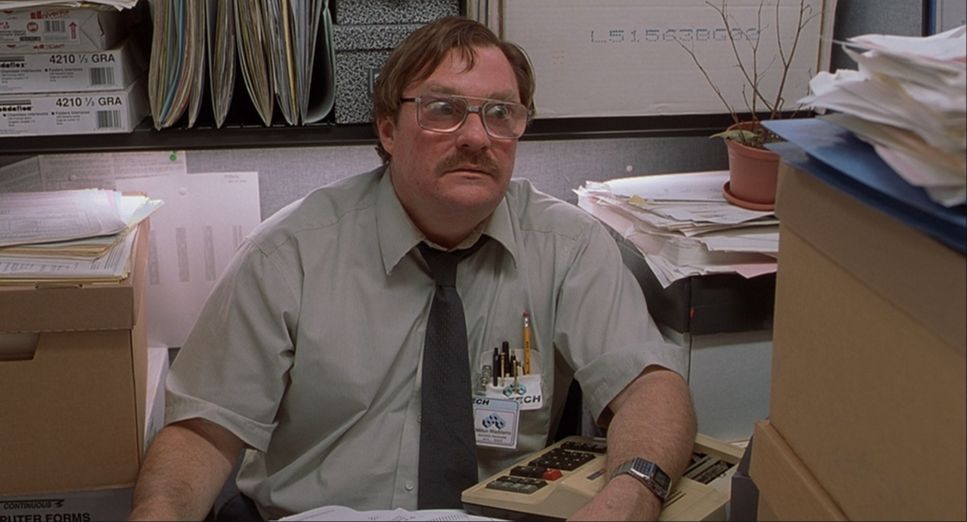
Speed. A supporting character has no time for exposition. A face, a voice and a habit that read in two seconds replace a page of dialogue. Stephen Root's Milton in Office Space (1999) is told almost entirely by thick glasses, a mumble and a stapler.
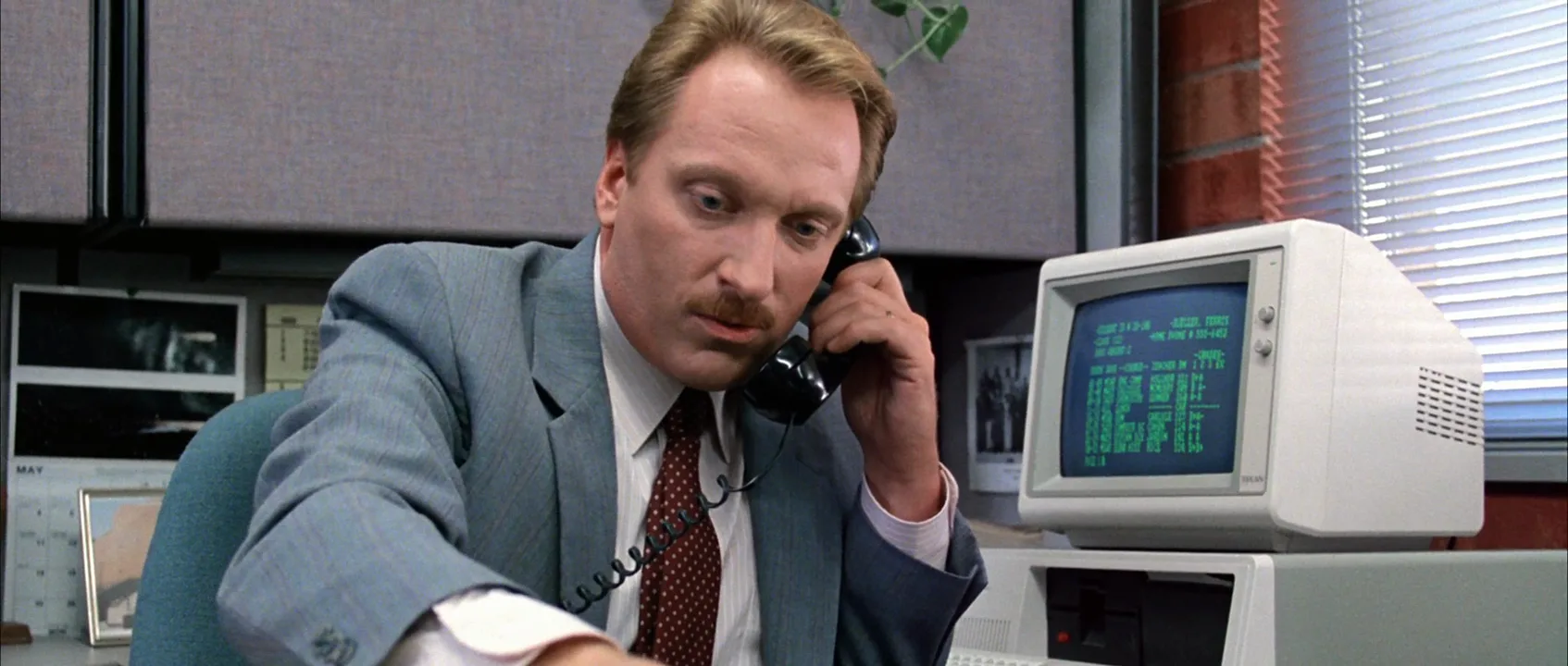
Contrast. A sharp supporting cast, like the officious dean in Ferris Bueller's Day Off (1986), gives the lead something to push against.
Texture. A world of attractive leads looks like an ad. Character actors bring age, weight, regional voices and odd rhythms, so the setting feels lived-in. They often give a familiar character archetype, the mentor or the gatekeeper, a specific human surface.
How to cast, direct and shoot a character part
Cast the behavior. In auditions, ask for the scene plus one physical task: filing papers, eating, fixing a tie.
Give the part one visual signature. Agree with costume and props on a single dominant detail (a hearing aid, a toothpick, a pocket full of pens) rather than a pile of quirks.
Direct toward specificity. Give concrete notes: where the character was ten minutes ago, what they want, what they hide. "Make it weirder" produces caricature.
Shoot the introduction. Frame the first appearance as a medium shot on a 35 to 40mm lens so wardrobe, posture and room all read, then cut to a close single on 75 to 85mm. Hold reactions a beat longer, editors need them for cutaways.
Light for texture. Supporting faces can take harder light than the lead: a top-lit fluorescent office, a single practical lamp that brings out skin, stubble and glasses. Avoid wide-lens close-ups and steep low angles unless you want the role to tip into the grotesque.
Who are the best character actors?
A few names with records that are easy to check:
- Walter Brennan won three Best Supporting Actor Oscars for films released between 1936 and 1940.
- Thelma Ritter received six Supporting Actress nominations, including All About Eve (1950).
- Peter Lorre made the nervous middleman a type in The Maltese Falcon (1941) and Casablanca (1942).
- J.K. Simmons worked for decades in supporting parts before his Oscar for Whiplash (2014).
- Stanley Tucci, Stephen Root, Margo Martindale and Steve Buscemi are modern examples: instantly recognizable and always specific.
Some move up: Gene Hackman carried The Conversation (1974) with a supporting man's looks and habits.
Character actor vs. lead actor
The lead plays the protagonist, so the performance must sustain a full arc and invite identification. The character actor plays a fixed point in that journey, someone the lead meets, fights or learns from, and must be complete in fewer scenes.
| | Lead actor | Character actor | |---|---|---| | Screen time | Most of the film | A few scenes | | Job | Carry an arc | Deliver a vivid type | | Transformation | Usually recognizable | Often disappears into the role |
The boundary is porous: stars take character roles to change their image. The difference is the function of the part, not the fame of the actor.
Character Actor examples in film
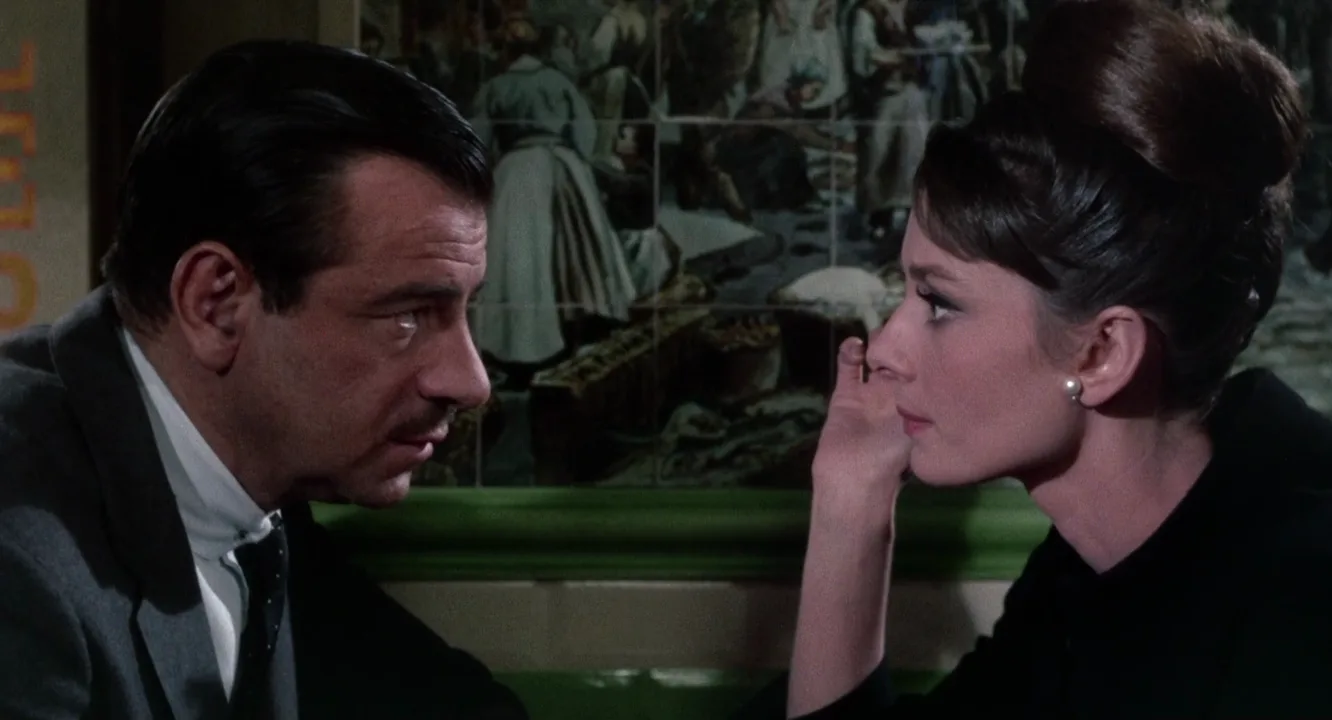
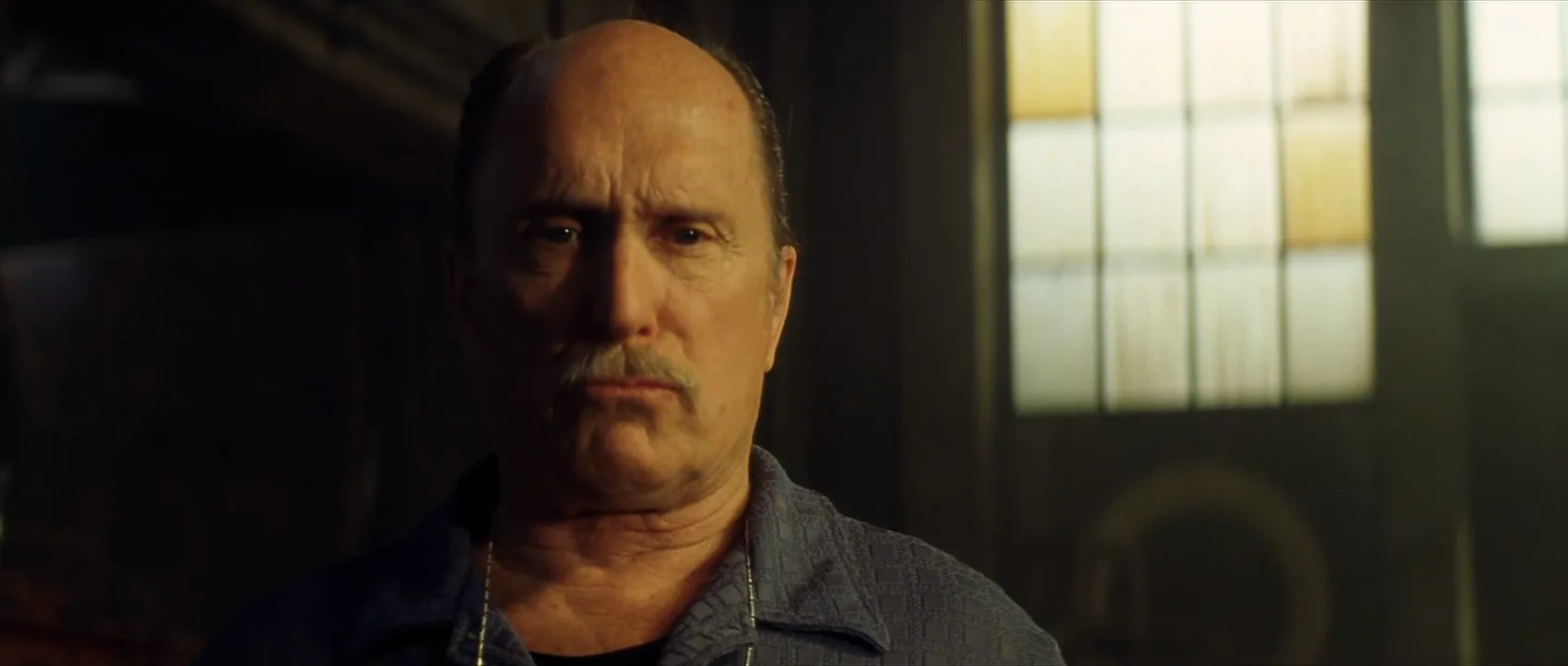
8 framesOne strong visual signature, a specific environment and a face that reads in a single shot.
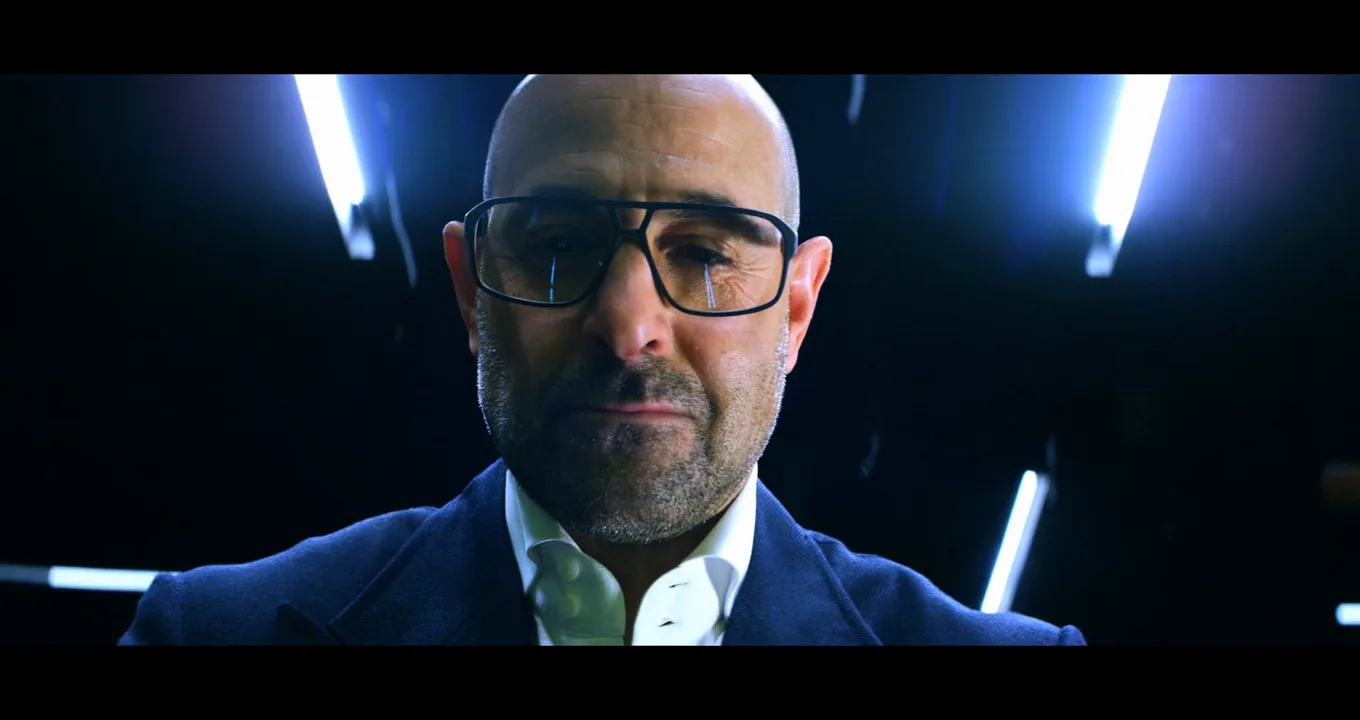
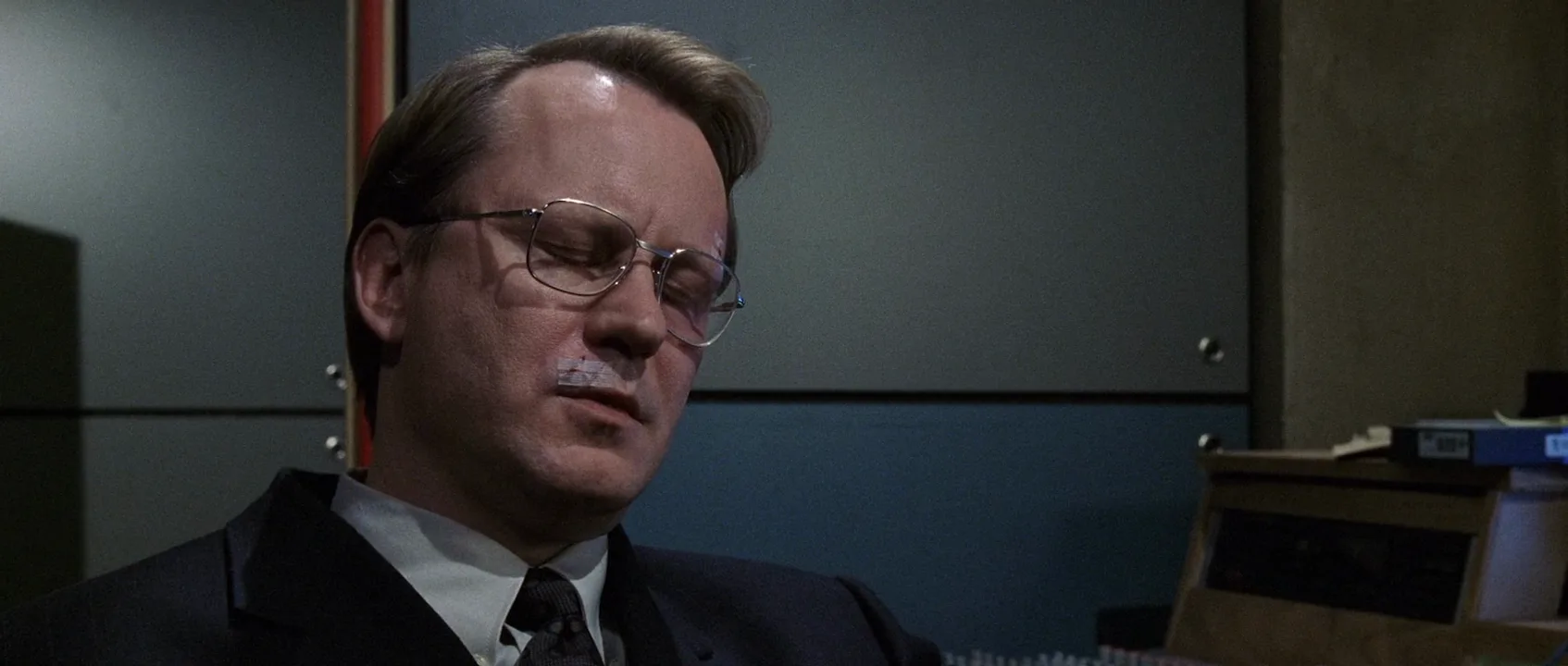
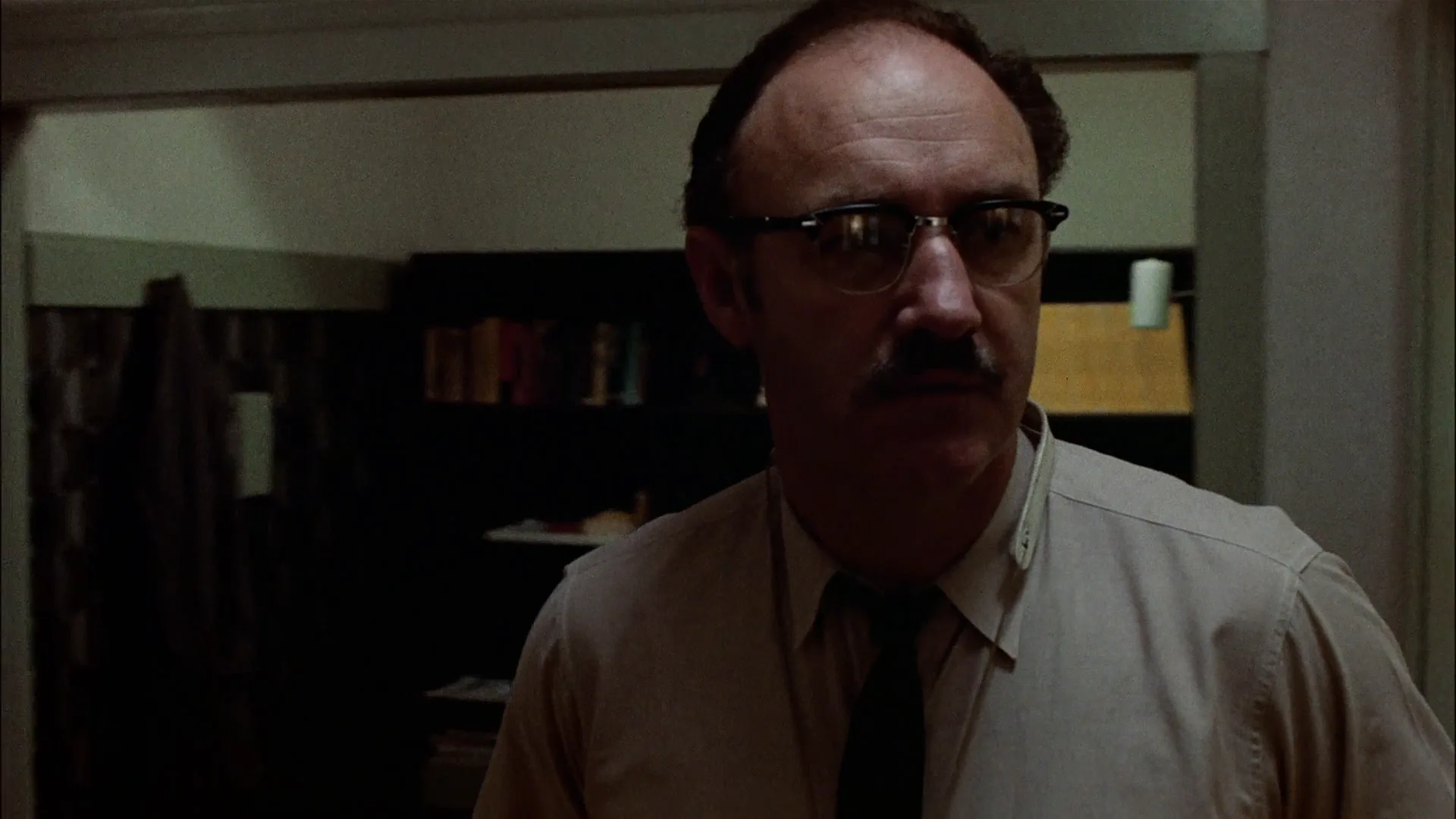
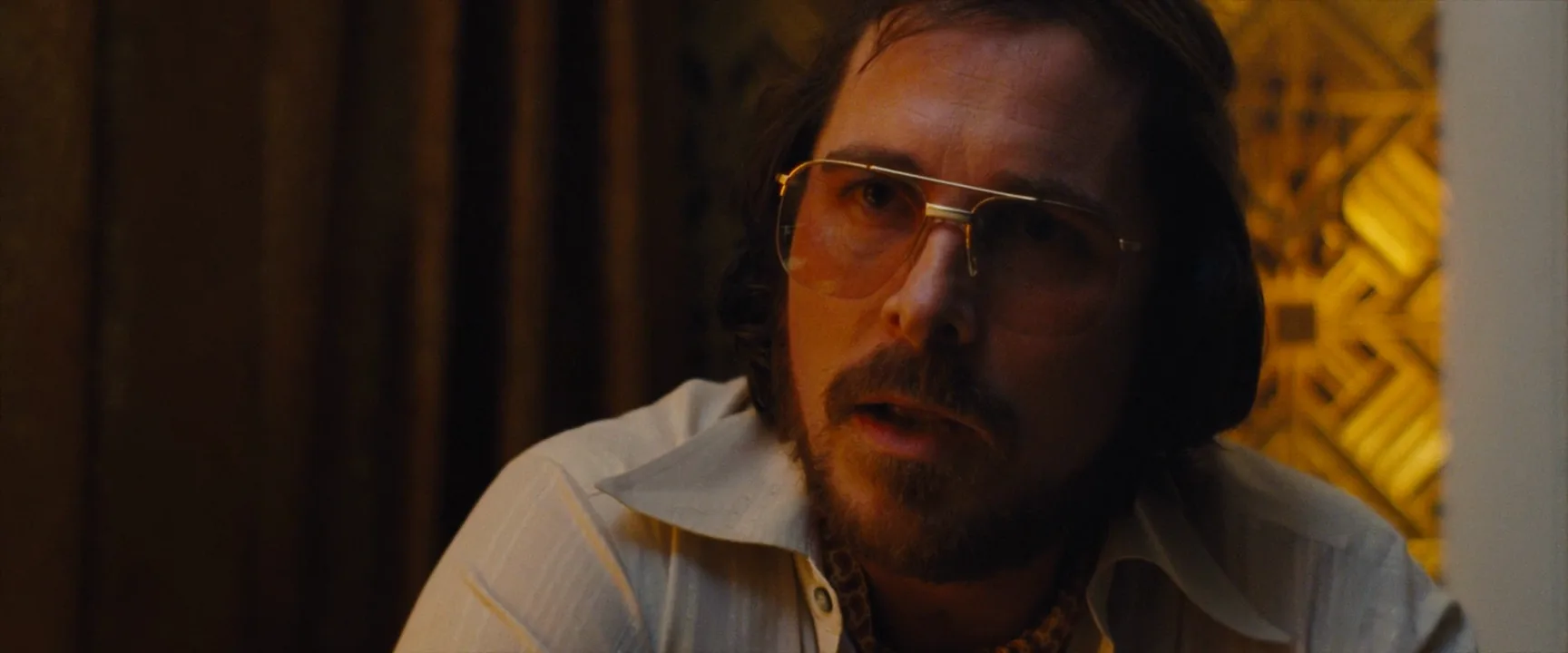
How to create a character actor with AI
4 promptsModels default to handsome, generic faces, the opposite of a character part. Brief them like a casting director: age, build, one signature detail, a task for the hands and a room that belongs to the person. Keep references and takes on one FlashBoards board and compare faces side by side. The fourth prompt re-shoots a real film shot from a text description alone, and the original plays next to the result so you can compare.
Cinematic medium close-up of a fictional county records clerk: a heavyset man in his sixties with a waxed grey handlebar mustache, a beige hearing aid, reading glasses low on his nose, mustard knit vest and black sleeve garters, stamping a stack of forms at a scratched wooden counter. Grey filing cabinets behind him. 50mm lens at eye level, hard fluorescent top light, film grain, naturalistic deadpan performance.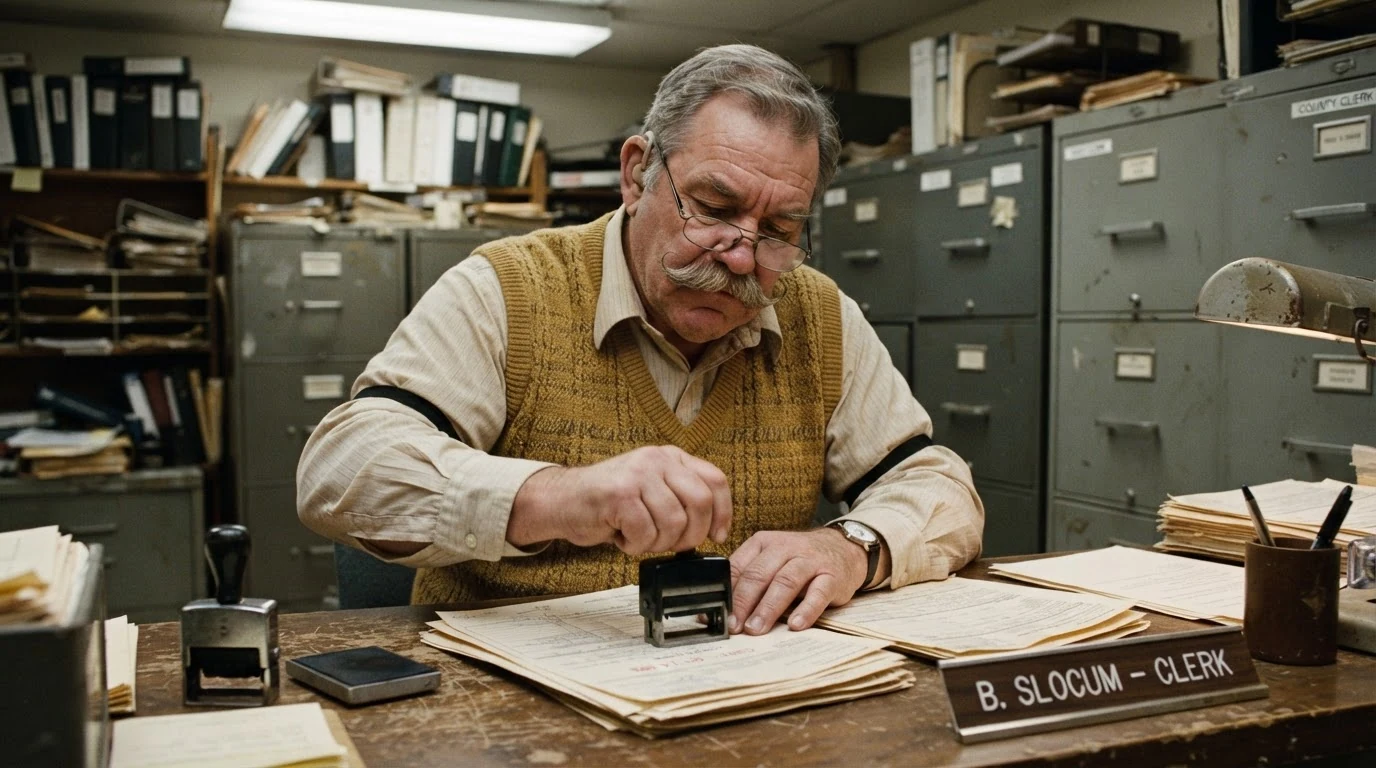
The type comes from specific details: handlebar mustache, hearing aid, sleeve garters. Stamping gives the hands behavior, hard fluorescent top light adds supporting-face texture, and naturalistic keeps him from becoming a cartoon.
Open FlashBoardsWide-screen film still, a roadside motel office at night. A fictional night manager, a thin woman in her seventies with dyed copper hair in pink rollers and cat-eye glasses on a beaded chain, sits behind a scratched plexiglass window cracking sunflower seeds, lit blue by a small TV. Frame left, out of focus: the shoulder of a young traveler in a wet leather jacket. 40mm at seated eye level, warm lamp plus cool TV light.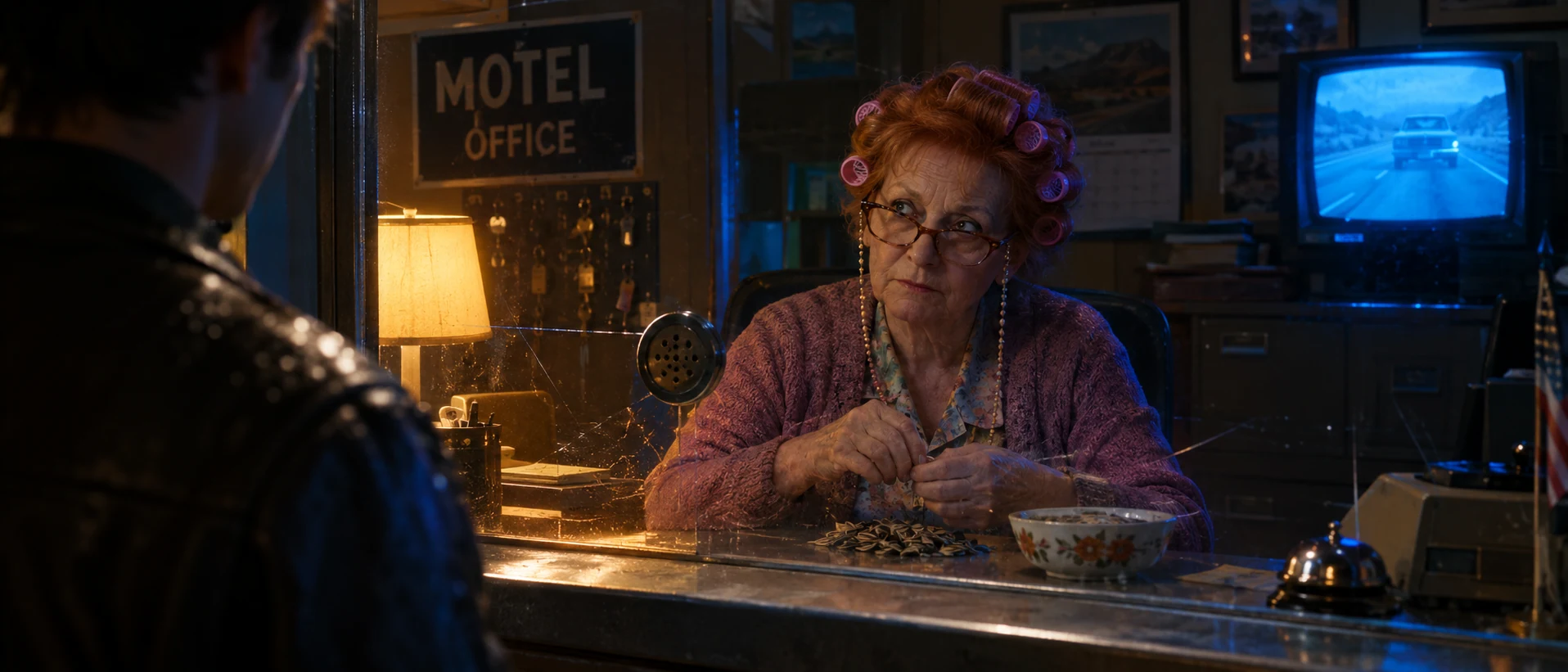
The out-of-focus shoulder puts us on the lead's side, making her the person he meets. Rollers, beaded glasses chain, sunflower seeds give one silhouette plus one habit.
Open FlashBoardsCamera: locked-off at eye level, a very slow push-in toward his face. Action: The clerk is already stamping forms in a steady rhythm. He stops mid-stamp, lifts his eyes over his reading glasses and looks just past the camera. He holds the look, slides the top form forward with one finger and goes back to stamping.Already stamping makes the shot move from the first frame. Small physical beats are the rhythm of a character bit, and everything named is already in recipe 1's frame.
Open FlashBoards{
"output": "Full-screen live-action scene from Ferris Bueller's Day Off (1986) from its very first frame: one continuous shot held from start to end. Mid-1980s 35mm comedy look, anamorphic widescreen, soft even office daylight coming through white venetian blinds at the far right, cool gray-blue palette with a warm red brick pillar, fine film grain.",
"characters": {
"S1": {
"name": "Ed Rooney, played by Jeffrey Jones",
"look": "tall man in his late thirties, sandy-blond side-parted hair, a neat reddish mustache, pale wide eyes, gray-blue suit, white shirt with white cuffs, dark burgundy tie with small white dots; he holds a black desk-phone receiver with a coiled black cord to his ear with his left hand the whole time",
"voice": "nasal, self-important, clipped and slightly shrill"
}
},
"shots": [
{
"shot": 1,
"camera": "locked-off tripod at eye level, 40mm anamorphic, medium shot of S1 seated behind his desk in the left-centre of frame; a cream 1980s computer monitor with green text on its screen stands at the right third, a gray fabric cubicle panel and shelves with files behind him on the left, a red brick pillar and the blinds behind the monitor, green ivy trailing down from the top of the frame, the back of a teal office chair behind his right shoulder. The frame never moves.",
"action": [
"BEGINNING: alive from the first frame, S1 is leaned far forward over the desk, head low at the left-centre, the receiver pressed to his ear at screen right by his left hand, his right arm (screen left) stretched out toward the camera across the desk, fingers spread.",
"THEN: he sweeps that right hand up across his face and rubs his brow, then pulls it away and sits up straight, eyes wide, staring just past the camera toward frame right.",
"THEN: his right hand hangs in the air at chest height, drops to the desk edge, rises again in a short fussy chopping gesture and falls back to the desk; the coiled cord swings across his chest.",
"THEN: he leans forward onto his right forearm, eyes lowered to the desk in front of him, talking into the phone with small brisk nods; his left hand keeps the receiver still at his ear.",
"THEN: his right hand reaches down at screen left, picks up a yellow pencil and lifts it, point down.",
"END: he taps and scribbles with the pencil on a paper at the bottom edge of the frame while he talks, glancing up past the camera with raised brows, pleased with himself, receiver still at his ear."
],
"dialogue": [
{
"speaker": "S1",
"on_screen": true,
"when": "right after his right hand first drops to the desk, lasting until the very end of the shot",
"delivery": "smug, clipped, into the phone, stretching the word 'coast' and landing hard on 'sorely mistaken'",
"line": "<d>[English] If Ferris thinks that he can just coast through this month... and still graduate, he is sorely mistaken.</d>"
}
]
}
],
"sound": {
"ambience": "quiet office hum, the soft rattle of the coiled phone cord, the scratch of pencil on paper",
"speech": "exactly this spoken phrase, said once",
"never_spoken": "no narration and no voice-over: the descriptions, performance notes and step words of this prompt are never spoken aloud",
"music": "a film score under the scene, always below the voices: light, sneaky pizzicato strings with a bouncy synth pulse, playful and mock-serious",
"subtitles": "none"
}
}Remakes the locked-off phone shot of Ed Rooney in Ferris Bueller's Day Off (1986), dir. John Hughes, keeping his line about Ferris, the static frame, the office set and the phone-and-pencil business.
The JSON names Ed Rooney and gives him his real corpus line, then the action phases hand the character actor his business beat by beat, a brow wipe, a fussy chop, a pencil jab, so the type plays through behavior while the frame stays still.
Common mistakes
- Generic good looks. Name age, build, one facial detail and one wardrobe detail, or you get a symmetric model face.
- Too many quirks. Ten eccentric details read as a costume party. Pick one signature and two supports.
- Mugging in video. Funny or weird brings exaggerated faces; describe small actions instead.
- Real faces. Invent clearly fictional people; never ask for a known actor's likeness.
Keep the reference frames, prompts and every generated take side by side — images and video in one canvas.
FAQ
4 questionsWhat is a character actor?
A character actor is a performer known for distinctive supporting roles rather than romantic leads: eccentric bosses, villains, mentors, oddballs. They are cast for a specific type and texture and must create a vivid, believable person in only a few scenes.
Is a character actor the same as a supporting actor?
Not exactly. Supporting actor describes the size of a role in one film; character actor describes a career pattern. Most character actors play supporting parts, but they can also carry smaller films, and a star can take a supporting role without being a character actor.
What is a character player?
Character player is an older trade term for a character actor, common in the studio era when contract performers were grouped by the parts they played: the landlady, the sheriff, the nervous clerk. It means the same thing as character actor.
How do you create a character actor type with AI?
Write the prompt as a casting brief: age, build, one striking facial feature, one wardrobe detail, an object in the hands and a room that belongs to the person. Add framing and hard practical light. Avoid words like funny or weird, and always invent a clearly fictional face.
Related terms
1Further reading
Declan Donnellan, The Actor and the Target (2002). Judith Weston, Directing Actors (1996).