 FlashBoards Learn
- Learn
- Acting & Casting
- Casting
Acting & Casting · Film language
Casting
Also called: casting process, casting call, callbacks
Casting is the process of finding and choosing performers for a film: the breakdown and open call, auditions, callbacks, screen tests and chemistry reads, then negotiations and final approval. It decides whose faces and voices carry the story — a choice no camera, lighting or edit can fix later.
- What it does
- Turns characters on the page into specific people the audience believes and wants to watch.
- Use it when
- Before anything is locked: the cast shapes budget, schedule, wardrobe and even how scenes get covered.
- Watch out
- Judging actors one by one instead of together; chemistry and ensemble balance decide more than any single read.
- Try this prompt
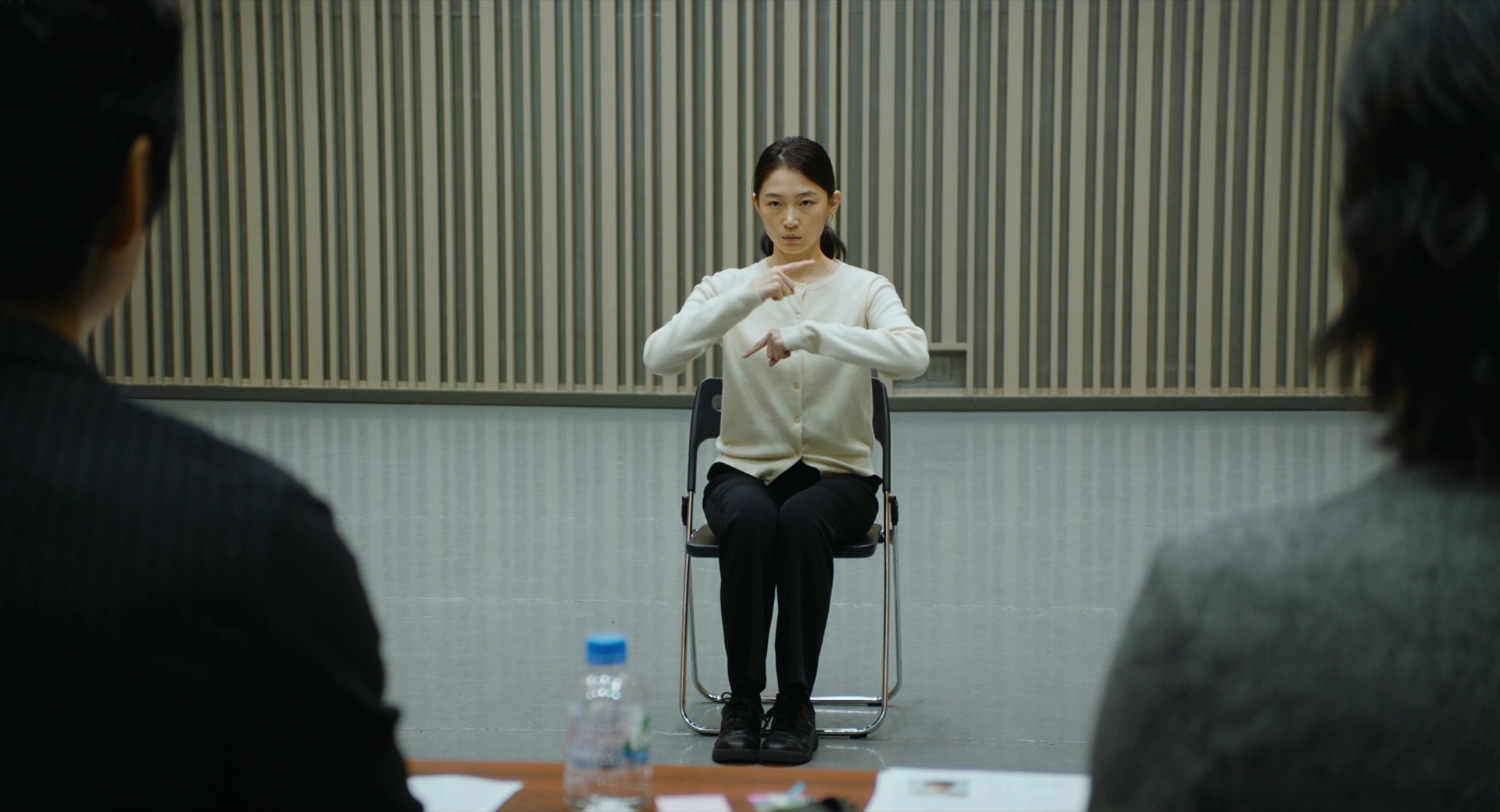
Over-the-shoulder shot from behind a casting table, actor on a taped X in a bare studio, holding script pages, 35mm, soft top light.
What is casting in film?
Casting is how a production finds and chooses performers for every speaking part, from the lead to a one-line role. In acting and casting it is the biggest creative decision after the script: a film can survive a flat lens choice, rarely the wrong face.
- The casting director builds lists, runs sessions and checks availability. They shape the options; the director decides.
- The director chooses, with the producers. On studio and streaming projects the financier approves the leads.
- Talent agents submit their clients and negotiate the deals.
Casting covers the principal actors, the performers with lines. Extras are booked separately by background casting, and together both groups make up the cast.
What are the steps of the casting process?
- Breakdown. Each role in a few lines: age range, key traits, dates, union status, pay. It goes out to agents.
- Submissions and open calls. Agents send headshots and reels; open calls invite anyone who fits.
- Self-tapes and pre-reads. The casting director screens candidates, today mostly on tape.
- Auditions. The shortlist reads, sometimes for the director.
- Callbacks. The strongest few return with new scenes and notes.
- Screen tests and chemistry reads. Finalists are filmed in costume and paired with actors already cast.
- Offer, deal and approval. Fees, billing and dates go through the agent; the studio or network signs off.
Leads are often cast by straight offer, because a known name helps raise the money. Back to the Future (1985) shows the cost of a late change: it recast its lead with Michael J. Fox after weeks of shooting.
What happens in an audition?
An audition is the session where an actor performs sides, a few pages chosen from the script, so the casting director and director can judge them for the role. A slot usually runs 5–15 minutes:
- Slate. Name and agency to camera, often a full-length shot.
- The read. The actor plays the scene opposite a reader beside the camera, who underplays so attention stays on the auditioner.
- The adjustment. The director gives a note and the actor goes again. How someone takes a note often decides more than the first take.
The panel watches how the actor listens and whether they belong in the film's world.
How to run casting for your own film
- Describe behavior, not looks. "Forties, funny in a way that hides panic" gives an actor something to play.
- Shoot every tape the same way. Camera at eye height, 1.5–2 m away, a 50–85mm full-frame equivalent for a medium close-up, one soft key 30–45° off-axis, plain gray wall.
- Put the reader right beside the lens so the eyeline lands just off camera.
- Give one adjustment per actor. It previews directing actors on set.
- Test combinations. Pair finalists in chemistry reads and view the ensemble side by side: heights, voices, coloring.
- Rewatch tapes a day later. The camera is more honest than the room.
The director should own the call: Francis Ford Coppola famously fought the studio to cast Al Pacino and Marlon Brando in The Godfather (1972).
Casting call vs. callback
| | Casting call | Callback | |---|---|---| | Who's invited | Anyone who fits, or everyone agents submit | A shortlist, often three to six per role | | Material | Sides sent in advance | New scenes, notes, improvisation | | In the room | Casting director | Director and producers | | Goal | Find people worth a second look | Choose between finalists |
After callbacks the question shifts from "is this actor good?" to "is this actor this character, next to these people?"
Casting examples in film
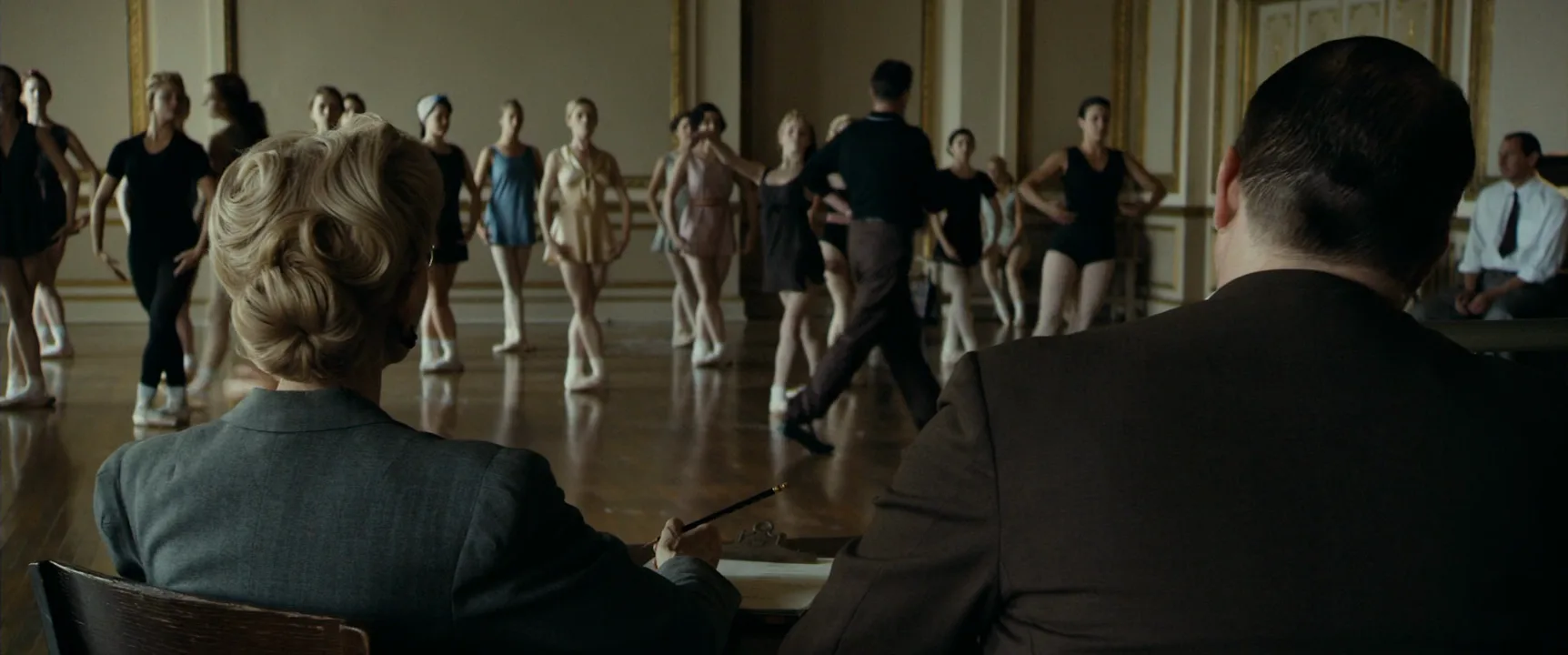
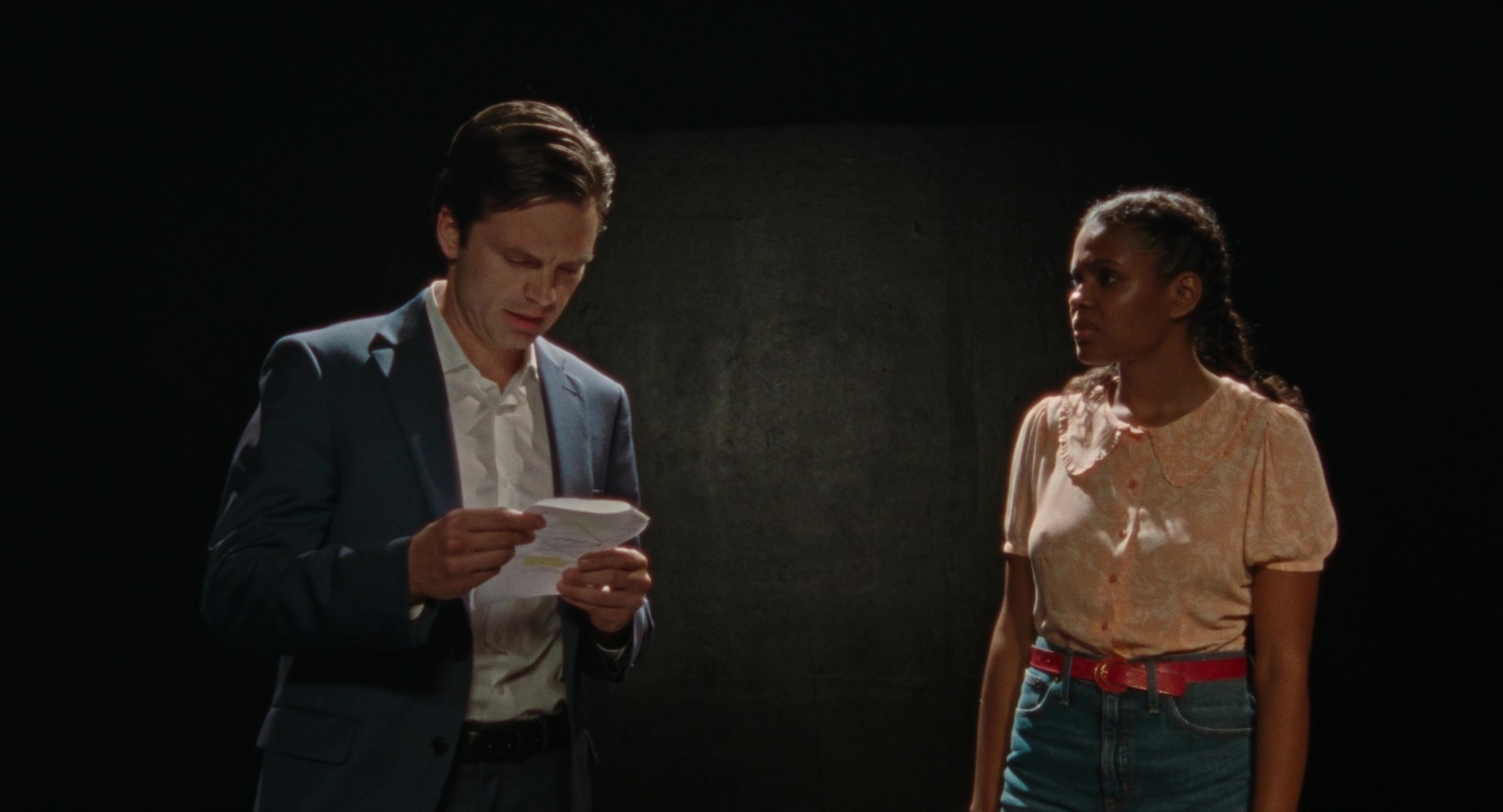
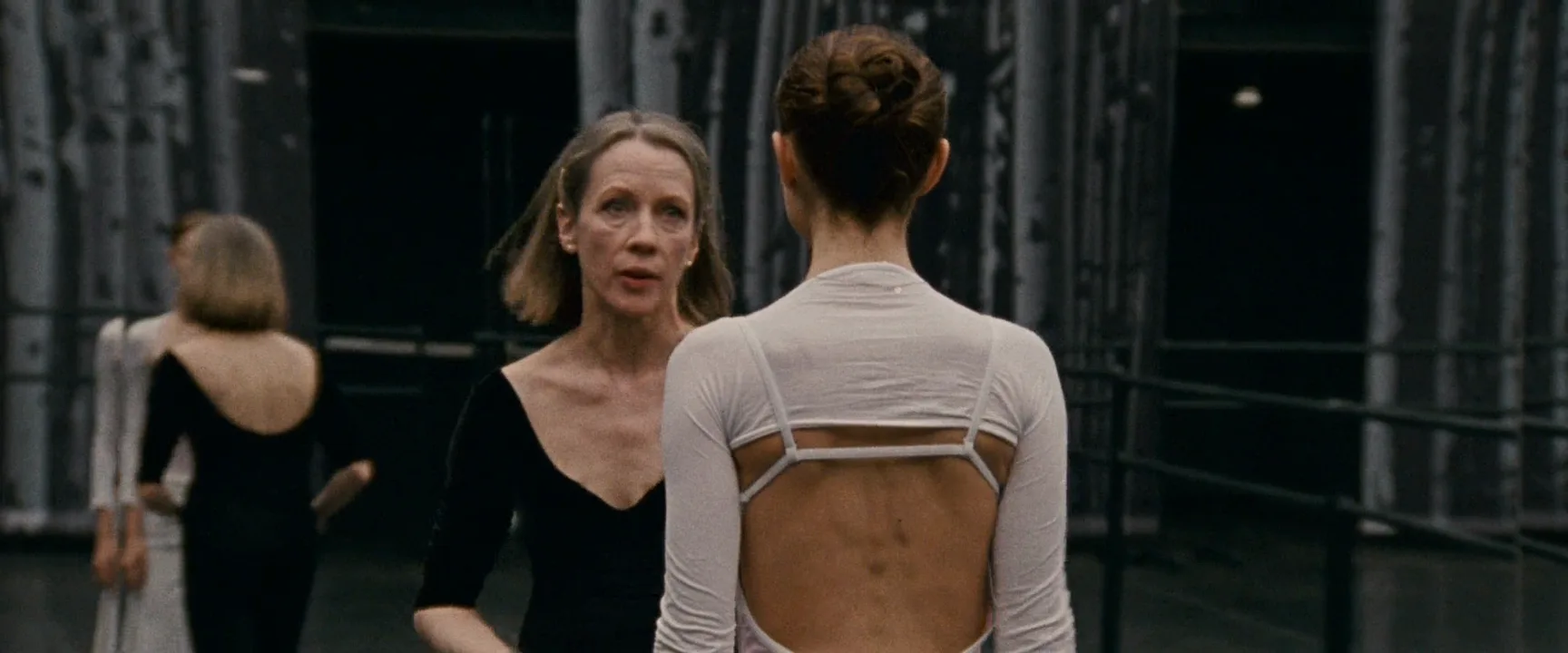
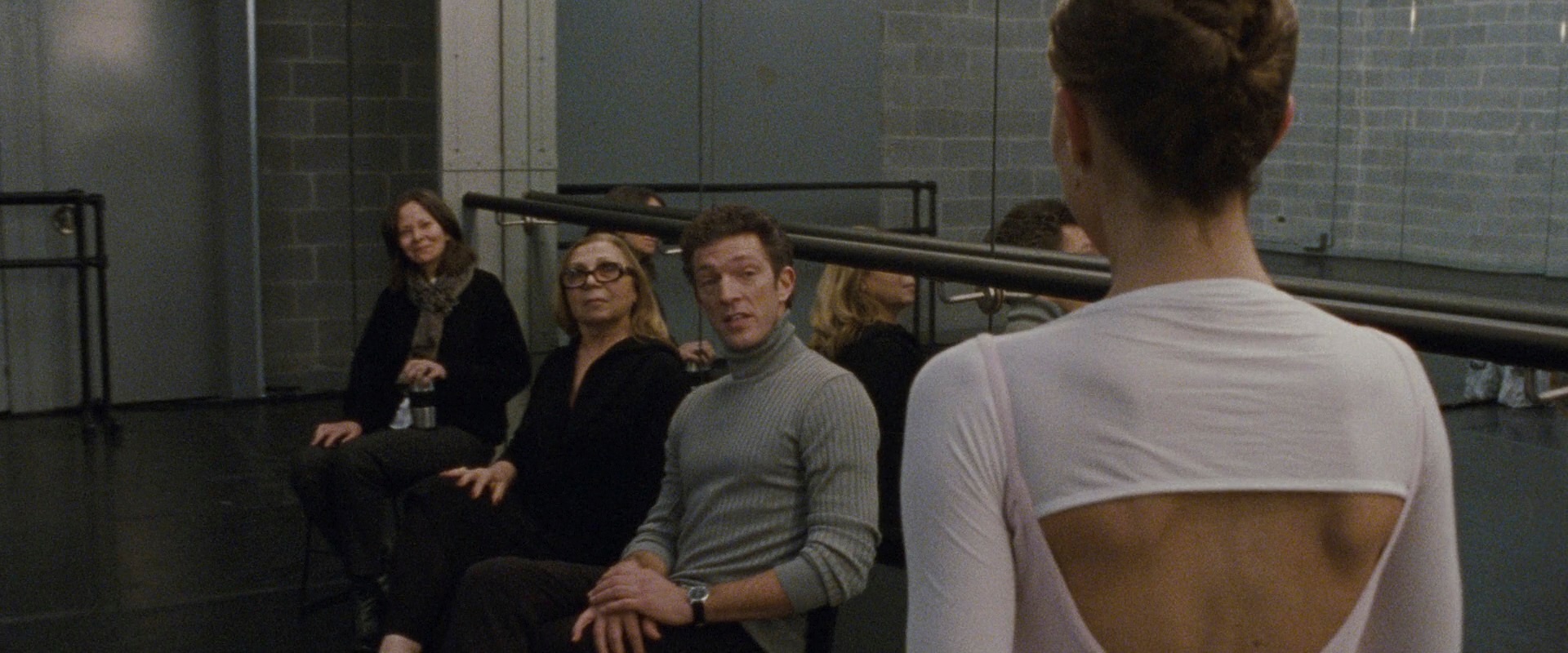
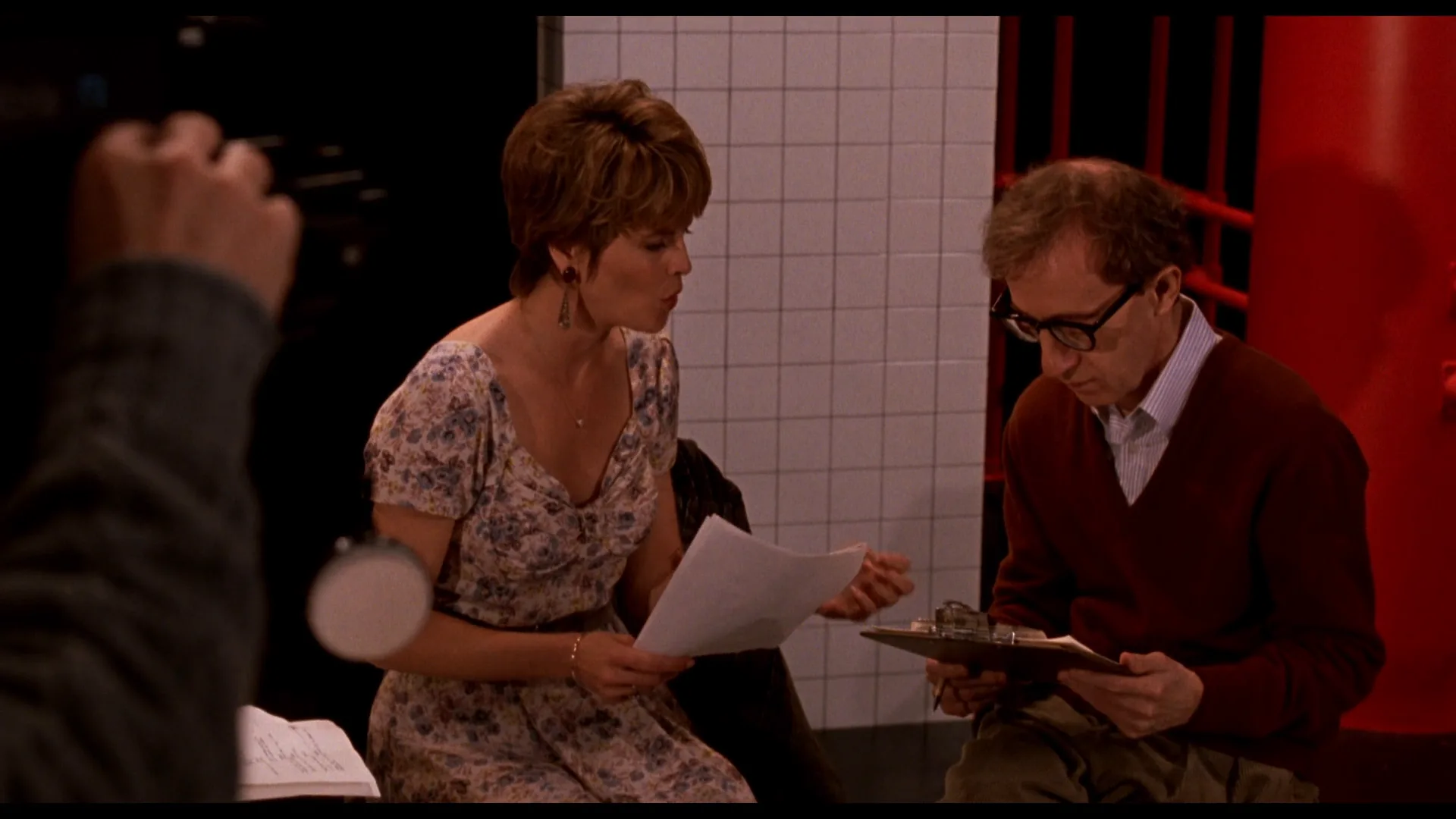
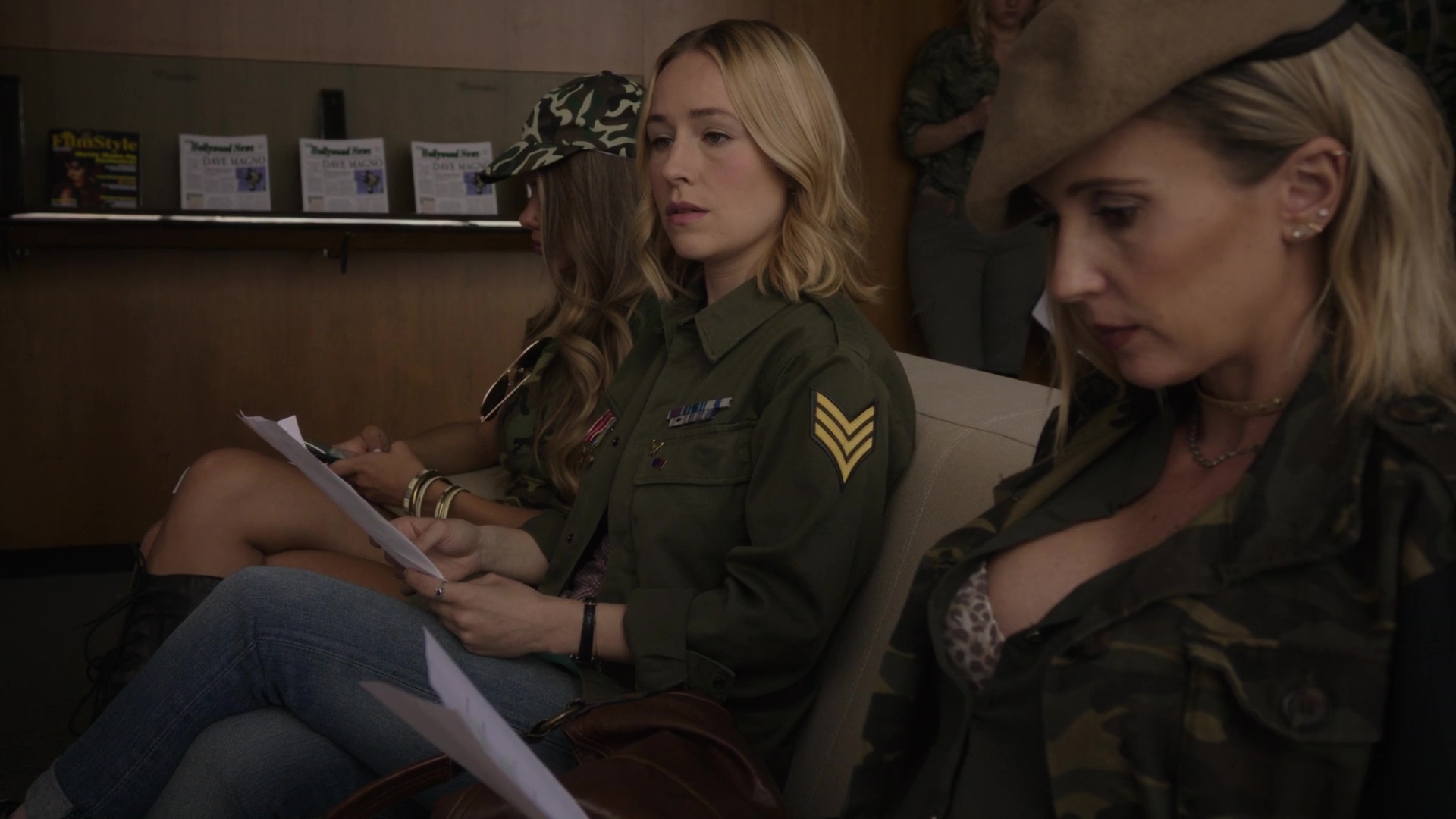
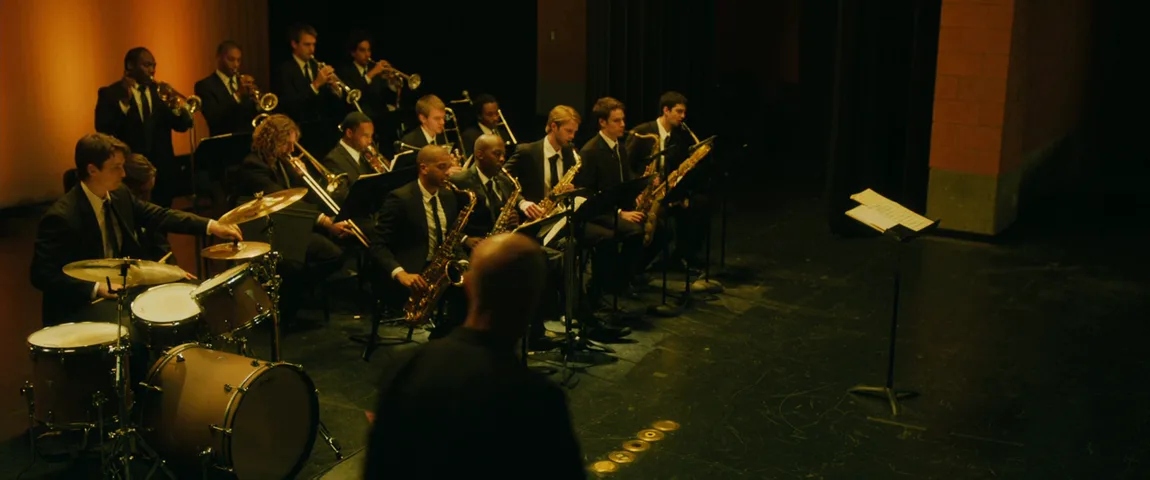
8 framesFilmed auditions share one staging: a panel that judges, a performer who is judged, and empty space between them.
How to create a casting with AI
4 promptsIn AI filmmaking, casting means choosing a face and keeping it. Generate candidates in one controlled setup, screen-test finalists in identical light, then use the winner as the reference for every shot. Keep candidates and test clips side by side on a FlashBoards board. The fourth prompt re-shoots a real film shot from a text description alone, and the original plays next to the result so you can compare.
Over-the-shoulder shot from behind a casting table, eye level, 35mm lens, shallow depth of field. Foreground, out of focus: backs of two panel members, a water bottle, a stack of headshots. In a bare black-box studio, a woman in her late twenties with a shaved head, a gold nose ring, dense freckles and a mustard cardigan stands on a taped X, holding stapled script pages, mid-line, eyes just right of camera. Soft top light, muted colors, film grain.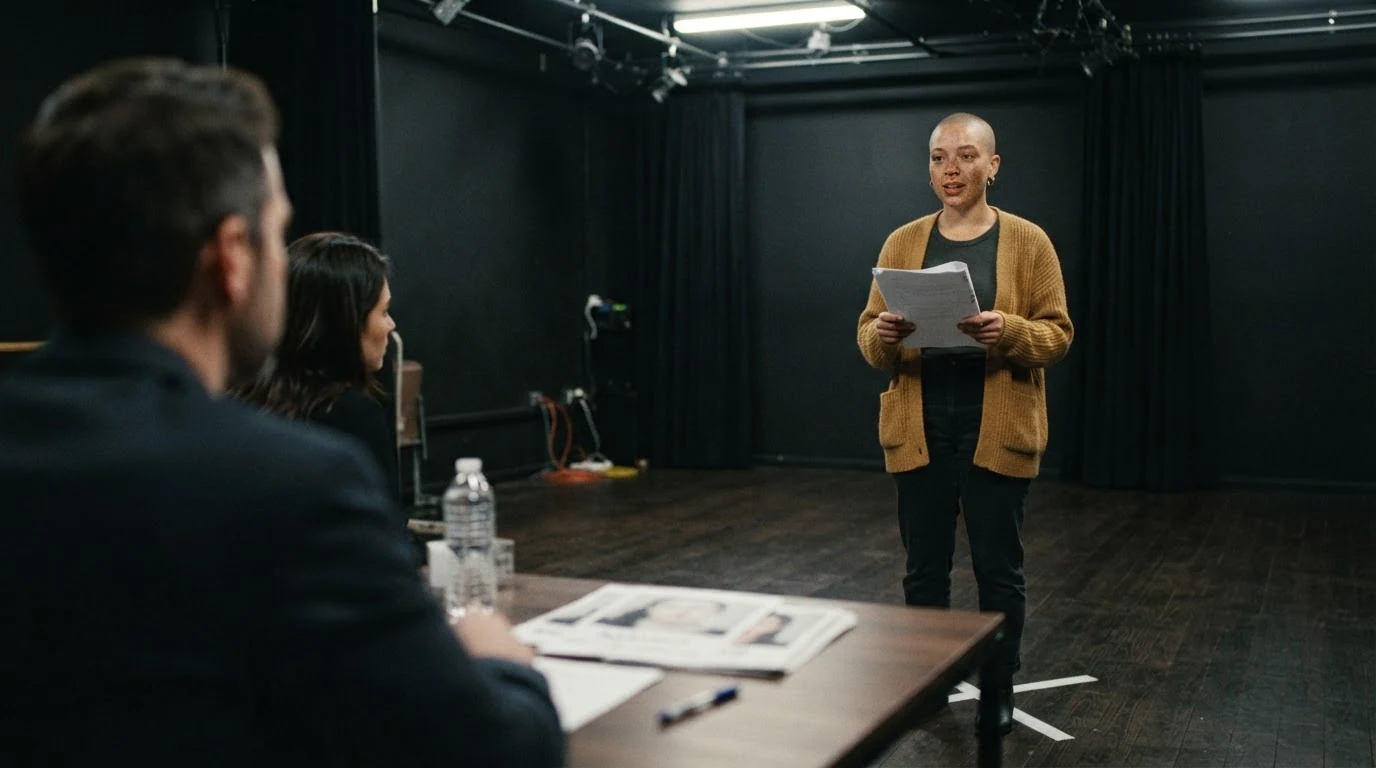
"From behind a casting table" with out-of-focus backs puts the viewer on the panel; the taped X and script pages say audition. Specific features keep the actor fictional.
Open FlashBoardsA casting strip of four side-by-side panels in one row: four different fictional actors screen-testing for a weary 1970s long-haul trucker. Identical framing in every panel: medium close-up, eye level, 85mm, plain gray backdrop, soft key from camera left, faded denim work shirt. Panel 1 (left): heavyset man in his fifties, gray walrus mustache. Panel 2: wiry woman in her forties, copper braid, deep crow's feet. Panel 3: tall man in his sixties with dark brown skin and a white goatee. Panel 4 (right): young man, patchy beard, crooked nose.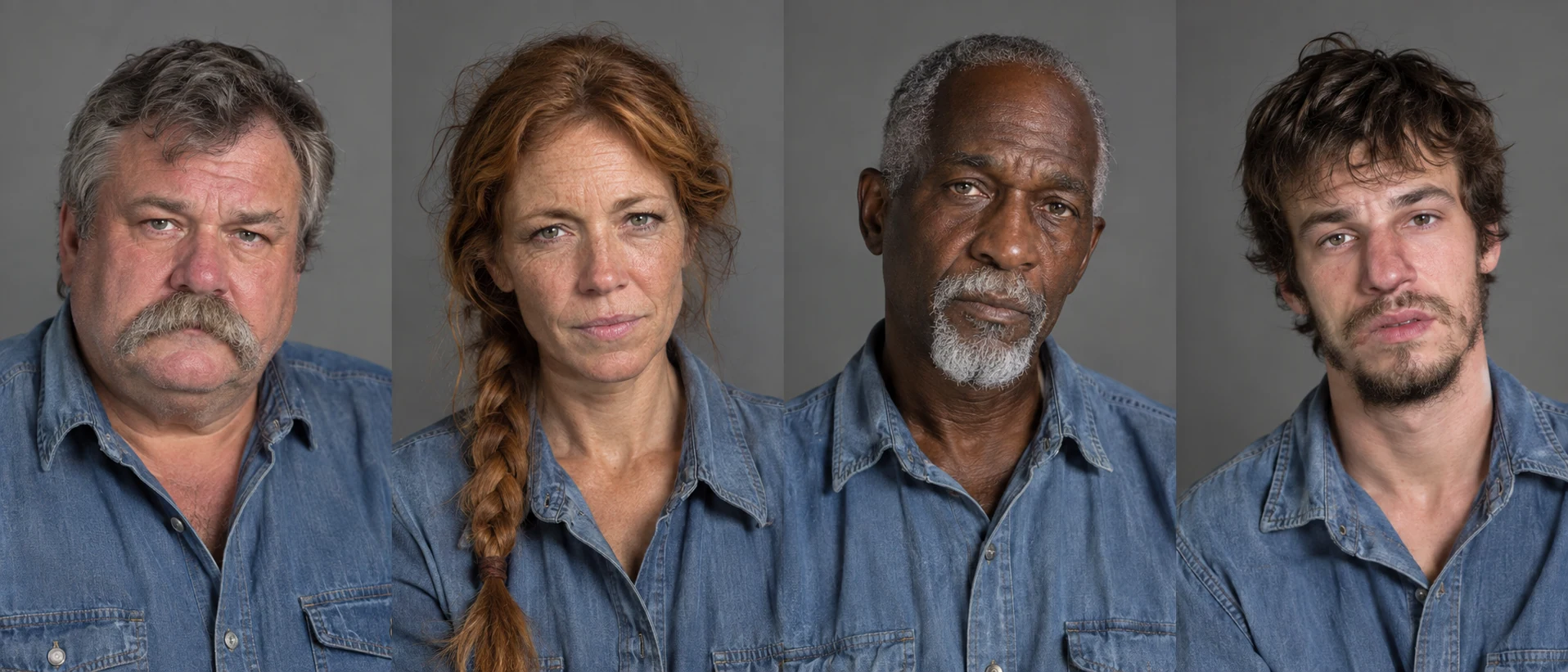
Locking lens, backdrop, light and wardrobe across the four-panel strip leaves the face as the only variable, which is what a screen test is. Distinct ages and features stop the model from drawing one face four times.
Open FlashBoardsCamera: slow, steady push-in from behind the casting table, from over the panel members' shoulders to a medium shot of the woman. Action: she is already speaking, glancing down at her pages and back up. She lowers the pages, steps forward off the taped X and delivers the line with a sharp gesture. The panel member on the left leans in and writes a note."Already speaking" makes the shot alive from the first frame. Every action belongs to someone in the frame, and the push-in keeps the viewer in the judge's seat.
Open FlashBoards{
"output": "Full-screen live-action scene from its very first frame: one continuous locked-off shot, an audition read from Manhattan Murder Mystery (1993). Warm 1990s 35mm film grain, a dim stage lit by a single warm tungsten spot from above left, black surroundings, a white gridded backdrop panel behind the pair and glossy red lacquered panels at the right edge.",
"characters": {
"S1": {
"name": "Helen Moss, played by Melanie Norris",
"look": "actress in her thirties, short layered chestnut hair, long dangling earrings, cream short-sleeved dress with a small blue floral print, a few loose script pages in her hands",
"voice": "clear, animated, performing the scene"
},
"S2": {
"name": "Larry Lipton, played by Woody Allen",
"look": "slight man in his fifties, thinning reddish-brown hair, heavy black-rimmed glasses, burgundy cardigan over a white striped shirt, a clipboard with the script on his lap",
"voice": "flat, nasal, reading the cues without acting"
}
},
"shots": [
{
"shot": 1,
"camera": "static, slightly above eye level, normal lens, medium two-shot from the panel's seat: an out-of-focus forearm in a gray-green tweed sleeve rises from the bottom left corner, its fist raised at chin height and a pale round watch face blurred below it; S1 sits on a chair left of centre, turned three-quarters to camera and toward S2; S2 sits right of centre, turned toward her, head bowed over the clipboard",
"action": [
"BEGINNING: alive from the first frame, S1 is already speaking, eyes down on the pages held low in her screen-left hand, her screen-right hand raised at chest height with fingers open toward S2; S2 looks down at the clipboard, both hands resting on it.",
"THEN: S1 lowers her screen-right hand to the edge of the pages and taps along the text as she reads, head tilted toward S2; S2 stays bowed over the clipboard.",
"THEN: S2 lifts his eyes briefly toward S1, then drops them back to the clipboard; S1 keeps reading, eyes on her pages.",
"THEN: S2 reads his cue with his head still down, lips barely moving, no glance up; S1 tilts the pages toward him, her screen-right hand hovering over them.",
"END: S2 raises his head and turns it to screen left to look straight at S1, mouth open on his last cue; S1 keeps her eyes on the pages with a small smile; the blurred fist in the foreground never moves."
],
"dialogue": [
{
"speaker": "S1",
"on_screen": true,
"when": "from the first frame, while her hand is raised toward him",
"delivery": "urgent, acted, reading from the page",
"line": "<d>[English] Give me your hand. Hold on.</d>"
},
{
"speaker": "S1",
"on_screen": true,
"when": "right after, while she taps along the text",
"delivery": "urgent, acted",
"line": "<d>[English] Try not to fall. Hold on.</d>"
},
{
"speaker": "S2",
"on_screen": true,
"when": "while his head is still bowed over the clipboard",
"delivery": "flat monotone read, no acting",
"line": "<d>[English] I'm trying, I'm trying.</d>"
},
{
"speaker": "S2",
"on_screen": true,
"when": "as he raises his head and looks at her, at the end",
"delivery": "flat, a little late on the cue",
"line": "<d>[English] Quickly! Hurry!</d>"
}
]
}
],
"sound": {
"ambience": "quiet empty stage, soft room tone, the rustle of paper pages",
"speech": "exactly these spoken phrases, each said once, in this order",
"never_spoken": "no narration and no voice-over: the descriptions, performance notes and step words of this prompt are never spoken aloud",
"music": "a film score under the scene, always below the voices: a soft, wry jazz clarinet over brushed drums and upright bass",
"subtitles": "none"
}
}Remakes the static audition shot from Manhattan Murder Mystery (1993), dir. Woody Allen, DP Carlo Di Palma, carrying over the blurred watcher in the foreground, the film's exact read-through lines and the reader's late look up.
The panel's-seat camera, with a watcher's blurred fist in the foreground, makes this a judged session. The reader stays flat and bowed over his clipboard, so every bit of attention lands on the actress.
Open FlashBoardsCommon mistakes
- Celebrity drift. "Handsome actor" slides toward famous faces; give age, build, hair and one odd detail.
- Eyes in the lens. State the eyeline: "looking just right of camera".
- The panel turns around. Write "backs to camera, out of focus" for the judges.
- Identity drift. Reuse the chosen still as a reference instead of re-describing the face.
Keep the reference frames, prompts and every generated take side by side — images and video in one canvas.
FAQ
4 questionsHow does the casting process work for a film?
The casting director sends breakdowns to agents and screens self-tapes. A shortlist auditions, the best return for callbacks, and finalists do screen tests and chemistry reads before an offer.
What does a casting director do?
A casting director writes breakdowns, proposes actors, runs auditions and callbacks, and checks availability with agents. The director and producers choose from the options they shape.
What is a callback in casting?
A callback is a second audition for the shortlist, usually for the director. New scenes or notes test how an actor takes direction; finalists then screen-test or do chemistry reads.
How do you cast a low-budget film?
Post breakdowns on casting sites and at acting schools, and ask for self-tapes of one short scene. Hold callbacks with a reader beside the camera and identical framing, and give each actor one note.
Related terms
1Further reading
Michael Shurtleff, Audition (1978). Casting By (2012), a documentary on Marion Dougherty and the rise of the casting director.