 FlashBoards Learn
- Learn
- Storytelling
- Character Archetype
Storytelling · Film language
Character Archetype
Also called: archetype, stock character, Jungian archetypes
A character archetype is a recurring role audiences recognize across cultures and centuries: the hero, the mentor, the trickster, the shadow, the herald. It gives viewers an instant handle on what a character is for in the story. Writers adapt an archetype with specific detail rather than copy it, or it hardens into a cliché.
- What it does
- Tells the audience a character's function in seconds, so the story can spend its time on what makes this one different.
- Use it when
- Building a cast, checking that every role pulls its weight, or designing how a character should read in their first frame.
- Watch out
- An archetype with no specific detail becomes a stock character; give the role a job, a wound or a contradiction.
- Try this prompt
Medium wide shot, 35mm lens, an older woman boat-builder with a silver crew cut guiding a nervous teenage boy's hands on a wooden oar, warm work lamp, dusk light behind
What is a character archetype?
An archetype is a role, not a person. The mentor gives the hero what they lack; the herald announces that the ordinary world is over; the shadow embodies what the hero fears or could become. Because these roles recur from ancient epics to streaming series, audiences read them before a character speaks.
The word comes from Carl Jung's patterns of the collective unconscious. Joseph Campbell traced them through myth in The Hero with a Thousand Faces (1949), and Christopher Vogler turned that into a screenwriting tool in The Writer's Journey. His key point: an archetype is a function, a mask a character can put on and take off, not a fixed personality.
The archetype says what a character does for the story; the character arc says how they change while doing it.
Which archetypes appear most in film?
Vogler's eight roles cover most screen stories:
- Hero, usually the protagonist: Indiana Jones, Katniss Everdeen, Harry Potter.
- Mentor, who gives a gift or a push, then steps aside: Gandalf, Obi-Wan Kenobi.
- Herald, who delivers the call to adventure: Leia's hologram in Star Wars (1977).
- Threshold guardian, who tests whether the hero is ready: a guard, a rival, a doubter.
- Shapeshifter, whose loyalty keeps shifting: the femme fatale of film noir.
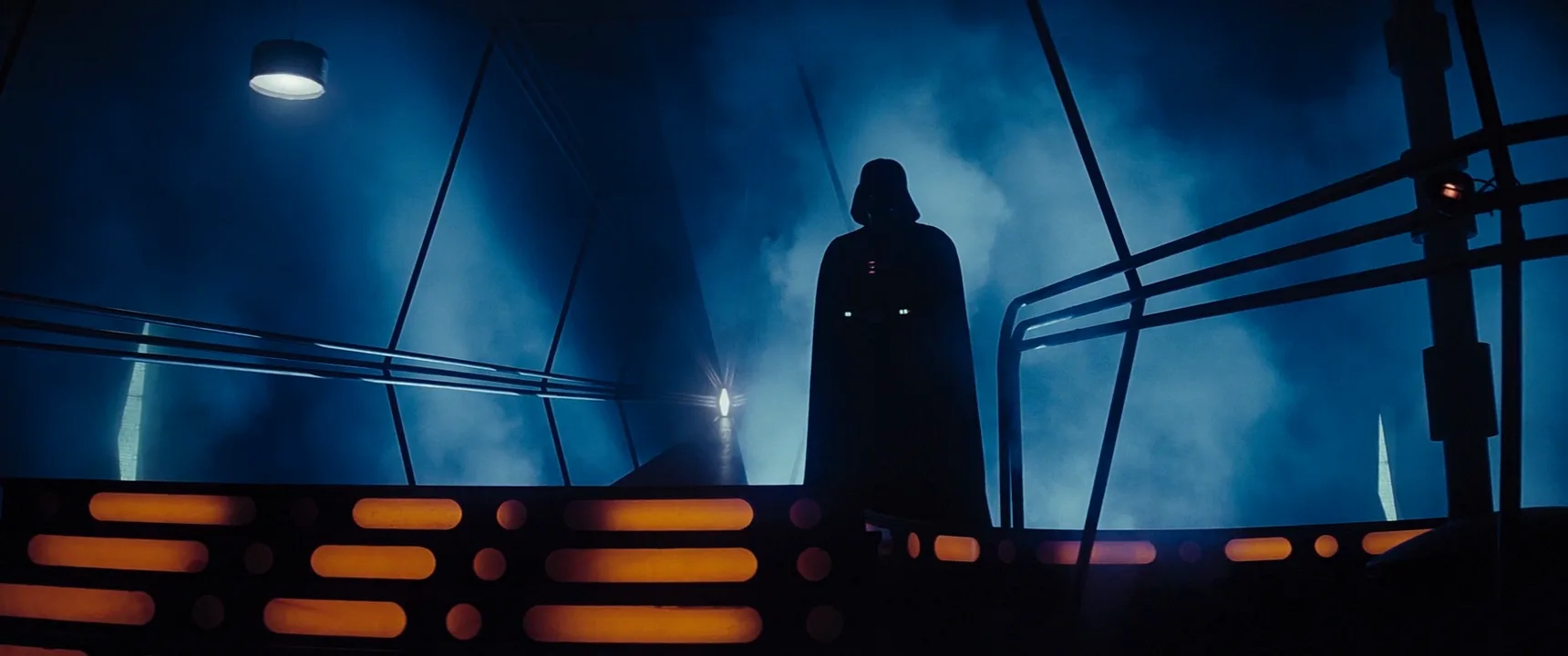
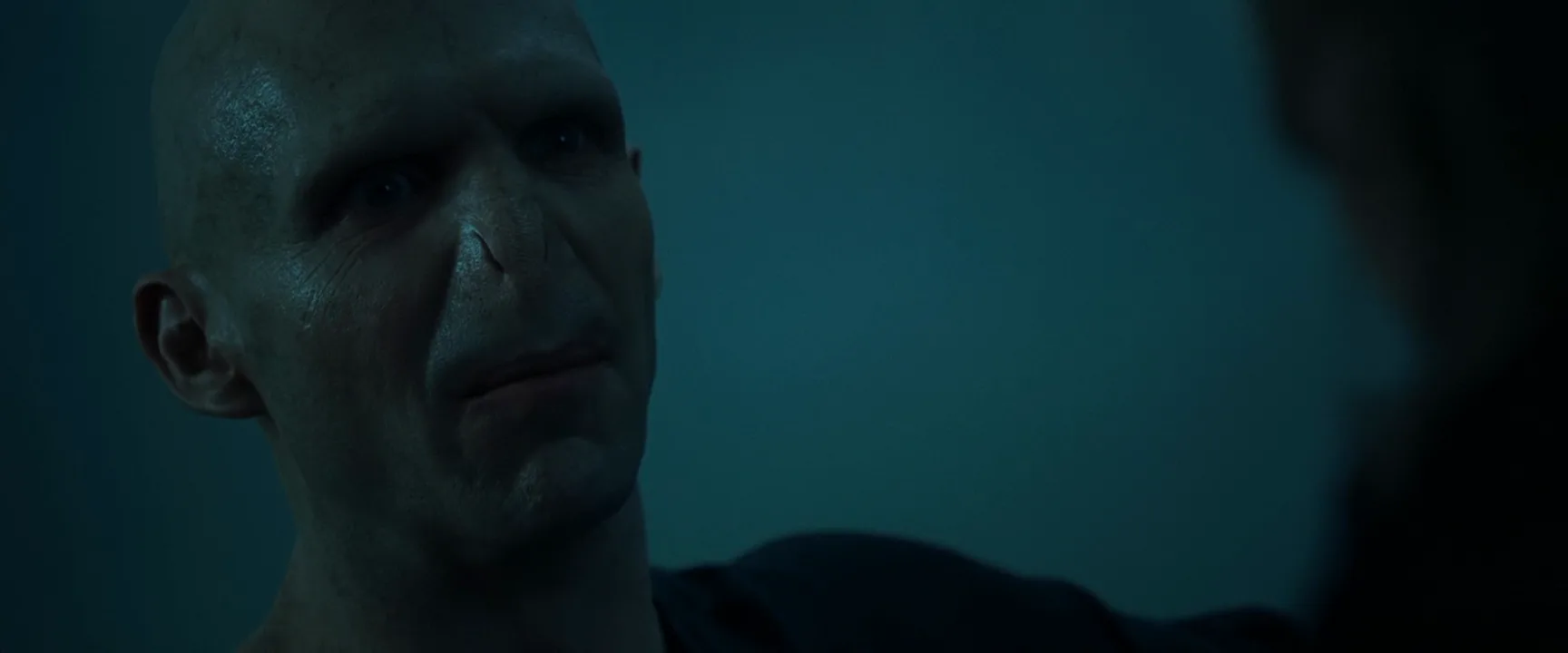
- Shadow, the hero's dark mirror, often the villain: Darth Vader, or Tyler Durden in Fight Club (1999).
- Ally, who keeps the hero human: Samwise Gamgee.
- Trickster, who breaks rules and deflates pride.
The Epic of Gilgamesh already pairs a king with Enkidu, a wild rival who becomes his ally.
What are the 12 character archetypes?
The popular list of twelve does not come from Jung directly but from later Jungian-inspired writers, especially Carol S. Pearson: the Innocent, Everyman, Hero, Caregiver, Explorer, Rebel, Lover, Creator, Jester, Sage, Magician and Ruler.
Vogler's list describes what a character does in the plot; the twelve describe what a character wants and fears. Walter White in Breaking Bad moves from Everyman and Caregiver to Ruler and, finally, the shadow of his own story.
Archetype vs. stock character vs. stereotype
- An archetype is the deep role, universal, silent on age, gender or look.
- A stock character is an archetype frozen into a genre costume: the cop two days from retirement, the white-bearded wizard. Fine for minor roles.
- A stereotype reduces a character to assumptions about a group. It is a writing failure, not a tool.
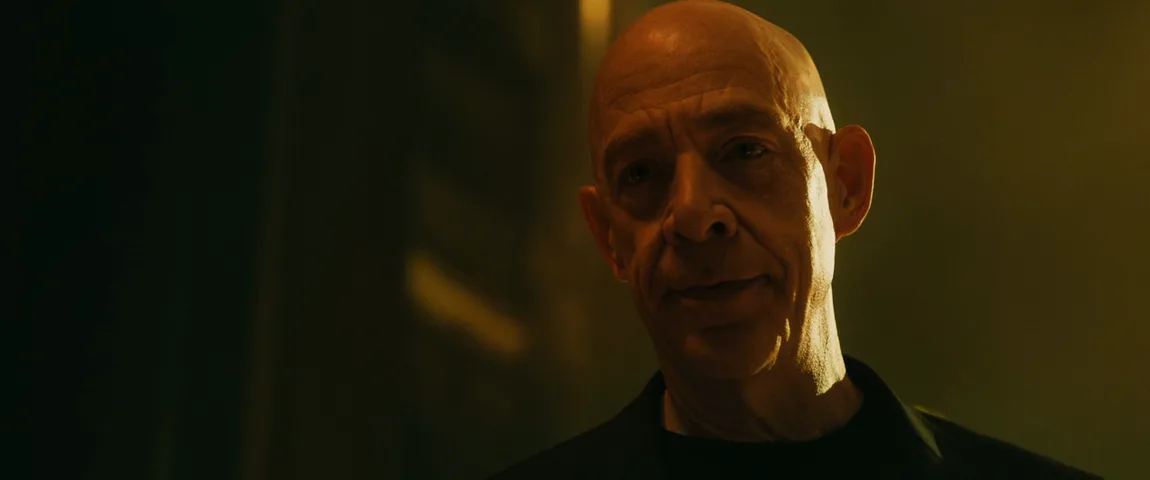
The test is specificity. The teacher in Whiplash (2014) is a real mentor with a contradiction: the man making the hero better is also trying to break him. A tragic hero or anti-hero likewise changes one essential element of the hero.
How to use archetypes when writing and shooting
Assign functions, then complicate them. Write each character's role per act. Two characters doing the same job should be merged; a mentor who turns shapeshifter gives you plot for free.
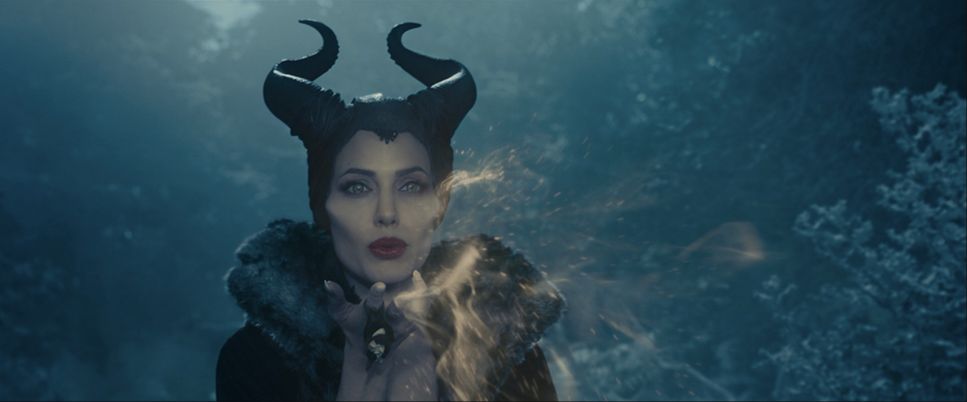
Let the frame introduce the role. Shadows tend to arrive backlit, in dark costume, from a low camera; mentors at eye level, in a two-shot with the hero, hands on the same tool. Use the code or play against it: Maleficent (2014) takes Disney's most famous villain costume and makes its wearer the protagonist.
Plan the cast on one board. In FlashBoards, give each character a column with reference frames of the archetype, a character sheet for your version and generated takes of their introduction shot. Side by side, duplicate roles show fast. More in the storytelling hub.
Character Archetype examples in film
4 framesThe shadow has the most consistent visual code of any archetype: dark costume, backlight, a low camera.
How to create a character archetype with AI
4 promptsAn archetype shows through staging: who stands where, what they hold, where light falls. Nano Banana 2 Lite stages a mentor's introduction, GPT Image 2.5 tests a cast lineup, and MiniMax H3 Max Turbo plays the role's defining action. The fourth prompt re-shoots a real film shot from a text description alone, and the original plays next to the result so you can compare.
Medium wide shot, 35mm lens, eye level, cluttered wooden boatyard workshop at dusk. A woman in her late sixties with a cropped silver crew cut, a burn scar on her left forearm and a grease-stained canvas apron stands behind a teenage boy with curly red hair in an oversized green hoodie, her hands over his on a hand plane as he shapes a wooden oar. Warm tungsten work lamp, cool blue dusk light through an open door behind, sawdust in the air, 35mm film still.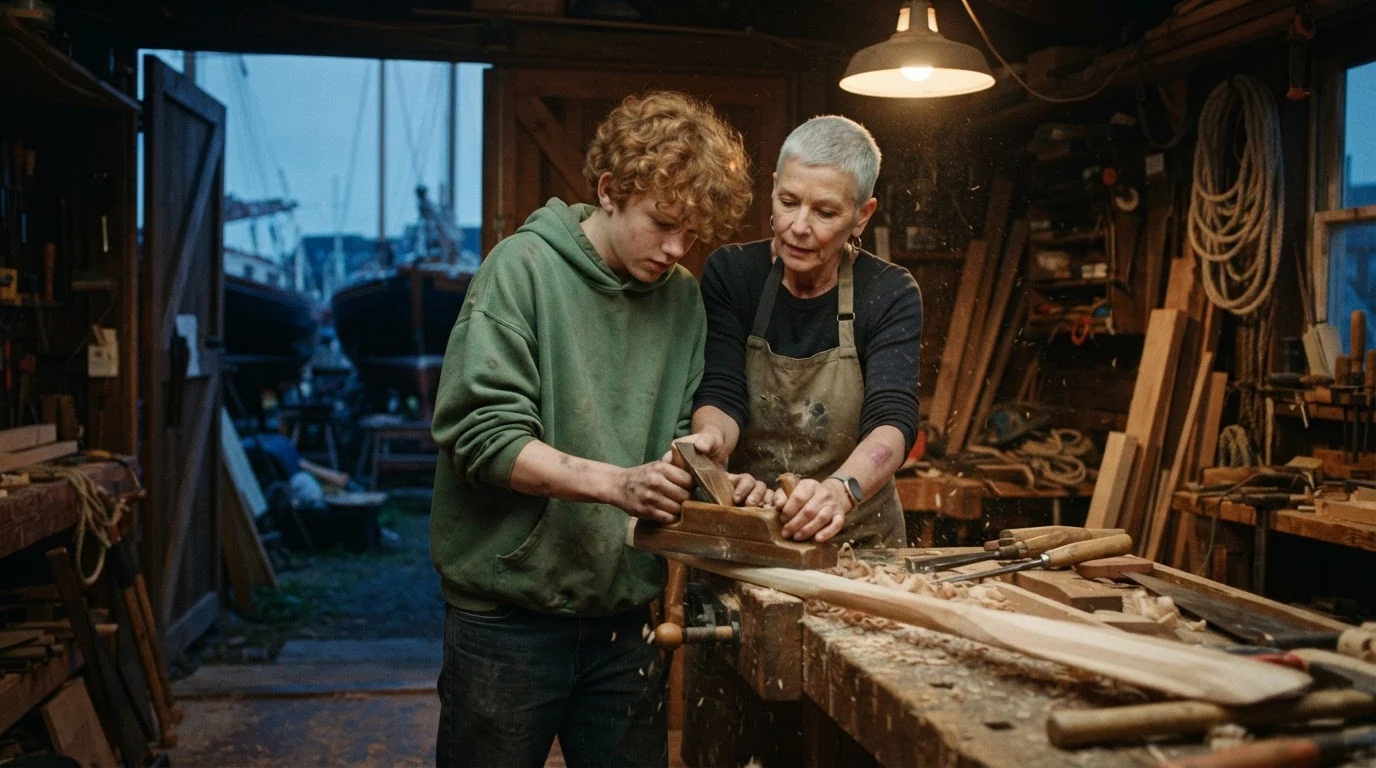
Her hands over his and stands behind carry the mentor role: she guides, he acts. The scar, apron and boatyard keep her far from the stock wizard.
Open FlashBoardsHeist film cast lineup, four characters side by side at the same scale, full body, 50mm lens, eye level, plain warm-gray studio wall, soft even light. From left: a stooped man in his seventies with a white goatee holding a locksmith's leather roll; a young courier woman with a shaved head in a yellow rain jacket holding out a sealed envelope; a grinning man with a gold tooth in a mismatched red and blue suit shuffling cards; a tall woman in a long black coat and gloves, backlit, face half in darkness.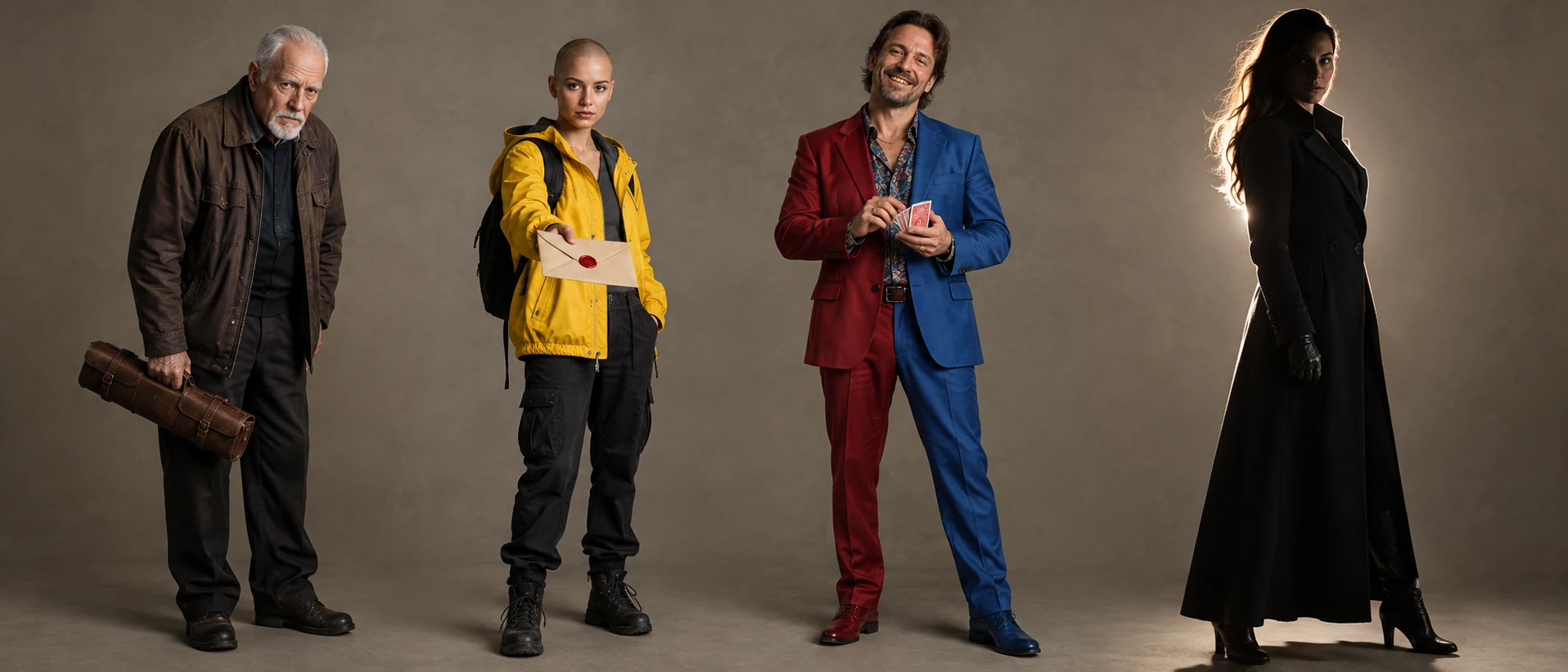
If each role reads without labels, the cast works. One prop per function, and only the shadow gets backlit and half in darkness.
Open FlashBoardsCamera: a slow push-in from medium wide to a medium shot of the two at the workbench, moving from the first moment. Action: The woman and the boy are already drawing the plane along the oar together, wood curls falling. She lifts her hands away and steps back. The boy keeps planing alone, unsteady at first, then steadier, while she folds her arms and nods once.Already drawing keeps the shot alive from frame one, and the action is the mentor's whole function: give the skill, step back, let the hero continue alone.
Open FlashBoards{
"output": "Full-screen live-action scene from Whiplash (2014), from its very first frame: three shots joined by two hard cuts. Modern 35mm scope cinema look, backstage of a concert hall at night: warm amber tungsten glow on a pleated stage curtain, murky olive-green shadows, deep blacks, high contrast, shallow focus.",
"characters": {
"S1": {
"name": "Andrew, played by Miles Teller",
"look": "young man, early twenties, short dark brown hair swept to one side, clean-shaven, black suit jacket over a black shirt",
"voice": "young, soft, surprised"
},
"S2": {
"name": "Fletcher, played by J.K. Simmons",
"look": "man in his late fifties, fully bald head, deeply lined face, black crew-neck shirt, all in black",
"voice": "low, quiet, precise"
}
},
"shots": [
{
"shot": 1,
"camera": "locked-off, near eye level, long lens, medium close-up of S1 in the left half of the frame; a dark out-of-focus shoulder of S2 fills the right half; amber stage curtain softly blurred behind S1",
"action": [
"BEGINNING: alive from the first frame, S1 already looks up and to screen right at S2's face above him, eyebrows raised, lips parted.",
"THEN: his lips move as he asks one short word, head still.",
"END: his mouth closes into a small uncertain half-smile, eyes still up and to screen right on S2; his hands stay out of frame."
],
"dialogue": [
{
"speaker": "S1",
"on_screen": true,
"when": "from the first frame, at the start of the shot",
"delivery": "surprised, light, a quick question",
"line": "<d>[English] What?</d>"
}
]
},
{
"shot": 2,
"cut_at": "00:01.126",
"camera": "locked-off, slightly low angle looking up, long lens, close-up of S2's face, placed right of centre; dark olive-green backstage wall behind him with one blurred streak of warm light on the left; hard warm light from screen right carving his cheekbone, the left side of his face in shadow",
"action": [
"BEGINNING: S2 looks down toward S1 just off frame left of the lens, eyes steady, face half in shadow.",
"THEN: he speaks quietly, only his lips moving, head still.",
"THEN: the corners of his mouth lift into a thin, cold smile.",
"END: he holds the smile and the stare, unblinking; no nod, head stays still."
],
"dialogue": [
{
"speaker": "S2",
"on_screen": true,
"when": "right after the cut to this shot, never before the cut",
"delivery": "quiet, calm, knowing, menacing",
"line": "<d>[English] I know it was you.</d>"
}
]
},
{
"shot": 3,
"cut_at": "00:03.962",
"camera": "locked-off, near eye level, long lens, medium close-up of S1, a touch tighter than shot 1, S1 left of centre, dark blurred shoulder of S2 on the right, amber curtain behind",
"action": [
"BEGINNING: S1 looks up and to screen right at S2, the half-smile gone, eyes wide, lips slightly parted.",
"END: he stays frozen, not blinking, lips parted and silent, eyes locked up on S2."
],
"voice": "silence: nobody speaks in this shot, no voice at all",
"dialogue": []
}
],
"sound": {
"ambience": "hushed backstage, faint murmur of an audience heard from far away beyond the curtain",
"speech": "exactly these spoken phrases, each said once, in this order",
"never_spoken": "no narration and no voice-over: the descriptions, performance notes and step words of this prompt are never spoken aloud",
"music": "a film score under the scene, always below the voices: a low sustained double-bass note with a faint, tense cymbal shimmer",
"subtitles": "none"
}
}Remakes the Whiplash (2014) backstage exchange between Andrew and Fletcher, keeping its cut times, eyelines, verbatim lines and low-key light.
Eyelines carry the roles: the student gazing up, the mentor looking down out of darkness, with the corpus lines kept word for word.
Open FlashBoardsCommon mistakes
- "A wise mentor" returns the stock version: beard, robe, staff. Describe a specific person and an action.
- Villains drift to eye level and flat light. Write camera low, looking up, backlit, face half in darkness.
- Repeat each character's physical details in every prompt.
Keep the reference frames, prompts and every generated take side by side — images and video in one canvas.
FAQ
4 questionsWhat are character archetypes?
Recurring roles audiences recognize across stories and cultures: the hero, the mentor, the herald, the trickster, the shadow. Each describes a job the character does in the story, like guiding the hero or embodying what the hero fears. Writers start from the role and add specific traits so the character feels like a person.
What are the 12 character archetypes?
The Innocent, Everyman, Hero, Caregiver, Explorer, Rebel, Lover, Creator, Jester, Sage, Magician and Ruler. The list comes from later Jungian-inspired writers, notably Carol S. Pearson, not from Jung himself. It describes motivations and fears, so it pairs well with Vogler's eight story functions.
What is the difference between an archetype and a stereotype?
An archetype is a universal role, like the mentor, that says nothing about age, gender, background or look. A stereotype reduces a character to assumptions about a group of people. The first is a structural tool, the second a failure of observation. A stock character sits between them.
Can one character be more than one archetype?
Yes, and the memorable ones usually are. A mentor can become a shapeshifter when their loyalty is in doubt, an ally can carry the herald's message, and a hero can slide into the shadow, as Walter White does in Breaking Bad. Tracking which mask a character wears in each act is a good structural check.
Related terms
5- ProtagonistStorytelling
The protagonist is the main character whose goal drives the story and whose choices the audience follows; they don't have to be good, just central.
- AntagonistStorytelling
The antagonist is the force that stands in the protagonist's way — a person, a group, nature, society or the hero's own nature — and gives the story its conflict.
- Tragic HeroStorytelling
A tragic hero is an admirable protagonist brought down by a flaw or error of their own, whose fall stirs pity and fear rather than contempt.
- Character SheetScreenwriting
A character sheet is a one-page reference that fixes who a character is: for writers it lists traits, goals and history; for artists it shows the face, costume and turnaround views so every drawing, shot or AI generation stays consistent.
- Character ArcStorytelling
A character arc is the inner change a character goes through over the story — from a flaw or false belief to a new understanding (or a fall) — driven by the choices the plot forces on them.
Further reading
Christopher Vogler, The Writer's Journey: Mythic Structure for Writers. Joseph Campbell, The Hero with a Thousand Faces (1949). Carol S. Pearson and Margaret Mark, The Hero and the Outlaw (2001).