 FlashBoards Learn
- Learn
- Directing & Staging
- Directing Actors
Directing & Staging · Film language
Directing Actors
Also called: actor direction, working with actors
Directing actors means giving performers something they can play — an action, an objective, the circumstances of the scene — instead of asking for a result like "be sadder." The director shapes the performance through casting, rehearsal, blocking and short, specific notes between takes, and protects a set where actors can take risks.
- What it does
- Turns the script's intentions into behavior an actor can repeat take after take.
- Use it when
- Every scene with people in it, from rehearsal through the last take of the day.
- Watch out
- Result notes ("more angry", "funnier") produce indicated, pushed performances.
- Try this prompt
Medium close-up, 50mm, a woman at a night kitchen table presses her lips together and looks from a letter to the dark window
What does directing actors mean?
A script says what characters say, rarely what they are doing. Directing actors fills that gap: deciding what each character wants, what stands in the way and how they go after it, then putting that in terms a performer can use.
The core distinction is results versus playables. "Be nervous" is a result: the actor can only imitate nervousness from outside. "You need him to sign before his wife gets home" is a playable: an objective plus pressure, and the nerves arrive on their own. Good notes are verbs (to warn, to stall), facts or physical tasks. Emotion, and much of the subtext, grows out of those choices.
Why the way you direct shows on screen
The camera is ruthless with performance. In a close-up, an actor thinking about the note instead of the scene partner looks exactly like that. Actors with something concrete to pursue look alive.
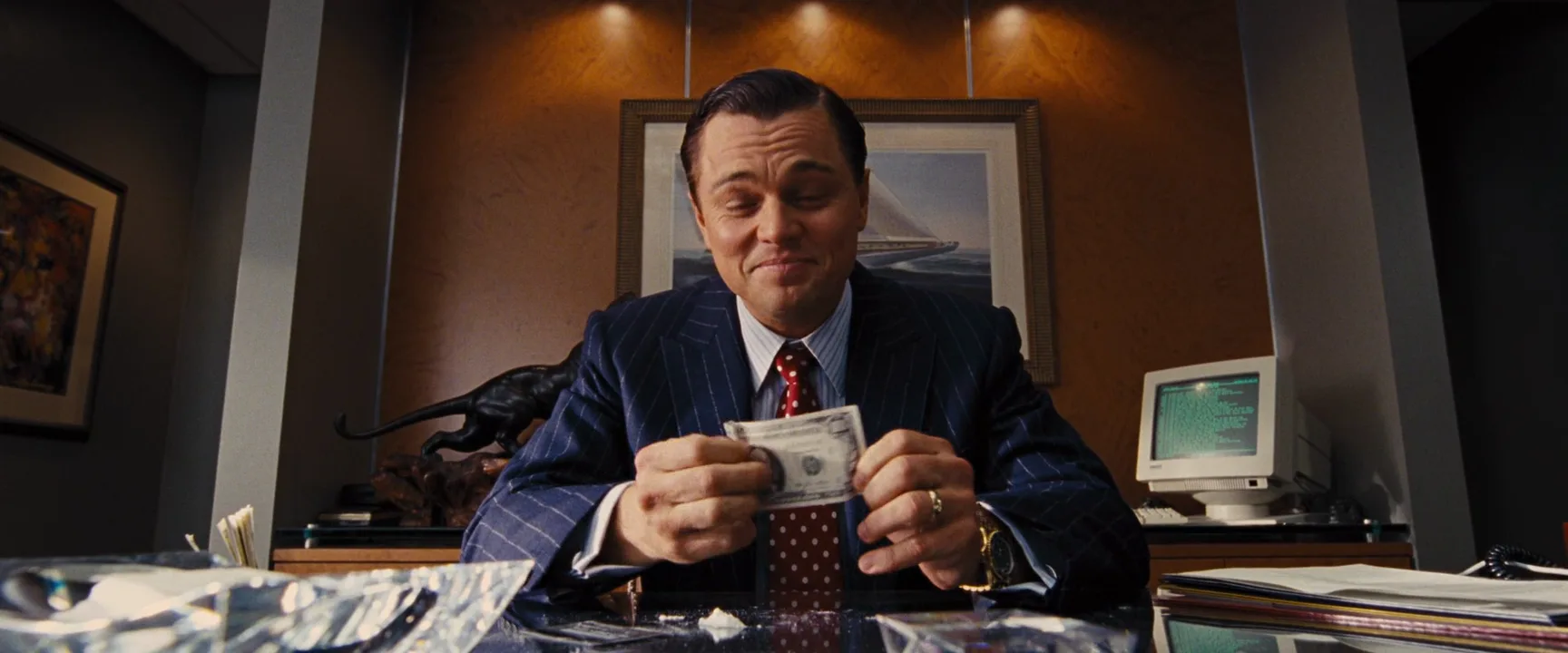
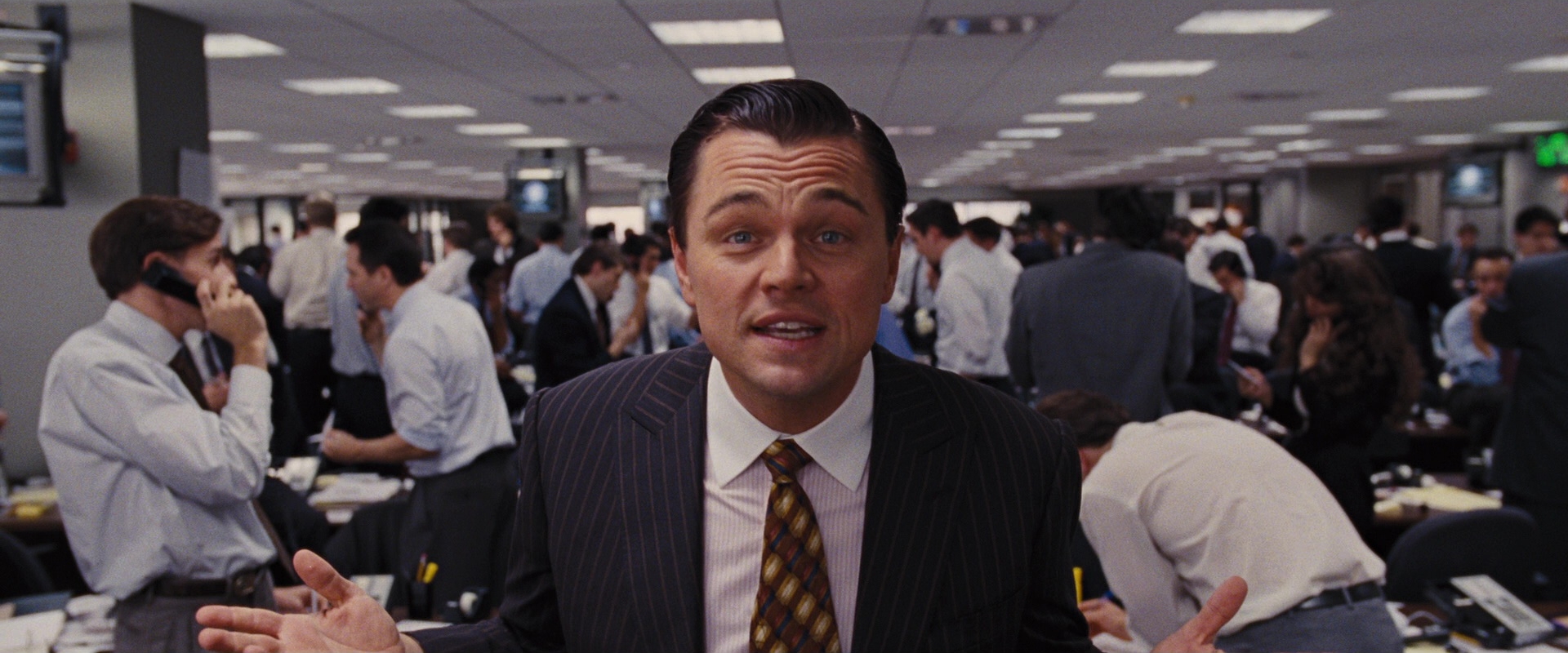
Methods differ widely. Mike Leigh builds characters with his cast through long improvisation before a script exists. David Fincher is known for shooting many takes until the performance stops looking performed. Martin Scorsese leaves room for invention: in The Wolf of Wall Street (2013), Matthew McConaughey's chest-thumping chant came from his own warm-up ritual.
How to direct actors: a working method
- Cast well. Read actors on the scene's hardest moment, give one adjustment and watch whether they can change.
- Break the script into beats. Write each beat's objective and one action verb. When the verb changes, the beat changes.
- Rehearse circumstances, not line readings. Where have they just come from? What do they know that the other person doesn't?
- Stage it with them. Find the blocking on set before placing the camera, so movement grows from the actors' impulses.
- One note per take. Short and playable: "this time, you already know she's lying."
- Protect the room. Keep notes private, keep the crew quiet during emotional scenes, and tell actors when they have it.
How framing and coverage change the performance
Frame size sets the scale of acting. A wide shot holds a big gesture; an extreme close-up on an 85–100mm lens reads a thought with no movement, so the note is usually "less." Tell actors the frame size before each setup.
Many directors shoot the more demanding performance first, while it is fresh. Keep the scene partner reading off camera beside the lens with full commitment — that is what makes a reaction shot usable.
Directing actors vs. teaching acting technique
Actors arrive trained in different acting techniques: Stanislavski, Meisner, Method acting. That process is theirs. The director doesn't coach it; they supply what every technique needs — circumstances, objectives, relationships, obstacles — and judge what lands on camera. "What does she want from him right now?" works for any actor, trained or not. More in Directing & Staging.
Directing Actors examples in film
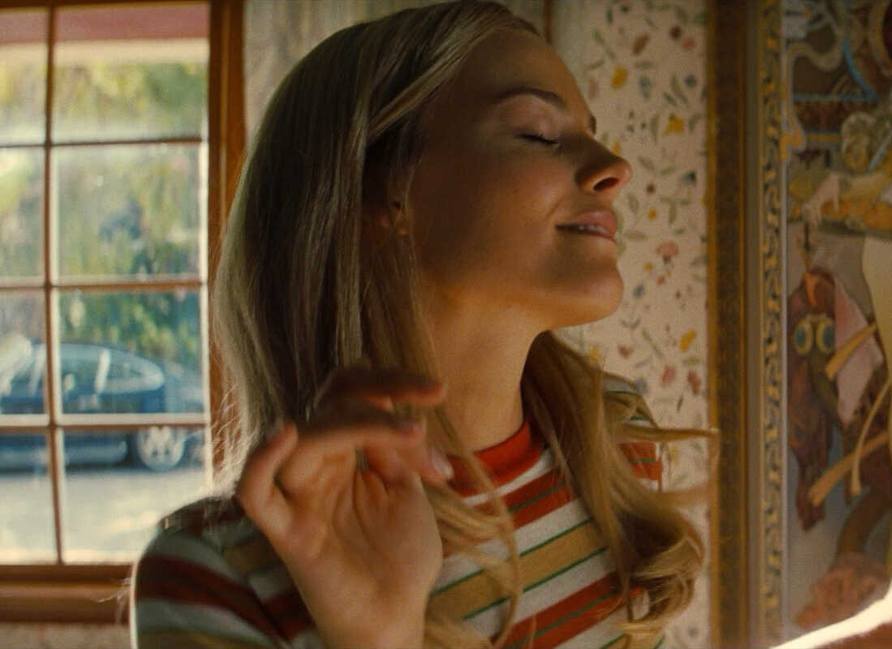
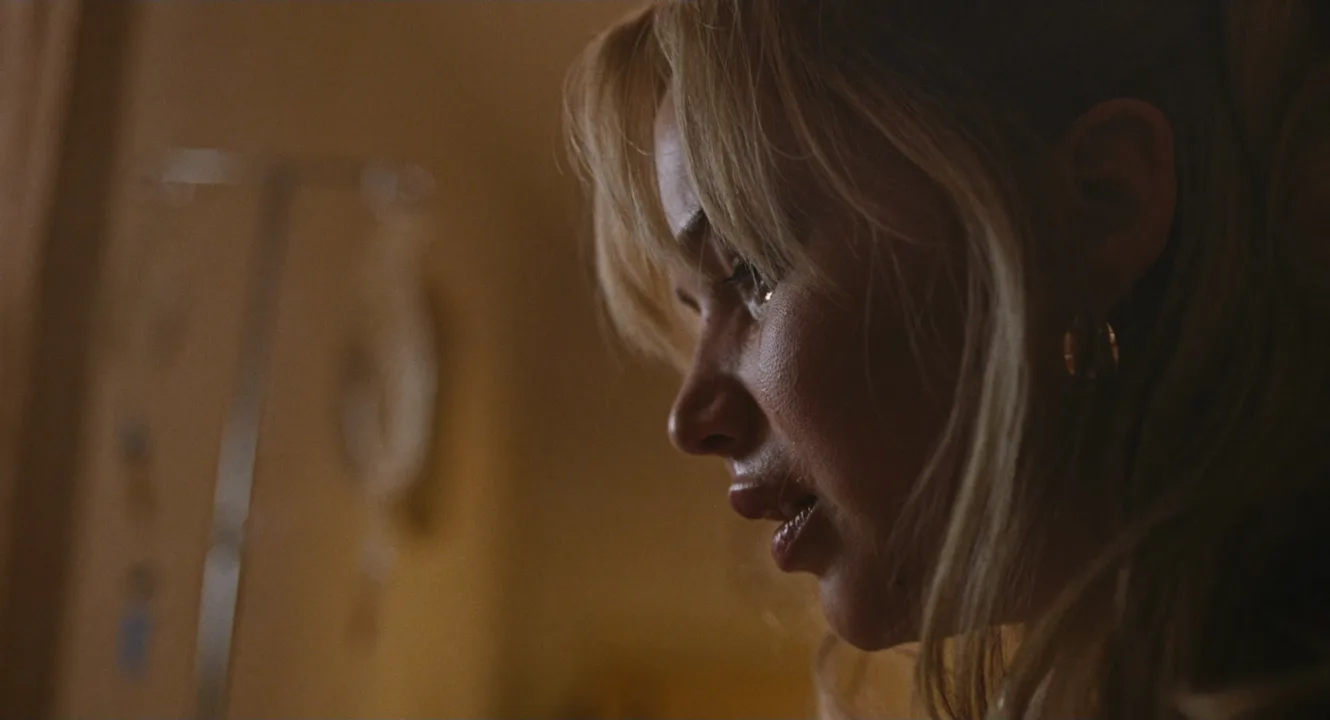
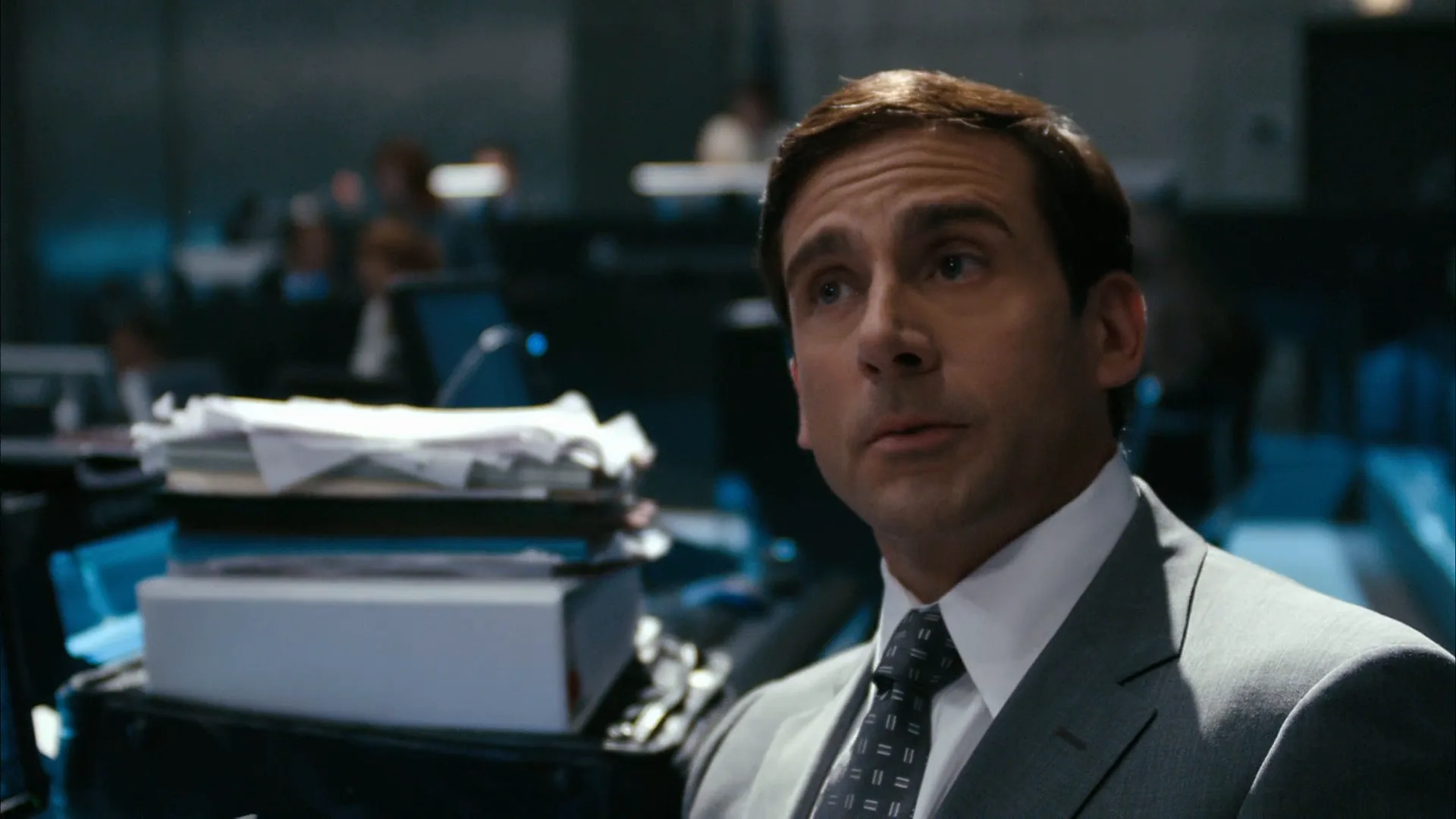
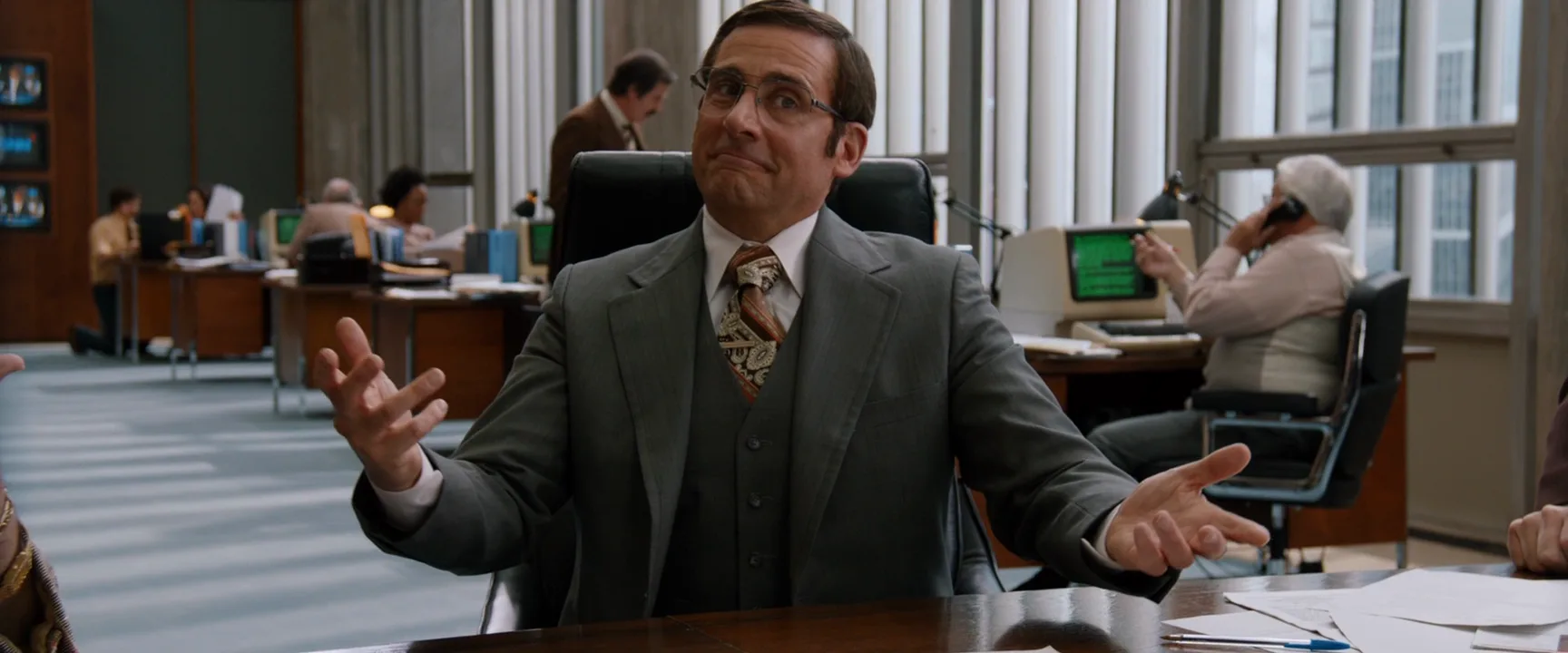
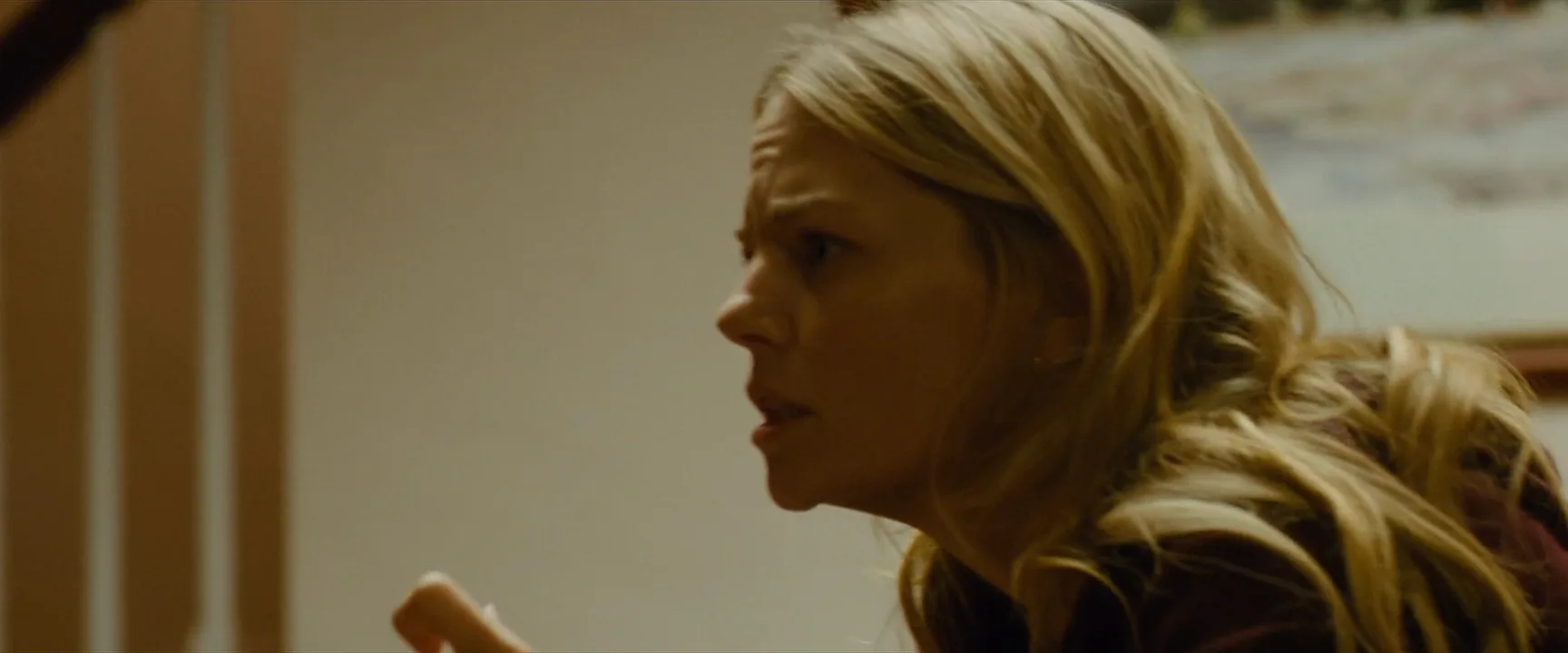
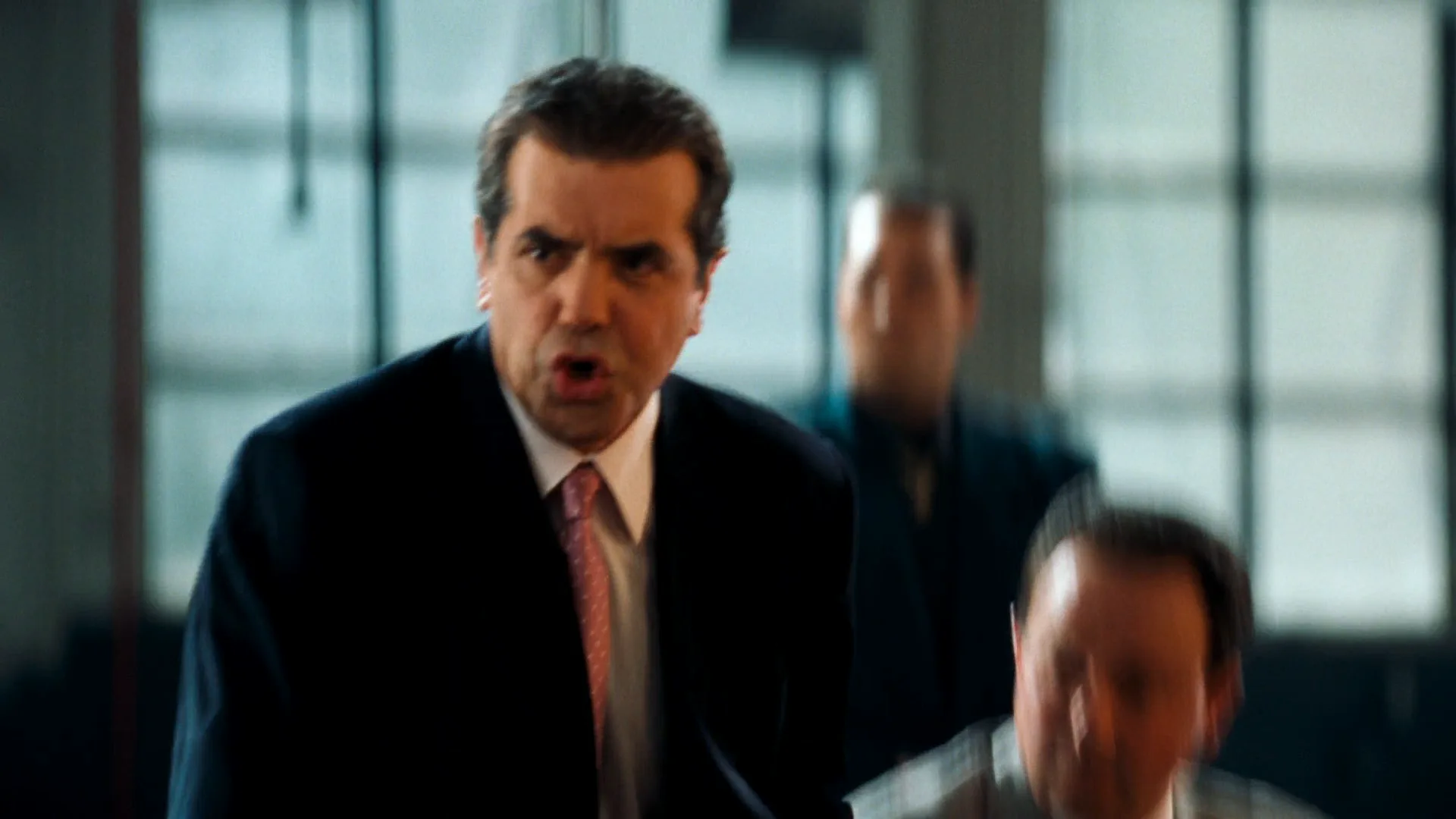
9 framesDirected performance on screen: specific actions, tasks and scale matched to the frame.
How to create a directing actors with AI
4 promptsAI models react to prompts the way actors react to result notes: write "sad" and you get a tearful mask. Direct the image like an actor — a situation, a physical action, an eyeline — and the emotion reads from behavior. In FlashBoards, keep reference frames, generated takes and performance notes on one board and compare takes side by side. The fourth prompt re-shoots a real film shot from a text description alone, and the original plays next to the result so you can compare.
Medium close-up at eye level, 50mm lens: a woman in her late forties with a gray-streaked auburn braid, freckled cheeks and a faded green cardigan sits at a kitchen table at night holding a handwritten letter. Lips pressed together, jaw tight, eyes lifted off the page toward the dark window, one thumb creasing the paper's edge. Single pendant lamp, warm key on her face, cool blue window light, shallow depth of field, 35mm film grain, restrained naturalistic performance.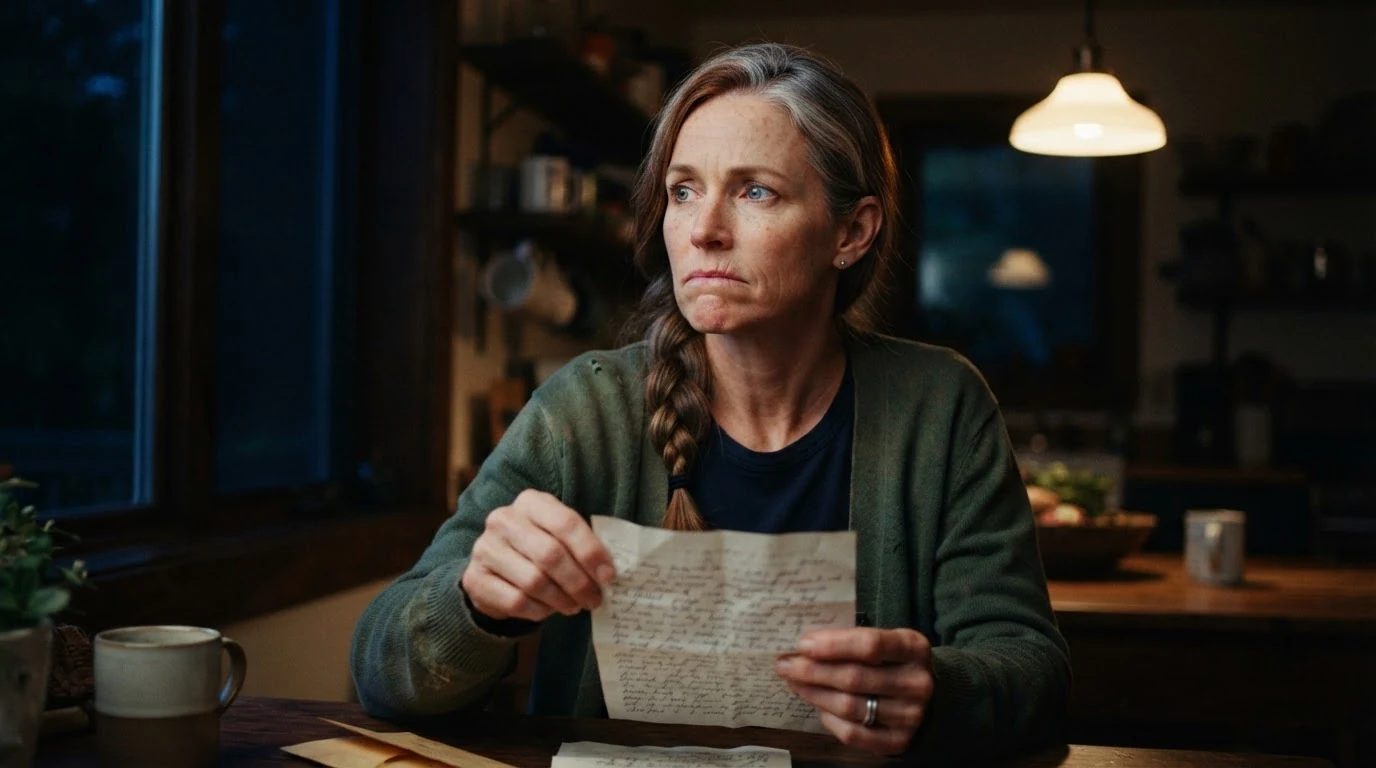
No emotion word does the work. "Lips pressed together", "jaw tight" and "thumb creasing the paper" are physical actions; "eyes toward the dark window" sets an eyeline off the lens. "Restrained naturalistic performance" keeps the model from pushing her into tears.
Open FlashBoardsTwo-shot through the windshield of a parked car at dusk: a young man with a shaved head, a thin scar through his left eyebrow and a grease-stained work jacket stares straight ahead, both hands locked on the wheel. Beside him an older woman with short silver hair and round tortoiseshell glasses turns toward him mid-sentence, her hand reaching for his sleeve and stopping an inch short. 40mm lens, sodium streetlight, muted palette, quiet tension.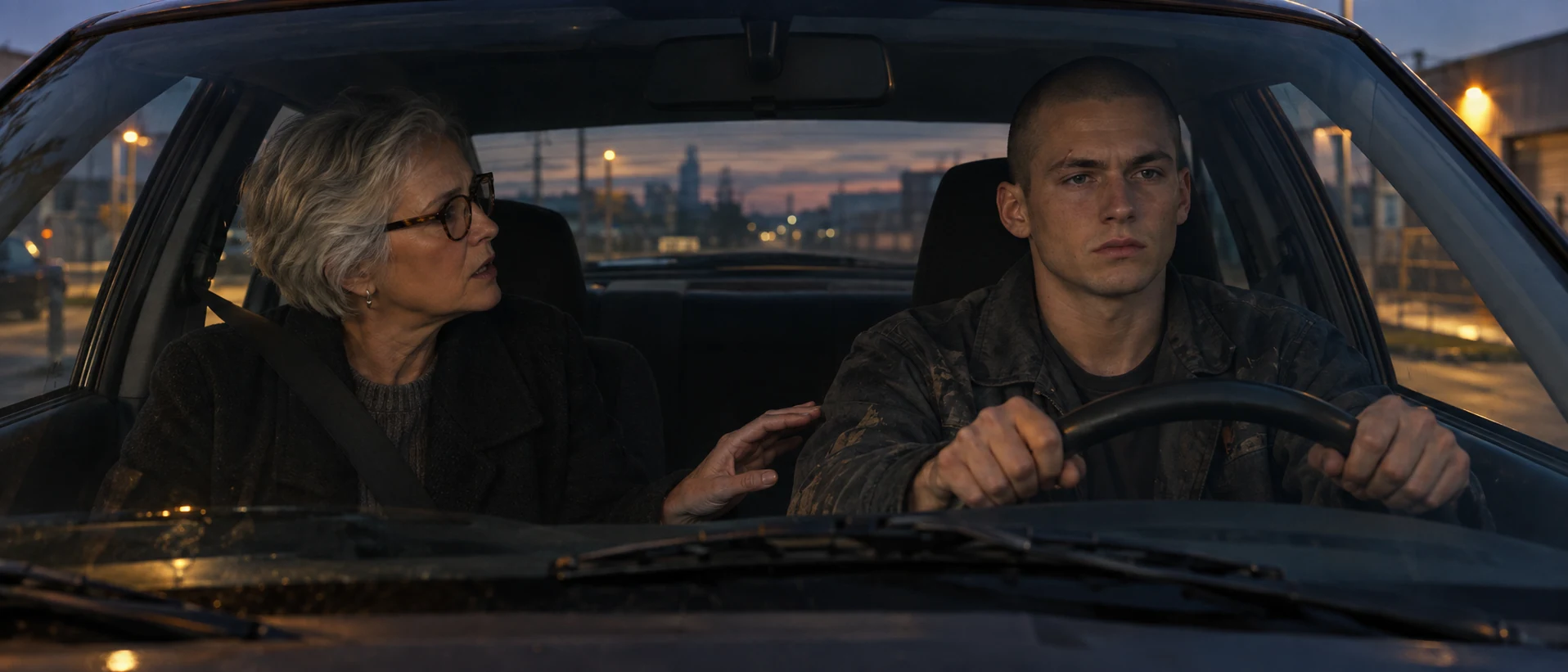
Two opposed actions tell the story: he avoids ("hands locked on the wheel"), she pursues ("turns toward him mid-sentence"). "Stopping an inch short" puts the subtext into one gesture, the kind of choice a director gives an actor.
Open FlashBoardsCamera: locked-off medium close-up at eye level with a very slow push-in of a few inches across the shot. Action: her thumb is already creasing the letter's edge as her eyes move from the window back to the page. She folds the letter in half, then in half again, slowly, and breathes out through her nose. She lays it face down, flattens it with her palm and looks back at the dark window, holding completely still.The action starts in the first clause, so the shot is alive from frame one. The performance is a chain of small physical tasks the model can render cleanly, and "holding completely still" gives the take a clear final beat.
Open FlashBoards{
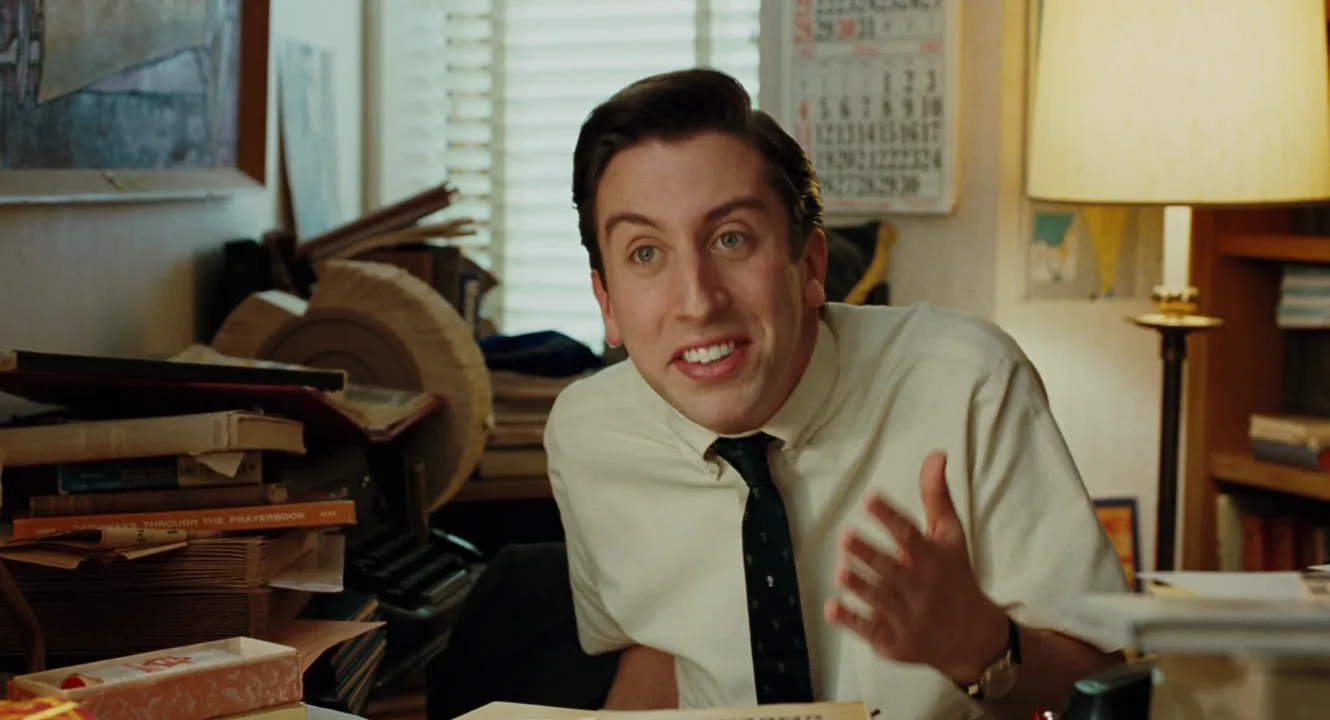
"output": "Full-screen live-action scene from A Serious Man (2009) from its very first frame: one continuous shot, no cuts. Late-1960s synagogue office in Minnesota, warm 35mm film look with fine grain, soft daylight through white venetian blinds on the left of frame, a lit cream lampshade on a brass floor lamp on the right, a paper wall calendar, walnut bookshelves of dark leather-bound volumes, a cluttered desk of stacked papers and books, cream, ochre and walnut palette.",
"characters": {
"S1": {
"name": "Rabbi Scott, played by Simon Helberg",
"look": "slim young man in his late twenties, dark hair combed back with a side part, clean-shaven, prominent ears, cream short-sleeved button shirt, narrow dark tie with a small dotted pattern, wristwatch on his left wrist",
"voice": "light, earnest, eager tenor, quick and friendly"
}
},
"shots": [
{
"shot": 1,
"camera": "tripod at seated eye level of a listener across the desk, normal lens; static at first on a medium shot of S1 standing behind the desk, then a slow gentle tilt down with a small drift left as he sits, then it holds a medium close-up of S1 seated slightly right of centre",
"action": [
"BEGINNING: alive from the first frame, S1 stands behind the desk in the centre of frame, blinds on the left, lamp on the right, bent slightly forward toward the lens, both arms hanging loose, brows raised high, mouth already talking, eyes fixed on the listener just left of the lens.",
"THEN: still talking, he bends his knees and drops quickly into the desk chair, his upper body swooping down and toward the lens; the camera tilts down with him.",
"THEN: seated, he leans in over the cluttered desk; his left hand, on the right of frame, rises from the desk with the watch on its wrist and opens palm-up, fingers spread, circling in small beats with the words; his right hand, on the left of frame, stays low on the desk edge.",
"THEN: a broad eager grin spreads, eyes wide, head tipping a little toward the right of frame, still looking straight at the listener; the left hand keeps turning palm-up on each stressed word.",
"THEN: he lowers the left hand to the desk, squints and grins for a moment, then his right hand, on the left of frame, sweeps up and out toward the left edge of frame, palm open, as if presenting the whole world.",
"END: the right hand drops back to the desk, both hands rest on the papers, he holds a wide hopeful smile with brows up, eyes still locked on the listener, waiting for agreement."
],
"dialogue": [
{
"speaker": "S1",
"on_screen": true,
"when": "from the first frame, while he stands and drops into the chair, ending as he grins with the palm-up left hand",
"delivery": "eager, bright, gently persuasive, as if sharing a wonderful secret",
"line": "<d>[English] Because with the right perspective, you can see Hashem, you know, reaching into the world.</d>"
},
{
"speaker": "S1",
"on_screen": true,
"when": "right after the first line, while his right hand sweeps out to the left of frame, finishing just before the final held smile",
"delivery": "warm, emphatic, smiling",
"line": "<d>[English] He is in the world, not just in shul.</d>"
}
]
}
],
"sound": {
"ambience": "quiet office room tone, the creak of the desk chair as he sits, a rustle of papers under his hands",
"speech": "exactly these spoken phrases, each said once, in this order",
"never_spoken": "no narration and no voice-over: the descriptions, performance notes and step words of this prompt are never spoken aloud",
"music": "a film score under the scene, always below the voices: a sparse, faintly ironic solo piano and soft cello motif, quiet and slow",
"subtitles": "none"
}
}Remakes the single shot from A Serious Man (2009) where Rabbi Scott (Simon Helberg) sits down mid-sentence and sells his idea with open palms; the prompt kept his two lines verbatim, the drop into the chair, both hand gestures and the eyeline just beside the lens.
The performance is written as a chain of playable actions, not a mood: talk while standing, drop into the chair, lean over the desk, turn one palm up on each stressed word, sweep the other hand out, then hold the hopeful smile. The eyeline sits just beside the lens on an unseen listener, so the pitch has a target, and the two lines are the film's own.
Open FlashBoardsCommon mistakes
- Emotion words become mugging. "Heartbroken" gives tears or a gaping mouth; describe what the body does.
- Everyone looks into the lens. Give each character an eyeline: the window, the other person, an object.
- Too many beats per clip. Keep one or two actions per video take, or the face morphs.
- Cast drifts between takes. Repeat the same features (hair, scar, clothing) in every prompt.
Keep the reference frames, prompts and every generated take side by side — images and video in one canvas.
FAQ
4 questionsHow do you direct actors?
Give actors things to play rather than results to imitate: what the character wants, what is in the way, what just happened, and an action verb such as to warn or to charm. Rehearse circumstances instead of line readings, stage the scene with the actors before placing the camera, and give one short, specific note between takes.
What is result direction and why should directors avoid it?
Result direction asks for the finished effect: "be angrier", "make it funnier", "cry here." The actor can only imitate the emotion from outside, which reads as pushed on camera. A playable note gives a cause instead — an objective, a changed circumstance or a physical task — and the emotion appears as a side effect.
How many takes should you do with actors?
There is no fixed number. Some directors need two or three takes; others, like David Fincher, are known for shooting many. What matters is that each take has a purpose: change one thing, watch the result, and move on once you have the performance plus a safety. Takes without a new note just tire actors.
How do you direct non-professional actors?
Keep direction physical and situational. Give real tasks — make the coffee, look for your keys — and let them use their own words where the script allows. Avoid acting vocabulary, keep the crew small and takes short, and roll early, because first takes are often their most natural.
Related terms
6- Acting TechniquesActing & Casting
Acting techniques are the trained systems actors use to build a truthful performance — Stanislavski's system, the Method, Meisner, Chekhov, Adler and others — each with its own route to emotion, action and character.
- Method ActingActing & Casting
Method acting, developed by Lee Strasberg from Stanislavski, has actors draw on their own memories and sometimes stay in character off camera to produce emotionally real performances.
- BlockingDirecting & Staging
Blocking is the planned choreography of actors and camera within a scene — where people stand, when they move, how they relate in space — so that movement itself tells the story and gives the editor usable shots.
- Film DirectorDirecting & Staging
The film director is the creative lead who turns the script into a film — shaping performances, staging and coverage, and approving every visual and sound decision from prep through the final cut.
- TakeFilmmaking Process & Crew
A take is one uninterrupted recording of a particular setup, from 'action' to 'cut'; a shot may need dozens of takes, and the editor chooses the best one or combines several.
- SubtextStorytelling
Subtext is what characters mean but don't say — the real feelings or intentions beneath the dialogue, conveyed by performance, framing and context.
Further reading
Judith Weston, Directing Actors: Creating Memorable Performances for Film and Television (1996). Harold Clurman, On Directing (1972).