 FlashBoards Learn
Editing · Film language
Rough Cut
Also called: first cut, editor's cut
A rough cut is the first shaped version of a film after the assembly: scenes are trimmed, performances chosen and the order set for story, while pacing, sound, music and effects are still temporary. It is the first time the film plays like a film, and shows what is not working.
- What it does
- Turns a long, script-order assembly into a watchable version of the story that can be judged, screened and argued over.
- Use it when
- The assembly is complete and you need to find the film's real structure, length and point of view.
- Watch out
- Polishing sound and transitions too early; the rough cut is for structure and performance, not finish.
- Try this prompt
Wide shot of a night bus station, a woman in a yellow raincoat stepping off the last bus, empty platform, sodium light, 35mm, room at both ends of the action.
What is a rough cut in film?
In film editing, the rough cut is where the work stops being bookkeeping and becomes storytelling. The film editor and director decide which scenes stay, which lines go, which take carries a moment and in what order the story is told.
It is rough because everything around the picture is provisional: gappy production sound, temp music, unfinished effects and a running time over target. First cut and editor's cut are common names for early versions, judged only on whether the story works.
Assembly cut: the step before the rough cut
The assembly cut is the editor's first complete pass: every scripted scene in script order, built from the preferred takes marked while watching dailies, often during the shoot itself.
It is deliberately long, with scenes played in full and a running time far beyond the finished film. Its only question is whether the whole story is there, so gaps in coverage get found while they can still be fixed. The assembly records what was shot; the rough cut starts deciding what the film is.
Assembly vs. rough cut vs. fine cut vs. picture lock
Most features pass through four stages:
- Assembly. All scenes, script order, long.
- Rough cut. Scenes trimmed, dropped or moved; performances chosen; structure found. Several rough cuts are normal.
- Fine cut. Structure settled; work moves to exact cut points, overlaps and reaction timing, where pacing is refined shot by shot.
- Picture lock. Length and order are frozen, and sound, score, color and final effects are built against that timeline.
A cut turns fine when the arguments stop being about which scenes and start being about which frames.
Why the rough cut matters
Films play differently from scripts: jokes fall flat, a subplot eats momentum, a lovable character grates in close-up. Structural rescues happen in the rough cut.
Annie Hall (1977) is the classic case: editor Ralph Rosenblum described an early cut that rambled through Alvy Singer's life, and with Woody Allen he reshaped it around the love story. Star Wars (1977) was recut by Paul Hirsch, Marcia Lucas and Richard Chew, who won the Oscar for editing. Rough cuts are also what producers and test screening audiences see first.
How to build a rough cut
- Watch the assembly in one sitting and note where your attention drops.
- Cut scenes before trimming shots. Losing a whole scene, or its first thirty seconds, changes more than shaving frames. Enter late, leave early.
- Choose performance over continuity. Audiences forgive a glass in the wrong hand, not a false reading.
- Test the order on cards or a board first, and try cross-cutting two storylines if one sags alone.
- Keep temp sound simple and mark every temp cue.
- Save every version by date and number; a scene dropped in cut three may return in cut five.
Rough cut vs. director's cut
A rough cut is a stage of editing; a director's cut is a version defined by who made the final choices. On Hollywood features the Directors Guild agreement gives the director at least ten weeks to prepare their cut after the editor's cut, and that version is usually still rough. A director's cut released later on home video is a finished alternative, not a work in progress.
Rough Cut examples in film
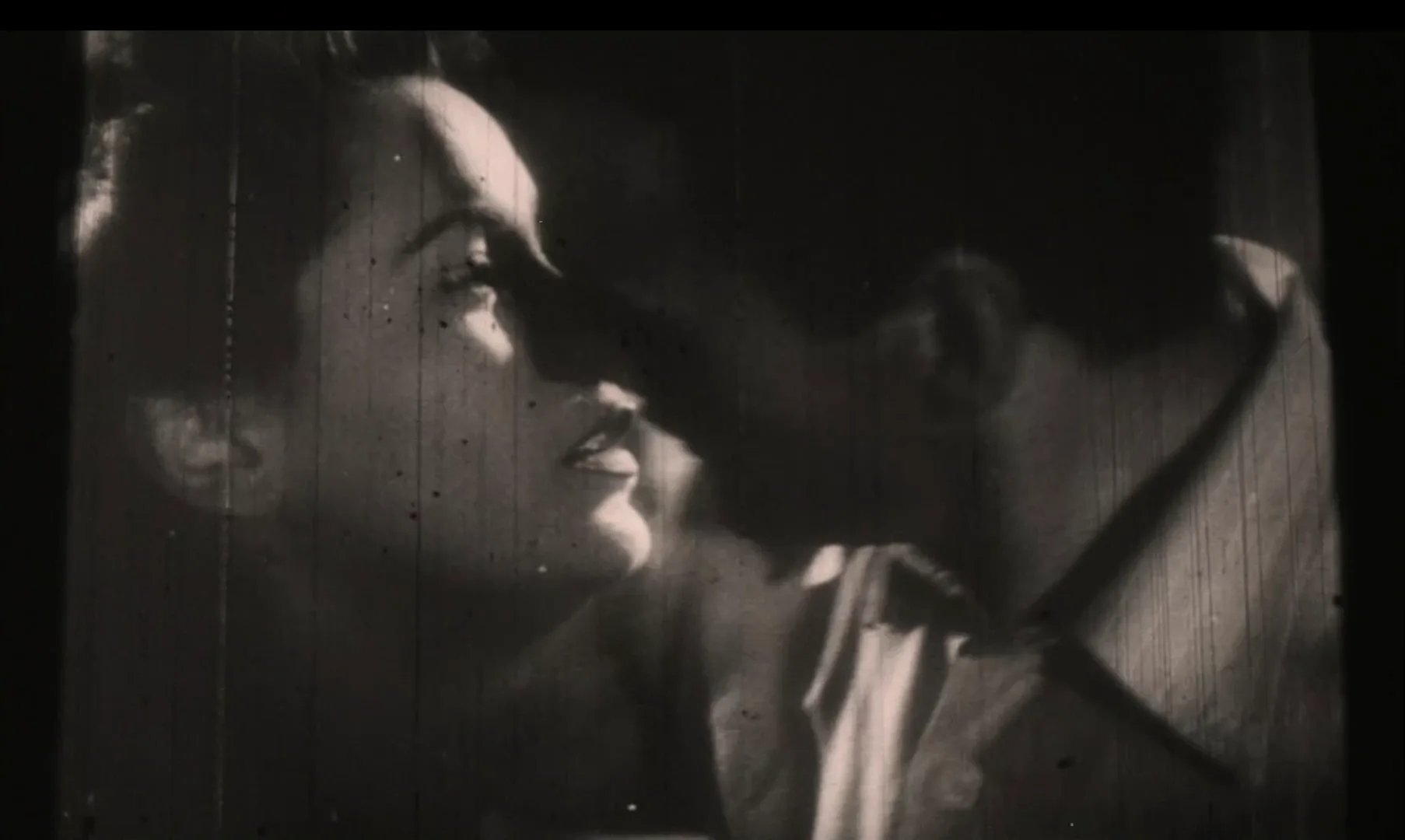
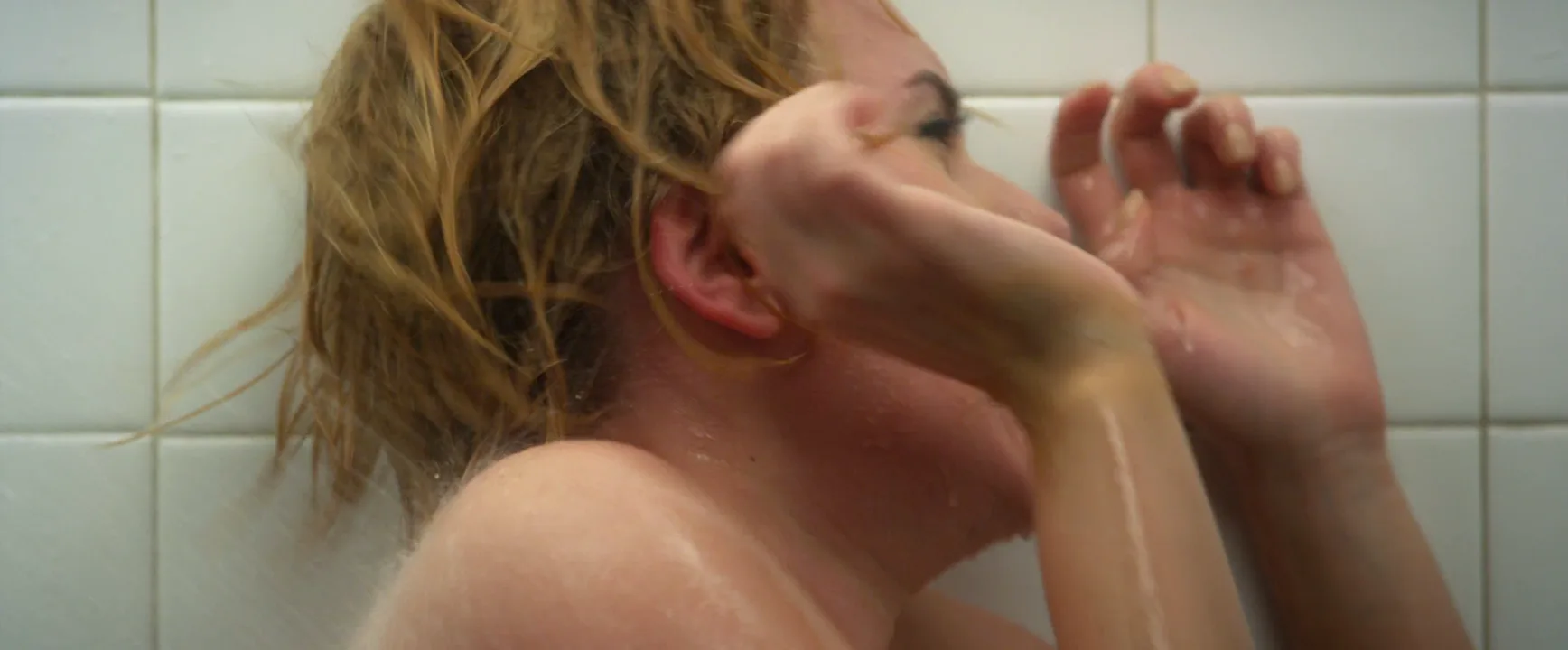
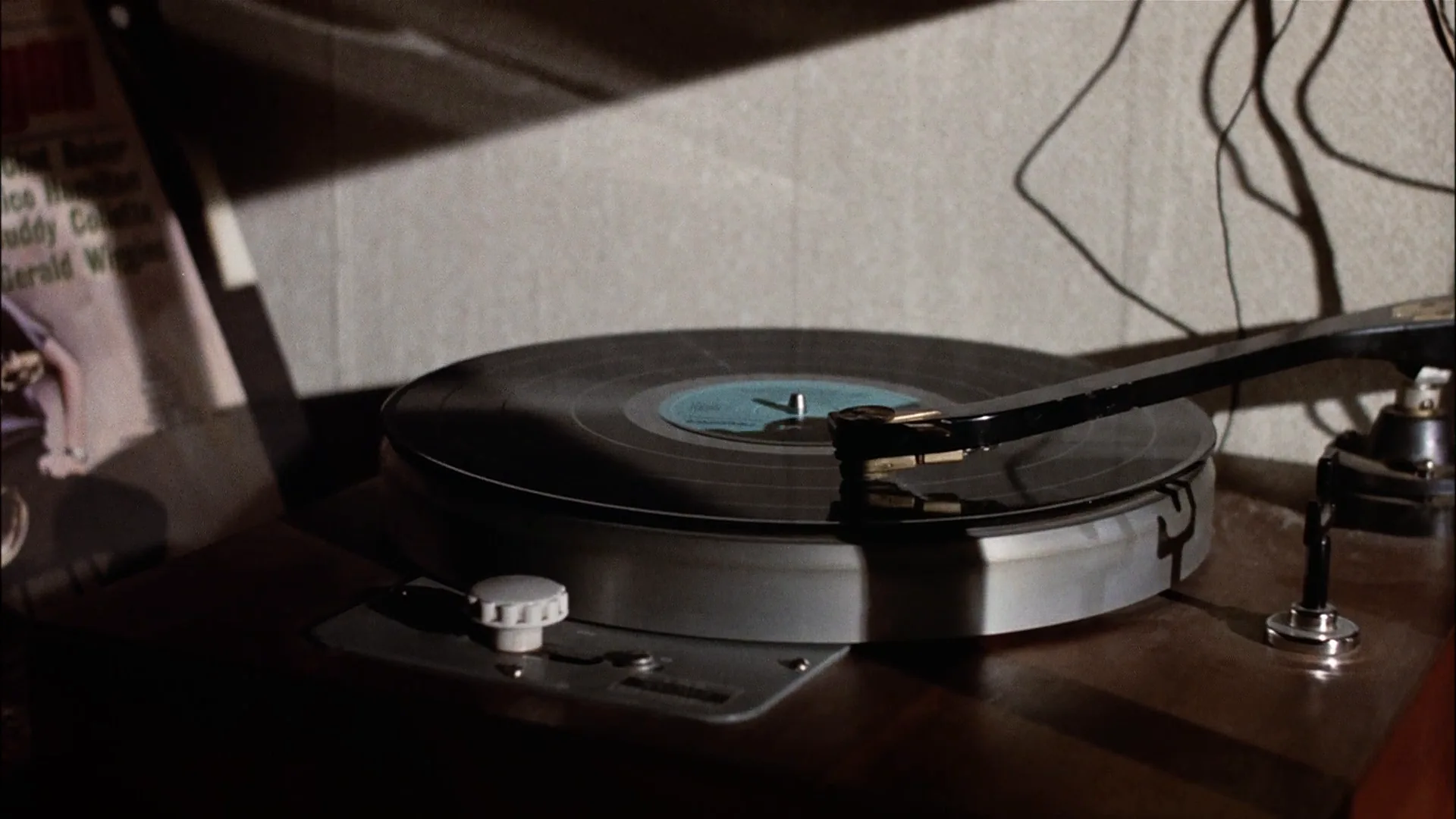
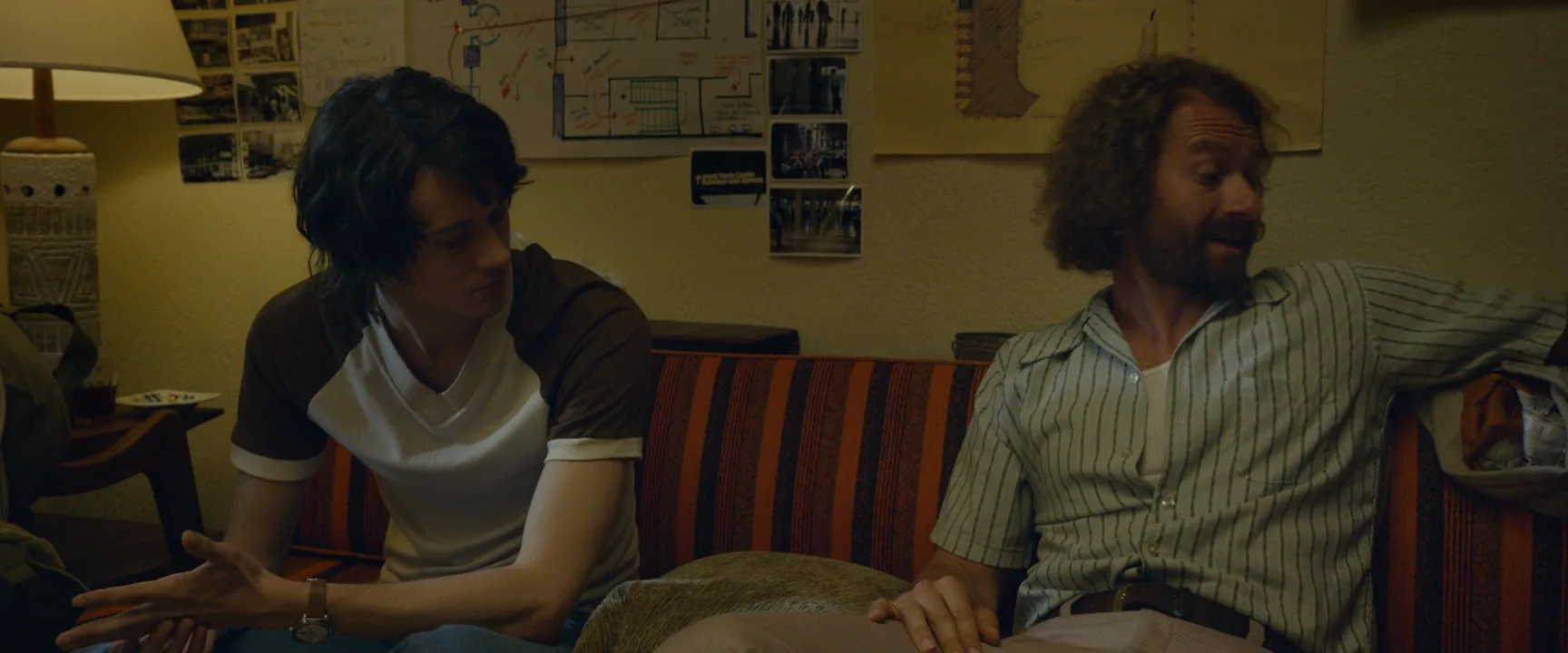
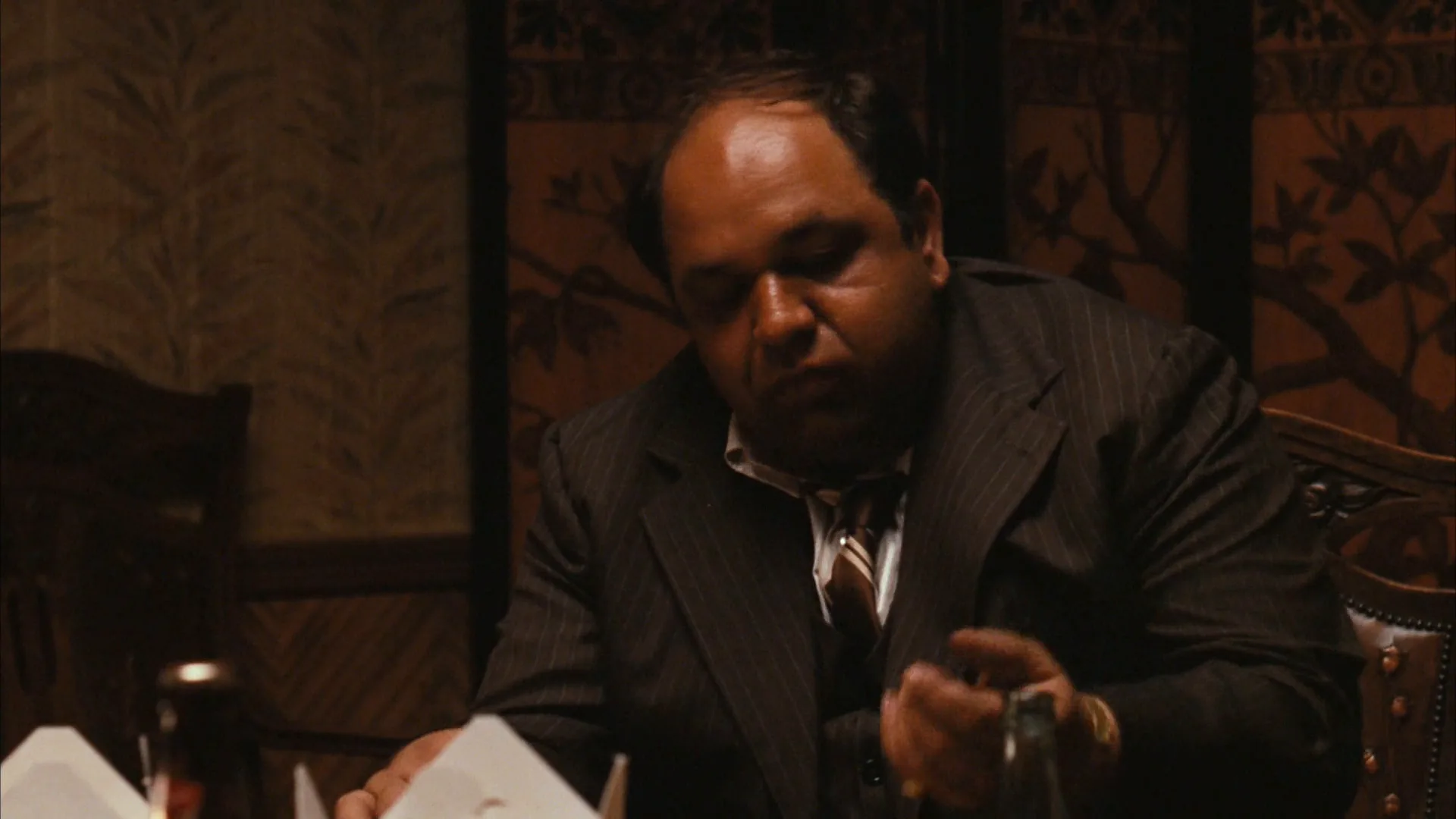
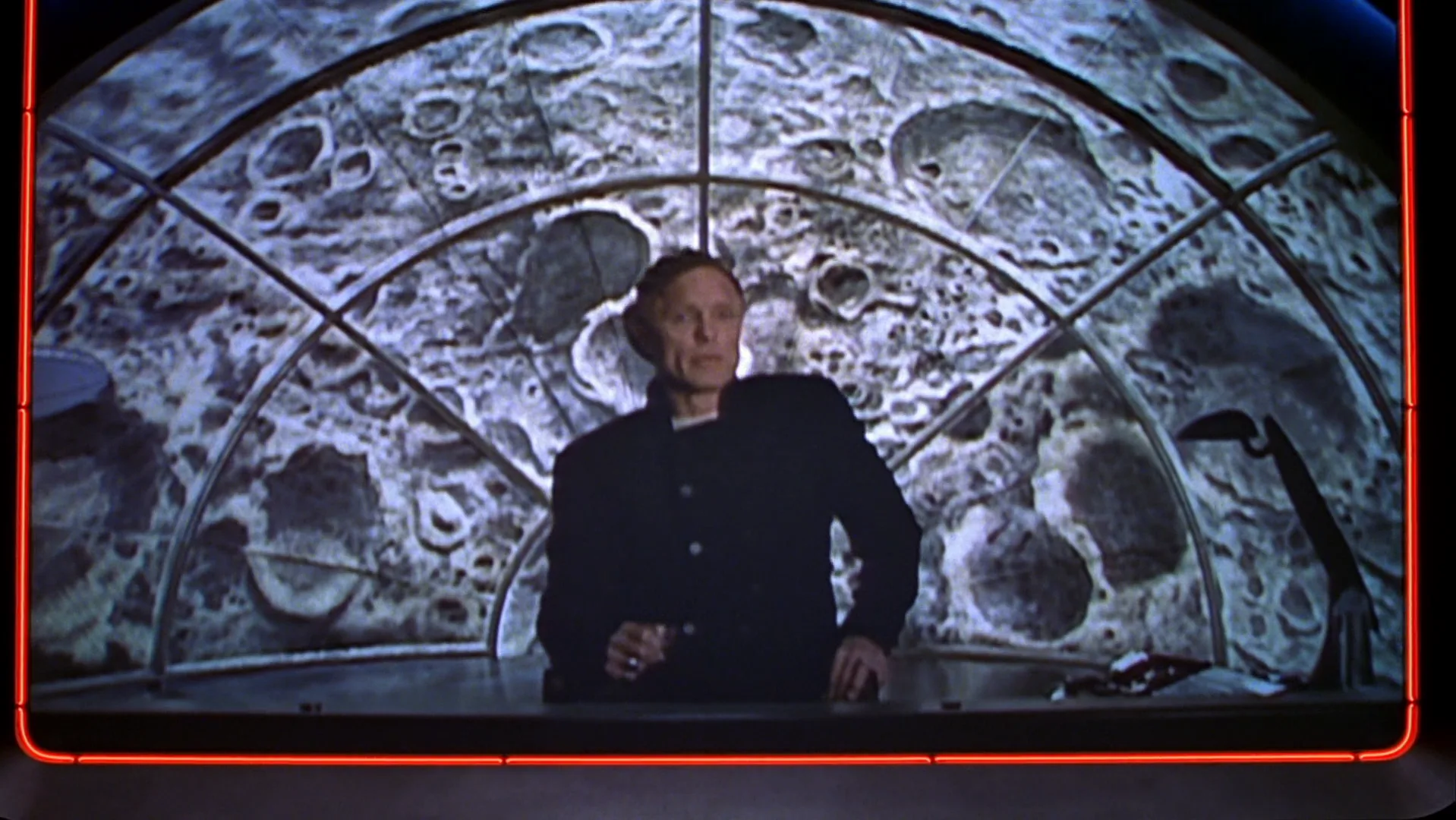
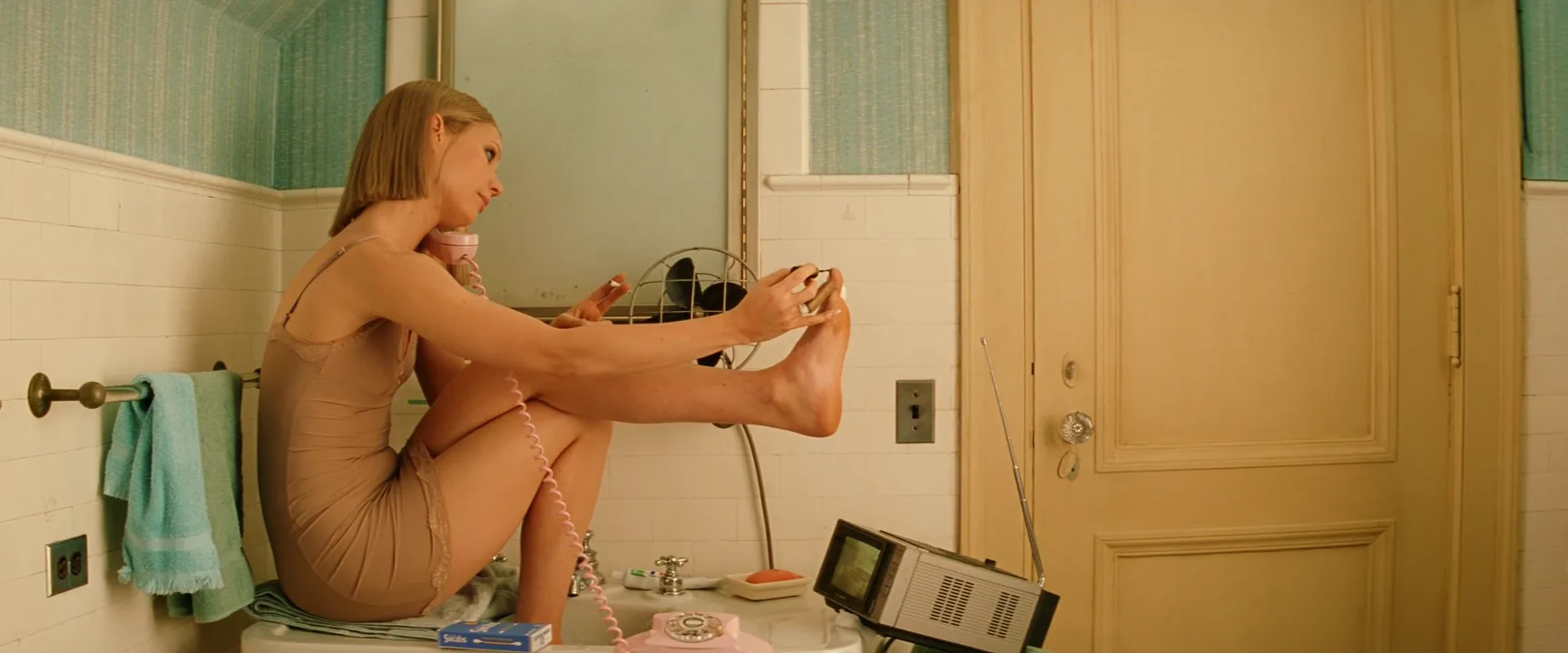
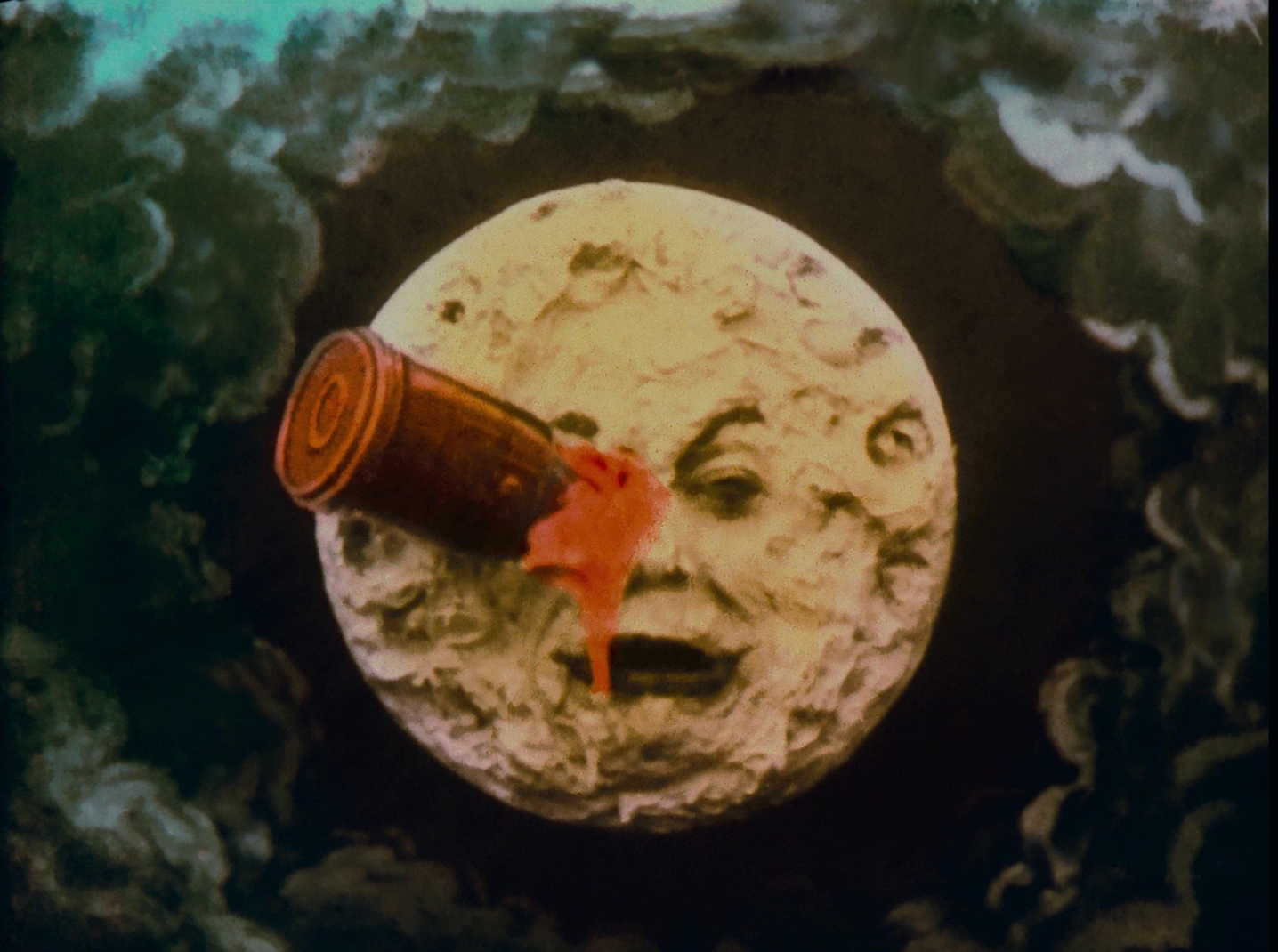
8 framesA rough cut is a process, not a look, so these frames show its raw material and choices.
How to create a rough cut with AI
3 promptsWith AI you are your own editor from the first frame, so generate shots like coverage: clear action and room to trim at both ends. Lay the angles on one FlashBoards board in story order, like an editor's scene cards, and judge the rough cut before generating more.
Wide shot of an empty bus station at night, rain on the concrete. A woman in her forties with a grey buzz cut, a silver nose ring and a mustard-yellow raincoat steps down from the last bus, duffel bag on her shoulder, looking toward the exit on frame right. Bus on the left third, platform receding right. Eye level, 35mm lens, deep focus, orange sodium light, wet reflections.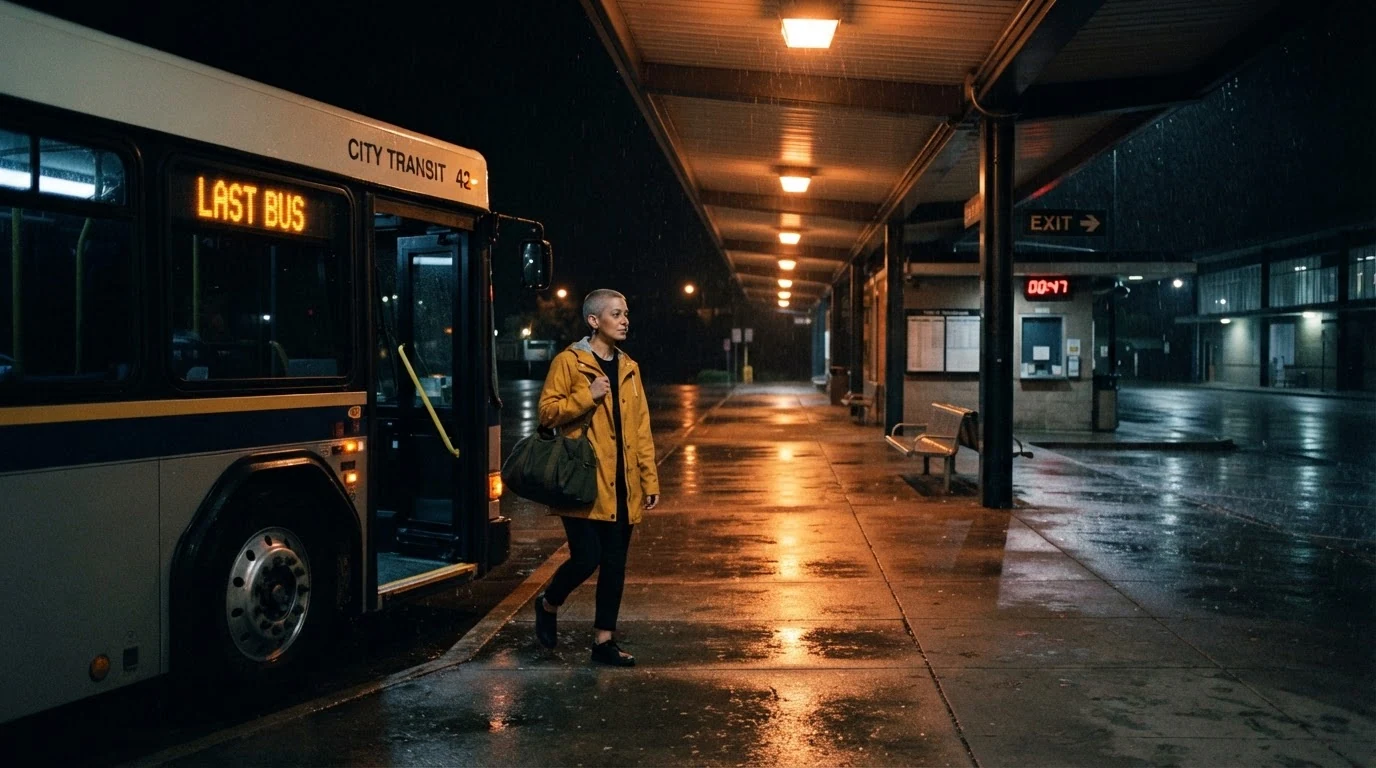
"Wide shot" at eye level gives the master a scene is built around; "steps down" and "frame right" fix action and screen direction so the next angle cuts cleanly.
Open FlashBoardsClose-up of a woman in her forties with a grey buzz cut, a silver nose ring and a mustard-yellow raincoat on a rainy bus platform at night, looking toward frame right, face half in orange sodium light, rain on her collar, the moment before she decides to walk. 85mm lens, shallow depth of field, blurred bus lights behind her. Anamorphic widescreen, muted color.
The alternative angle an editor chooses between. Repeated features and light keep her the same person; "the moment before she decides" gives a reaction to cut to.
Open FlashBoardsCamera: static at eye level for the whole shot. Action: The woman in the yellow raincoat is already stepping down onto the wet platform, rain falling through orange light. She stops, shifts the duffel bag and looks toward the exit on the right. The bus pulls away to the left, leaving her alone. She walks slowly toward the right edge of the frame.Motion starts on frame one, and eight seconds of continuous action give several cut points and handles at both ends to trim in the rough cut.
Open FlashBoardsCommon mistakes
- Clips end exactly on the action, leaving nothing to trim. Ask for action already in progress and a few seconds after the key moment.
- Screen direction flips. State frame left or right in every prompt.
- Characters drift between takes. Repeat age, hair, wardrobe and light, and compare shots side by side before animating.
Keep the reference frames, prompts and every generated take side by side — images and video in one canvas.
FAQ
5 questionsWhat is a rough cut in film?
A rough cut is an early edited version of a film made after the assembly. Scenes are trimmed, reordered or removed and the best performances chosen, so the story plays in roughly its final shape, while sound, music, color and effects stay temporary and the running time runs long.
What is the difference between a rough cut and a fine cut?
The rough cut settles structure: which scenes stay, their order and which performances carry them. The fine cut works inside that structure, adjusting exact cut points, sound overlaps and reaction timing frame by frame. It leads to picture lock, after which sound, music and color are finished.
Assembly vs. rough cut: what comes first?
The assembly comes first. It lays out every scripted scene in script order from the preferred takes, at full length, to check the whole story was shot. The rough cut follows, once editor and director start cutting, reordering and choosing performances.
How long does a rough cut take?
It depends on the project. A short film may reach a rough cut in days; a feature often takes weeks after the assembly, then several more rough cuts as notes arrive. Films with heavy coverage or improvised dialogue can spend months here.
Is a first cut the same as a rough cut?
Usually. "First cut" commonly means the first rough cut the editor shows the director, and "editor's cut" the version delivered before the director's protected editing period. Cutting rooms use these labels a little differently, so confirm what a schedule means.
Related terms
5- Director's CutFilm Industry
A director's cut is a version of the film edited to the director's preferences, often released after the theatrical cut when the studio held final cut.
- DailiesPost-Production & VFX
Dailies are the unedited takes from a shooting day, synced and delivered quickly so the director, DP and editor can check performance, focus, exposure and coverage.
- Film EditorFilmmaking Process & Crew
The film editor shapes the footage into the finished film: reviewing dailies, building the assembly and later cuts with the director, and deciding rhythm, performance choices and structure.
- Post-ProductionPost-Production & VFX
Post-production is everything after the shoot that turns footage into a finished film: editing, sound design and mix, music, VFX, color grading, titles and delivery masters.
- Film EditingEditing
Film editing is the selection and ordering of shots — where each one starts, ends and what follows it — to build continuity, rhythm and meaning out of the raw footage.
Further reading
Ralph Rosenblum and Robert Karen, When the Shooting Stops... the Cutting Begins: A Film Editor's Story (Viking, 1979). Walter Murch, In the Blink of an Eye: A Perspective on Film Editing (Silman-James Press).