 FlashBoards Learn
- Learn
- Film Industry
- Academy Awards
Film Industry · Film language
Academy Awards
Also called: Oscars, Academy Award, Oscar
The Academy Awards, or Oscars, are the annual American film prizes voted by members of the Academy of Motion Picture Arts and Sciences. Each craft branch nominates its own field — cinematographers pick cinematography, editors pick editing — and then the whole membership votes the winners, from Best Picture to Sound.
- What it does
- Ranks a year's films through a peer vote of working filmmakers, split by craft branch at the nomination stage.
- Use it when
- Reading awards season, planning a release and campaign, or studying winning work in a single craft category.
- Watch out
- An Oscar is a vote of industry peers, not a critics' verdict or a jury decision — campaigns and timing shape the result.
- Try this prompt
Reference board: 12 frames from past Best Cinematography winners, grouped by light source and palette.
What are the Academy Awards?
The Academy of Motion Picture Arts and Sciences was founded in Hollywood in 1927, and its first awards were handed out on May 16, 1929, for films released in 1927–28. Wings took the top prize; the ceremony at the Hollywood Roosevelt Hotel lasted about fifteen minutes. Today the Academy has roughly ten thousand voting members worldwide, organized into branches by profession: actors, directors, writers, producers, cinematographers, editors, sound, music, costume, production design, makeup and hairstyling, visual effects and others.
Outside the televised ceremony, the Academy also gives honorary awards and Scientific and Technical Awards for engineering that changed how films are made. It is the best-known institution of the film industry, but only one part of the awards calendar.
How does Oscar voting work?
Voting runs in two rounds.
Nominations. Members nominate only in their own branch: cinematographers choose the five cinematography nominees, editors the five editing nominees, actors the acting nominees. Every voting member can nominate for Best Picture. Nomination ballots are counted with a preferential system, so a film needs a committed core of first-place votes, not just broad goodwill.
Final vote. Once nominations are announced, the entire membership can vote in almost every category. Most categories are decided by simple plurality — the most votes wins. Best Picture, which has had ten nominees since the 2022 ceremony, is counted on a ranked ballot: the film with the fewest first places is eliminated and its ballots move to their next choice until one title has a majority.
Starting with the 2026 ceremony, members must confirm they have watched every nominee in a category before voting in it.
Oscar categories: Best Picture and the craft awards
There are about two dozen competitive categories. The headline group: Picture, Director, the four acting awards, and Original and Adapted Screenplay. The craft awards are where filmmakers look for technique: Cinematography, Film Editing, Production Design, Costume Design, Makeup and Hairstyling, Visual Effects, Sound (a single category since the 2021 ceremony), Original Score and Original Song. Casting joins from the 2026 ceremony. Then come Animated Feature, International Feature (one submission per country), Documentary Feature and three shorts awards. Parasite (2019) was the first non-English-language Best Picture.
Branch voting shows in the craft results: cinematographers gave Roger Deakins the award for Blade Runner 2049 on his fourteenth nomination, then again for 1917; Thelma Schoonmaker has three editing Oscars, all for Martin Scorsese films.
Awards season: eligibility, campaigns and precursors
To qualify, a feature (over 40 minutes) needs a commercial theatrical run of at least seven consecutive days in one of several qualifying US cities during the calendar year. Best Picture contenders also have to meet the Academy's representation and inclusion standards and show a wider theatrical release. That is why so many serious dramas open in the last weeks of the year: a short qualifying run, then a wider release after nominations.
Between the fall festivals and the ceremony in late winter or early spring, distributors run campaigns: "For Your Consideration" ads, Q&A screenings with the filmmakers, and screeners sent to voters. Campaigning is a specialized branch of film marketing.
Precursor awards — the guild prizes from directors, producers, actors, writers, editors and cinematographers, plus the Golden Globes and BAFTA — are read as forecasts, because guild members overlap heavily with Academy branches. When a favorite misses a nomination, the press calls it a snub; a late surge from an overlooked contender makes a dark horse.
Oscars vs. film festival prizes
A film festival award such as the Palme d'Or in Cannes or the Golden Lion in Venice is decided by a small jury — usually under ten people — who watch a curated competition slate in a few days. The Oscars are a mass peer vote of thousands of professionals across a whole release year, open to any eligible film. Festival prizes reward a jury's taste and often favor bold, divisive work; Oscar results tend to reward consensus and craft. The two connect: fall festivals are where most Oscar campaigns start, and a festival win can put a small film into the awards conversation.
Why the Oscars matter to filmmakers
For a distributor, a nomination extends a film's theatrical life and lifts its value on streaming and home video. For crew, a craft nomination is a peer endorsement from people who do the same job. For anyone learning the trade, the craft categories are a curated archive: decades of winning cinematography, editing, design and sound mixing chosen by the people who practice them.
That archive is most useful when you study it next to your own work. In FlashBoards, build one board per category — frames from past Cinematography or Production Design nominees grouped by light, palette and lens — and keep your own test generations and notes beside them, so you can compare a planned look against the work voters rewarded.
Academy Awards examples in film
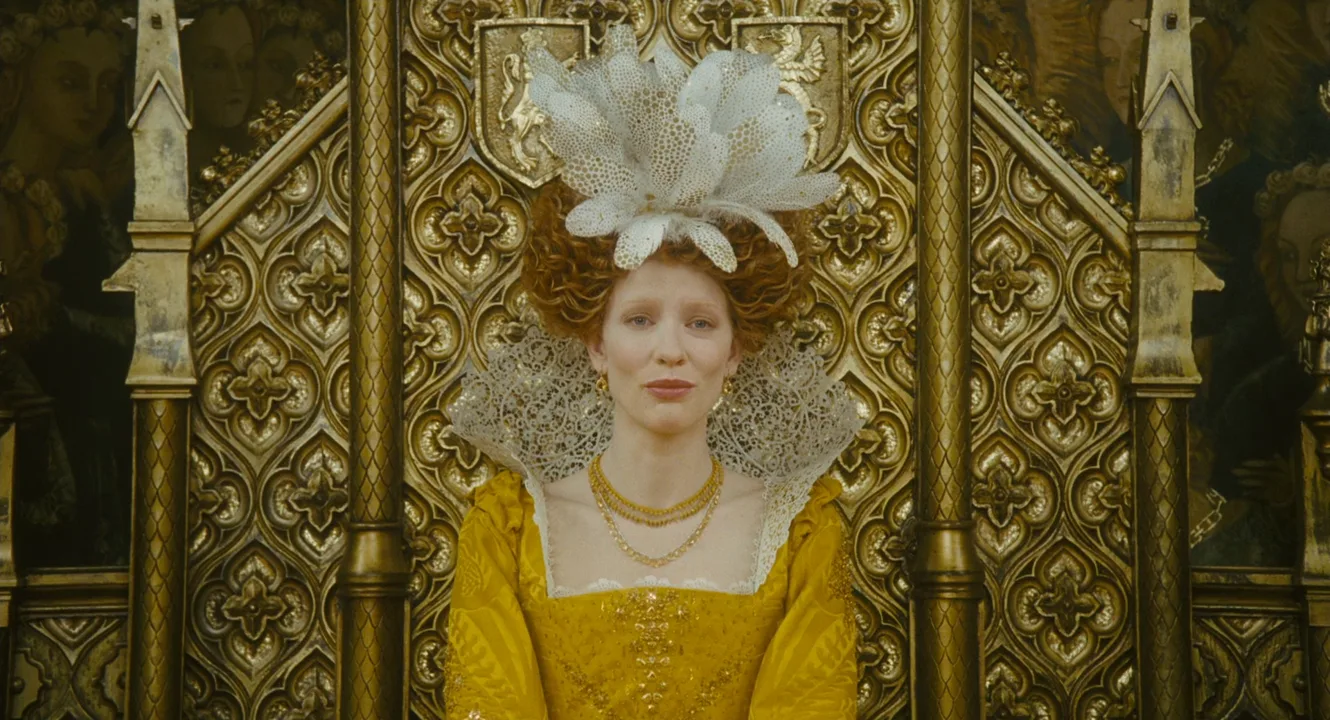
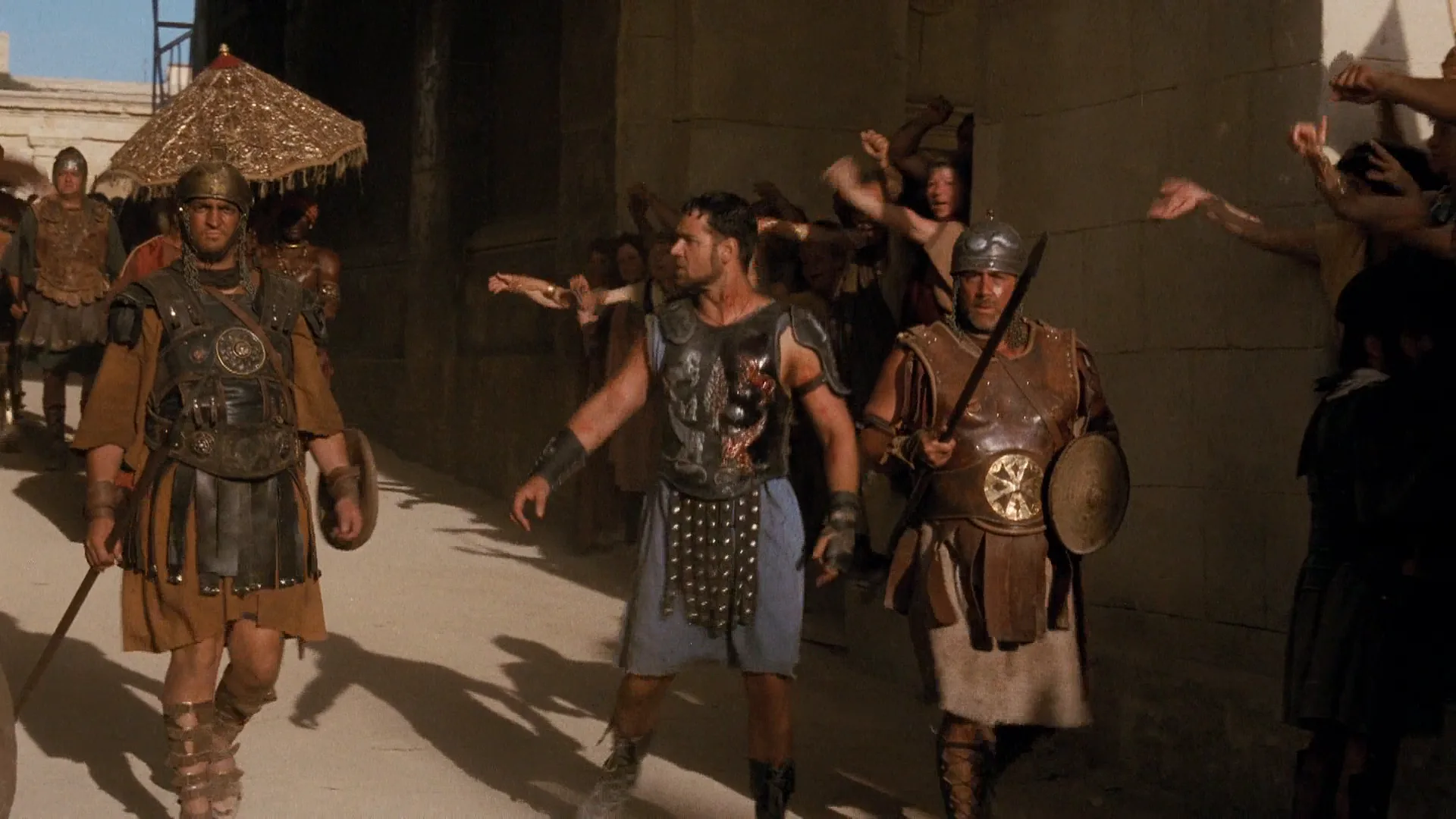
6 framesFrames from films that won Oscars in craft categories — the kind of work the costume, makeup, cinematography and effects branches put forward.




Keep the reference frames, prompts and every generated take side by side — images and video in one canvas.
FAQ
5 questionsWho votes for the Oscars?
Members of the Academy of Motion Picture Arts and Sciences — roughly ten thousand working film professionals worldwide, grouped into branches such as actors, directors, cinematographers, editors and sound. In the nomination round each branch votes only in its own category, and everyone nominates for Best Picture. In the final round the whole voting membership can vote in almost every category.
How is the Best Picture winner decided?
Best Picture uses a ranked, preferential ballot. Voters rank the nominees in order of preference; if no film has a majority of first places, the film with the fewest is eliminated and its ballots go to each voter's next choice. This repeats until one film passes 50 percent, so broad support can beat a smaller, more passionate following.
How many Oscar categories are there?
About two dozen competitive categories: Picture, Director, four acting awards, two screenplay awards, the craft awards (cinematography, editing, production design, costume, makeup and hairstyling, visual effects, sound, score, song), plus animated, international, documentary and short film categories. Casting was added from the 2026 ceremony. Honorary and technical awards are presented separately.
Why are they called the Oscars?
Oscar is the nickname of the statuette, officially the Academy Award of Merit. The origin of the name is disputed — several people have claimed to have coined it — but the Academy adopted it officially in 1939. The statuette shows a knight with a sword standing on a film reel, designed by Cedric Gibbons and sculpted by George Stanley.
Which film has won the most Oscars?
Three films share the record of 11 Academy Awards: Ben-Hur (1959), Titanic (1997) and The Lord of the Rings: The Return of the King (2003), which won every category it was nominated in. Only three films have swept the Big Five — Picture, Director, Actor, Actress and Screenplay: It Happened One Night (1934), One Flew Over the Cuckoo's Nest (1975) and The Silence of the Lambs (1991).
Related terms
2- Film FestivalFilm Industry
A film festival is a curated event that premieres and screens films, awards prizes and hosts a market for sales — Cannes, Venice, Berlin, Toronto and Sundance can launch a film's whole career.
- BlockbusterFilm Industry
A blockbuster is a big-budget, widely released film built to earn huge box office — the modern model of saturation release and summer event movies traces back to Jaws (1975) and Star Wars (1977).
Further reading
Academy of Motion Picture Arts and Sciences, Rules for the Academy Awards (published each year) · Mason Wiley and Damien Bona, Inside Oscar: The Unofficial History of the Academy Awards (Ballantine)