 FlashBoards Learn
- Learn
- Storytelling
- Origin Story
Storytelling · Film language
Origin Story
Also called: origin
An origin story shows how a character became the hero or villain we know, and the transformation itself is the plot. An ordinary person with a flaw meets a catalyst, a loss teaches the cost, and the film ends on the first choice made by the new identity.
- What it does
- Turns a costume, a power or a reputation into a choice the audience watched being made.
- Use it when
- The first film of a character, or when a familiar hero or villain needs a motive the audience has never seen.
- Watch out
- The audience knows where the story ends. Spend the screen time on the cost of becoming, not on assembling the costume.
- Try this prompt
A young welder with a shaved head and a burn scar on her jaw stares at her glowing hands in a dark flooded foundry, low angle, 35mm film still.
What is an origin story?
An origin story answers one question: how did this person become that? The before and after are often known from the poster, so the drama lives in the bridge between them. It is a special case of the character arc: the arc is the whole plot, and it ends when the new identity takes its first real action.
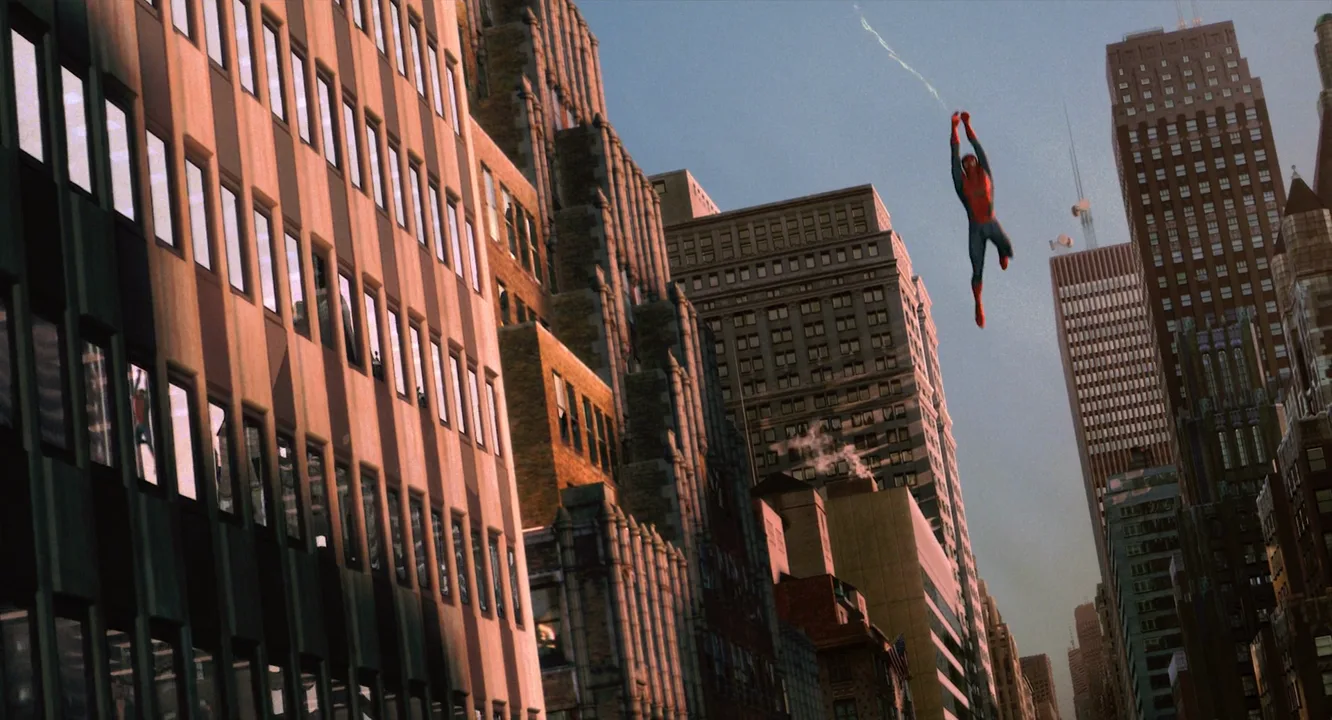
The label comes from comics, but the form is older than capes. Spider-Man (2002) turns a bullied student into a hero, Joker (2019) a failed comedian into a killer, and There Will Be Blood (2007) a lone prospector into an oil baron. All three are about becoming, which puts the form at the center of storytelling for heroes and villains alike.
How an origin story is structured
Most origin stories hit five beats, mapped onto three-act structure:
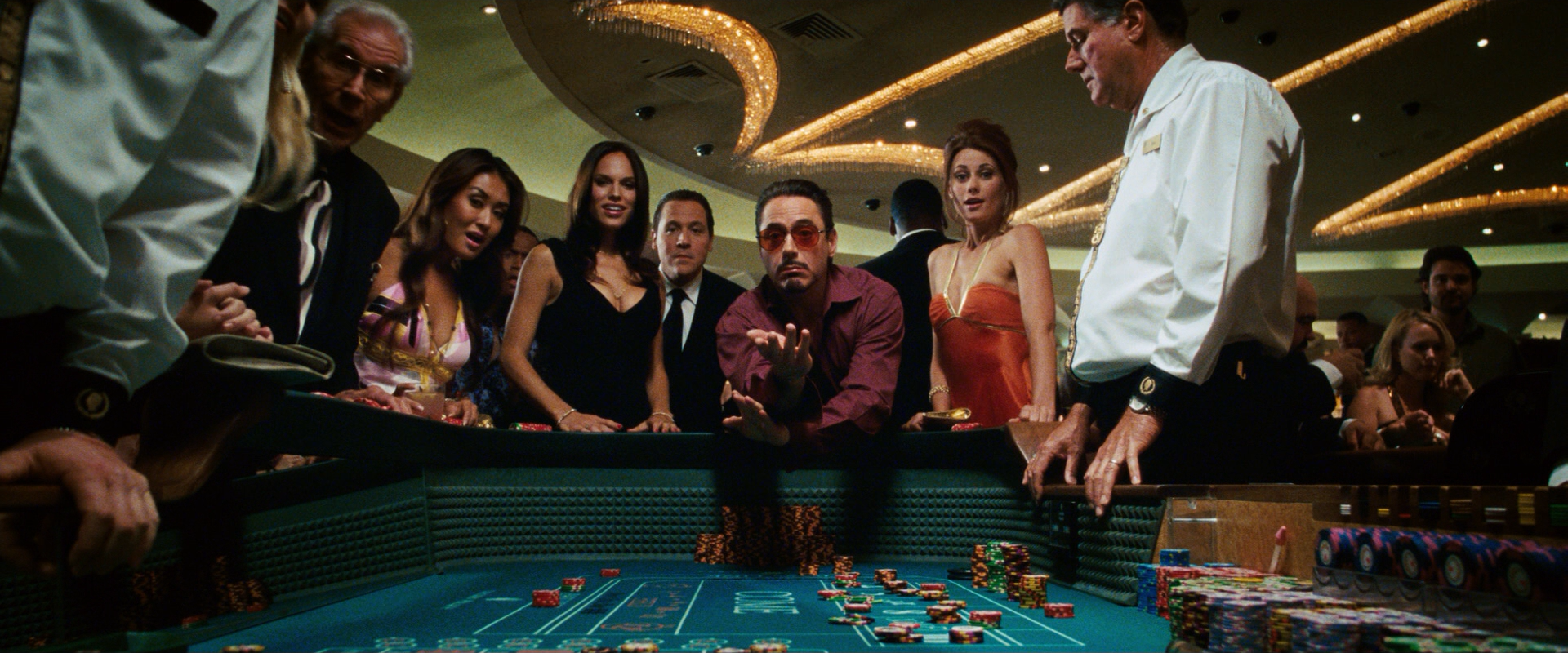
- The ordinary self with a flaw. Tony Stark gambling in Las Vegas in Iron Man (2008).
- The catalyst. The inciting incident that changes the body or the circumstances: a spider bite, a captivity, a death.
- Misuse. New power, old values. Peter Parker lets a thief escape because it is not his problem.
- The cost. The misuse returns as a loss that becomes the character's rule. The thief kills Uncle Ben.
- The choice. The character acts from the new identity for the first time.
Villain origins run the same beats, but the loss hardens into a grievance instead of a code.
Why filmmakers tell origin stories
Motive. A hero without a past is a costume. Showing the wound makes every later choice readable; franchises open with the origin and sequels skip it.
Empathy for the other side. Joker (2019), or Black Panther (2018) opening in 1992 Oakland to plant Killmonger's grievance, lets the audience understand the antagonist before judging him.
Visual payoff. Everything builds toward the first image of the finished figure, which is also the form's weakness: the audience knows it is coming.
How to write an origin story
- Start late. Iron Man puts Tony in captivity within minutes and builds the suit in the first act.
- Make the cost personal. The loss should come, at least partly, from the flaw in beat one.
- Give the before a look. Decide how the character is framed, lit and dressed before and after: a hunched posture straightens, a cramped frame opens up.
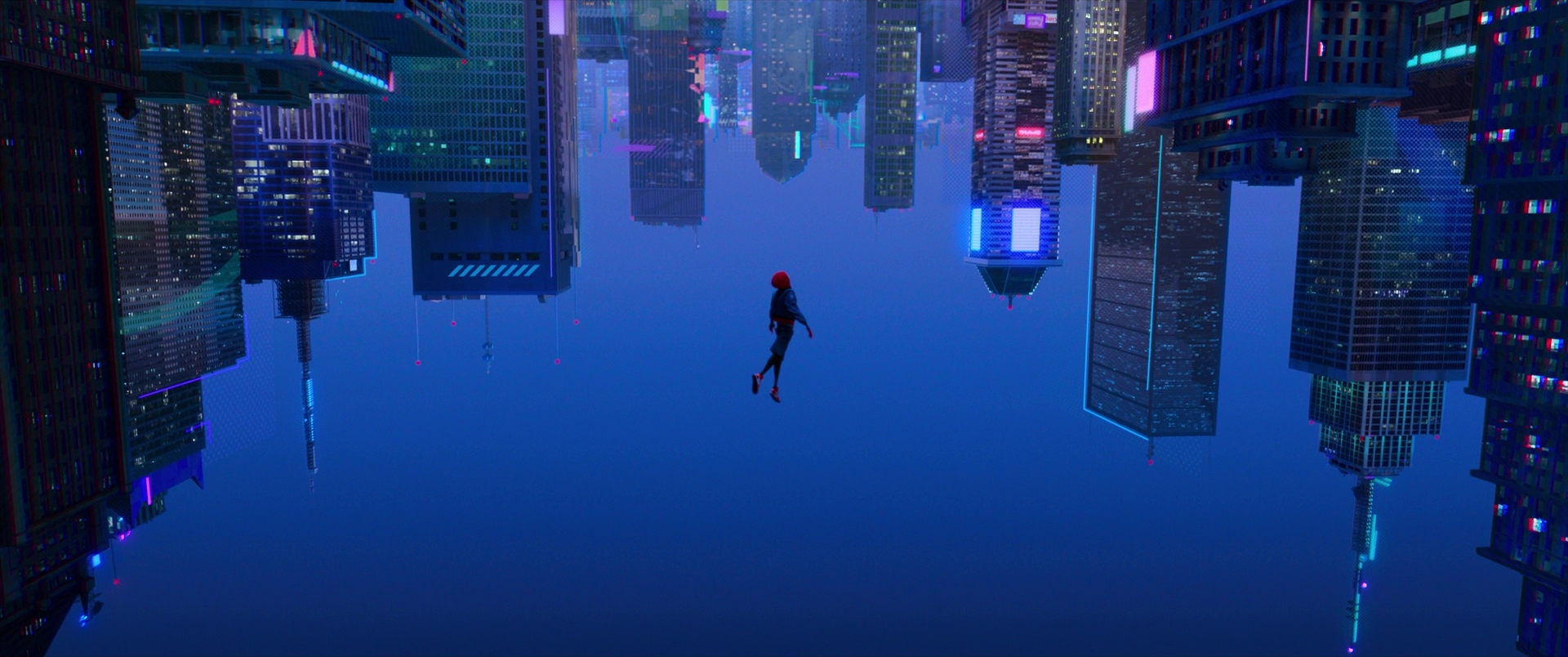
- Don't restage a famous origin. Spider-Man: Homecoming (2017) skips Uncle Ben; Spider-Man: Into the Spider-Verse (2018) turns its heroes' origins into quick recaps and a running joke.
- End on a choice, not a costume.
In FlashBoards you can lay the five beats out as one row on a board, with before and after reference frames, test generations and notes.
Origin story vs. backstory vs. prequel
Backstory is the past pressing on the story from off screen; an origin story stages that past as the plot. Batman Begins (2005) is an origin; a later Batman film can treat his parents' murder as backstory the audience already carries.
A prequel is a production fact: a film made later but set earlier. Many prequels are origins, like Star Wars Episodes I–III showing Anakin becoming Darth Vader, but a prequel can also cover events rather than one person's change.
Origin Story examples in film
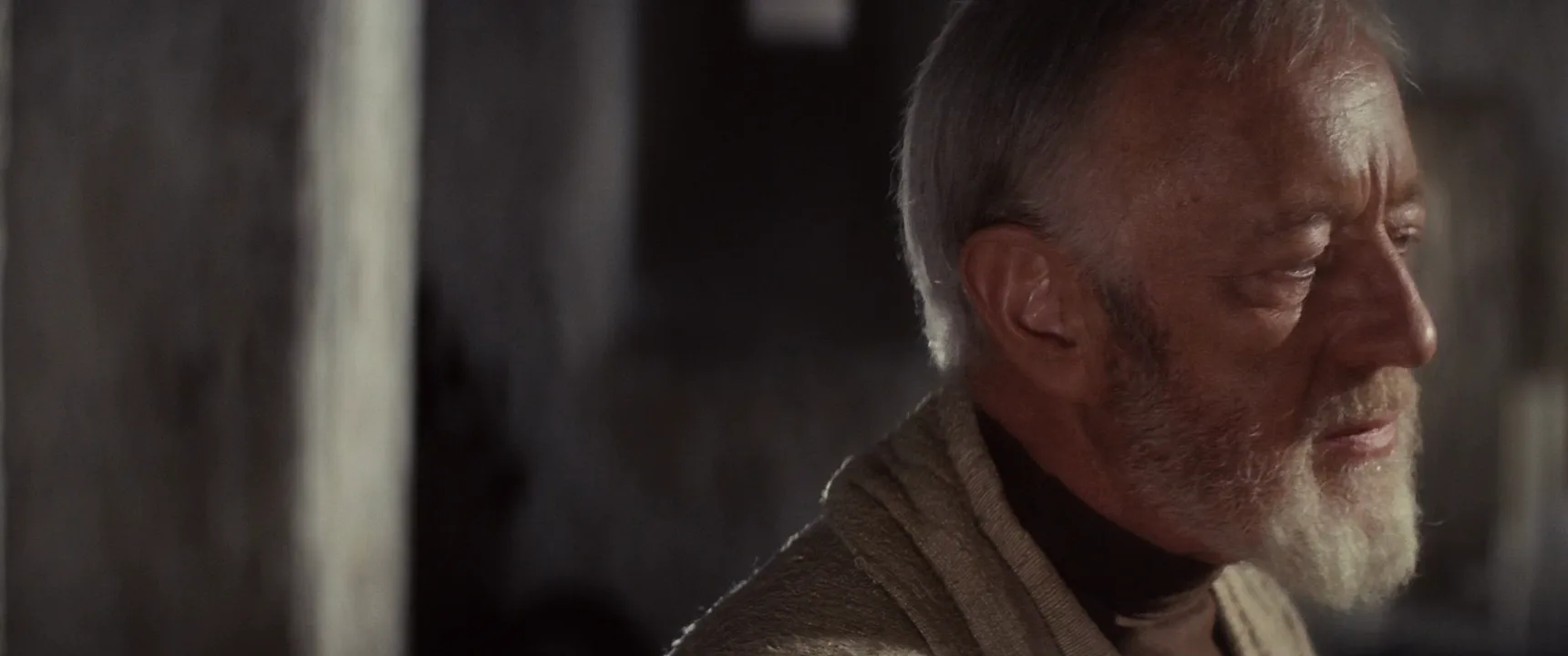
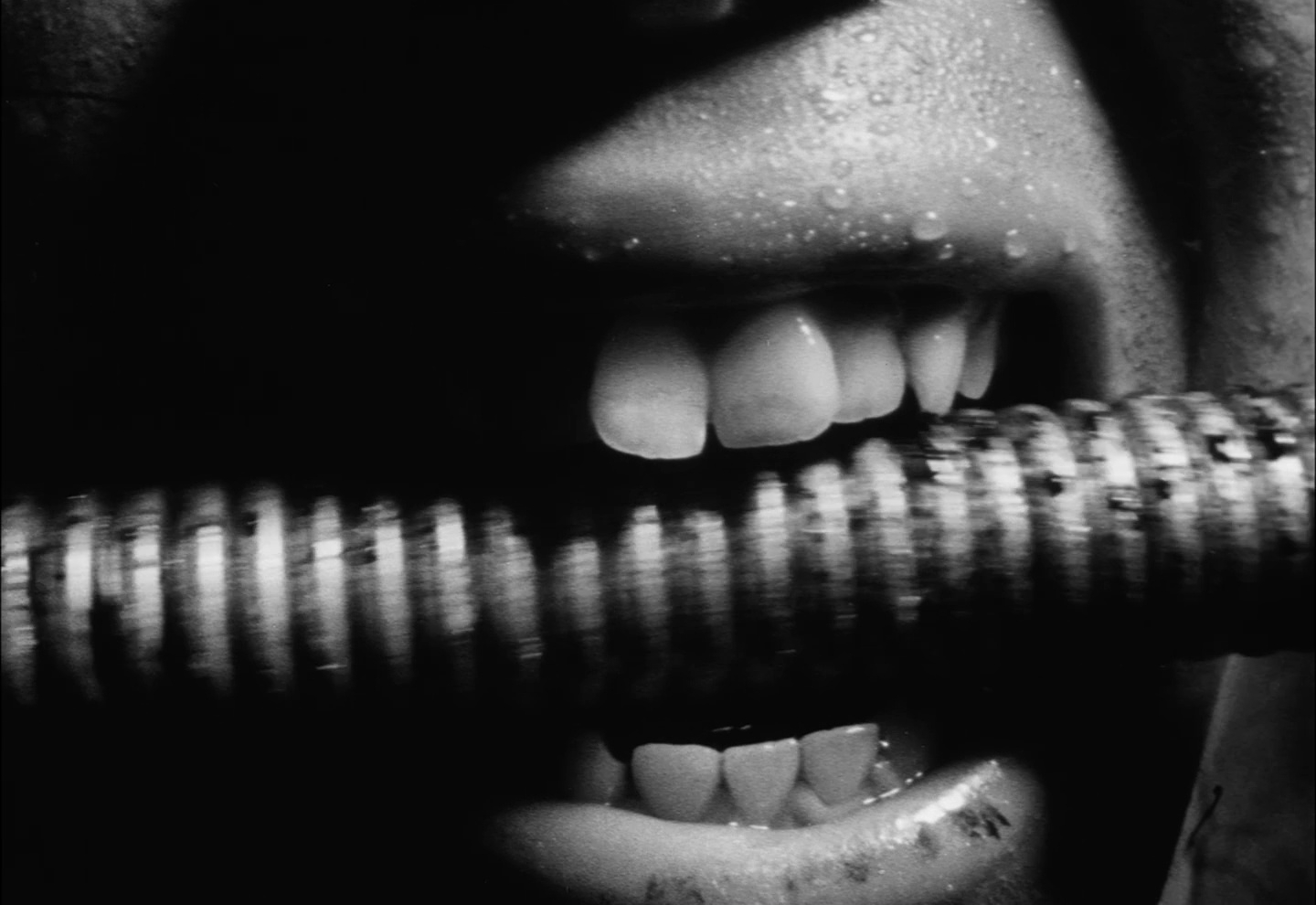
5 framesFrames that map the beats: the flawed before, the mentor, the change, the leap and the finished figure.
How to create a origin story with AI
3 promptsAn origin story compresses into one frame: the change becoming visible while the character is still the old self. Describe the before in costume and body, the catalyst in light. In FlashBoards, generate before, catalyst and after next to your beat notes and compare takes side by side.
A young woman in her early twenties with a shaved head, dark brown skin, a burn scar along her left jaw and oil-stained grey overalls kneels in ankle-deep water in a dark abandoned foundry at night, holding her hands up before her face. Orange light glows from under the skin of her palms and reflects in the water. Low angle from water level, 28mm lens, her hands are the only warm light, cold blue moonlight from high broken windows, 35mm film still.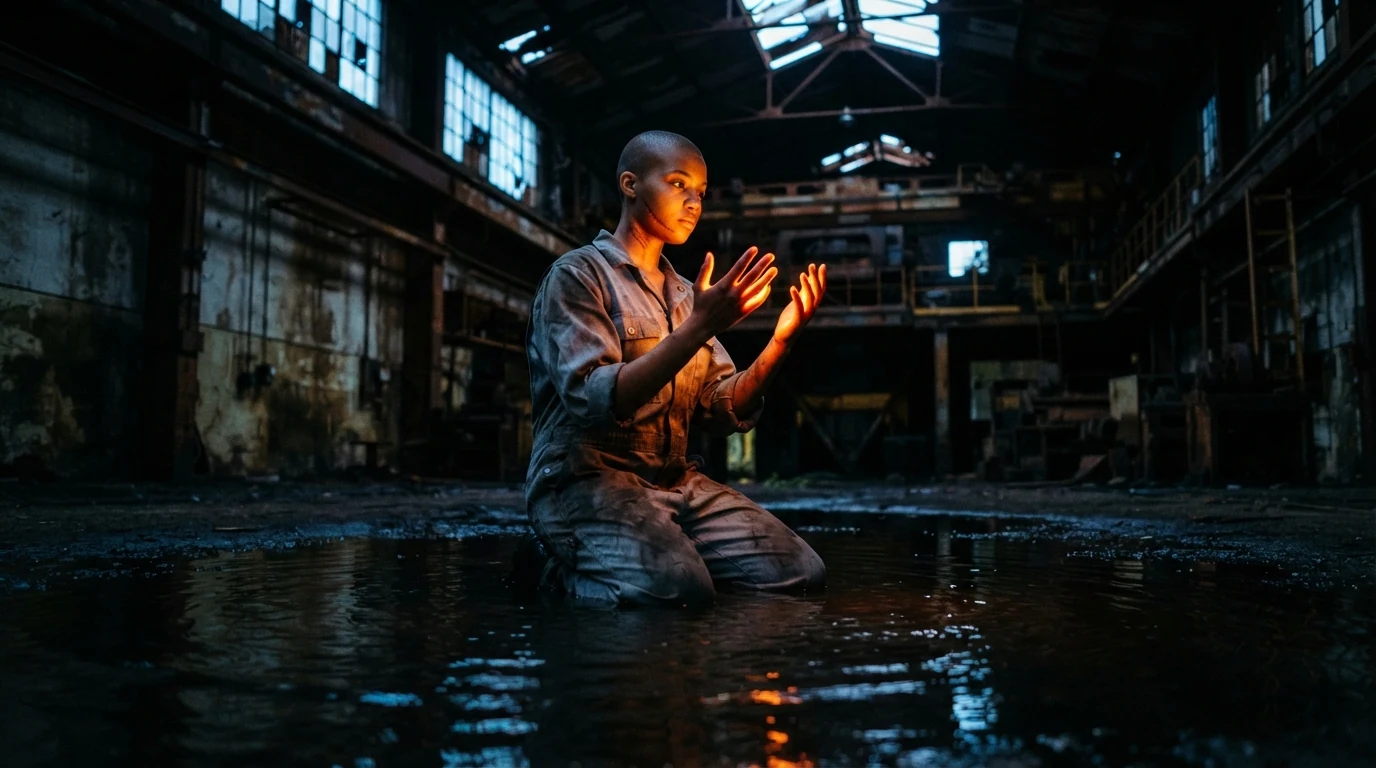
The overalls and scar are the ordinary self, the glow under the skin is the catalyst, and making it the only warm light centers the change.
Open FlashBoardsThree storyboard panels side by side in one graphite-and-grey-wash style, labeled BEFORE, CATALYST, AFTER. Panel 1: a thin, balding man in his forties with a bushy red beard, a crooked nose, round wire glasses and a lab coat smiles, holding up a glass vial. Panel 2: the same man on the lab floor after an explosion, glasses cracked, face lit by green fire. Panel 3: the same man on a rooftop at night in a long black coat, glasses gone, a scar across his left cheek.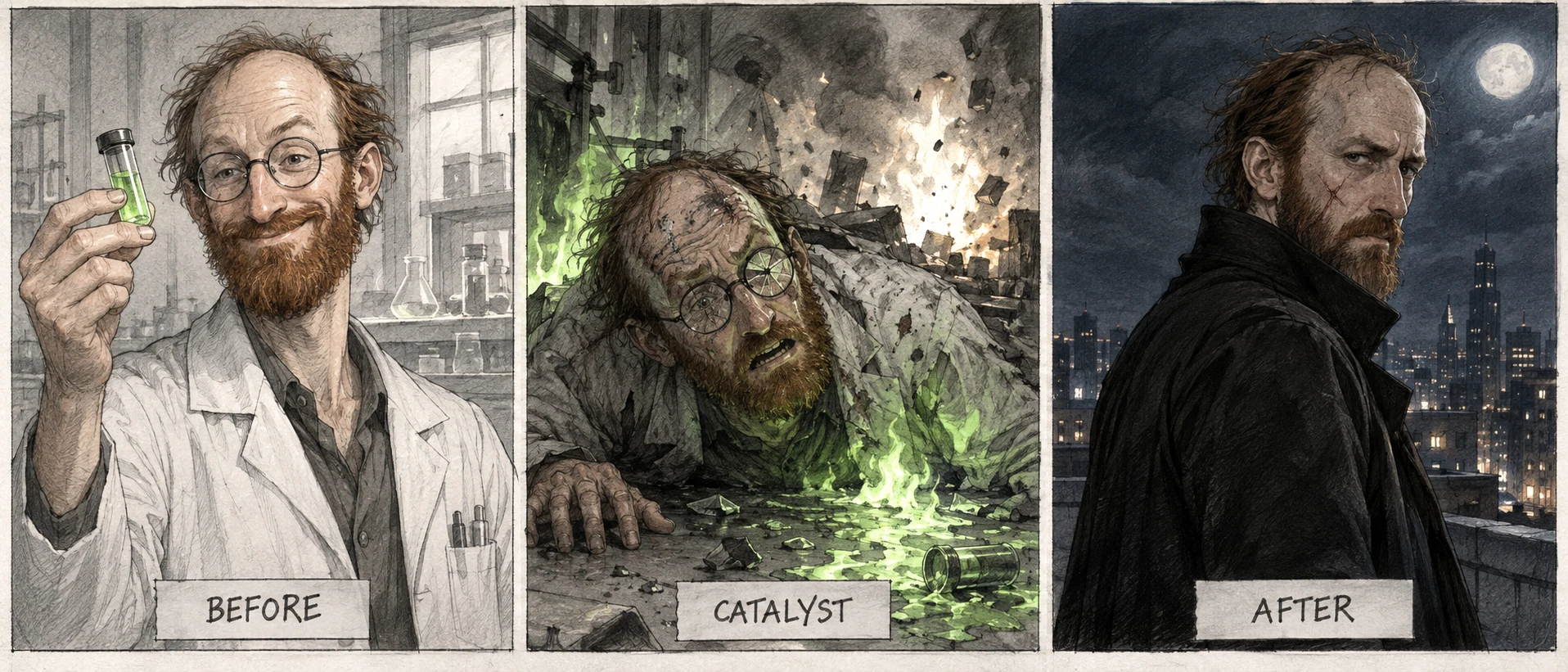
A villain origin as a three-beat board. Repeating the red beard keeps him one person; losing the glasses shows the change.
Open FlashBoardsCamera: starts at water level and slowly pushes in, ending on a medium close-up of her face and hands. Action: from the first frame the glow under her palms is pulsing and ripples spread across the water. She turns her hands over, breathing hard, as the glow lights her face from below. At the end she closes her fists and light leaks between her fingers.The pulsing glow keeps the shot alive from frame one. Closing the fists is the choice beat in miniature.
Open FlashBoardsCommon mistakes
- Models jump to the finished hero in costume. Describe ordinary clothes and the first sign of change.
- Glow washes out the face. Name it as the key light and give the room one dim cool source.
- In panels the character drifts. Repeat two or three fixed features in every panel.
Keep the reference frames, prompts and every generated take side by side — images and video in one canvas.
FAQ
5 questionsWhat is an origin story?
An origin story shows how a character, usually a hero or villain, became who they are. The transformation is the plot: an ordinary person with a flaw meets a catalyst, pays a price and ends by making the first choice of a new identity, as in Spider-Man, Iron Man or Joker.
What makes a good superhero origin story?
It ties the power to a personal cost. The catalyst gives abilities, but a loss caused by the hero's own flaw gives the rules they live by: Peter's selfish choice in Spider-Man (2002) leads to Uncle Ben's death. Reach the catalyst quickly and end on a choice, not a costume.
How do you write an origin story?
Define the before and the flaw. Pick a concrete catalyst, let the character misuse the change, then make the misuse cost something personal. End with a choice only the new identity would make, and plan the before and after looks early.
What is a villain origin story?
It shows how someone became the antagonist through the same beats as a hero origin, but the loss hardens into a grievance instead of a code. Joker (2019) follows a failed comedian's slide into violence; Black Panther (2018) opens on the event behind Killmonger's grievance.
Is an origin story the same as a prequel?
Not always. A prequel is any film made later but set earlier; an origin story is about one character's transformation. They often overlap, as in X-Men Origins: Wolverine (2009), but a first film can be an origin without being a prequel.
Related terms
2- BackstoryStorytelling
Backstory is everything that happened to the characters and their world before the film begins; it shapes their motives and is revealed through hints, dialogue or flashbacks rather than dumped on the audience.
- Character ArcStorytelling
A character arc is the inner change a character goes through over the story — from a flaw or false belief to a new understanding (or a fall) — driven by the choices the plot forces on them.
Further reading
Joseph Campbell, The Hero with a Thousand Faces (1949). Christopher Vogler, The Writer's Journey (1992).