 FlashBoards Learn
- Learn
- Storytelling
- Backstory
Storytelling · Film language
Backstory
Also called: back story, character history
Backstory is everything that happened to a character and their world before the first frame. It explains why people want what they want and fear what they fear. Good films keep most of it off screen and let it leak out through props, scars, behavior, a line of dialogue or one well-placed flashback.
- What it does
- Gives characters a past that drives their present choices, so their behavior feels motivated rather than scripted.
- Use it when
- A choice, fear or relationship on screen would look arbitrary unless the audience senses something that came before.
- Watch out
- Front-loading the past in a speech or an opening flashback kills momentum. Reveal only what the current scene needs.
- Try this prompt
A retired boxer with a flattened nose and grey crew cut tapes his hands alone in a dim kitchen, faded fight poster on the wall, 35mm film still.
What is backstory in film?
Backstory is the history a story rests on: old wounds, past crimes, lost loves and the events that shaped the world before the plot starts. It feeds characterization and, at world scale, worldbuilding. Like most tools of storytelling, it works best as an iceberg: the writer knows far more than the audience ever sees.
The screen shows the tip: a man who flinches at a car horn. The past matters because it presses on the present: it leaves a wound, a belief or a debt that the character arc has to resolve. Backstory that changes no choice is trivia.
Backstory examples in film
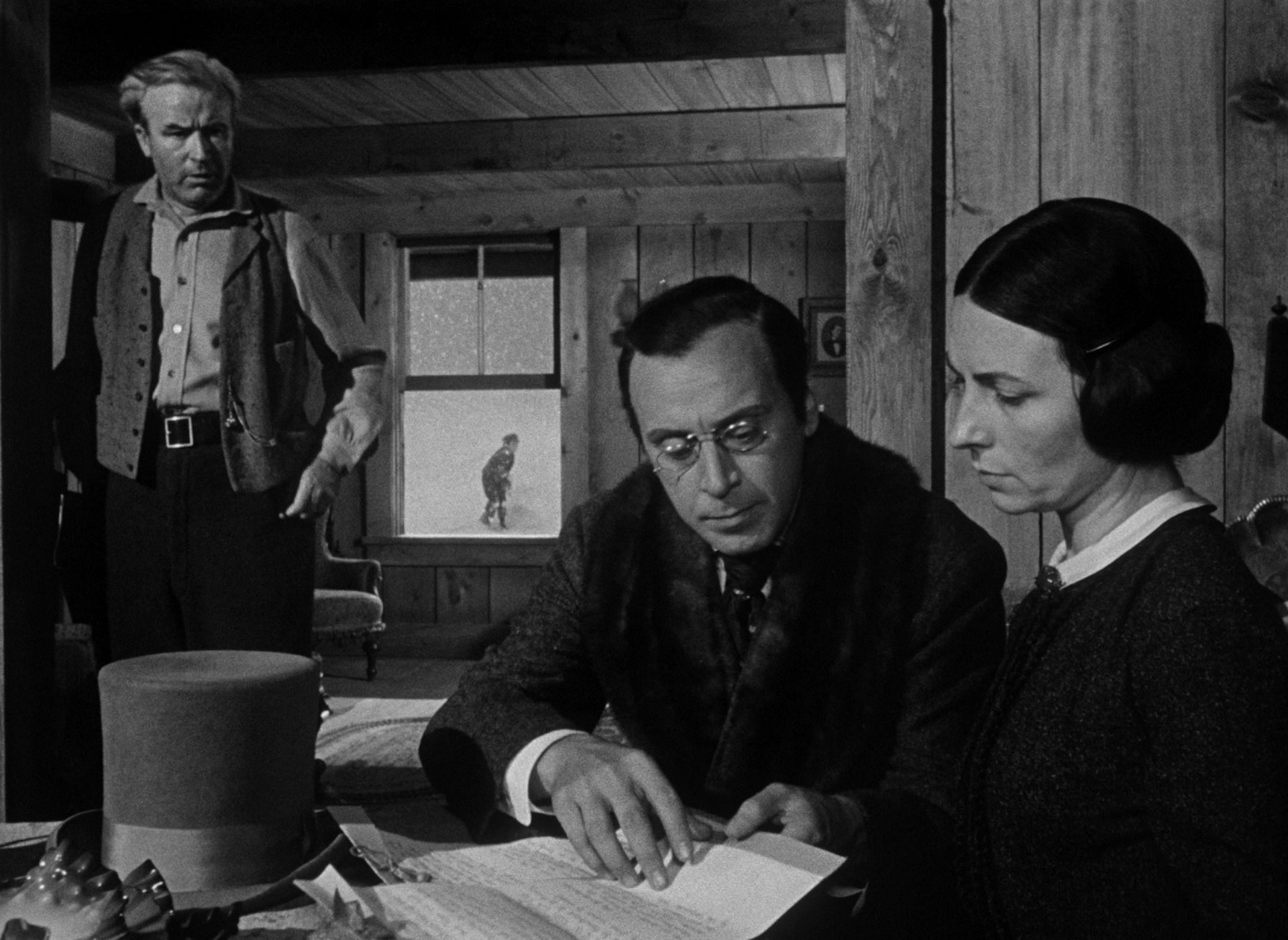
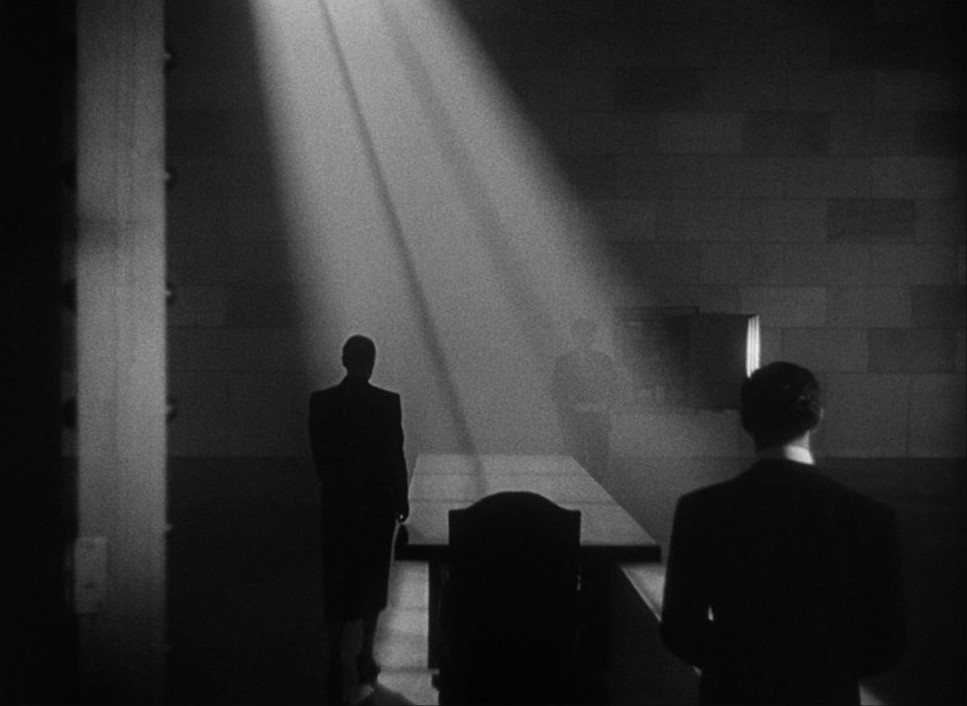
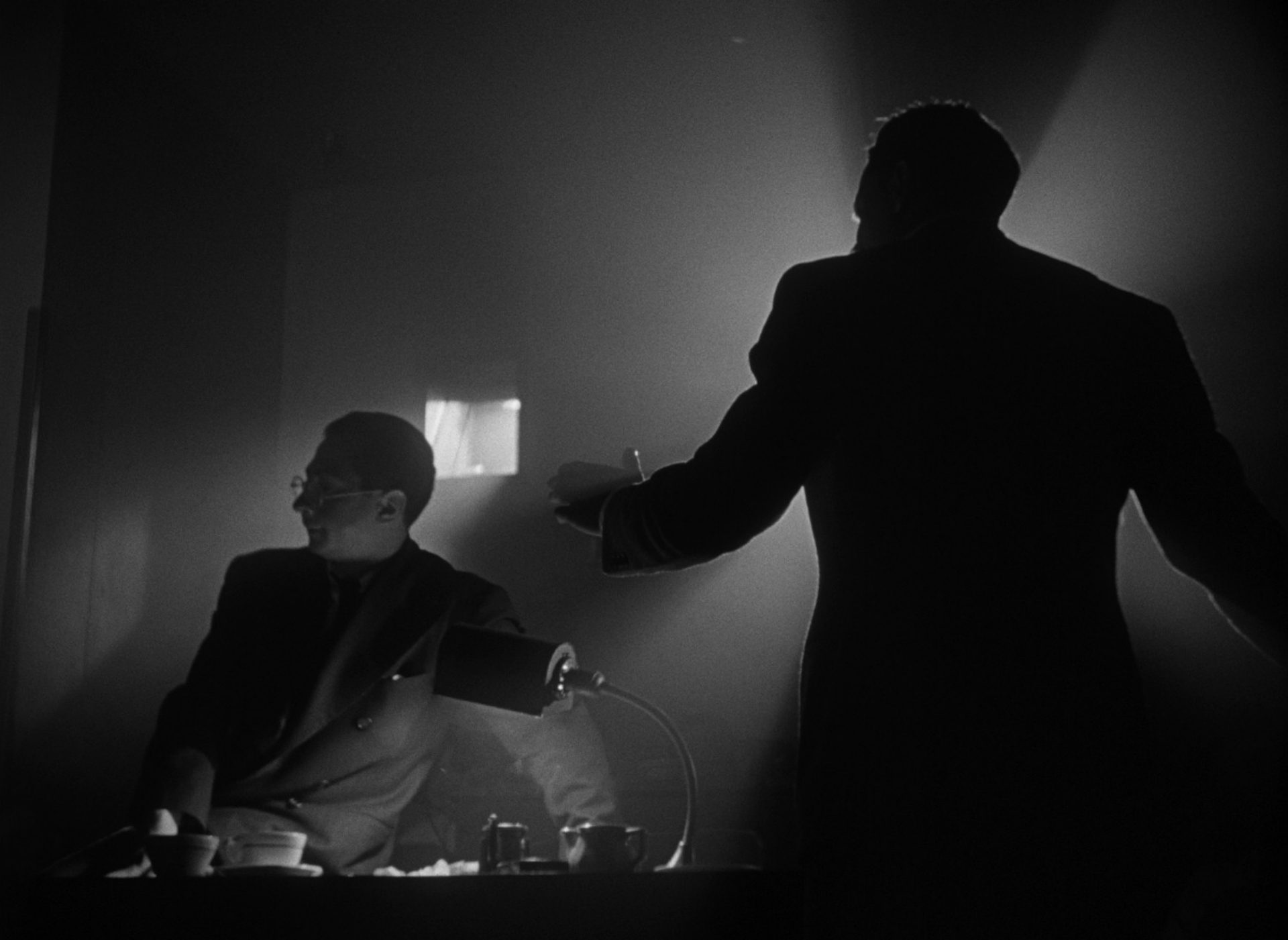
Citizen Kane (1941) makes backstory the plot: a reporter interviews the people who knew a dead tycoon, trying to decode his last word, and each interview opens another stretch of his past.
Star Wars (1977) delivers it as dialogue. Obi-Wan tells Luke his father was murdered by Darth Vader, and The Empire Strikes Back (1980) reframes that account.
Jaws (1975) holds Quint's USS Indianapolis story until the night before the final hunt. The Shining (1980) drops two dark histories in casual talk, the previous caretaker who killed his family and Jack once hurting Danny while drunk, and never plays either out as a scene. Batman (1989) reveals in flashback that the Joker killed Bruce Wayne's parents.
How to reveal backstory without an info dump
Reveal backstory at the moment the audience needs it to understand a choice, not a scene earlier. Clumsy exposition is the past delivered because the writer knows it. The channels, from quietest to loudest:
- Props and production design. A second toothbrush in a widower's bathroom, a child's drawing taped inside a truck cab.
- Costume and the body. Scars, a limp, a wedding ring worn on a chain.
- Behavior. Someone who checks every exit has been trapped before.
- Dialogue. Best when conflict forces it out; lean on subtext.
- Flashback, montage or voice-over. The loudest options. A flashback earns its place when the past event is dramatic in itself.
For the crew this is concrete: the scar needs continuity, and the photo on the fridge must read in the insert.
How to write a character backstory
Write more than you will use, then cut hard:
- Find the wound. One event specific enough to film.
- Derive the belief. The wound leaves a rule to live by ("never trust family") that the plot will test.
- Link it to the want. The past explains what the character chases and avoids now.
- Pick the reveal points. Mark where each piece surfaces and through which channel.
- Leave gaps. An unexplained detail makes the audience lean in.
Many writers keep this in a character sheet. In FlashBoards you can lay it out as a board: reference frames for each character's past and notes marking where each piece surfaces, next to the storyboard it feeds.
Backstory vs. origin story vs. exposition
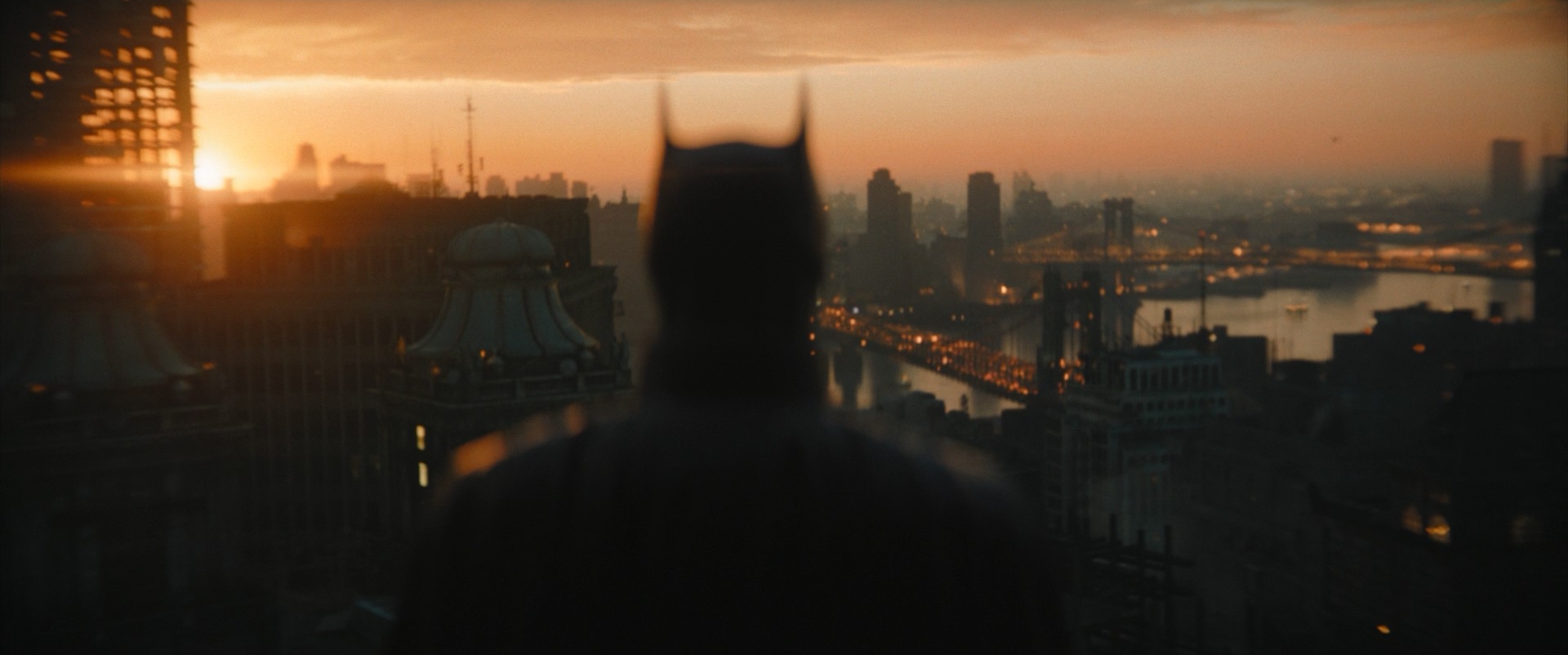
Backstory is the past that exists before the film and presses on it from behind. An origin story dramatizes how a hero or villain became who they are, so the transformation is the plot. Batman Begins (2005) is an origin story; The Batman (2022) skips restaging the murder of Bruce's parents and treats it as backstory the audience already carries.
Exposition is the delivery method, not the content: any information the audience needs. Backstory usually arrives through exposition; the craft is making that delivery feel like drama.
Backstory examples in film
4 framesOne film built around digging up a man's past, and one that trusts its audience to bring the hero's backstory with them.
How to create a backstory with AI
3 promptsOn screen, backstory is mostly environmental storytelling: name two or three worn objects that carry the history and keep the present action simple. In FlashBoards, keep both takes side by side with notes on what each detail should reveal.
A man in his late fifties with a flattened boxer's nose, grey crew cut and a white scar through his right eyebrow sits alone at a kitchen table at night, wrapping white tape around his knuckles. Behind him a yellowed fight poster and a framed photo of a young boxer with raised gloves. Medium shot, 35mm lens, eye level, one warm practical lamp, 35mm film grain, cinematic film still.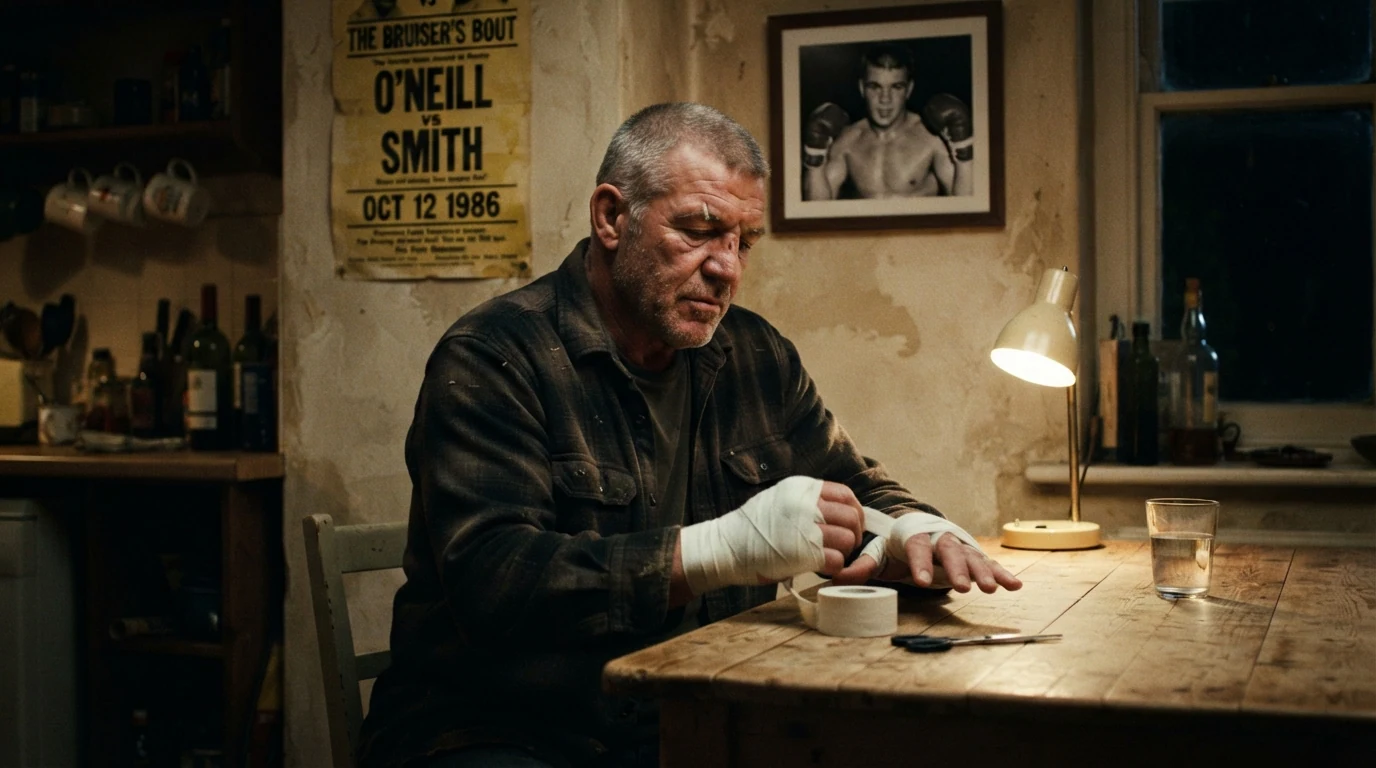
The poster and the photo tell us who he was; the nose and scar put it on his body. The taping gesture links past to present. This is the start frame for the video.
Open FlashBoardsA woman in her mid-forties with short silver-streaked black hair, a faded burn scar across the back of her left hand and a worn navy pilot's jacket stands in a hangar office at dawn. Behind her a corkboard of old flight maps and a photo of a small red seaplane beside a newspaper clipping. She rests her scarred left hand on the desk and stares at the empty hangar floor, no aircraft anywhere. Wide shot, 28mm lens, cool dawn window light, anamorphic widescreen film still.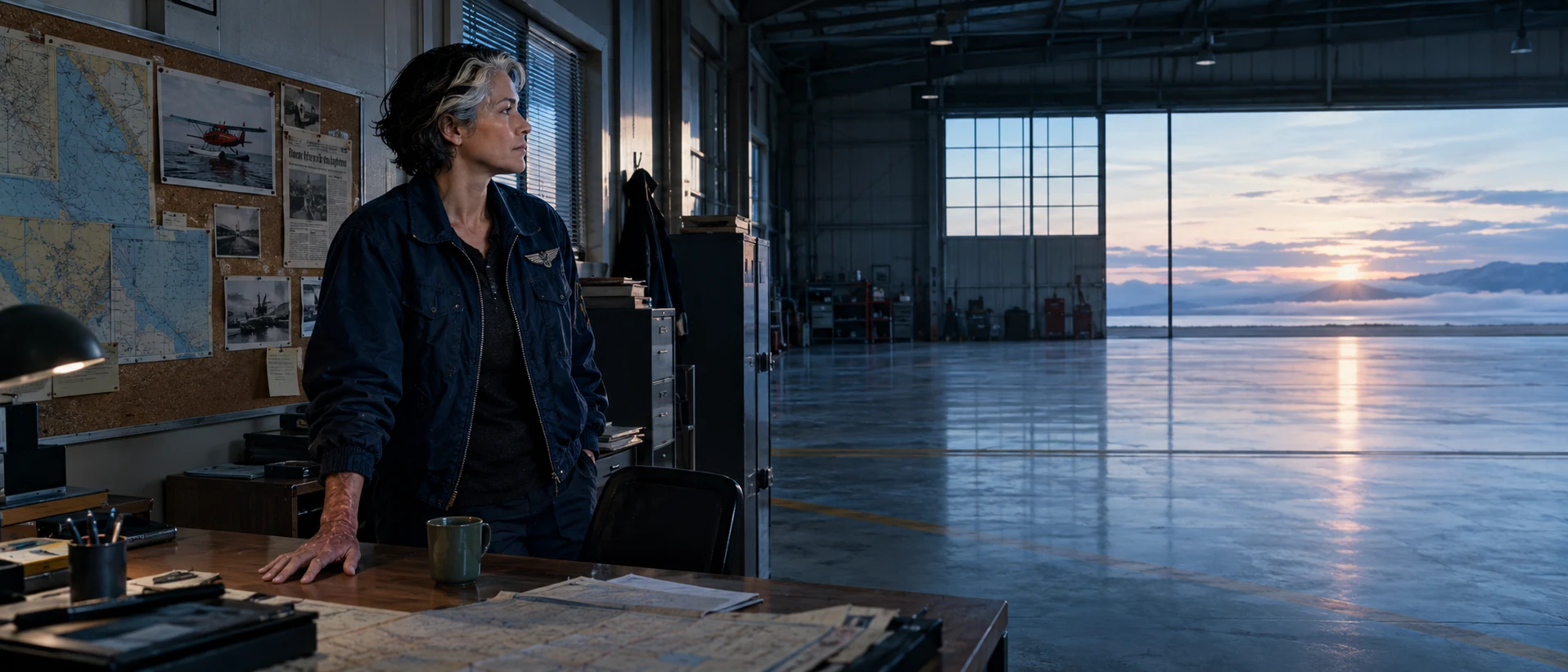
Same device, different history: the scar, clipping and missing seaplane imply a crash without showing it.
Open FlashBoardsCamera: static at eye level, then a slow push in, ending on a medium close-up of his face and hands. Action: from the first frame he is already wrapping tape around his knuckles. Halfway through he stops and looks up at the framed photo of the young boxer. At the end he looks down and tears the tape with his teeth, jaw set."Already wrapping" keeps the shot alive from frame one. The glance at the photo is the only reveal.
Open FlashBoardsCommon mistakes
- Models scatter clues until the frame is clutter. Name two or three story objects and call the rest of the room plain.
- Photos and posters come out generic. Say who is in them.
- In video the character may just stare. Give one concrete gesture toward the clue.
Keep the reference frames, prompts and every generated take side by side — images and video in one canvas.
FAQ
5 questionsWhat is a backstory?
A backstory is the history of a character or world before the story begins: past events, relationships and wounds that explain present behavior. In film most of it stays unseen; the audience gets fragments through props, performance, dialogue or flashbacks, and those fragments make motives feel real.
How do you write a character backstory?
Start with one formative event and decide what belief or rule it left behind. Connect that belief to what the character wants now. Then choose where each piece of the past surfaces in the script and through which channel. Write more than you show, and cut anything that affects no choice.
How much backstory should a film show?
Only as much as the audience needs to understand the next choice. Backstory usually works best revealed late and in fragments, because an open question keeps viewers engaged. A long opening flashback or an early speech that explains everything tends to stall the first act.
What are good examples of backstory in film?
Citizen Kane builds its plot around uncovering a dead man's past. Star Wars delivers Luke's family history in dialogue that a sequel reframes. Jaws saves Quint's USS Indianapolis story for the night before the climax. The Shining drops two dark histories in casual conversation.
Is backstory the same as a flashback?
No. Backstory is the content, the past itself; a flashback is one technique for showing it by cutting back to an earlier moment. Backstory can also come through dialogue, props, costume, voice-over or behavior, and many films convey it without ever flashing back.
Related terms
6- ExpositionStorytelling
Exposition is the information the audience needs to follow the story — who the characters are, what's at stake, how the world works — ideally delivered through action and conflict rather than explanatory speeches.
- Origin StoryStorytelling
An origin story shows how a character — often a hero or villain — became who they are, making the transformation itself the plot.
- Character ArcStorytelling
A character arc is the inner change a character goes through over the story — from a flaw or false belief to a new understanding (or a fall) — driven by the choices the plot forces on them.
- FlashbackStorytelling
A flashback interrupts the present story to show an earlier event, usually signalled by a dissolve, a change of color or grade, or a sound cue, to reveal backstory or motive.
- CharacterizationStorytelling
Characterization is how a film reveals who a character is — through actions, choices, speech, appearance, how others react to them and what the camera lets us notice.
- WorldbuildingStorytelling
Worldbuilding is designing the rules, history, geography, cultures and look of a story's world so that everything on screen feels consistent — the groundwork for production design and for coherent AI-generated scenes.
Further reading
Robert McKee, Story (1997) — chapters on exposition and character. Linda Seger, Creating Unforgettable Characters (1990).