 FlashBoards Learn
- Learn
- Storytelling
- Character Arc
Storytelling · Film language
Character Arc
Also called: character development, character journey, positive arc, negative arc
A character arc is the inner change a character goes through over a story: from a flaw or false belief to a new understanding, or into a fall. The plot forces choices; the arc is what those choices reveal and cost. It is why an ending feels earned rather than merely reached.
- What it does
- Turns a chain of events into a story about a person, so the climax tests who the character has become.
- Use it when
- Building the protagonist, planning a series or feature, or deciding how the last image should differ from the first.
- Watch out
- Change announced in dialogue doesn't count; the audience has to see a choice the character couldn't have made on page one.
- Try this prompt
Wide shot down a narrow night diner kitchen, a young cook with bleached cropped hair small at the far grill, head down, fluorescent light, 35mm film still
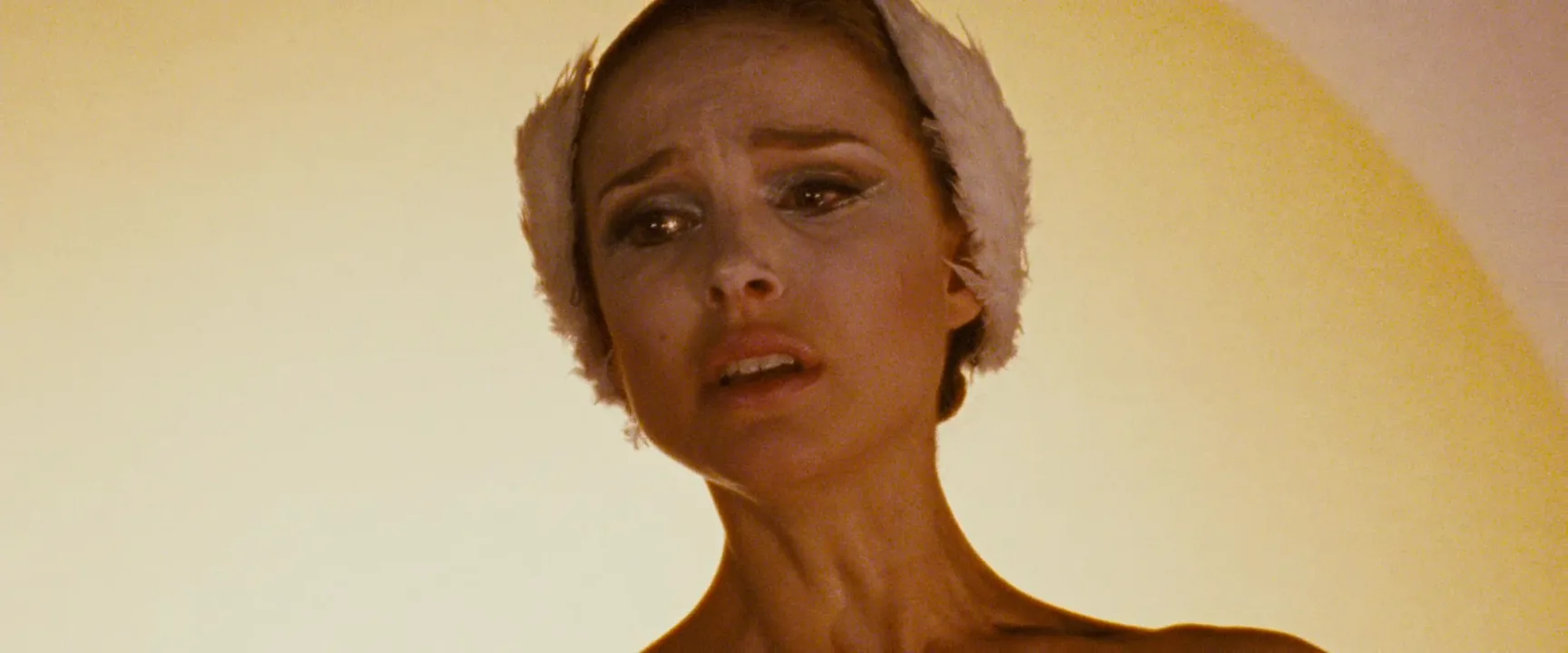
What is a character arc?
An arc measures the distance between who a character is at the start and who they are at the end. The events are the plot; the arc is what those events do to the person inside them.
Most arcs are built from four pieces:
- The flaw or false belief. Something the character holds true that is wrong or incomplete: I don't need anyone, power will keep my family safe. It usually grows out of backstory, a wound from before page one.
- The want. The external goal the character chases and the audience can track: win the case, get the money, get into college.
- The need. What would actually fix them. The want and the need pull in different directions, and the gap between them is the engine of the arc.
- The choice. At the climax the character must choose between the old belief and the new one. That choice, not the plot outcome, is the arc's payoff.
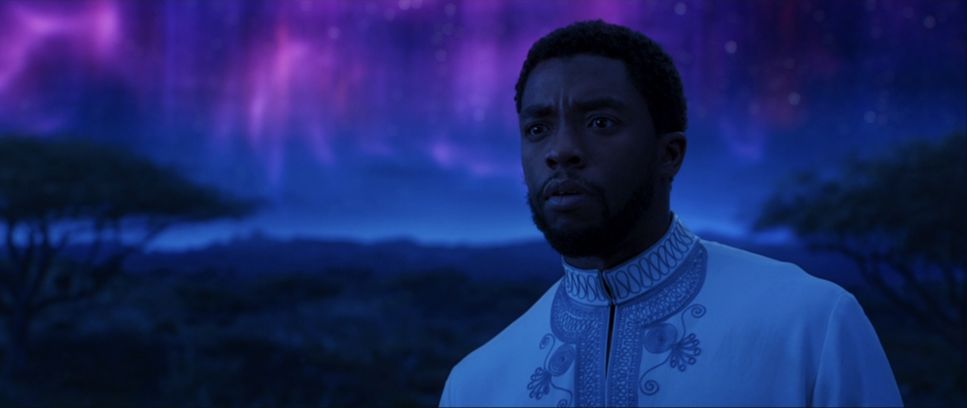
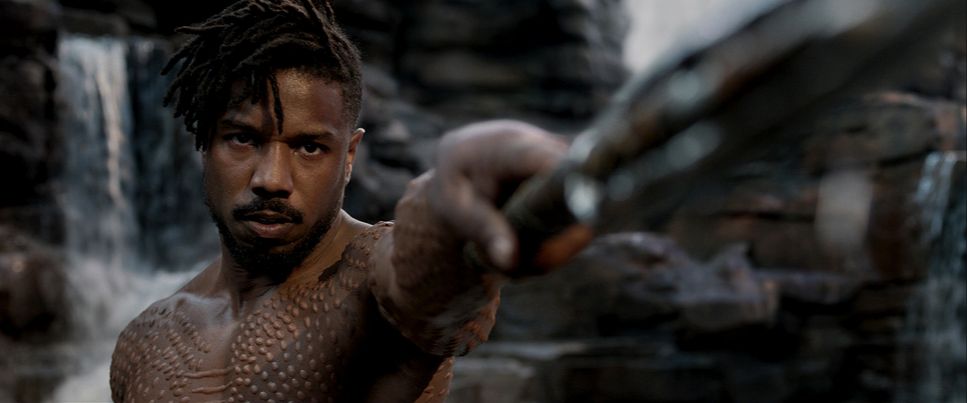
The arc belongs to the protagonist first, but supporting characters can carry smaller ones, and a strong antagonist often exists to pressure the lead's arc. In Black Panther (2018), Killmonger barely moves; his job is to force T'Challa to change.
One practical test: describe your character in one sentence at the opening and one at the ending. If the two sentences are interchangeable, there is no arc yet, only a plot.
What are the types of character arcs?
Writers name dozens of variants, but they fall into three families. For more storytelling terms, see the hub.
Positive arc
The character lets go of the false belief and ends stronger, kinder or freer. Dickens's Ebenezer Scrooge is the template: a miser shown his past, present and future until he chooses generosity. Phil Connors in Groundhog Day (1993) turns from contempt to care one repeated day at a time. George McFly in Back to the Future (1985) goes from pushover to the man who throws the punch, and the whole changed timeline flows from that one choice. Lady Bird (2017) ends with its heroine leaving her mother a voicemail under her given name, Christine: the self-invented identity loosens as she grows.
Negative arc
The character changes for the worse, or clings to the lie until it destroys them. Three common shapes:
- The fall. A decent person slides into what they swore they weren't. Michael Corleone in The Godfather (1972) begins as the son who wants no part of the family business and ends with a door closing between him and his wife. That kind of fall is also the shape of the tragic hero.
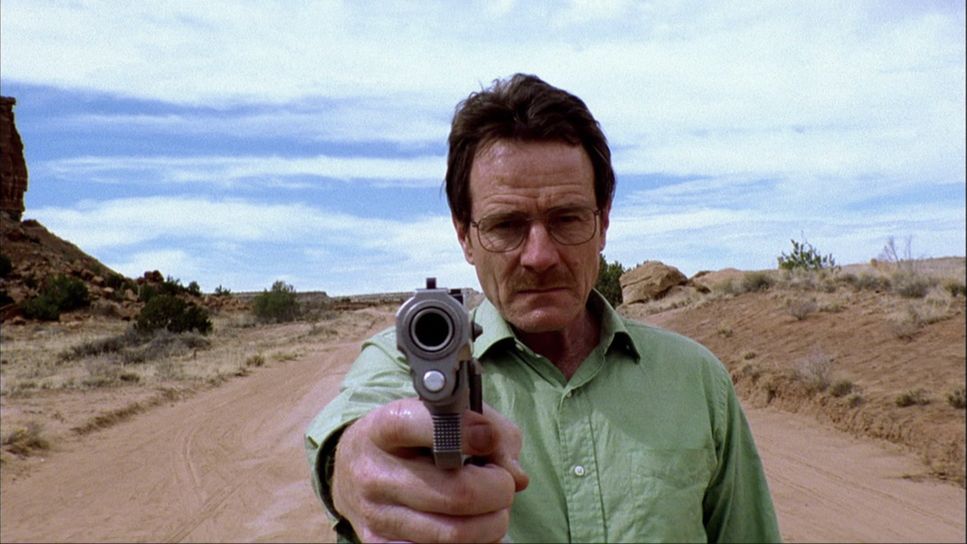
- The corruption. The flaw was always there, and power lets it out. Walter White in Breaking Bad goes from underpaid chemistry teacher to drug lord, and the series lets us watch him enjoy it.
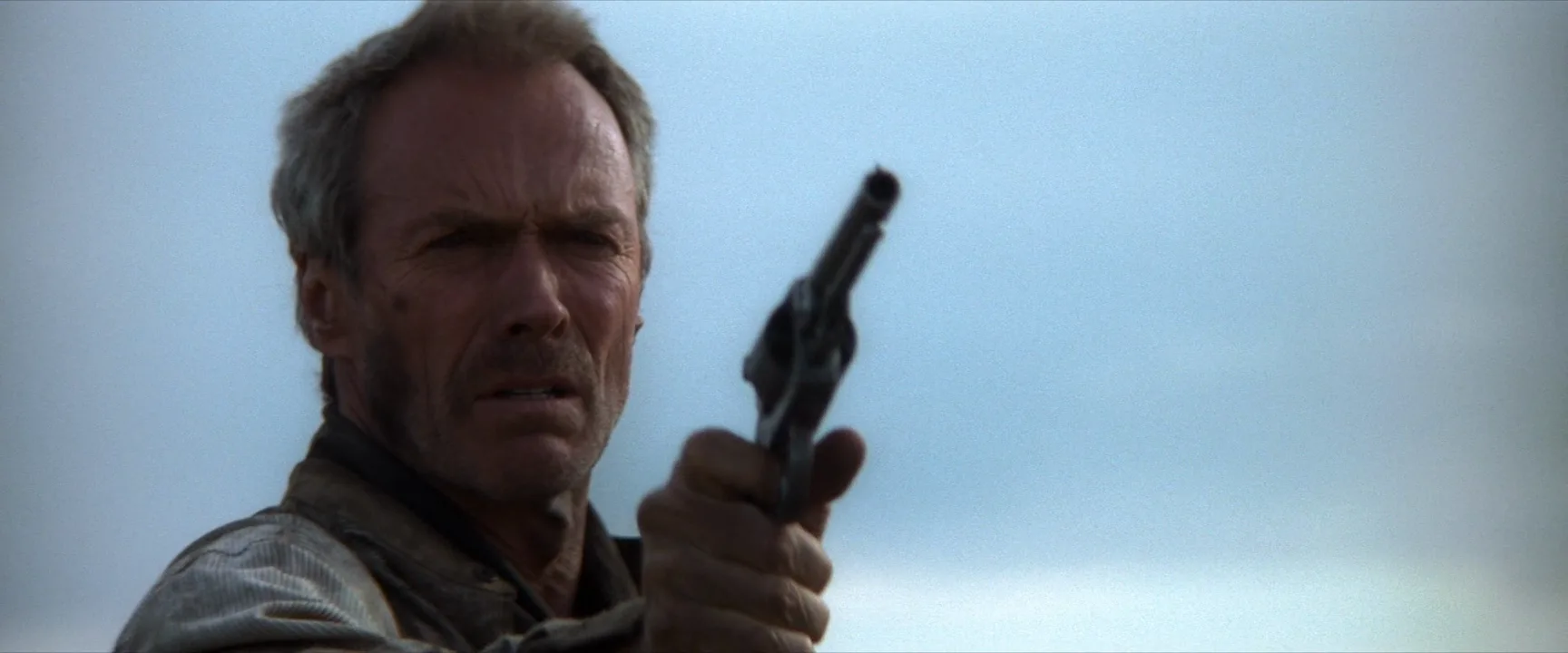
- The regression. A character who once changed slides back. William Munny in Unforgiven (1992) has spent years as a reformed man; the film is about the old killer coming back.
Flat arc
The character doesn't change; the world around them does. They already hold the truth the story is about, and the plot tests that truth. Juror 8 in 12 Angry Men (1957) starts and ends certain there is reasonable doubt; the arc belongs to the room, above all to Juror 3, who breaks. A flat arc can also be dark: Lou Bloom in Nightcrawler (2014) ends exactly as he began, and the horror is that the world rewards him for it.
How a character arc maps onto story structure
Plot structure and arc are two lines drawn over the same timeline. In the three-act structure they usually turn together:
- Setup. Show the flaw in action, in a scene where it costs the character something small. The opening image is the "before" picture.
- Inciting incident. The plot disturbs the old life. The character responds with the old belief, because it's all they have.
- Act two, first half. The old belief mostly works, or seems to. The character pursues the want.
- Midpoint. A glimpse of the need. The character tries the new way, or sees what the old one costs.
- Low point. The old belief fails completely. This is where negative arcs make the wrong choice and positive arcs start to make the right one.
- Climax. The decisive choice. The plot outcome and the inner change should land in the same action.
- Resolution. The "after" picture, ideally rhyming with the opening image so the change is visible.
The arc also carries the theme. The false belief is one side of the film's argument, the need is the other, and the climax is the verdict. Black Panther states it through T'Challa: he learns his father's isolationism was wrong, and the film ends with Wakanda opening itself to the world.
Series stretch this shape. Breaking Bad runs one long negative arc over five seasons, with each season a smaller arc inside it.
How to show a character arc on screen
Script pages can say she has changed; a film has to show it. The camera department carries as much of the arc as the writer:
- Rhyming compositions. Frame the first and last scenes from the same position, then change one thing: size in frame, where the character stands, who else shares the shot. Bookends are the strongest version. The Godfather opens in Vito's dim office as he hears petitioners and ends with men paying respects to Michael in the same kind of room while the door closes on Kay.
- Frame size and space. A character who starts small at the edge of wide shots and ends centered in close-ups has climbed without a word. Reverse it for a fall: tighten the room, add foreground clutter, let the frame box them in.
- Costume. Walter White's pale work shirts give way to darker clothes and the black hat. Costume design plans that drift scene by scene, so no single change jumps.
- Palette. A color arc can warm, drain or shift hue as the character turns. Keep it gradual; the audience should feel it before they notice it.
- Blocking and props. A character who always sits starts standing; a ring comes off; a car is sold. Repeated props work as mile markers.
- Performance tells. Posture, eye contact and how quickly someone speaks change across a good arc. Shoot the tell, not the explanation.
In FlashBoards, lay the arc out as a row of frames, one per act, with reference stills from films you admire above them and your notes beside each. When the "before" and "after" frames sit side by side on the board, you can see whether the change reads. A character sheet at the start of that row keeps the face consistent across generations.
Character arc vs. characterization
The two are often confused because both concern who a character is.
- Characterization is the method: how a film shows who someone is right now, through actions, speech, costume, reactions and what the camera notices. It works at the scale of a scene.
- A character arc is the trajectory: how that person changes between the first act and the last. It works at the scale of the whole story.
Characterization is how you draw each point on the curve; the arc is the curve. A film can have vivid characterization and no arc (many action heroes), or a planned arc undermined by weak characterization, where the audience never believes the starting point, so the ending feels unearned.
"Character development" is sometimes used for either. In writing workshops it usually means the arc; in production it often means the prep work of building backstory and traits before a draft.
Why character arcs fail
Most broken arcs fail in one of five ways:
- The change happens off screen. The character leaves in act two and returns different. Show at least one scene where they try the new way and struggle.
- The change is announced. A speech explains what the character has learned. Replace it with a choice that costs something.
- No real starting point. If the flaw is mild or only mentioned once, the ending has nothing to measure against. Dramatize the flaw early and make it hurt.
- Plot and arc climax separately. The action ends, then a quiet scene delivers the inner change. The strongest climaxes make one action carry both.
- Everyone arcs. When every supporting character learns a lesson, the film turns into a list. Let some characters stay flat so the changes that matter stand out.
Character Arc examples in film
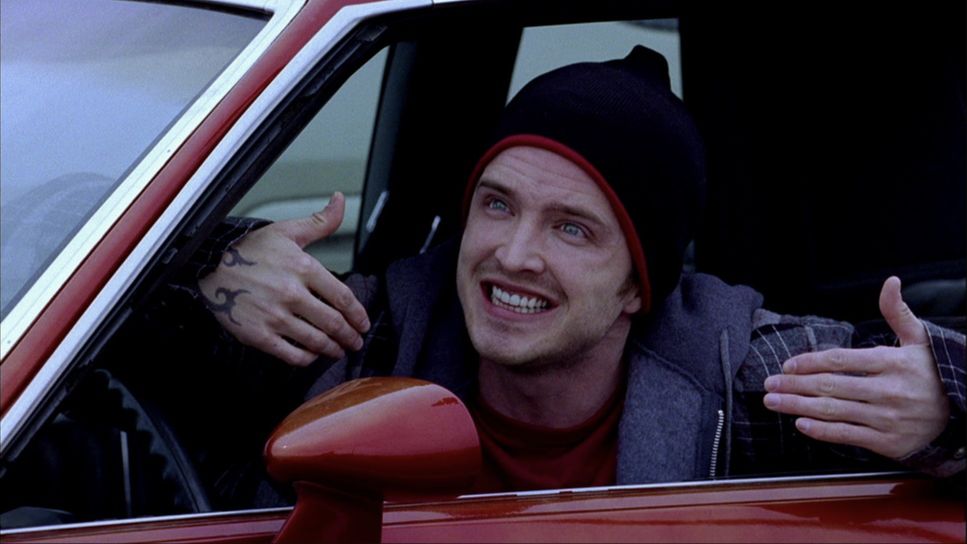
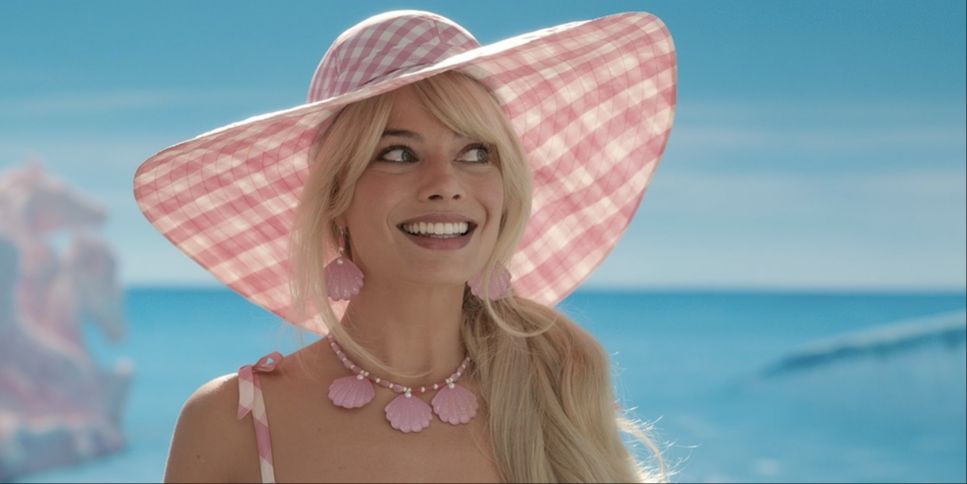
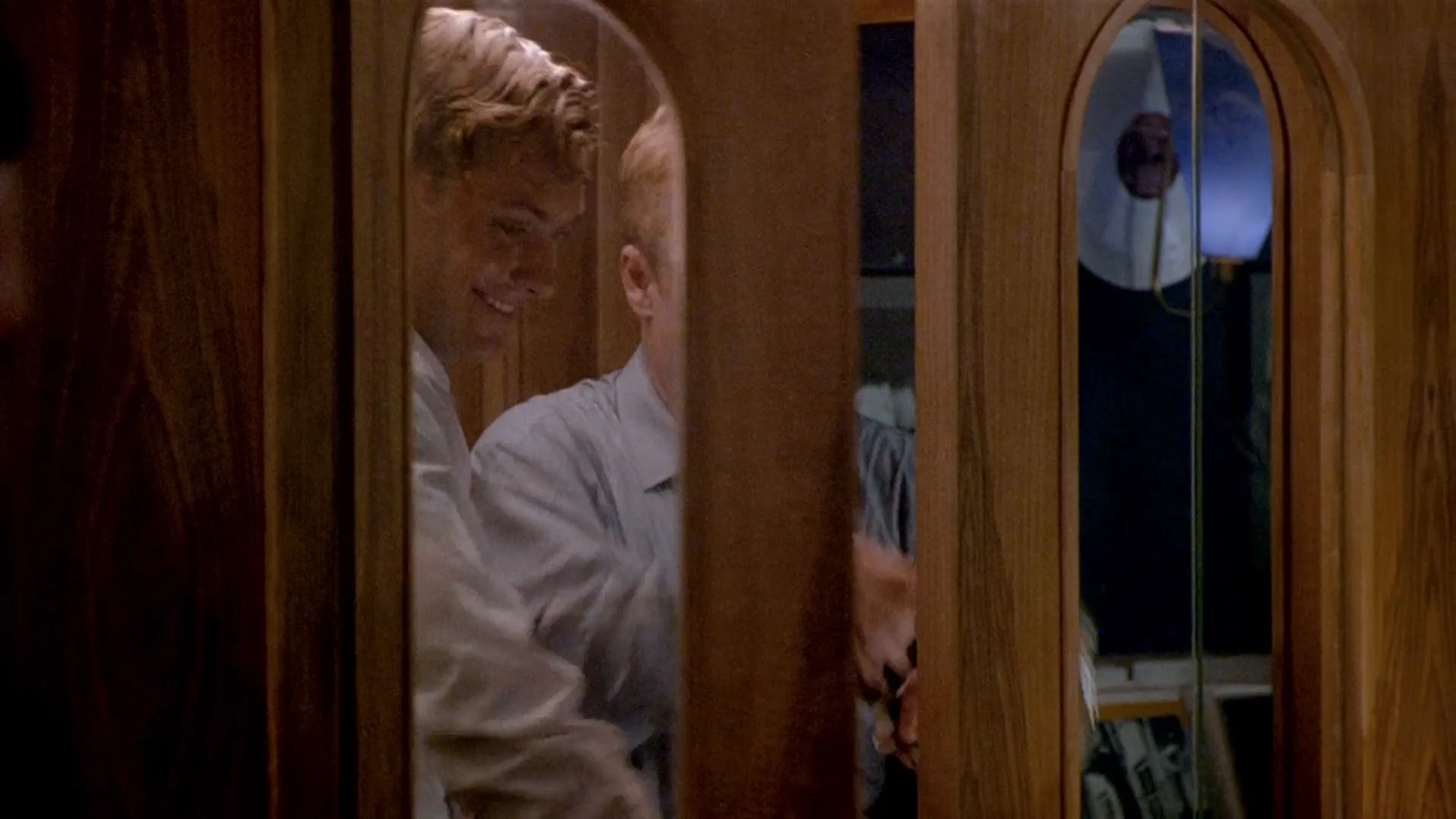
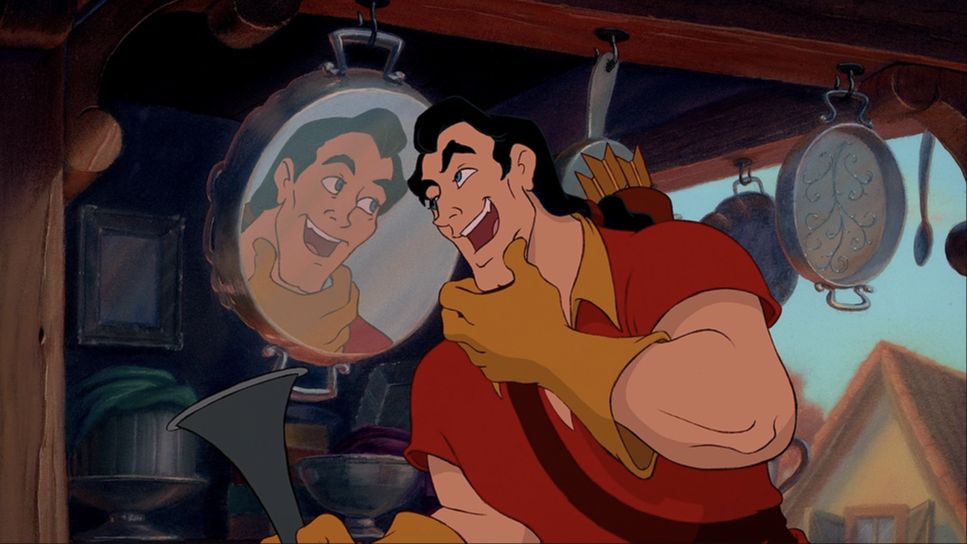
10 framesA single frame can't hold an arc, but it can hold one point on it. These frames catch characters at a fixed stage of their change, with costume, light and framing doing the work.
How to create a character arc with AI
4 promptsAn arc lives across frames, so direct it in pairs: a "before" frame and an "after" frame shot from the same position, plus the moment of the turn in motion. Nano Banana 2 Lite stages the starting state, GPT Image 2.5 renders the rhyming end state, and MiniMax H3 Max Turbo animates the decision from the first frame. Put all three on one FlashBoards board, in story order. The fourth prompt re-shoots a real film shot from a text description alone, and the original plays next to the result so you can compare.
Wide shot, 24mm lens, eye level, looking down the length of a long, narrow diner kitchen at night. At the far end, small in frame, a woman in her early thirties with close-cropped bleached hair, freckles and a thin gold nose ring, grease-stained gray apron over a black T-shirt, head down, scraping a flat-top grill. Two cooks in white jackets in the soft foreground, backs to camera, partly blocking her. Hard green-white fluorescent tubes, steam, stainless steel, cramped and muted, 35mm film still.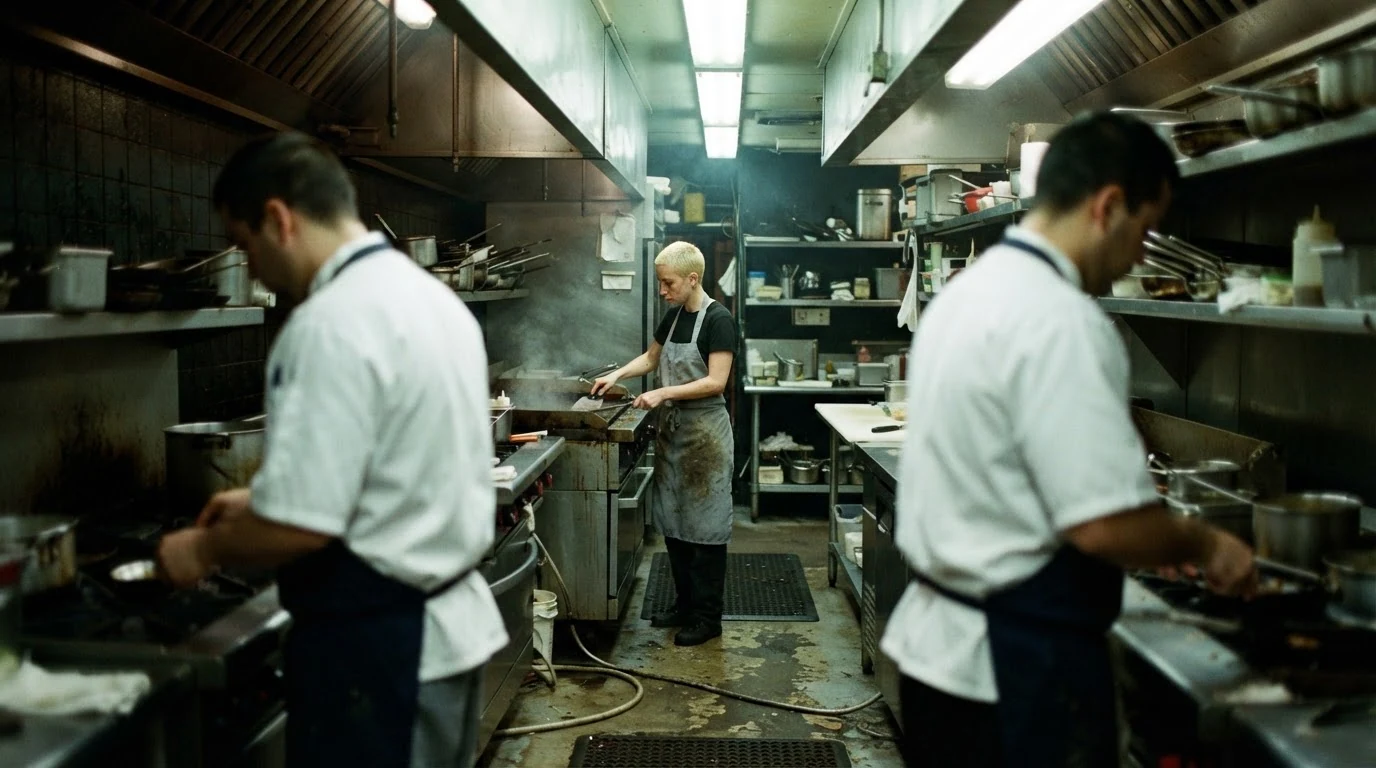
The arc's starting point is carried by space, not by her face: small in frame, at the far end, partly blocking her and head down. The 24mm wide lens stretches the kitchen so she feels far away, and the green-white fluorescent light keeps the mood cold.
Open FlashBoardsMedium shot, 50mm lens, eye level, looking down the same long, narrow diner kitchen from the same end, now at dawn. Centered and sharp: a woman in her early thirties with close-cropped bleached hair, freckles and a thin gold nose ring, in a clean white chef's jacket with rolled sleeves, standing at the stainless steel pass with both hands flat on it, looking straight into the lens, calm. The kitchen behind her is empty and clean, warm low sunlight through a small back window, light haze, 35mm film still.
This is the "after" frame as a bookend: same kitchen, same end, eye level, while size, position, costume and light all flip. Centered, looking straight into the lens and hands flat on the pass read as ownership. Repeat her features word for word so both frames show the same person.
Open FlashBoardsCamera: a slow, steady push-in down the length of the kitchen, passing between the two cooks in the foreground and ending in a medium shot of the woman. Action: The woman is already scraping the flat-top grill with short, tired strokes. She stops, lays the scraper on the grill and straightens up. She lifts her head and looks down the kitchen toward the camera, then unties her gray apron and holds it in one hand.Already scraping makes the shot alive from the first frame, and the push-in passing between the two cooks removes the foreground that boxed her in, so the camera move itself performs the turn. Every element in the prompt is already in the start frame.
Open FlashBoards{
"output": "Full-screen live-action shot from Forrest Gump (1994), alive from its very first frame: one continuous shot, no cuts. Warm-toned 1990s 35mm film grain, overcast summer afternoon in the rural American South, soft flat daylight with no hard shadows, muted greens and dusty beige, a wide field of low green brush crossed by a pale dirt path, a line of dark trees and one tall wooden utility pole on the horizon.",
"characters": {
"S1": {
"name": "Jenny Curran, played by Robin Wright",
"look": "slim woman around thirty, long wavy dark-blond hair parted in the middle falling past her shoulders, cream short-sleeved blouse with small red and pink flowers knotted at the waist, long white skirt, barefoot, a pair of brown sandals hanging from her left hand",
"voice": "silent"
},
"S2": {
"name": "Forrest Gump, played by Tom Hanks",
"look": "a tiny distant figure: short hair, light-blue short-sleeved shirt, brown trousers",
"voice": "silent"
}
},
"shots": [
{
"shot": 1,
"camera": "eye level, long lens, a slow dolly in toward S1 while she walks toward the lens, with a slight slow pan to the left to keep her left of centre; starts as a full-figure shot of S1 far down the path, ends as a medium close-up of S1 on the left third with the path and S2 visible far behind her on the right third",
"action": [
"BEGINNING: alive from the first frame, S1 already walking straight toward the camera down the middle of the dirt path at a brisk, determined pace, arms swinging, the sandals dangling from her left hand on the right side of the frame, her eyes fixed ahead past the camera.",
"THEN: as she comes closer, S2 appears far behind her on the path, on the right side of the frame, standing still with his arms at his sides, watching her go.",
"THEN: her pace slows; her gaze drifts to the left side of the frame, toward something beyond the edge of the frame; her brow draws together.",
"THEN: she stops walking, now in medium close-up on the left third of the frame; her hands drop out of frame.",
"END: she stands still, head turned toward the left side of the frame, staring hard at something off screen, brow knitted, lips slightly parted, breathing through her mouth, a breeze lifting a few strands of her hair; far behind her S2 stays motionless on the path, small on the right third."
],
"dialogue": [],
"voice": "silence: nobody speaks in this shot, no voice at all"
}
],
"sound": {
"ambience": "open countryside: insects buzzing in the grass, a light breeze through the brush, her bare footsteps on the dry dirt path, distant birds",
"speech": "no words in this video; the only human sounds are breaths and movement",
"never_spoken": "no narration and no voice-over: the descriptions, performance notes and step words of this prompt are never spoken aloud",
"music": "a film score under the scene, always below the voices: a slow, somber solo piano line over soft sustained strings, heavy with old hurt",
"subtitles": "none"
}
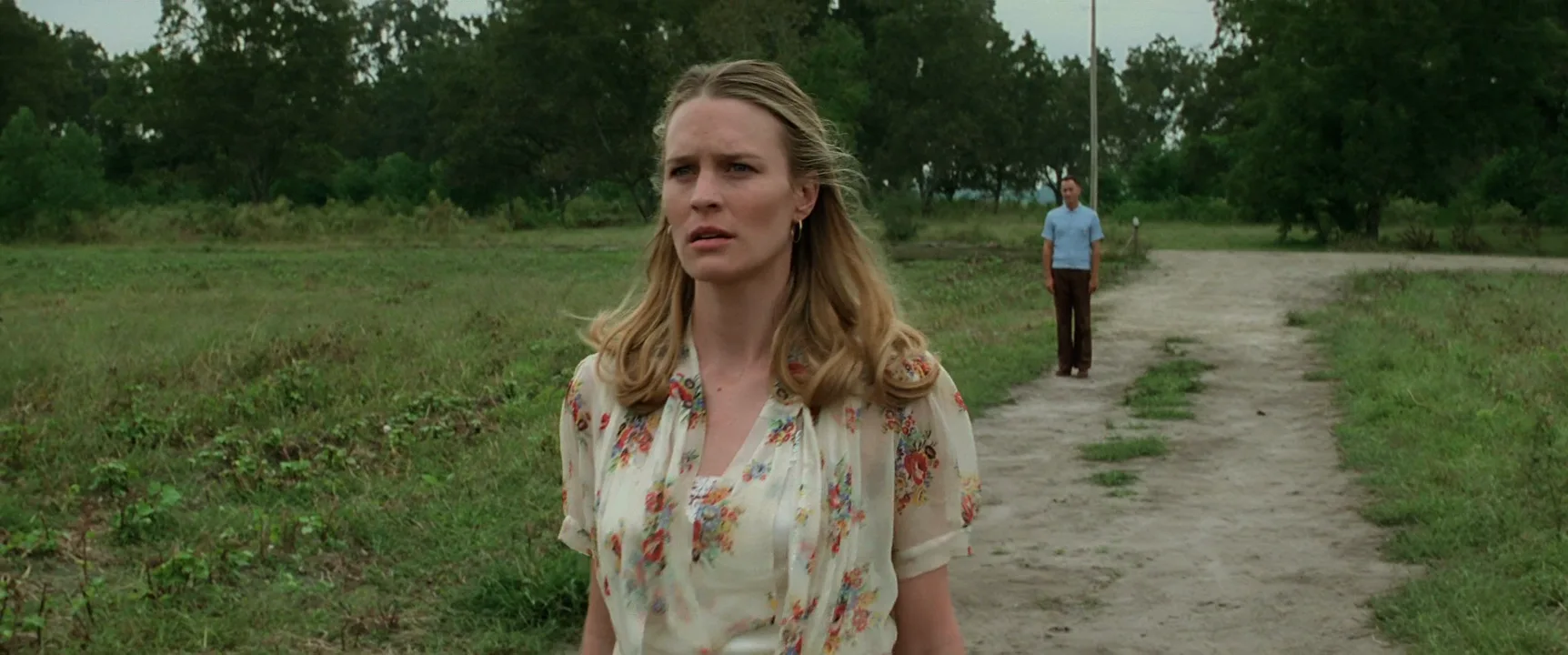
}This remakes Jenny's walk toward her childhood home in Forrest Gump (1994): the prompt keeps the dolly in, the stop, the look off to screen left and Forrest waiting far down the path.
A turn in an arc is a physical beat, so the prompt stages one: walking at a brisk, determined pace, then her pace slows, then she stops, head turned toward the left side of the frame. The slow dolly in shrinks the distance as her resolve hardens, and S2 standing motionless far behind keeps the man she walks away from in the frame. No one speaks, so voice and sound.speech declare the silence and the score carries the mood.
Common mistakes
- Image models put the subject in the center by default. For a "before" frame, state the placement: small in frame, at the far end, partly blocked.
- A different face between the two frames breaks the arc. Repeat the same concrete features in every prompt and keep a character sheet on the board.
- Emotion words like "defeated" or "confident" produce mugging. Describe posture and gaze instead: head down, looking into the lens.
- Video models tend to add a second event. Give the clip one turn: stop, straighten, look up.
Keep the reference frames, prompts and every generated take side by side — images and video in one canvas.
FAQ
5 questionsWhat are the three types of character arcs?
The positive arc, where a character overcomes a flaw or false belief and ends better off; the negative arc, where they fall, become corrupted or regress; and the flat arc, where the character already holds the story's truth and changes the world around them instead. Most variants writers name, such as the redemption or disillusionment arc, fit inside these three.
What is the difference between character arc and character development?
A character arc is the specific inner change across the story, from starting belief to ending belief. Character development is looser: writers use it to mean the arc, but also the prep work of building a character's backstory, traits and voice before drafting. Every arc needs development; not all development produces an arc.
Does every main character need an arc?
No. A flat-arc protagonist who holds firm while others change is a classic model, from Juror 8 in 12 Angry Men (1957) to many detective and action heroes. What every story needs is change somewhere. If the lead doesn't change, the people or world around them should, or the story will feel static.
What is a flat character arc?
In a flat arc the main character's core belief stays the same from start to finish. The plot tests that belief, and the character's steadiness changes the people around them instead. It works best when the character is already right about something the world gets wrong. Don't confuse it with a flat character, which means a thinly written one.
Can a villain have a character arc?
Yes. Some villains change, such as a hero who falls and becomes the antagonist, as Michael Corleone does in The Godfather (1972). Others stay fixed and exist to pressure the hero's arc, like Killmonger in Black Panther (2018). Both work; the choice depends on whose change the story is about.
Related terms
5- CharacterizationStorytelling
Characterization is how a film reveals who a character is — through actions, choices, speech, appearance, how others react to them and what the camera lets us notice.
- ProtagonistStorytelling
The protagonist is the main character whose goal drives the story and whose choices the audience follows; they don't have to be good, just central.
- Three-Act StructureStorytelling
The three-act structure splits a story into setup, confrontation and resolution, turned by plot points at roughly the quarter and three-quarter marks — the default blueprint of feature screenwriting.
- BackstoryStorytelling
Backstory is everything that happened to the characters and their world before the film begins; it shapes their motives and is revealed through hints, dialogue or flashbacks rather than dumped on the audience.
- Character SheetScreenwriting
A character sheet is a one-page reference that fixes who a character is: for writers it lists traits, goals and history; for artists it shows the face, costume and turnaround views so every drawing, shot or AI generation stays consistent.
Further reading
K. M. Weiland, Creating Character Arcs (2016). Robert McKee, Story: Substance, Structure, Style and the Principles of Screenwriting (1997).