 FlashBoards Learn
- Learn
- Acting & Casting
- Meisner Technique
Acting & Casting · Film language
Meisner Technique
Also called: Meisner method, repetition exercise
The Meisner technique is an acting approach that trains performers to live truthfully under imaginary circumstances by reacting to their scene partner moment to moment. Built on the repetition exercise, it moves attention off the actor's own feelings and onto the other person, which on screen reads as real listening.
- What it does
- Turns acting into listening and responding, so behavior is caused by the partner instead of planned in advance.
- Use it when
- Dialogue scenes, reaction coverage and any moment where a face has to change because of what someone else just did.
- Watch out
- Impulses are not repeatable by design; plan coverage so the best reaction is not lost to an unmatched take.
- Try this prompt
Over-the-shoulder close-up, woman listening, hands frozen mid-fold on a white towel, brows drawn together, lips parted to answer, 50mm, fluorescent light
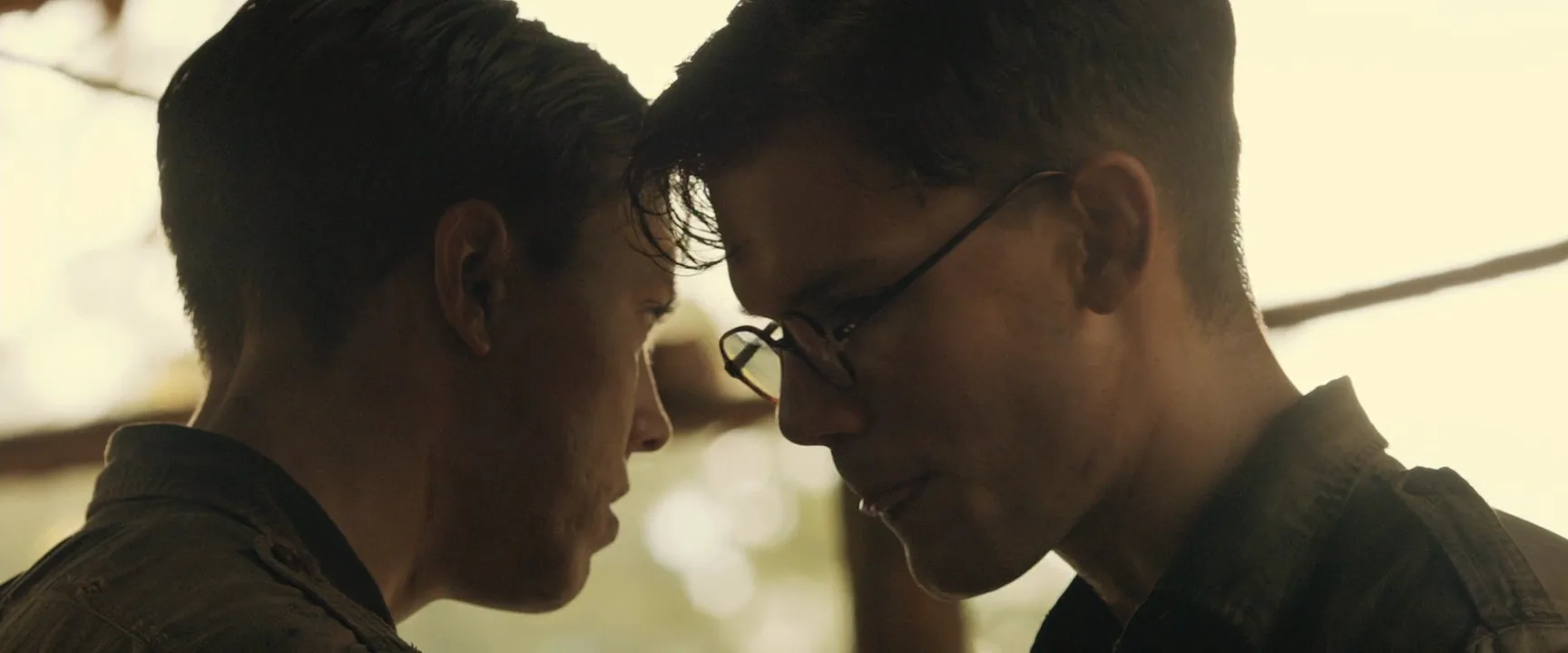
What is the Meisner technique?
Sanford Meisner acted with the Group Theatre in the 1930s and then taught for decades at the Neighborhood Playhouse in New York. His definition of acting, living truthfully under imaginary circumstances, is the whole system: the circumstances are invented, the behavior inside them must not be.
The route is to stop watching yourself. The actor puts full attention on the partner, notices what actually changes in them and lets that change produce the next line or silence. Emotion is the by-product of doing something real to someone who is really affecting you.
See acting techniques for the family tree and the acting hub for the rest of the craft.
How does the Meisner repetition exercise work?
The training is a ladder, each step adding a layer of reality:
- Mechanical repetition. One actor makes a simple observation (You're wearing a blue shirt), the other repeats it exactly, back and forth. Only listening.
- Point of view and behavior. The pronoun shifts (I'm wearing a blue shirt), then observations turn to behavior: You just looked away.
- Following the impulse. A laugh or a flinch must be answered; the line may change when something genuinely moves the actor.
- Independent activity. One actor does a hard task with real stakes while the other interrupts.
- The knock at the door. One actor enters with a strong circumstance; the scene is built live.
- Text. Scripted dialogue arrives last, spoken with the same responsiveness.
Why does Meisner training work on film?
The camera catches the moment a thought lands. In a close-up an actor who is truly listening shows small, unplanned shifts: a held breath, a glance down, a late jaw set.
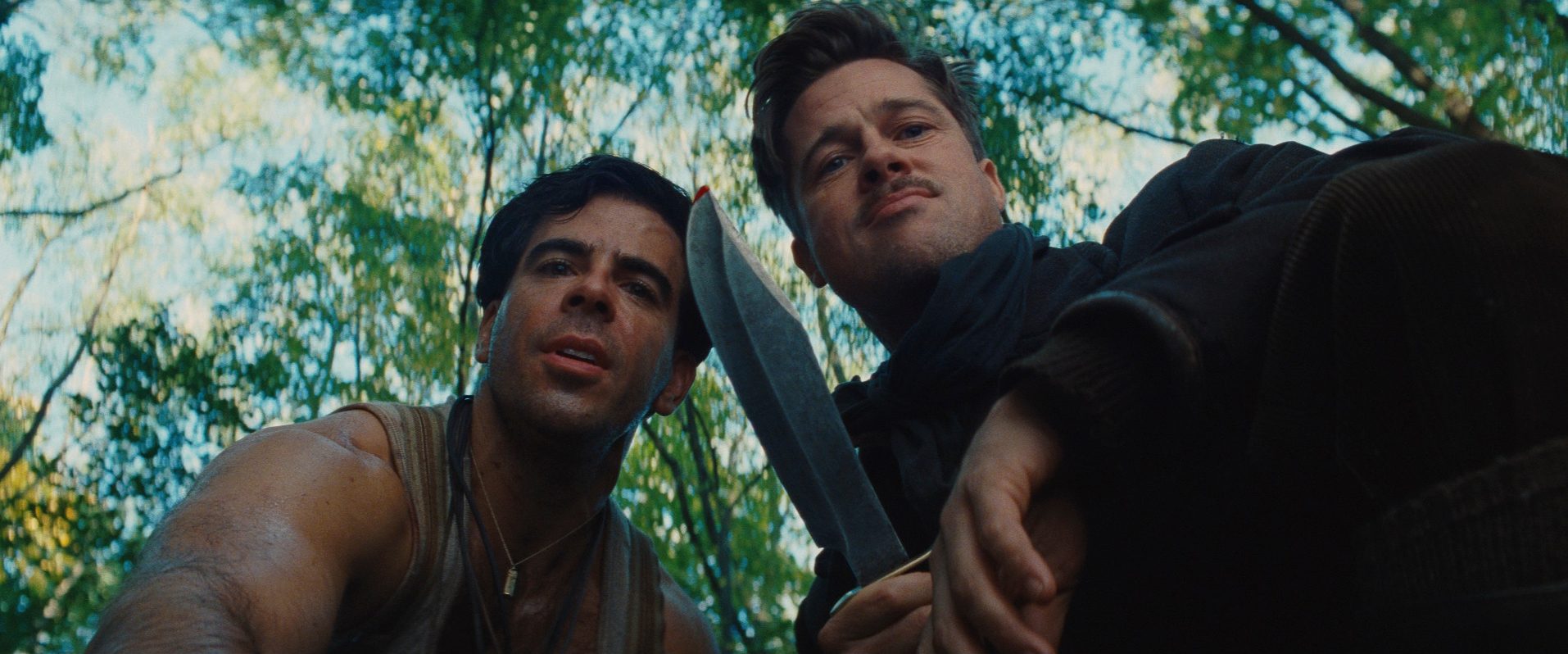
That makes the reaction shot as valuable as the line: the listener's face tells us how to feel about what was said. The long table conversations in Inglourious Basterds (2009) run on this pressure; the tension lives in the listening.
How to shoot a Meisner-driven scene
- Shoot the listener. Cover both sides with equal care; the best moment is often on the person not talking.
- Keep the partner real off camera. The off-screen actor plays fully at the real eyeline, just beside the lens.
- Cross-shoot when you can. Two cameras on matching singles, say 50mm and 75mm at eye level, catch action and reaction in one take.
- Give activities. A task for the hands keeps behavior true.
- Light for drift. Responsive actors lean off marks; a soft key with some leeway forgives it.
- Direct actions, not results. In directing actors, get him to admit it works; be angrier sends the actor back into self-watching.
Meisner vs. method acting
Both grew out of the Group Theatre and Stanislavski. They split over the source of emotion. Method acting, as taught by Lee Strasberg, sends the actor inward to sense memory and personal recall. Meisner sends the actor outward: the partner is the source.
A Method actor may prepare alone before a take; a Meisner actor wants a live, generous partner. The Method can produce intense private states, Meisner spontaneous, relational behavior: faces reacting to faces. Many actors mix both.
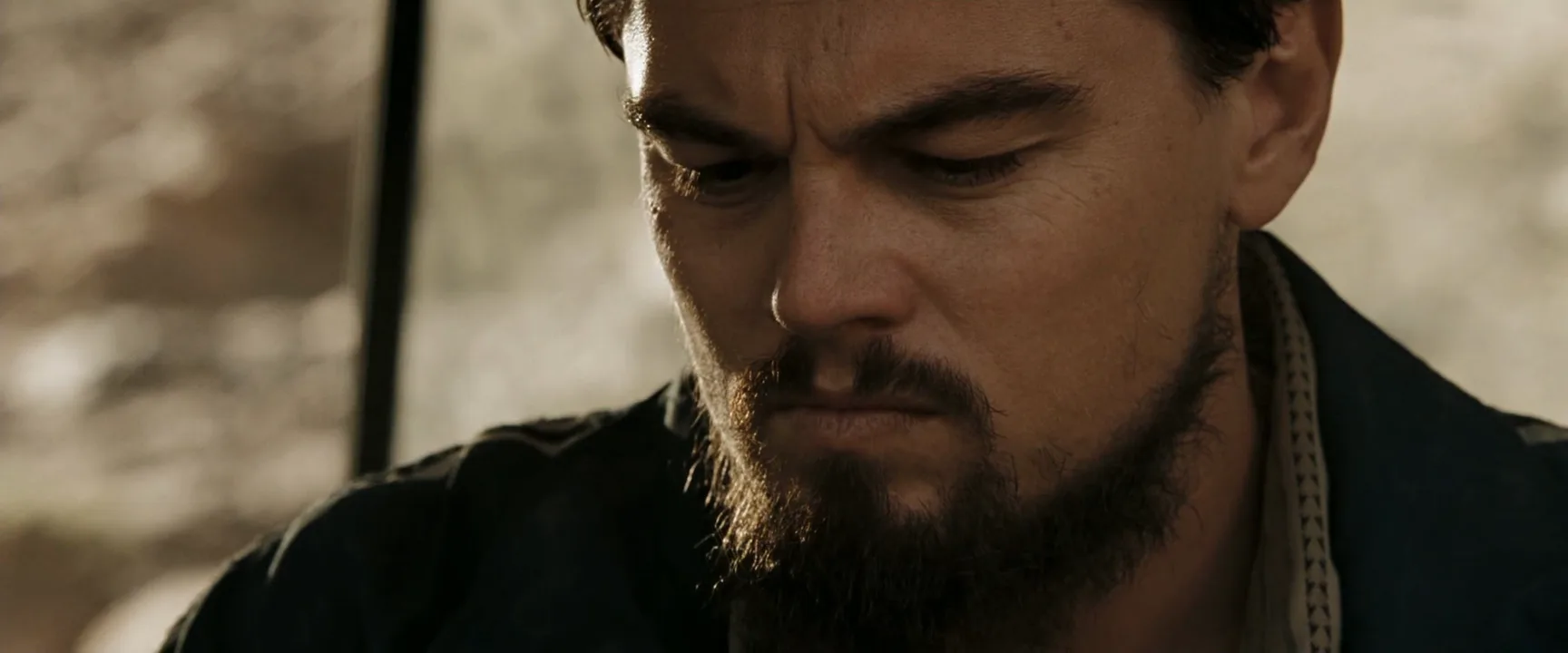
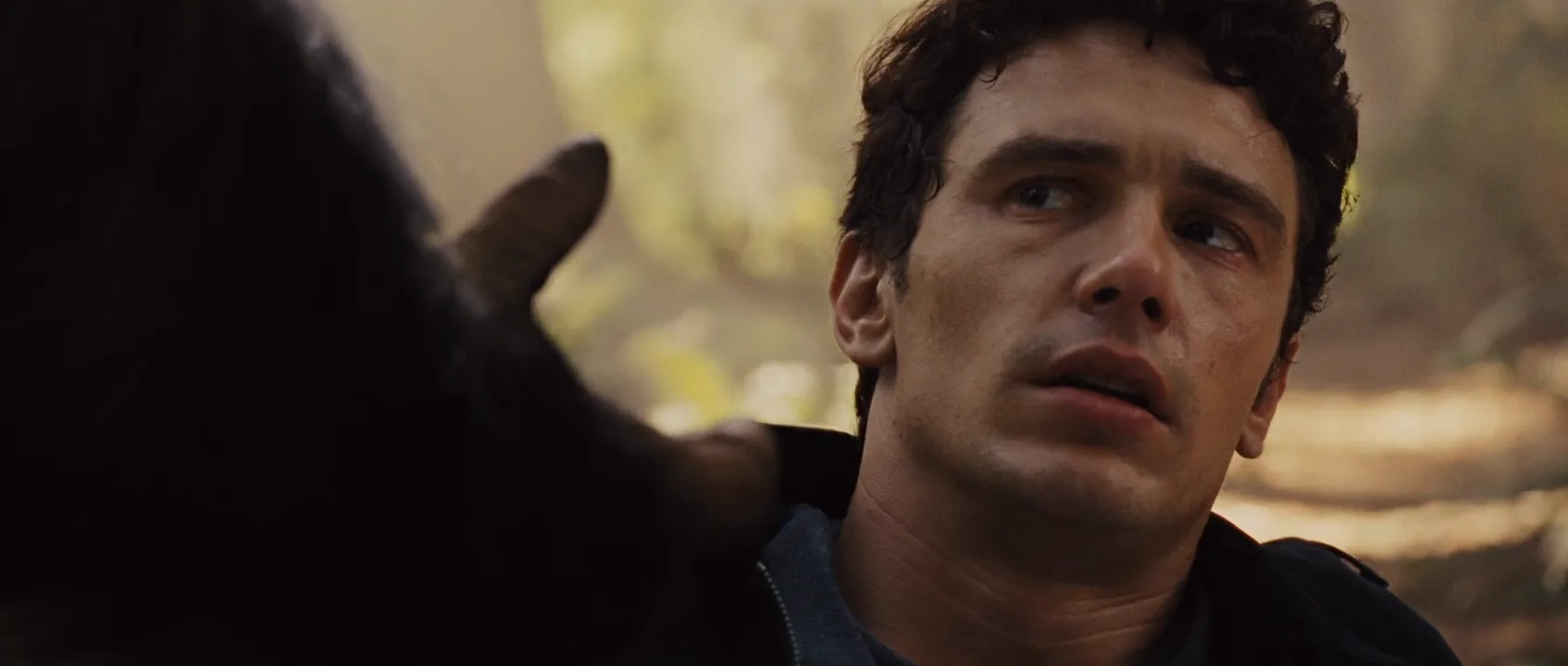
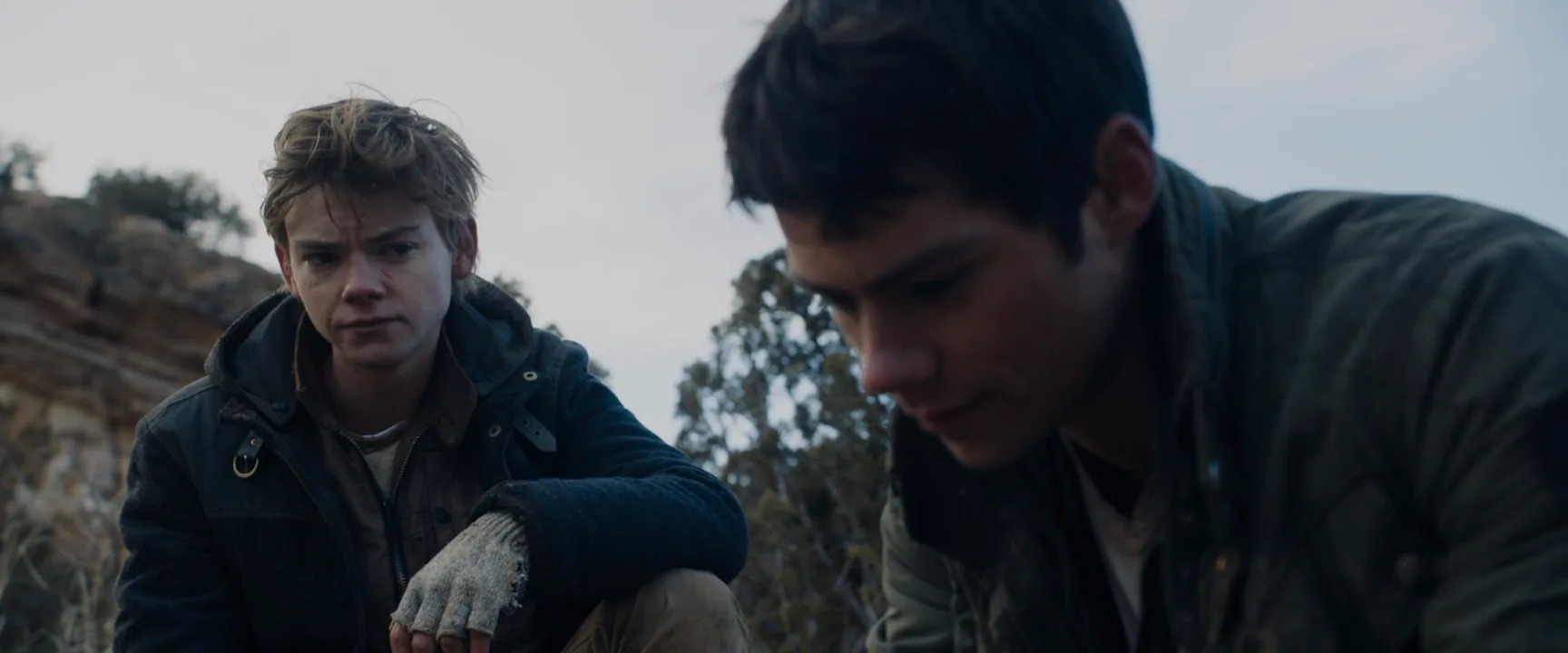
Meisner Technique examples in film
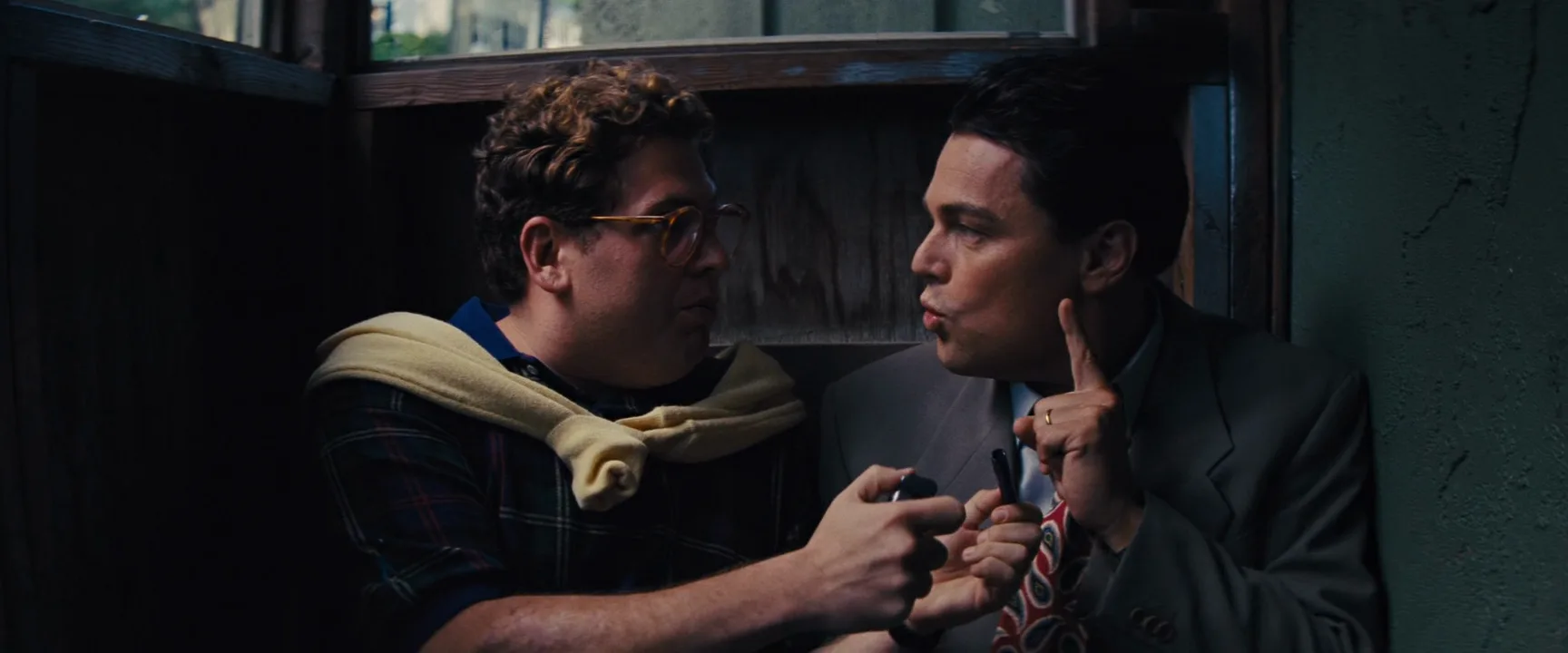
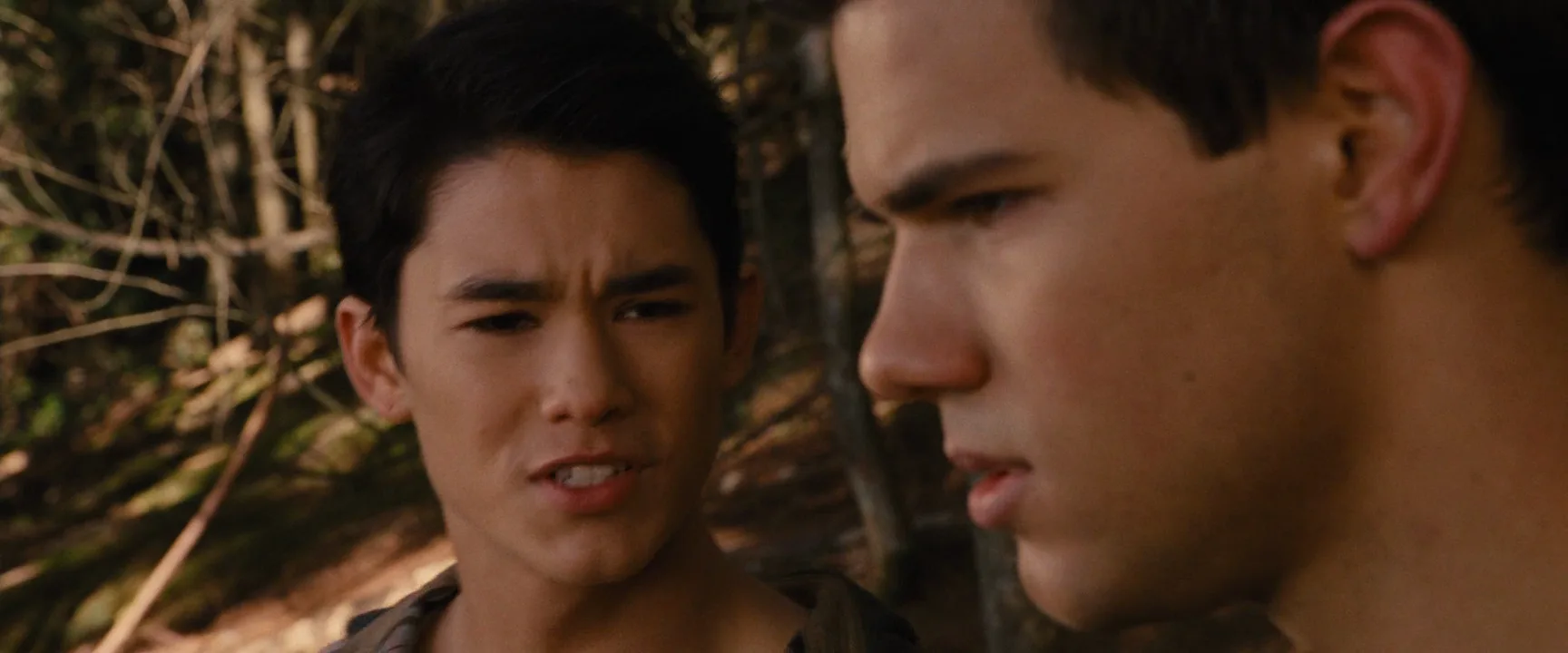
8 framesThe camera records attention: actors held by a partner.
How to create a meisner technique with AI
4 promptsModels don't listen, but they show listening if you describe a cause and a response instead of an emotion: a partner in the frame, a task for the hands, what just stopped. On a FlashBoards board, keep references, takes and notes together and compare reactions side by side. The fourth prompt re-shoots a real film shot from a text description alone, and the original plays next to the result so you can compare.
Over-the-shoulder close-up in a laundromat at night. Foreground, out of focus: the shoulder and shaved head of a man in a faded denim jacket. In focus, facing camera: a woman in her early thirties with a short black bob, a small gold nose ring, a chipped front tooth and a burgundy work polo, holding a half-folded white towel. She is listening to him: hands stopped mid-fold, brows drawn together, lips parted to answer. 50mm at eye level, cool fluorescent light, warm glow from dryer windows, shallow depth of field, naturalistic film still.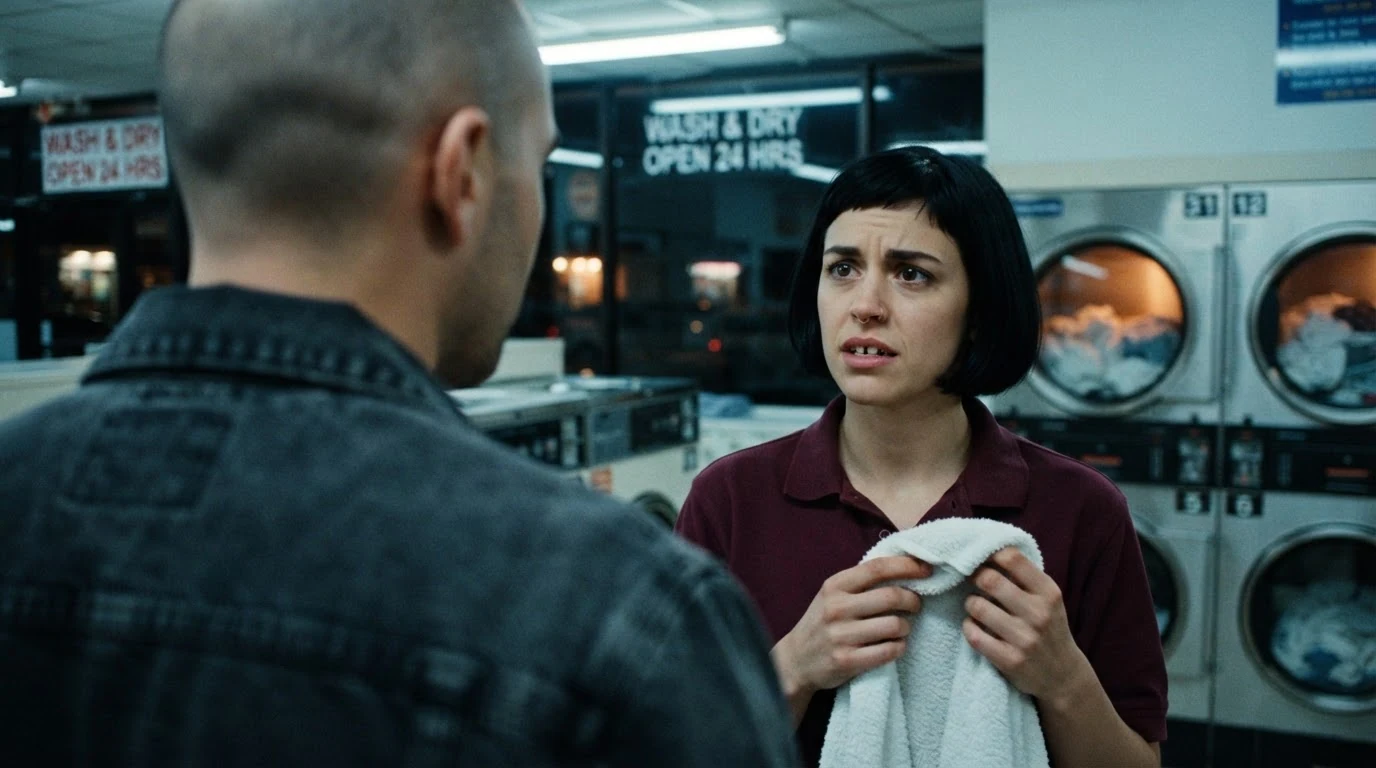
The soft foreground man keeps the partner in the shot, so her face reads as a response. Hands stopped mid-fold is the Meisner beat: an activity interrupted by what she heard.
Open FlashBoardsWide-screen two-shot in profile across a narrow kitchen table at dawn. Left: a man in his sixties with a white walrus mustache and a checked flannel shirt, leaning forward mid-sentence, one finger pressed on the table. Right: a man in his twenties with curly red hair, freckles and a grey hoodie, leaning back, arms crossed, jaw tight, eyes locked on the older man. Coffee mugs between them, cool window backlight, 35mm at seated eye level, both faces sharp, naturalistic film still.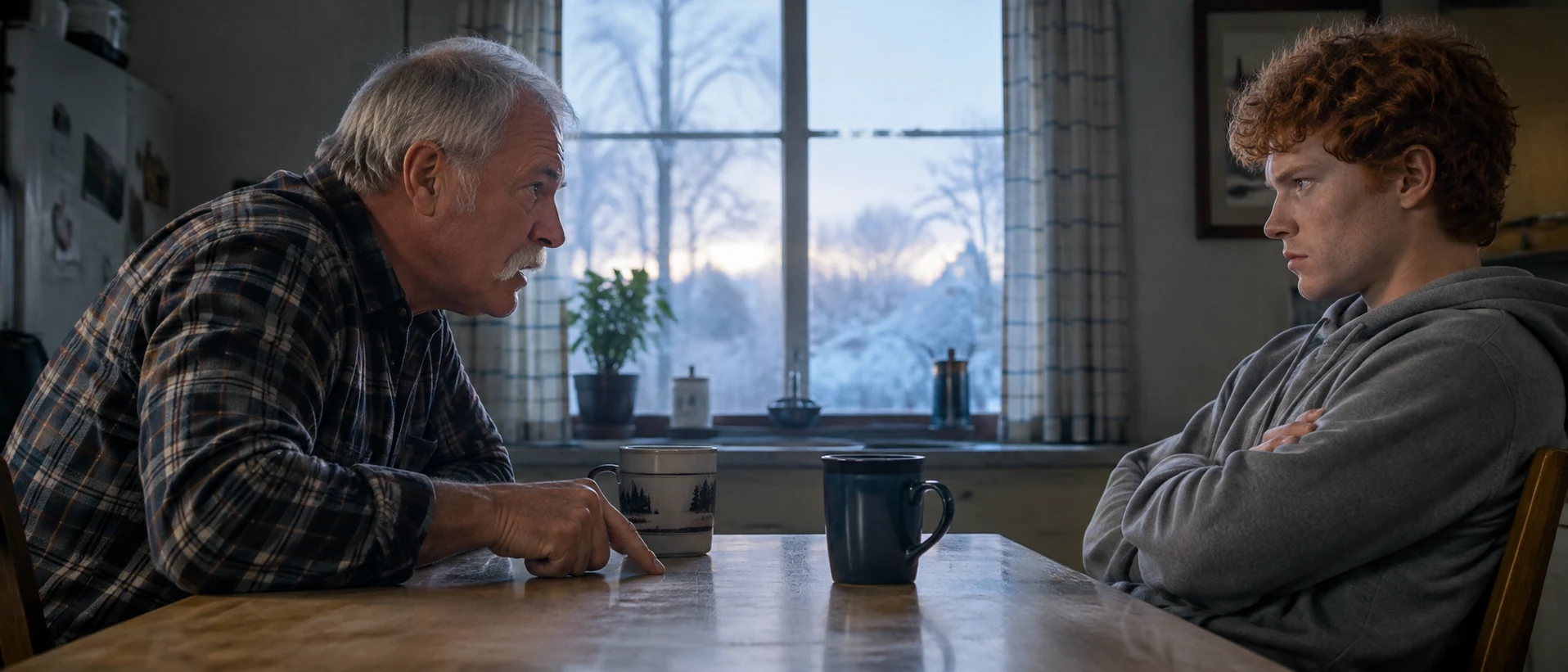
The profile two-shot shows cause and effect in one frame: one leans in, the other away. Both faces sharp stops the model from blurring the listener.
Open FlashBoardsCamera: slow, steady push-in from the over-the-shoulder close-up toward a tighter single on the woman, moving from the first frame to the end. Action: The man's head shifts as he keeps talking. Her hands stop folding the white towel. She looks straight at him, her brows tighten, she gives a short disbelieving laugh, then the laugh drops away and she presses the towel to her chest, still holding his gaze.The man's head shifts as he keeps talking starts motion at once and gives her a cause. The beats run as a chain of responses, using only what recipe 1 shows.
Open FlashBoards{
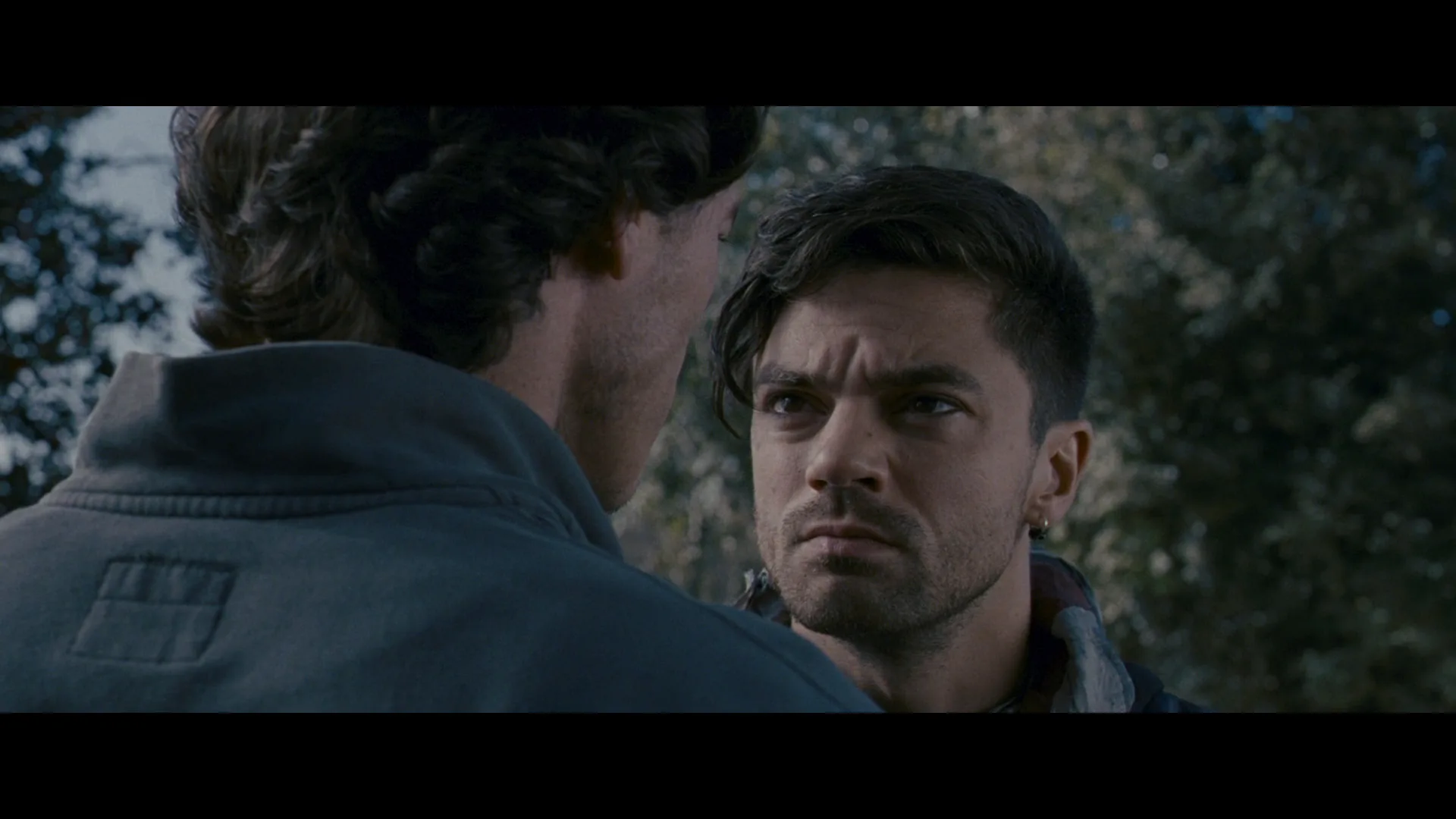
"output": "Full-screen live-action scene from Tamara Drewe (2010), from its very first frame: one continuous shot. Naturalistic 2010s 35mm drama, overcast English countryside, soft flat daylight from above, cool muted greens and slate blues, a dense wall of dark-green trees filling the background, a patch of pale sky at top left.",
"characters": {
"S1": {
"name": "Ben Sergeant, played by Dominic Cooper",
"look": "late twenties, dark hair swept to his left and falling over his brow, dark stubble, a small dark hoop earring, dark jacket over a gray-and-red checked scarf",
"voice": "silence: he never speaks"
},
"S2": {
"name": "a man seen only from behind",
"look": "short dark curly hair, slate-blue quilted jacket with a raised collar and a small stitched patch on the back of the shoulder",
"voice": "silence: he never speaks"
}
},
"shots": [
{
"shot": 1,
"camera": "locked-off, eye level, long lens, over-the-shoulder medium close-up: the soft, out-of-focus back of S2's head and shoulder fill the left half of the frame in the foreground; S1 sharp just right of centre, a step behind him, facing camera; the frame never moves",
"action": [
"BEGINNING: alive from the first frame, S1 stares straight at S2's face just past the left edge of the lens, brows pulled down in a hard frown, jaw set, lips closed, both hands out of frame; S2 stands still with his back to camera.",
"THEN: S1 keeps the stare, his head tilting a touch, his brow tightening further, lips still closed.",
"THEN: his eyes drop and his head dips; he shuts his eyes and lifts his right hand (screen left) to his temple, fingers pushing up into his hair.",
"THEN: the hand drops out of frame, his head comes up and his eyes return to S2's face, harder than before, still frowning, mouth closed.",
"END: S1 steps toward screen left and slips behind S2's blurred shoulder, disappearing from view; only S2's back and the trees remain."
],
"voice": "silence: nobody speaks in this shot, no voice at all",
"dialogue": []
}
],
"sound": {
"ambience": "soft breeze in the trees, distant birdsong, a faint rustle of clothing as S1 moves",
"speech": "no words in this video; the only human sounds are breaths and movement",
"never_spoken": "no narration and no voice-over: the descriptions, performance notes and step words of this prompt are never spoken aloud",
"music": "a film score under the scene, always below the voices: a low sustained cello note with a few sparse, uneasy piano notes",
"subtitles": "none"
}
}Remakes Ben Sergeant's silent over-the-shoulder listening shot from Tamara Drewe (2010), keeping the blurred partner in the foreground, the fixed frown, the right hand to the temple, the eyes returning and the exit behind the shoulder.
Nobody speaks, so the prompt gives the listener a cause and a sequence instead of an emotion: a partner filling the foreground, a hard stare, then the impulse (eyes shut, hand to the temple) and the answer he never says aloud, eyes back up and walking off.
Open FlashBoardsCommon mistakes
- Emotion labels give stock faces. Shocked brings wide eyes; describe what stopped, tightened or turned.
- The partner disappears. A lone close-up reads as a portrait; keep a soft shoulder in frame.
- Eyeline to the lens. Write looking at him, just past the camera.
- Too many beats. Four small reactions read as listening; ten read as mugging.
Keep the reference frames, prompts and every generated take side by side — images and video in one canvas.
FAQ
5 questionsWhat is the Meisner technique in simple terms?
An acting method that teaches you to stop planning your performance and respond to your scene partner instead. Created by Sanford Meisner, it uses repetition drills to train actors to notice real changes in the other person and let those changes drive their behavior. On film it reads as genuine listening.
What is the Meisner repetition exercise?
Two actors face each other and trade a simple observed line, such as a comment about the partner's shirt, back and forth. Later they observe behavior and let the line change only when a real impulse demands it. The drill builds the habit of listening instead of waiting for a cue.
What is the difference between Meisner and method acting?
Method acting, as taught by Lee Strasberg, draws emotion from the actor's own memories and sensory recall. Meisner draws it from the scene partner: feeling comes from what the other actor does in the moment. The Method suits private states; Meisner suits relational, spontaneous dialogue.
Is the Meisner technique good for film acting?
Yes. Film catches small, unplanned changes in the face, especially in close-ups and reaction shots, and Meisner trains exactly those responses. The challenge is repeatability: impulses vary between takes, so directors often cross-shoot with two cameras or keep the off-camera partner fully engaged.
How long does it take to learn the Meisner technique?
Traditional conservatory training runs about two years, from basic repetition through activities, emotional preparation and scripted scenes. Workshops introduce the repetition exercise in days, but full attention on a partner takes steady practice, and many actors keep drilling repetition as a warm-up for years.
Related terms
3- Method ActingActing & Casting
Method acting, developed by Lee Strasberg from Stanislavski, has actors draw on their own memories and sometimes stay in character off camera to produce emotionally real performances.
- Acting TechniquesActing & Casting
Acting techniques are the trained systems actors use to build a truthful performance — Stanislavski's system, the Method, Meisner, Chekhov, Adler and others — each with its own route to emotion, action and character.
- Directing ActorsDirecting & Staging
Directing actors means giving performers playable actions, objectives and circumstances rather than results — shaping a performance through rehearsal, adjustments between takes and a safe atmosphere on set.
Further reading
Sanford Meisner and Dennis Longwell, Sanford Meisner on Acting (1987).