 FlashBoards Learn
- Learn
- Acting & Casting
- Method Acting
Acting & Casting · Film language
Method Acting
Also called: the Method, Strasberg method
Method acting is Lee Strasberg's American version of Stanislavski's system: actors use sense memory and their own emotional memories to reach real feeling, and some stay in character between takes. On screen it aims for behavior so private and unguarded that the audience forgets it is watching a performance.
- What it does
- Replaces indicated emotion with felt emotion drawn from the actor's own memories and senses.
- Use it when
- A role needs raw, unpredictable behavior in close-up and the actor works best by living inside the character.
- Watch out
- Deep immersion can exhaust the actor and strain the set; protect the state with fewer resets, not with cruelty.
- Try this prompt
Close-up, shaved-head man in his late forties with a crooked broken nose, on a motel bed at night, hands clasped hard against his mouth, eyes red-rimmed on the floor, 85mm
What is method acting?
The Method (or Strasberg method) asks the actor to experience a character's feelings rather than show them. It grew out of Konstantin Stanislavski's work at the Moscow Art Theatre and was shaped in 1930s New York at the Group Theatre by Lee Strasberg, Harold Clurman and Cheryl Crawford. From the early 1950s Strasberg led the Actors Studio, and his version became the dominant school of American screen acting.
The core tools:
- Relaxation and concentration. Tension blocks feeling, so the actor learns to release it on command.
- Sense memory. Recreating a physical sensation (a hot cup, cold rain) until the body responds.
- Affective memory. Recalling concrete details of a real event from the actor's life to trigger the emotion a scene needs.
- The private moment. Doing something normally done alone, in front of others.
It is one of several acting techniques; for the wider craft, see the acting hub.
Why does the Method work on film?
In a close-up the lens sits a few feet from the face and records micro-behavior an actor cannot consciously fake: a swallow, a delayed blink, a breath that catches. The Method trains actors to generate those signals from inside, so the audience reads a person thinking, not an actor presenting.
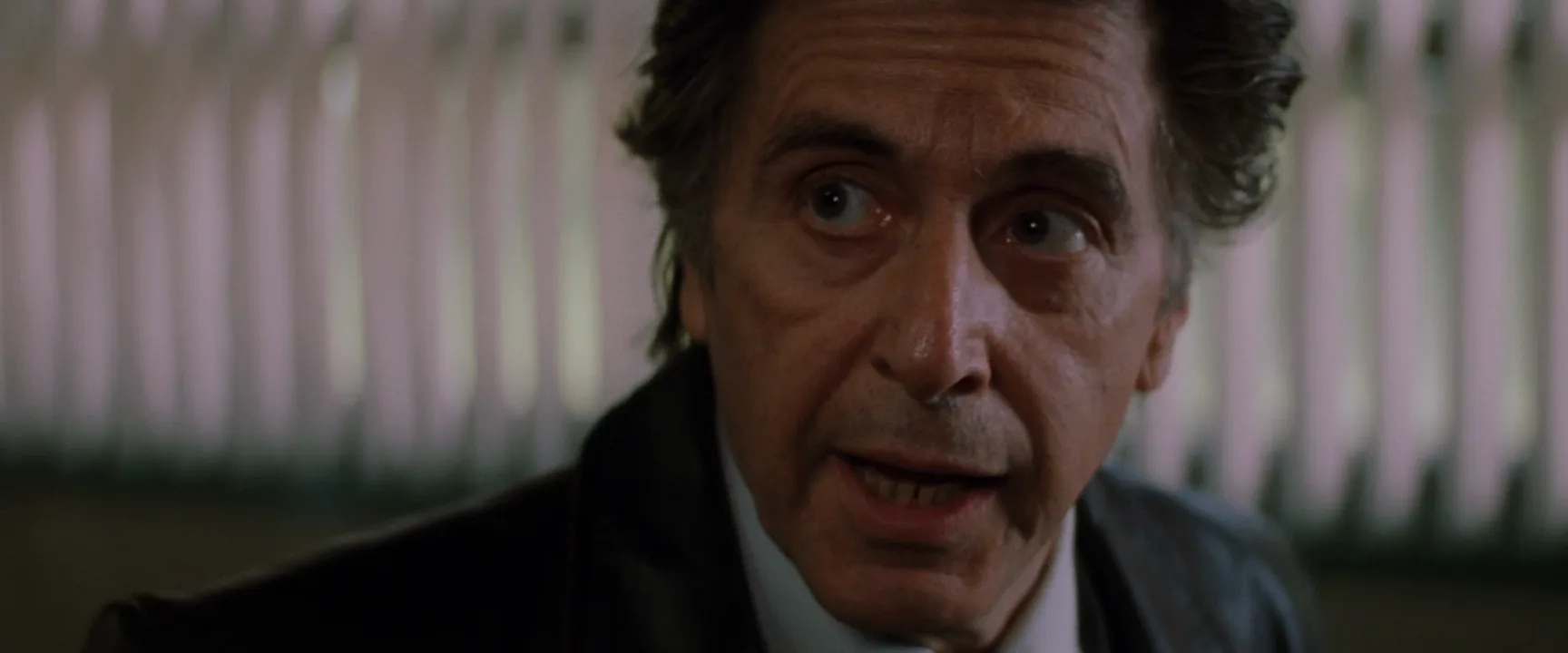
The style arrived with the postwar close-up. Marlon Brando in Elia Kazan's A Streetcar Named Desire (1951) and On the Waterfront (1954), and James Dean in East of Eden (1955), looked dangerous next to the polished studio style. In the 1970s Al Pacino and Robert De Niro became its faces; De Niro's roughly 60-pound weight gain for Raging Bull (1980) set the template for the transformed performance.
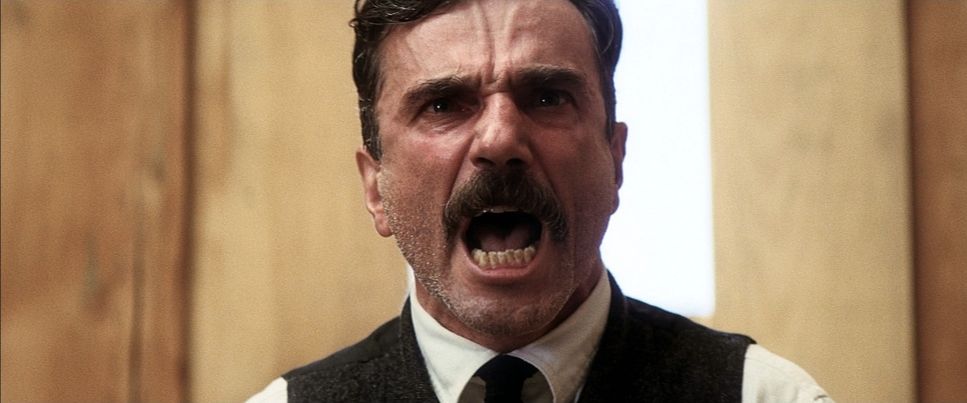
Later examples: Daniel Day-Lewis in There Will Be Blood (2007), Adrien Brody's weight loss for The Pianist (2002), Hilary Swank living as a young man before Boys Don't Cry (1999), Heath Ledger's Joker diary for The Dark Knight (2008). Much of that is popular Method rather than Strasberg's classroom, but the goal is the same: lived behavior.
How do you shoot a Method performance?
A Method actor spends energy reaching a state; the crew's job is to capture it before it fades. More on the director's side in directing actors.
- Light the space, not the mark. Broad, motivated sources and loose marks let the actor move freely. Keep resets short.
- Cross-shoot with two cameras so the partner's reaction stays live and the actor doesn't repeat a peak ten times.
- Shoot the emotional coverage first; wides and inserts after.
- Lens and distance. 85–100mm at 4–6 feet for an intimate close-up; an extreme close-up on a macro for the eyes.
- Roll early, cut late, and keep the set quiet with nobody in the actor's sightline.
Is method acting dangerous?
It can be. Affective memory asks actors to reopen real pain on cue, many times a day. Extreme weight changes carry medical risk, and staying in character off camera can become cover for intimidating castmates and crew.
The healthy version: the actor chooses the memory, owns the process and has a way back out.
Method acting vs. Meisner: what's the difference?
Both come from the Group Theatre; they split on where truth comes from.
- The Method looks inward: emotion built from personal memory and sensory recall.
- The Meisner technique looks outward: react moment to moment to the partner, trained through the repetition exercise.
Stella Adler, also from the Group, broke with Strasberg and taught imagination and given circumstances instead of emotional recall. On set, a Method actor may need quiet before a take; a Meisner actor needs a present, responsive partner.
Method Acting examples in film
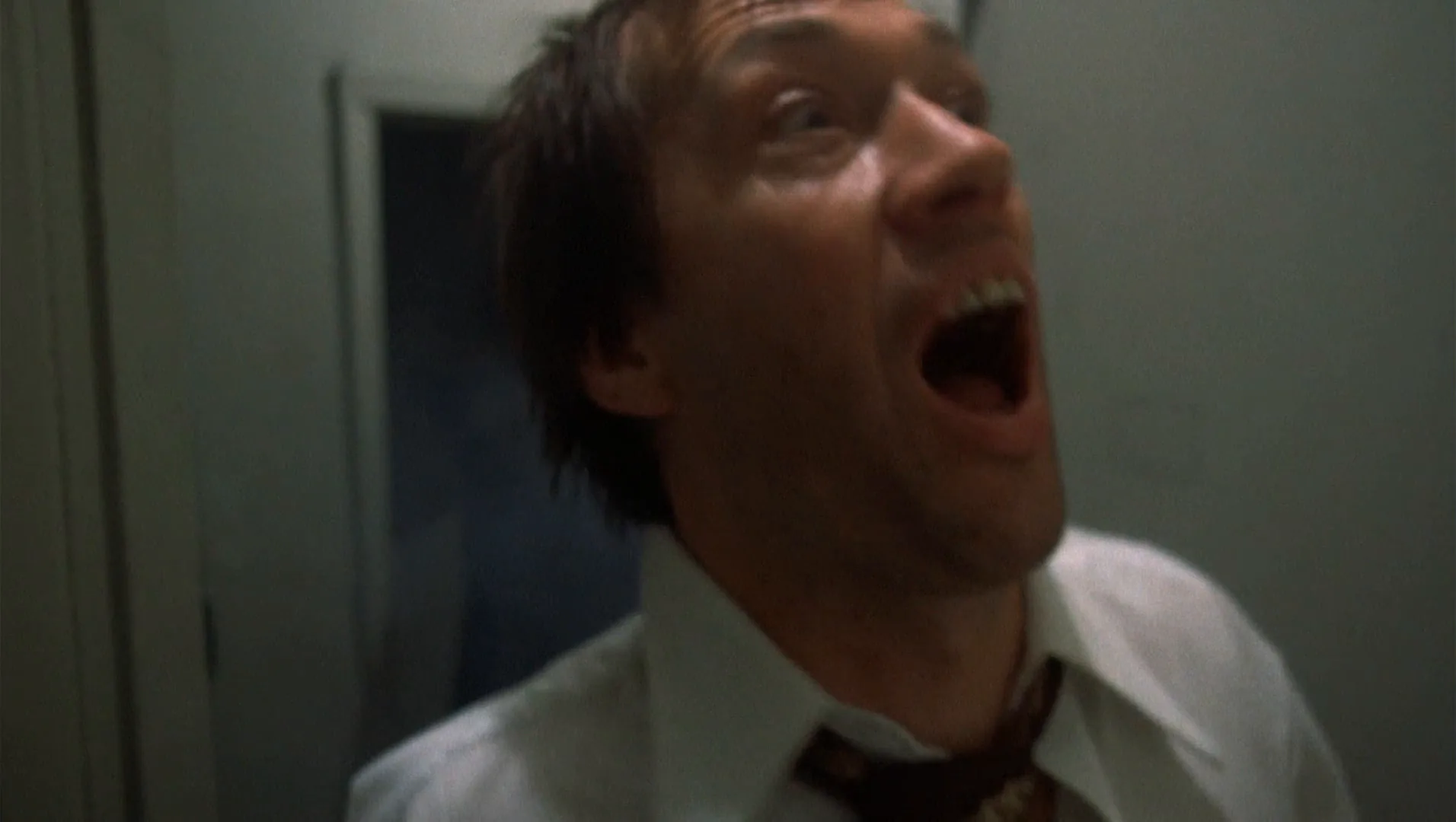
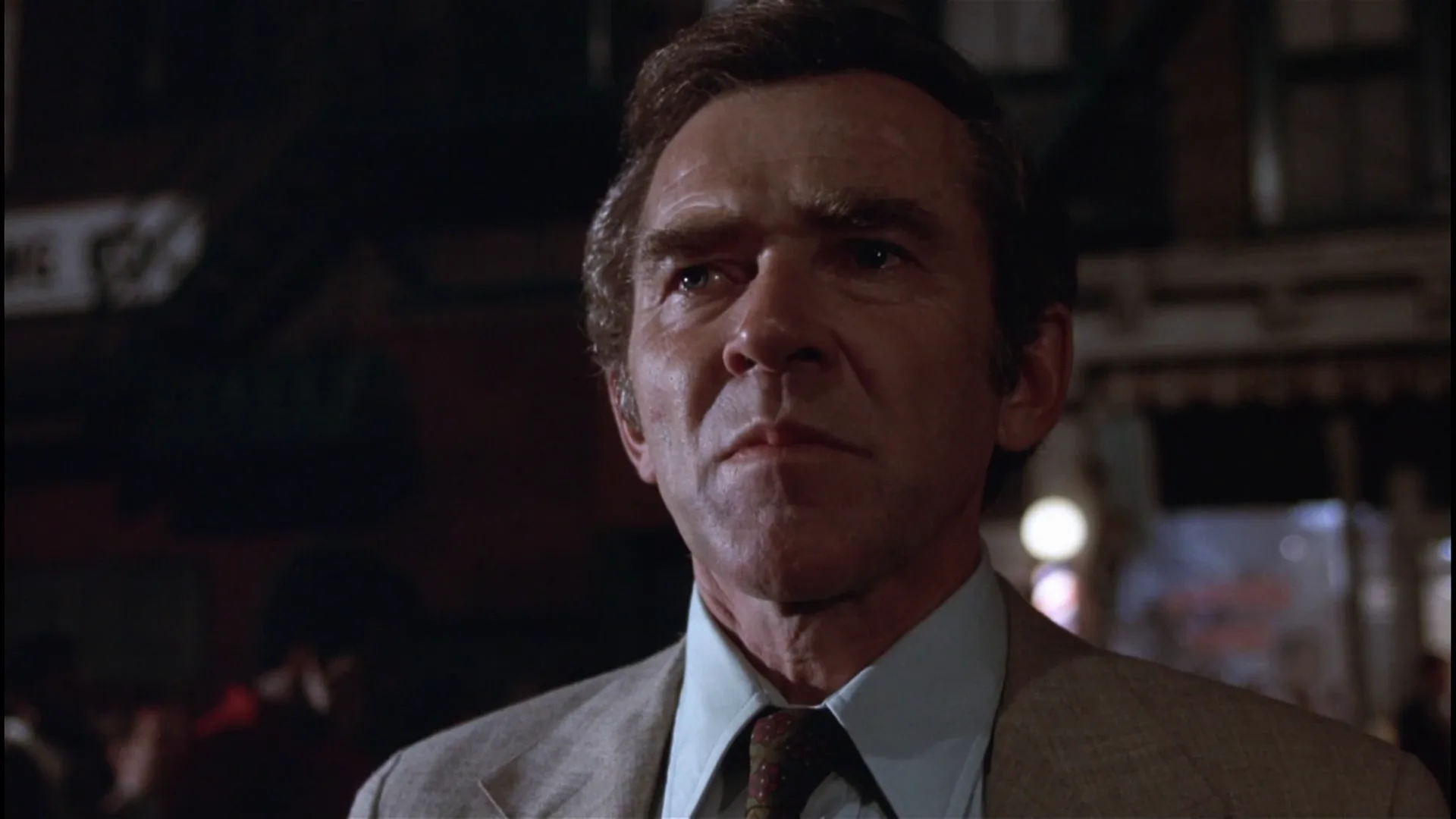
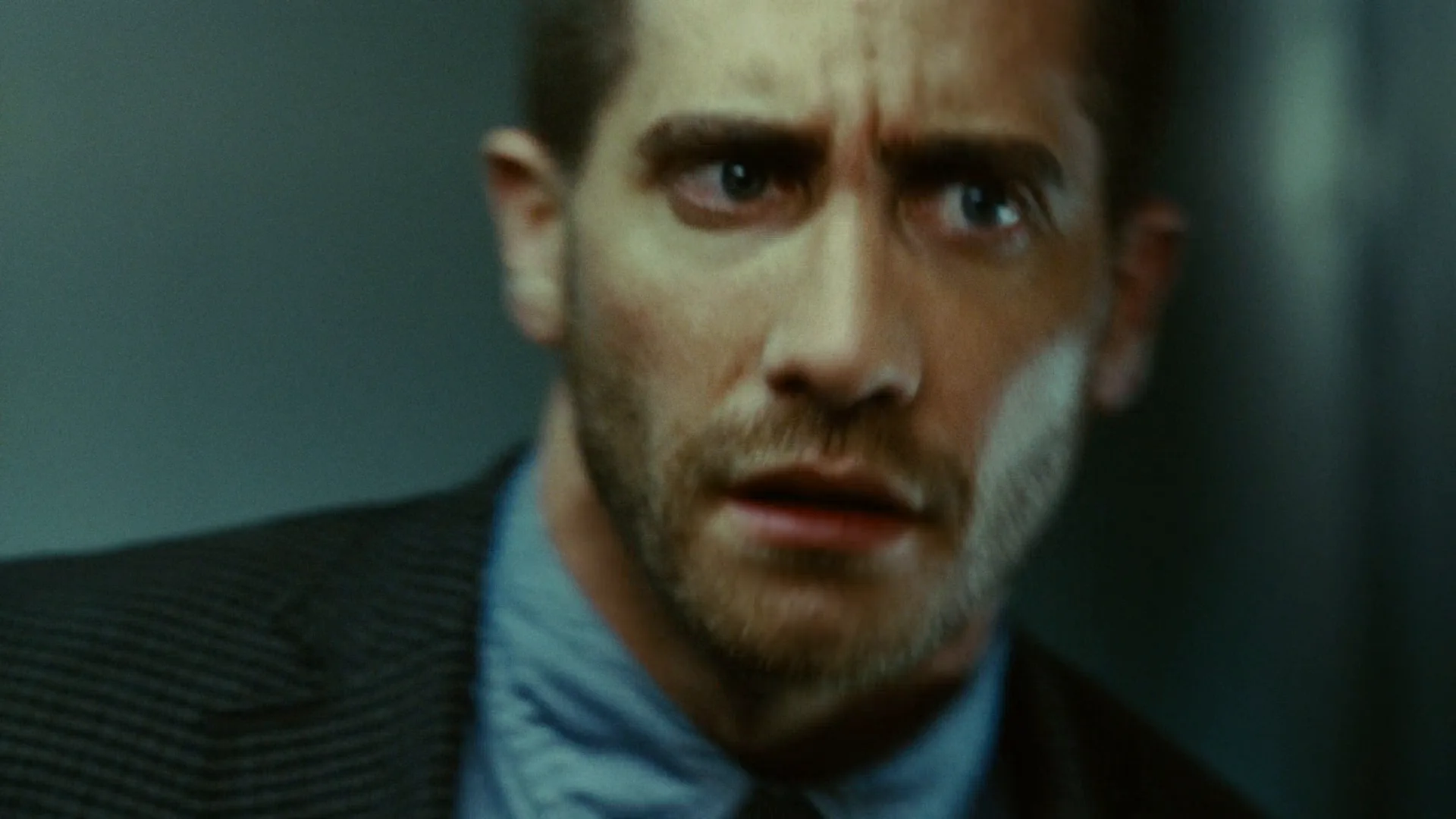
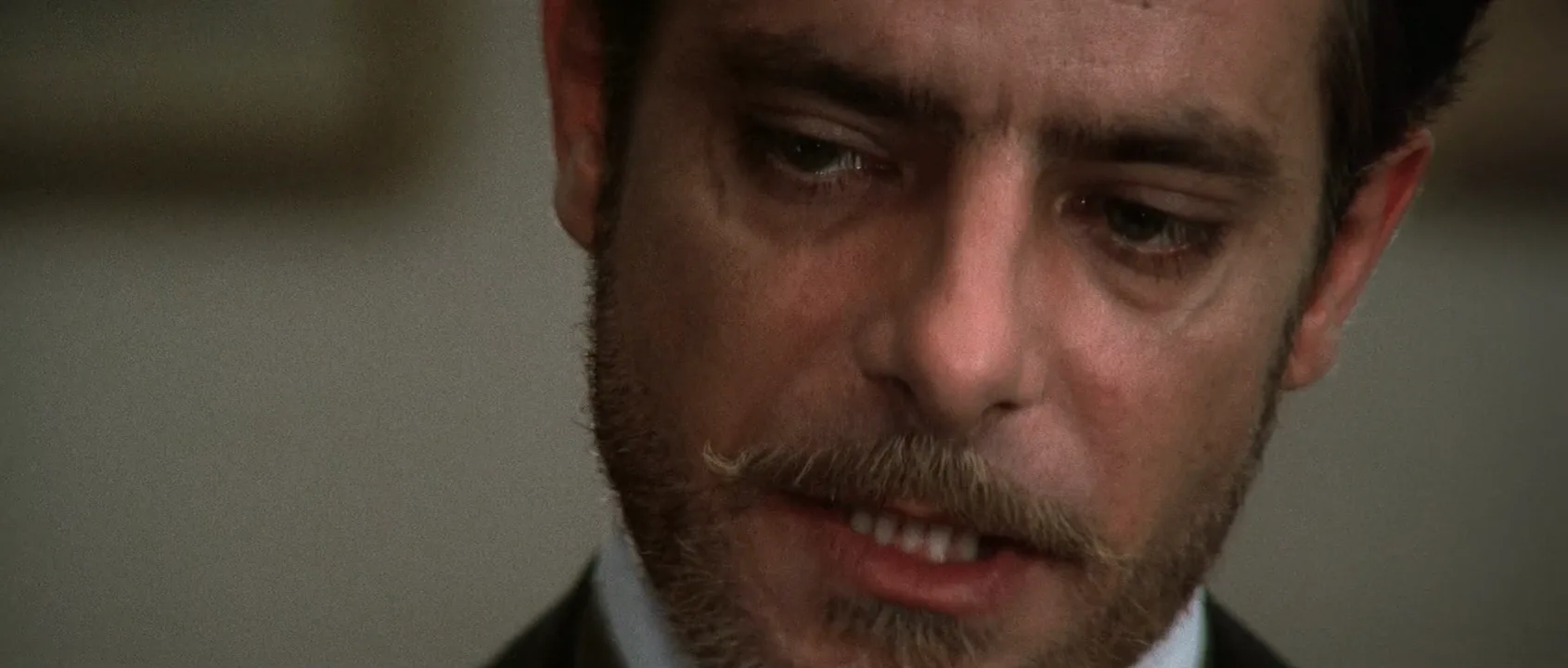
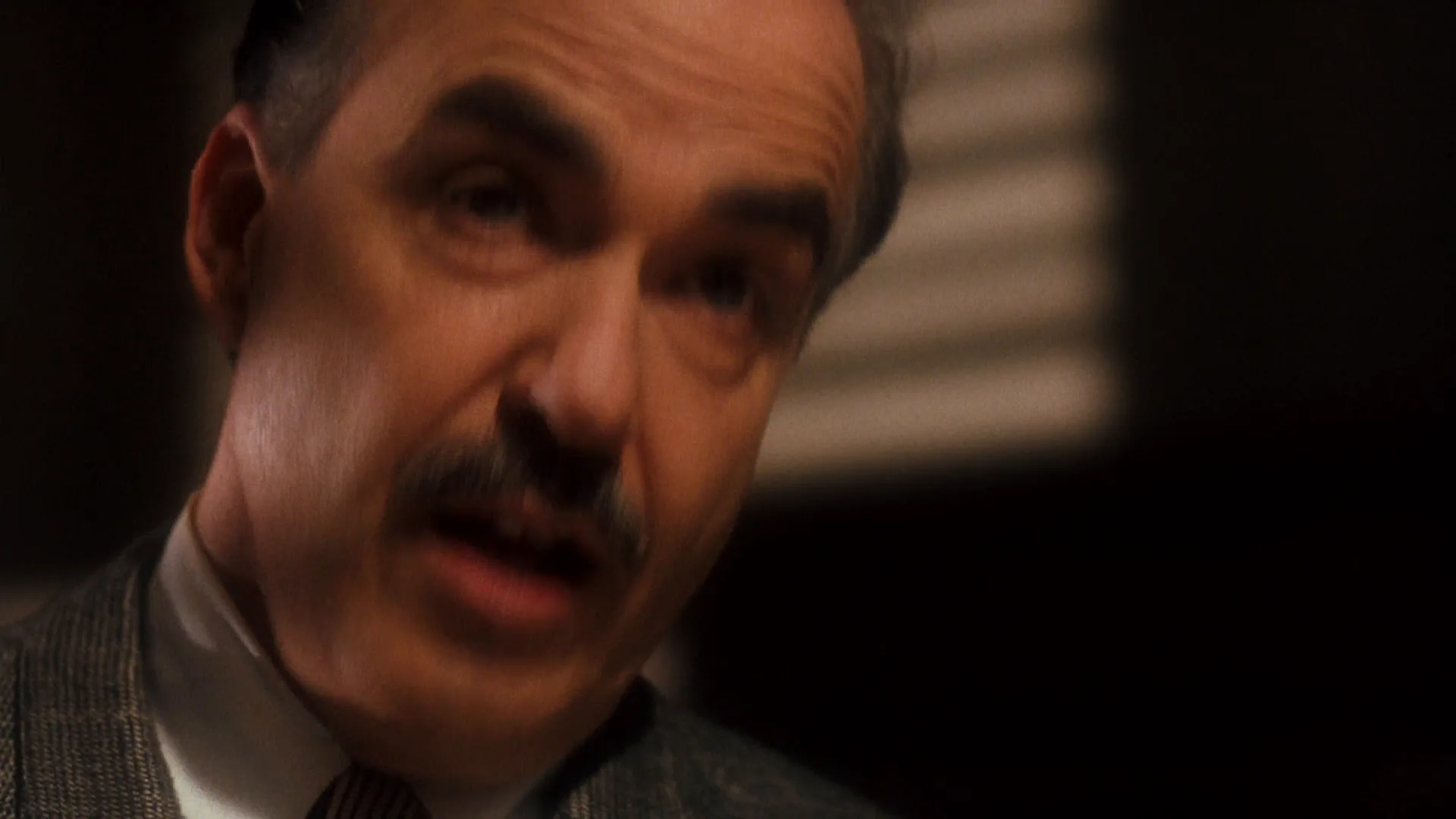
8 framesYou cannot photograph a technique, only the behavior it produces: faces caught mid-feeling, nothing presented to the lens.
How to create a method acting with AI
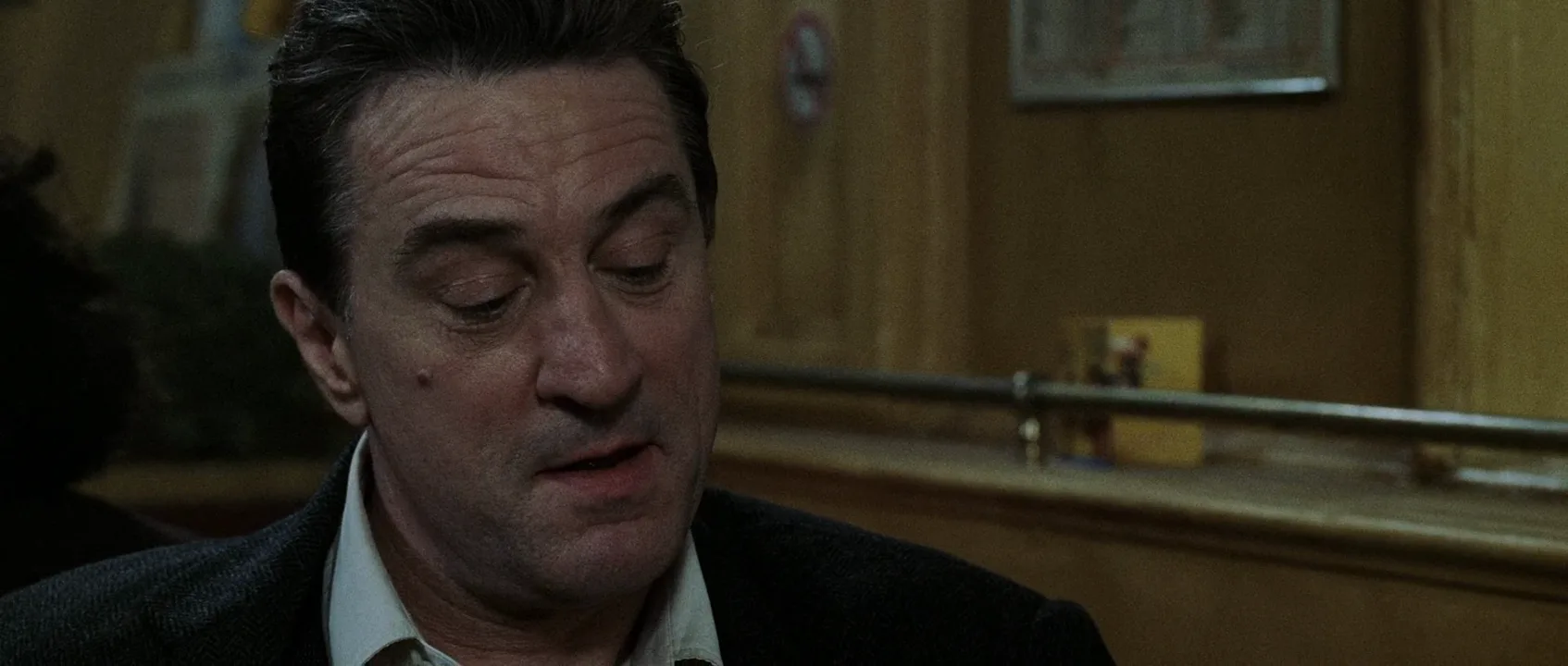
4 promptsAn image model cannot remember anything, so you supply the memory: circumstances, an object in the hands, what the body does with the feeling. Describe physical symptoms, never emotion labels. Keep references, takes and notes on one FlashBoards board and compare them side by side like dailies. The fourth prompt re-shoots a real film shot from a text description alone, and the original plays next to the result so you can compare.
Cinematic close-up of a broad-shouldered man in his late forties with a shaved head, a crooked once-broken nose, grey stubble and a small chin scar, faded navy work shirt, sitting on the edge of a motel bed at night, elbows on knees, hands clasped hard against his mouth, knuckles pale, eyes red-rimmed and fixed on the carpet. 85mm at seated eye level, one warm bedside lamp camera left, dark room, shallow depth of field, film grain, raw private naturalistic performance.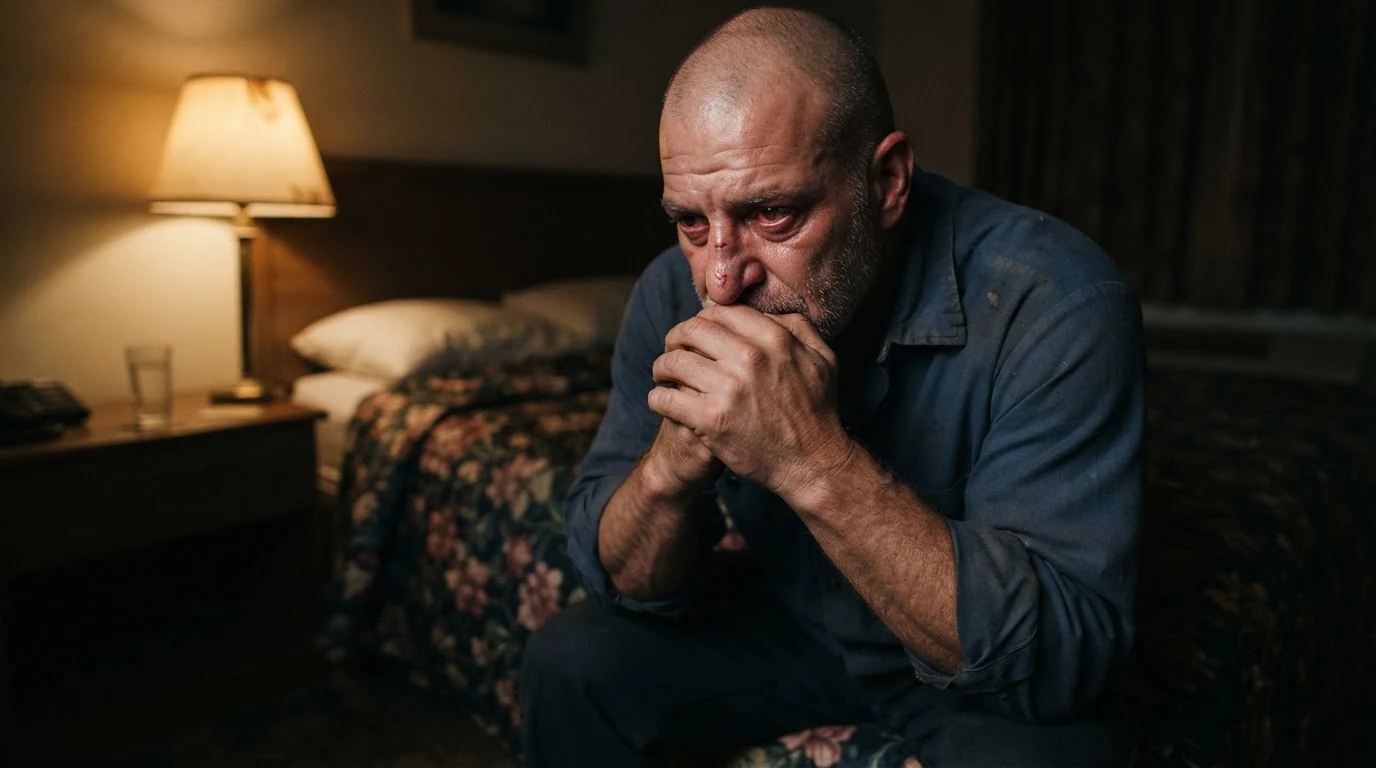
Hands clasped hard against his mouth, knuckles pale, eyes red-rimmed describe a held-down feeling; a label like grieving gets a stock crying face. The empty room and eyes fixed on the carpet give the private-moment quality instead of a pose for the lens.
Open FlashBoardsWide-screen medium close-up in a bare cold-water apartment: a gaunt woman in her early thirties with a shaved scalp growing back unevenly, a split lower lip and sharp collarbones under a stretched grey sweater, sitting on the floor against a radiator, eating cold beans from a tin, eyes on the door. 50mm at floor height, flat grey window light, peeling green walls, muted documentary-real film still.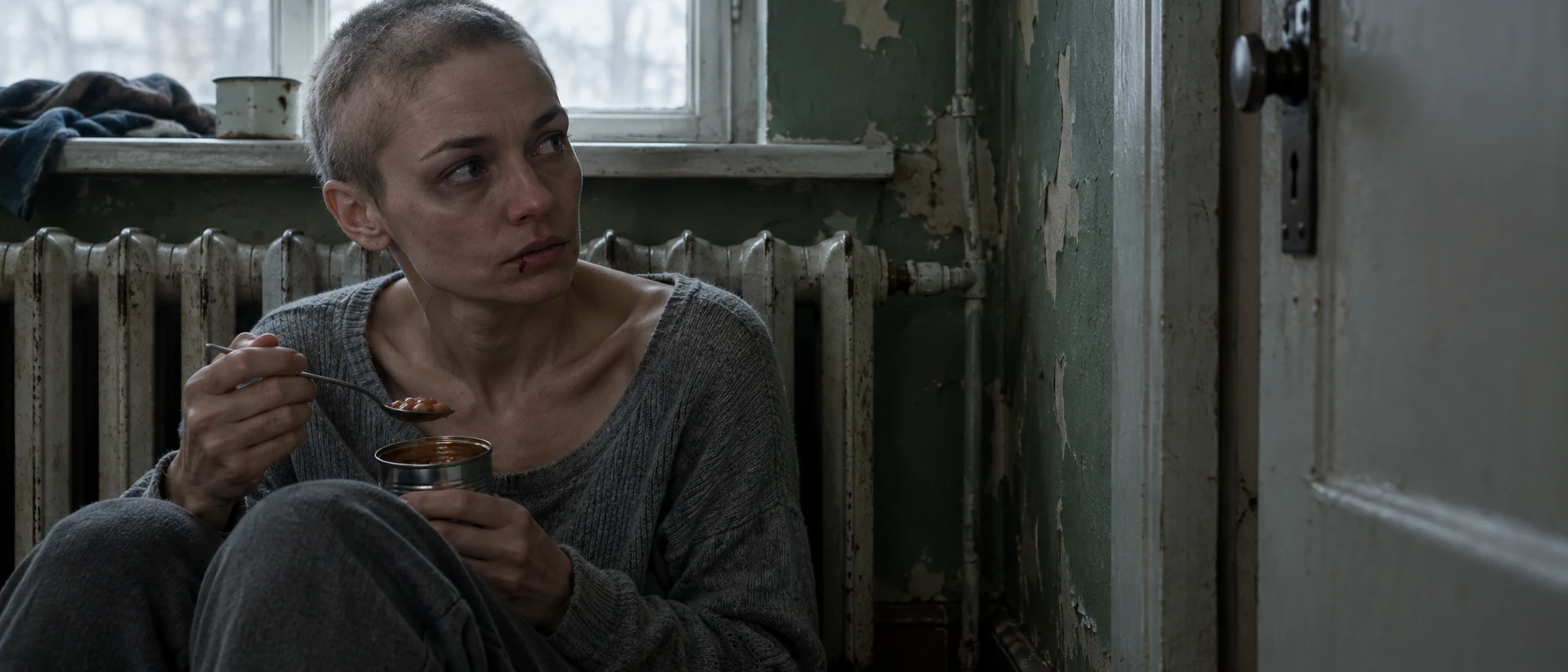
The other face of the Method: physical immersion. Gaunt, sharp collarbones, split lip sell the body change, while the task and the eyeline on the door make it behavior, not a portrait.
Open FlashBoardsCamera: very slow handheld push-in from close-up to a tighter close-up on his eyes, with a slight natural sway. Action: He is already rocking gently forward and back on the bed edge, hands pressed to his mouth. His breath catches and the rocking stops. He lowers his hands to his knees, swallows, lifts his eyes to just past the lens and lets out one long, shaky exhale.Already rocking makes the shot alive from the first frame. Small physical beats read as a feeling surfacing rather than mugging, and everything named is already in recipe 1's frame.
Open FlashBoards{
"output": "Full-screen live-action scene from Ronin (1998), alive from its very first frame: one continuous shot, no cuts. Wide-screen 35mm film, late 1990s grain, a quiet Paris bistro at night, warm dim tungsten from above left, honey-brown and amber-green palette.",
"characters": {
"S1": {
"name": "Sam, played by Robert De Niro",
"look": "man in his mid fifties, short dark hair combed back, heavy-lidded eyes, dark suit jacket over a white open-collar shirt, sitting in a booth",
"voice": "low, dry, tired"
},
"S2": {
"name": "a radio newsreader, heard only from a radio in the bistro",
"look": "never seen",
"voice": "neutral British broadcast voice, slightly tinny"
}
},
"shots": [
{
"shot": 1,
"camera": "locked-off static medium close-up at seated eye level, long lens, no camera movement at all; S1's head and shoulders slightly left of centre, wood panelling with a framed poster and a brass rail at shoulder height filling the right side, soft focus behind him",
"action": [
"BEGINNING: alive from the first frame, S1 sits with his head turned toward screen right, eyes on someone off frame right, lips pressed together, mouth corners slightly down; shoulders still, hands out of frame.",
"THEN: his eyes drop first, then his head turns back toward the lens until his face is almost frontal, eyes lowered to the table below frame.",
"THEN: he holds, eyes down, lips pressed; a small swallow moves his throat.",
"THEN: his eyelids sink almost shut, his head dips slightly toward screen left and his closed mouth twists sideways toward screen right, as if chewing on a thought.",
"THEN: the key beat: his eyebrows lift and his forehead creases, he pushes his lower lip up hard, chin puckered, mouth corners pulled down in a rueful, resigned grimace, eyes half-lidded and lifted to just past the lens on screen right; he holds this face, with only a slight sway of the head.",
"END: the grimace releases, his lips part and he says his short line quietly, eyes still just past the lens on screen right, face settling."
],
"dialogue": [
{
"speaker": "S2",
"on_screen": false,
"when": "from the first frame, already mid-sentence, heard from a radio off screen while S1 looks off to screen right",
"delivery": "flat news-bulletin read, low in the mix",
"line": "<d>[English] O'Rourke had earlier been denounced by the IRA, the military wing of Sinn Féin, as a rogue breakaway operative.</d>"
},
{
"speaker": "S1",
"on_screen": true,
"when": "only at the very end, right after the lip-push grimace releases; his lips stay closed before that",
"delivery": "quiet, dry, a little rueful, almost thrown away",
"line": "<d>[English] Well then, good knowing you.</d>"
}
]
}
],
"sound": {
"ambience": "hushed bistro room tone, a faint clink of a cup on a saucer, the radio bulletin in the background",
"speech": "exactly these spoken phrases, each said once, in this order",
"never_spoken": "no narration and no voice-over: the descriptions, performance notes and step words of this prompt are never spoken aloud",
"music": "a film score under the scene, always below the voices: a quiet melancholy string pad with a slow, low solo cello line",
"subtitles": "none"
}
}Remakes Sam's static booth close-up from Ronin (1998), dir. John Frankenheimer, DP Robert Fraisse, keeping the locked-off scope framing, the warm wood-panelled bistro, the radio news and the look-away, eyes-down, lip-pushing grimace before "Well then, good knowing you."
A locked-off camera leaves the whole shot to the face, so the prompt lists the physical beats in order: look off right, eyes drop, a swallow, a sideways twist of the closed mouth, then the key beat, lower lip pushed up hard, chin puckered, held before the line. The radio bulletin and De Niro's line come verbatim from the film, so the thought plays under real words instead of explaining itself.
Open FlashBoardsCommon mistakes
- Emotion labels flatten the face. Angry or devastated bring stock expressions; write the body: jaw clenched, breath held.
- Models pose for the lens. State an eyeline on an object.
- Too many beats in video become overacting. Keep three or four small actions.
- Transformation drifts toward glamour. Name the unflattering details.
Keep the reference frames, prompts and every generated take side by side — images and video in one canvas.
FAQ
4 questionsWhat is method acting in simple terms?
Method acting is a way of acting where the performer tries to genuinely feel what the character feels instead of imitating it. Using Lee Strasberg's techniques, the actor recalls real sensations and personal memories that match the scene. Some actors extend it by staying in character between takes.
Who are famous method actors?
Actors most associated with the Method include Marlon Brando, James Dean, Montgomery Clift, Al Pacino, Robert De Niro and later Daniel Day-Lewis. The label is also used loosely for any actor known for deep immersion, such as Heath Ledger or Adrien Brody, even when their preparation differed from Strasberg's classroom.
What is the difference between method acting and Meisner?
The Method builds emotion from within, using the actor's personal memories and sensory recall. The Meisner technique builds truth between people: the actor reacts moment to moment to the scene partner, trained through the repetition exercise. Both came out of the Group Theatre, but one looks inward and the other outward.
Do method actors stay in character all the time?
Not necessarily. Staying in character off camera is a popular extension, not a requirement of Strasberg's training, which centered on relaxation, sense memory and emotional memory. Some actors keep a voice or physicality between takes; others drop the character at cut and are still Method-trained.
Related terms
3- Meisner TechniqueActing & Casting
The Meisner technique trains actors to live truthfully under imaginary circumstances by reacting to their partner moment to moment, built on the famous repetition exercise.
- Acting TechniquesActing & Casting
Acting techniques are the trained systems actors use to build a truthful performance — Stanislavski's system, the Method, Meisner, Chekhov, Adler and others — each with its own route to emotion, action and character.
- Directing ActorsDirecting & Staging
Directing actors means giving performers playable actions, objectives and circumstances rather than results — shaping a performance through rehearsal, adjustments between takes and a safe atmosphere on set.
Further reading
Lee Strasberg, A Dream of Passion: The Development of the Method (1987). Harold Clurman, The Fervent Years (1945). Konstantin Stanislavski, An Actor Prepares (1936).