 FlashBoards Learn
- Learn
- Acting & Casting
- Acting Techniques
Acting & Casting · Film language
Acting Techniques
Also called: acting methods, acting styles
Acting techniques are trained systems an actor uses to build a truthful performance: Stanislavski's system, the Method, Meisner, Adler, Chekhov, Hagen and others. Each offers a different route to emotion, action and character, and on film the result is judged by the lens at a few feet from the face.
- What it does
- Gives the actor a repeatable way to reach believable behavior take after take, instead of hoping for inspiration.
- Use it when
- Preparing a role, rehearsing a scene, or deciding how to talk to a cast trained in different schools.
- Watch out
- A technique is private homework; the camera records behavior, not the process, so judge the result on the monitor.
- Try this prompt
Close-up, silver-haired woman in her fifties at a night kitchen table, holding an unopened letter, lips pressed together, eyes wet, looking just past the lens, 85mm
What are acting techniques?
An acting technique is a method for doing the same thing honestly many times. A screen actor repeats a scene across a master, two singles and inserts, often out of order and weeks apart. Technique is what makes the tenth take look like the first.
Almost every modern Western school descends from Konstantin Stanislavski at the Moscow Art Theatre. His tools are still the vocabulary of rehearsal: given circumstances (who, where, what just happened), an objective (what the character wants from the other person), obstacles and actions (the verbs used to get it). The later schools disagree mainly about where emotion comes from: memory, imagination, the partner or the body. More on the craft in the acting hub.
What are the main types of acting techniques?
- Stanislavski's system. Objectives, actions, given circumstances and, later, the method of physical actions: do the right task and the feeling follows.
- The Method. Lee Strasberg's American version, built on sense memory and emotional memory. Marlon Brando in On the Waterfront (1954) became the emblem of the era. See method acting.
- Meisner. Attention moves off the self and onto the partner; the repetition exercise trains moment-to-moment response. See the Meisner technique.
- Stella Adler. Imagination and research instead of personal recall: understand the circumstances so fully that the feeling follows.
- Michael Chekhov. Imagination, atmosphere and the psychological gesture, one full-body movement that holds the character's drive.
- Uta Hagen. Substitution and object exercises from Respect for Acting (1973).
- Practical Aesthetics. David Mamet and William H. Macy's approach: one playable action per beat, no manufactured emotion.
- Physical and comic traditions. Lecoq movement work, Viewpoints, clown and registers like deadpan, where the blank face is the technique.
How is screen acting different from stage acting?
The camera changes the scale, not the truth. On stage a performance must reach the back row; in a close-up the lens sits an arm's length away and a passing thought reads clearly. Screen actors learn to hold still for focus, hit marks, match business (the sip, the glance) for continuity, and play to an eyeline just beside the lens.
The working rule: the tighter the shot, the less the face does. In a wide the body carries the scene; in a close-up the eyes do. A strong reaction shot comes from an actor who is genuinely listening, not waiting for a cue.
Presentational vs. representational acting
Beyond schools, performances split into two styles. Representational acting ignores the camera: the character lives inside the scene and the audience overhears. Most naturalistic drama works this way.
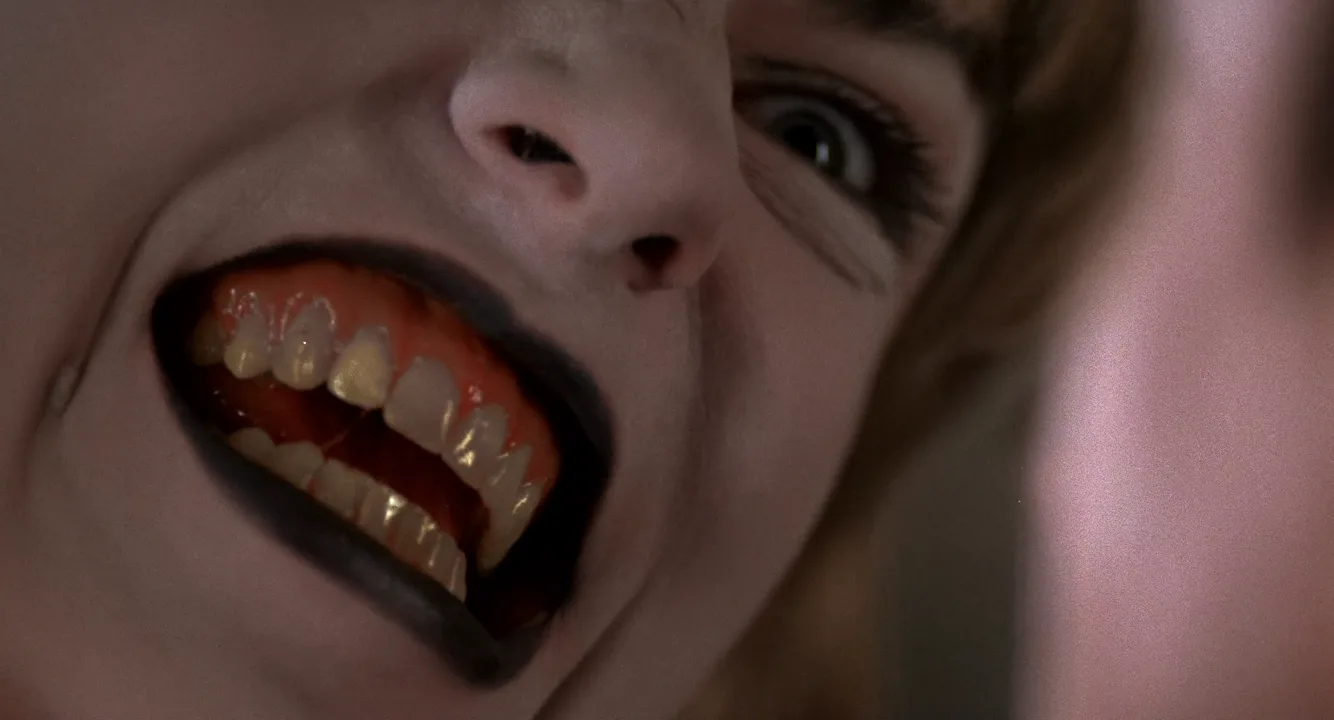
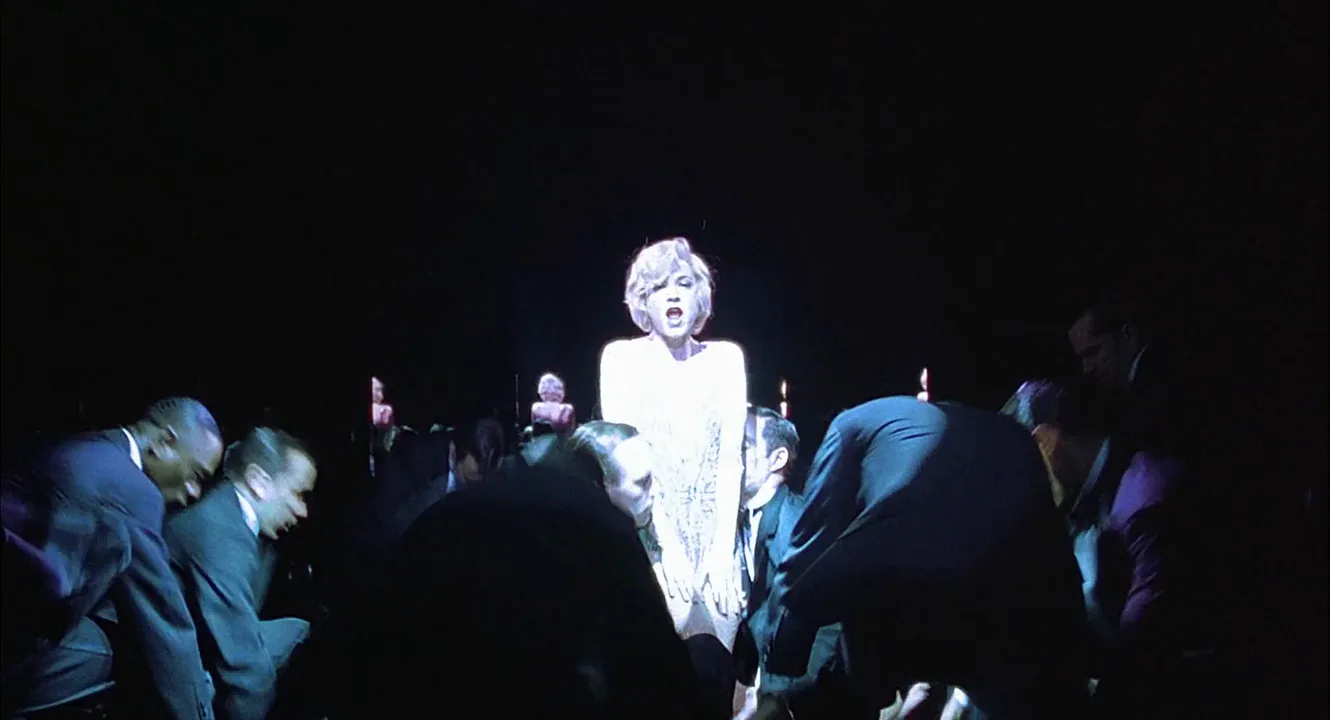
Presentational acting acknowledges the audience: musical numbers, direct address, vaudeville, broad comedy. The feeling can be just as real, but it is shaped outward and timed for the viewer. A musical can play a dialogue scene naturalistically, then open straight into a staged number.
How should a director work with actors from different schools?
A cast rarely shares one method. The Method actor may want quiet before the take, the Meisner actor wants a live partner off camera, the Practical Aesthetics actor wants a clear verb. The director gives what every technique can use: circumstances, what the character wants, what just happened, and an action instead of a result. "Get her to stay" is playable; "be sadder" is not. More in directing actors.
Acting Techniques examples in film
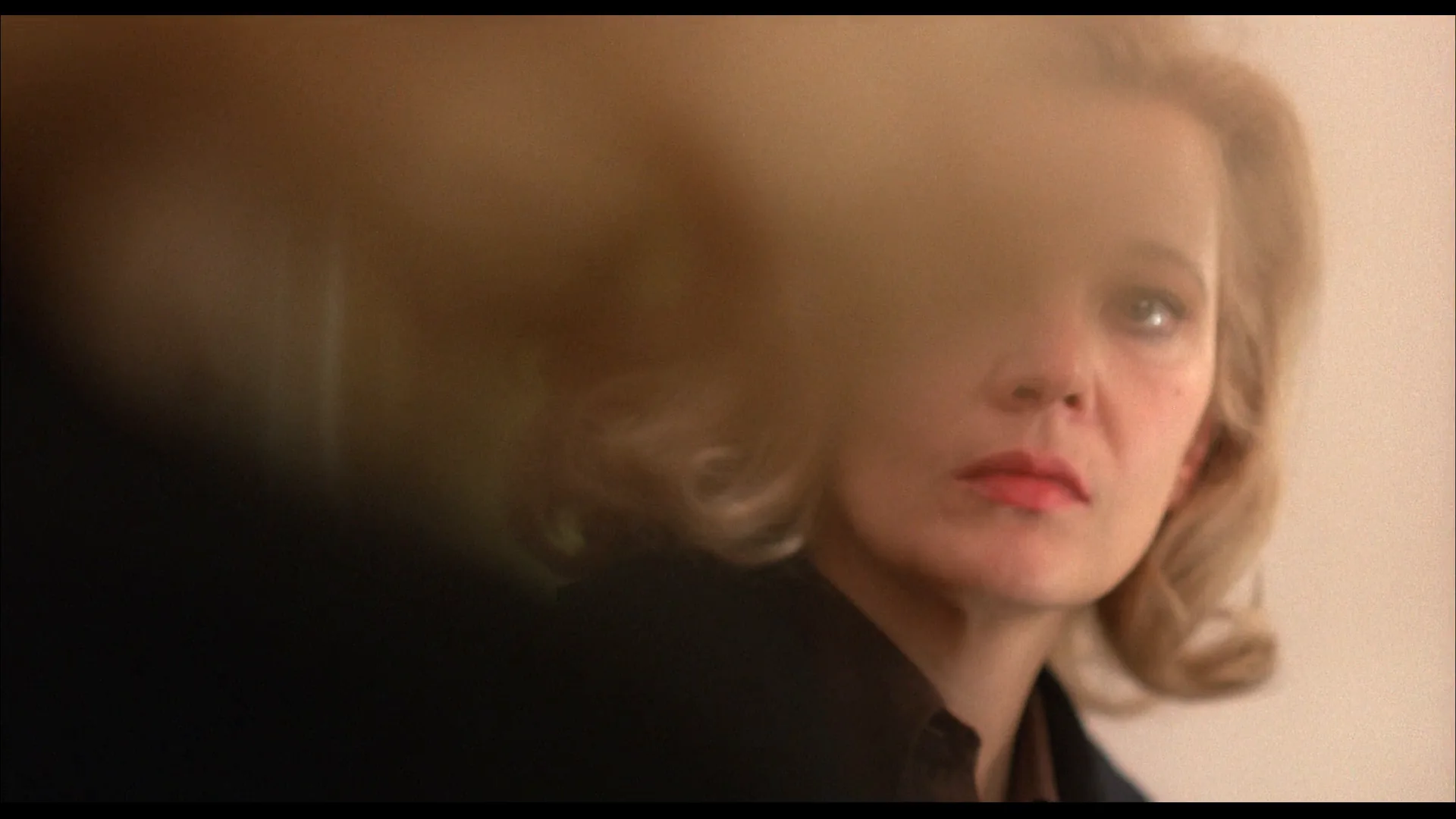
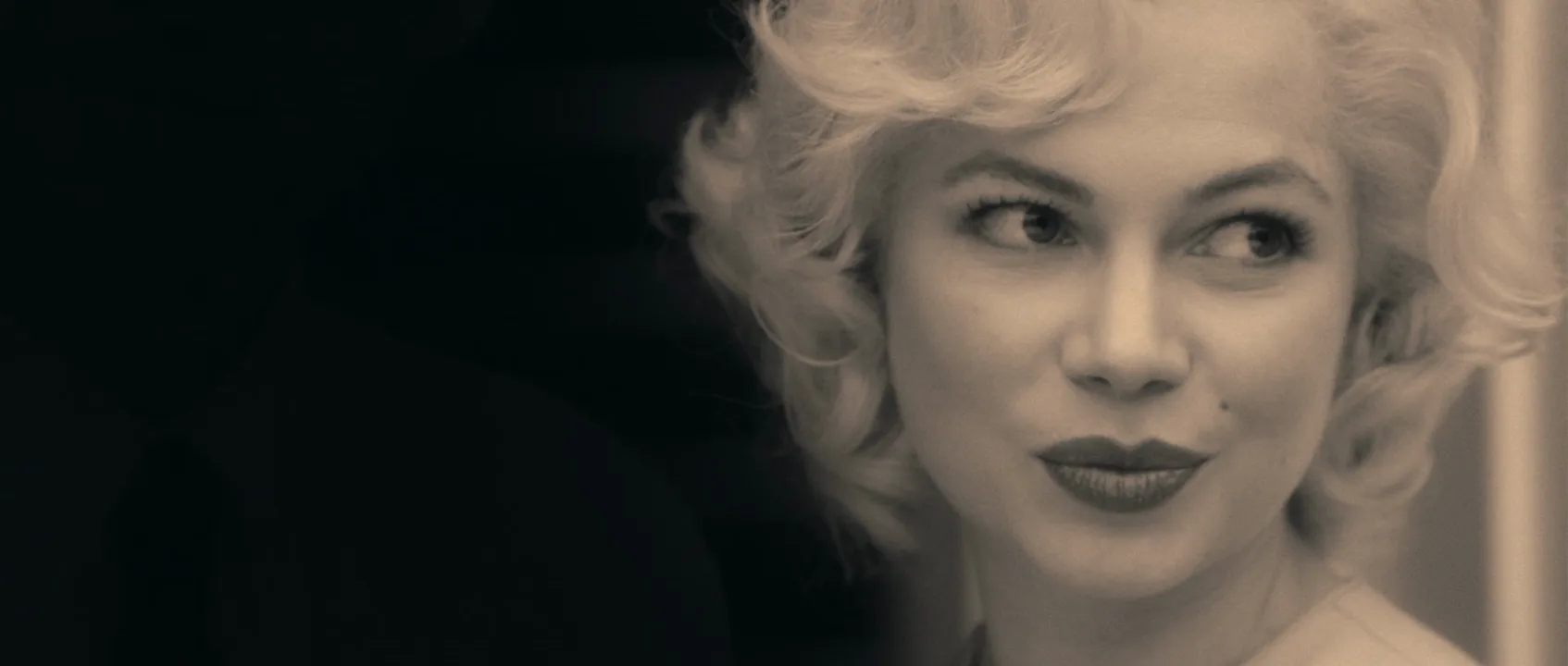
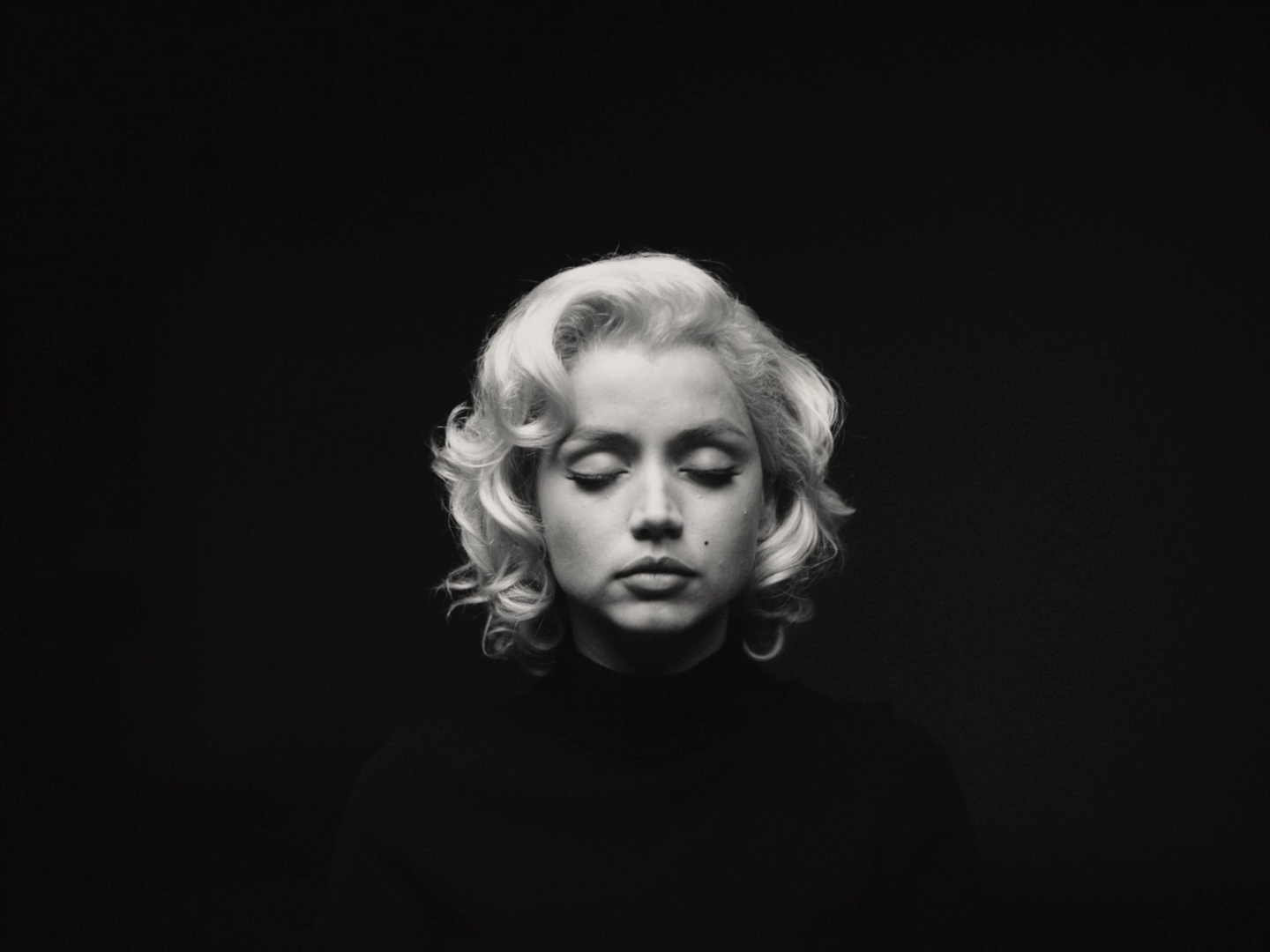
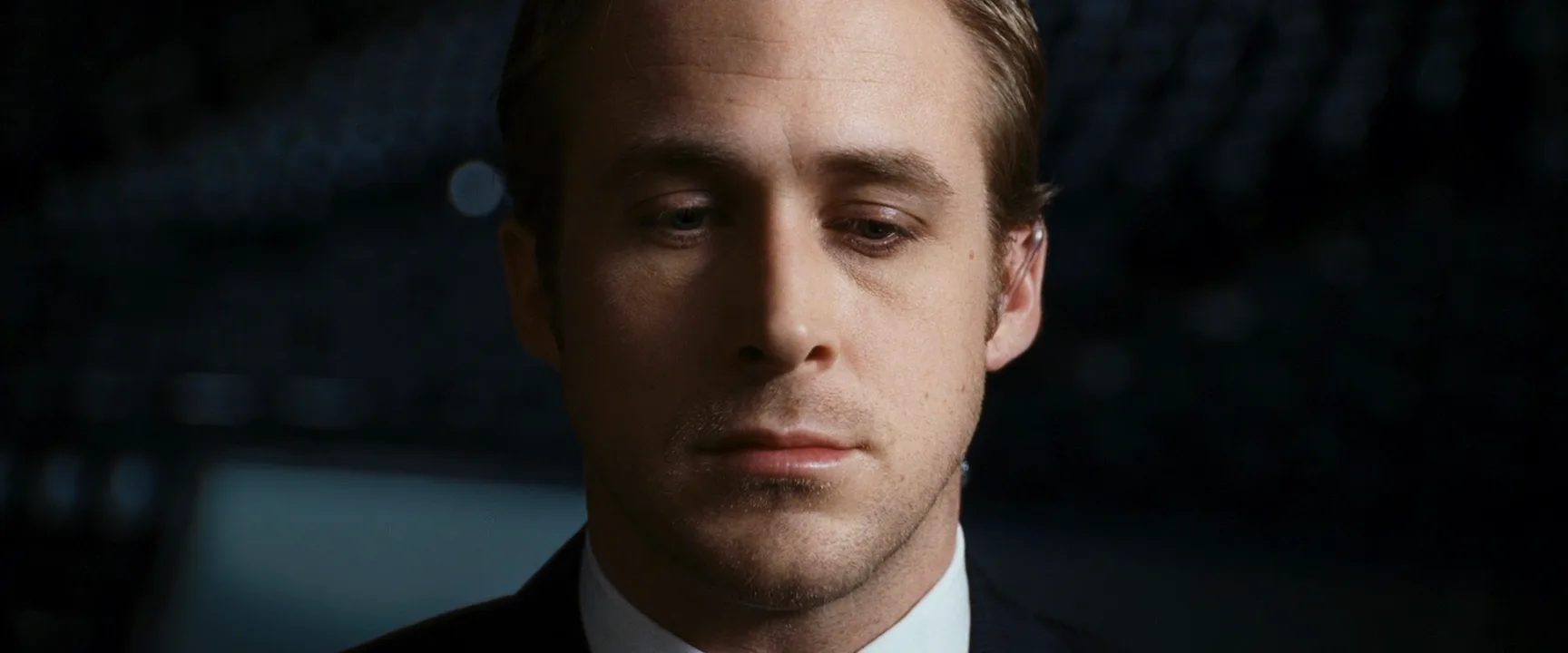
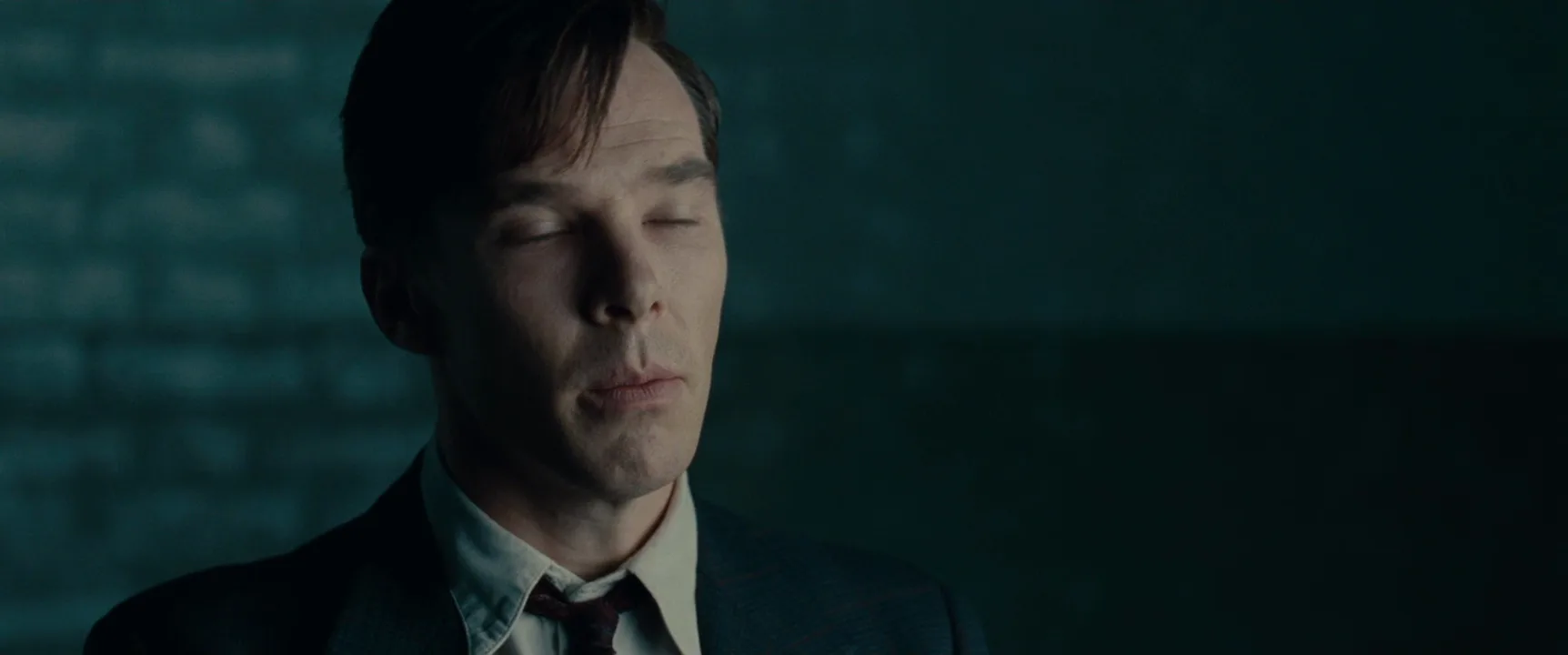
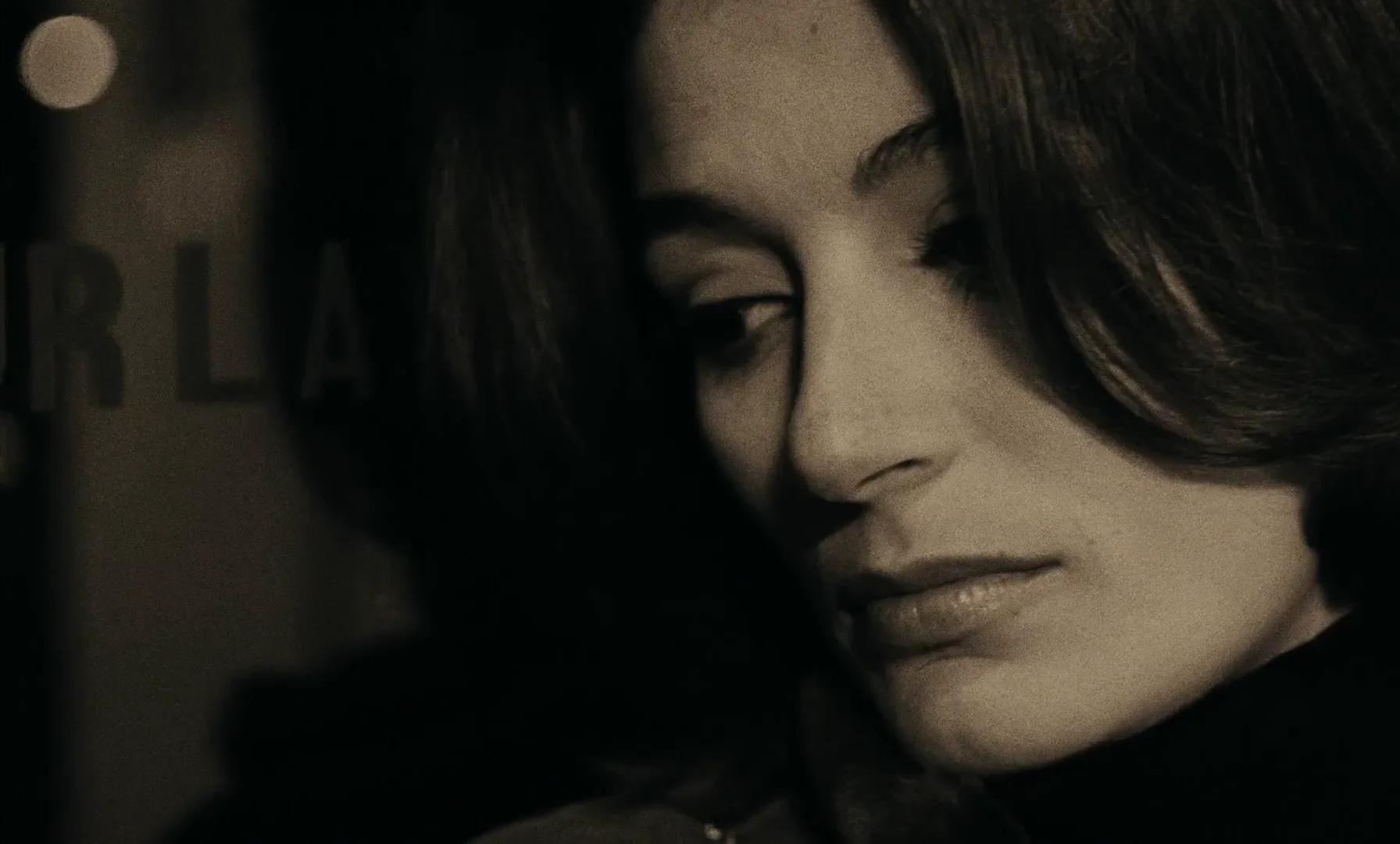
8 framesTechnique is invisible; the screen records behavior. These stills run from inward stillness to open, presented performance.
How to create a acting techniques with AI
4 promptsAI models do not act; they imitate the behavior you describe. Direct them like actors: circumstances, an object in the hands, a physical action, an eyeline, no emotion labels. Keep references, takes and notes on one FlashBoards board and compare takes side by side like dailies. The fourth prompt re-shoots a real film shot from a text description alone, and the original plays next to the result so you can compare.
Cinematic close-up of a woman in her late fifties with cropped silver hair, a thin scar through her left eyebrow and freckled weathered skin, mustard wool cardigan, at a kitchen table at night holding an unopened envelope in both hands. Lips pressed together, jaw tight, eyes wet but not crying, looking just past the camera to the left. 85mm lens at eye level, one warm practical lamp camera left, dark room, shallow depth of field, film grain, restrained naturalistic performance.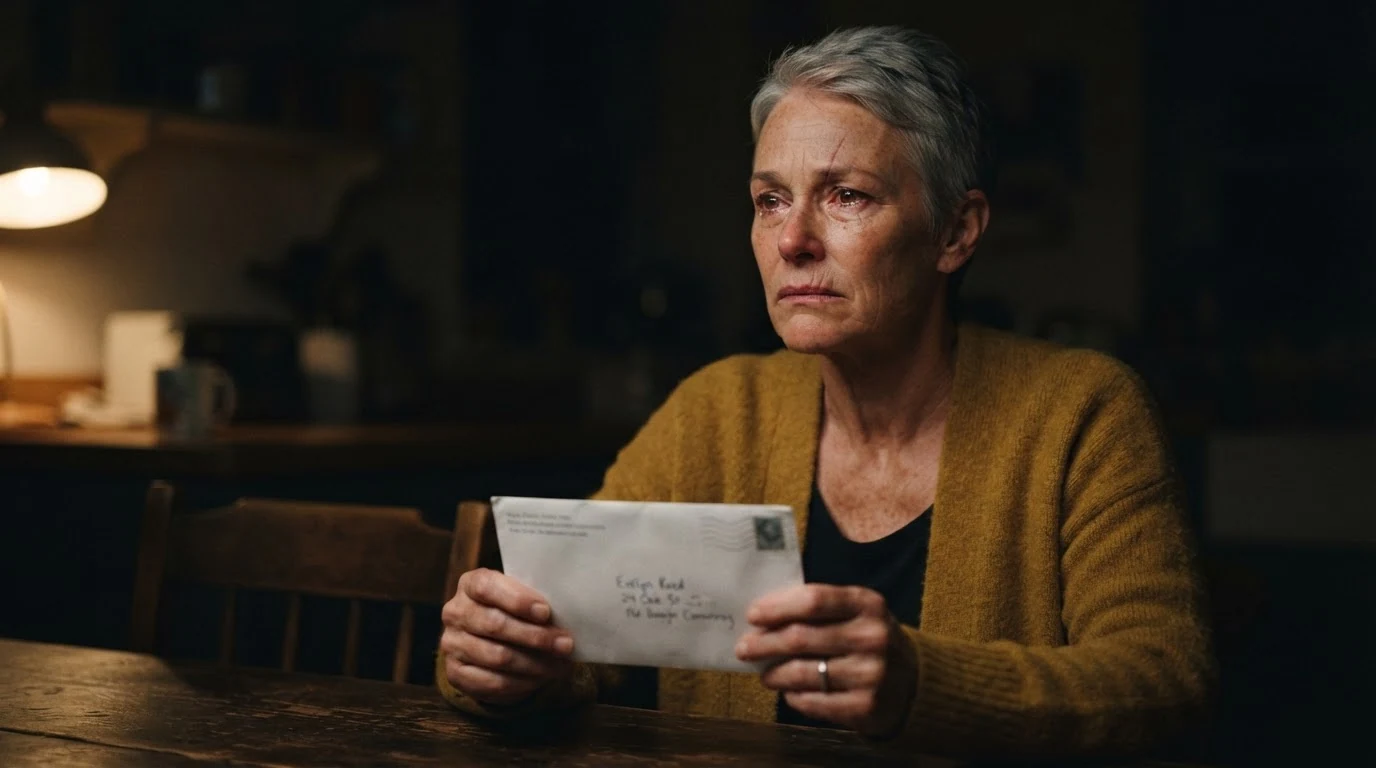
Lips pressed together, jaw tight, eyes wet but not crying describe held-back emotion instead of naming it; looking just past the camera sets a screen eyeline. The envelope gives the hands a task, and restrained naturalistic performance keeps the face from going theatrical.
Open FlashBoardsWide-screen two-shot in a late-night diner booth. Left: a lanky man in his twenties with a shaved head, a gap between his front teeth and a faded green work jacket, listening; his half-smile has frozen and his coffee cup has stopped halfway to his mouth. Right, in soft focus: an older woman with a long grey braid, mid-sentence, hand open on the table. 40mm at seated eye level, cool fluorescent light, red vinyl seats, naturalistic film still.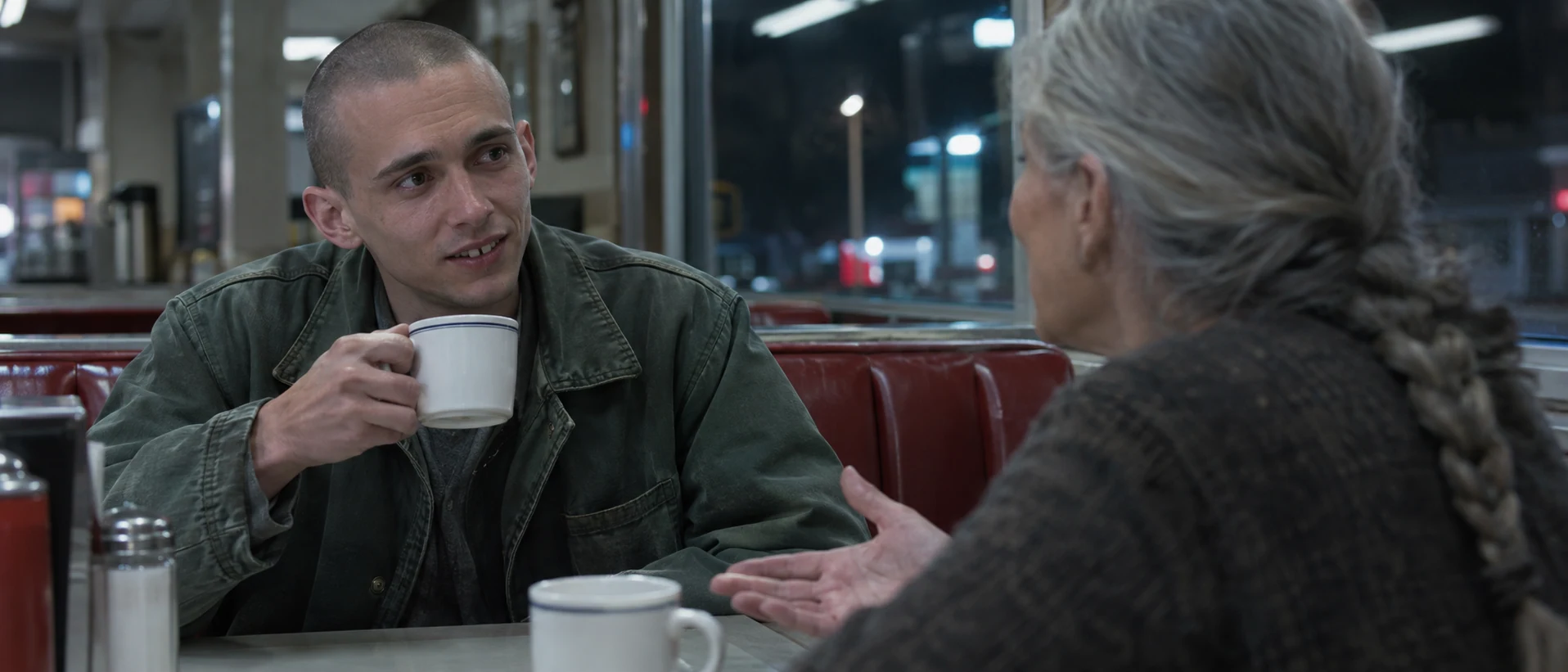
Acting as reaction: listening, half-smile has frozen, cup stopped halfway shows a character changed by his partner, the core of Meisner work. The soft-focus speaker makes the listener the subject.
Open FlashBoardsCamera: very slow, steady push-in from close-up to a tighter close-up on her eyes. Action: She is already turning the envelope over in her hands. She stops, takes one slow breath and looks down at it. Then she lifts her eyes to just past the lens, swallows and gives one small nod.Already turning the envelope makes the first frame move. Small sequential beats (stop, breathe, look down, look up, nod) keep the model from a generic crying face, and everything named is already in recipe 1's frame.
Open FlashBoards{
"output": "Full-screen live-action close-up from A Man and a Woman (1966) from its very first frame: one continuous shot, a single unbroken take. 1960s black-and-white 35mm printed with a warm sepia tone, fine grain, soft contrast; night, inside a dim moving train compartment, one soft key light from above frame right on her face, deep shadow behind her, a few small out-of-focus warm lights drifting slowly across the dark background.",
"characters": {
"S1": {
"name": "Anne Gauthier, played by Anouk Aimée",
"look": "woman in her thirties, dark shoulder-length bob with a heavy side-swept fringe falling over one eye, pale bare skin, dark eyes, dark turtleneck sweater",
"voice": "silent: her lips stay closed for the whole shot"
},
"V1": {
"name": "a man's voice ordering dinner, a remembered conversation heard off screen only, never seen",
"look": "not in the picture",
"voice": "warm, casual, a little playful, slightly distant as in memory"
},
"V2": {
"name": "a waiter's voice, part of the same remembered conversation, heard off screen only, never seen",
"look": "not in the picture",
"voice": "polite, brisk, slightly distant as in memory"
}
},
"shots": [
{
"shot": 1,
"camera": "handheld, slightly above her eye level, long lens, tight close-up of S1's head and shoulders filling the right two thirds of the frame, the frame breathing and drifting a little with her; it ends a touch tighter on her lowered face, three-quarter view",
"action": [
"BEGINNING: alive from the first frame, S1 has her head turned away toward frame left, three-quarter profile, gazing at nothing far off, mouth closed and still, while the remembered voices start.",
"THEN: very slowly her head comes halfway back toward the lens and tips down, her eyes drop and her lids half lower as her face settles into the light; she listens inside her head, lips never moving.",
"END: head bowed, eyes cast down, mouth relaxed and closed, one slow breath lifting her shoulders; her face holds almost motionless while the memory keeps playing."
],
"voice": "S1 never speaks; only the off-screen remembered voices are heard",
"dialogue": [
{
"speaker": "V1",
"on_screen": false,
"when": "from the first frame, while her head is still turned away",
"delivery": "casual question to a waiter, heard as a memory",
"line": "<d>[French] Saucisson de Lyon, c'est chaud ?</d>"
},
{
"speaker": "V2",
"on_screen": false,
"when": "right after the question",
"delivery": "short, polite",
"line": "<d>[French] Oui.</d>"
},
{
"speaker": "V1",
"on_screen": false,
"when": "as her head starts to come back and tip down",
"delivery": "searching the menu, a little puzzled",
"line": "<d>[French] Où ça... ? Où ?</d>"
},
{
"speaker": "V2",
"on_screen": false,
"when": "right after",
"delivery": "helpful, brisk",
"line": "<d>[French] Dans les hors-d'œuvre.</d>"
},
{
"speaker": "V1",
"on_screen": false,
"when": "near the end, while her eyes are cast down",
"delivery": "light, amused insistence",
"line": "<d>[French] Je ne vois pas. Il faut que je voie.</d>"
}
]
}
],
"sound": {
"ambience": "steady low rumble and rhythmic clack of train wheels, faint creak of the carriage",
"speech": "exactly these spoken phrases, each said once, in this order, all from off-screen voices; the woman on screen never speaks",
"never_spoken": "no narration and no voice-over: the descriptions, performance notes and step words of this prompt are never spoken aloud",
"music": "a film score under the scene, always below the voices: a soft wistful piano and hushed strings, slow and tender",
"subtitles": "none"
}
}Remakes the handheld night-train close-up of Anouk Aimée from A Man and a Woman (1966), dir. Claude Lelouch, DP Claude Lelouch: the sepia tone, the head turning back and down, the closed mouth and the French restaurant dialogue heard over her face carried over.
The performance lives in the action phases, written as behavior: head turned away, then it tips down, lids half lower, lips never moving. The film's own remembered dinner talk plays off screen, so the model has to show a woman listening inside her head, which is the whole of Aimée's close-up.
Common mistakes
- Emotion words produce stock faces. "Sad" or "shocked" brings open-mouth crying and wide eyes. Describe behavior: jaw set, breath held, eyes down.
- Eyeline into the lens. Portraits default to looking at the viewer; write looking just past the camera for drama.
- Overacting in video. Too many beats turn into mugging. Give three or four small actions and a slow camera.
- Faces drift between takes. Animate the approved frame instead of regenerating the character.
Keep the reference frames, prompts and every generated take side by side — images and video in one canvas.
FAQ
4 questionsWhat are the main types of acting techniques?
The major trained approaches are Stanislavski's system, the Method, the Meisner technique, Stella Adler's approach, Michael Chekhov's technique, Uta Hagen's substitution work and Practical Aesthetics. They share Stanislavski's objectives, actions and given circumstances but differ on the source of emotion: personal memory, imagination, the scene partner or physical action.
What is the most common acting technique used in film?
There is no single standard. Most screen actors blend tools: Stanislavski's objectives for script analysis, Meisner-style listening with partners, and whatever private preparation works. Film demands the same from every technique: repeatability, stillness in close-ups and the same emotional level across many takes and setups.
What is the difference between method acting and Meisner?
Method acting sends the actor inward: sense memory and emotional memory use the actor's own experiences to fuel the character. Meisner sends the actor outward: attention stays on the partner, and emotion comes from truthfully reacting to what the partner does. Both come from Stanislavski but train opposite directions of attention.
Can I direct an AI-generated character's performance?
Yes, with behavior, not labels. Describe what the face and body do (a held breath, eyes dropping to an object, a small nod), give the hands a task and set an eyeline just past the lens. Generate the start frame first, then animate it with a slow camera and three or four beats.
Related terms
4- Method ActingActing & Casting
Method acting, developed by Lee Strasberg from Stanislavski, has actors draw on their own memories and sometimes stay in character off camera to produce emotionally real performances.
- Meisner TechniqueActing & Casting
The Meisner technique trains actors to live truthfully under imaginary circumstances by reacting to their partner moment to moment, built on the famous repetition exercise.
- Directing ActorsDirecting & Staging
Directing actors means giving performers playable actions, objectives and circumstances rather than results — shaping a performance through rehearsal, adjustments between takes and a safe atmosphere on set.
- DeadpanActing & Casting
Deadpan is comic delivery with a blank face and flat voice: the actor plays absurd material with total seriousness, and the gap between content and expression is the joke.
Further reading
Konstantin Stanislavski, An Actor Prepares · Sanford Meisner and Dennis Longwell, Sanford Meisner on Acting · Uta Hagen, Respect for Acting