 FlashBoards Learn
- Learn
- Camera Shots
- Full Shot
Camera Shots · Film language
Full Shot
Also called: full-body shot, full figure shot, FS
A full shot frames a character from head to toe, with only a small margin above the head and below the feet. The whole body becomes the performance: posture, costume, stance and movement read clearly, while the setting stays present but secondary. It is the size that lets the audience judge a person by how they stand.
- What it does
- Shows the entire body at readable size, so stance, costume and physical action carry the scene.
- Use it when
- A character's whole body tells the story: an entrance, a confrontation, a dance, a fight, a costume reveal.
- Watch out
- Leave too much floor and sky and it becomes a long shot; crop the feet and it drops to a medium long shot.
- Try this prompt
Full shot of a woman standing in a doorway, head to toe, small margin above her head and below her feet, 35mm lens at waist height, soft daylight
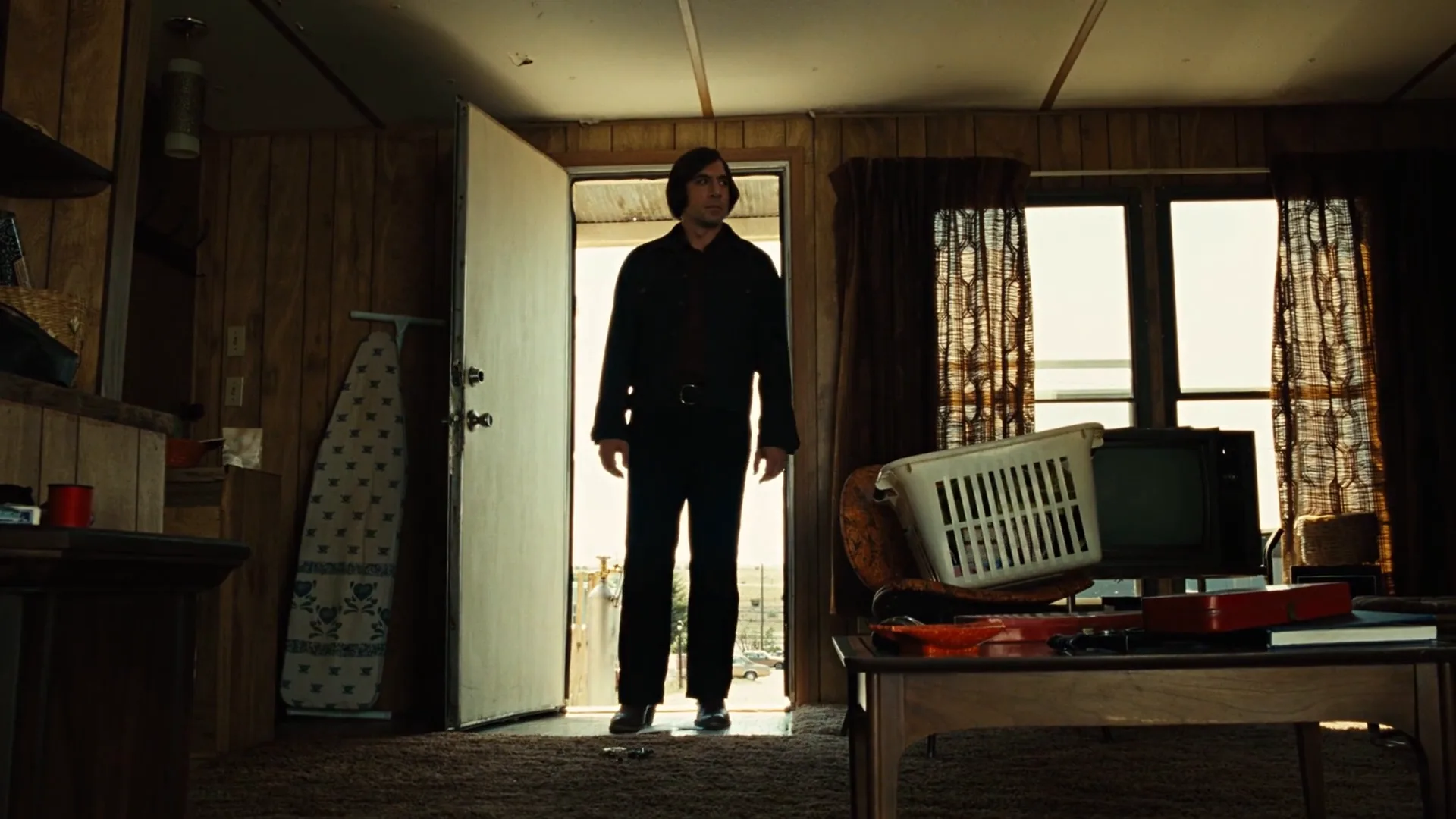
What is a full shot?
A full shot (FS on a shot list, also called a full-body or full-figure shot) is the size where the human figure fills the height of the frame. The top frame line sits just above the head, the bottom just below the feet, and the body is uncut: hands, knees, shoes and the way weight rests on the floor are all part of the picture.
On the scale of camera shots it sits between the medium long shot, which cuts at the knees, and the long shot, where the figure shrinks and the place matters as much as the person. Quick test: if the body alone would carry the shot without its background, it is a full shot.
Why do filmmakers use full shots?
To make the body the performance. Fred Astaire famously insisted that his dance numbers be framed full figure and cut as little as possible, so every step read as one continuous act.
To introduce a character. An entrance in a full shot tells you who someone is before they speak: the coat, the boots, the way they fill a doorway.
To stage relationships. Two or three people head to toe show distance, height and body language at once; in a confrontation the gap between two pairs of feet is the tension. Keep every head and every pair of feet inside the frame.
To give the edit a middle gear. In coverage the full shot sits between the establishing wide and the medium shot, keeping geography clear while gestures stay readable.
How to shoot a full shot
- Distance and lens. On a full-frame sensor a standing adult fills a 16:9 frame vertically at roughly 3–4 m on a 35mm lens, or 5–6 m on a 50mm. Wider lenses stretch the legs; longer ones flatten the body against the background.
- Camera height. Waist or chest height keeps proportions natural. From eye level the head grows and the legs shrink; from knee height the character gains stature.
- Headroom and footroom. Keep both small and roughly equal. If the feet must go, go up to the knees rather than trimming toes.
- Aspect ratio. In 2.39:1 a standing figure leaves the sides empty: fill them with a second character or a doorframe, or place the figure on a third.
- Blocking. A step toward the lens changes the size, so plan blocking that holds the actor's distance or lets the camera track with them.
- Lighting. Light the whole person, floor included. A pool of light around the feet grounds the figure; a rim light separates a dark costume from a dark set.
Full shot vs. long shot vs. medium long shot
All three show most of the body; the difference is how much of the frame the person owns.
| Size | Frame lines | What the viewer reads | |---|---|---| | Medium long shot | Head to about the knees | Gesture and stance, room for others | | Full shot | Just above the head to just below the feet | The whole body; setting secondary | | Long shot | Whole figure with generous space around it | The person in a place |
Rule of thumb: in a full shot the figure nearly fills the frame height; in a long shot it takes about half or less. If the location starts telling its own story, you have pulled back. The cowboy shot, cut at mid-thigh, is tighter still.
Full Shot examples in film
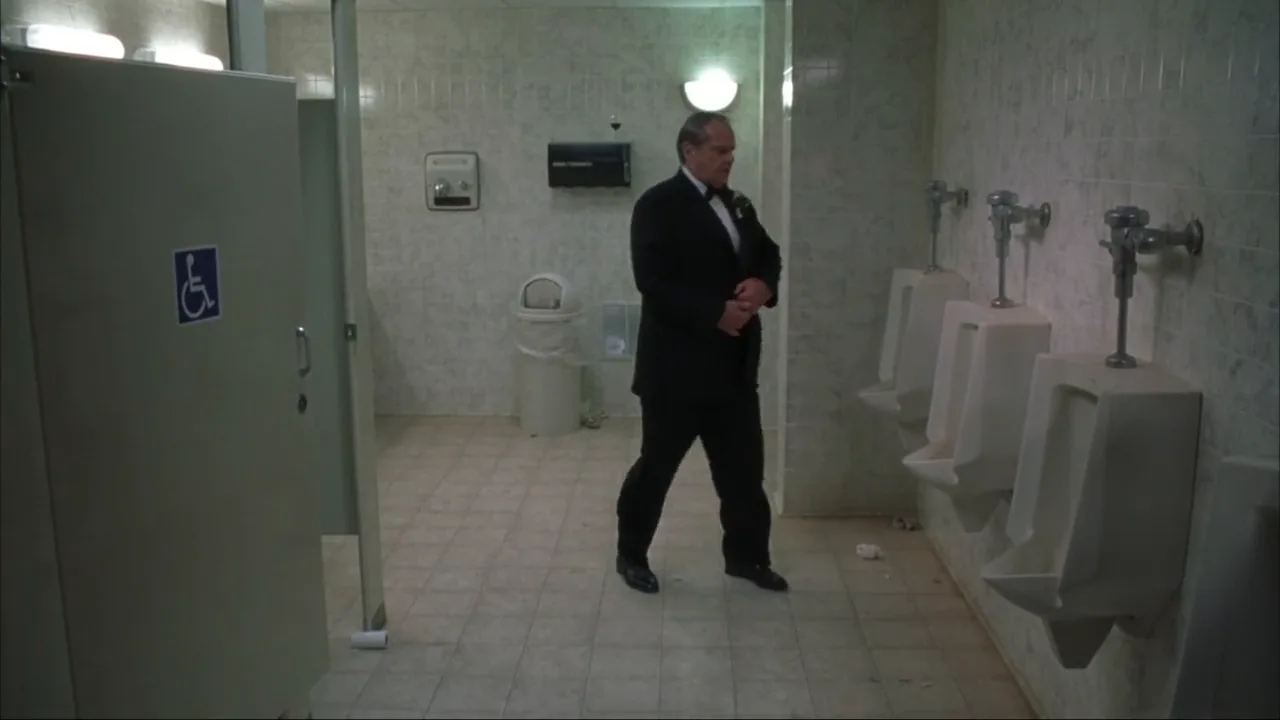
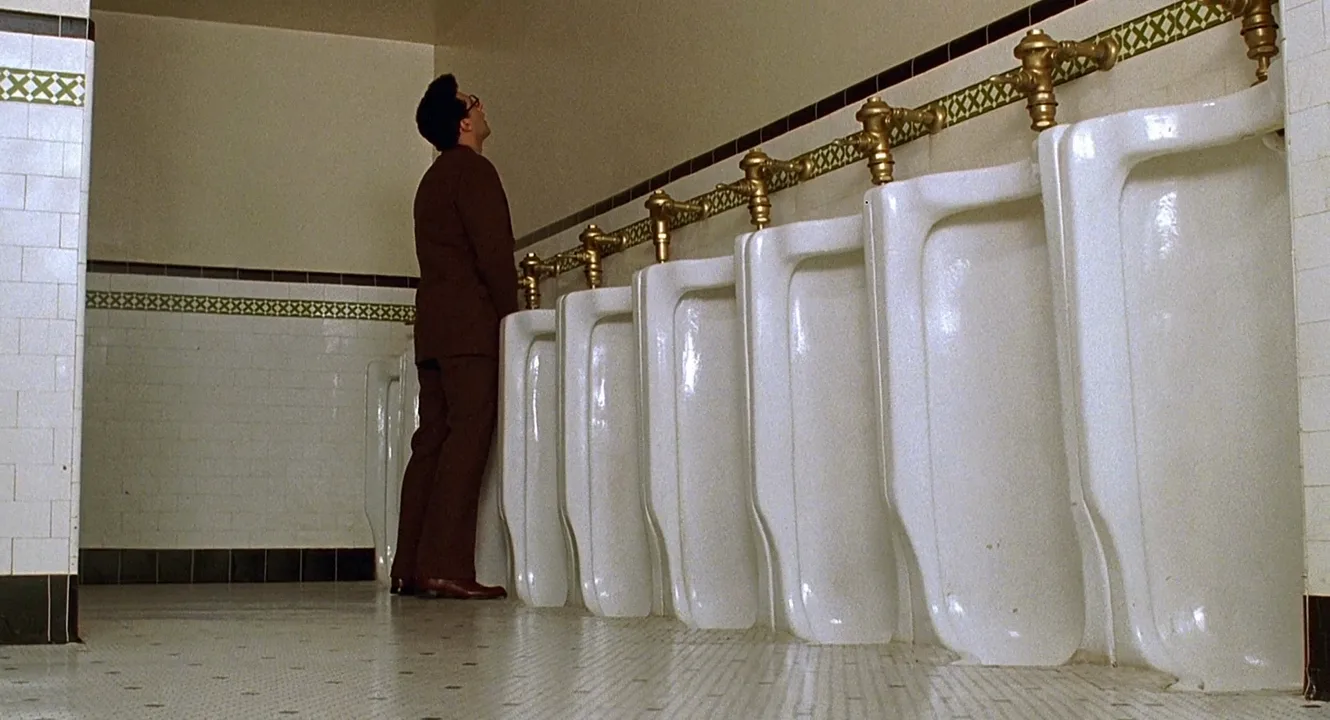
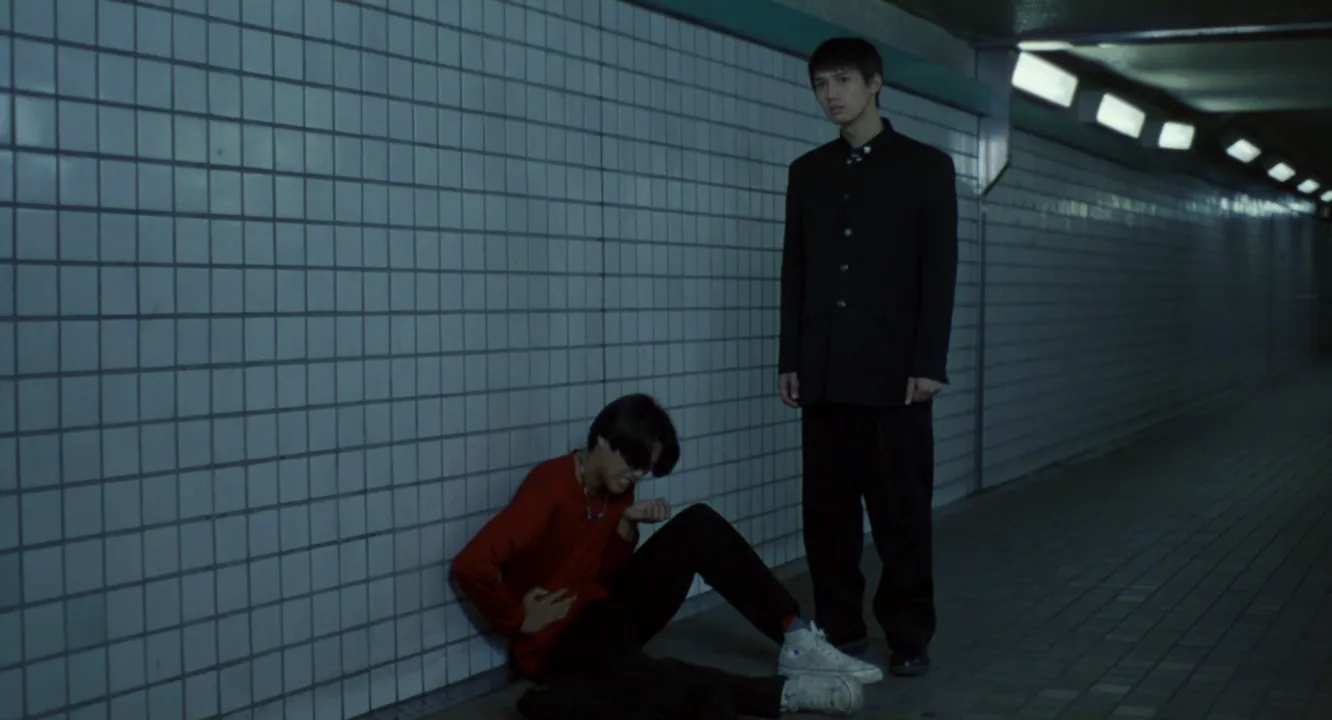
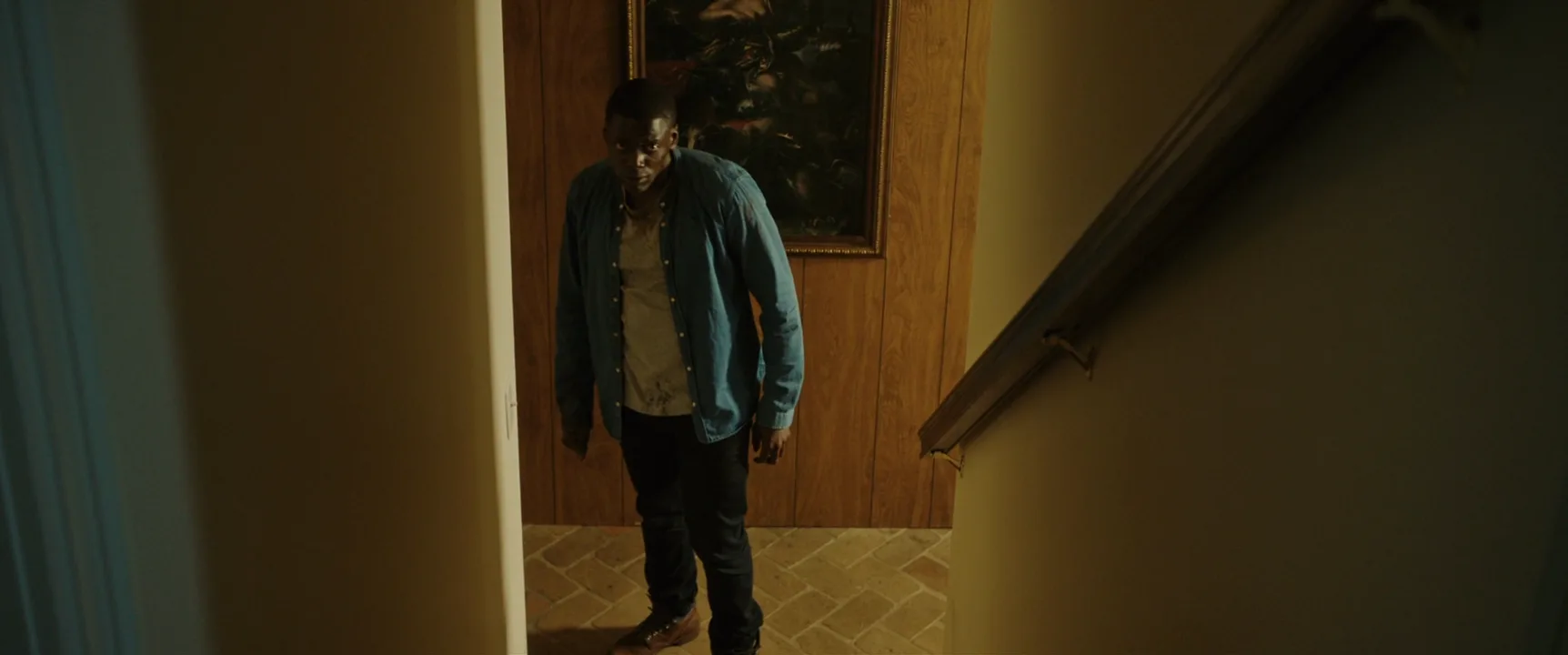
8 framesFrames where the figure runs from the top to the bottom of the image, with little floor or ceiling left.
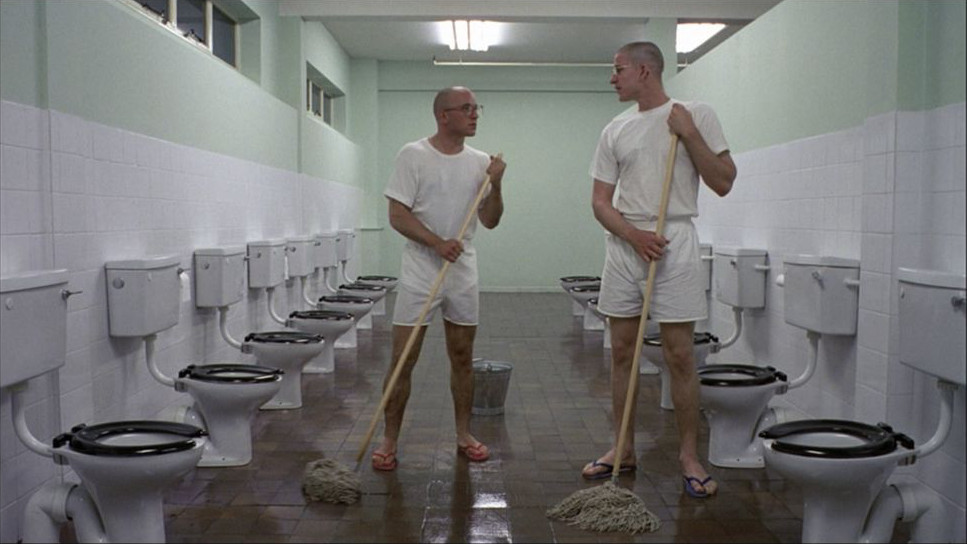
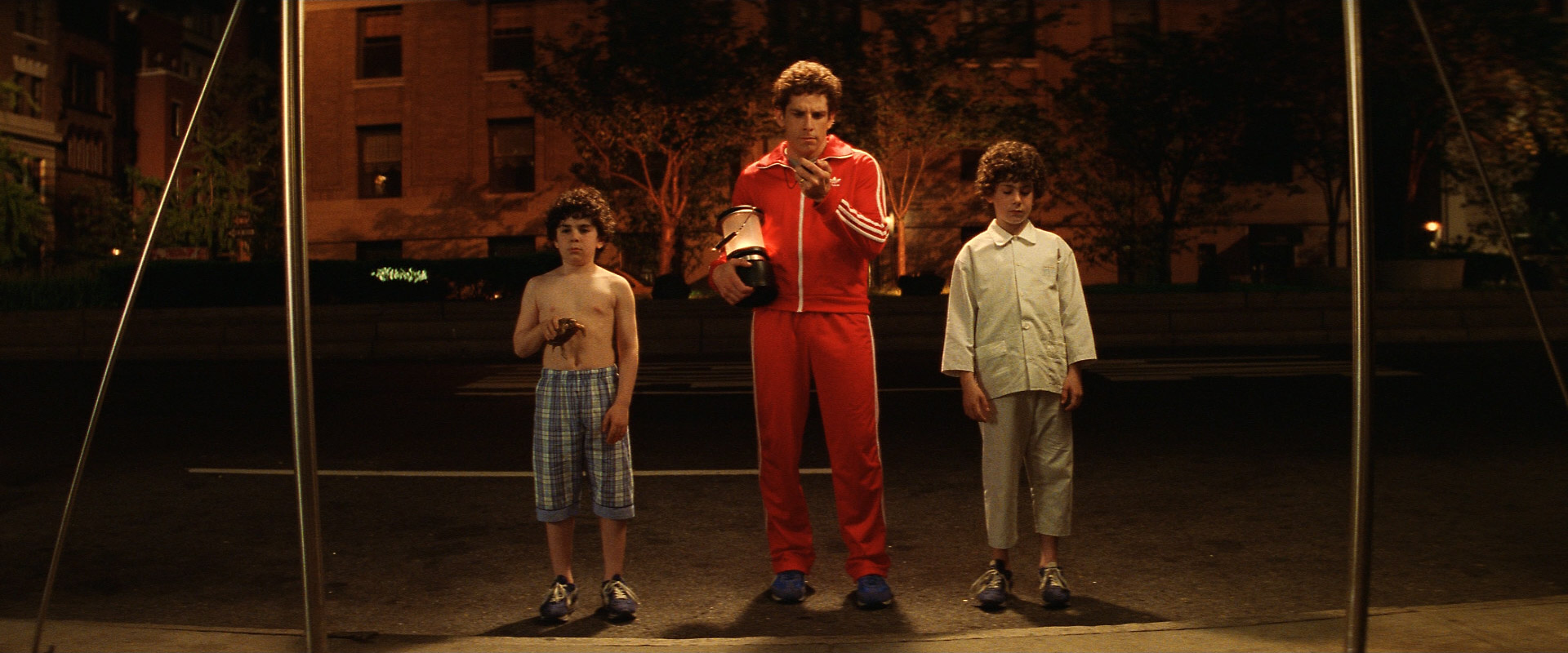
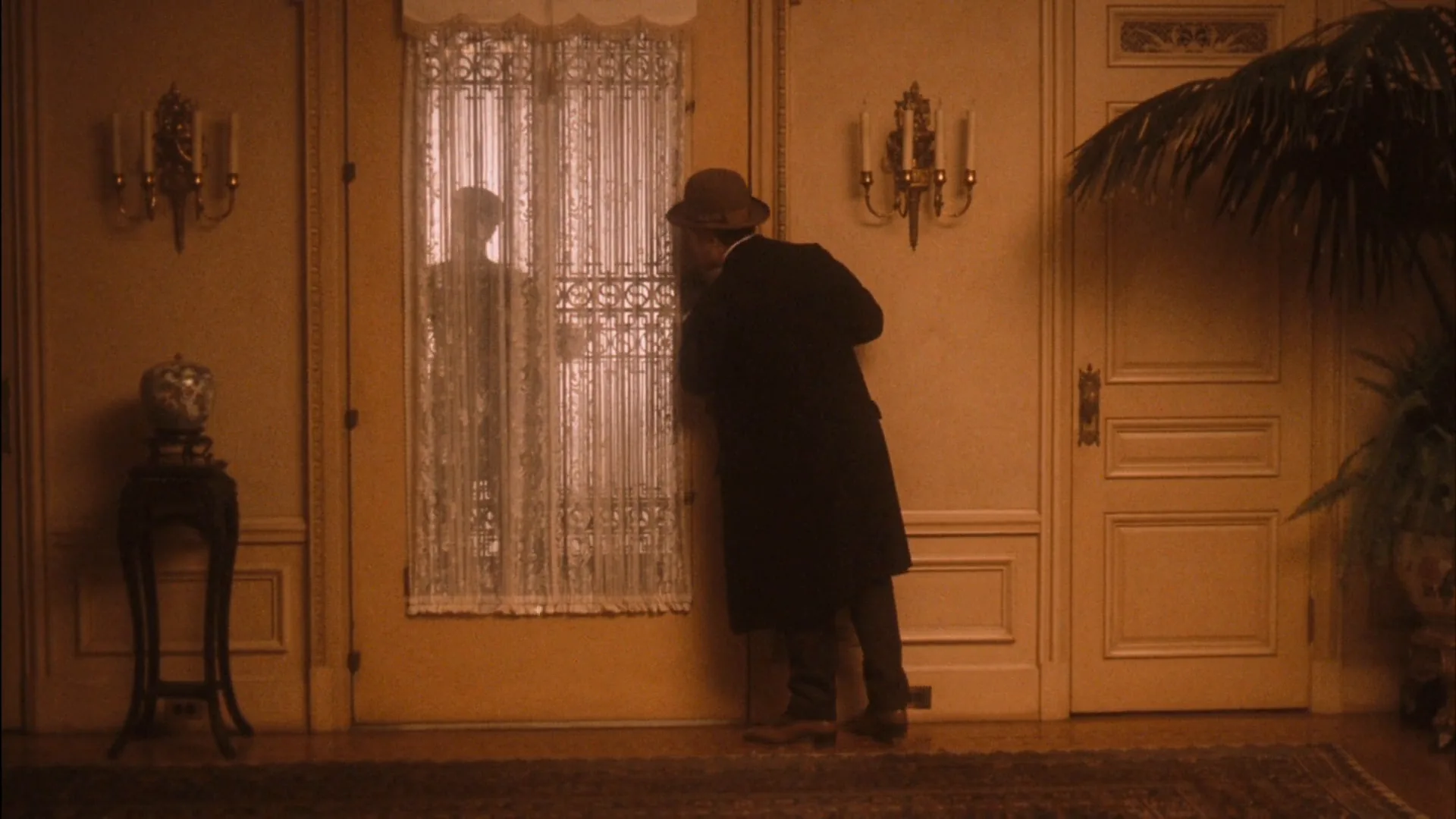
How to create a full shot with AI
4 promptsImage models understand "full body" but often crop the feet or pull back to a tiny figure. State both frame lines, camera height and lens. In FlashBoards, build the start frame with Nano Banana 2 Lite, try a second take with GPT Image 2.5 and animate it with MiniMax H3 Max Turbo, on one board beside your reference frames. The fourth prompt re-shoots a real film shot from a text description alone, and the original plays next to the result so you can compare.
Full shot of a tall woman in her forties with a cropped silver undercut, a long mustard wool coat and black boots, standing in the open doorway of a narrow laundromat at dusk, head to toe in frame, small margin above her head and below her boots, a canvas laundry bag in her right hand. Camera at waist height, 35mm lens, green fluorescent light inside, blue dusk outside, wet tiled floor, cinematic film still.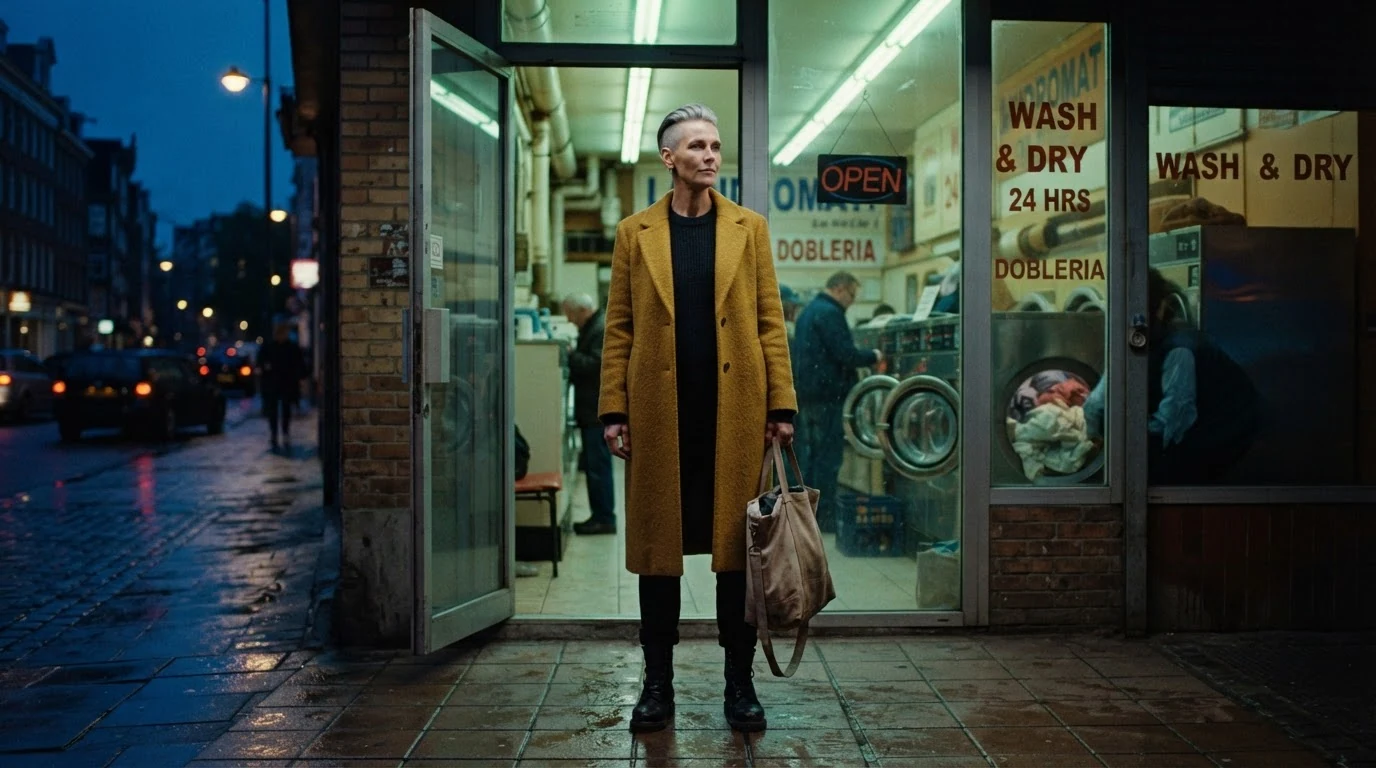
"Head to toe" plus "small margin above her head and below her boots" fixes both frame lines. "Waist height, 35mm" keeps natural proportions. This is the start frame for the video.
Open FlashBoardsWide cinematic full shot of a lanky young man with a shaved head, freckles and a faded red tracksuit, mid-dance step at the center of a concrete rooftop, arms wide, one sneaker off the ground, his whole body from head to soles filling the frame height with a small margin above and below, empty rooftop and city skyline stretching out on both sides. Camera at knee height, 28mm lens, low evening side sun, long shadow on the concrete.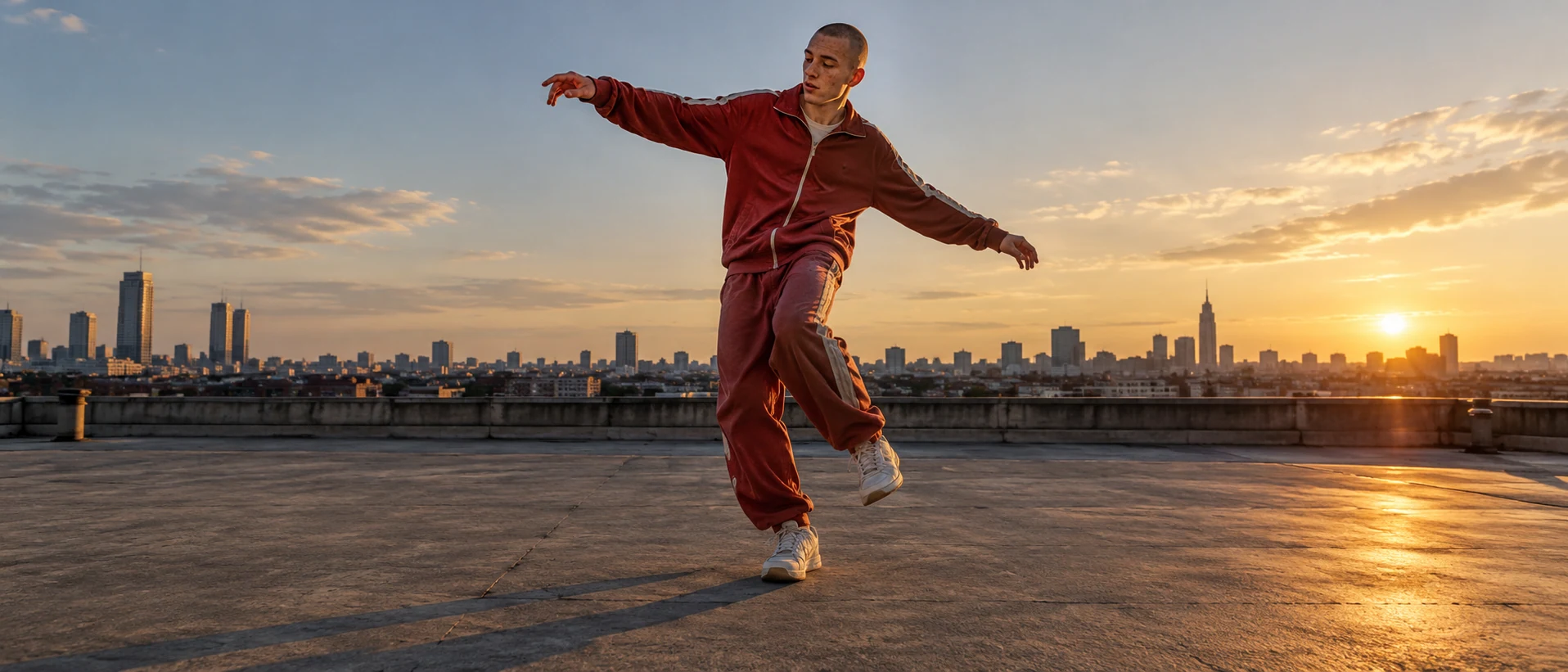
"From head to soles filling the frame height" is the full-shot instruction, and the wide frame keeps the rooftop present but secondary; the lifted sneaker forces the feet into frame. "Knee height" adds stature.
Open FlashBoardsCamera: locked off at waist height, the framing does not change. Action: from the first frame the woman is already stepping over the threshold, rain dripping from her coat. She drops the canvas bag at her feet and shrugs the coat off one shoulder. At the end she stands still, hands on her hips, looking into the room, her whole body from hair to boots still in frame."Already stepping" makes the shot alive from the first frame. On-the-spot action keeps her size constant, and "whole body still in frame" protects the full shot.
Open FlashBoards{
"output": "Full-screen live-action scene from No Country for Old Men (2007), from its very first frame: one continuous static full shot. 35mm film look, fine grain, a dim wood-paneled West Texas trailer living room seen from its far end, the only light hard white overcast daylight flooding through the open front doorway, brown, amber and near-black palette, the man inside the doorway a dark backlit silhouette.",
"characters": {
"S1": {
"name": "Anton Chigurh, played by Javier Bardem",
"look": "tall man in his late thirties, dark shoulder-length pageboy haircut with straight bangs, pale impassive face, dark denim jacket buttoned over a dark brown shirt, dark belt with a steel buckle, dark flared trousers, dark boots",
"voice": "silence: he does not speak"
}
},
"shots": [
{
"shot": 1,
"camera": "locked-off on a tripod, low at waist height, wide 28mm lens, frontal, from the far end of the room; the doorway sits just left of centre and its whole bright rectangle stays in frame from floorboard to lintel; to its right a curtained opening with patterned orange-and-white curtains and bright daylight behind; an ironing board leans against the dark left wall; a table in the right foreground holds a white plastic laundry basket and a red cloth; beyond the doorway a porch awning, flat dry fields, telephone poles and a few parked cars far away; the framing never changes",
"action": [
"BEGINNING: alive from the first frame, the dark front door is already swinging inward toward the left wall; S1 stands on the threshold to the right of it, his right hand (screen left) on the door, his left arm hanging, looking straight into the room toward the camera.",
"THEN: the door comes to rest wide open against the left side of the doorway and daylight floods the floor; S1 lets go of it and steps down off the threshold onto the dark floor.",
"THEN: he walks slowly straight toward the camera, two and a half unhurried steps, arms loose at his sides, staying framed inside the bright doorway and growing a little larger, always visible from the top of his head to his boots.",
"THEN: he stops and stands dead still, feet apart, both hands hanging open by his thighs; he turns his head slightly to screen right and looks across the room, then turns it back to face the camera, his face expressionless.",
"THEN: he lowers his head and looks down at the floor just in front of his boots; his body stays still, only the head moves.",
"END: he bends forward, left hand (screen right) on his left knee, and sinks into a low crouch just inside the door, his right hand (screen left) reaching down to pick up something small from the floor by his boots, head bowed, still entirely in frame."
],
"voice": "silence: nobody speaks in this shot, no voice at all",
"dialogue": []
}
],
"sound": {
"ambience": "quiet room tone, the door hinge creaking, the door knocking softly against the wall, slow boot steps on the wooden floor, dry wind heard from outside",
"speech": "no words in this video; the only human sounds are breaths and movement",
"never_spoken": "no narration and no voice-over: the descriptions, performance notes and step words of this prompt are never spoken aloud",
"music": "a film score under the scene, always below the voices: a barely audible low sustained string drone with a slow tense pulse",
"subtitles": "none"
}
}Remakes Anton Chigurh's entrance into the trailer in No Country for Old Men (2007), carrying over the static low frame, the backlit doorway and the open, step in, stand, look down, crouch beats in their original order.
The camera block pins the frame: locked off, waist height, the whole doorway from floorboard to lintel in view, and every action phase repeats that he stays head to toe, so the figure never gets cropped while he enters, stands, looks down and crouches. The backlit door turns posture into the whole performance.
Open FlashBoardsCommon mistakes
- Cropped feet. The most common failure. Write "below her boots" and name something on the floor.
- Too much space. "Full body" alone often yields a long shot; add "filling the frame height."
- Distorted legs. Wide lenses at eye level shrink the legs; specify waist height and 35–50mm.
- Size drift in video. A walk toward the lens grows out of the shot; keep action sideways or on the spot.
Keep the reference frames, prompts and every generated take side by side — images and video in one canvas.
FAQ
4 questionsWhat is a full shot in film?
A full shot frames a person from the top of the head to the feet, with only small margins above and below. The whole body is the main information: posture, costume and movement read clearly while the setting stays in the background. It sits between the medium long shot and the long shot.
Is a full shot the same as a full body shot?
Yes. Full shot, full-body shot and full-figure shot describe the same framing: the entire body in frame, head to toe, abbreviated FS on shot lists. Some people use "full body" loosely for any shot with visible feet, including long shots with lots of space around the figure.
What is the difference between a full shot and a wide shot?
In a full shot the figure fills roughly the frame height and the body is the subject. In a wide or long shot the figure is smaller, often half the frame height or less, and the surroundings matter as much as the person.
What lens is best for a full shot?
A 35mm to 50mm lens on a full-frame camera gives natural proportions at about 3 to 6 meters. Wider lenses work in tight rooms but stretch the limbs and exaggerate perspective. Longer lenses need more distance and compress the figure against the background.
Related terms
4- Long ShotCamera Shots
A long shot (wide shot) shows the full figure with plenty of surroundings around it, so the audience reads both a character's body language and their relationship to the place.
- Medium Long ShotCamera Shots
A medium long shot frames a character from about the knees up, between a medium and a full shot, showing gesture and stance while leaving room for the setting and other people.
- Cowboy ShotCamera Shots
A cowboy shot frames a character from about mid-thigh up — a size born in westerns to keep a holstered gun in frame while still reading the face — and is now used for confident, heroic stances.
- Medium ShotCamera Shots
A medium shot frames a person from about the waist up, balancing facial expression with hand gestures and some of the surroundings — the neutral, conversational size of most dialogue and interaction.
Further reading
Joseph V. Mascelli, The Five C's of Cinematography (1965). Blain Brown, Cinematography: Theory and Practice, 3rd ed. (2016).