 FlashBoards Learn
- Learn
- Camera Shots
- Medium Shot
Camera Shots · Film language
Medium Shot
Also called: MS, mid shot, waist shot
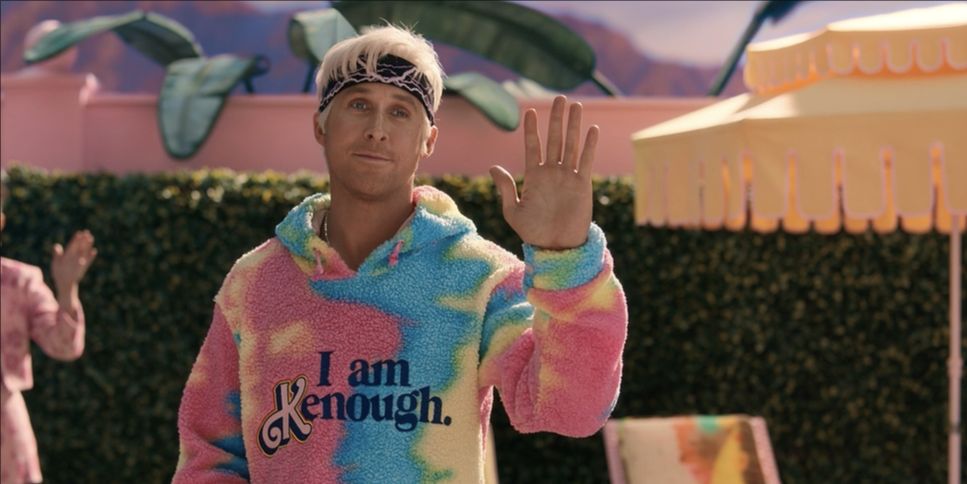
A medium shot frames a person from about the waist up. It is close enough to read a face and loose enough to keep the hands, the posture and a slice of the room, which makes it the neutral, conversational size that carries most dialogue, explanation and everyday interaction on screen.
- What it does
- Shows face, hands and some setting at once, at a natural conversational distance.
- Use it when
- Characters talk, explain, argue or handle objects and gestures matter as much as expression.
- Watch out
- Don't cut at the elbows or wrists, and don't let every scene default to the same size.
- Try this prompt
Medium shot, man framed from the waist up, both hands in frame mid-gesture, 40mm lens at eye level, soft window light.
What is a medium shot?
A medium shot (MS, also called a mid shot or waist shot) frames a standing or seated person from roughly the waist or belt line to a little above the head. It sits in the middle of the camera shots scale: tighter than a medium long shot that cuts around the knees, looser than a medium close-up that cuts at mid-chest, and far from the face-filling close-up.
The definition is about the body, not about the camera's distance. A medium shot on a 25mm lens at five feet and a medium shot on an 85mm lens at fifteen feet cut the body in the same place; they differ in perspective and background, not in shot size. What makes it a medium shot is the bottom edge of the frame landing near the waist, with the arms and hands free to move inside the picture.
Three things are visible at once in a medium shot:
- The face, large enough for expression but not for micro-detail.
- The hands and upper body: gestures, props, how someone holds a cup or a phone.
- Some of the setting: a wall, a window, a desk, the other person's shoulder.
Nothing in it is exaggerated, so the audience reads the scene the way they would read a conversation across a table.
Why do filmmakers use medium shots?
The medium shot matches the distance at which we usually talk to someone we know but are not intimate with. It feels social rather than private, so it lets a scene play without pushing the viewer into anyone's personal space.
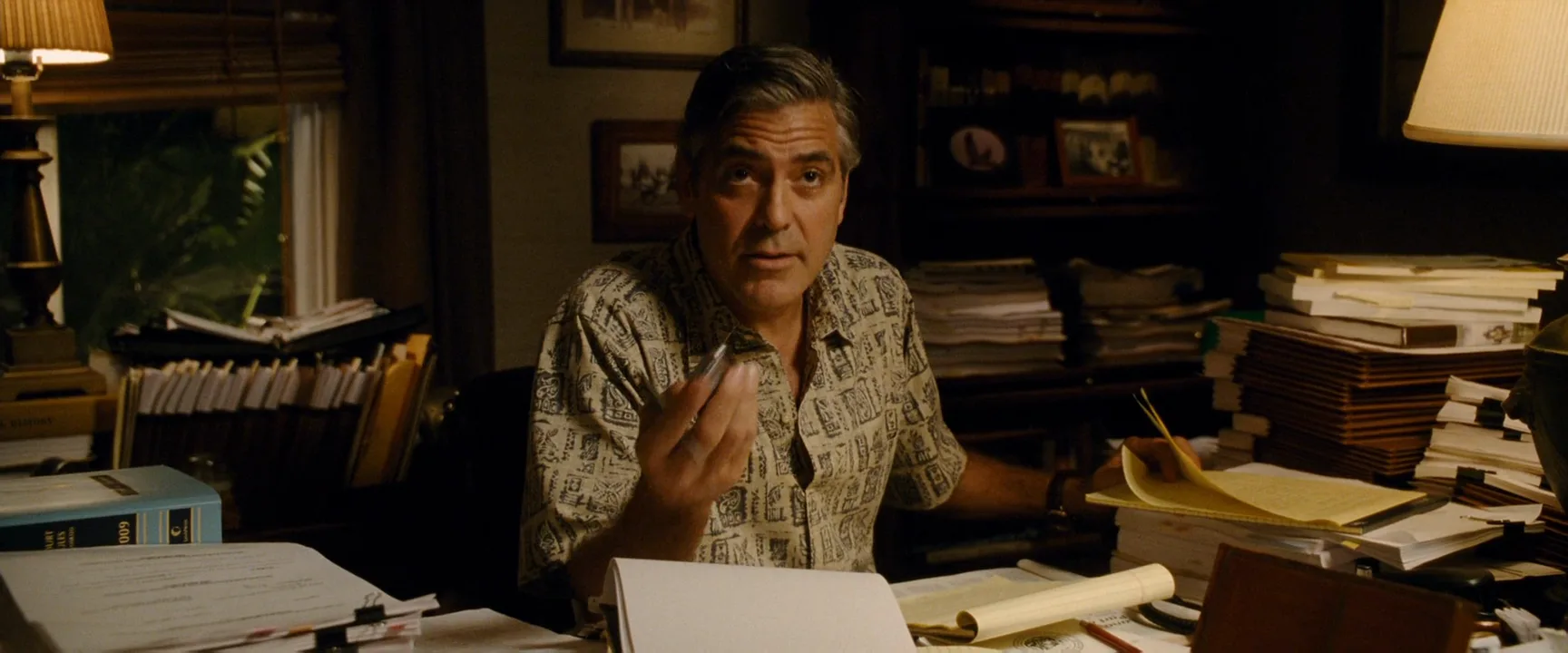
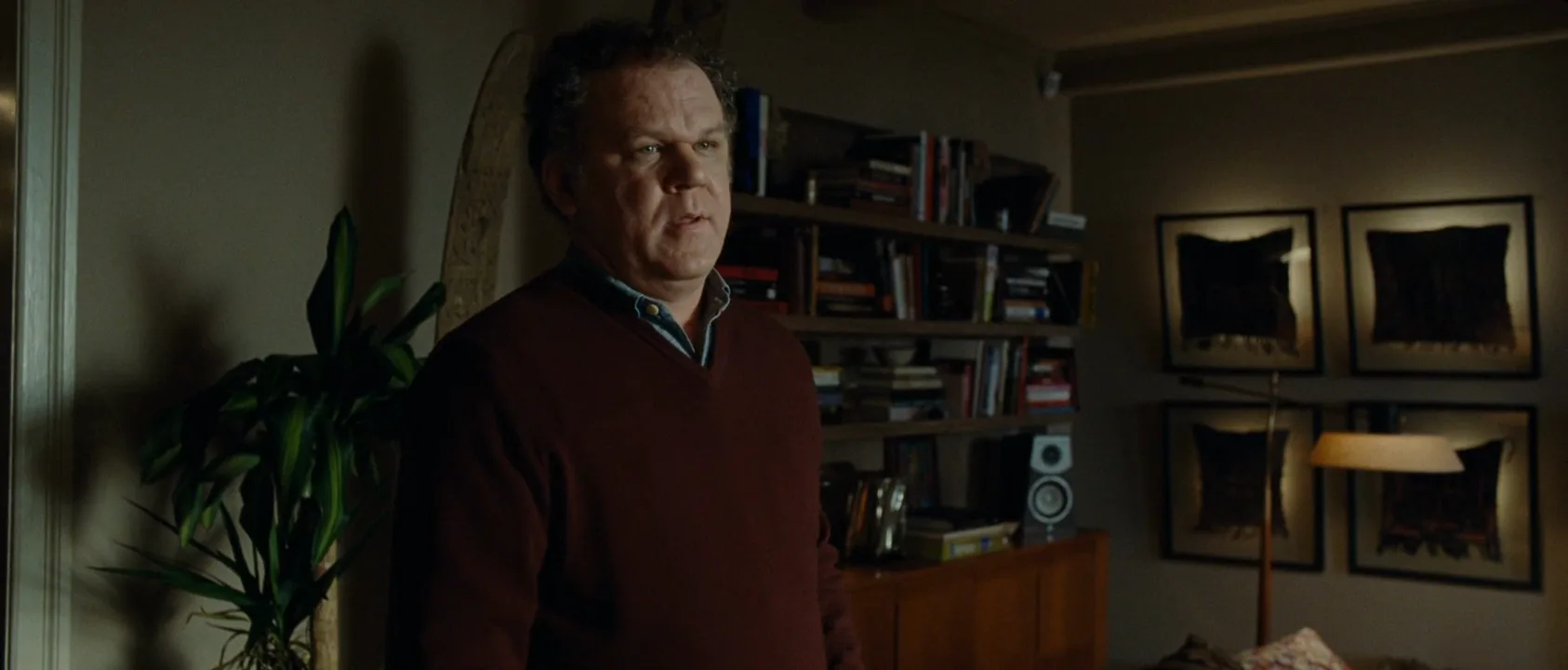
Performance with the body. Actors act with their hands and shoulders. A shrug, a raised palm, fingers drumming on a desk all disappear in a close-up. Comedy and drama both lean on this: a character explaining something with a raised hand, like the desk scene from The Descendants in the gallery below, only works if the hand is in the frame.
Dialogue that breathes. In a conversation, medium singles and a medium two-shot let the actors share the rhythm of a scene without the weight a close-up adds to every line. Many directors save the close-up for the moment that matters and play everything before it in medium shots, so the cut in feels earned.
Props and action. Typing, cooking, loading a gun, dealing cards: anything done with the hands at chest height reads fully in a medium shot while the face stays readable.
Neutrality and restraint. Yasujirō Ozu built Tokyo Story (1953) largely on calm, near-frontal medium shots of seated characters from a low camera. The steady size keeps the drama inside the performances instead of in the framing. Combined with an eye-level camera, a medium shot makes no comment on the character; it neither looms nor diminishes.
Economy in coverage. Television drama, sitcoms and interviews run on medium shots because one setup covers the face, the gestures and enough background to stay oriented. It is the cutting point between a wide master and the close-ups.
How to shoot a medium shot
Where to cut the frame. Put the bottom edge just above or just below the belt, never exactly on a joint. Cutting through the elbows or wrists makes the arms look amputated; if the arms hang at the sides, drop the frame a few inches so the hands are either clearly in or clearly out. Keep the eyes near the upper third line, which leaves modest headroom.
Lens and distance. On a Super 35 sensor, a waist-up frame of a standing adult takes about a 35mm lens at seven feet or a 50mm at ten feet. Those focal lengths sit close to what reads as a normal lens, so faces keep natural proportions. Going wider (24–28mm) from closer adds energy and room; going longer (75–100mm) from farther flattens the background and isolates the actor.
Camera height. Default to the subject's eye line: about five feet for a standing actor, lower for seated ones. Raise or lower it only when you want the angle to say something.
Lighting. The frame now includes the hands and torso, so the key must cover a larger area than in a close-up. A soft key 30–45 degrees off the lens axis, a backlight to separate the shoulders from the background, and a practical or two in the set give depth. Watch that the hands don't fall into shadow when they gesture.
Blocking. Give the actor something to do with the hands, and decide whether the medium shot is a clean single or a dirty one with a sliver of the other character's shoulder in the foreground. Match the lens and height on both sides of a shot reverse shot so the cut feels invisible.
Depth of field. At f/2.8 on a 50mm at ten feet, the background goes soft but stays recognizable: setting present, subject clear.
Medium shot variations: two-shots, dirty singles and walk-and-talks
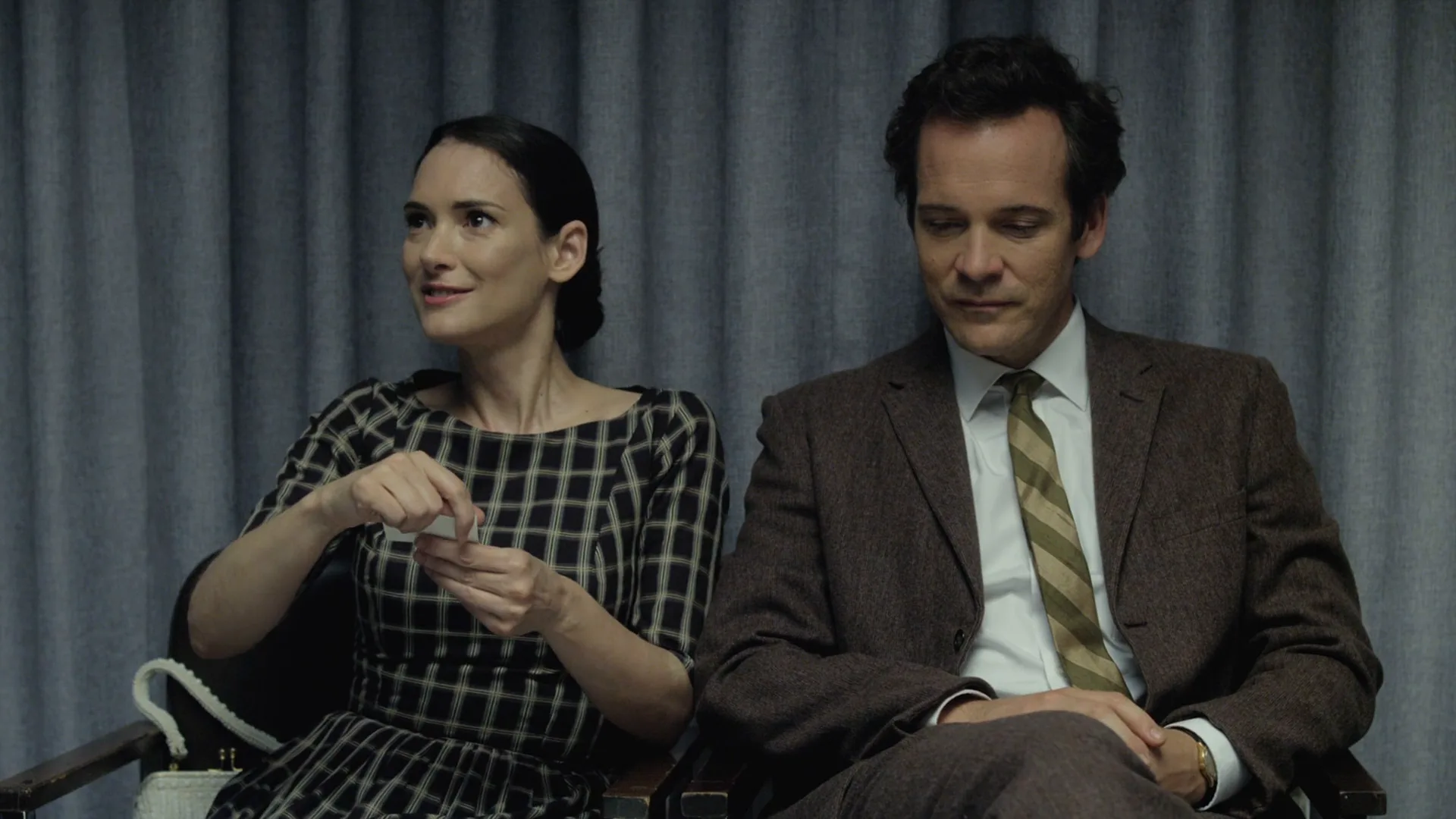
Medium two-shot. Two people framed from the waist up in the same shot, side by side or facing each other in profile. It shows who is closer to whom and lets reactions play without a cut. Three people at this size make a medium three-shot.
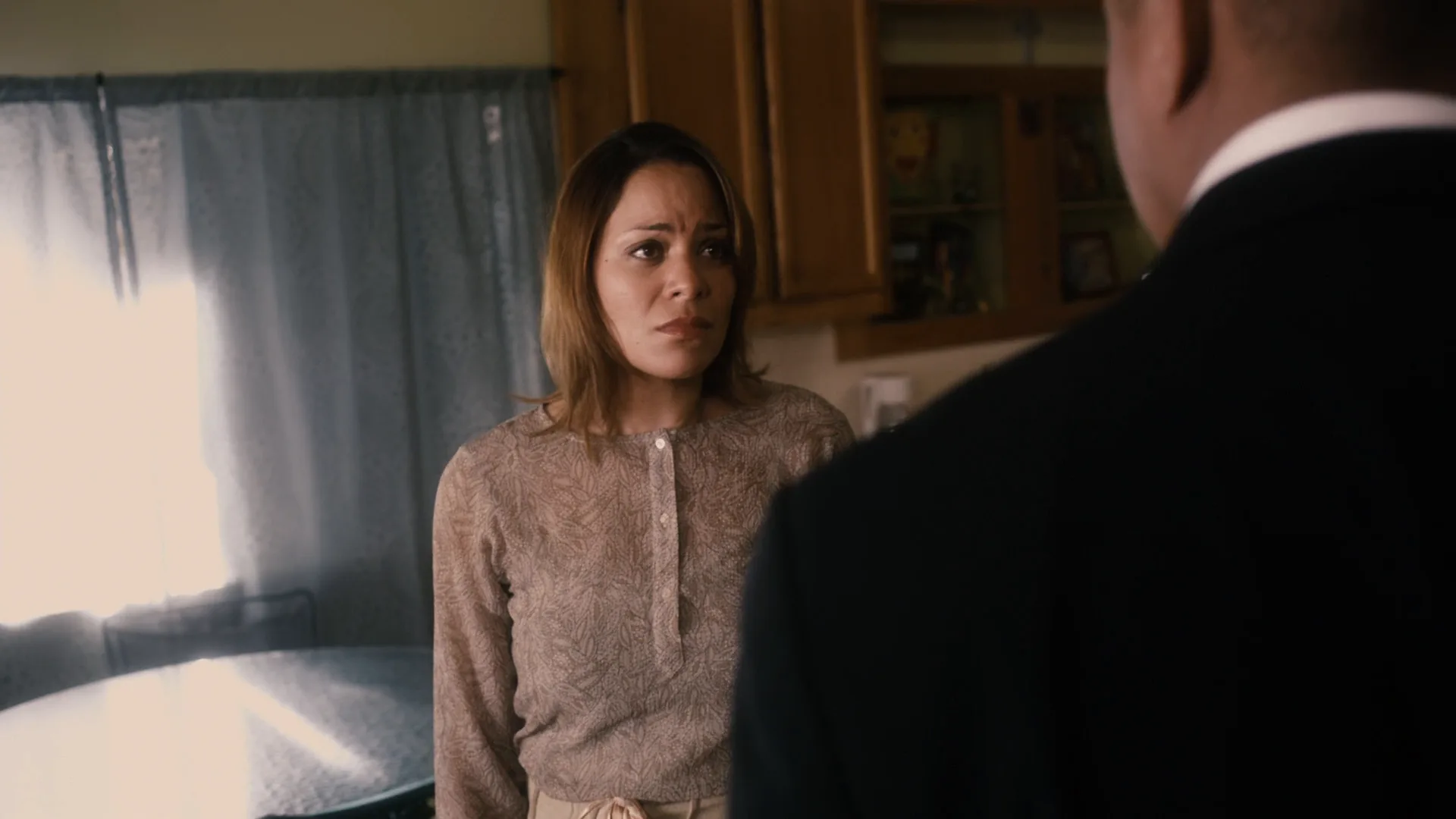
Dirty single. A medium shot of one character with a blurred shoulder or head of the other character at the frame edge. Several frames in the gallery below are built this way. It keeps the listener present and ties the shot into the conversation's geography. When the foreground person takes up a larger share of the frame, it becomes an over-the-shoulder shot.
Walk-and-talk. A moving medium shot, usually on a Steadicam or dolly leading the actors backward, so dialogue happens while characters cross a location. The size stays constant while the background changes, which gives exposition momentum. It is a form of tracking shot.
Seated medium shot. At a table or desk, the table edge often becomes the bottom of the frame. The effect is the same, but the camera drops to seated eye height, around four feet.
Medium shot vs. medium close-up vs. medium long shot
These three neighbors are the most commonly confused sizes in a shot list. The difference is where the bottom of the frame cuts the body:
| Shot | Bottom edge | What dominates | |---|---|---| | Cowboy shot / medium long shot | Mid-thigh to knees | Stance, gesture, some setting | | Medium shot | Waist or belt line | Face and hands together | | Medium close-up | Mid-chest | Face, with shoulders as context |
In practice the medium close-up is the size you cut in to when the emotion of a line matters more than the gesture. The medium shot keeps the body in the performance. The medium long shot starts to be about the character in the space, the direction the full-figure long shot completes. When a script supervisor or AI prompt just says “medium,” specify the cut line, because different crews and models draw the boundary differently.
Medium Shot examples in film
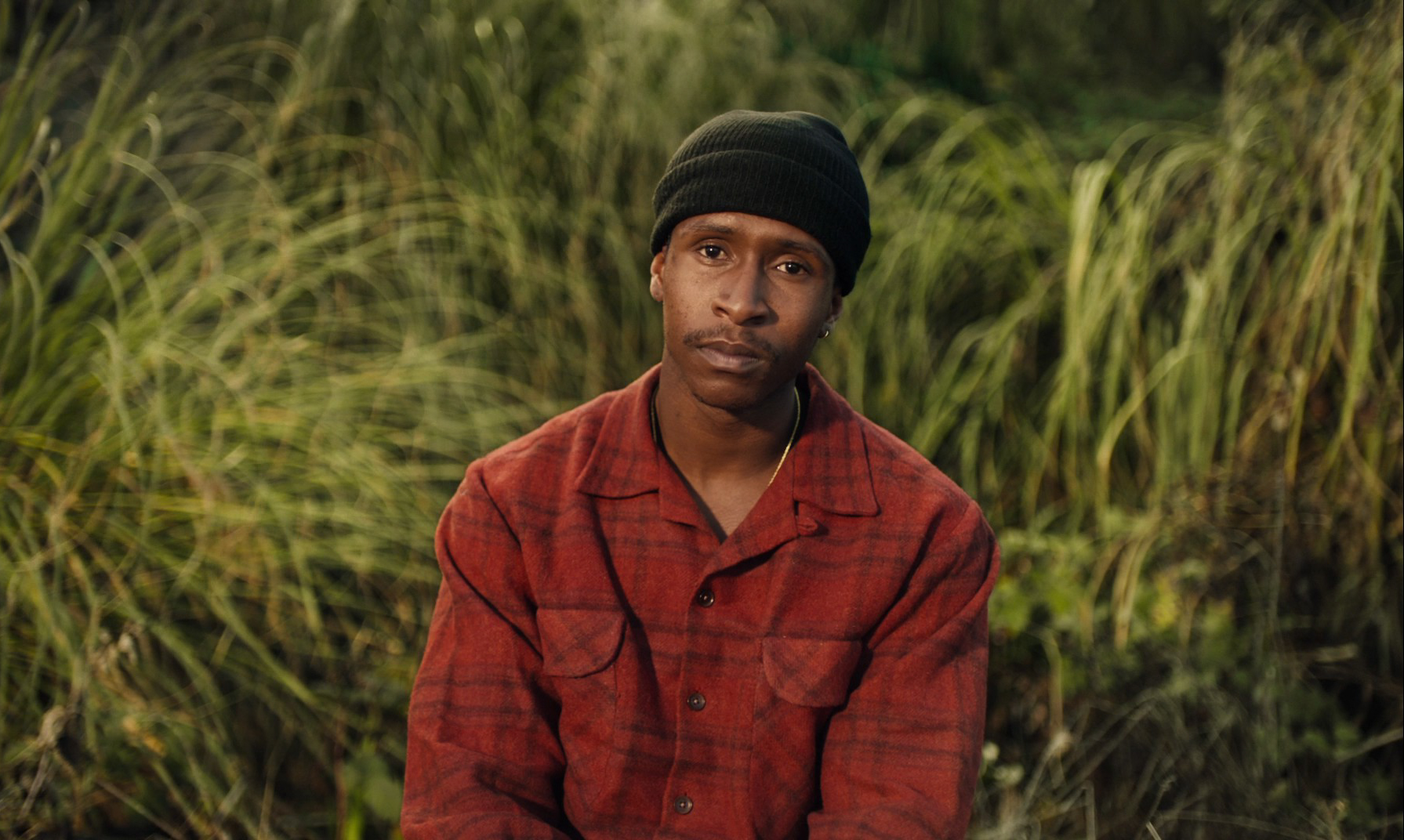
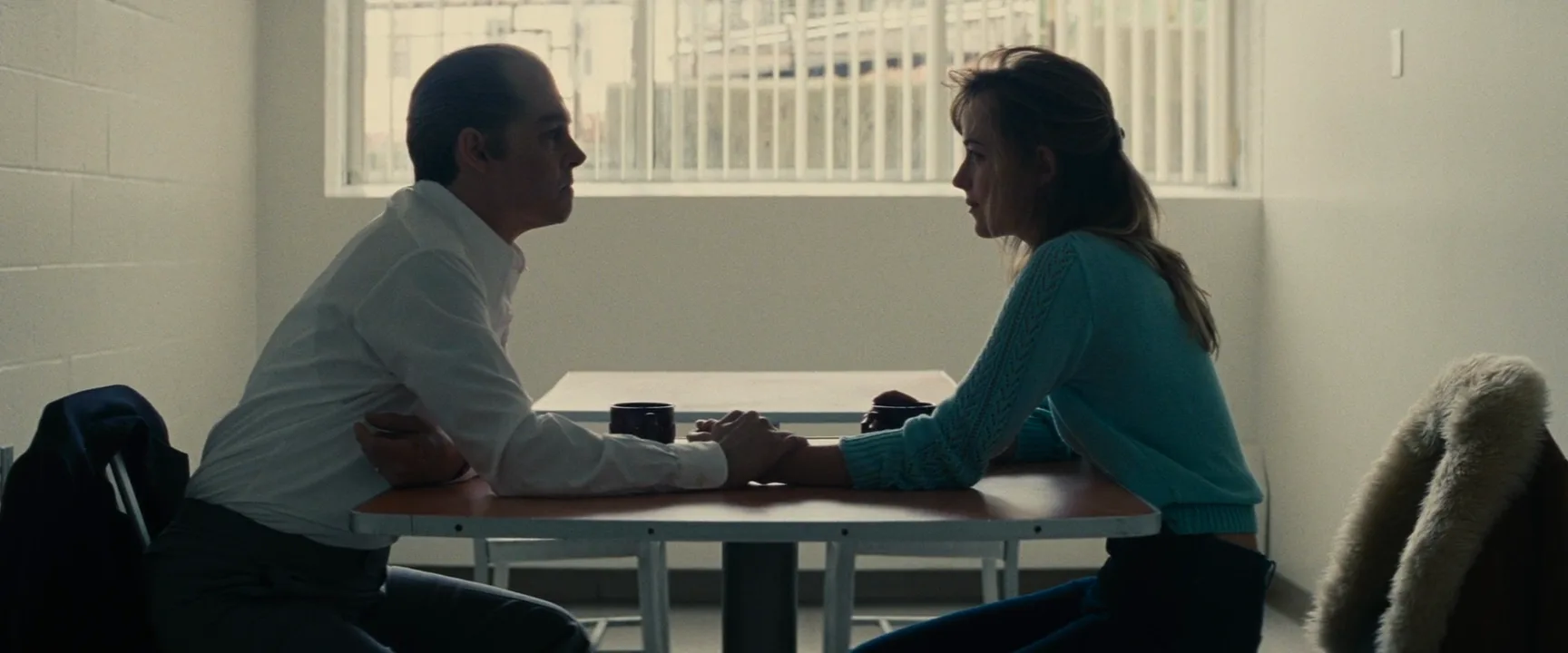
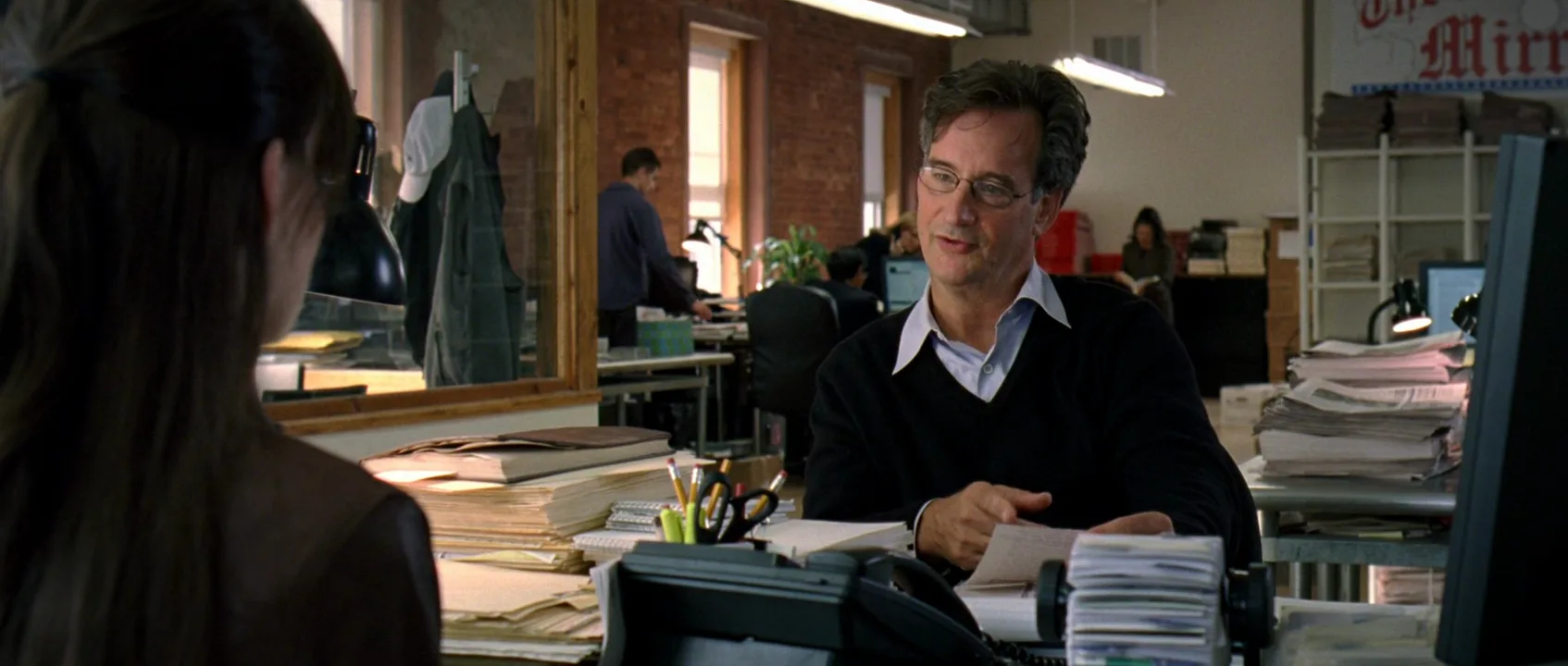
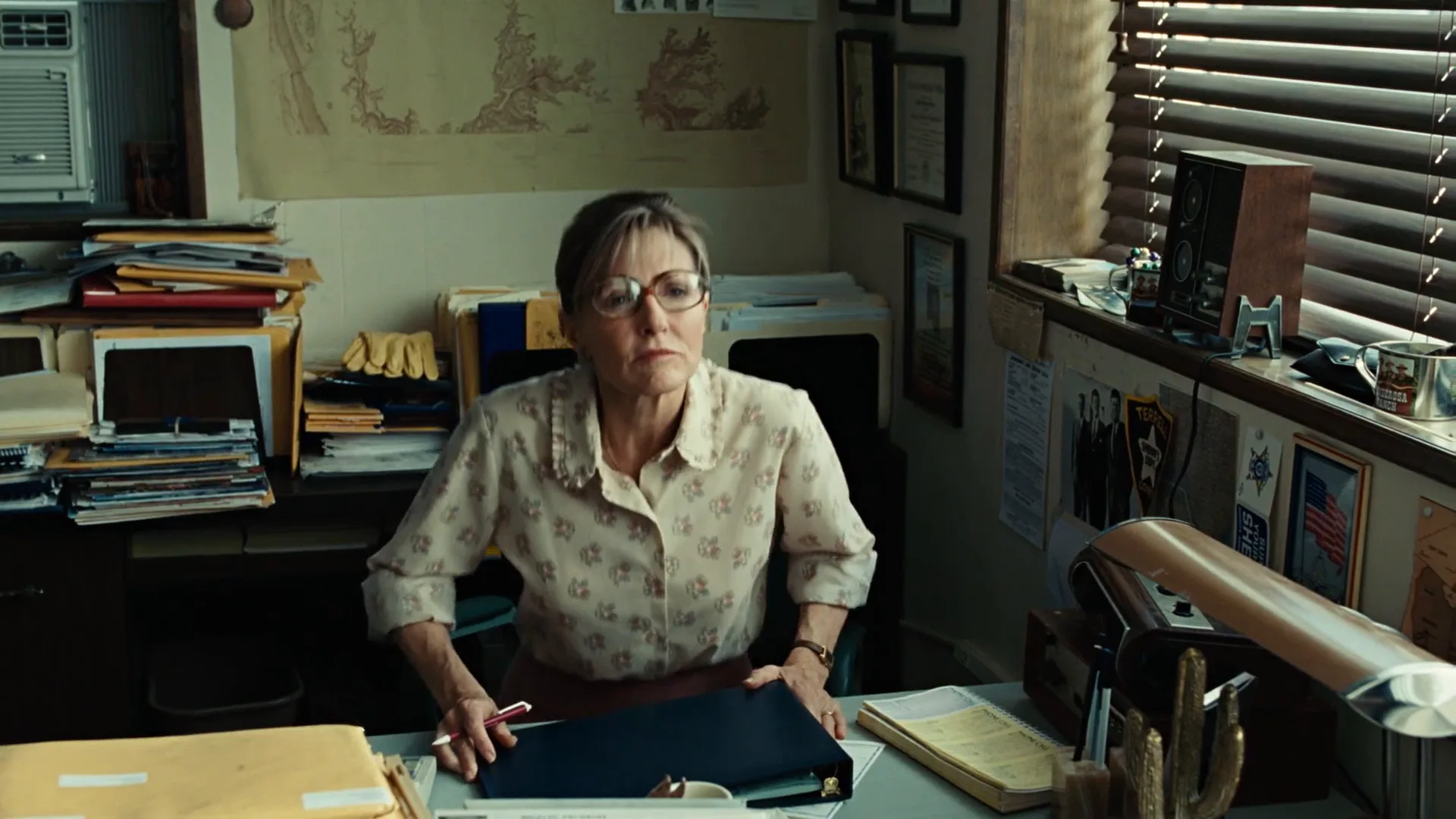
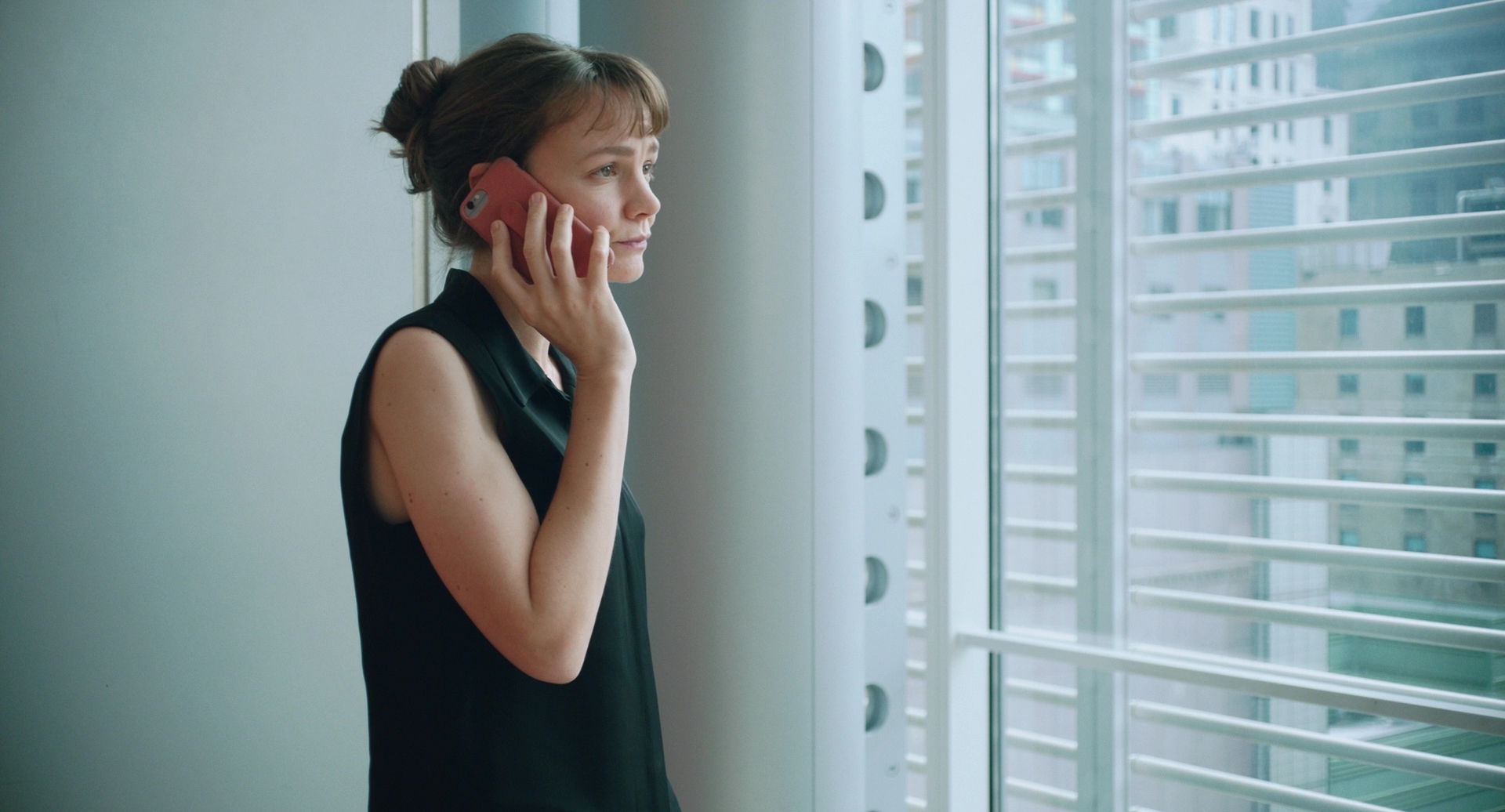
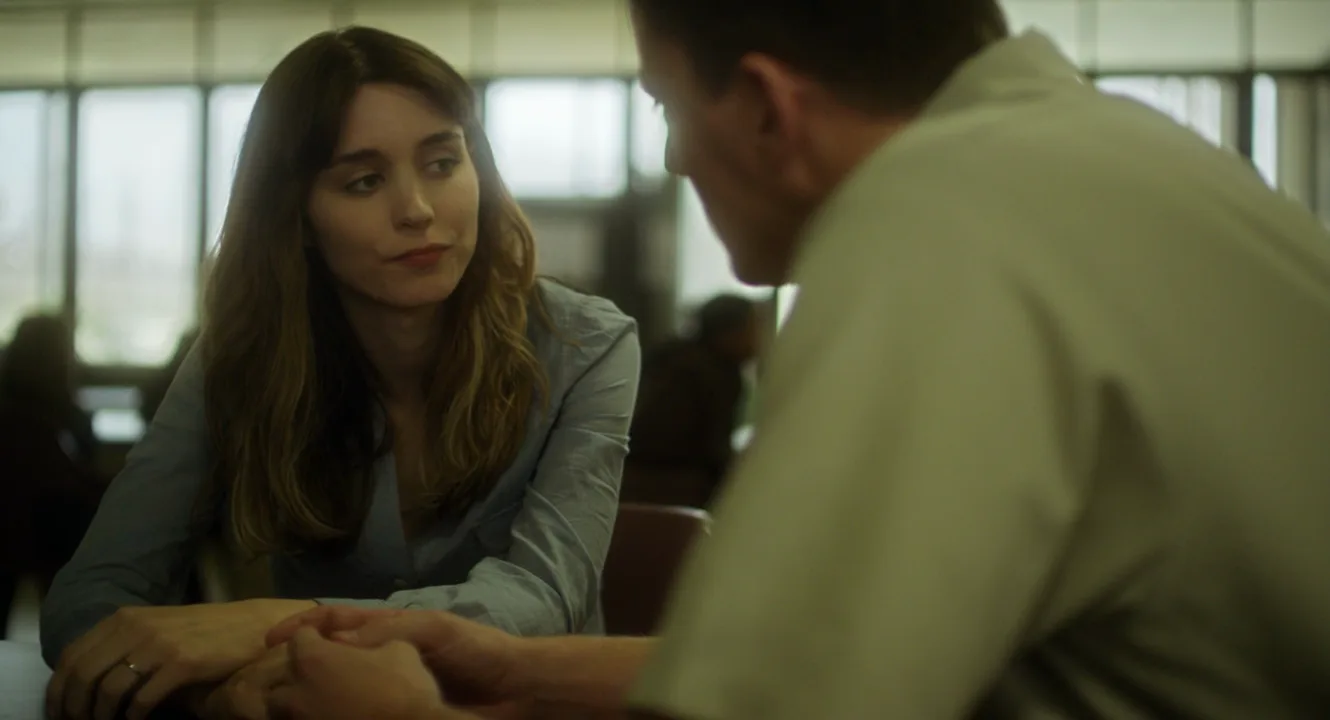
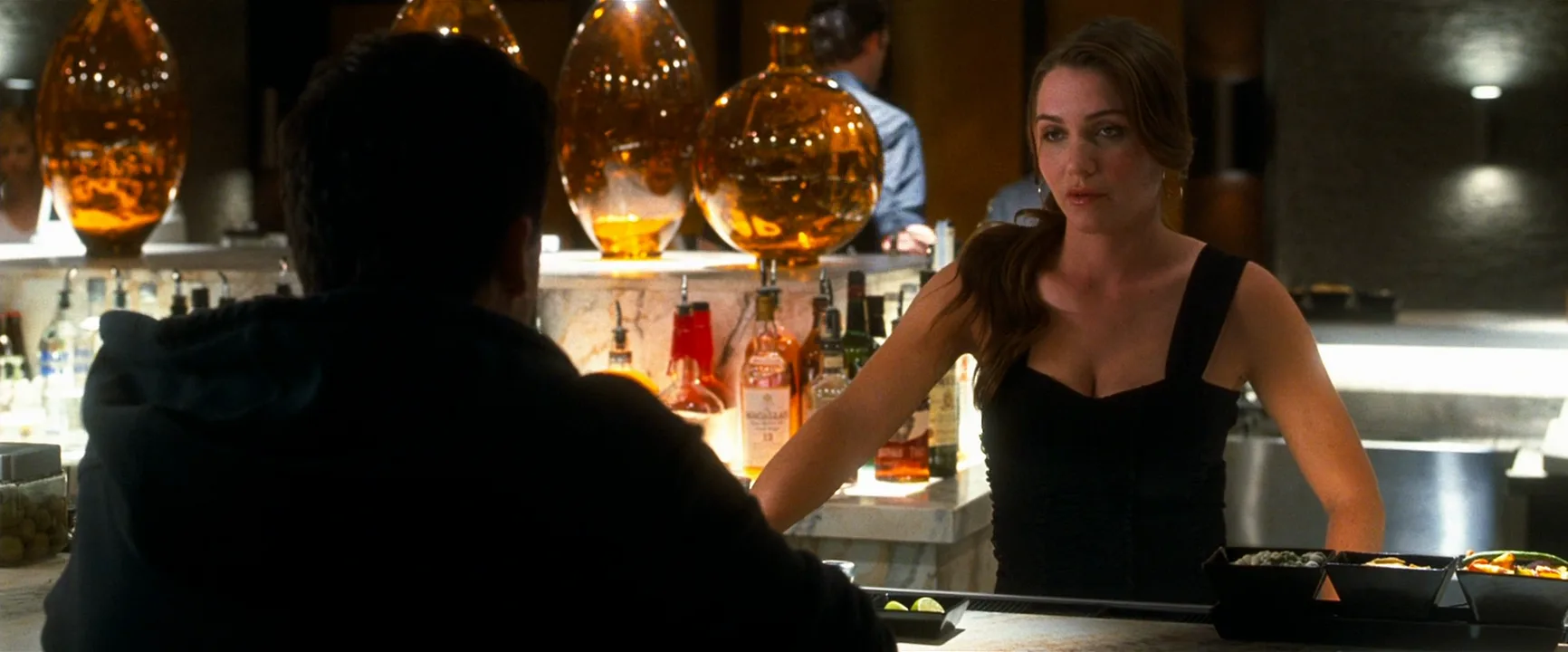
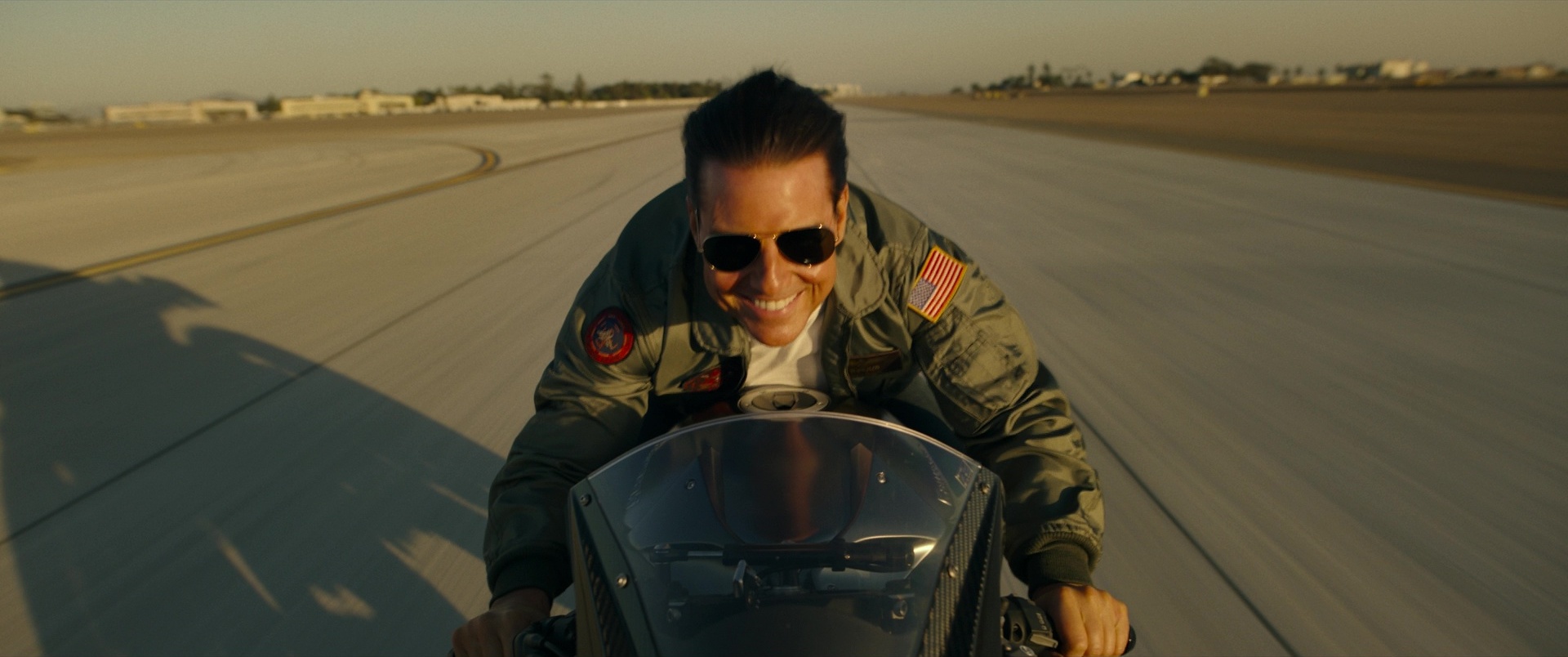
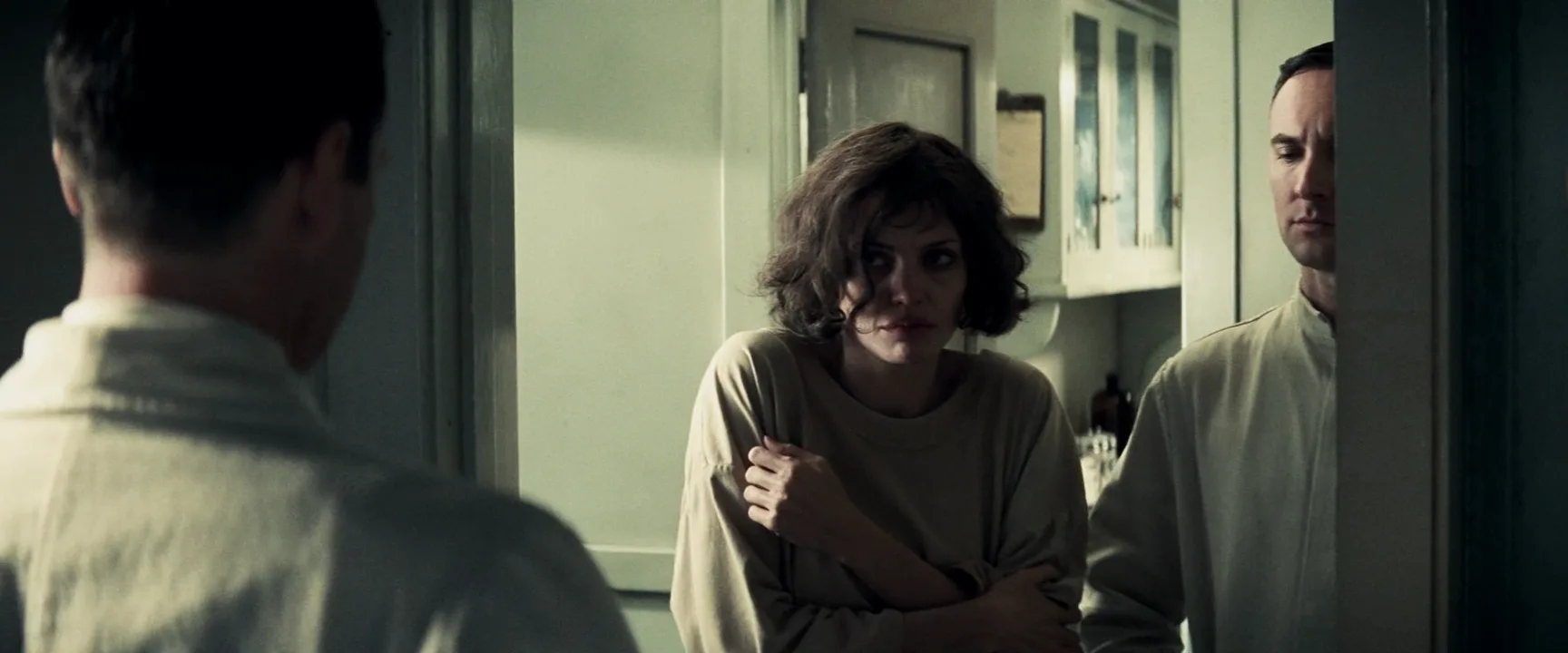
14 framesFrames from feature films made between 2006 and 2023. Watch where the bottom edge lands and how much of the hands and room each shot keeps.
How to create a medium shot with AI
4 promptsImage and video models understand “medium shot,” but they drift toward tighter portraits whenever a prompt talks about faces and emotion. The fix is to name the cut line and give the hands a job. In FlashBoards, generate the start frame with Nano Banana 2 Lite, a second take with GPT Image 2.5 and the moving shot with MiniMax H3 Max Turbo, and keep the reference frames and reverse angles on the same board, so matching size and eye line across a conversation is a side-by-side check instead of guesswork. The fourth prompt re-shoots a real film shot from a text description alone, and the original plays next to the result so you can compare.
Medium shot of a woman in her 40s at a kitchen table, framed from the waist up, both hands wrapped around a mug, leaning slightly forward mid-sentence, looking just off camera right. Camera at seated eye level, 40mm lens, f/2.8, soft window light from the left, warm practical lamp in the background, cluttered shelves slightly out of focus.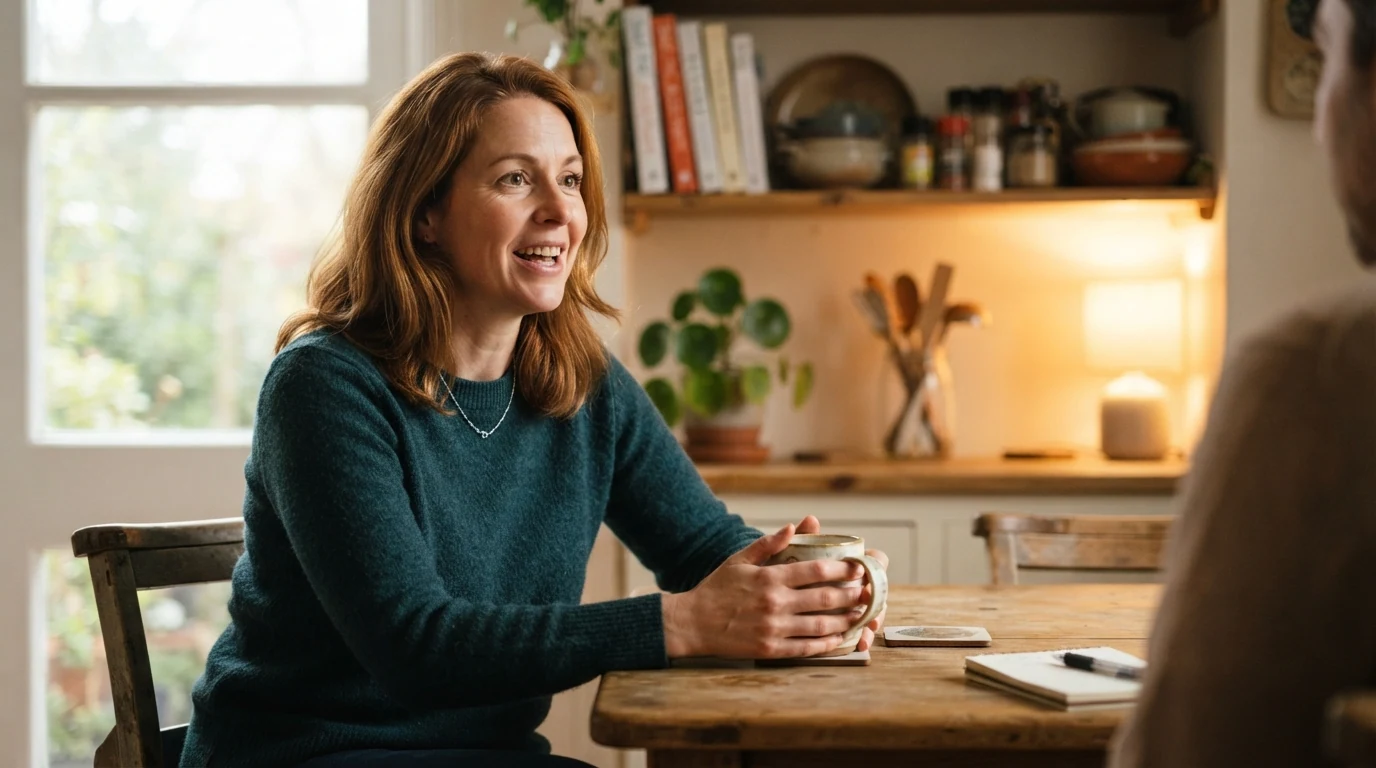
“Framed from the waist up” sets the cut line, and “both hands wrapped around a mug” forces the hands into the frame. The 40mm lens and seated eye level keep the perspective neutral, and the soft background gives context without competing. This frame is the start frame for the video recipe.
Open FlashBoardsCinematic medium two-shot, two men facing each other across an office desk in profile, both visible from the waist up, one gesturing with an open palm. Eye-level camera, 35mm lens, overcast daylight through blinds, muted colors, widescreen film still.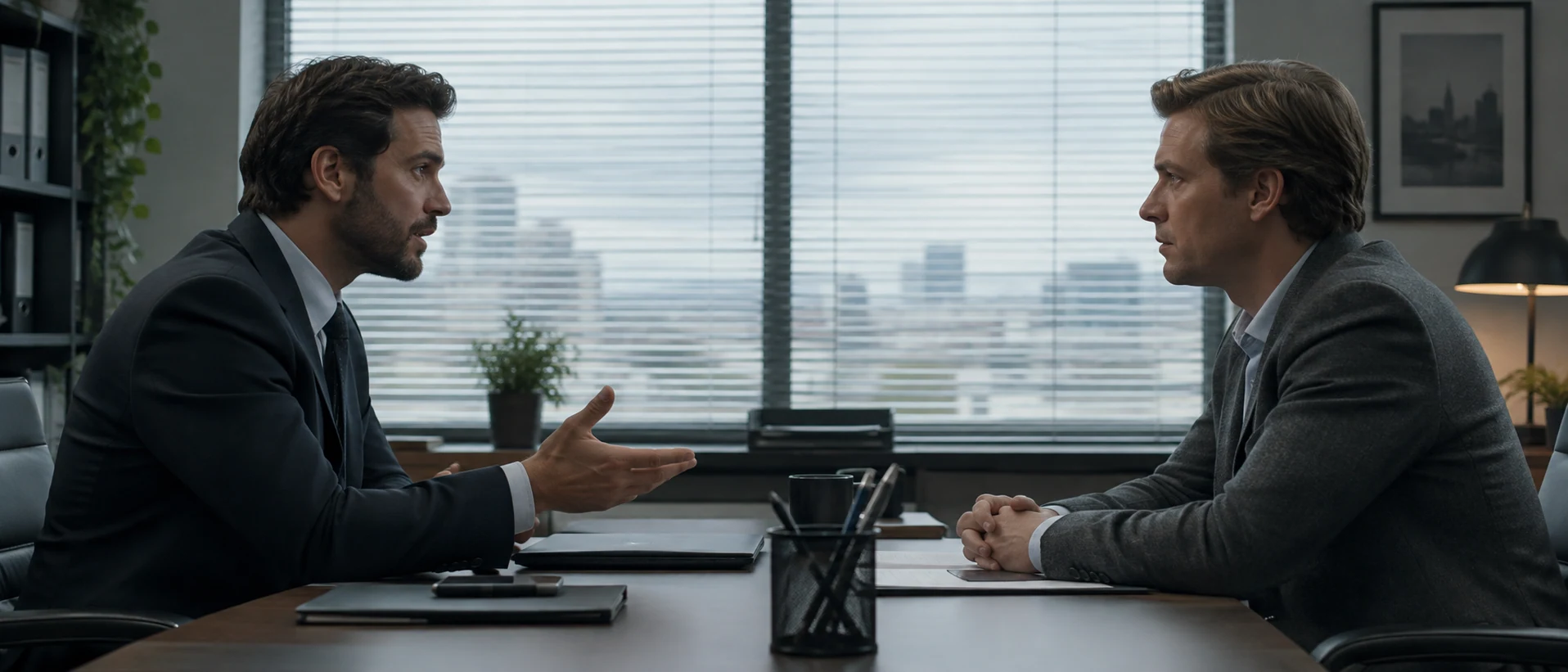
A second take at the same size with two people. Naming it a medium two-shot and repeating “both visible from the waist up” stops the model from favoring one person in close-up, and the 21:9 frame gives both men room. Profile staging across the desk puts the relationship in the composition itself.
Open FlashBoardsCamera: static at seated eye level, holding the same waist-up framing for the whole shot. Action: from the first frame she is already talking, leaning forward with both hands around the mug. In the middle she lets go with one hand and turns her open palm up to make a point, still looking just off camera right. At the end she sits back, lifts the mug and takes a sip, eyes still off camera right. The window light and the soft lamp behind her stay as they are.Recipe 1's frame fixes the size, lens and light, so the prompt only describes change. “Already talking” makes her alive from the first frame instead of a still that slowly zooms, and “holding the same waist-up framing” stops the creep into a close-up. The three beats — talk, open palm, sip — give the hands a job, which is the reason to be at this size.
Open FlashBoards{
"output": "Full-screen live-action scene from The Descendants (2011) from its very first frame: one continuous locked-off shot, no cuts. Warm 35mm film look, night interior of a cluttered home study in Hawaii: a wide desk in the foreground heaped with white binders, loose papers and yellow legal pads, shelves behind crammed with stacked files, folders and small framed photos, a table lamp with a cream shade glowing in the top right corner, a smaller lamp glowing in the top left corner, dark green garden leaves lit through a window at the far left. Amber tungsten light from the lamps, deep brown shadows.",
"characters": {
"S1": {
"name": "Matt King, played by George Clooney",
"look": "broad-shouldered man in his fifties, short salt-and-pepper hair, light stubble, short-sleeved faded aloha shirt with a small beige and brown print",
"voice": "calm, low, reasonable, a little tired"
},
"S2": {
"name": "Alexandra King, played by Shailene Woodley",
"look": "never seen: she sits off camera to the right, across the desk from him",
"voice": "young woman, flat and blunt, heard from off screen right"
}
},
"shots": [
{
"shot": 1,
"camera": "static, locked-off tripod at seated eye level, normal 40mm lens, medium shot: S1 sits left of centre behind the desk, framed from the desk top up to just above his head, his raised right hand and forearm fully in frame on the left of the picture; the same medium framing is held for the whole shot, no push-in",
"action": [
"BEGINNING: alive from the first frame, S1 is already talking, turned three-quarters toward screen right, eyes on someone off camera right, his right hand raised at chest height on the left of the frame pinching a small white object, his left forearm resting on the papers.",
"THEN: he wags the raised right hand in small beats as he explains, glances down at the desk for a moment, then looks back off camera right.",
"THEN: he tilts his head, lifts his eyebrows and pushes the right hand forward toward screen right, fingers loosely open, as he makes his point.",
"THEN: he pulls the hand back to his chest and keeps explaining, eyes steady off camera right, shoulders relaxed.",
"END: he stops talking, the hand sinks a little, and he turns his head up toward screen right to listen to her answer, mouth closed, face tired and patient."
],
"dialogue": [
{
"speaker": "S1",
"on_screen": true,
"when": "from the first frame",
"delivery": "calm, reassuring, explaining a plan",
"line": "<d>[English] I'll only be gone a day or so. I'll leave in the morning, and be back tomorrow night.</d>"
},
{
"speaker": "S1",
"on_screen": true,
"when": "right after the first line, while the hand pushes forward",
"delivery": "reasonable, a small shrug in the voice",
"line": "<d>[English] If it takes another day, fine... I'll give it two days tops. If I don't find him, at least I tried.</d>"
},
{
"speaker": "S2",
"on_screen": false,
"when": "at the very end, as he turns his head up toward screen right and stays silent",
"delivery": "flat, dismissive",
"line": "<d>[English] Just Drop it, Dad.</d>"
}
]
}
],
"sound": {
"ambience": "quiet room tone of a study at night, soft paper rustle under his forearm, crickets heard from outside",
"speech": "exactly these spoken phrases, each said once, in this order",
"never_spoken": "no narration and no voice-over: the descriptions, performance notes and step words of this prompt are never spoken aloud",
"music": "a film score under the scene, always below the voices: soft slack-key guitar, slow and melancholy",
"subtitles": "none"
}
}Remakes Matt King's late-night talk with his daughter in The Descendants (2011): the prompt carries over the locked-off medium framing from the desk up, the lamp-lit clutter, his raised right hand, the corpus dialogue and her off-screen reply.
The camera line names the size by its cut line, “from the desk top up,” keeps his raised right hand in frame and says the framing holds for the whole take. The actions track that hand beat by beat while he looks off camera right, and the daughter's reply stays off screen, so face, gesture and the lamp-lit room carry the shot the way a medium shot should.
Open FlashBoardsCommon mistakes
- Drifting into a close-up. Words like “portrait,” “emotional,” or “detailed face” pull the frame tighter. State the cut line (“waist up”) and give the hands something visible to do.
- Cutting at the joints. Models often crop exactly at the elbows or wrists. Add “hands fully in frame” or move the cut line with “from the belt up.”
- Mismatched reverses. Two generated singles of a conversation come out at different sizes and heights. Repeat the same lens, height and cut line in both prompts and compare them side by side before you commit.
- Frozen start in video. Given a still and no stated motion, the video model slowly pushes in and the frame drifts tighter. Start
Action:with something already happening (“she is already talking”) and say the camera holds the same waist-up framing. - Invented extras. Everything you mention gets drawn: write “looking just off camera right” rather than describing the person she talks to, and describe what is in the frame instead of writing “no” plus an object.
- Garbled hands. Gestures are where artifacts show. Simple, specific hand actions (holding a mug, open palm) generate more reliably than “gesturing wildly.”
Keep the reference frames, prompts and every generated take side by side — images and video in one canvas.
FAQ
5 questionsWhat is a medium shot in film?
A medium shot frames a person from roughly the waist up, so the audience sees the face, the hands and part of the setting at the same time. It is the neutral, conversational size that most dialogue, explanation and everyday interaction is filmed in, sitting between the medium long shot, which cuts at the knees, and the medium close-up, which cuts at mid-chest.
Is a mid shot the same as a medium shot?
Yes. Mid shot, medium shot, MS and waist shot all describe the same framing: a person from about the waist to just above the head. Usage varies by country and crew, and British productions say mid shot more often. The boundary can shift a few inches, so when precision matters, say where the frame should cut rather than relying on the label alone.
What lens is best for a medium shot?
There is no single right lens, but 35mm to 50mm on a Super 35 camera is the common choice because it keeps faces natural and the background readable. A 35mm frames a standing adult waist-up from about seven feet, a 50mm from about ten. Longer lenses flatten and blur the background, while wider ones exaggerate space and make gestures toward the lens feel bigger.
Why are medium shots used so much in dialogue scenes?
A medium shot shows the face clearly enough for performance while keeping the hands, posture and a bit of the room, so the audience follows who is talking, how they feel and where they are without extra shots. It also leaves the close-up in reserve: if a scene plays in medium shots, the cut to a close-up on the key line carries real weight.
What is a medium two-shot?
A medium two-shot frames two people together from about the waist up, usually side by side or facing each other in profile. It shows their relationship, distance and reactions in one image instead of cutting between singles. Directors often open a conversation on a medium two-shot, cut to singles as tension rises, and return to the two-shot when the characters reconnect or part.
Related terms
5- Medium Close-UpCamera Shots
A medium close-up frames a person from roughly mid-chest to just above the head — close enough for facial expression, loose enough to keep shoulders and a bit of the setting; it is the workhorse of dialogue coverage.
- Medium Long ShotCamera Shots
A medium long shot frames a character from about the knees up, between a medium and a full shot, showing gesture and stance while leaving room for the setting and other people.
- Two ShotCamera Shots
A two shot frames two characters together in one shot, so their relationship, distance and reactions are visible at the same time instead of being built from separate singles.
- Close-Up ShotCamera Shots
A close-up frames a subject tightly — for a person, usually the face from chin to forehead or the head with the top of the shoulders — so emotion, micro-expressions and small details dominate the screen.
- Eye-Level ShotCamera Angles
An eye-level shot places the camera at the height of the subject's eyes, looking straight on, producing a neutral, natural view that neither empowers nor diminishes the character.
Further reading
Joseph V. Mascelli, The Five C's of Cinematography (1965). Daniel Arijon, Grammar of the Film Language (1976).