 FlashBoards Learn
Color · Film language
Cool Color Palette
Also called: cool tones, cold palette, blue palette
A cool color palette is a look dominated by blues, cyans and cold greens across light, sets, costume and grade. It pushes the viewer back from the image: scenes read as night, distance, calm, loneliness or clinical control, and faces feel exposed because the warmth has left the world around them.
- What it does
- Cools the whole frame so the scene reads as night, isolation, calm or cold control.
- Use it when
- The story needs emotional distance, danger in the dark, grief, or a sterile, controlled world.
- Watch out
- Blue everywhere, skin included, looks like a filter; keep one natural or warm reference so the cold reads.
- Try this prompt
Wide night shot of an empty harbor, cool blue and cyan color palette, single sodium lamp, fog, 35mm film grain
What is a cool color palette?
A cool palette is a color palette whose dominant hues sit on the blue side of the wheel: navy, steel blue, cyan, teal and the cold greens of fluorescent tubes and deep water. Judge the balance of the whole frame, not one blue object: a red car in a blue night street is still a cool frame.
The cold can come from four places, and strong looks combine them:
- Light. Sources bluer than the camera's white balance, overcast skylight, moonlight effects, cyan fluorescents.
- Environment. Snow, water, glass, concrete, night sky.
- Costume and art direction. Slate suits, navy coats, teal paint, chrome.
- Grade. Shadows and midtones pushed toward blue, warm hues pulled back.
The physics of the first one is color temperature. More looks live in the color hub.
What do cool colors mean in film?
Audiences read a cold frame in a consistent range: night, quiet, sadness, isolation, the clinical and the uncanny. Warm light feels like a body; cool light feels like the space between people.
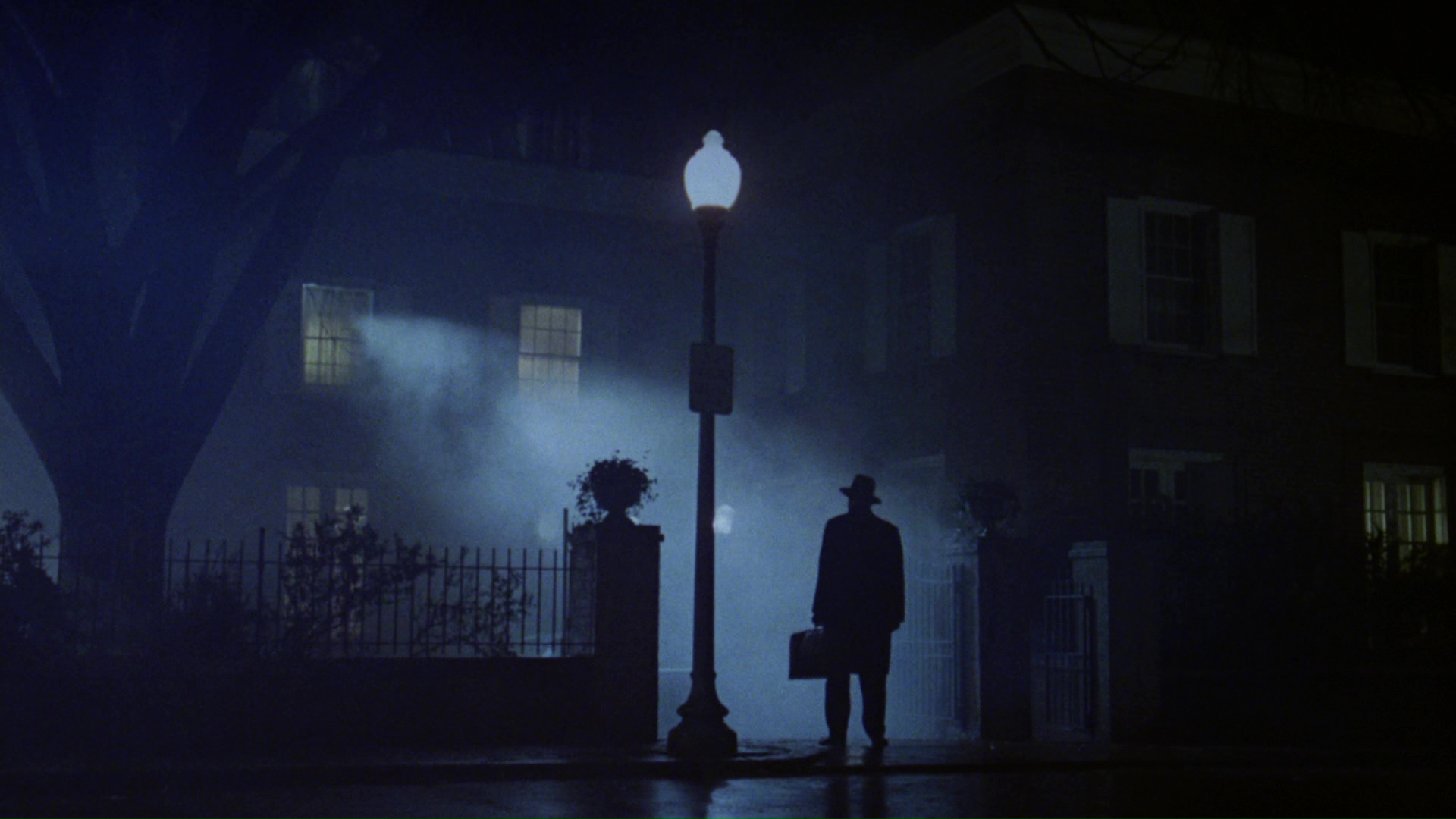
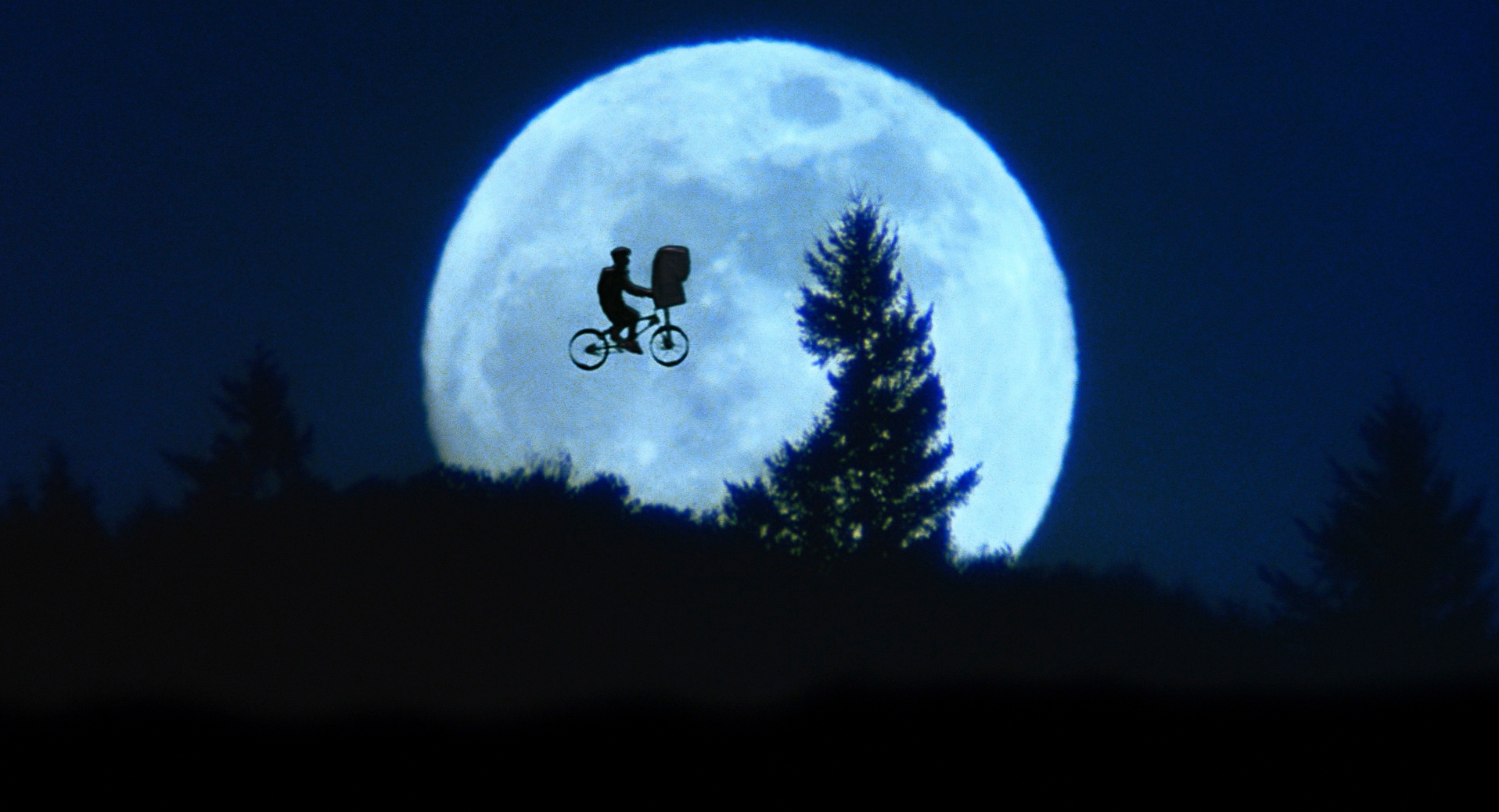
- Night and the unknown. The Exorcist (1973) and E.T. the Extra-Terrestrial (1982) build their most famous images from blue night and one strong source.
- Control. David Fincher's films lean toward cold greens and cyans, so rooms and streets feel managed rather than lived in.
- Two worlds. The Matrix (1999) tints the simulation green and the real world blue.
Cool reads strongest when the film has shown warmth first, or keeps a small warm element inside the frame.
How to shoot and grade a cool palette
Start with art direction. Blue-based greys, navy and slate costumes, glass and steel; remove stray reds and oranges from the background.
Split color temperature. Set the camera near 3200K and light with 5600K sources so everything they touch goes blue. For night exteriors, a source high and behind the actors with half to full CTB, underexposed a stop or two, gives the look of moonlight. Green-tinted fluorescents or LEDs give the colder, sicker variant.
Keep skin alive. Let some neutral light reach faces. Blue skin reads as a mistake.
Grade with restraint. Cool shadows first, midtones second, keep highlights near neutral. A little less saturation makes the cold feel physical; much less becomes a desaturated look.
Leave one warm accent. A lamp or a lit window makes the blue around it colder by contrast.
Cool vs. warm color palette
A warm color palette pulls the viewer in: ambers and reds read as intimacy, memory, comfort or, pushed hard, danger. A cool palette pushes the viewer out: distance, night, calm, control.
Films often assign one temperature to a place, era or character and cut between them, so the audience learns the code without being told. Decide which temperature is the default and which is the event; the rarer one carries the meaning.
Cool Color Palette examples in film
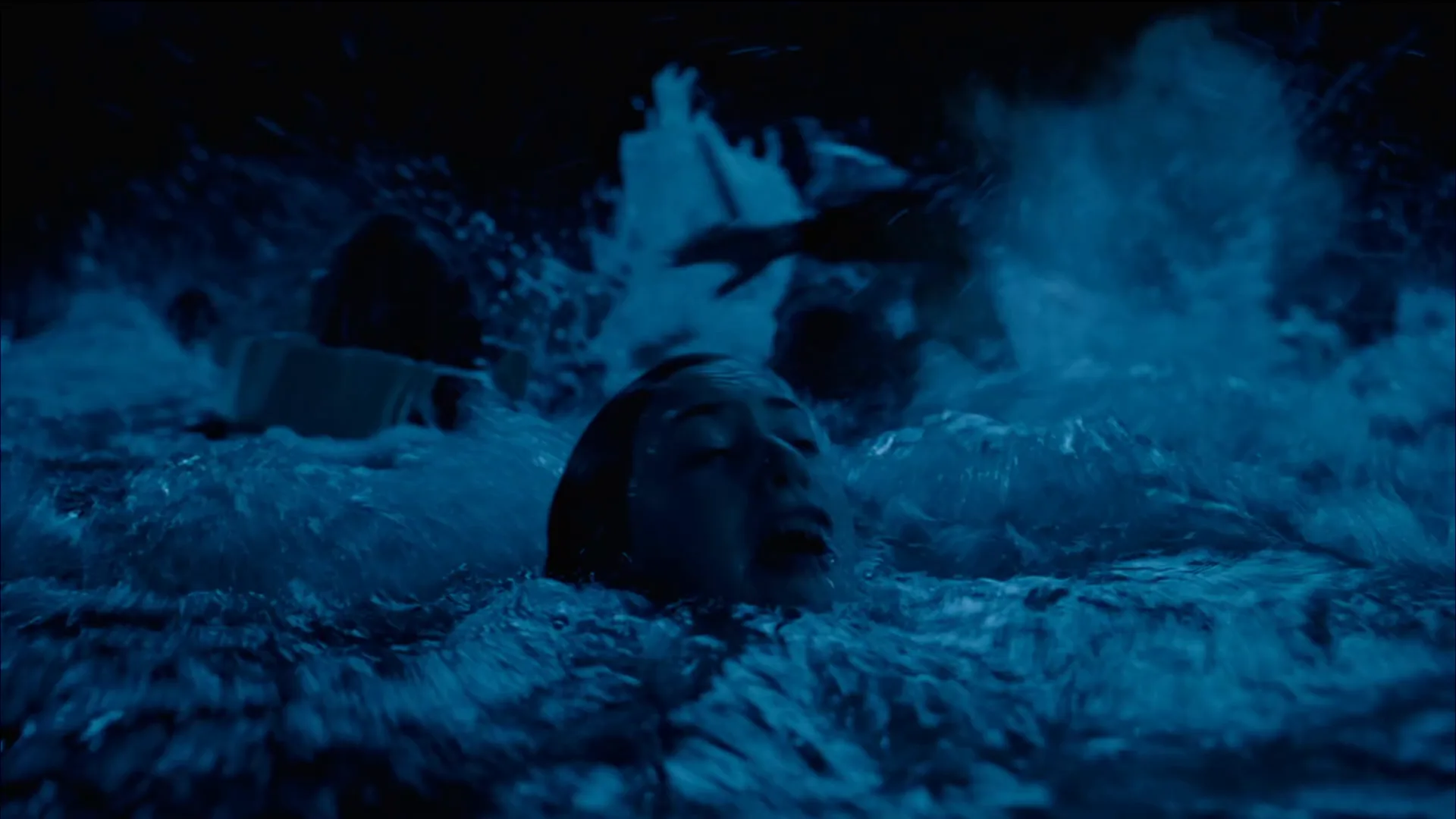
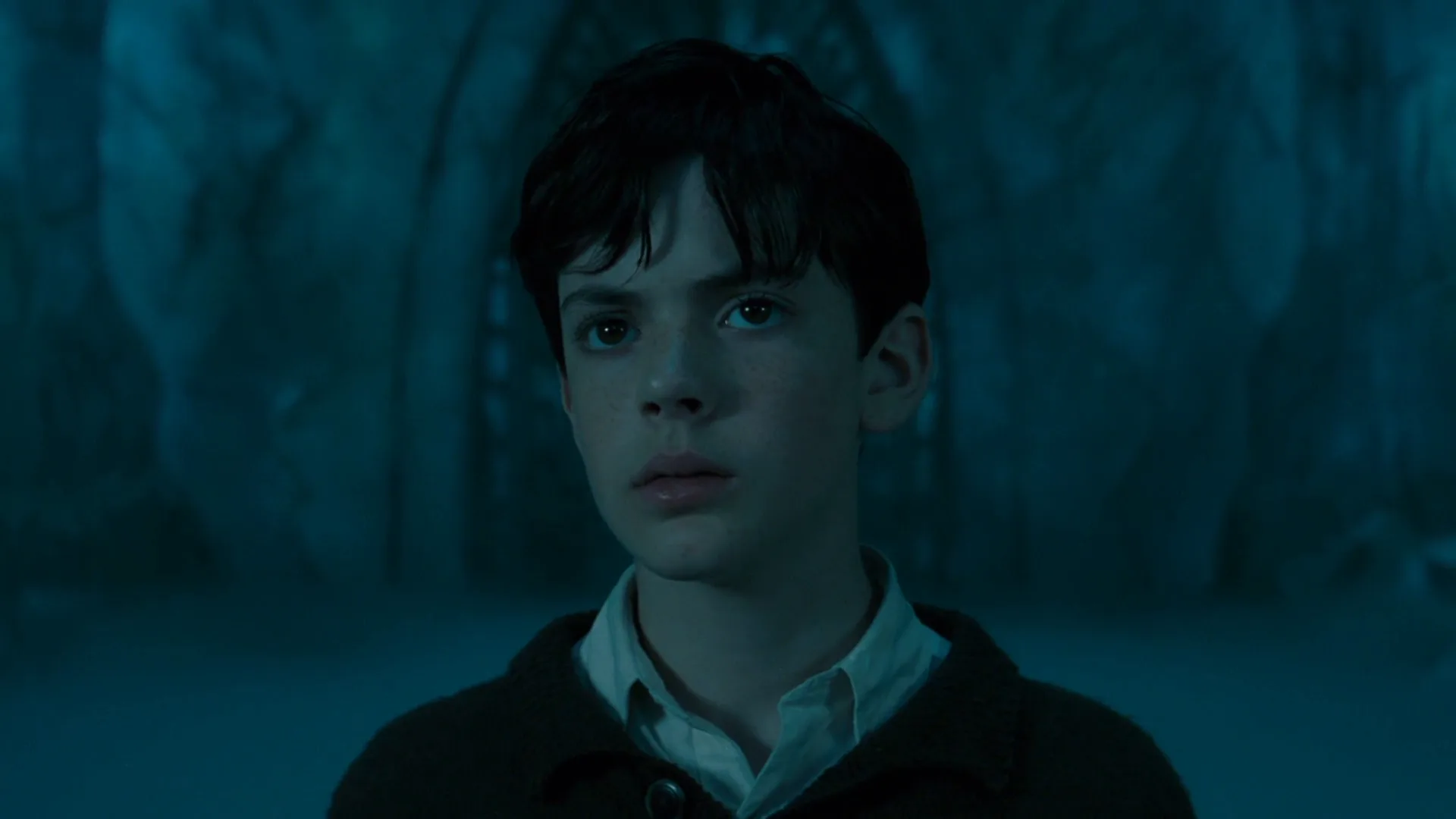
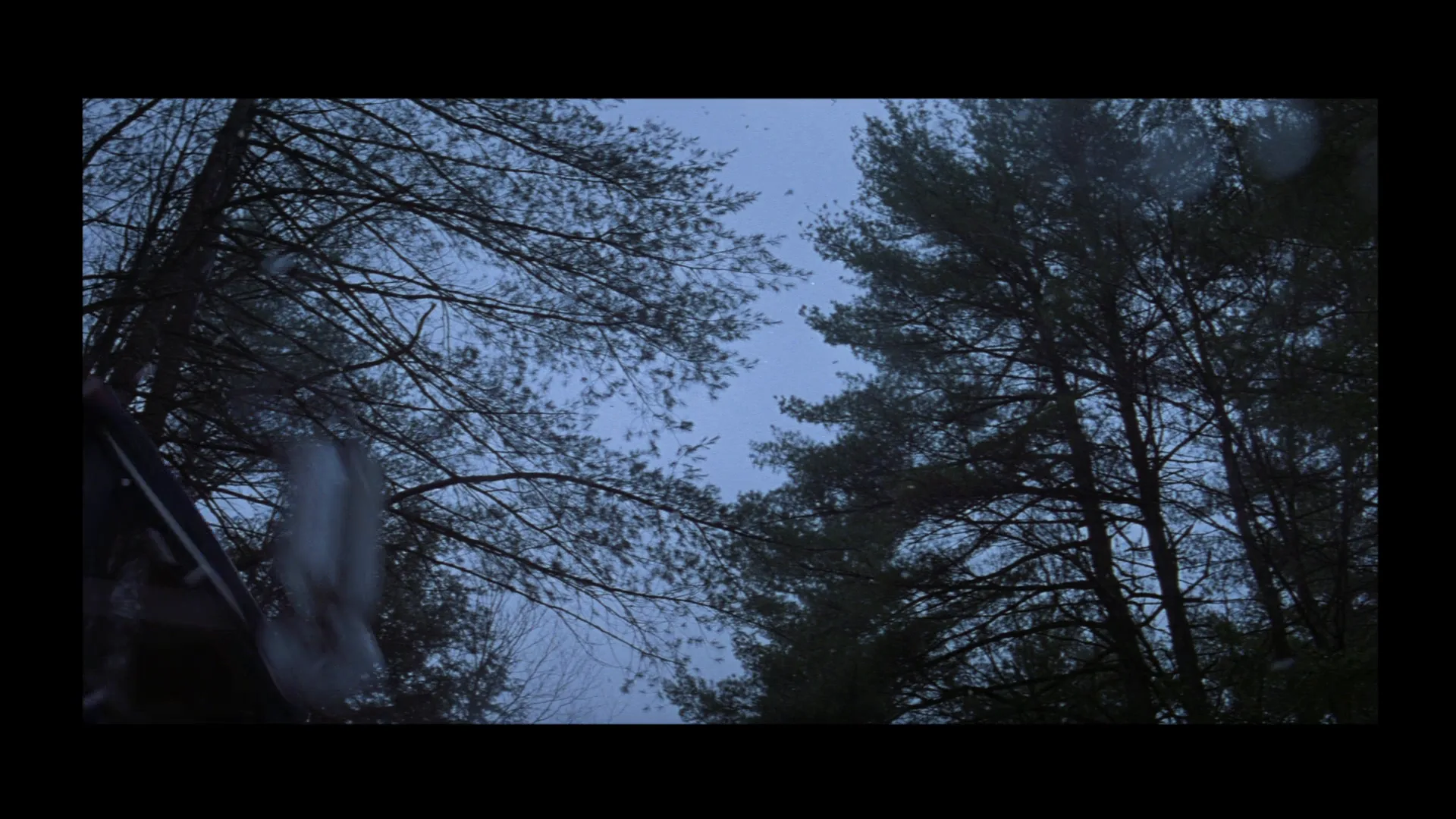
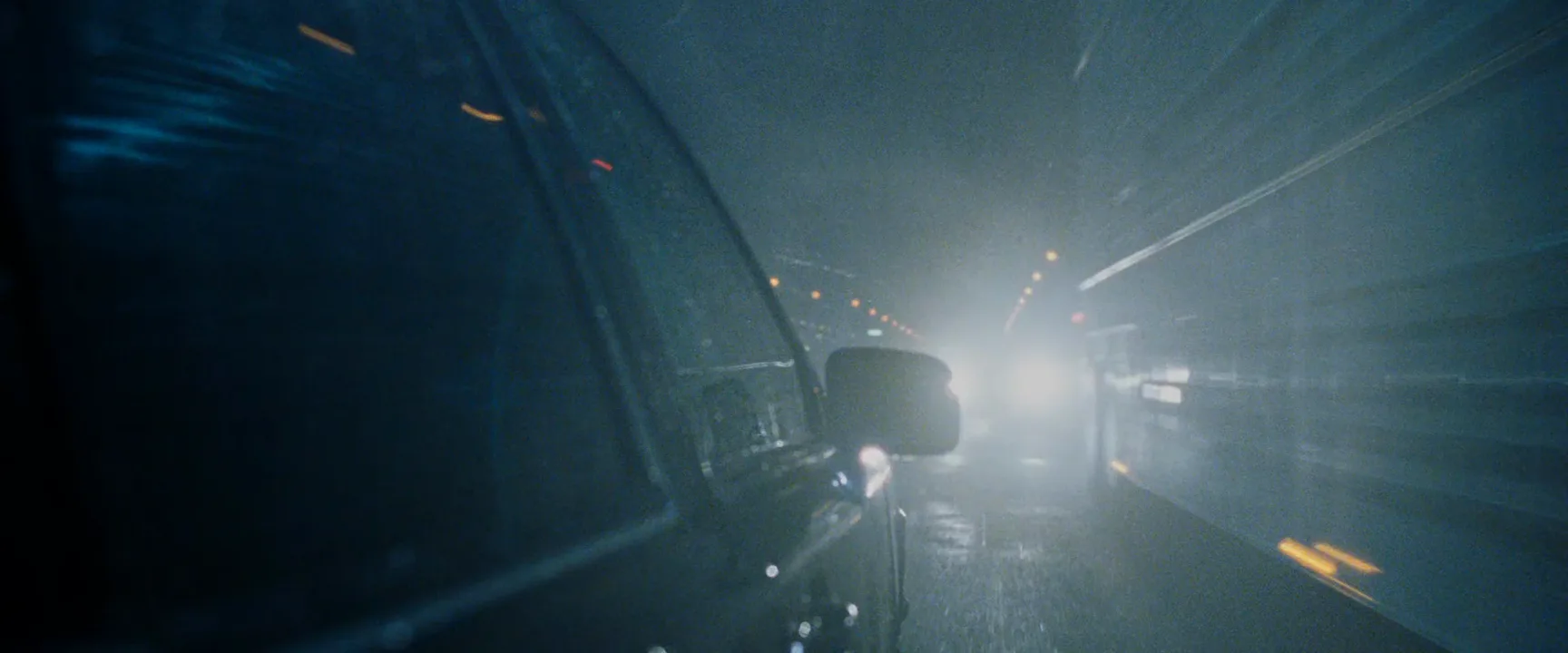
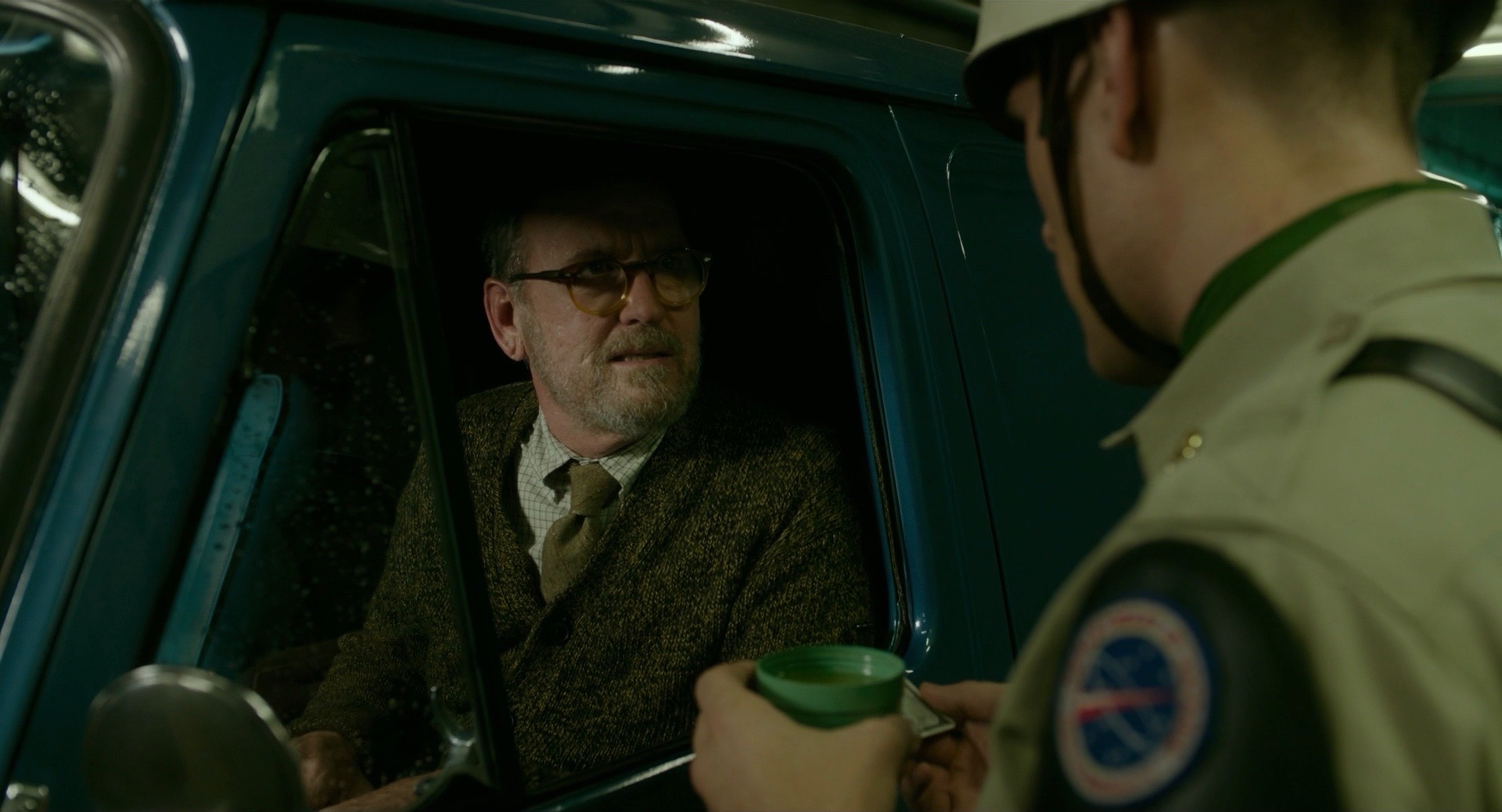
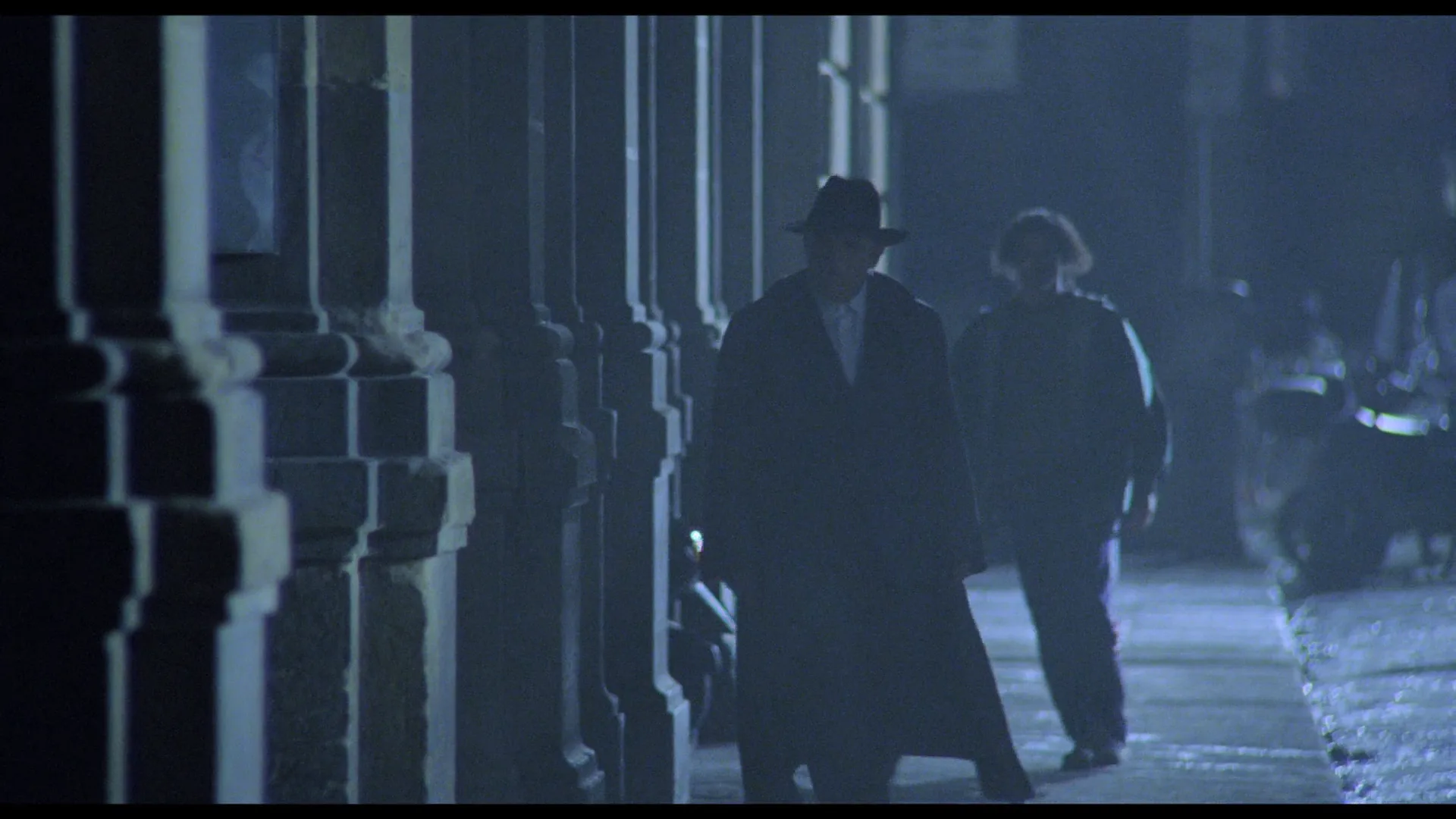
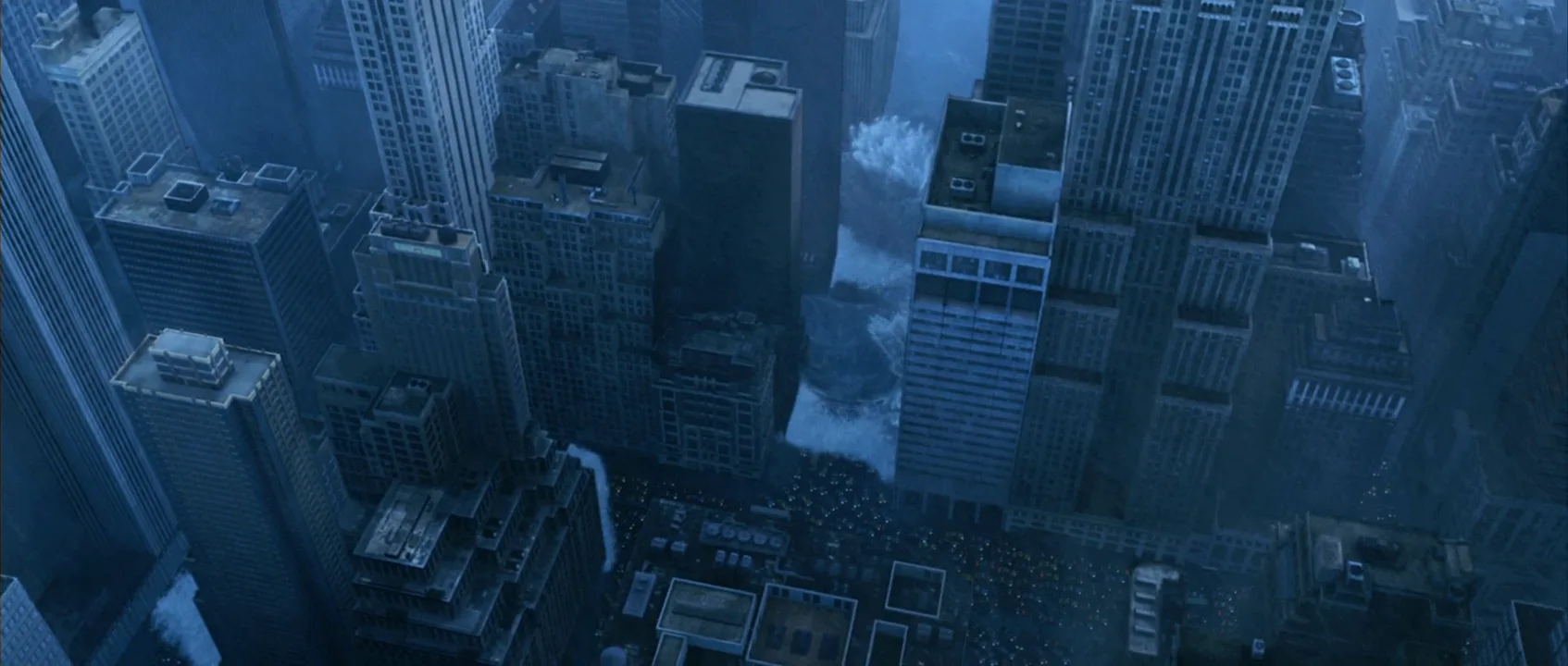
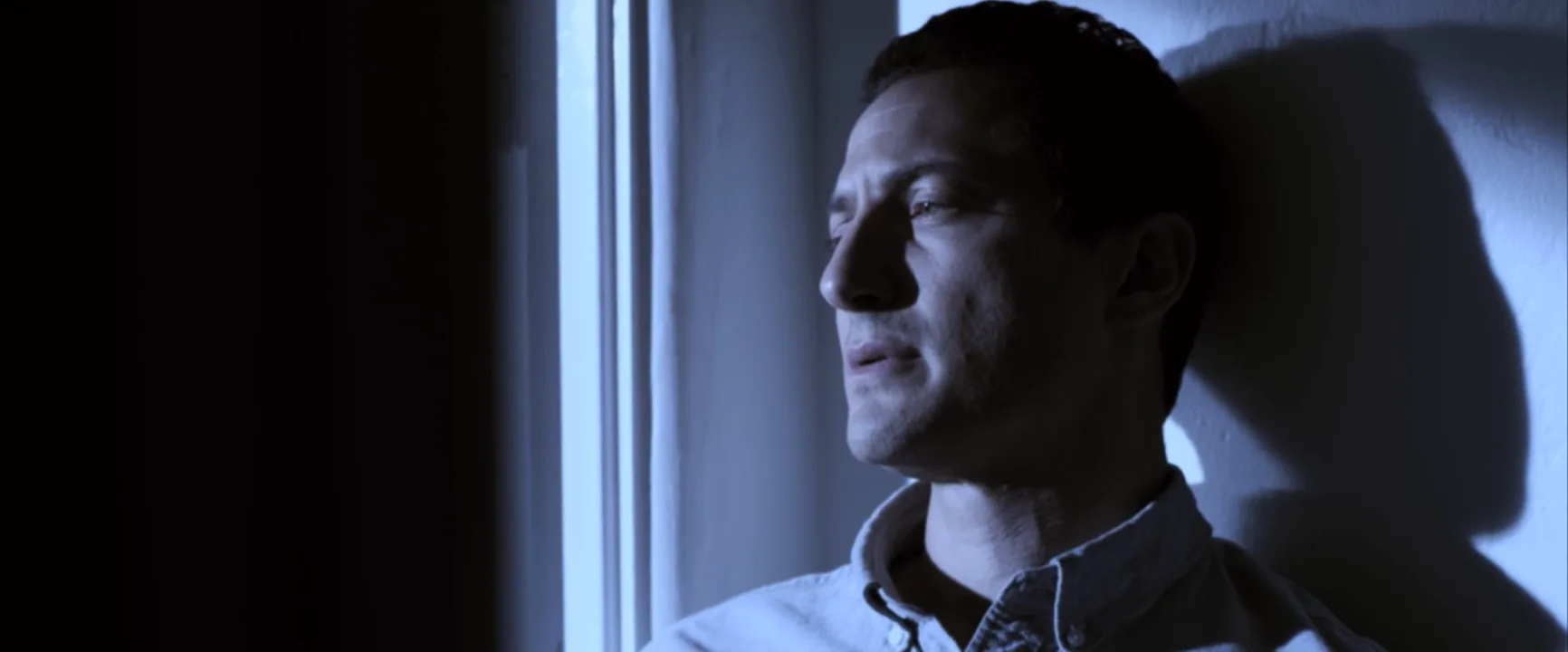
10 framesFrames where the cold comes from the whole image: night, water, snow, fluorescent interiors and the grade.
How to create a cool color palette with AI
4 promptsModels understand "blue" but tend to tint everything, skin included. Direct the cold through named sources and surfaces, keep faces natural, and allow one warm accent. On a FlashBoards board, keep the film references beside each take and compare how cold each reads. The fourth prompt re-shoots a real film shot from a text description alone, and the original plays next to the result so you can compare.
Cinematic wide shot at night on an empty winter harbor: a tall woman in her fifties with close-cropped silver hair, a pale scar through her left eyebrow and a navy wool coat stands at the end of a concrete pier. Cool color palette: deep blue sky, steel-blue fog, cyan reflections on black water, blue-grey concrete. Moonlight from high behind rims her shoulders; natural skin tone; one small amber lamp on a post is the only warm color. 35mm lens at eye level, 35mm film grain.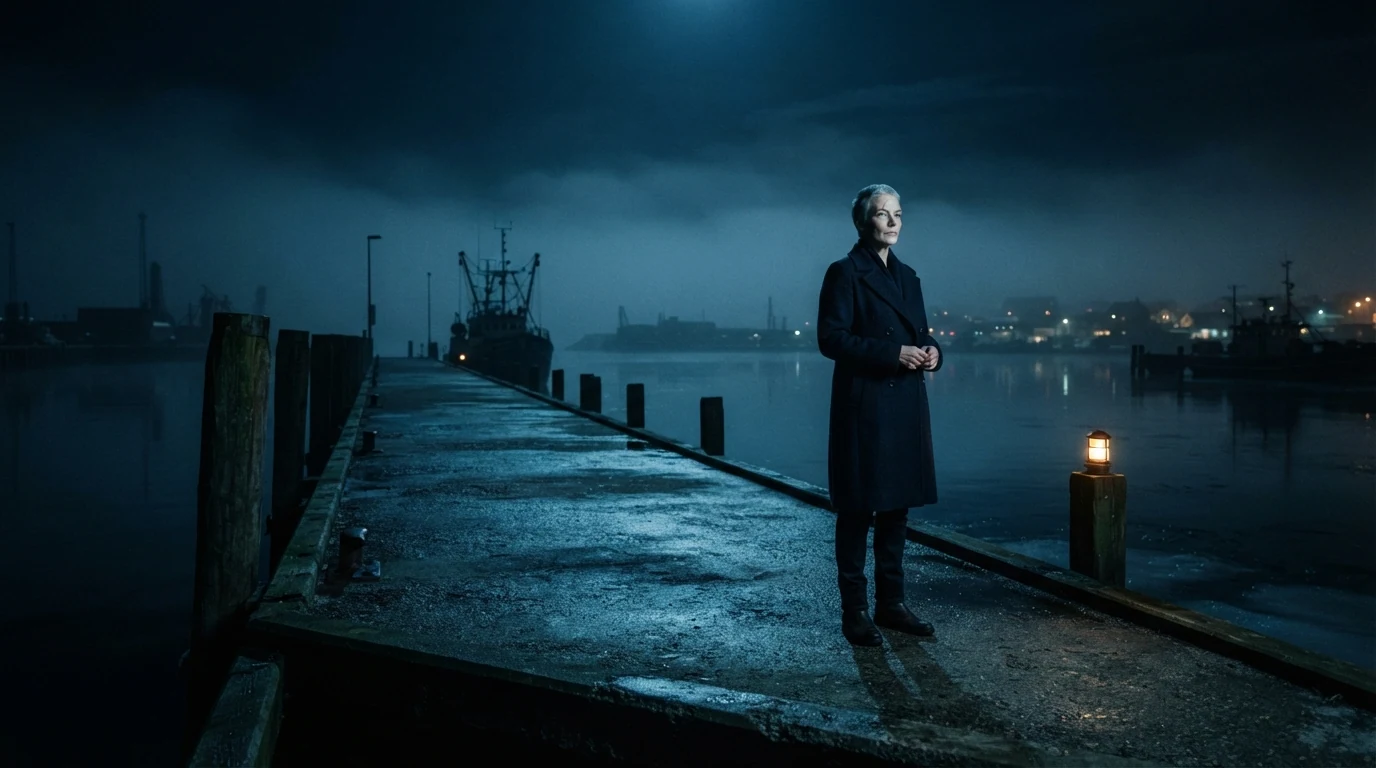
Named cold surfaces make the blue come from the world, not a filter. "Moonlight from high behind" sets direction, "natural skin tone" protects the face, and the single amber lamp gives the cold something to push against.
Open FlashBoardsWidescreen medium shot inside a laundromat at 4 a.m.: a slight young man with a shaved head, a thin black mustache and round wire glasses, in a grey-teal work jacket, sits alone between rows of steel washers. Cold green-cyan palette: overhead fluorescent tubes, pale teal tiled walls, chrome doors reflecting cyan, dark blue street through the window. Natural pale skin. 40mm lens at chest height, symmetrical framing, fine film grain.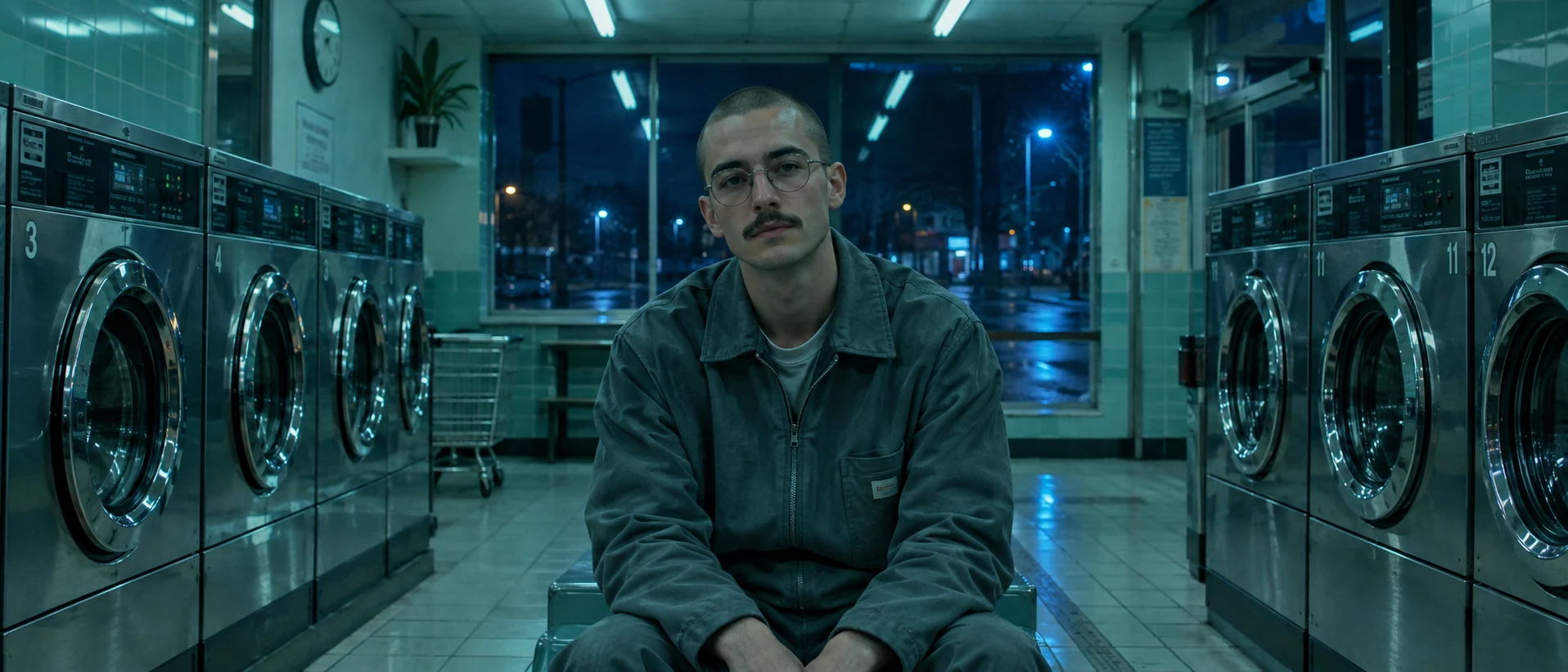
This take moves indoors to the cold green side: "fluorescent tubes" and "teal tiled walls" read as sterile and lonely.
Open FlashBoardsCamera: slow, steady dolly forward along the pier at eye level, from wide to closer on her back and shoulders. Action: Fog is already drifting and the black water ripples with cyan reflections. The woman pulls her navy coat tighter and steps toward the edge. She turns her head slightly right, the moonlight rim tracing her profile, while the amber lamp keeps glowing beside her.Drifting fog and rippling water make the clip alive from the first frame. Everything named already exists in recipe 1, and restating the rim and lamp holds the cool balance.
Open FlashBoards{
"output": "Full-screen live-action night shot from Hannibal (2001), Florence, alive from its very first frame: one continuous shot, no cuts. 35mm film grain, long-lens compression. Cool color palette over the whole frame: steel-blue night air, blue-grey carved stone columns, a thin pale-blue haze glowing in a cold white-blue backlight far down the arcade, deep navy shadows, pale natural skin; every surface reads blue, grey or cyan like moonlight on stone.",
"characters": {
"S1": {
"name": "Hannibal Lecter, played by Anthony Hopkins",
"look": "stocky man in his sixties, black fedora with the brim low, long dark wool overcoat hanging to the shins, white shirt collar and dark tie at the throat, face half in shadow under the brim",
"voice": "silent"
},
"S2": {
"name": "a young passer-by",
"look": "slim man in his twenties, shaggy chin-length brown hair, dark padded jacket, blue jeans",
"voice": "silent"
}
},
"shots": [
{
"shot": 1,
"camera": "tripod at eye level, long telephoto lens, wide shot straight down a stone arcade: massive carved columns fill the left third in dark near-silhouette, the pale lit pavement runs down the middle, a row of parked motor scooters sits in shadow on the right; the frame holds still, and only in the END it drifts slowly right to keep S1 in frame",
"action": [
"BEGINNING: alive from the first frame, S2 is already walking toward the camera at mid-distance in the right half of the pavement, arms loose at his sides, eyes on the ground ahead; S1 is still hidden behind the columns on the left.",
"THEN: S1 steps out from behind a column in the left third, head bowed under the fedora, both hands down at his sides, and walks toward the camera with long unhurried strides.",
"THEN: S1 angles right into the centre of the pavement; S2 veers left and slips past behind S1's shoulder, the two never look at each other.",
"THEN: S1 fills the centre of the frame as a medium-wide figure, coat swinging, chin lifting slightly so the brim shows a sliver of pale face; behind him S2 walks on toward the left columns and fades into their shadow.",
"END: S1 turns his head a little toward screen left, then lowers it again and walks on into the right third; a dark out-of-focus column slides across the left edge of the lens as the frame drifts right."
],
"voice": "silence: nobody speaks in this shot, no voice at all",
"dialogue": []
}
],
"sound": {
"ambience": "two sets of footsteps echoing on stone under the arcade, the soft rustle of a heavy coat, low night-city hum and a distant scooter heard from far away",
"speech": "no words in this video; the only human sounds are breaths and movement",
"never_spoken": "no narration and no voice-over: the descriptions, performance notes and step words of this prompt are never spoken aloud",
"music": "a film score under the scene, always below the voices: low sustained strings in a minor key with a slow, patient pulse, cold and watchful",
"subtitles": "none"
}
}Remakes the steel-blue arcade walk from Hannibal (2001), dir. Ridley Scott, DP John Mathieson: Lecter steps out from the columns as a passer-by slips behind him, with the long lens and the all-blue night carried over.
The palette is written into every surface: blue-grey stone, pale-blue haze and one cold backlight, so the blue lives in the world rather than in a filter. The action is timed in beats, not seconds, and the silence and the score are named, so the model adds no voice.
Open FlashBoardsCommon mistakes
- Blue skin. Add "natural skin tone" or a named neutral light on the face.
- Filter look. "Blue tint" gives a flat wash; name cold surfaces and a light direction.
- Crushed night. Ask for a rim light, fog or reflections so shapes stay readable.
- Warmth creeping back. Name the one warm element allowed; describe the rest as blue, grey or teal.
Keep the reference frames, prompts and every generated take side by side — images and video in one canvas.
FAQ
5 questionsWhat does a cool color palette mean in film?
A cool palette of blues, cyans and cold greens usually signals emotional distance, night, calm, sadness, isolation or clinical control. Context decides: the same blue feels like wonder in a family fantasy and like threat in horror. It reads most clearly when the film offers warmer scenes or a small warm accent to compare against.
What movies use a blue color palette?
Clear examples: The Exorcist (1973) and its blue foggy street, E.T. the Extra-Terrestrial (1982) and its moonlit skies, Titanic (1997) in the night sinking, The Day After Tomorrow (2004) and its frozen city, and Moonlight (2016), where blue light and water recur. David Fincher's films lean toward cold greens and cyans.
How do you make a cool color palette on set?
Combine art direction and light. Choose blue-grey, navy and steel surfaces and remove stray warm colors. Set the camera warmer than your sources, for example 3200K with 5600K lights, or add CTB gels, so the light renders blue. Keep neutral light on faces and finish by cooling shadows in the grade.
What is the difference between cool tones and a desaturated look?
Cool tones shift hue toward blue and cyan; saturation can stay rich, as in a deep blue night. A desaturated look lowers intensity across all hues, moving toward grey without turning blue. They are often combined, because a slightly muted blue feels colder and more physical than a vivid one.
How do I prompt a cool color palette in AI image generation?
Write "cool color palette", then name what is cold: night sky, fog, water, concrete, fluorescent tubes, teal walls. Give a light direction, such as moonlight from high behind. Protect faces with "natural skin tone" and allow exactly one warm accent, like a small amber lamp, so the blue reads as a choice rather than a filter.
Related terms
5- Warm Color PaletteColor
A warm palette is dominated by reds, oranges, ambers and yellows; it usually reads as intimacy, nostalgia, heat, comfort — or, pushed hard, danger and sickness.
- Color TemperatureLighting
Color temperature describes how warm or cool a light source is, measured in kelvin: candlelight around 1900K, tungsten about 3200K, daylight about 5600K, overcast and shade higher still.
- MoonlightLighting
Moonlight lighting imitates the moon with a single high, directional source — usually cool or neutral, often from behind — plus controlled underexposure, so the scene reads as night while faces and space stay legible.
- Desaturated LookColor
A desaturated look drains color intensity across the frame without going fully black-and-white, giving a muted, cold, war-weary or documentary feel.
- Color PaletteColor
A film's color palette is the limited set of colors that dominates its images — in sets, costumes, light and grade — chosen to give the film a coherent look and emotional temperature.
Further reading
Blain Brown, Cinematography: Theory and Practice (Focal Press) — chapters on color and color temperature. Patti Bellantoni, If It's Purple, Someone's Gonna Die: The Power of Color in Visual Storytelling (Focal Press).