 FlashBoards Learn
- Learn
- Directing & Staging
- Atmosphere
Directing & Staging · Film language
Atmosphere
Also called: mood, film atmosphere, tone and mood
Atmosphere in film is the sensory mood of a movie's world: the light, air, weather, color, sound and rhythm the audience feels before it understands the story. A director builds it in layers, so a rainy street or a dusty room tells the viewer how to feel before anyone speaks.
- What it does
- Sets the emotional temperature of a scene through the senses, before dialogue or plot explain anything.
- Use it when
- You need the audience to feel dread, loneliness, heat, intimacy or wonder in the first seconds of a scene.
- Watch out
- Stacking fog, rain and a moody grade on every shot turns atmosphere into wallpaper; pick two or three layers and commit.
- Try this prompt
cinematic wide shot, empty bus stop at 3 a.m., steady rain backlit by one sodium streetlamp, thin haze, wet asphalt reflections, low-key, 35mm
What is atmosphere in film?
Atmosphere is what a place feels like on screen. The setting says where and when we are; atmosphere says what it is like to stand there: damp or dry, stifling or empty, safe or wrong.
It lives in physical layers the crew controls:
- Light: level, direction, hardness and color temperature.
- Air: rain, fog, dust, smoke and haze that make light visible.
- Color: a restricted color palette in sets, costumes and grade.
- Sound: ambience, weather and silence.
- Texture and time: worn surfaces from production design, and how long the edit lets a moment breathe.
It works best when every department pushes the same way.
Why does atmosphere matter to directors?
Atmosphere reaches the audience faster than plot. Viewers register cold, heat or danger before a line lands, and read the characters through it.
- It primes emotion. The constant rain in Se7en (1995) wears the city down, so the sunlit, open ending feels exposed rather than relieved.
- It makes a world believable. Steam, dripping water and low ceilings make the ship in Alien (1979) feel used and dangerous.
- Silence counts. In 2001: A Space Odyssey (1968) the spacewalks give us little but breathing.
- Emptiness can frighten. The Shining (1980) builds dread from bright, vast, deserted hotel corridors, not darkness.
In directing, the feeling comes first; the layers follow.
How to create atmosphere in film
1. Write one sentence of feeling. "Wet, cold, nobody is coming" is a brief every department can use.
2. Light for shape. Low-key lighting with one motivated source is the fastest route to mood. Rain, dust and haze vanish when frontlit and glow when backlit, roughly 30 to 60 degrees off the lens axis, with the source flagged off the lens.
3. Put something in the air. Thin haze turns every beam into a shape; too much flattens contrast and hides faces. Rain needs backlight and a dark background to read.
4. Restrict color. Two or three dominant hues read as a world. Bias the lamps warm or cool, not only the grade.
5. Record the space. Capture ambience and room tone on location; see sound in film.
6. Give it time. Hold establishing shots a few seconds longer than the story needs. Unhurried pacing lets a viewer notice the rain.
Which atmospheric movies are worth studying?
Watch each once with the sound off, then once with the picture off:
- Blade Runner (1982): rain, smoke and neon over a dense city.
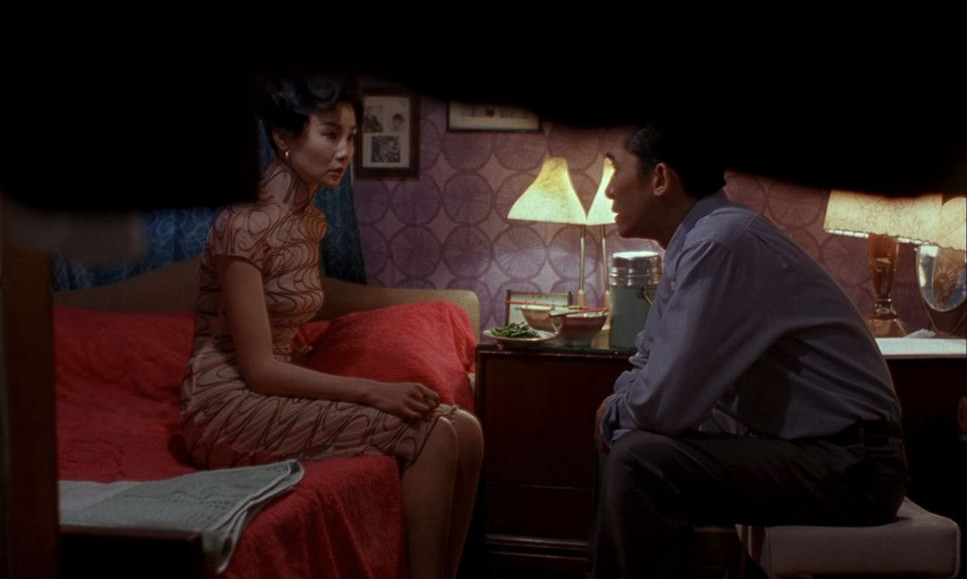
- In the Mood for Love (2000): saturated reds, tight rooms, slow motion.
- Lost in Translation (2003): jet-lagged Tokyo nights from a hotel window.
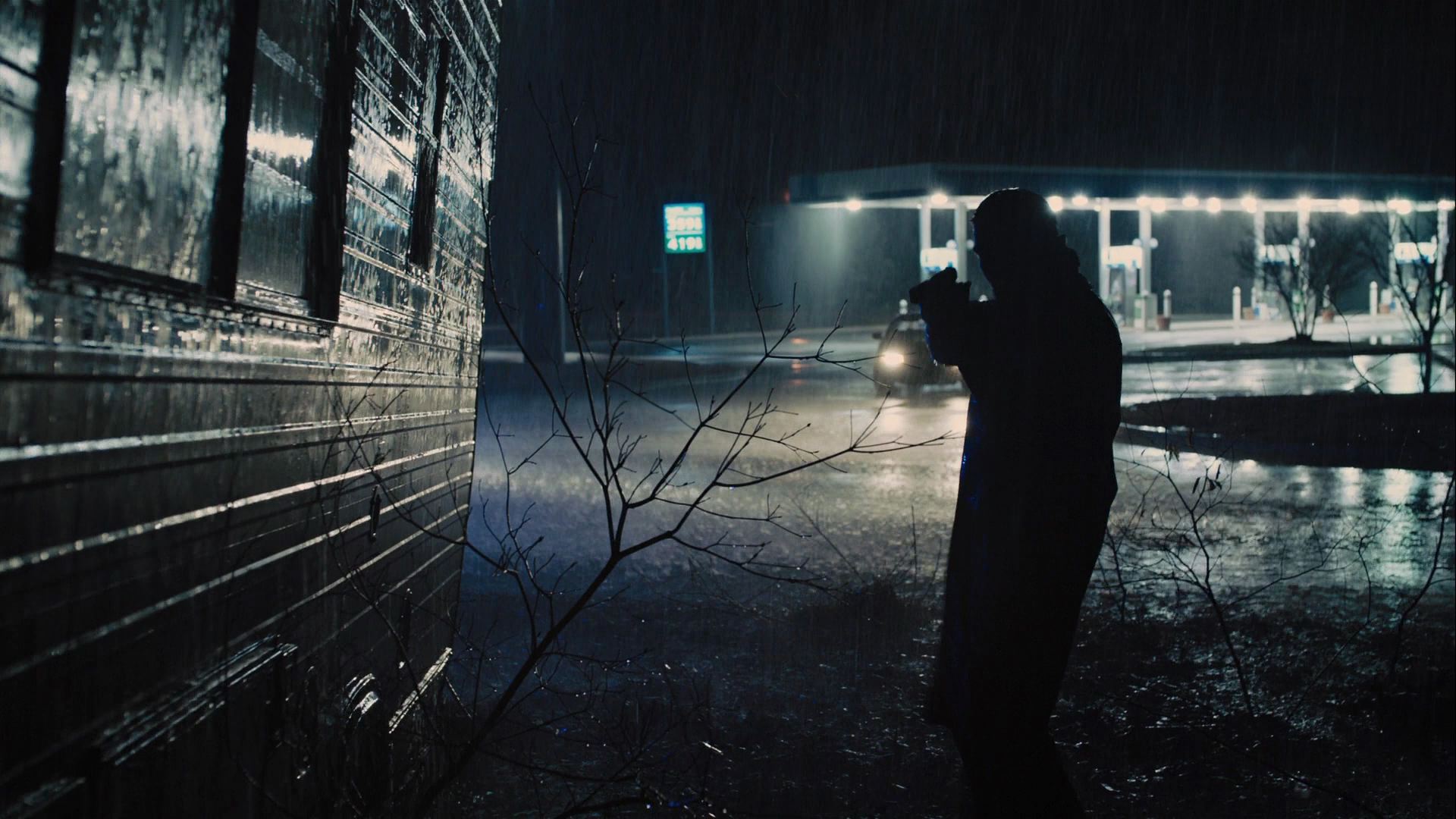
- Prisoners (2013): grey rain, bare trees, wet asphalt.
- Parasite (2019): the rainstorm that floods one family's home.
Atmosphere vs. tone vs. setting
| | Setting | Atmosphere | Tone | |---|---|---|---| | Answers | Where and when? | What does it feel like? | How does the story treat it? | | Built by | Locations, period, props | Light, air, color, sound, rhythm | Script, performance, music |
The same rainy motel can carry a horror tone or a comic one; its atmosphere stays wet and flickering either way. "Mood" is the everyday word for atmosphere.
Atmosphere examples in film
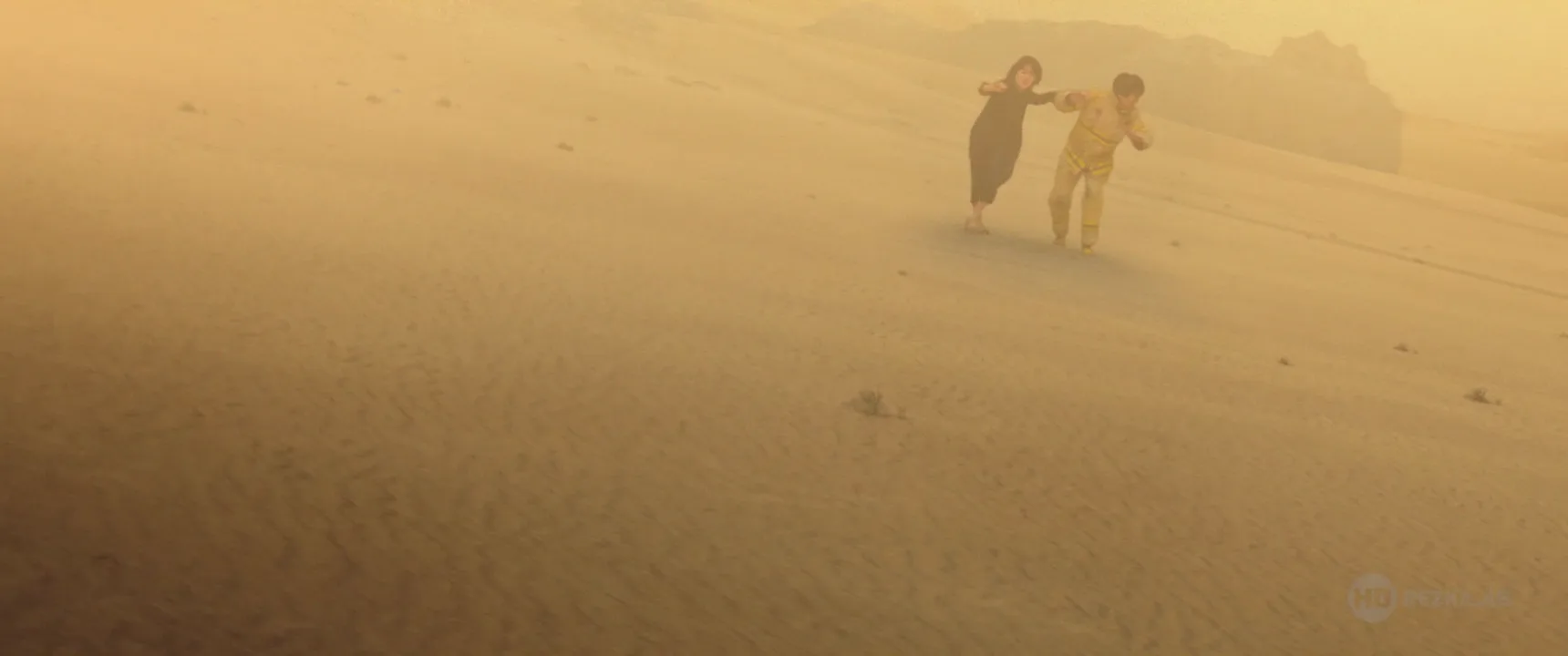
9 framesEach frame builds mood from air, light or color.
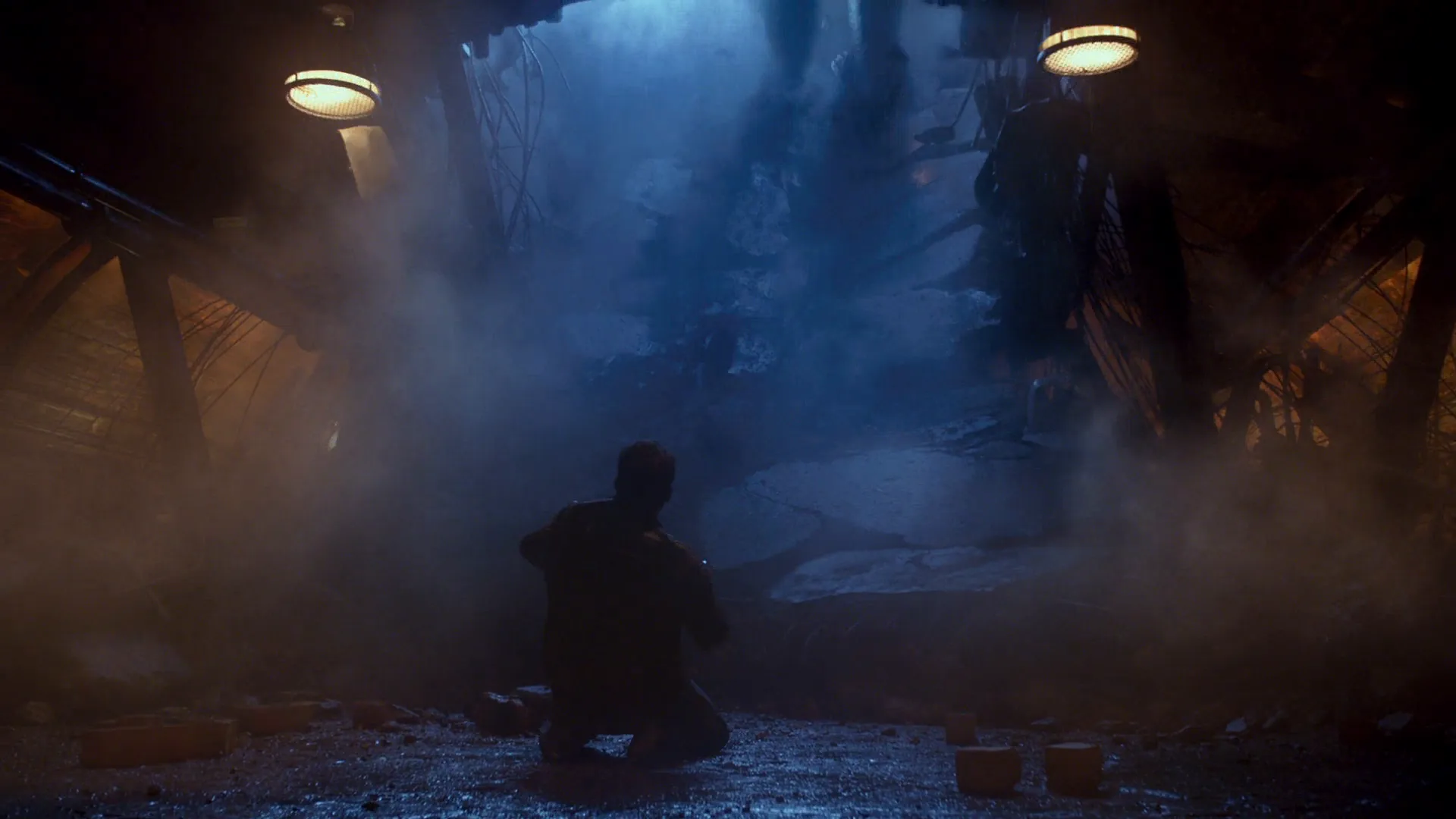
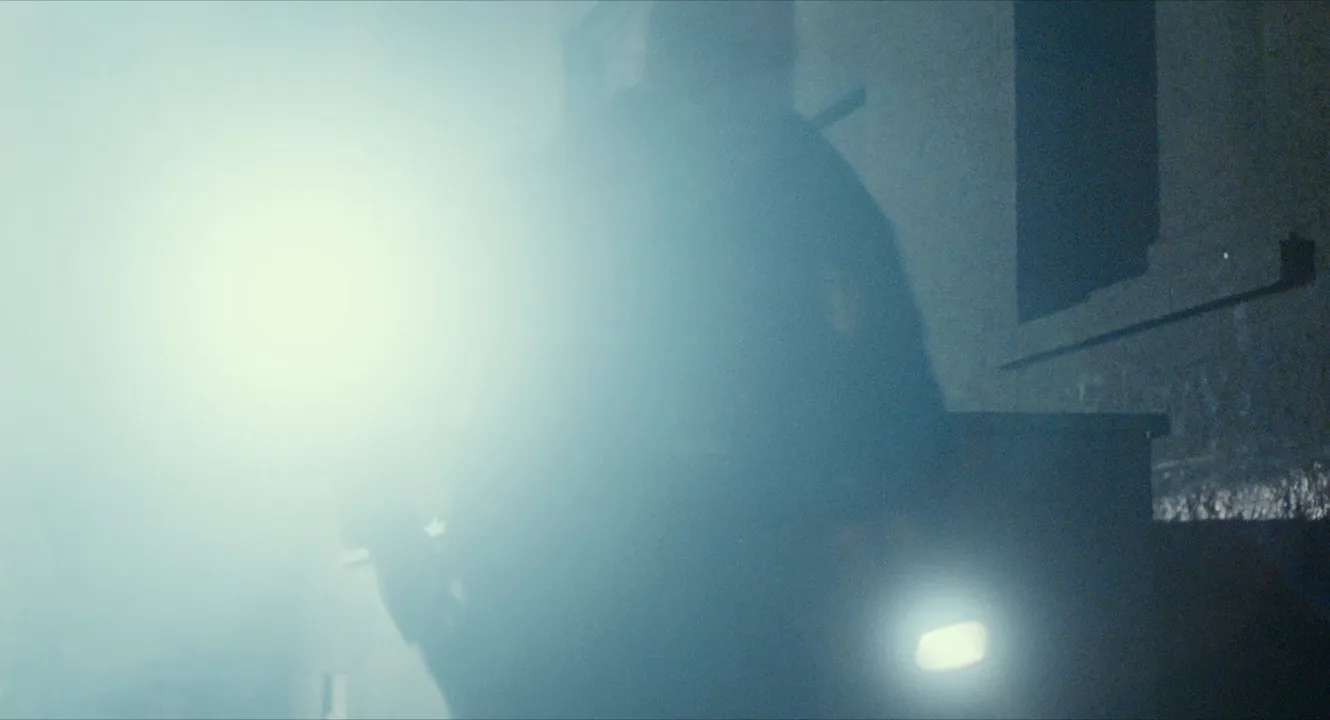
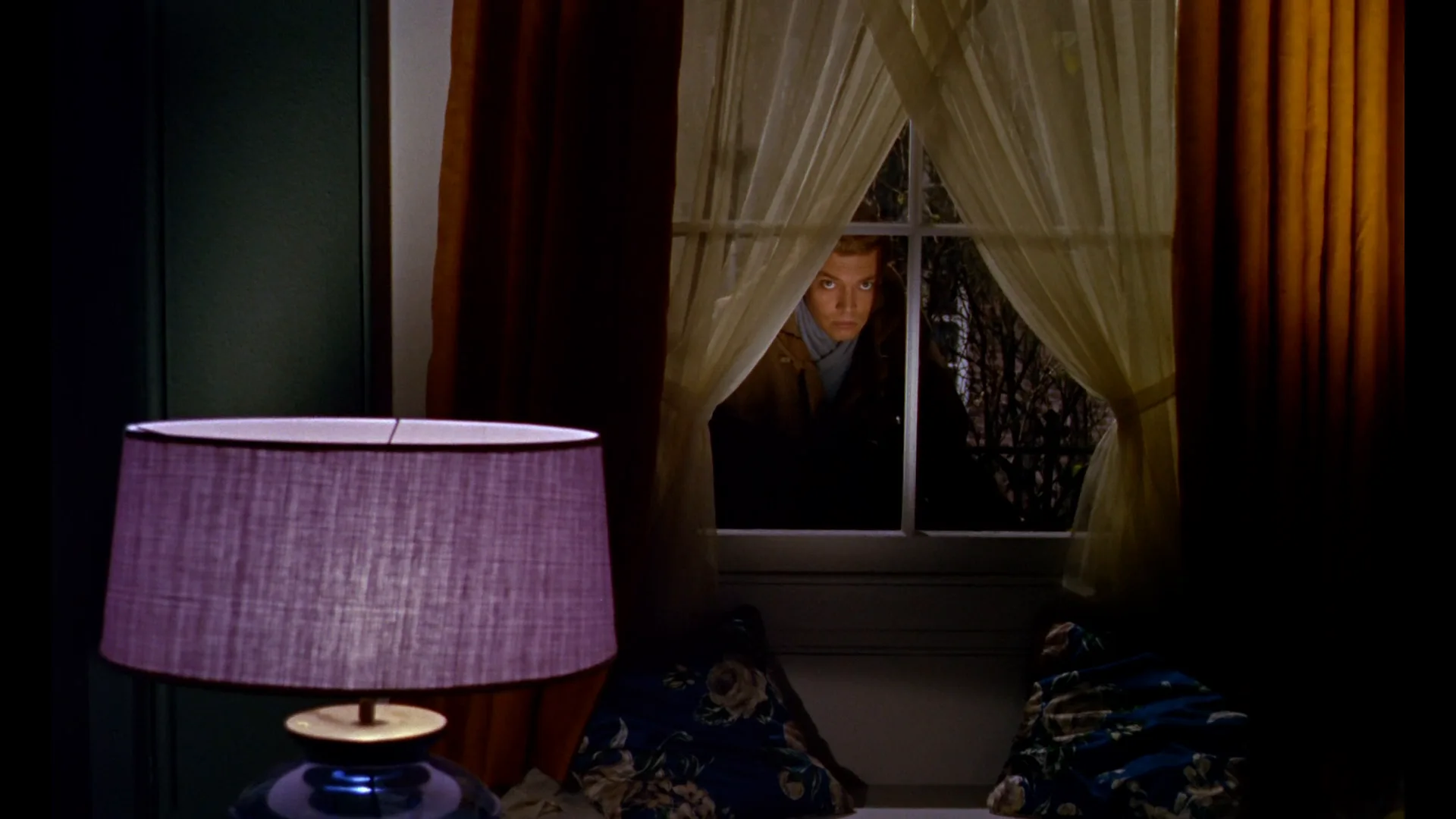
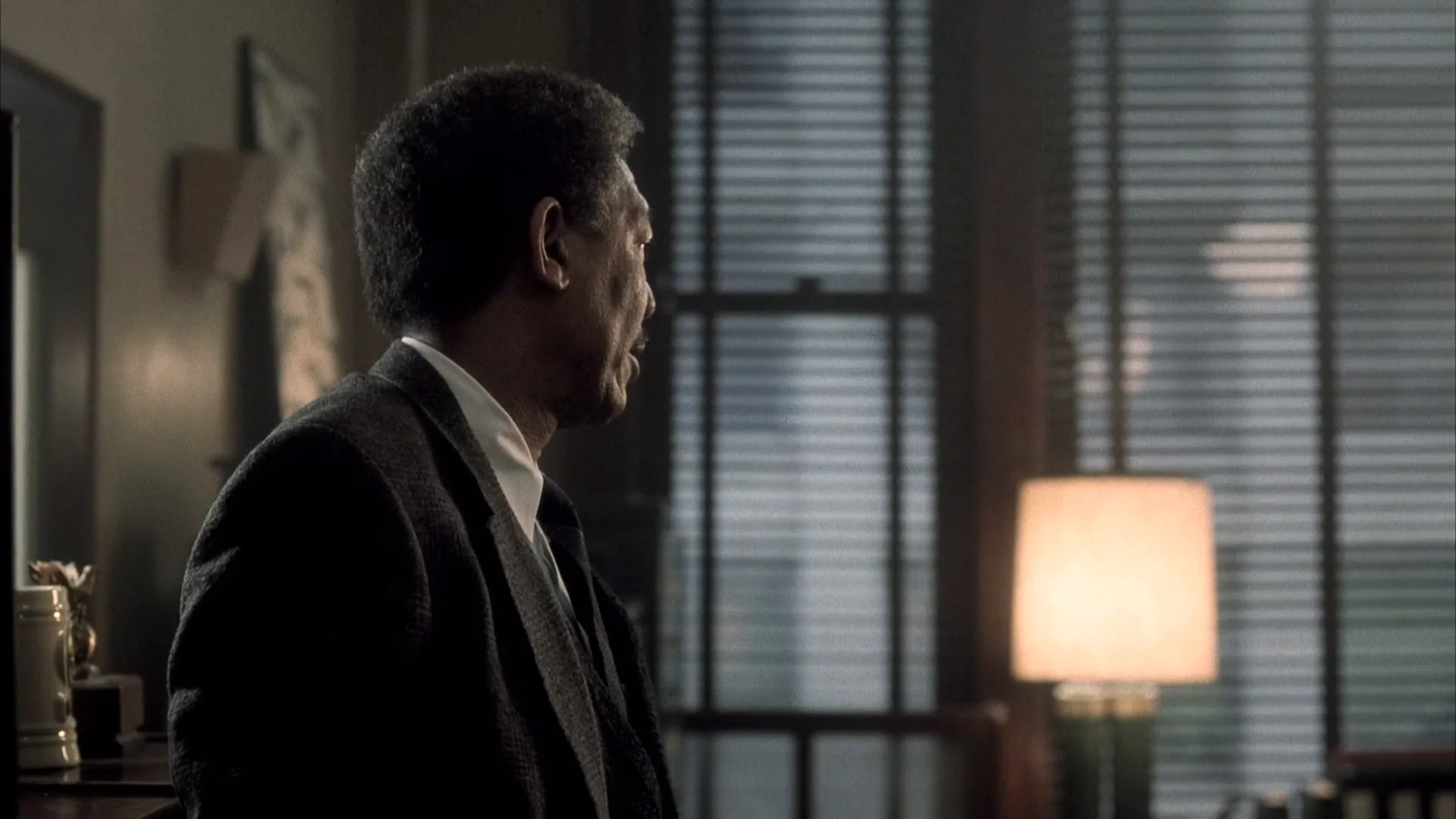
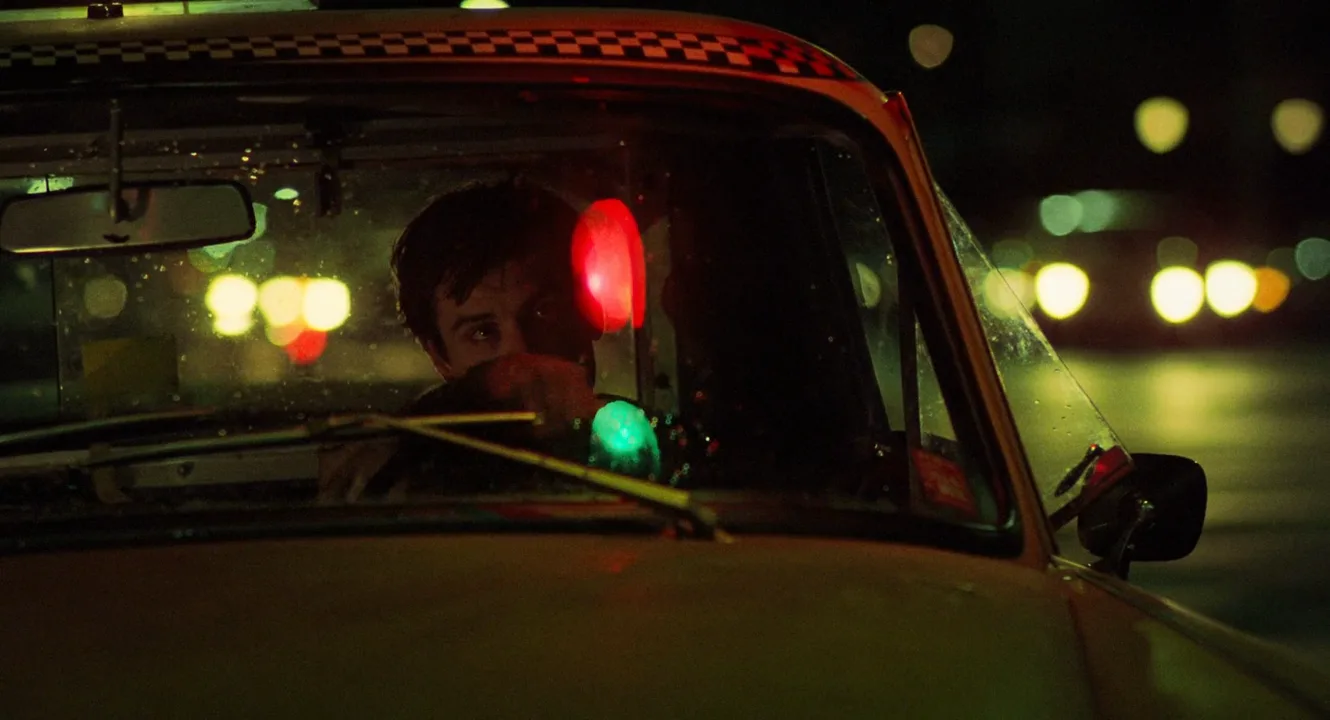
How to create a atmosphere with AI
4 promptsImage models default to clean air and even light, so name the weather, what hangs in the air and where the light comes from. Build the start frame, try a second climate, then animate the first frame so the weather moves. Keep film frames and takes on one FlashBoards board to compare them side by side. The fourth prompt re-shoots a real film shot from a text description alone, and the original plays next to the result so you can compare.
Cinematic film still, wide shot of a rain-soaked bus shelter on an empty industrial street at 3 a.m. A tall woman in her fifties with close-cropped silver hair, a long olive waxed coat and a red knitted scarf waits alone under the shelter. Steady rain, backlit by a single sodium streetlamp behind her so every drop reads as an orange streak. Thin haze softens the far end of the street into darkness. Wet asphalt reflects the lamp. Cold blue-green shadows, low-key lighting, 35mm lens at chest height, still and quiet.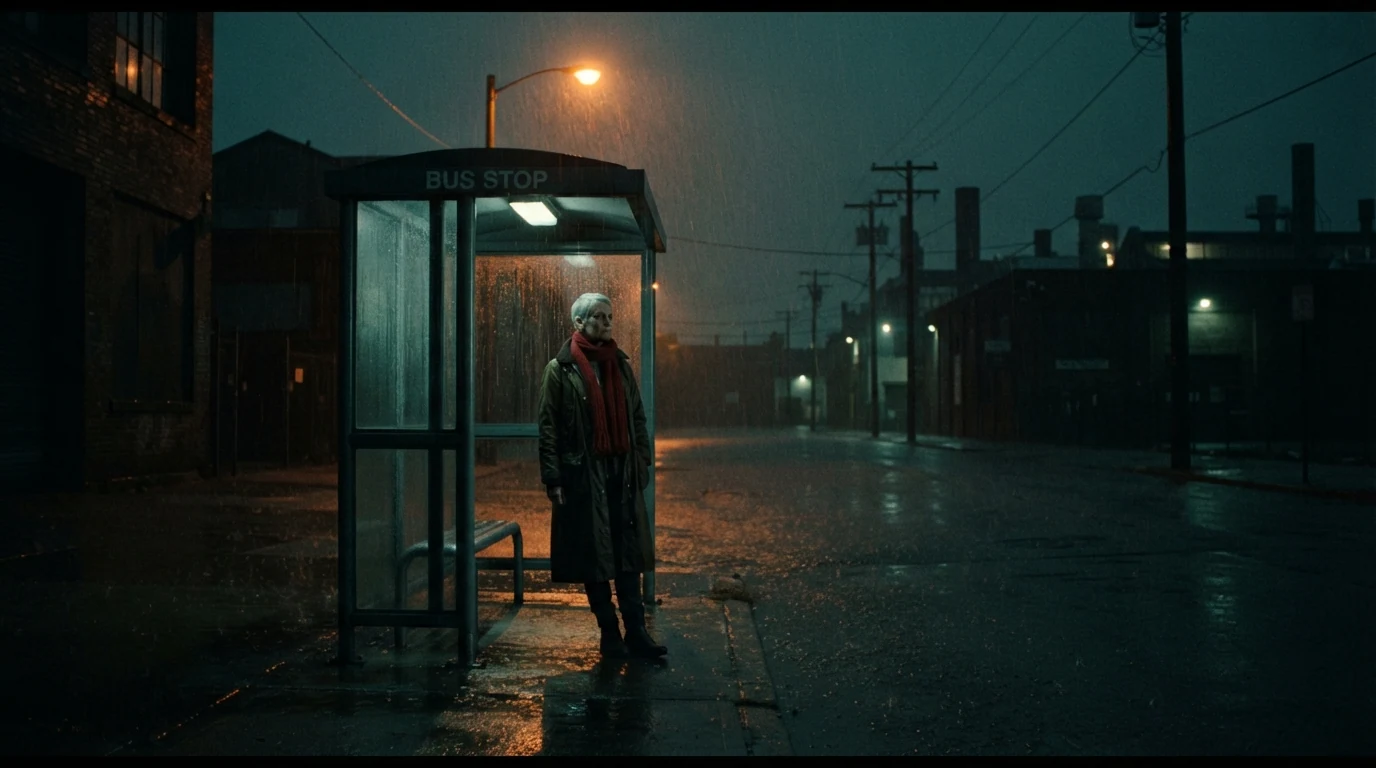
"Backlit by a single sodium streetlamp behind her" makes the rain visible; without it the model paints a grey wash. "Thin haze" builds depth, and the orange versus blue-green split sets the palette.
Open FlashBoardsWide anamorphic cinematic frame of a roadside diner interior at 4 p.m. during a heat wave. A heavyset cook in his sixties with a long grey braid, a burn scar on his forearm and a sweat-darkened white T-shirt leans on the counter. Low sun cuts through half-closed blinds into dusty air, making hard gold stripes across the counter and his arms; a ceiling fan hangs overhead; everything else sits in brown shadow. Warm amber palette, faded mint walls, 40mm anamorphic lens at seated eye level, heavy still air.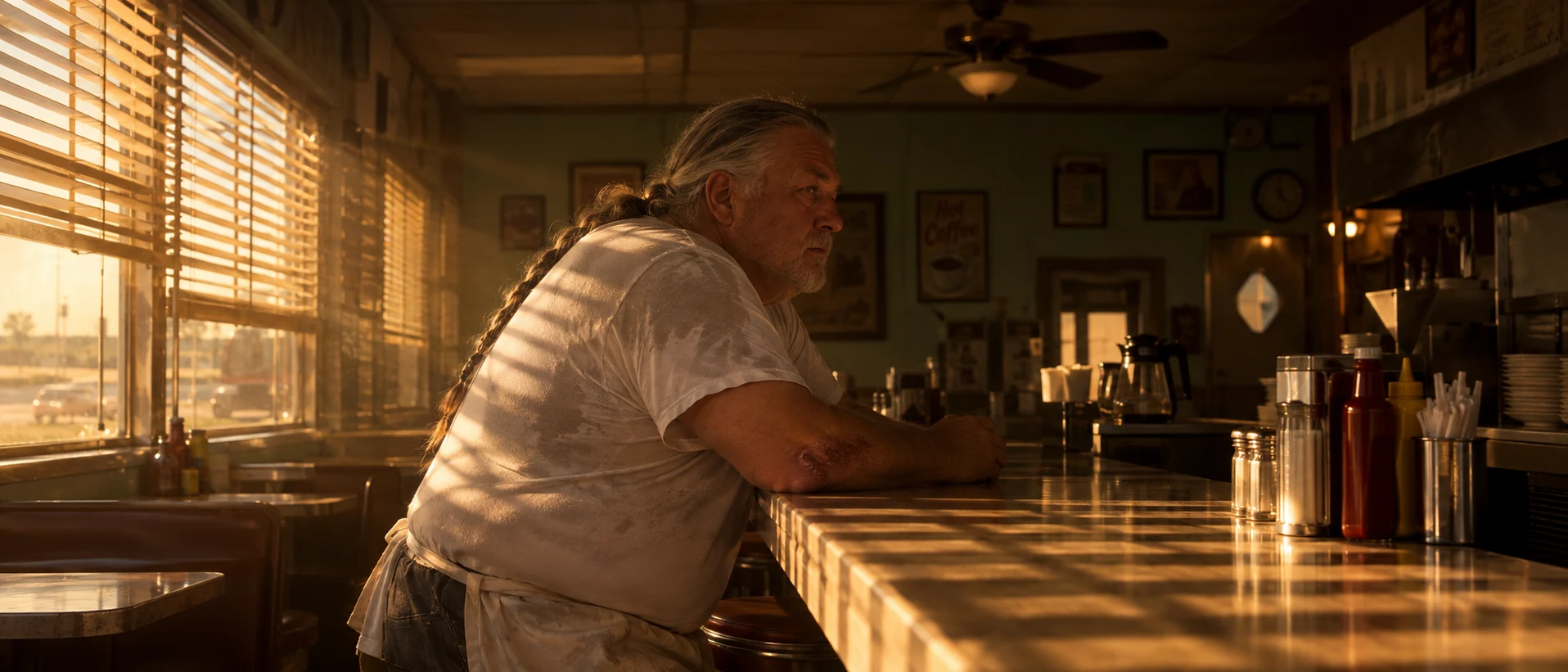
"Dusty air" plus "low sun through half-closed blinds" turns heat into visible shapes, and "everything else sits in brown shadow" keeps contrast high.
Open FlashBoardsCamera: very slow push toward the bus shelter, starting immediately and ending in a medium-wide shot of the woman. Action: Rain is already falling hard through the orange streetlamp light and splashing on the wet asphalt. The woman pulls the red scarf up over her chin and shifts her weight, watching the dark end of the street. Haze drifts slowly across the lamp's beam. At the end she pushes her hands into her coat pockets and stands still while the rain keeps falling."Already falling" makes the weather move from the first frame. Only elements from the start frame appear, so the model has nothing to invent.
Open FlashBoards{
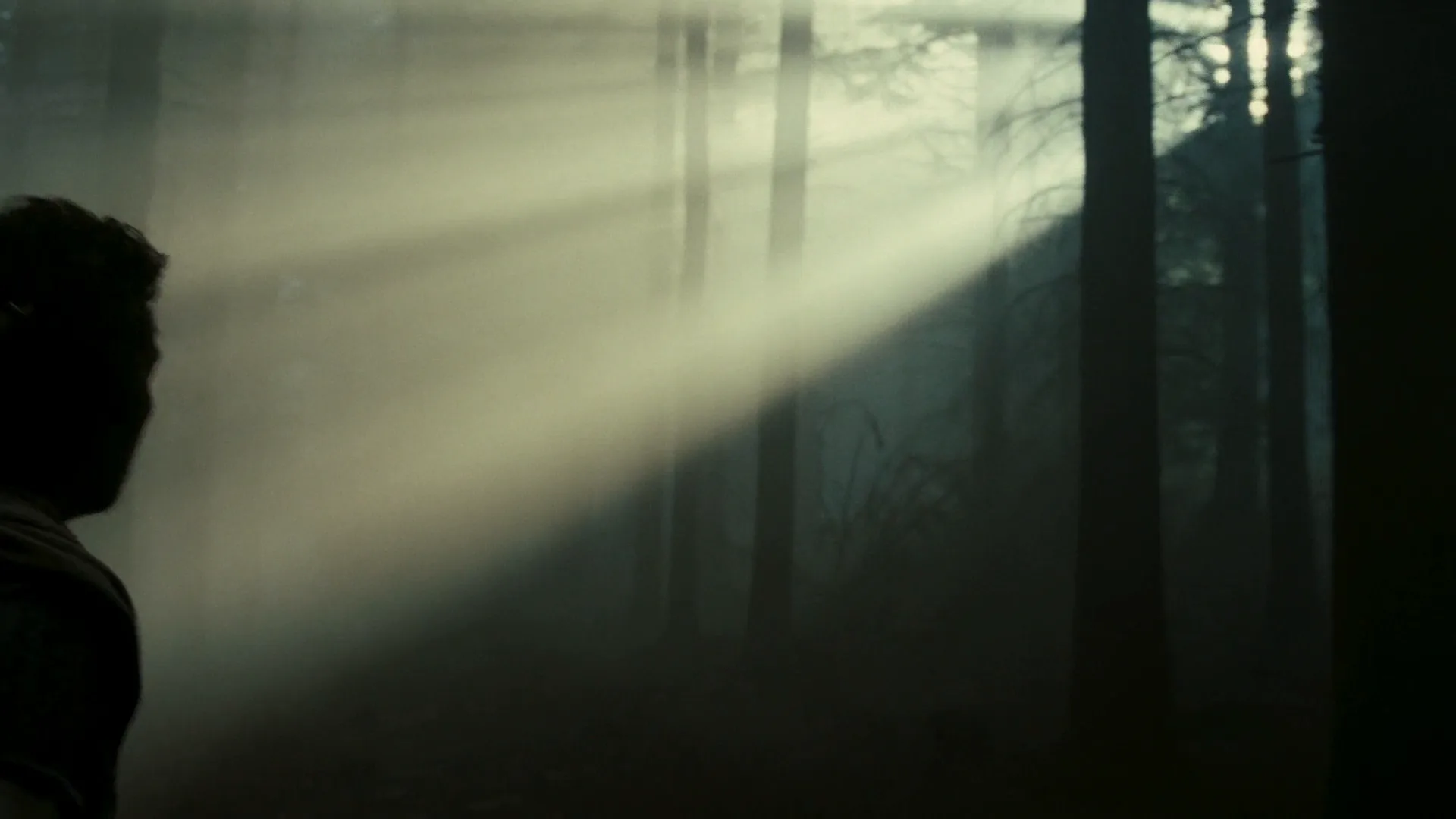
"output": "Full-screen live-action shot from Wrath of the Titans (2012), from its very first frame: one continuous handheld shot, no cuts. Deep pine forest in early morning, thick mist hanging between tall black trunks, low sun from the upper left cutting through the mist in hard diagonal shafts of pale gold light, everything under the canopy in deep blue-green shadow, the man seen only as a dark silhouette, desaturated teal and pale gold palette, fine 35mm film grain.",
"characters": {
"S1": {
"name": "Perseus, played by Sam Worthington",
"look": "broad-shouldered man, short dark curly hair, a pale rough-wool cloak draped over his left shoulder and down his back, a long weapon shaft strapped diagonally across his back from his right shoulder, worn leather tunic; seen from behind and in three-quarter profile, always a near-silhouette against the light",
"voice": "silence: he does not speak"
}
},
"shots": [
{
"shot": 1,
"camera": "handheld, chest height, 32mm lens. Opens on a wide, empty frame of black trunks and sunbeams; as S1 enters, pans left and tilts down to hold him, ending on a medium shot of S1 from behind in the right half of frame, his head and shoulders dark against the bright shafts",
"action": [
"BEGINNING: alive from the first frame, bright shafts of sunlight already slant down from the upper left through drifting mist between black tree trunks; the forest is empty and the mist rolls slowly through the beams.",
"THEN: the dark back of S1's head and his cloaked shoulder enter very close to the lens at the left edge of frame; the camera starts to pan left and tilt down to hold him.",
"THEN: S1 fills the left third, back to the camera, and turns his head to the right, his profile a black edge against the brightest beam; his hands stay low and out of sight.",
"THEN: he walks slowly away from the camera into the mist while the pan carries him toward the centre of frame.",
"END: S1 stands in the right half of frame, back to us, head turned slightly right toward the light, the cloak hanging still, mist drifting through the glowing shafts around him."
],
"voice": "silence: nobody speaks in this shot, no voice at all",
"dialogue": []
}
],
"sound": {
"ambience": "quiet forest morning, faint distant birdsong, soft creak of branches, S1's slow footsteps on dry needles and the rustle of his cloak",
"speech": "no words in this video; the only human sounds are breaths and movement",
"never_spoken": "no narration and no voice-over: the descriptions, performance notes and step words of this prompt are never spoken aloud",
"music": "a film score under the scene, always below the voices: a low sustained string drone with a faint, uneasy choir swelling slowly",
"subtitles": "none"
}
}Remakes the misty forest shot from Wrath of the Titans (2012): the prompt carries over the diagonal sun shafts through haze, the handheld pan left as Perseus enters close to the lens, and his slow walk away into the light, with no words spoken.
The output line names the film and puts the air first: thick mist, one low sun and hard shafts of light. The forest stays empty for a beat before Perseus enters, and keeping him a silhouette with only a low string score underneath lets haze and light carry the mood.
Common mistakes
- "Atmospheric" alone gives generic fog. Name the weather and its light source.
- Invisible rain. Say "backlit by" and give a dark background.
- Too much haze erases faces. Ask for "thin haze" and one hard source.
- Frozen weather in video. State that rain or dust is already moving.
Keep the reference frames, prompts and every generated take side by side — images and video in one canvas.
FAQ
5 questionsWhat is atmosphere in film?
Atmosphere in film is the sensory mood of a movie's world: how a place looks, sounds and seems to feel. It comes from light, weather, haze or dust, color, production design, sound and the rhythm of the edit. The audience feels it before the story explains anything.
How do you create atmosphere in film?
Start with one sentence describing the feeling, then build it in layers: low-key motivated light, backlit rain, haze or dust, a palette of two or three hues, recorded ambience and room tone, and shots held a little longer so viewers can take in the space.
What is the difference between mood and atmosphere in film?
Filmmakers use them almost interchangeably. When a distinction is made, atmosphere is the physical, sensory quality of the world on screen, such as rain, darkness or heat, and mood is the emotion it produces in the viewer, such as dread or longing.
What makes a movie atmospheric?
An atmospheric movie lets its world carry emotion alongside the plot: weather, light, sound and texture are consistent, and the edit gives them time. In Blade Runner (1982) or In the Mood for Love (2000), you know how each place feels even without the dialogue.
Is atmosphere the same as tone in film?
No. Tone is the attitude a film takes toward its story: serious, ironic, comic or bleak. Atmosphere is the sensory quality of its world: wet, dusty, cramped or empty. A rainy, flickering motel can host a horror scene or a dark comedy with the same atmosphere.
Related terms
6- SettingStorytelling
Setting is where and when a story takes place — period, location, social world — and in film it's made concrete by locations, production design and light.
- HazeLighting
Haze is a fine artificial smoke pumped onto the set so light becomes visible: beams and shafts appear, contrast drops and the background recedes into a soft, atmospheric glow.
- Production DesignProduction Design
Production design is the creation of the entire physical world of a film — locations, sets, props, colors and textures — led by the production designer together with the director and cinematographer.
- Sound in FilmSound & Music
Sound in film covers everything the audience hears — dialogue, effects, Foley, ambience and music — recorded, designed and mixed to build space, emotion and rhythm.
- Color PaletteColor
A film's color palette is the limited set of colors that dominates its images — in sets, costumes, light and grade — chosen to give the film a coherent look and emotional temperature.
- Pacing in FilmEditing
Pacing is how fast a film feels to the viewer — set by shot length, how much happens per scene and how long the edit lets moments breathe.
Further reading
Blain Brown, Cinematography: Theory and Practice (Routledge) — chapters on lighting and visual mood. Walter Murch, In the Blink of an Eye (Silman-James Press) — on rhythm and emotion in the edit.