 FlashBoards Learn
Editing · Film language
Movie Trailer
Also called: trailer, teaser trailer, trailer editing, trailer cut
A movie trailer is a one-to-three-minute promotional cut of a film's strongest moments, usually built as a mini three-act structure: setup, escalation and a final button. Picture, music and sound design work together to sell the film's tone and central question without giving away how it ends.
- What it does
- Sells a film's world, tone and central question in about two minutes.
- Use it when
- Launching a film, pitching a project, or testing whether a story's hook actually lands.
- Watch out
- Spoilers, and trailers that sell a different genre than the film delivers.
- Try this prompt
Trailer hero shot, lone figure at a lighthouse rail at stormy dusk, wide from slightly below, 40mm, cold blue light, clean sky for a title card
What is a movie trailer?
A trailer is the film's own advertisement, cut from its footage. The name dates from early cinema, when these reels ran after the feature. A campaign usually includes a short teaser, one or two theatrical trailers of about two to two and a half minutes, and 15–30 second spots.
It sits between film editing and film marketing. The craft is the same, but the goal differs: a film cut tells the story, a trailer makes you need it — so lines can move out of order and rhythm comes from the music.
What is the structure of a trailer?
Most trailers follow a compressed three-act shape:
- Setup (30–45 s). The world and the lead in their ordinary state: shots held two to four seconds, sparse music, dialogue carrying the premise.
- Turn and escalation (45–60 s). The inciting event lands, often on a smash cut or a drop to silence. The score shifts gear and cuts shorten.
- Climax montage and button (30–45 s). A rapid montage of the biggest images cut to the music's hits, then the title card and a button: one last short beat — a joke, a scare, a line.
The pacing curve is the design: calm, pressure, release.
Why trailers work: sound first, picture second
The cut is usually built on the soundtrack. Music sets the genre promise in the first bar, risers and low hits punctuate the picture, and a two-second silence before the last hit makes the final image land twice as hard. Endlessly rising scores often borrow the Shepard tone illusion.
The 2011 teaser for The Girl with the Dragon Tattoo, cut to a thrashing cover of "Immigrant Song," sells a mood far more than a plot. The Inception (2010) campaign made its huge brass blasts so recognizable that imitations spread through action trailers for years.
How to make a movie trailer, step by step
- Log the film. Mark lines and images that work out of context: a strong look, a graphic frame, a line that states the premise.
- Write the spine. One sentence of premise, one of mood — your tagline.
- Choose the music first. Pick a track with a clear three-part build, map its hits and drops, and clear the rights early.
- Build a dialogue radio cut. If the story reads on audio alone, picture will follow.
- Lay picture and accelerate. Hold shots early, shorten them act by act, cut hardest on the hits.
- Sound design. Risers, impacts and one deliberate silence; duck music under key lines.
- Cards and button. Two or three short text cards, title after the climax, then the button and release card.
Keep it near two minutes, and never spoil the ending.
Teaser vs. trailer
A teaser runs roughly 30 to 90 seconds, often months before release, and sells a mood and one hook — sometimes just a few images, a title and a date. A trailer lays out the premise, characters, conflict and a taste of the set pieces in the full three-act shape.
Movie Trailer examples in film
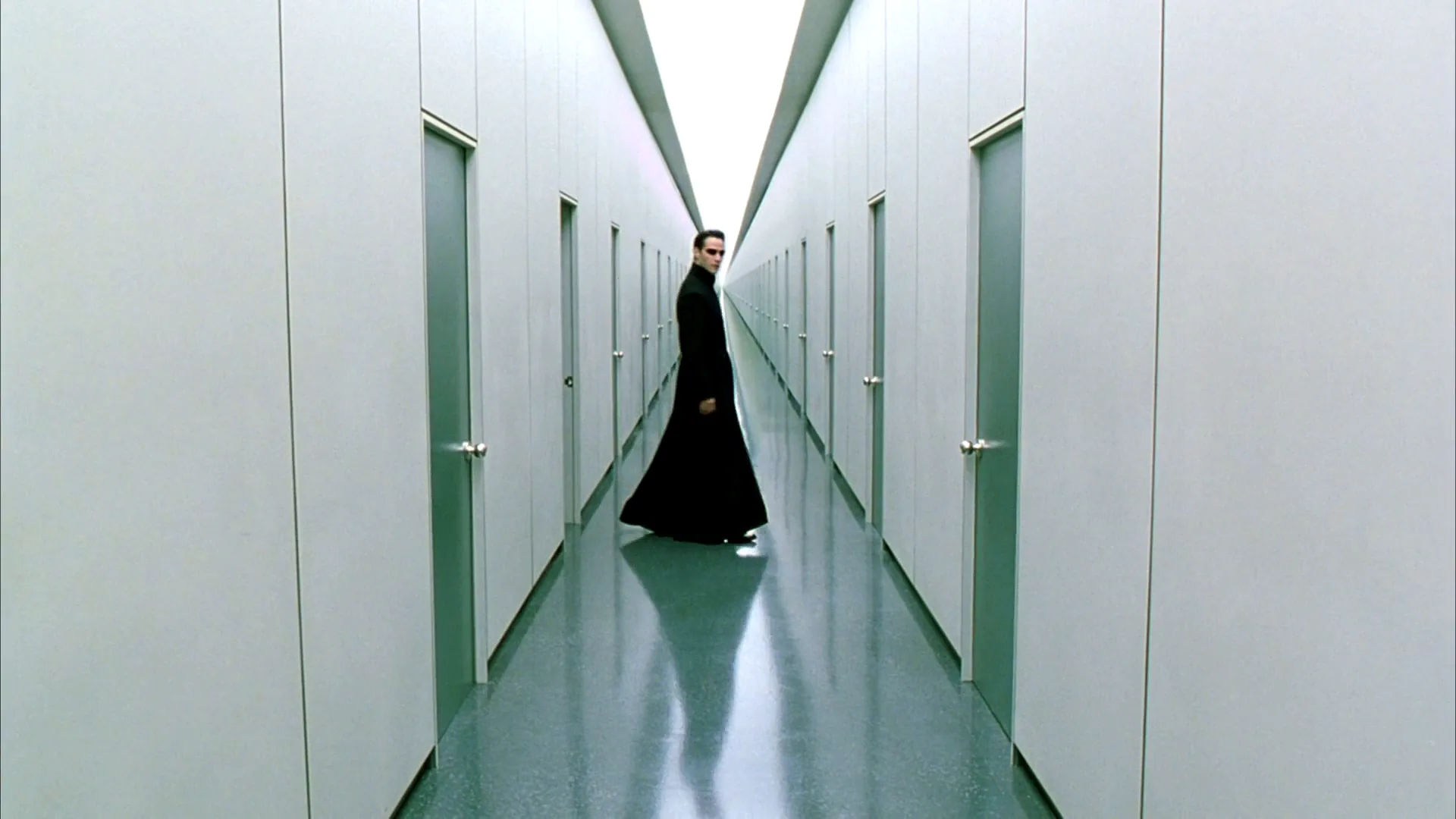
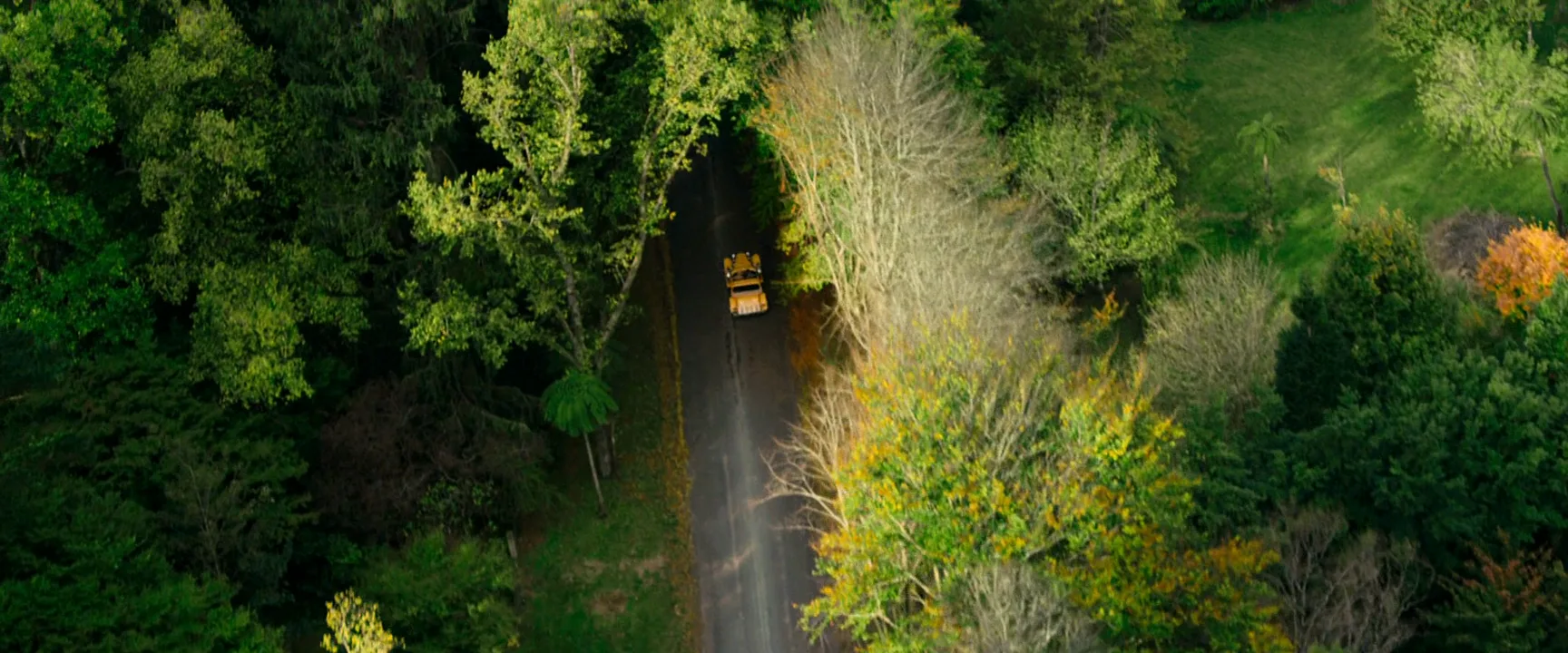
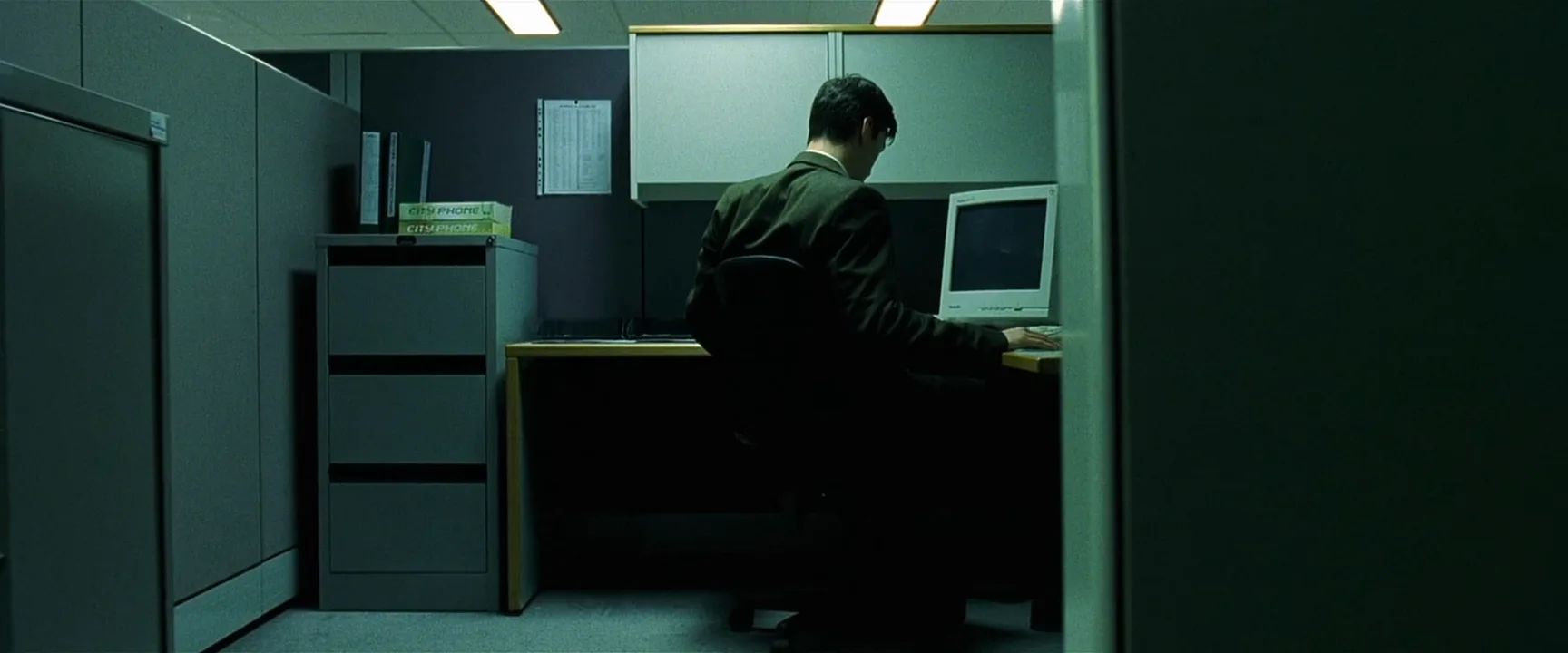
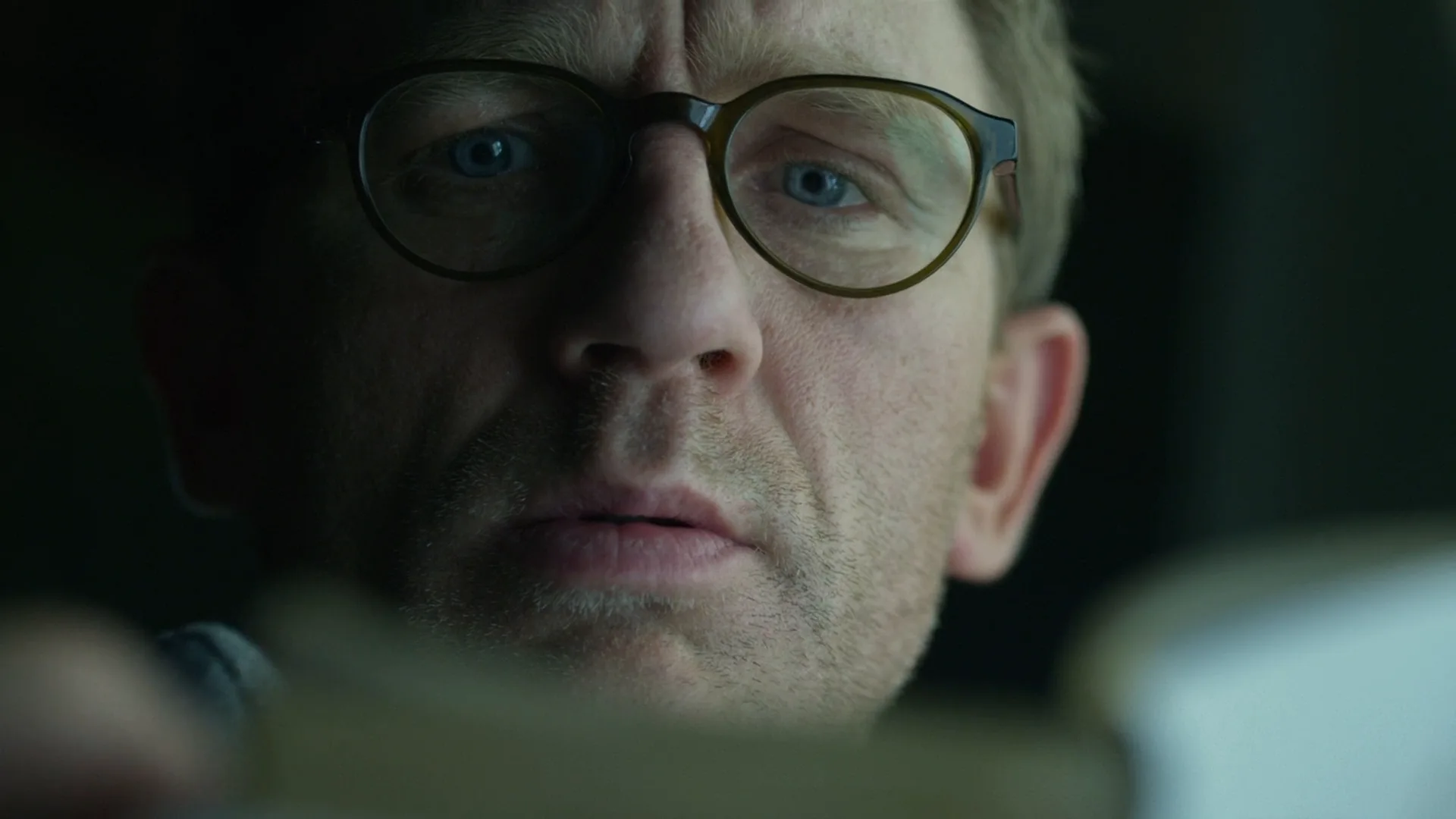
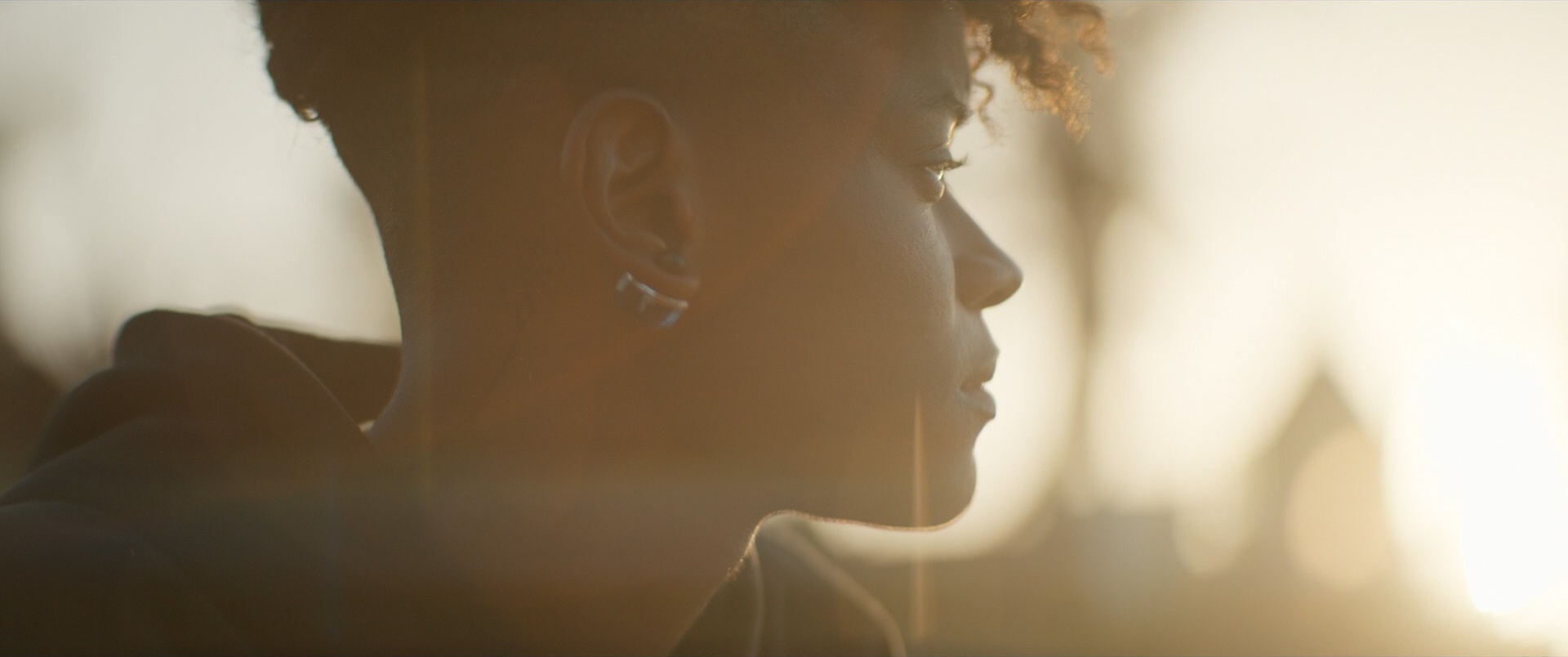
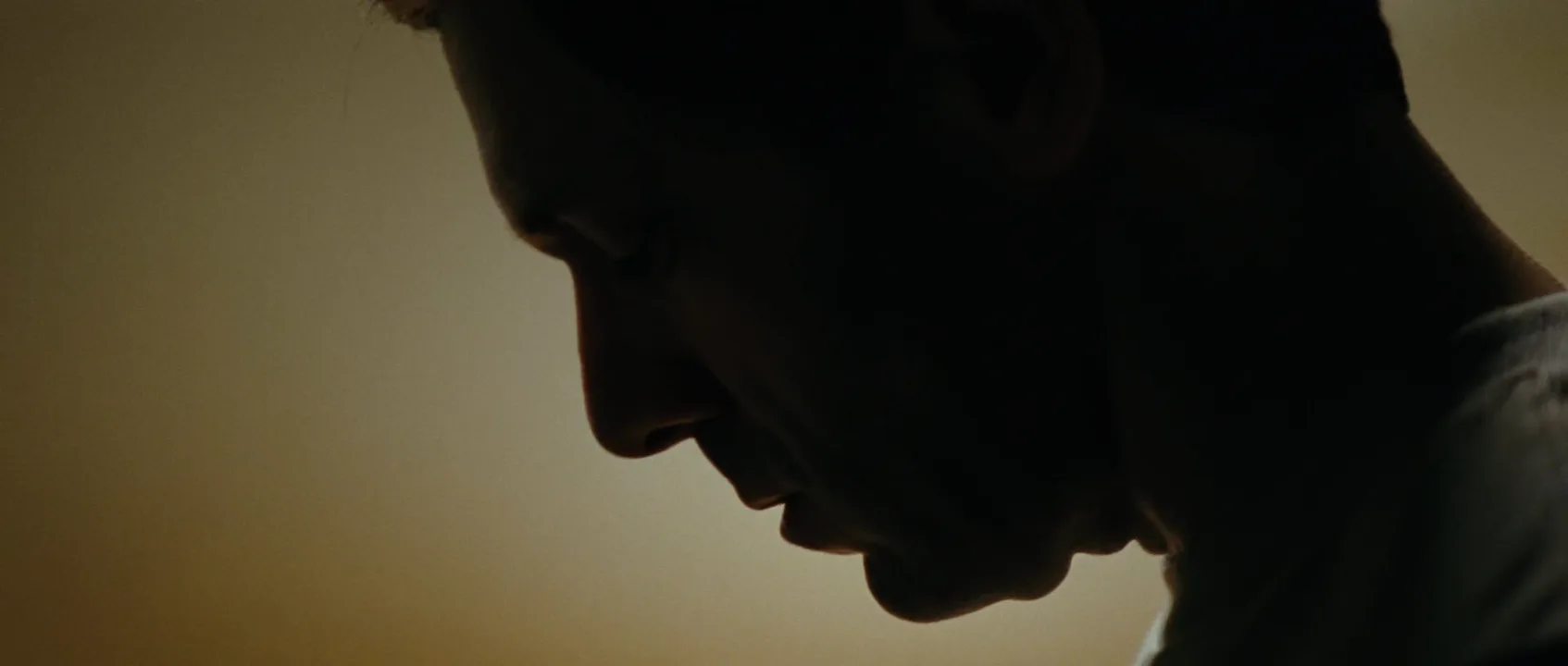
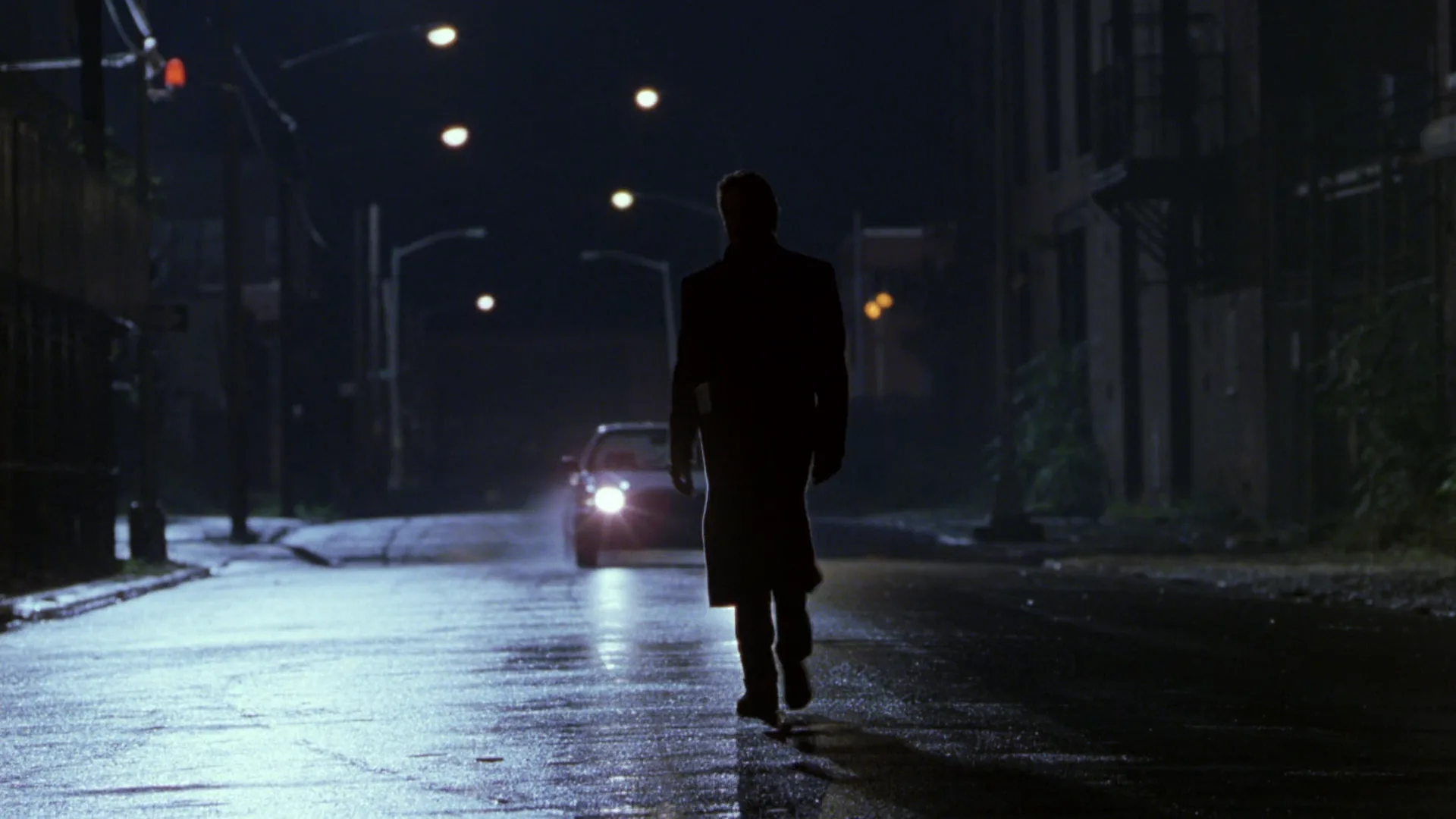
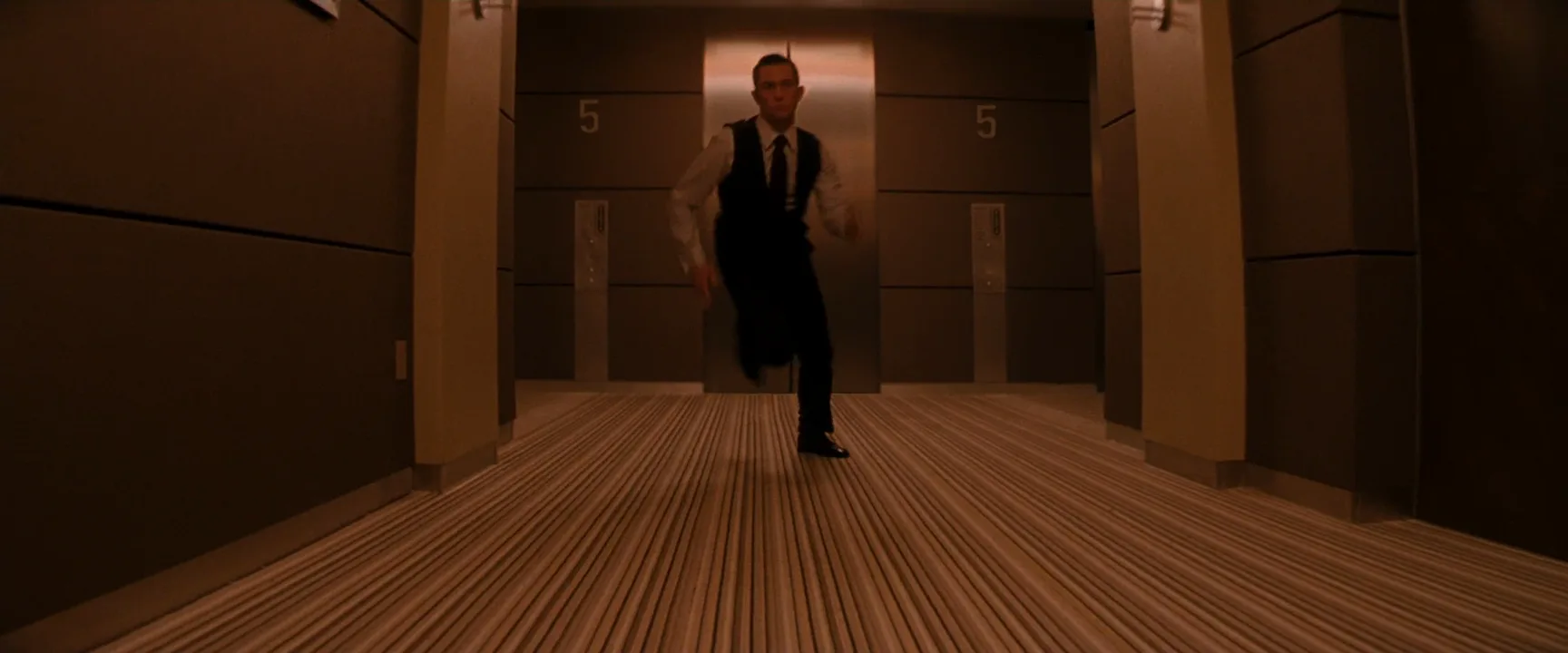
8 framesTrailer editors hunt for frames that read in a second: a graphic silhouette, a lone figure, a face mid-thought.
How to create a movie trailer with AI
4 promptsAI lets you cut a proof-of-concept trailer before anything is shot: generate hero frames, animate the ones that need motion and lay them out in act order. In FlashBoards the references, takes and beat list share one board, so weak beats are easy to spot and swap. The fourth prompt re-shoots a real film shot from a text description alone, and the original plays next to the result so you can compare.
Trailer hero shot for a coastal thriller: a fictional lighthouse keeper, a broad-shouldered woman in her fifties with cropped silver hair, a crooked nose and a faded anchor tattoo on her forearm, yellow oilskin coat, gripping the gallery rail at dusk, storm clouds over a black sea, the lamp beam sweeping above her, wide shot from slightly below, 40mm anamorphic lens, cold blue dusk with the lamp as the only warm light, clean dark sky in the upper third for a title card, film grain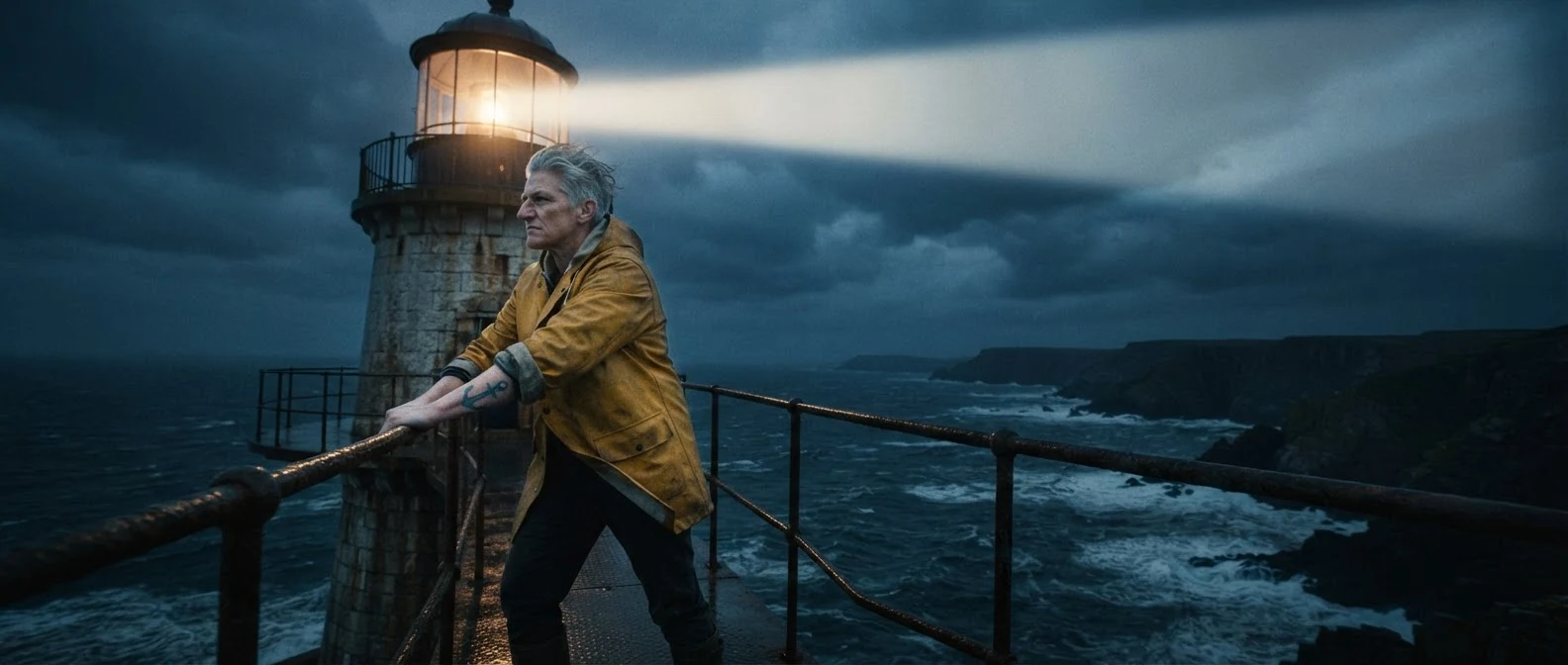
"Trailer hero shot" and "clean dark sky in the upper third" give a poster-like frame with room for a card. The crooked nose, silver crop and tattoo keep the keeper fictional and repeatable. The low wide angle and single warm lamp supply scale and contrast.
Open FlashBoardsSix-panel trailer beat board for a coastal thriller, two rows of three widescreen frames with thin white gutters. Panel 1: aerial of a lone lighthouse on a rock at calm sunset. Panel 2: a broad-shouldered woman in her fifties with cropped silver hair and a yellow oilskin coat pouring tea in a small kitchen. Panel 3: the same woman frozen at a window, a red flare burning far out at sea. Panel 4: black card with white condensed text "SOMEONE IS STILL OUT THERE". Panel 5: the woman climbing a spiral staircase with a lantern. Panel 6: title card "SALT LIGHT" in tall silver letters over the lighthouse in a storm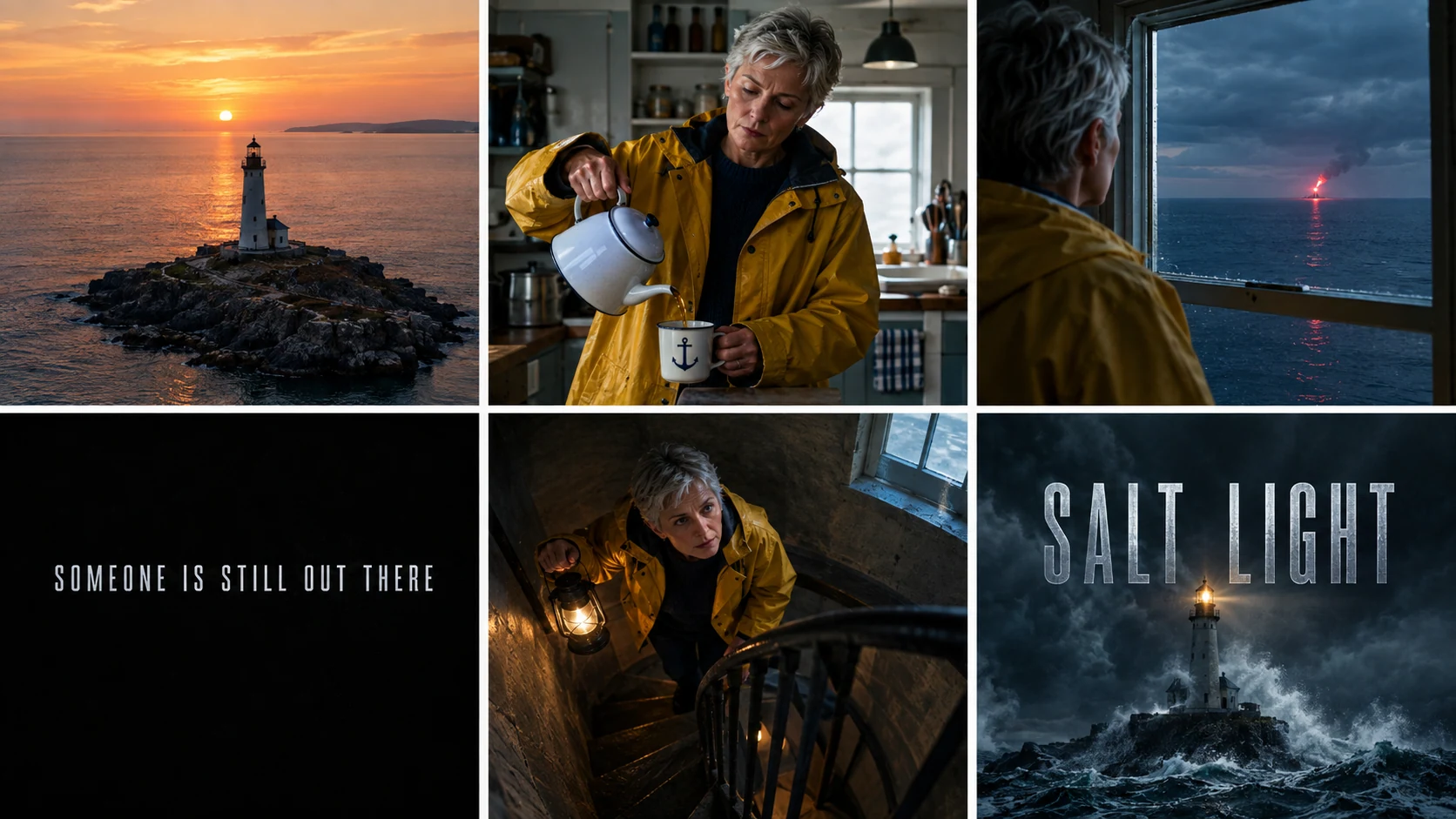
One image holds the whole arc: calm panels, the turn in panel 3, a card, escalation, title. Quoted text gives exact words to letter.
Open FlashBoardsCamera: slow steady push in from the wide toward the keeper, ending on a medium-wide of her and the lamp. Action: The lamp beam is already sweeping the storm clouds and rain streaks through it. The keeper tightens her grip on the rail and turns her head toward the sea. The rain grows heavier, the beam passes over her face, and she steps back from the rail.Beam and rain move from the first frame, so the clip is alive at once. The push has a direction and an end point, and the action — a head turn, a step back — is the kind of small beat a trailer cuts on.
Open FlashBoards{
"output": "Full-screen live-action night exterior from A Perfect Murder (1998), from its very first frame: one continuous wide shot, no cuts. 1990s 35mm thriller look, cold blue-white palette, deep black shadows. A long straight city street after a downpour, the asphalt wet and mirror-bright, two rows of tall white streetlamps receding into the distance, one amber lamp far off on the right, a small red traffic signal hanging high in the top-left corner, dark brick buildings and bare trees along both sides.",
"characters": {
"S1": {
"name": "the man in the overcoat, a character from A Perfect Murder (1998), seen only as a silhouette",
"look": "tall, slim, swept-back hair, dark ankle-length overcoat hanging open, dark trousers; backlit so hard that no face or detail is visible, only a black cutout with a thin cold rim of light on shoulders and hair",
"voice": "silent"
}
},
"shots": [
{
"shot": 1,
"camera": "wide shot from eye level, standing in the road, long lens that compresses the street; one slow steady pan to the left from the first frame to the last, no push-in, no tilt; S1 full figure the whole time, head in the upper third, the road and his shadow filling the lower third",
"action": [
"BEGINNING: alive from the first frame, S1 already walking straight toward the camera down the middle of the wet road, just right of frame centre, both arms hanging close to his body, coat hem swinging at his shins; a dark red sedan far behind him in the left third of frame, both headlights on, their glare streaking across the wet asphalt.",
"THEN: S1 keeps the same slow, even stride, one step after another, head level, facing the lens; the camera pans left, so he drifts toward frame centre while the sedan creeps closer behind him and slides from the left of frame in behind his body, a fine mist lifting off its tires.",
"THEN: the headlights pass directly behind his legs and coat; for a moment the glare rims his whole outline and his long shadow stretches toward the camera across the shining road.",
"END: S1 is just left of frame centre, still walking toward us, left arm swinging slightly forward; the sedan, larger now, sits in the right half of frame, just beside and behind him, both headlights blazing, turning him into a sharp black cutout against the white glare and its reflections."
],
"voice": "silence: nobody speaks in this shot, no voice at all",
"dialogue": []
}
],
"sound": {
"ambience": "tires hissing on wet asphalt, a low car engine slowly approaching, slow heavy footsteps on the wet road, a faint distant city hum",
"speech": "no words in this video; the only human sounds are breaths and movement",
"never_spoken": "no narration and no voice-over: the descriptions, performance notes and step words of this prompt are never spoken aloud",
"music": "a film score under the scene, always below the voices: a low sustained cello drone with a slow muffled heartbeat drum, dark and suspenseful",
"subtitles": "none"
}
}Remakes the wet-street night walk from A Perfect Murder (1998): the prompt carries over the slow left pan, the silhouette in a long open coat walking toward the lens and the red sedan's headlights sliding from frame left to right behind him.
The whole trailer beat is one line of action: a silhouette walking at us while headlights slide in behind him. Naming the pan direction, where the car starts and where it ends, and a score that stays under the silence gives the model a clear end frame and a mood without a single word spoken.
Open FlashBoardsCommon mistakes
- Every shot looks alike. Vary lens and framing: aerial, low wide, close-up, silhouette.
- The character drifts. Repeat the same features word for word in every prompt.
- Garbled cards. Keep text short and quoted.
- Static video. Open the action line with something already moving.
Keep the reference frames, prompts and every generated take side by side — images and video in one canvas.
FAQ
4 questionsHow long should a movie trailer be?
Most theatrical trailers run about two to two and a half minutes. Teasers are usually 30 to 90 seconds, TV and social spots 15 to 30. For an indie film or a pitch, aim for 90 seconds to two minutes: enough to set up the premise and escalate, short enough that every shot earns its place.
What is the structure of a trailer?
A trailer is a three-act miniature. Act one sets up the world and lead with longer shots and sparse music. Act two brings the inciting event and raises the stakes as cuts shorten. Act three is a fast montage of the biggest images, then the title card and a short final beat called the button.
How do you edit a trailer?
Log every strong line and image, choose the music before cutting picture and map its hits and drops. Build the dialogue as an audio-only radio cut, lay picture over it and shorten shots act by act. Finish with a sound design pass and keep text cards to a minimum.
Can you make a movie trailer with AI?
Yes, especially as a proof of concept before shooting. Generate key frames with an image model, animate the ones that need motion with an image-to-video model, and cut them to music in any editor. Identical character descriptions across prompts make the shots feel like one film.
Related terms
6- Film MarketingFilm Industry
Film marketing builds awareness and want-to-see before release — trailers, posters, taglines, press, festivals, social media and paid media (P&A) — targeted at the audience the film can realistically reach.
- TaglineFilm Industry
A tagline is the short, catchy line on a poster or trailer that sells a film's mood or hook — Alien's 'In space no one can hear you scream'; unlike a logline, it doesn't summarize the plot.
- Pacing in FilmEditing
Pacing is how fast a film feels to the viewer — set by shot length, how much happens per scene and how long the edit lets moments breathe.
- Shepard ToneSound & Music
The Shepard tone is an auditory illusion of layered tones an octave apart that seems to rise (or fall) forever, used in scores to build unrelenting tension.
- MontageEditing
A montage is a sequence of short shots, usually set to music, that compresses time or builds an idea — weeks of training, a relationship, a city waking up — in a minute or two.
- Film EditingEditing
Film editing is the selection and ordering of shots — where each one starts, ends and what follows it — to build continuity, rhythm and meaning out of the raw footage.
Further reading
Walter Murch, In the Blink of an Eye (Silman-James Press) — on rhythm and why cuts land. Vinnie LoBrutto, The Art of Motion Picture Editing (Allworth Press).