 FlashBoards Learn
Genres · Film language
Chick Flick
Also called: women's film, romantic comedy for women
Chick flick is an informal, often dismissive label for films marketed mainly to women: romantic comedies and dramas about love, friendship and a heroine working out who she is. The films put a woman's point of view at the center and promise warmth, wit and an emotional payoff.
- What it does
- Builds the story around a heroine's inner life, her friendships and her romance, and invites the audience to feel along with her.
- Use it when
- Your story is carried by a woman's choices and relationships, and you want warmth, humor and a satisfying emotional release.
- Watch out
- The label flattens very different films; lean on clichés alone and the heroine turns into a shopping list of tropes.
- Try this prompt
Two best friends laughing on a sunlit apartment floor among open takeout boxes, medium two-shot, soft window light, warm pastel palette, 50mm
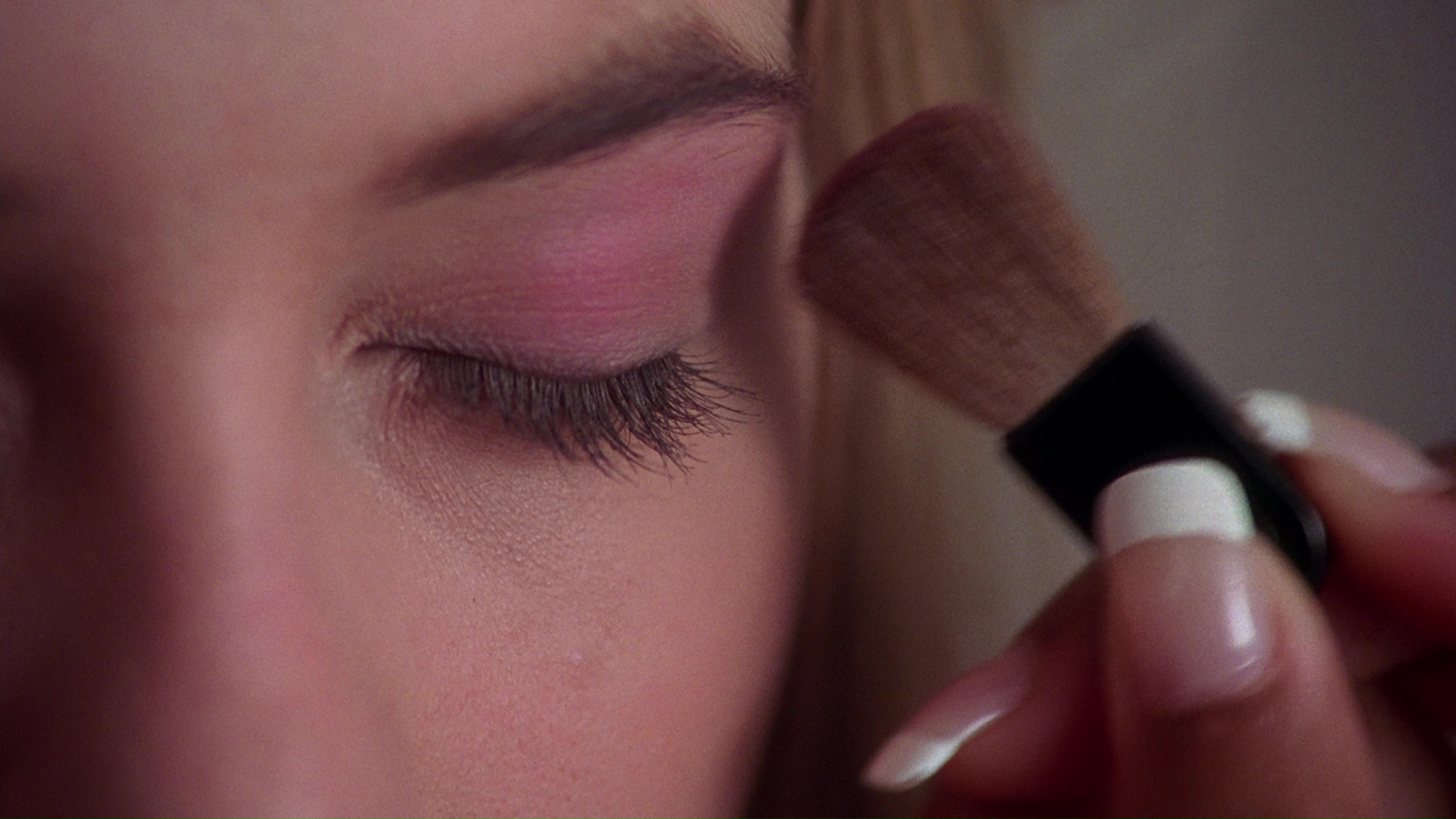
What is a chick flick?
A chick flick is less a genre than a marketing category. The term spread in the late 1980s and 1990s as a way to group films by who buys the tickets, not by what happens on screen. Romantic comedies, friendship dramas, tearjerkers and makeover comedies all land under it, which makes it an odd member of the film genres family.
The idea is older than the slang. Studio-era Hollywood made the "woman's picture", such as Stella Dallas (1937) and Now, Voyager (1942): melodramas about sacrifice and self-invention built around one star. Modern examples include Pretty Woman (1990), Clueless (1995), Notting Hill (1999), Legally Blonde (2001) and The Notebook (2004).
What makes a movie a chick flick?
No single element decides it, but most films sold this way share several of these:
- A heroine's point of view. The camera stays with her: what she wants, what she hides, how she sees the men around her.
- Friendship as a second love story. The best friend or the ensemble of women (Steel Magnolias, Bridesmaids) matters as much as the romance.
- Familiar romantic beats. The meet cute, the wrong partner, the grand gesture: classic romance tropes the audience enjoys seeing arrive.
- Transformation. Clueless and Pretty Woman both turn a change of clothes into a change of status.
- Emotional payoff. A reunion or a good cry. The ending is built to be felt, not debated.
Why is "chick flick" a controversial term?
The label sounds light, and it is often used to dismiss a film before anyone has seen it. Action films aimed at men get no equivalent tag. It describes an audience, not a quality level, and it lumps serious dramas together with broad comedies.
Bridesmaids (2011) shows the problem: it was sold as a women's comedy, yet its humor is gross-out and physical, closer to the male ensemble comedies of its time. The practical lesson: decide what your film actually is (romantic comedy, friendship drama, comedy of manners) and design for that, not for the label.
How to shoot a chick flick
- Light. High-key lighting from large diffused sources (a 4x4 or 8x8 frame, or bounce off white card) keeps faces soft and shadows open. Motivate it from windows and warm it slightly.
- Color. Pastels, creams, blush tones and one signature wardrobe color. Legally Blonde makes pink her identity; Clueless does the same with yellow plaid.
- Lenses. 50-85mm for close-ups at f/2-2.8, so backgrounds melt into warm highlights; light diffusion filtration flatters skin.
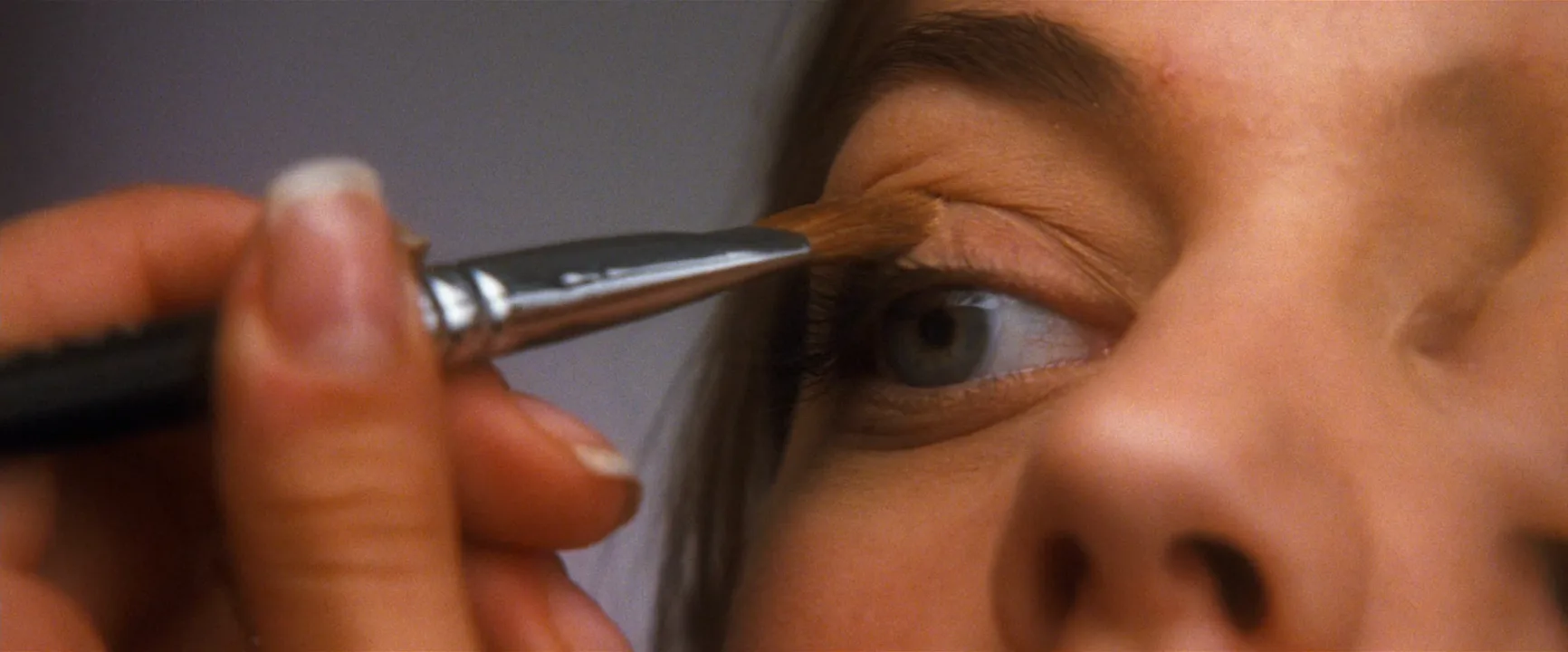
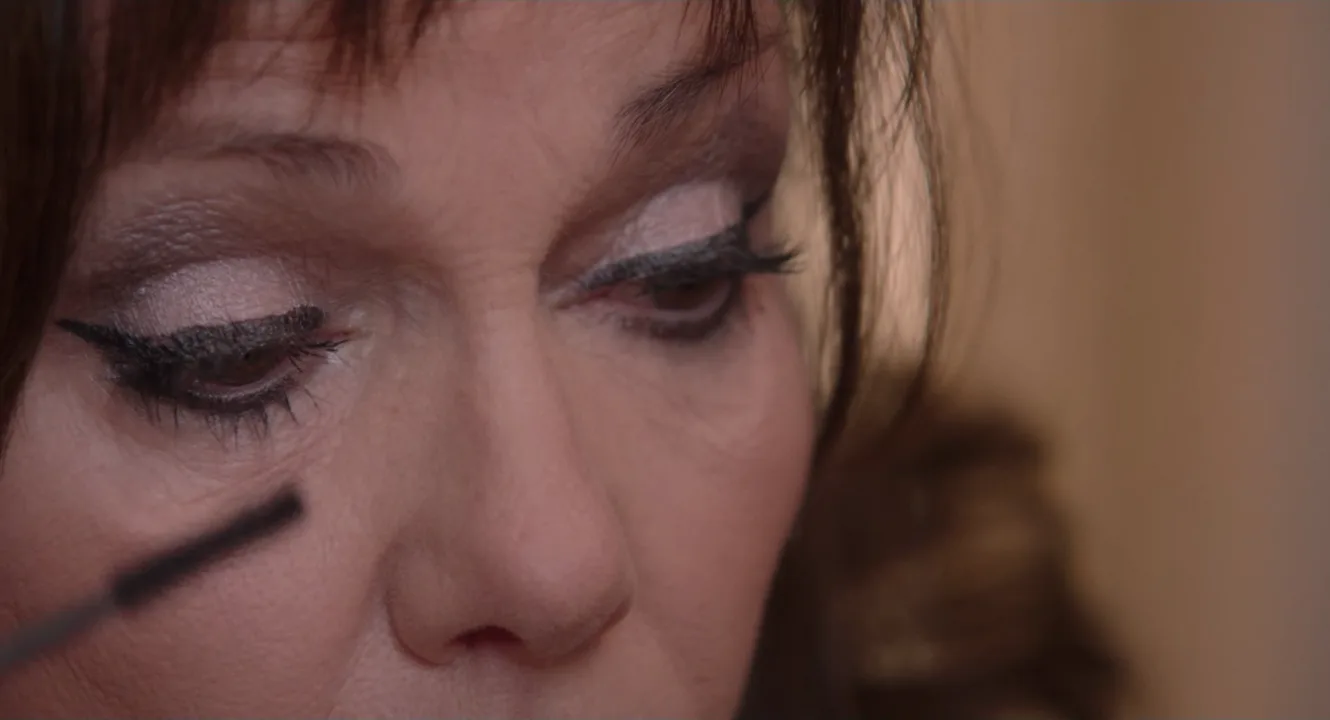
- Coverage. Two-shots for friends and couples, clean singles for confessions, and close inserts of private rituals: makeup, getting dressed, reading a letter.
- Editing. The makeover or dating montage cut to a pop song compresses weeks into a minute of visible change.
Chick flick vs. romantic comedy
A romantic comedy is a genre defined by story: two people meet, clash, part and end up together, played for laughs. A chick flick is a label defined by the expected audience. They overlap a lot. Notting Hill is both; Steel Magnolias is a chick flick but a drama about friendship and grief. If the story turns on who ends up with whom, it is a romantic comedy; if it turns on the heroine's life, the romance is one thread among several.
Chick Flick examples in film
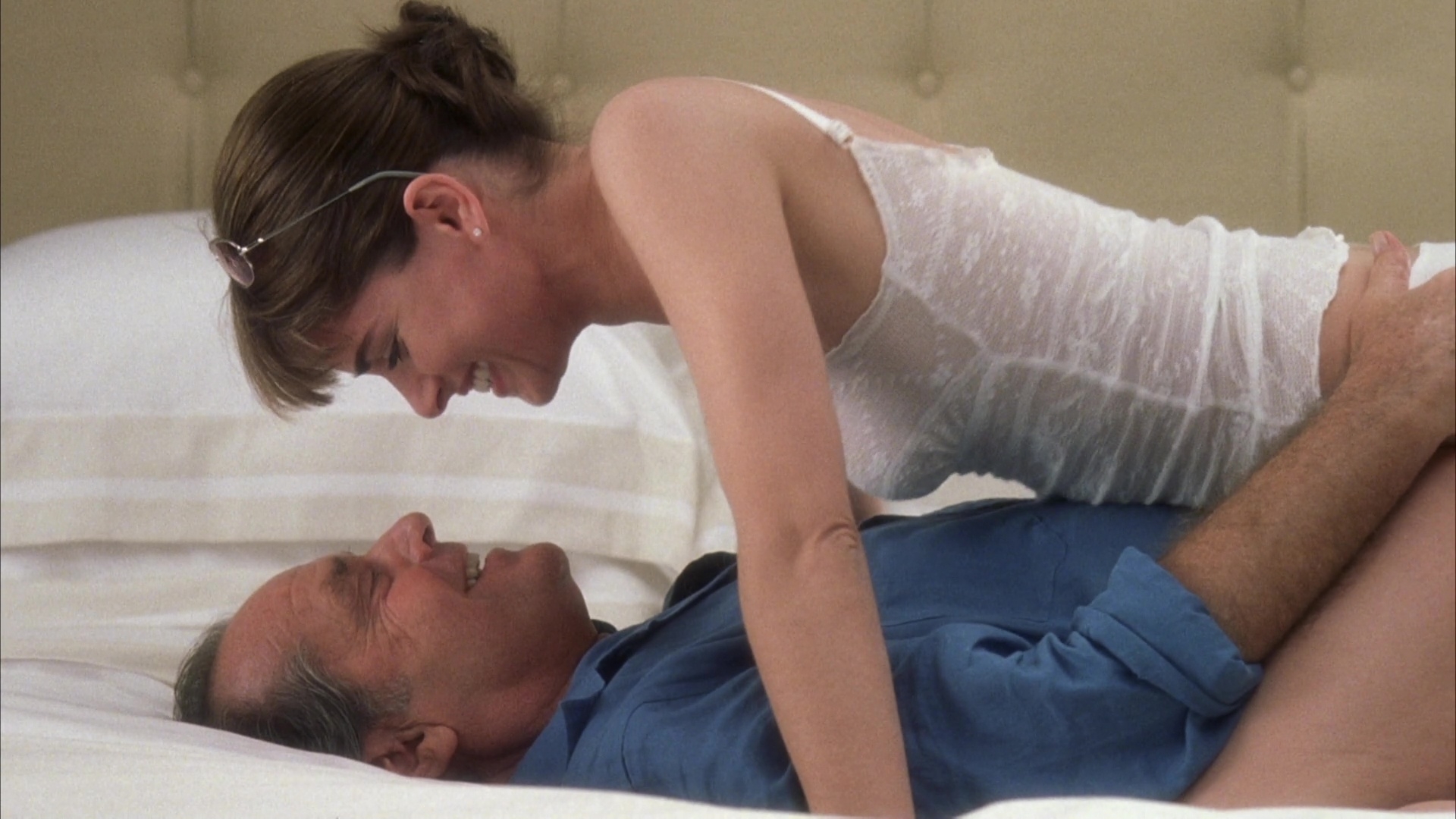
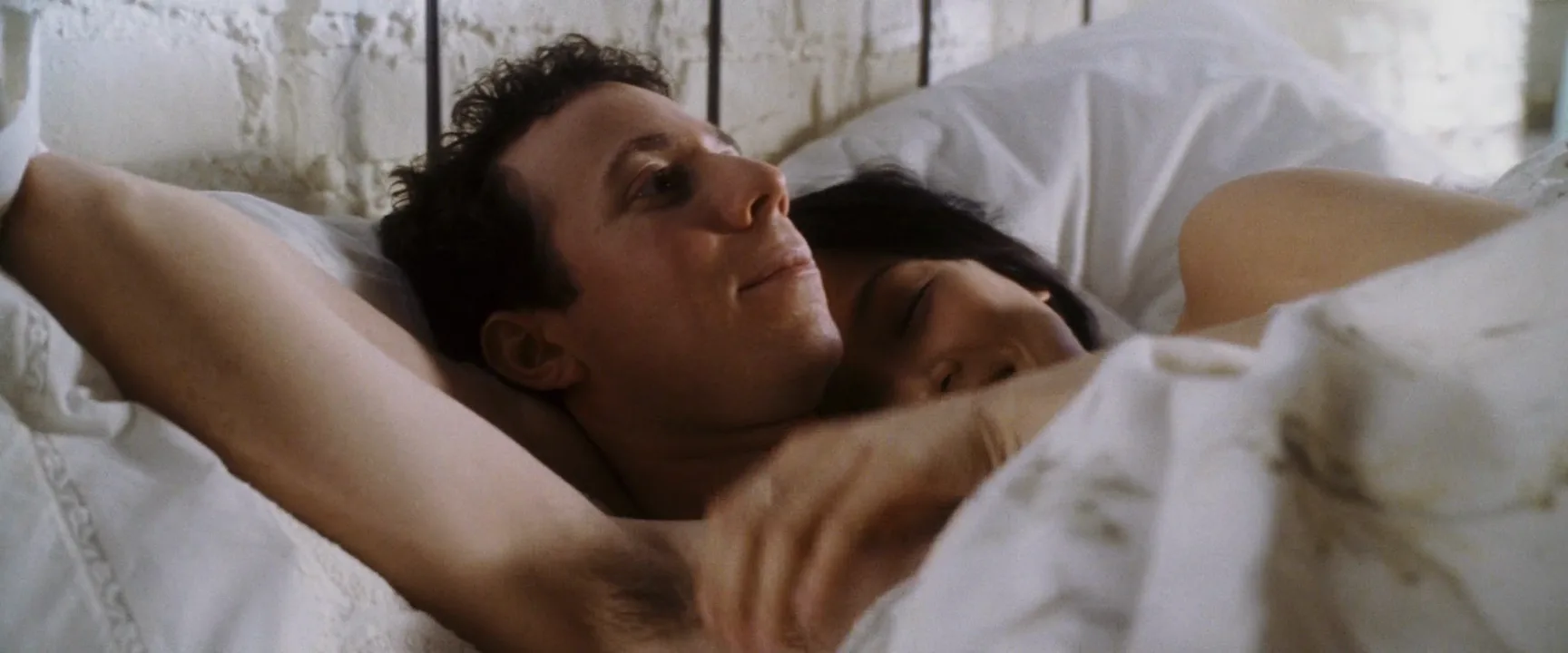
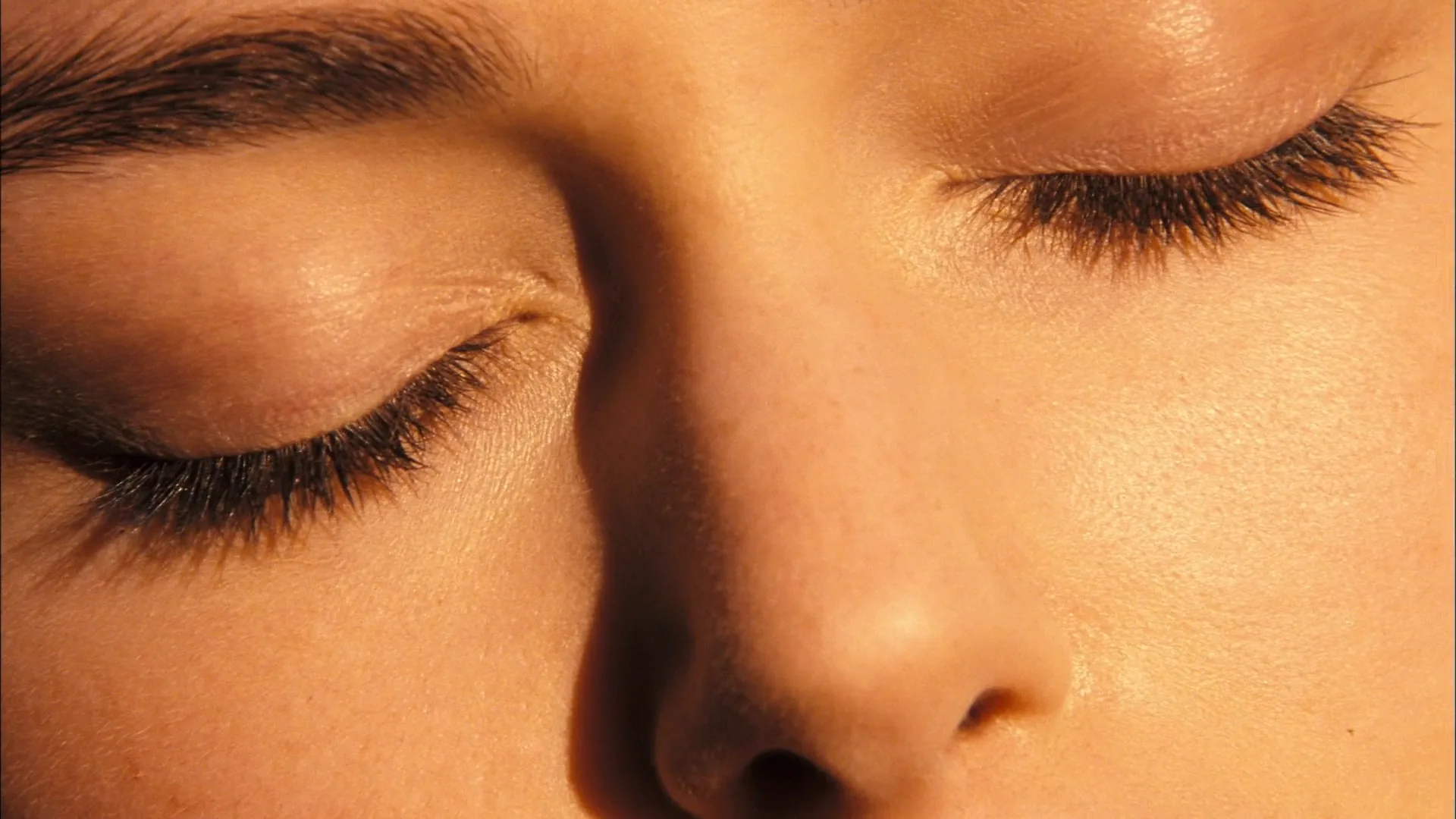
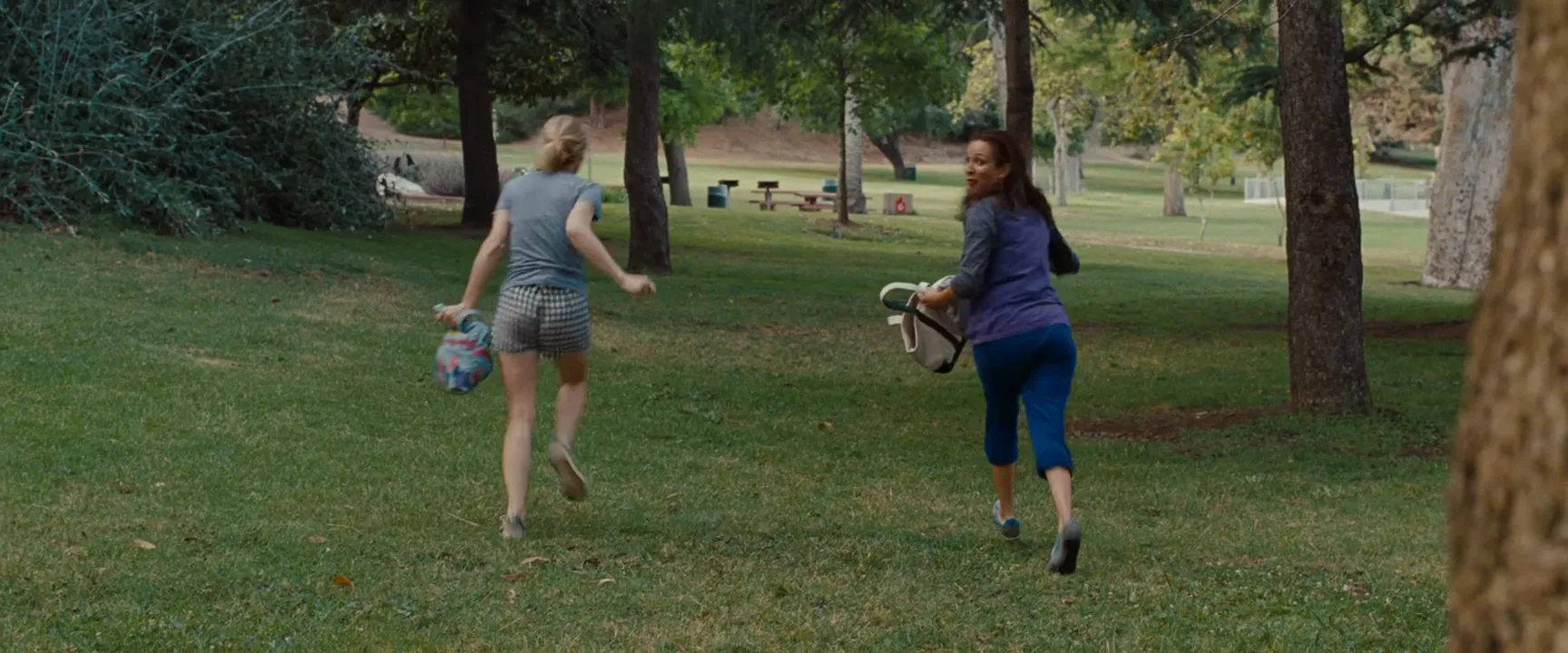
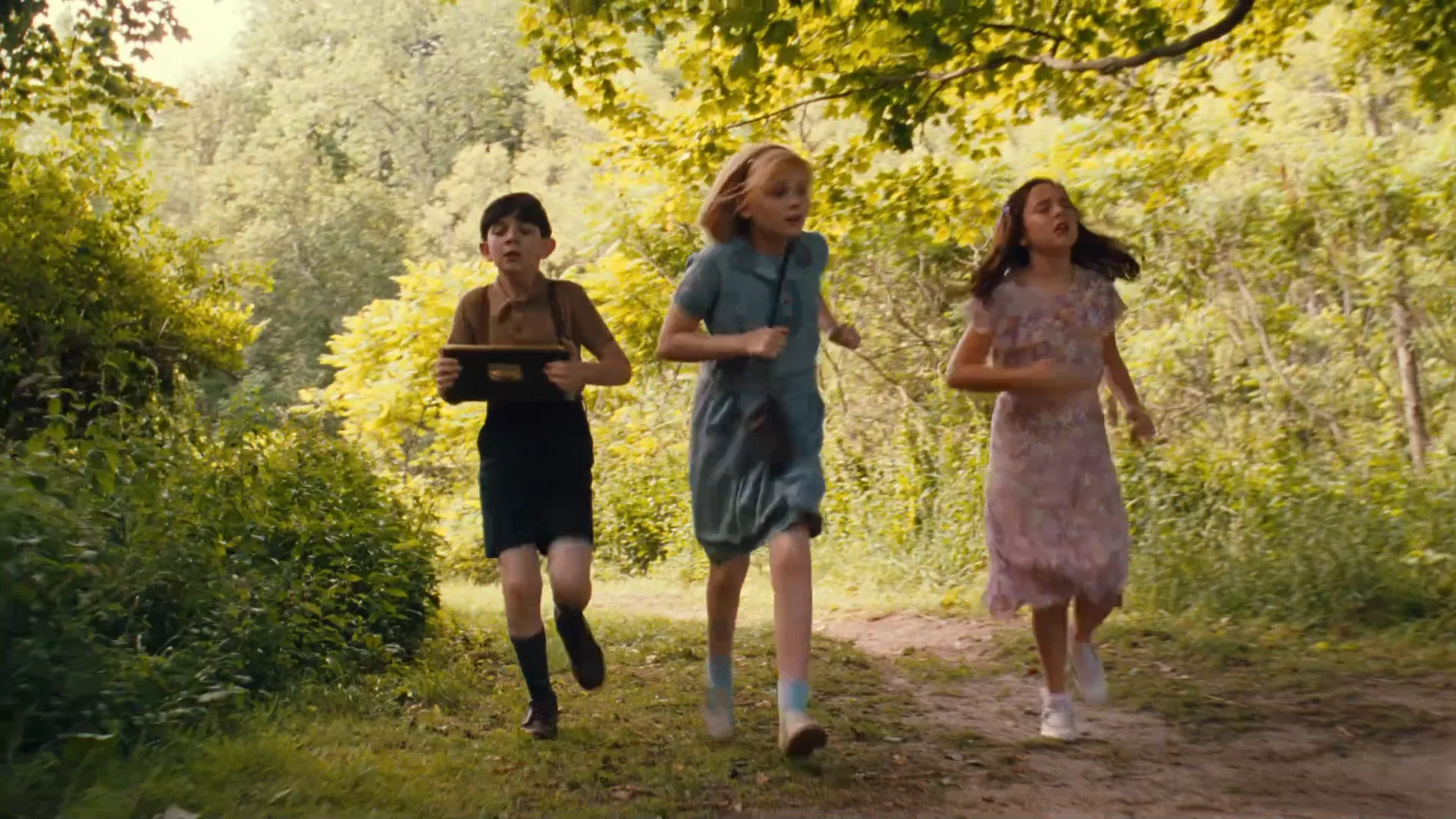
8 framesNotice how close the camera gets to private rituals, and how much of each image is soft light, pale fabric and warm skin.
How to create a chick flick with AI
4 promptsImage models drift toward glossy advertising unless you describe the relationship and the light. Make the women specific people, say what they do together, and ask for soft, warm, high-key light. Keep your heroine's references and every take on one FlashBoards board so her face and wardrobe stay consistent. The fourth prompt re-shoots a real film shot from a text description alone, and the original plays next to the result so you can compare.
Medium two-shot at eye level, 50mm lens, shallow depth of field: two best friends in their early thirties sit on the wooden floor of a sunlit apartment, backs against a cream sofa, laughing. Left: a tall woman with a platinum pixie cut, a gap in her front teeth and an oversized mustard cardigan, chopsticks in hand. Right: a round-faced woman with long dark box braids, gold hoops and lilac silk pajamas, head tipped back. Soft window light from the left, warm high-key exposure, pastel palette, film grain.
"Two best friends" and the shared floor set the relationship first. "Soft window light", "high-key" and "pastel palette" carry the genre's warm look; distinct hair and colors keep the women from turning into twins.
Open FlashBoardsWide shot, 35mm lens, eye level: a woman in her late twenties with pinned-up curly auburn hair, freckles and a pale pink trench coat stands in a rain-wet city crosswalk at golden hour, holding peonies, looking at a man across the street. He has a shaved head, a neat gray beard and a navy sweater, holding two paper coffee cups. Blurred yellow taxis behind, low sun backlighting her hair, blush and cream tones.
This take is the romance beat: the public grand gesture. "Golden hour" and "backlighting her hair" romanticize it, and the 21:9 frame keeps space between the two, so the distance tells the story.
Open FlashBoardsCamera: a slow, steady push-in at eye level from the medium two-shot to a closer two-shot, both women in frame throughout. Action: both friends are already laughing hard. The woman in the mustard cardigan drops her noodles into the box and covers her mouth. The woman in lilac pajamas wipes a tear from her eye, then leans over and rests her head on her friend's shoulder. They settle into a quiet smile."Already laughing hard" makes the shot alive from frame one. The action runs from loud to tender, the genre's emotional shape in six seconds, while the slow push-in keeps both women in frame.
Open FlashBoards{
"output": "Full-screen live-action scene from Bridesmaids (2011), from its very first frame: one continuous shot. Warm late-afternoon daylight in a wide suburban park, soft sun through tall pines onto a green lawn, picnic tables far back, a dark hedge upper left, 2010s 35mm comedy look, natural greens and warm skin tones, gentle film grain.",
"characters": {
"S1": {
"name": "Annie, played by Kristen Wiig",
"look": "slim, honey-blonde hair in a messy bun, heather-gray T-shirt, black-and-white gingham shorts, bare legs, a folded multicoloured patterned blanket in her left hand",
"voice": "breathless, anxious"
},
"S2": {
"name": "Lillian, played by Maya Rudolph",
"look": "long dark wavy hair, purple T-shirt over a gray long-sleeve top, navy capri leggings, a large white canvas tote bag in her left hand",
"voice": "warm, laughing, a bit sheepish"
},
"S3": {
"name": "Boot Camp Instructor, played by Terry Crews",
"look": "never seen: a big booming voice from off screen behind the camera",
"voice": "deep, loud, mock-outraged"
}
},
"shots": [
{
"shot": 1,
"camera": "low, close to the ground, locked off behind a thick pine trunk that fills the right edge of the frame, wide lens, deep focus; it opens on a medium shot of the two women crouched just left of the trunk and tilts up slowly and slightly as they run off, ending on a deep wide shot of the open lawn and the tree line",
"action": [
"BEGINNING: alive from the first frame, S2 crouches in the centre-right of frame just left of the trunk, looking down toward the lower left, both hands reaching down toward the lower left, a small guilty smile.",
"THEN: S1's blonde bun rises into frame from the lower left edge, back to the camera, and she leans across toward S2, head turned right to her.",
"THEN: S2 ducks low into the bottom-right corner beside the trunk, only her head showing, eyes wide, looking up at S1's face.",
"THEN: S2 pops up, eyebrows raised, mouth open in panic, eyes on S1; S1 stays hunched, back to the camera.",
"THEN: both push up to their feet at the same moment and turn away from the camera, S2's shoulder bumping S1's.",
"THEN: they sprint straight away from the camera across the grass, S1 in the left third with the blanket flapping in her left hand and both arms flung wide, S2 to her right with the tote swinging from her left hand and her right arm thrown out to the right; S2 shouts back over her shoulder without stopping.",
"THEN: they keep running side by side in a clumsy, high-kicking run, a gap of grass between them, shrinking under the pines.",
"END: two small figures far down the lawn between the tree trunks, still running side by side, the camera still low behind the trunk."
],
"dialogue": [
{
"speaker": "S1",
"on_screen": true,
"when": "as she leans in toward S2, near the start",
"delivery": "urgent whisper",
"line": "<d>[English] Is he coming?</d>"
},
{
"speaker": "S3",
"on_screen": false,
"when": "right after, as S2 pops up in panic",
"delivery": "booming shout from off screen",
"line": "<d>[English] I'm coming after you!</d>"
},
{
"speaker": "S2",
"on_screen": true,
"when": "as they break into the sprint, thrown back over her shoulder",
"delivery": "laughing, apologetic shout",
"line": "<d>[English] Sorry, Rodney. We're on a budget.</d>"
},
{
"speaker": "S3",
"on_screen": false,
"when": "while they run away across the lawn",
"delivery": "loud, exasperated, from off screen",
"line": "<d>[English] Oh, come on! It's only 12 bucks!</d>"
},
{
"speaker": "S1",
"on_screen": true,
"when": "near the end, as they grow small in the distance",
"delivery": "breathless, far away",
"line": "<d>[English] Oh, my God!</d>"
}
]
}
],
"sound": {
"ambience": "birdsong, a light breeze in the pines, feet thudding on grass, breathless laughter",
"speech": "exactly these spoken phrases, each said once, in this order",
"never_spoken": "no narration and no voice-over: the descriptions, performance notes and step words of this prompt are never spoken aloud",
"music": "a film score under the scene, always below the voices: bouncy comedic pizzicato strings with a light snare shuffle",
"subtitles": "none"
}
}Remakes the park shot from Bridesmaids (2011), where Annie and Lillian hide behind a pine and then flee a boot-camp class across the lawn; the prompt keeps the low trunk-framed camera, the film's exact dialogue and the side-by-side run into open daylight.
Naming Annie and Lillian with their actors fixes the pair, and the lines come verbatim from the film, including the instructor's off-screen shouts. The low locked-off camera behind the trunk and the step-by-step beats carry the key moment: a whispered panic, then both friends bolting together across a sunny lawn.
Open FlashBoardsCommon mistakes
- Models default to magazine glamour: perfect poses, nobody touching. Give the women a shared action.
- Two women in one prompt often come out identical. Vary age, hair, build and wardrobe color.
- "Romantic" alone yields candles and roses. Name the light (window light, golden hour) and the palette.
- In video, write emotion as action: "wipes a tear", not "they feel close".
Keep the reference frames, prompts and every generated take side by side — images and video in one canvas.
FAQ
4 questionsWhat is a chick flick?
A chick flick is an informal term for a film marketed mainly to women, usually a romantic comedy or a drama about love, friendship and self-discovery told from a heroine's point of view. It is a marketing label rather than a strict genre, often used dismissively. Typical examples: Pretty Woman and Notting Hill.
What are some classic chick flick movies?
Often-named titles include Steel Magnolias (1989), Pretty Woman (1990), Clueless (1995), Legally Blonde (2001), The Notebook (2004), The Devil Wears Prada (2006) and Bridesmaids (2011). They range from teen comedy to weepie, which shows how loose the label really is.
Is "chick flick" an offensive term?
Many critics consider it condescending, because it judges a film by its expected audience and implies the story is lightweight. Neutral alternatives are "women's film", "female-led film" or simply the real genre: romantic comedy, friendship drama, melodrama. In casual conversation it is still widely used, often affectionately.
What is the difference between a chick flick and a romantic comedy?
A romantic comedy is defined by its story: a couple meets, clashes and ends up together, with humor throughout. A chick flick is defined by its intended audience. Many films are both, but a friendship drama like Steel Magnolias can be called a chick flick without being a romantic comedy.
Related terms
5- Romance TropesGenres
Romance tropes are the recurring situations of love stories — meet-cute, enemies to lovers, fake relationship, love triangle, the airport dash — that audiences recognize and enjoy seeing replayed.
- Meet CuteStorytelling
A meet cute is the charming, often awkward or accidental first encounter of future lovers in a romantic comedy — a collision that sets up their chemistry and conflict.
- ComedyGenres
Comedy is the genre built to make the audience laugh — through character, situation, wordplay or physical gags — and it usually bends toward a happy or reconciling ending.
- MelodramaGenres
Melodrama heightens emotion above realism: clear-cut virtue and villainy, coincidences, big musical cues and expressive color push the audience toward tears — Douglas Sirk's 1950s films are the reference point.
- Film GenresGenres
A film genre is a category of films that share recognizable conventions of story, setting, character and style — western, horror, musical, noir — letting audiences know what to expect and filmmakers play with it.
Further reading
Jeanine Basinger, A Woman's View: How Hollywood Spoke to Women, 1930–1960 (1993). Suzanne Ferriss and Mallory Young (eds.), Chick Flicks: Contemporary Women at the Movies (2008).