 FlashBoards Learn
Genres · Film language
Melodrama
Also called: melodramatic film, weepie, women's picture
Melodrama is a film mode that turns emotion up past realism: clear virtue and villainy, fateful coincidences, swelling music and expressive color do the feeling for the characters and push the audience toward tears. Douglas Sirk's 1950s Hollywood films are the reference point for how it looks on screen.
- What it does
- Makes inner feeling visible through color, music, framing and plot twists, so the audience feels it at full volume.
- Use it when
- The story is about love, sacrifice or family duty and you want the viewer to cry, not just understand.
- Watch out
- Heightened style needs sincere performances; wink at the audience and it collapses into camp.
- Try this prompt
1950s domestic melodrama still, woman behind a frosted window at night, saturated blue moonlight outside, warm amber lamp inside, 35mm
What is melodrama?
The word comes from the stage: a 19th-century mélodrame was a play where music underscored the action, with a villain, a wronged heroine and a last-minute rescue. Cinema took the whole kit; D. W. Griffith's Way Down East (1920) climaxes with its heroine adrift on an ice floe.
In the film genres melodrama sits inside drama, but it works more like a mode than a genre: it can color a war film, a crime story or a romance. What marks it is excess. Characters choose between love and duty, secrets surface at the worst moment, and décor, color and music say what the characters cannot.
The studios called these films weepies or women's pictures: Stella Dallas (1937), Now, Voyager (1942), Mildred Pierce (1945).
Why filmmakers use melodrama
Melodrama trades plausibility for intensity. When a mother gives up her child for the child's sake, the film does not ask whether it is likely; it asks the viewer to feel the cost. The payoff is catharsis, a release through tears.
Douglas Sirk, with cinematographer Russell Metty on All That Heaven Allows (1955), Written on the Wind (1956) and Imitation of Life (1959), made the style a critique as well. Saturated Technicolor, mirrors and window frames trap his characters in comfortable suburban homes. Fassbinder reworked All That Heaven Allows as Ali: Fear Eats the Soul (1974), and Todd Haynes made Far From Heaven (2002) as an homage.
How to shoot a melodrama
Let color carry emotion. Give each color a story meaning and repeat it: a red dress, a cold blue night outside a warm room. See color symbolism. Keep skin natural, push walls and costumes saturated.
Light for mood, not logic. A blue wash through a window, an amber lamp on a face, a hard shadow across a door. Keep a soft key on the actor so tears read.
Frame characters inside frames. Doorways, window mullions, banisters and mirrors separate lovers who share a room. A 40–50mm lens at eye level keeps the set honest while isolating the face.
Hold the close-up. Stay on the listener receiving the news instead of cutting back to the speaker.
Plan the music early. The film score is half of melodrama; leave pauses and looks in the edit for the theme to swell.
Melodrama vs. drama: what is the difference?
A drama asks you to believe the characters; a melodrama asks you to feel what they feel, even when events stretch belief.
| | Drama | Melodrama | |---|---|---| | Characters | Mixed motives | Clear victims, villains, sacrifices | | Plot | Cause and effect | Coincidence, secrets, reversals | | Style | Naturalistic | Expressive color, music, décor | | Goal | Understanding | Tears and release |
The line is soft: Brokeback Mountain (2005) plays scenes with naturalistic restraint inside a love-against-society melodrama plot.
Is melodrama the same as a weepie or chick flick?
Weepie and women's picture are studio-era terms for melodramas aimed at women. The modern chick flick label overlaps but leans toward romantic comedy. Melodrama is wider: Written on the Wind is about a doomed oil dynasty.
Melodrama examples in film
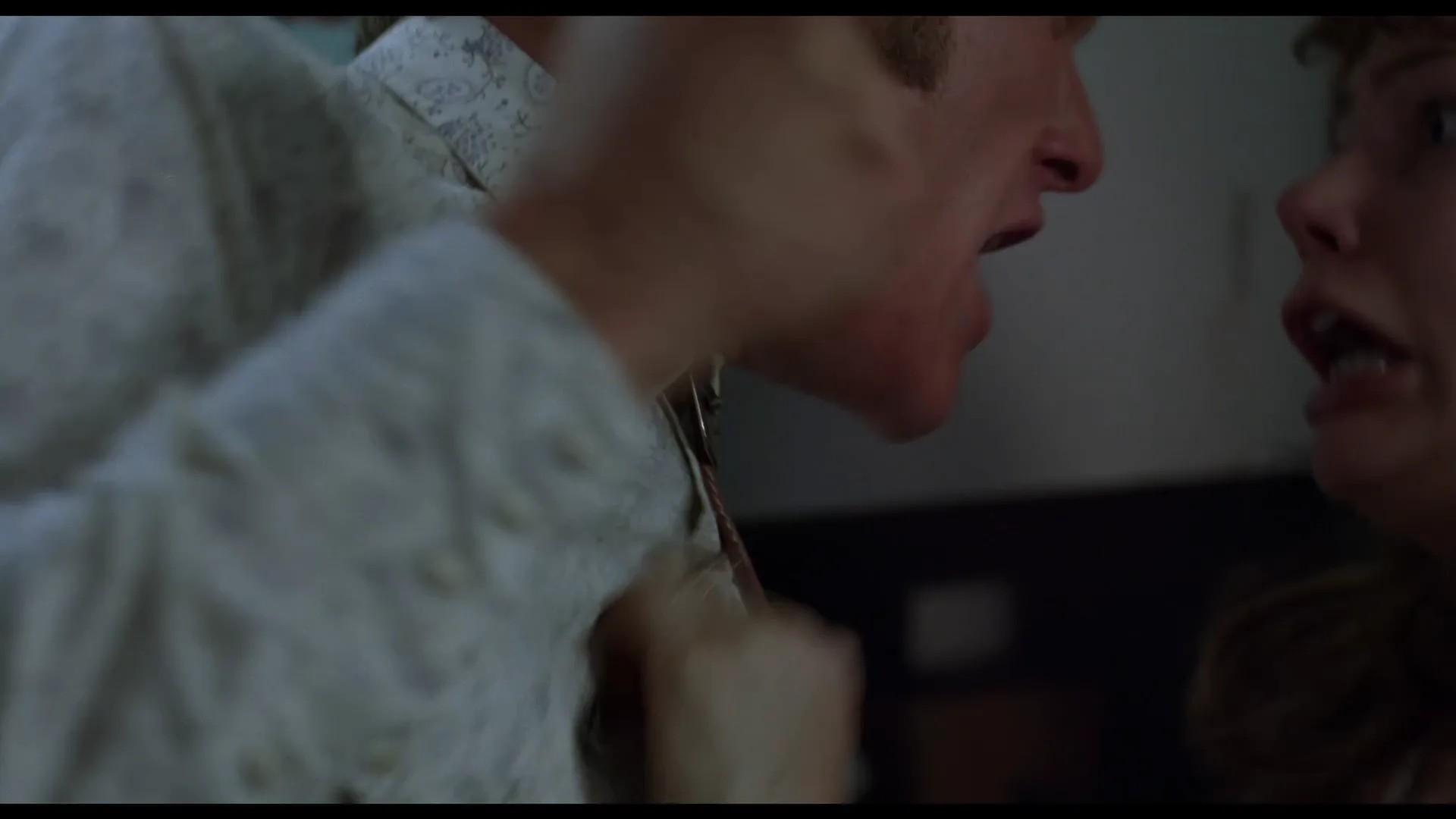
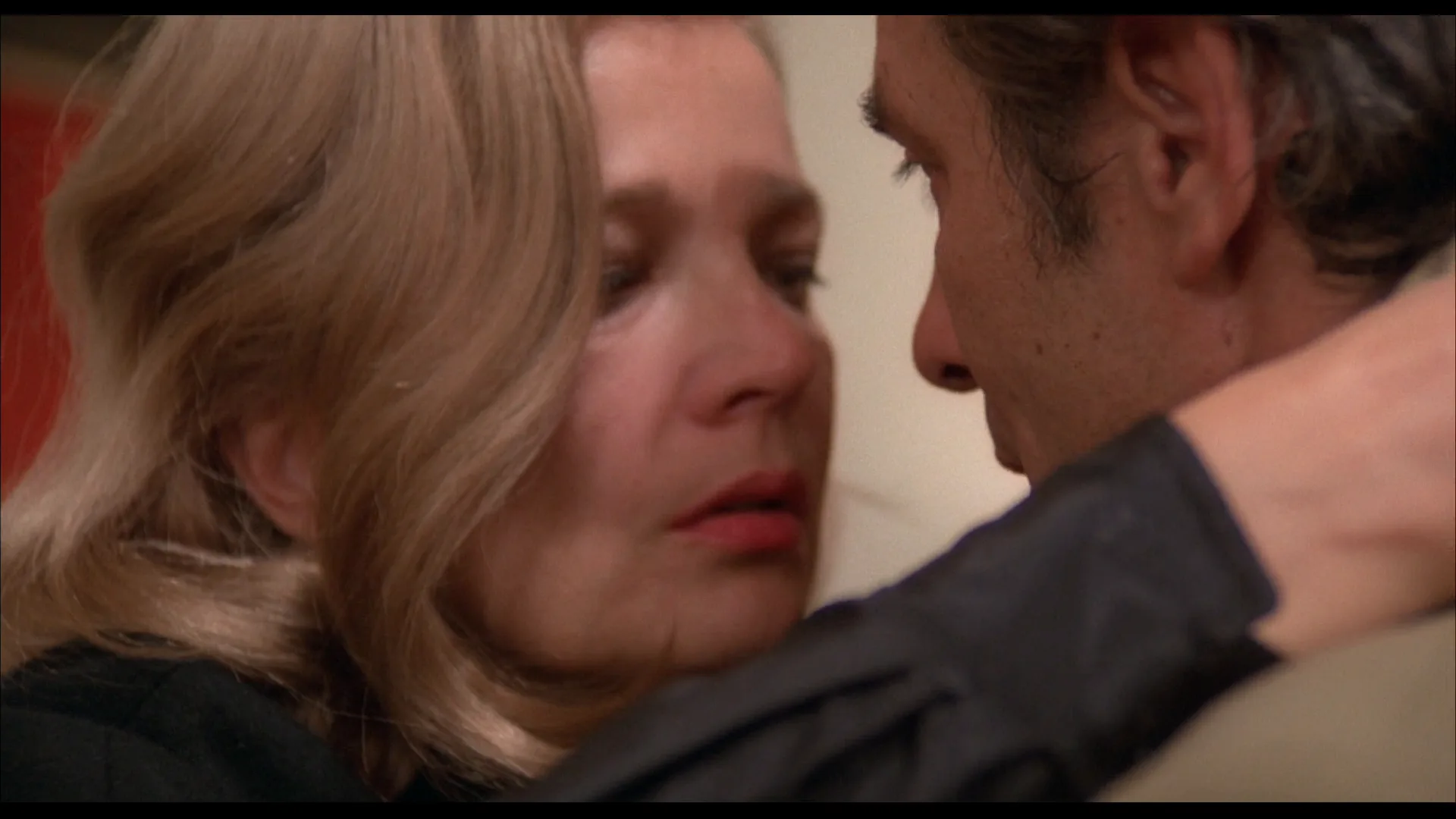
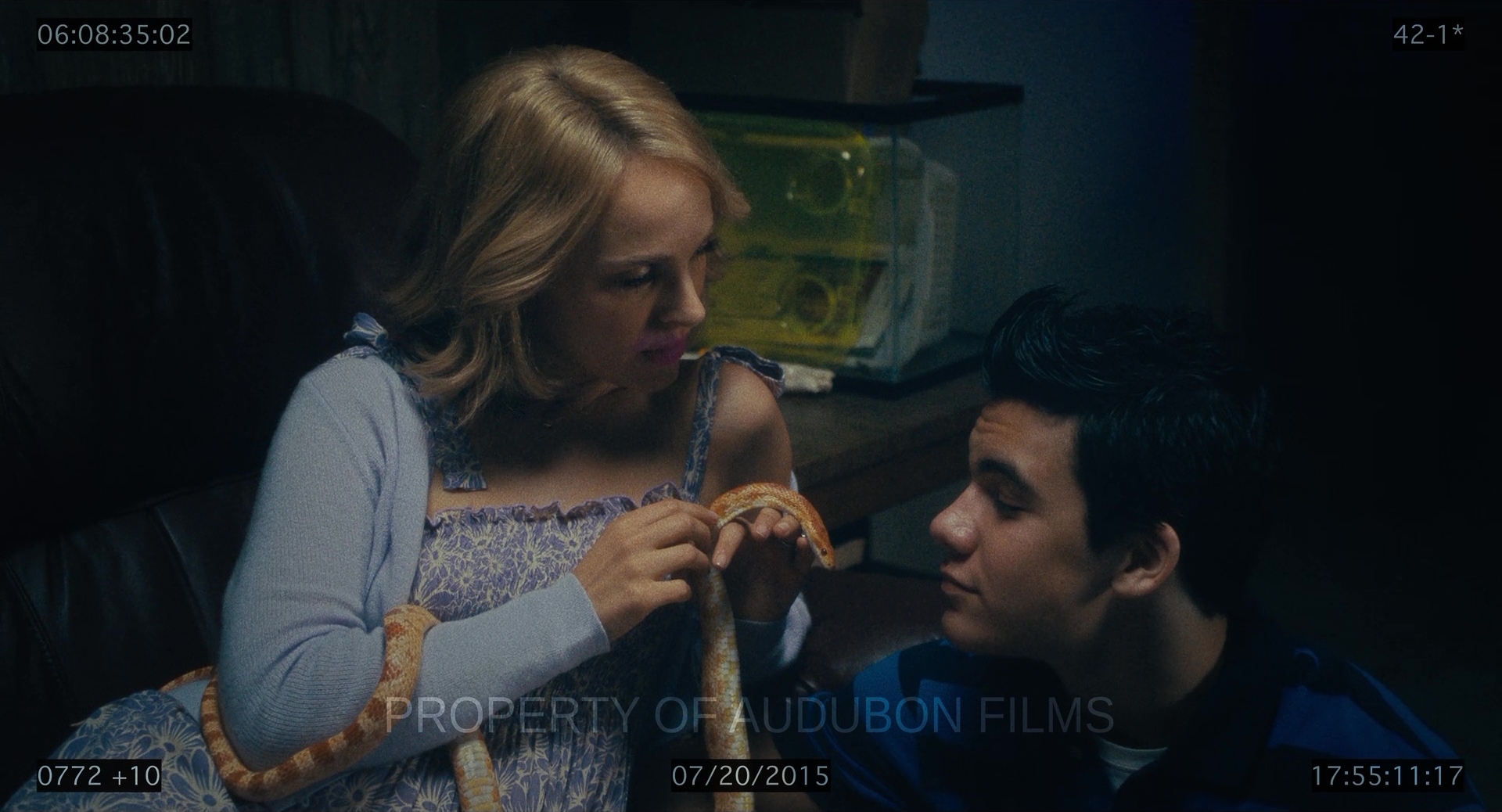
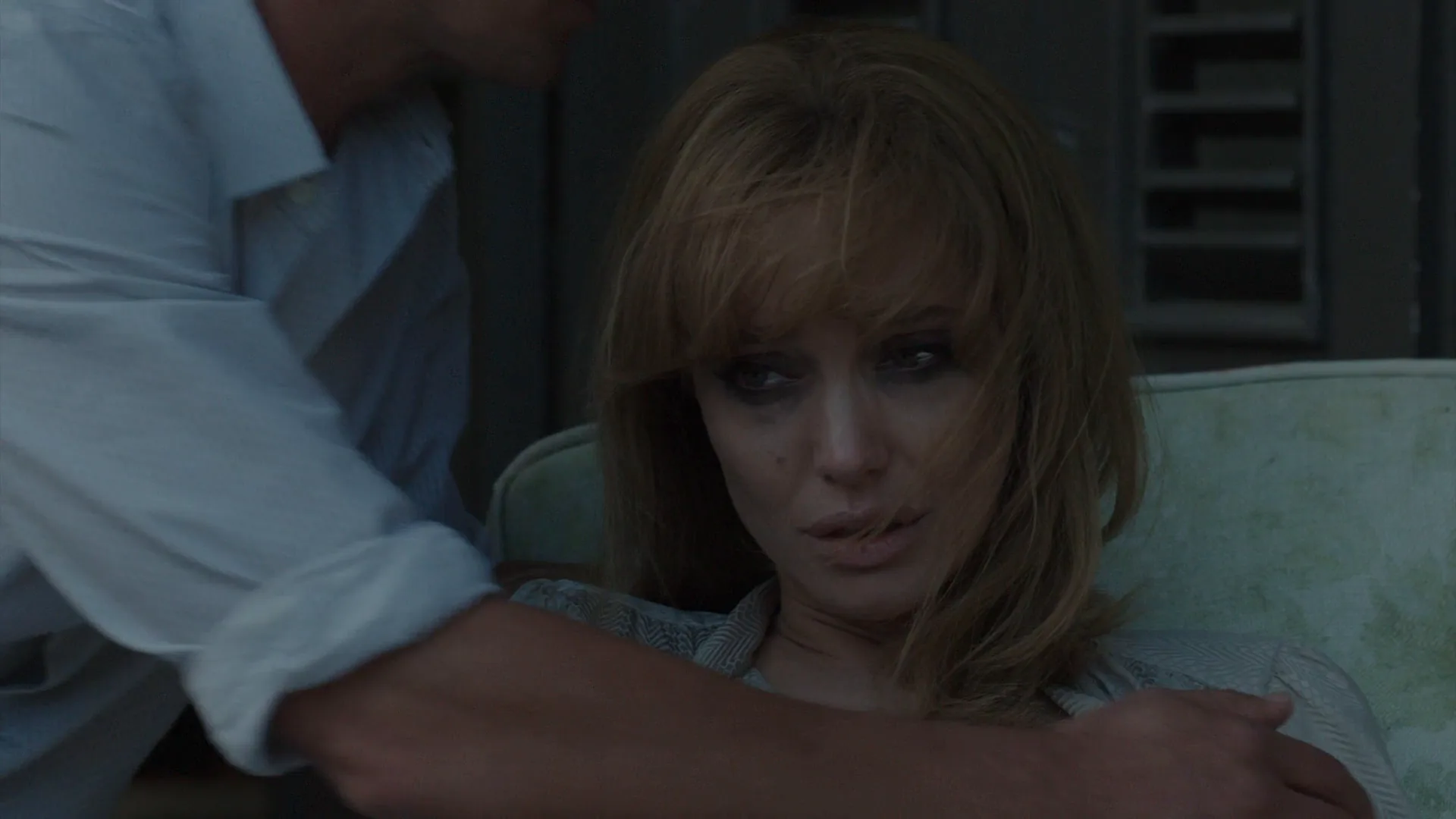
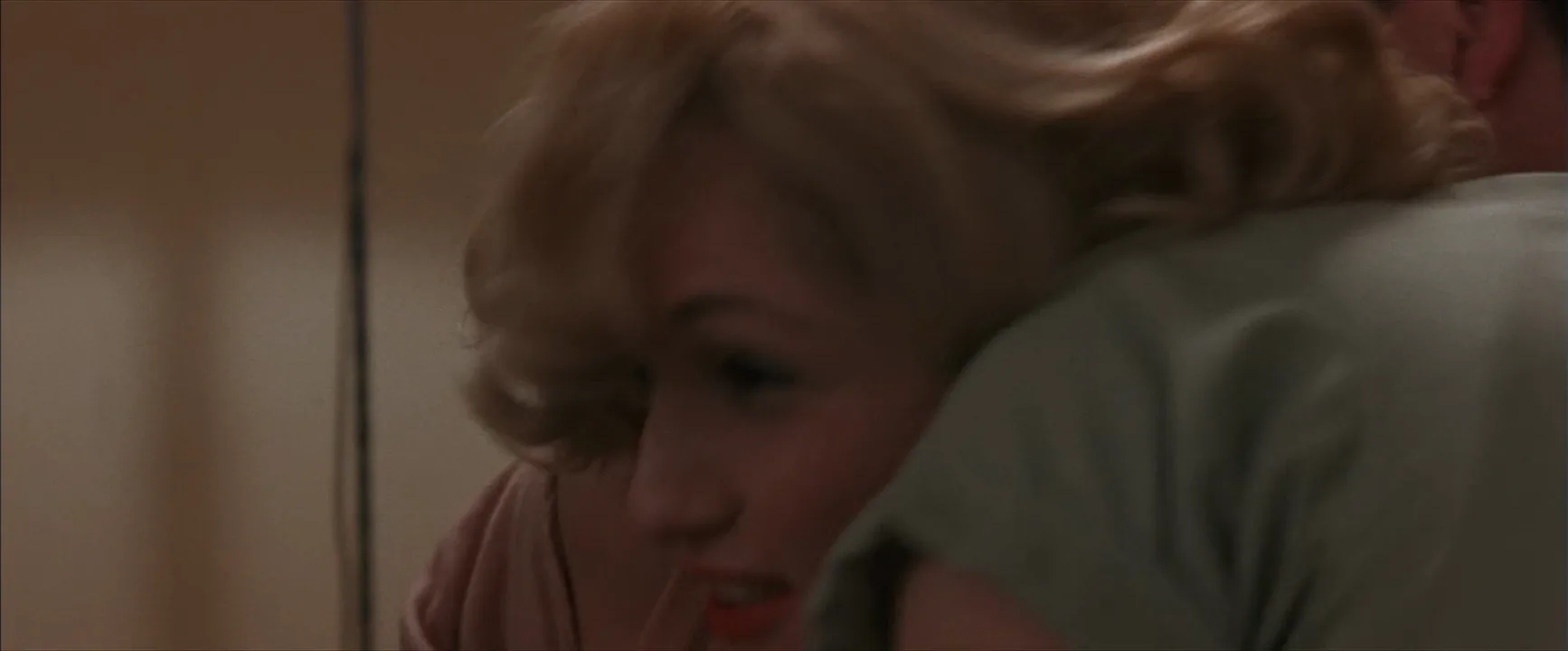
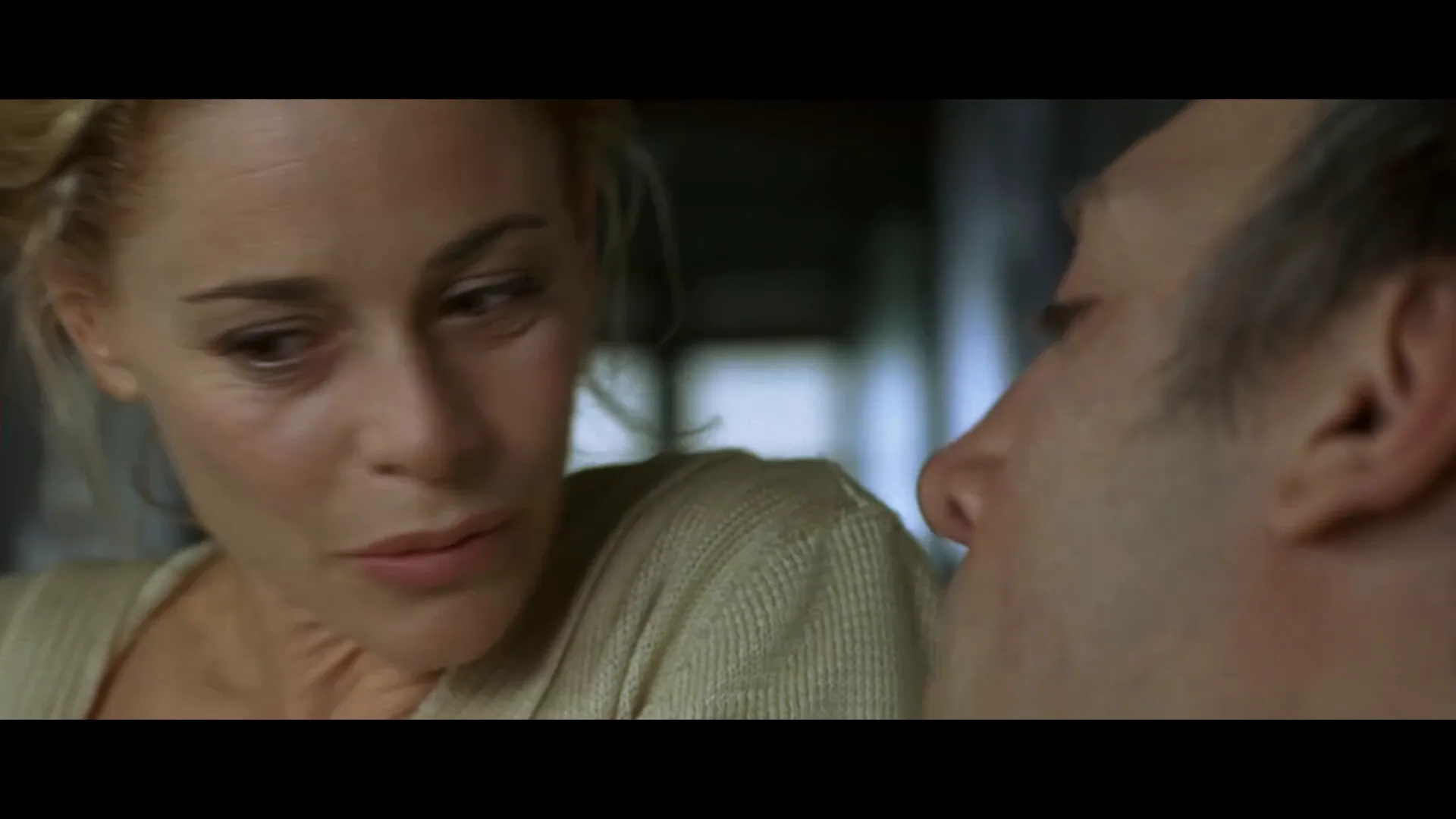
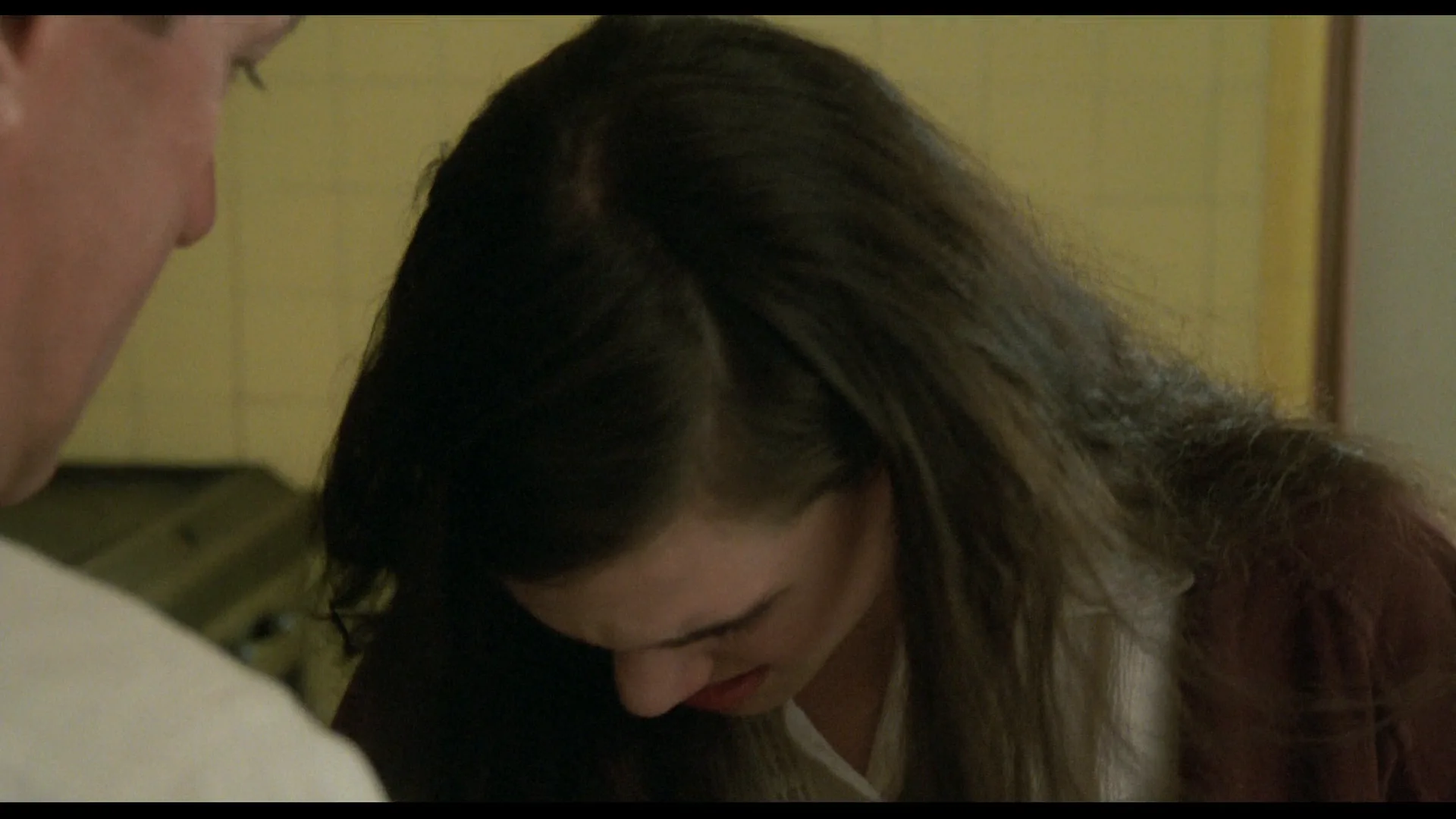
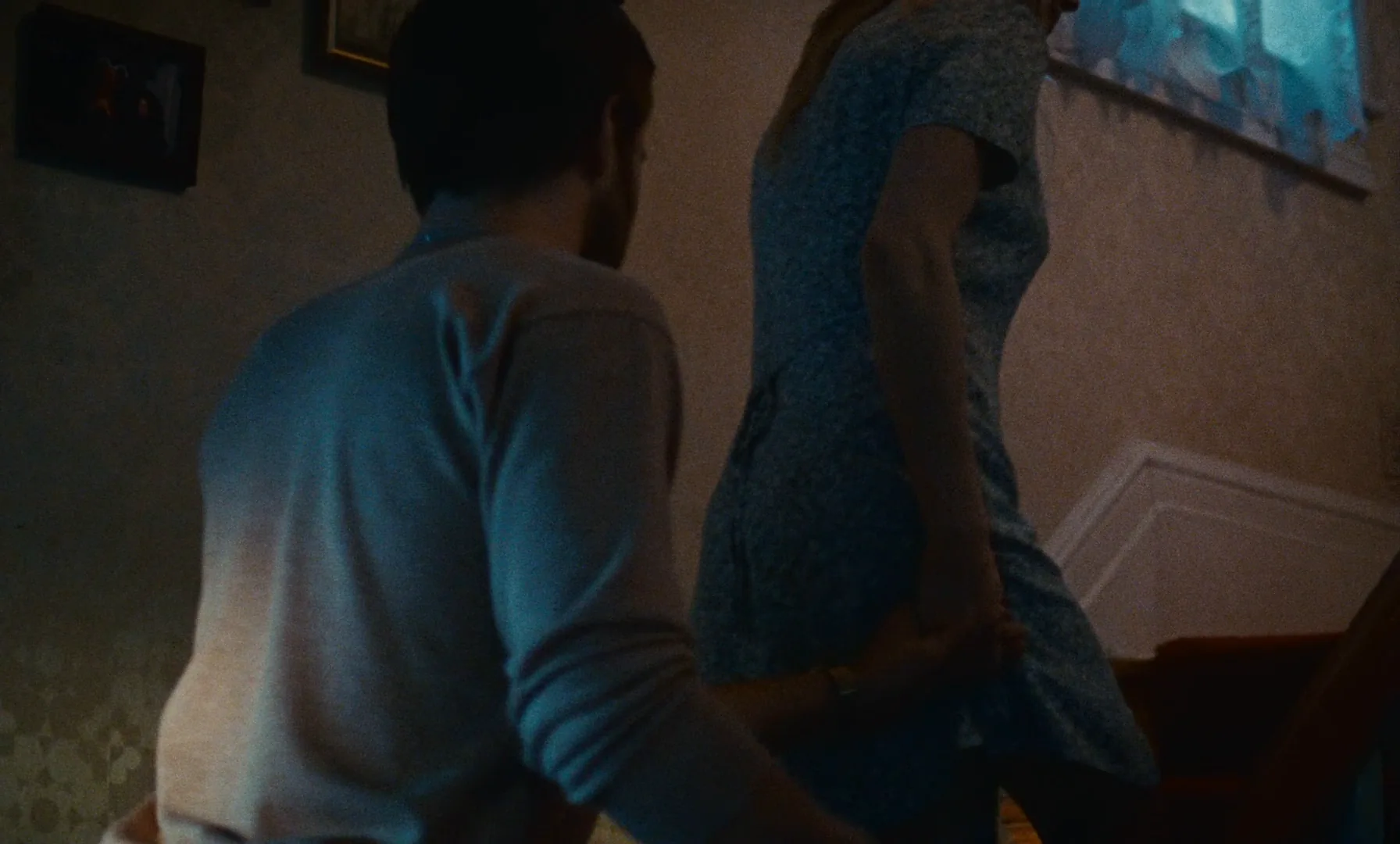
8 framesFrames pitched at the peak of feeling, held close and lit to show every tremor.
How to create a melodrama with AI
4 promptsModels default to neutral grading, so a melodrama prompt must name the palette, the frame-within-a-frame and the exact emotion on the face. Build the start frame, try a second take in another setting, then animate the first frame with one small gesture. Keep all three beside your film references on one FlashBoards board to compare color and performance. The fourth prompt re-shoots a real film shot from a text description alone, and the original plays next to the result so you can compare.
1950s Technicolor domestic melodrama film still. Medium shot from outside a living-room window at night: a woman in her early forties with a silver-streaked auburn chignon, a small scar on her chin and a dark green wool dress stands behind the glass, one palm flat on the pane, eyes wet, lips pressed together. White window mullions frame her face. Saturated blue moonlight and falling snow outside, warm amber lamp behind her, soft key on her face. 40mm lens at eye level, fine 35mm grain.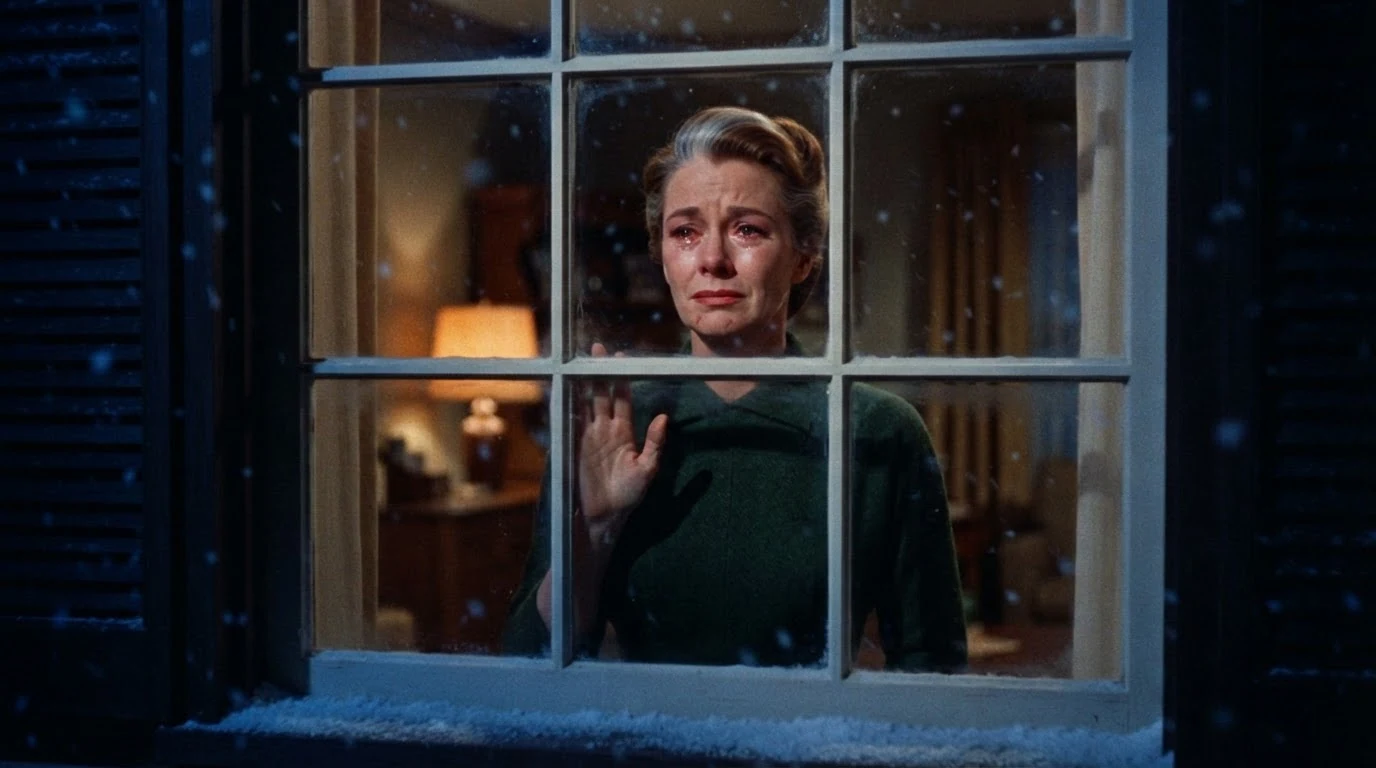
Saturated blue moonlight against warm amber lamp sets the Sirk palette; from outside … mullions frame her face builds the frame-within-a-frame; eyes wet, lips pressed together keeps emotion held in.
Open FlashBoardsModern romantic melodrama film still. A rain-soaked railway platform at night under sodium lamps. On the right third, a man in his late fifties with a shaved head, a square-trimmed gray beard and a tan raincoat holds an open handwritten letter, face turned toward a departing train's red tail lights, tears mixing with rain. Deep red and teal palette, wet reflective concrete, drifting steam, long lens, shallow depth of field.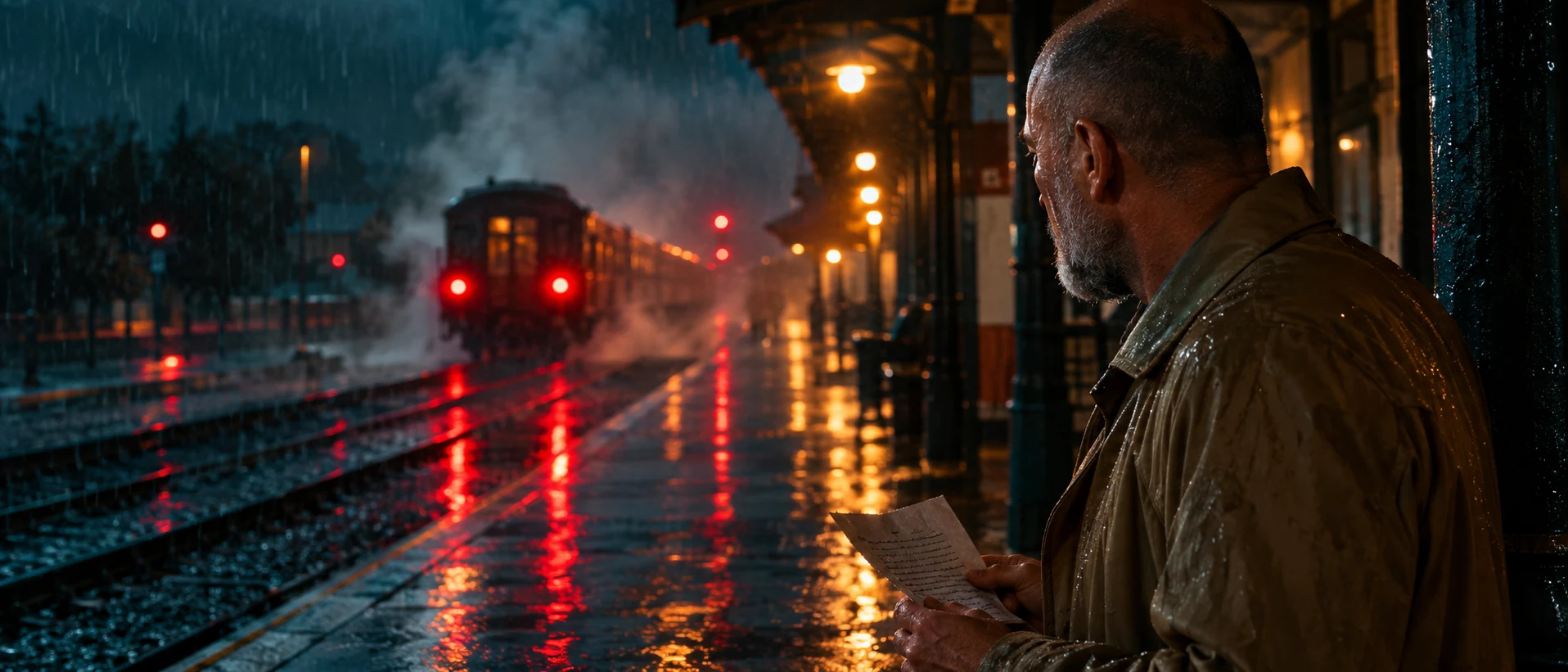
A public place, a man and 21:9 instead of a home, a woman and 16:9. Handwritten letter and departing train are stock melodrama props; deep red and teal palette supplies the heightened color.
Open FlashBoardsCamera: slow, steady push-in through the window from medium shot to medium close-up on her face, moving the whole time. Action: Snow falls past the glass from the first frame. She slides her palm slowly down the pane, leaving a streak in the condensation. Her chin trembles and a single tear runs down her left cheek. At the end she lowers her eyes and turns toward the lamp behind her.Falling snow and the sliding palm make the shot alive from frame one; the push-in is the classic move toward a face receiving pain, and a single tear keeps the performance small.
Open FlashBoards{
"output": "Full-screen live-action scene from Say Anything... (1989) from its very first frame: one continuous shot. Late-1980s 35mm drama, soft grain, a small institutional room with pale mustard-yellow tiled walls, a dark wooden door frame at the far right edge, soft even overhead light, muted mustard, cream and burgundy palette.",
"characters": {
"S1": {
"name": "Diane, played by Ione Skye",
"look": "about eighteen, long straight dark-brown hair past her shoulders, pale skin, cream blouse with an open collar under a burgundy knit cardigan",
"voice": "young, small, breaking"
},
"S2": {
"name": "James Court, played by John Mahoney",
"look": "seen only from behind: short gray hair, the back of his head, right ear and white shirt shoulder",
"voice": "silent"
}
},
"shots": [
{
"shot": 1,
"camera": "locked-off, eye level, normal lens, medium close-up of S1 in the centre-right of frame facing camera three-quarters, with the out-of-focus back of S2's head and ear filling the left edge of the foreground; the frame stays still the whole time, only a slight settle as she leans in",
"action": [
"BEGINNING: alive from the first frame, S1 looks up toward screen left at S2's face, brow knotted and raised in the middle, eyes wet, mouth half open in pain; S2 does not move.",
"THEN: her eyes flick down for a moment, then back up to his face, pleading.",
"THEN: her face crumples, she squeezes her eyes shut, lips pulled down.",
"THEN: she folds forward at the waist and her head drops low toward screen left, into the space beside S2's shoulder; his white shirt shoulder now fills the lower left corner.",
"END: she stays bent forward and still, face turned down, long dark hair hanging over it so only her forehead and the tip of her nose show; S2 stays motionless, his head never turns; hands stay out of frame."
],
"dialogue": [
{
"speaker": "S1",
"on_screen": true,
"when": "late in the shot, while her head is already bowed and her hair hides her face",
"delivery": "muffled, barely above a whisper, choked",
"line": "<d>[English] I'm so ashamed.</d>"
}
]
}
],
"sound": {
"ambience": "quiet room tone, her unsteady breathing and one catch of breath as she folds forward, the soft rustle of her cardigan",
"speech": "exactly these spoken phrases, each said once, in this order",
"never_spoken": "no narration and no voice-over: the descriptions, performance notes and step words of this prompt are never spoken aloud; S2 says nothing",
"music": "a film score under the scene, always below the voices: a slow, aching solo piano with soft sustained strings",
"subtitles": "none"
}
}Remakes the static shot from Say Anything... (1989), dir. Cameron Crowe, DP László Kovács, where Diane doubles over in front of her father; the prompt keeps the still camera, his back in the foreground, the yellow tiled room, the collapse forward and her one line.
The locked-off frame keeps the father a silent wall of gray hair and white shirt, and the steps stage the melodrama beat: a plea, then her face crumples and she folds forward until her hair hides her face, the one line muffled under a score. Grief plays through the whole body.
Open FlashBoardsCommon mistakes
- Grading drifts to modern teal-and-orange; name the colors (Technicolor, saturated blue, amber, emerald).
- "Crying" yields a contorted face; describe restraint: eyes wet, chin trembling.
- The window frame vanishes or the camera moves indoors; say from outside the window.
- In video, mention only what the first frame holds; an unseen doorway or second character gets drawn.
Keep the reference frames, prompts and every generated take side by side — images and video in one canvas.
FAQ
5 questionsWhat is melodrama in simple terms?
Melodrama is storytelling that plays emotion louder than real life. Good and bad characters are clearly marked, plots rely on secrets and coincidences, and music, color and décor tell the audience what to feel. The aim is a strong emotional response, often tears.
What is the difference between melodrama and drama?
Drama keeps characters and events plausible and lets the audience reach its own conclusions. Melodrama exaggerates on purpose: clearer villains, bigger reversals and a more expressive style, with a swelling score and saturated color. Many films mix both, playing naturalistic scenes inside a plot of forbidden love or sacrifice.
What are some classic melodrama films?
Studio-era classics include Stella Dallas (1937), Now, Voyager (1942), Mildred Pierce (1945) and Douglas Sirk's All That Heaven Allows (1955) and Imitation of Life (1959). Later heirs include Ali: Fear Eats the Soul (1974), Titanic (1997), In the Mood for Love (2000) and Far From Heaven (2002).
What is a weepie?
A weepie, or tearjerker, is a melodrama built to make the audience cry, usually through loss, illness or self-sacrifice. Studios used the word, along with women's picture, for melodramas marketed to women from the 1930s to the 1950s. Today it is informal shorthand for any film that ends in tears.
Is melodramatic a bad thing?
In everyday speech melodramatic means overreacting, and critics use it for emotion a film has not earned. As a film mode, melodrama is a deliberate craft built on color, music, framing and plot. Douglas Sirk, Pedro Almodóvar and Todd Haynes use it with full control.
Related terms
4- DramaGenres
Drama is the broad genre of serious stories about realistic characters in emotional or moral conflict, where the stakes are internal and relationships rather than spectacle.
- Film ScoreSound & Music
A film score is original music written by a composer for a specific film, timed to picture to shape emotion, pace and theme; it differs from a soundtrack of pre-existing songs.
- Color SymbolismColor
Color symbolism uses colors as signs — red for love, danger or power, green for envy or sickness — but in film the meaning is set by context and repetition inside the story, not by a universal chart.
- Chick FlickGenres
Chick flick is an informal, often dismissive label for films marketed mainly to women — usually romantic comedies and dramas about love, friendship and female self-discovery.
Further reading
Thomas Elsaesser, "Tales of Sound and Fury: Observations on the Family Melodrama" (1972). Jon Halliday, Sirk on Sirk (1971).