 FlashBoards Learn
Genres · Film language
Drama
Also called: drama film, dramatic film
Drama is the broad film genre of serious stories about believable people in emotional or moral conflict. The stakes are internal and relational: a marriage, a conscience, a family, a verdict. Instead of spectacle, a drama asks the viewer to recognize themselves in the characters and to feel the cost of their choices.
- What it does
- Puts the audience inside a character's emotional or moral dilemma and makes the outcome feel personal.
- Use it when
- The real conflict is between people, or inside one person, rather than against a monster, a heist or a disaster.
- Watch out
- Seriousness is not depth. Without a concrete want and a real cost, drama turns into gray, slow sadness.
- Try this prompt
Eye-level medium two-shot, a couple at a kitchen table at night, one looking down, one waiting for an answer, single warm overhead lamp, 35mm film still.
What is drama in film?
In film, drama is less one genre than the default mode of serious fiction: believable characters, everyday rules, and a conflict that tests who they are.
That is why drama runs underneath so many other film genres. The Godfather (1972) is a crime film whose engine is a family story about a son becoming his father. 12 Angry Men (1957) never leaves a jury room: twelve men, one vote, a slow shift in conscience.
"Drama" also names stage plays, but a film drama is built for the camera. Its main tool is not the monologue; it is the face in close-up and the silence between lines.
What makes a drama work?
- A realistic character with a clear want. Small in scale, enormous to the person.
- Internal stakes. The climax is a decision, a confession or a refusal, and when it lands the audience feels catharsis.
- Conflict between people who know each other. The closer the relationship, the more one line can wound.
- Consequences that stay. Kramer vs. Kramer (1979) ends with everyone changed and no one fully the winner.
- Restraint in style. Camera, light and music serve the performance.
When one person's inner life becomes the whole film, drama narrows into a character study; when it dramatizes a real life, it becomes a biopic; when jokes and grief share a scene, it drifts toward tragicomedy.
Types of drama films
Subtypes are named by where the conflict lives:
- Family drama — Tokyo Story (1953), Manchester by the Sea (2016).
- Relationship drama — a couple coming together or apart, as in Marriage Story (2019).
- Social drama — people pressed by class or poverty; in Bicycle Thieves (1948) a stolen bicycle is a family's livelihood.
- Courtroom drama — guilt, testimony, a verdict: 12 Angry Men.
- War drama — war through the people inside it: 1917 (2019).
- Historical drama — the past as pressure on private lives: 12 Years a Slave (2013).
- Sports and coming-of-age drama — the game or growing up as the stage for character: Friday Night Lights (2004), Moonlight (2016).
How to shoot a drama
Start from one question: whose scene is it, and what do they feel right now?
- Camera at eye level. Save high and low angles for moments when power shifts.
- 35–85mm lenses. A 35–40mm two-shot holds both actors and the space between them; 50–85mm singles isolate a face without distortion. Sidney Lumet went longer on lenses and lower with the camera as 12 Angry Men progressed, so the room seemed to close in.
- Blocking first. Distance between actors is the story.
- Motivated, soft light from windows and practical lamps, around a 4:1 key-to-fill ratio.
- Hold the take long enough for the performance to change inside it, and save the tightest close-up for the turning point.
Drama vs. melodrama
Drama keeps emotion at the level of lived experience: understated acting, ambiguous characters, sparse music, endings that may stay open. Melodrama lifts everything above realism: clear heroes and villains, coincidences, swelling scores, expressive color. A quick test: if a feeling is shown by the world (a storm, a red dress, a sudden orchestra), it is melodrama; if it is shown by a pause before an answer, it is drama.
Drama examples in film
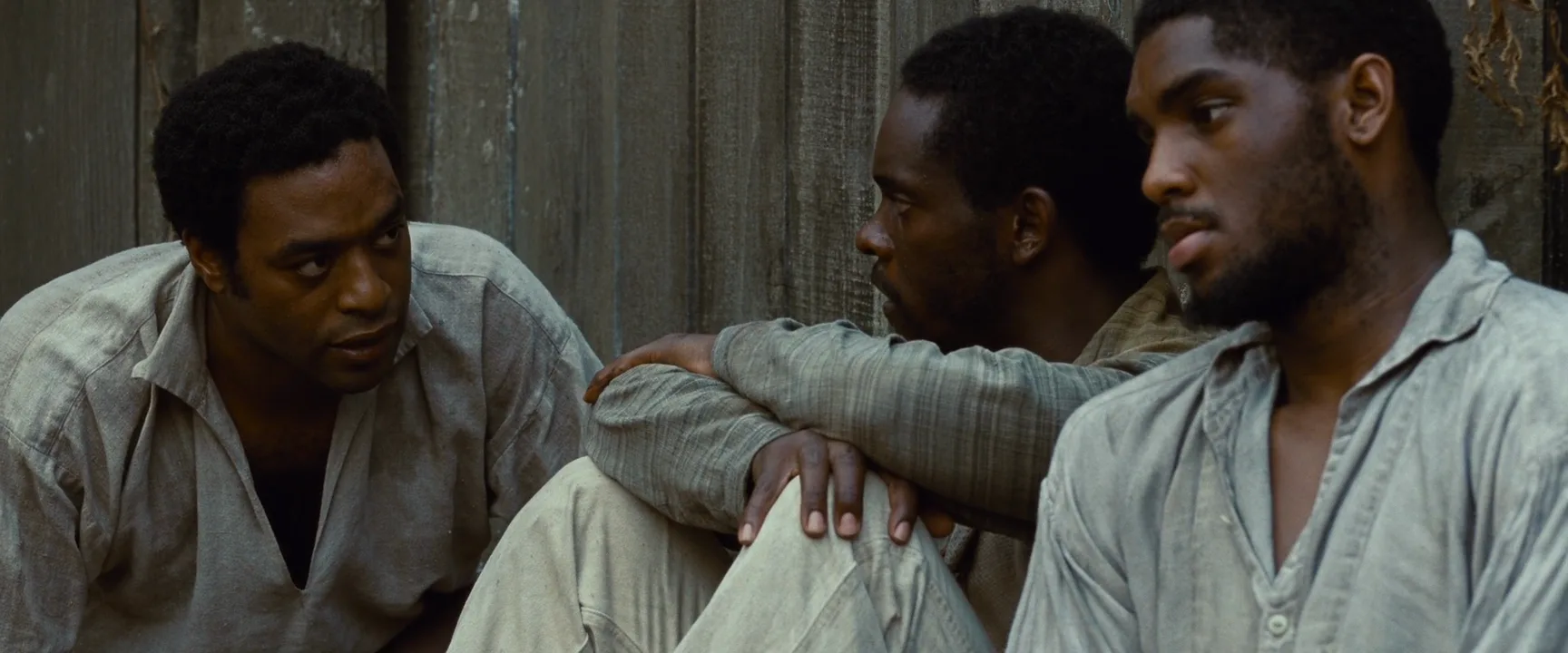
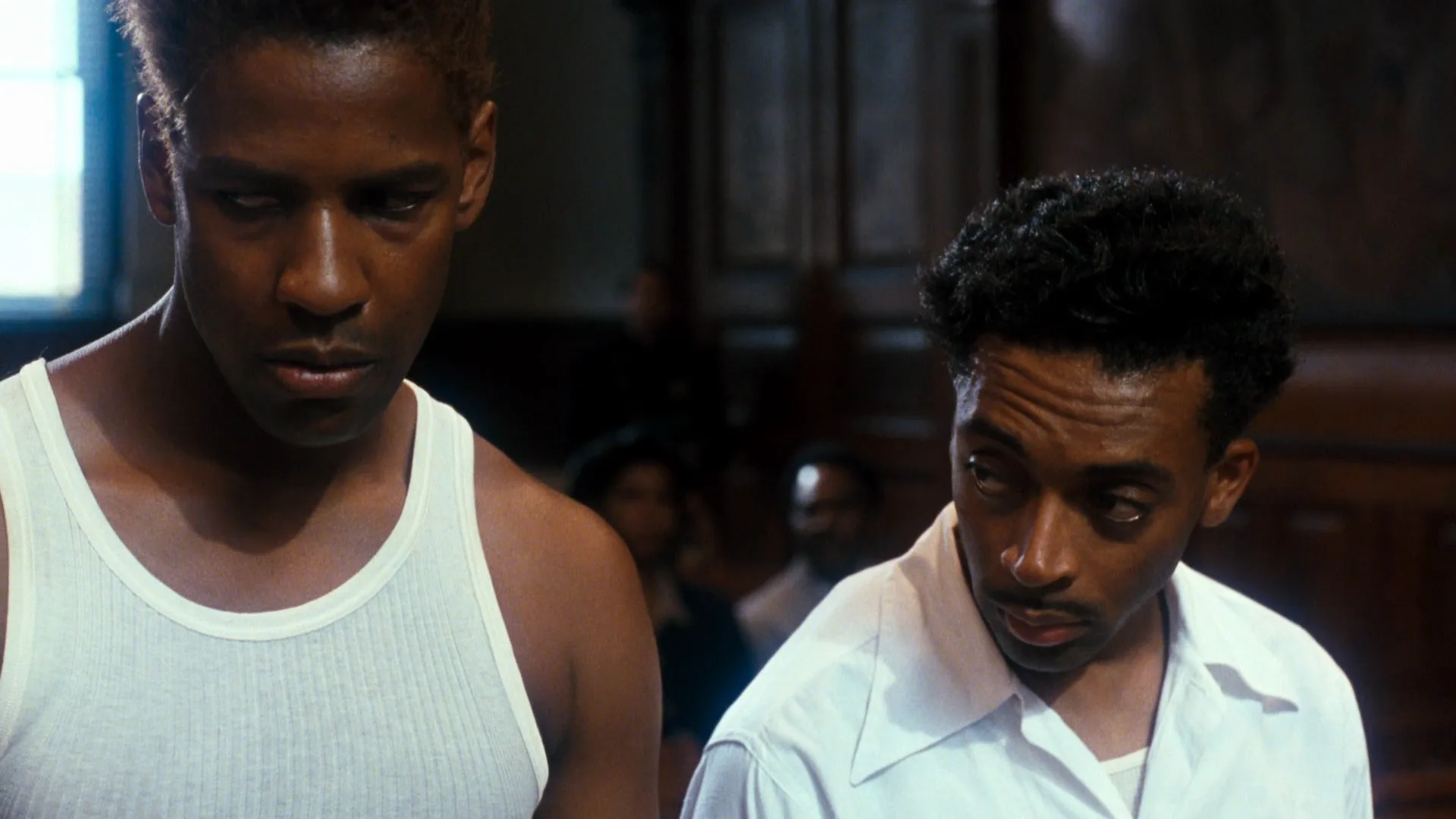
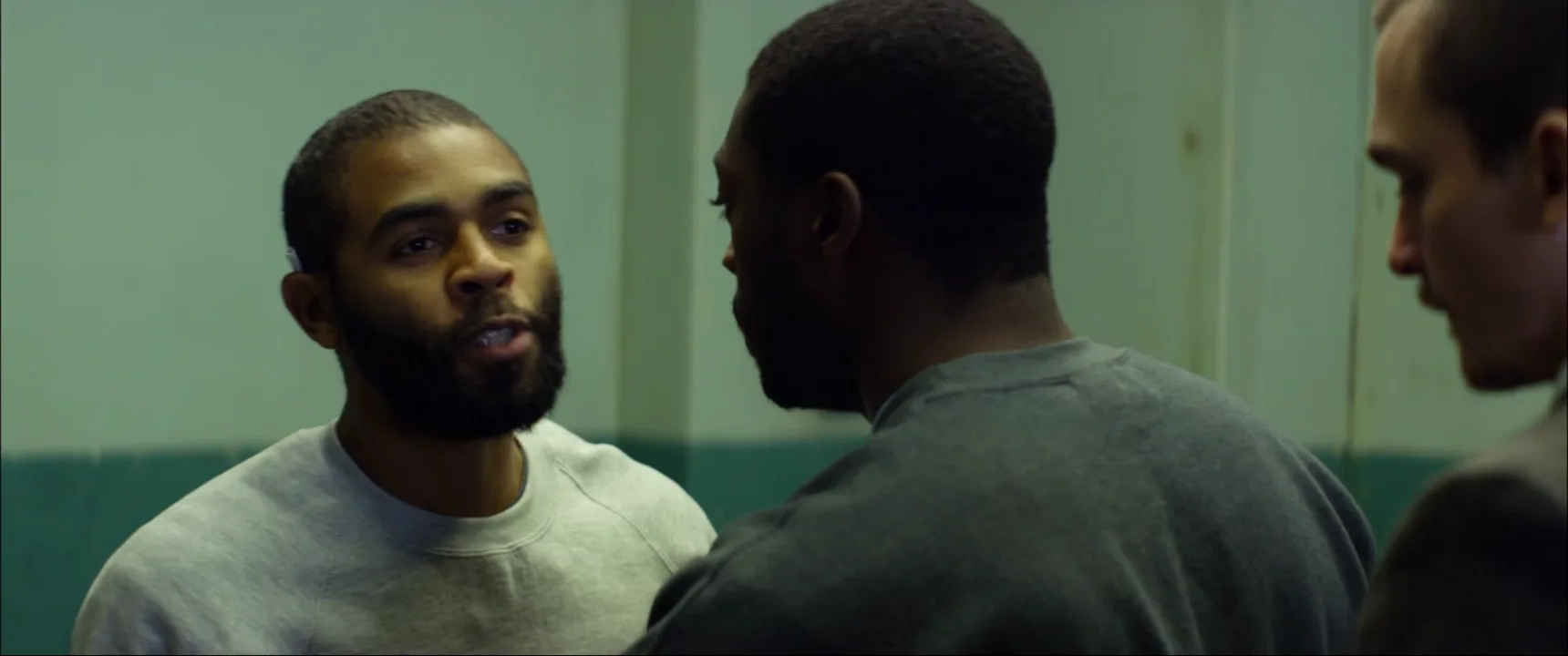
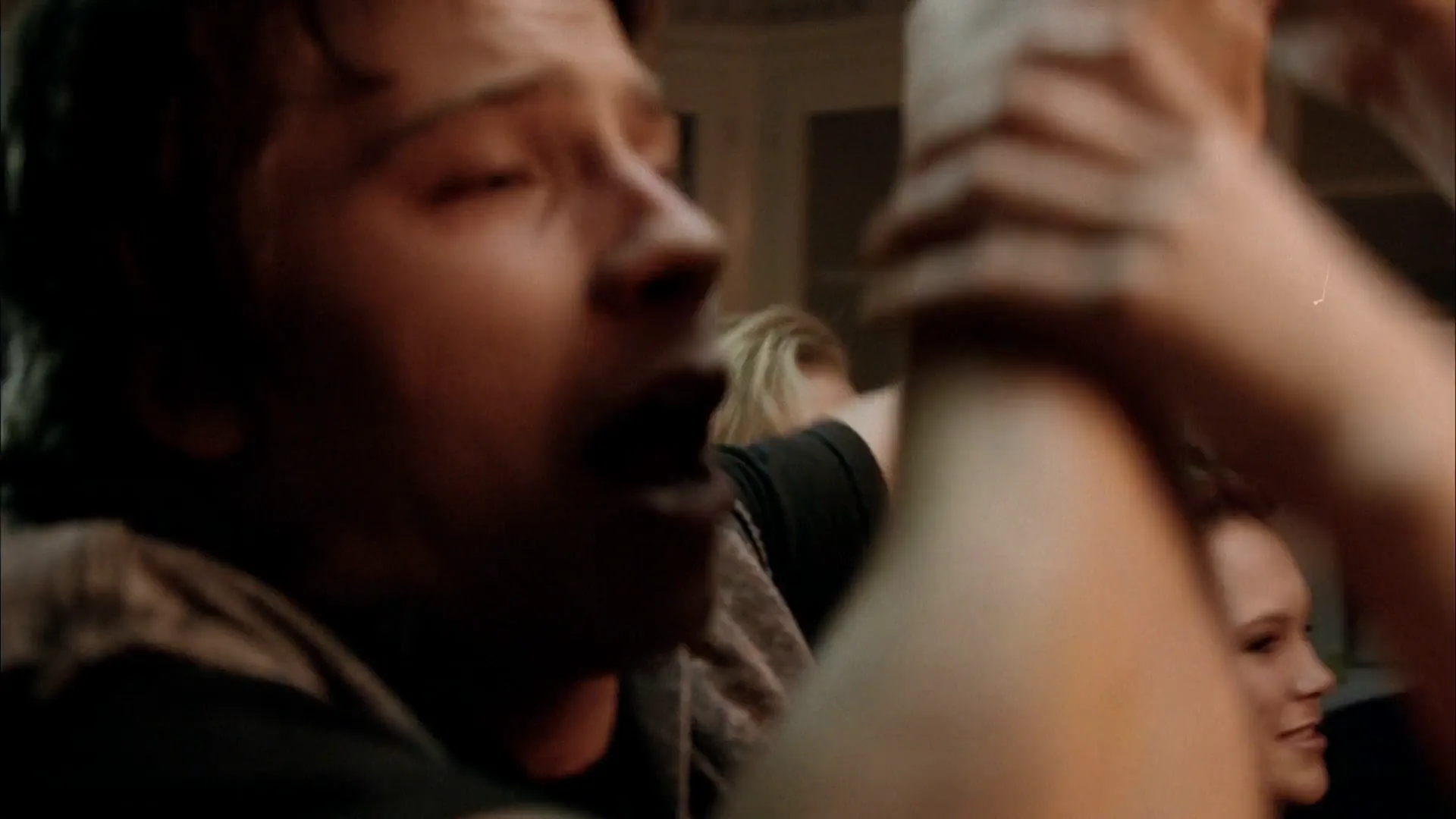
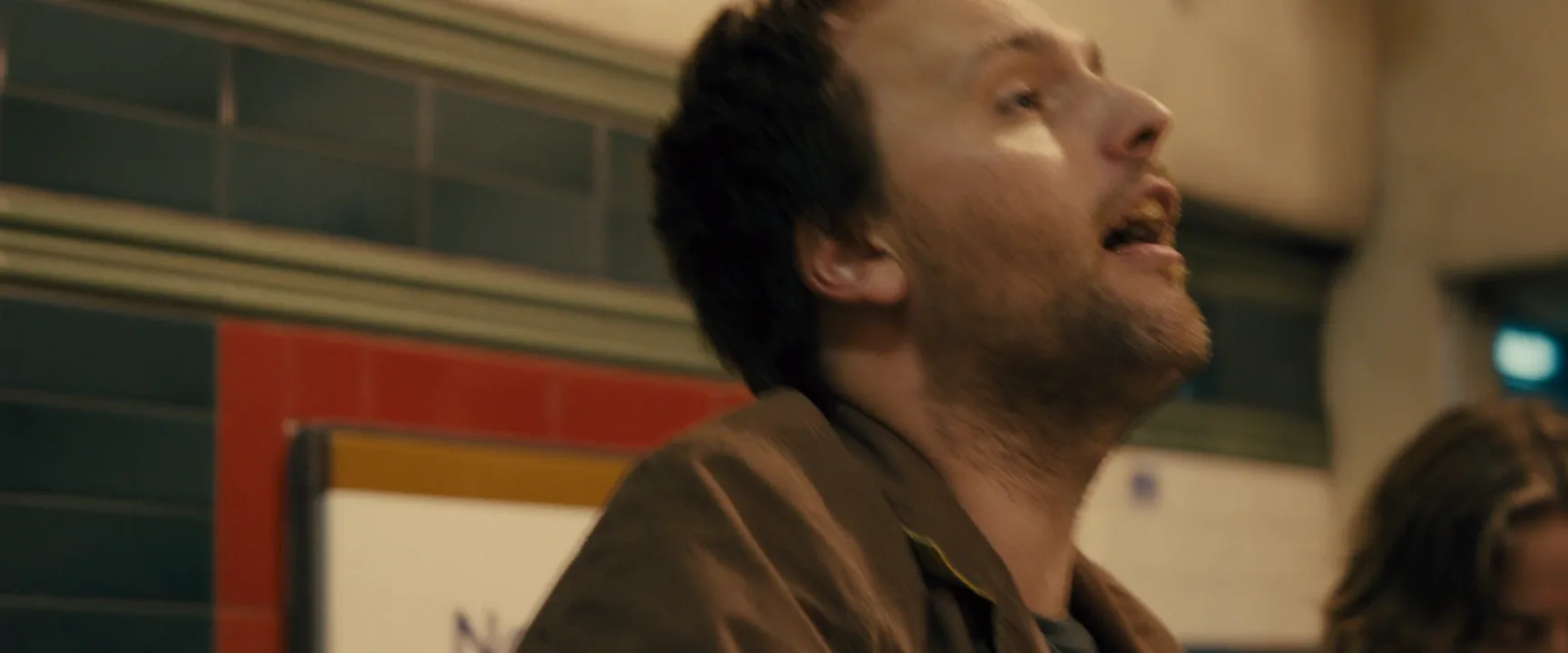
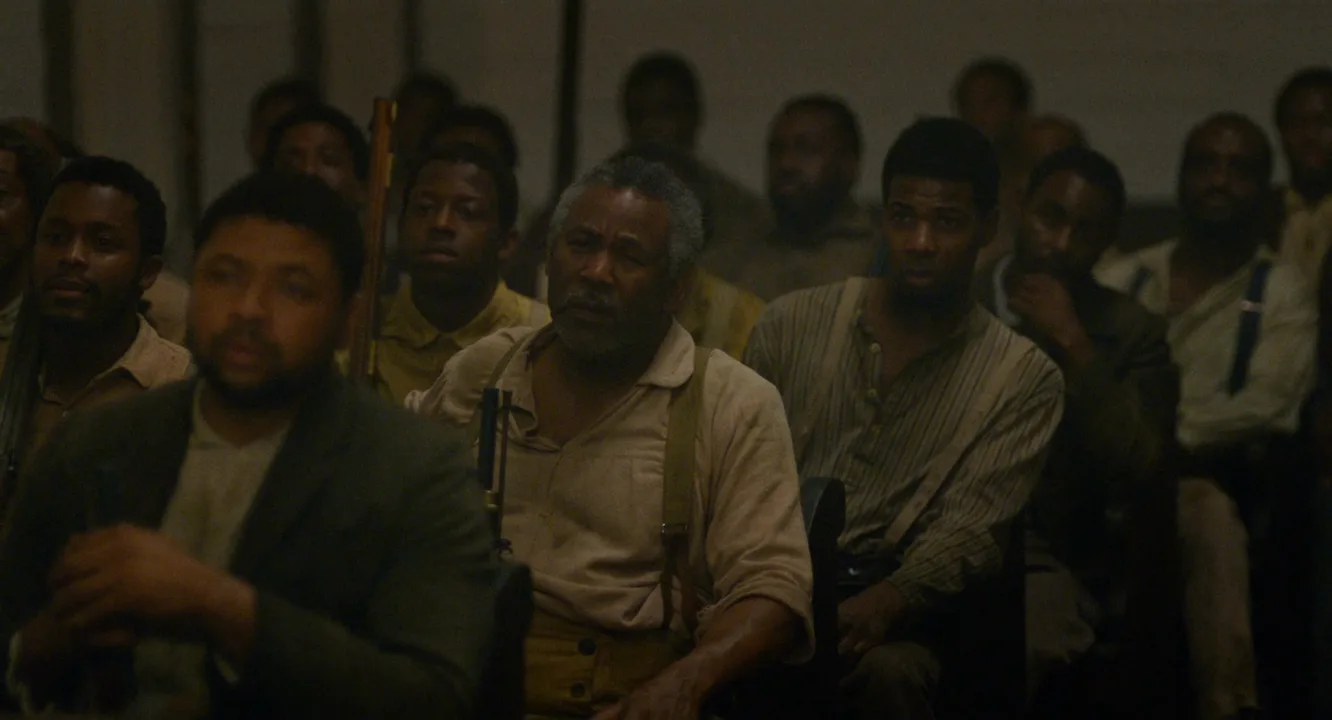
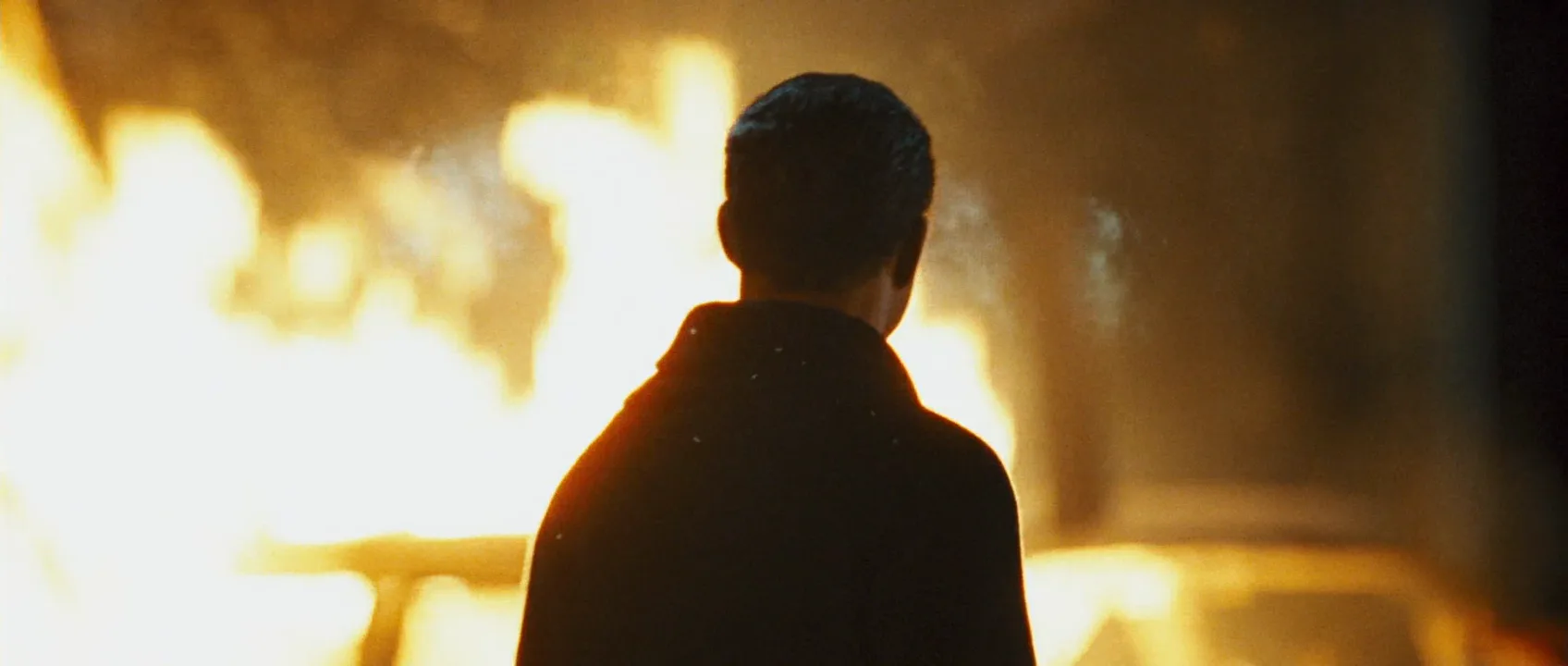
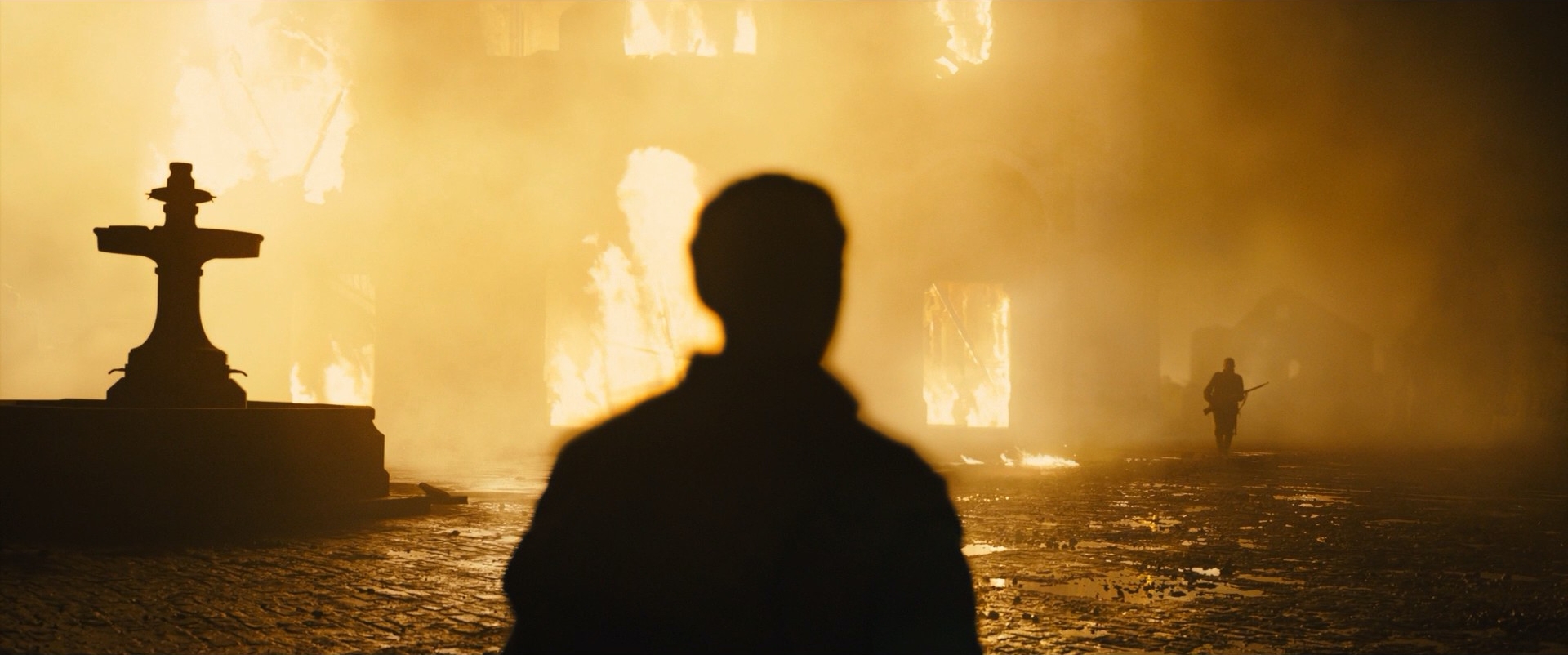
9 framesFrames from dramas across three decades. The camera mostly sits at eye level and lets faces, distance and posture carry the conflict.
How to create a drama with AI
4 promptsImage models default to glossy, poster-like frames. Direct relationship and restraint instead: who is in frame, where each person looks, eye-level camera, motivated light. In FlashBoards, keep the film references and your takes on one board to compare which frame holds the tension. The fourth prompt re-shoots a real film shot from a text description alone, and the original plays next to the result so you can compare.
Eye-level medium two-shot at a small kitchen table at night. Left: a woman in her late thirties with short copper hair, freckles and a faded denim shirt, arms folded, looking down at an unopened envelope. Right: a man in his early forties with a close-cropped black beard, a thin chin scar and a grey hoodie, leaning on his elbows, watching her, waiting for an answer. 40mm lens, both faces sharp. Single warm overhead lamp, dark blue window behind. Muted naturalistic palette, 35mm film still.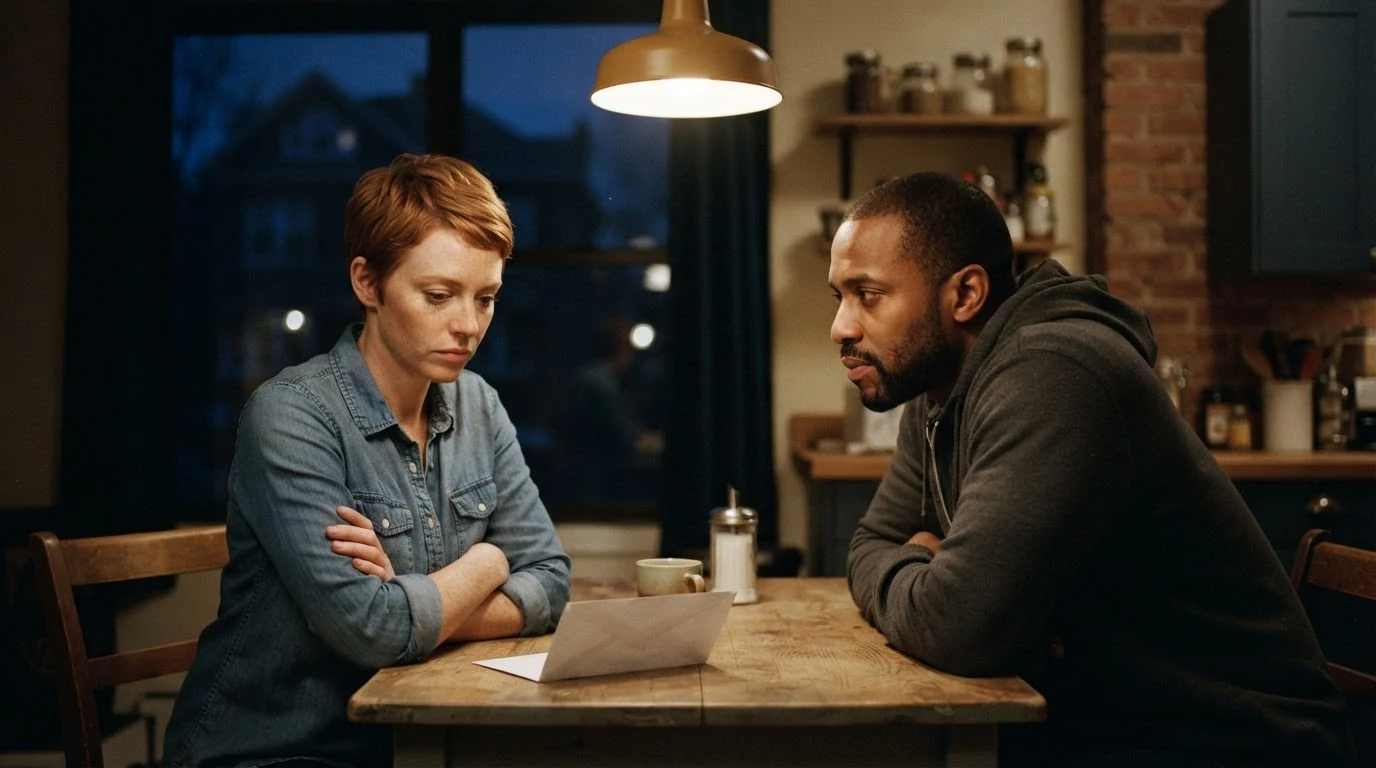
"Looking down" versus "watching her, waiting" builds the conflict from eyelines. Eye level and 40mm keep the viewer an equal at the table; one overhead lamp gives motivated light. The envelope is the object the scene turns on.
Open FlashBoardsWide-screen eye-level shot of a hospital corridor at dawn. An elderly man with a white horseshoe mustache, a brown cardigan and a cane sits alone on a bench at the left third. At the far right his adult daughter, black braids tied back, green scrubs, has stopped in a doorway and looks at him. Long empty corridor between them, pale green walls, cool fluorescent light mixed with warm window light. 50mm lens, deep focus, muted colors, 35mm film still.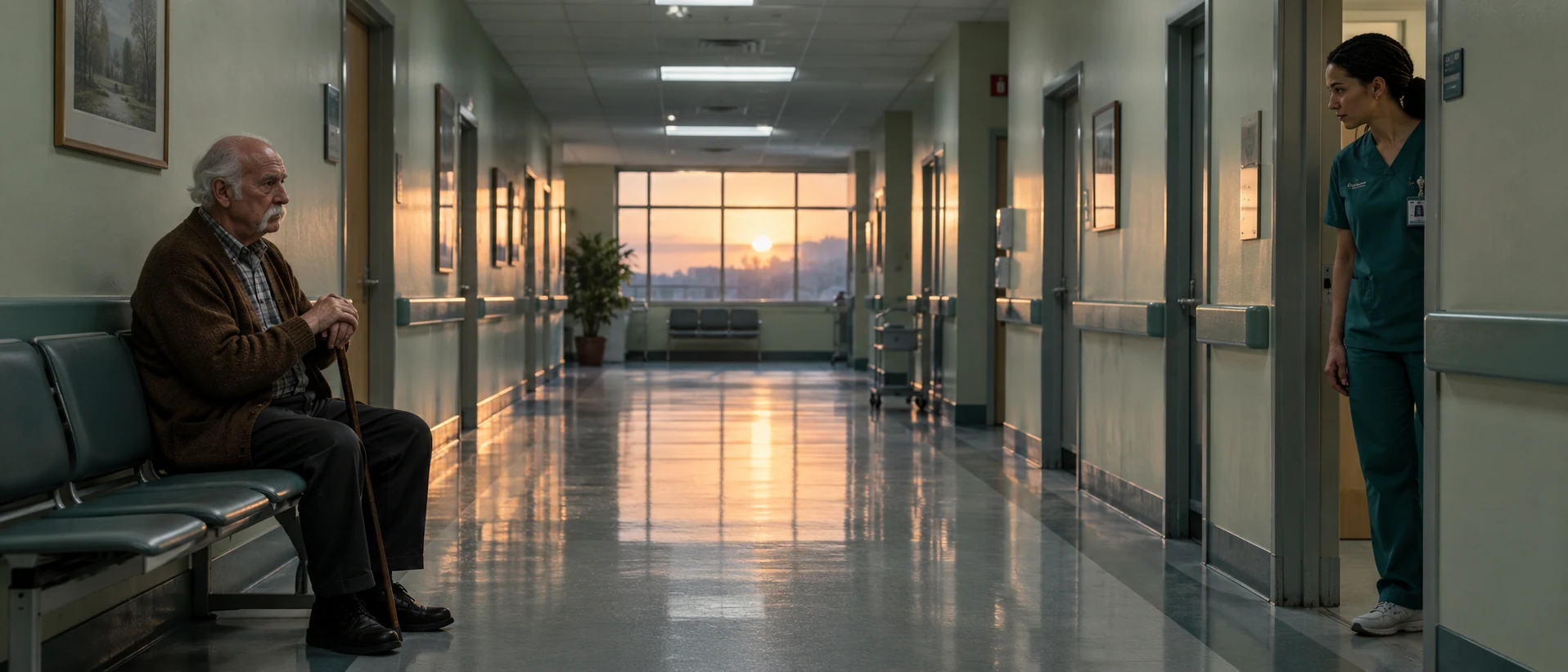
At 21:9 the empty corridor becomes the emotional distance. "Has stopped in a doorway" gives the model a frozen decision, and "deep focus" keeps the image about the relationship, not one face.
Open FlashBoardsCamera: very slow, steady push-in from the medium two-shot, ending on a tighter two-shot of both faces. Action: from the first frame the man is tapping one finger on the table while the woman keeps her eyes on the envelope. She unfolds her arms and slides the envelope across to him. He stops tapping and looks down at it. At the end she lifts her eyes to his and holds the look in silence.The tapping makes the shot alive from frame one. Sliding the envelope is a small, readable decision, the scale of a dramatic beat, and the push-in tightens as their eyes meet.
Open FlashBoards{
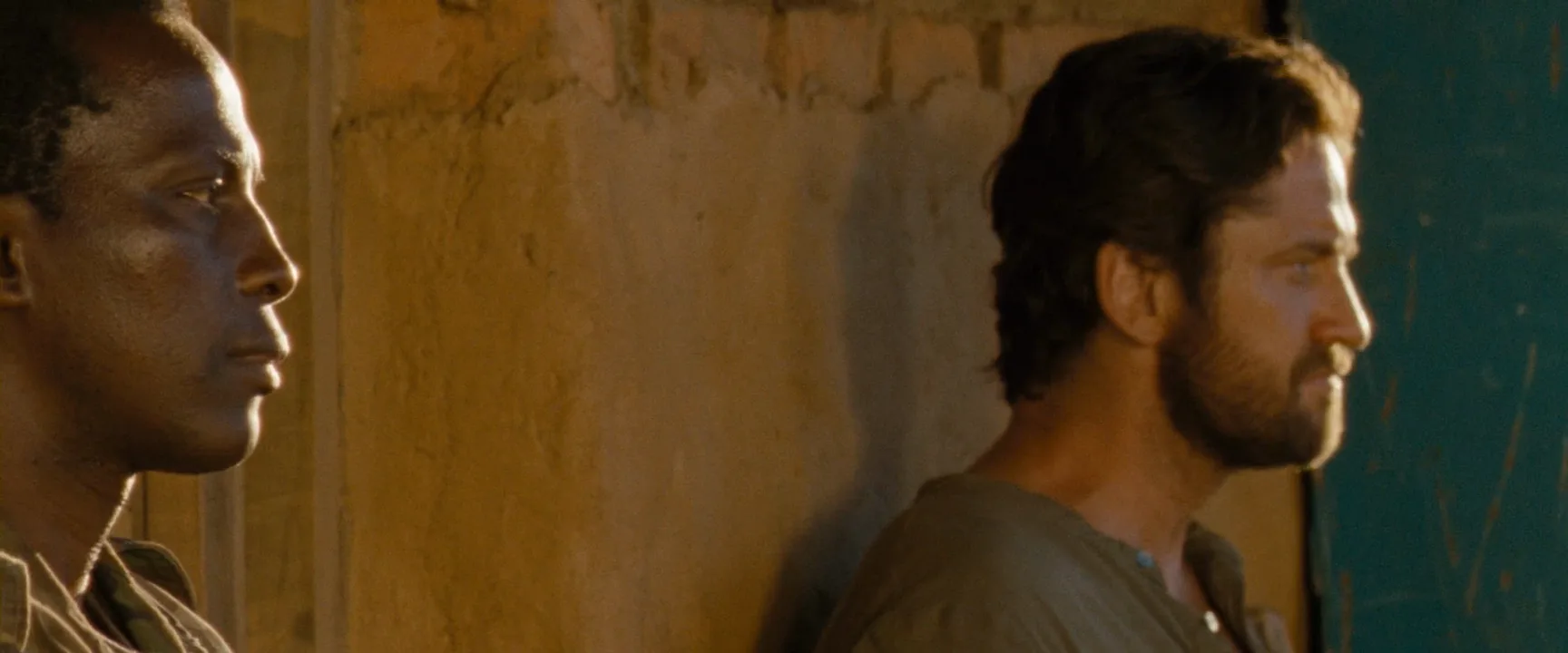
"output": "Full-screen live-action scene from Machine Gun Preacher (2011), alive from its very first frame: one continuous shot, no cuts. Warm 35mm film look, low late-afternoon sun, ochre and dusty orange palette with one teal accent, fine grain, a hot dry village in South Sudan.",
"characters": {
"S1": {
"name": "Deng, played by Souléymane Sy Savané",
"look": "slim Black man in his late thirties, very short black hair, olive camouflage fatigue shirt; seen in right-facing profile from the shoulders up",
"voice": "silence: he never speaks"
},
"S2": {
"name": "Sam Childers, played by Gerard Butler",
"look": "broad-shouldered white man around forty, thick wavy dark-brown hair, full dark beard, faded grey-green henley with its buttons open at the collar",
"voice": "silence: he never speaks"
}
},
"shots": [
{
"shot": 1,
"camera": "near-static, eye level, long lens, wide-screen two-shot with both men in right-facing profile: S1 close to camera at the far left edge, cut by the frame at the back of his head and shoulder; S2 a step behind him in the right half, his back and shoulder against a cracked ochre mud-plaster wall with a row of bare bricks along its top; a scratched teal-painted wooden door fills the far right edge. Both faces sharp. A barely perceptible slow drift, the framing stays almost unchanged to the end",
"action": [
"BEGINNING: alive from the first frame, S1 stands perfectly still, eyes fixed on a point off frame right, mouth closed, jaw set; S2 leans his shoulder on the wall with his head bowed low, chin toward his chest, eyes down at the ground, his long shadow on the wall behind him.",
"THEN: S1 keeps his head perfectly still, gaze still off frame right; S2 stays bowed, breathing slowly, his brow drawn.",
"THEN: S2 slowly lifts his head until his face is level and turns his eyes to the same point off frame right that S1 is watching; his brow stays furrowed.",
"THEN: S2 eases his weight off the wall and straightens a little, shifting slightly toward the right of frame, eyes still off frame right.",
"END: both men hold the same look side by side in silence, faces calm and set, lips closed; only a slow breath moves S2's shoulders."
],
"dialogue": [],
"voice": "silence: nobody speaks in this shot, no voice at all"
}
],
"sound": {
"ambience": "hot still afternoon, faint insects, distant voices of a village heard from far away",
"speech": "no words in this video; the only human sounds are breaths and movement",
"never_spoken": "no narration and no voice-over: the descriptions, performance notes and step words of this prompt are never spoken aloud",
"music": "a film score under the scene, always below the voices: a low sustained string chord with a soft, slow swell of grief and resolve",
"subtitles": "none"
}
}Remakes the silent profile two-shot from Machine Gun Preacher (2011) where Sam Childers lifts his bowed head to look where Deng looks; the prompt carried over the eye-level frame, the right-facing profiles, the warm side light and that single beat.
The drama sits in one small gesture: Sam Childers lifts his bowed head and joins Deng's gaze. The prompt names both characters, locks an eye-level profile two-shot, keeps the shot silent under a low string score and puts the key beat in THEN, so the model plays restraint instead of melodrama.
Open FlashBoardsCommon mistakes
- Poster lighting and heroic angles: ask for "eye-level," "naturalistic," "single practical lamp."
- Characters staring into the lens: give every person an eyeline target.
- Two-shots collapsing into one sharp face: say "both faces sharp" or "deep focus."
- Exaggerated crying: describe behavior instead, like "arms folded" or "holds the look."
Keep the reference frames, prompts and every generated take side by side — images and video in one canvas.
FAQ
4 questionsWhat is the drama genre in film?
Drama is the genre of serious, realistic stories in which believable characters face emotional or moral conflict. The stakes are personal: relationships, conscience, family, justice. Instead of action set pieces, a drama builds toward decisions and their consequences. Classic examples include 12 Angry Men and Kramer vs. Kramer.
What are the main types of drama?
Common film subtypes are family, relationship, social, courtroom, war, historical, sports and coming-of-age drama, each named by where the conflict lives. Drama also blends with other genres: in a crime drama like The Godfather, the genre supplies the setting and drama supplies the emotional core.
What is the difference between drama and melodrama?
Drama keeps emotion realistic and understated; melodrama heightens it above realism with clear-cut heroes and villains, coincidences, swelling music and expressive color. Drama relies on ambiguous characters, pauses and performance, and often leaves endings open. Many films mix both, and the dosage defines the tone.
Is a drama film always sad?
No. Drama means serious stakes, not unhappy endings. Many dramas end in reconciliation or quiet victory, and some carry humor throughout. What defines them is that the conflict matters to the characters and has real consequences. When comedy and grief share scenes equally, the film leans toward tragicomedy.
Related terms
6- MelodramaGenres
Melodrama heightens emotion above realism: clear-cut virtue and villainy, coincidences, big musical cues and expressive color push the audience toward tears — Douglas Sirk's 1950s films are the reference point.
- TragicomedyGenres
Tragicomedy blends tragic and comic modes in one story, so that laughter and grief sit side by side and color each other — Life Is Beautiful is a classic film example.
- Character StudyGenres
A character study is a film driven by the inner life of one person rather than by plot: events matter only as far as they reveal who the character is and how they change or fail to change.
- BiopicGenres
A biopic is a fiction film that dramatizes the life of a real person — either the whole life or one decisive episode — compressing and inventing scenes to shape facts into a story.
- CatharsisStorytelling
Catharsis is the emotional release an audience feels when a story's built-up tension breaks — through tears, relief or laughter — usually at or right after the climax.
- Film GenresGenres
A film genre is a category of films that share recognizable conventions of story, setting, character and style — western, horror, musical, noir — letting audiences know what to expect and filmmakers play with it.
Further reading
Sidney Lumet, Making Movies (1995). David Bordwell and Kristin Thompson, Film Art: An Introduction.