 FlashBoards Learn
Lighting · Film language
Natural Light
Also called: daylight, natural light, sunlight
Natural light is light from the sun, the sky and the moon rather than from lamps. Its direction, color and softness change with the hour and the weather, so a scene lit by it carries a real time and place and feels observed rather than staged, which is why realist cinema leans on it.
- What it does
- Ties the image to a real hour, season and weather, and makes the scene feel found rather than built.
- Use it when
- You want realism, a strong sense of place, or the specific look of one time of day.
- Watch out
- The source moves and changes every minute; without a sun plan, continuity breaks between setups.
- Try this prompt
medium shot by a tall window, soft overcast daylight from the left, far cheek in gentle shadow, room falling darker behind, 35mm, natural-light cinematography
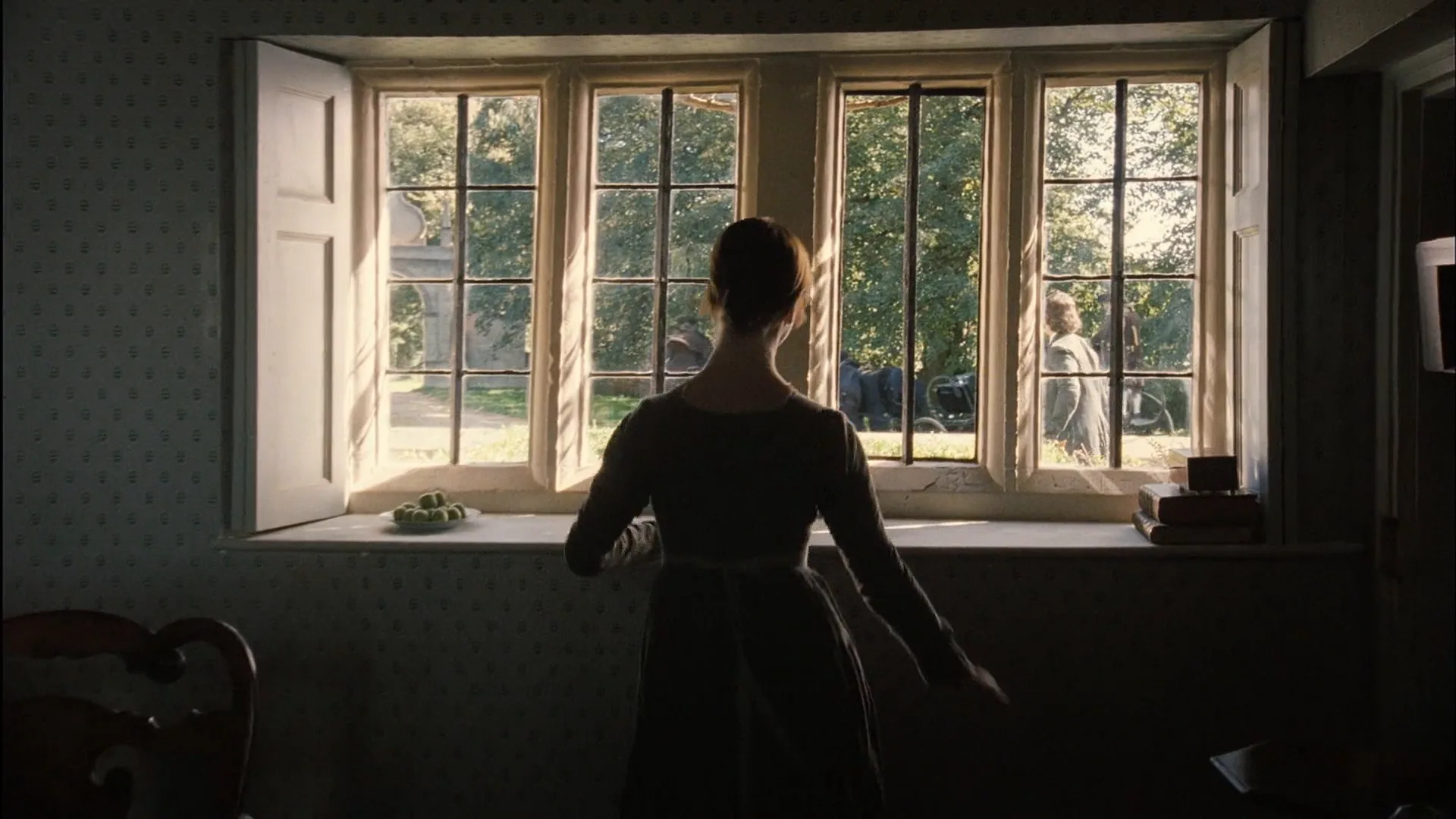
What is natural lighting in film?
Natural lighting means the scene is lit by sources nobody plugs in: sun, sky and moon. It is one of the basic choices in film lighting, and it is more than sunshine. On a location day a DP works with three lights at once:
- Direct sun. Small and distant, so hard: crisp shadows, high contrast, about 5,600K at midday.
- Skylight. The blue dome or a cloud layer acting as one huge soft source; open shade lit by blue sky reads much cooler.
- Bounced light. Sun reflected off ground or walls, filling shadows and picking up their color.
Moonlight is natural too, but far too weak for most cameras, so night exteriors are usually recreated with lamps (see moonlight lighting). It keeps changing: the sun's angle sets shadow length, the atmosphere sets softness, and the hour sets the color temperature.
Why do filmmakers use natural light?
Truth to place. Low amber sun or a gray coastal sky tells the audience where and when they are before anyone speaks. That is why the tradition of realism in film goes to real streets and real weather.
Scale. No lighting package lights a valley. The magic-hour exteriors of Days of Heaven (1978), shot by Néstor Almendros, are the classic proof; Emmanuel Lubezki worked almost entirely with daylight and firelight on The Revenant (2015).
Freedom and time. Fewer stands free actors and camera, and moving daylight can mark passing hours inside a scene as the sun drops toward golden hour.
The cost is control: clouds arrive mid-take and windows burn out by noon.
How to shoot with natural light
- Scout with a sun path. Note which walls and windows the sun hits by hour and schedule each setup for the light you want.
- Put the sun behind or beside the actors. Backlight gives a rim and lets the sky fill the face softly.
- Shape it. A 12x12 or 20x20 silk turns hard noon into soft shade; a white or silver reflector adds fill; black flags add negative fill when overcast light looks flat.
- Work the window. Indoors, place the actor a meter or two from a large window at about 45 degrees and keep the view outside within two to three stops of the face.
- Expose for the highlights. Sky and windows clip first, so use ND filters on the lens and let shadows fall off.
- Protect continuity. Shoot wides first while the light is best and log the sun direction for every setup.
Natural light by time of day and weather
- Midday sun: high, hard, neutral; crews diffuse it or move into shade.
- Late afternoon and golden hour: long shadows, warm raking side light and backlight.
- Blue hour: the sky is the only source, soft and cool.
- Overcast: one giant softbox, low contrast, easy continuity.
- Night: real moonlight is too dim to record, so it is recreated with lamps or day for night.
Natural light vs. artificial light
Artificial light is any man-made source: fixtures, LEDs, practicals, neon. The real difference is control: a lamp stays where you put it and holds its color, the sun does neither. Most professional day scenes are hybrids, with the sun as key and an HMI through a window or a bounce keeping direction and fill steady.
Ambient light is a different idea: whatever light already exists at a location, natural or not. A daylit field is both natural and ambient; a room lit by its own fluorescents is ambient but artificial.
Natural Light examples in film
8 framesFrames lit by sun, sky and twilight. Watch where the light enters.
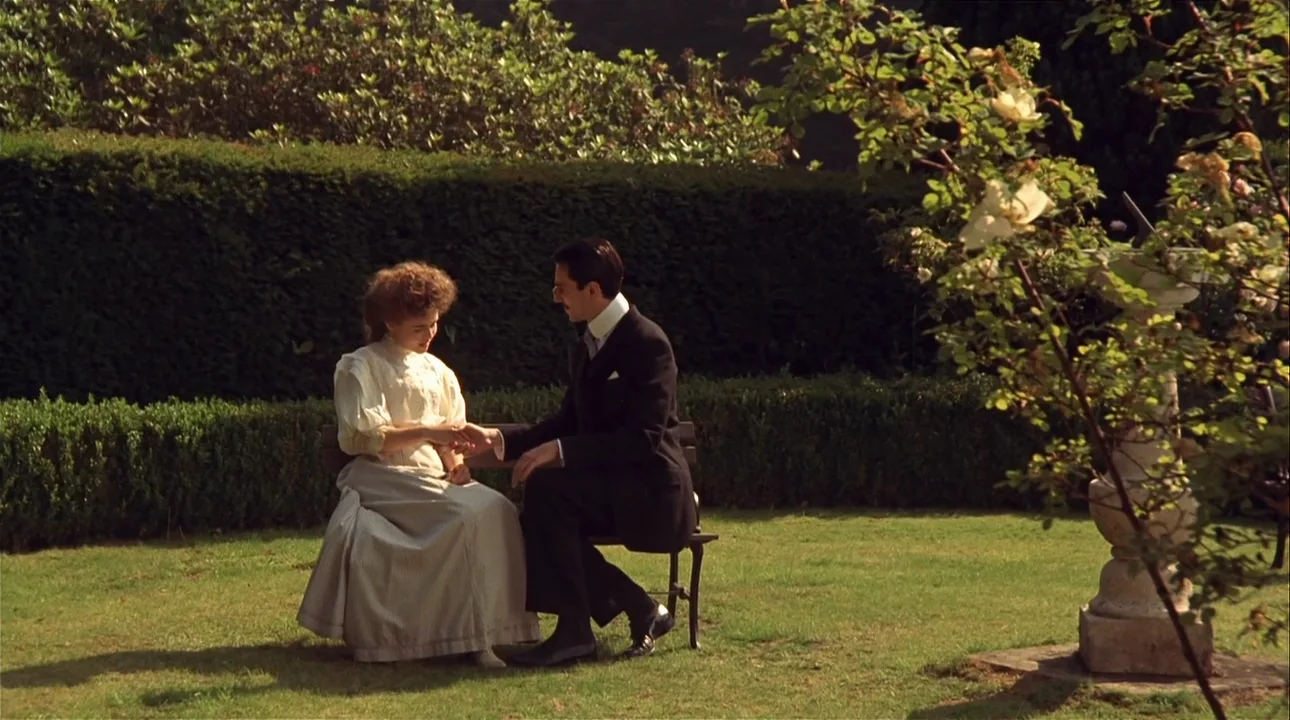
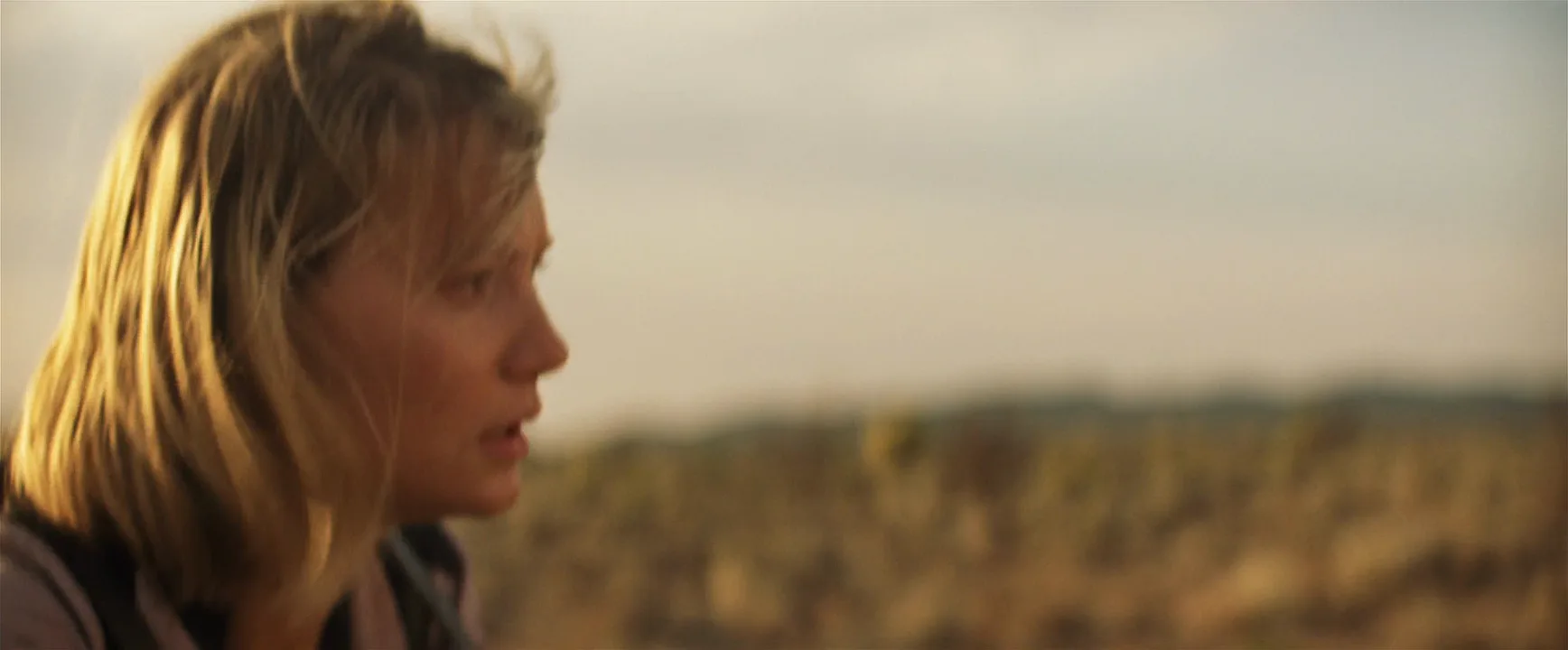
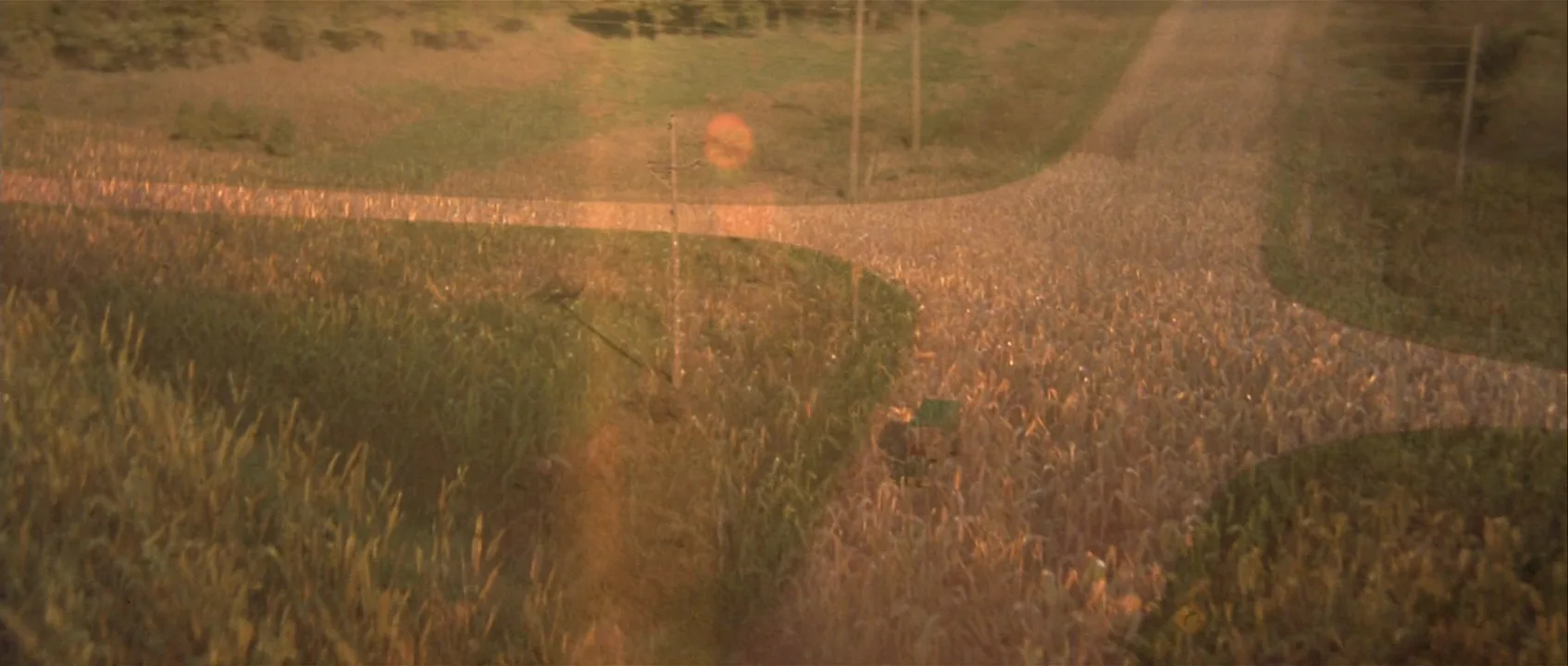
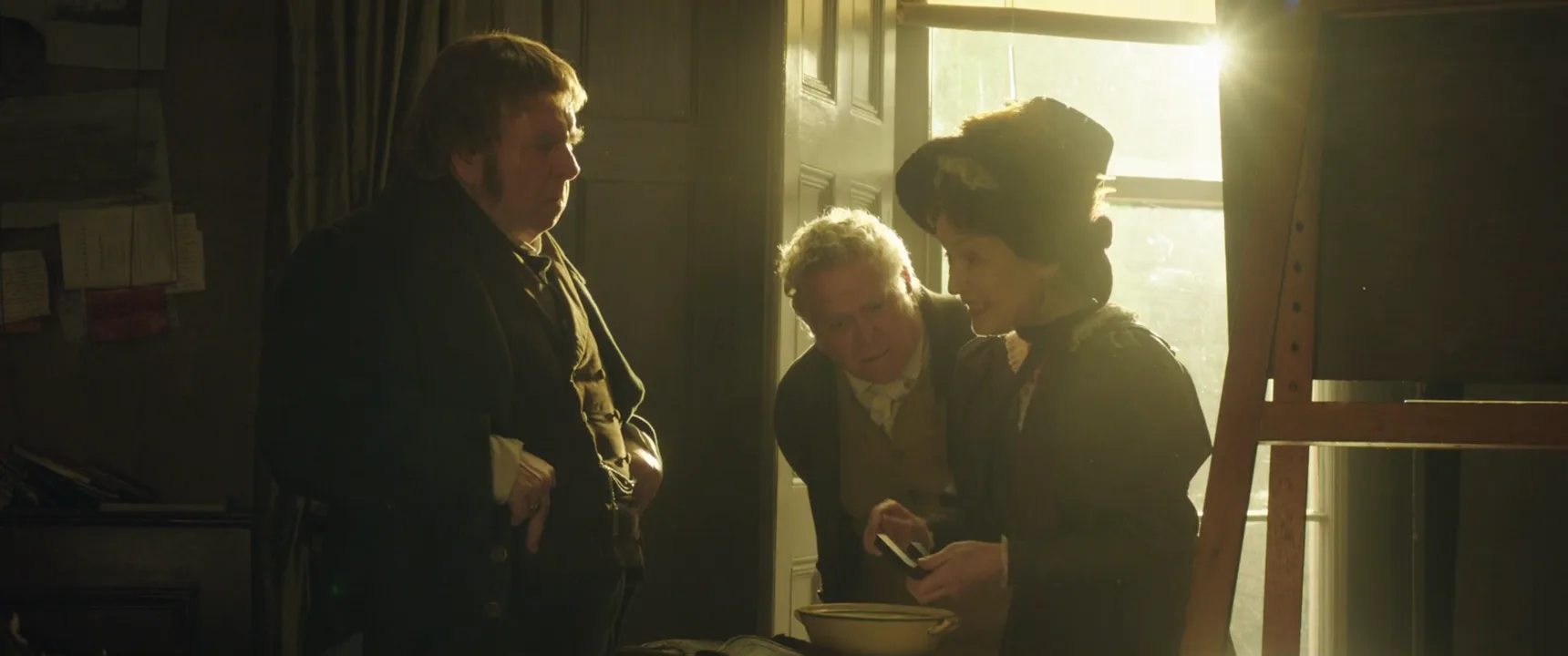
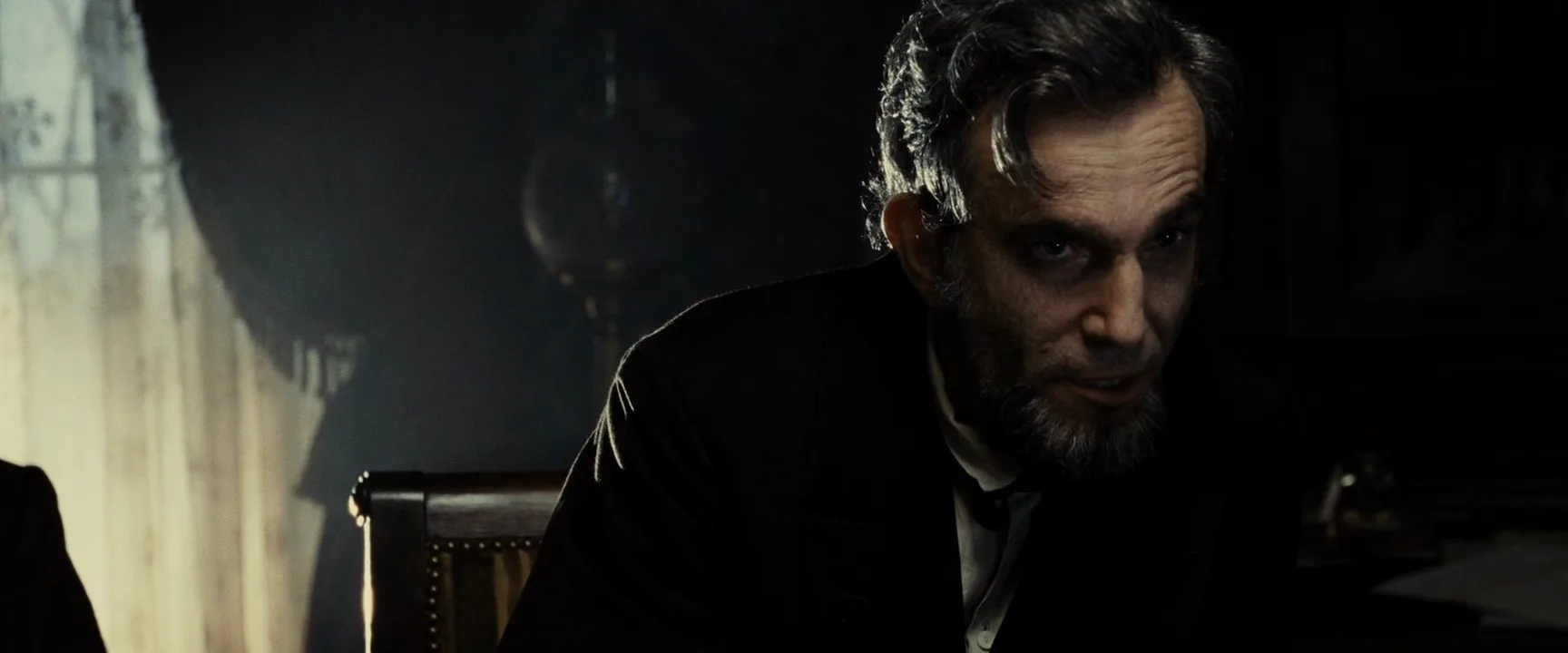
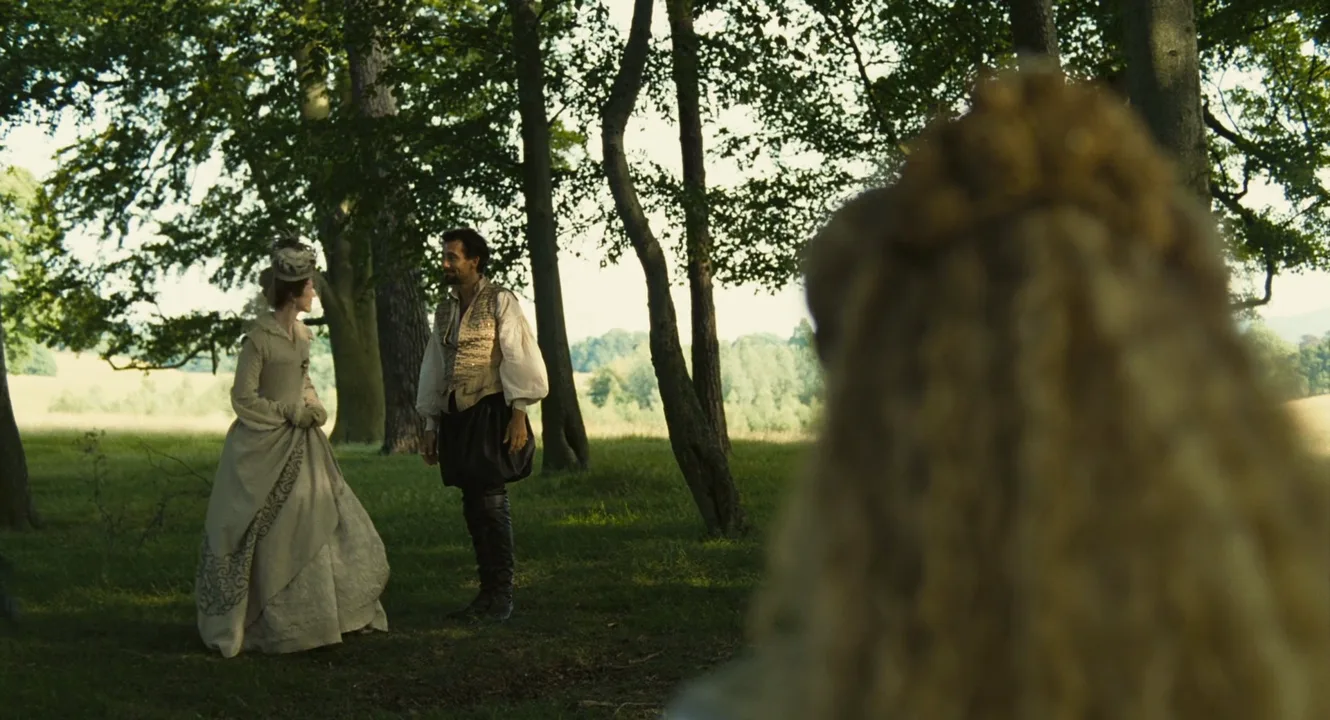
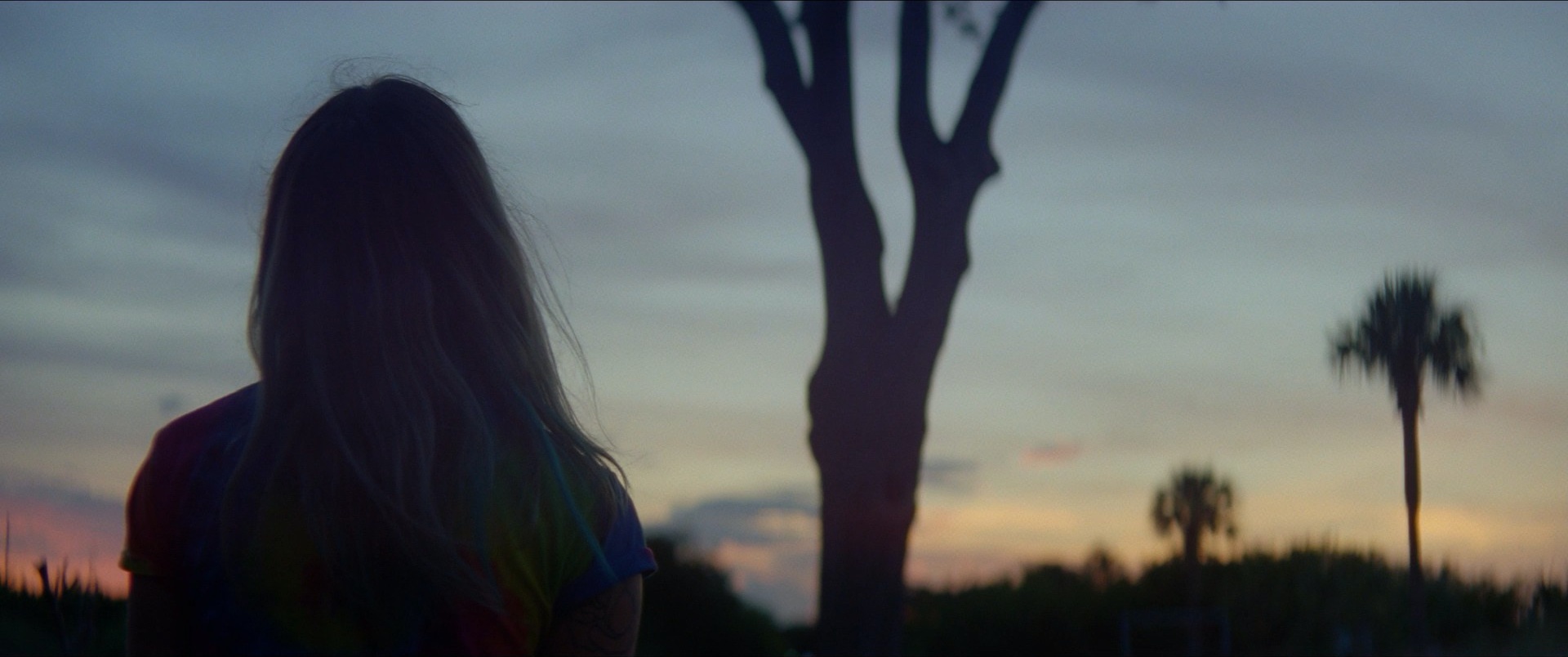
How to create a natural light with AI
4 promptsImage models default to even, sourceless brightness. Name one source, its direction and quality, the hour, and the shadow side. On a FlashBoards board, keep film frames beside your generations and compare takes side by side. The fourth prompt re-shoots a real film shot from a text description alone, and the original plays next to the result so you can compare.
Medium shot of a woman in her late thirties with a short grey-streaked bob, freckles and a navy wool cardigan, sitting at a wooden kitchen table with an open notebook and a white mug, a tall window on the left is the only light source, soft overcast daylight across her face from the left, far cheek in gentle shadow, white walls darkening toward the back of the room, 35mm lens at eye level, muted realistic color, fine film grain
The only light source and from the left fix one direction, overcast makes it soft, and walls darkening toward the back forces the falloff that separates window light from studio light.
Open FlashBoardsWide shot of a tall man in his sixties with a white beard and a faded red flannel shirt walking a dirt farm track through waist-high wheat, low late-afternoon sun behind him to the right, warm rim light on his shoulders and hair, face lit softly by open blue sky, long shadows stretching toward camera, slight lens flare, 50mm lens at chest height, lit only by sun and sky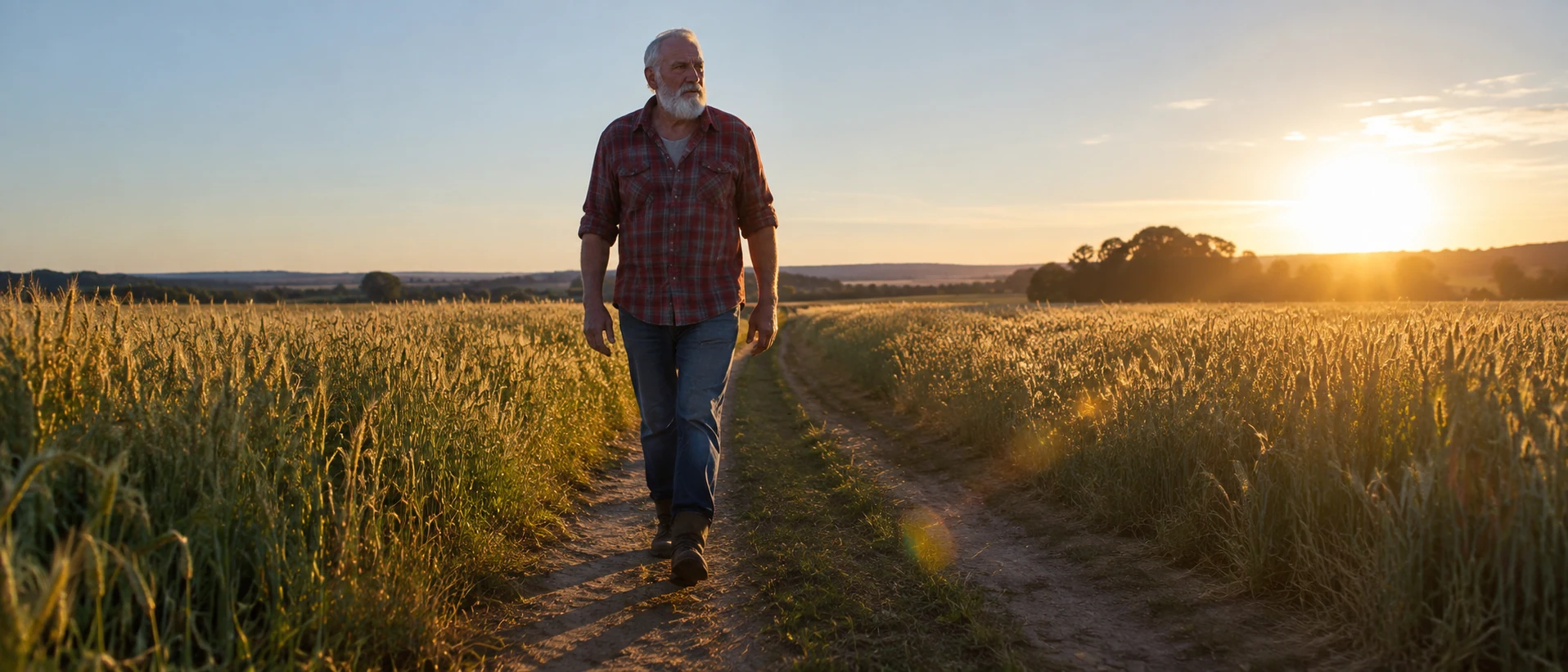
Outdoors, the sun becomes a backlight. Rim light plus face lit by open blue sky describes the sun-and-skylight split; long shadows toward camera locks the sun's position.
Open FlashBoardsCamera: a slow, steady push in at eye level from medium shot to medium close-up, moving the whole time. Action: The woman is already turning a page of the open notebook. The window light slowly brightens as the clouds thin and the shadow on her far cheek softens. She lifts her head toward the window, eyes narrowing slightly, and holds.Natural light is alive, so the light itself changes as clouds thin. The page turn starts motion on frame one, and every object named is already in the start frame.
Open FlashBoards{
"output": "Full-screen live-action shot from Lincoln (2012) from its very first frame: one continuous shot, no cuts. A dim 1860s White House office by day, lit only by daylight through a tall lace-curtained window on the left of frame: a soft, hazy, cold-white glow from screen left, low key, the rest of the room left to go almost black; daylight is the only source and there is no fill. Desaturated blue-gray and umber palette, deep crushed blacks, 35mm film grain, anamorphic widescreen.",
"characters": {
"S1": {
"name": "Abraham Lincoln, played by Daniel Day-Lewis",
"look": "tall, gaunt man in his fifties, dark graying hair swept back and falling over the brow, chin beard with a shaved upper lip, deep-set eyes; black frock coat, white shirt, thin black bow tie",
"voice": "high, soft, dry Kentucky-Illinois voice, unhurried, thinking aloud"
}
},
"shots": [
{
"shot": 1,
"camera": "eye level, medium close-up from the chest up, S1 in the right third of the frame; the left third is the window, a sheer lace curtain glowing a hazy cream-white between heavy dark drapes, not blown out, with a blurred dark-coated shoulder of a listener at the far left edge; a carved wooden chair back sits low behind S1, a dark glass globe lamp hangs unlit in the gloom behind his head; a very slow push in with a slow pan right that keeps him framed as he leans",
"action": [
"BEGINNING: alive from the first frame, S1 leans forward over a table, head turned three-quarters toward screen left, eyes on someone just off frame left, already speaking; only the side of his face toward the window catches light, a soft sliver across brow, cheekbone and beard, while the far side of his face, his black coat and the back of the room sink into near-black.",
"THEN: he finishes the phrase, closes his lips and holds still, eyes fixed screen left, brow slightly raised, shoulders hunched forward.",
"THEN: he lowers his head a little and leans further forward and slightly toward screen right, the light now catching only his forehead, cheekbone and the edge of his hair.",
"THEN: he starts speaking again, head dipping, eyes dropping toward the table in front of him as he weighs the words.",
"THEN: he lifts his head and his eyes come back up to the listener off frame left, the light sliding back across the left side of his face.",
"END: he finishes the line with a small tilt of the head, eyes held on the listener, face half in light, half in darkness."
],
"dialogue": [
{
"speaker": "S1",
"on_screen": true,
"when": "from the first frame, while he looks screen left",
"delivery": "quiet, deliberate, quoting a document",
"line": "<d>[English] Then, thenceforward and forever free.</d>"
},
{
"speaker": "S1",
"on_screen": true,
"when": "after the pause, as his head dips toward the table, running to the end of the shot",
"delivery": "soft, reasoning, half to himself, a wry edge on the last sentence",
"line": "<d>[English] Now let's say the courts decide I had no authority to do it. They might well decide that.</d>"
}
]
}
],
"sound": {
"ambience": "quiet room tone, a faint creak of the chair, a clock ticking somewhere in the room, muffled carriages heard from outside",
"speech": "exactly these spoken phrases, each said once, in this order",
"never_spoken": "no narration and no voice-over: the descriptions, performance notes and step words of this prompt are never spoken aloud",
"music": "a film score under the scene, always below the voices: a low, hushed string pad with a sparse, solemn piano note",
"subtitles": "none"
}
}Remakes Kamiński's window-lit office shot from Lincoln (2012): the prompt carries over the lace-curtained window on the left, the dark room, the slow push in and pan right, the head dipping out of the light and lifting back, and both spoken lines verbatim.
The light lives in the output and camera lines: one lace-curtained window on the left as the only source, no fill, and the room left to go black. The action steps then move the head in and out of that light, so the sliver on brow and cheek shifts with every lean, which is what makes window light read as real daylight.
Common mistakes
- Flat, sourceless light: name one window or the sun and a direction.
- Hidden lamps: say the window is the only light source and that walls darken away from it.
- Wrong color for the hour: ask for neutral midday sun or cool overcast daylight explicitly.
- Squinting front sun: put the sun behind or beside the subject.
Keep the reference frames, prompts and every generated take side by side — images and video in one canvas.
FAQ
4 questionsWhat is natural lighting in film?
Natural lighting is light from the sun, the sky or the moon instead of film lamps. Filmmakers choose the location, hour and camera direction so real light does most of the work, then shape it with silks, bounce boards and flags. The result feels tied to a real place and time.
Is natural light good for filming?
Yes, with planning. Daylight is huge, believable and lets actors move freely, but it changes constantly, hard noon sun is unflattering, and passing clouds break continuity between takes. Scheduling by the sun, backlighting actors and carrying diffusion and reflectors solve most problems.
How do you light a scene naturally indoors?
Use the biggest window as the key. Place the actor a meter or two from it at about 45 degrees, switch off overhead fixtures and let the room fall into shadow. Add a white bounce on the shadow side if contrast is too strong, and ND gel on the glass if the view burns out.
What time of day is best for natural light filming?
The hours after sunrise and before sunset give the most flattering daylight: low, warm, directional and easy to backlight. Overcast days suit long dialogue scenes because the soft light barely changes. Midday sun is the hardest to work with and usually needs a silk overhead.
Related terms
5- Ambient LightLighting
Ambient (available) light is whatever light already exists at a location — sun through windows, street lamps, shop signs — before the crew adds its own; DPs either shoot with it as it is or shape and supplement it.
- Golden HourLighting
Golden hour — which filmmakers call magic hour — is the short window after sunrise and before sunset when the low sun gives warm, soft, raking light and long shadows; crews often keep shooting into the blue twilight that follows.
- MoonlightLighting
Moonlight lighting imitates the moon with a single high, directional source — usually cool or neutral, often from behind — plus controlled underexposure, so the scene reads as night while faces and space stay legible.
- RealismFilm Movements & Styles
Realism in film is the broad tradition — theorized by André Bazin — of showing the world as it is: long takes, deep focus, real places and restrained style that let reality speak rather than montage or spectacle.
- Film LightingLighting
Film lighting is the craft of shaping light for the camera — its direction, quality, color and contrast — to model faces, build space, set the time of day and carry the mood of a scene.
Further reading
Néstor Almendros, A Man with a Camera (1984). Harry C. Box, Set Lighting Technician's Handbook.