 FlashBoards Learn
- Learn
- Storytelling
- Anticlimax
Storytelling · Film language
Anticlimax
Also called: anti-climax, bathos
An anticlimax is a payoff that lands smaller than its build-up promised: the story sets up a big confrontation, then delivers something abrupt, trivial or absurd instead. Done on purpose, it gets a laugh or makes a point about the story's world. By accident, it feels like the film lost its nerve.
- What it does
- Breaks the promise of a big payoff, turning built-up tension into a laugh, a shrug or a hollow ache.
- Use it when
- The story's point is that the grand confrontation was never going to matter, or when comedy needs a hard deflation.
- Watch out
- An anticlimax only reads as intended if the build-up was fully committed; half a setup just looks like a weak climax.
- Try this prompt
Armored knight with sword raised before a colossal cave, a dragon the size of a house cat yawning in the entrance, wide shot
What is an anticlimax?
Rising action stacks up obstacles and stakes until the story owes the audience a decisive peak. An anticlimax pays that debt in the wrong currency: the showdown is skipped, cut short, resolved by something trivial, or followed by an aftermath that drains the victory of meaning.
In rhetoric, anticlimax (or bathos) is a sentence that drops from the lofty to the ridiculous. In film it is a structural move: the gap between what staging, music and pacing promised and what the scene delivers.
A deliberate anticlimax is designed, with the build-up played completely straight so the drop has something to fall from. An accidental anticlimax is a failed climax: the stakes collapse, the solution arrives from nowhere, or the story simply stops.
Why filmmakers use a deliberate anticlimax
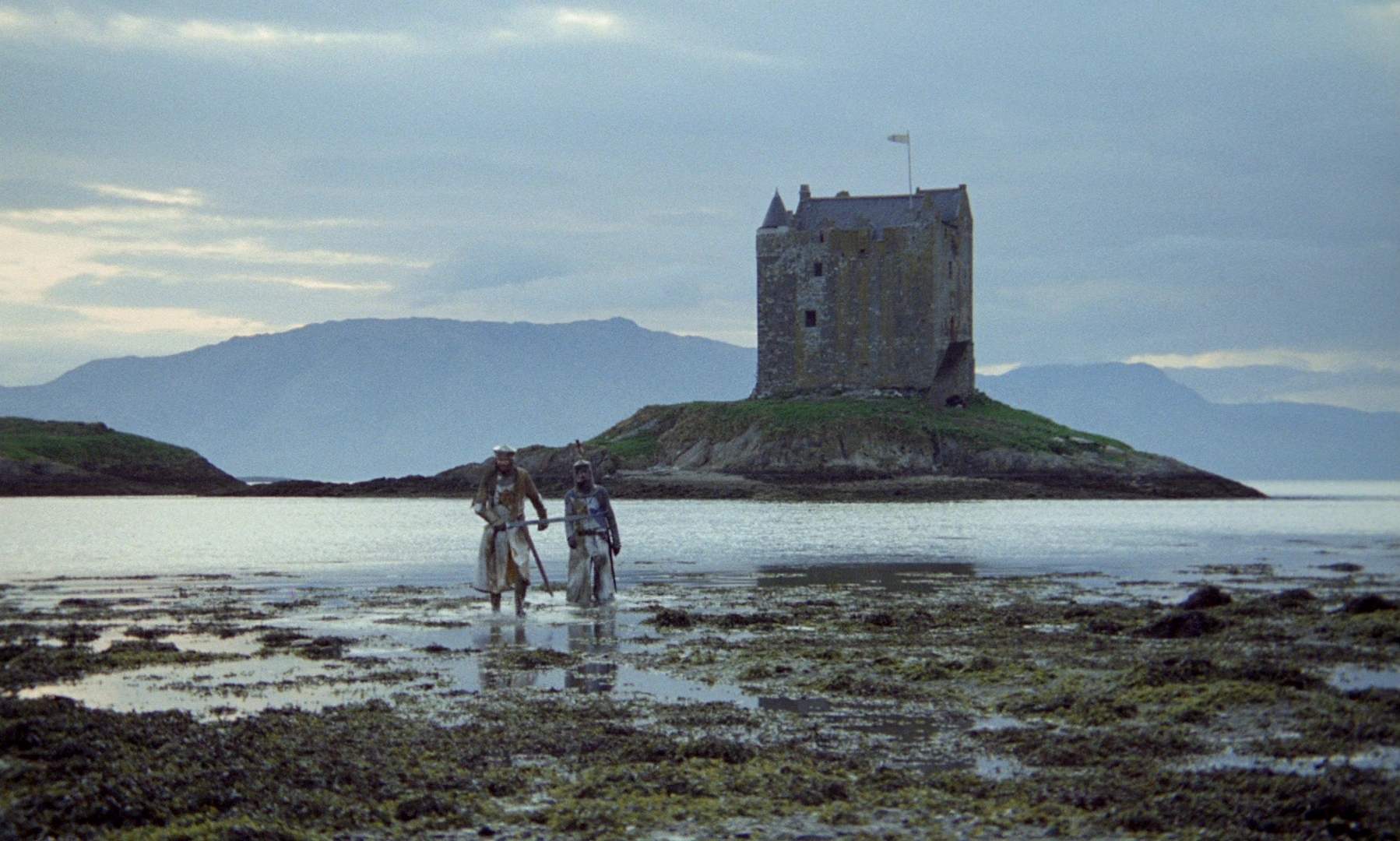
Comedy. Monty Python and the Holy Grail (1975) gathers an army for the final castle, then lets modern police arrest the knights and shut the film down before the battle begins. The joke works because the charge is staged like a real epic.
Character. In Raiders of the Lost Ark (1981), a swordsman in a Cairo market performs an elaborate display of blade work, and Indy simply shoots him. The promised duel becomes a shrug.
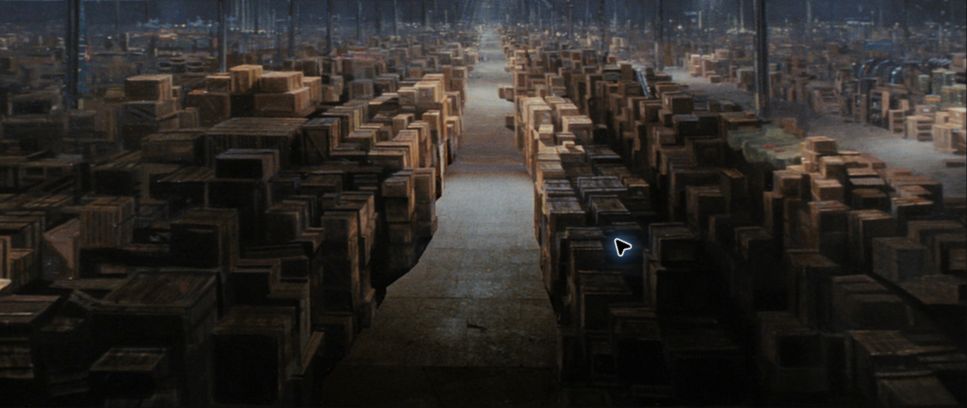
Theme. The same film ends with the Ark nailed into a crate and wheeled into an endless government warehouse: institutions bury what they cannot understand. Burn After Reading (2008) ends with two intelligence officials concluding they learned nothing from the chaos.
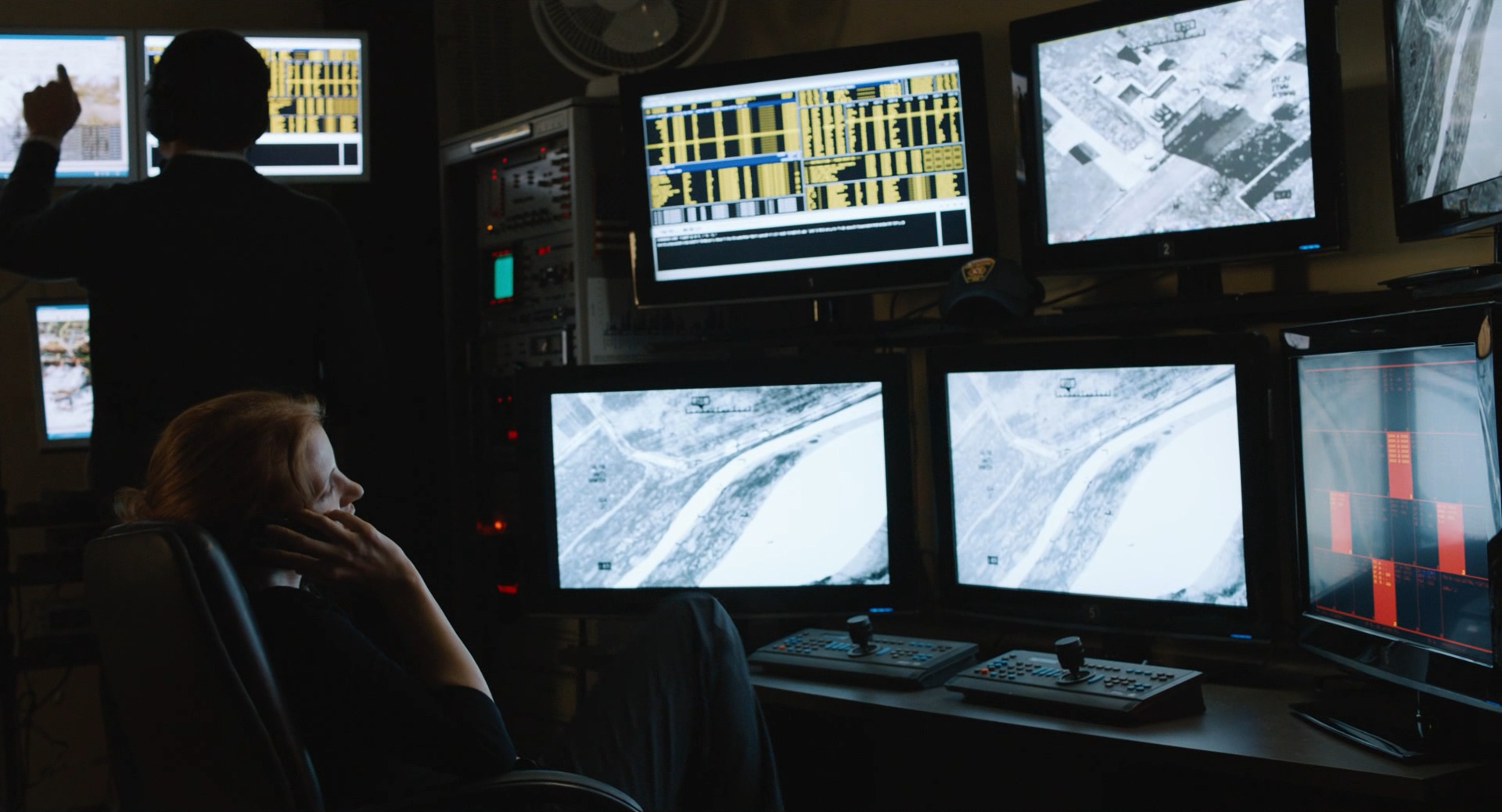
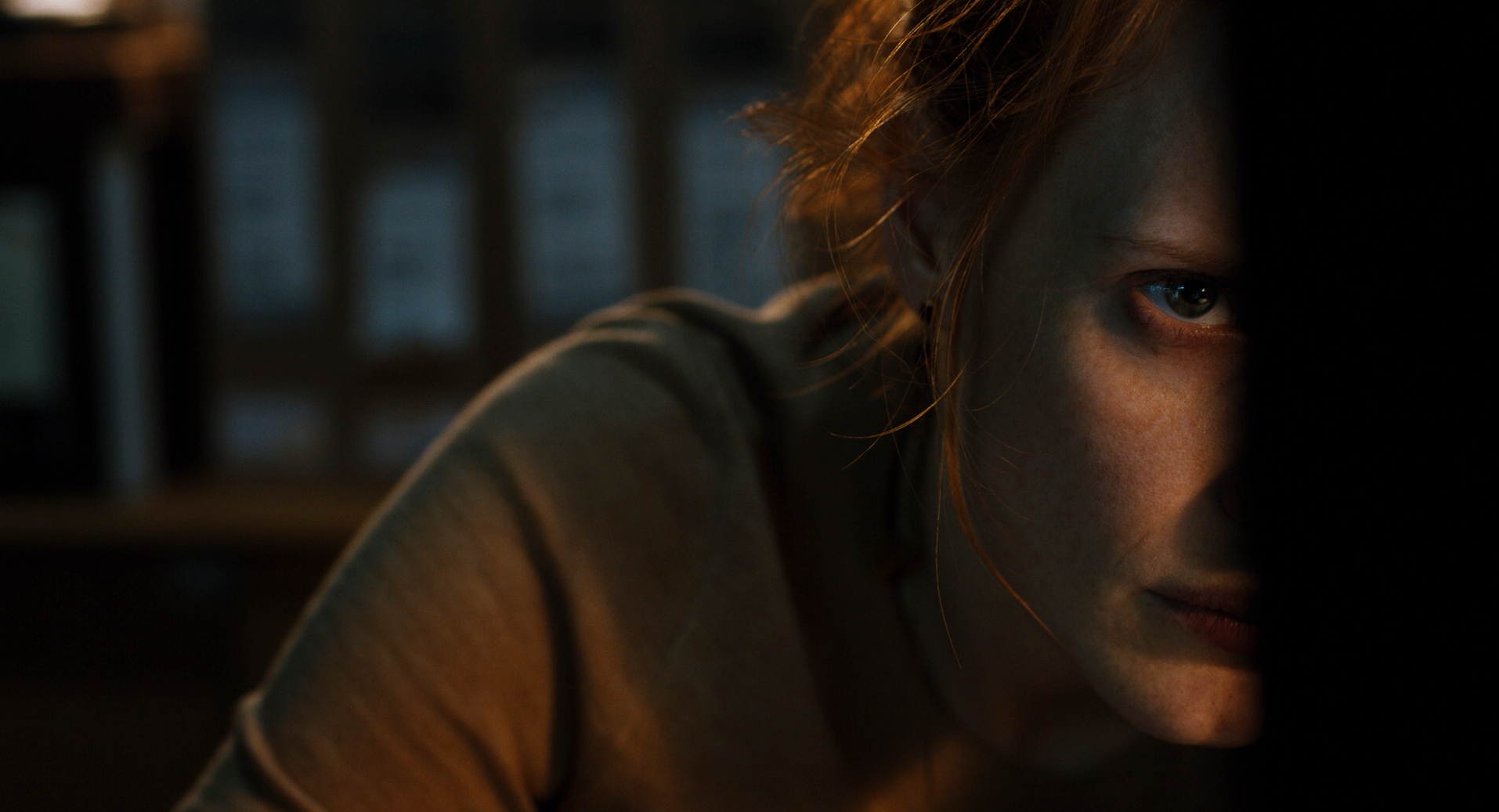
Cost. Zero Dark Thirty (2012) delivers its raid, then refuses the victory scene. It ends on its protagonist alone in the hold of a transport plane, unable to answer where she wants to go.
When an anticlimactic ending fails
Audiences usually say "anticlimactic" as a complaint. The accidental version has three common causes:
- Rescue from outside. War of the Worlds (2005) keeps H. G. Wells' ending, in which the invaders die of earthly germs, and it is often criticized as abrupt. That borders on deus ex machina.
- Shrinking stakes. The villain is defeated off screen, or the threat was smaller than the film claimed.
- Stopping instead of ending. No confrontation, no denouement, just credits.
The test is intent: a deliberate anticlimax pays off a theme; an accidental one leaves the film's own questions open.
How to stage an anticlimax
- Commit to the build-up. Shoot the approach like the real climax: full coverage, rising score, low angles, a push-in. The fall needs height.
- Hold the wide. The drop reads best where the whole mismatch is visible at once: the raised sword and the tiny opponent, the army and the police car.
- Cut the score. Music stopping mid-phrase tells the audience the promise is broken.
- Play it straight. Nobody in the scene winks.
- Hold the beat after, or cut hard to black, so the gap registers.
In FlashBoards, lay the build-up frames in a row on the board with the payoff frame at the end: the arc side by side shows whether the drop looks intended or underpowered.
Anticlimax vs. climax
The climax answers the story's central question at maximum intensity; an anticlimax answers it, or refuses to, at deliberately low intensity. Both sit at the same point in the structure.
It is also not a plot twist: a twist changes what the audience believes happened, an anticlimax changes how much it is worth. And unlike comic relief, which releases tension between big beats, an anticlimax replaces the big beat itself. More tension devices are in the storytelling hub.
Anticlimax examples in film
4 framesFrames from two famous deliberate anticlimaxes and a film that withholds its payoff.
How to create a anticlimax with AI
3 promptsA comic anticlimax fits in one wide frame: promise and deflation together. Generate the setup, a serious variant, then animate the moment the promise breaks. In FlashBoards, keep them next to your build-up frames to judge the drop.
Wide shot, camera at waist height. A knight in her forties with a shaved head, a pale scar across her chin and dented steel plate armor stands braced before a colossal cave mouth in a black cliff, longsword raised in both hands. Scorched bones and a broken shield lie on the rocks. In the cave entrance sits a green dragon the size of a house cat, curled on a flat stone, mid-yawn. Torch smoke drifting, grey overcast light, epic fantasy film still, 28mm lens.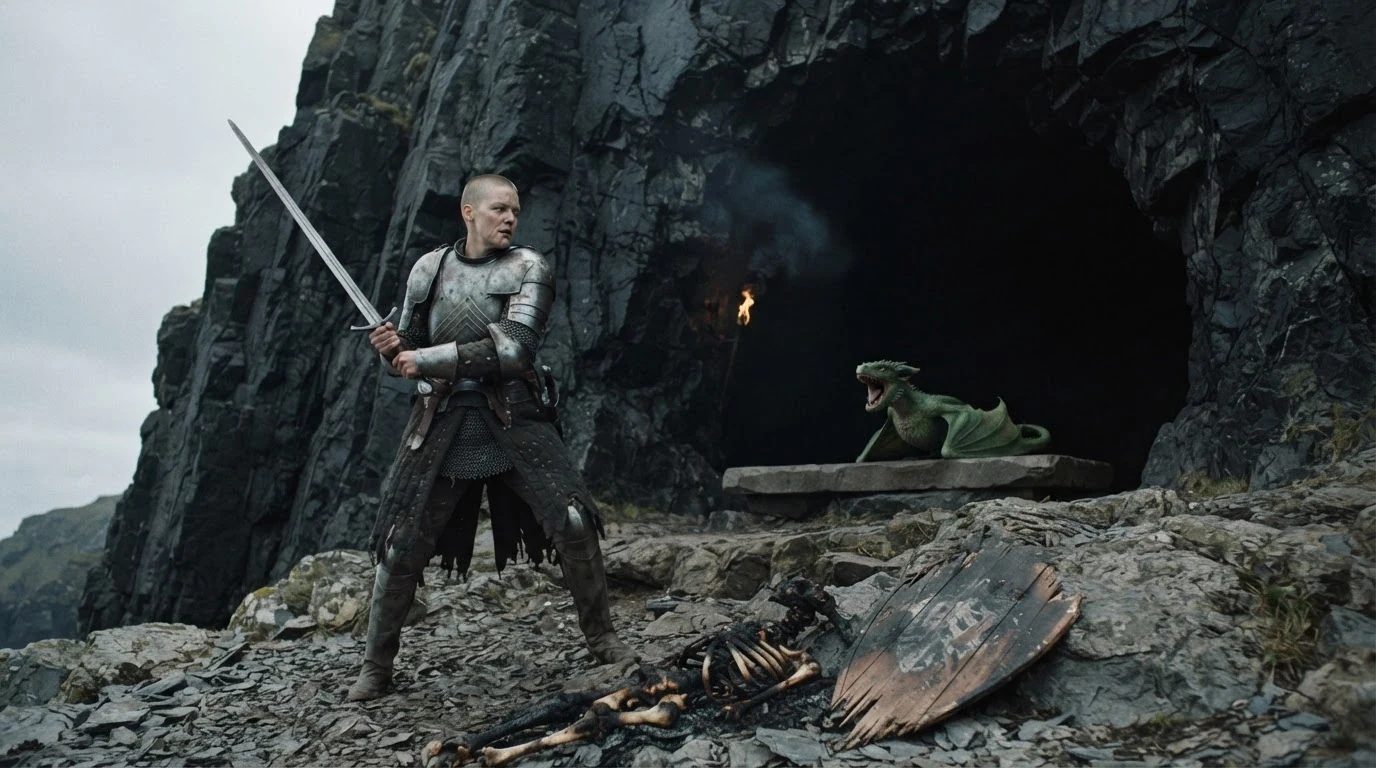
Colossal cave, scorched bones and sword raised build the epic promise; the size of a house cat and mid-yawn deliver the drop in the same frame. The wide lens keeps both readable. This is the start frame for the video.
Open FlashBoardsA huge empty boxing arena, every seat vacant, ring lights blazing. A boxer in his late twenties with a bleached buzz cut, a crooked nose and taped hands sits alone in the center of the ring in a red satin robe. Main-event banners hang above the empty rows. Wide shot from the back of the arena, 35mm lens, cold white light, cinematic film still.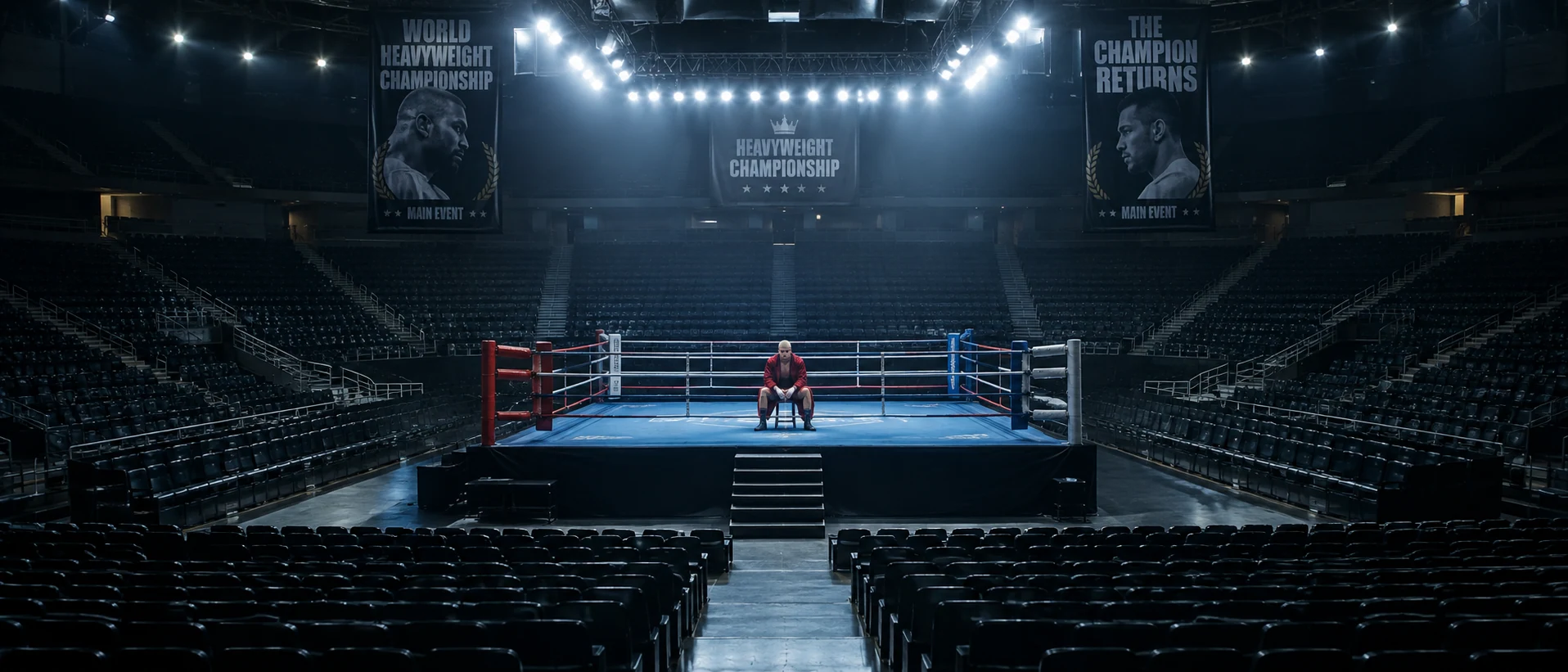
A serious anticlimax: banners and blazing lights promise the main event, every seat vacant and sits alone show it never happened.
Open FlashBoardsCamera: locked-off wide shot, holding the same framing for the whole clip. Action: from the first frame torch smoke drifts across the rocks and the knight shouts and raises her sword higher, stepping toward the cave. The tiny green dragon finishes its yawn, blinks at her and puffs one small ring of smoke that floats toward her boots. The knight stops, stares down at it and slowly lowers her sword.Smoke and the shout start motion at once. The locked-off wide holds promise and deflation together, and slowly lowers her sword is the held beat after the drop.
Open FlashBoardsCommon mistakes
- Models enlarge the dragon. Anchor scale: the size of a house cat.
- In the arena frame, models fill the seats. Say every seat vacant.
- In video, the knight attacks and it becomes a fight. Describe her stopping and lowering the sword.
Keep the reference frames, prompts and every generated take side by side — images and video in one canvas.
FAQ
4 questionsWhat is an anticlimax in film?
An anticlimax in film is a payoff deliberately or accidentally smaller than its build-up: a promised showdown is skipped, cut short or resolved by something trivial. Deliberate ones serve comedy, like the police ending of Monty Python and the Holy Grail, or theme, like the warehouse ending of Raiders of the Lost Ark.
What does anticlimactic ending mean?
An anticlimactic ending resolves the story with less force than the film promised. Viewers usually mean it as criticism: the stakes collapsed, the solution came from outside the characters, or the film stopped before a real confrontation. Intentional anticlimactic endings work when the film's tone has prepared a payoff about emptiness or absurdity.
Is an anticlimax always bad?
No. An accidental anticlimax is a structural failure, but a deliberate one is a tool: it can land a joke, reveal a character, or say the big confrontation never mattered. It works when the build-up is played fully straight and the deflation connects to the film's theme.
What is the difference between anticlimax and bathos?
The terms overlap. Bathos comes from rhetoric and describes a sudden drop from the grand to the ridiculous, usually for comic effect. Anticlimax is broader: in film it names any payoff smaller than its setup, including serious ones, like a victory with no celebration. Every bathetic moment is an anticlimax, but not every anticlimax is funny.
Related terms
4- ClimaxStorytelling
The climax is the story's decisive peak: the protagonist faces the central conflict head-on and the main dramatic question is answered.
- Rising ActionStorytelling
Rising action is the chain of complications between the inciting incident and the climax, where obstacles pile up and stakes rise.
- DenouementStorytelling
The denouement is the final part of the plot after the climax, where loose threads are tied up and the new balance of the characters' world is shown.
- Plot TwistStorytelling
A plot twist is a revelation that overturns what the audience believed about the story or a character; a good one is prepared by fair clues and recolors everything seen before.
Further reading
Robert McKee, Story: Substance, Structure, Style and the Principles of Screenwriting (1997), on climax and resolution.