 FlashBoards Learn
- Learn
- Storytelling
- Denouement
Storytelling · Film language
Denouement
Also called: resolution, final resolution
The denouement is the final stretch of a story after the climax, where loose threads are tied off and the audience sees the new balance of the characters' world. It turns the outcome of the conflict into a lasting image of what changed and lets the viewer exhale before the credits.
- What it does
- Shows the consequences of the climax and the new normal, so the ending feels earned and complete.
- Use it when
- The climax has answered the dramatic question and the audience needs to see what that answer costs or gives.
- Watch out
- Every extra scene after the climax drains tension; tie off only the threads the audience still cares about.
- Try this prompt
Wide static shot, morning after a flood, a small diner freshly cleaned, the owner flipping the sign to OPEN, soft window light, 35mm film still
What is a denouement?
The word is French: dénouement comes from dénouer, to untie. The plot is a knot tightened through the rising action; the denouement loosens it.
In Freytag's pyramid it is the last of five parts, after the climax and the falling action. In the three-act structure it is the tail of Act Three, usually the last few minutes of a feature. It answers two questions: what happened to everyone we cared about? and what does the world look like now? A good denouement shows the new state rather than explaining it.
Resolution in a story: the same thing under another name
Screenwriting books often say resolution where literature classes say denouement: the closing part of the story in which the central conflict is settled and its consequences are shown. Sometimes "resolution" names the whole Act Three and "denouement" its final beat; here they are one idea within story structure.
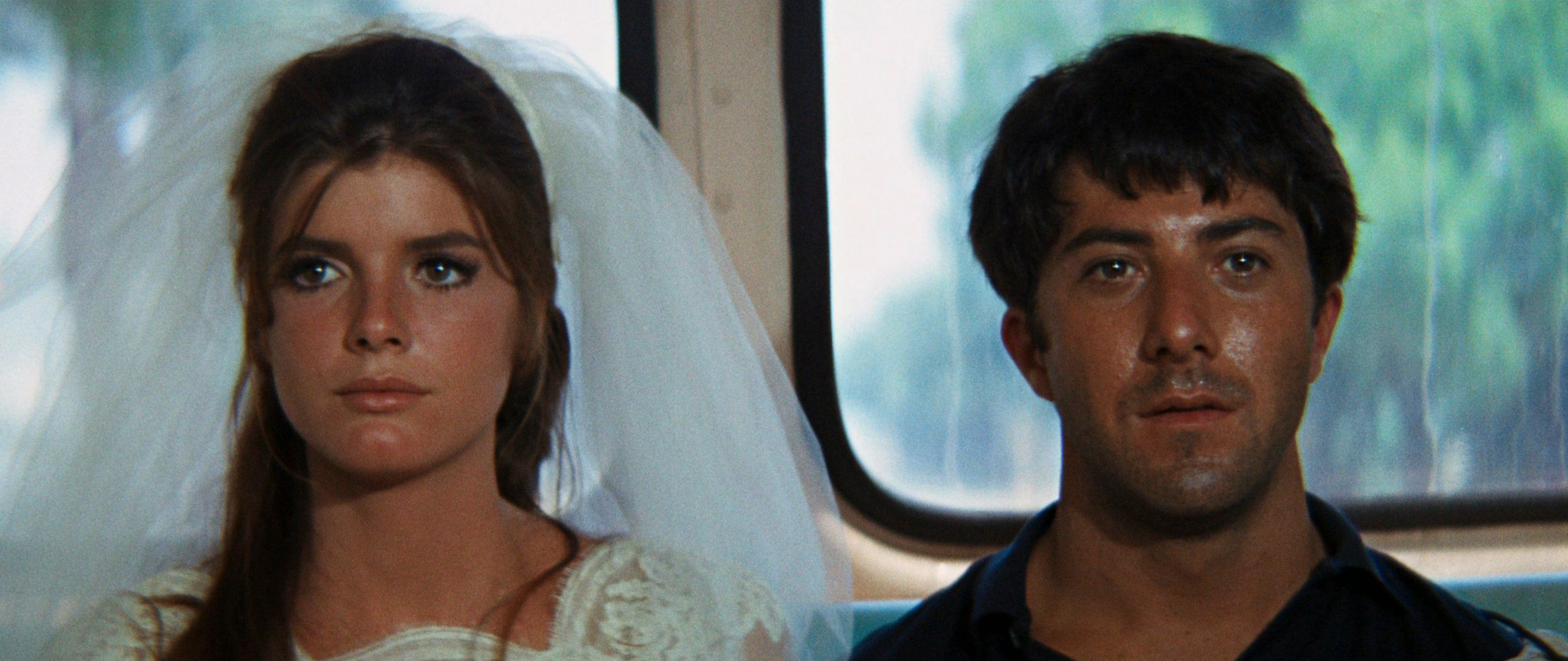
A resolution does not have to be happy. The Graduate (1967) and Chinatown (1974) close the plot and leave the characters uncertain or worse off.
Why does a film need a denouement?
- Release. After the peak, the audience needs a few beats to process. This is where catharsis settles in.
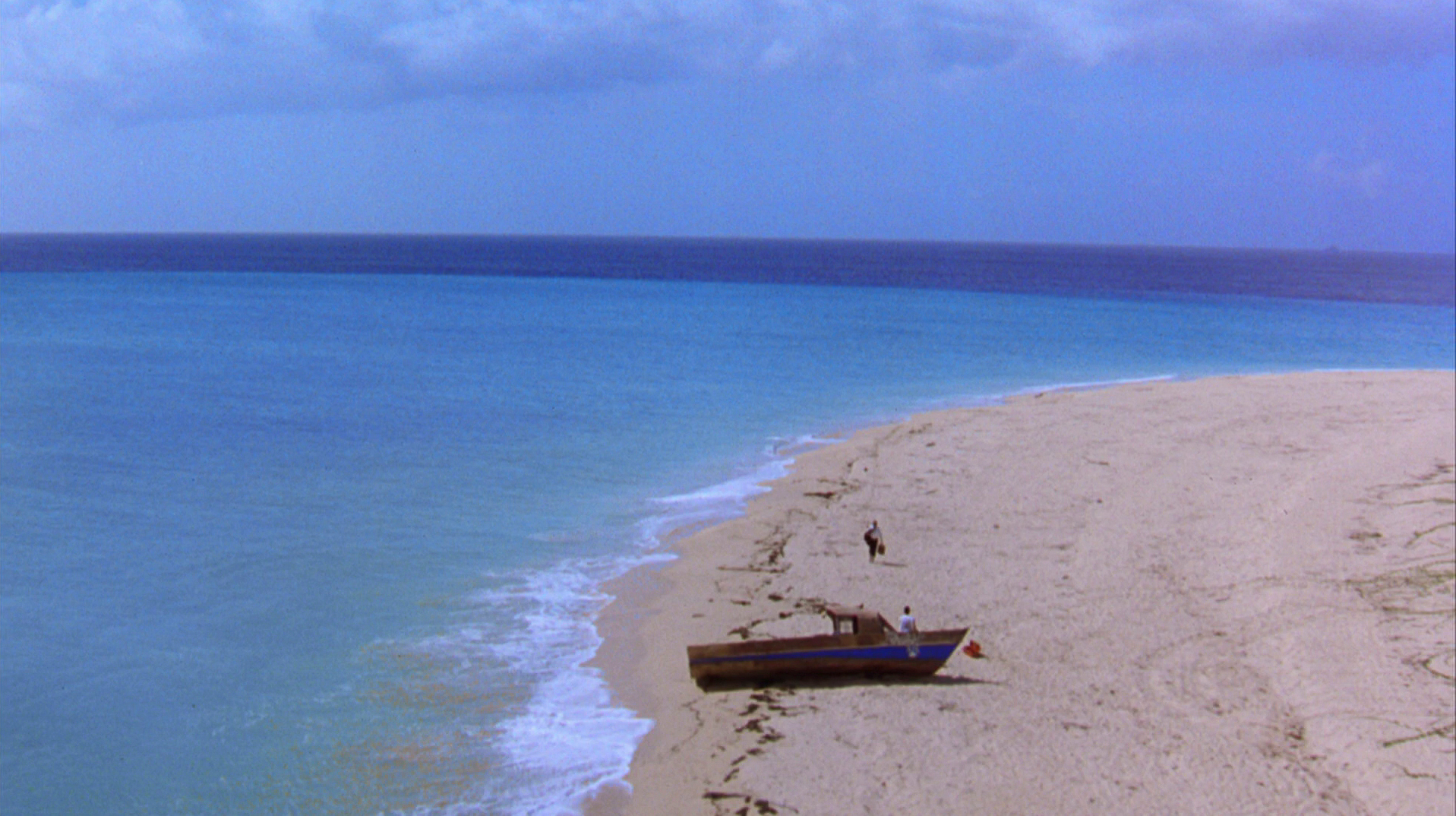
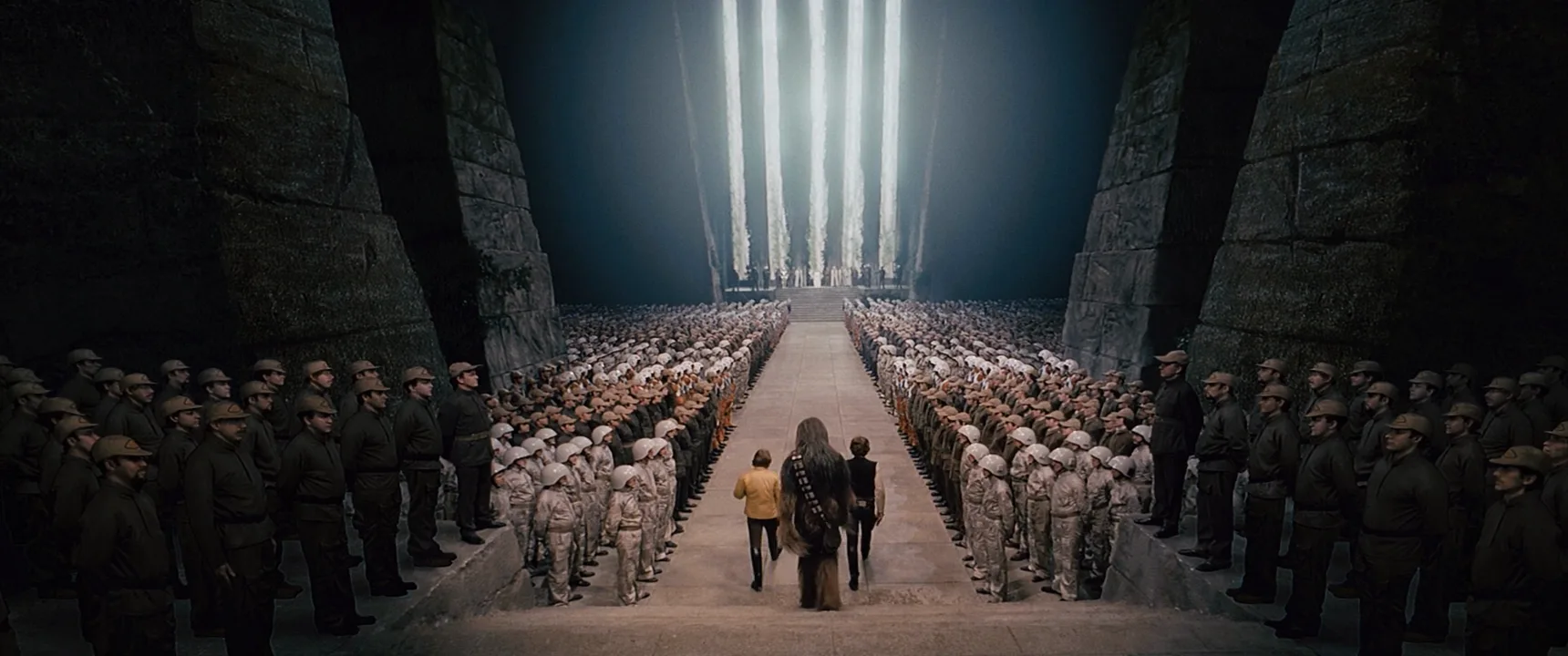
- Proof of change. The medal ceremony in Star Wars (1977) and the celebration on Endor in Return of the Jedi (1983) show a rebellion turned victory. The Shawshank Redemption (1994) spends its last minutes on Red's road to the beach, because freedom has to be seen.
- The final meaning. One Flew Over the Cuckoo's Nest (1975) closes on Chief breaking out and running into the dawn. Chinatown compresses its denouement into seconds, and the brevity is the message.
How to write and stage a denouement
Tie threads by priority. The climax answers the main dramatic question; the denouement settles only the one or two subplots the audience still carries.
Rhyme with the opening. A last image that mirrors the first frame shows the change at a glance: same place, different light or posture.
Slow the camera down. Longer takes, wider frames, a locked-off camera and softer light than the climax say the fight is over.
Keep it short. Two to five minutes after the climax is typical in a feature. More than that, and you may be writing an epilogue.
Board the before and after. In FlashBoards, pin the opening frame and the planned last frame side by side, climax panels between them, and check that the change reads without dialogue.
Denouement vs. falling action vs. epilogue
Falling action comes right after the climax: consequences still unfold and some tension remains.
The denouement follows: tension is gone and the new balance is shown.
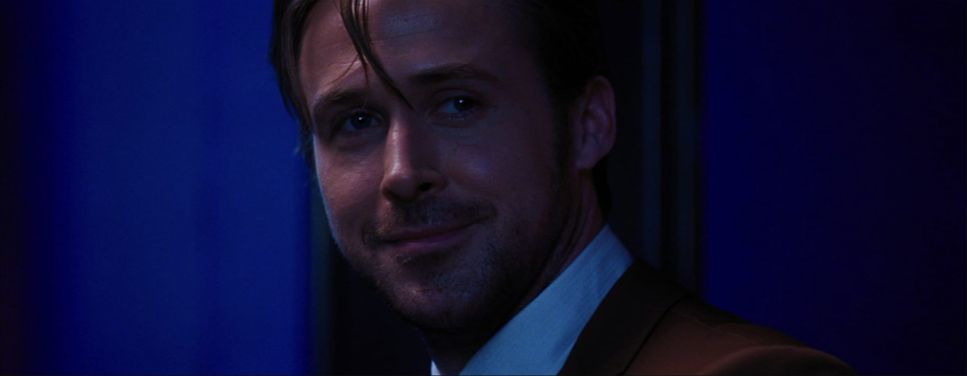
An epilogue sits outside the main story, often after a time jump, showing where characters ended up. La La Land (2016) blurs the two: its five-years-later section is an epilogue, and the silent look at Sebastian's club that ends it settles the love story. More endings live in the storytelling hub.
Denouement examples in film
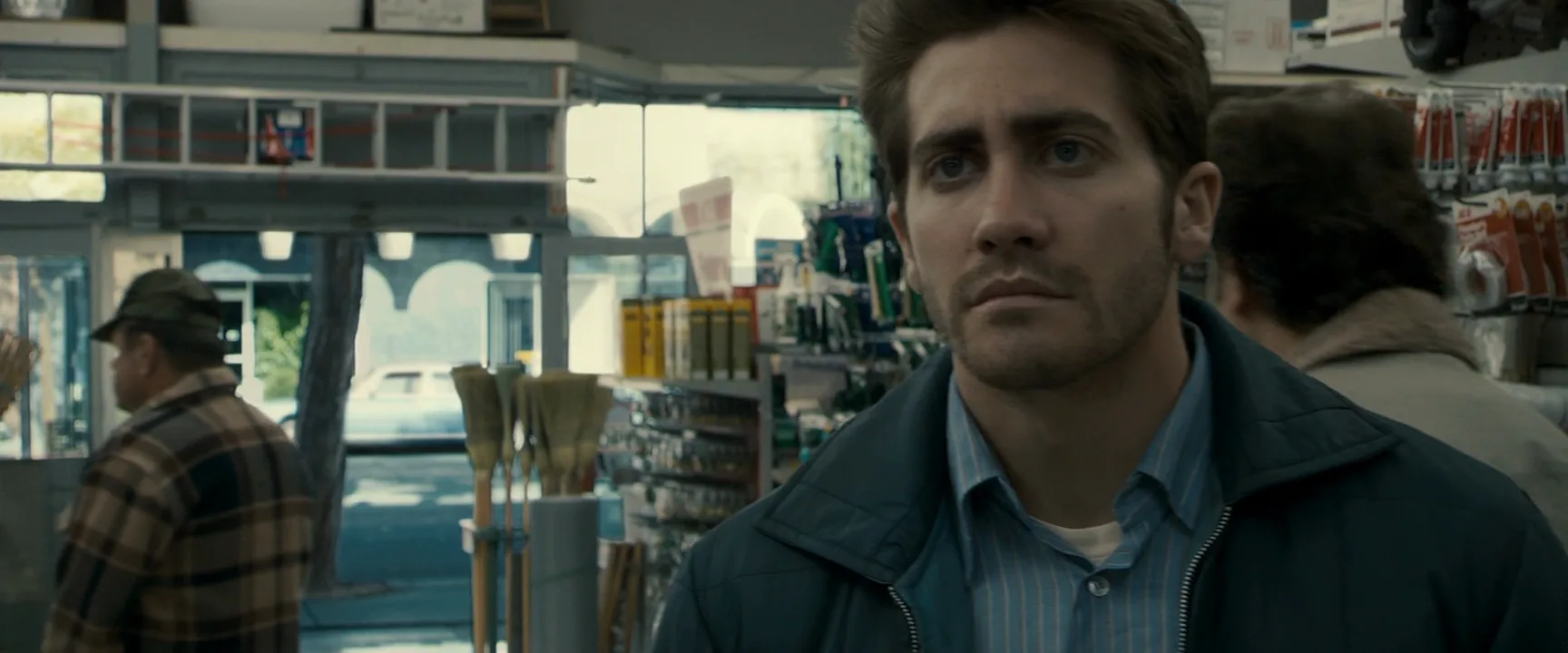
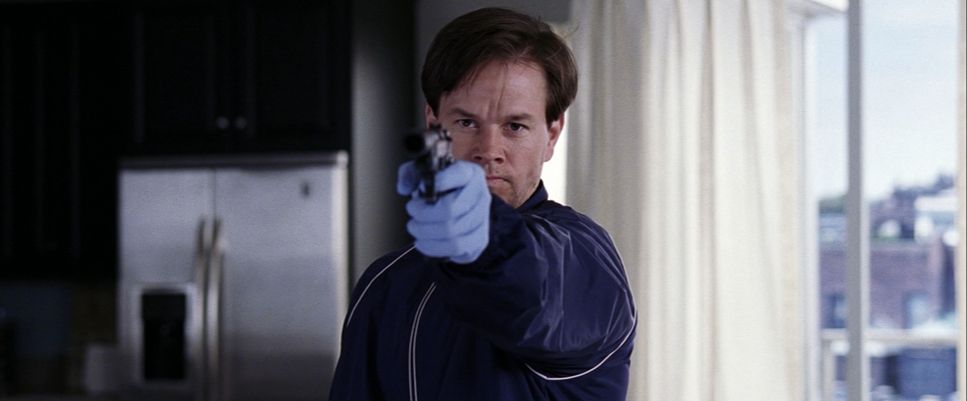
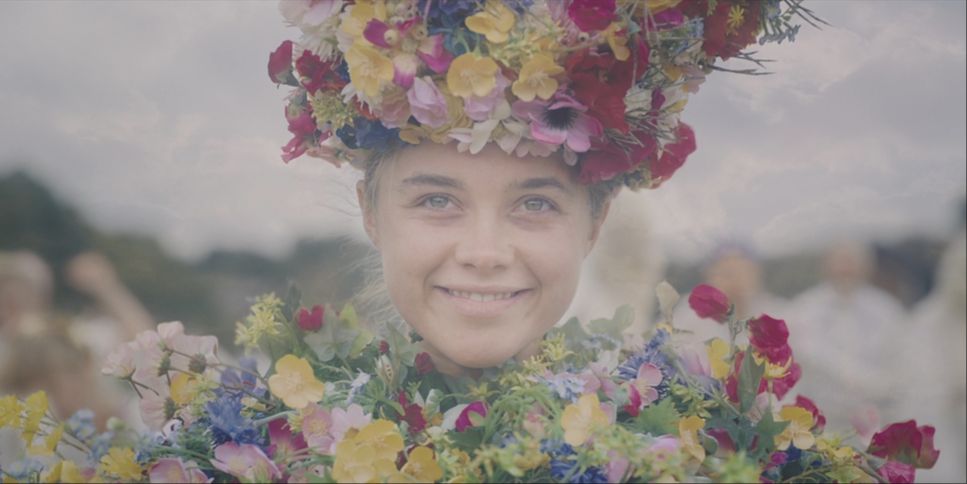
7 framesFinal images from well-known denouements: each shows the world after the climax, not the fight itself.
How to create a denouement with AI
4 promptsA denouement is an image of the new normal: calm now, with a visible trace of the conflict before. Nano Banana 2 Lite gives the closing frame, GPT Image 2.5 a second take, and MiniMax H3 Max Turbo animates the first frame into a quiet last shot. Keep them on one FlashBoards board next to your opening frame. The fourth prompt re-shoots a real film shot from a text description alone, and the original plays next to the result so you can compare.
Wide static shot, 35mm lens, eye level, inside a small roadside diner the morning after a flood. The floor is freshly mopped and shining, new red vinyl stools at the counter, a coffee pot steaming on the hot plate. A clear brown water line stains the pale green wall at knee height, running the full length of the room. At the glass door, a diner owner in her late fifties with cropped silver hair, round tortoiseshell glasses and a flour-dusted blue apron turns the hanging sign to OPEN. Soft low sunlight through clean windows, calm and warm, 35mm film still.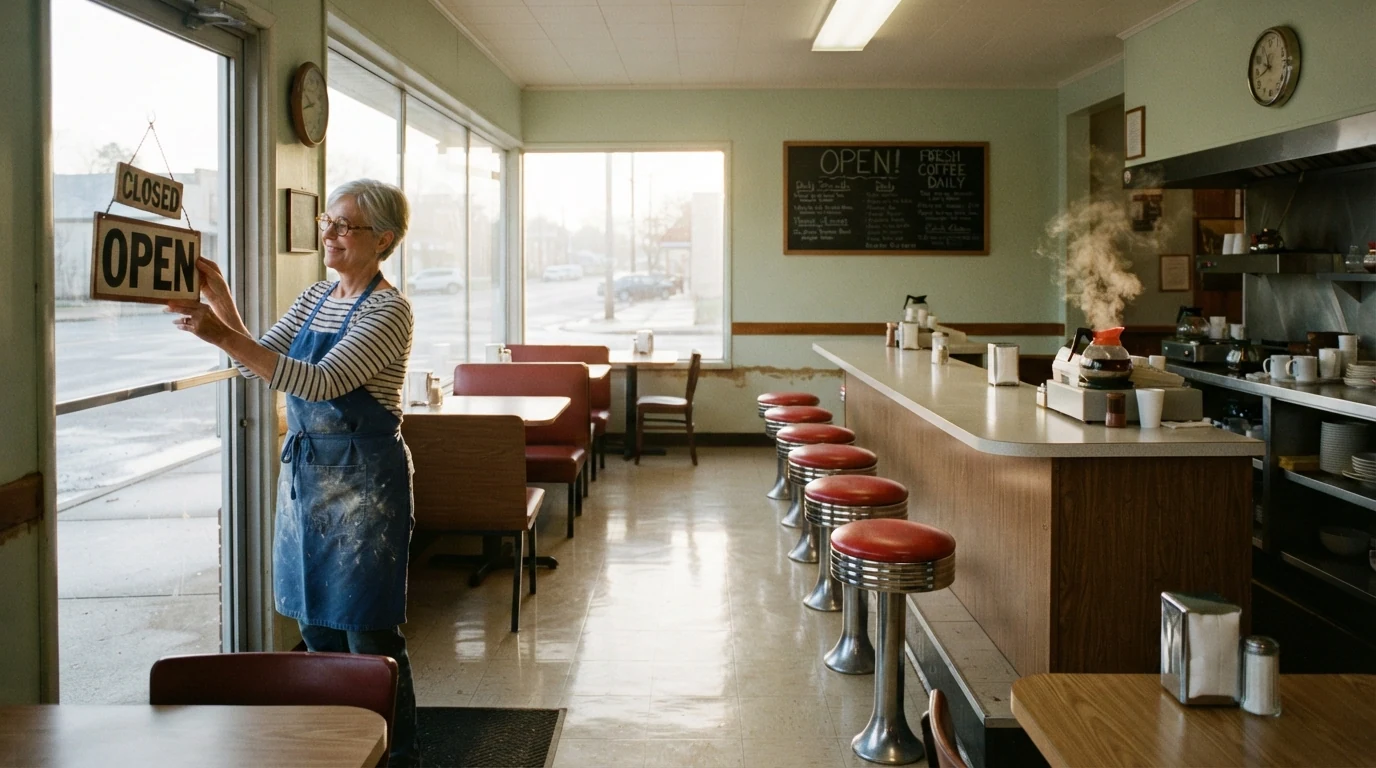
The water line at knee height is the conflict's scar; freshly mopped, new stools and sign to OPEN are the new balance. Wide static shot and soft low sunlight set the settled tone.
Open FlashBoardsExtreme wide shot, 21:9, golden hour on a hillside ranch after a wildfire. Black burned slopes behind, bright green grass shoots in the foreground. A lanky teenage boy with a shaved head and a red flannel shirt and his grandfather, a stocky man with a white walrus mustache and a straw hat, hammer new pale fence posts into a line, side by side. Long shadows, warm dusty light, 35mm film still.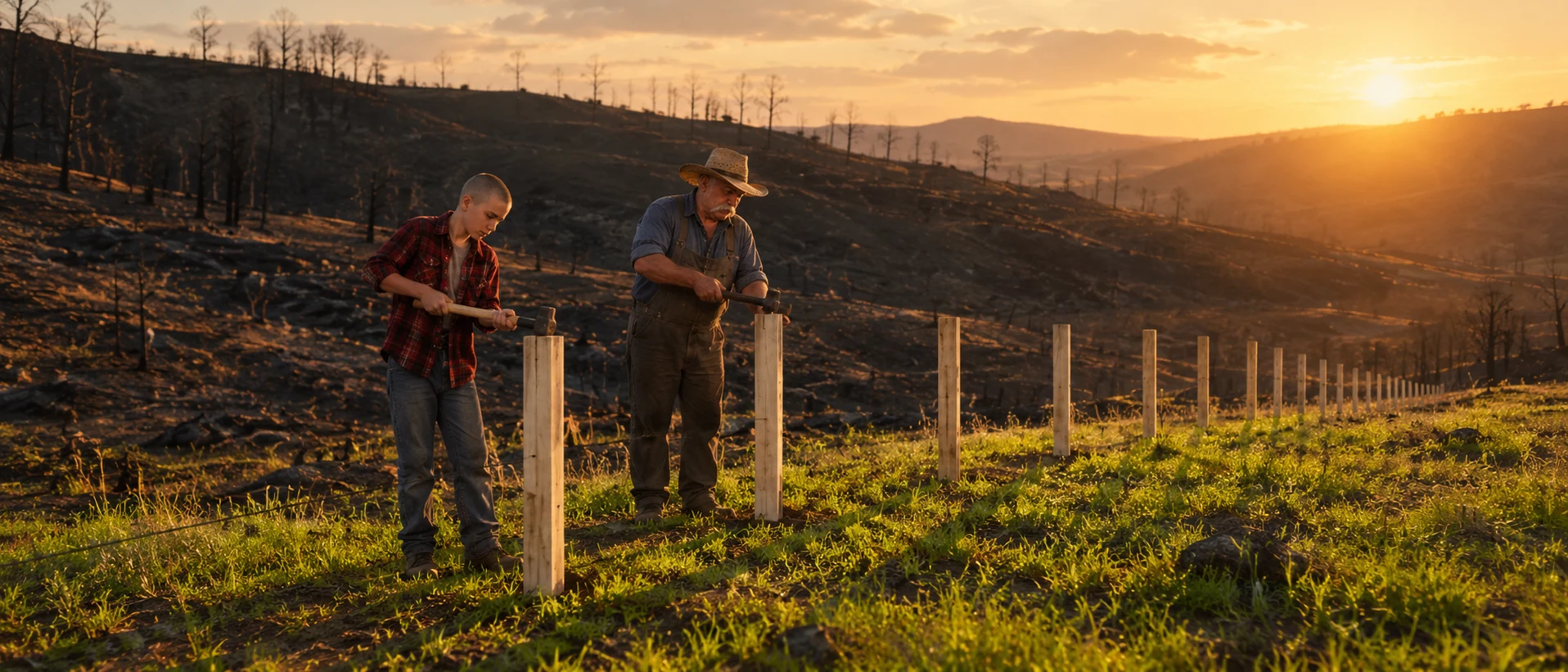
Before and after share one frame: burned slopes behind, green shoots and new fence posts in front. Side by side shows a repaired relationship too.
Open FlashBoardsCamera: locked-off and still for the whole shot. Action: The owner is already turning the sign to OPEN and steam rises from the coffee pot. She walks back behind the counter, pours herself a cup of coffee and sits on a red stool. She looks around the clean room, lowers her shoulders and takes a slow sip.Already turning and steam rises make the clip move from the first frame. The locked-off camera and lowers her shoulders play the exhale of an ending.
Open FlashBoards{
"output": "Full-screen live-action scene from Star Wars (1977), from its very first frame: one continuous shot. Late-1970s 35mm anamorphic film, soft grain, a vast temple-like stone hall with dark sloping stone walls; tall vertical shafts of white light at the far end under a cool blue haze, warm dim tan light on the floor, olive, khaki and stone-gray palette.",
"characters": {
"S1": {
"name": "Luke Skywalker, played by Mark Hamill",
"look": "slim, sandy-blond hair, mustard-yellow short jacket, dark trousers and boots, seen from behind",
"voice": "silence"
},
"S2": {
"name": "Chewbacca, played by Peter Mayhew",
"look": "very tall, covered head to foot in long shaggy brown fur, a dark bandolier strapped diagonally across his back, seen from behind",
"voice": "silence"
},
"S3": {
"name": "Han Solo, played by Harrison Ford",
"look": "brown hair, black vest over a cream long-sleeved shirt, dark trousers, gun belt with a holster on his right hip, seen from behind",
"voice": "silence"
},
"S4": {
"name": "Princess Leia Organa, played by Carrie Fisher",
"look": "a tiny pale figure in a long white gown among the dignitaries at the top of the far stage steps, too far away to see her face",
"voice": "silence"
}
},
"shots": [
{
"shot": 1,
"camera": "static locked-off frame for the whole take, slightly raised vantage at the near end of the hall, perfectly symmetrical extreme wide shot straight down a long central aisle; the aisle runs away to a broad flight of steps and a raised stage under the shafts of light at the top of frame; officers in dark olive uniforms and peaked caps stand on low stone platforms at the left and right frame edges",
"voice": "silence: nobody speaks in this shot, no voice at all",
"action": [
"BEGINNING: alive from the first frame, S1, S2 and S3 walk side by side away from camera in the lower centre of frame, backs to us, already close to the lens: S1 on the left, S2 towering in the centre, S3 on the right; dense ranks of soldiers in pale helmets and khaki uniforms stand at attention on both sides of the aisle, filling the hall all the way to the stage.",
"THEN: the three keep an even, unhurried pace straight down the aisle toward the stage, heads facing forward, never looking back or to the sides; S1's arms swing loosely, S3's right hand hangs beside the holster, S2's long arms swing at his sides.",
"THEN: they shrink steadily into the depth of the aisle; the ranks stay perfectly still, no soldier turns his head, and the frame does not move.",
"END: the three are small figures a third of the way to the stage, S2 half a step behind S1 and S3, still walking toward S4 and the dignitaries waiting at the top of the steps; the symmetrical hall is balanced and quiet."
],
"dialogue": []
}
],
"sound": {
"ambience": "huge reverberant stone hall, soft echoing footsteps on stone, the faint rustle of a vast silent crowd standing at attention",
"speech": "no words in this video; the only human sounds are breaths and movement",
"never_spoken": "no narration and no voice-over: the descriptions, performance notes and step words of this prompt are never spoken aloud",
"music": "a film score under the scene, always below the voices: a stately, triumphant orchestral processional with warm brass and a slow march pulse",
"subtitles": "none"
}
}Remakes the medal-ceremony walk from Star Wars (1977), naming Luke, Chewbacca and Han, keeping the static symmetrical frame, their left-to-right order, the slow walk away between still ranks toward Leia's stage, and the silence under a processional score.
A denouement shows the new order, not action: a static locked-off frame holds a perfectly symmetrical hall while Luke, Chewbacca and Han walk unhurried between motionless ranks. Separate JSON slots keep the frame fixed, the pace calm and the scene silent under the score.
Open FlashBoardsCommon mistakes
- Models default to disaster or a glossy happy ending. Name one concrete trace of the past next to the repaired present.
- Image models crop tight and dramatic; ask for a wide static shot and soft, low light.
- Video models add events. Keep the action small and end on a pause.
Keep the reference frames, prompts and every generated take side by side — images and video in one canvas.
FAQ
5 questionsWhat does denouement mean?
Denouement is the final part of a story, after the climax, where remaining plot threads are tied off and the characters' new situation is shown. The word comes from the French dénouer, to untie. In film it is usually the last few minutes before the credits.
What is an example of denouement in film?
In The Shawshank Redemption, after Andy's escape, Red is paroled and finds him restoring a boat on a Mexican beach. In Star Wars (1977), the Death Star battle is followed by the medal ceremony. Both scenes show the new state of the world after the climax.
Is the denouement the same as the resolution?
Mostly, yes. Both name the closing part of a story where the central conflict is settled and its consequences are shown. Some writers use resolution for the whole final act and denouement for its last beat, but in everyday use the terms are interchangeable.
What is the difference between falling action and denouement?
Falling action comes first: consequences of the climax still play out and some tension remains. The denouement follows once that tension is gone and the new balance is shown. Falling action winds the story down; the denouement shows where it landed.
How long should a denouement be?
In most features, two to five minutes after the climax. It should resolve only the threads the audience still cares about and end on a clear image of change. If it jumps ahead in time to show where characters ended up, it becomes an epilogue.
Related terms
5- EpilogueStorytelling
An epilogue (or coda) is a short final section after the main story is resolved, often jumping ahead in time to show where the characters ended up.
- Falling ActionStorytelling
Falling action is the stretch right after the climax where the consequences play out and tension winds down toward the resolution.
- ClimaxStorytelling
The climax is the story's decisive peak: the protagonist faces the central conflict head-on and the main dramatic question is answered.
- Three-Act StructureStorytelling
The three-act structure splits a story into setup, confrontation and resolution, turned by plot points at roughly the quarter and three-quarter marks — the default blueprint of feature screenwriting.
- Story StructureStorytelling
Story structure is the order and shape of the events that carry a story from setup to resolution; models like the three-act structure, Freytag's pyramid, the hero's journey or Save the Cat are different maps of it.
Further reading
Gustav Freytag, Technique of the Drama. Robert McKee, Story: Substance, Structure, Style and the Principles of Screenwriting.