 FlashBoards Learn
- Learn
- Camera Angles
- Eye-Level Shot
Camera Angles · Film language
Eye-Level Shot
Also called: eye level, neutral angle
An eye-level shot puts the lens at the height of the subject's eyes, level with the ground, so the camera looks at the character straight on. It is the neutral angle: the viewer meets the person as an equal, neither looking up in awe nor down in judgment — which is why most dialogue is shot this way.
- What it does
- Places the viewer on the same level as the character — neutral, natural, human.
- Use it when
- You want the audience to read a face honestly, or to save stronger angles for the moments that need them.
- Watch out
- Eye level means the subject's eyes, not yours — a seated or small character needs a lower camera.
- Try this prompt
eye-level medium close-up, camera at the woman's eye height, lens level, 40mm, soft window light
What is an eye-level shot?
An eye-level shot is defined by two things: the lens sits at the height of the subject's eyes, and the camera is level. Shot size is free — a close-up, a medium shot across a table or a wide of someone crossing a street.
Among the camera angles, eye level is the zero point. Raise the camera and tilt down for a high-angle shot, which diminishes the subject; lower it and tilt up for a low-angle shot, which makes them loom.
The visible signature: verticals stay parallel, and the horizon, if visible, passes through the subject's eyes.
What does an eye-level shot convey?
Eye level is how we meet people in life, so the audience reads it as honest. There is no camera attitude to decode; the emotion comes from the face and the performance.
It also creates equality: cover two characters each at their own eye level and neither is favored. In Tokyo Story (1953) Yasujirō Ozu keeps the camera low, near the eye line of family members kneeling on tatami, so seated conversations play level and calm.
A look straight into an eye-level lens turns neutrality into confrontation. And eye level is a baseline: if a film holds level for most of its coverage, a sudden high or low angle lands hard.
How to shoot an eye-level shot
Height. Measure the actor, not the tripod: about 1.5–1.7 m for a standing adult, 1.1–1.2 m for someone seated, below 1 m for a small child. Match the lens to the eyes, then level the camera.
Lens. 35–50 mm on Super 35 keeps faces close to how we see them. A wide lens close to the face bulges the nose.
Eyeline. In singles the actor looks just past the lens on their partner's side; the closer to the lens, the more intimate. Keep the off-camera actor's eyes at lens height or the eyeline match breaks. In an over-the-shoulder shot, set the lens at the eye height of the character facing us.
Moves. On a dolly or slider, lock the column height so the lens stays at the eyes as it travels.
Whose eye level? Children, seated characters and small subjects
The most common mistake is shooting at the crew's eye level. A camera at 1.7 m pointed at a child is a high angle: the child becomes small and watched.
Drop the lens to the subject and the world reorganizes — adults become torsos, tables become walls. The Florida Project (2017) repeatedly lowers the camera to its young lead's height, so the motel becomes her territory. For any seated or small subject: find the eyes, put the lens there, keep it level.
Eye level vs. shoulder-level shot
A shoulder-level shot puts the lens a little lower, at the actor's shoulders. Characters feel a touch taller and more substantial while the view still reads as natural.
True eye level is flatter and more even-handed. Use it when the audience should size up a character on their own; drop to shoulder level for a quiet boost of presence.
Eye-Level Shot examples in film
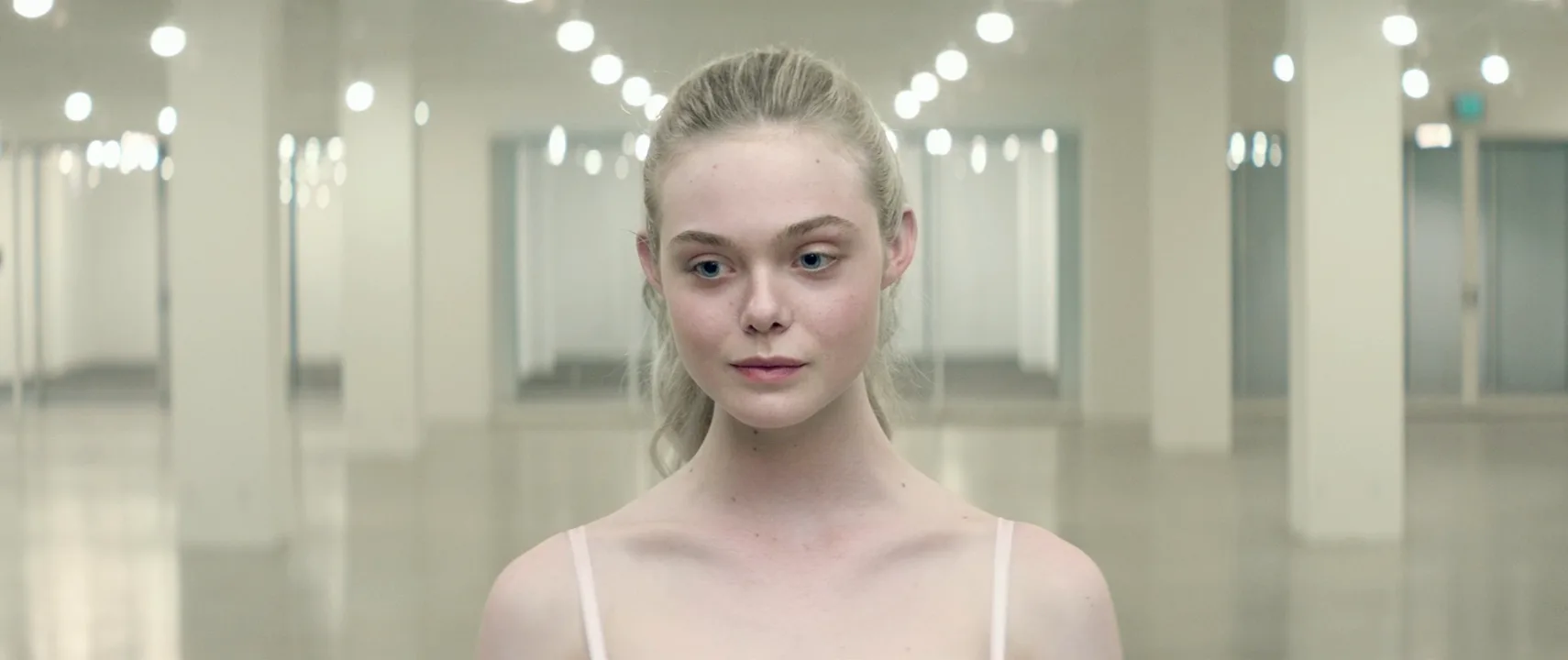
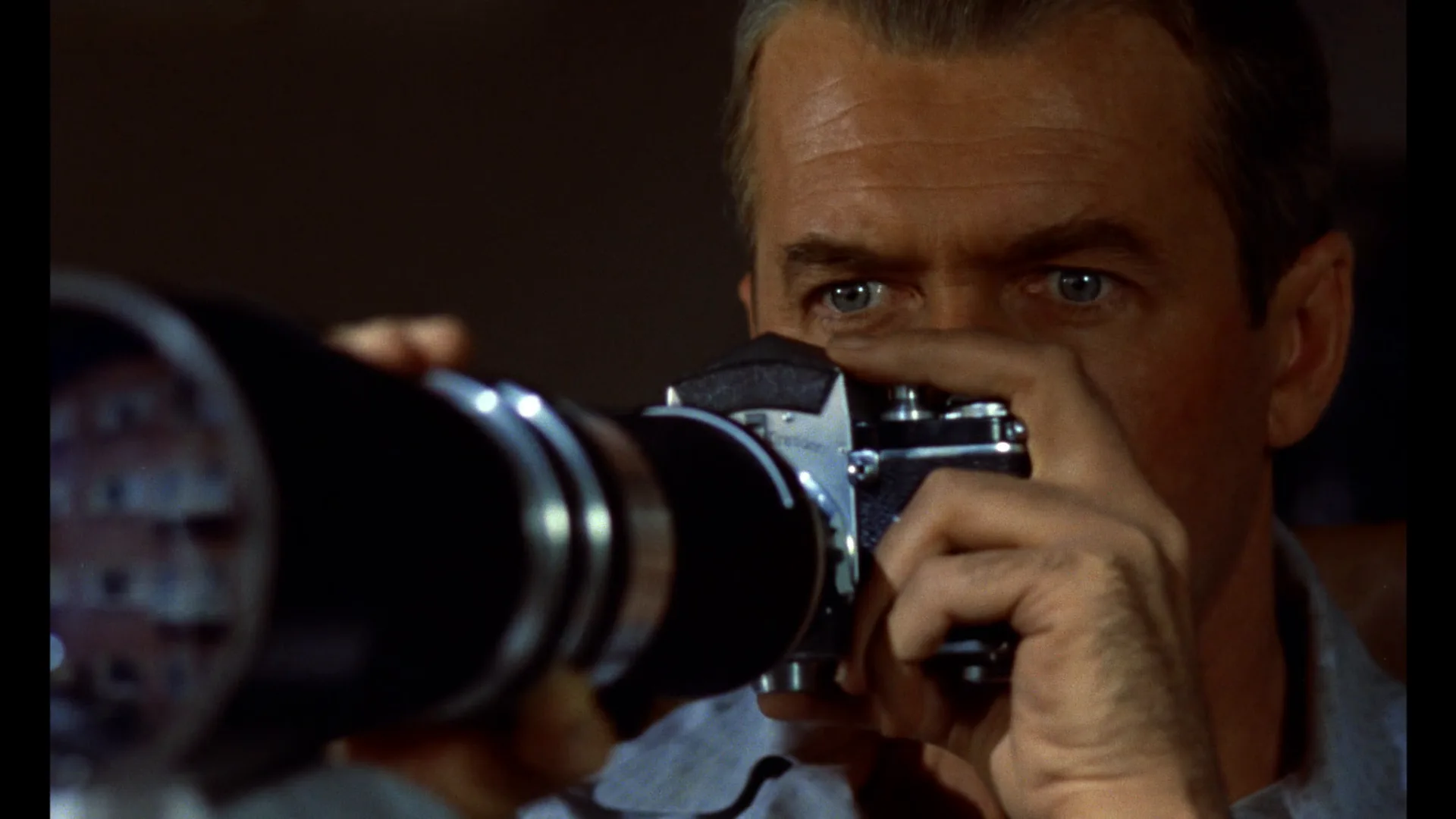
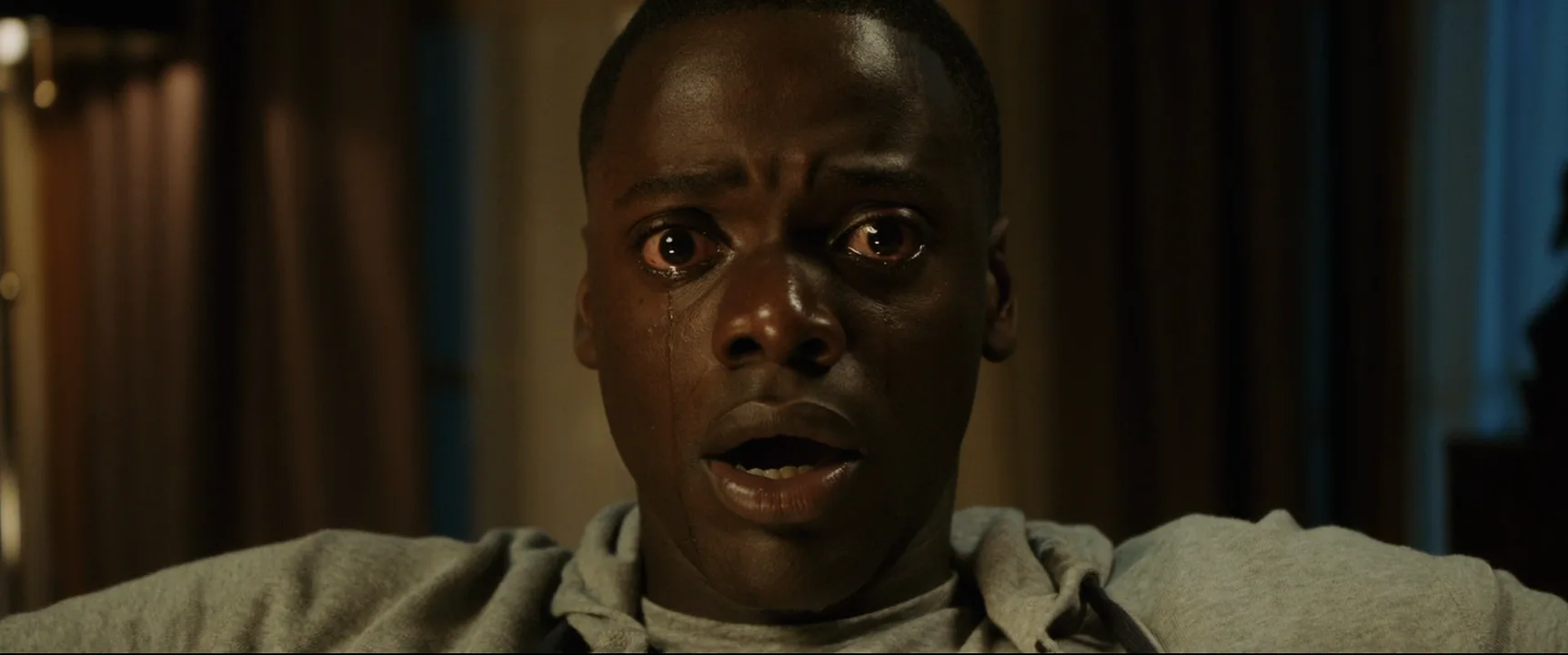
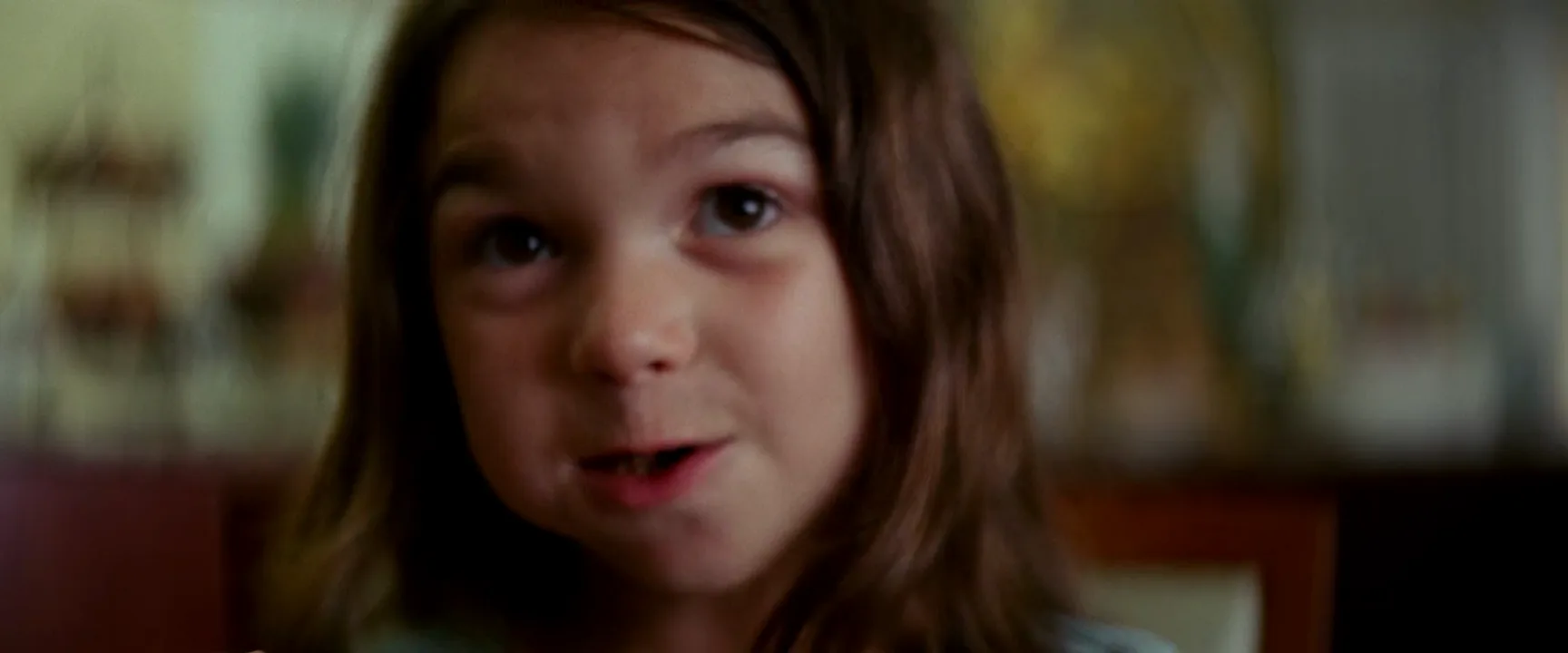
9 framesFrames shot with the lens at the subject's eyes — note the straight verticals, and how the camera drops for small subjects.
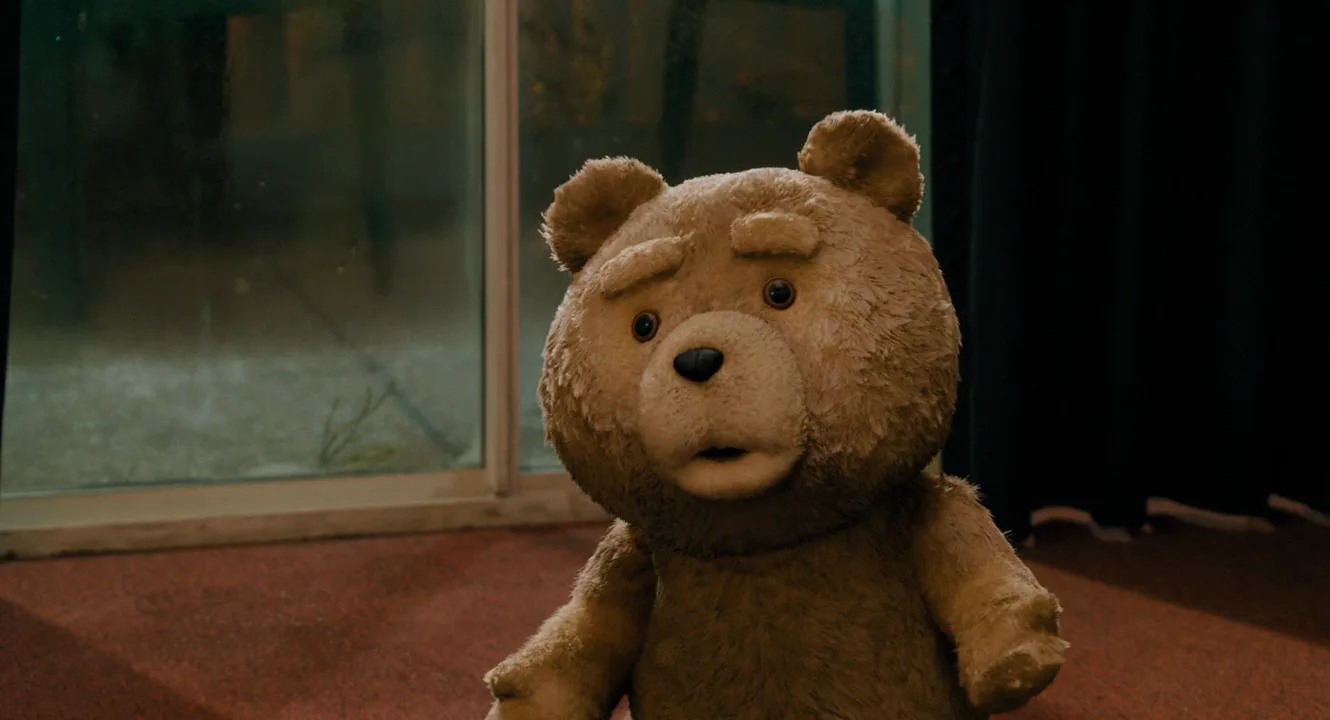
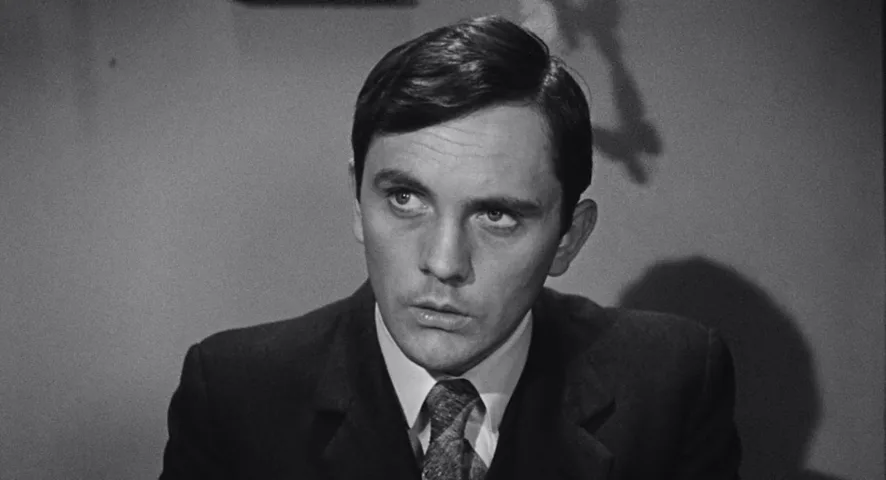
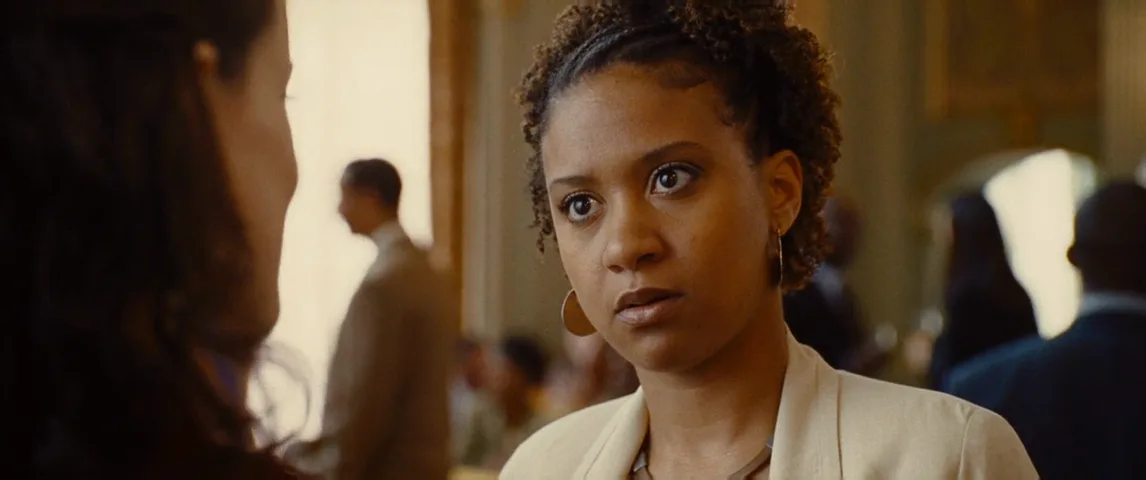
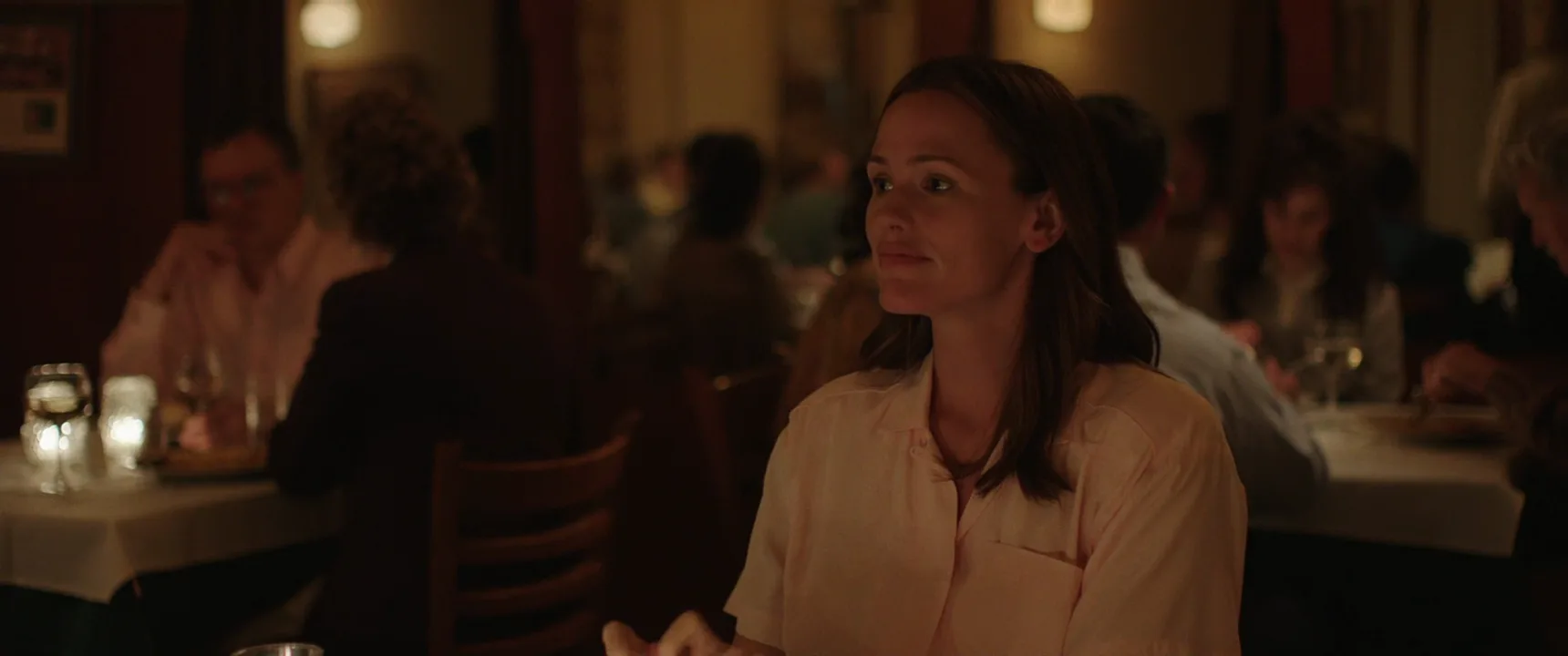
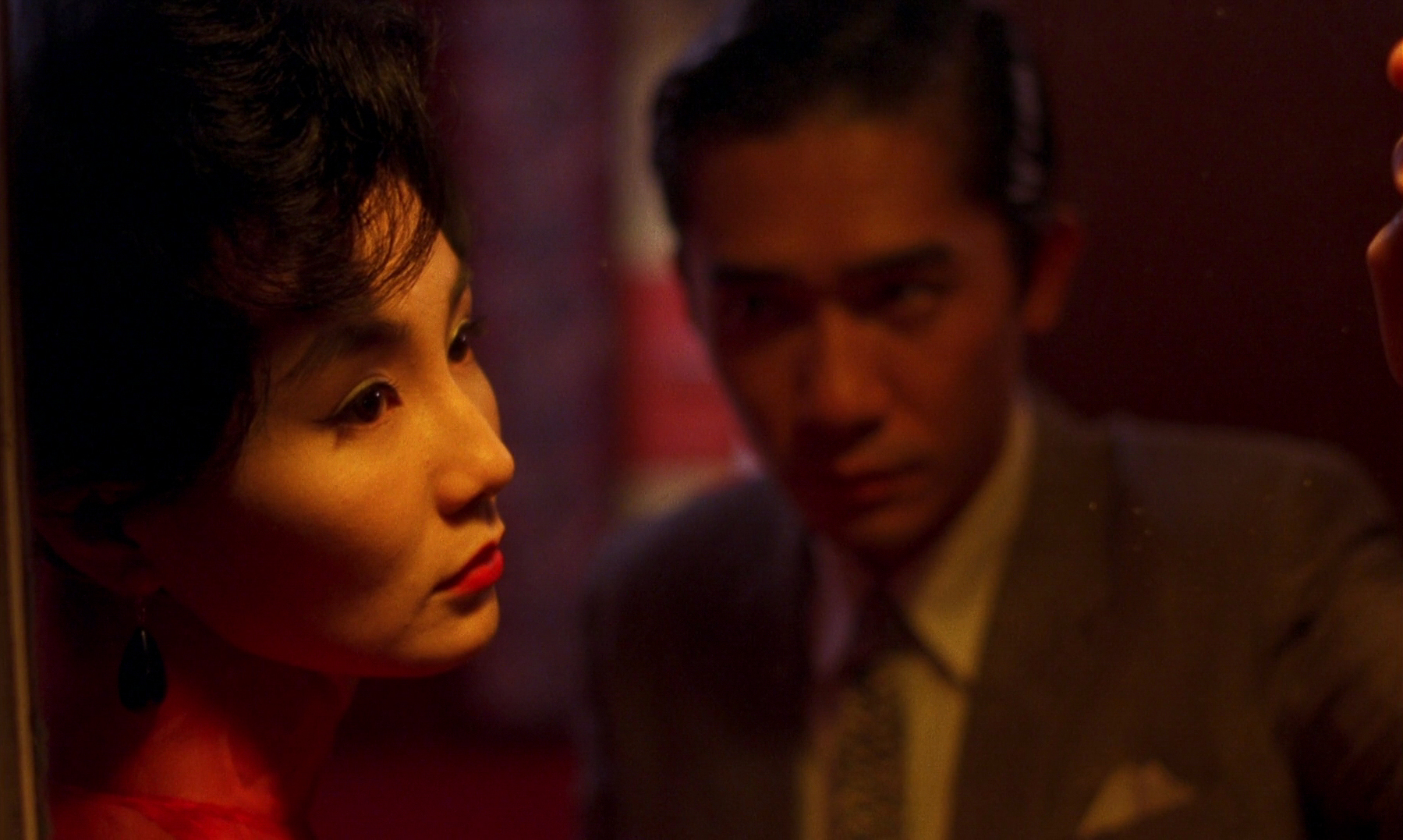
How to create a eye-level shot with AI
4 promptsModels drift to a slightly high "phone" angle or a heroic low one, so state eye level as a camera position. In FlashBoards, build the start frame, try a second take and animate the best one on the board next to your reference frames. The fourth prompt re-shoots a real film shot from a text description alone, and the original plays next to the result so you can compare.
Eye-level medium close-up, camera at the woman's eye height, lens perfectly level, a woman in her forties with a short grey-streaked bob, freckles and a thin scar through her left eyebrow, sitting at a pale green kitchen table holding a white coffee mug, looking just off the lens to camera left as if listening, door frame behind her perfectly vertical, soft window light from the left, 40mm lens, muted natural color, cinematic film still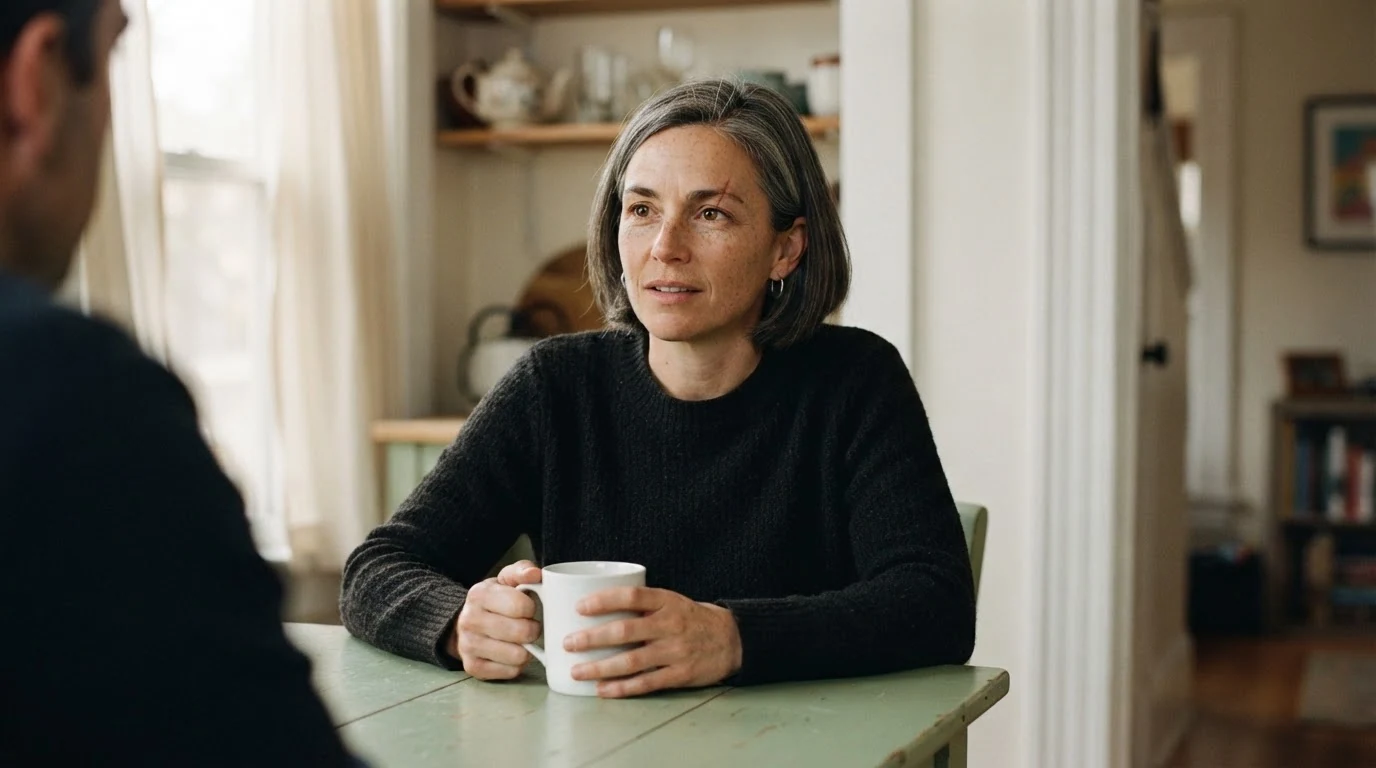
"Camera at the woman's eye height, lens perfectly level" sets the angle; "door frame perfectly vertical" is a check that rules out a hidden tilt. "Looking just off the lens" gives a conversational eyeline, and 40mm keeps the face natural.
Open FlashBoardsEye-level wide shot from a child's height, camera 1 meter above the ground and level, an eight-year-old boy with a buzz cut, a gap in his front teeth and an oversized yellow raincoat standing on a wet suburban sidewalk facing the lens, two adults walking past behind him cropped at the chest by the top of the frame, horizon line through the boy's eyes, overcast light, 32mm lens, film grain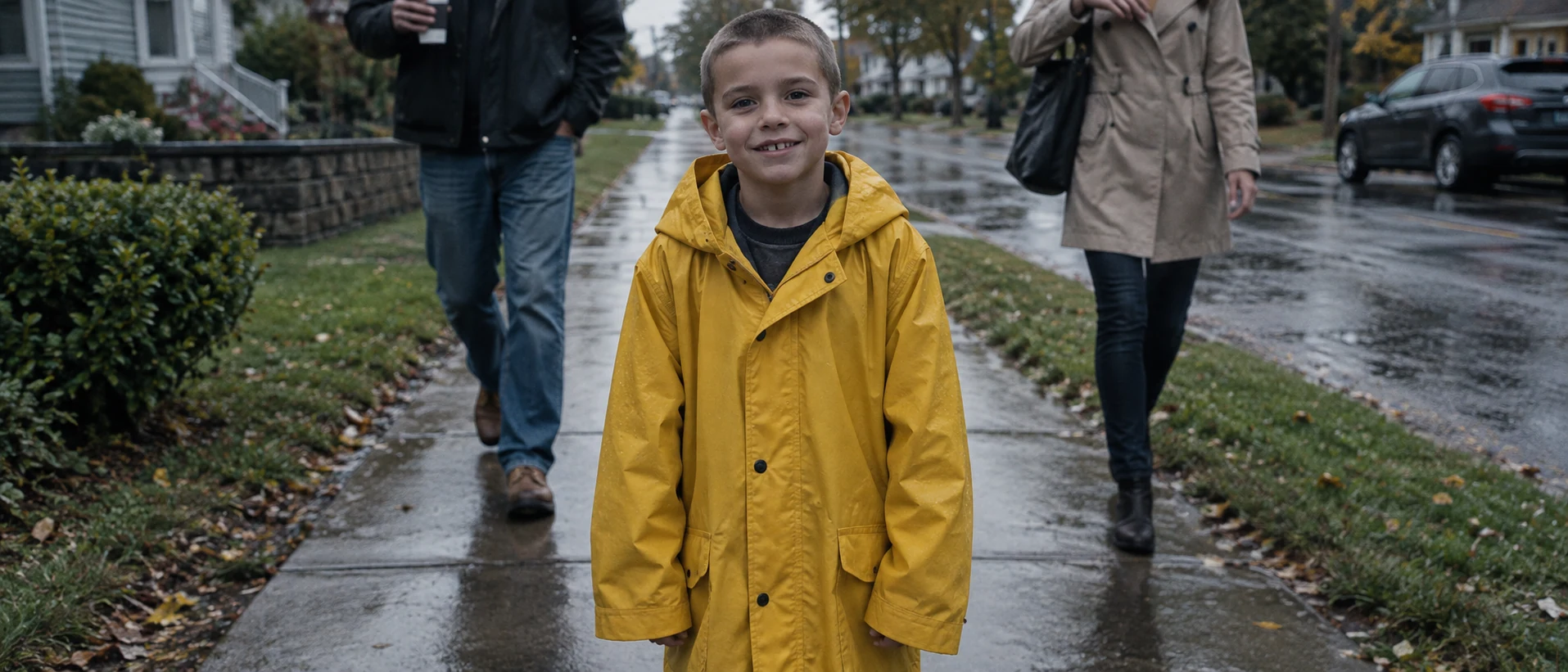
"Camera 1 meter above the ground" and "horizon line through the boy's eyes" pin the lens to his eyes, not an adult's; the adults cropped at the chest make the model build the world from his height.
Open FlashBoardsCamera: slow, steady push-in at the woman's eye height, lens level, camera height locked on her eyes, from medium close-up to close-up. Action: from the first frame she is already listening, nodding slightly and turning the mug in her hands. In the middle she stops and lifts her eyes toward the person off camera left. At the end she answers with a small, tired smile, eyes still just off the lens."Camera height locked on her eyes" keeps the push-in from drifting into a tilt; "already listening, nodding" makes the shot alive from the first frame, and the three beats give the move something to arrive at.
Open FlashBoards{
"output": "Full-screen live-action scene from its very first frame: one continuous locked-off shot, a close-up from The Florida Project (2017). Warm faded 35mm film look, soft afternoon daylight, muted pastel greens and maroon, a cheap roadside diner in Florida.",
"characters": {
"S1": {
"name": "Moonee, played by Brooklynn Prince",
"look": "six-year-old girl, round face, big dark-brown eyes, long straight brown hair falling loose past her shoulders with a centre parting, a pale blue-grey T-shirt just visible at the bottom edge",
"voice": "small, bright, cheeky child's voice, talking with her mouth half full"
}
},
"shots": [
{
"shot": 1,
"camera": "static close-up at the girl's own eye height, lens exactly level with her eyes, never tilting down at her; tripod-still with the faintest breathing float; widescreen frame with her face slightly left of centre, top of her forehead cropped by the upper edge, chin near the lower edge; shallow focus, background soft",
"action": [
"BEGINNING: alive from the first frame, she is already chewing with her cheeks full and lips pressed together, head upright, eyes looking straight across just past the right side of the lens at someone sitting opposite her; both hands out of frame.",
"THEN: she swallows, opens her mouth and starts talking to that person, head bobbing a little with the words, eyebrows lifting; her right hand rises into the lower-left corner of the frame holding a small piece of food, wiggles it once, then sinks back out of frame.",
"THEN: mid-sentence she squeezes one eye shut in a cheeky wink, then closes both eyes for a beat, and finishes the line with a wide, pleased grin that shows her teeth.",
"THEN: the grin fades; she chews again with her mouth closed, eyes level with the lens, calm and watchful.",
"THEN: she scrunches her nose and brow into a sour grimace while her right hand lifts a small golden fried pastry up from the lower-left corner toward her mouth.",
"THEN: she bites into the pastry, eyes squeezed shut, fingers of her right hand pressing it against her lips.",
"END: still holding the pastry at her mouth and chewing, she rolls her eyes up toward the upper right of the frame and keeps them there, head tipping very slightly to the left; the camera never moves."
],
"dialogue": [
{
"speaker": "S1",
"on_screen": true,
"when": "after she swallows the first mouthful, near the start of the shot; the wink lands mid-line and the grin right after the last word",
"delivery": "matter-of-fact, then teasing, mouth half full",
"line": "<d>[English] Then you could eat the fork after your meal.</d>"
}
]
}
],
"sound": {
"ambience": "quiet diner room tone, a soft murmur of other tables, faint clink of cutlery, her chewing close to the microphone",
"speech": "exactly this one spoken phrase, said once",
"never_spoken": "no narration and no voice-over: the descriptions, performance notes and step words of this prompt are never spoken aloud",
"music": "a film score under the scene, always below the voices: a light, bouncy synth-and-strings pulse with a summery, playful lift",
"subtitles": "none"
}
}Remakes Moonee's diner close-up from The Florida Project (2017), keeping her real line, the level lens at a child's eyes, the face left of centre in a scope frame and the wink, grimace, bite and eye roll in the same order.
The camera line, "lens exactly level with her eyes, never tilting down at her", is the technique: it keeps the lens at a six-year-old's height, not an adult's. Moonee's line is copied word for word from the film. The steps (wink, grin, grimace, bite, eye roll) give a locked-off frame ten seconds of behavior in the original's order.
Open FlashBoardsCommon mistakes
- Hidden high angle. Give the camera height and a check: vertical door frames, horizon through the eyes.
- Heroic low angle. "Epic" pulls the camera down; describe the level lens instead.
- Stare into the lens. Write "looking just off the lens to camera left" unless you want direct address.
- Adult height for small subjects. Give the lens height in meters.
Keep the reference frames, prompts and every generated take side by side — images and video in one canvas.
FAQ
4 questionsWhat is an eye-level shot?
A camera angle where the lens sits at the height of the subject's eyes and the camera is level, tilted neither up nor down. The viewer meets the character straight on, as an equal. It is the most common angle in film because it feels natural and adds no judgment of its own.
Is an eye-level shot the same as a neutral angle?
Yes, in practice: both mean a level camera at the subject's eye height. "Neutral" describes the effect — the angle neither empowers nor diminishes the character. The exception is a direct look into an eye-level lens, which confronts the viewer and feels anything but neutral.
Should the camera be at the actor's eye level or the operator's?
Always the subject's. A camera at a standing crew member's eye level is a high angle on a seated actor or a child. Measure the eyes of the person in frame — about 1.1–1.2 m seated, below 1 m for a small child — set the lens there and level the camera.
How do I prompt an eye-level camera angle in AI?
State the position, not the mood: "camera at her eye height, lens perfectly level". Add a visual check such as "door frame perfectly vertical" or "horizon line through her eyes", and describe the eyeline — "looking just off the lens". For children, give the lens height in meters.
Related terms
4- Shoulder-Level ShotCamera Angles
A shoulder-level shot puts the camera at the height of the actor's shoulders — slightly below the eyes — so characters feel a touch taller and more substantial than at eye level while the view still reads as natural.
- High-Angle ShotCamera Angles
A high-angle shot looks down on the subject from above eye level, shrinking them in the frame and in status — often used to make a character seem small, vulnerable, trapped or overwhelmed.
- Low-Angle ShotCamera Angles
A low-angle shot looks up at the subject from below eye level, making them loom larger against the ceiling or sky — used for power, menace or heroism, or to make a space feel monumental.
- Medium ShotCamera Shots
A medium shot frames a person from about the waist up, balancing facial expression with hand gestures and some of the surroundings — the neutral, conversational size of most dialogue and interaction.
Further reading
Blain Brown, Cinematography: Theory and Practice. Joseph V. Mascelli, The Five C's of Cinematography.