 FlashBoards Learn
- Learn
- Camera Angles
- Profile Shot
Camera Angles · Film language
Profile Shot
Also called: side profile, side angle shot
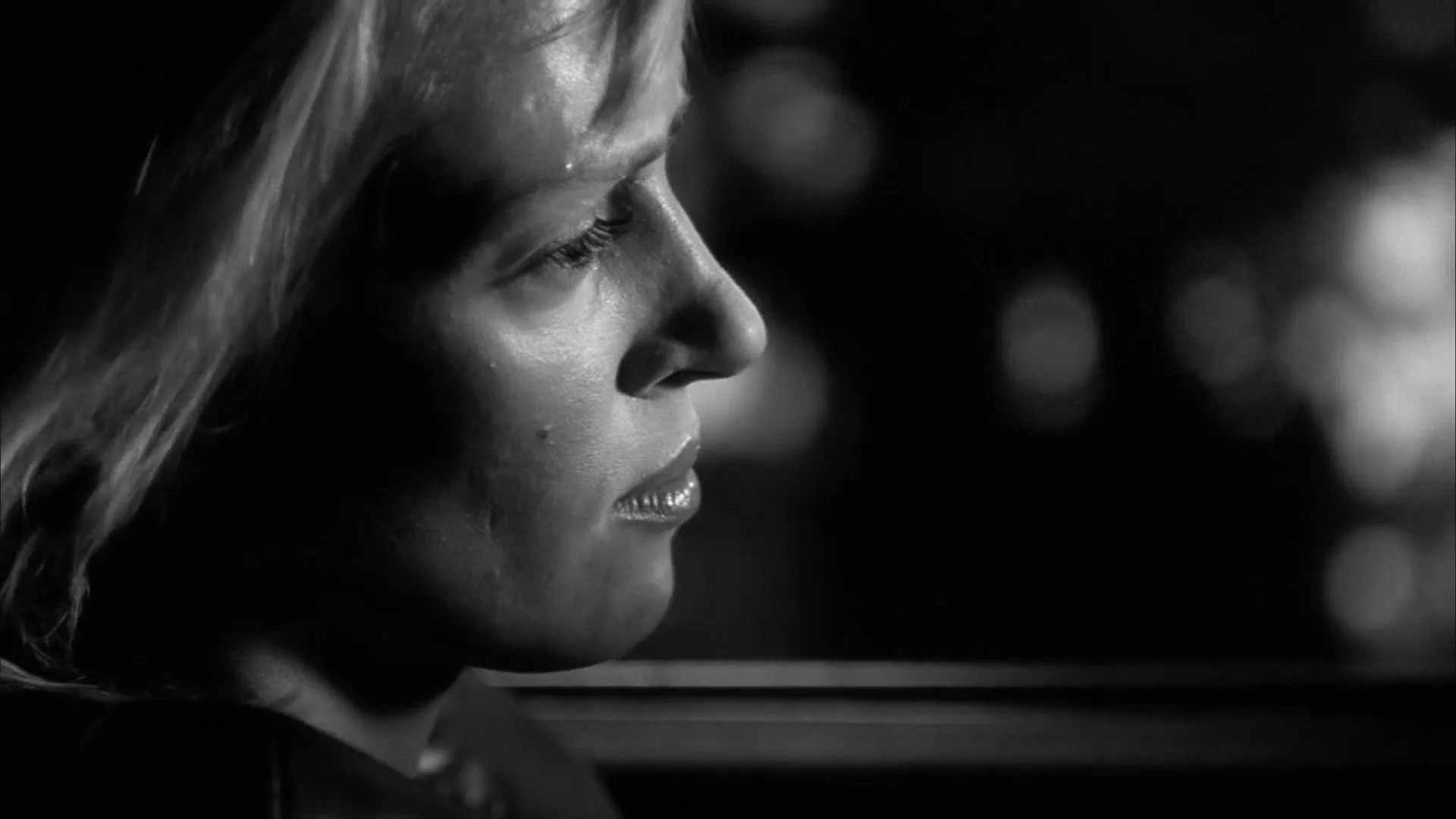
A profile shot films a subject from the side, roughly 90 degrees to their line of sight, so the camera sees one eye and the outline of forehead, nose, lips and chin. The character looks past the lens, not toward it, so the viewer observes rather than connects: the figure feels withdrawn, studied, or locked on someone off-frame.
- What it does
- Turns a face into a silhouette line and a gaze into a direction; the audience watches the character rather than meeting them.
- Use it when
- A character is lost in thought, being watched, facing an opponent, or you want two people nose to nose in one frame.
- Watch out
- Cheat the head even a little toward camera and it becomes a three-quarter angle; the effect depends on a clean side line.
- Try this prompt
Close-up profile shot, camera exactly 90 degrees to the side at eye level, a woman facing screen left, hard edge light outlining her nose and chin, dark background, 85mm
What is a profile shot?
A profile shot places the camera perpendicular to the subject's eyeline. In a true profile only one eye is visible, the far half of the face hides behind the nose, and the edge of the face becomes a line against the background. Crews also call it a side profile or side angle shot.
Among the camera angles it describes horizontal rotation, not height. A profile can be a close-up or a full figure crossing the frame, usually at eye level. Rotate about 45 degrees back toward the face and you have a three-quarter angle.
Why do filmmakers use profile shots?
Most coverage lets the audience look almost into a character's eyes. The profile withholds that.
- Interiority. Seen from the side, a character seems absorbed in something we cannot share. Hold a profile while someone listens or decides, and we read thought rather than performance.
- Observation. Police booking photos pair a frontal image with a profile for the same reason: the profile catalogs a person rather than addressing them.
- Direction and tension. The nose points like an arrow. Room in front of the face sends the gaze across frame; put the space behind the head with short siding and the character looks boxed in.
- Shape. Renaissance painters such as Piero della Francesca used strict profiles for portraits of rulers; the side line still reads as formal and iconic. Lit from behind, it becomes a pure silhouette.
How to shoot a profile shot
Angle. Put the lens at eye height, 90 degrees off the eyeline. Give the actor a mark off-camera; if the eyes drift toward the lens, the far eyelash reappears and the shot slides into three-quarter.
Lens. 50 to 100mm on Super 35 keeps nose and chin in proportion. A wide lens close in exaggerates the nose; a telephoto lens from across a street gives a flat, surveillance-style profile.
Composition. Nose room gives the gaze somewhere to land; large negative space around a small profile isolates the character.
Light. The profile lives on its edge. A source from the far side, slightly behind the face, draws a bright line along forehead, nose and lips; front light from the camera side flattens it. For a silhouette, expose for a bright window and keep the background clean.
Two profiles in one frame
The facing-profile two shot puts two characters nose to nose with the camera at 90 degrees to the line between them. Neither face dominates; the gap becomes the subject, which suits standoffs, negotiations and kisses. Unlike over-the-shoulder coverage, it gives neither person the viewer's side.
A variation stacks the profiles, both people facing the same way. Ingmar Bergman overlapped frontal and profile faces in Persona (1966) to blur where one woman ends and the other begins.
Profile shot vs. head-on shot
A head-on shot sits on the subject's axis: the face looks into the lens, the composition is symmetrical, and the confrontation is with the viewer. A profile sits 90 degrees off that axis: the face looks across frame, the composition is directional, and the confrontation, if any, is with someone else.
Quick test: head-on shows both eyes equally; a profile shows one eye and the full outline of the nose. Cutting from a profile to a head-on of the same person turns their attention from the world to us.
Profile Shot in motion


2 clipsThese loops show profile shot in motion, where a still frame can't: watch how the effect plays out over a few seconds.
Profile Shot stills
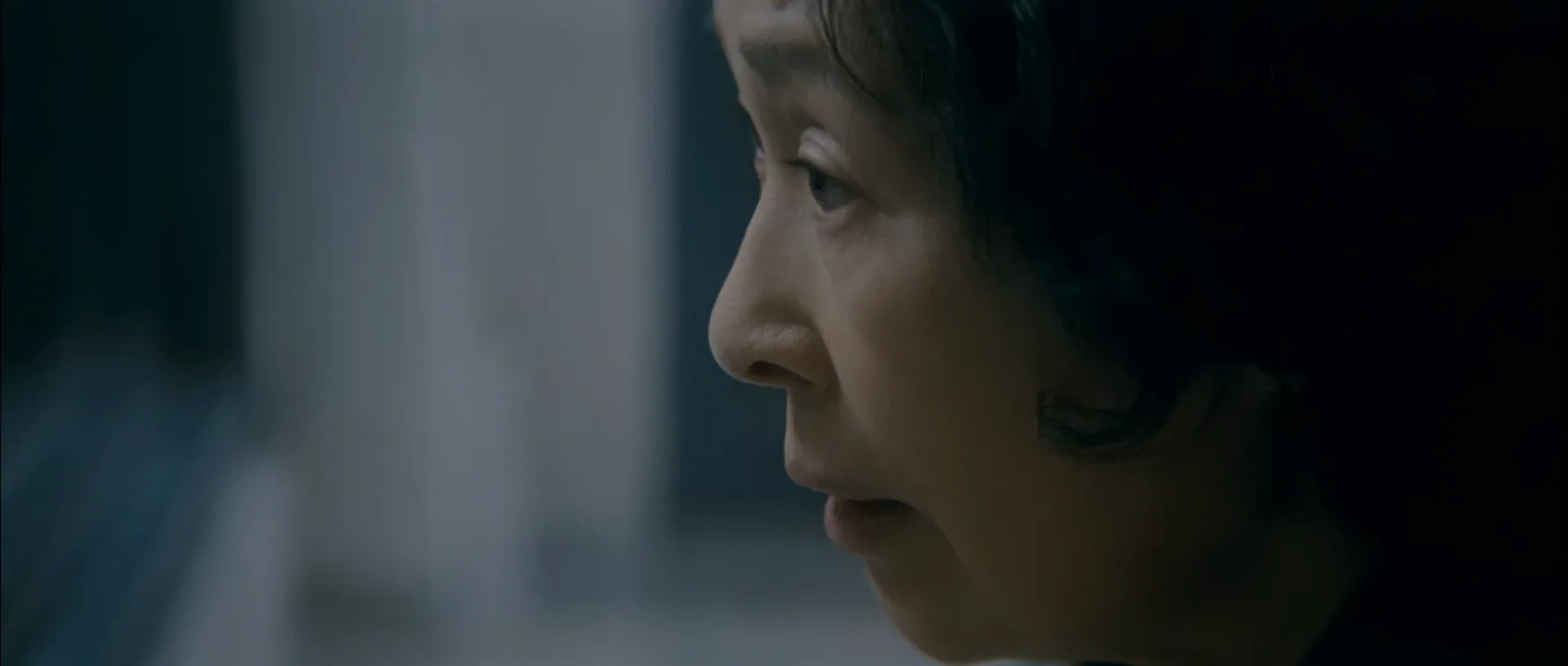
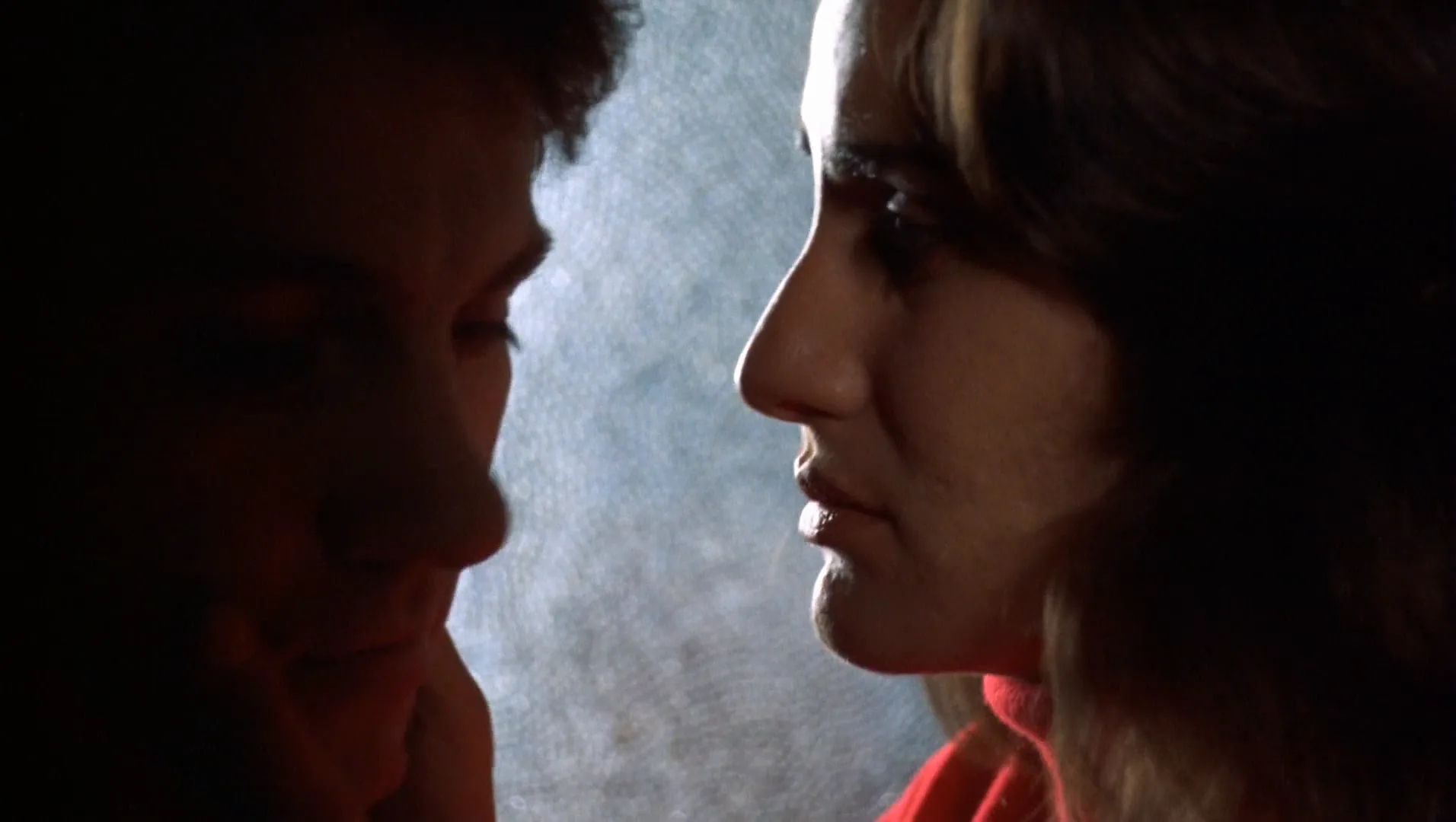
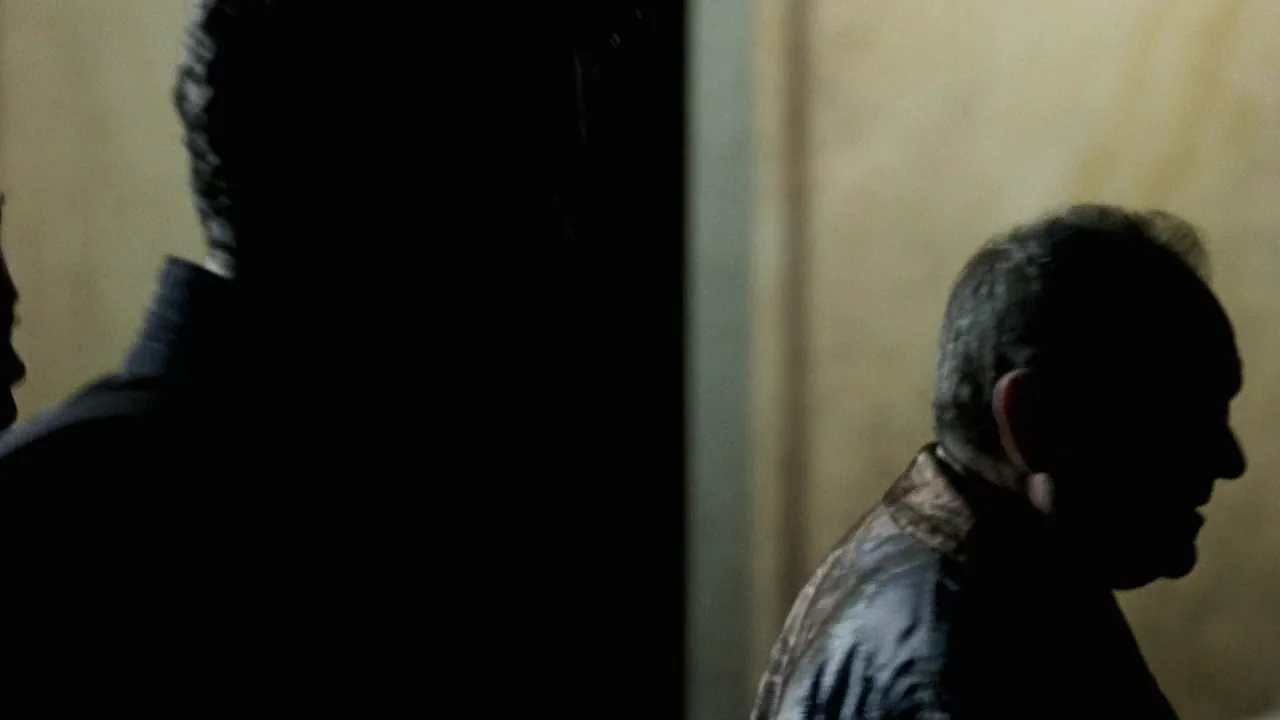
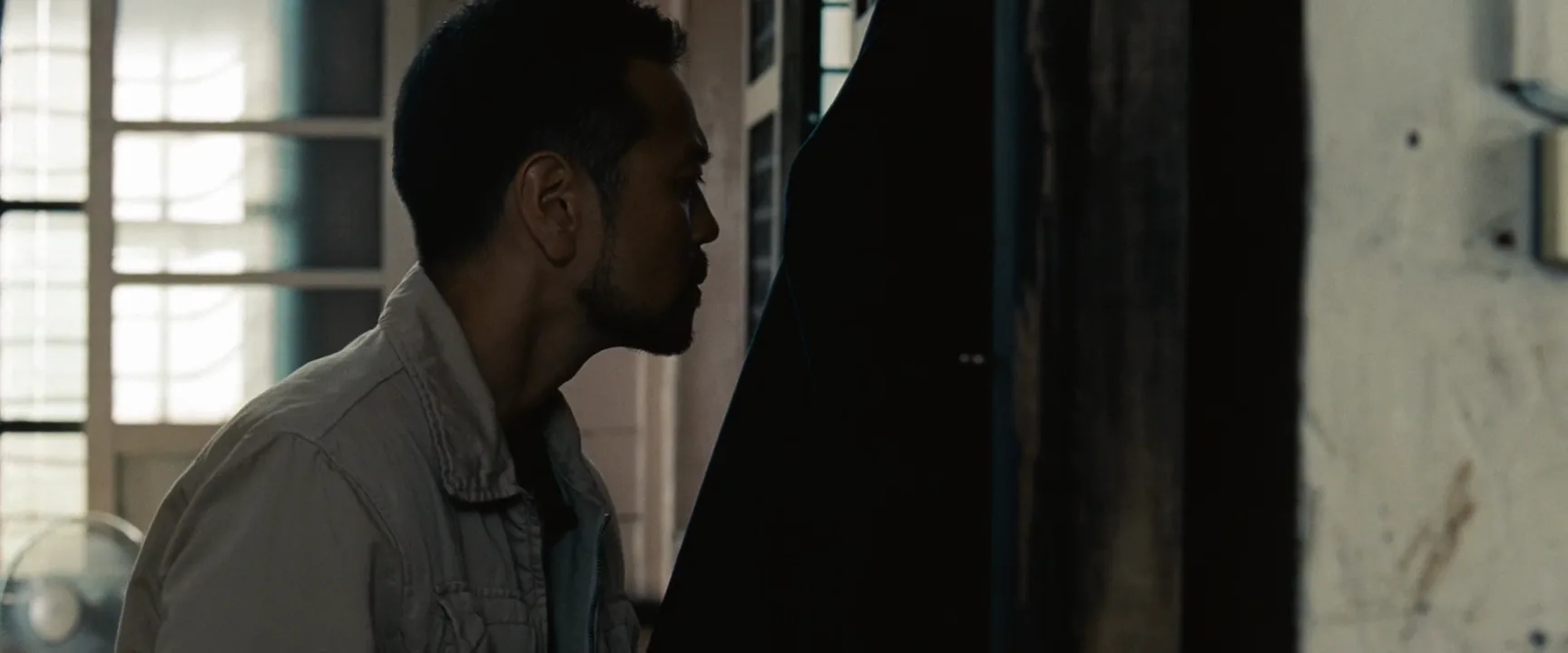
7 framesFrames where the camera sits at the side of the face. Watch the gaze direction, the space and the lit edge.
How to create a profile shot with AI
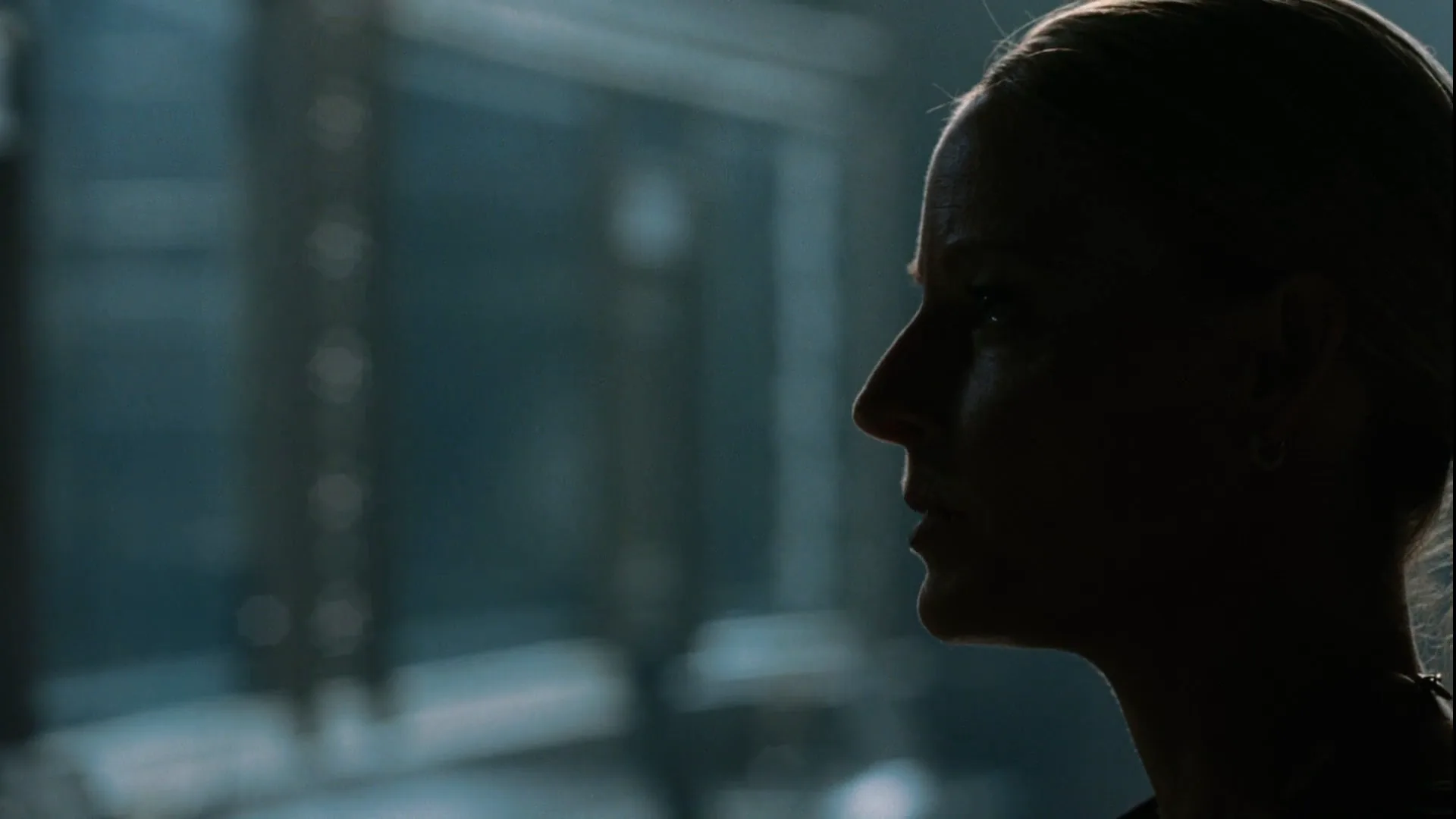
4 promptsImage models default to a frontal or three-quarter face, so state the profile as geometry: camera 90 degrees to the side, one eye visible, gaze direction on screen. Keep the start frame, second take and animated shot on one FlashBoards board and compare them side by side. The fourth prompt re-shoots a real film shot from a text description alone, and the original plays next to the result so you can compare.
Cinematic close-up profile shot, camera at eye level exactly 90 degrees to the side of a fictional woman in her fifties with a cropped silver undercut, a thin scar through her eyebrow and a hooked nose. She faces screen left, staring off-frame; only one eye is visible. She sits on the right third with open space in front of her face. Dark blue night window with rain streaks behind her. Hard edge light from the left outlines the profile, 85mm lens, shallow depth of field.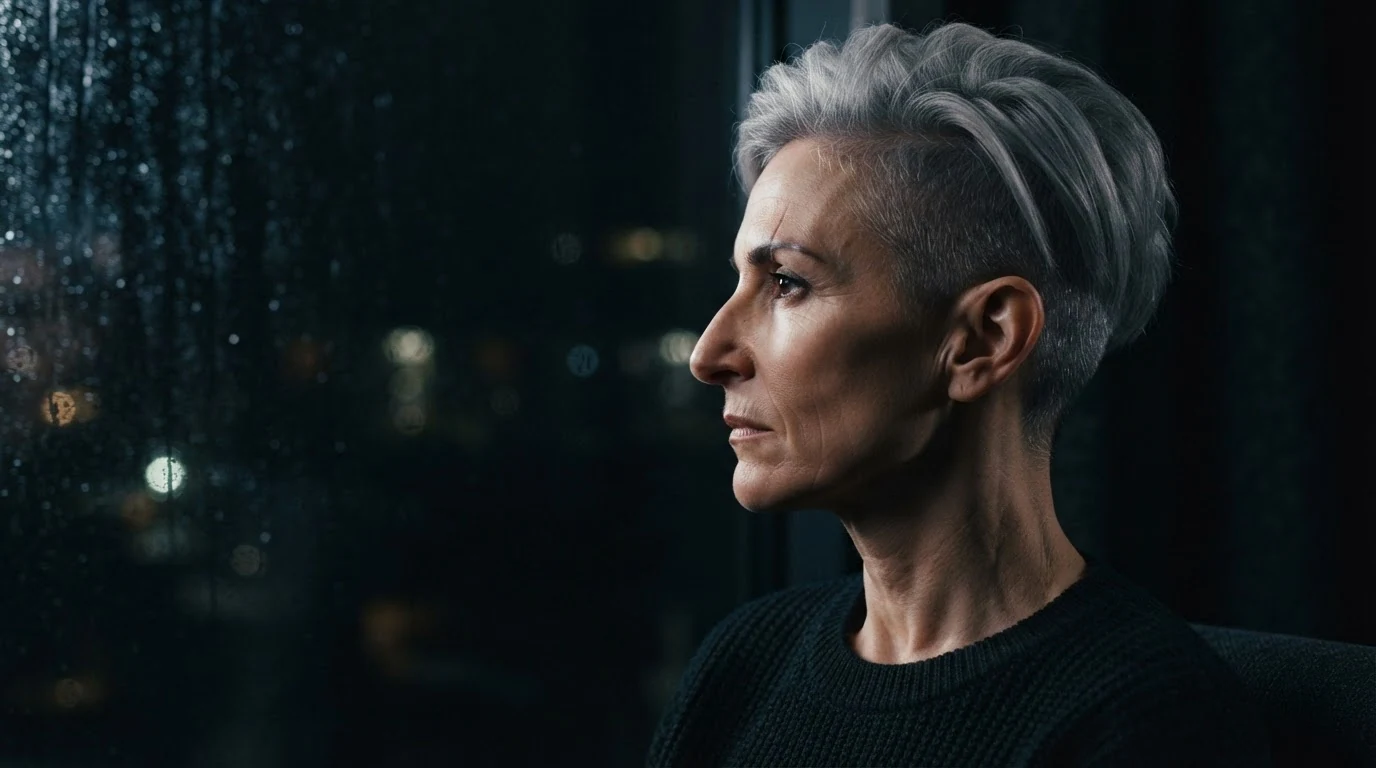
"Exactly 90 degrees to the side" and "only one eye is visible" stop the model rotating her toward camera; "faces screen left" plus "open space in front" set nose room, and edge light draws the outline.
Open FlashBoardsWidescreen facing-profile two-shot, camera at eye level perpendicular to the line between two fictional men across a narrow kitchen table, both in strict side profile, faces one meter apart. Left: a man in his sixties, shaved head, grey walrus mustache. Right: a man in his twenties, curly red hair, freckles, denim jacket. A bare bulb hangs between them, warm tungsten light, dark plain wall, 50mm lens, both faces sharp, tense stillness.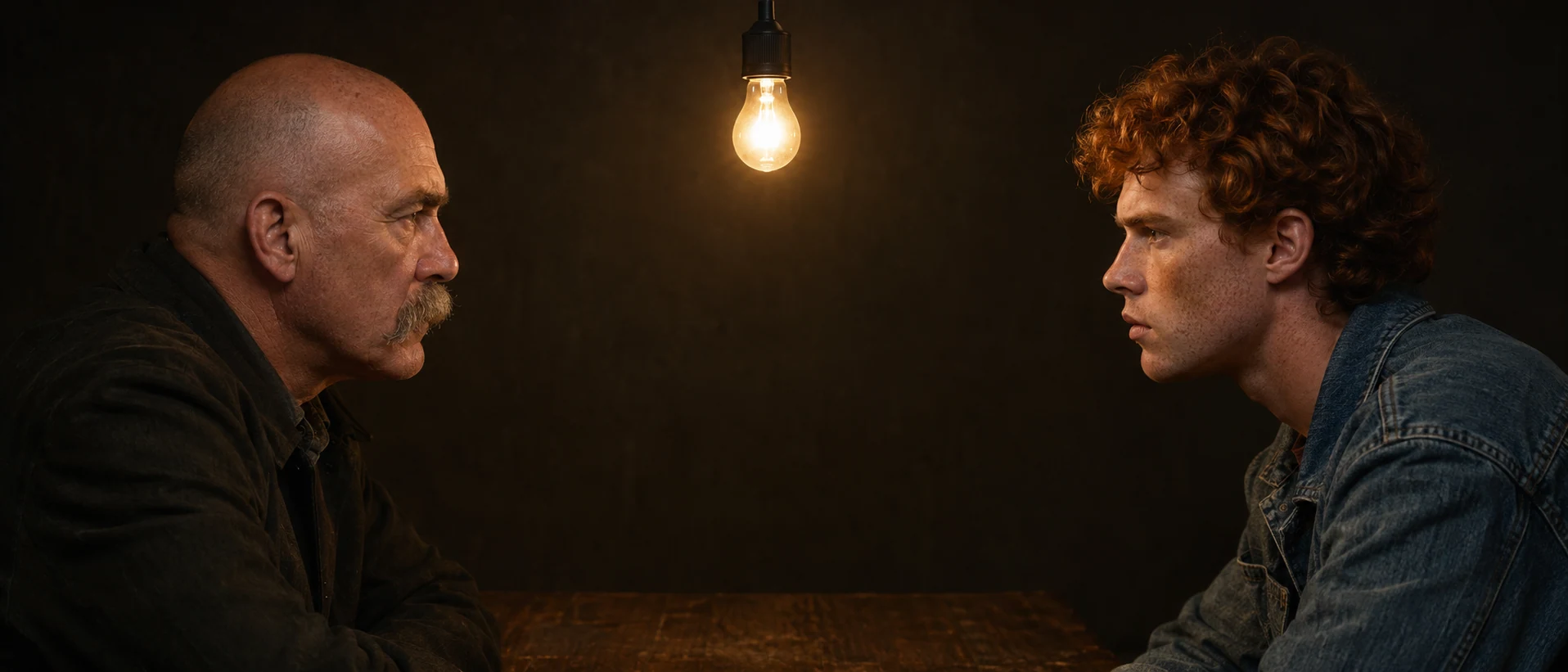
"Perpendicular to the line between" places the camera for two people at once; "strict side profile" keeps both from turning. The 21:9 frame lets the gap between faces become the subject.
Open FlashBoardsCamera: locked off on a tripod at eye level, holding the side view. Action: The woman is already breathing hard as rain streaks run down the window behind her. She slowly lowers her chin and her jaw tightens, staying in profile with her eyes fixed off-frame left. At the end she blinks once and goes still.Breathing and rain make the shot alive from the first frame. "Staying in profile" protects the angle; a head turn toward camera is how the video usually drifts into three-quarter.
Open FlashBoards{
"output": "Full-screen live-action scene from Mean Streets (1973) from its very first frame: one single continuous shot, an intimate facing-profile two-shot of a couple. Early-1970s 35mm color film, heavy grain, low light; a small dim room by day, a frosted wired-glass window right behind the couple glowing pale blue-white and filling the gap between their faces, the rest of the room in near-black shadow, a warm red glow on skin and clothes; palette of deep red, black and cold pale blue.",
"characters": {
"S1": {
"name": "Charlie, played by Harvey Keitel",
"look": "man around thirty, short dark hair with a few tousled strands backlit at the crown, straight nose, face almost entirely in shadow with a dim red glow on his cheek and hand, dark clothes",
"voice": "low, quiet, half teasing, New York Italian-American accent"
},
"S2": {
"name": "Teresa, played by Amy Robinson",
"look": "young woman in her twenties, thick shoulder-length dark brown wavy hair with lighter honey strands and a fringe, a small earring, red top with an open collar, face warmly lit at the start",
"voice": "soft, amused, a little incredulous, New York accent"
}
},
"shots": [
{
"shot": 1,
"camera": "locked-off camera at eye level, long lens, tight close-up two-shot seen exactly from the side, square to the line between their faces: S1's head at the left edge facing screen right, S2's head right of centre facing screen left, both in strict side profile with one eye each visible, foreheads to chins in frame, a hand's width of glowing frosted glass between their noses; the framing eases a touch to the left as S1 leans in at the start, then holds still to the end",
"action": [
"BEGINNING: alive from the first frame, S2 is alone in profile left of centre, facing screen left, her face warmly lit, smiling with lips parted, eyes on the space in front of her.",
"THEN: S1's dark profile slides in from the left edge, leaning toward her face, head slightly bowed, eyes lowered to her mouth, and he speaks; S2 keeps smiling, lips parted, eyes on his face.",
"THEN: S2's smile settles and her lips close; she sways a little toward him and back, holding his eyes; S1 stays close, eyes down.",
"THEN: S1 speaks again with a wide-open mouth, then raises the hand nearest the camera to his chin, knuckles against it, and grins with his eyes down; S2 lifts her chin slightly and asks back.",
"THEN: S1 presses his fingertips to his lips and answers briefly behind them, eyes still down; S2 lowers her head and eyes toward his hand and speaks softly; as her head bows her face slips out of the light into a dark silhouette against the glowing glass, only the edge of her forehead, nose and lips rimmed with light.",
"END: both hold still, heads bowed toward each other, his fingers curled at his mouth with the index finger touching his lips, a small smile at the corner of his mouth; her face a dark profile, eyes down; the two profiles stay a hand's width apart to the last frame."
],
"dialogue": [
{
"speaker": "S1",
"on_screen": true,
"when": "as his profile slides into frame near the start",
"delivery": "quiet, tender, almost offhand",
"line": "<d>[English] I love you.</d>"
},
{
"speaker": "S1",
"on_screen": true,
"when": "after a short pause, with his mouth wide open, just before his hand rises to his chin",
"delivery": "low, teasing, half a grin",
"line": "<d>[English] Don't ever say that.</d>"
},
{
"speaker": "S2",
"on_screen": true,
"when": "right after, as she lifts her chin",
"delivery": "soft, amused, puzzled",
"line": "<d>[English] What?</d>"
},
{
"speaker": "S1",
"on_screen": true,
"when": "right after, behind the fingertips at his lips",
"delivery": "short, muffled",
"line": "<d>[English] That.</d>"
},
{
"speaker": "S2",
"on_screen": true,
"when": "right after, as she bows her head toward his hand",
"delivery": "soft, amused, a little incredulous",
"line": "<d>[English] What? That you love me?</d>"
}
]
}
],
"sound": {
"ambience": "a quiet small room, faint distant street traffic heard from outside, soft breaths between the lines",
"speech": "exactly these spoken phrases, each said once, in this order",
"never_spoken": "no narration and no voice-over: the descriptions, performance notes and step words of this prompt are never spoken aloud",
"music": "a film score under the scene, always below the voices: a slow, hushed melody on muted strings, tender and a little uneasy",
"subtitles": "none"
}
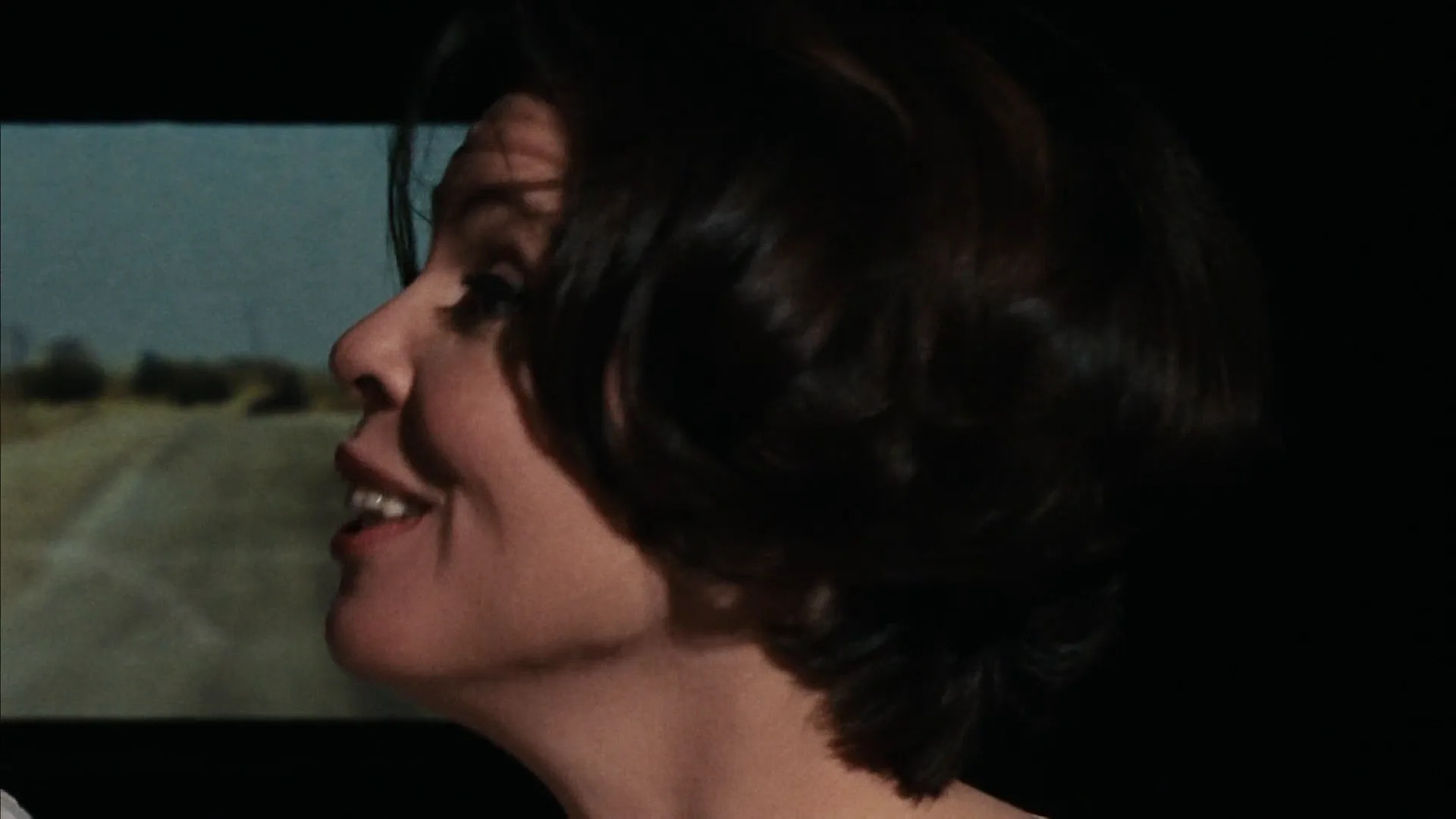
}Remakes the facing-profile close-up of Charlie and Teresa from Mean Streets (1973), dir. Martin Scorsese, DP Kent L. Wakeford: the prompt carries over the side-on faces against frosted glass, his hand rising to his mouth, her bowed head and the scene's hushed exchange.
The angle lives in the camera field: seen exactly from the side, square to the line between their faces, one head facing screen right and one facing screen left, with a hand's width of glowing glass between their noses. The film's own lines are tied to gestures, so his hand at his mouth and her bowed head land in order.
Common mistakes
- Drift to three-quarter. Models add the far eye. State "only one eye visible," the exact angle and the screen direction.
- Flat outline. Soft frontal light erases the edge; ask for edge light or a bright background.
- Cheating two-shots. One face turns to camera; describe both as strict side profile and give their distance.
Keep the reference frames, prompts and every generated take side by side — images and video in one canvas.
FAQ
4 questionsWhat is a profile shot in film?
A profile shot shows a character from the side, with the camera about 90 degrees to their line of sight. We see one eye and the outline of the face instead of the full expression, so the character feels inward, watched or focused on someone off-screen.
What does a side profile shot communicate?
It distances the viewer slightly: we observe the character rather than meet their eyes. Depending on staging it suggests contemplation, isolation, surveillance or confrontation. Empty space in front of the face feels open and searching; space behind the head feels trapped.
What is the difference between a profile shot and an over-the-shoulder shot?
An over-the-shoulder shot sits behind one character and shows the other nearly frontally, so we share one side of the conversation. A profile sits at 90 degrees to the eyeline; in a facing-profile two-shot both people are seen equally from the side.
How do I get a true side profile in AI images?
Describe geometry, not just mood: "camera exactly 90 degrees to the side," "only one eye visible," and which way the person faces on screen. Add edge light or a bright, plain background so the outline reads, and regenerate if the face still turns toward camera.
Related terms
3- Two ShotCamera Shots
A two shot frames two characters together in one shot, so their relationship, distance and reactions are visible at the same time instead of being built from separate singles.
- Negative SpaceComposition & Framing
Negative space is the empty area around a subject — sky, wall, darkness, water — deliberately left large so the subject feels isolated, small, lonely or expectant, and the eye settles on it.
- Short SidingComposition & Framing
Short siding frames a character so they look or move toward the near edge of the frame, with most of the empty space behind them — breaking the usual lead-room convention to create tension, confinement or unease.
Further reading
Blain Brown, Cinematography: Theory and Practice (Routledge). Steven D. Katz, Film Directing Shot by Shot (Michael Wiese Productions).