 FlashBoards Learn
- Learn
- Camera Shots
- Single Shot
Camera Shots · Film language
Single Shot
Also called: single, solo shot
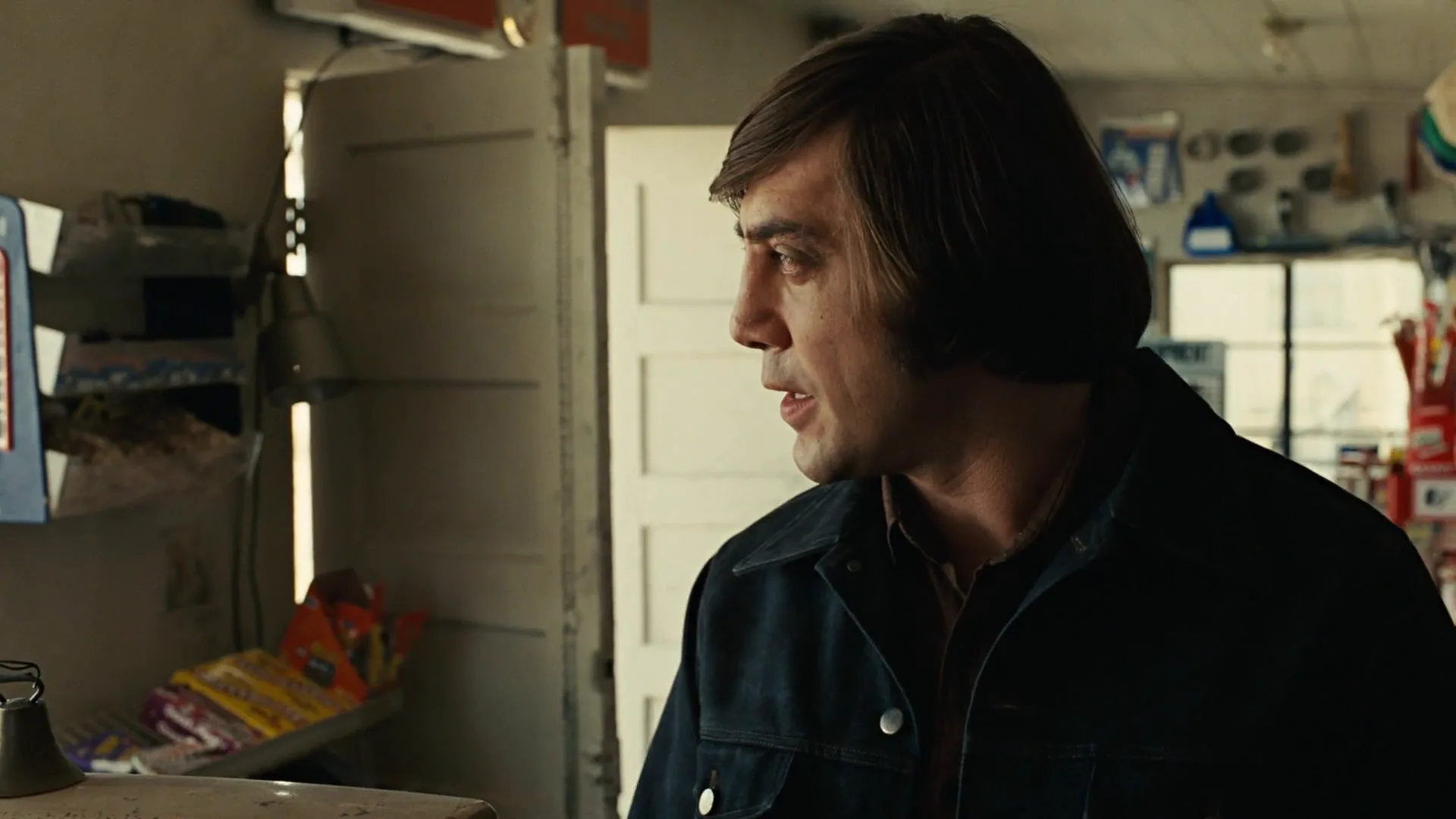
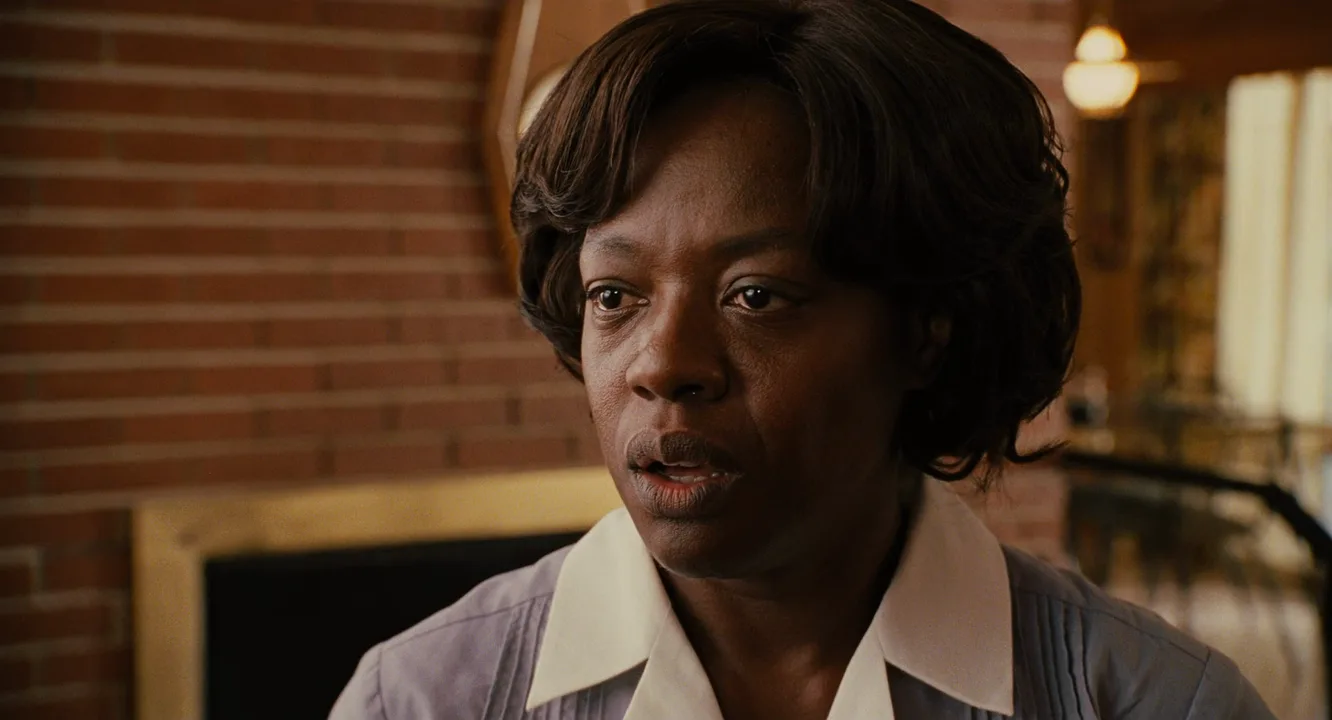
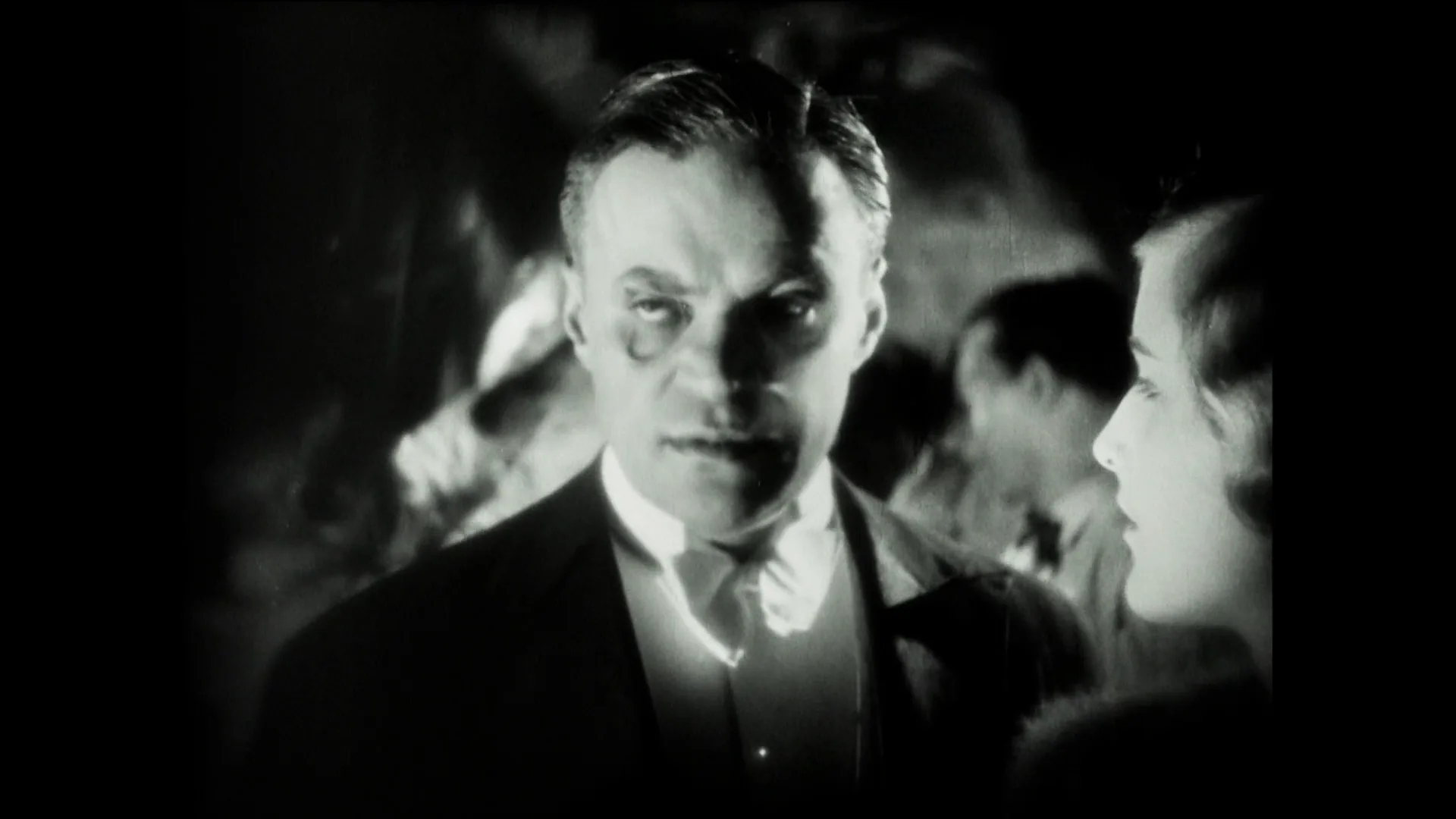
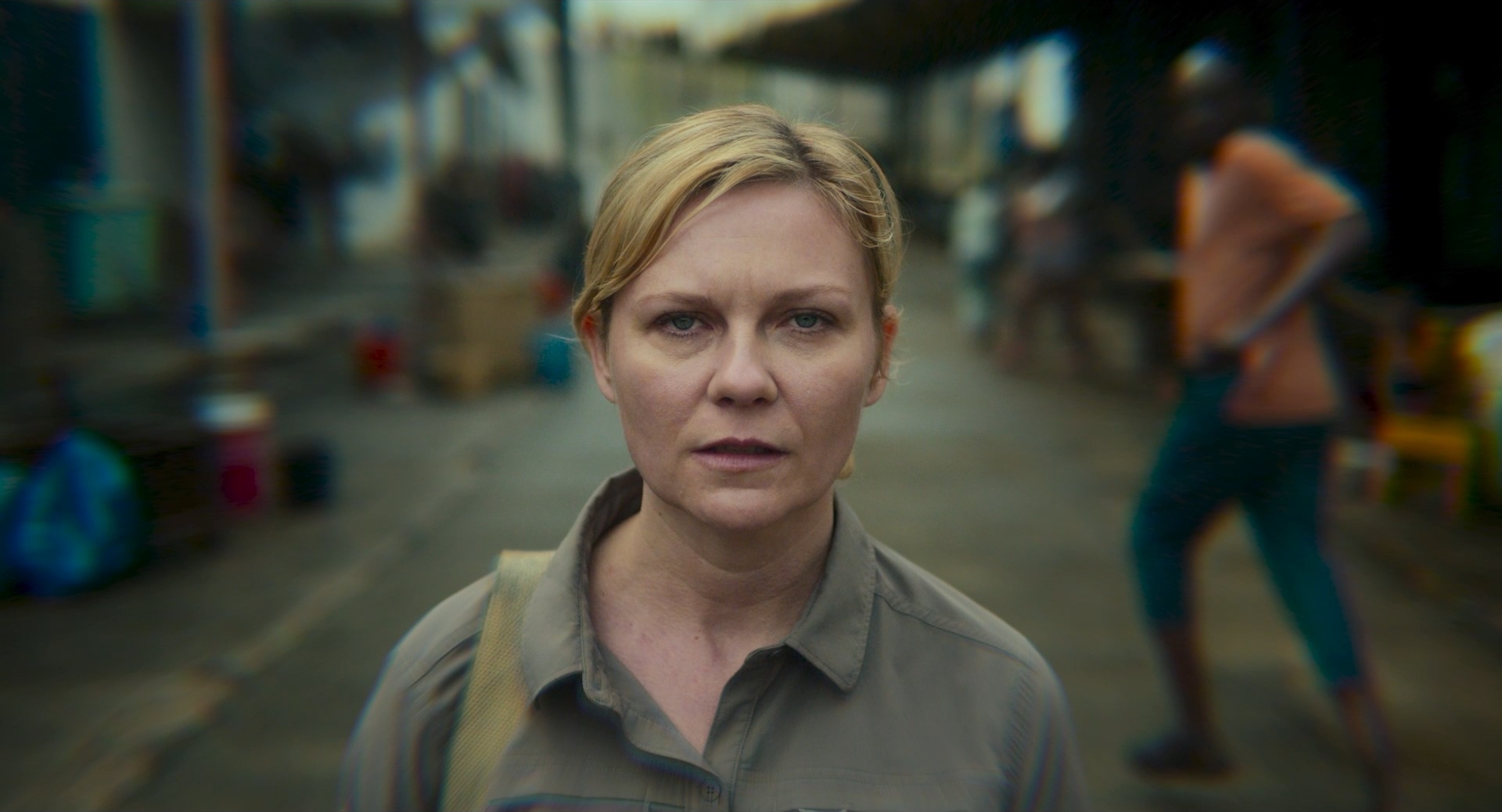
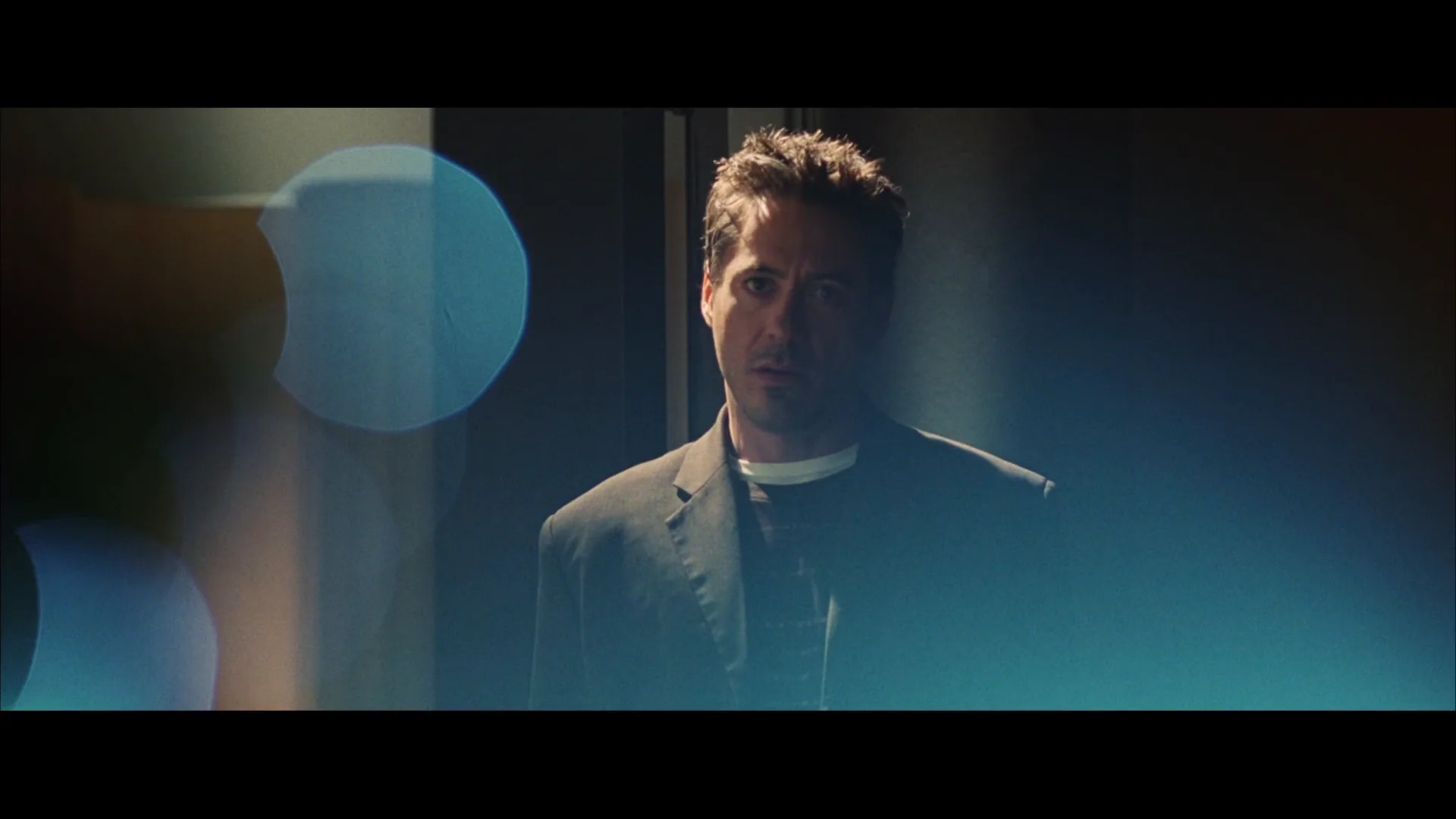
A single shot, or single, is a shot built around one character as its own unit of coverage. It can be clean, with nobody else in frame, or dirty, with a soft sliver of the scene partner at the edge. Singles let the editor decide exactly when we watch that face.
- What it does
- Isolates one character's performance so the edit controls whose face we watch and when.
- Use it when
- Covering dialogue, reactions or any beat where one person's thought matters more than the room.
- Watch out
- Match lens, size and eyeline side with the partner's single, or the cut will jump.
- Try this prompt
Clean single, medium close-up, 75mm, eye level: one woman on the right third, looking frame left just past the lens at someone off-screen, soft background
What is a single shot in film?
A single is defined by who the shot belongs to, not by its size. It can be a medium close-up, a close-up or a medium; one character carries the frame and the shot records that person's side of the scene.
- One subject in focus and at the center of gravity.
- An off-screen partner: the eyeline goes just past the lens, leaving the frame open on one side.
- Part of a set: one single per character, so the editor can cut between them.
In the camera shots vocabulary it is the tightest standard piece of dialogue coverage.
It is not a "one-shot" or "single take," a whole scene played without a cut.
Why do filmmakers use singles?
Control in the edit. With a single on every character, the editor chooses which face carries each line, holds on a listener, and reshapes pauses.
Isolation. Without the partner in frame, the character is alone with us. The Silence of the Lambs (1991) plays its interviews in clean singles with the actors looking almost into the lens.
Rhythm. Scenes often move from wide shots to over-the-shoulder shots to singles at the turning point.
Clean single
A clean single shows one character with nothing of the partner in frame: no shoulder, no ear, no soft foreground shape. The empty side of the frame, in the direction of the eyeline, becomes the space the other person occupies in our heads. It is the most isolating version and the most flexible in the edit.
Dirty single
A dirty single covers one character but keeps a sliver of the partner at the frame edge: a soft cheek, an ear, a blurred shoulder. The foreground doesn't read as a second face, yet it reminds us whom the character is addressing.
The difference from a tight over-the-shoulder is degree: if the foreground reads as a head and shoulder, it's an OTS; if it's a soft shape filling five to fifteen percent of the frame, it's a dirty single. It feels more connected than a clean single but is less flexible in the edit.
How to shoot a single
Lens. 50–85mm on Super 35 (about 70–125mm full frame). Longer lenses flatten the face and soften the background; wider lenses from closer feel confrontational.
Height and eyeline. Lens at the subject's eye level, matched across both singles. Put the off-camera actor's face beside the matte box, on the correct side of the line, so the eyeline match works.
Framing. Subject on the third opposite their look; mirror it in the partner's single.
Focus and light. Around T2–T2.8; key from the side away from camera.
Single shot vs. two shot
A two shot holds both characters in one frame, so distance and reactions play at once and the relationship is the subject. A single hands the relationship to the edit: we read the connection through cuts between faces, as in shot reverse shot. Use the two shot to show where people stand; use singles when one person's thought needs the whole frame.
Single Shot examples in film
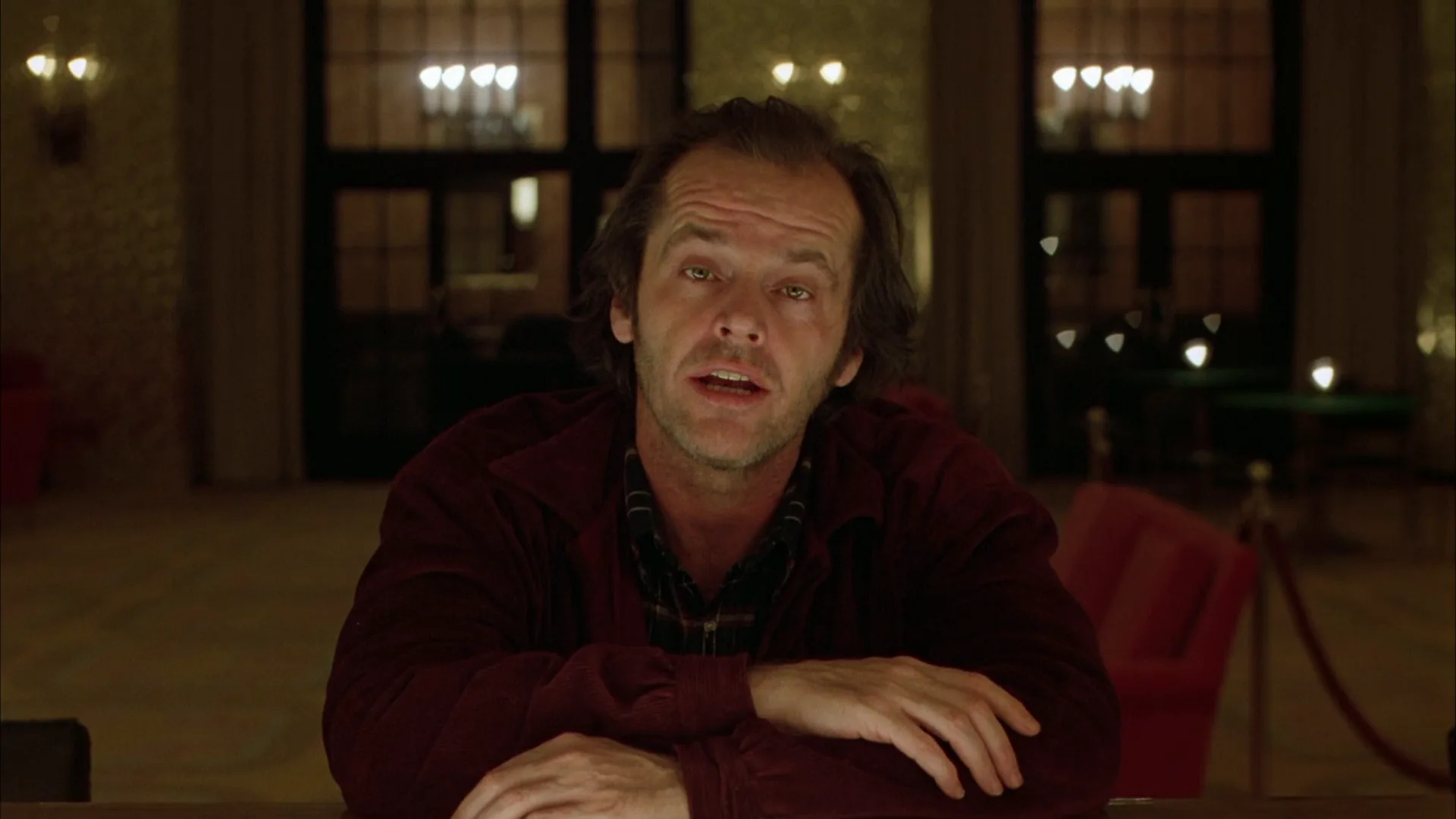
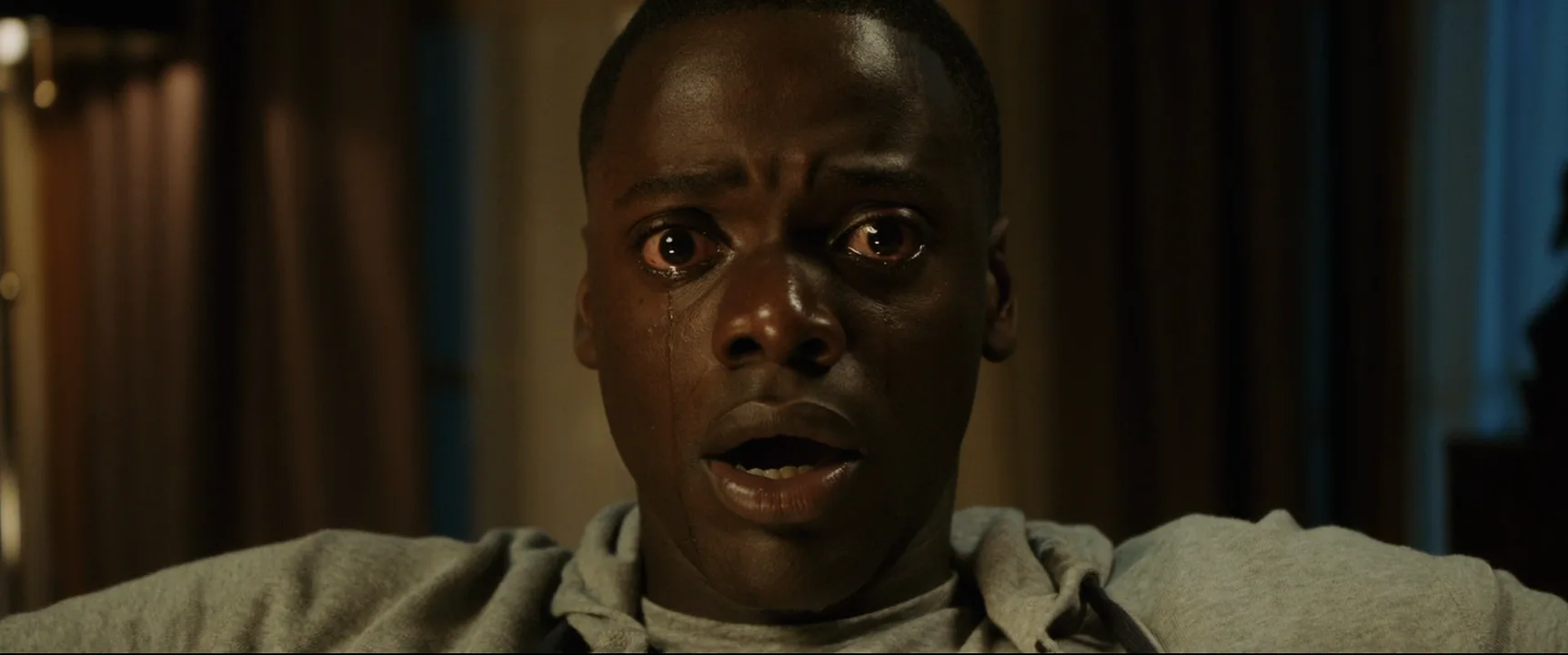
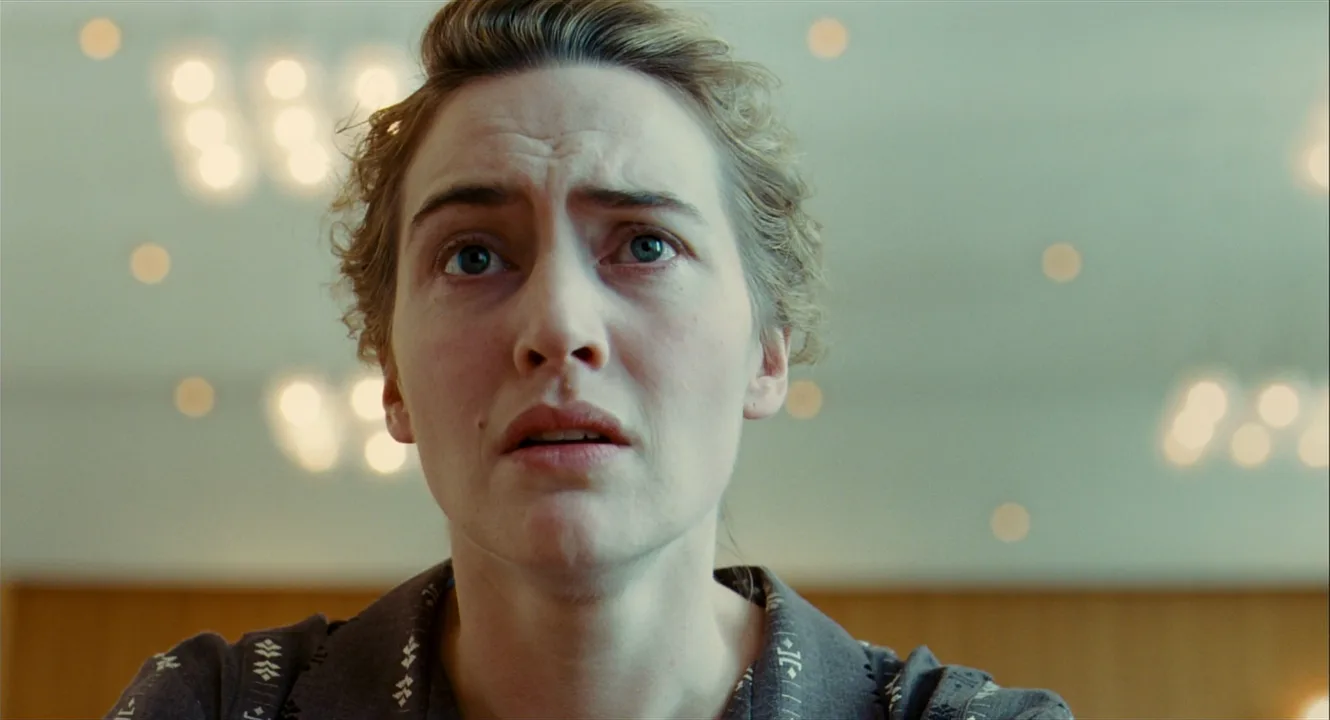
8 framesEight singles, mostly clean, where one face owns the frame.
How to create a single shot with AI
4 promptsModels tend to add a second person or stare the subject into the lens, so spell out who is in focus, where they look and what fills the empty side. The recipes build one exchange: a clean single, the partner's dirty single as the reverse, and a clip from the first frame. Keep both singles side by side on a FlashBoards board to check eyelines. The fourth prompt re-shoots a real film shot from a text description alone, and the original plays next to the result so you can compare.
Clean single, medium close-up, 75mm lens, eye level, cinematic film still. A woman in her late forties with a cropped silver undercut, a thin scar through her left eyebrow and a mustard-yellow cardigan sits alone in a laundromat at night on the right third, looking frame left just past the lens. Nobody else in frame, no foreground shoulder: the left third holds only washing machines out of focus, one dryer drum turning. Cool fluorescent light, warm lamp on her face, shallow depth of field.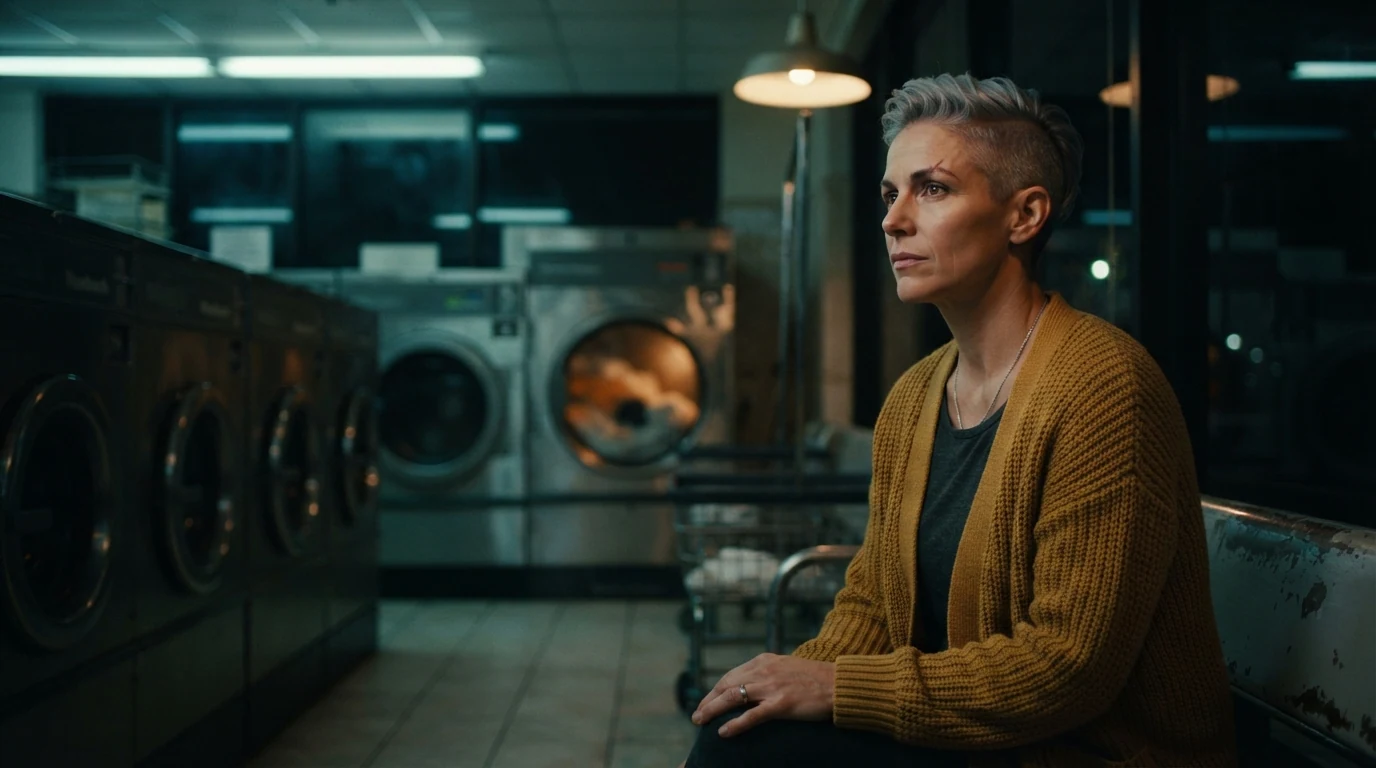
Clean single plus looking frame left just past the lens implies a partner without drawing one. Nobody else in frame, no foreground shoulder and naming what fills the left third stop the model inventing a second person; the turning drum gives the video motion from frame one.
Open FlashBoardsDirty single, close-up, 85mm lens, eye level, cinematic film still, reverse angle in a night laundromat. A man in his twenties with a shaved head, freckles and round wire glasses sits on the left third, looking frame right just past the lens. At the right edge, very close to the lens and fully out of focus: a narrow blur of a mustard-yellow cardigan shoulder, about a tenth of the frame. Soft washing machines behind, cool fluorescent light, warm lamp.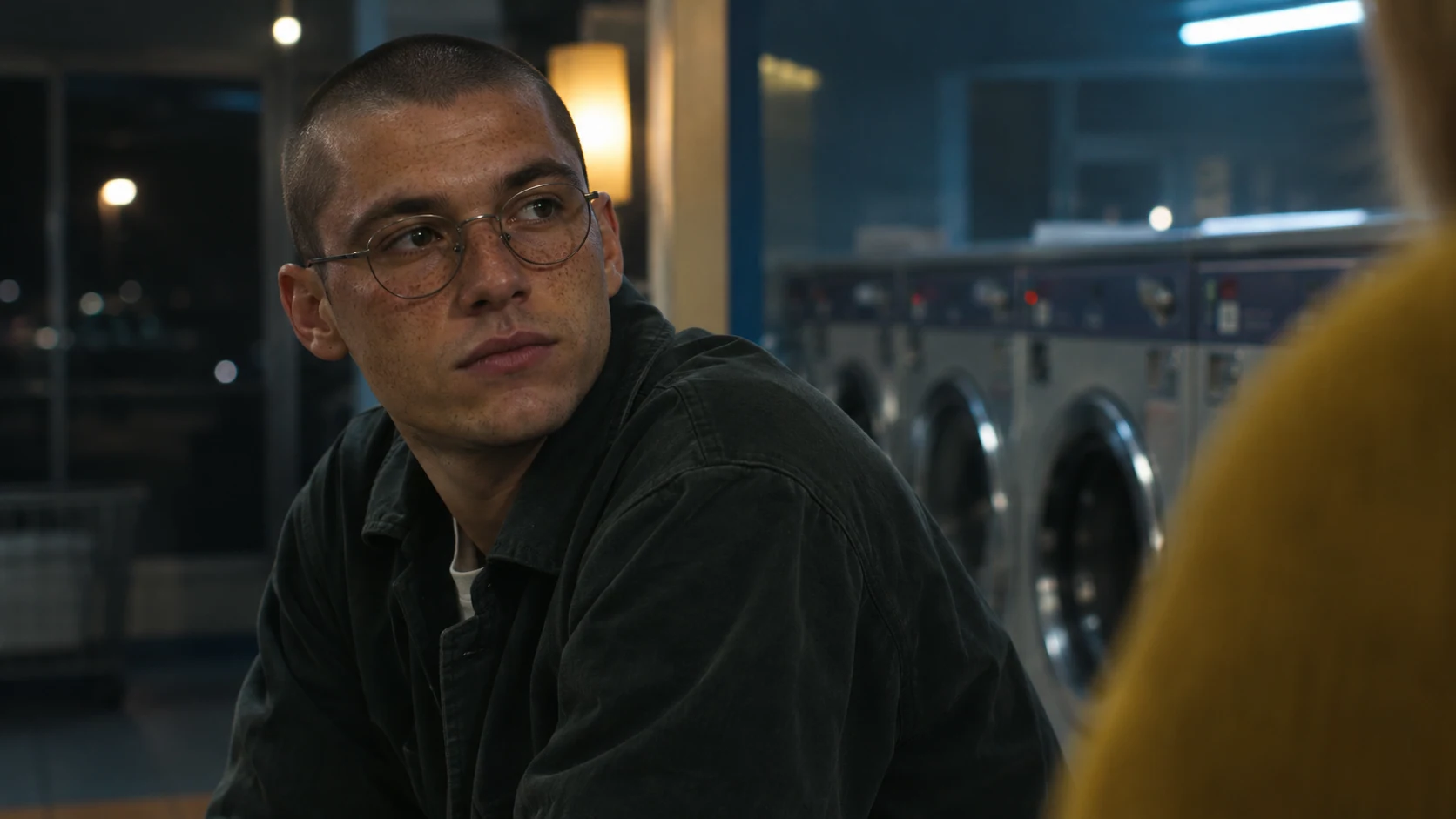
Narrow blur … very close to the lens … about a tenth of the frame keeps the partner a shape, not a face: that's what separates a dirty single from an OTS. Swapped thirds and eyeline keep the pair on one side of the line.
Open FlashBoardsCamera: a very slow, steady dolly push-in from medium close-up to close-up on the woman's face, starting at the first frame and continuing the whole shot; she stays on the right third. Action: she is already speaking to the person off-screen left while the dryer drum turns behind her. In the middle she stops, glances down at her hands and breathes out. At the end she lifts her eyes back to frame left and holds the look.A slow push-in is the classic way to tighten a single at a turning point. Already speaking and the turning drum make the shot alive at once, and restating off-screen left keeps the partner out of frame.
Open FlashBoards{
"output": "Full-screen live-action scene from The Shining (1980), from its very first frame: one single continuous shot. Late-1970s 35mm film with soft grain, 16:9 frame, a clean single of one man alone at a hotel bar at night; behind him the empty Gold Room ballroom of a grand mountain hotel: tall dark-framed glass doors, pairs of small-bulb wall sconces glowing high on the walls, a red velvet armchair and a red velvet rope on brass posts at the right, small lamps on green card tables far behind; warm dim amber tungsten light, deep brown, gold and burgundy palette, background soft but readable.",
"characters": {
"S1": {
"name": "Jack Torrance, played by Jack Nicholson",
"look": "lean man in his early forties, receding hairline, dark hair long and unkempt over the ears and collar, high arched eyebrows, light stubble, dark burgundy corduroy jacket over a dark plaid flannel shirt open at the neck",
"voice": "dry, amiable, faintly weary, slightly nasal"
}
},
"shots": [
{
"shot": 1,
"camera": "locked-off static camera that never moves, eye level, square-on, normal 40mm lens; a centered medium shot of S1 from his folded forearms at the bottom edge to just above his head; S1 is the only person in the frame, the ballroom behind him stays empty, and the framing stays exactly the same to the end",
"action": [
"BEGINNING: alive from the first frame, S1 sits centered behind the bar with both forearms folded on the bar top along the bottom of the frame, the hand on screen right resting over the other forearm; his head is turned toward screen right, eyes looking off to screen right into the empty room, a small lopsided smile.",
"THEN: he turns his head further right into near profile, still looking off screen right, and the smile fades.",
"THEN: he blinks slowly and swings his head back to face the lens, chin a little lowered, eyes lifted to a point just above the lens, as if to a listener standing at the camera position; eyebrows raised, forehead creased.",
"THEN: he says his line straight toward that point just above the lens, lips clearly moving, head almost still.",
"THEN: he closes his mouth and holds the look for a beat, eyebrows still raised.",
"END: his eyes widen and his mouth stretches into a huge open-mouthed grin showing both rows of teeth, eyebrows high; he holds the grin to the last frame, forearms and hands resting still on the bar top the whole time."
],
"dialogue": [
{
"speaker": "S1",
"on_screen": true,
"when": "right after he turns his head back to face the lens, before the grin",
"delivery": "dry, casual small talk with a hint of mischief",
"line": "<d>[English] A little slow tonight, isn't it?</d>"
}
]
}
],
"sound": {
"ambience": "the hush of a huge empty ballroom, a faint hum of the wall lights, the soft rustle of his jacket sleeve on the bar top",
"speech": "exactly these spoken phrases, each said once, in this order",
"never_spoken": "no narration and no voice-over: the descriptions, performance notes and step words of this prompt are never spoken aloud",
"music": "a film score under the scene, always below the voices: a low, sustained eerie string drone with a faint, slow pulse",
"subtitles": "none"
}
}Remakes the clean single of Jack Torrance at the Gold Room bar from The Shining (1980), dir. Stanley Kubrick, DP John Alcott, keeping the locked-off frontal frame, the look off to the right, the turn back to the lens, his line and the grin.
The single lives in the camera field: a centered medium shot, S1 is the only person in the frame, the ballroom behind him stays empty. His eyeline goes to a point just above the lens, so the listener exists only off-screen at the camera, and the line and the grin stay with the one face that owns the frame.
Common mistakes
- A second person appears. Say clean single and describe what fills the empty side.
- Straight-to-lens stare. Add looking frame left just past the lens.
- Dirty foreground becomes an OTS. Specify narrow blur, very close to the lens, a fraction of the frame.
- Frozen video start. Put motion in the first line of the action.
Keep the reference frames, prompts and every generated take side by side — images and video in one canvas.
FAQ
4 questionsWhat is a single shot in film?
A single is a shot built around one character as its own piece of coverage. It records one person's side of a scene, usually in a medium close-up or close-up, with an eyeline toward someone off-screen. Each character gets a single, so the editor can choose whose face carries each moment.
What is the difference between a clean single and a dirty single?
A clean single shows only the subject, with nothing of the scene partner in frame. A dirty single keeps a small, out-of-focus piece of the partner, like an ear or shoulder, at the frame edge. Clean singles isolate and cut freely; dirty singles keep the relationship present.
Is a single shot the same as a one-shot or single take?
No. A single is one character's shot inside a scene cut together from several angles. A one-shot, oner or single take is a whole scene played in one continuous shot. One term describes coverage of a character; the other, the absence of cuts.
What lens is used for a single?
Dialogue singles are usually shot on 50–85mm lenses on Super 35, roughly 70–125mm on full frame, which keeps faces natural and softens the background. Crews match the lens between each character's single so the sizes cut together cleanly.
Related terms
3- Two ShotCamera Shots
A two shot frames two characters together in one shot, so their relationship, distance and reactions are visible at the same time instead of being built from separate singles.
- CoverageDirecting & Staging
Coverage is the full set of shots filmed for one scene — master, singles, over-the-shoulders, inserts, reactions — that gives the editor choices of pace, emphasis and performance.
- Over-the-Shoulder ShotCamera Shots
An over-the-shoulder shot looks at one character past the back of another's shoulder and head, keeping both in frame so a conversation feels connected and spatially anchored.
Further reading
Steven D. Katz, Film Directing Shot by Shot (1991). Walter Murch, In the Blink of an Eye (1995).