 FlashBoards Learn
- Learn
- Filmmaking Process & Crew
- Guerrilla Filmmaking
Filmmaking Process & Crew · Film language
Guerrilla Filmmaking
Also called: guerrilla film, run-and-gun filmmaking, no-permit shooting
Guerrilla filmmaking is shooting fast and cheap with a tiny crew on real locations, often without permits or crowd control, grabbing scenes in public before anyone stops the shoot. On screen it reads as raw and immediate: real streets, real passersby, available light and a camera that has to keep moving.
- What it does
- Trades control for speed and reality: real places and crowds give a small film texture it could never afford to build.
- Use it when
- You have little money, a strong location and scenes that can be staged in a few quick takes with two or three people.
- Watch out
- No permit means no protection: stay off roads and private property, get releases from anyone featured and never endanger the public.
- Try this prompt
guerrilla street shot, handheld 50mm at shoulder height, a young woman in a red windbreaker pushing through a real crowded market, passersby unaware, available light, 16mm grain
What is guerrilla filmmaking?
The name borrows from guerrilla warfare: small units, speed, surprise. A guerrilla shoot has three to six people, one camera, no lighting truck and no closed streets. The crew arrives, blocks the scene in minutes, shoots two or three takes and leaves before a crowd forms or someone asks for paperwork.
It is a method, not a genre or a budget level. Run-and-gun filmmaking and no-permit shooting name the same practice from two sides, the camera style and the legal status. Within film production, it changes mostly the shoot: pre-production shifts from building sets to scouting places you can use quickly and quietly.
Why filmmakers shoot guerrilla-style
The first reason is money: permits, police details, location fees and a closed block can cost more than a whole micro-budget film. The second is look. Extras never walk like people who don't know they are being filmed, and a real subway car at rush hour has a density no art department can fake.
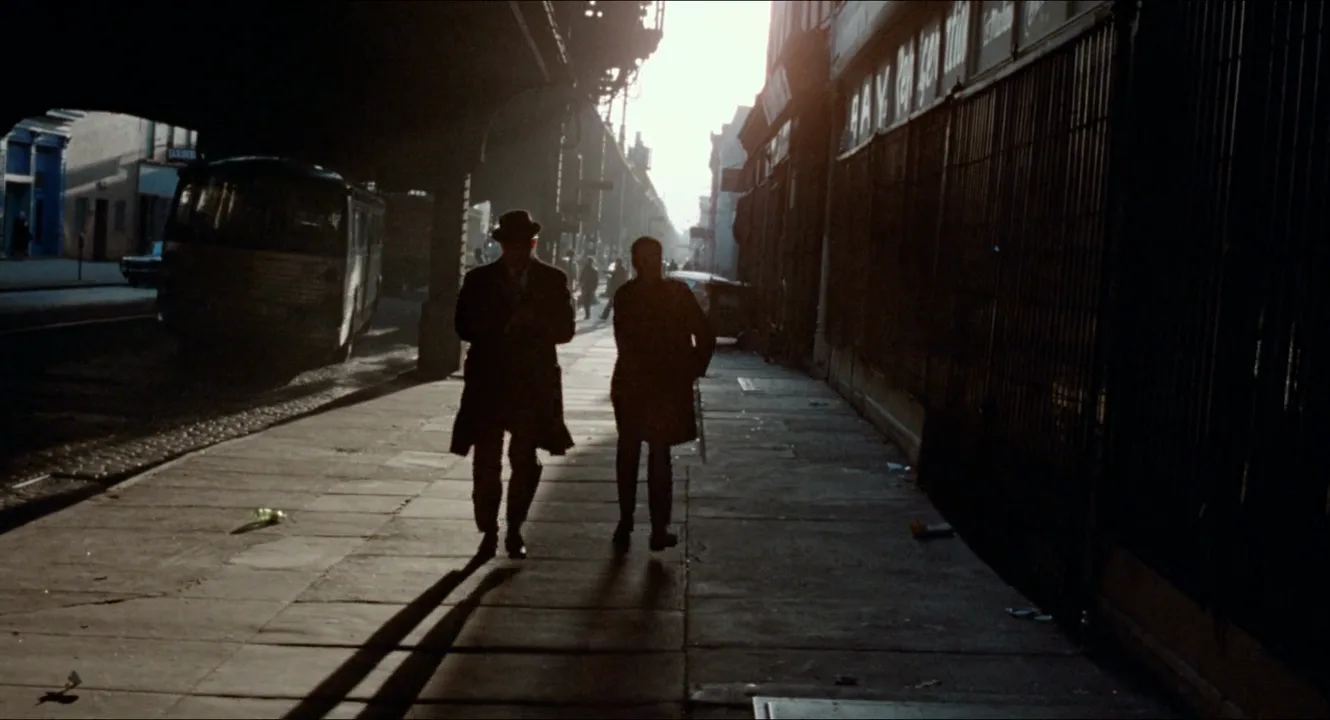
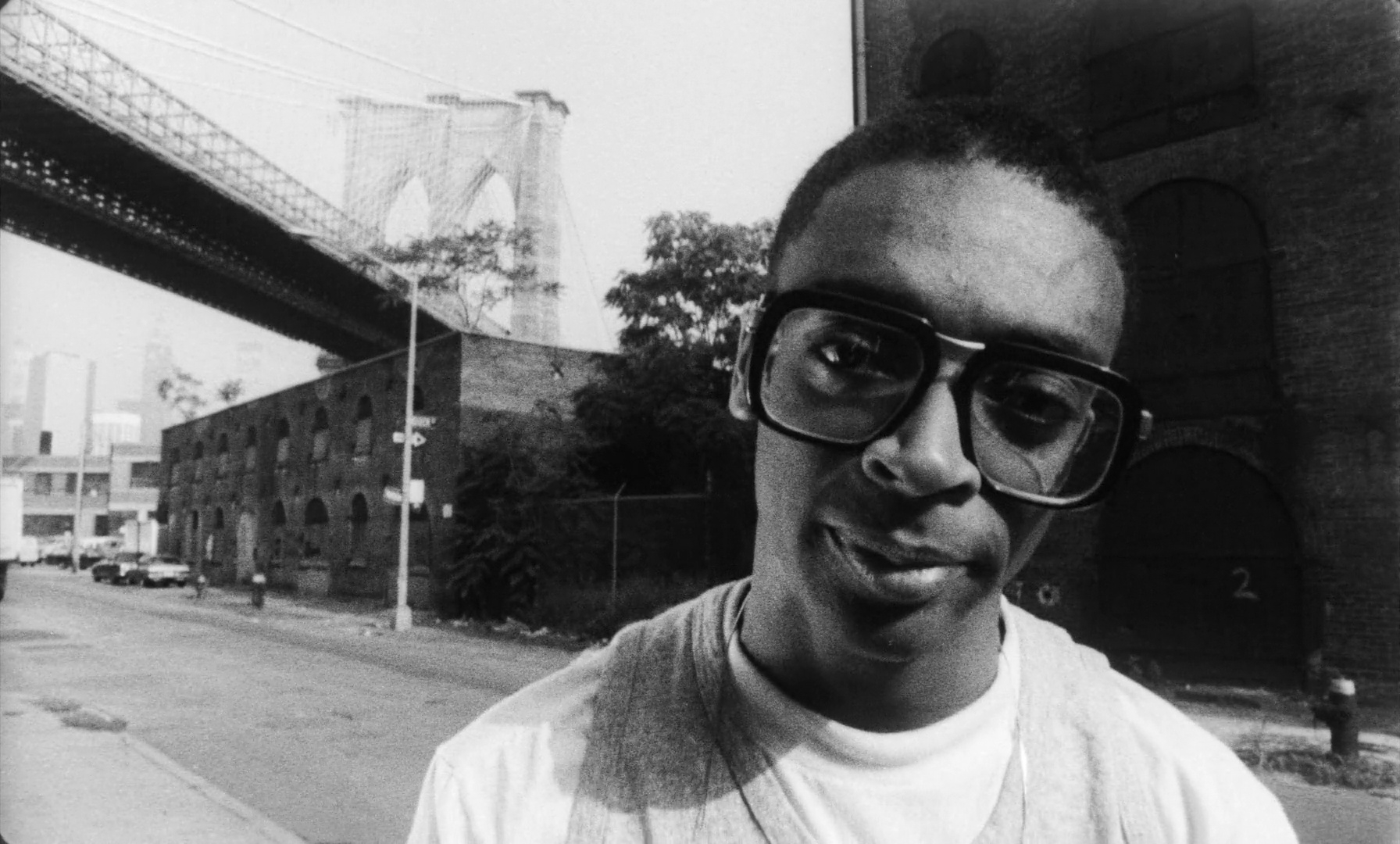
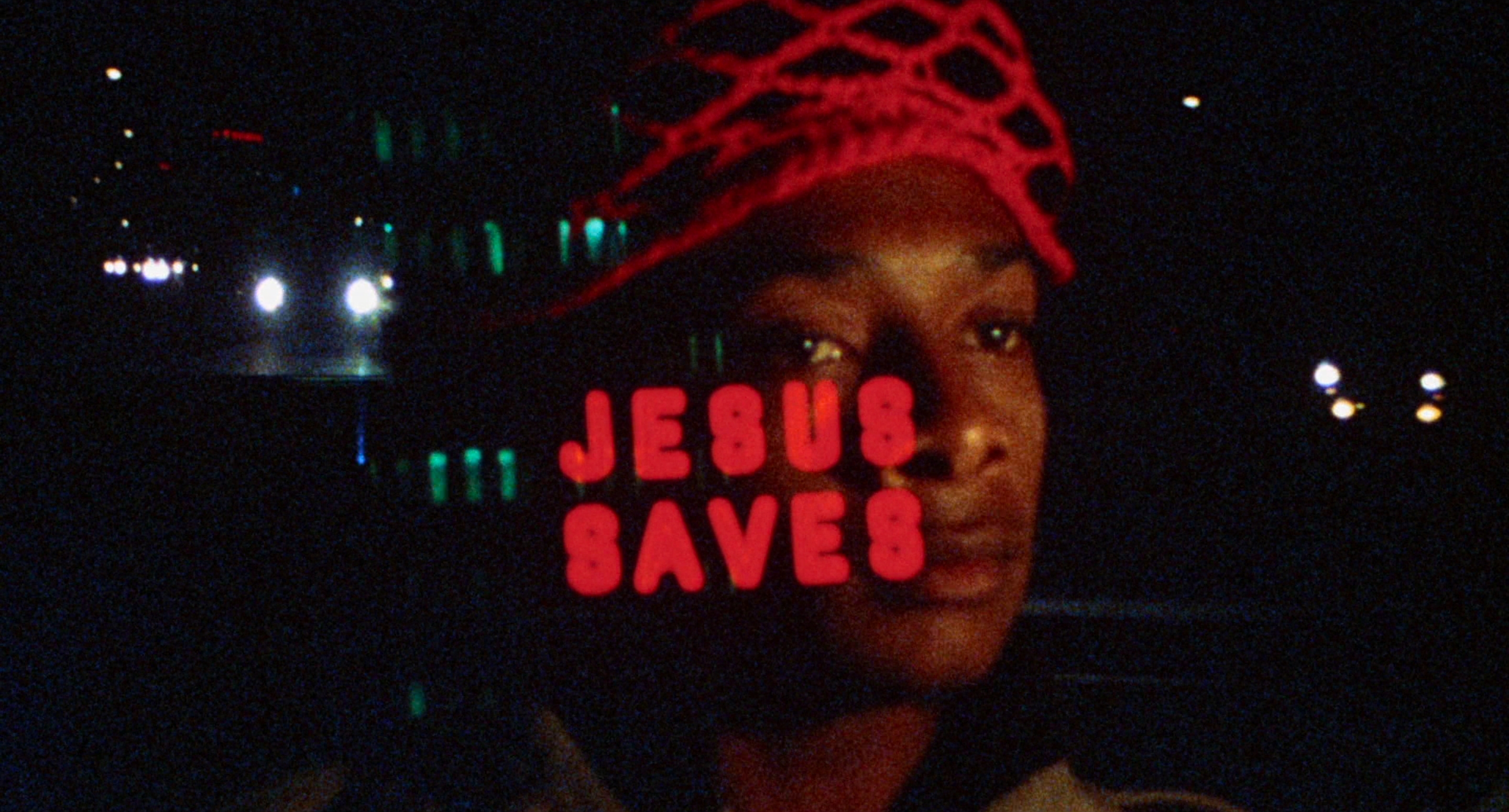
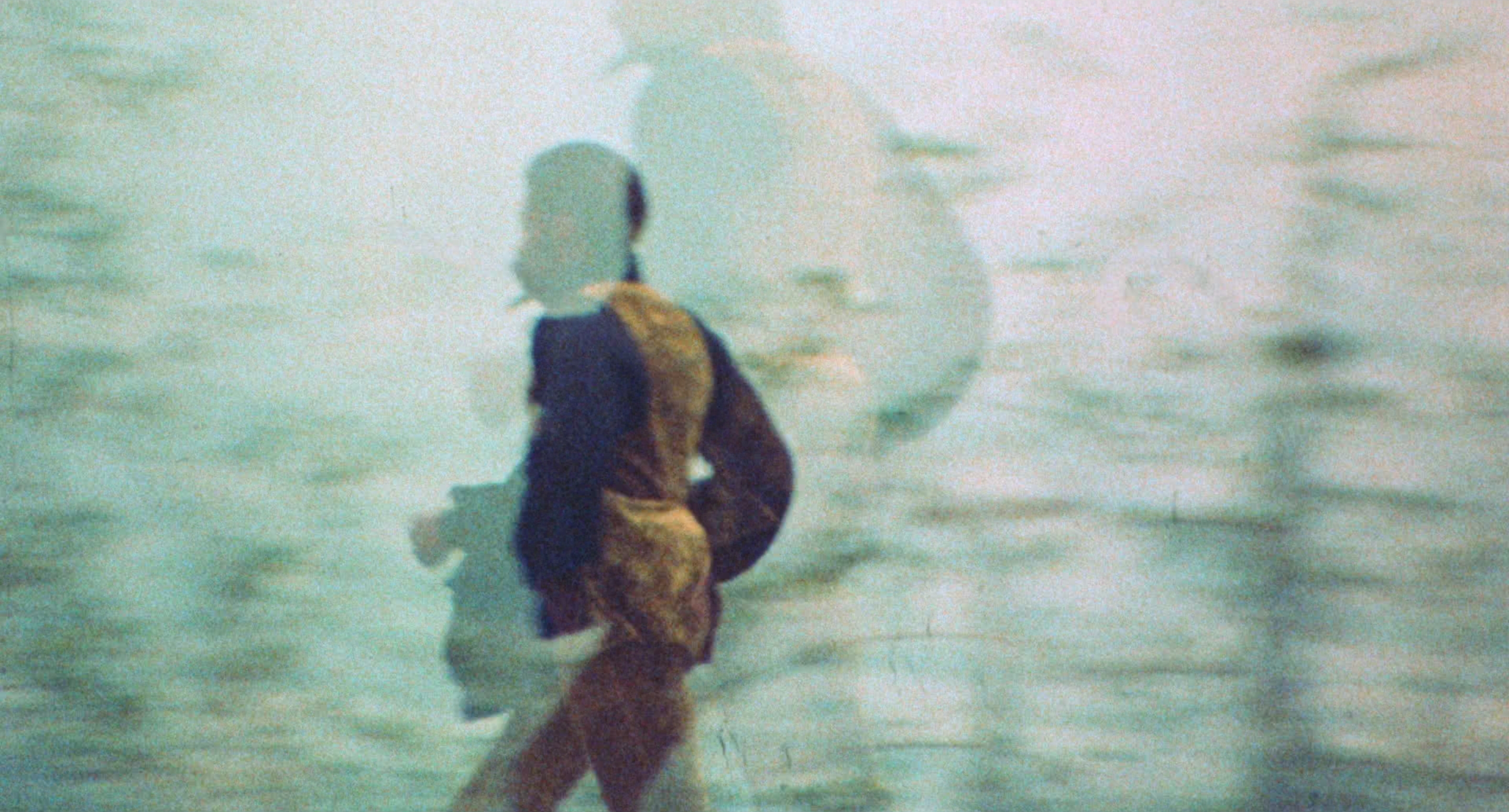
Melvin Van Peebles made Sweet Sweetback's Baadasssss Song (1971) largely with his own money, shooting fast on Los Angeles streets. William Friedkin shot The French Connection (1971) on live New York streets in a documentary-style, handheld manner, and its car chase still feels dangerous. Spike Lee shot She's Gotta Have It (1986) in Brooklyn in about two weeks and Robert Rodriguez made El Mariachi (1992) with a borrowed 16mm camera and no dolly.
The same spirit runs through Dogme 95, which turned real locations and handheld camera into rules, and mumblecore, where cheap digital cameras made apartments and streets the default set.
How to shoot a guerrilla scene
- Crew of three to five. Director, camera, sound, and one lookout for traffic, police and onlookers.
- Small camera, fast primes. A mirrorless body with a 35mm and a 50mm at f/1.4–f/2.8 for shade and night. The handheld shot is a necessity here.
- Long lens for hidden coverage. An 85–135mm from across the street lets actors walk through a real crowd while passersby never see the camera.
- Available light. Schedule each scene for the hour the place already looks good: low sun, shop windows at dusk, street lamps at night. Work with the ambient light, adding one battery LED at most.
- Sound. Wireless lavaliers, because a boom pole announces a film shoot. Record room tone.
- Rehearse off-site so the street only needs two or three takes, and scout a backup for every filming location.
Is guerrilla filmmaking legal?
It depends on where and how. In many cities a small handheld crew on a public sidewalk, with no tripods, lights or blocked foot traffic, needs no permit or only a simple one. Closed streets, private property (malls, stations, restaurants) and anything that looks like a crime require permission.
Never stage weapons, fights or police uniforms in public: someone will call the police, who will assume it is real. No stunts on open roads. Get releases from anyone recognizable you feature. Cheap small-crew permits also help later, when a distributor asks for clearances.
Guerrilla filmmaking vs. micro-budget film
A micro-budget film is defined by money; guerrilla filmmaking is defined by method: shooting on the fly in real places with little or no permission. They overlap often, because guerrilla tactics are the cheapest route to production value, but they are not the same.
A micro-budget drama shot in the director's apartment is not guerrilla. A well-funded feature that steals a few street shots with a hidden camera uses guerrilla tactics. Micro-budget is the constraint; guerrilla is one strategy for living with it.
Planning a guerrilla shoot on one board
Speed on the street comes from preparation. On a FlashBoards board, pin scout photos, reference frames and a generated previs frame for each setup, with notes on lens, time of day and backup spot, so the crew decides nothing on the sidewalk.
Guerrilla Filmmaking examples in film
5 framesFrames from films built on real streets and available light.
How to create a guerrilla filmmaking with AI
4 promptsYou can't generate a permit, but you can previs a guerrilla setup: lens, spot and time of day, decided before the crew hits the street. Keep scout photos, generated frames and notes on one FlashBoards board to compare setups side by side. The fourth prompt re-shoots a real film shot from a text description alone, and the original plays next to the result so you can compare.
Guerrilla street shot, handheld camera at shoulder height, 35mm lens, medium wide. On a crowded late-afternoon sidewalk, a young woman with a shaved head, a small silver nose ring and a faded red windbreaker walks fast toward camera, weaving between pedestrians who ignore her and the camera. Only available light: low sun behind her down the street, shop signs glowing. Slight motion blur, 16mm grain, unpolished.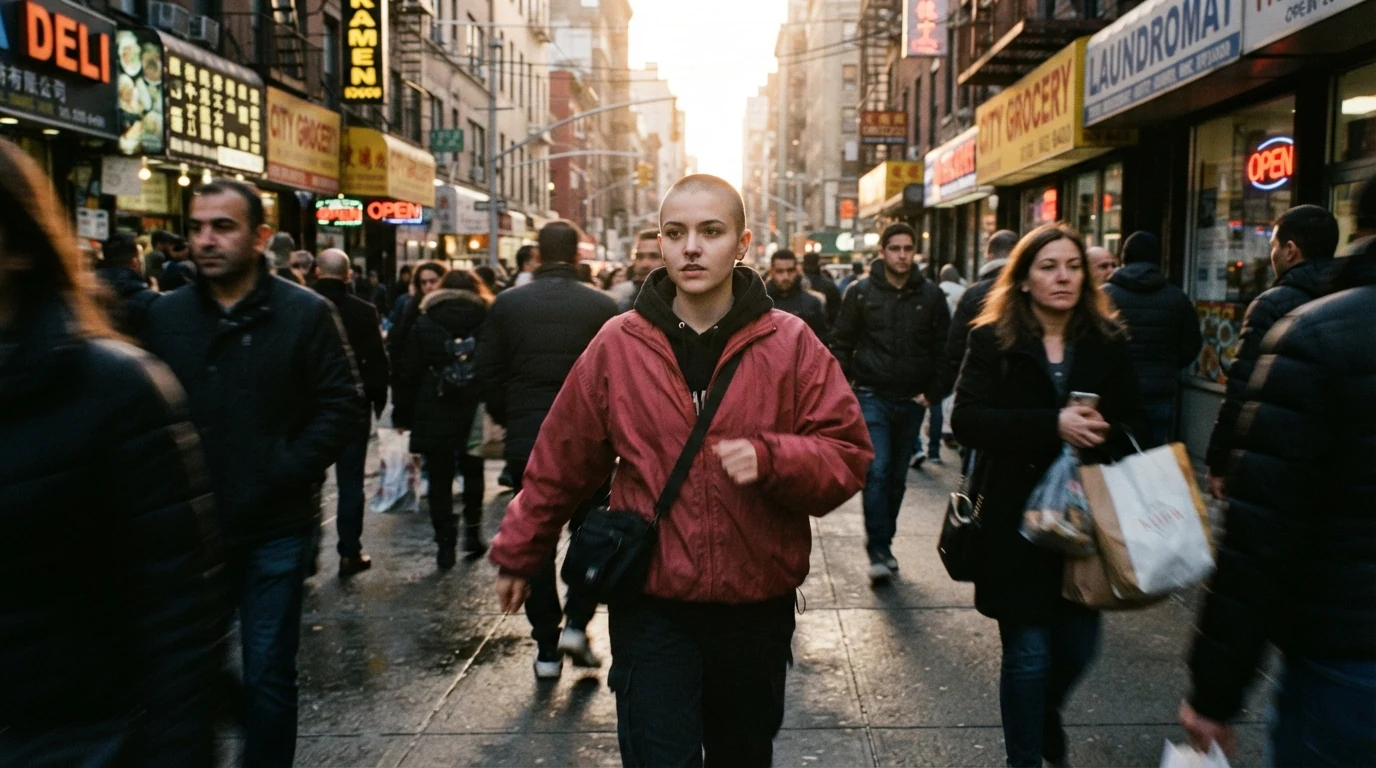
"Handheld at shoulder height" and "pedestrians who ignore her and the camera" give the stolen-shot feel; "only available light" keeps the grit of an unlit location.
Open FlashBoardsLong-lens hidden-camera shot from across a busy avenue at night, 135mm, eye level. Through blurred passing cars and pedestrians in the foreground, a tall man in his forties with a gray-streaked beard, a chin scar and a worn green army jacket talks into a phone at a bus stop. Light only from sodium street lamps and a bright pharmacy window. Compressed perspective, grainy, candid.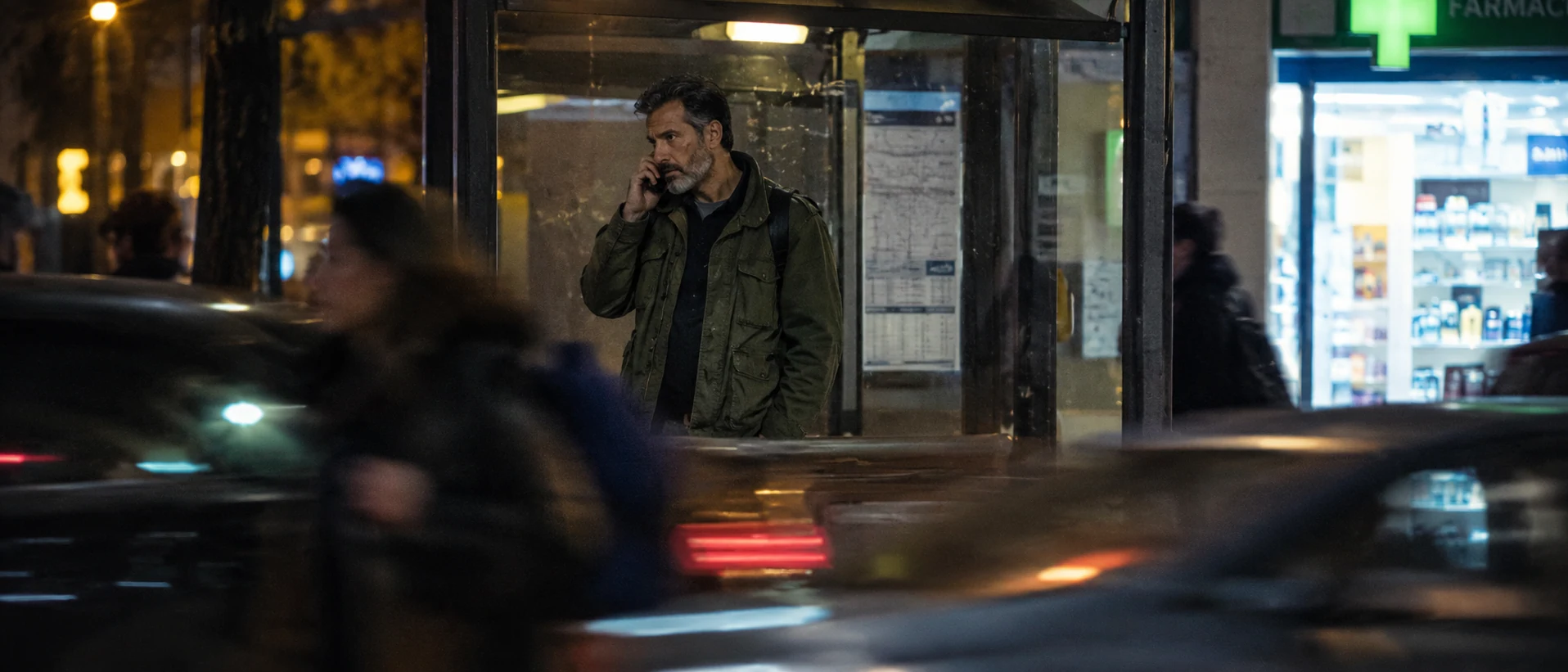
"From across a busy avenue" plus "135mm" and foreground blur produce the compressed, half-blocked view of a concealed long lens.
Open FlashBoardsCamera: handheld at shoulder height, backing away at walking pace in front of the woman with small jolts, holding a medium wide. Action: The woman is already walking fast toward camera. She sidesteps a pedestrian, glances over her shoulder, then speeds up. Pedestrians keep walking past in both directions. The low sun flares behind her.Motion is stated from the first frame, so the clip doesn't start as a still; "backing away at walking pace" is the operator's retreat of a real run-and-gun follow.
Open FlashBoards{
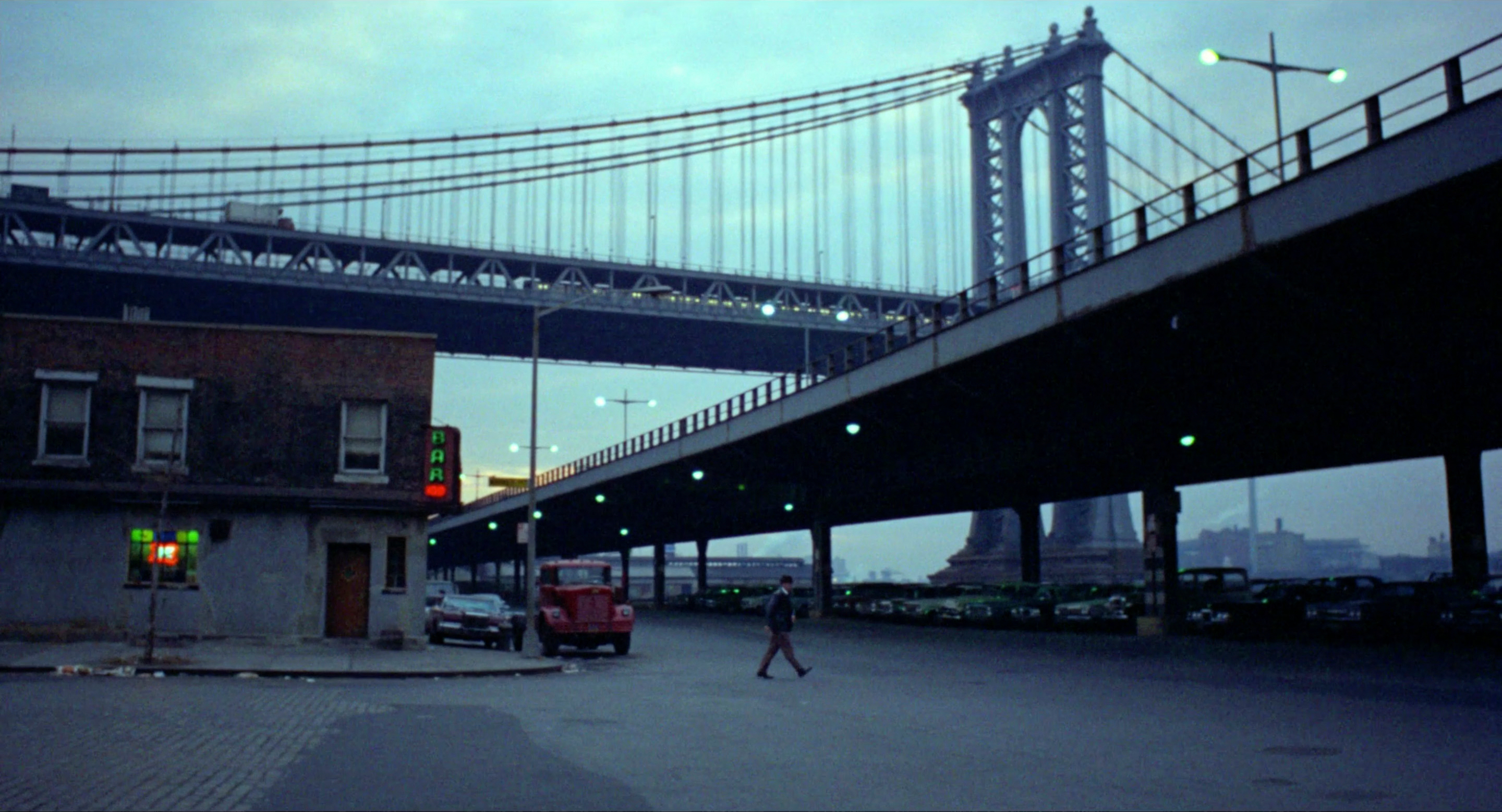
"output": "Full-screen live-action shot from The French Connection (1971) from its very first frame: one continuous shot on a real New York sidewalk under an elevated railway, stolen guerrilla-style with only available light. Grainy early-1970s 35mm color film, cold winter morning, low sun straight down the street behind the walkers, hard backlight and long shadows toward the lens, crushed near-black shadows, muted brown and steel-blue palette, faint haze.",
"characters": {
"S1": {
"name": "Jimmy \"Popeye\" Doyle, played by Gene Hackman",
"look": "heavyset man in his forties, small dark porkpie hat, long dark overcoat hanging open over a suit, pale shirt and dark tie; a near-black silhouette against the sun until he reaches the lens",
"voice": "silence: he says nothing in this shot"
},
"S2": {
"name": "Buddy Russo, played by Roy Scheider",
"look": "lean man in his thirties, bare head with short dark hair, short dark jacket, dark trousers; a silhouette against the sun",
"voice": "silence: he says nothing in this shot"
}
},
"shots": [
{
"shot": 1,
"camera": "wide shot from the middle of the sidewalk at chest height, normal lens; the camera rises slowly on a pedestal while tilting down slowly, holding the two men near frame centre as they walk from far down the street straight into the lens; exposure set for the bright street, so the walkers stay silhouettes",
"action": [
"BEGINNING: alive from the first frame, S1 on the left and S2 on the right are two small dark figures far down the sidewalk, already walking side by side toward camera, their long shadows stretching across the pavement toward the lens; a city bus stands at the left curb between the iron pillars of the elevated track; a dark brick warehouse wall with barred windows runs along the right side of frame; the sun blazes white at the far end of the street.",
"THEN: the bus pulls away from the curb and drives off down the street, shrinking into the haze on the left, while the two men keep the same brisk pace toward camera, coats swinging.",
"THEN: S1 swings his right arm wide out to screen left in a loose gesture, then brings both hands together in front of his waist; S2 walks beside him on the right, arms close at his sides, head turned slightly toward S1.",
"THEN: they grow large in frame; S1 drifts to frame centre, his hat brim and shoulders rimmed by the low sun, S2 slides out past the right edge of frame.",
"END: S1 walks right up to the lens until his dark overcoat and shadowed face fill the frame and block the sun, and the whole image falls into near-black shadow."
],
"voice": "silence: nobody speaks in this shot, no voice at all",
"dialogue": []
}
],
"sound": {
"ambience": "hard shoe steps on the pavement, the bus engine pulling away, distant city traffic, an elevated train rumbling overhead heard from above",
"speech": "no words in this video; the only human sounds are breaths and movement",
"never_spoken": "no narration and no voice-over: the descriptions, performance notes and step words of this prompt are never spoken aloud",
"music": "a film score under the scene, always below the voices: low muffled brass and a dissonant slow string pulse, cold and watchful",
"subtitles": "none"
}
}Remakes the backlit walk of Doyle and Russo under the elevated track in The French Connection (1971), carrying over the silhouettes, the departing bus, the slow rising camera and the walk straight into the lens.
The prompt keeps what made the original a stolen street shot: a real sidewalk under an elevated track, a bus that nobody stopped, and a low sun as the only light, so Doyle and Russo stay silhouettes until Doyle walks into the lens.
Open FlashBoardsCommon mistakes
- Models default to clean, evenly lit streets; name the real light sources and add grain.
- Extras stare into the lens unless passersby are told to ignore the camera.
- In video, an uncued crowd freezes; give the pedestrians their own action.
Keep the reference frames, prompts and every generated take side by side — images and video in one canvas.
FAQ
4 questionsWhat is guerrilla filmmaking?
Guerrilla filmmaking is shooting with a tiny crew, minimal gear and real locations, often without permits or crowd control. Scenes are staged quickly in public, in a few takes, before anyone stops the shoot. It saves money and gives the film real streets and passersby, at the cost of control over light, sound and background.
What are famous guerrilla film examples?
Classic examples include Sweet Sweetback's Baadasssss Song (1971), the street work in The French Connection (1971), Spike Lee's She's Gotta Have It (1986), Robert Rodriguez's El Mariachi (1992) and Darren Aronofsky's Pi (1998). Tangerine (2015), shot on iPhones in Los Angeles, brought the approach to phone cameras.
Is run-and-gun filmmaking the same as guerrilla filmmaking?
Mostly. Run-and-gun describes the camera style: handheld, fast setups, no lighting. It is also standard, and fully legal, in news and documentary. Guerrilla filmmaking applies run-and-gun technique to staged fiction scenes, often without location permission. Every guerrilla shoot is run-and-gun; not every run-and-gun shoot is guerrilla.
Do you need a permit to film in public?
It depends on the city and your footprint. Many places let a small handheld crew film on public sidewalks without a permit if you don't block traffic, use tripods or lights, or enter private property. Stations, malls and closed streets need permission. Check with the local film office first; small-crew permits are often cheap or free.
Related terms
7- Micro-Budget FilmFilmmaking Process & Crew
A micro-budget film is a feature made for a tiny fraction of an average budget — often tens of thousands of dollars — with a skeleton crew, few locations and every constraint turned into style; El Mariachi and Paranormal Activity are classic cases.
- Handheld ShotCamera Movement
A handheld shot is filmed with the camera held in the operator's hands or on the shoulder, without a stabiliser, so its natural sway and jolts make the scene feel immediate, documentary-like or anxious.
- Ambient LightLighting
Ambient (available) light is whatever light already exists at a location — sun through windows, street lamps, shop signs — before the crew adds its own; DPs either shoot with it as it is or shape and supplement it.
- Filming LocationFilmmaking Process & Crew
A location is any real place used for filming outside a studio; location scouting finds and vets it for look, sound, light, access, permits and cost, and the location manager secures it.
- Dogme 95Film Movements & Styles
Dogme 95 is the Danish movement launched by Lars von Trier and Thomas Vinterberg with a 'Vow of Chastity': handheld camera, real locations, no added lighting or non-diegetic music, no genre tricks — Festen and The Idiots are its first films.
- MumblecoreFilm Movements & Styles
Mumblecore is the 2000s American micro-budget indie movement — Andrew Bujalski, the Duplass brothers, Joe Swanberg — built on improvised, naturalistic dialogue among twentysomethings, cheap digital video and domestic locations.
- Film ProductionFilmmaking Process & Crew
Film production is the whole process of making a film — development, pre-production, production (the shoot), post-production and distribution; in the narrow sense, 'production' is just the shooting phase.
Further reading
Robert Rodriguez, Rebel Without a Crew (1995), his production diary of El Mariachi.