 FlashBoards Learn
Genres · Film language
Coming-of-Age Film
Also called: coming-of-age story, teen drama, growing-up film
A coming-of-age film follows a young protagonist through the passage from childhood or adolescence toward adulthood: a first love, a loss, a break with parents, a moral choice. The plot can be small; what counts is that the hero sees the world differently at the end, and the audience remembers doing the same.
- What it does
- Turns an ordinary stretch of youth into a threshold the hero crosses, so the audience measures the story by an inner change.
- Use it when
- Your story is about the moment a young character stops seeing the world the way they were taught to.
- Watch out
- Nostalgia is not a story; without a real loss or choice the film becomes a mood reel of summers and bedrooms.
- Try this prompt
Coming-of-age film still, a 15-year-old girl with a copper bob and freckles on a car hood above a small town at golden hour, eye-level 35mm, film grain
What is a coming-of-age film?
Among the film genres, coming-of-age is defined by a shape rather than a setting: a young protagonist, usually between 10 and 22, meets an experience that cannot be undone. At the start they see the world through the rules of family, school or town; by the end those rules have cracked.
It can be a comedy (Superbad, 2007), a period piece (To Kill a Mockingbird, 1962) or a quiet drama (Moonlight, 2016). The question underneath stays the same: what did growing up cost, and what did it give?
Why do coming-of-age stories hit so hard?
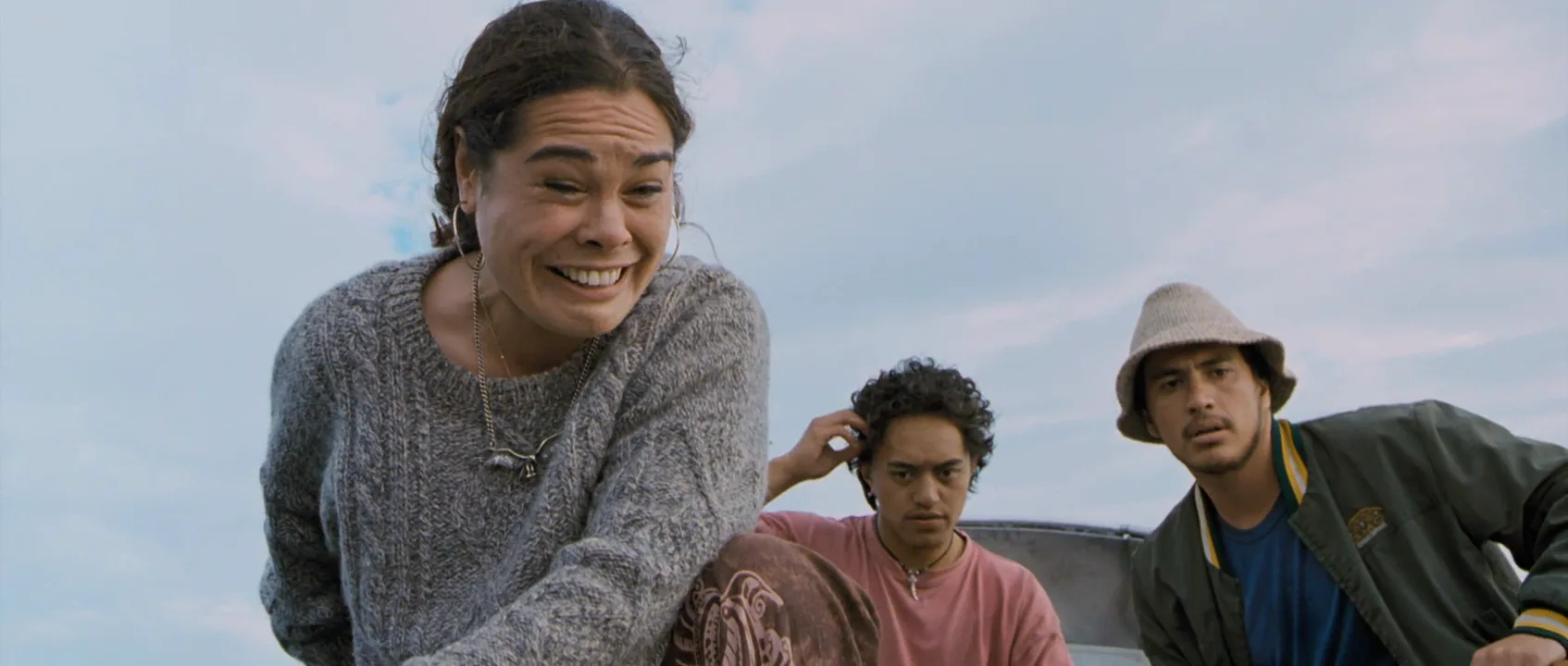
Everyone in the audience has crossed the same threshold, so the genre works on recognition, even in a world as specific as the Māori village of Whale Rider (2003).
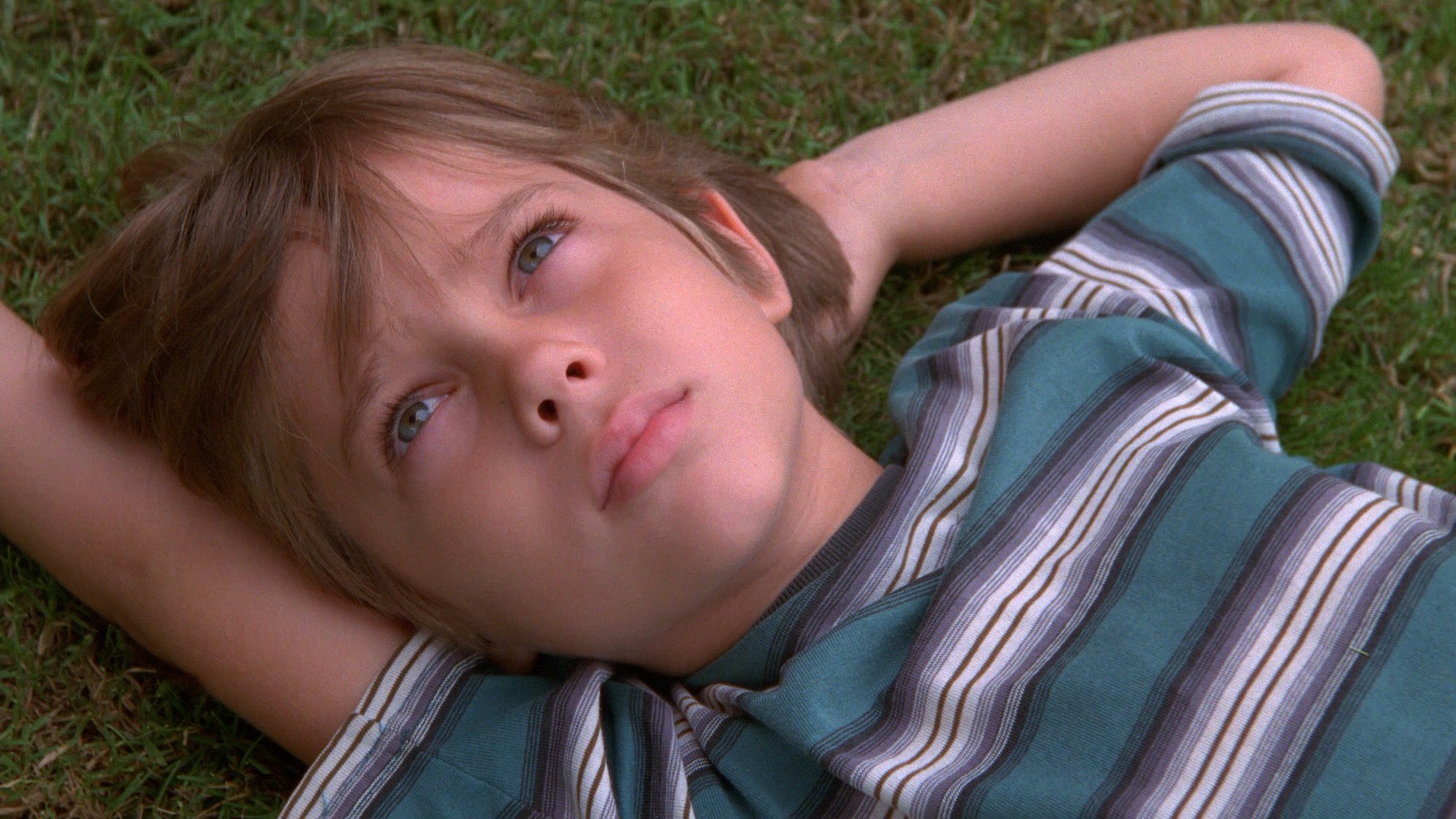
The strongest films make time the subject. Boyhood (2014) was shot over twelve years with the same young actor. Moonlight splits one life into three chapters played by three actors. The 400 Blows (1959) ends on a freeze frame of a boy at the sea, between childhood and an unknown future.
The theme is usually innocence traded for self-knowledge. The variety comes from the trigger: a death in My Girl (1991), a violent stepfather in This Boy's Life (1993), a school year of cringe in Eighth Grade (2018).
Common conventions of the genre
- A bounded stretch of time. One summer, one school year, one night before leaving: a built-in clock.
- The threshold event. First love, first death, the first time a parent looks flawed.
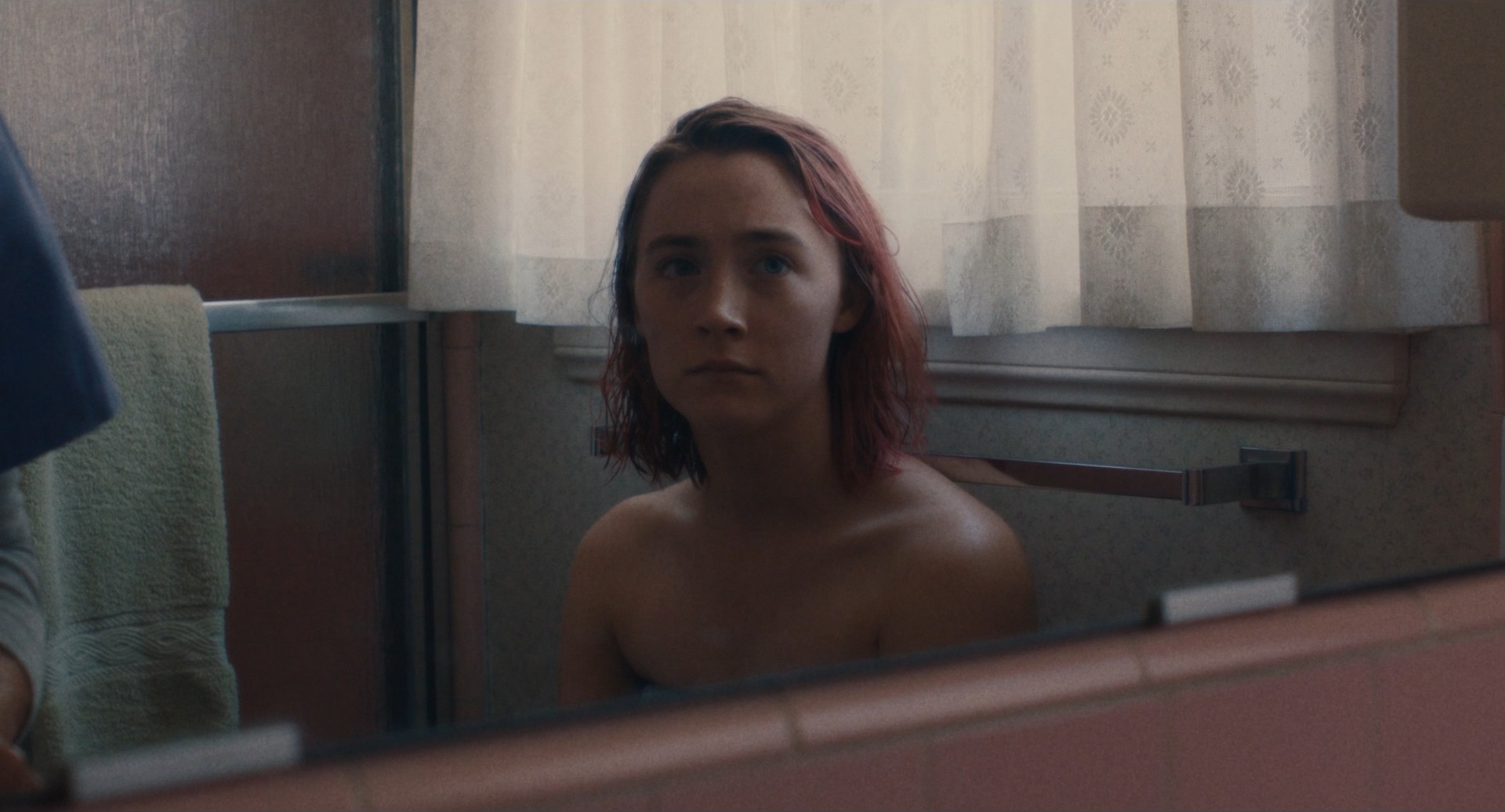
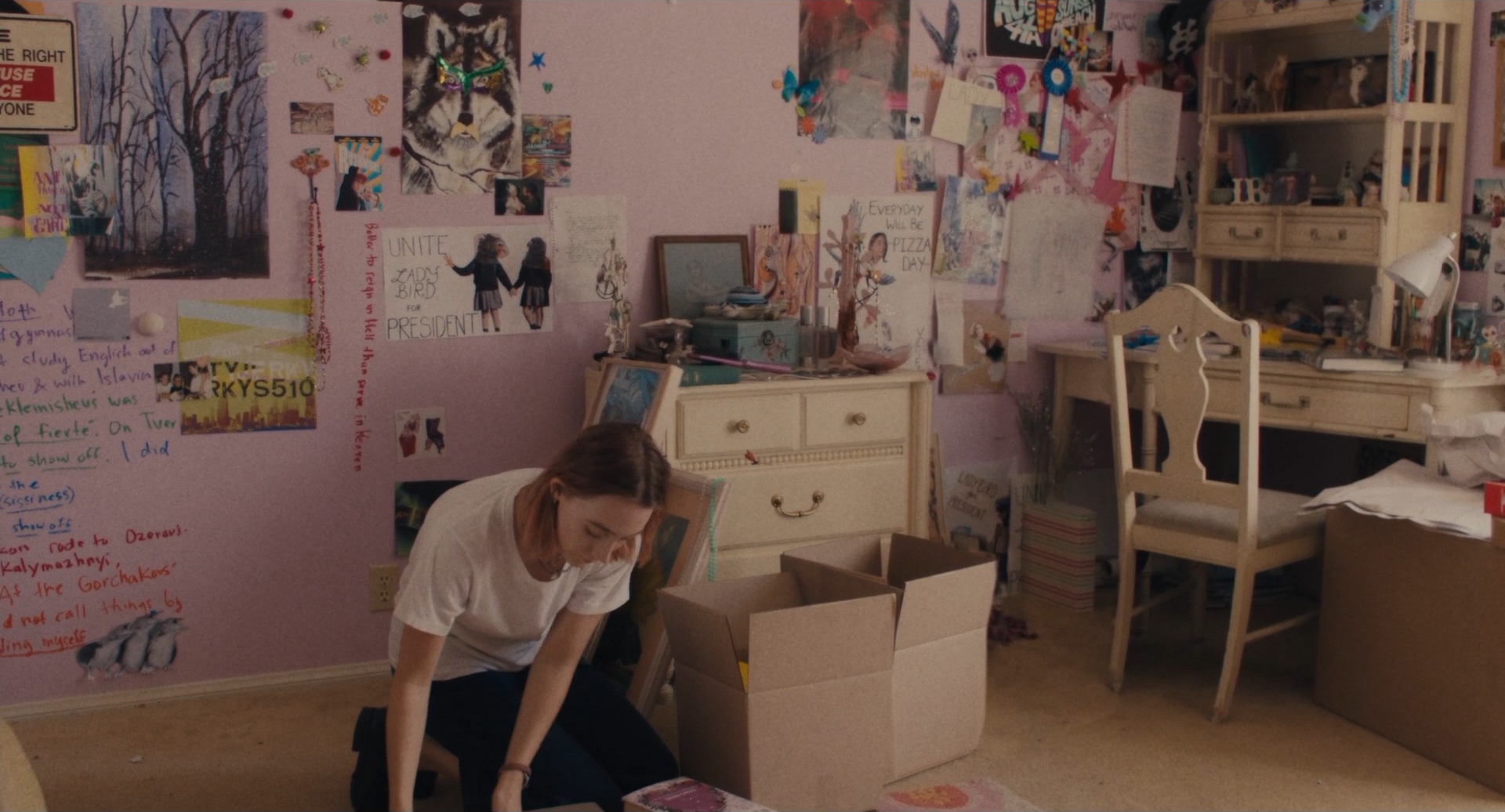
- Home as a character. Lady Bird (2017) is as much about Sacramento as about its heroine.
- The departure. Many films end with a car, a bus or a walk out of frame, and the camera stays behind.
- A retrospective voice. Adult voice-over (Stand by Me, 1986) turns the film into memory.
How to shoot a coming-of-age film
Camera height. Put the lens at the young actor's eye line, around 130–140 cm for a 12-year-old, so the adult world looks slightly too big. Save high angles for when the hero feels small.
Lenses. A 28–40 mm on Super 35 keeps the hero inside the room, street and family. Use 75–100 mm when the world should drop away.
Light. Soft window light and practicals indoors, golden hour for the memories that will matter. Keep contrast gentle.
Movement and design. Handheld for restlessness, locked-off wides when the hero is stuck at home. Cast actors who look their age, and dress the bedroom in layers of years: new posters over old ones.
Bildungsroman: the literary roots
Bildungsroman is the German literary term for the novel of formation, in which a young person is shaped by trials into an adult. It is usually traced to Goethe's Wilhelm Meister's Apprenticeship (1795–96); Great Expectations is a classic English example.
Film compressed the structure: a novel can follow its hero for twenty years, while a film usually picks one decisive season. Boyhood is the rare film that attempts the full span.
Coming-of-age film vs. character study
Both run on inner life rather than plot. A character study can follow anyone at any age, and the character may not change at all. A coming-of-age film requires change from youth toward adulthood. Unlike an origin story, it does not explain how a legend was made; its hero only becomes a person.
| | Coming-of-age | Character study | |---|---|---| | Protagonist | Young, on a threshold | Any age | | Change | Required | Optional |
Coming-of-Age Film examples in film
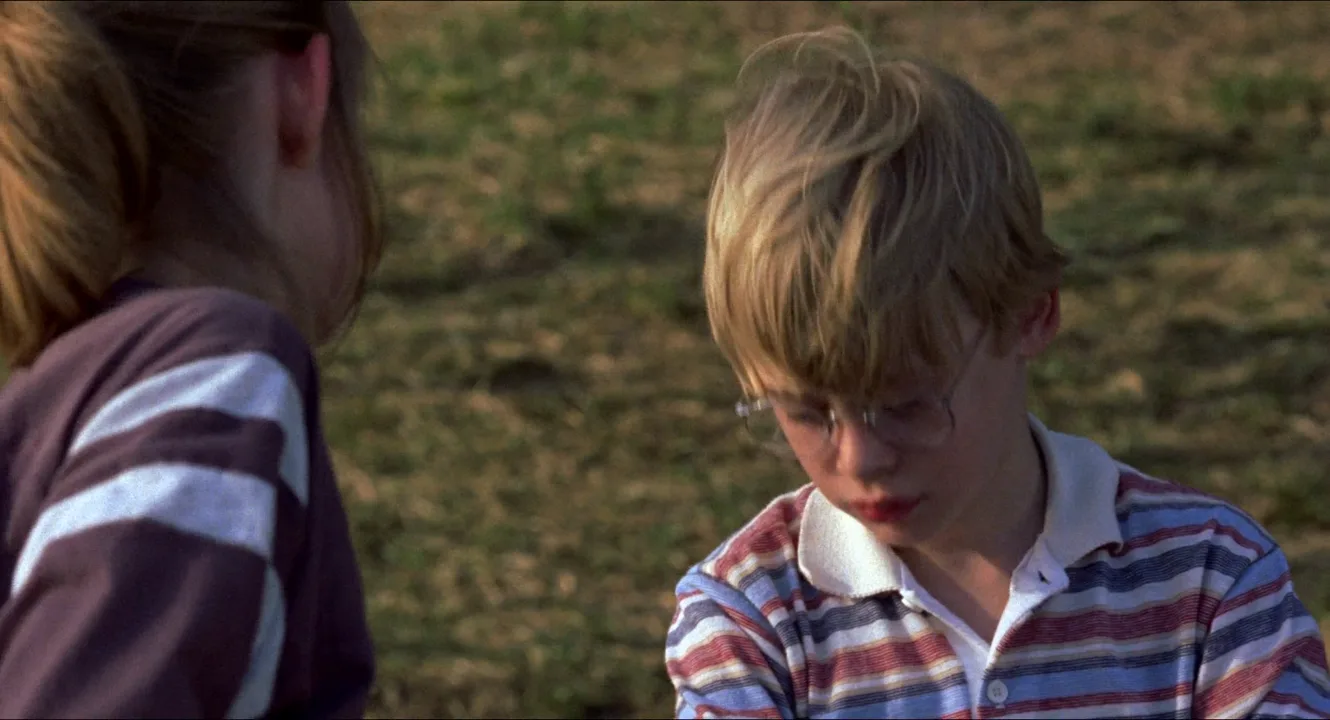
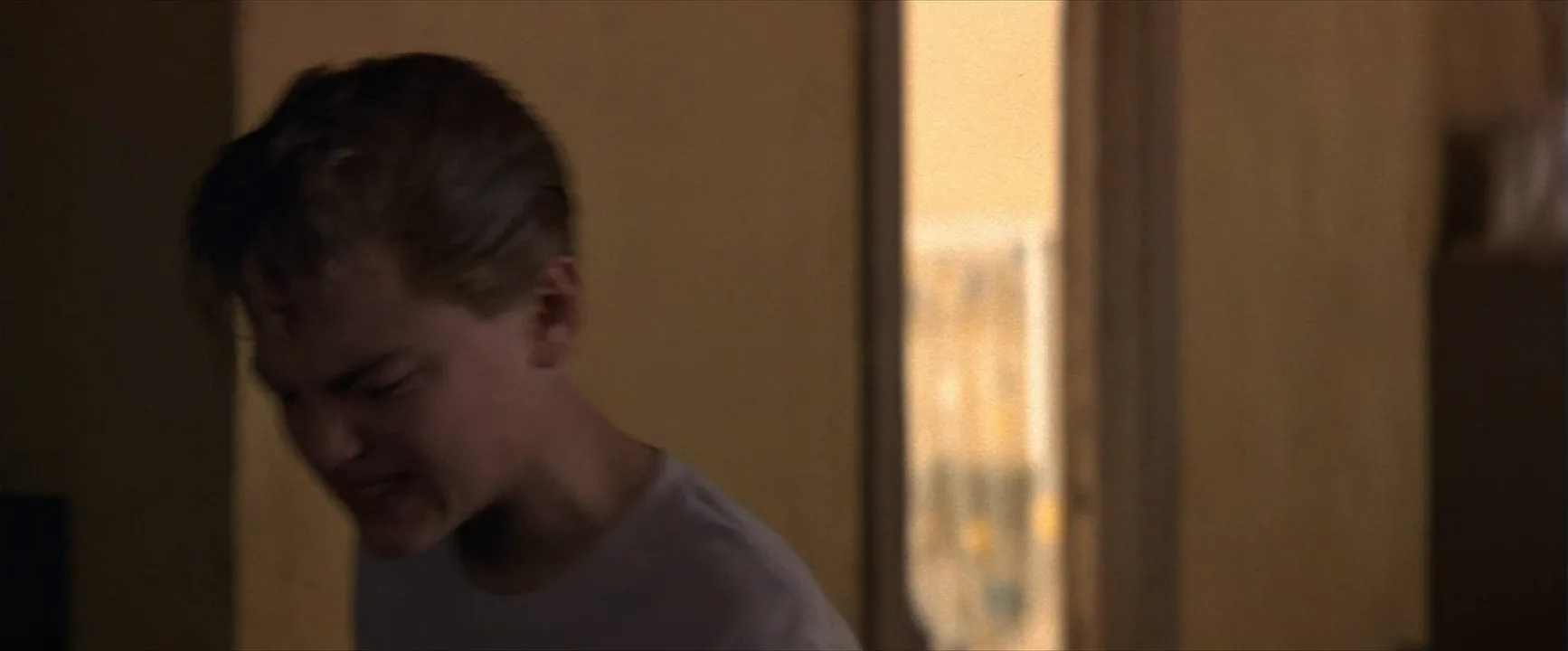
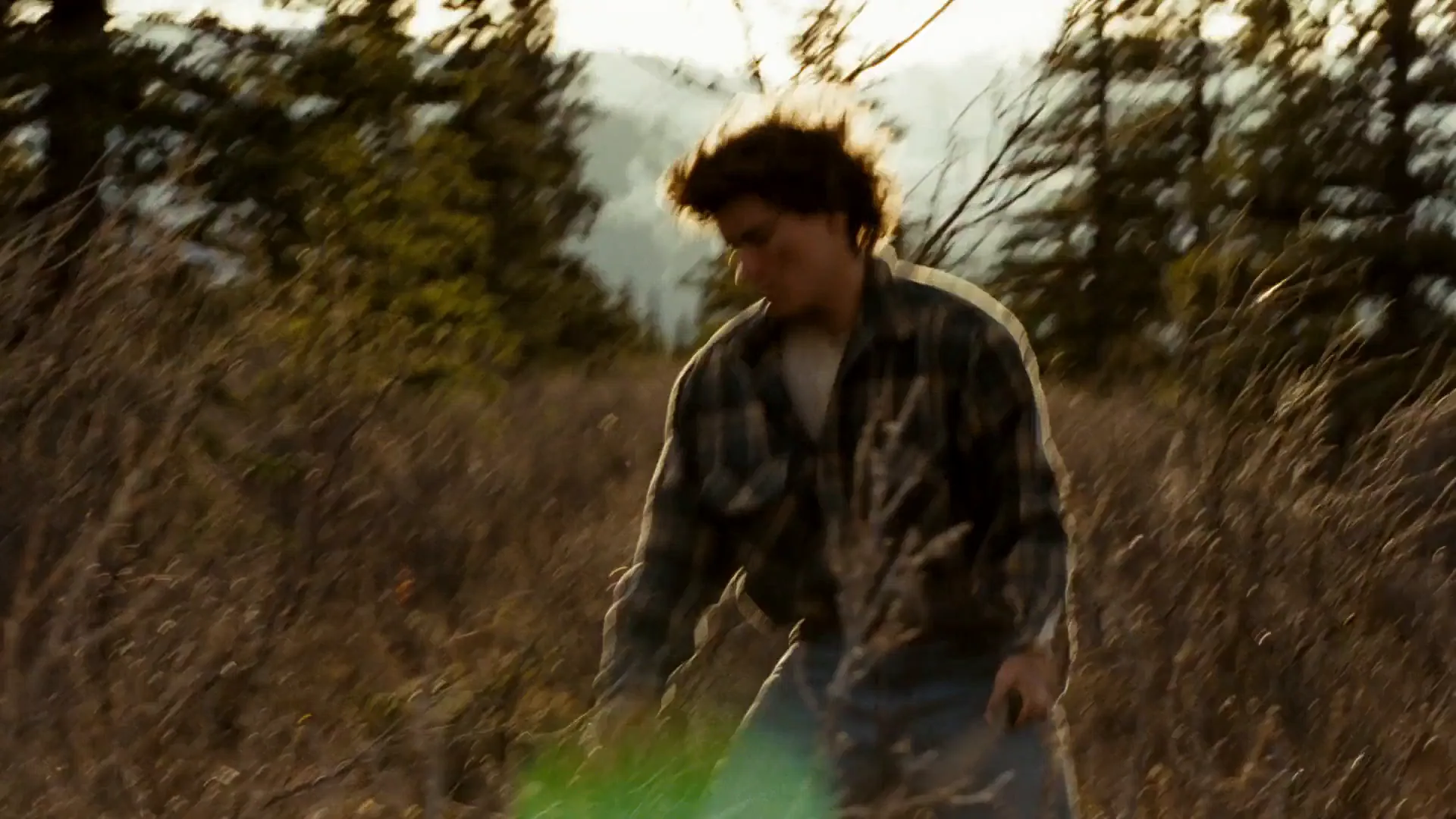
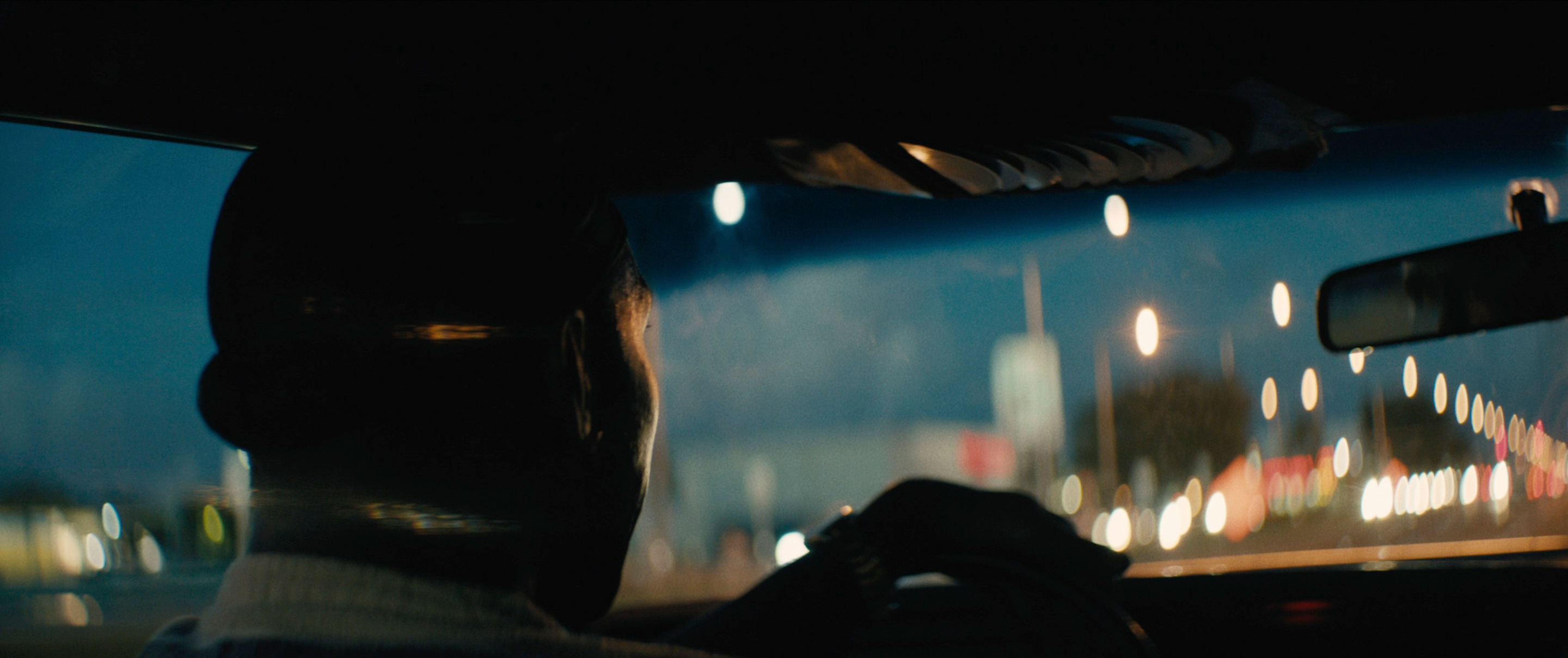
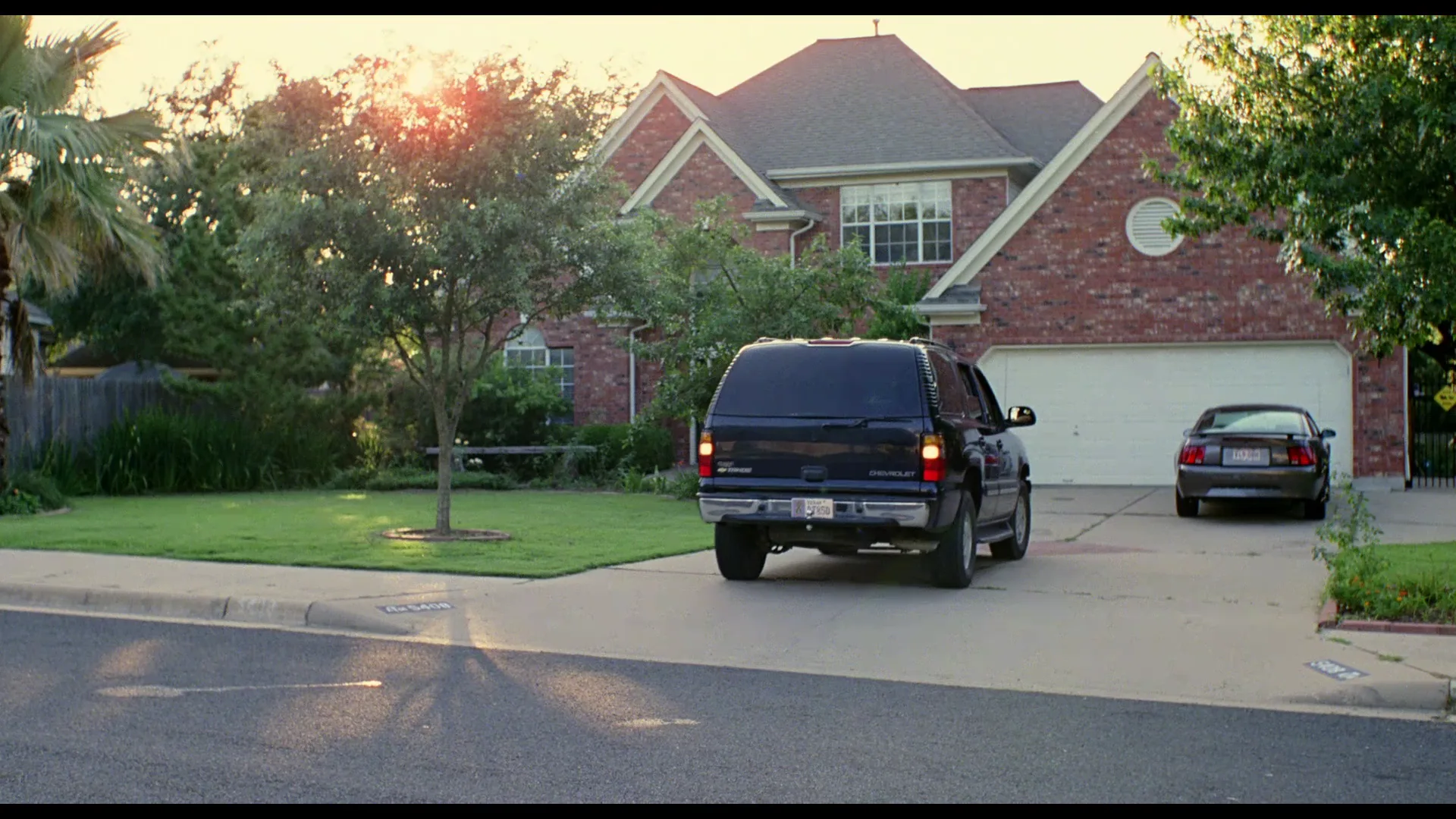
9 framesFrames from three decades of coming-of-age films. Note how often the camera sits at the young character's height.
How to create a coming-of-age film with AI
4 promptsDirect the genre through age, place and light: state exactly how old the character is, give them imperfect details and keep the camera at their eye level. In FlashBoards, keep references and every take on one board so the hero's face and palette stay consistent. The fourth prompt re-shoots a real film shot from a text description alone, and the original plays next to the result so you can compare.
Coming-of-age film still. A fictional 15-year-old girl with a cropped copper bob, heavy freckles, a chipped front tooth and chipped green nail polish, in an oversized faded denim jacket, sits on the hood of an old beige station wagon on a grassy hill above a small town. Medium shot at her eye level, 35mm lens. Low golden-hour sun behind her rim-lights her hair. Wistful mood, muted pastels, 35mm film grain.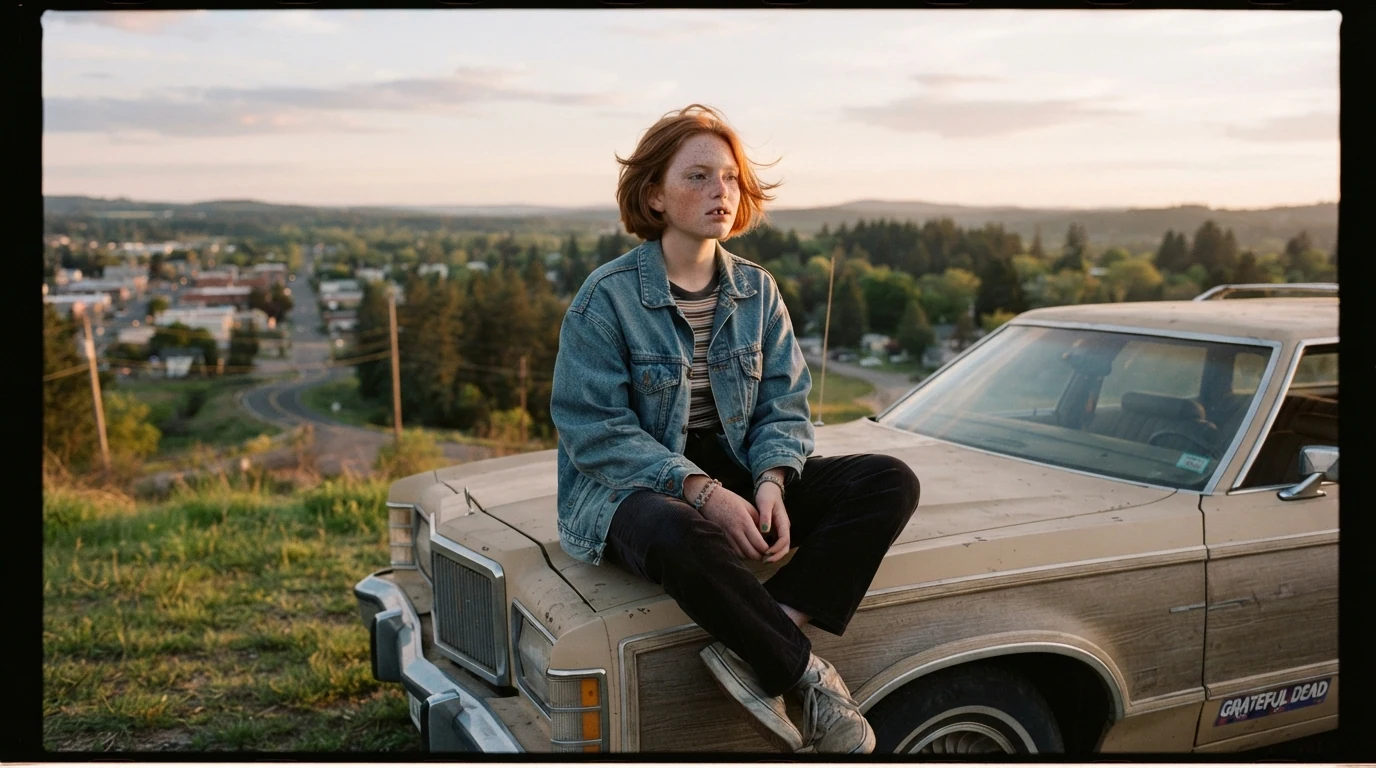
The exact age plus imperfect details (chipped tooth, freckles) keep her young and fictional. "Eye level" and "35mm" hold her inside the town; "golden-hour" and "film grain" set the nostalgia.
Open FlashBoardsWide frame from a coming-of-age drama, the last night before leaving home. A fictional 18-year-old young man with shoulder-length black curls, a thin first mustache and round wire glasses sits on the floor of his half-packed childhood bedroom among taped cardboard boxes, faded posters of made-up bands with invented names layered over old space posters, a warm desk lamp, blue dusk in the window. Camera in the doorway at seated eye height, 28mm lens, gentle contrast.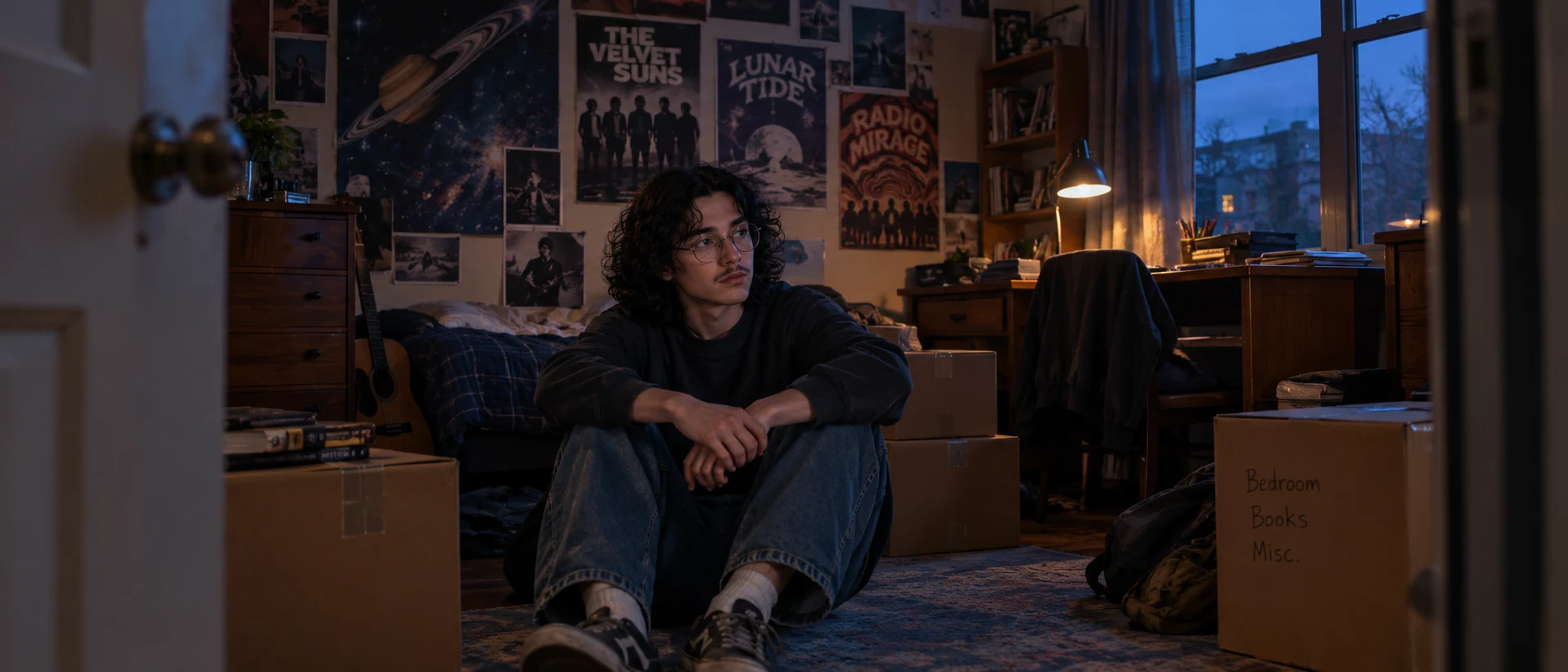
This take swaps summer exteriors for the genre's other key image, the room about to be left. Layered posters tell the character's history; doorway framing at 21:9 makes the room feel full and already emptying.
Open FlashBoardsCamera: slow handheld push-in from medium shot to medium close-up, light natural sway. Action: The girl is already swinging her sneakers against the bumper, watching the town below. A breeze lifts her copper hair and she pulls the denim jacket tighter. She glances down at her hands, then looks back at the town with a small, uncertain smile."Already swinging" makes the clip alive from frame one; the slow push-in moves us into her thought, using only what is in the frame.
Open FlashBoards{
"output": "Full-screen live-action scene from My Girl (1991) from its very first frame: one continuous locked-off shot. Early-1990s 35mm film stock with soft grain, late-afternoon summer sun, warm golden light on the boy's blond hair and cheeks, a sunlit field of green-and-straw grass as the only background, warm saturated palette.",
"characters": {
"S1": {
"name": "Thomas J, played by Macaulay Culkin",
"look": "eleven-year-old boy, straight blond bowl-cut hair falling over his forehead, thin round wire-rim glasses, red, white and blue horizontal-striped polo shirt with a white collar, sitting cross-legged in the grass",
"voice": "high boyish voice, whiny at first, then quiet and flat"
},
"S2": {
"name": "Vada, played by Anna Chlumsky",
"look": "eleven-year-old girl seen only from behind at the left edge of frame and out of focus: light-brown hair, navy-and-white striped sleeve, two small hands cupping a few red wild berries low in the left foreground; her face is never seen",
"voice": "bright, teasing girl's voice"
}
},
"shots": [
{
"shot": 1,
"camera": "locked-off, slightly high angle looking down at the seated boy, 50mm lens, medium close-up of S1 framed in the centre-right of the frame from mid-chest up; the out-of-focus edge of S2's striped shoulder and her cupped hands with berries sit at the lower left edge; the framing never changes",
"action": [
"BEGINNING: alive from the first frame, S1 sits with his head tilted down to screen left, eyes lowered toward S2's hands at the lower left, lips pushed out in a pout.",
"THEN: he screws up his eyes, turns his face a little further toward screen left and opens his mouth wide in a whiny refusal; his hands stay out of frame.",
"THEN: his mouth closes into a sulky pout, eyes still lowered to the left.",
"THEN: S2 leans in from the left edge, her striped shoulder and the back of her light-brown head swinging into the left third of the frame toward him, face turned away from camera, as she teases him.",
"THEN: S1 drops his head straight down so his blond fringe hides his eyes and stares at his own forearm below the frame; S2 sways back until only her sleeve and berry-filled hands remain at the left edge.",
"THEN: he lifts his head again, glasses catching the light, and looks back down-left toward S2's hands.",
"END: he answers her quietly, lips barely moving, eyes lowered to the left, head tilted, no smile."
],
"dialogue": [
{
"speaker": "S1",
"on_screen": true,
"when": "just after the first frame, while his mouth opens wide",
"delivery": "whiny, pained refusal",
"line": "<d>[English] No, I don't want to.</d>"
},
{
"speaker": "S2",
"on_screen": false,
"when": "as she leans in from the left edge, face turned away",
"delivery": "teasing, cheerful",
"line": "<d>[English] You could pick that scab on your arm.</d>"
},
{
"speaker": "S1",
"on_screen": true,
"when": "after he lifts his head again, near the end of the shot",
"delivery": "quiet, flat, sulky",
"line": "<d>[English] It's a mosquito bite.</d>"
}
]
}
],
"sound": {
"ambience": "quiet summer field, crickets and distant birds heard from far away, soft rustle of grass as the girl leans",
"speech": "exactly these spoken phrases, each said once, in this order",
"never_spoken": "no narration and no voice-over: the descriptions, performance notes and step words of this prompt are never spoken aloud",
"music": "a film score under the scene, always below the voices: gentle nostalgic acoustic guitar with a soft warm string pad",
"subtitles": "none"
}
}Re-shoots the static close shot of Thomas J from My Girl (1991), carrying over the camera height, Vada's out-of-focus shoulder, the film's three lines and the refuse, sulk and answer beats.
The locked-off, slightly high angle keeps the boy small in the grass while the friend stays a blurred shoulder at the edge, and the shot runs on the genre's small emotional beats: a whined refusal, a teasing push, the head dropping, then a flat, sulky answer. The dialogue is the film's own.
Open FlashBoardsCommon mistakes
- Teens rendered as adult models. State the exact age and add braces, freckles or ill-fitting clothes.
- Commercial gloss. Add "35mm film grain, muted palette, soft window light" for a lived-in look.
- Adult camera height. Write "camera at her eye level" or "seated eye height".
- Frozen video. A mood-only H3 prompt gives a slow zoom on a still; open with a movement already underway.
Keep the reference frames, prompts and every generated take side by side — images and video in one canvas.
FAQ
4 questionsWhat is a coming-of-age story?
A coming-of-age story follows a young character through an experience that moves them from childhood or adolescence toward adulthood: first love, a death, a family break or a moral choice. The plot matters less than the inner change. At the end the hero sees themselves and the world differently, usually at the cost of some innocence.
What are some classic coming-of-age movies?
Often cited examples include The 400 Blows (1959), To Kill a Mockingbird (1962), Stand by Me (1986), My Girl (1991), Juno (2007), Superbad (2007), Boyhood (2014), The Edge of Seventeen (2016), Moonlight (2016), Lady Bird (2017), Eighth Grade (2018) and Booksmart (2019). Together they span comedy, period drama and realism.
Is a coming-of-age film the same as a teen drama?
They overlap but are not identical. A teen drama is defined by its characters' age and school world and can run on plot without anyone changing. A coming-of-age film is defined by transformation: the hero can be ten or twenty-two, but the story must end with a changed understanding.
What is the difference between coming-of-age and bildungsroman?
Bildungsroman is the literary term, from German, for the novel of formation, where a young protagonist matures through a series of trials, often over many years. Coming-of-age is the broader everyday label for films and books alike. On screen the story usually compresses into one summer or school year.
Related terms
6- ProtagonistStorytelling
The protagonist is the main character whose goal drives the story and whose choices the audience follows; they don't have to be good, just central.
- ThemeStorytelling
Theme is the idea a story explores — what it says about love, power, guilt or freedom — expressed not as a slogan but through the protagonist's choices and their consequences.
- Character StudyGenres
A character study is a film driven by the inner life of one person rather than by plot: events matter only as far as they reveal who the character is and how they change or fail to change.
- DramaGenres
Drama is the broad genre of serious stories about realistic characters in emotional or moral conflict, where the stakes are internal and relationships rather than spectacle.
- Origin StoryStorytelling
An origin story shows how a character — often a hero or villain — became who they are, making the transformation itself the plot.
- Film GenresGenres
A film genre is a category of films that share recognizable conventions of story, setting, character and style — western, horror, musical, noir — letting audiences know what to expect and filmmakers play with it.
Further reading
Catherine Driscoll, Teen Film: A Critical Introduction (Berg, 2011). Franco Moretti, The Way of the World: The Bildungsroman in European Culture (Verso, 1987).