 FlashBoards Learn
- Learn
- Storytelling
- Theme
Storytelling · Film language
Theme
Also called: central theme, controlling idea
Theme in film is the idea a story explores, what it has to say about love, power, guilt or freedom. It is never a slogan. The audience reads it from the protagonist's choices and what those choices cost, which is why the same plot can carry very different themes.
- What it does
- Gives every scene a shared question, so the film means something beyond what happens in it.
- Use it when
- Choosing what to cut, deciding how the story ends, or giving a design team one idea to build images around.
- Watch out
- A theme stated in dialogue sounds like a lecture; let a choice and its consequence carry it.
- Try this prompt
Wide shot through fogged greenhouse glass, a woman in a navy coat with her palm on the pane, an open field outside at dawn, 35mm film still
What is theme in film?
A film's topic is what it is about: family, war, addiction. Its theme is what it says about that topic. The Godfather (1972) is about a crime family; its theme is closer to the power you take to protect your family will cost you that family. Topic is a noun. Theme is an argument.
Writers phrase it two ways:
- As a question the story tests: can a person be good if goodness is forced on them? That is the engine of A Clockwork Orange (1971).
- As a statement, the controlling idea or central theme: a value plus its cause. Love returns when the hero risks being hurt.
Theme is the deepest layer of a narrative. The plot is the events; the theme is why those events were chosen.
How does a film express its theme?
Audiences remember the moments that proved a theme, not the sentence:
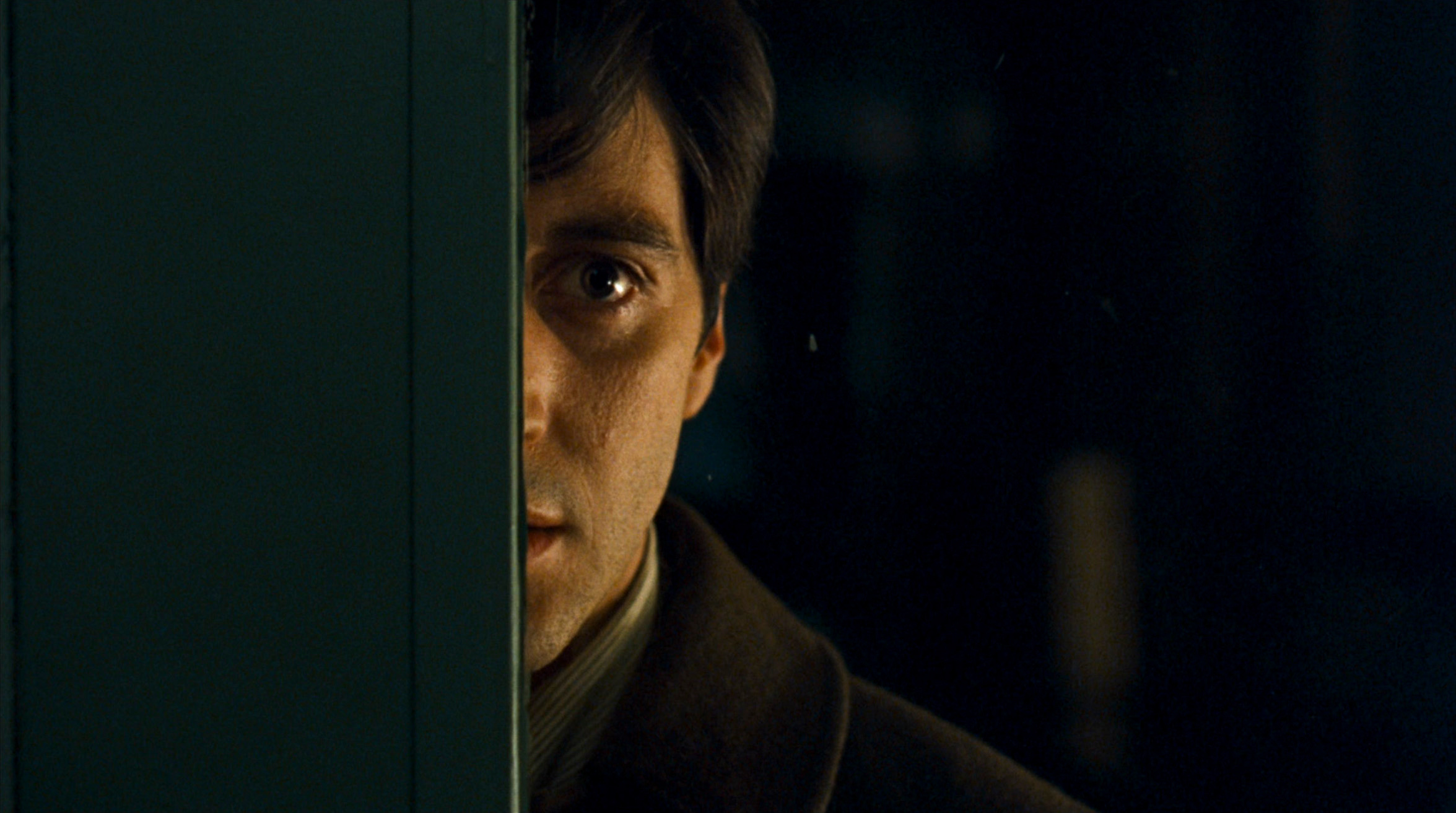
- The decisive choice. A character arc is theme in motion. Michael Corleone starts as the son who stands apart from the family business and ends with a door closing between him and his wife. The film never says power corrupts; the door says it.
- Consequences. What the story rewards and punishes is its argument, intended or not.
- Mirrors. A subplot shows another answer to the same question.
- Recurring images. A motif gathers weight; one object can become symbolism, like the girl in the red coat in black-and-white Schindler's List (1993).
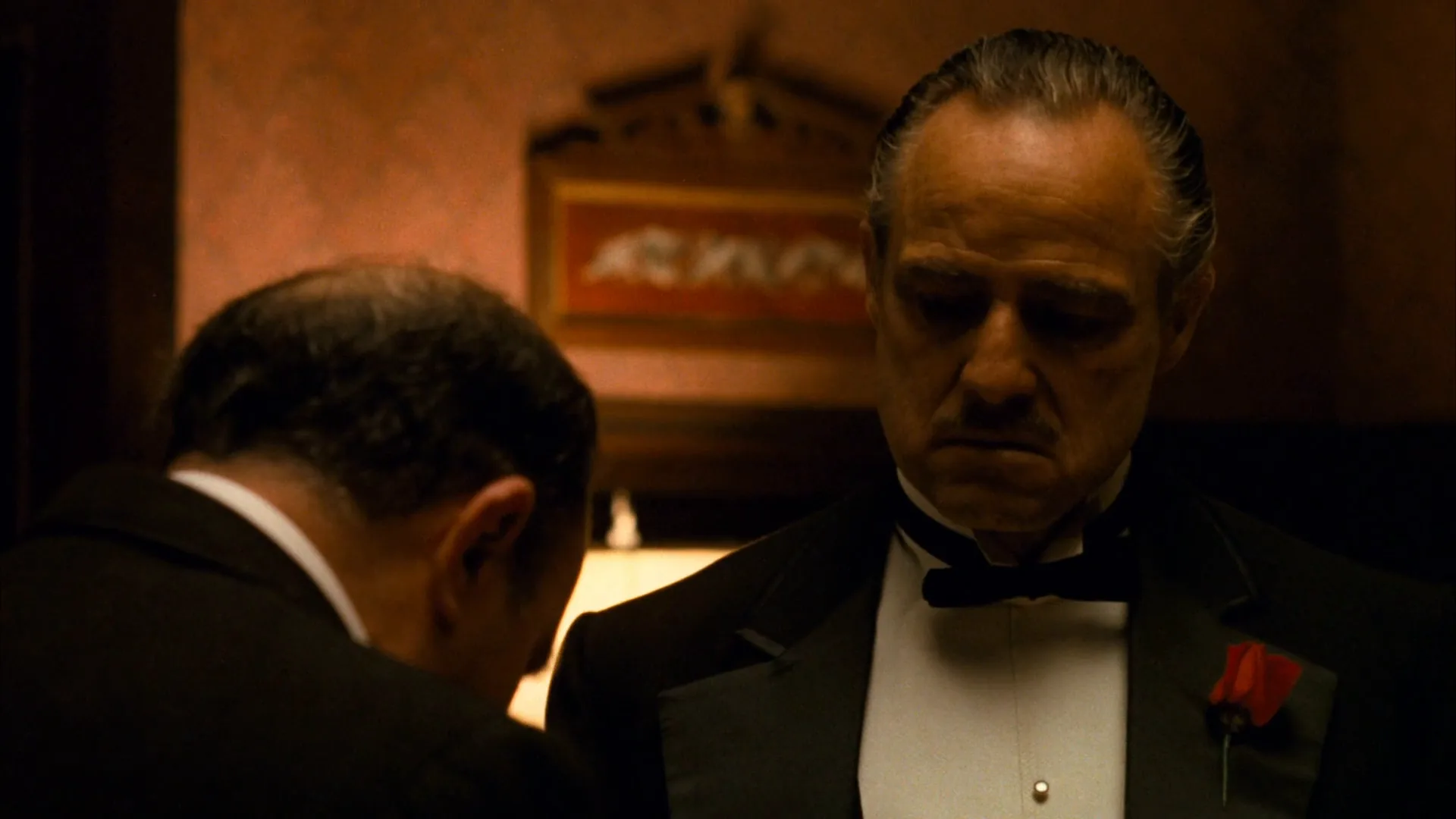
- Visual design. The Godfather keeps its deals in dark, shuttered rooms while the wedding plays in sunlight.
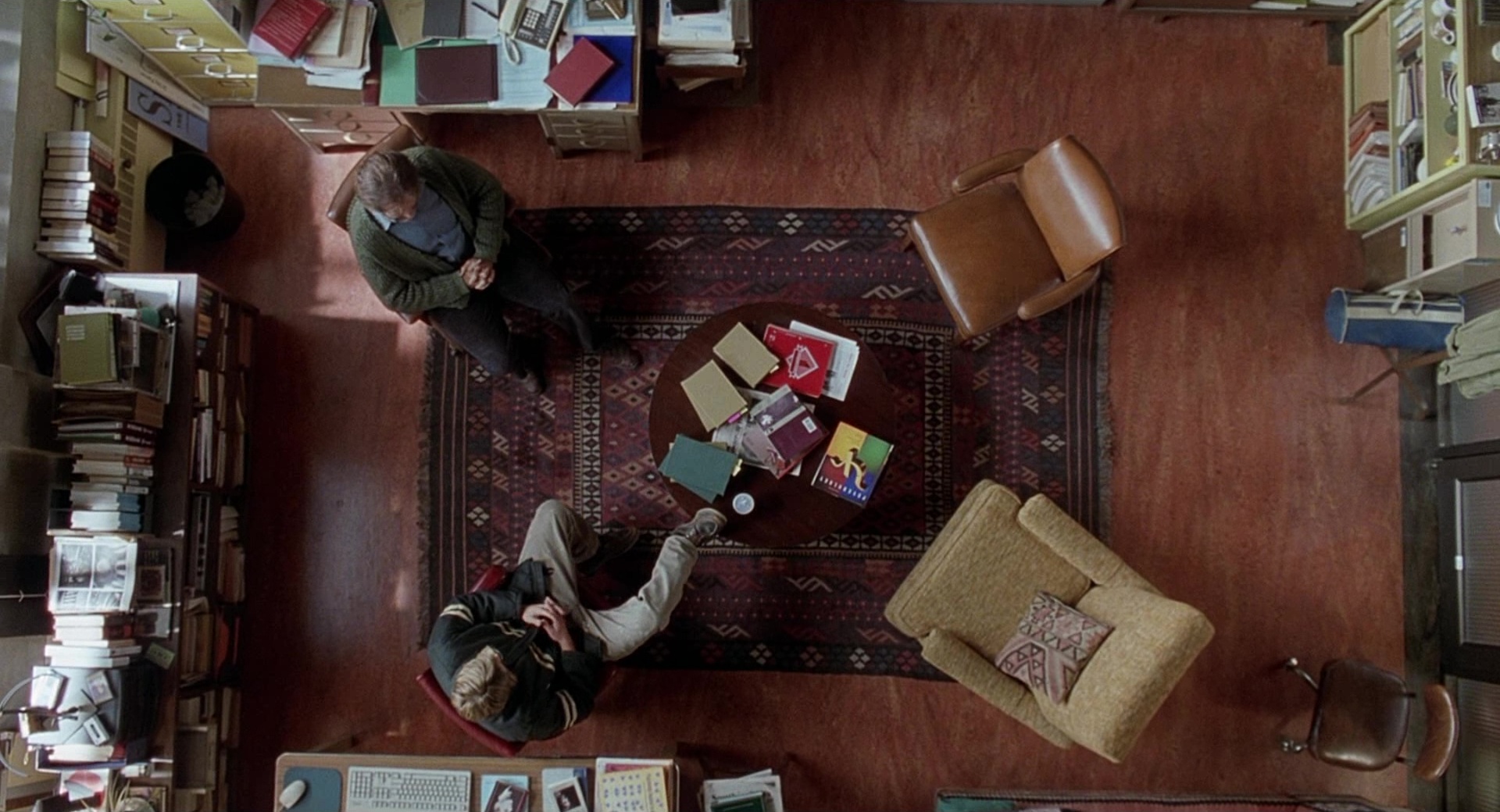
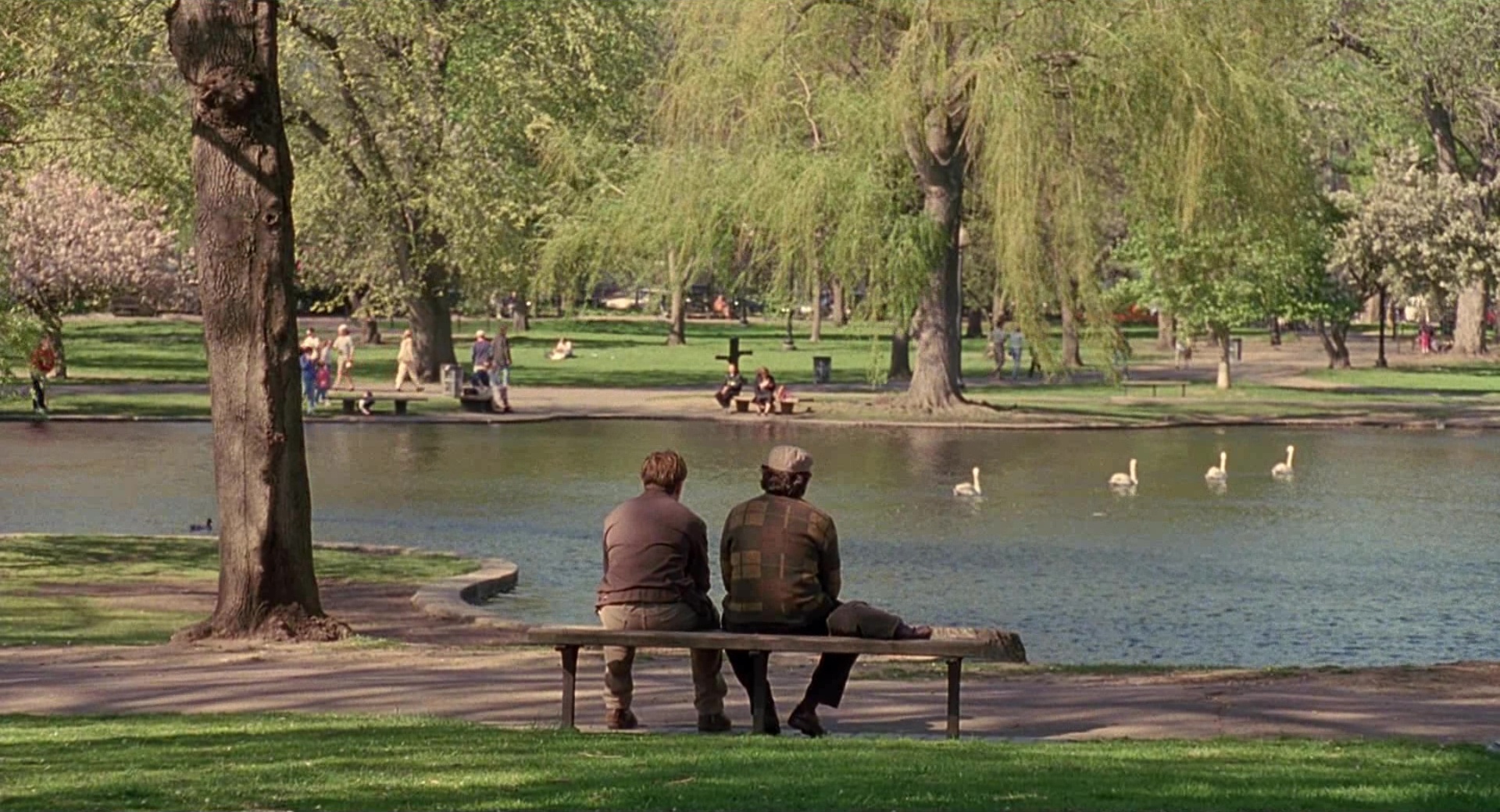
In Good Will Hunting (1997), about a young man who pushes people away first, the theme lands when his therapist repeats "It's not your fault" until Will stops deflecting.
How to find the theme of a story
Analyzing a film or rewriting a draft, look here:
- The ending. What the protagonist chooses at the climax, and what it costs, is the story's answer.
- First and last images. What changed between them is often the theme in pictures.
- The antagonist. A good one is a counter-theme with a face.
- Repetition. What returns is rarely accidental.
- The value at stake. Phrase it as a question with no easy answer. If the answer is obvious, it is a moral, not a theme.
In development, theme is a filter: a scene that is fun but tests nothing is the first candidate to cut.
Theme examples in film
| Theme | Film | Carried by | |---|---|---| | Power and corruption | The Godfather (1972) | Michael's arc from outsider to Don | | Free will | A Clockwork Orange (1971) | Conditioning that removes choice | | Fear of intimacy | Good Will Hunting (1997) | Will sabotaging every bond | | Seeing past appearance | Beauty and the Beast (1946) | Love for the Beast, not his face | | One life's worth | Schindler's List (1993) | A list of names, a red coat |
Two films can share a theme and argue opposite things; the ending decides. When the whole story stands for an outside idea, character by character, it has moved into allegory. See the storytelling hub for more.
Theme vs. motif
- Theme is abstract: an idea or question. You can't photograph it.
- Motif is concrete: an image, sound, object or line that recurs and can be pointed to in a frame.
The motif serves the theme. You spot a motif by counting returns; you find the theme by asking what the returns add up to.
Planning theme visually
Since a theme can't be filmed directly, design two frames first: an opening image that asks the question and a closing image that answers it, from a related angle. In FlashBoards, keep them at either end of the board with reference stills and motif notes between, so every department works from the same idea.
Theme examples in film
4 framesA frame can't state a theme, but light, space and staging take sides.
How to create a theme with AI
4 promptsYou can't prompt a theme, but you can prompt the images that argue it: an opening image with Nano Banana 2 Lite, the answering closing image with GPT Image 2.5, and the first beat animated with MiniMax H3 Max Turbo, all on one FlashBoards board. The fourth prompt re-shoots a real film shot from a text description alone, and the original plays next to the result so you can compare.
Wide shot from inside an old glass greenhouse at dawn, 28mm lens, eye level. A woman in her mid-forties with a tight graying braid, a small scar through her left eyebrow and a navy wool coat stands at a fogged glass wall, palm flat on the pane. White window frames divide her into squares like bars. Outside, an open field and a dirt road in pale light. Humid haze, muted greens, 35mm film still.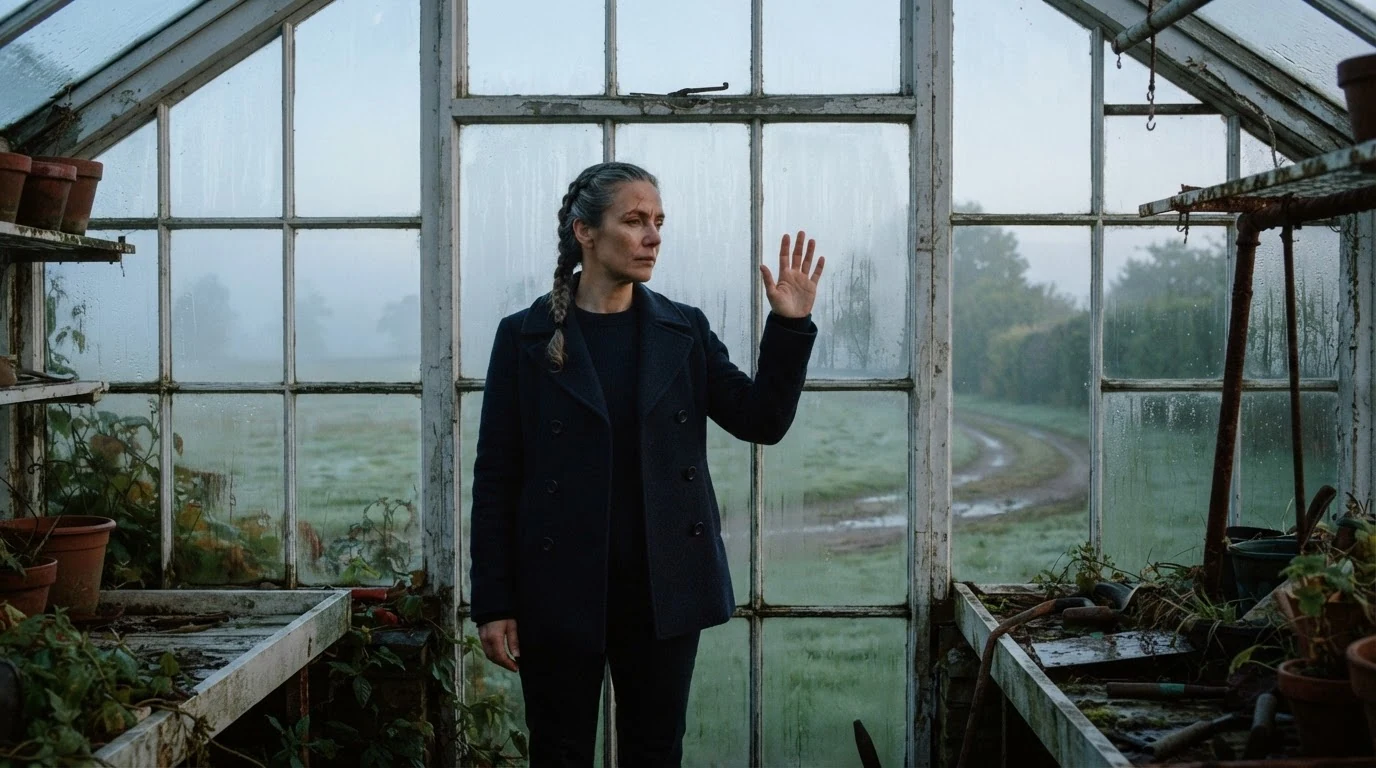
Safety versus freedom each get a place: inside the greenhouse against open field and a dirt road. Window frames divide her into squares like bars turns architecture into the argument.
Open FlashBoardsWide shot, 28mm lens, eye level, in an open field at midday. The same woman in her mid-forties, tight graying braid, small scar through her left eyebrow, navy wool coat unbuttoned and moving in the wind, walks away from camera down a dirt road. Behind her, small in frame, an old glass greenhouse with its door standing open. Tall grass, hard sunlight, 35mm film still.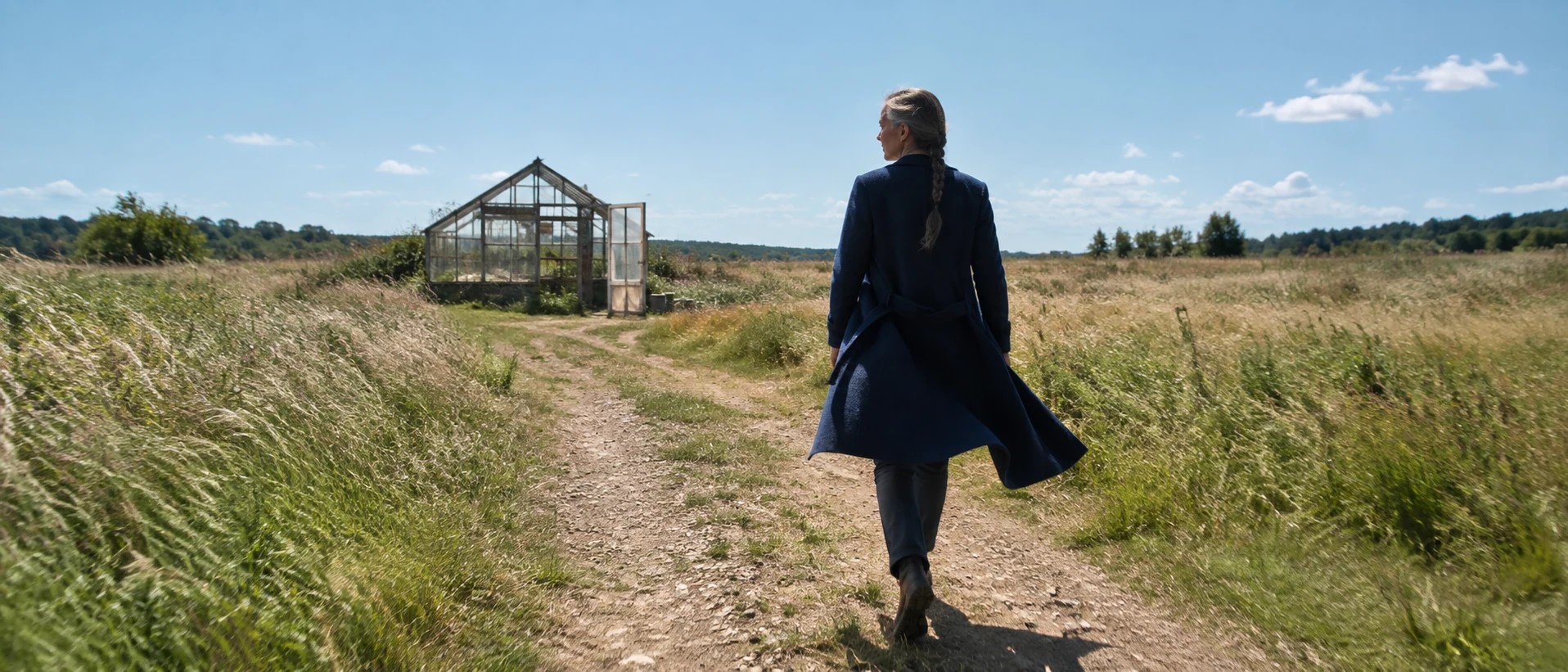
The closing image answers the first: same woman, same 28mm, eye level, but the greenhouse is now small in frame with its door standing open. Repeat her features word for word.
Open FlashBoardsCamera: a slow, steady push-in toward the woman at the glass wall, ending in a medium shot. Action: The woman is already wiping a clear circle in the fogged glass with her palm. She stops and looks out through the circle at the dirt road, then presses her forehead to the glass and closes her eyes.Already wiping makes the shot alive from the first frame; clearing the glass to see the road is the theme as a physical action.
Open FlashBoards{
"output": "Full-screen live-action scene from The Godfather (1972) from its very first frame: 3 shots joined by 2 hard cuts. 35mm film stock, dim amber tungsten light from above, deep black shadows, brown and gold palette, a shuttered wood-panelled study with venetian blinds glowing behind.",
"characters": {
"S1": {
"name": "Bonasera, played by Salvatore Corsitto",
"look": "balding older man, heavy build, dark suit, bowed head",
"voice": "hushed, pleading, thick Italian accent"
},
"S2": {
"name": "Don Vito Corleone, played by Marlon Brando",
"look": "older man, slicked-back grey hair, tuxedo with black bow tie, red rose in his left lapel, heavy-lidded eyes",
"voice": "silence"
},
"S3": {
"name": "Tom Hagen, played by Robert Duvall",
"look": "slim man with dark hair, tuxedo with white boutonniere",
"voice": "silence"
}
},
"shots": [
{
"shot": 1,
"camera": "static over-the-shoulder medium shot from behind the Don's right shoulder, his dark back filling the right half of frame",
"action": [
"BEGINNING: alive from the first frame, Bonasera stands left of centre, bowed low toward the Don, eyes down on the desk; Tom Hagen stands far back in the centre against the lit blinds, hands folded, watching",
"THEN: Bonasera leans a little closer and begins to speak without raising his eyes",
"END: Bonasera stays bowed; Hagen does not move"
],
"dialogue": [
{
"speaker": "S1",
"on_screen": true,
"when": "shortly after the first frame, finished just before the cut",
"delivery": "soft, humble, almost a whisper",
"line": "<d>[English] Godfather?</d>"
}
]
},
{
"shot": 2,
"cut_at": "00:01.293",
"camera": "static medium close-up on the Don, eye level; the back of Bonasera's bald head blurred in the left foreground",
"action": [
"BEGINNING: right after the cut, the Don sits at centre-right, head tilted down, eyes lowered, face still",
"THEN: the Don's eyes stay down; he does not nod and his mouth stays closed; Bonasera's head dips slightly lower",
"END: the Don is motionless, the rose red against the black lapel"
],
"dialogue": [],
"voice": "silence: nobody speaks in this shot, no voice at all"
},
{
"shot": 3,
"cut_at": "00:03.712",
"camera": "static over-the-shoulder medium shot, same angle as shot 1",
"voice": "silence: nobody speaks in this shot, no voice at all",
"action": [
"BEGINNING: right after the cut, Bonasera bends lower toward the Don's hand resting on the desk at screen right",
"THEN: Bonasera takes the Don's right hand in both his hands and bows his head over it",
"END: Bonasera holds the hand, head bowed to it as if to kiss it; Hagen still watches from the back"
],
"dialogue": []
}
],
"sound": {
"ambience": "a quiet closed room, faint wedding party music and voices heard from outside, a clock-like hush",
"speech": "exactly these spoken phrases, each said once, in this order",
"never_spoken": "no narration and no voice-over: the descriptions, performance notes and step words of this prompt are never spoken aloud",
"music": "a film score under the scene, always below the voices: a slow, mournful solo trumpet line over low strings",
"subtitles": "none"
}
}Remakes Bonasera's plea in the Don's office from The Godfather (1972), keeping its three static shots, cut times, the single corpus line and the bow over the Don's hand.
The theme of The Godfather is power as private obligation, and this beat states it without a speech: one whispered Godfather?, a Don who never looks up, and a hand taken in both hands. The prompt keeps the silence explicit so the gesture carries the idea.
Open FlashBoardsCommon mistakes
- Abstract words like "freedom" give stock images. Translate the theme into space, objects and posture: inside glass, door standing open.
- Answering frames drift apart. Reuse lens, height and character description; change only what the theme changes.
- Video models add a second event. Give the clip one gesture.
Keep the reference frames, prompts and every generated take side by side — images and video in one canvas.
FAQ
4 questionsWhat is the theme of a story?
The theme is the central idea a story explores, its point of view on a subject such as love, power or guilt. A film about war has war as its topic; what it says about war is its theme. Audiences read the theme from the protagonist's choices and their consequences, not from a line of dialogue.
How do you find the theme of a movie?
Start at the climax: what the protagonist chooses and what it costs is usually the story's answer. Compare the first and last images, ask what the antagonist stands for, and notice what repeats. Then phrase the idea as a question the film tests.
What is a controlling idea?
Controlling idea is Robert McKee's term for the theme stated in one sentence: a value plus the cause that brings it about, such as love returns when a person risks being hurt. Writers use it as a filter in development, checking that each sequence tests or turns that idea.
Can a film have more than one theme?
Yes. Most films have a central theme carried by the main plot and secondary themes carried by subplots. The secondary ones work best when they offer another answer to the same question. When themes compete without connecting, the film feels unfocused.
Related terms
6- MotifStorytelling
A motif is an image, sound, object or line that recurs through a film and gathers meaning with each return, supporting the theme.
- SymbolismStorytelling
Symbolism is using a concrete object, color, place or action to stand for an abstract idea — a key, a staircase, rain, a red coat — so the image carries meaning beyond itself.
- SubplotStorytelling
A subplot is a secondary storyline — often a relationship or a side character's goal — that runs alongside the main plot and comments on its theme.
- Character ArcStorytelling
A character arc is the inner change a character goes through over the story — from a flaw or false belief to a new understanding (or a fall) — driven by the choices the plot forces on them.
- AllegoryStorytelling
An allegory is a story whose characters and events stand, as a whole, for something else — a political system, a moral idea, a historical moment — so the literal plot carries a second meaning throughout.
- NarrativeStorytelling
A narrative is a chain of events connected by cause and effect and told from a chosen point of view; in film, it's the story as organized by plot, image and sound.
Further reading
Robert McKee, Story: Substance, Structure, Style and the Principles of Screenwriting (1997). Lajos Egri, The Art of Dramatic Writing (1946).