 FlashBoards Learn
Genres · Film language
Live Action
Also called: live-action film, live action remake
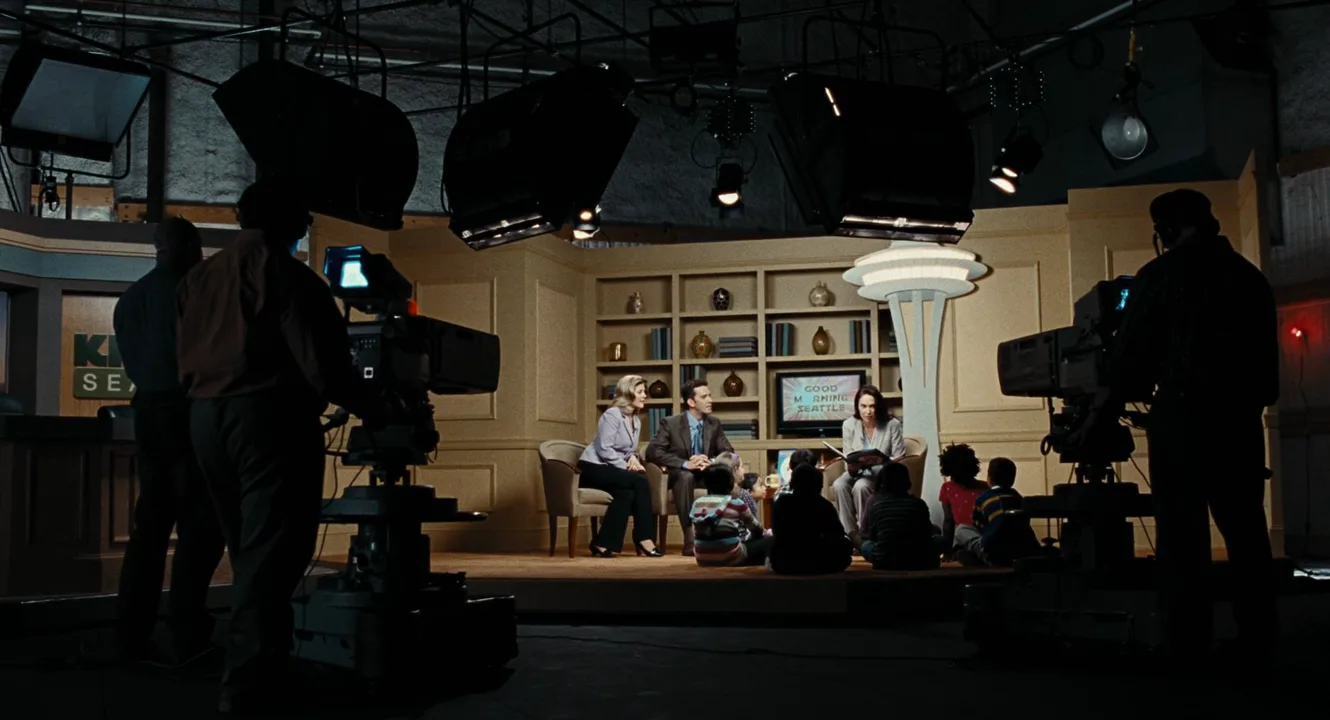
Live action is filmmaking with real performers, physical sets and real locations photographed by a camera, as opposed to animation. A film stays live action even when visual effects extend it heavily: what defines it is a captured human performance, which gives the image weight, imperfection and presence.
- What it does
- Puts real faces, real light and real objects in front of the lens, so the audience reads the image as a record of something that happened.
- Use it when
- The story depends on human presence, physical risk or the texture of a real place.
- Watch out
- Photoreal computer animation is not live action, however it is marketed.
- Try this prompt
Live-action film still, fictional red-haired mechanic in a real engine room, practical work lights, steam, 40mm lens, 35mm grain
What does live action mean?
Live action describes how an image was made, not a genre. If a camera recorded actors, sets, props or locations, the footage is live action. If every frame was drawn, modeled or rendered, it is animation. The term sits in the film genres hub as a studio category label, but it cuts across every genre.
Most modern live-action films are composites. Actors perform on a stage, the crew adds practical effects in camera, and post-production adds skies, crowds and creatures. LED stages in virtual production keep the rule: the background is rendered, but the actor and the light on the actor's face are captured live.
Live action vs. animation: where is the line?
The test: was a real performance photographed, and does it appear on screen? Three cases trip people up.
Photoreal computer animation. The Lion King (2019) was sold as a live-action remake, but apart from a single sunrise shot filmed in Africa for the opening, nothing in it was photographed. It is computer animation imitating a camera. Voice acting alone does not make a film live action.
Live action with animated characters. Who Framed Roger Rabbit (1988) and Mary Poppins (1964) put drawn characters into photographed scenes with real actors: hybrids.
Digital worlds around real actors. The Jungle Book (2016) shot one young actor on stages and built the jungle and animals digitally. The photographed performance keeps it live action, but only just. Motion capture sits in the same gray zone.
What is a live-action remake?
A live-action remake retells an animated film with real actors: Cinderella (2015), Beauty and the Beast (2017), Aladdin (2019), The Little Mermaid (2023). The phrase also covers adaptations of games, comics and anime, such as the HBO series The Last of Us (2023).
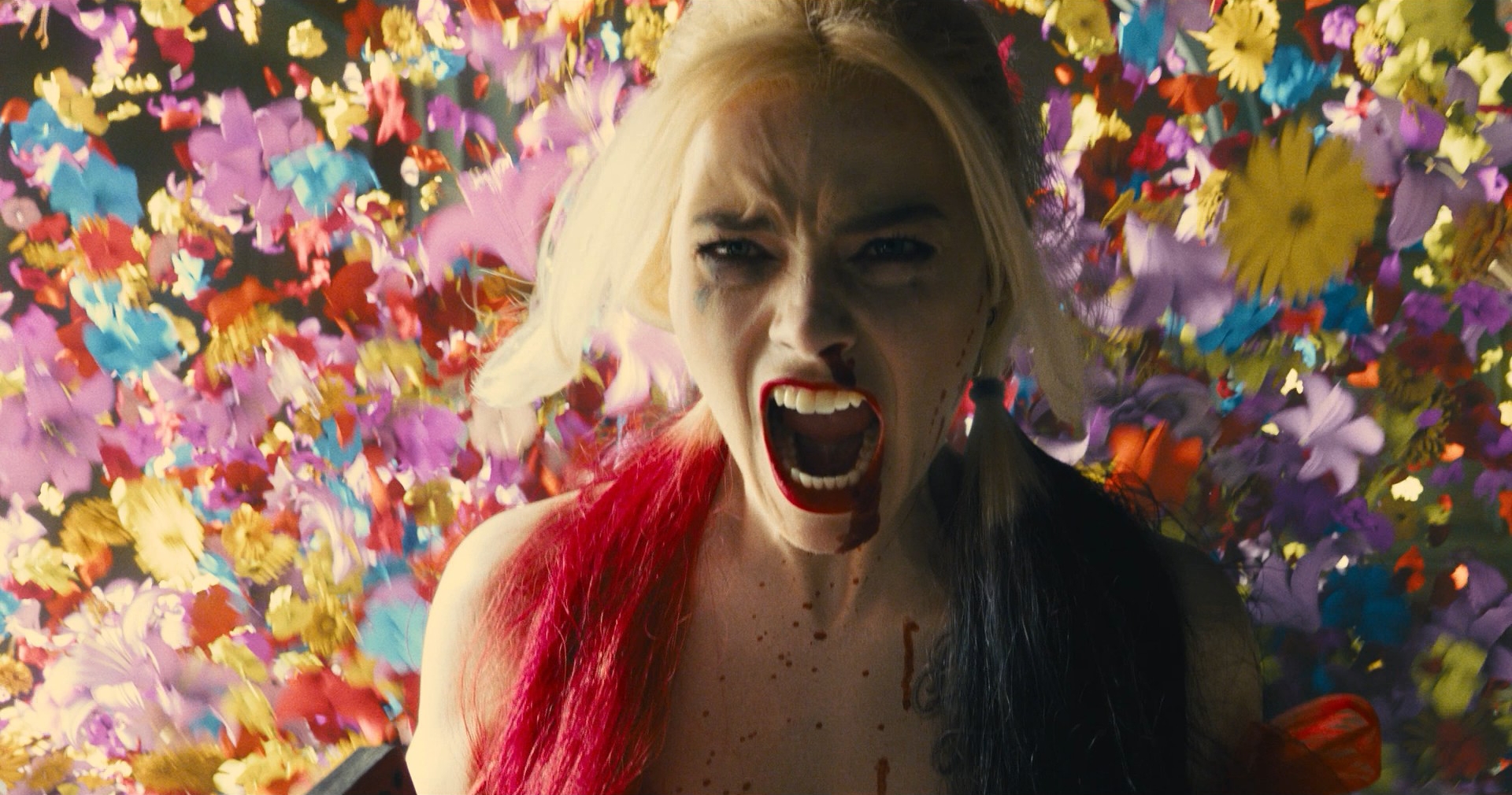
The craft problem is translation. A cartoon face can be twice as expressive as a human one, and a painted forest has no weather. The remake needs physical equivalents: costumes that move, sets that hold light. Some adaptations keep a graphic edge, like the stylized flowers around a real actor in The Suicide Squad (2021), which pushes them toward a hybrid genre feel.
Why filmmakers choose live action
Audiences read photographed images as evidence. A real face carries micro-expressions no one planned, and a stunt that was actually performed has a physical cost the viewer senses.
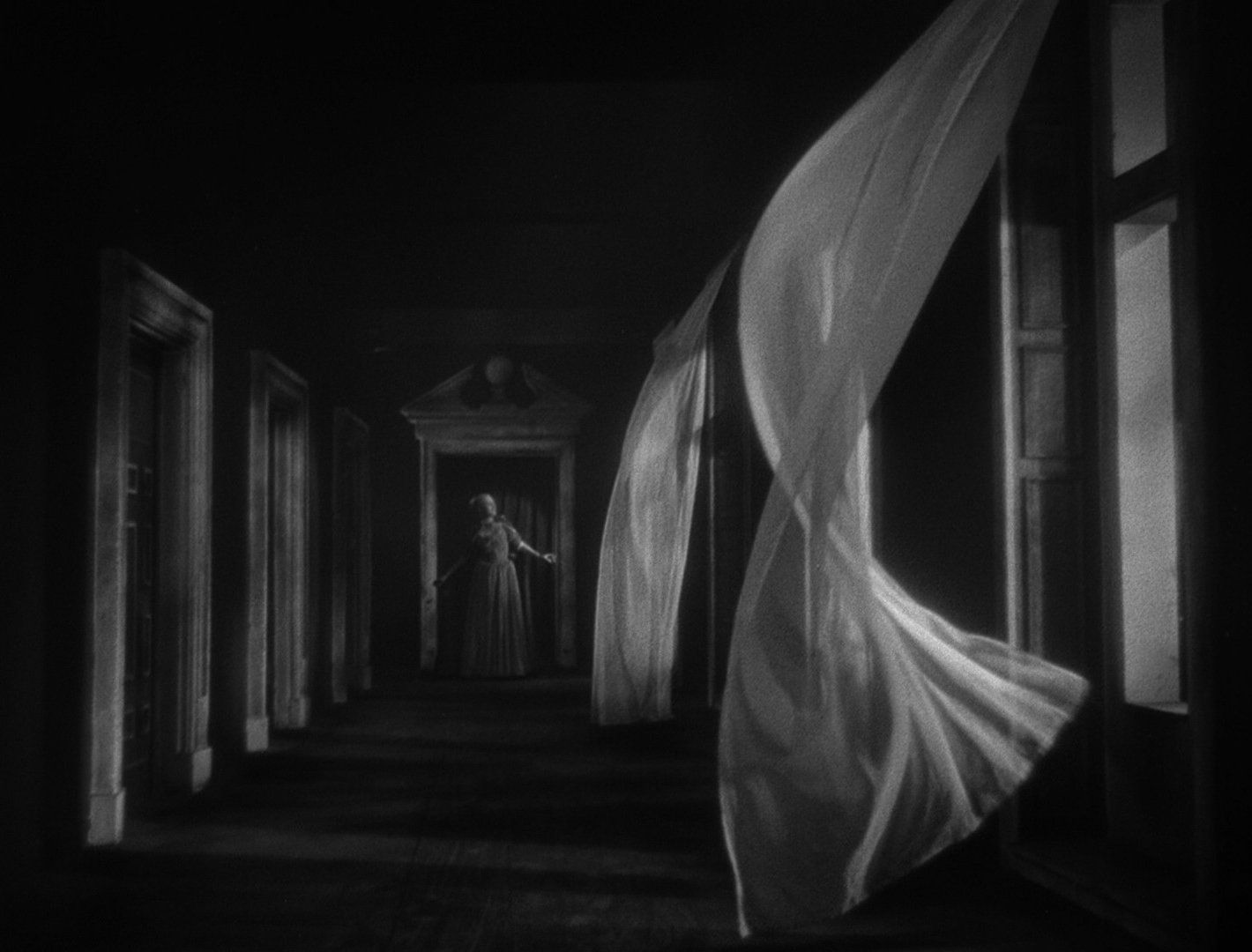
Live action also constrains you in useful ways. Weather, filming location, sunset times and an actor's energy on take nine all shape the result. Jean Cocteau's Beauty and the Beast (1946) did its magic with wind, billowing fabric and real human arms holding candelabra out of the walls, and it feels uncanny because it was physically there.
How to make live action feel real
Light from sources that exist. Motivate every key from a window, lamp, fire or screen. Practicals at 2700–3200 K against a cooler window give a real room its color contrast.
Lens at human distance. A 35–50 mm lens at eye level from 2–3 m reads as a witness in the room.
Build what the actor touches. If a hand or shoulder meets it, make it physical. Save background replacement for what sits behind the actor.
Keep imperfection. Handheld drift, breathing focus, dust in a backlight, wrinkled costumes: viewers read these flaws as proof the camera was there.
Cast faces, not types. Uneven skin, scars and real age separate a photographed person from a rendered one.
Live Action examples in film
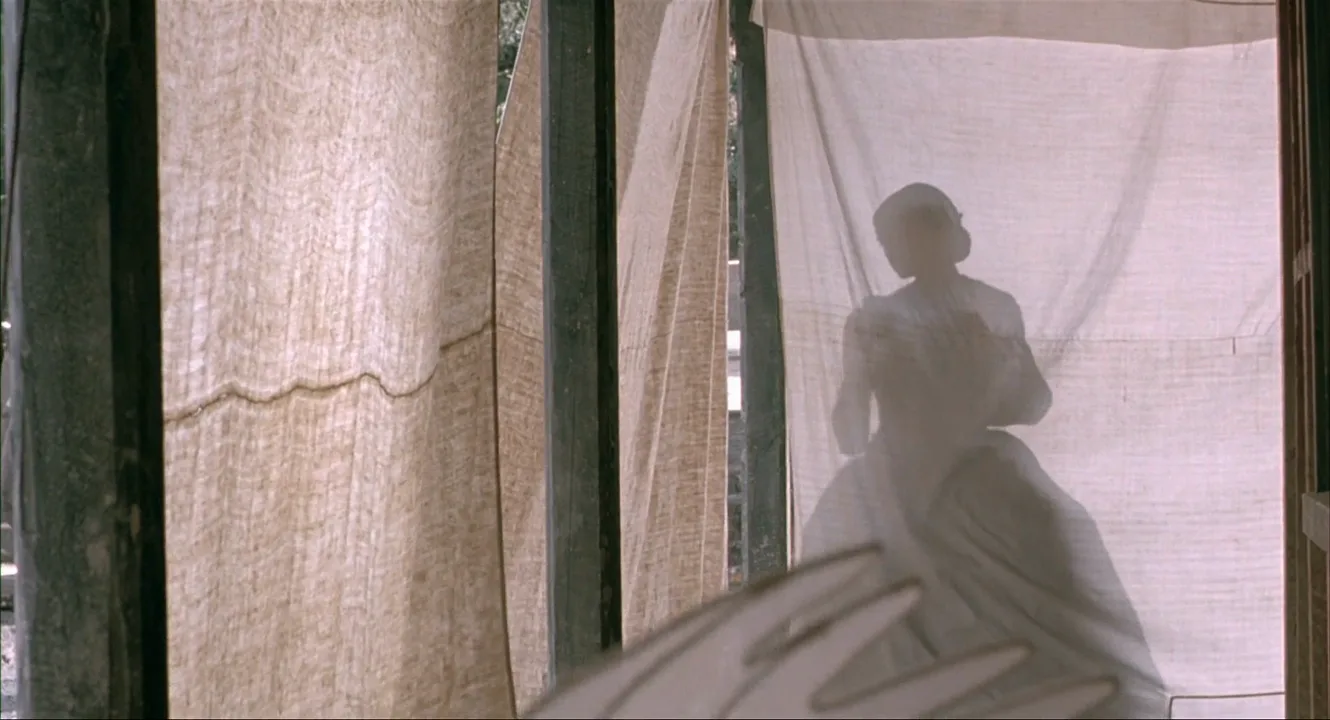
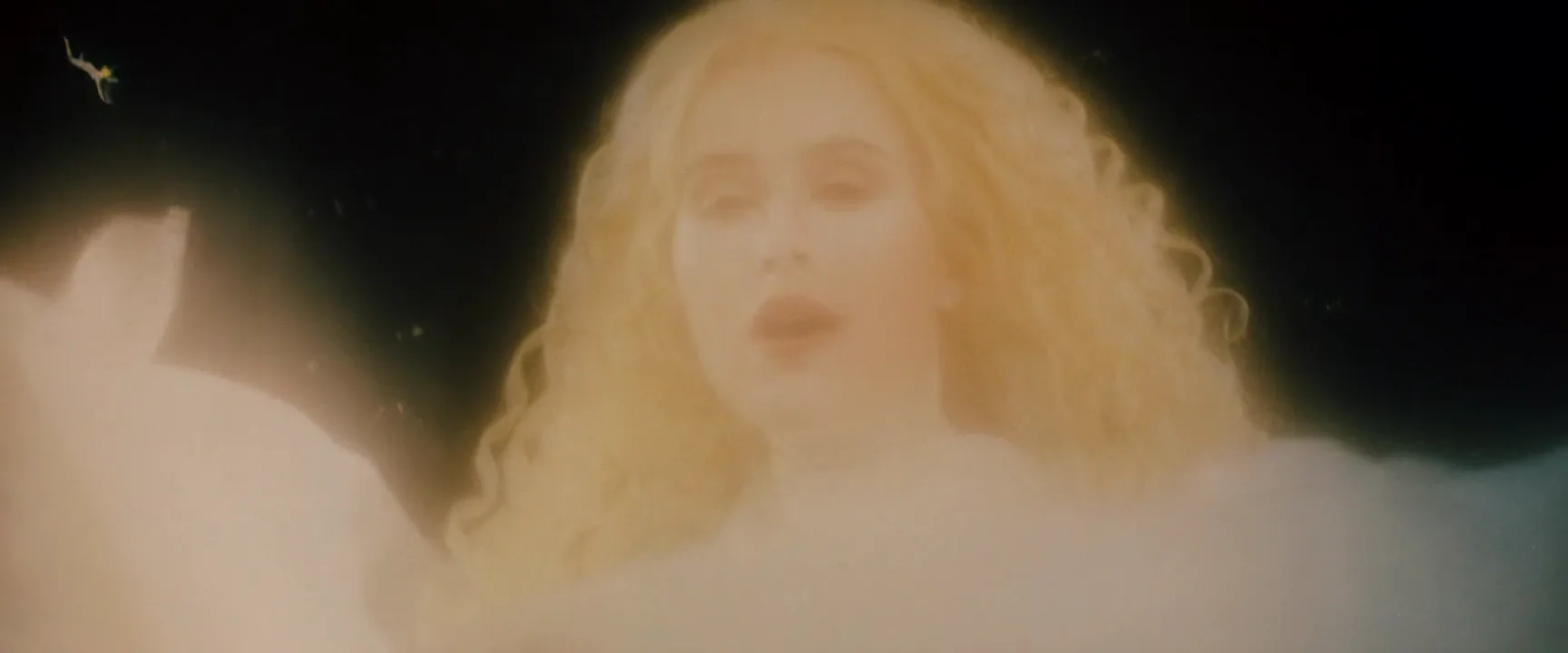
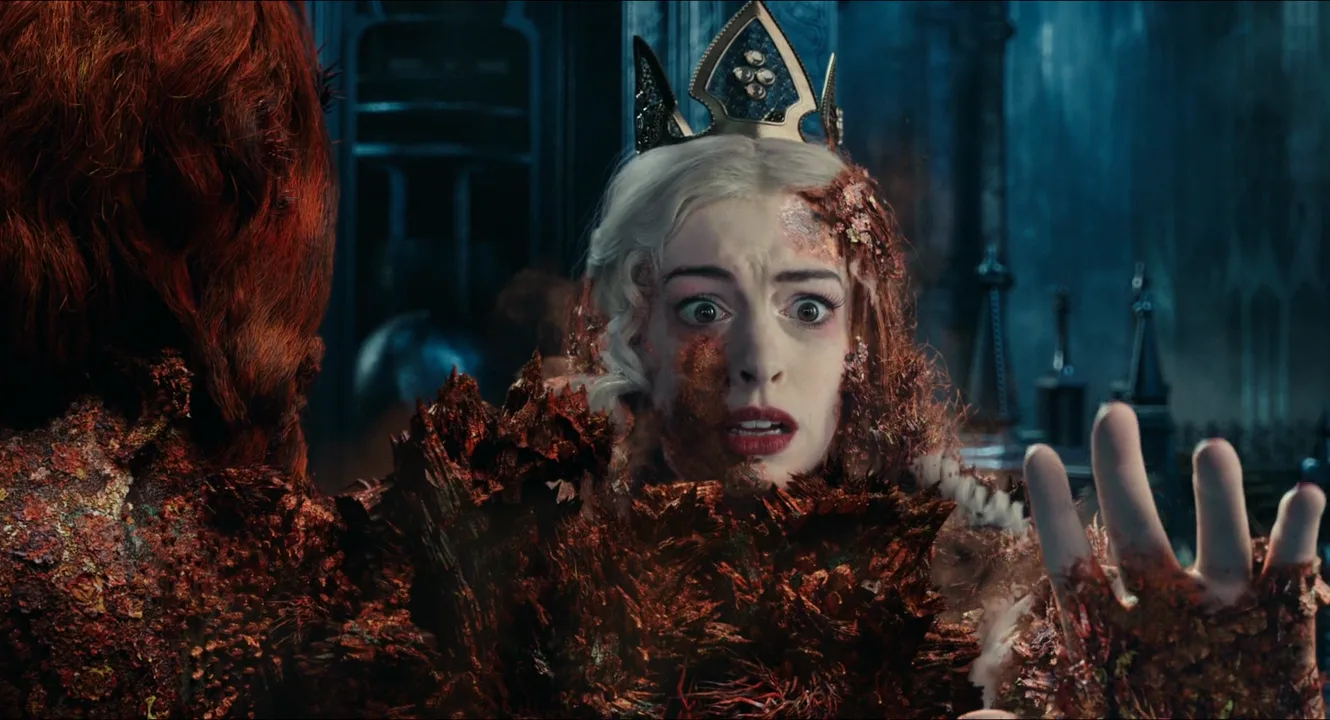
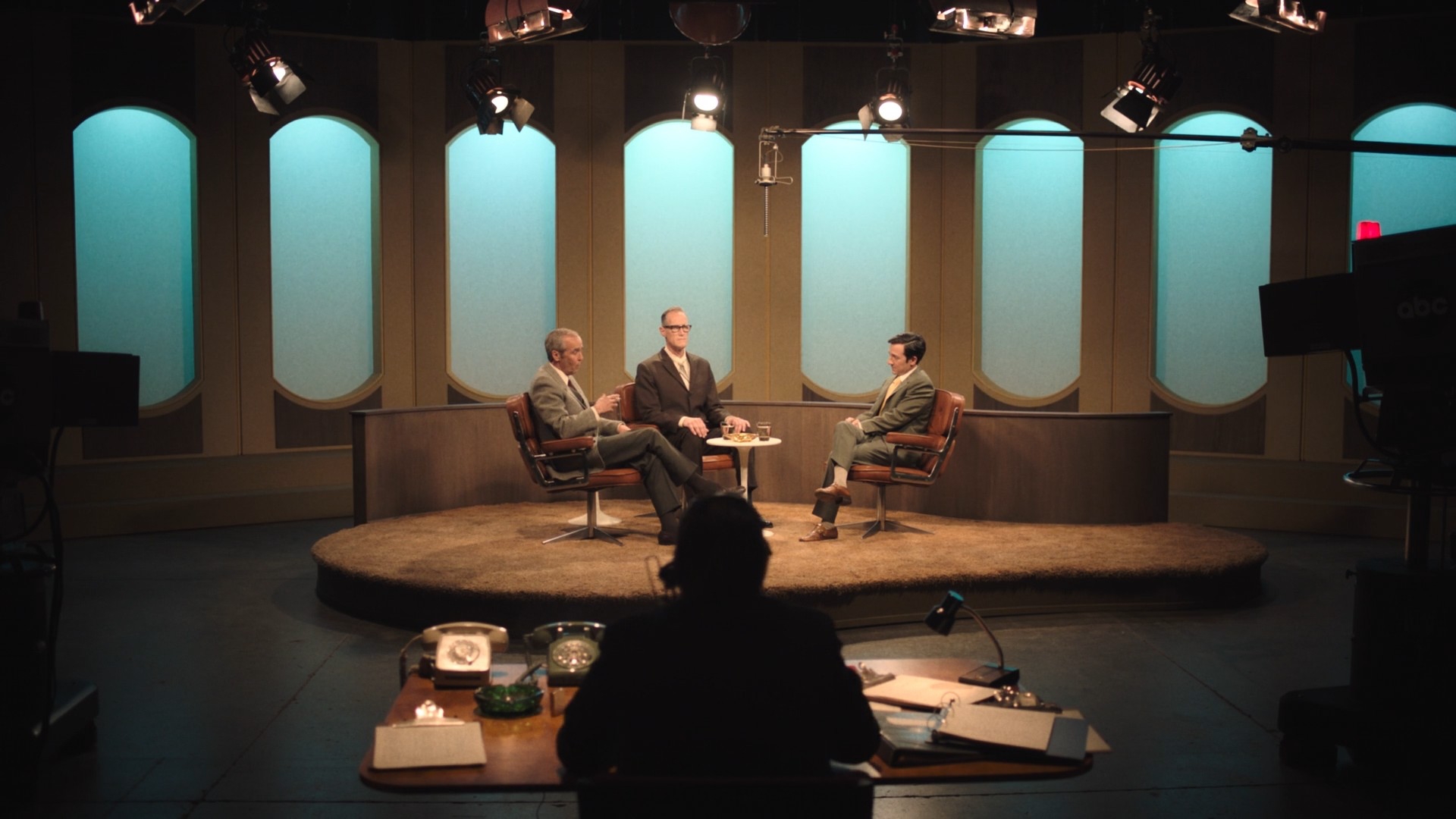
8 framesThese frames show live action's raw materials: real performers, built sets, daylight and practicals, and effects layered over photographed faces.
How to create a live action with AI
4 promptsAI models default to a glossy, rendered look, so a live-action feel comes from prompting the traces a real camera leaves: named light sources, a real lens, skin texture and grain. In FlashBoards, pin real film frames beside your generations on one board to compare takes. The fourth prompt re-shoots a real film shot from a text description alone, and the original plays next to the result so you can compare.
Live-action film still, medium shot at eye level, 40mm lens, a fictional woman in her late 40s with a cropped copper-red undercut, heavy freckles, a thin scar through her left eyebrow and a chipped front tooth, in an oil-stained canvas work jacket, wiping her hands on a gray rag in a cramped ship engine room beside a large red valve wheel, steam drifting past caged tungsten work lights, natural skin pores, 35mm film grain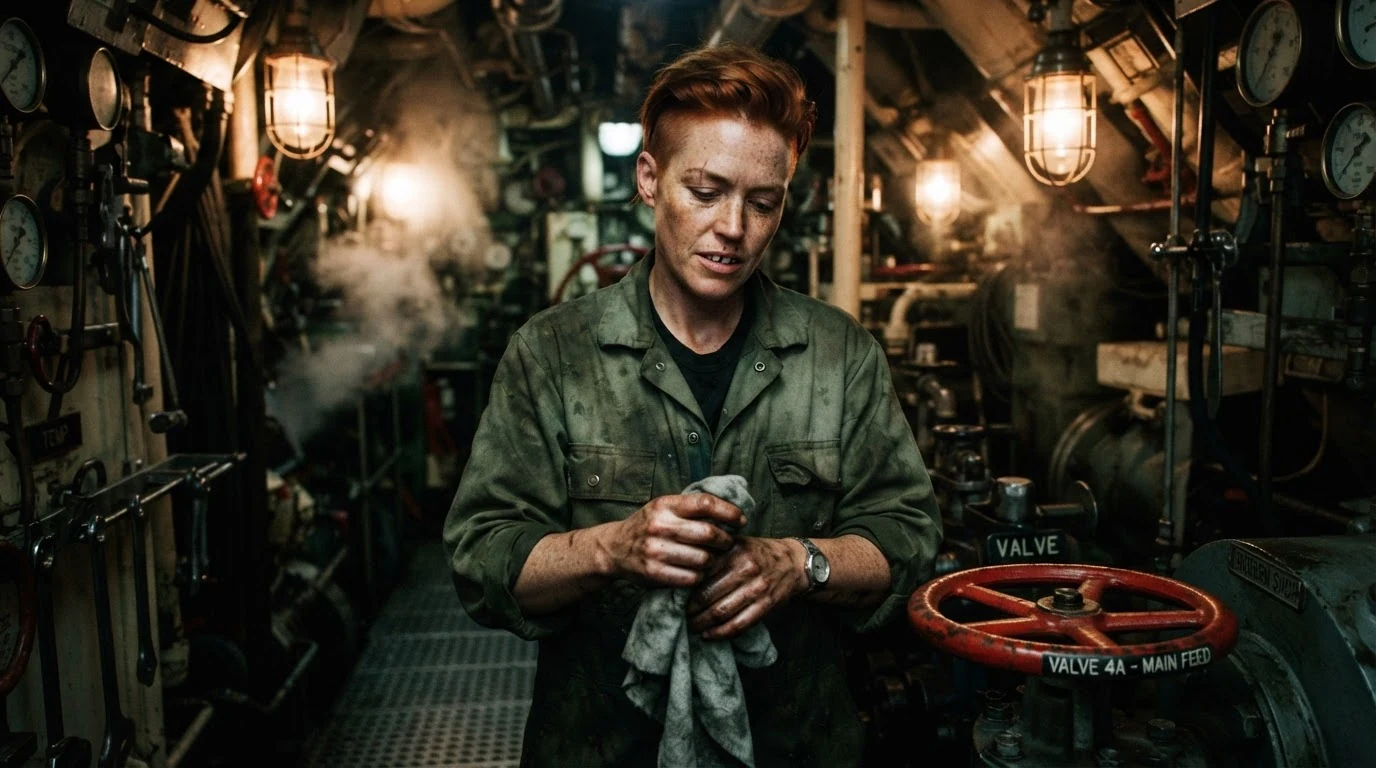
"Live-action film still", "40mm lens" and "35mm film grain" steer away from a render look. Named practical sources give real color contrast, and the scar, freckles and chipped tooth keep the face specific and fictional.
Open FlashBoardsLive-action adaptation of a storybook scene, wide anamorphic shot, a fictional young man with a shaved head, a long hooked nose and a thin braided black beard, in a patched brown wool cloak, walking down a cobblestone village street in steady rain at dusk, wet stones reflecting warm oil lanterns, camera at chest height, practical light only, photographed on location, puddles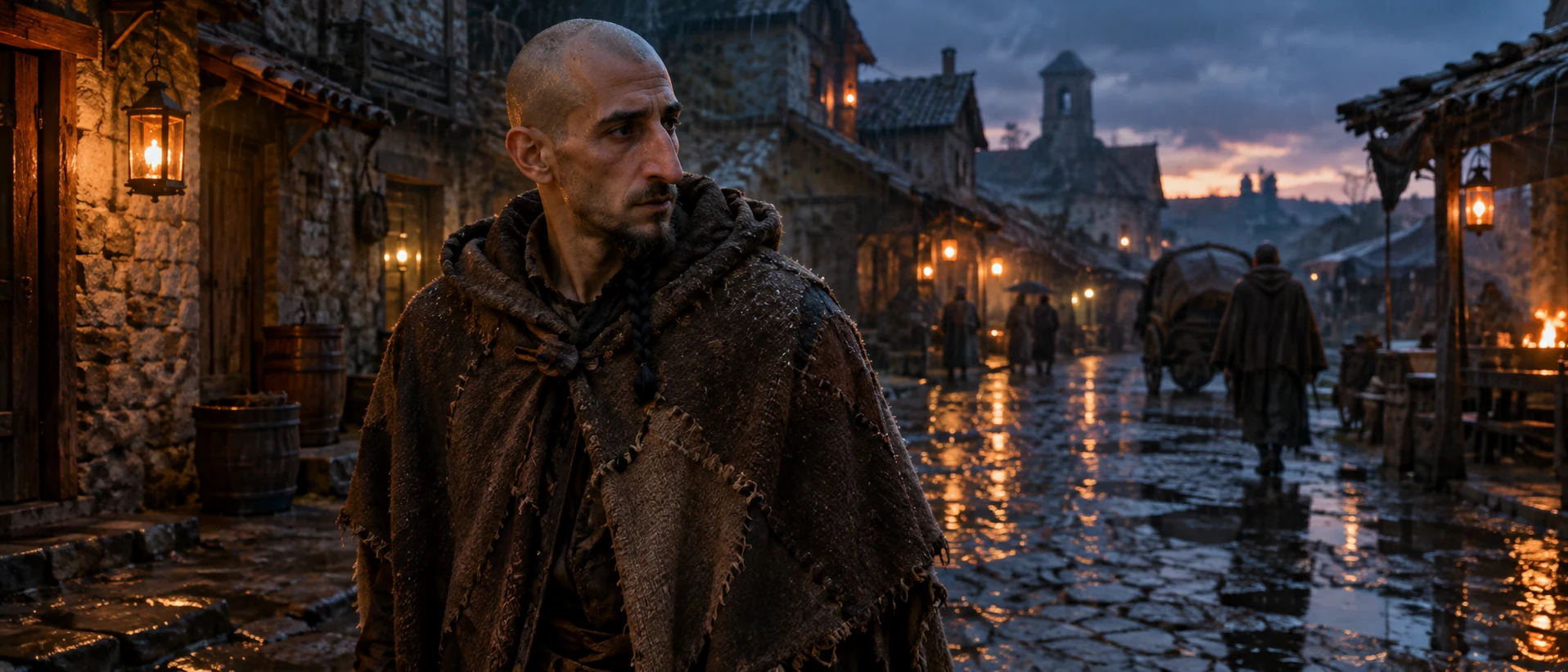
A remake-style take: a fairy-tale subject translated into physical materials. "Photographed on location" and "practical light only" anchor it, and rain adds weather an animated version would lack.
Open FlashBoardsCamera: handheld at eye level with a slight natural sway from the first moment, slowly pushing in from medium shot to medium close-up on the woman's face. Action: She is already wiping her hands on the gray rag as steam drifts across the work lights. She glances up at the pipes, tucks the rag into her jacket pocket, then grabs the red valve wheel with both hands and turns it hard as steam rolls past her face.Motion starts immediately, so the clip never freezes on the still. The rag, valve wheel, steam and lights all exist in the start frame, and the handheld sway reads as a real operator.
Open FlashBoards{
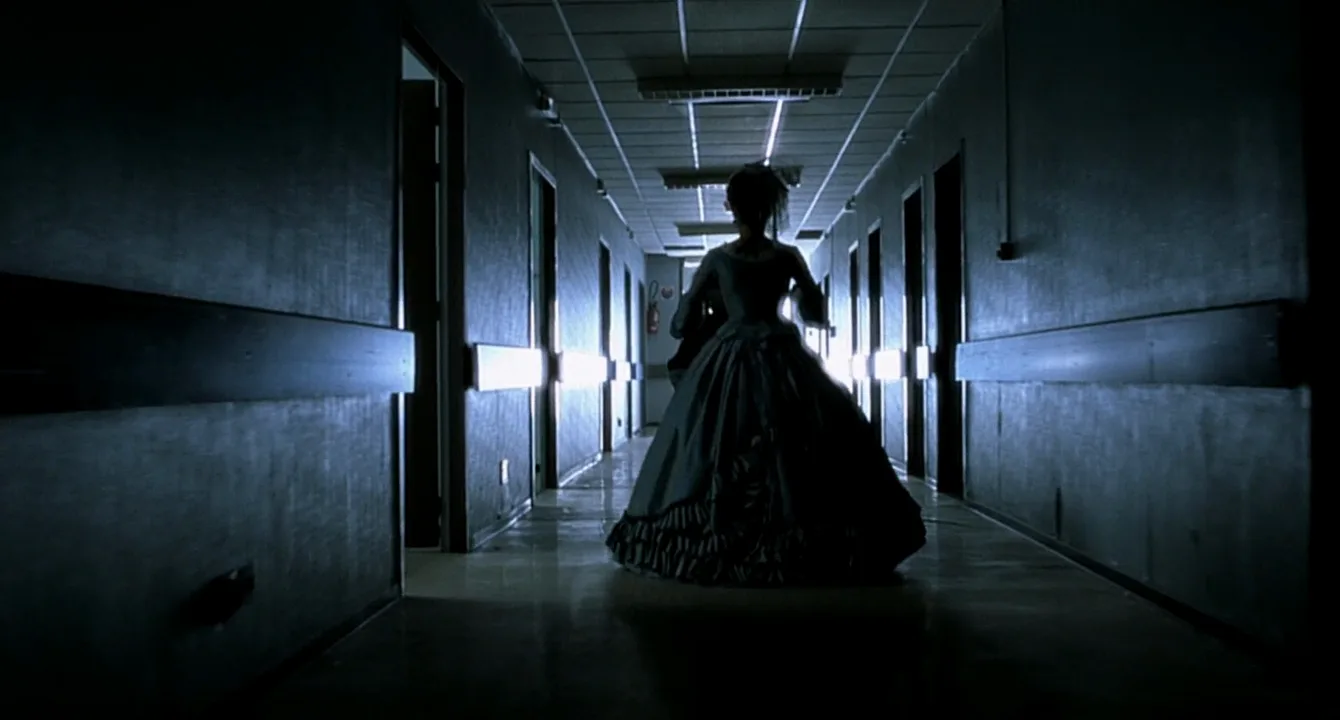
"output": "Full-screen live-action shot from The Diving Bell and the Butterfly (2007), from its very first frame: one continuous shot, 35mm film with fine grain. A long, dim modern hospital corridor with pale blue-gray walls, a dark horizontal bumper rail along both walls, a row of doors on each side and a ceiling of square acoustic tiles with thin fluorescent strips. Strong backlight: daylight spills from open doorways onto the rails as bright white bands, and the glass doors at the far end glow pure white. Cold blue palette, deep shadows, polished floor with soft reflections.",
"characters": {
"S1": {
"name": "a young woman in a nineteenth-century ball gown, seen only from behind",
"look": "slim, dark hair pinned high in a loose, untidy updo with long strands falling on her neck; a dark slate-blue silk crinoline gown with a wide full skirt, a fitted bodice with a low round back neckline, long fitted sleeves and a bow at the back of the waist",
"voice": "silence: she never speaks"
},
"S2": {
"name": "a seated patient",
"look": "an older man with tousled gray-blond hair and dark clothes, sitting slumped in a wheelchair with a white tray against the left wall near the end of the corridor, head bowed",
"voice": "silence: he never speaks"
}
},
"shots": [
{
"shot": 1,
"camera": "dolly in and follow from behind at chest height, a normal 32mm lens, moving straight down the middle of the corridor a little faster than she walks. Starts as a wide, symmetrical view with the dark edge of a door frame covering the left third of the frame and sliding out of frame to the left; S1 is a small black silhouette in the centre, halfway down the corridor. Ends as a medium shot of her back from the waist up, the top of her head near the upper edge of frame, the camera tilting up slightly and drifting a little left as she passes S2.",
"voice": "silence: nobody speaks in this shot, no voice at all",
"action": [
"BEGINNING: alive from the first frame, S1 already walks briskly away from camera down the centre of the corridor, a flat black silhouette against the white bands of light, her wide skirt swinging from side to side with each step, both elbows bent and both hands held in front of her at the waist.",
"THEN: the dark door frame on the left slides out of frame and the whole corridor opens up; the camera closes the distance, fluorescent strips and ceiling tiles glide overhead toward camera, bright bands of daylight on the left and right walls slide past on both sides.",
"THEN: S1 fills more and more of the frame, still centred; the edge light on her shoulders and sleeves turns cold blue, the loose strands of her hair bounce; she keeps her head facing straight ahead down the corridor and never looks back.",
"THEN: an open doorway on the left wall passes in pale light; the corridor ahead brightens as the glass doors at the far end flare white on the right side of frame.",
"END: the camera is right behind her; S1 moves slightly to the right of centre and passes S2, who sits motionless in his wheelchair at the left wall, head bowed, one hand resting on the white tray; she does not turn to him and keeps walking toward the white glow."
],
"dialogue": []
}
],
"sound": {
"ambience": "the heavy rustle of a silk skirt, quick heels on a hard floor, a low fluorescent hum, the quiet of an empty building",
"speech": "no words in this video; the only human sounds are breaths and movement",
"never_spoken": "no narration and no voice-over: the descriptions, performance notes and step words of this prompt are never spoken aloud",
"music": "a film score under the scene, always below the voices: a slow, dreamlike waltz on soft strings and harp, hushed and melancholic",
"subtitles": "none"
}
}Remakes the corridor shot from The Diving Bell and the Butterfly (2007), dir. Julian Schnabel, DP Janusz Kamiński, keeping the backlit gown in silhouette, the dolly in that closes on her back, the cold blue light and the man in a wheelchair she passes at the end.
The JSON prompt names only physical things a crew could build and light: a real hospital corridor, daylight spilling from open doorways, a silk crinoline gown and a dolly that catches up with the actor. Nobody speaks, and a quiet score sits under the footsteps. That reads as photographed, not rendered.
Open FlashBoardsCommon mistakes
- Plastic skin. Name pores, freckles, scars and film grain, plus a real focal length.
- Light from nowhere. Sourceless light looks like CGI; name the lamp, window or fire and its color.
- "Photorealistic 3D" backfires. Render, 3D and CGI push toward animation; say "live-action film still" or "photographed on location".
- Invented background in video. H3 draws whatever the prompt mentions; keep the action to objects in the start frame.
Keep the reference frames, prompts and every generated take side by side — images and video in one canvas.
FAQ
4 questionsWhat does live action mean in movies?
Live action means the film was made by photographing real people, objects and places with a camera, rather than drawing, modeling or rendering every frame. Visual effects can add a lot, but as long as a real performance was captured and appears on screen, the film counts as live action rather than animation.
Is The Lion King (2019) live action?
No. The Lion King (2019) was often marketed as a live-action remake, but apart from one opening sunrise shot filmed in Africa, nothing in it was photographed. Every other frame is computer animation designed to imitate a real camera, and the actors contributed voices only. It is photoreal animation.
What is a live-action remake?
A live-action remake is a new version of an animated film made with real actors, sets and locations, such as Aladdin (2019) or The Little Mermaid (2023). The term also covers live-action adaptations of anime, comics and games, which still use effects for creatures and magic.
Is a movie with a lot of CGI still live action?
Yes, as long as real performers were photographed and remain on screen. Most blockbusters combine live-action plates with digital environments and creatures. The line is crossed when the performers themselves become fully computer-generated and no photographed performance remains in the final image.
Related terms
4- Practical EffectsPost-Production & VFX
Practical effects are created physically on set — animatronics, prosthetic makeup, miniatures, pyrotechnics, rain and wind machines — and captured by the camera rather than generated with CGI in post.
- Virtual ProductionFilmmaking Process & Crew
Virtual production combines live-action shooting with real-time rendered environments — typically on LED walls driven by a game engine and synced to camera tracking — so backgrounds, light and parallax are captured in camera.
- Voice ActingActing & Casting
Voice acting is performing a character with the voice alone — for animation, games, dubbing or narration — where timing, pitch and texture have to carry the whole performance.
- Filming LocationFilmmaking Process & Crew
A location is any real place used for filming outside a studio; location scouting finds and vets it for look, sound, light, access, permits and cost, and the location manager secures it.
Further reading
Richard Rickitt, Special Effects: The History and Technique (Billboard Books). Jean Cocteau, Beauty and the Beast: Diary of a Film (Dover).