 FlashBoards Learn
Genres · Film language
Parody Film
Also called: spoof, send-up, spoof movie
A parody film imitates the style, clichés and famous scenes of a specific movie or genre, then exaggerates them until they turn funny. The audience laughs because it recognizes the source: Airplane! copies the disaster movie, Young Frankenstein the 1930s monster picture, Galaxy Quest the space-opera TV show and its fans.
- What it does
- Turns a genre's familiar look and rules into jokes the audience recognizes instantly.
- Use it when
- The source genre is so well known that its clichés read without explanation.
- Watch out
- If the look is sloppy or the actors wink, the parody stops working; copy the source exactly and play it straight.
- Try this prompt
Film noir still, deadpan detective under venetian-blind shadows, holding a yellow rubber duck like evidence
What is a parody film?
A parody, also called a spoof or send-up, is a comedy that borrows the form of another work and bends it. The target can be one film (Spaceballs, 1987, and Star Wars), a genre (Blazing Saddles, 1974, and the Western) or a whole mode of filmmaking (This Is Spinal Tap, 1984, and the rock documentary, the model for the mockumentary). Among film genres, it is defined by other films, not by a setting.
Parody is a branch of comedy that needs you to know other movies. It pushes the genre conventions the audience already carries, the slow-motion hero walk, the phone ringing in the empty house, one step past plausible.
Targeted parody follows one source closely: Young Frankenstein (1974) restages the lab, monster and villagers of the Universal Frankenstein films. Genre spoof strings clichés from many films together: Airplane! (1980), The Naked Gun (1988), Scary Movie (2000). The first ages better because it has its own story; the second dates as fast as its references.
Why do filmmakers make parodies?
Parody lets a filmmaker comment on a genre from the inside. Galaxy Quest (1999) mocks the stiff heroics of a cult sci-fi series but ends up loving its fans. Monty Python and the Holy Grail (1975) deflates Arthurian romance with coconut shells instead of horses.
The viewer gets two pleasures: the joke and the recognition. That recognition is also the risk. A parody of last summer's hit can be unreadable in ten years; Young Frankenstein still works because it parodies a whole era of Hollywood style.
How to shoot a parody: copy the look, play it straight
The rule every good spoof obeys: the frame must look like the real thing. The joke lives in the contrast between a serious image and absurd content.
- Match the source's photography. Mel Brooks shot Young Frankenstein in black and white with period wipes and irises. For a noir spoof, light hard through blinds; for a slasher film spoof, copy the prowling subjective camera.
- Cast for gravity. Airplane! gave its nonsense to actors known for dramatic roles, Leslie Nielsen, Robert Stack, Lloyd Bridges, who delivered it with total conviction. Mugging kills the joke.
- Hide gags in the frame. Background jokes and props that are almost right reward attention; give them depth of field and hold the shot a beat longer than drama would.
- Cut like the source, then break the rhythm once, on the last shot or with a hard cut to something mundane.
Like caricature, enlarge only the two or three traits that define the genre's image.
Parody vs. satire: what is the difference?
Both exaggerate for laughs; the difference is the target.
- Parody targets a text: a film, genre or style. Scary Movie mocks Scream; Austin Powers (1997) mocks 1960s spy films.
- Satire targets the world: politics, institutions, behavior. Dr. Strangelove (1964) borrows the war-room thriller, but its subject is nuclear strategy.
Many films use parody as the vehicle and satire as the payload. A third neighbor, the homage, recreates a scene out of respect with no comic distortion.
Parody Film examples in film
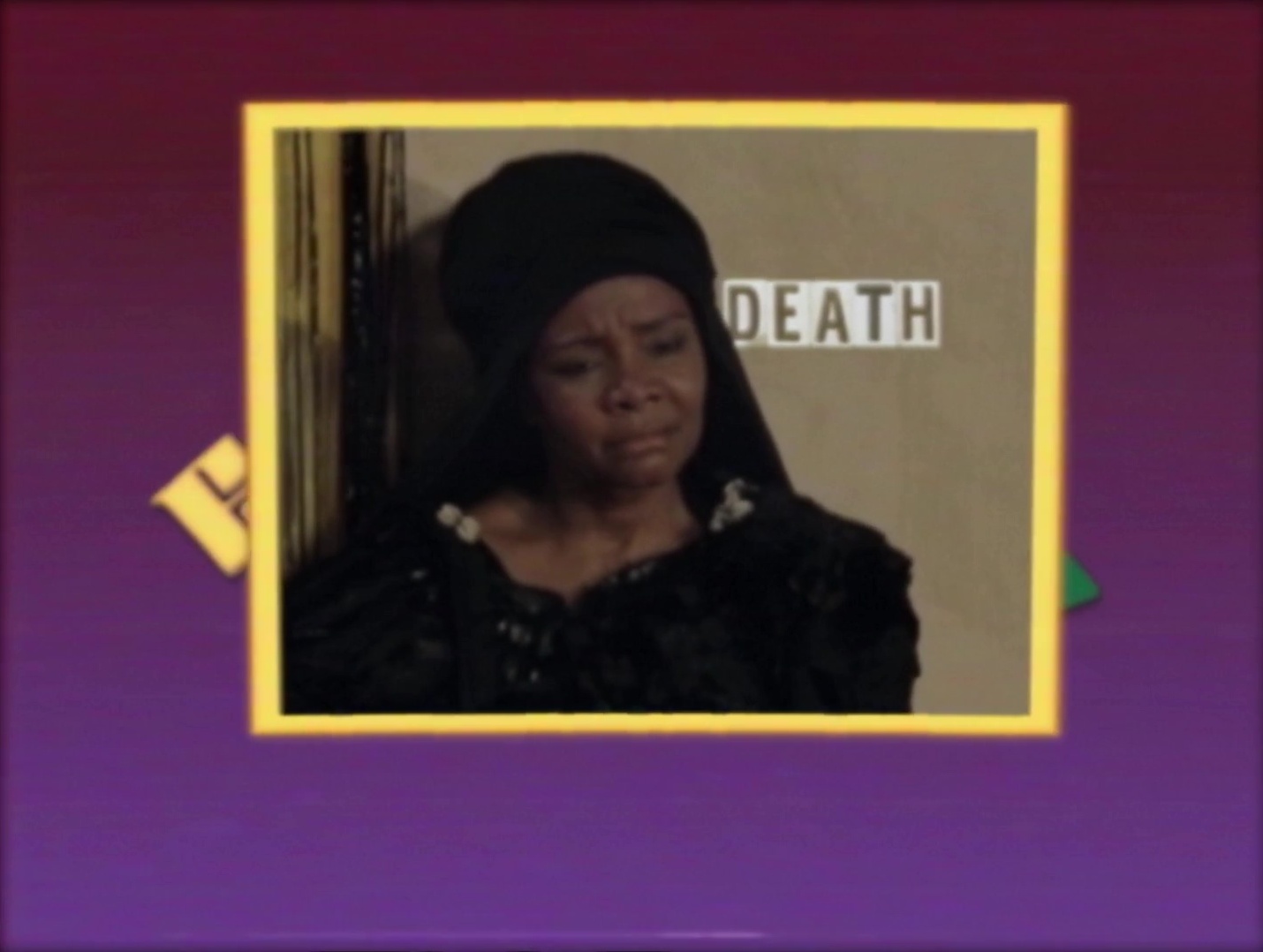
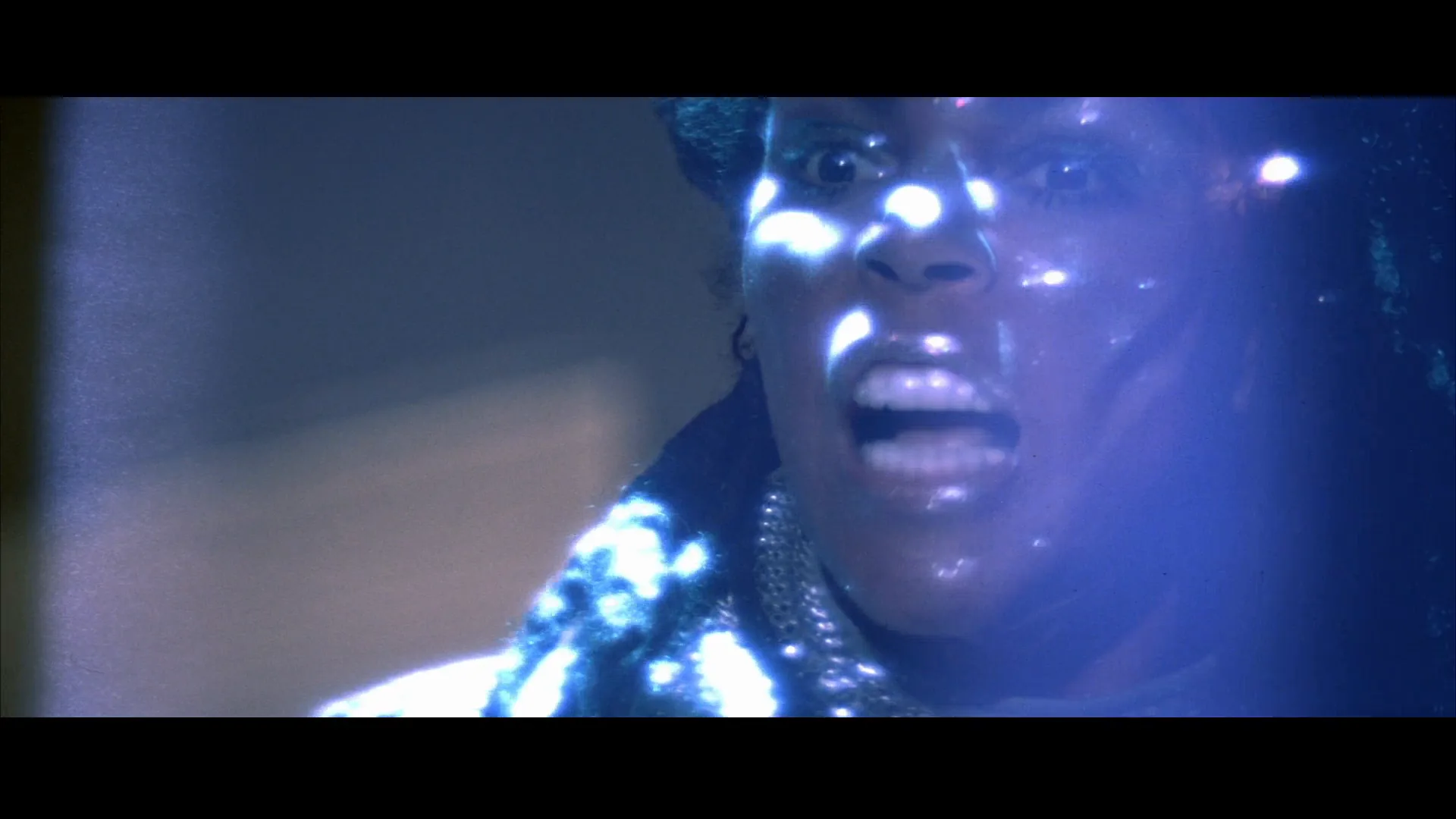
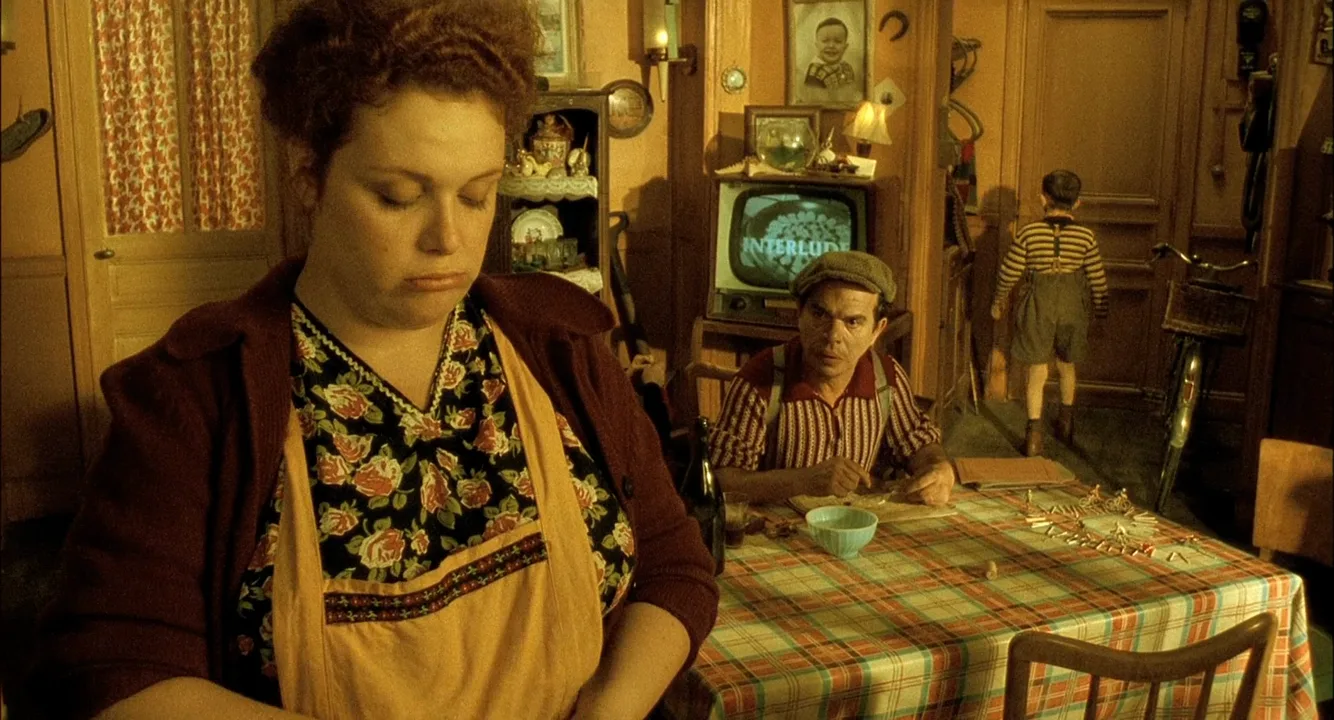
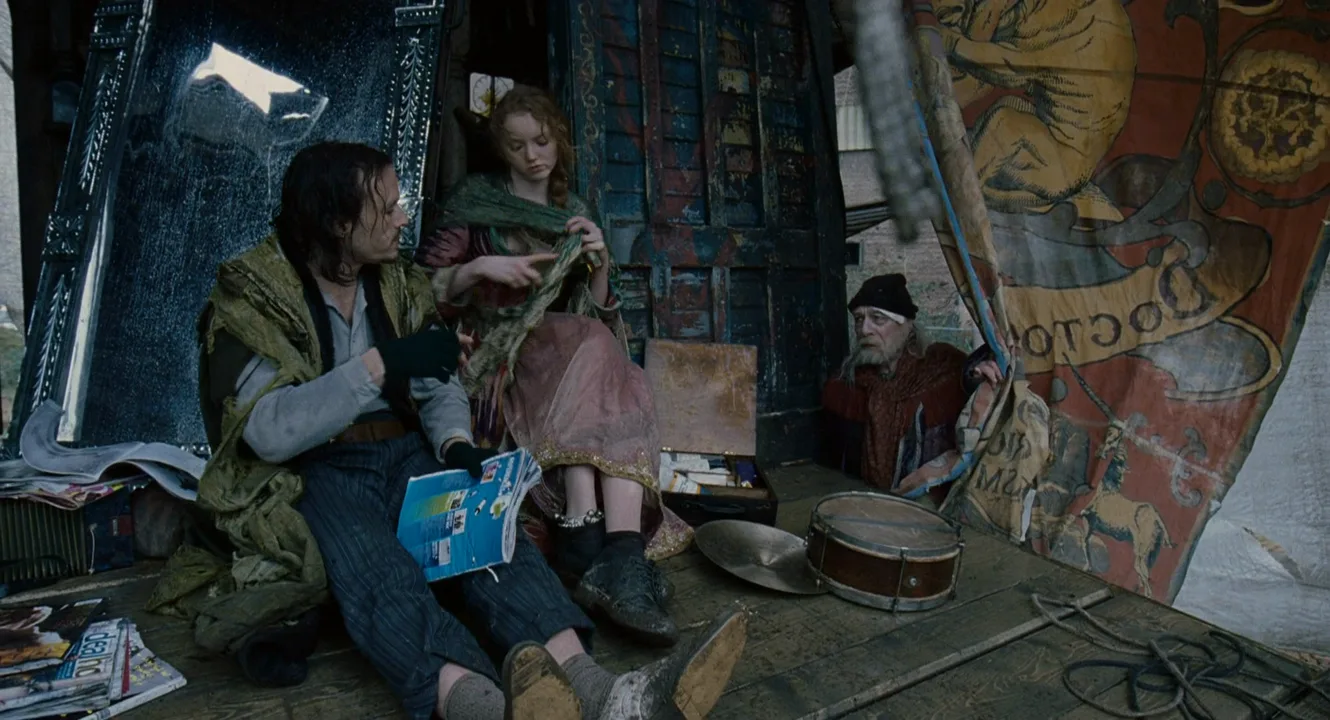
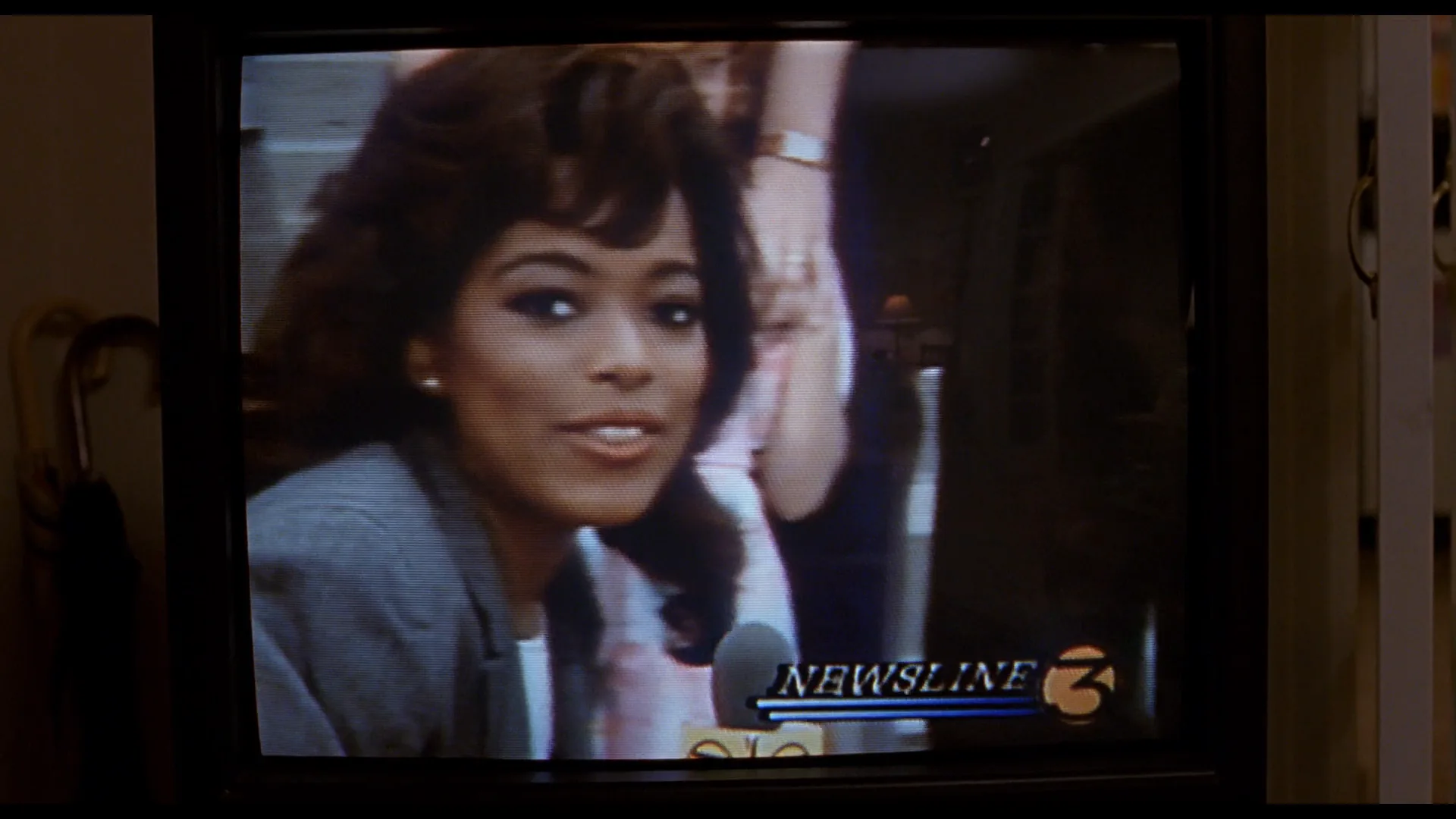
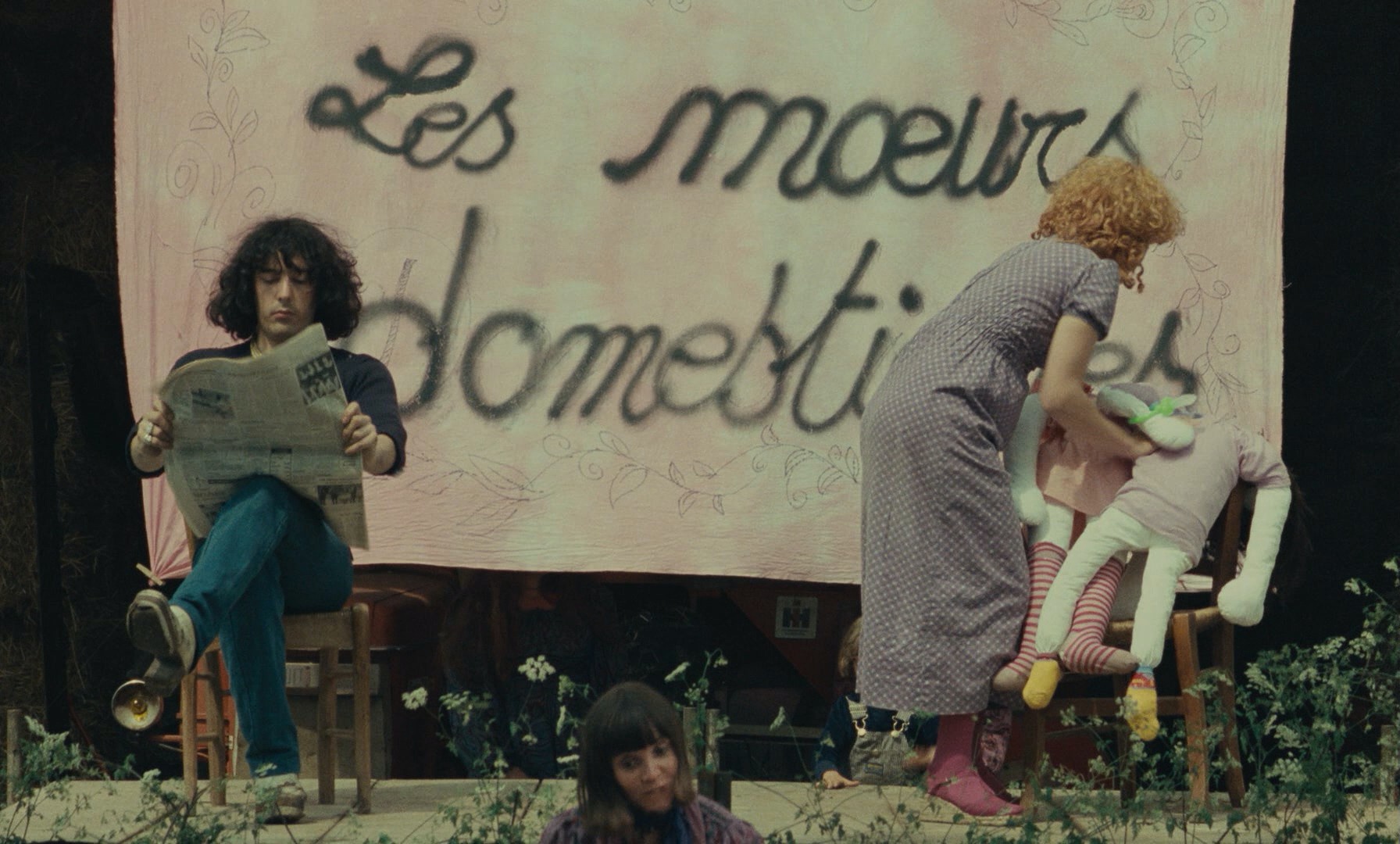
6 framesNone of these frames is from a pure genre spoof; they show the raw material parody works with: broadcast graphics, pulp lighting, theatrical artifice, caricatured design.
How to create a parody film with AI
4 promptsAn image model does not know it is being funny, and that helps: describe the genre's look in its own technical language, then place one absurd element inside it. Keep references, takes and gag notes on one FlashBoards board to check side by side that each frame still reads as the real genre. The fourth prompt re-shoots a real film shot from a text description alone, and the original plays next to the result so you can compare.
1940s film noir still, black and white, hard key light through venetian blinds throwing striped shadows across a cluttered detective office. A lanky man in his fifties with a gray pencil mustache, heavy dark eyebrows and a crooked nose, in a rumpled trench coat and fedora, sits at the desk holding a small yellow rubber duck up to the desk lamp, studying it with a grim, deadly serious expression. Cigarette smoke curls in the light. Medium shot, 40mm lens, film grain.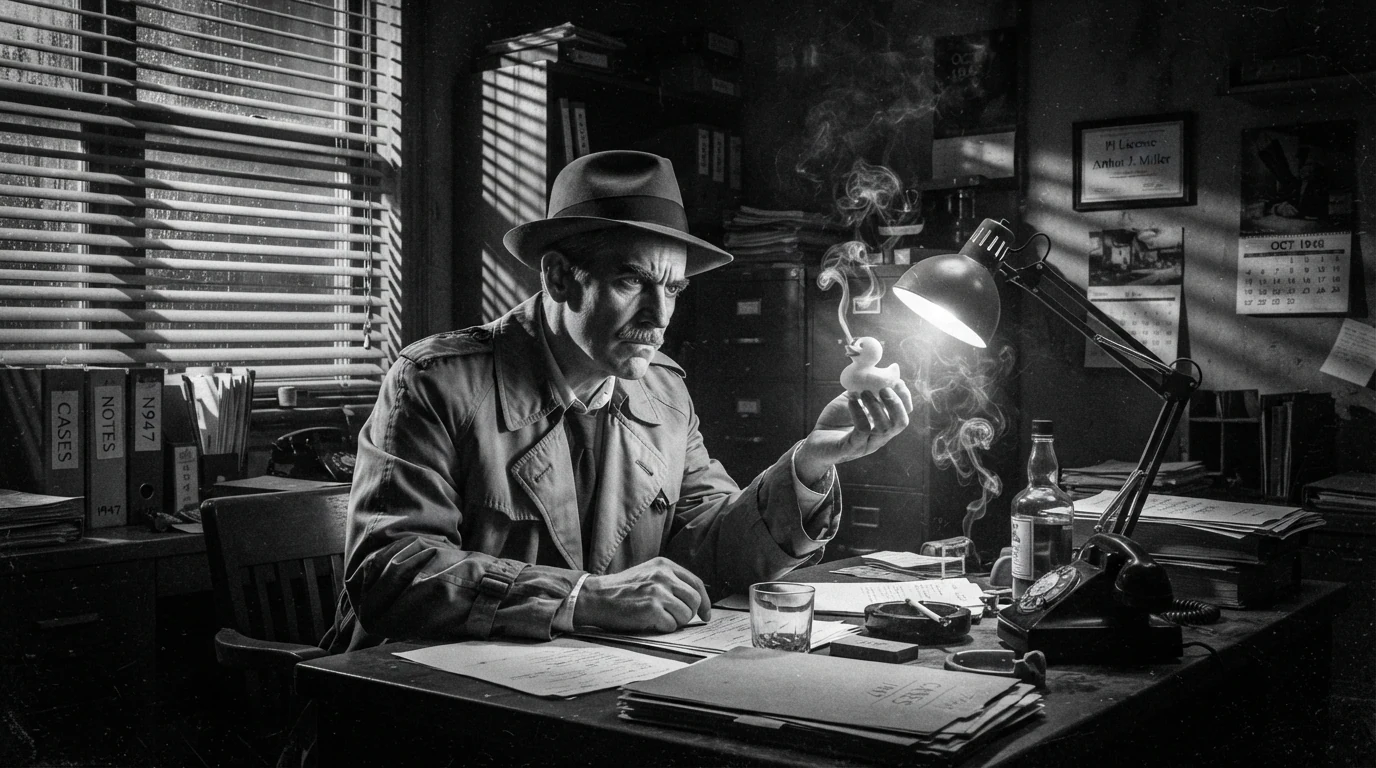
Everything except the duck is written as straight noir: blinds, hard key, smoke, fedora, grain. One wrong prop, framed like evidence, carries the joke; "grim, deadly serious" stops the model painting a smirk.
Open FlashBoardsWide frame in the style of a 1960s television space opera: a starship bridge of painted plywood panels, blinking colored bulbs and a round viewscreen showing a flat painted planet. A broad-shouldered woman in her forties with a silver buzz cut, a square jaw and a scar through one eyebrow, in a tangerine velour jumpsuit with a wide silver collar, stands center in a heroic pose, fists on hips, chin raised. Behind her, three crew members in matching tangerine jumpsuits (a bald older man with a white beard, a freckled red-haired young man and a stout man with a curly mustache) strike the same pose at their stations. Saturated primaries, flat studio lighting.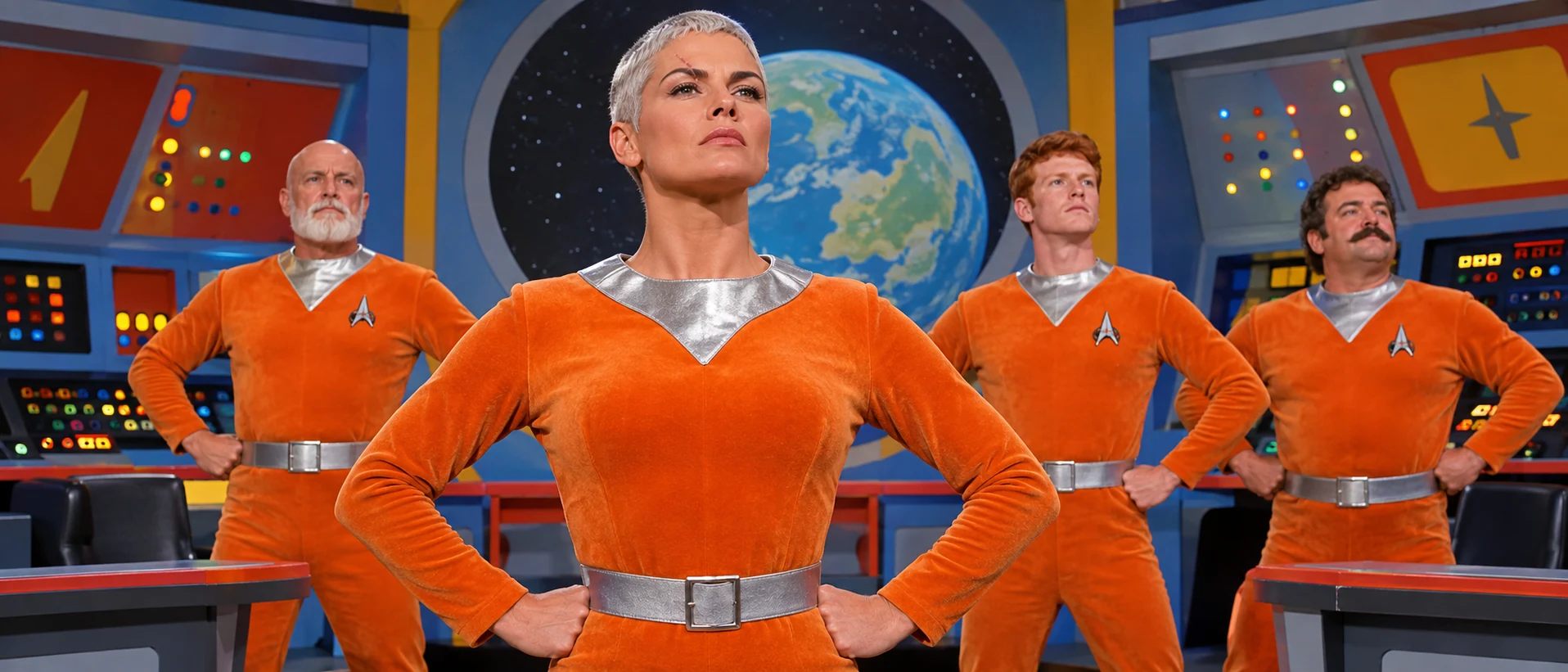
A different genre and frame shape. "Painted plywood", "flat studio lighting" and "velour jumpsuit" rebuild the cheap TV look; the heroic pose repeated across the crew is the exaggeration, so the gag lives in the staging.
Open FlashBoardsCamera: slow, steady push-in from the medium shot toward the detective's face and the duck, moving the whole time and ending on a tight close-up. Action: the detective is already turning the yellow rubber duck slowly in the lamplight, eyes narrowed. He squeezes it once, firmly, and stares at it as if it has confessed. Then he sets it down on the desk with great care and slowly looks straight into the lens, face grim. Smoke keeps drifting through the striped light.The push-in is the genre's own move for a revelation, spent on a toy. "Is already turning" makes the shot alive from the first frame, and the prompt names only what recipe 1 contains.
Open FlashBoards{
"output": "Full-screen live-action shot from Beethoven (1992) from its very first frame: one continuous locked-off shot with no cuts. A family comedy staging a straight-faced local TV news report around a dog. 35mm film look, dark suburban living room at night: an old wood-cased CRT television fills the frame almost edge to edge and glows; on its curved screen plays a daytime local-news video feed in soft washed video colors, with a blue NEWSLINE 3 station logo in the lower right of the TV picture.",
"characters": {
"S1": {
"name": "Beethoven, the family's St. Bernard",
"look": "huge brown-and-white St. Bernard with a white blaze down the face, dark ears and a dark leash, seen only inside the TV picture"
},
"S2": {
"name": "Ruth Walters, a local TV news reporter",
"look": "young Black woman with full shoulder-length dark curls, pearl stud earrings, gray tweed blazer over a white top, seen only inside the TV picture",
"voice": "bright, polished news-reporter voice"
}
},
"shots": [
{
"shot": 1,
"camera": "static, locked-off, eye level on the TV set, a strip of dark wooden cabinet along the right edge of the frame; the film camera never moves. Inside the TV picture the handheld news camera whips once to the left in the middle of the shot.",
"action": [
"BEGINNING: alive from the first frame, the TV picture shows the St. Bernard in close-up on gray courthouse steps, facing the news lens, a microphone with a yellow 3 flag held up at his mouth by a hand reaching in from the lower left.",
"THEN: the dog shakes his head hard, ears and jowls flapping, while the microphone hand stays steady at the left.",
"THEN: the dog settles, pants with his pink tongue out and looks into the news lens; the microphone stays under his chin.",
"THEN: the dog's head drifts toward the right edge of the TV picture as the news camera whips fast to the left across a blur of legs, a pink dress and stone steps.",
"THEN: the news camera lands on the reporter crouched in the left half of the TV picture, microphone just below her chin, standing onlookers' legs behind her on the right; she looks straight into the news lens and speaks, lips clearly moving, eyebrows lifted, head tilted slightly to screen left.",
"END: she finishes her sign-off and holds a wide professional smile into the lens, perfectly still; the TV set and the dark room around it never move."
],
"dialogue": [
{
"speaker": "S2",
"on_screen": false,
"when": "at the very first frame, the quick tail of her sentence while the dog fills the TV picture",
"delivery": "brisk, polite",
"line": "<d>[English] Thank you.</d>"
},
{
"speaker": "S2",
"on_screen": true,
"when": "right after the news camera lands on her, finishing just before her closing smile",
"delivery": "crisp, cheerful news sign-off",
"line": "<d>[English] This is Ruth Walters reporting from County Courthouse.</d>"
}
]
}
],
"sound": {
"ambience": "the small tinny sound of a TV speaker in a quiet room: faint crowd murmur and street noise from the news feed, the dog panting",
"speech": "exactly these spoken phrases, each said once, in this order",
"never_spoken": "no narration and no voice-over: the descriptions, performance notes and step words of this prompt are never spoken aloud",
"music": "a film score under the scene, always below the voices: light, bouncy comedy woodwinds over plucked strings",
"subtitles": "none"
}
}Remakes the TV-news shot from Beethoven (1992): the prompt keeps the locked-off TV set, the dog at the microphone, the whip-pan to the reporter and her verbatim sign-off.
The news format is written completely straight: station logo, flagged microphone, whip-pan, polished sign-off. The only wrong element is the interviewee, a St. Bernard, which is exactly how spoofs work. The two corpus lines are kept word for word, and the score line keeps the comedy cue under the voices.
Open FlashBoardsCommon mistakes
- The model tells the joke too loudly. "Funny" or "parody" in the prompt pushes toward cartoon faces and bright light. Describe the genre seriously.
- The look drifts to a generic modern image. Name the period, format, lens and key light ("black and white, hard key through blinds, grain").
- The gag object gets lost. Put it in the brightest part of the frame, in a color nothing else shares.
- Copying one real film too literally can drift toward real actors' faces. Describe original people with specific features and parody the conventions.
Keep the reference frames, prompts and every generated take side by side — images and video in one canvas.
FAQ
4 questionsWhat is a parody film?
A parody film is a comedy that imitates a specific movie, genre or filmmaking style and exaggerates its clichés for laughs. It depends on the audience recognizing the source. Classic examples: Airplane! (disaster films), Young Frankenstein (1930s horror), Blazing Saddles (Westerns) and Galaxy Quest (space-opera TV).
What is the difference between parody and satire?
Parody targets another work or genre: its joke is how movies of that kind look and behave. Satire targets real life, politics, institutions and social habits, and uses humor as criticism. Many films mix them, using a parodied genre to carry a satirical point, as Dr. Strangelove does with the war-room thriller.
Is a spoof the same as a parody?
In film talk, yes: "spoof" and "send-up" are informal names for parody. "Spoof movie" often means the looser genre spoof stringing together gags from recent hits, like Scary Movie, while "parody" also covers close imitations of one source, like Young Frankenstein.
What makes a parody movie funny?
Precision and a straight face. The film copies the source's lighting, framing and acting closely enough to be recognized, then pushes one element past plausible. Actors who play the absurd with total conviction, as the cast of Airplane! did, make the contrast land; winking at the audience kills it.
Related terms
4- SatireGenres
Satire uses exaggeration, irony and ridicule to attack real institutions, politics or social behavior — the laugh carries a critique, as in Dr. Strangelove or Network.
- HomageStorytelling
A homage openly recreates a shot, scene, line or style from another film as a sign of respect, trusting the audience to recognize the source.
- Genre ConventionsGenres
Genre conventions are the recurring settings, characters, plot moves, images and sounds an audience expects from a genre; filmmakers follow, bend or break them to meet or subvert those expectations.
- ComedyGenres
Comedy is the genre built to make the audience laugh — through character, situation, wordplay or physical gags — and it usually bends toward a happy or reconciling ending.
Further reading
Dan Harries, Film Parody (BFI, 2000). Wes D. Gehring, Parody as Film Genre (Greenwood, 1999).