 FlashBoards Learn
- Learn
- Production Design
- Set Dressing
Production Design · Film language
Set Dressing
Also called: set decoration, dressing
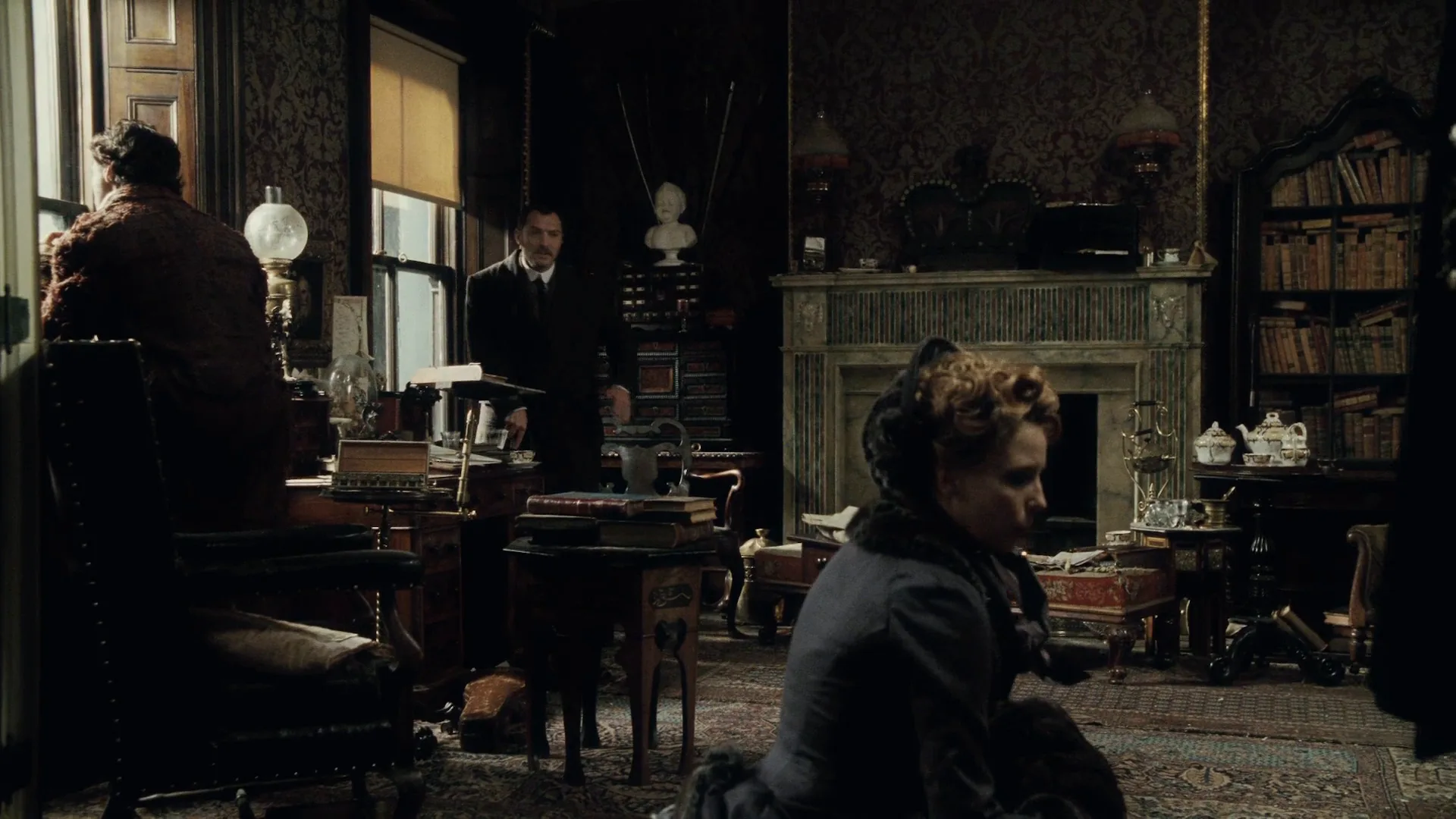
Set dressing is everything that furnishes a set but is not handled by the actors: furniture, curtains, lamps, books, posters, dishes and clutter. The set is the built space; the dressing is what fills it. It makes a room feel lived-in and tells the viewer who lives there, when, and how, before anyone speaks.
- What it does
- Turns an empty built space into someone's home, office or world, and tells their story through objects.
- Use it when
- Every interior and most exteriors; it carries the most weight in character-driven and period films.
- Watch out
- Catalog-clean rooms and random clutter: real spaces are worn, and every object should belong to one person's life.
- Try this prompt
Wide shot, cramped lived-in apartment, shelves of old radios, faded floral wallpaper, chipped teapot, green desk lamp, 28mm
What is set dressing in film?
Set dressing covers every object that furnishes a space on screen without being used in the action: sofas, rugs, framed photos, lamps, plants, shelves of books, dishes in the sink. It belongs to production design, one step after set design.
The set is the construction: walls, floors, doors, windows, built on a stage or found on location. Set dressing is what goes into that shell. With costume, light and blocking, it is a main layer of mise-en-scène.
What does set dressing tell the audience?
Viewers read a room in a second:
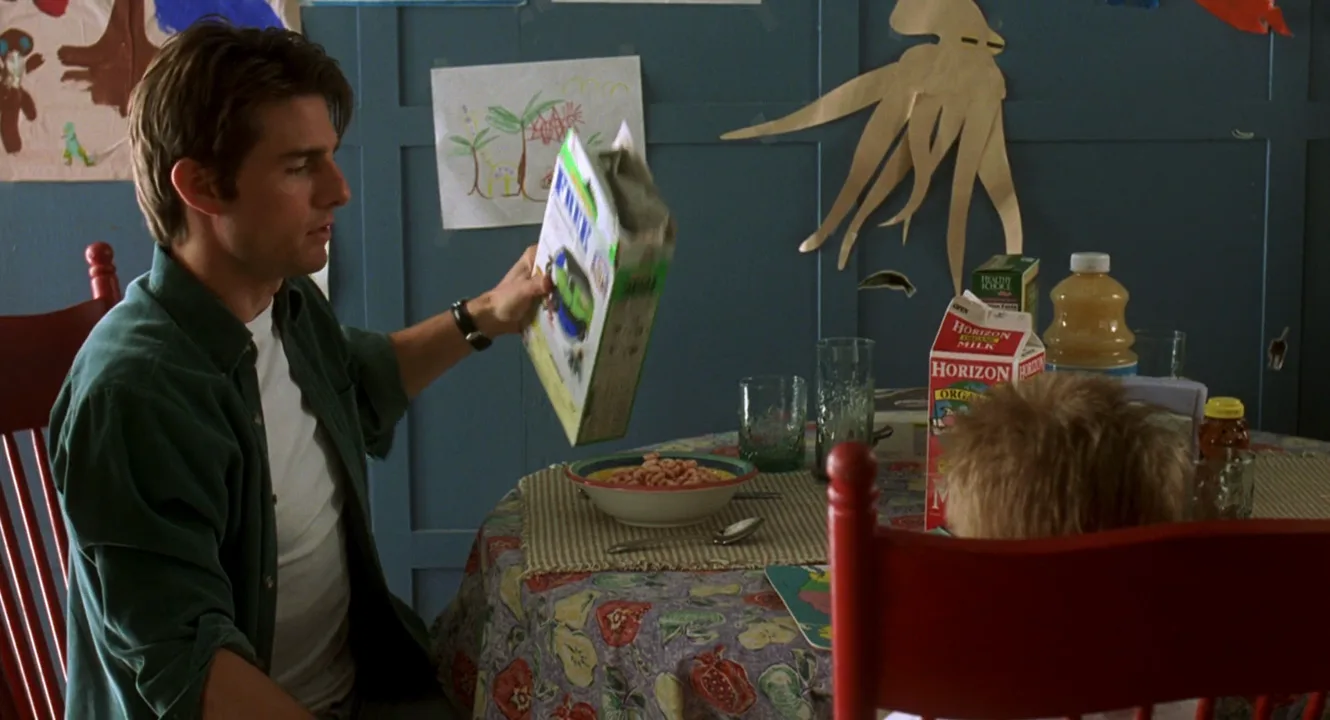
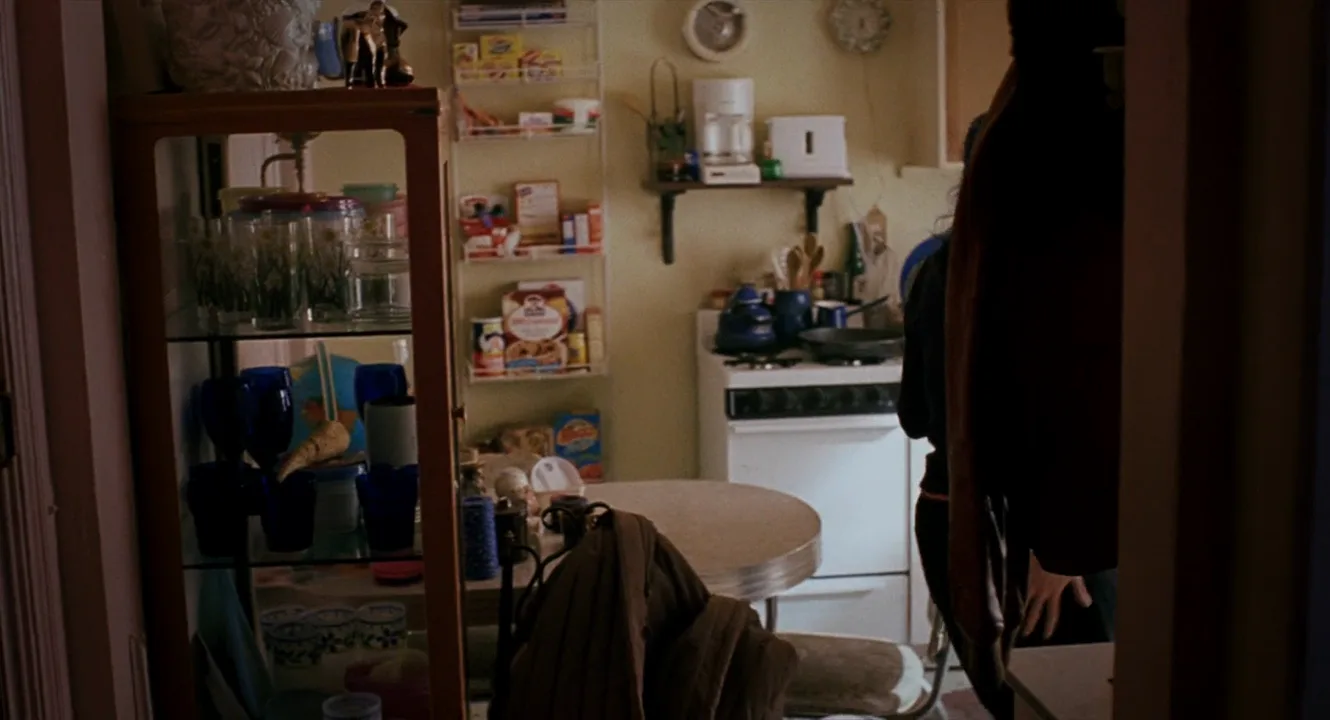
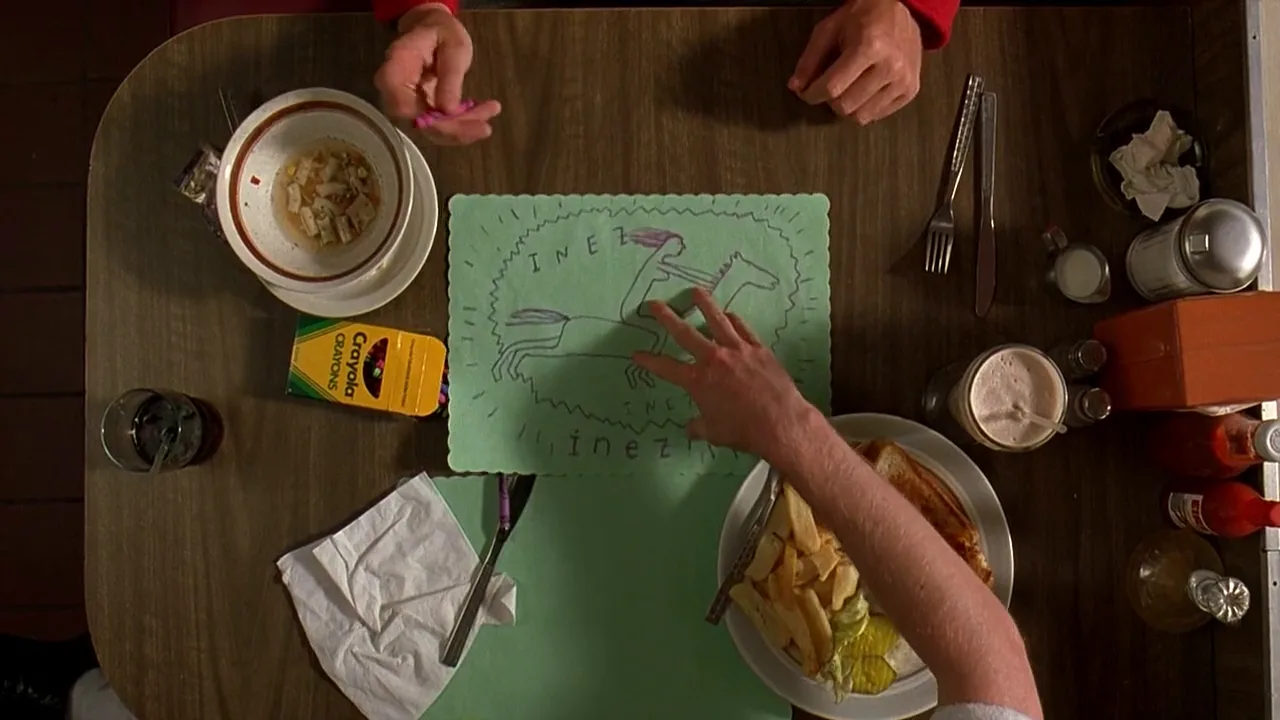
- Who lives here. Books stacked on the floor, a bike in the hall, a child's drawings on the fridge.
- Class. In Parasite (2019), the Kims' cramped, crowded semi-basement plays against the Parks' sparse, expensive house. The contrast in dressing is the film's argument.
- Era. A rotary phone or a cereal box dates a scene faster than a title card.
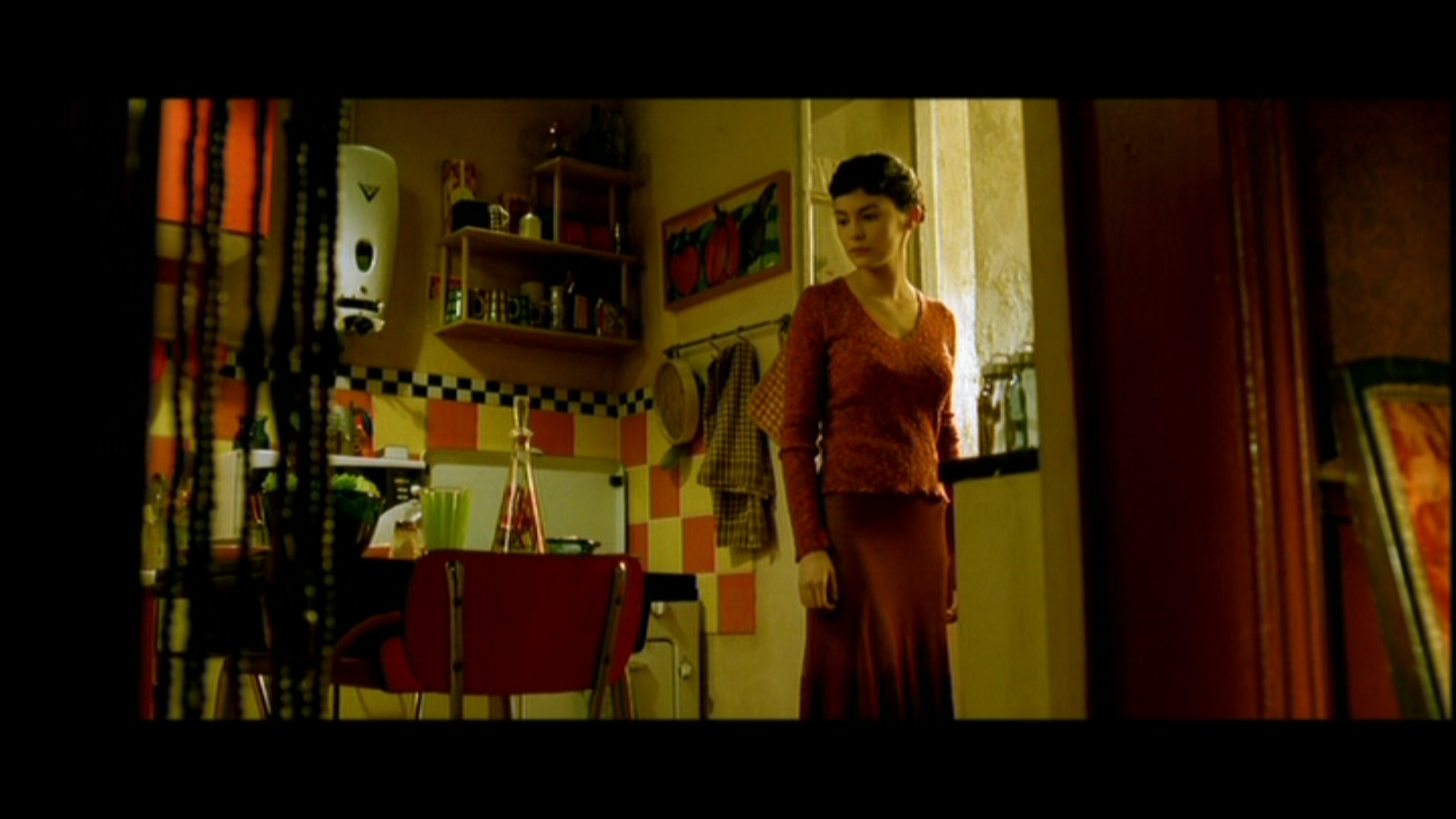
- Tone. Amélie (2001) dresses whole rooms in reds and greens, so the objects carry the color palette.
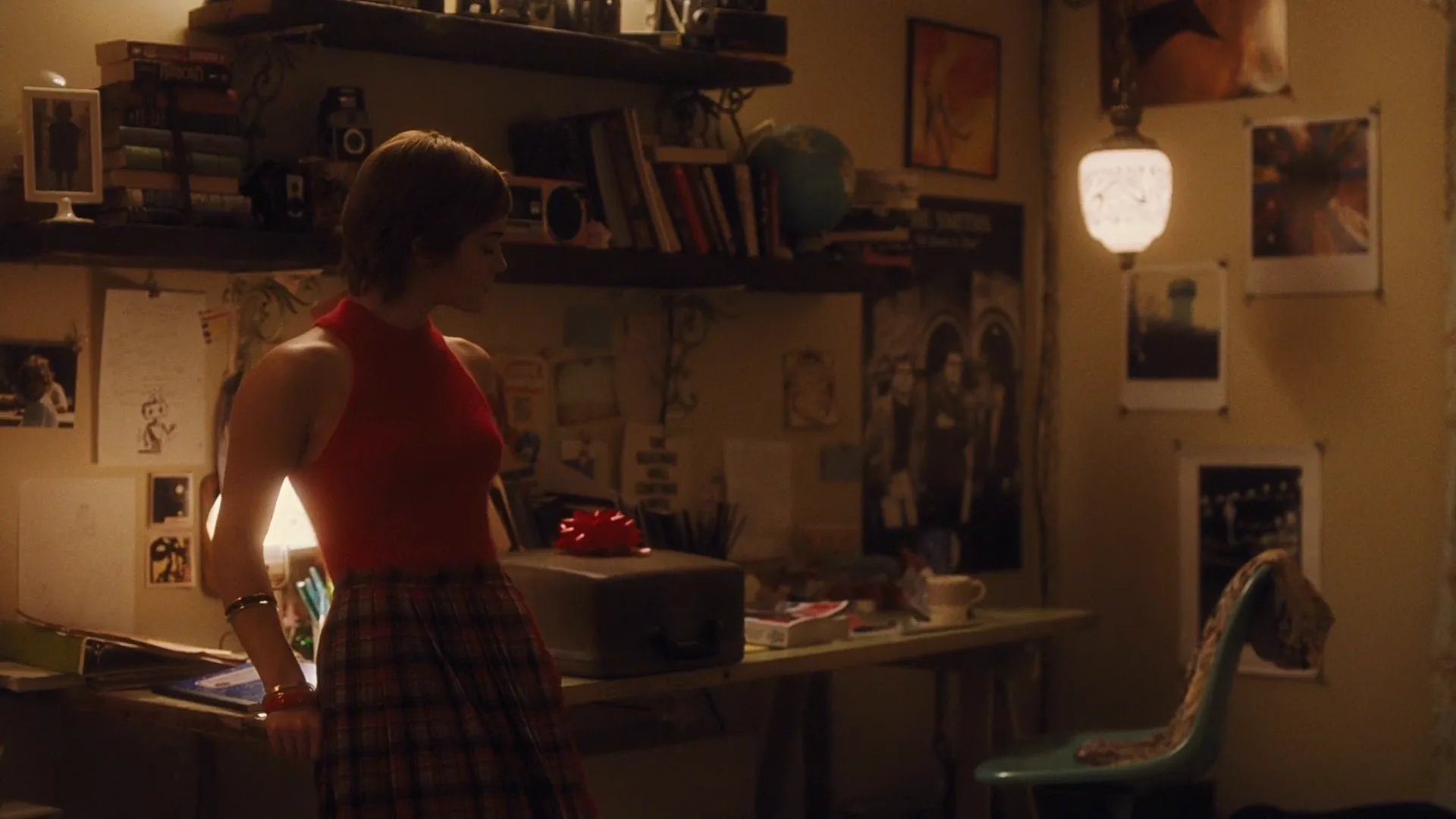
Good dressing is specific: not "a messy bedroom" but the room of a sixteen-year-old who collects vinyl and pins up photo-booth strips.
How to dress a set for the camera
- Dress to the frame. A 24mm wide sees three walls; an 85mm close-up sees one corner. Spend the budget where the camera looks.
- Build layers. A soft foreground object (chair back, plant), the action in the midground, a readable back wall.
- Control density. Keep bright, busy objects out of the area directly behind a face.
- Age everything. Scuff edges, fade fabrics, add water rings and dust, scaled to the character.
- Use lamps as light. Table lamps and sconces double as practical lighting; agree bulb color with the gaffer.
What does a set decorator do?
The set decorator chooses and sources everything that furnishes a set. Working from the script and the production designer's concept, they decide what each character owns and what they would never own, then find it: prop houses, antique dealers, flea markets, rentals and custom builds. The decorator runs the dressing budget and leads the crew, with a leadman managing logistics and a buyer hunting specific pieces.
What does a set dresser do?
Set dressers physically place, adjust and strike the furniture and décor. The swing gang dresses a set before the shooting company arrives and clears it after wrap. The on-set dresser stays with the camera crew: a lamp slides six inches to clear a shoulder, a sofa comes off the wall so a dolly fits. Then they protect continuity with photos after every setup, so the room matches from take to take.
Set dressing vs. props
If an actor handles it, it is a prop; if it only furnishes the space, it is set dressing. A phone on a side table is dressing until a character picks it up and dials. Then props owns it, with duplicates and continuity. The line moves with the blocking, so the two departments share lists.
Set Dressing examples in film
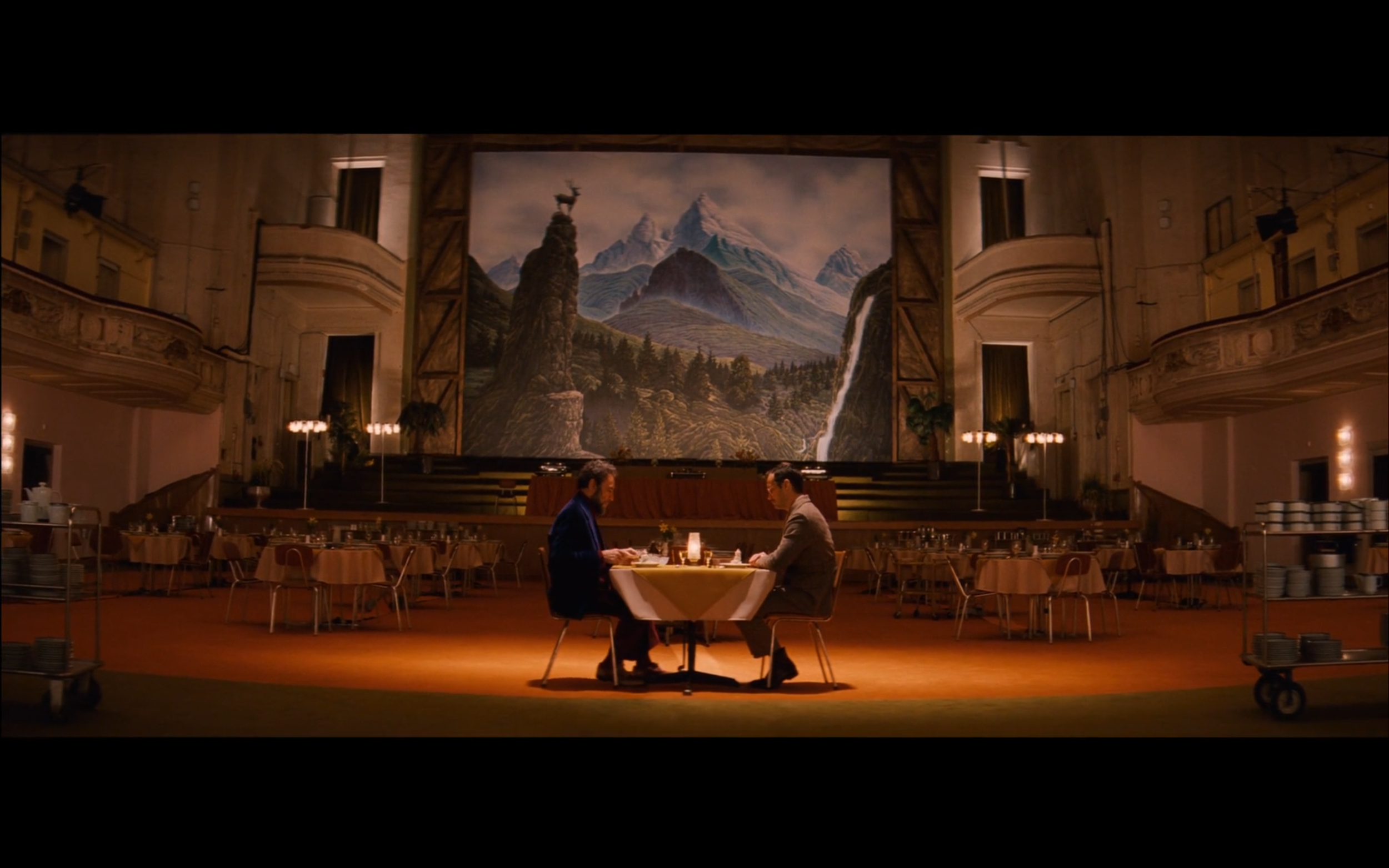
8 framesFrames where the objects tell the story.
How to create a set dressing with AI
4 promptsImage models furnish rooms like a catalog unless you write the dressing like a decorator's list: named objects, their condition, and whose life they belong to. Keep the list and every take on one FlashBoards board so the room stays consistent. The fourth prompt re-shoots a real film shot from a text description alone, and the original plays next to the result so you can compare.
Cinematic wide shot of a cramped, lived-in one-room apartment at dusk. A retired ship's radio operator in his seventies, bald with a white horseshoe beard, heavy black-framed glasses and a mustard hand-knitted cardigan, sits at a small table by the window. Shelves of old shortwave radios with brass dials, yellowed sea charts tied with string, faded floral wallpaper, a chipped enamel teapot and mismatched cups on a checked oilcloth, a red geranium on the sill. Foreground: an armchair back with a folded wool blanket, out of focus. A green-shaded desk lamp glows warm against blue dusk. 28mm lens at seated eye height, deep focus, 35mm film grain.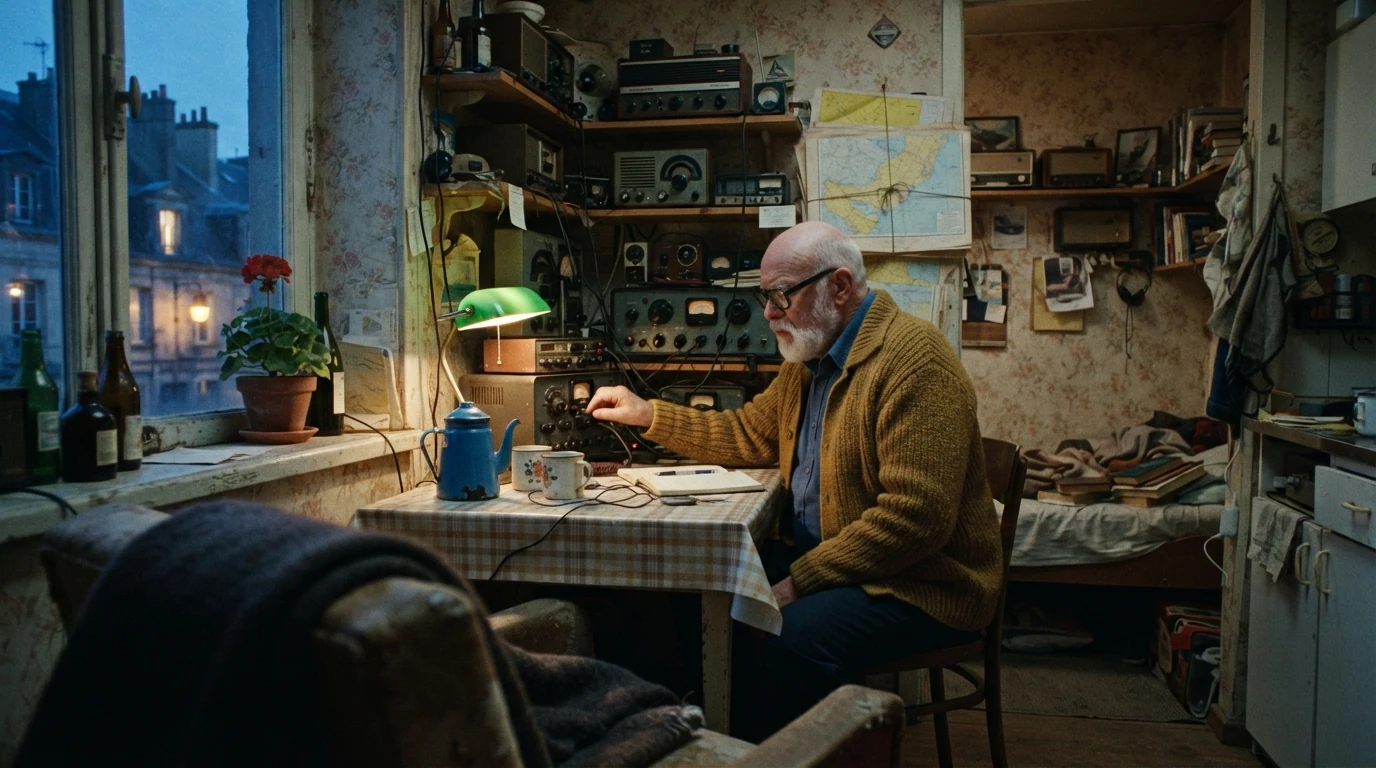
Condition words (yellowed, chipped, faded) stop the catalog look; one theme, the sea and radio, makes clutter read as one man's life; the blurred armchair adds a foreground layer.
Open FlashBoardsWidescreen wide shot of a sparse luxury penthouse at noon. A tall woman in her forties with a sharp gray bob, pale gray eyes and a thin chin scar stands at a floor-to-ceiling window in a cream silk shirt. One long charcoal sofa, a white orchid in a black stone pot, a glass table holding one closed book, a pale gray canvas on a bare white wall, polished concrete floor. Every surface clear. Cool even daylight, 24mm lens, symmetrical framing.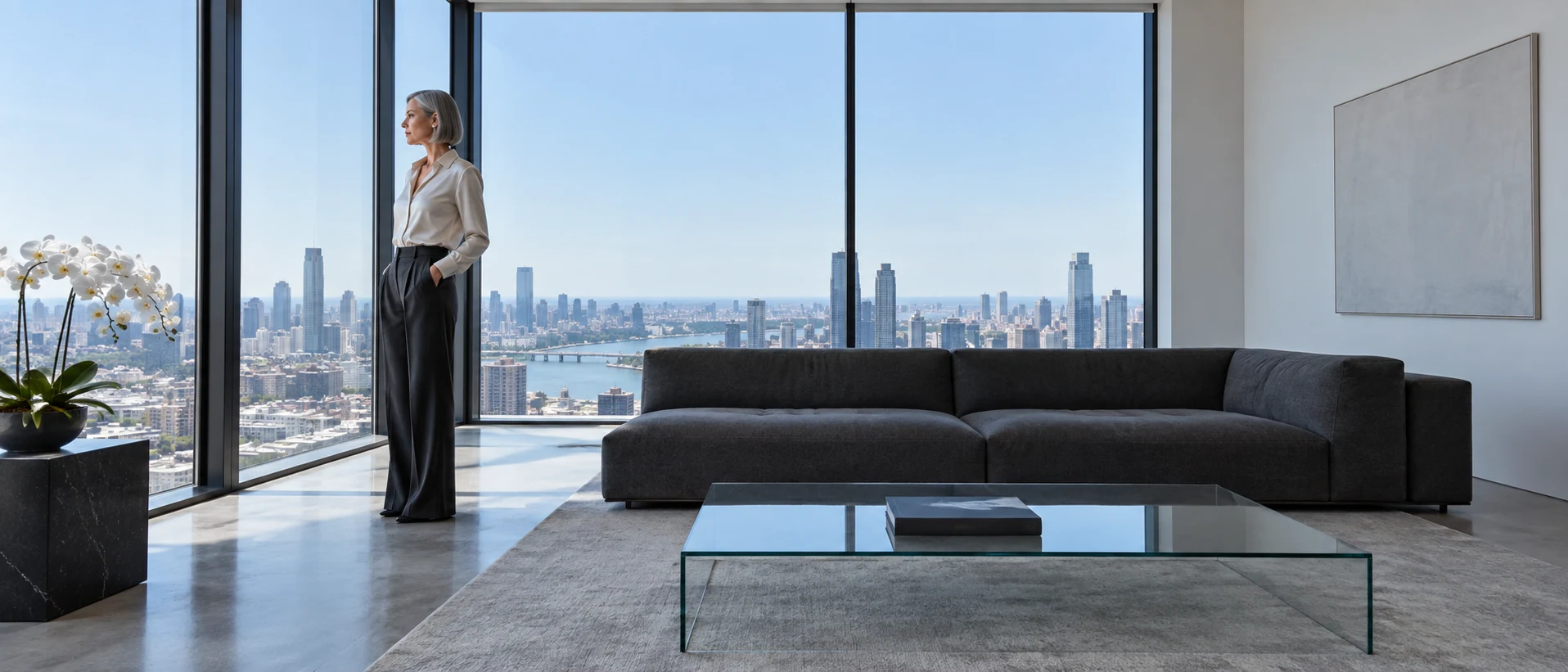
The opposite use: few expensive objects, each named. Next to recipe 1 on the board, it shows how amount and condition alone set class.
Open FlashBoardsCamera: slow, steady sideways dolly to the right at seated eye height, passing the blurred armchair and ending with the old man and the window centered. Action: The old man is already pouring tea from the chipped enamel teapot, steam rising. He sets the teapot on the oilcloth, lifts the cup with both hands and turns to look out at the blue dusk while the shelves of radios slide past behind him.Pouring starts on frame one, so the shot is alive. The sideways move separates the dressing layers, and naming only objects already in frame keeps new ones from appearing.
Open FlashBoards{
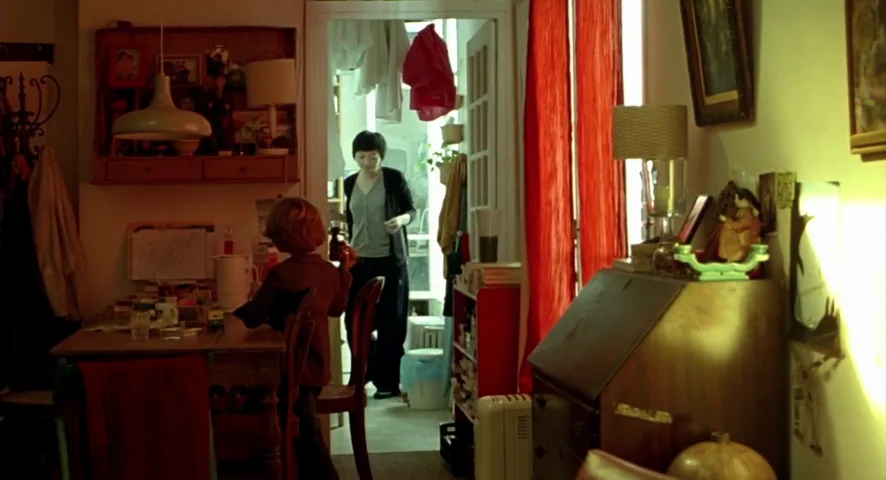
"output": "Full-screen live-action scene from Flight of the Red Balloon (2007) from its very first frame: one continuous shot. Grainy 2000s 35mm film, a cramped, lived-in Paris apartment living room, warm yellow-green tungsten light on the walls and cool white daylight pouring through an open doorway at the back. The room is crowded, accumulated rather than arranged: at frame left a wall-mounted wooden cabinet with small red boxes and a cream conical pendant lamp hanging in front of it, coats on a bentwood coat stand; left of centre a small wooden table cluttered with jars, bottles, papers and a white thermos jug; at centre back the open doorway to a bright white room, a red cloth hanging from the top of its frame; right of it tall vivid orange-red curtains, a cream-shaded table lamp, dark framed paintings on the pale wall; in the right foreground an old wooden slant-top writing desk piled with papers and a lime-green cloth, a small white radiator and a round brass shape in the bottom foreground.",
"characters": {
"S1": {
"role": "young woman",
"look": "slight build, short black bob, gray T-shirt, long open black cardigan, black trousers",
"voice": "silence: she does not speak"
},
"S2": {
"role": "small boy of about seven",
"look": "tousled reddish-brown hair, rust-red jacket",
"voice": "silence: he does not speak"
},
"S3": {
"name": "Marc, played by Hippolyte Girardot",
"look": "never seen: an off-screen man in another room",
"voice": "relaxed male voice heard from off screen, slightly distant"
}
},
"shots": [
{
"shot": 1,
"camera": "standing eye height in the corner of the room, wide lens, deep focus; locked-off for the first half, then a slow, smooth pan left that follows S1 and reveals a white door and a colourful poster on the left wall",
"action": [
"BEGINNING: alive from the first frame, S2 sits on a wooden chair at the small table left of centre, his back three-quarters to the camera, one hand raised to his mouth; far behind him S1 stands inside the bright doorway in profile, facing screen left, busy with something out of sight.",
"THEN: S1 turns toward the camera and walks through the doorway into the room, straight toward the lens, passing just to the right of S2's chair.",
"THEN: S2 slides off his chair and stands beside the table, turning to face S1 and looking up at her; S1 stops beside him on his right and glances off to screen right.",
"THEN: the camera begins its slow pan left; S1 looks down, both hands loose at her waist, while S2 stays still by the chair.",
"THEN: S1 steps to screen left across the front of the table, her arm on the table side swinging out low toward the cluttered tabletop.",
"END: S1 passes close to the lens at frame left, soft and blurred, while S2 stands by his chair at the table and the white door and poster settle at the left edge of the frame."
],
"dialogue": [
{
"speaker": "S3",
"on_screen": false,
"when": "at the very end, as S1 passes the lens, never before",
"delivery": "casual, agreeing, cut short",
"line": "<d>[French] Ah oui ? D'accord.</d>"
}
]
}
],
"sound": {
"ambience": "quiet apartment room tone, S1's footsteps on the wooden floor, a chair scraping as S2 gets up, faint Paris street hum heard from outside",
"speech": "exactly these spoken phrases, each said once, in this order",
"never_spoken": "no narration and no voice-over: the descriptions, performance notes and step words of this prompt are never spoken aloud",
"music": "a film score under the scene, always below the voices: a soft, unhurried solo piano with a light, wistful melody",
"subtitles": "none"
}
}This remakes the long take from Flight of the Red Balloon (2007) where a young woman comes in from a bright doorway past a boy at his table; the prompt carries over the listed dressing, the doorway light, the pan left and the film's off-screen line.
The output line is a decorator's inventory of the room, object by object and wall by wall, so the model rebuilds the same accumulated clutter instead of a clean catalog set. The action keeps the original's beats: the woman crossing from the bright doorway, the boy rising from the table and the slow pan left, with the film's one off-screen line.
Common mistakes
- Showroom rooms. Add condition words to objects: worn, faded, chipped, stained.
- Random clutter. Give it an owner and a theme, and list five to eight specific objects.
- Busy backgrounds. In close-ups ask for dressing soft and out of focus behind the face.
- Gibberish text. Keep book spines and posters faded or in the blurred background.
- Morphing objects. In video, keep camera moves slow and short.
Keep the reference frames, prompts and every generated take side by side — images and video in one canvas.
FAQ
4 questionsWhat is set dressing in film?
Set dressing is everything that furnishes a film set without being handled by the actors: furniture, curtains, lamps, rugs, books, art and everyday clutter. The set is the built or chosen space; the dressing fills it, making the space feel lived-in and telling the audience about the people there, their era, money and state of mind.
What is the difference between set dressing and props?
A prop is any object an actor handles or uses, like a phone they answer or a letter they read. Set dressing only furnishes the space. An object can switch: a phone on a table is dressing until a character picks it up, then it becomes a prop, with duplicates and continuity tracked by the props department.
Is set dressing the same as set design?
No. Set design plans and builds the space itself: walls, floors, doors, windows, architecture and scale. Set dressing is what goes inside once the space exists. A set designer draws the room; the set decorator and set dressers furnish it. Both work under the production designer toward one look.
What is the difference between a set decorator and a set dresser?
The set decorator heads the department: they decide what furnishes each set, source it from rentals, shops and custom builds, and manage the dressing budget. Set dressers do the physical work: placing furniture and décor, adjusting it for each camera setup, keeping it matched between takes, and striking it at wrap.
Related terms
3- Movie PropProduction Design
A prop is any movable object an actor handles or uses on screen — a gun, a letter, a cup, a sled — as opposed to set dressing, which only furnishes the space.
- Set DesignProduction Design
Set design is the planning and construction of the physical spaces a scene is shot in — from a single room built on a stage to an entire street — so that architecture, scale and texture express the story.
- Mise-en-ScèneFilm History & Theory
Mise-en-scène is everything placed and arranged in front of the camera — setting, props, costume, makeup, lighting, and the actors' positions and movement — and how it is composed in the frame to create meaning.
Further reading
Vincent LoBrutto, The Filmmaker's Guide to Production Design (Allworth Press, 2002).