 FlashBoards Learn
- Learn
- Storytelling
- Anti-Hero
Storytelling · Film language
Anti-Hero
Also called: antihero
An anti-hero is a protagonist who lacks the usual heroic virtues: selfish, cynical, violent or morally compromised, yet still the person the story follows and the audience watches closely. The pull comes from contradiction: we understand what they want, sometimes admire how they get it, and dread what it will cost.
- What it does
- Keeps the audience inside the point of view of someone they would not trust in real life, which turns every scene into a moral test for the viewer.
- Use it when
- The story is about temptation, compromise or a broken system, and a clean hero would make the film feel dishonest.
- Watch out
- Without a clear want, a code or a wound, an anti-hero reads as an unpleasant person the camera happens to follow.
- Try this prompt
Medium close-up at night, a gaunt man with a shaved head and broken nose counting cash in a parked car, a child's pink backpack on the seat beside him, sodium light
What is an anti-hero?
Every story has a protagonist: the character whose goal drives the plot. An anti-hero is built to make admiration difficult: they lie, steal, hurt people or simply don't care, and the story still hands them the camera.
Most anti-heroes share a few traits:
- Self-interest first. Money, pride, revenge or survival; they do right only when it lines up with that.
- A private code. Rules they keep even when nobody would punish them. The code separates them from a villain.
- A wound or grievance that explains the anger without excusing it.
- Competence. Audiences forgive a lot in someone very good at something.
It is one of the recurring character archetypes of storytelling, descended from the brooding Byronic hero and the hard-boiled detective.
What are the types of anti-heroes?
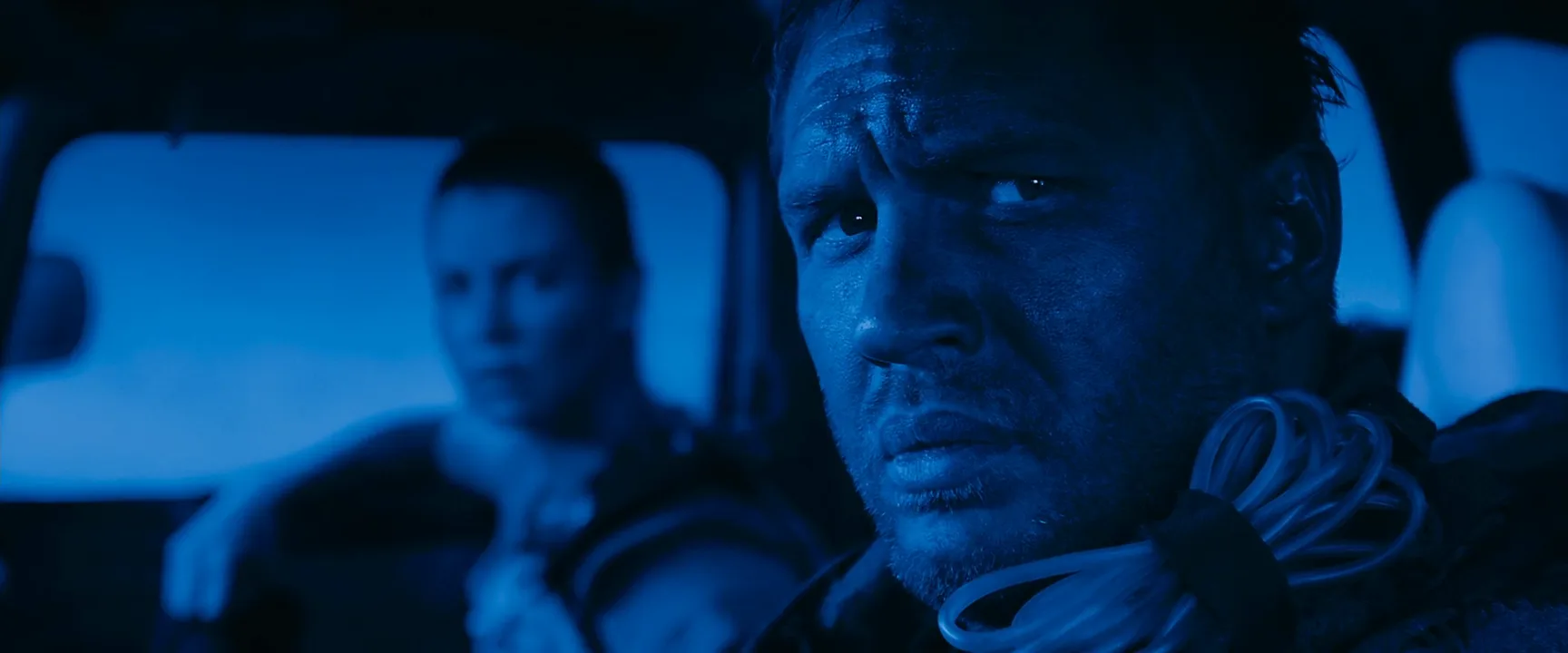
- Reluctant. Wants to be left alone and gets dragged into doing good. Max in Mad Max: Fury Road (2015) helps because escape requires it.
- Pragmatic. Believes in a goal and accepts dirty methods: the vigilante, the cop who breaks the rules.
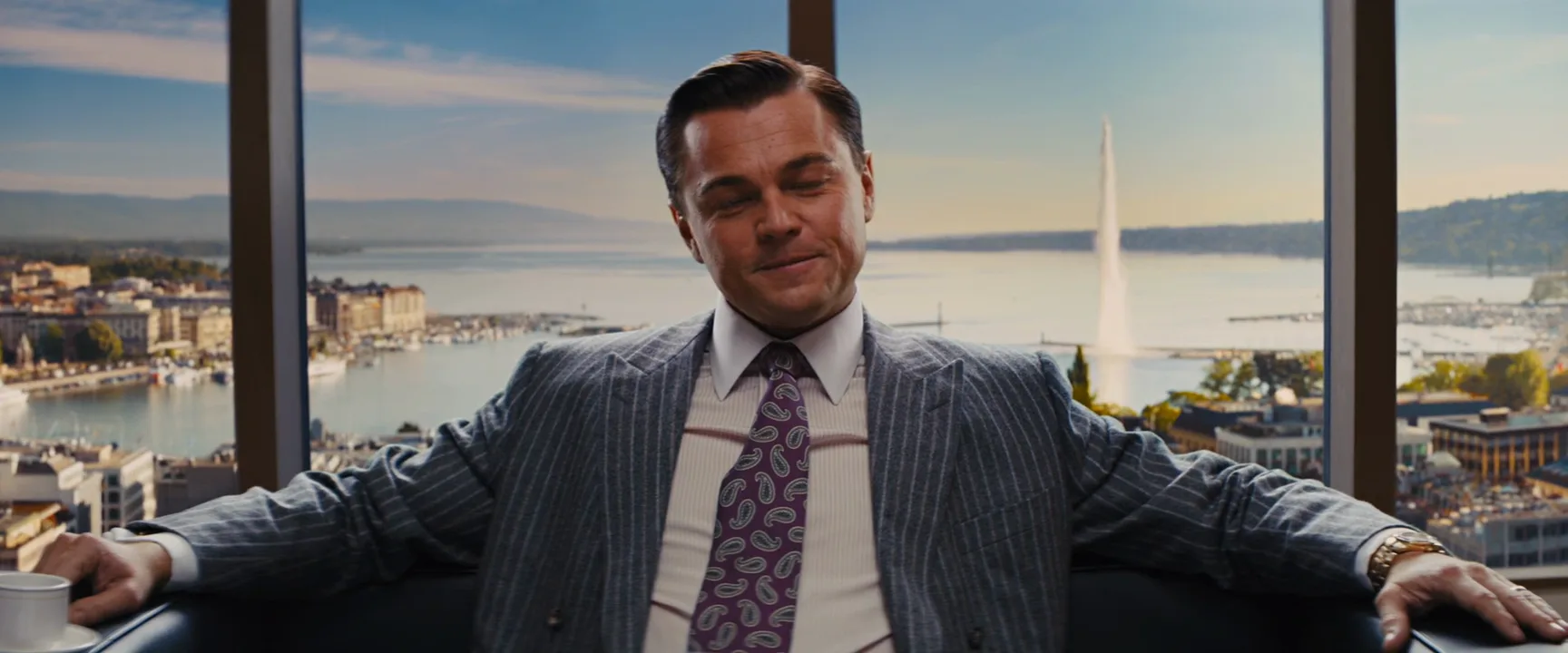
- Unscrupulous. Works for themselves. Jordan Belfort in The Wolf of Wall Street (2013) and Walter White in Breaking Bad are charming and greedy.
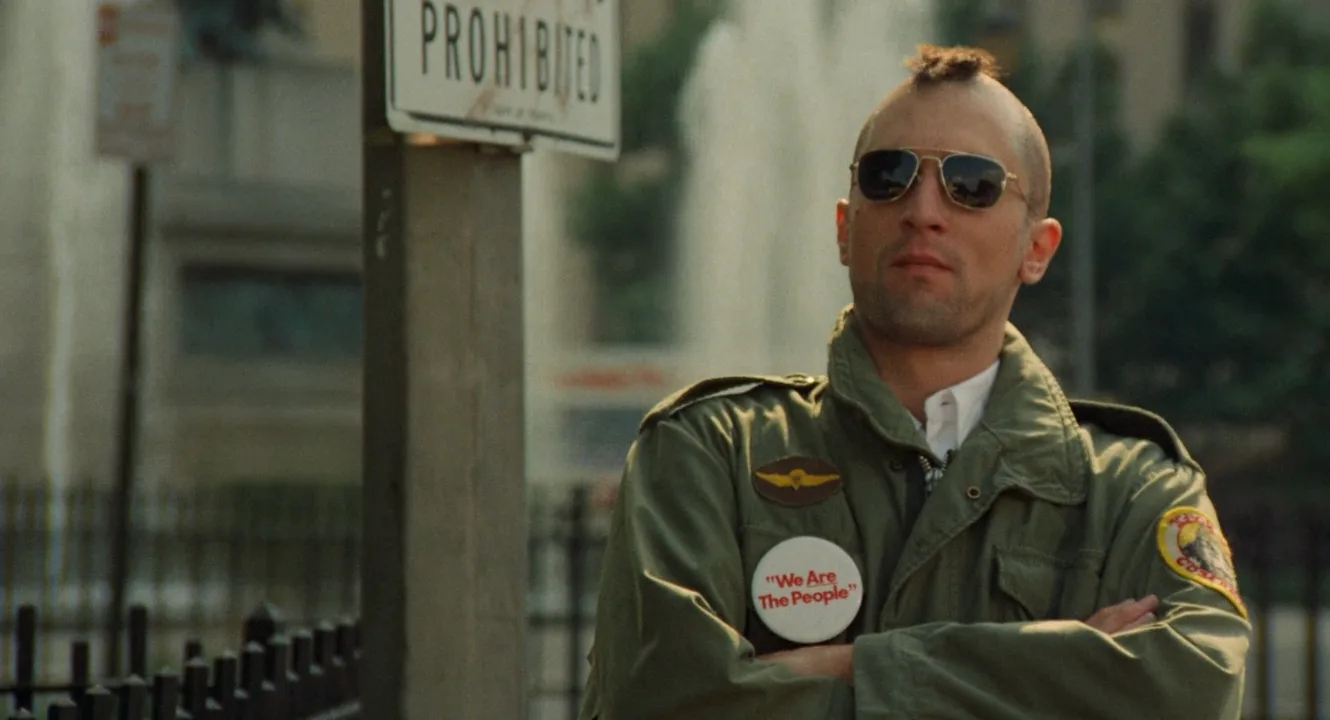
- Dark. Barely separable from a villain. Travis Bickle in Taxi Driver (1976) and Patrick Bateman in American Psycho (2000) are shown from inside, which makes them frightening.
A fall from a height through one fatal flaw is a different shape, the tragic hero. Michael Corleone in The Godfather (1972) starts there and ends close to a dark anti-hero; that slide is his character arc.
Why do audiences root for anti-heroes?
Sympathy for a bad person is built deliberately:
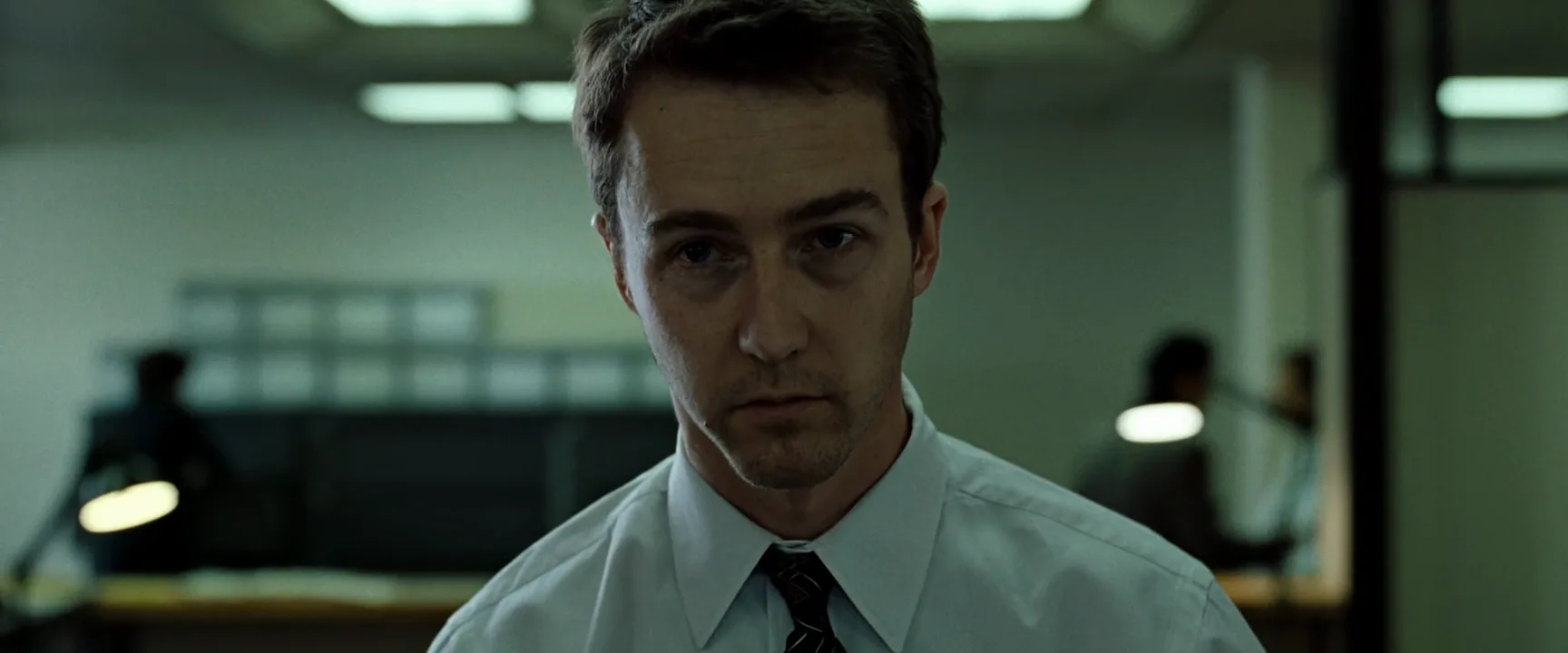
- Point of view. We learn what they learn. Voice-over deepens it: Travis's diary, Bateman's flat narration, the narrator of Fight Club (1999). That is why anti-heroes often double as the unreliable narrator.
- A worse world. Surround them with people who are crueler or more hypocritical.
- Private vulnerability. Tony Soprano's panic attacks and therapy sessions show fear under the menace.
- Complicity through pleasure. Belfort talks straight to the camera and makes excess look like fun.
- The code. One line they won't cross earns more loyalty than ten good deeds.
How to show an anti-hero on screen
An anti-hero lives in contradictions you can photograph:
- Eye-level close framing. Medium close-ups keep us level with the character, never looking up at a poster hero.
- Low-key light. Hard side light that leaves half the face in shadow says "two sides" without dialogue.
- One contradictory prop. A child's drawing on the dashboard of a getaway car.
- Costume that marks the change. Travis's mohawk, Walter White's black hat.
In FlashBoards, keep anti-hero reference frames, lighting and costume notes on one board and generate your character's key frames beside them, so the team sees the same person before the shoot.
Anti-hero vs. villain vs. anti-villain
All three do bad things; the difference is their role and what they want.
| | Role | Goal | Methods | |---|---|---|---| | Anti-hero | Protagonist | Often selfish | Bad, limited by a code | | Villain | Antagonist | Harmful | Whatever works | | Anti-villain | Antagonist | Noble or understandable | Wrong or brutal |
Point of view often decides the label: tell the story from the other side, and the villain becomes an anti-hero.
Anti-Hero examples in film
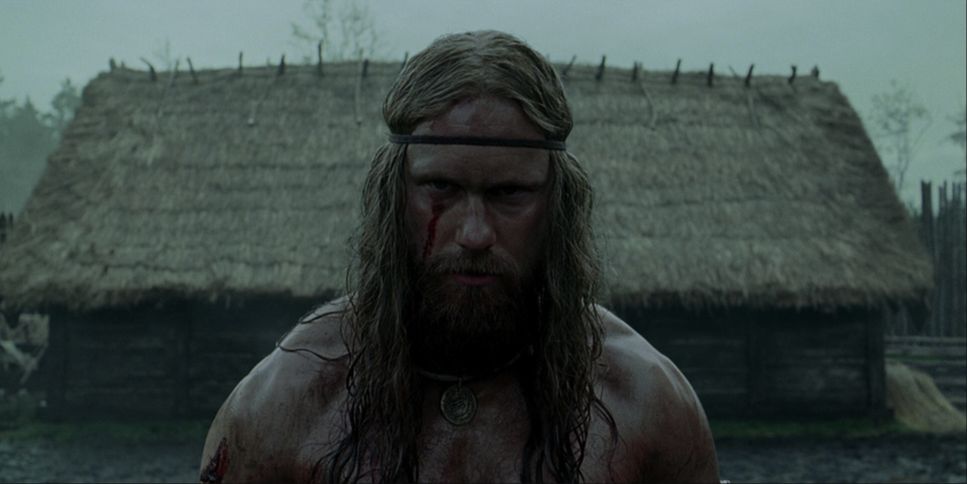
5 framesAnti-heroes are usually introduced in plain, close framings. Costume, posture and setting carry the contradiction.
How to create a anti-hero with AI
4 promptsAn anti-hero reads in one frame when the image holds a contradiction: a threatening person beside a detail that makes them human. Nano Banana 2 Lite builds the introduction frame, GPT Image 2.5 tries a second anti-hero, and MiniMax H3 Max Turbo turns the first frame into a small moral choice. Keep all three on one FlashBoards board next to your references. The fourth prompt re-shoots a real film shot from a text description alone, and the original plays next to the result so you can compare.
Medium close-up at eye level through the open driver's window of an old sedan in an empty parking lot at night. A gaunt man in his fifties with a shaved head, a crooked broken nose, gray stubble and a scar through his left eyebrow, in a worn brown leather jacket, counts a thick stack of banknotes. On the passenger seat, a small pink child's backpack. Hard orange sodium light from above, half his face in shadow, 40mm lens, gritty 35mm film still.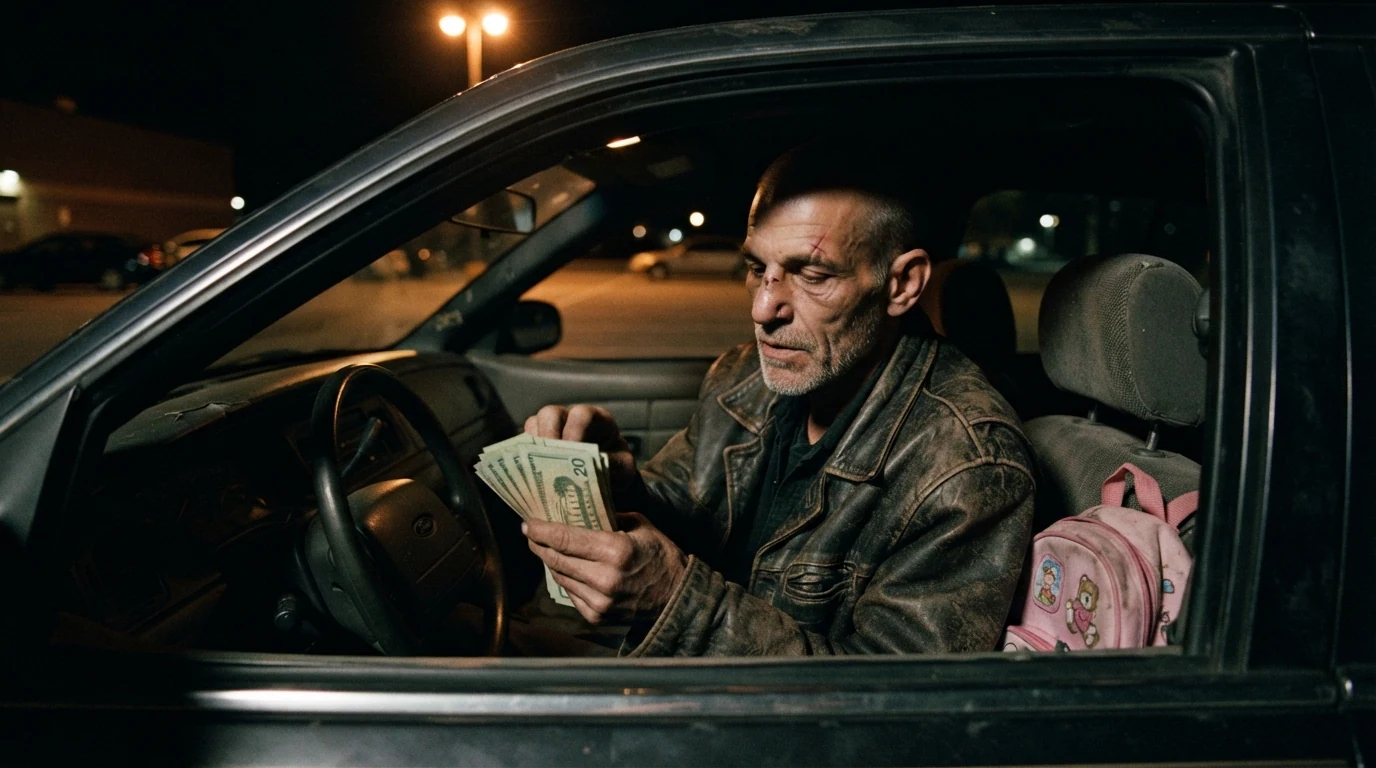
The contradiction does the work: banknotes next to a small pink child's backpack. Half his face in shadow gives low-key ambiguity, and eye level keeps him off the heroic pedestal.
Open FlashBoardsWide 21:9 shot of a late-night laundromat under green-white fluorescent tubes. A wiry woman in her forties with a short silver undercut, a swallow tattoo on her neck and a split lip sits on a plastic chair, a baseball bat across her knees, calmly folding a small child's sweater. Behind her, a frightened man in a white shirt presses against the dryers. Eye level, 35mm lens, film still.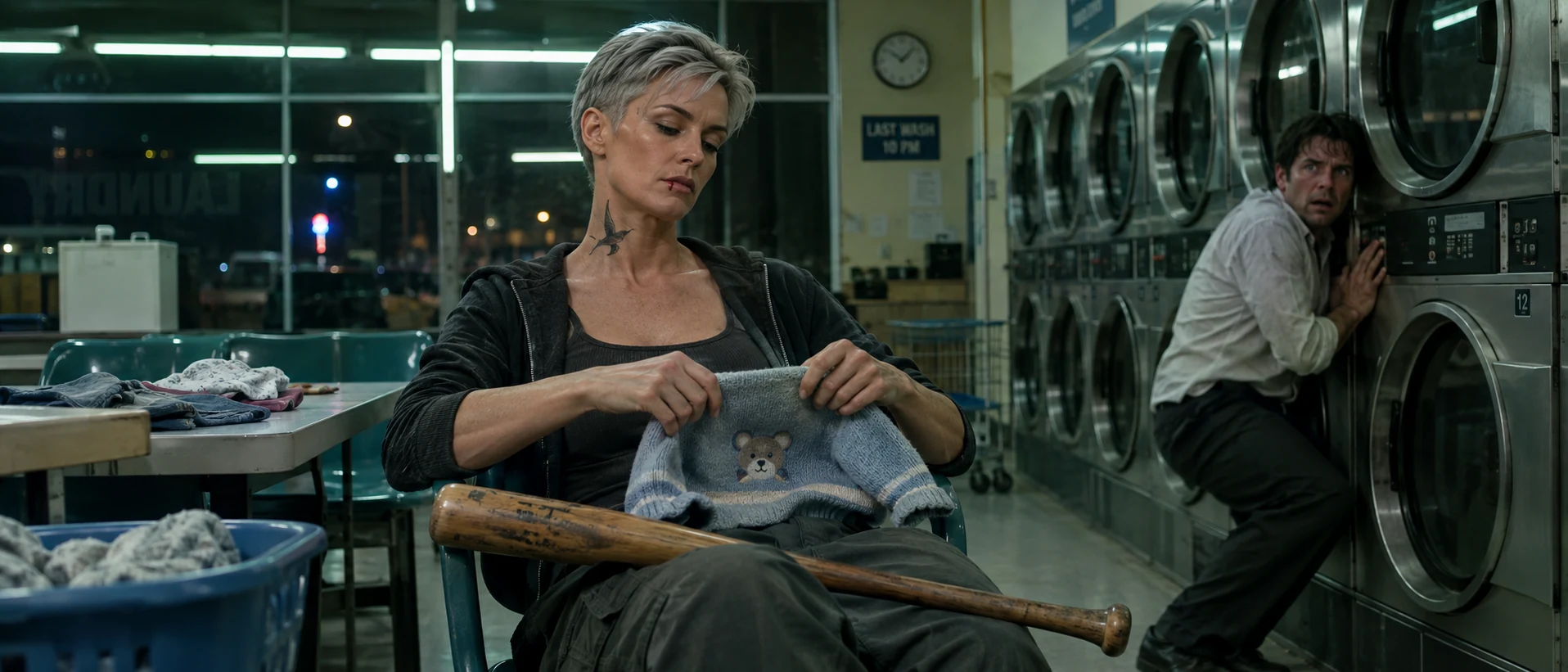
Same logic, new subject: bat across her knees and folding a child's sweater put menace and care in one image; the frightened man tells us she is the threat.
Open FlashBoardsCamera: a slow, steady push-in through the open driver's window, from medium close-up to close-up on the man's face. Action: The man is already flicking through the banknotes with his thumb. He stops and glances at the pink backpack. He peels off a few notes, pushes them into the backpack's front pocket and tosses the rest onto the dashboard.Already flicking keeps the shot alive from the first frame, and the action shows the code: the child gets paid first. Only objects from recipe 1 are named, so nothing new gets drawn.
Open FlashBoards{
"output": "Full-screen live-action scene from Taxi Driver (1976), from its very first frame: one single continuous shot. Grainy 1970s 35mm color film, a hot overcast summer afternoon at an outdoor political rally in a Manhattan plaza, soft flat daylight, olive, khaki and stone-gray palette, a tall white fountain spraying and a black iron railing softly out of focus behind him.",
"characters": {
"S1": {
"name": "Travis Bickle, played by Robert De Niro",
"look": "lean man about thirty, head shaved at the sides with a short reddish-brown mohawk strip, gold-rimmed aviator sunglasses with dark lenses, faded olive-green army field jacket over a white collared shirt, a winged pilot patch and a round white campaign button on the chest, a yellow unit patch on the shoulder",
"voice": "silent in this shot"
}
},
"shots": [
{
"shot": 1,
"camera": "locked-off static camera, eye level, long lens with a soft background, medium close-up of S1 from mid-chest up, S1 right of center, his head turned slightly toward frame left where the stage is; a gray wooden post with a small white metal street sign at the top stands at frame left; the framing stays exactly the same to the end",
"action": [
"BEGINNING: alive from the first frame, S1 stands with his arms folded tight across his chest, chin raised, staring through his sunglasses toward the stage off frame left, face blank and still.",
"THEN: the corners of his mouth rise slowly into a thin, tight, knowing smile while his arms stay folded and his body stays rigid.",
"END: he unfolds his arms and claps his hands together in front of his chest, over and over, with the same fixed smile, head still turned toward the stage."
],
"voice": "silence: nobody speaks in this shot, no voice at all",
"dialogue": []
}
],
"sound": {
"ambience": "murmur of a large outdoor crowd, the fountain splashing, city traffic heard from far away, then his own hand claps",
"speech": "no words in this video; the only human sounds are breaths and movement",
"never_spoken": "no narration and no voice-over: the descriptions, performance notes and step words of this prompt are never spoken aloud",
"music": "a film score under the scene, always below the voices: a low, brooding saxophone over dark muted brass with a slow drum pulse",
"subtitles": "none"
}
}Remakes Travis Bickle at the rally from Taxi Driver (1976), dir. Martin Scorsese: the mohawk, aviators and army jacket, the folded arms, the slow smile and the applause, in a silent locked-off close shot as in the original.
The contradiction sits in the action phases: arms folded tight and a blank stare, then a thin, tight, knowing smile, then applause with the same fixed smile. A locked-off eye-level frame keeps him ordinary, so the menace comes from the man, not the camera.
Common mistakes
- Models make anti-heroes handsome and heroic: add unglamorous features (broken nose, split lip) and keep the camera at eye level.
- Menace drifts into cartoon villainy. Ask for calm, ordinary behavior and let the prop carry the threat.
- Even light flattens ambiguity: name one hard source and which half of the face is in shadow.
Keep the reference frames, prompts and every generated take side by side — images and video in one canvas.
FAQ
4 questionsWhat is an anti-hero in simple terms?
An anti-hero is the main character of a story who doesn't behave like a hero: selfish, violent, dishonest or cynical. The story is still told through them, and the audience often roots for them. Travis Bickle in Taxi Driver and Walter White in Breaking Bad are classic examples.
What is the difference between an antihero and a villain?
An antihero is a protagonist: the story follows them, and they usually keep a personal code. A villain is an antagonist, working against the protagonist and willing to do whatever it takes. Whose side the camera takes, and whether the character has limits, decides how a bad act reads.
What are some famous anti-hero examples in film?
Often cited film anti-heroes include Travis Bickle (Taxi Driver, 1976), Michael Corleone (The Godfather, 1972), the narrator of Fight Club (1999), Patrick Bateman (American Psycho, 2000) and Jordan Belfort (The Wolf of Wall Street, 2013). On TV, Tony Soprano and Walter White defined the modern anti-hero drama.
How do you write a likable anti-hero?
Give them a clear want, a personal code, a wound that explains their anger and real competence. Surround them with worse people and show a private moment of vulnerability early. Let the audience enjoy their skill, but make each bad choice cost something.
Related terms
3- VillainStorytelling
A villain is an antagonist driven by malicious goals or methods; the memorable ones believe they're right, want something concrete and test exactly the protagonist's weakness.
- ProtagonistStorytelling
The protagonist is the main character whose goal drives the story and whose choices the audience follows; they don't have to be good, just central.
- Character ArchetypeStorytelling
A character archetype is a recurring role that audiences recognize across cultures — the mentor, the trickster, the shadow, the herald — which writers adapt rather than copy.
Further reading
Robert McKee, Story (1997). Brett Martin, Difficult Men: Behind the Scenes of a Creative Revolution (2013).