 FlashBoards Learn
- Learn
- Storytelling
- Unreliable Narrator
Storytelling · Film language
Unreliable Narrator
Also called: unreliable narration
An unreliable narrator is a storyteller whose account the audience can't fully trust: they lie, misremember, misread events or hide what they did. In film it is usually a voice-over or a point-of-view protagonist, and the effect lands when the picture and the narrator's story stop matching, forcing the viewer to rebuild what really happened.
- What it does
- Makes the audience trust a version of events, then shows the gap between that version and the truth.
- Use it when
- The story is about memory, self-deception, guilt or manipulation, and the viewer's own misreading is part of the point.
- Watch out
- Cheating: a reveal that contradicts what the camera showed as objective fact, with no clues planted along the way.
- Try this prompt
Warm golden birthday dinner, a bearded man laughing with raised glass among friends, his right hand wrapped in a fresh white bandage, 35mm film still
What is an unreliable narrator?
An unreliable narrator is the person telling the story when that person's version can't be taken at face value. The term comes from literary criticism, where Wayne C. Booth used it for narrators whose values or facts part ways with the story the author is really telling. The reader learns to read past the narrator.
Film has a harder job. On the page, everything comes through the narrator's words. On screen, the camera shows things, and audiences instinctively treat what the camera shows as true. So a film narrator becomes unreliable in one of three ways:
- The words lie over the picture. A voice-over tells us one thing while the images, eventually, tell us another. In Badlands (1973), Holly narrates a killing spree in the dreamy tone of a teen magazine, and the gap between her voice and what we see is the whole film.
- The picture itself lies. The film illustrates the narrator's version as if it were fact. Alfred Hitchcock's Stage Fright (1950) opens with a flashback told by a man who turns out to be lying, and audiences at the time felt cheated precisely because the images had seemed objective.
- The camera is locked to a mind that is wrong. Nothing is narrated aloud, but the film shows only what one character perceives, and that perception is broken — Memento (2000), A Beautiful Mind (2001), Shutter Island (2010).
The key point: an unreliable narrator is not vague or uncertain. They are usually vivid and persuasive; their account is simply false, partial or distorted, and the film eventually lets you see it.
Types of unreliable narrators in film
Screenwriters and critics group unreliable narrators by why the account is wrong. The reason shapes how the reveal should feel.
The liar
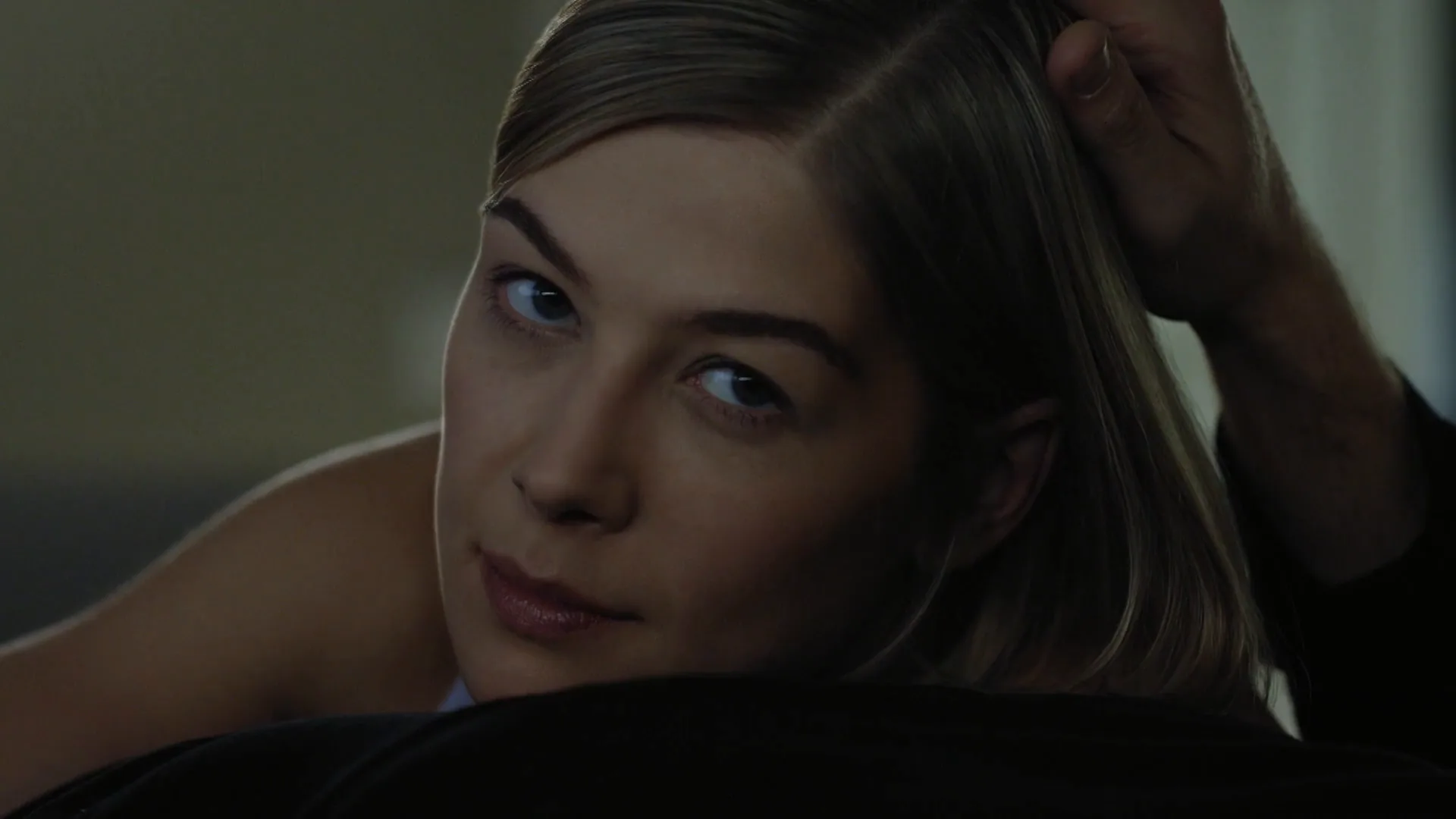
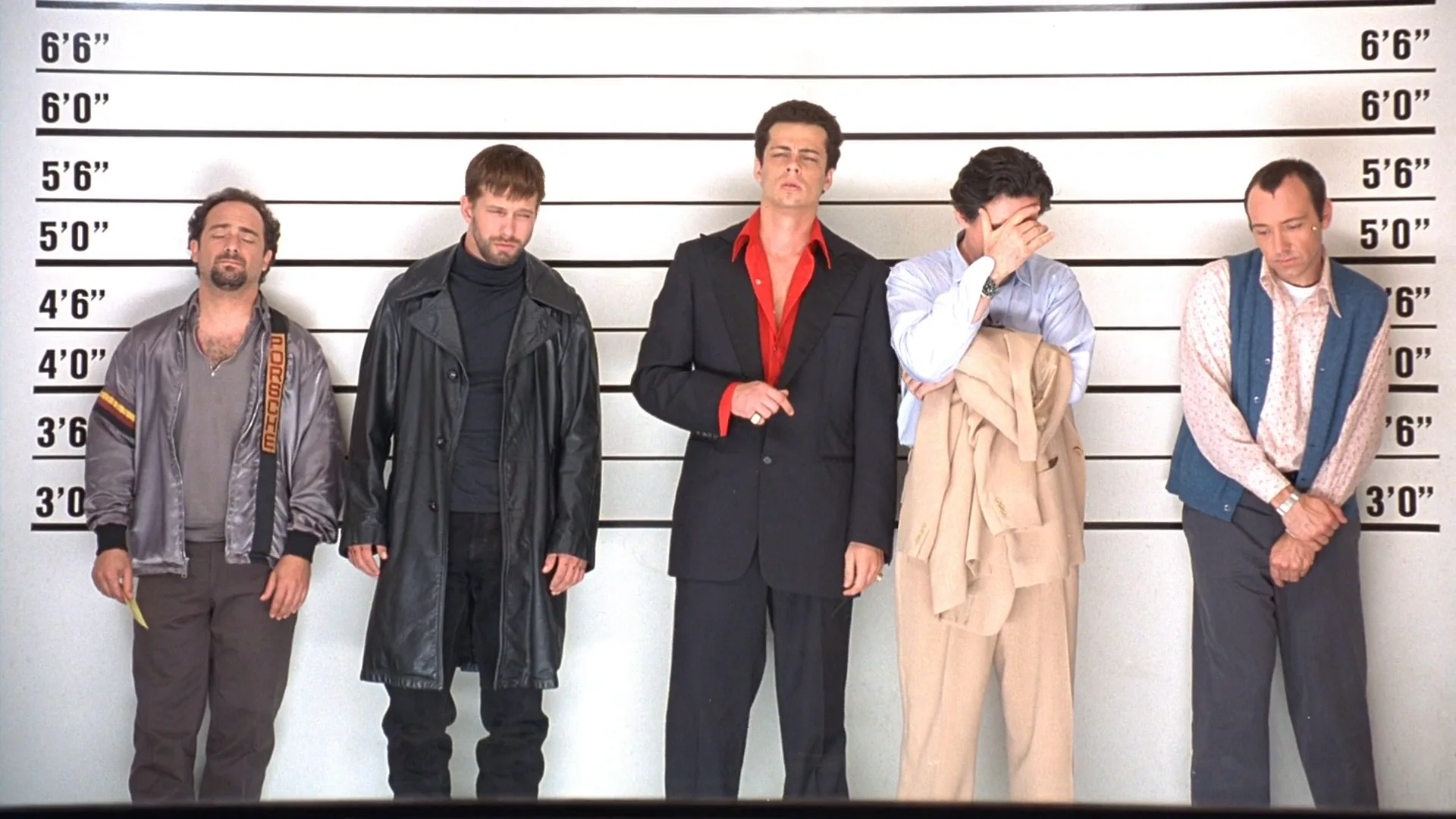
The narrator knows the truth and deliberately misleads. In The Usual Suspects (1995), Verbal Kint spins the whole plot for a customs agent, and the final minutes show that names and details were improvised from objects in the room. In Gone Girl (2014), Amy's diary entries, read in voice-over, build a case against her husband until the midpoint reveals the diary was written as evidence. The liar's reveal plays as a con: the audience was the mark.
The deluded or split narrator
The narrator believes what they tell us, but their perception is broken. In Fight Club (1999), the narrator's friend Tyler turns out to be another side of himself; Joker (2019) replays Arthur's romance with his neighbor with Arthur alone. This reveal plays as tragedy, not a trick.
The narrator with broken memory
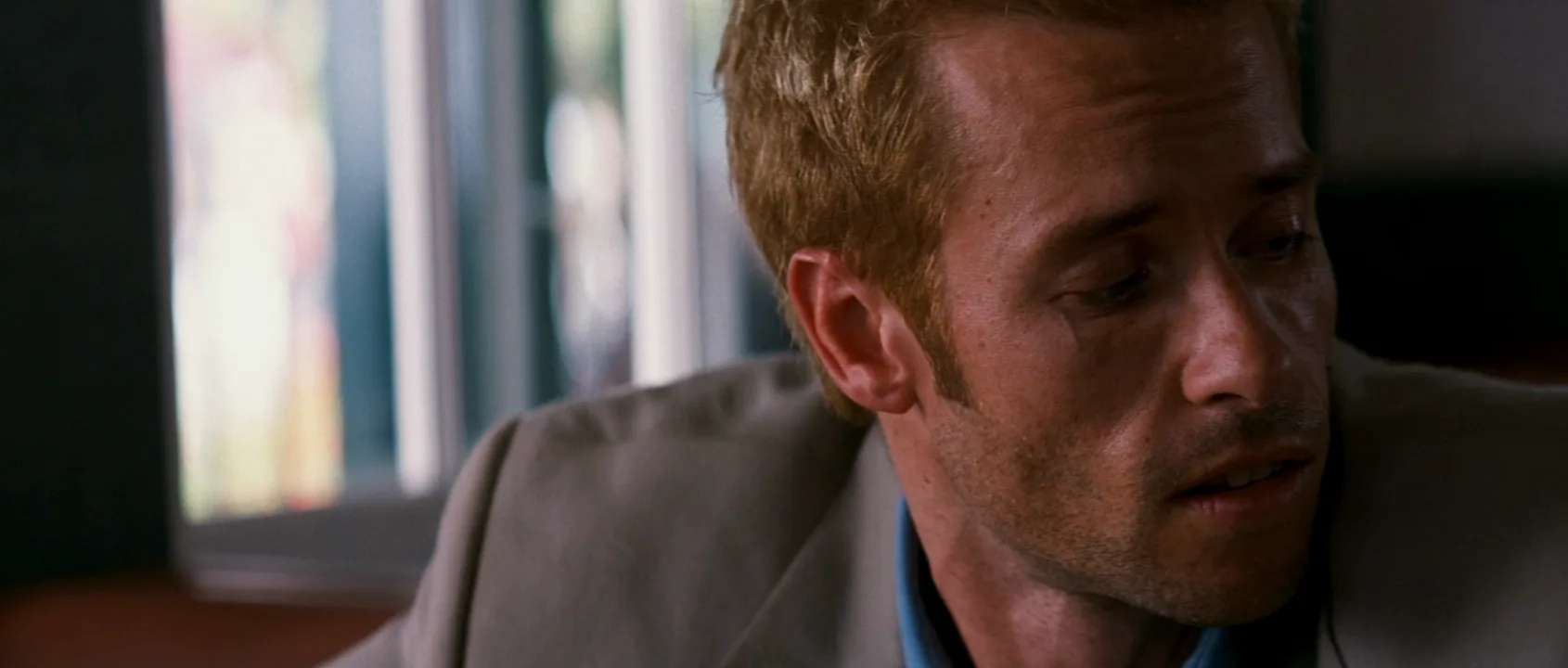
Leonard in Memento can't form new memories, so he runs his life on notes, Polaroids and tattoos, and the film's nonlinear structure puts the viewer in the same condition: he can be lied to, and can lie to himself and forget it.
The self-serving or biased narrator
Not quite lying, but shading the story in their own favor. Akira Kurosawa's Rashomon (1950) gives four incompatible accounts of the same killing, each flattering the teller. I, Tonya (2017) updates the idea with interview-style testimonies that contradict each other on camera.
The seductive narrator
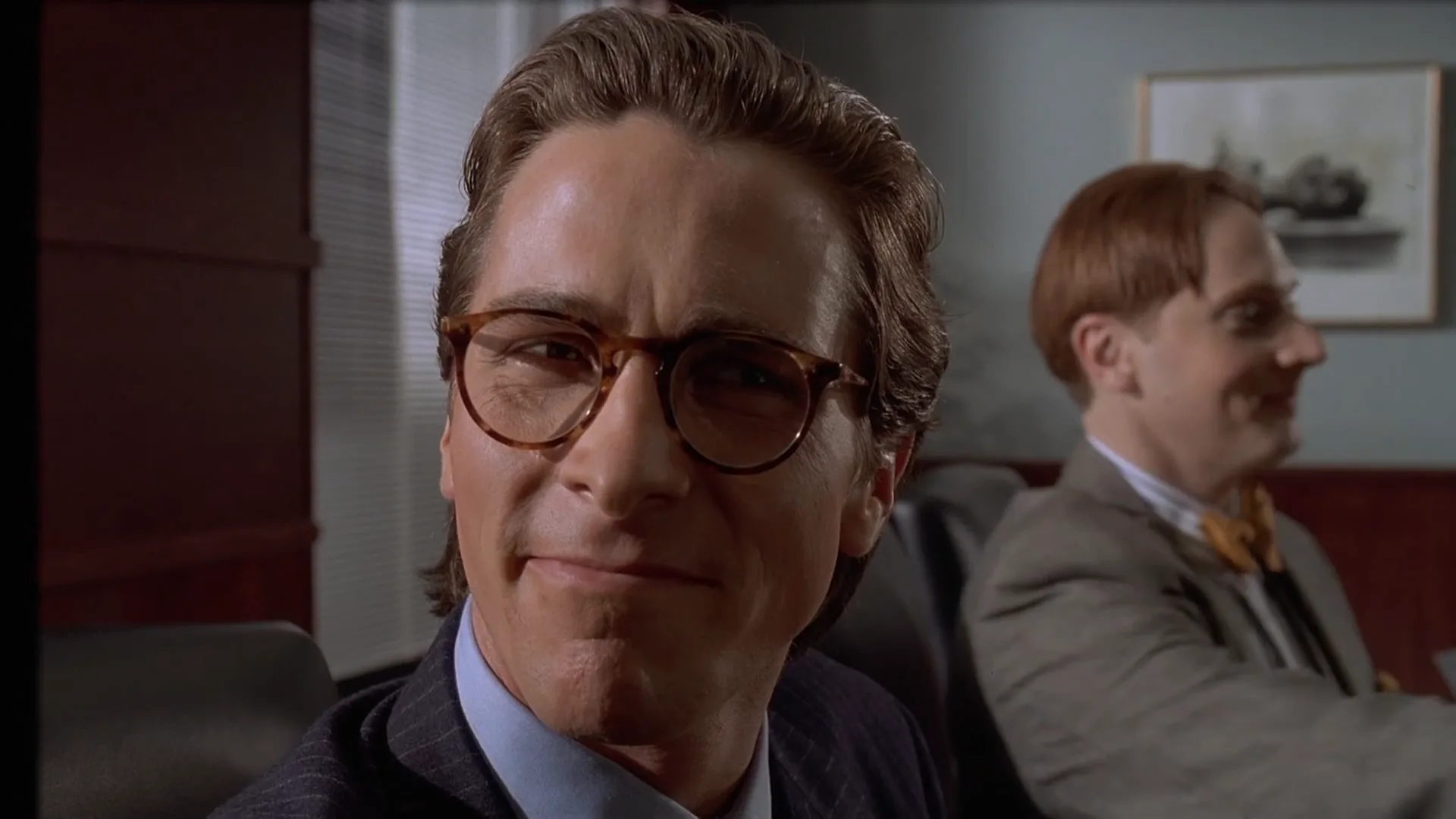
The charm is the trap. Alex in A Clockwork Orange (1971) addresses the audience as his friends, and his confiding voice pulls the viewer onto the side of a violent anti-hero. Patrick Bateman in American Psycho (2000) narrates his routines and his crimes with the same flat precision, and the ending leaves open how much of it happened.
The author-narrator
The narrator is shaping the story on purpose, as a story. In Atonement (2007), the final scene reveals that the lovers' reunion we watched was written by Briony as an act of penance. Life of Pi (2012) offers a second, darker version of the shipwreck and asks which one you prefer.
Why do filmmakers use an unreliable narrator?
To make the audience complicit. A trusted narrator borrows your belief. When the truth comes out, you don't just learn a fact about the character; you learn something about how easily you were led. Gone Girl works this way: by the midpoint, the viewer has already convicted the husband.
To externalize a mind. Guilt, denial and trauma are hard to photograph; an unreliable narrator lets the structure carry them. In Shutter Island, the viewer's disorientation is the character's condition.
To create irony. When the audience sees through the narrator before the narrator does, every line becomes double. That is irony in its purest film form: Holly's romantic narration in Badlands over images of dead bodies, Alex's cheerful commentary over violence.
To earn a rewatch. A well-built unreliable narration pays twice: first as a story, then as a puzzle whose clues were on screen all along. In Rashomon or Atonement, the act of telling is itself the theme.
How to show an unreliable narrator on screen
The craft is in the clues. A fair unreliable narration lets an attentive viewer catch the lie; a cheat hides it and then contradicts the picture.
Let voice and image drift apart. Write the voice-over so it describes something slightly different from what the shot shows: the narrator calls the evening warm while the actors stand apart; she says he never touched her while the frame holds on a bruise. Small, specific mismatches plant doubt without giving the game away.
Restrict the camera to the narrator. If the film never shows a scene the narrator couldn't have witnessed, the viewer has no independent source of truth. POV shots and over-the-shoulder coverage keep the audience inside one head. Cutting to a scene the narrator isn't in signals that the film knows more than they do.
Use subjective style as a warning light. The techniques of subjective cinema — distorted lenses, a shift in grade, dropped sound, jump cuts inside a scene — tell the viewer that we are seeing a perception, not the world. Fight Club flashes single frames of Tyler into early scenes before he is introduced, so the glitch is literally in the image.
Plant contradictions in the frame. A background detail, a prop that changes between two tellings, an odd reaction to a line. Treat these as foreshadowing: readable on a second viewing, not so loud that the first collapses. The bulletin board in The Usual Suspects is sitting in plain sight for most of the film.
Shoot the same moment twice. Stage the narrator's version and the true version with identical framing, lens and blocking, and change only what matters: who is in the room, what is in someone's hand, the light. The match cut between the two makes the reveal instant.
Build the reveal as a montage. Most films close the loop with a rapid replay of earlier shots recontextualized by the truth, so flag every shot that will be reused while you are still shooting.
Direct for double meaning. The actor plays the version the audience believes and the one they will later understand: a pause that reads as grief on first viewing and as calculation on the second.
FlashBoards is a practical place to plan this: set the narrator's version and the true version as two rows of frames on one board, with the voice-over lines and the planted clues as notes under each shot, so you can check that every lie has a visible crack.
Unreliable narrator vs. omniscient point of view
The two sit at opposite ends of how much a film lets you know. Omniscient point of view moves freely between places and characters, showing the viewer more than any single person in the story knows. That is the engine of suspense and dramatic irony: we see the bomb under the table, the characters don't.
An unreliable narrator does the reverse. It restricts the film to one consciousness and then corrupts it, so the viewer often knows less than the truth while believing they know it all. The two can mix: an otherwise omniscient film can still contain one lying testimony.
| | Unreliable narrator | Omniscient point of view | |---|---|---| | Whose knowledge | One character's, flawed | The film's, beyond any character | | Viewer position | Inside, misled | Above, ahead of the characters | | Typical payoff | Reveal, recontextualization | Suspense, dramatic irony | | Camera | Tied to the narrator | Free to cut anywhere |
Is every twist an unreliable narrator?
No. A plot twist is any revelation that overturns what the audience believed. An unreliable narrator is one specific way to produce it: the source of the false belief is a character's account. The Sixth Sense (1999) has one of the best-known twists in film, but no one lies to us; the film simply restricts what we see and lets us assume the rest. Neither is it a red herring, which points suspicion at the wrong suspect without the narration itself being false.
The practical test: after the reveal, ask who misled you — a character telling the story, or the film's own selective editing. Both belong to the toolbox of narrative techniques, and many films combine them.
Unreliable Narrator examples in film
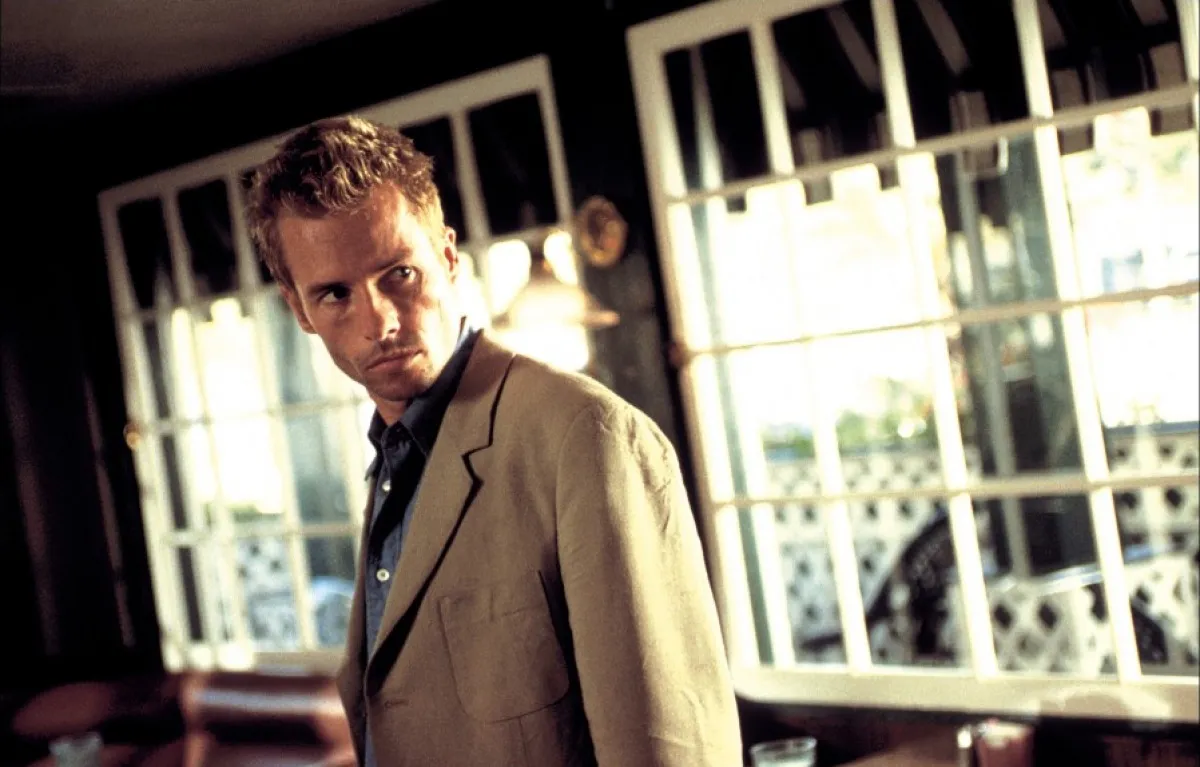
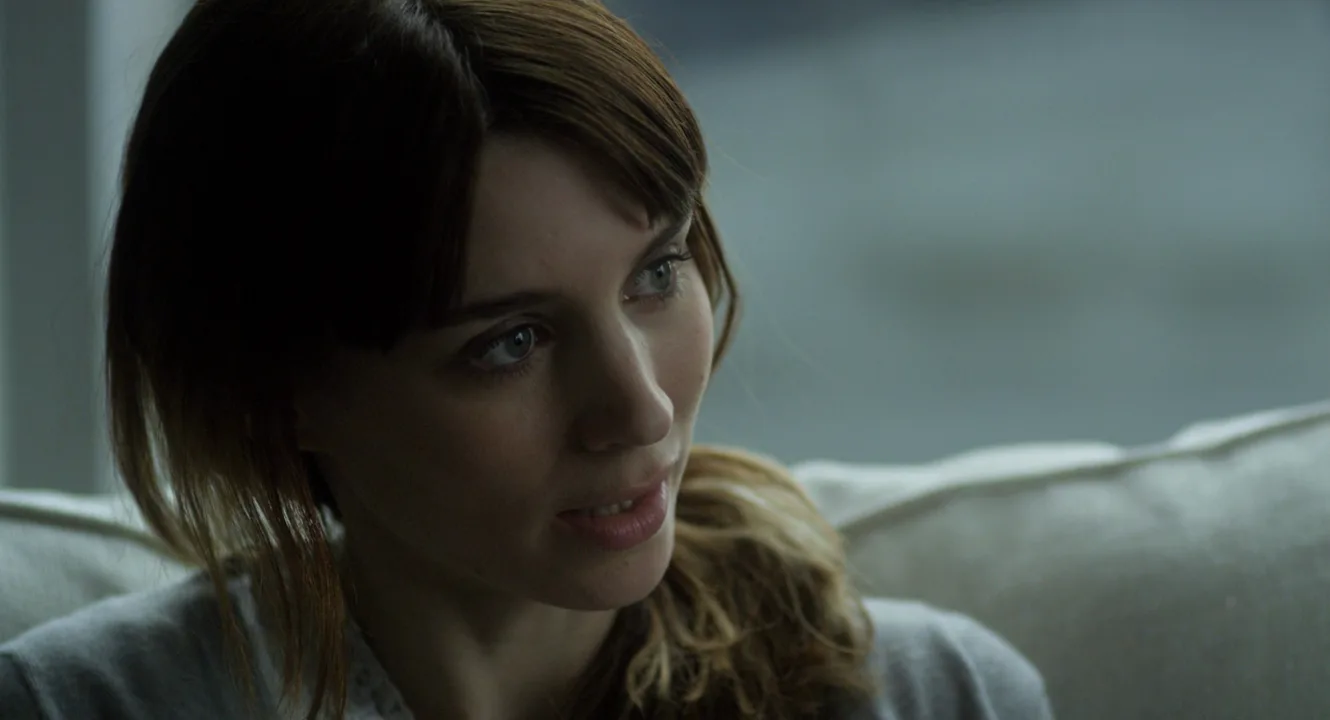
6 framesFrames from films built on narrators you shouldn't trust. Each image looks calm and objective; the unreliability lives in what you later learn.
How to create a unreliable narrator with AI
4 promptsYou can't generate an unreliable narrator in one image, but you can generate the device that exposes one: the same moment in two versions, the story as told and the story as it happened. Build the told version with Nano Banana 2 Lite, the stripped-down truth with GPT Image 2.5, then animate the told version with MiniMax H3 Max Turbo — and keep both takes side by side on a FlashBoards board with the voice-over lines as notes. The fourth prompt re-shoots a real film shot from a text description alone, and the original plays next to the result so you can compare.
Medium shot at eye level, 35mm lens, of a warm birthday dinner in a small wood-paneled dining room. At the head of the table, a man in his late forties with a shaved head, a thick grey beard and a small scar through his left eyebrow, in a burgundy knit sweater, laughs and raises a glass of red wine. His right hand is wrapped in a fresh white bandage. Four friends around the table laugh with him. A cake with lit candles in the center, soft golden candlelight, gentle haze, rich warm color, 35mm film grain, nostalgic mood.
Warm, golden candlelight and nostalgic build the told version — the memory as the narrator wants it. The fresh white bandage is the planted clue: a detail the happy scene doesn't explain, sitting in plain sight.
Open FlashBoardsMedium shot at eye level, 35mm lens, of a small wood-paneled dining room at night, same composition as a birthday dinner but stripped bare. At the head of the table sits a man in his late forties with a shaved head, a thick grey beard and a small scar through his left eyebrow, in a burgundy knit sweater, alone, staring at an untouched cake with unlit candles. His right hand is wrapped in a white bandage spotted with blood. Four empty chairs, one knocked over. A broken wine glass on the floor. Hard cold light from a single overhead fluorescent tube, greenish tint, flat and harsh, 35mm film grain.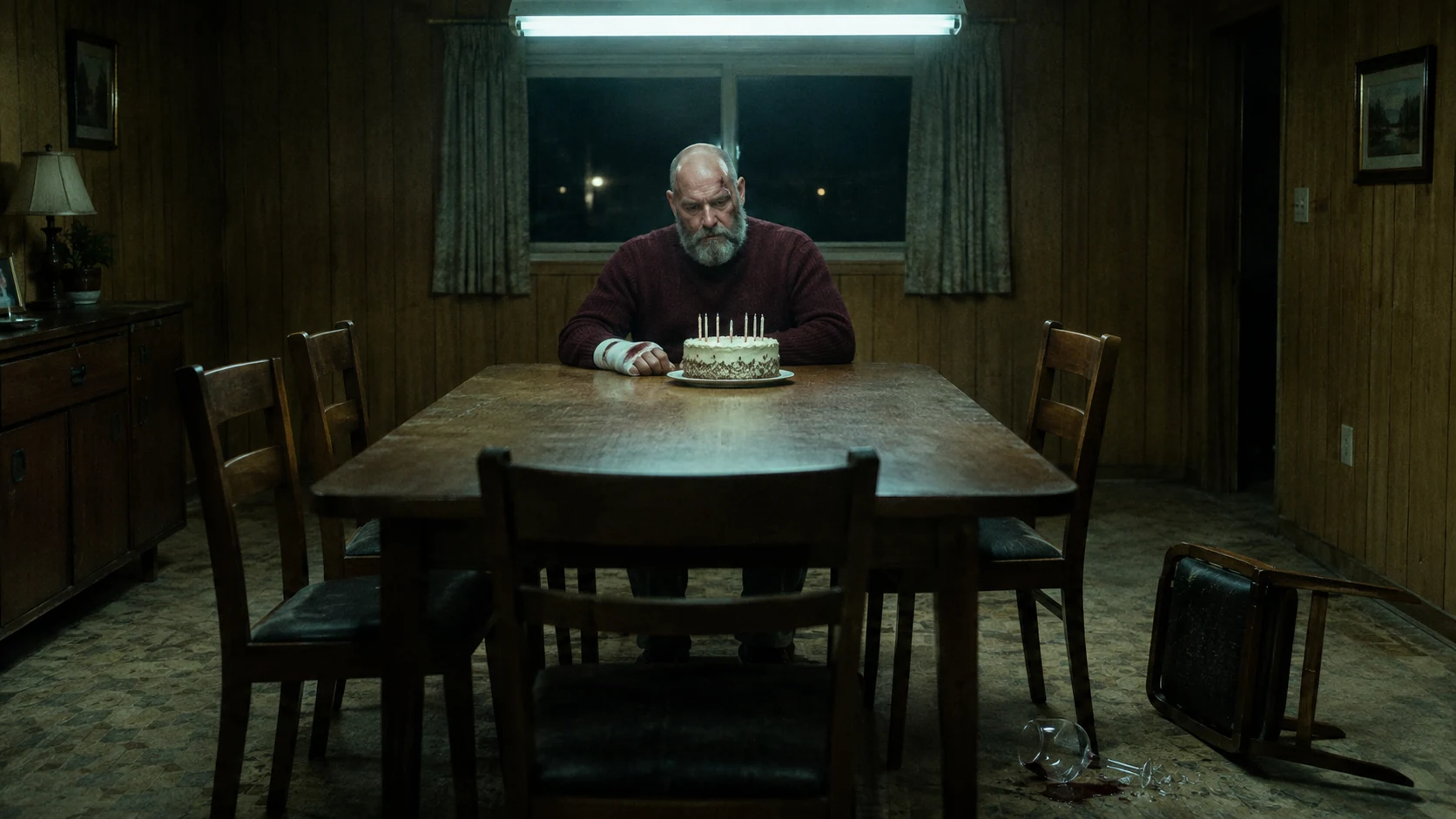
The same room, lens and height as recipe 1, so the two frames cut together like a reveal. Alone, four empty chairs and broken wine glass rewrite the scene, while cold fluorescent and greenish tint mark this as the version the narrator left out.
Open FlashBoardsCamera: a slow, steady push-in from the medium shot toward the bearded man at the head of the table, ending in a medium close-up on his face and raised glass. Action: from the first moment the four friends are laughing and clinking glasses, the candle flames flicker and the man laughs loudly with his glass raised. As the camera nears him, he lowers the glass and glances down at his bandaged right hand. His laugh fades into a fixed smile while the friends keep laughing around him, and the candlelight flickers across his still face.Motion starts at once — laughing and clinking glasses, candle flames flicker — so the shot is alive from frame one. The glance at the bandaged hand is the crack in the narrator's version: the performance drops for a beat while the told memory keeps playing around him.
Open FlashBoards{
"output": "Full-screen live-action close-up from Gone Girl (2014), alive from its very first frame: one continuous shot, no cuts. Fincher look: digital cinema, soft low-key bedroom light at night, cool green-grey walls and a pale window soft behind, muted skin tones, shallow focus.",
"characters": {
"S1": {
"name": "Amy Dunne, played by Rosamund Pike",
"look": "woman in her thirties, blonde shoulder-length bob, bare shoulders, thin pale top strap",
"voice": "silent; she never speaks"
},
"S2": {
"name": "Nick, played by Ben Affleck",
"look": "only his hand and dark sleeve enter frame; his face is never seen",
"voice": "low, tired male voice-over, close and intimate"
}
},
"shots": [
{
"shot": 1,
"camera": "static close-up at eye level on a long lens, Amy's face in the centre-left of frame, her chin resting on a dark rounded shape at the bottom edge (her husband's chest); the camera stays still, only a slight slow drift",
"action": [
"BEGINNING: alive from the first frame, Amy lies with her head on the dark shape at the bottom of frame, face turned toward the camera, looking straight into the lens, face still and unreadable",
"THEN: a man's hand in a dark sleeve rises from the right edge of frame and rests on the right side of her hair; she does not react, eyes stay on the lens, a faint closed-mouth half-smile",
"THEN: the hand slowly strokes back over the top of her head; she tilts her head down to the left, now lying lower, still looking up into the lens",
"END: her face lies tilted in the lower left of frame, the hand resting on top of her head, she looks up at the camera with the faint half-smile, blinks once, no other movement"
],
"dialogue": [
{
"speaker": "S2",
"on_screen": false,
"when": "shortly after the first frame, before the hand appears",
"delivery": "quiet voice-over, flat and weary",
"line": "<d>[English] How are you feeling?</d>"
},
{
"speaker": "S2",
"on_screen": false,
"when": "while the hand strokes her hair",
"delivery": "quiet voice-over, slower, uneasy",
"line": "<d>[English] What have we done to each other?</d>"
}
]
}
],
"sound": {
"ambience": "a quiet bedroom at night, soft room tone, faint rustle of hair under the hand",
"speech": "exactly these spoken phrases, each said once, in this order",
"never_spoken": "no narration and no voice-over: the descriptions, performance notes and step words of this prompt are never spoken aloud",
"music": "a film score under the scene, always below the voices: a cold, low electronic drone with a faint uneasy pulse",
"subtitles": "none"
}
}Remakes the final close-up of Gone Girl (2014), dir. David Fincher, DP Jeff Cronenweth, keeping Nick's two voice-over lines verbatim, the hand in her hair and Amy's unreadable look into the lens.
The closing shot of Gone Girl is the unreliable narrator in one frame: we hear only Nick's voice asking questions while Amy looks back at us, and her face gives nothing away. The prompt keeps the voice off screen and the face silent, so the gap between what is told and what is shown stays open.
Open FlashBoardsCommon mistakes
- Models make every scene look true. To separate the told version from the real one, change light, color and set dressing explicitly — golden candlelight vs. cold fluorescent tube — and keep lens and camera height identical so the pair reads as the same moment.
- The planted clue gets lost or takes over. Name it once, with a place (his right hand is wrapped in a white bandage), and let the rest of the prompt describe the scene.
- In the stripped version, models refill the room with guests. Describe what is there instead: alone, four empty chairs, one knocked over.
- Video drifts into a generic push-in on a frozen table if the action starts late. Start the prompt with movement already happening, and keep the reveal to one small gesture — a glance, a fading smile — rather than a lighting change the model may ignore.
Keep the reference frames, prompts and every generated take side by side — images and video in one canvas.
FAQ
5 questionsWhat is an unreliable narrator in film?
An unreliable narrator is a character whose account of the story the audience can't fully trust. They may lie on purpose, misremember, misread events or hide their own role. In film this usually comes through voice-over, a told flashback or a camera locked to one character's perception, and the effect lands when the picture and the narrator's version stop matching.
What are the best unreliable narrator movies?
Classic examples include Rashomon (1950), Stage Fright (1950), A Clockwork Orange (1971), Badlands (1973), The Usual Suspects (1995), Fight Club (1999), American Psycho (2000), Memento (2000), Atonement (2007), Shutter Island (2010), Life of Pi (2012), Gone Girl (2014) and Joker (2019). Each uses a different kind of unreliability: lying, delusion, broken memory, bias or an author shaping the tale.
What are the types of unreliable narrators?
The common types are the liar (The Usual Suspects), the deluded narrator (Fight Club), the narrator with damaged memory (Memento), the biased narrator (Rashomon), the seductive narrator whose charm disarms the viewer (A Clockwork Orange) and the author-narrator who openly reshapes the story (Atonement). The type decides whether the reveal plays as a con, a tragedy or a question about storytelling itself.
How do you show an unreliable narrator without voice-over?
Tie the camera to one character so the viewer sees only what they perceive, then plant visible contradictions: a prop that changes between two tellings, a background detail that doesn't fit, a reaction that is slightly off. Subjective techniques such as a shifted grade or dropped sound signal perception rather than fact. The reveal usually replays earlier shots in their true context.
Is an unreliable narrator the same as a plot twist?
No. A plot twist is any revelation that overturns what the audience believed. An unreliable narrator is one way to cause it: the false belief comes from a character's account. Many twists involve no lying narrator at all; the film simply withholds information. The test is to ask who misled you — a storyteller inside the film, or the film's own editing.
Related terms
7- Omniscient Point of ViewStorytelling
Omniscient point of view lets the story know and show more than any single character — cutting between places and minds freely — as opposed to restricted narration tied to one protagonist.
- Plot TwistStorytelling
A plot twist is a revelation that overturns what the audience believed about the story or a character; a good one is prepared by fair clues and recolors everything seen before.
- Voice-OverSound & Music
Voice-over is speech heard over the picture from someone not speaking on screen at that moment — a narrator, a character's inner thoughts, a documentary commentary.
- FlashbackStorytelling
A flashback interrupts the present story to show an earlier event, usually signalled by a dissolve, a change of color or grade, or a sound cue, to reveal backstory or motive.
- Subjective CinemaFilm History & Theory
Subjective cinema puts the audience inside a character's perception — literal point-of-view shots, but also distorted focus, sound and editing that mirror what the character feels (Enter the Void, Lady in the Lake).
- IronyStorytelling
Irony is a gap between what is said, expected or known and what is actually meant or happens; film uses verbal, situational and dramatic irony, plus cosmic and historical variants.
- Narrative TechniquesStorytelling
Narrative techniques are the tools a storyteller uses to control what the audience knows and when — flashbacks, nonlinear order, point of view, foreshadowing, unreliable narrators, twists.
Further reading
Wayne C. Booth, The Rhetoric of Fiction (University of Chicago Press) · David Bordwell, Narration in the Fiction Film (University of Wisconsin Press)