 FlashBoards Learn
- Learn
- Storytelling
- Epilogue
Storytelling · Film language
Epilogue
Also called: coda, final scene after the climax
An epilogue, also called a coda, is a short final section set apart from the main story after it is resolved. It often jumps ahead in time or place to show where the characters ended up. It turns the ending from "what happened" into "what it cost" and lets the audience leave the world on a chosen image.
- What it does
- Shows the aftermath of the story from a distance, usually years later or somewhere new, so the ending gains weight.
- Use it when
- The climax settles the plot but the audience still needs to see what the characters' choices led to.
- Watch out
- Several false endings in a row drain the climax. One epilogue, one clear image, then cut.
- Try this prompt
Years later: a grey-haired woman in a yellow raincoat paints a small wooden boat on an empty beach at dawn, wide shot, 35mm film still.
What is an epilogue in film?
An epilogue is the last movement of a film, separated from the main action by a clear break: a time jump, a new location, a title card, a change of narrator. The word comes from the Greek epilogos, a speech added at the end of a play; coda is borrowed from music, where it names a closing passage.
Among the tools of storytelling, the epilogue sits after the climax in the story structure. It does not resolve the plot; it measures the result. Its mirror is the prologue: a prologue sets up a question before the story, an epilogue answers it from a later vantage point, and films like Titanic (1997) pair the two as one frame story.
Why filmmakers use an epilogue
An epilogue gives the audience distance: after the tension of the climax, a jump forward shows the story as the characters will remember it.
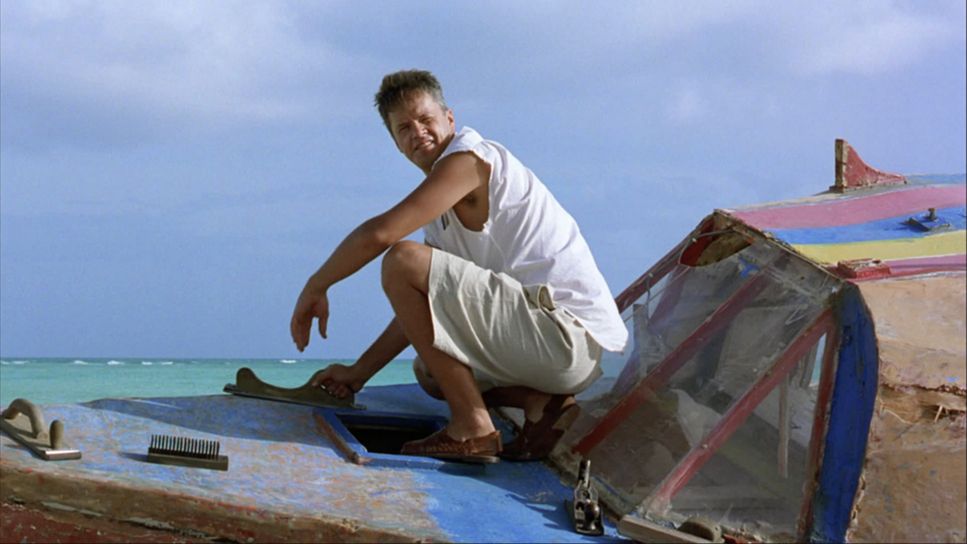
- Reward. The Shawshank Redemption (1994) leaves the prison and ends with Red finding Andy on a Mexican beach. A film about waiting pays off with open sky.
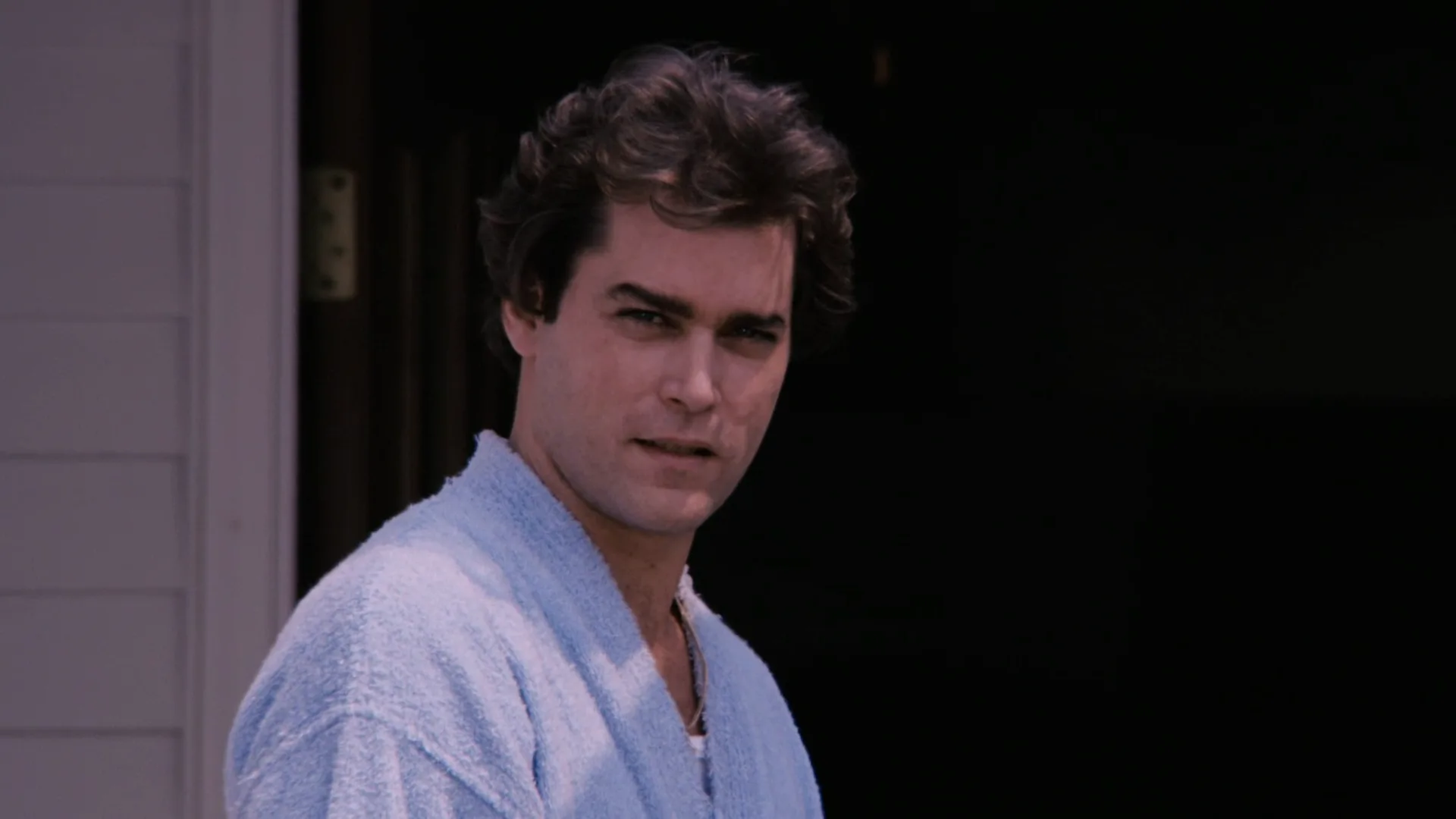
- Judgment. Goodfellas (1990) ends with Henry Hill in witness protection, fetching the paper in a bathrobe on a bland suburban street.
- Legacy. Harry Potter and the Deathly Hallows – Part 2 (2011) jumps nineteen years to the heroes sending their own children to school.
- The road not taken. La La Land (2016) jumps five years, puts the former lovers in the same jazz club and replays the life they didn't live.
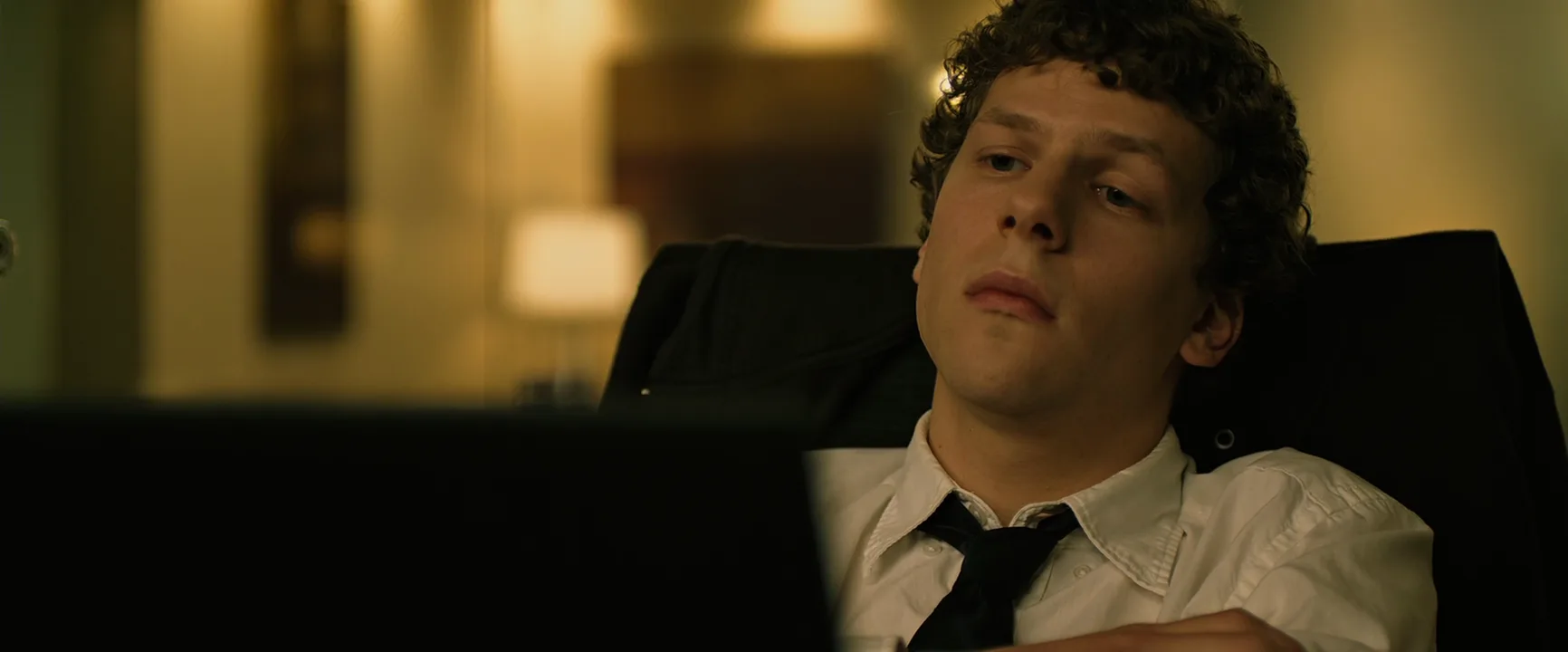
- Fact after fiction. American Graffiti (1973) and The Social Network (2010) end on title cards telling what happened to the people afterward.
How to write and shoot an epilogue
An epilogue has to feel like a different time the moment it starts.
- Mark the jump. A super ("Five years later"), a new season, gray hair, a child suddenly a teenager. Makeup and wardrobe carry most of the passage of time.
- Change the visual temperature. If the story lived in cramped interiors and night, open the epilogue on daylight and wide frames.
- Rhyme with the opening. Return to a location, prop or composition from act one so the change can be measured. Pushed further, this becomes bookending.
- Keep it short. One or two scenes, often one wide shot to end on.
- Let sound bridge it. A voice-over or one music cue covers the gap without new exposition.
In FlashBoards, lay the ending out on the same board as the opening: act-one frames on one side, epilogue frames on the other, with notes on what costume, prop or light has changed. Side by side, it is obvious whether the epilogue answers the opening or just repeats it.
Epilogue vs. denouement vs. post-credits scene
All three live at the end, which is why they get confused.
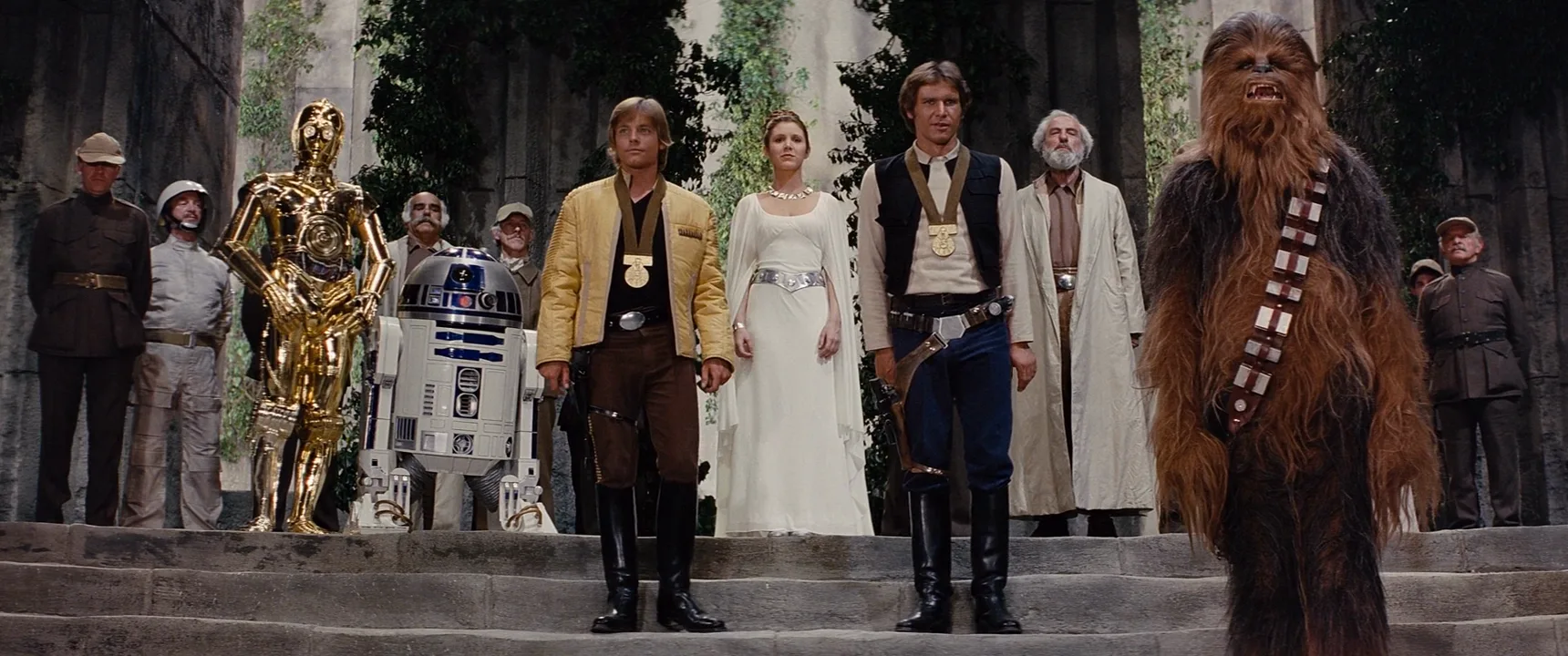
The denouement is the wind-down right after the climax, in continuous story time. The medal ceremony that closes Star Wars (1977) follows directly from the battle.
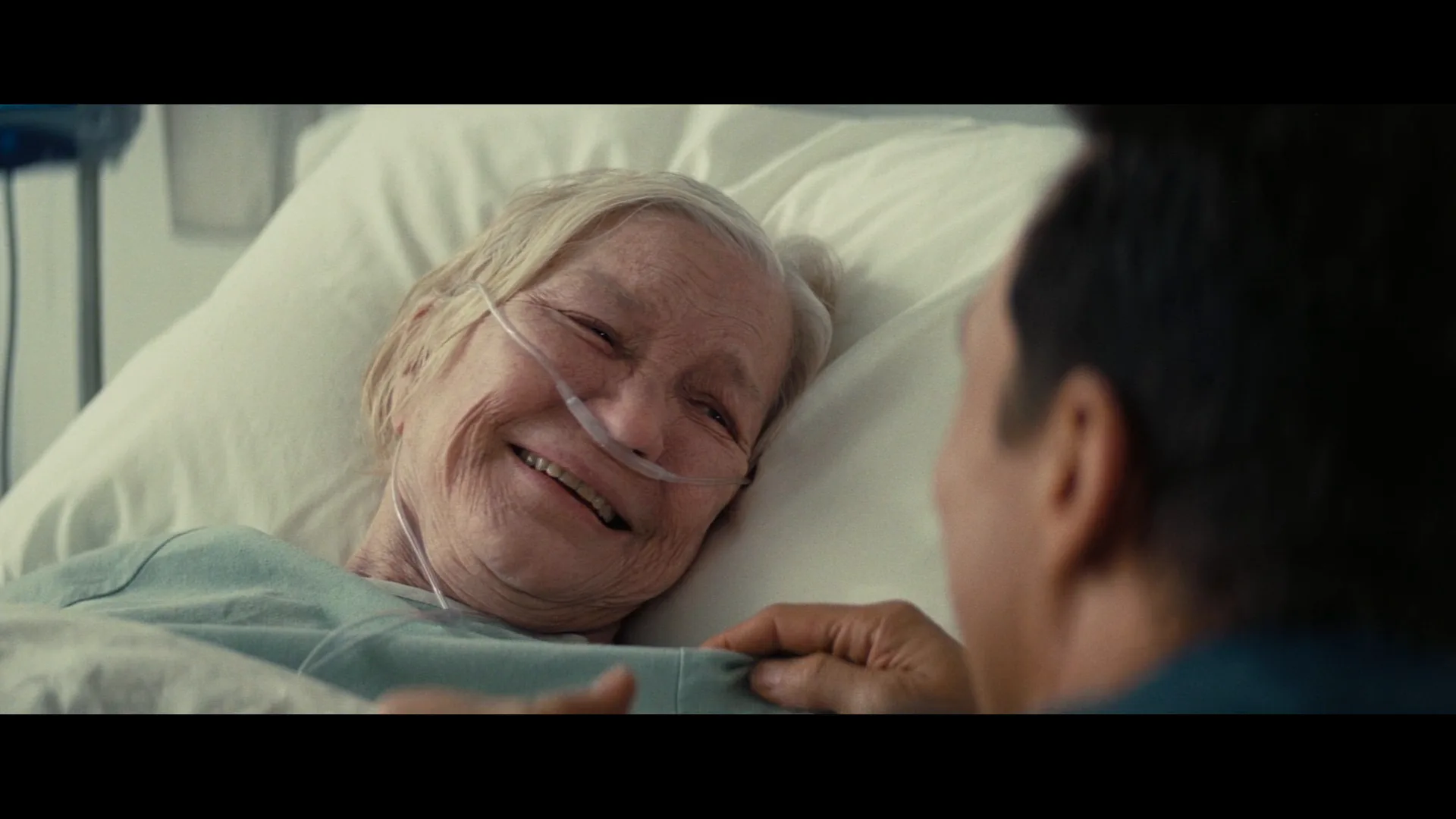
The epilogue is set apart from that flow by a jump in time or place. Cut it and no plot hole opens; what is lost is perspective. Interstellar (2014) finds Cooper at the bedside of his very old daughter: the jump is the point. A flash-forward also shows the future, but mid-film, to build suspense.
A post-credits scene sits outside the film's body, during or after the credits: an epilogue, a gag or a sequel tease, like Nick Fury's appearance after Iron Man (2008).
Epilogue examples in film
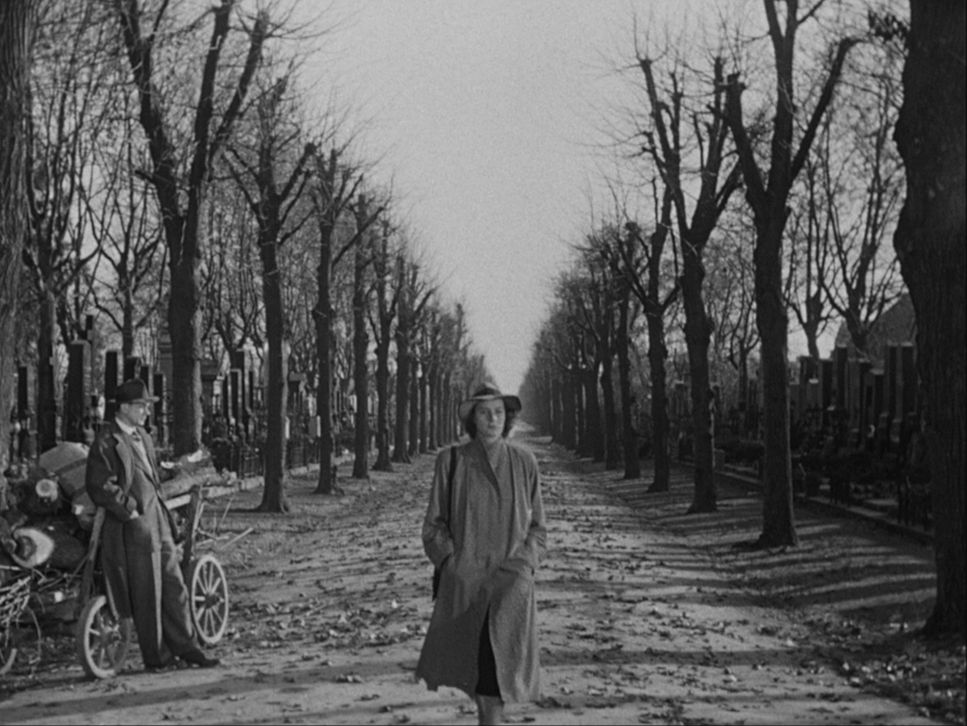
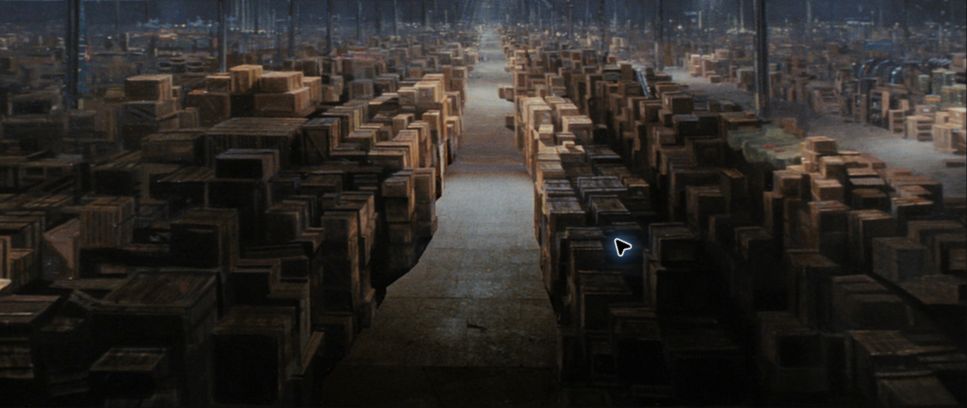
7 framesFinal sections that step away from the plot to show its aftermath. Watch how location, light and framing say the story is over.
How to create a epilogue with AI
4 promptsPrompt the aftermath, not the event: older faces, a changed place, quiet light and a wide frame. Generate a matching act-one frame too and pin both on a FlashBoards board to check that the ending answers the opening. The fourth prompt re-shoots a real film shot from a text description alone, and the original plays next to the result so you can compare.
Years later: a woman in her seventies with a long white braid, deep sun wrinkles and a faded yellow raincoat stands on an empty pebble beach at dawn, painting a small wooden rowboat pale blue. A weathered lighthouse on a low headland behind her. Wide shot, 35mm lens, eye level, soft low sun, calm grey sea, muted pastel palette, 35mm film grain, cinematic film still.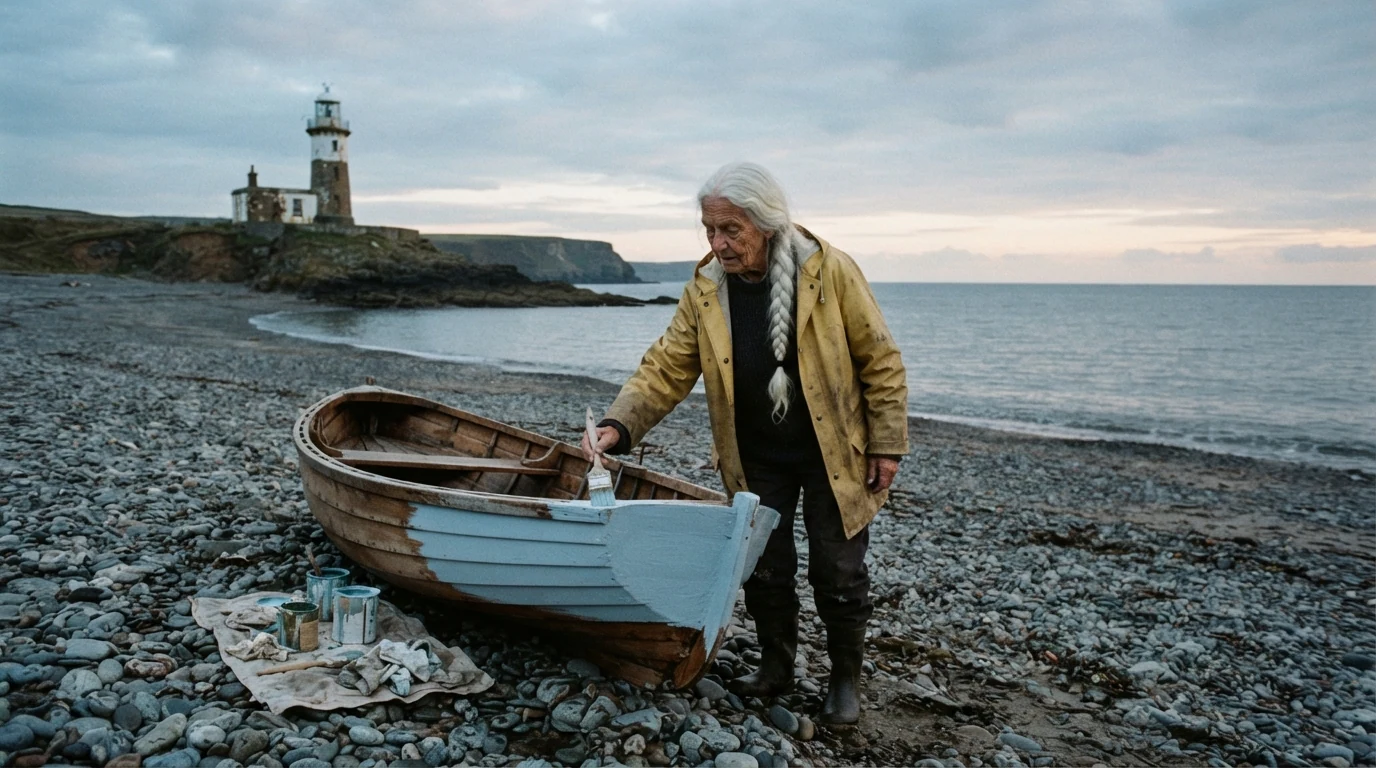
"Years later", her age and the faded coat carry the time jump; "empty beach", "dawn" and "wide shot" give the calm, open frame an epilogue needs. This is the start frame for the video.
Open FlashBoardsEpilogue, twenty years later: a man in his fifties with a close-trimmed grey beard, round tortoiseshell glasses and a dark wool coat stands at a train platform railing in late autumn, watching a teenage girl with a red backpack board a train. Fallen leaves, overcast soft light. Wide shot from behind his shoulder, 40mm anamorphic lens, desaturated colors, widescreen film still.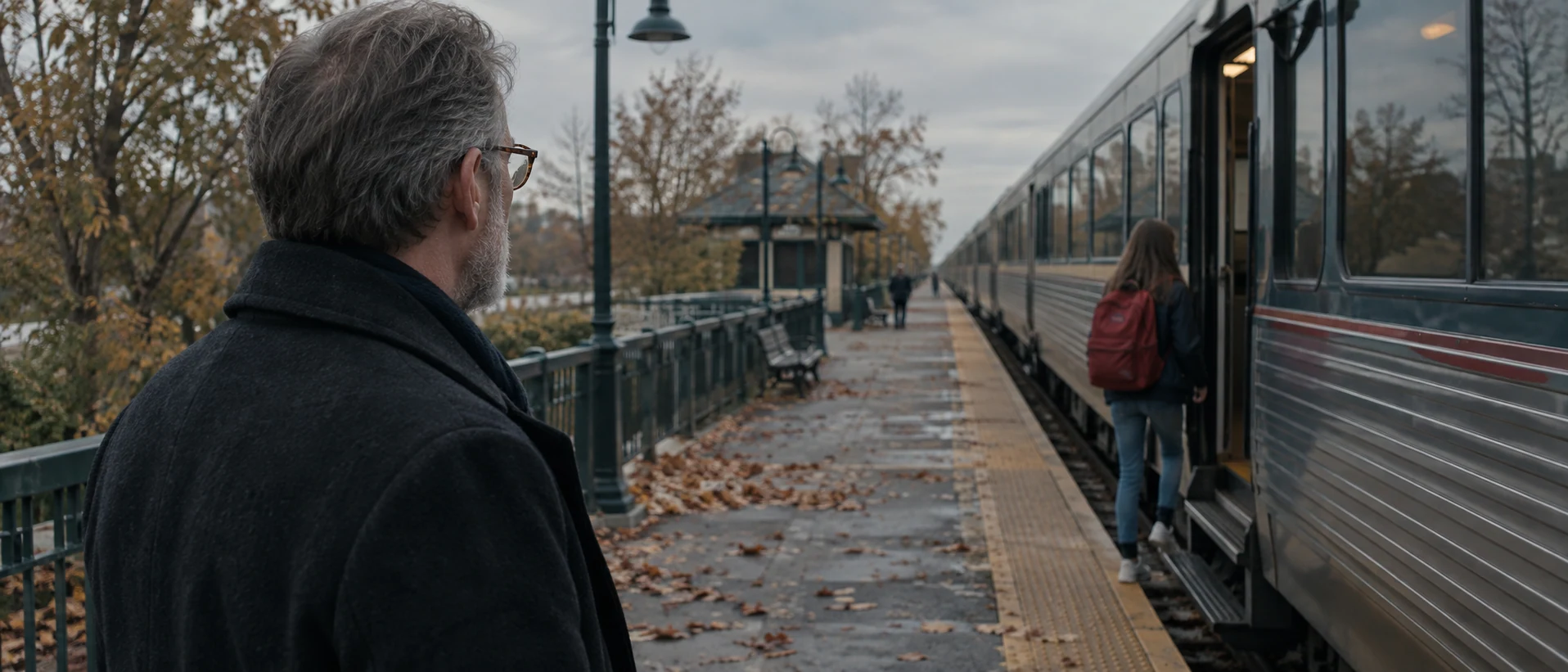
The legacy epilogue: the next generation leaving is the image, and the camera behind his shoulder makes him an observer of a future he won't join.
Open FlashBoardsCamera: slow, steady pull back and slight rise over eight seconds, ending on an extreme wide shot with the woman small in the frame. Action: from the first frame she is already brushing pale blue paint along the hull. Halfway through she straightens, rests the brush on the boat and looks out at the sea. At the end she stands still, wind moving her braid, as the low sun brightens the water.The pull back is the classic closing move: the character shrinks into her world, which reads as "the end". "Already brushing" keeps the shot alive from the first frame.
Open FlashBoards{
"output": "Full-screen live-action scene from its very first frame: one single continuous shot, the final shot of GoodFellas (1990). Late-1980s 35mm film, bright hazy morning sun from the left, a pale lilac-grey clapboard suburban house, deep black shadow inside an open front doorway, soft washed-out palette of powder blue and grey.",
"characters": {
"S1": {
"name": "Henry Hill, played by Ray Liotta",
"look": "man in his forties, clean-shaven, thick dark wavy hair, dark brows, pale blue terrycloth bathrobe hanging open over a white undershirt, a rolled morning newspaper",
"voice": "flat, dry New York voice, half amused, half resigned"
}
},
"shots": [
{
"shot": 1,
"camera": "static, eye level at the top of the porch steps, normal lens; opens on S1's blue robe from the waist down, ends as a medium close-up of S1 in the left-centre of frame, a white door frame and clapboard on the left edge, the black doorway filling the right half",
"action": [
"BEGINNING: alive from the first frame, S1 climbs the porch steps toward the camera, only his blue robe and legs in frame, his right hand (screen left) swinging the rolled newspaper low by his thigh, his left hand loose.",
"THEN: he leans forward as he takes the last step, his bent back and shoulders filling the frame, then his torso straightens and his head rises into the upper frame.",
"THEN: he stops at the open door in the left-centre of frame, body angled toward the dark doorway on screen right, and turns his head back over his shoulder to look straight into the lens.",
"THEN: he holds the look into the lens, still, eyes steady, a faint crooked half-smile that comes and fades at the corner of his mouth, lips closed, hands out of frame.",
"THEN: his brows lower slightly and his jaw settles, still looking into the lens, no nod.",
"END: his eyes drop and his head tips down and away toward the doorway on screen right, as if about to go inside."
],
"dialogue": [
{
"speaker": "S1",
"on_screen": false,
"when": "from the first frame, while he climbs the steps",
"delivery": "voice-over in his own voice, his lips do not move, dry and wry",
"line": "<d>[English] and I got egg noodles and ketchup.</d>"
},
{
"speaker": "S1",
"on_screen": false,
"when": "right after he turns his head and first meets the lens",
"delivery": "voice-over, his lips stay closed, flat and plain",
"line": "<d>[English] I'm an average nobody.</d>"
},
{
"speaker": "S1",
"on_screen": false,
"when": "after a pause, while he holds the look into the lens, ending before his eyes drop",
"delivery": "voice-over, his lips stay closed, bitter, resigned",
"line": "<d>[English] I get to live the rest of my life like a schnook.</d>"
}
]
}
],
"sound": {
"ambience": "quiet suburban morning: birdsong, a car passing far down the street heard from outside, his footsteps on the wooden porch steps",
"speech": "exactly these spoken phrases, each said once, in this order, only as Henry's voice-over",
"never_spoken": "no narration and no voice-over other than Henry's three lines above: the descriptions, performance notes and step words of this prompt are never spoken aloud",
"music": "a film score under the scene, always below the voices: a brash, sardonic punk-rock guitar riff creeping in low under the voice",
"subtitles": "none"
}
}Remakes the last shot of GoodFellas (1990), Henry Hill fetching the paper in a bathrobe; the prompt carried over the static framing, the rise into frame, the look into the lens, the fading half-smile and his three voice-over lines.
The epilogue lives in the setting, not the action: a bathrobe, a morning paper and a plain front door show a life shrunk to ordinary. Henry's own voice-over lines are quoted word for word, and the static look into the lens is the ending's only beat.
Open FlashBoardsCommon mistakes
- "Years later" comes out too subtle. State age markers: white hair, wrinkles, a faded coat, a child now a teenager.
- Epilogue frames drift toward busy drama. Ask for an empty location, soft light, a wide frame.
- On-screen supers like "Five years later" get misspelled. Add title cards in the edit.
Keep the reference frames, prompts and every generated take side by side — images and video in one canvas.
FAQ
4 questionsWhat is an epilogue in a movie?
An epilogue is a short final section after the main story has been resolved, set apart by a jump in time or place. It shows what became of the characters and what their choices cost, as a full scene, a single shot, a voice-over or title cards over a final image.
What is the difference between an epilogue and a denouement?
A denouement is the wind-down that follows directly from the climax, in continuous time, tying up loose threads. An epilogue is separated from the story by a break, often a time jump, and shows the long-term aftermath. Cutting it would cost perspective, not plot information.
Is a coda the same as an epilogue?
Critics use the words almost interchangeably. Coda comes from music, a closing passage after the main structure; epilogue comes from theater, a speech after the play ended. Coda tends to mean a brief final scene, epilogue a clearer jump ahead in time.
Is a post-credits scene an epilogue?
Sometimes. A post-credits scene is defined by where it sits, during or after the credits, not by what it does. It can serve as an epilogue, a final joke or a sequel tease. An epilogue in the strict sense belongs to the body of the film and plays before the credits.
Related terms
6- DenouementStorytelling
The denouement is the final part of the plot after the climax, where loose threads are tied up and the new balance of the characters' world is shown.
- Post-Credits SceneStorytelling
A post-credits scene is a short scene placed during or after the end credits — a final gag, an epilogue or a tease of the next installment.
- PrologueStorytelling
A prologue is an opening section set apart from the main story — often in another time or place — that establishes backstory, tone or a mystery the film will pay off.
- BookendsStorytelling
Bookends are matching scenes or images at the start and end of a film that rhyme with each other, so the ending reads as a measure of how much the characters or world have changed.
- Flash-ForwardStorytelling
A flash-forward jumps ahead to show events that will happen later, creating suspense about how the story will get there.
- Story StructureStorytelling
Story structure is the order and shape of the events that carry a story from setup to resolution; models like the three-act structure, Freytag's pyramid, the hero's journey or Save the Cat are different maps of it.
Further reading
Robert McKee, Story (1997) — chapters on climax and ending. Syd Field, Screenplay (1979) — on resolution and the final act.