 FlashBoards Learn
- Learn
- Storytelling
- Irony
Storytelling · Film language
Irony
Also called: types of irony
Irony is a gap between what is said, expected or known and what is actually meant or happens. In film it works on three levels: characters say the opposite of what they mean (verbal), events turn against expectation (situational), or the audience knows more than the characters (dramatic). The gap makes viewers laugh, wince or dread.
- What it does
- Makes the audience hold two readings of one moment at once: the surface and the truth under it.
- Use it when
- A scene needs a sting, a laugh with an edge, or a sense that fate or history is watching.
- Watch out
- Irony the audience can't see is just a plot point; plant the expectation clearly before you break it.
- Try this prompt
Deadpan wide shot of a driving instructor's car nose-down in a ditch under a billboard reading "1,000 DAYS WITHOUT AN ACCIDENT", overcast, 16:9
What is irony in film?
Irony is a controlled contradiction. The film sets up one reading of a line, plan or image, then reveals the reverse, and the audience feels the gap. It is one of the oldest storytelling devices.
It lets a scene be funny and cruel at once, driving satire and black comedy. It also makes the audience accomplices: once they see the gap, they watch for the moment it closes.
Verbal irony
A character says one thing and means another; sarcasm is its sharpest form. In Casablanca (1942), Captain Renault declares he is shocked to find gambling in Rick's café as a croupier hands him his winnings. Play such lines straight and let the cut or a reaction shot supply the wink.
Situational irony
The outcome reverses what characters and audience expected. Psycho (1960) builds its first act around Marion Crane and her decision to return the stolen money, then kills her in the motel shower. The visual version is juxtaposition inside one frame, such as a safety-record sign above a wreck, with both halves readable in a wide, deep-focus shot.
Cosmic irony
Fate or chance seems to toy with the characters, turning their efforts against them. In Romeo + Juliet (1996), as in the play, the message that would save the lovers never arrives. No Country for Old Men (2007) lets Chigurh, a killer who decides lives by coin toss, get blindsided by a car at an intersection. Stage it plainly, without omen music, so the universe feels indifferent.
Historical irony
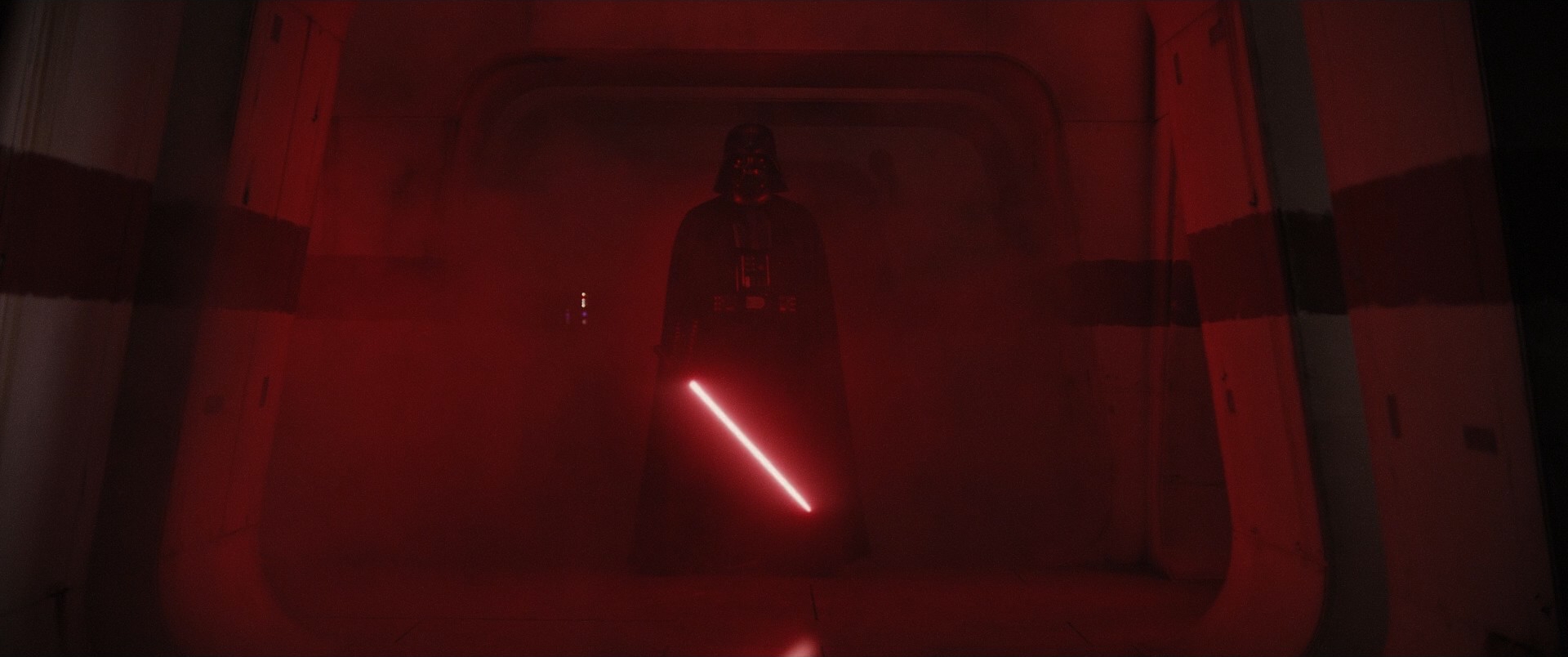
The audience knows how history turned out, so the characters' confidence reads as tragic or comic. Everyone watching Titanic (1997) knows the fate of the ship its passengers call unsinkable. Prequels run on the same engine: Rogue One (2016) asks us to root for rebels while we already know the plans they die for will reach Leia.
Socratic irony
A character feigns ignorance to lead someone into exposing themselves. The template is Columbo (1968–2003): the rumpled lieutenant plays confused, apologizes, and turns back at the door with one more question. Give the audience a held close-up after the suspect looks away, where the act drops.
Structural irony
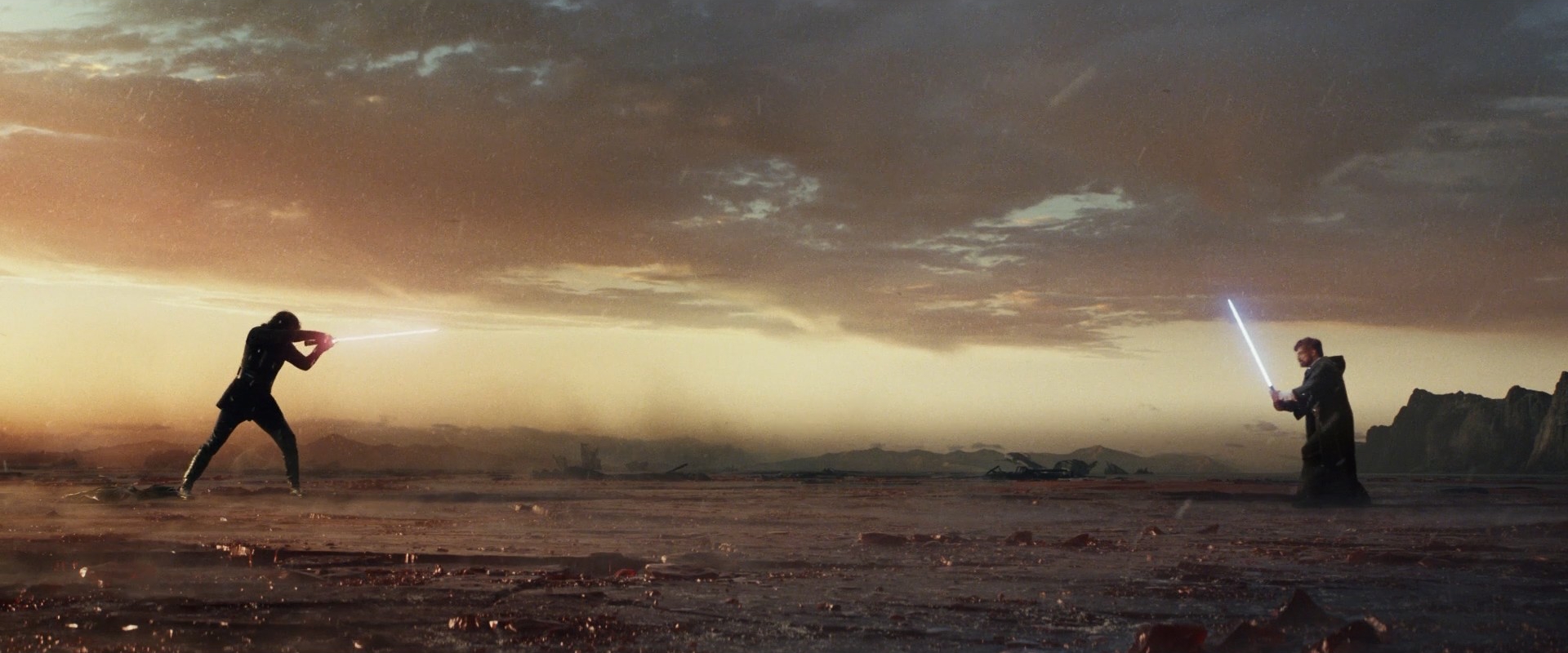
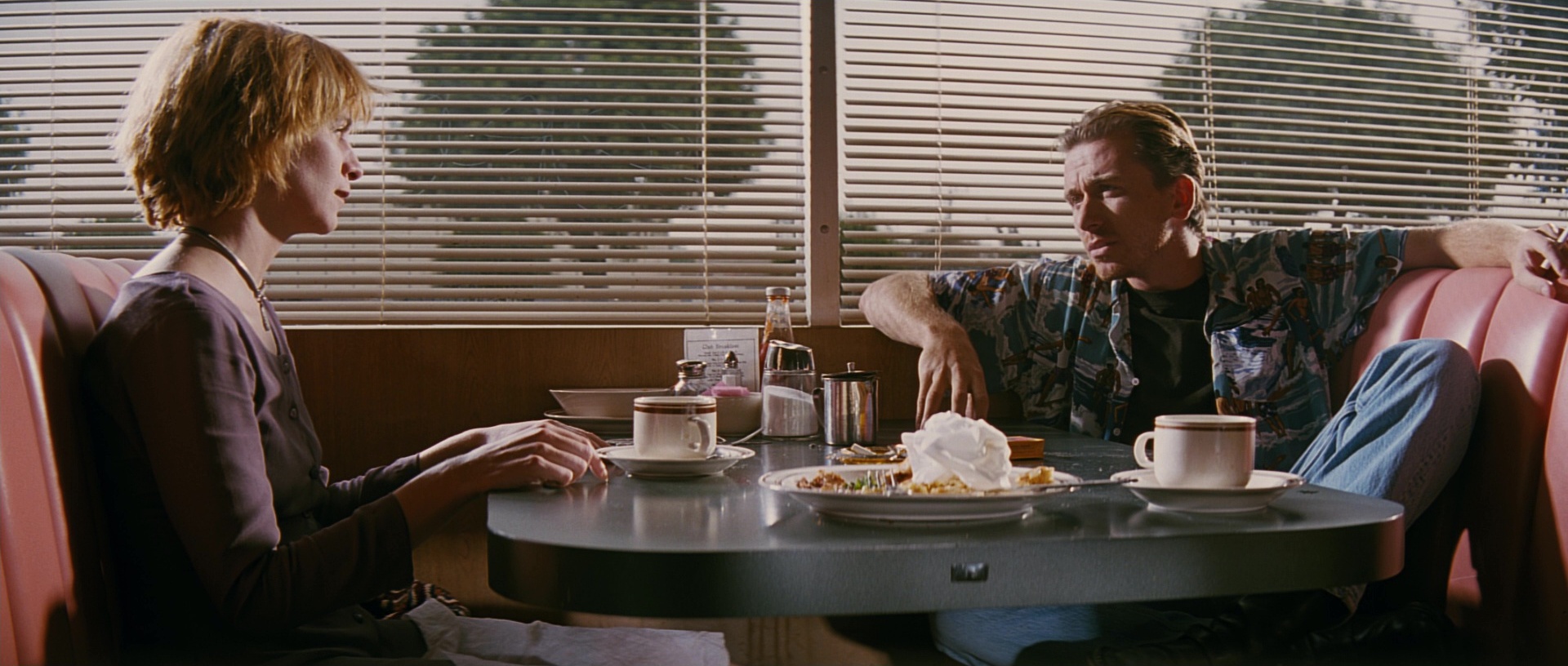
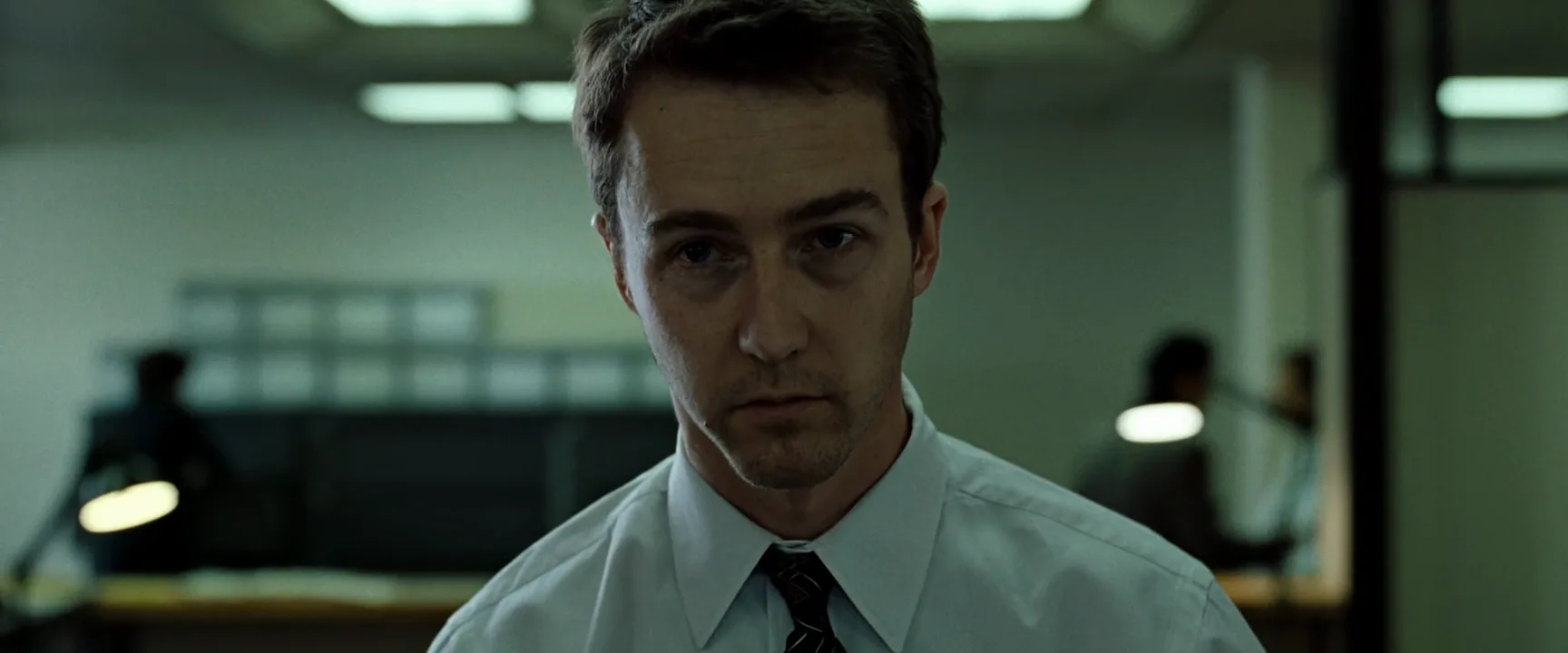
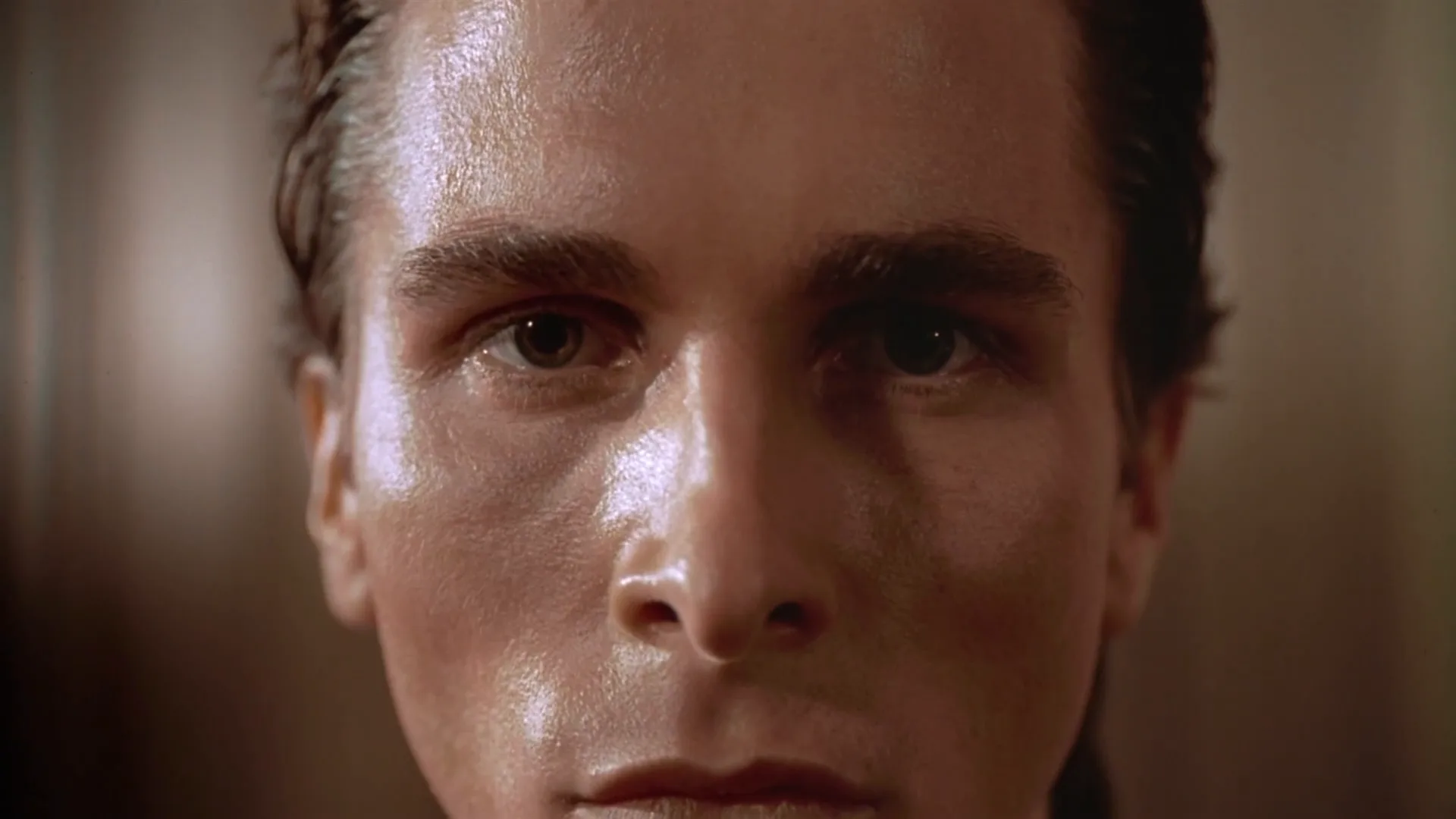
The irony is built into the whole telling, usually through a narrator the audience learns to read against. Fight Club (1999) and American Psycho (2000) are narrated by men whose calm voice-over misreports their lives: the unreliable narrator is the device, the gap is the irony. Structure can do it too: Pulp Fiction (1994) kills Vincent midway through its nonlinear narrative, then ends with him alive in a diner.
How to stage irony on screen
- Plant the expectation first. The plan, boast or sign must be clear before you break it.
- Put both halves in one frame. A 24–35mm lens at f/5.6–f/8 keeps the character and the contradicting object sharp together.
- Hold the camera still. A locked-off frame and a beat of silence let viewers find the gap; a push-in or musical sting explains the joke.
- Play it straight. Actors who signal the irony kill it.
On a FlashBoards board, pin each setup frame beside its payoff to check every reversal was planted.
Irony vs. dramatic irony vs. coincidence
Irony is the umbrella: any gap between surface and truth. Dramatic irony is one type, where the audience knows what the character doesn't, like the bomb under the table, and it produces suspense rather than surprise. Coincidence becomes irony only when chance reverses an expectation: rain on a wedding is bad luck, rain on the rainmaker's wedding is irony.
Irony examples in film
6 framesFrames where the gap between surface and truth sits in the staging or the structure.
How to create a irony with AI
4 promptsPhotographable irony is situational: the character and what contradicts them in one frame. Generate the setup, a second take with a different gap, then animate the first with a deadpan, locked-off camera, all on one FlashBoards board. The fourth prompt re-shoots a real film shot from a text description alone, and the original plays next to the result so you can compare.
Deadpan wide shot, camera locked at eye level: a small white driving-school car sits nose-down in a muddy roadside ditch, steam rising from the hood. Beside it a billboard reads "1,000 DAYS WITHOUT AN ACCIDENT". A stocky instructor in his fifties with a gray buzz cut, round glasses and a navy cardigan stands by the car holding a clipboard. Flat overcast light, 28mm lens, deep focus, cinematic still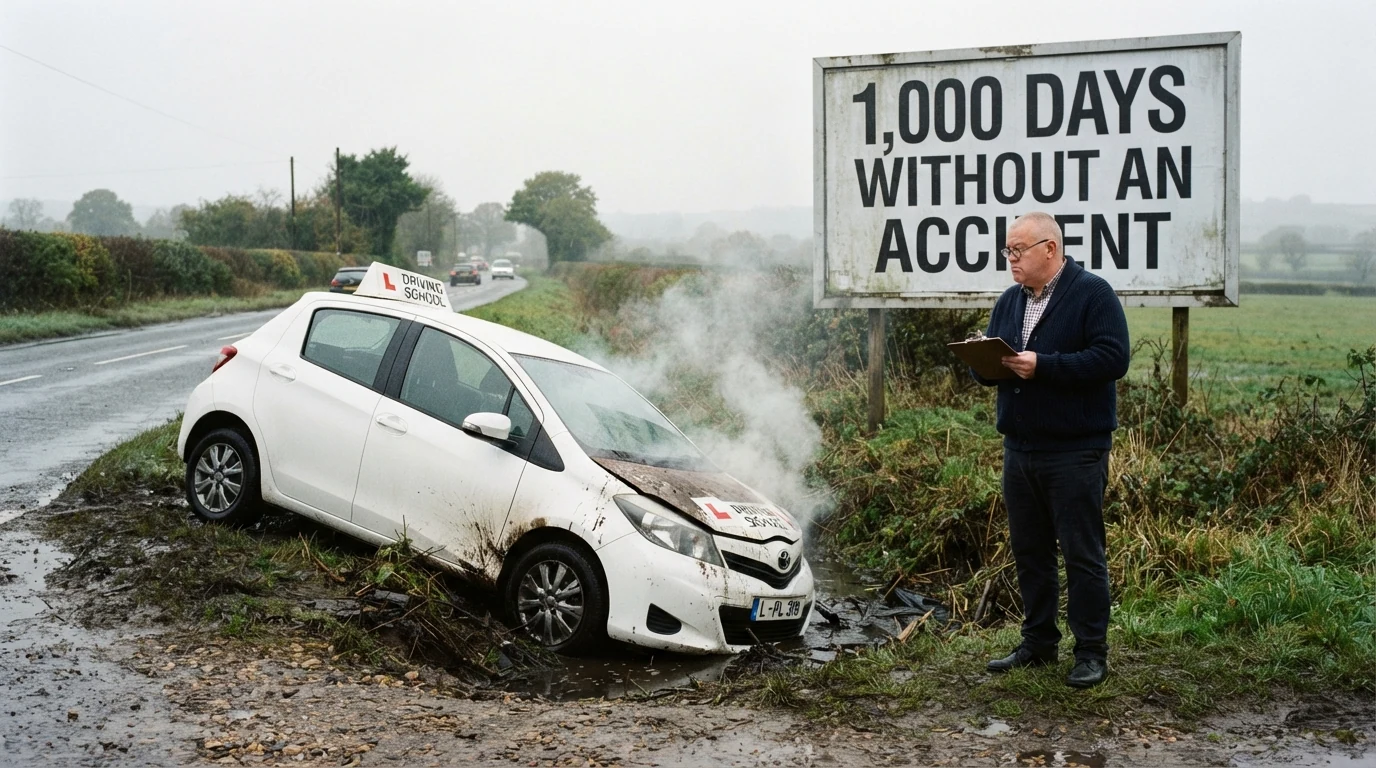
The quoted billboard and the wreck in one deep focus wide frame carry the irony; deadpan and locked at eye level keep the staging neutral.
Open FlashBoardsWide anamorphic shot of a beach wedding photo: a smiling bride with a platinum bob and freckles and a tall red-bearded groom pose under a wooden arch lettered "PERFECT DAY", backs to the sea. Far behind them a black storm front with lightning rolls toward shore. Late sun on the couple, 35mm lens, deep focus
Backs to the sea makes the gap visible only to the viewer; PERFECT DAY names the expectation the storm will break.
Open FlashBoardsCamera: locked-off, completely still. Action: steam drifts up from the car's hood from the first moment. The instructor looks at the car, then slowly turns his head up to the billboard. He stares at it, lowers his eyes to the clipboard and writes something down.Steam starts motion at once; the head turn to the billboard is the ironic beat, and locked-off stops a push-in that would underline the joke.
Open FlashBoards{
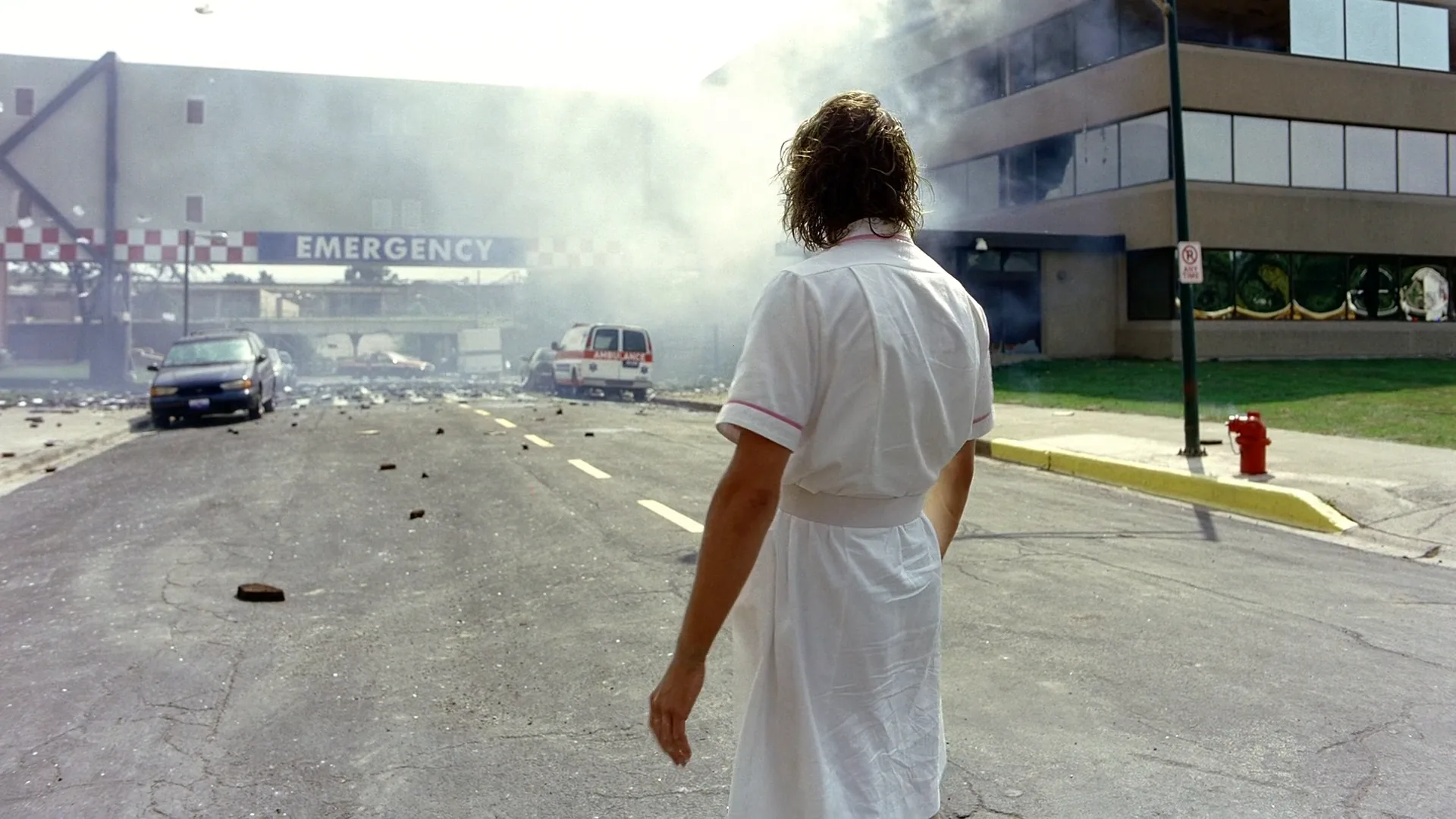
"output": "Full-screen live-action scene from The Dark Knight (2008), from its very first frame: one continuous unbroken shot. 2000s 35mm film, bright hazy midday, sun diffused through drifting gray smoke, washed-out whites and pale concrete grays, a red fire hydrant and a yellow-painted curb as the only strong colors. An empty hospital access road with dashed white lane lines, scattered debris and flecks of white paper drifting in the air; far behind, a long white entrance canopy reading \"EMERGENCY\", a dark sedan parked on the left, an ambulance under the canopy, and a low brick-and-glass hospital block on the right with thick smoke pouring out of it.",
"characters": {
"S1": {
"name": "The Joker, played by Heath Ledger",
"look": "lean, shoulder-length greasy dirty-blond curls, smeared white face paint with dark eye sockets and a red scarred grin, a white short-sleeved nurse's dress with red piping, a white belt and a small name badge on the chest, a small black detonator in his hand",
"voice": "silence: he says nothing in this shot"
}
},
"shots": [
{
"shot": 1,
"camera": "static tripod at eye level with the faintest slow drift, 35mm lens, medium-wide shot; S1 stands just right of centre in the foreground, framed from the knees up, the smoking hospital and the EMERGENCY canopy behind him; deep focus so S1 and the sign stay sharp the whole shot; the framing at the end matches the start",
"action": [
"BEGINNING: alive from the first frame, smoke already rolling out of the building; S1 stands facing the camera, body square to the lens, head turned over his shoulder toward the smoking building on screen right, arms hanging loose, the detonator dangling from the hand on screen left.",
"THEN: he turns his face back toward screen left, painted mouth slightly open, eyes flat and unimpressed.",
"THEN: he pivots toward screen right and turns his back to the camera, then strolls unhurriedly down the road away from the lens toward the hospital, drifting slightly toward screen left, the white dress swinging, arms loose at his sides.",
"THEN: after a few steps he stops and flings his arm on screen left out wide to the side in a loose, dismissive flick, as if waving the whole thing off, then lets it drop.",
"THEN: he half-turns, lowers his head and looks down at the detonator, turning side-on so he stands in profile facing screen left.",
"THEN: holding the detonator in both hands at chest height, he presses its button with his thumb again and again, head bowed over it, frowning slightly, the painted grin still in place.",
"END: he gives the detonator a small shake and keeps pressing it, still in profile, while the smoke keeps billowing behind the EMERGENCY sign and nothing else happens."
],
"voice": "silence: nobody speaks in this shot, no voice at all",
"dialogue": []
}
],
"sound": {
"ambience": "low crackle of fire and a deep rumble heard from the building behind, distant car alarms, faint wind, the soft scuff of his shoes on the asphalt and the dry click of the detonator's button",
"speech": "no words in this video; the only human sounds are breaths and movement",
"never_spoken": "no narration and no voice-over: the descriptions, performance notes and step words of this prompt are never spoken aloud",
"music": "a film score under the scene, always below the voices: one sustained, slowly rising cello note, scraping and tense, with a faint electronic drone beneath it",
"subtitles": "none"
}
}Remakes the Joker's hospital exit from The Dark Knight (2008), dir. Christopher Nolan, keeping the static eye-level frame, the smoking EMERGENCY entrance, the walk away, the dismissive arm flick and the fumbling with the detonator.
The JSON names the Joker and keeps the EMERGENCY sign, the smoke and the nurse's whites in one deep focus frame; silence, a single cello note and the END phase land the deadpan beat: a detonator that won't fire.
Open FlashBoardsCommon mistakes
- Models misspell long signs: keep the contradicting text short and in quotes.
- Characters react on cue with laughing or shocked faces; ask for a neutral expression.
- Shallow focus blurs half the joke; say deep focus, wide shot.
- Video models push in on the punchline; state locked-off, completely still.
Keep the reference frames, prompts and every generated take side by side — images and video in one canvas.
FAQ
4 questionsWhat are the types of irony?
The three main types are verbal irony (saying the opposite of what you mean), situational irony (an outcome that reverses expectation) and dramatic irony (the audience knows what a character doesn't). Narrower forms are cosmic irony (fate toying with characters), historical irony (hindsight), Socratic irony (feigned ignorance) and structural irony (a narrator read against the grain).
What is the difference between dramatic and situational irony?
In dramatic irony the audience knows the truth before the character, so the scene plays as suspense while we wait for them to find out. In situational irony nobody sees it coming; the gap appears at the reveal, when events turn out the opposite of what was expected. One creates dread, the other surprise.
What is an example of irony in a movie?
In Casablanca (1942), Renault is shocked to find gambling while pocketing his winnings: verbal irony. In Psycho (1960), the heroine decides to return stolen money and is killed that night: situational irony. In Titanic (1997), passengers trust a ship the audience knows will sink: historical irony.
Is irony the same as sarcasm or coincidence?
No. Sarcasm is one form of verbal irony, usually meant to mock. Coincidence is just chance; it becomes irony only when the chance event reverses what someone expected, like a safety inspector hurt by the hazard he approved.
Related terms
2- Dramatic IronyStorytelling
Dramatic irony is when the audience knows something a character doesn't — the bomb under the table, the killer in the house — turning every line and choice into suspense.
- SatireGenres
Satire uses exaggeration, irony and ridicule to attack real institutions, politics or social behavior — the laugh carries a critique, as in Dr. Strangelove or Network.
Further reading
Wayne C. Booth, A Rhetoric of Irony (1974). D. C. Muecke, The Compass of Irony (1969).