 FlashBoards Learn
- Learn
- Storytelling
- Prologue
Storytelling · Film language
Prologue
Also called: opening prologue
A prologue is an opening section set apart from the main story, often in another time or place, that establishes backstory, tone or a mystery the film will pay off later. It tells the audience what kind of story they are in before the plot proper begins.
- What it does
- Plants backstory, a threat or a promise before the main story starts, so the first act can move faster.
- Use it when
- An event from the past or from somewhere else drives the whole plot, and the audience needs to see it rather than hear about it.
- Watch out
- A prologue that explains everything kills the mystery. Show one event and let the film answer it.
- Try this prompt
Prologue, 1911: a boy in a torn wool cap hides behind sacks in a lantern-lit ship's hold, faded warm film still, 35mm.
What is a prologue in film?
A prologue is the part of a film that comes before the story proper and is clearly separated from it: by time, place, cast, a narrator or a change in look. The word comes from the Greek prologos, the speech before the play. In theater the Chorus stepped out to set the scene, as in the opening sonnet of Romeo and Juliet; Chaucer's General Prologue introduces the pilgrims before The Canterbury Tales begin.
In story structure, the prologue sits outside act one. Among the tools of storytelling, it is the most direct way to put backstory on screen without stopping the plot later to explain it.
Types of prologues in movies
- Text prologue. Words on screen set the world: the opening crawl of Star Wars (1977), the title cards of Blade Runner (1982).
- Narrated prologue. A voice-over tells the history over images, as in The Lord of the Rings: The Fellowship of the Ring (2001). Baz Luhrmann's Romeo + Juliet (1996) gives Shakespeare's prologue to a TV news anchor.
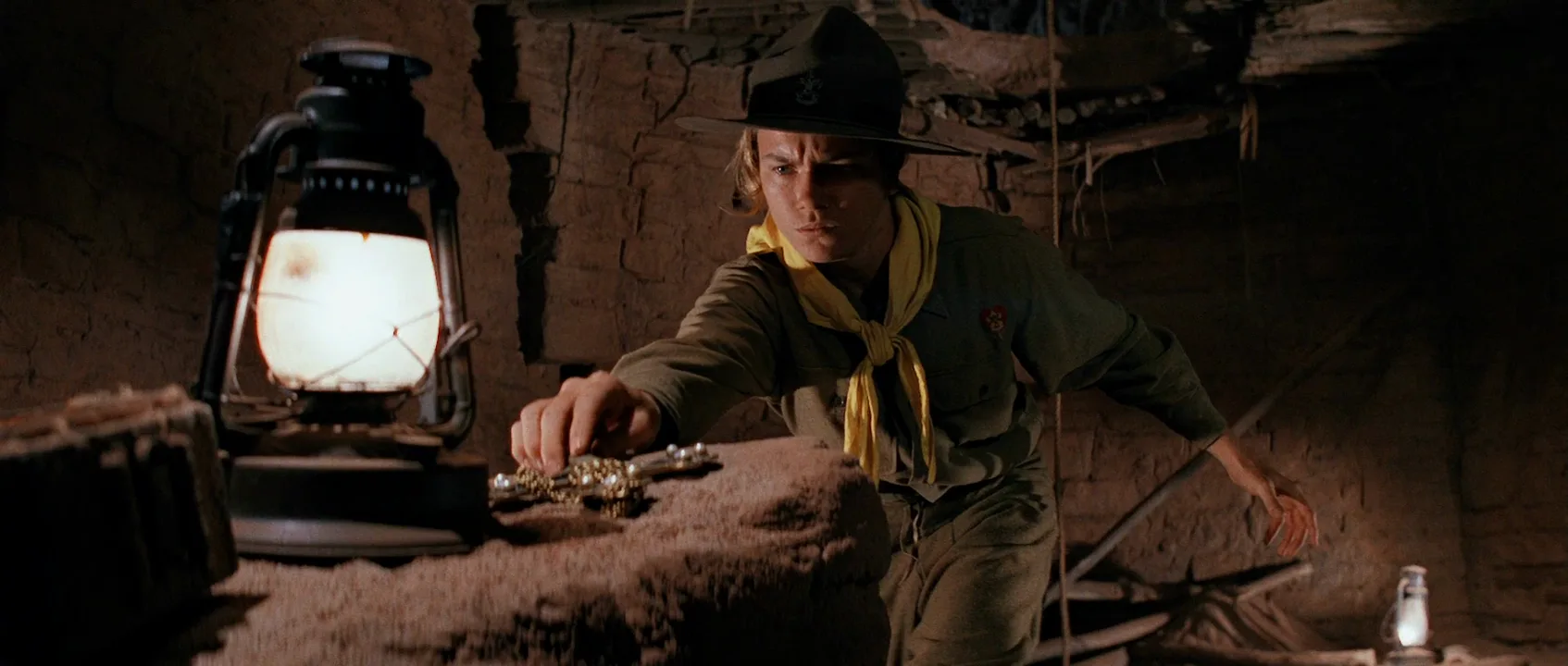
- Dramatized past. A scene years earlier, often with a younger cast. X-Men (2000) opens in a concentration camp in 1944, where a boy bends a metal gate with his mind.
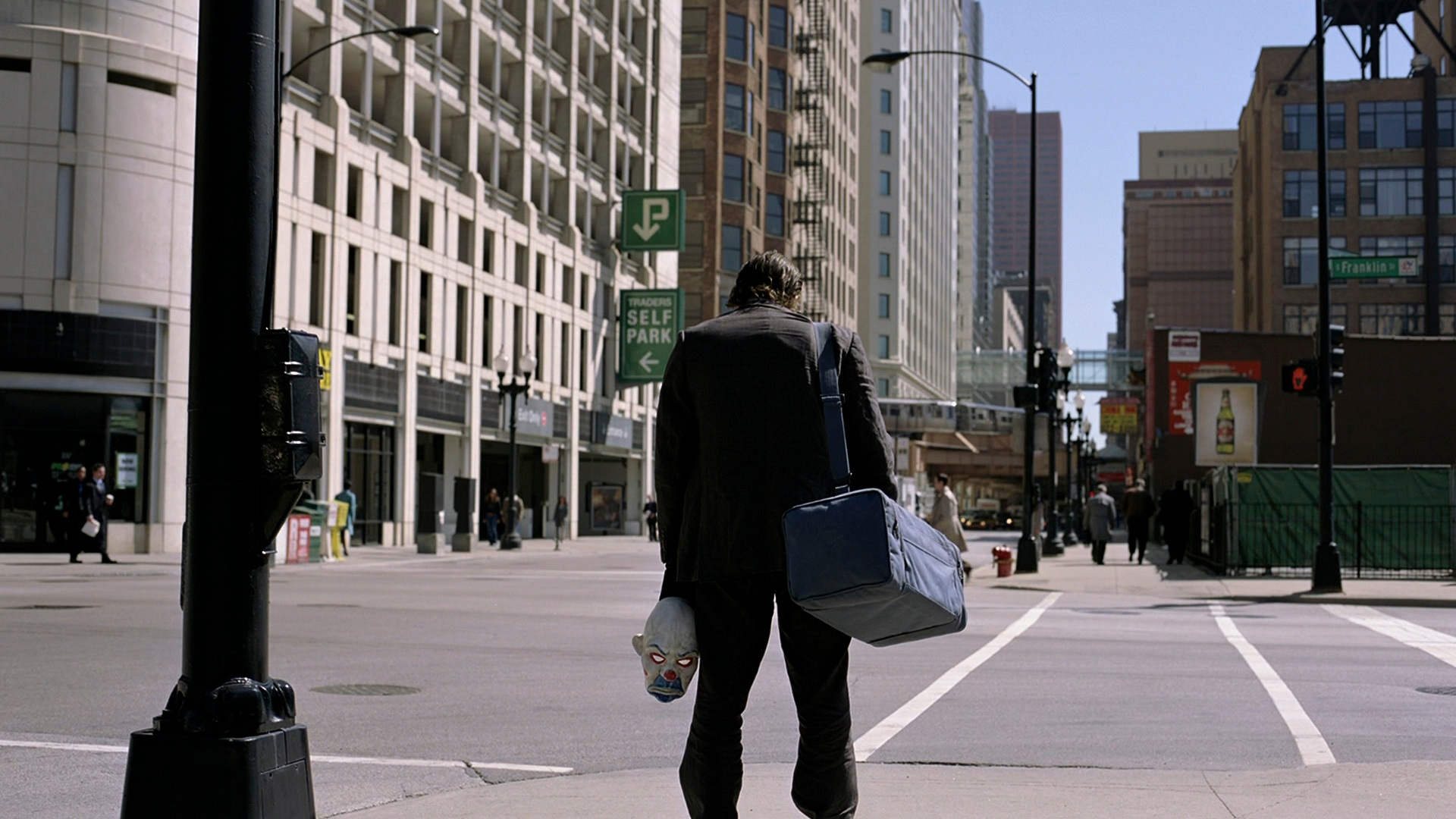
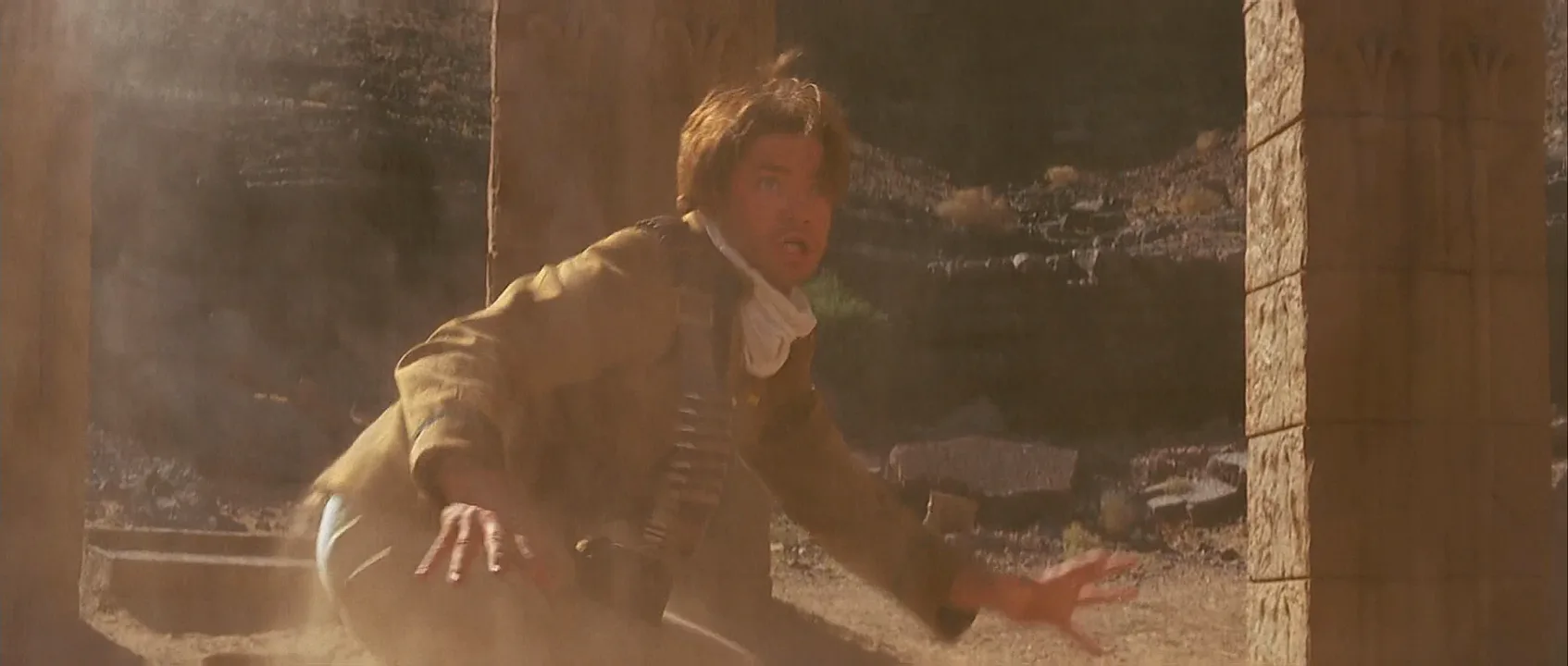
- Threat prologue. The Mummy (1999) starts with a curse in ancient Egypt, The Dark Knight (2008) with the Joker's bank heist.
- Frame opening. An older narrator or later time wraps the story, the setup half of bookends.
Why filmmakers use a prologue
Dramatic irony from minute one. Once the audience has seen the curse or the crime, act one plays with tension.
Character in shorthand. The Indiana Jones and the Last Crusade (1989) prologue, set in 1912, explains Indy's whip, scar, hat and fear of snakes in one chase. Casino Royale (2006) opens in black and white with how Bond earned his license to kill.
Tone and scale. There Will Be Blood (2007) opens with a long, nearly wordless stretch of a lone prospector digging a mine in the 1890s. It sets the film's pace before the plot starts.
How to write and shoot a prologue
- Mark the separation. A year-and-place super is the simplest cue; stronger ones are visual: a warmer, faded or monochrome grade, period costume, a child actor instead of the adult.
- Show one event. One self-contained scene with a clear end works better than a summary of decades.
- End on a hook. The last image is something the main story inherits, an object, a scar or an enemy, left unexplained so the story becomes the answer.
- Pay it off. If nothing later refers back to it, cut it.
- Design the handoff. Match an object or sound across the cut to act one, or cut hard to a contrasting look.
In FlashBoards, lay the prologue frames in one column and act one beside them, with arrows from each planted detail to its payoff. Side by side, you see at once whether the grade and costume separate the two.
Prologue vs. cold open vs. epilogue
A cold open is defined by position: it plays before the title. A prologue is defined by separation from the main story. They often overlap: the Dark Knight heist plays before the title, and Batman is absent because it exists to introduce the villain. But the cold open of Scream (1996) is the killer's first attack, in the same town and week as the rest of the film: it starts the main plot.
Nor is it a flashback, which interrupts a present that a prologue precedes.
The epilogue is the mirror image: set apart at the end, showing aftermath rather than cause.
Prologue examples in film
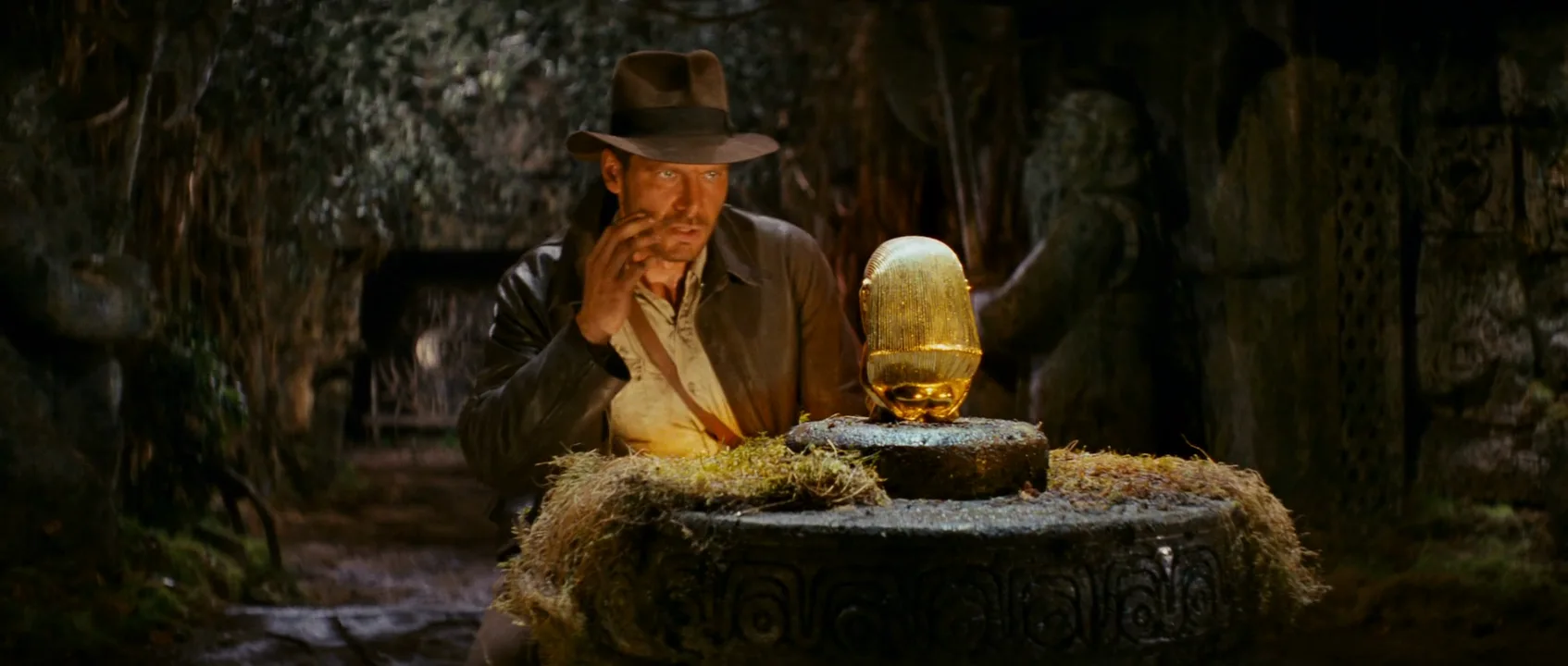
4 framesOpenings set before or apart from the main story; costume, age and setting mark them as separate.
How to create a prologue with AI
4 promptsA prologue shot must look like a different time from the rest of the film, so the prompt carries the year, period details and a distinct grade. Pin the frames beside an act-one frame on a FlashBoards board to check the separation. The fourth prompt re-shoots a real film shot from a text description alone, and the original plays next to the result so you can compare.
Prologue, 1911: a thin ten-year-old boy with a shaved head, big ears and a torn grey wool cap crouches behind burlap sacks in the hold of a wooden cargo ship, clutching a small brass compass. One oil lantern hangs from a beam, warm amber light, deep shadows. Medium wide shot, 35mm lens, eye level, faded warm color like old film stock, soft grain, cinematic film still.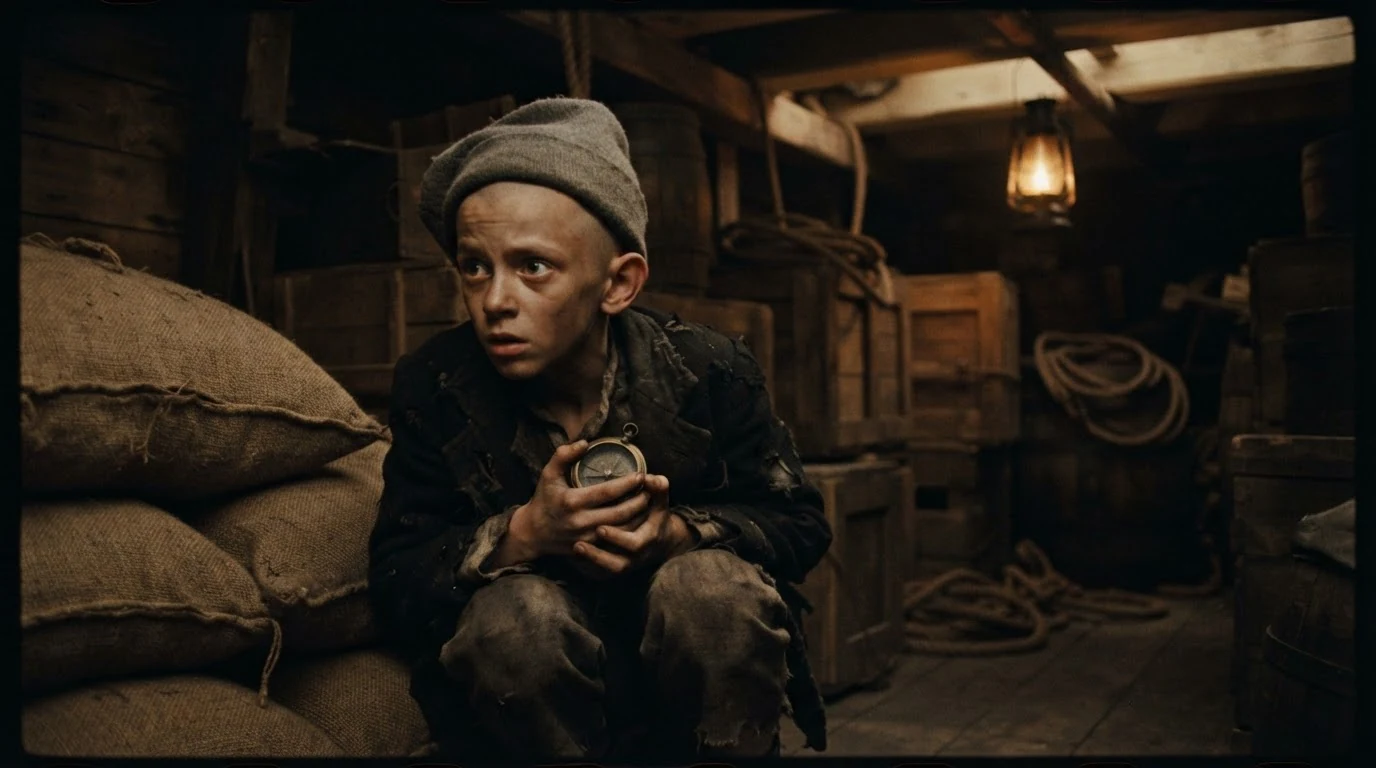
"Prologue, 1911", period clothes and "faded warm color like old film stock" set it apart from a modern main story; the compass is the planted object. This is the start frame for the video.
Open FlashBoardsMythic narrated prologue: an ancient battlefield at dusk seen from a high hill, thousands of soldiers in bronze armor facing a dark stone fortress, in the foreground a helmeted woman with a scarred cheek holds up a glowing blue crystal. Smoke, low orange sun, painterly muted colors, like a remembered legend. Extreme wide shot, 24mm, anamorphic widescreen film still.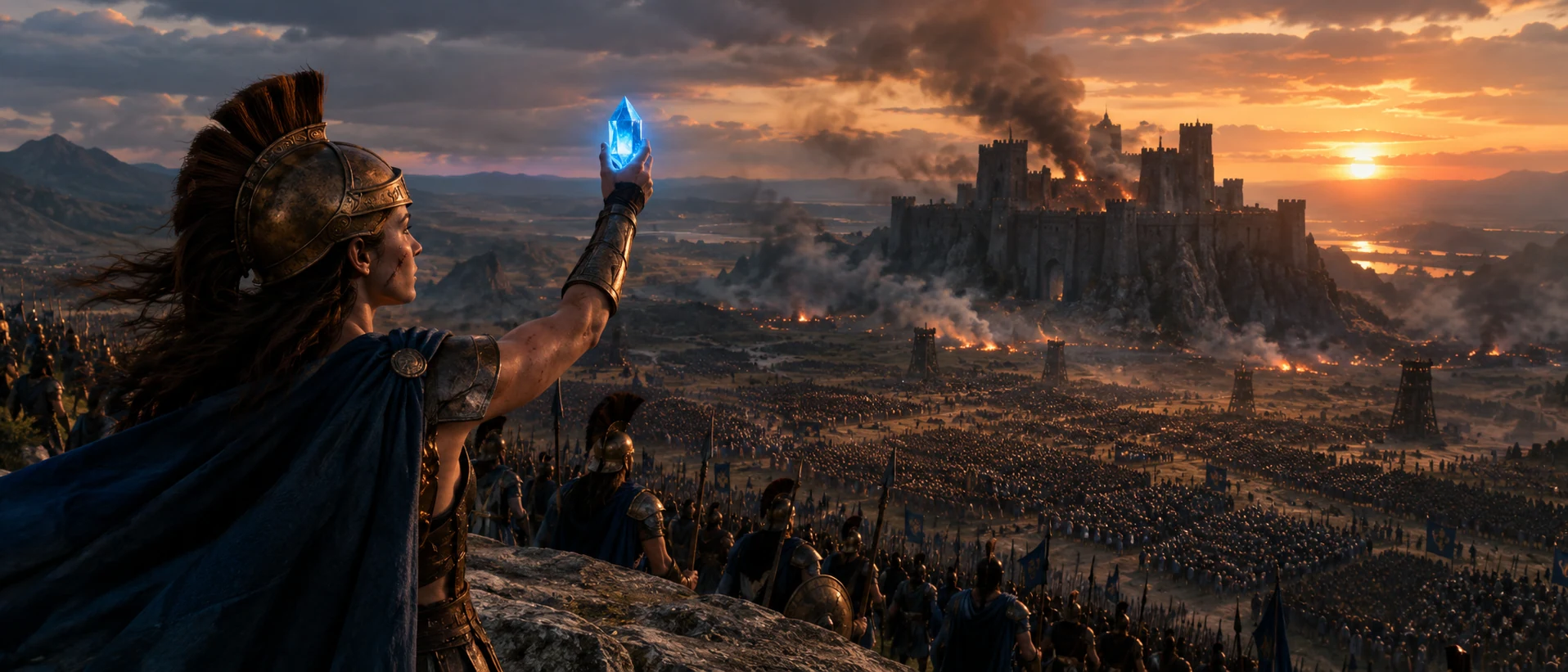
The narrated-history version: scale, a legend-like softness and one hero object, ready for a voice-over.
Open FlashBoardsCamera: slow push in toward the boy over six seconds, ending in a close-up on the brass compass in his hands. Action: from the first frame the lantern swings and its light slides across the sacks. The boy flinches at a sound above and presses the compass to his chest. At the end he opens his hand and looks down at it.The push in hands the audience the object the prologue is about; the swinging lantern keeps the shot alive from the first frame.
Open FlashBoards{
"output": "Full-screen live-action shot from Raiders of the Lost Ark (1981), alive from its very first frame: one continuous shot, no cuts. The opening temple prologue in the South American jungle, 1936: a dim stone chamber with carved stone idol statues and hanging vines and roots, a dark doorway far behind. Warm late-1970s 35mm anamorphic film stock, soft grain, amber top light pooling on a small golden idol, deep green-brown shadows.",
"characters": {
"S1": {
"name": "Indy (Indiana Jones), played by Harrison Ford",
"look": "lean man in his late thirties, brown fedora, worn brown leather jacket over a sweat-stained khaki shirt, a leather satchel strap across his chest, stubble",
"voice": "silent, only his breathing"
}
},
"shots": [
{
"shot": 1,
"camera": "wide shot at eye level, anamorphic lens; the camera holds while he crosses the chamber, then dollies in slowly and steadily toward the altar, lowering with him, ending in a medium close-up: his face in the left third, the golden idol large in the right third",
"action": [
"BEGINNING: alive from the first frame, S1 is already walking in from the left edge of frame, stepping carefully on the flat floor stones toward a round carved stone altar with moss on top, right of centre, where a small golden idol with a smooth rounded head sits on a low stone pedestal; his head is bowed, eyes on the floor stones, both arms held out from his body for balance.",
"THEN: he stops behind the altar, just left of the idol, and looks down at the idol for the first time.",
"THEN: he bends forward over the altar, his right hand, on screen left, stretched out low and to the side, and sinks into a crouch behind the altar.",
"THEN: crouched, he brings his right hand up to his chest and holds the satchel strap, his eyes fixed on the idol to the right of him.",
"THEN: the camera dollies in; his right hand rises to his mouth and covers it, fingers across his lips, his brow drawn in thought; the idol grows larger in frame and glows in the top light.",
"END: medium close-up, his knuckles resting under his chin, eyes locked on the golden idol at the right of frame, a slight frown; his left hand stays out of sight behind the altar and he does not reach for the idol yet."
],
"dialogue": [],
"voice": "silence: nobody speaks in this shot, no voice at all"
}
],
"sound": {
"ambience": "still, close air of a stone chamber, faint insects heard from the jungle outside, soft footsteps on stone, leather creak as he crouches, his quiet breathing",
"speech": "no words in this video; the only human sounds are breaths and movement",
"never_spoken": "no narration and no voice-over: the descriptions, performance notes and step words of this prompt are never spoken aloud",
"music": "a film score under the scene, always below the voices: low mysterious strings with a soft, slowly rising brass motif of suspense",
"subtitles": "none"
}
}Remakes the continuous dolly in toward the golden idol from the jungle temple prologue of Raiders of the Lost Ark (1981), dir. Steven Spielberg, DP Douglas Slocombe: Indy's entrance from the left, the crouch behind the altar, the hand at his mouth and the closing two-shot of face and idol, played without words as in the original.
A prologue often introduces the hero through one wordless task, so the prompt spends its beats on behaviour: careful steps, the crouch, the hand at the mouth, and a dolly in that ends on the object the sequence is about. Film and year in output carry the period look.
Common mistakes
- Without a year and period details, models default to a modern look. Name the year, the clothing and the light source, and ask for faded, old-stock color.
- Children come out too clean. Add dirt, torn fabric and specific features.
- Date supers often get misspelled. Add the card in the edit.
Keep the reference frames, prompts and every generated take side by side — images and video in one canvas.
FAQ
4 questionsWhat is a prologue in a movie?
A prologue is an opening section set apart from the main story, usually earlier in time or in another place. It shows an event, history or threat the story grows out of, as a text crawl, a narrated history or a dramatized scene, and usually ends on something the film pays off.
What is the difference between a prologue and a cold open?
A cold open is defined by position: it plays before the opening titles. A prologue is defined by separation from the main story in time, place or point of view. A prologue can play as a cold open, as in The Dark Knight, but most cold opens just start the main plot early.
Is a prologue the same as a flashback?
No. A flashback interrupts the present-day story to show an earlier moment. A prologue comes first, before the main story has started, so there is nothing to interrupt yet. A prologue set in the past can look like a flashback, but structurally it sets the story up.
Should a screenplay have a prologue?
Only if the audience must see an event the protagonist cannot show them. Many prologues deliver backstory that could come out later through action. Test it: cut the prologue and read act one. If nothing is lost, leave it out.
Related terms
6- Cold OpenStorytelling
A cold open drops the audience straight into a scene before the title card or opening credits, usually to hook them with a mystery, a joke or a jolt of action.
- EpilogueStorytelling
An epilogue (or coda) is a short final section after the main story is resolved, often jumping ahead in time to show where the characters ended up.
- BackstoryStorytelling
Backstory is everything that happened to the characters and their world before the film begins; it shapes their motives and is revealed through hints, dialogue or flashbacks rather than dumped on the audience.
- BookendsStorytelling
Bookends are matching scenes or images at the start and end of a film that rhyme with each other, so the ending reads as a measure of how much the characters or world have changed.
- Voice-OverSound & Music
Voice-over is speech heard over the picture from someone not speaking on screen at that moment — a narrator, a character's inner thoughts, a documentary commentary.
- Story StructureStorytelling
Story structure is the order and shape of the events that carry a story from setup to resolution; models like the three-act structure, Freytag's pyramid, the hero's journey or Save the Cat are different maps of it.
Further reading
Aristotle, Poetics — on the parts of a tragedy, including the prologue. Robert McKee, Story (1997) — on exposition and setting up the story's world.