 FlashBoards Learn
- Learn
- Film Movements & Styles
- Cinéma Vérité
Film Movements & Styles · Film language
Cinéma Vérité
Also called: cinema verite, observational documentary, direct cinema
Cinéma vérité is a documentary method from 1960s France in which a small crew with a lightweight 16mm camera and sync sound films real people and openly provokes the moment: asking questions, staying visible, even showing subjects the footage. The truth it seeks is the one the camera's presence brings out.
- What it does
- Makes the filming part of the story, so the audience watches people react to being filmed.
- Use it when
- You want candid, unrepeatable behavior and are willing to show the filmmaker's hand.
- Watch out
- Handheld grain alone is not vérité; the method is the provocation and the openness about it.
- Try this prompt
handheld 16mm black-and-white street interview, microphone toward a passerby, overcast daylight, heavy grain, 4:3
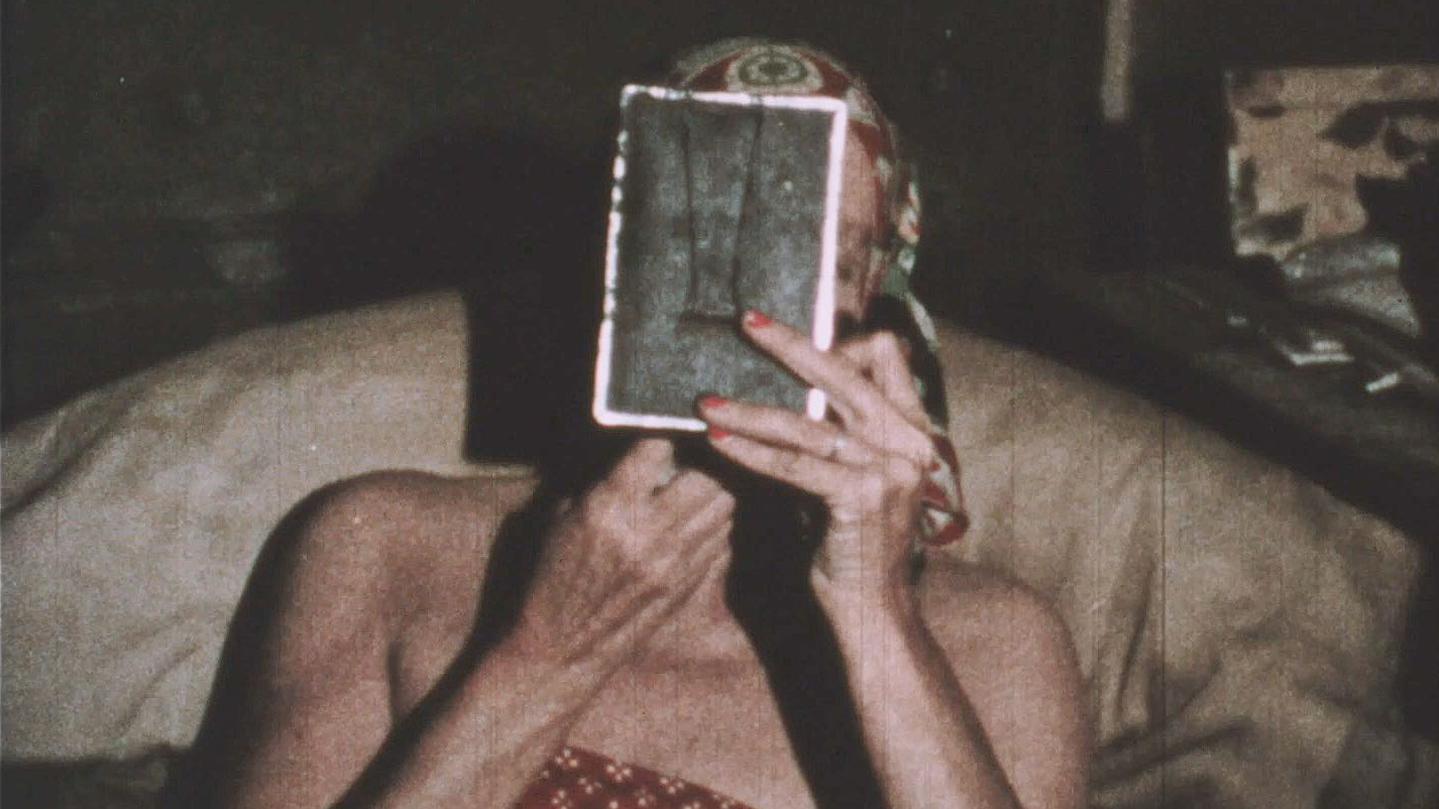
What is cinéma vérité?
Cinéma vérité (French for "cinema of truth") names a way of making documentary films, not a look. The filmmakers do not pretend to be invisible: they ask questions on camera, set up encounters and let the audience see it. A camera always changes what it films, so the honest move is to use that change and show it.
The style that came with it: a handheld 16mm camera at arm's length, black-and-white stock, available light, sync sound, long takes and street interviews. It belongs among the film movements that pulled cinema out of the studio.
Where cinéma vérité came from
The term translates Kino-Pravda, Dziga Vertov's 1920s Soviet newsreel series. It took hold after Chronicle of a Summer (Chronique d'un été, 1961), shot in Paris in 1960 by ethnographer Jean Rouch and sociologist Edgar Morin. Interviewers asked passersby "Are you happy?", and the film followed several of them into their lives. At the end the participants watch the film and argue about whether it was true.
The enabling tool was gear: lightweight 16mm cameras and portable Nagra recorders let one operator walk with a subject in sync. Québécois cinematographer Michel Brault, who shot part of Chronicle, brought his walking handheld technique. Chris Marker and Pierre Lhomme followed with Le Joli Mai (1963).
Why filmmakers use the vérité style
The effect on the viewer is complicity. When the interviewer is in frame and the subject answers her, we feel the pressure of the question. Hesitations and glances at the lens stay in the cut because they are the evidence.
Fiction borrowed the texture: the French New Wave took light cameras into the street and The Battle of Algiers (1966) staged history as newsreel. Those films copy the surface; the method, provoking real people and showing it, stays a documentary tool.
How to shoot in a cinéma vérité style
- Crew. Two or three people: operator, sound recordist and a director who talks to the subject.
- Camera. A light body at shoulder or chest height on a 20–35mm lens (Super 35), within two meters of the subject. Zoom in on reactions.
- Light. Work with the ambient light. Expose for the dark corners and let windows burn.
- Sound. Location sound is half the method: a boom plus a radio mic, rolling before and after the "interview" for the unguarded lines.
- Direction. Ask real questions on camera, bring together people who would not otherwise talk, show subjects the rushes and film their reaction.
- Edit. Keep long takes and awkward beats; cut explanations, not hesitations.
Cinéma vérité vs. direct cinema
Often used as synonyms, the two took opposite positions. Direct cinema, the American branch of Robert Drew, Richard Leacock, D.A. Pennebaker, the Maysles brothers and later Frederick Wiseman, wanted to be the fly on the wall: no interviews, no narration, just patient observation. Primary (1960), Salesman (1969) and Grey Gardens (1975) are direct cinema.
Cinéma vérité is the fly in the soup: the intervention is the subject. Quick test: if the filmmakers ask questions or stage an encounter on camera, it leans vérité; if they wait and watch, it is direct cinema.
Cinéma vérité vs. mockumentary and reality TV
A mockumentary such as The Office is scripted fiction wearing the vérité costume: shaky zooms, talking heads, looks to the lens. Reality TV like Keeping Up with the Kardashians uses the same surface for cast, produced situations. Neither is cinéma vérité, which films real people and exposes its own intervention.
Cinéma Vérité examples in film
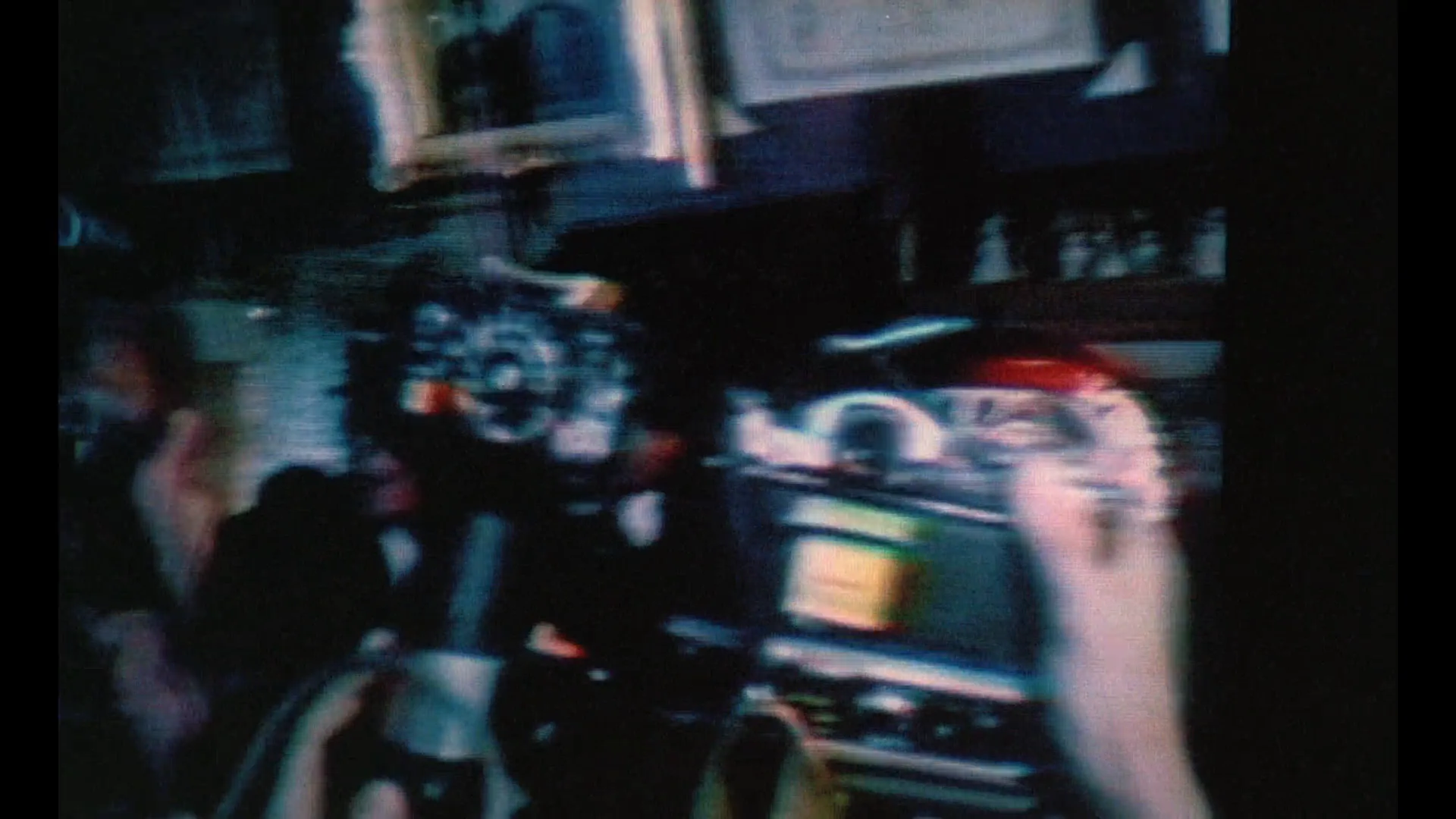
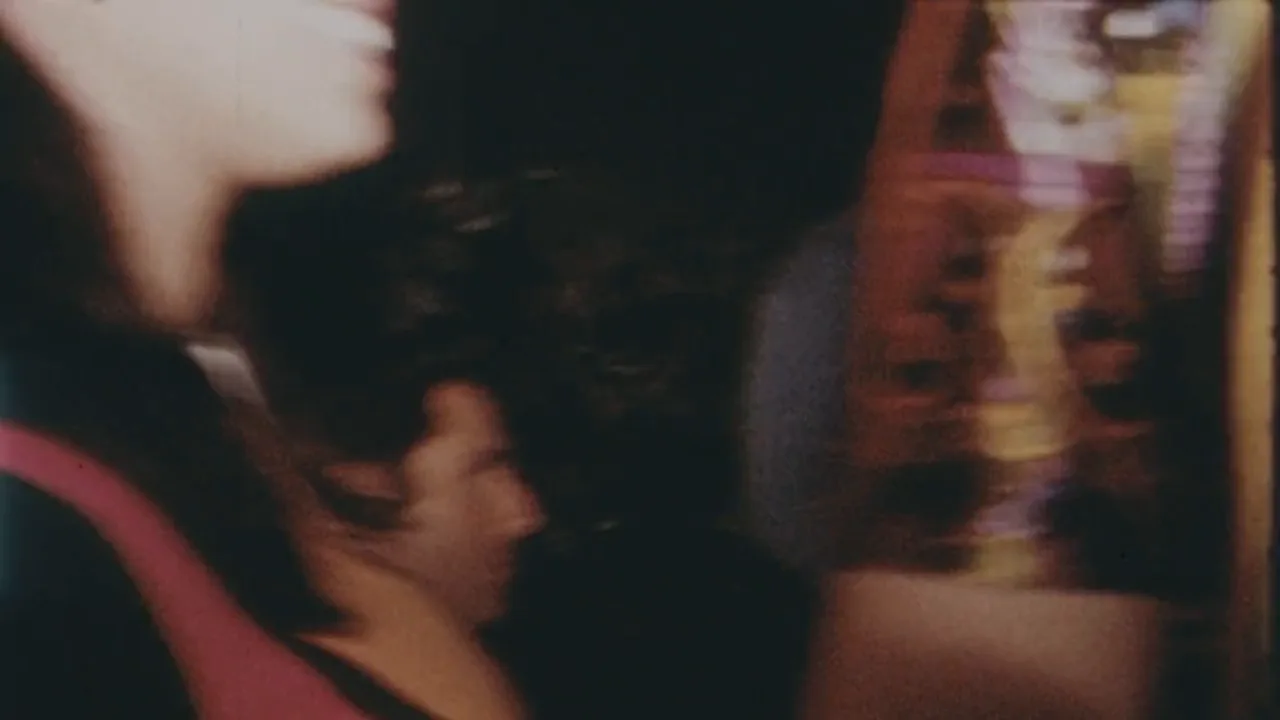
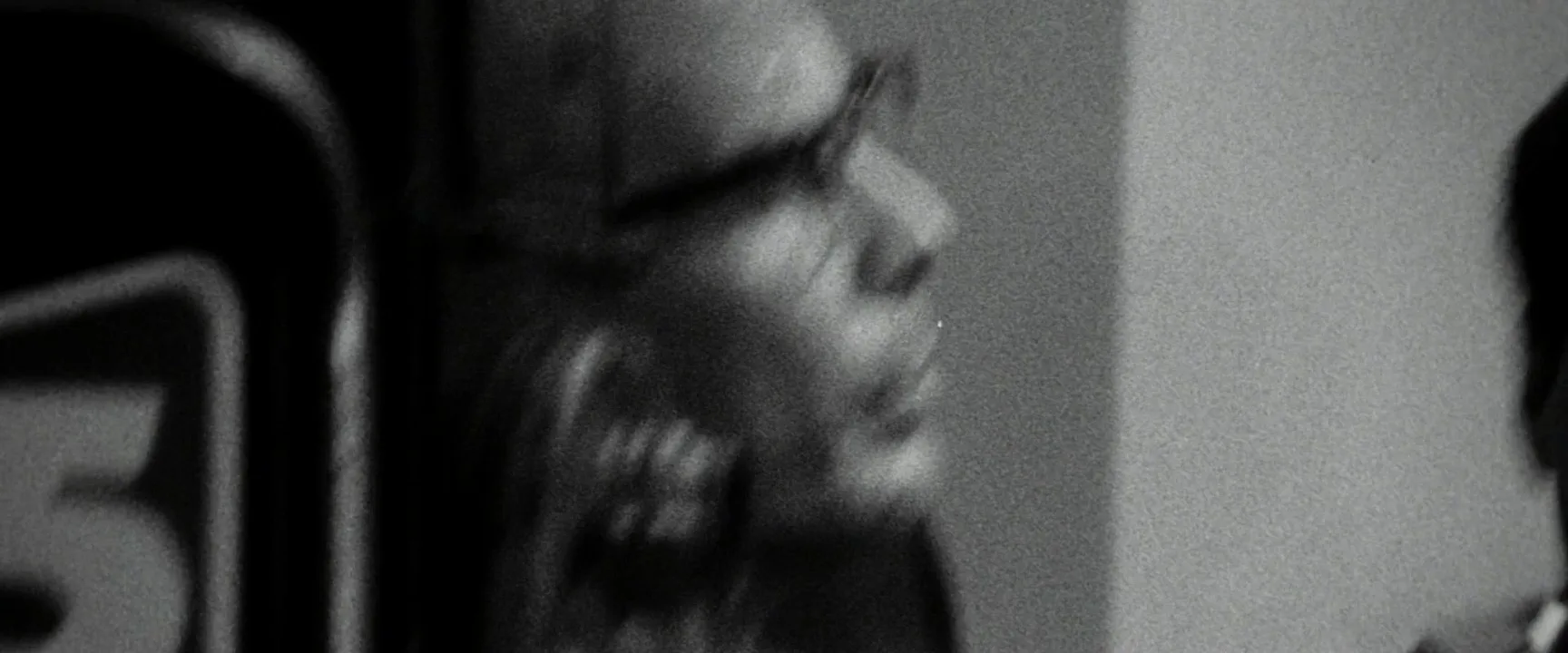
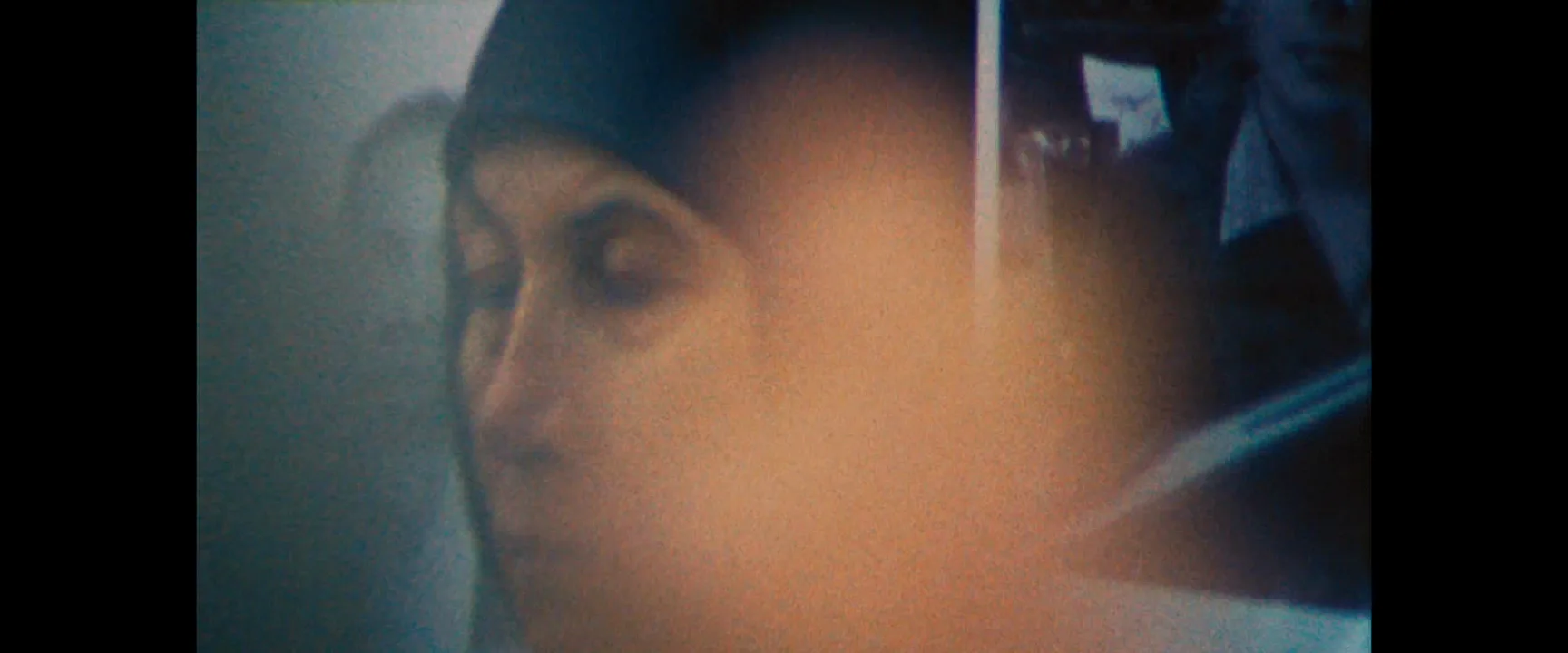
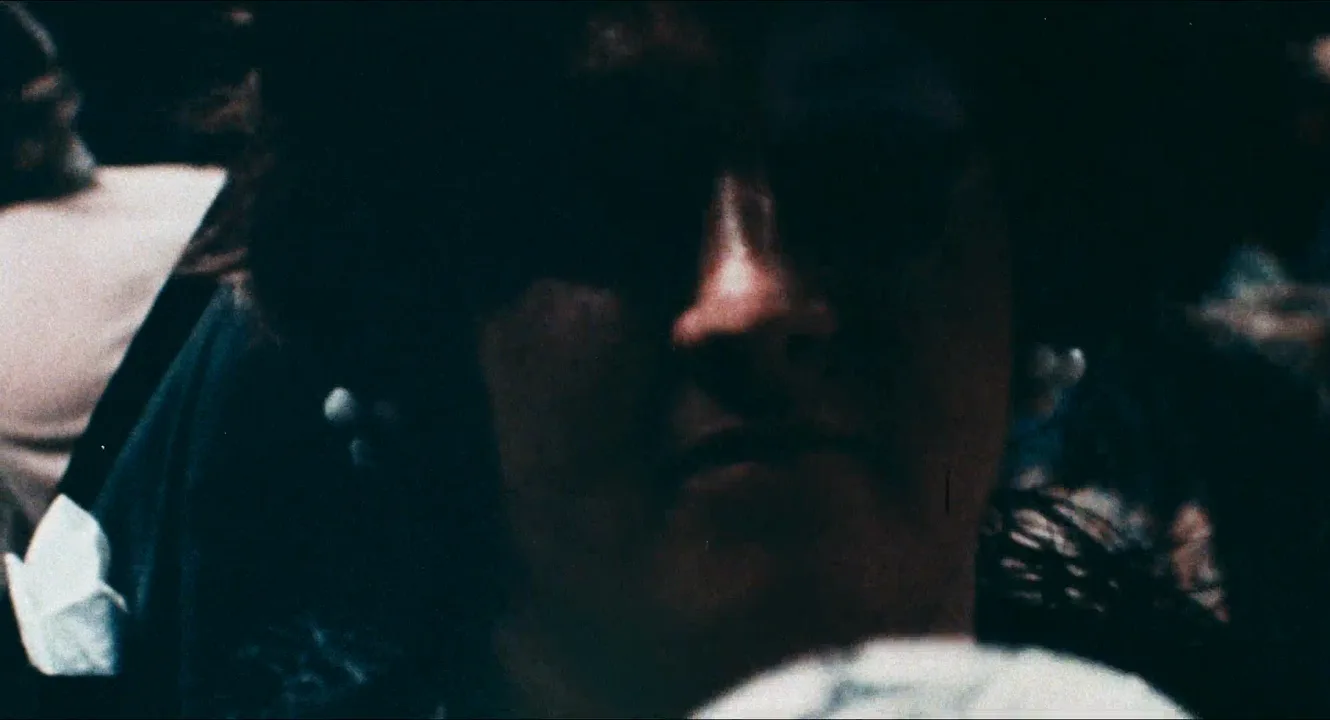
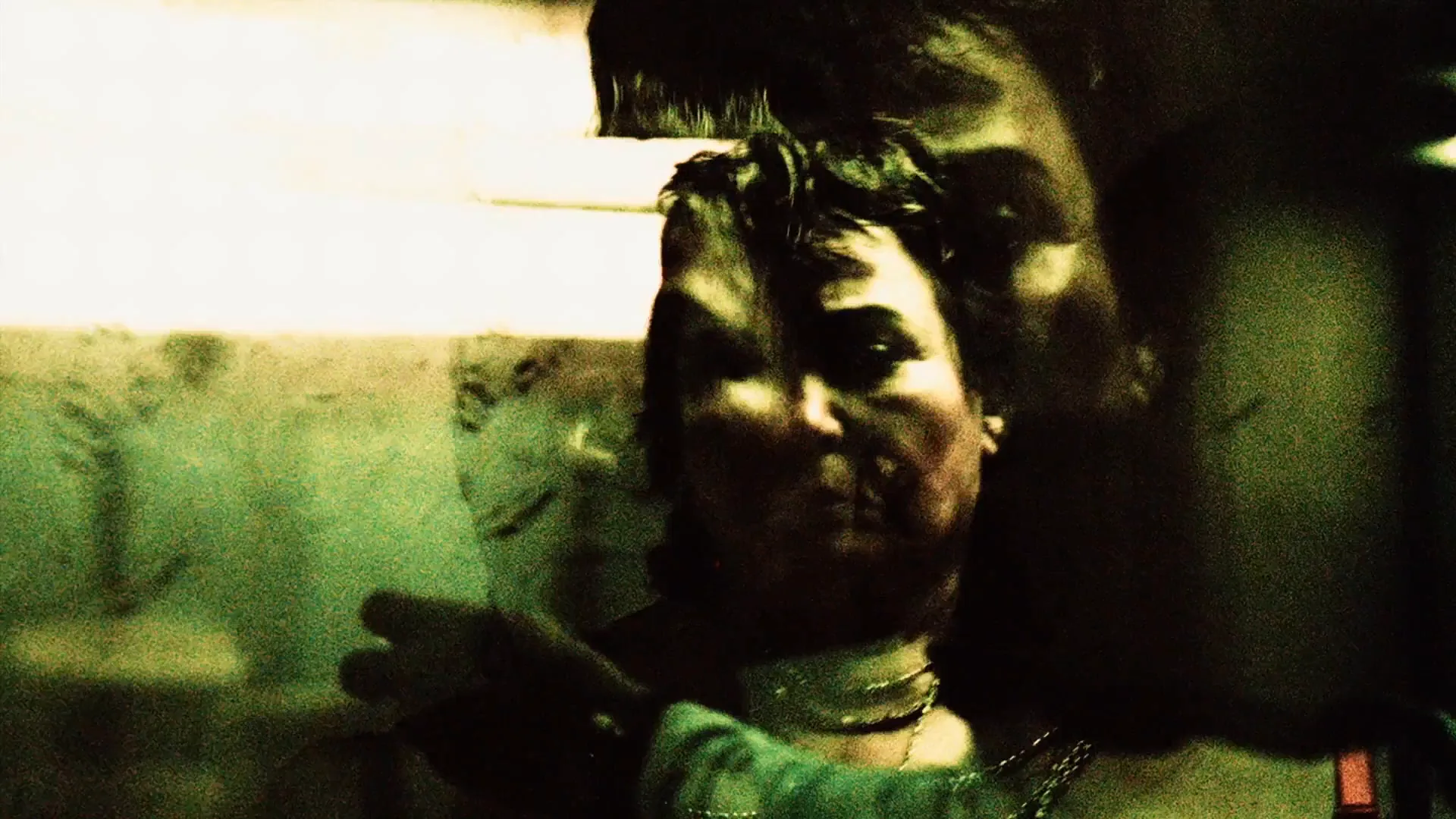
7 framesA founding observational documentary, then films using the same tools: 16mm grain, available light, a close camera.
How to create a cinéma vérité with AI
4 promptsModels know the vérité surface but not the method, so write the provocation into the frame: a visible interviewer, a microphone, a subject reacting to the camera. Nano Banana 2 Lite draws the start frame, GPT Image 2.5 a color take with the filmmaker in shot, MiniMax H3 Max Turbo animates frame one. Compare the takes side by side on one FlashBoards board. The fourth prompt re-shoots a real film shot from a text description alone, and the original plays next to the result so you can compare.
Black-and-white 16mm documentary frame, 1960, handheld at shoulder height on a busy city sidewalk: a young woman interviewer with a short dark bob and a checked wool coat holds a microphone toward a stocky middle-aged man with a grey mustache and flat cap, a newspaper under his arm, squinting mid-answer; behind him a teenage boy in a striped sweater stares straight into the lens; overcast daylight, 25mm, heavy film grain, slight tilt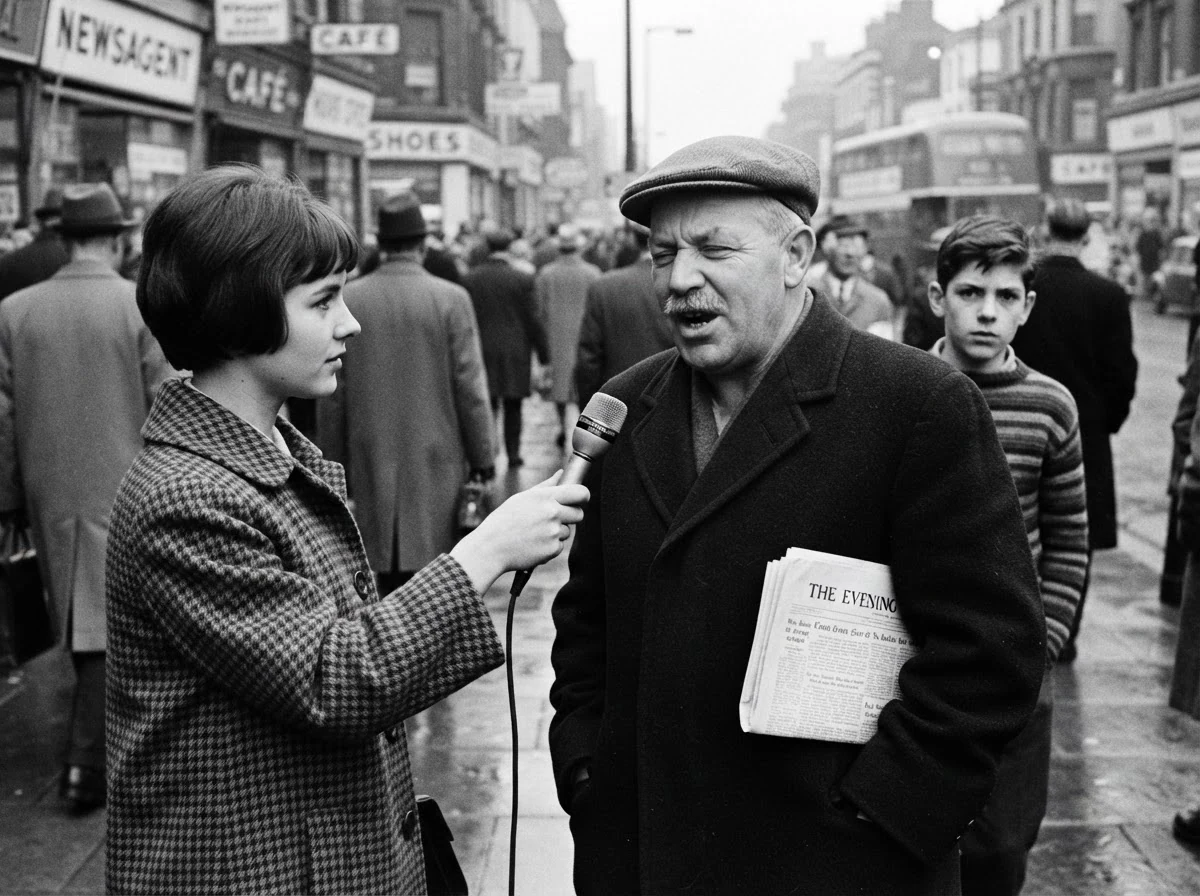
Holds a microphone toward and stares straight into the lens put the provocation and the camera's presence in the picture. 16mm, heavy film grain, overcast daylight and 4:3 set the period.
Open FlashBoardsGrainy 16mm color documentary still, early 1970s, small working-class kitchen: a lanky filmmaker in his forties with a shaved head and round wire glasses sits at the table, visible in frame, leaning toward a factory worker in her fifties with freckles and a long grey braid who laughs behind her hand; a portable reel-to-reel tape recorder between them; flat window light from the left, faces slightly underexposed, handheld at seated eye level, 28mm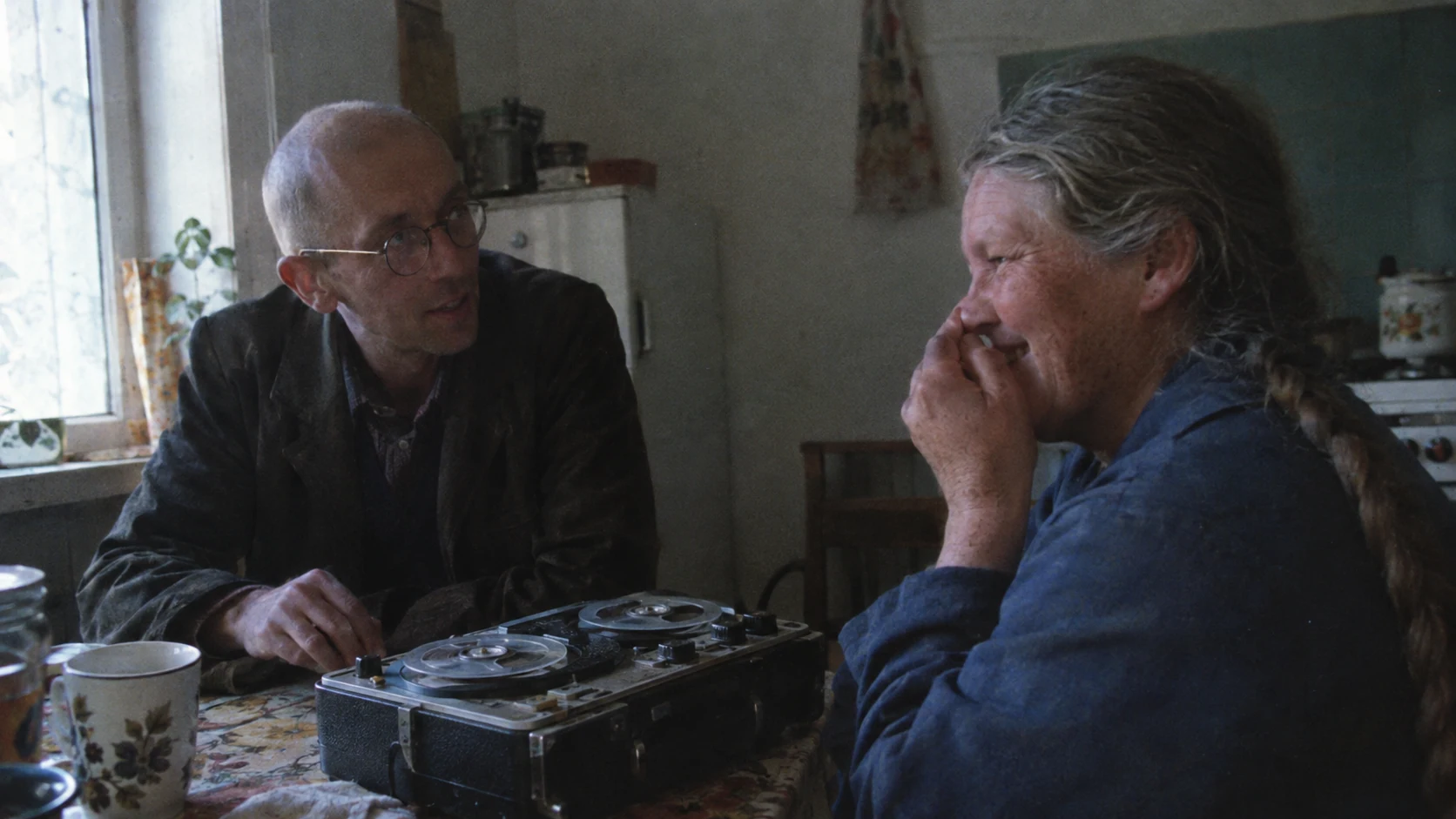
The filmmaker visible in frame and the tape recorder show the participatory side. Flat window light and slightly underexposed stop the model adding a key light.
Open FlashBoardsCamera: handheld at shoulder height with constant small sway from the first frame; midway it pans quickly to the teenage boy, then swings back to the man and the interviewer. Action: the mustached man keeps talking and shrugs. The interviewer tilts the microphone closer. The boy steps forward grinning into the lens, and the man turns to him and laughs.Constant small sway from the first frame keeps the shot alive. The quick pan to the boy and back mimics an operator reacting to whoever speaks.
Open FlashBoards{
"output": "Full-screen live-action documentary footage from Sans Soleil (1983) from its very first frame: one continuous handheld shot, no cuts. Grainy 16mm color reversal, election night in a cramped, dim Japanese campaign office, mixed tungsten and TV-lamp light, deep blacks, murky blue-green shadows with hot red, orange and yellow accents, soft focus that keeps drifting.",
"characters": {
"S1": {
"role": "the winning candidate, an older Japanese man",
"look": "grey hair combed back, glasses, dark suit, white shirt and dark tie",
"voice": "silence: he never speaks, only smiles"
},
"S2": {
"role": "a TV cameraman crowding in at frame right",
"look": "only his bare right hand and forearm are visible, gripping a big black shoulder-mounted news camera",
"voice": "silence"
},
"S3": {
"role": "a sound recordist at frame left",
"look": "only a hand is visible, holding a grey foam-covered microphone on a short pole, a coiled black cable hanging from it",
"voice": "silence"
}
},
"shots": [
{
"shot": 1,
"camera": "handheld at chest height inside a scrum of press, unstable and jostled the whole time, small sways and jolts from the first frame, medium framing that drifts: the rear of another crew's black TV camera fills the lower middle of the frame the whole time, so the filming apparatus is the main subject; focus hunts and slips",
"action": [
"BEGINNING: alive from the first frame, the frame is packed: at the left a grey foam microphone on a pole pokes in from the left edge with a coiled cable, an orange cloth is draped over the black camera body in the lower middle, and behind it a dark-suited man bends his head down; shelves of small white figurines line the top of the frame.",
"THEN: the frame jolts up and to the right; the back of the black TV camera with round silver dials and a small glowing yellow viewfinder screen fills the centre, and S3's hand holds the microphone upright at the left.",
"THEN: S2's bare right hand comes in from the right edge and grips the side of the TV camera, fingers adjusting a knob; behind it a man in a grey suit and glasses at frame right bows his head; framed certificates hang on the wall along the top edge.",
"THEN: the frame sways left and back; a crowd of dark suits presses in behind the camera, one raised hand at the left.",
"THEN: a single press photo flash bursts, washing the whole frame white for an instant.",
"THEN: S1 appears behind the TV camera in the right third, raises one hand in greeting and turns his face toward the lens with a wide beaming smile.",
"END: S1 keeps smiling straight at the camera, head tilted slightly, while S2's hand in the right foreground still turns the camera knob and the frame keeps swaying."
],
"voice": "silence: nobody speaks in this shot, no voice at all",
"dialogue": []
}
],
"sound": {
"ambience": "the hubbub of a packed room with no clear words, film camera whirr, clicks of still cameras, the pop of a photo flash, clothes brushing against gear",
"speech": "no words in this video; the only human sounds are breaths and movement",
"never_spoken": "no narration and no voice-over: the descriptions, performance notes and step words of this prompt are never spoken aloud",
"music": "a film score under the scene, always below the voices: a thin, wistful synthesizer tone with a slow pulse",
"subtitles": "none"
}
}Remakes the election-night press scrum from Sans Soleil (1983), dir. Chris Marker, keeping the TV camera filling the frame, the mic and the operator's hand, the photo flash and the winner beaming into the lens.
The JSON puts the apparatus at the centre of the frame: another crew's TV camera, a boom mic and a cameraman's hand, with the candidate only turning up at the end to smile into the lens. A jostled handheld camera, 16mm grain and a photo flash give the scrum its press-footage feel.
Open FlashBoardsCommon mistakes
- Models clean up the image with sharp faces, rim light and bokeh. Name heavy film grain, overcast daylight, slightly underexposed.
- Without a visible microphone or interviewer you get plain street photography.
- In video, handheld smooths into a gimbal float. Ask for constant small sway and a pan that reacts to a person.
Keep the reference frames, prompts and every generated take side by side — images and video in one canvas.
FAQ
4 questionsWhat is cinéma vérité in simple terms?
A documentary method in which filmmakers use light cameras and sync sound to film real people while openly taking part: asking questions, provoking situations, showing their own presence. It began with Jean Rouch and Edgar Morin's Chronicle of a Summer (1961). The name means "cinema of truth", from Dziga Vertov's Kino-Pravda.
What is the difference between cinéma vérité and direct cinema?
Direct cinema, the American branch around Robert Drew, the Maysles brothers and Frederick Wiseman, observes without interfering: no interviews, no narration. Cinéma vérité intervenes on purpose, with questions, staged encounters and screenings for the subjects, and shows it. Both used the same 16mm sync-sound gear, so the films can look alike.
Is reality TV cinéma vérité?
No. Reality shows borrow the handheld look and confessional interviews, but their situations are cast, produced and edited for a format, and the production hides its hand. Cinéma vérité films real people and makes the filmmaker's intervention visible.
What are famous cinéma vérité films?
The founding film is Chronicle of a Summer (1961) by Jean Rouch and Edgar Morin. Other key titles are Rouch's Moi, un noir (1958), Chris Marker and Pierre Lhomme's Le Joli Mai (1963) and Michel Brault and Pierre Perrault's Pour la suite du monde (1963). Grey Gardens belongs to direct cinema.
Related terms
7- MockumentaryGenres
A mockumentary is fiction staged in documentary form — talking-head interviews, handheld camera, captions, 'caught' moments — usually for comedy, as in This Is Spinal Tap or Borat.
- NaturalismFilm Movements & Styles
Naturalism in film aims for an illusion of unmediated life — unstylized acting, available light, real locations and hidden technique — often showing characters shaped by environment and circumstance.
- Documentary FilmmakingFilmmaking Process & Crew
Documentary filmmaking records real people and events rather than staged fiction, built from observation, interviews, archival footage and narration, and shaped into a story in the edit.
- Handheld ShotCamera Movement
A handheld shot is filmed with the camera held in the operator's hands or on the shoulder, without a stabiliser, so its natural sway and jolts make the scene feel immediate, documentary-like or anxious.
- Ambient LightLighting
Ambient (available) light is whatever light already exists at a location — sun through windows, street lamps, shop signs — before the crew adds its own; DPs either shoot with it as it is or shape and supplement it.
- Dogme 95Film Movements & Styles
Dogme 95 is the Danish movement launched by Lars von Trier and Thomas Vinterberg with a 'Vow of Chastity': handheld camera, real locations, no added lighting or non-diegetic music, no genre tricks — Festen and The Idiots are its first films.
- Location SoundSound & Music
Location sound is everything recorded on set during the shoot — dialogue, ambience, room tone, wild lines — by the production sound mixer and boom operator, in sync with picture.
Further reading
Bill Nichols, Introduction to Documentary (Indiana University Press). Erik Barnouw, Documentary: A History of the Non-Fiction Film (Oxford University Press).