 FlashBoards Learn
- Learn
- Film Movements & Styles
- French New Wave
Film Movements & Styles · Film language
French New Wave
Also called: Nouvelle Vague, New Wave
The French New Wave (Nouvelle Vague) was a movement of young French directors, most of them critics at Cahiers du cinéma, who between 1958 and the mid-1960s shot cheap, personal films on real streets with light handheld cameras, natural light, jump cuts and a playful voice that talks back to the audience.
- What it does
- Makes a film feel caught on the run: real streets, available light, a restless camera and cuts that admit they are cuts.
- Use it when
- You want youth, spontaneity and a director's personal voice more than polish, or you have a small crew, little money and a city to shoot in.
- Watch out
- The style is easy to copy as surface (black-and-white, stripes, cigarettes). Without a point of view behind the jump cuts it reads as pastiche.
- Try this prompt
Handheld black-and-white medium two-shot, a young couple walking and arguing on a crowded 1960s city sidewalk, 32mm lens, grainy fast film stock, overcast daylight, passers-by glancing at the camera.
What is the French New Wave?
The French New Wave is the name for a burst of first features made in France from about 1958 to the mid-1960s by directors who had learned cinema by watching it, not by working their way up through studio crews. François Truffaut, Jean-Luc Godard, Claude Chabrol, Éric Rohmer and Jacques Rivette had spent the 1950s writing criticism for Cahiers du cinéma, arguing that the director should be the author of a film. The New Wave was that argument, auteur theory, put into practice with their own cameras.
The label nouvelle vague was first a journalist's phrase for a new generation of French youth in 1957; within two years it stuck to the films. It covers a loose group rather than a school with a manifesto. What the films share is an attitude:
- Cheap and fast. Small crews, short schedules, borrowed apartments and street corners instead of studio sets.
- Personal. Stories about young people, love, drifting and Paris, often drawn from the directors' own lives.
- Self-aware. Characters quote films, the camera is noticed, the editing is allowed to show.
- Built on love of cinema. Hollywood crime films and melodramas are borrowed, then broken apart.
It sits in the lineage of film movements that rejected studio polish, taking the real locations and non-professional energy of Italian neorealism and adding a critic's irony and a taste for genre.
How did the French New Wave start?
The critics. Cahiers du cinéma was founded in 1951 with André Bazin as its guiding editor. In January 1954 Truffaut, then 21, published "A Certain Tendency of the French Cinema", an attack on the respectable literary adaptations of the "tradition of quality". He wanted directors who wrote with the camera, like Jean Renoir, Robert Bresson and Alfred Hitchcock.
The breakthrough, 1958–1960. Chabrol financed Le Beau Serge (1958) with family money and followed it with Les Cousins (1959), which won the Golden Bear in Berlin. In May 1959 Truffaut won Best Director at Cannes for The 400 Blows, whose last shot, a freeze frame of a boy on a beach looking at the camera, became one of the movement's emblems. Godard's Breathless (1960), from a story by Truffaut, was shot by Raoul Coutard without synchronized sound and cut with abrupt jump cuts. Alain Resnais' Hiroshima mon amour (1959) showed a more literary, time-shattering branch of the same wave.
Right Bank and Left Bank. Historians often split the movement in two. The Cahiers group (Truffaut, Godard, Chabrol, Rohmer, Rivette) loved genre and Hollywood. The "Left Bank" filmmakers, Resnais, Agnès Varda and Chris Marker, came from documentary and literature and cared more about memory and politics. Varda's La Pointe Courte (1955) predates them all, and her Cléo from 5 to 7 (1962) follows a singer through Paris in close to real time.
Key films. Shoot the Piano Player (1960), Lola (1961), Paris Belongs to Us (1961), Last Year at Marienbad (1961), Jules and Jim (1962), Adieu Philippine (1962), Contempt (1963), Band of Outsiders (1964), Pierrot le Fou (1965) and Rohmer's My Night at Maud's (1969).
The end. By the mid-1960s the directors had diverged: Truffaut toward classical storytelling, Chabrol toward thrillers, Godard toward open political cinema after May 1968. The wave ended as a group but its methods went everywhere.
What are the characteristics of the French New Wave?
No single film uses all of these, but together they are the movement's visual grammar.
- Real locations. Streets, cafés, hotel rooms and apartments shot as they were, with bystanders in frame. See filming location for what that means in practice.
- Handheld and improvised movement. Lighter 35mm cameras such as the Éclair Cameflex let the operator walk with actors. A handheld shot that sways with a conversation replaced the dolly track; Coutard famously rode a wheelchair for moving shots on Breathless.
- Available light. Fast black-and-white stock, daylight through windows and light bounced off white ceilings instead of big studio units. Faces are sometimes underexposed, windows burn out, and nobody fixes it. More in natural light.
- Jump cuts and loose continuity. Frames are removed from the middle of a shot, eyelines don't match, time skips. The cut becomes a visible gesture instead of an invisible join.
- Direct address and reflexivity. Characters glance or speak into the lens (direct address), films quote other films, a narrator comments on the action.
- Freeze frames, intertitles, voice-over. Devices from silent film and documentary are pulled back into fiction.
- Genre remixed. Gangster plots, musicals and melodramas are used as skeletons, then interrupted by digressions, jokes and long conversations. The movement's homage to Hollywood is both loving and mocking.
- Color as pop art. When Godard moved to color and widescreen (Contempt, Pierrot le Fou) the palette became flat primary red, blue and yellow against white walls.
Underneath it all is tone: casual, witty, melancholy, sometimes cruel, rarely solemn.
How to shoot a French New Wave–style scene today
The point is not to imitate 1960 but to recover its freedom. Practical settings for a modern crew:
- Crew and time. Three to five people, one camera, no video village. Plan for long takes you can later cut into, not tight coverage.
- Camera. Handheld or shoulder rig, no stabilizer. A 28–40mm lens at 1.5–3 m from the actors keeps both faces and the street in the frame. For moving two-shots, walk backward in front of the actors or push the operator in a wheelchair, office chair or shopping cart.
- Exposure and stock. Shoot at ISO 1600–3200 and let the grain show. For the early look, black-and-white with lifted blacks; for the later Godard look, saturated primaries and white walls.
- Light. Daylight from windows, one bounce card or a white ceiling as fill, practical lamps at night. Accept blown windows and faces that fall into shadow when an actor turns.
- Sound. Record guide sound and plan to rebuild dialogue and ambience in post. The New Wave directors often did.
- Performance. Rehearse the situation, not the lines. Let actors overlap, wander and look at the camera once in a while.
- Editing. Shoot one continuous take of a conversation, then remove chunks to make jump cuts. Hold a freeze frame on the final look. Keep one or two cuts that break continuity on purpose.
The test: if you removed the plot, would the scene still feel alive as a record of these people in this place? That is what the best New Wave films have.
French New Wave vs. New Hollywood
New Hollywood (roughly 1967–1980) is the New Wave's most direct heir, and the two are easy to blur.
| | French New Wave | New Hollywood | |---|---|---| | When | c. 1958–1965 | c. 1967–1980 | | Who | Critics turned directors, outside the industry | Film-school graduates and TV directors inside a collapsing studio system | | Money | Tiny budgets, private financing | Studio money, sometimes big | | Look | Handheld, available light, jump cuts, often black-and-white | Location color, long lenses and zooms, grittier violence | | Tone | Playful, ironic, self-aware | Darker, disillusioned, often political | | Typical film | Breathless (1960) | Taxi Driver (1976) |
The link is explicit: the script of Bonnie and Clyde (1967) was offered first to Truffaut and then to Godard before Arthur Penn directed it, and its sudden tonal shifts come straight from French models. The difference is scale. The New Wave proved you could make a film with almost nothing; New Hollywood took that attitude into the studios, with stars, color and national distribution.
French New Wave examples in film
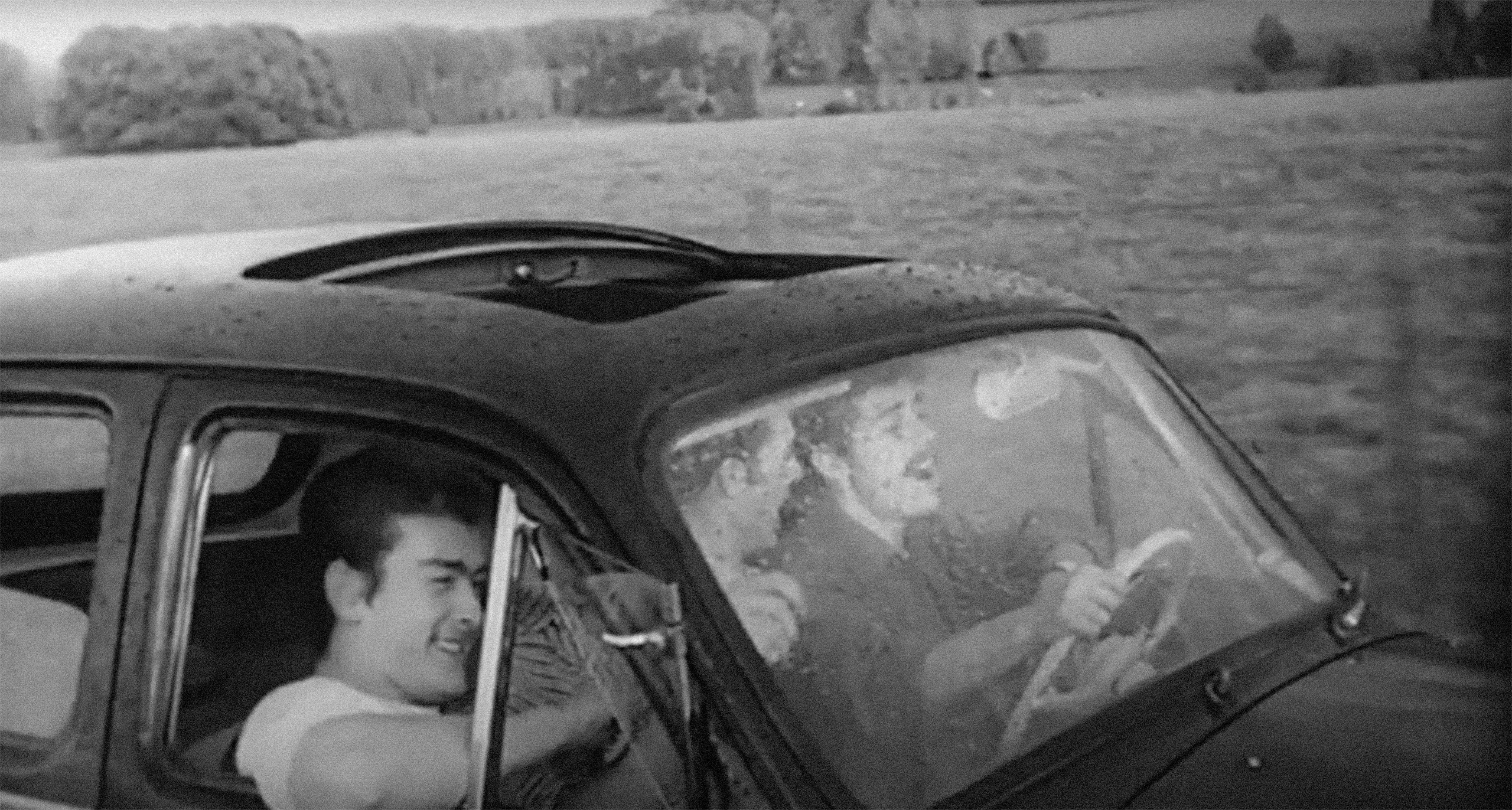
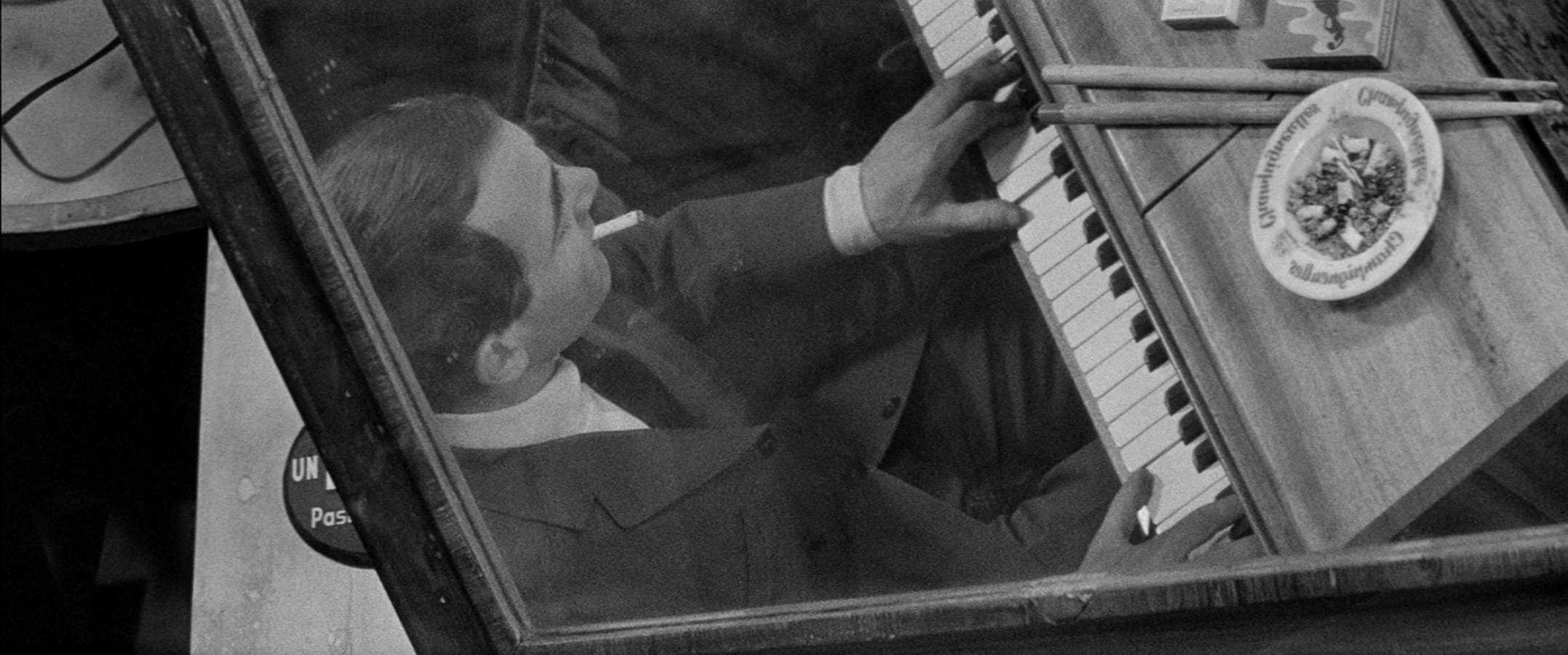
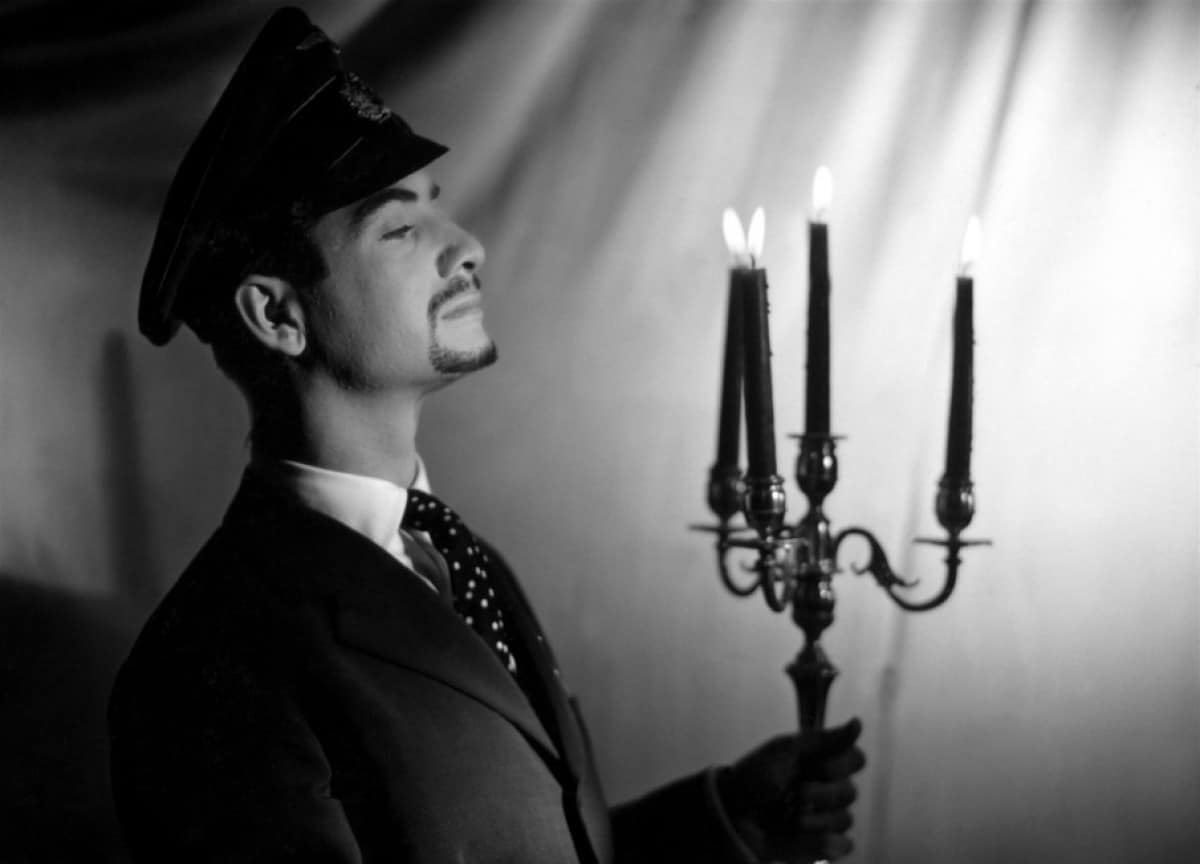
10 framesFrames from the New Wave itself, then from a later Truffaut film and three directors who inherited its freedom. Look for real rooms and streets, natural light and people caught mid-gesture.
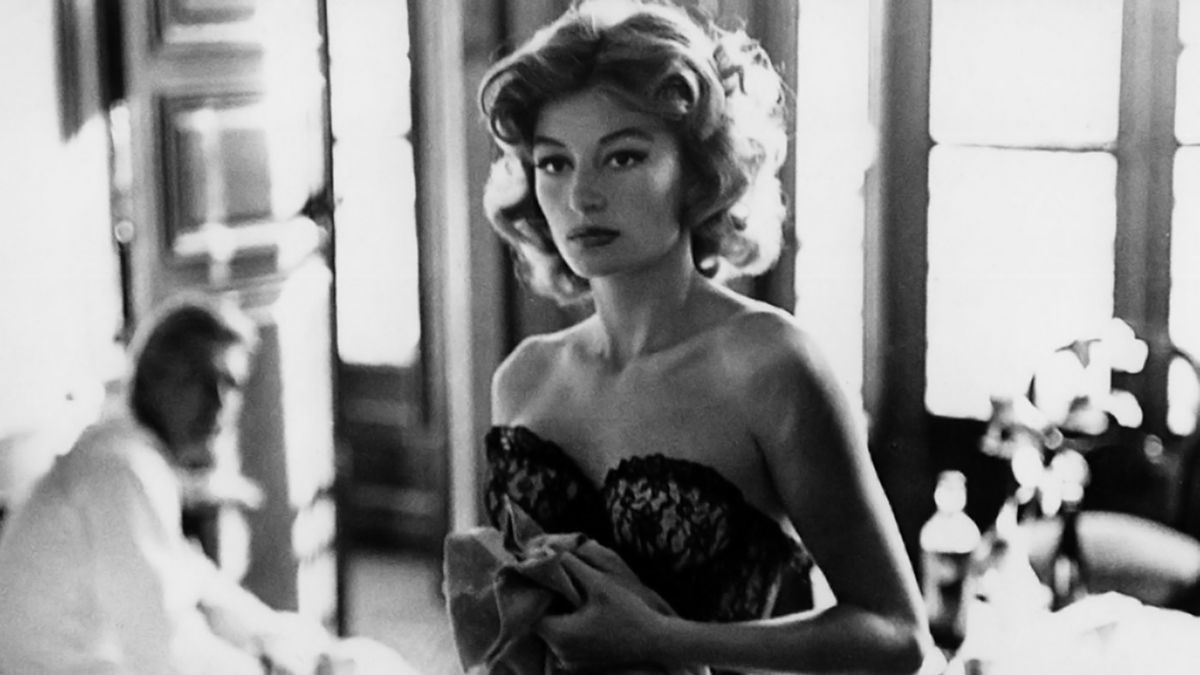
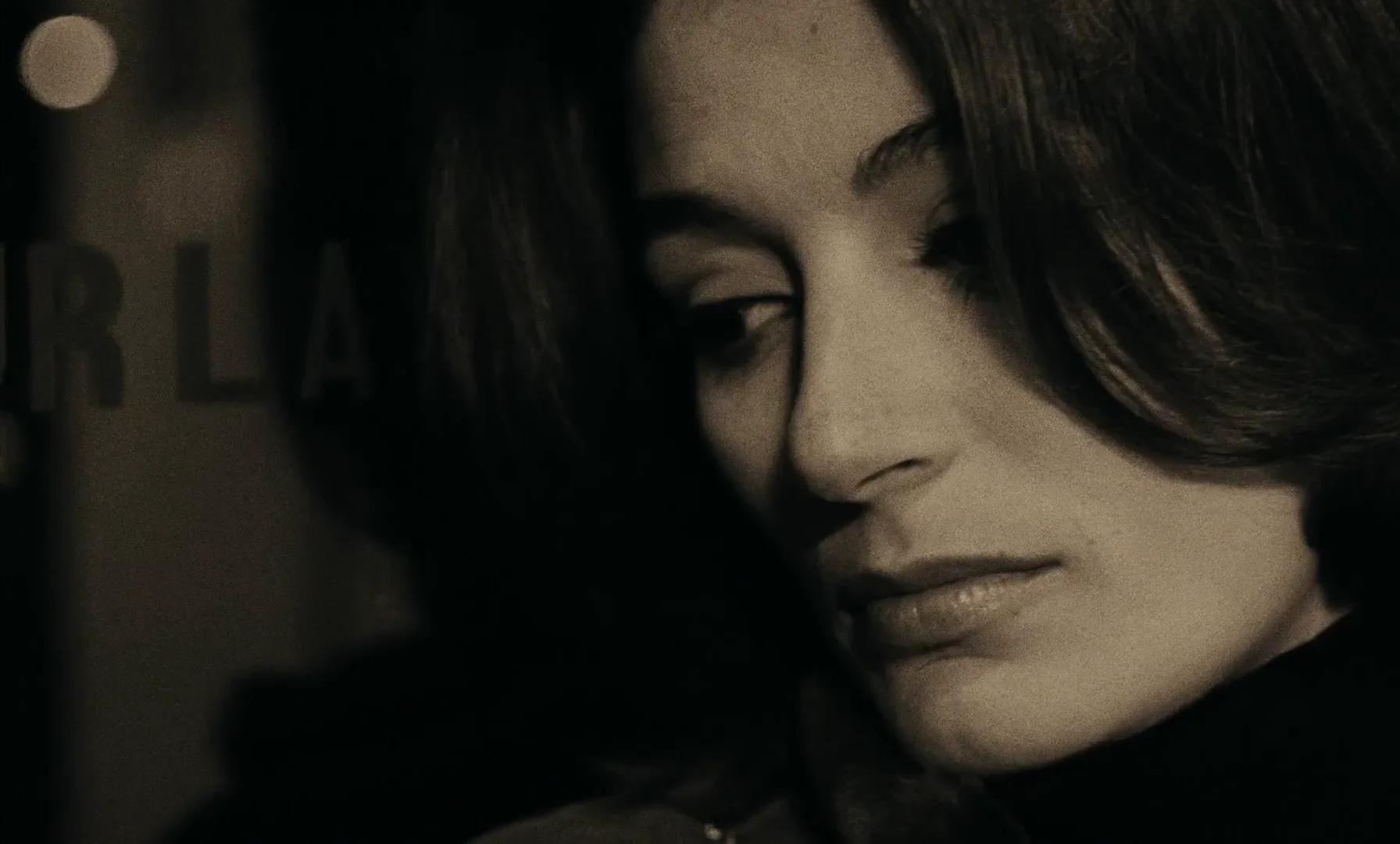
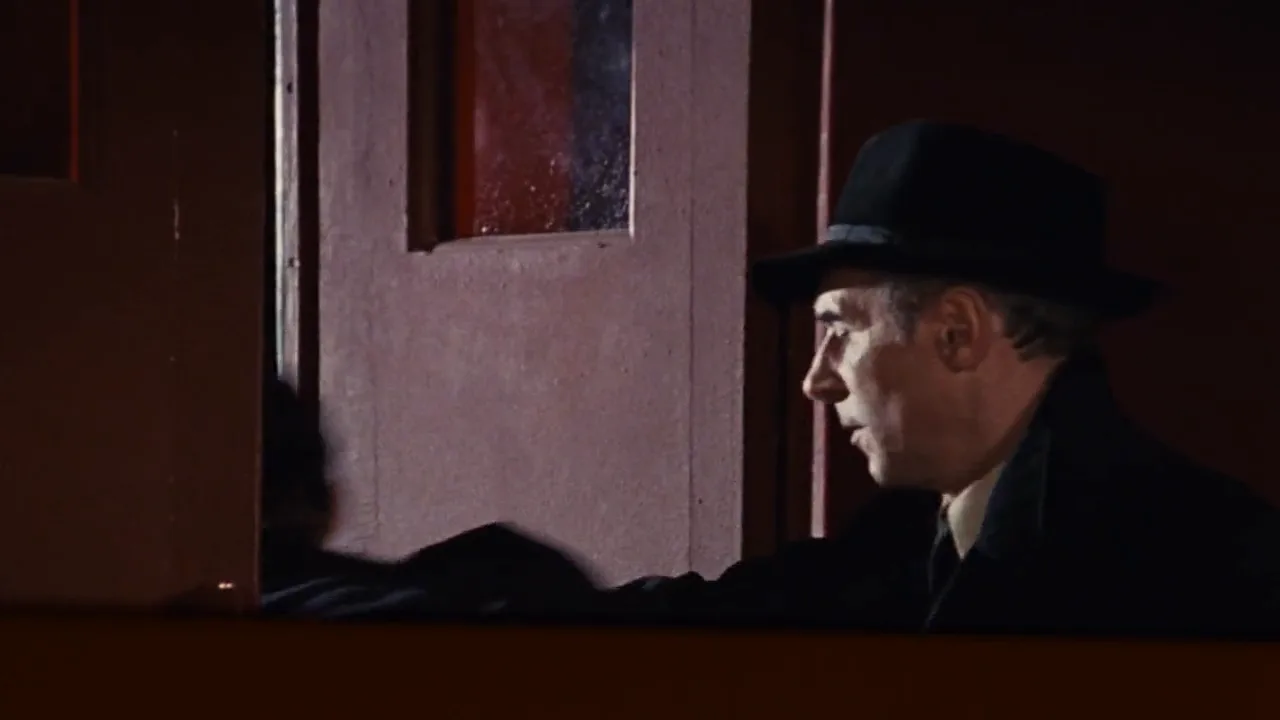
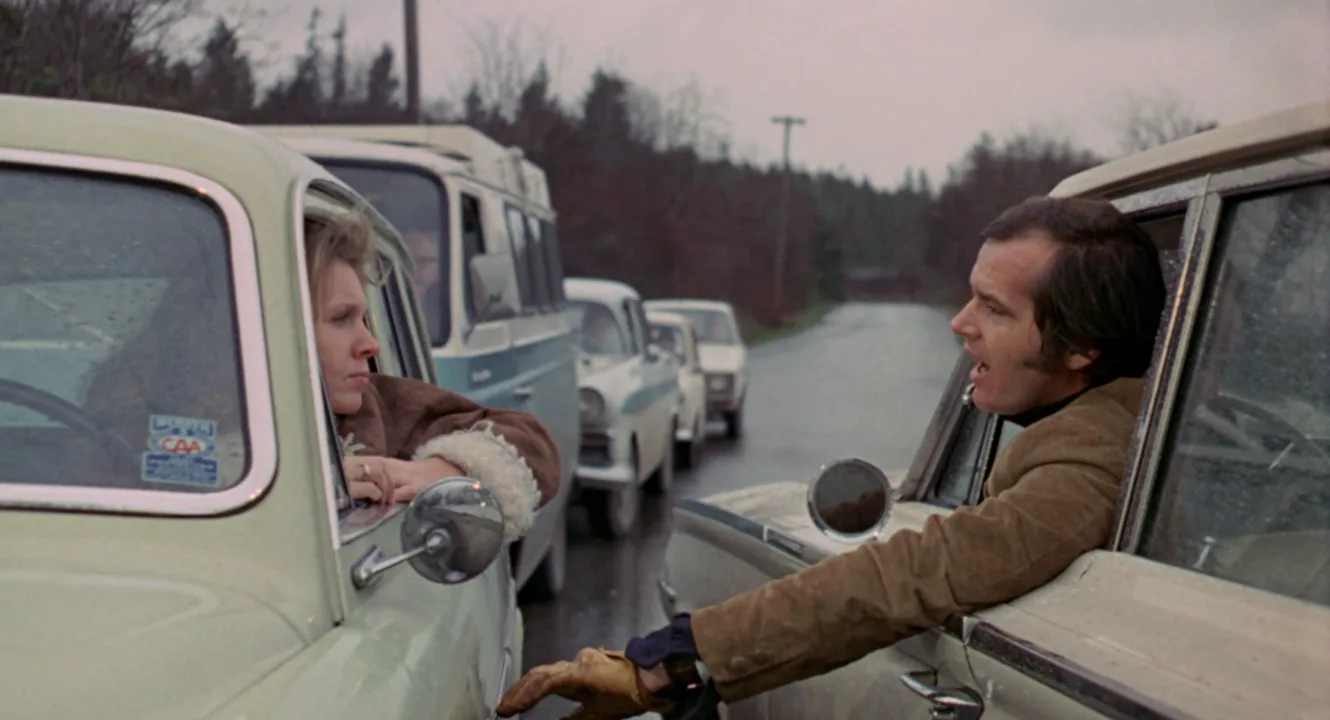
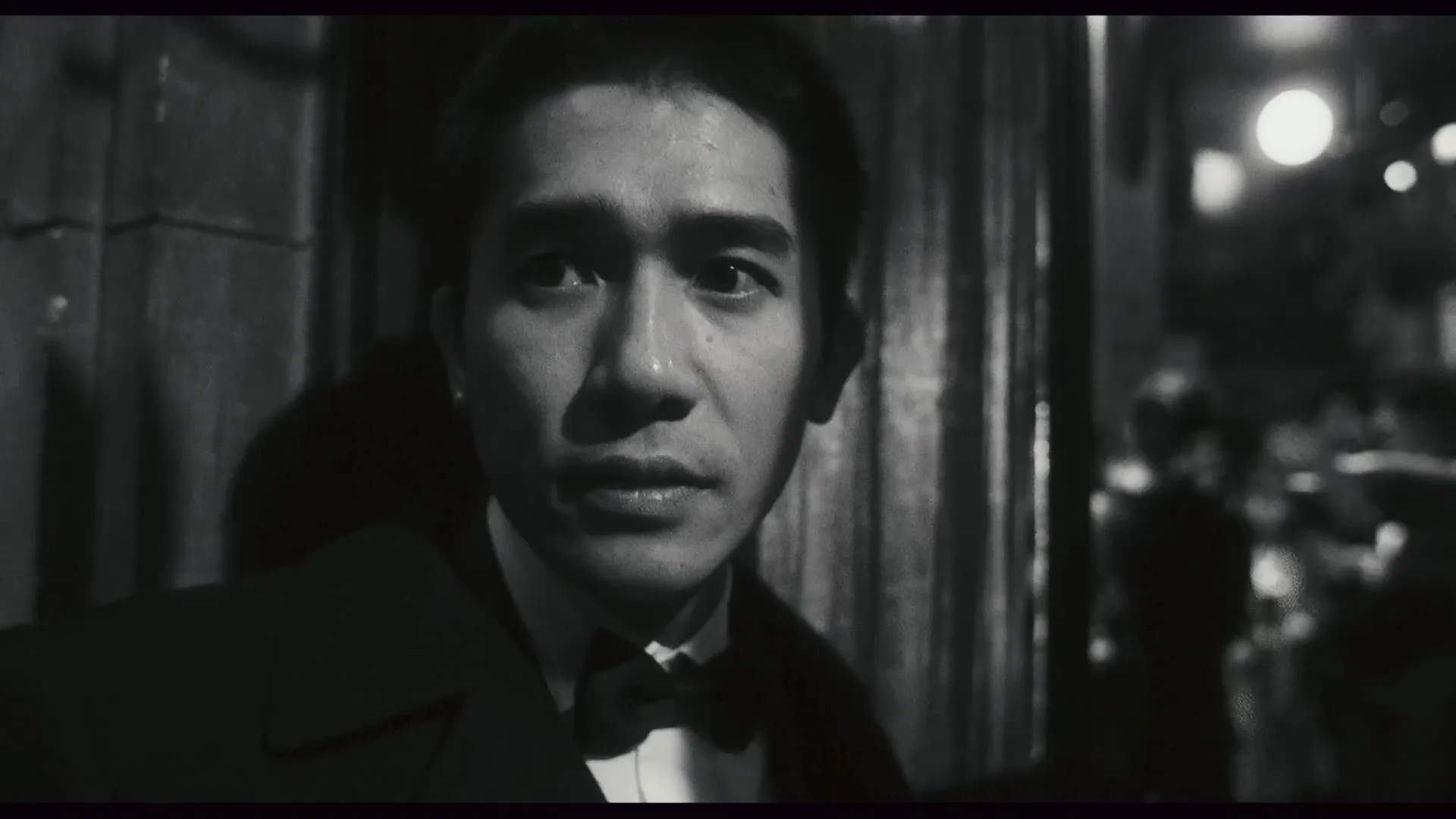
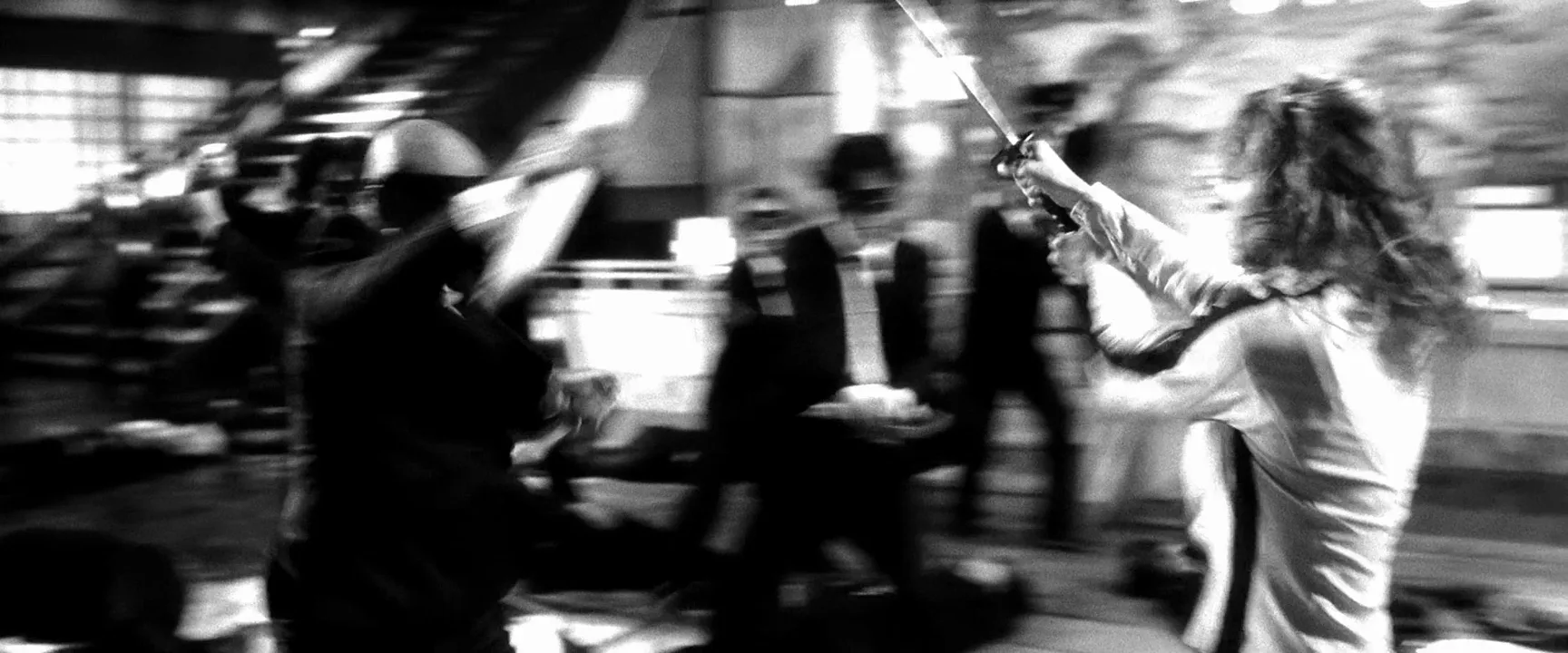
How to create a french new wave with AI
4 promptsImage models default to clean, centered, evenly lit frames, the opposite of the New Wave. You get the look by naming the conditions of the shoot: handheld, the lens, the stock and grain, the kind of light, real bystanders, a glance into the lens. On a FlashBoards board, keep film frames from the period next to your generations and compare takes side by side before you animate one. The fourth prompt re-shoots a real film shot from a text description alone, and the original plays next to the result so you can compare.
Black-and-white film still, early 1960s. Handheld medium two-shot on a crowded city sidewalk lined with café awnings: a tall young woman with thick dark curly hair tied up in a patterned scarf, heavy eyebrows and a gap between her front teeth, wearing an oversized men's tweed jacket, walks beside a lanky red-haired young man with freckles and round wire glasses who carries a folded newspaper. They are mid-argument, she laughs while he gestures. Camera walking backward in front of them at eye level, 32mm lens, slightly tilted frame, overcast daylight, no fill, grainy fast film stock, two passers-by in the background turning to look at the camera.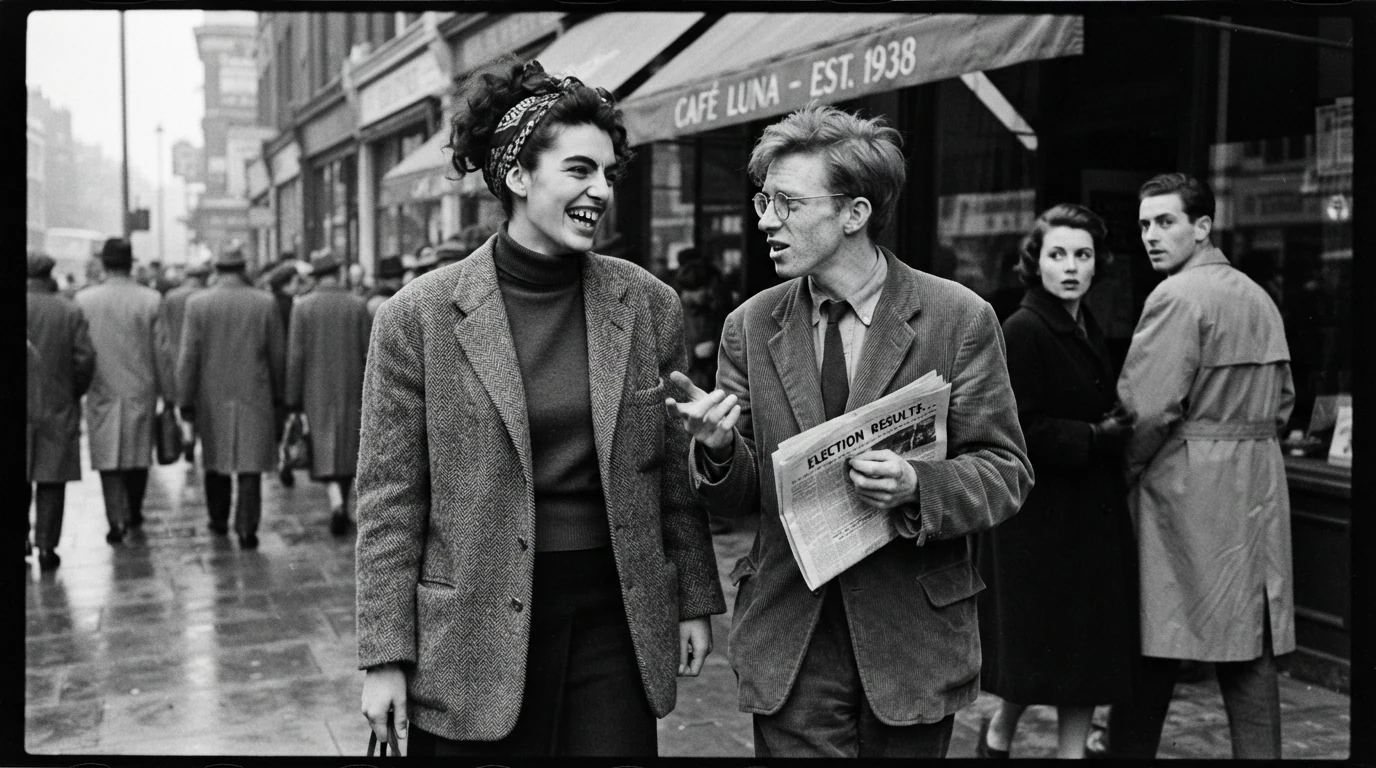
"Handheld," "walking backward in front of them" and "slightly tilted frame" give the unsteady, caught-in-the-street framing. "Overcast daylight, no fill" and "grainy fast film stock" replace studio polish with available light. The passers-by looking at the camera sell the real location. The scarf, freckles, glasses and tooth gap make both people specific and invented. This is the start frame for the video.
Open FlashBoardsWidescreen color film still, mid-1960s pop-art look. A woman in her thirties with a bleached platinum crew cut, a small scar on her chin and large silver hoop earrings sits on a bright yellow kitchen chair in front of a bare white wall with one red door, wearing a cobalt-blue dress. She looks straight into the lens with a half smile, one hand holding an apple. Flat frontal composition, locked-off camera at seated eye height, 40mm lens, hard even daylight, saturated primary red, yellow and blue against white, crisp detail, fine grain.
The second take shows the later, color side of the movement. "Flat frontal composition," "bare white wall" and "saturated primary red, yellow and blue" give the pop-art palette, and "looks straight into the lens" produces direct address. 21:9 imitates the scope framing of the period's widescreen films.
Open FlashBoardsCamera: handheld, walking backward in front of the couple at their pace for the whole shot, with a light natural sway and small bumps, keeping them in a medium two-shot. Action: from the first frame the woman and the red-haired man are already walking and arguing, he waves the folded newspaper while she laughs. Halfway through she turns her head and looks straight into the lens for a moment, then turns back to him. At the end he swats her shoulder with the newspaper and they keep walking toward the camera as the two passers-by behind them stop to stare."Walking backward… for the whole shot" and "light natural sway and small bumps" set a handheld move instead of a smooth glide, and "already walking and arguing" keeps the shot alive from the first frame. The glance into the lens is the movement's signature beat. To get jump cuts, generate the take and remove chunks from the middle in the edit.
Open FlashBoards{
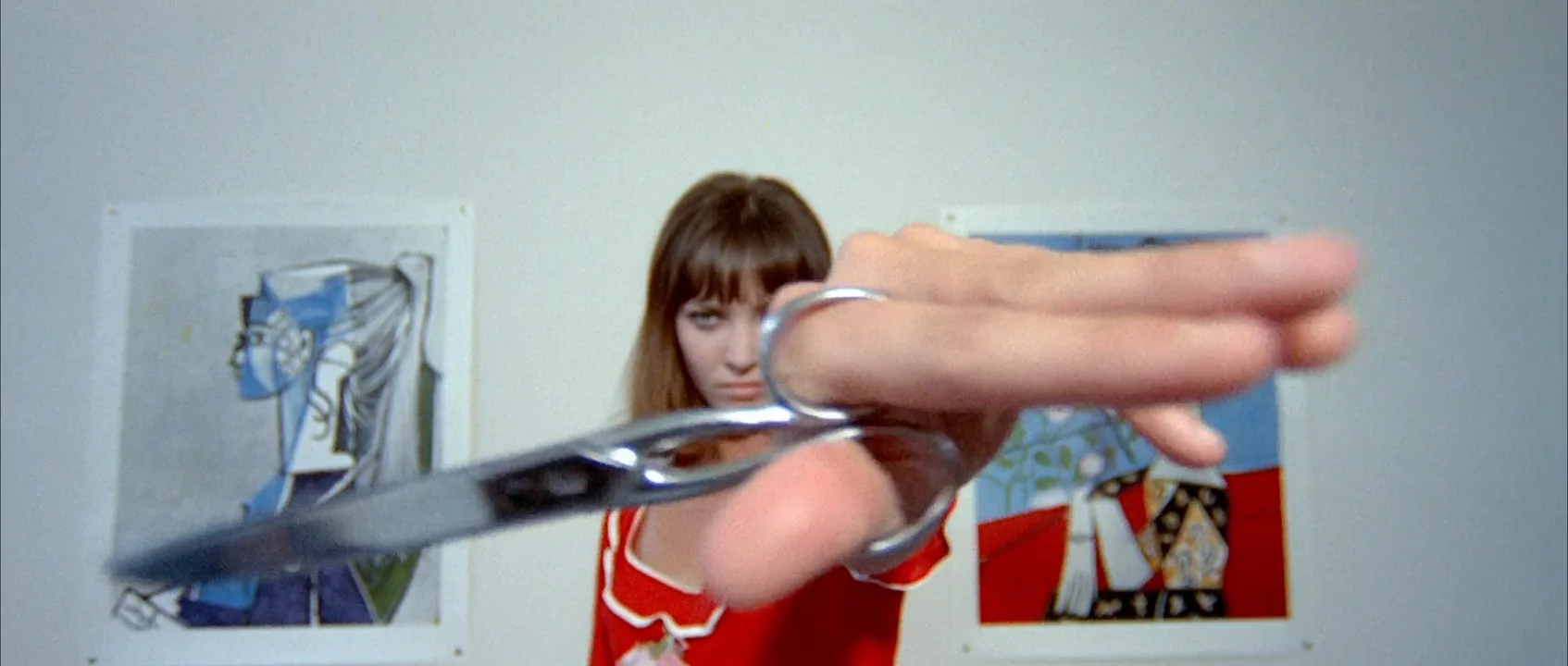
"output": "Full-screen live-action shot from Pierrot le Fou (1965) by Jean-Luc Godard, from its very first frame: one continuous shot. Mid-1960s 35mm Eastmancolor, scope widescreen, flat frontal pop-art composition: a bare pale gray-blue wall behind her with two large cubist portrait posters taped at head height, a blue-and-white one at screen left and a red-blue-and-white one at screen right. Soft even daylight, crisp saturated primaries, fine grain.",
"characters": {
"S1": {
"name": "Marianne Renoir, played by Anna Karina",
"look": "young woman, shoulder-length chestnut hair with long straight bangs to her eyebrows, bright red dress with a scalloped white-trimmed neckline, serious unsmiling face",
"voice": "silence: she does not speak"
}
},
"shots": [
{
"shot": 1,
"camera": "static, locked-off, at her eye level, medium shot with S1 centered between the two posters; her arm reaches all the way to the lens, so her hand and the scissors fill the near foreground, huge and softly out of focus, while her face stays sharp",
"voice": "silence: nobody speaks in this shot, no voice at all",
"action": [
"BEGINNING: alive from the first frame, S1 stands centered and stares straight into the lens with a slight frown; her arm stretches from the upper right of frame straight at the lens, fingers through the loops of a large pair of long silver scissors whose open blades point to screen left and slant across her face.",
"THEN: her hand sinks a little and the scissors level out horizontally across her chin, blades closing; her eyes stay locked on the lens, face still.",
"THEN: her hand rises and drifts left in front of the lens, the out-of-focus palm and scissors covering her face while she leans toward screen right.",
"THEN: she turns her wrist so her palm faces the lens and spreads her fingers wide upward, the scissors hanging from her thumb loop and pointing down to screen left.",
"END: her face peeks out at the right edge of her spread hand, one eye on the lens, the red dress and the red poster filling the right side of frame."
],
"dialogue": []
}
],
"sound": {
"ambience": "quiet room tone, the faint metallic click of the scissor blades",
"speech": "no words in this video; the only human sounds are breaths and movement",
"never_spoken": "no narration and no voice-over: the descriptions, performance notes and step words of this prompt are never spoken aloud",
"music": "a film score under the scene, always below the voices: a brooding romantic string phrase in a minor key, slow and tense",
"subtitles": "none"
}
}This remakes the scissors shot from Pierrot le Fou (1965), dir. Jean-Luc Godard, DP Raoul Coutard. The prompt keeps the locked-off frontal frame, Marianne's red dress against the posters, her gaze into the lens, the scissors levelling across her chin and the palm turning to cover the lens.
The prompt keeps what makes the original shot New Wave. The flat frontal frame, the red dress and the blue-and-red posters on a bare wall give Godard's pop-art palette. The gaze into the lens gives direct address, and the arm reaching to the lens pushes the scissors, then the open palm, into the camera so they break the frame. The camera is locked off with no cut, so the whole effect comes from staging. Nobody speaks, so the prompt asks for silence and a low string score.
Open FlashBoardsCommon mistakes
- Too clean. Models sharpen, smooth and relight. Say "grainy fast film stock," "overcast daylight, no fill" and "handheld" explicitly, or you get a glossy fashion shoot.
- Costume pastiche. "French New Wave" alone brings striped shirts and berets. Describe the camera, light and location instead of the label.
- Centered symmetry. Add "slightly tilted frame" or an off-center subject; otherwise the model balances everything.
- Jump cuts in one generation. Video models make continuous shots. Build jump cuts by cutting frames out of the generated take.
- Stabilized motion. If the handheld move comes back floating like a gimbal, repeat "small bumps" and "at walking pace" in the Camera line.
Keep the reference frames, prompts and every generated take side by side — images and video in one canvas.
FAQ
5 questionsWhat are the main characteristics of the French New Wave?
The French New Wave is recognized by real locations instead of studio sets, handheld or improvised camera movement, available light and grainy fast film stock, jump cuts and loose continuity, characters who look or speak into the camera, and constant references to other films. Stories follow young people drifting through love and the city, and the tone is playful and ironic rather than solemn.
What are the most famous French New Wave films?
The essential titles are The 400 Blows (1959) and Breathless (1960), followed by Hiroshima mon amour (1959), Shoot the Piano Player (1960), Cléo from 5 to 7 (1962), Jules and Jim (1962), Contempt (1963), Band of Outsiders (1964) and Pierrot le Fou (1965). Chabrol's Le Beau Serge (1958) is often called the first feature of the movement.
Who were the directors of the French New Wave?
The core group came from Cahiers du cinéma: François Truffaut, Jean-Luc Godard, Claude Chabrol, Éric Rohmer and Jacques Rivette. Alongside them worked the "Left Bank" filmmakers Alain Resnais, Agnès Varda and Chris Marker, and figures such as Jacques Demy and Jacques Rozier. Cinematographers Raoul Coutard and Henri Decaë shaped much of the look.
What does Nouvelle Vague mean?
Nouvelle vague is French for "new wave." The phrase was first used in 1957 by the French press to describe a new generation of young people, and by 1959 it was attached to the young directors whose first features appeared at once. In English the movement is called the French New Wave to distinguish it from later new waves in Czechoslovakia, Japan and Hong Kong.
Why was the French New Wave important?
It proved that a young director with a small crew, little money and a city could make a personal film that competed at the world's major festivals. It made the director the recognized author of a film, loosened editing and camera rules, and directly shaped New Hollywood, independent cinema and countless film schools. Much of what now looks like indie style started here.
Related terms
6- New HollywoodFilm Movements & Styles
New Hollywood (c. 1967–1980) was the era when young auteurs — Coppola, Scorsese, Altman, Friedkin — took control from a collapsing studio system and made darker, personal, formally freer films, from Bonnie and Clyde to Taxi Driver.
- Jump CutEditing
A jump cut joins two shots of the same subject from nearly the same angle, so time visibly skips forward and the cut itself becomes noticeable — used for energy, unease or elapsed time.
- Auteur TheoryFilm History & Theory
Auteur theory holds that the director is the true author of a film, whose personal style and themes recur across their work; it grew from Truffaut and Cahiers du cinéma's 'politique des auteurs' in the 1950s and was popularized in the US by Andrew Sarris.
- Handheld ShotCamera Movement
A handheld shot is filmed with the camera held in the operator's hands or on the shoulder, without a stabiliser, so its natural sway and jolts make the scene feel immediate, documentary-like or anxious.
- Filming LocationFilmmaking Process & Crew
A location is any real place used for filming outside a studio; location scouting finds and vets it for look, sound, light, access, permits and cost, and the location manager secures it.
- Freeze FrameEditing
A freeze frame holds a single frame on screen so the action stops dead — to end a film, introduce a character, underline a moment or cue narration.
Further reading
Richard Neupert, A History of the French New Wave Cinema (2002). François Truffaut, "A Certain Tendency of the French Cinema", Cahiers du cinéma (1954). Jean-Luc Godard, Godard on Godard, ed. Tom Milne (1972).