 FlashBoards Learn
- Learn
- Film Movements & Styles
- Dreamcore
Film Movements & Styles · Film language
Dreamcore
Also called: dreamcore aesthetic, dream aesthetic
Dreamcore is an internet-born surreal aesthetic that imitates how dreams feel: pastel skies, empty playgrounds and hallways, soft glowing light, and clouds, doors or eyes in places they should not be. It reads as childhood nostalgia with something slightly off, comforting and uneasy in the same frame.
- What it does
- Makes a frame feel remembered rather than seen: warm, pastel, empty and quietly impossible.
- Use it when
- A scene is a dream, a memory, a childhood flashback or a character drifting out of reality.
- Watch out
- Push the eyes and dark corners too far and it tips into horror or weirdcore; keep the light soft and bright.
- Try this prompt
empty playground on a green hill, pastel pink and blue sky, huge soft clouds, a lone open door showing sky, soft bloom, low contrast, 20mm, knee height
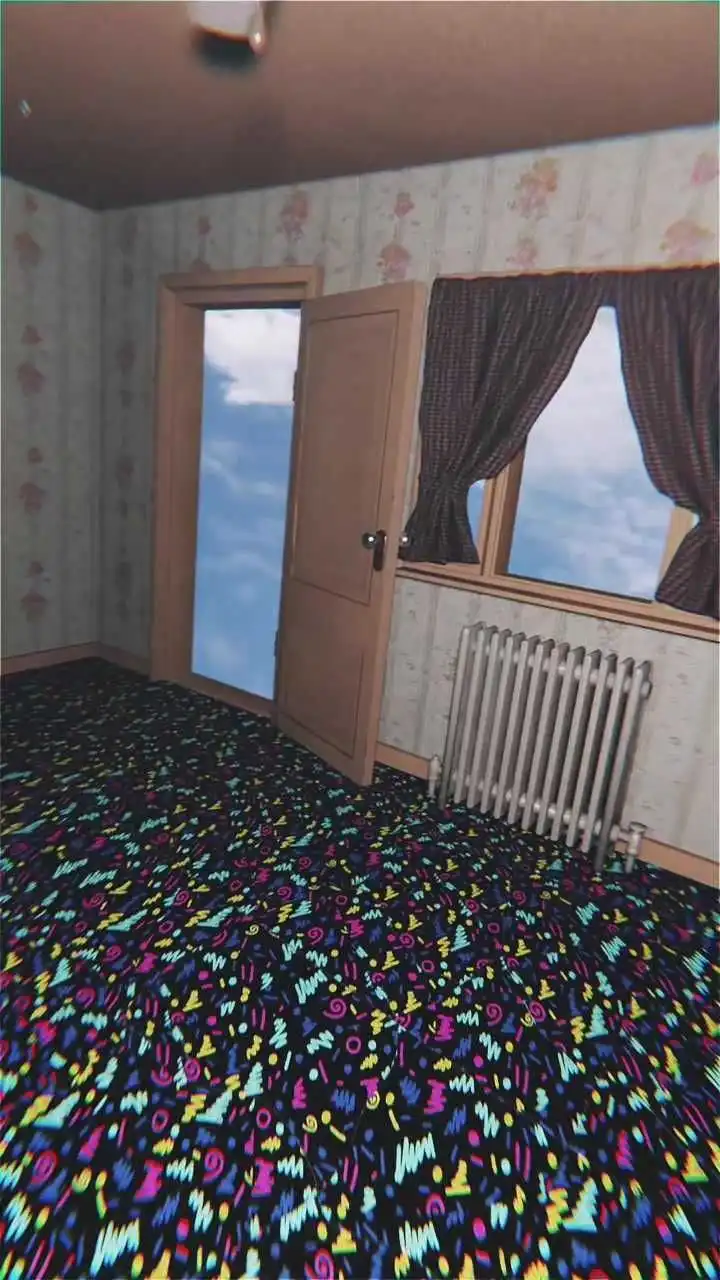
What is dreamcore?
Dreamcore is a visual style that grew up on Tumblr, image boards and TikTok in the late 2010s, alongside its darker cousin weirdcore. It has no manifesto, just edited photos, renders and loops that mimic the texture of a dream. Among film movements and styles it sits closest to surrealism in film, trading Buñuel's shocks for softness and nostalgia.
The recipe: a familiar childhood place shown empty, light too bright and too soft, a pastel sky, low contrast, glowing highlights, and one impossible element, like a door alone in a field or clouds drifting indoors.
Common dreamcore motifs
- Sky in the wrong place: clouds in rooms, doors and windows that open onto blue sky.
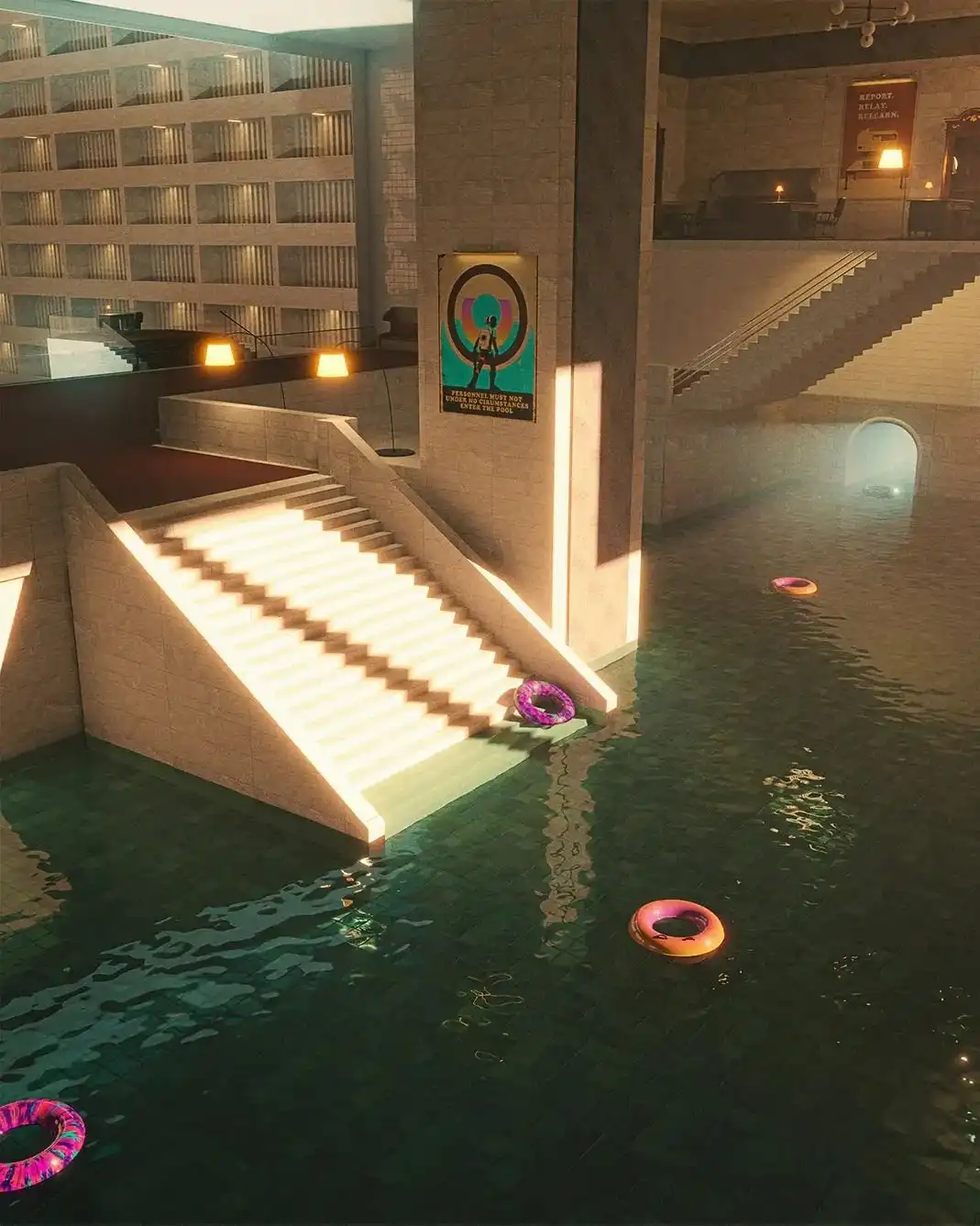
- Empty childhood spaces: playgrounds, pools, carpeted corridors, often borrowed from liminal spaces.
- Pastel color: baby blue, mint, peach, lilac, with no deep shadows.
- Glow: blooming highlights, soft focus, a warm edge like film halation.
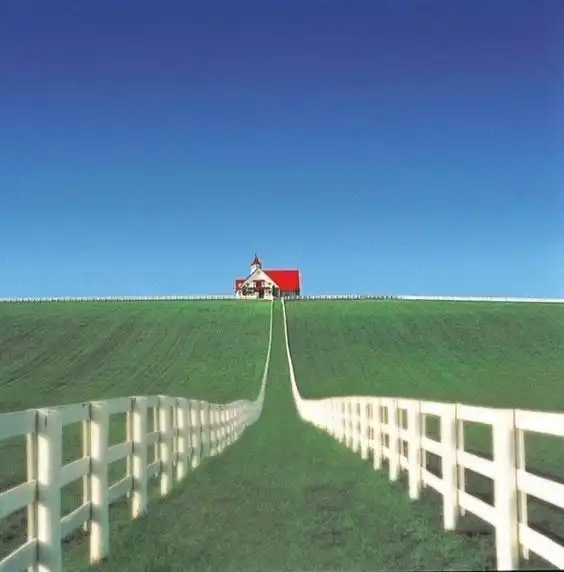
- Scale errors: giant flowers, endless fences, a road running straight into the horizon.
- Eyes and text, used lightly. When they dominate, you are in weirdcore territory.
Why does dreamcore feel nostalgic and unsettling?
Dreams recycle memory: the places in them are ones you already know, rebuilt slightly wrong. Dreamcore copies that. It shows a half-recognized location, removes everyone who would make it real and breaks one physical rule.
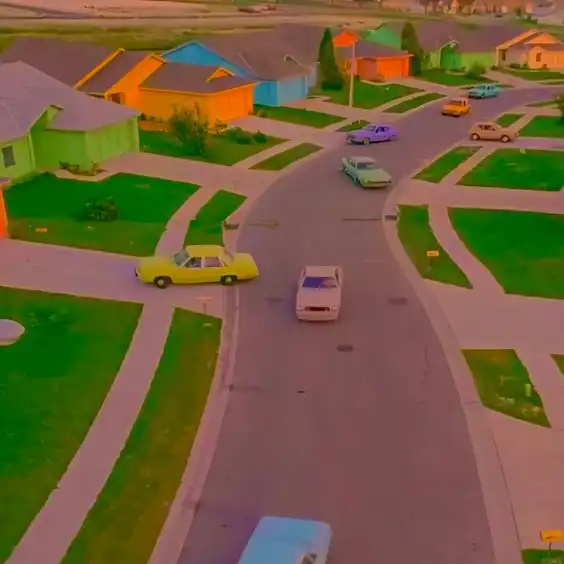
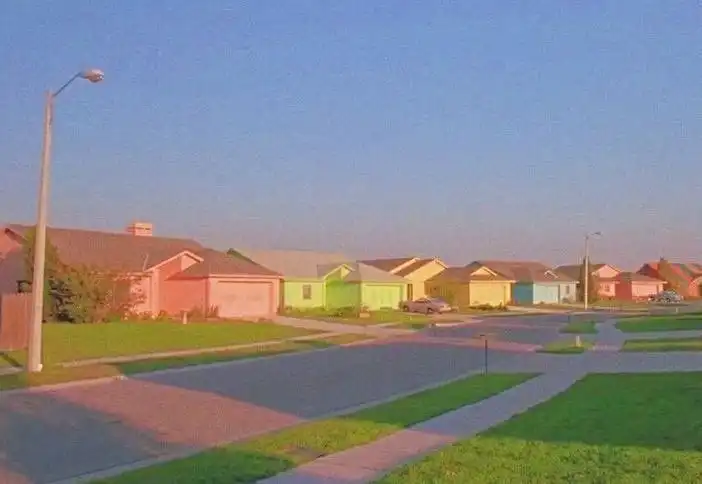
Cinema got there first. The candy-colored suburb of Edward Scissorhands (1990) looks like a toy town under flat daylight, and the ending of The Truman Show (1998), a boat bumping into a painted sky with a staircase up to a door in it, is a dreamcore image decades early. Filmmakers use the look for dream sequences, childhood memories and characters losing their grip on reality.
How to shoot a dreamcore look
Location. A childhood place, cleared completely: playground, pool, cul-de-sac, a field with one building.
Lens and height. 16–24mm on full frame, camera at knee or child's-eye height (60–90 cm), so objects feel large and the sky takes the frame.
Light. Bright overcast or early morning. Overexpose one to one and a half stops so the sky goes pastel; a light haze lifts the shadows further.
Diffusion and grade. A 1/4 or 1/2 black mist-type filter or a low-contrast vintage lens for bloom. In the grade, lift the blacks, lower saturation, push hues toward pink, mint and sky blue, and add a warm glow and fine grain.
The impossible element. Build it practically where you can, a real door frame in a field or a mirror in the grass reflecting sky, and composite clouds later. One per frame is enough.
Dreamcore vs. weirdcore
The two share motifs and hashtags but pull in opposite directions.
| | Dreamcore | Weirdcore | |---|---|---| | Mood | Soft, wistful, faintly wrong | Disoriented, anxious | | Image quality | Clean, glowing, rendered or edited | Low-res, amateur, flash glare | | Color | Pastel, lifted shadows | Harsh or washed out | | Text and eyes | Rare, gentle | Frequent: cryptic captions, staring eyes |
A quick test: dreamcore is a dream you would return to; weirdcore is a memory you are not sure happened. Plain empty places with nothing added are liminal photography instead.
Dreamcore in motion


3 clipsThese loops show dream logic in motion: an ordinary room opens onto a place it can't lead to, and fog or darkness swallows the walls. Watch how each scene slides into the next without an obvious cut.

Dreamcore stills
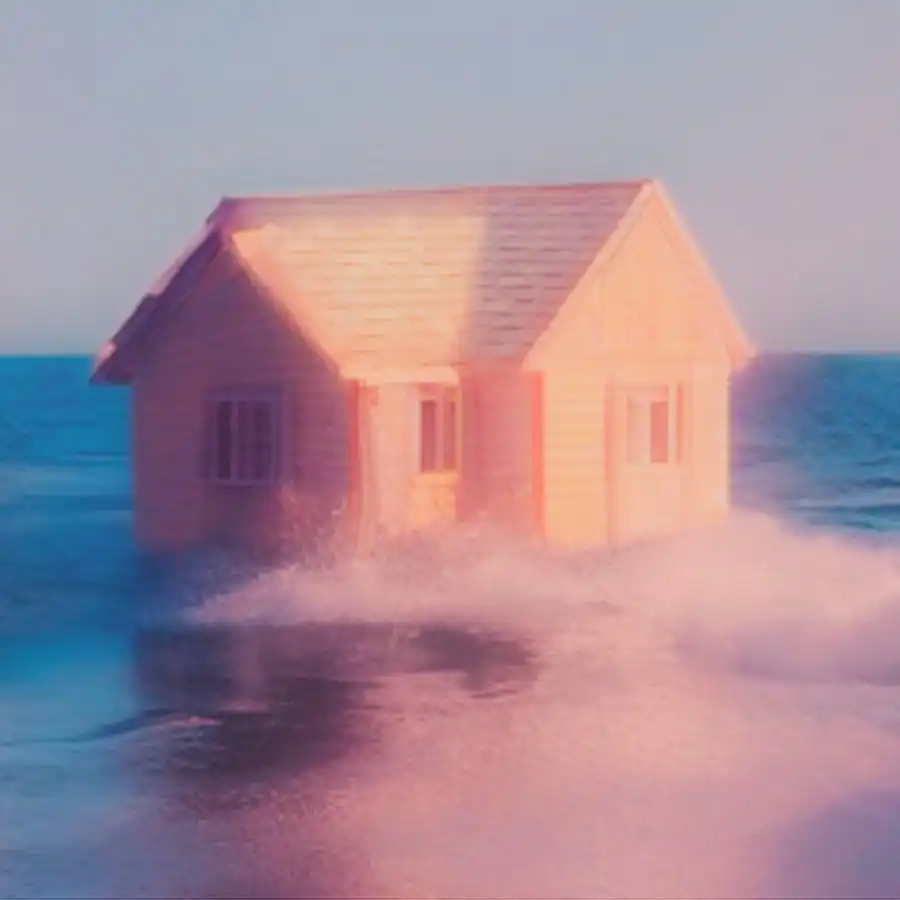
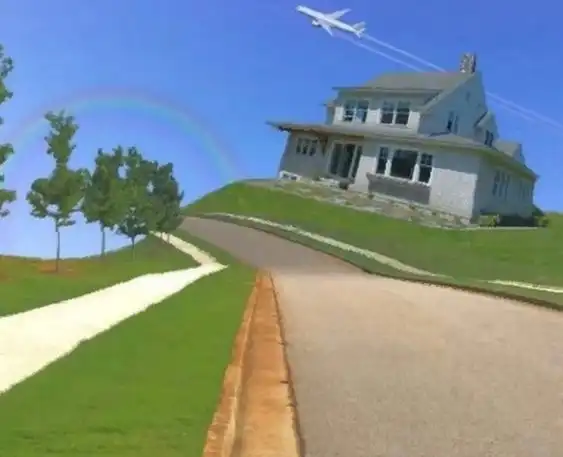
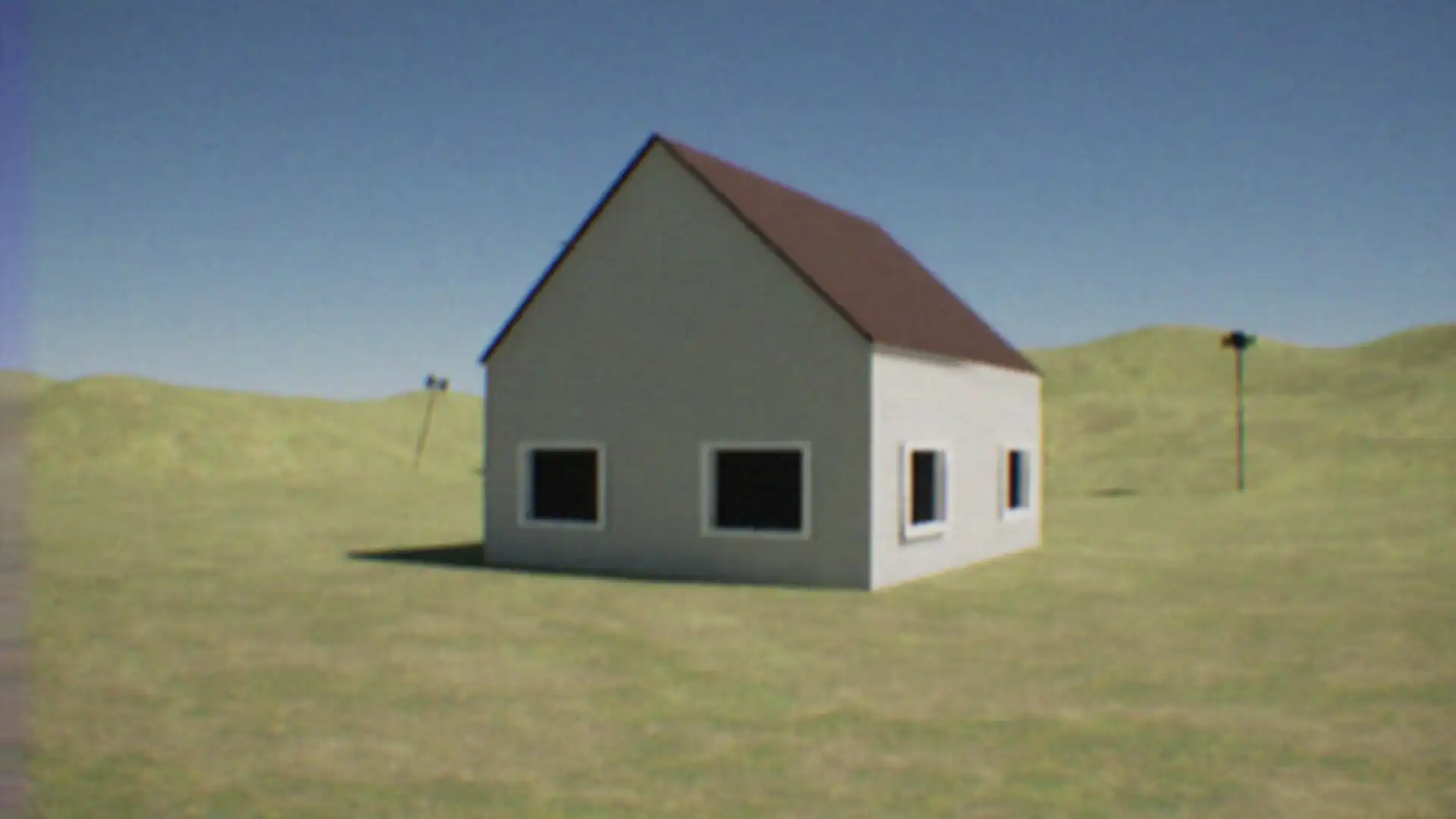
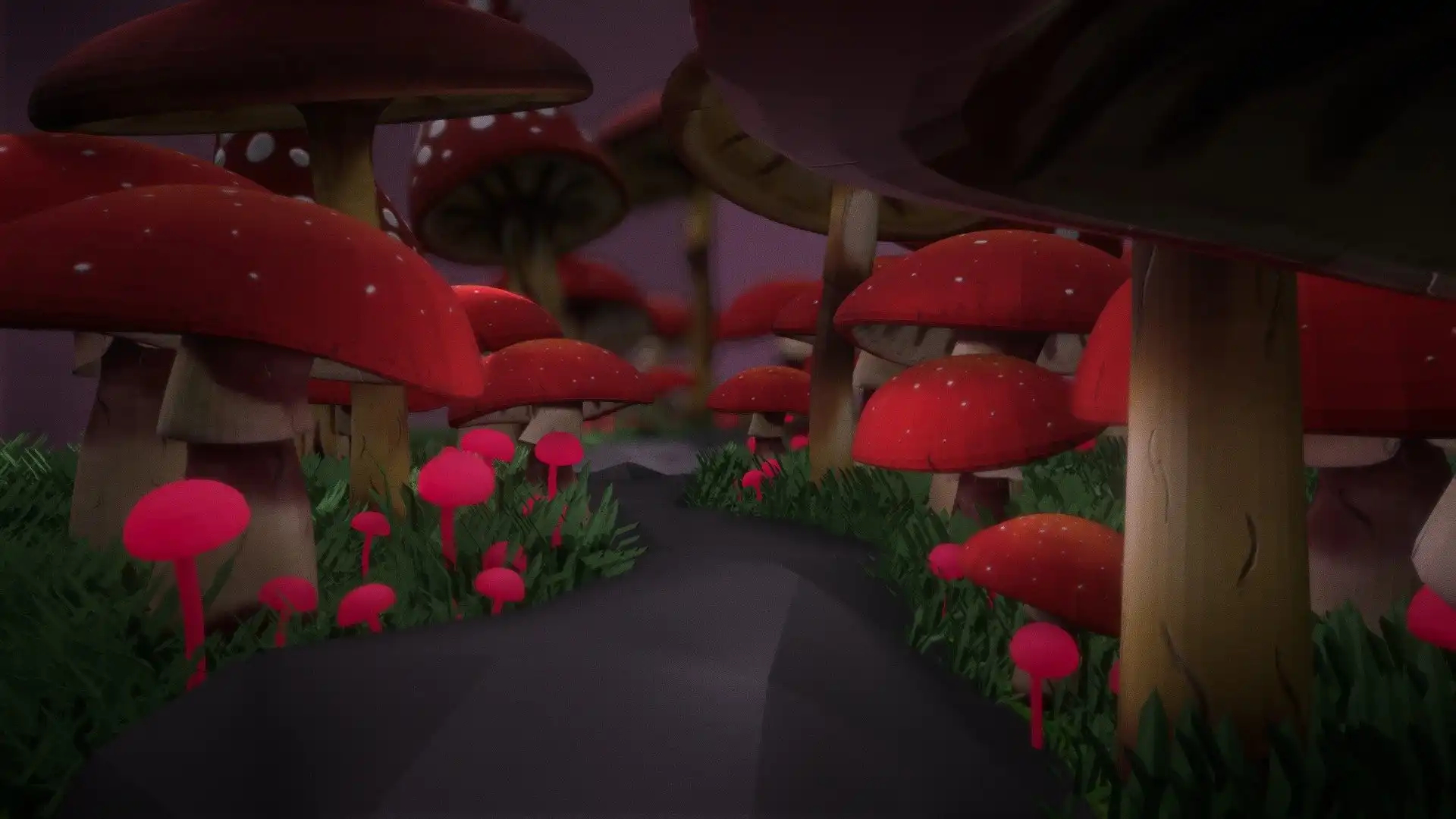
9 framesReference images built from dreamcore's building blocks: pastel suburbs, lone houses, flooded rooms, impossible landscapes, soft edges.
How to create a dreamcore with AI
3 promptsOn its own the word dreamcore often drifts into horror or generic fantasy. Describe the place, the pastel light, the glow and one impossible element instead. On a FlashBoards board you can pin reference stills beside your takes and animate the frame that holds the mood best.
Wide shot of an empty children's playground on a green hill, camera at knee height, 20mm lens. Pale pink and baby-blue sky with huge soft cumulus clouds. Beside the swings stands a lone white wooden door in its frame, half open, with bright blue sky and small clouds visible through the doorway. Soft hazy morning light, blooming highlights, pastel colors, lifted blacks, low contrast, fine grain. Quiet, nostalgic, slightly uncanny.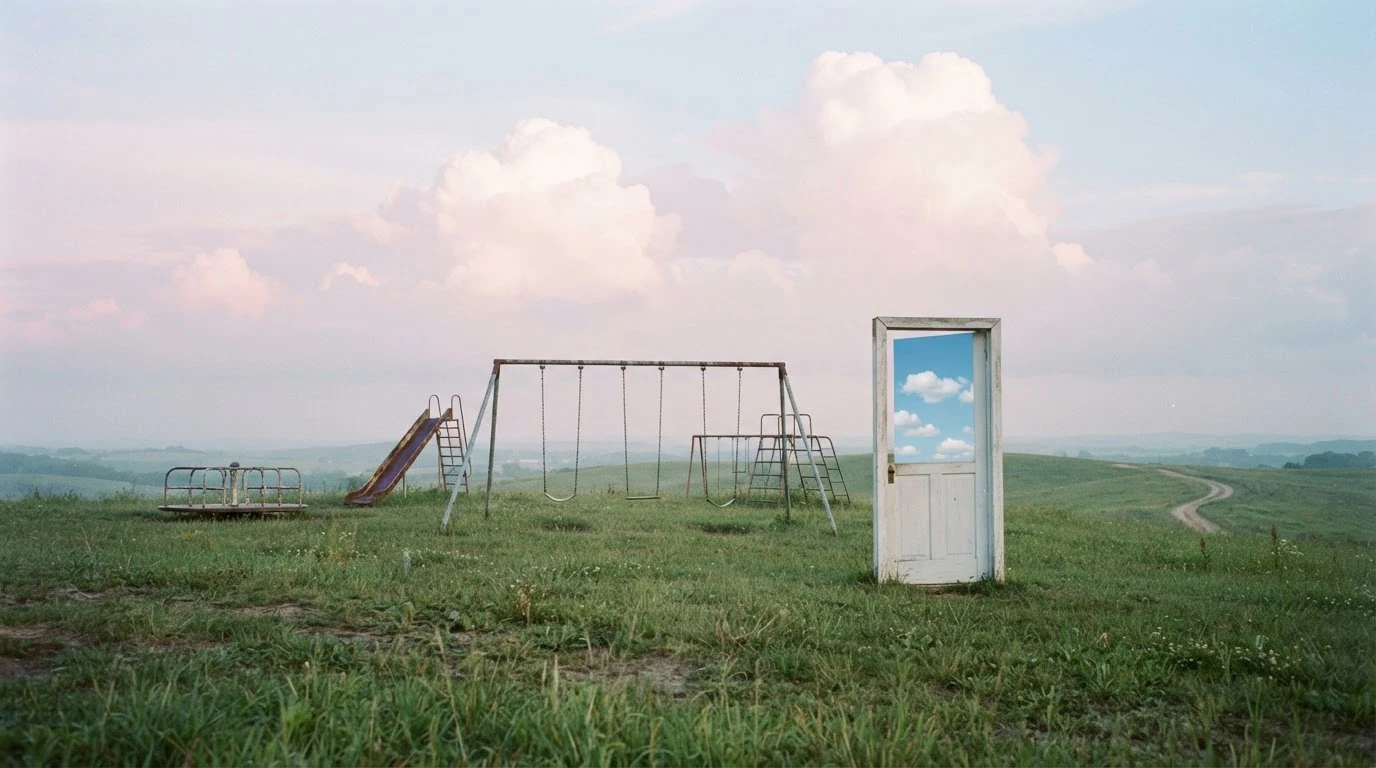
Knee height and 20mm enlarge the playground and give the sky the frame. Pastel, lifted blacks and blooming highlights build the dream texture. The door with sky through it is the one impossible element, described positively so the model draws it.
Open FlashBoardsLong empty school corridor painted butter yellow, mint-green lockers on both sides, glossy pale floor, symmetrical one-point perspective, 24mm at chest height. Soft white clouds float inside the corridor below the ceiling. At the far end the corridor opens onto a calm lilac sea under a peach sky. Bright diffused light, blooming highlights, low contrast, soft edges, pastel palette.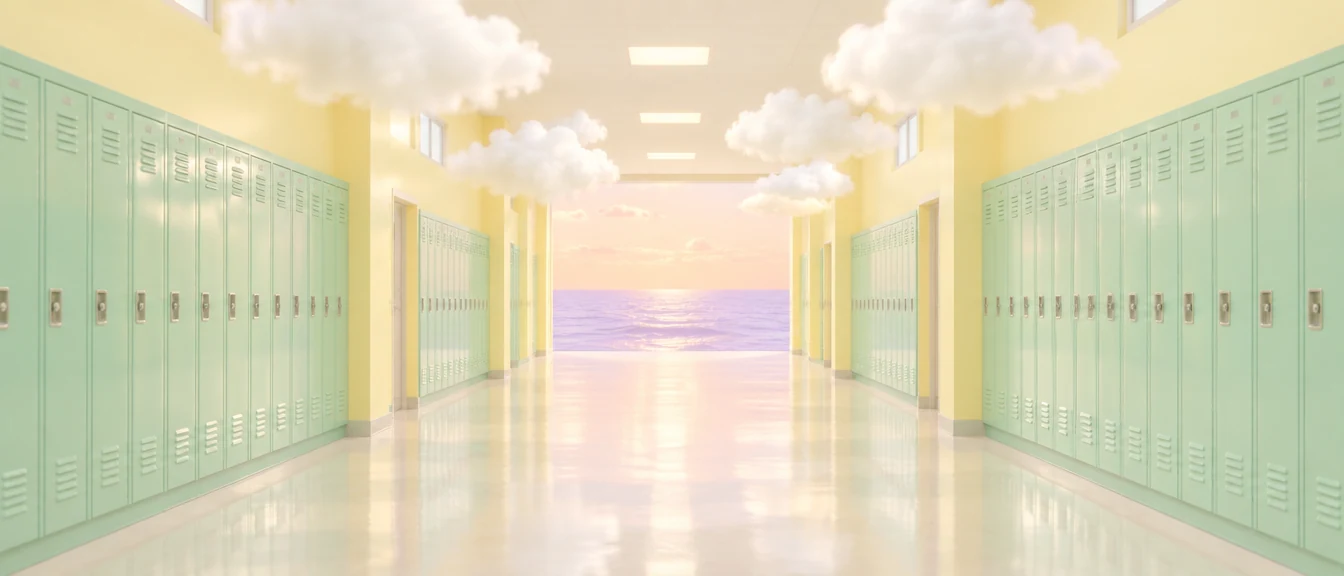
A second take moves indoors and to 21:9. The symmetrical corridor comes from liminal photography; clouds float inside and the sea at the end are the dream breaks, while blooming highlights keep it gentle rather than horror.
Open FlashBoardsCamera: a very slow, smooth push forward at knee height toward the open white door, keeping it centered. Action: the empty swing is already swaying gently and the clouds are drifting slowly right. A breeze ripples the grass around the door. The door swings a little wider on its own, showing more blue sky and white clouds through the doorway. The light stays soft and pastel.The swing and clouds move in the first action sentence, so the clip is alive from frame one; the slow centered push keeps the calm, and the widening door is the dream beat.
Open FlashBoardsCommon mistakes
- Dreamcore alone brings dark corners or creepy eyes. Ask for bright, soft, pastel light and a familiar place.
- Models over-saturate. Say pastel, lifted blacks, low contrast and name hues.
- The impossible element gets rationalized. Describe what is visible through the door: blue sky with small clouds.
- In video, fast moves break the calm; state a slow push.
Keep the reference frames, prompts and every generated take side by side — images and video in one canvas.
FAQ
4 questionsWhat is the dreamcore aesthetic?
Dreamcore is an internet aesthetic that imitates the feeling of a dream. It shows familiar, empty childhood places such as playgrounds, pools and suburbs in bright pastel light with soft glow, then adds one impossible element, like a door opening onto sky or clouds indoors. The mood is nostalgic, calm and slightly uncanny.
What is the difference between dreamcore and weirdcore?
Dreamcore is soft and wistful: clean pastel images, glowing light and gentle surreal touches. Weirdcore is disorienting: low-resolution amateur photos, flash glare, clumsy text overlays and staring eyes. They share motifs online, but dreamcore feels like a pleasant dream and weirdcore like a memory that went wrong.
Is dreamcore the same as liminal space?
No. A liminal space is a real transitional place, a hallway, mall or parking lot, shown empty and plain; its realism makes it eerie. Dreamcore borrows such places but makes them openly unreal with pastel color, glow and impossible elements like clouds indoors.
How do I make dreamcore images with AI?
Describe the look instead of relying on the word: a familiar empty place, a wide lens at knee height, a pastel sky with big soft clouds, blooming highlights, lifted blacks and low contrast, plus one impossible element described positively. Compare takes side by side and animate the best one.
Related terms
6- WeirdcoreFilm Movements & Styles
Weirdcore is an internet aesthetic of unsettling amateur imagery — low-res photos, flash glare, clumsy text overlays, eyes and cryptic phrases — that feels like a half-remembered, slightly wrong reality.
- Liminal SpaceFilm Movements & Styles
A liminal space is a transitional place — hallway, empty mall, pool, stairwell, parking lot — shown deserted and out of its normal time, so it feels nostalgic, familiar and quietly eerie at once.
- Surrealism in FilmFilm Movements & Styles
Surrealism in film, born in 1920s Paris (Un Chien Andalou by Buñuel and Dalí), follows dream logic and the unconscious: irrational juxtapositions, impossible images and shocking cuts — a line that runs through Buñuel to David Lynch.
- VoidProduction Design
A void is a deliberately placeless setting — black, white or colored infinity with no horizon or detail — that isolates a figure or object and turns the scene into abstraction (Under the Skin, The Matrix's white construct).
- Soft FocusLenses, Focus & Exposure
Soft focus is a deliberately dreamy image in which the subject is still in focus but fine detail and contrast are softened and highlights bloom — produced by special lenses, diffusion filters or even a stocking over the lens, a classic of Hollywood glamour close-ups.
- HalationCameras & Capture
Halation is the reddish-orange glow around bright highlights on film: light passes through the emulsion, reflects off the film base and re-exposes the layers; digital looks add it to imitate celluloid.
Further reading
André Breton, Manifesto of Surrealism (1924). Gaston Bachelard, The Poetics of Space (1958).