 FlashBoards Learn
- Learn
- Film History & Theory
- Verisimilitude
Film History & Theory · Film language
Verisimilitude
Also called: believability, plausibility
Verisimilitude is a film's appearance of truth: the sense that its world runs on consistent rules and is dense with the right details, so the audience accepts it. It is not the same as being realistic. A dragon can feel believable, while a courtroom drama with one false note can lose the whole room.
- What it does
- Makes the audience accept the film's world, so they stop checking it and start feeling it.
- Use it when
- You set the rules, textures and behavior of any world, from a kitchen in 2003 to a starship.
- Watch out
- One broken rule, anachronism or too-clean surface can cost more belief than a hundred correct details earned.
- Try this prompt
Cramped starship galley, scuffed steel, handwritten labels on every locker, an engineer eats noodles from a dented tin, 35mm film still.
What is verisimilitude in film?
The word comes from the Latin verisimilis, "like the truth." It names a quality of the telling, not of the thing told: does this world behave the way it has taught us it behaves? Aristotle put it in the Poetics: a convincing impossibility beats an unconvincing possibility.
That is why a fantasy epic can feel more believable than a thriller set in your own city. Middle-earth has rules about travel, weather and fatigue, and the films keep them.
In film theory, verisimilitude links the world a film builds, its diegesis, to the viewer's willing suspension of disbelief. It is the work filmmakers do to earn that suspension.
Generic vs. cultural verisimilitude
Theorists, following Tzvetan Todorov and later Steve Neale, split the idea in two.
Generic verisimilitude is what feels true for this kind of film. In a musical, people bursting into song is believable. Each genre is a contract, and its genre conventions define what the audience accepts without explanation.
Cultural verisimilitude is what feels true against the viewer's knowledge of the real world: how police work, what a hospital sounds like, what a teenager in Sacramento in 2002 would wear. Lady Bird (2017) lives almost entirely on this kind. Its world is ordinary, so every detail has to match the audience's memory.
Most films mix both: Saving Private Ryan (1998) keeps the war-film mission structure and grounds it in brutal cultural detail.
How filmmakers build it
Verisimilitude is made of hundreds of small decisions, most of them outside the script.
- Rules first. Decide what the world allows (magic costs something, ships need fuel) and never bend it for convenience. That is the core of worldbuilding.
- Wear and history. New things look fake. Alien (1979) and Blade Runner (1982) sold the future with grime, patched machinery and labels written by the people who work there. Good set dressing gives every object a past.
- Behavior over exposition. Characters who handle their world casually, without explaining it, sell it better than any voice-over.
- Camera logic. Saving Private Ryan used a narrowed shutter and drained color to make the landing feel like newsreel footage.
- Sound. Room tone and off-screen life tell the ear the world continues beyond the frame.
On a FlashBoards board, keep the world's rules as notes next to reference frames and generated tests, so every new shot is checked against the same page.
What breaks verisimilitude
Audiences forgive the fantastic and punish the inconsistent:
- Broken internal logic. A rule the story set up gets ignored when the plot needs it. That is a plot hole.
- Continuity slips. A cup that refills between shots pulls viewers out of the moment. Continuity is verisimilitude at the scale of a single cut.
- Anachronisms. A modern word, a zipper, a car one year too new.
- Surfaces that are too clean. Costumes never worn, streets without litter, crowds that move in sync. This is also the most common failure of AI-generated worlds.
- Convenient competence. Characters who suddenly know exactly what the plot requires.
Verisimilitude vs. realism
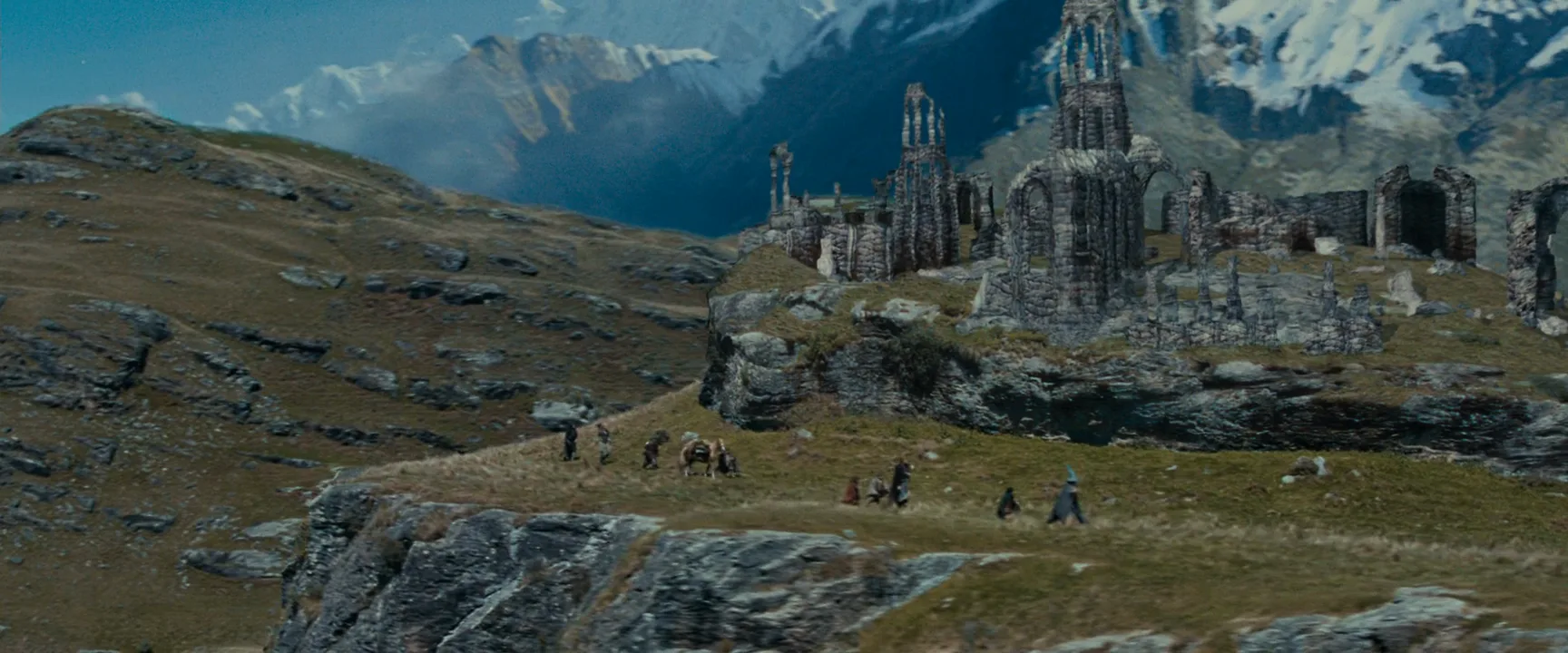
Realism is a style and a tradition: real places, long takes, natural light, a commitment to showing the world as it is. Verisimilitude is a result: the viewer believes. The Lord of the Rings is not realism, yet its armor, ruins and exhaustion feel true. A realist film can still lose belief through one wrong detail the audience recognizes.
The practical rule: realism is one way to earn belief. Consistency is the only way.
Verisimilitude examples in film
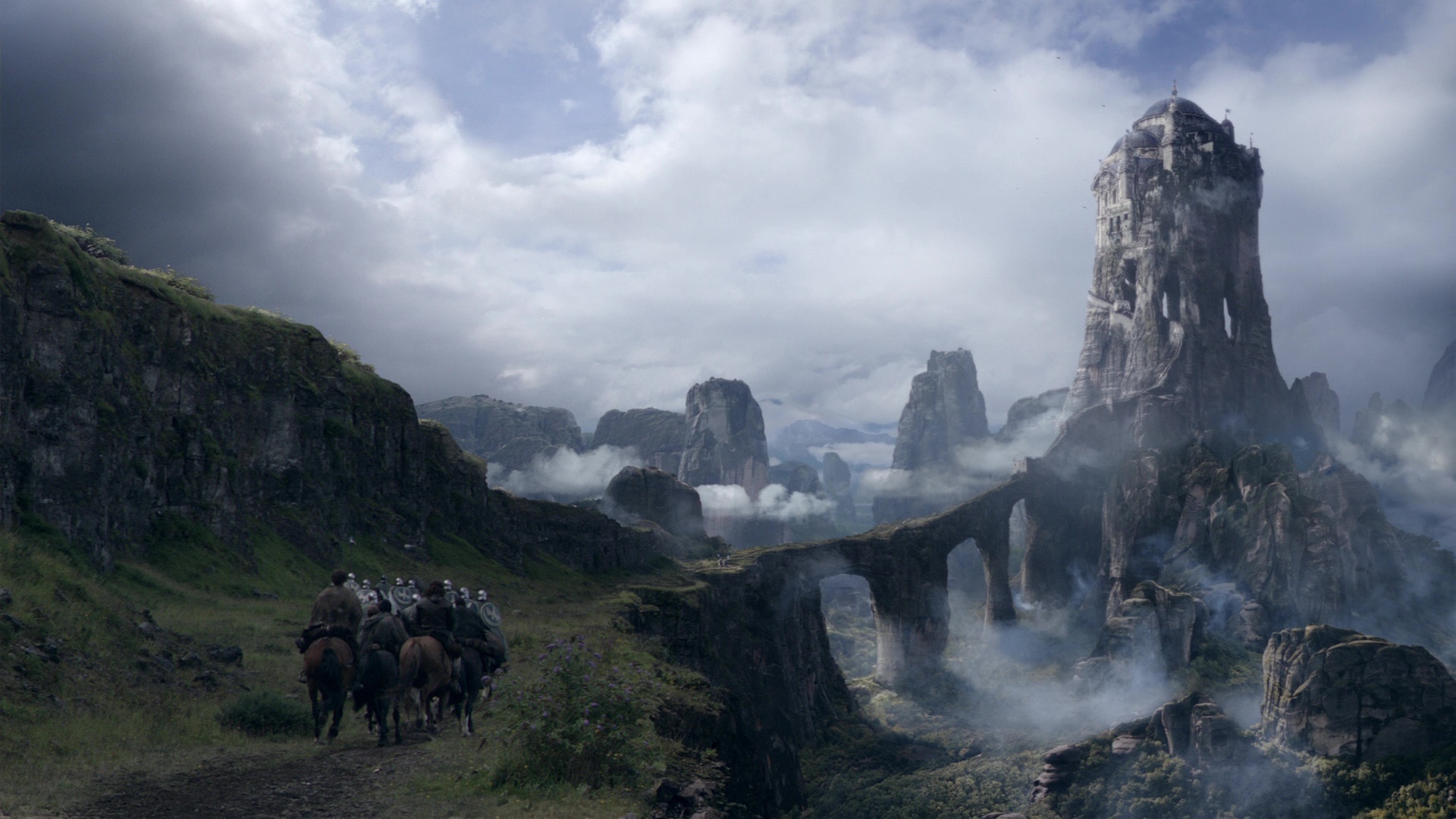
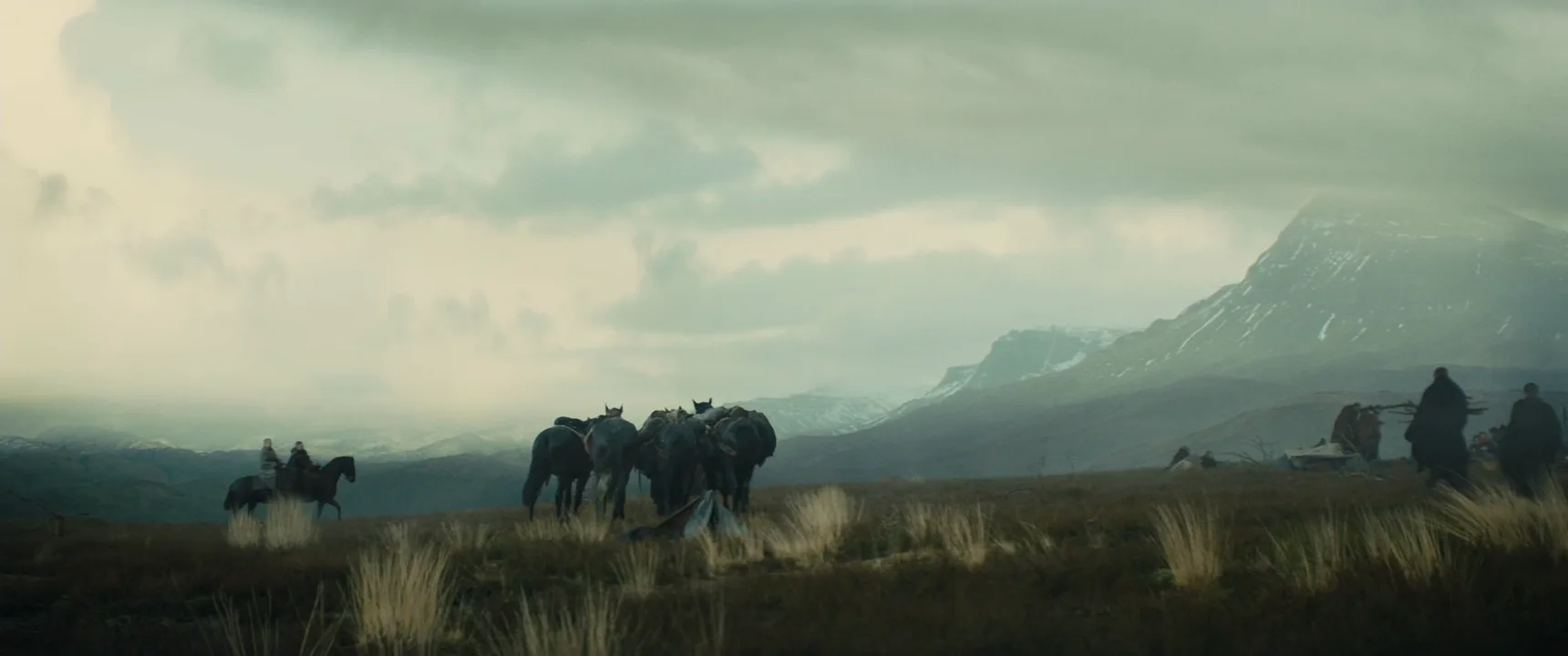
4 framesFrames where texture, weather and consistent material logic make a world believable, historical or invented.
How to create a verisimilitude with AI
4 promptsImage models default to clean, generic worlds, the opposite of verisimilitude. Write the history of the place into the prompt: wear, repairs, handwritten labels, who uses what. Generate on a FlashBoards board next to your rule notes and references, and compare takes side by side. The fourth prompt re-shoots a real film shot from a text description alone, and the original plays next to the result so you can compare.
Medium wide shot inside a cramped starship galley, lived-in and worn. Scuffed steel walls with dents and rivets, handwritten tape labels on every locker, a taped crack across a small porthole, a coffee-stained mug on a hook. At a fold-down table, an engineer in her fifties with a shaved head, a burn scar on her left forearm and reading glasses on a cord eats noodles from a dented tin. Flickering fluorescent tube overhead, steam rising, 35mm lens, eye level, cinematic film still, fine grain.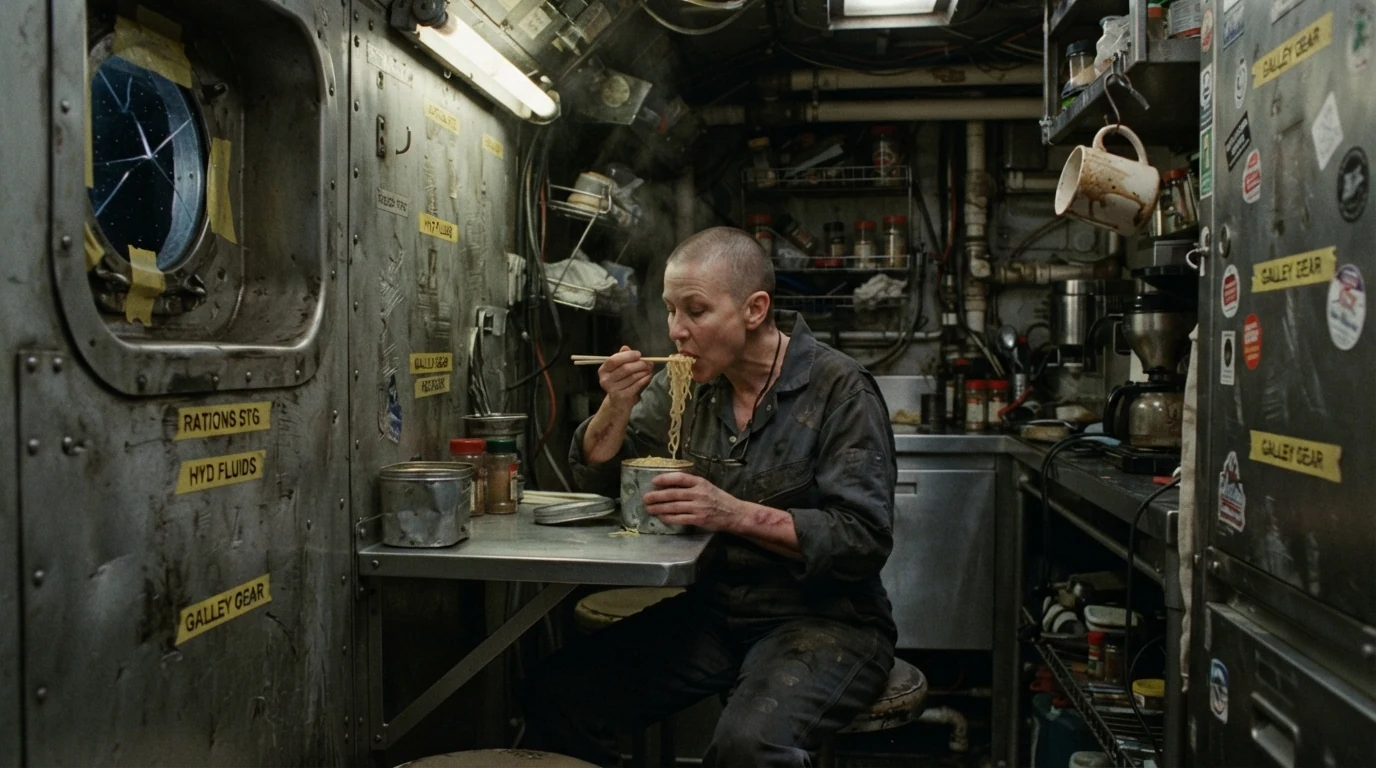
Handwritten tape labels and taped crack give the place a history: someone lives and repairs things here. Eats noodles makes the future ordinary, which is what sells it.
Open FlashBoardsWide shot of a medieval market street in steady drizzle, early morning. Muddy ruts, straw thrown over puddles, patched canvas awnings sagging with rainwater, a smoking bread oven in a doorway. A stocky, broad-faced blacksmith's apprentice with a crooked nose, a patchy red beard, red curly hair, a split lip and a rain-soaked leather apron carries two iron buckets through the mud. Soft overcast light, gray-green palette, 28mm lens, shoulder height, wide cinematic frame, film still.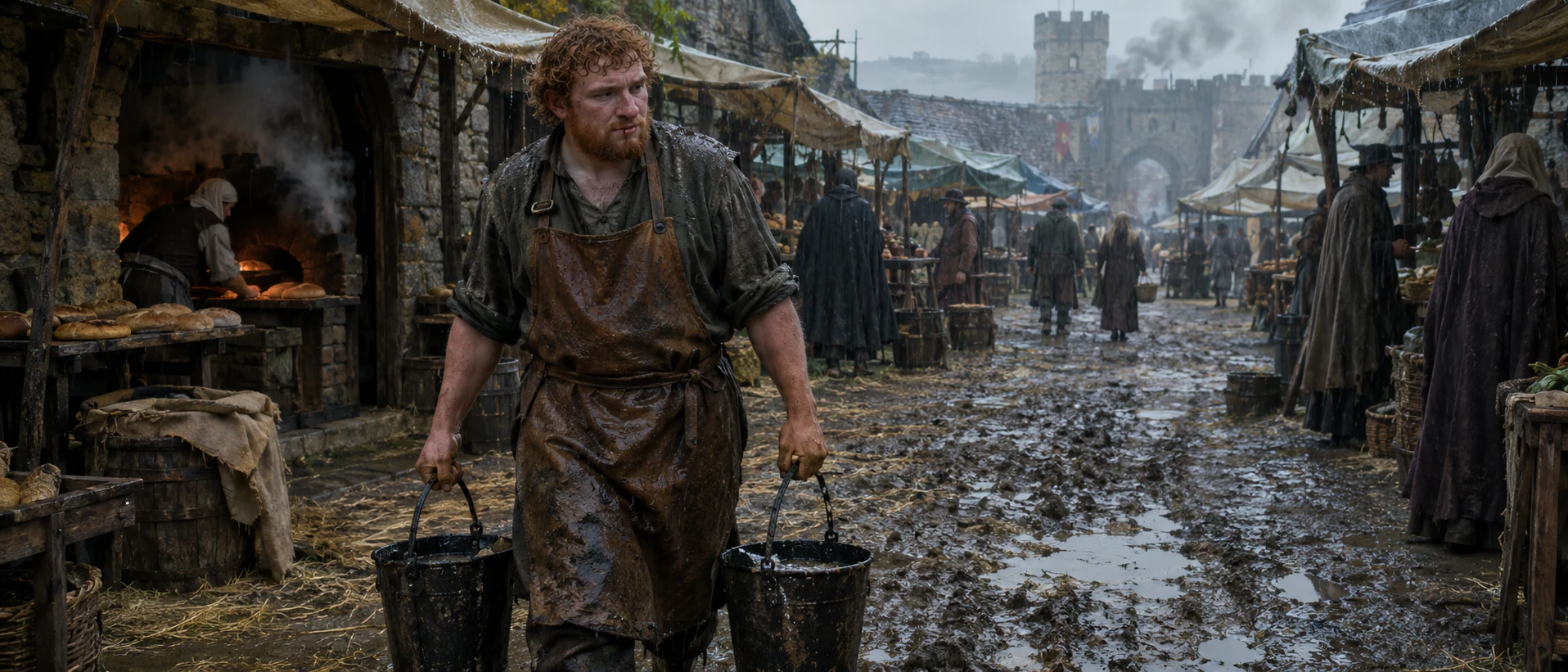
Straw thrown over puddles and patched awnings are fixes real people would invent, so the street reads as used. Rain-soaked apron keeps the weather consistent on the costume, not only in the sky.
Open FlashBoardsCamera: handheld, slight natural sway, slow drift to the right from the first moment. Action: the fluorescent tube flickers and steam rises from the tin. The engineer lifts a forkful of noodles, glances up at the flickering light, taps the tube with the back of her fork without looking away from her food, and keeps eating as the light steadies.Motion starts at once (flickers, steam rises), so the shot is alive from the first frame. Tapping the light without looking away shows the fault is old news to her.
Open FlashBoards{
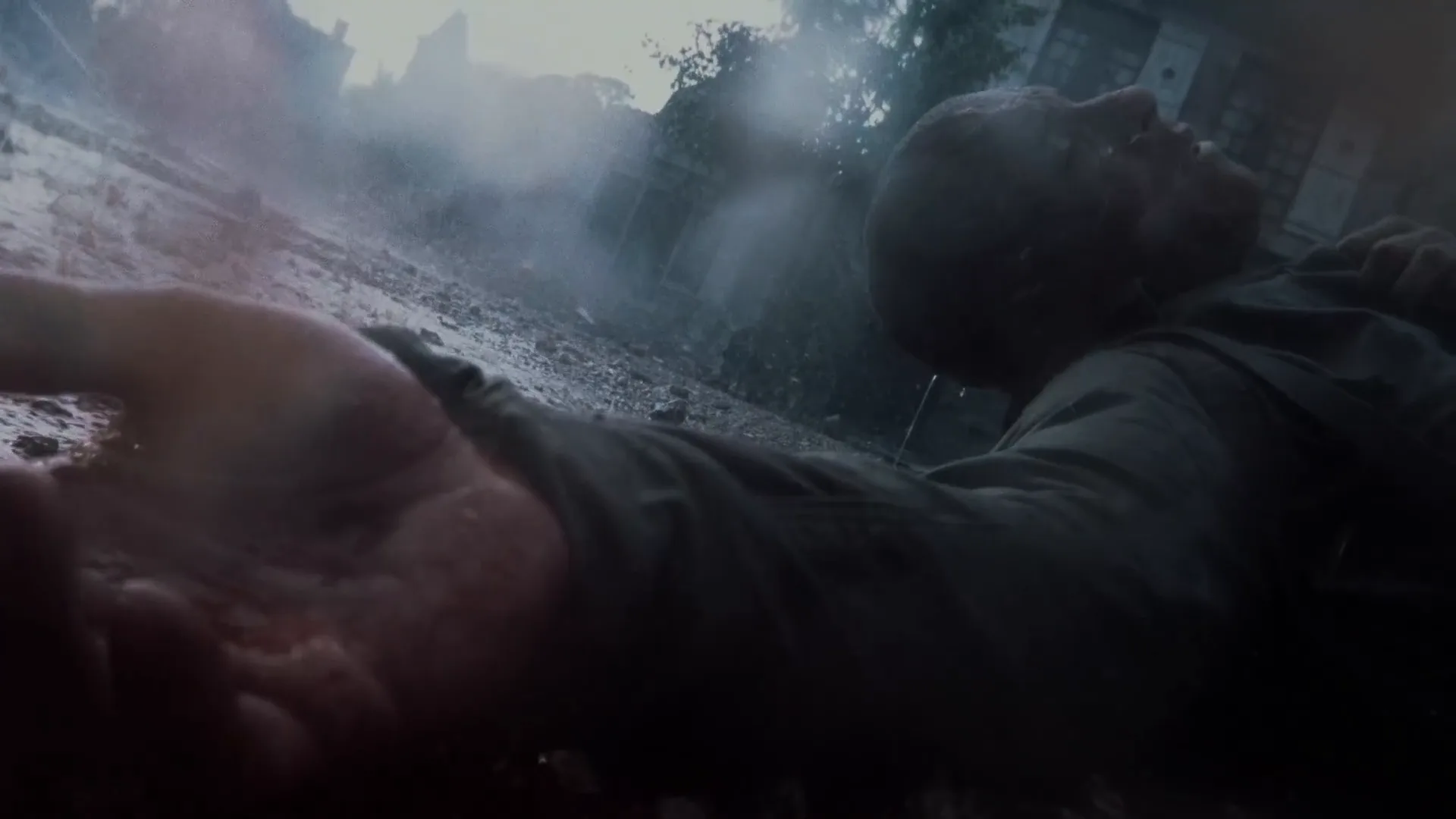
"output": "Full-screen live-action war film shot from Saving Private Ryan (1998), alive from its very first frame: one continuous shot, no cuts. Bleached, desaturated 35mm look, gray-green palette, flat overcast light, falling rain and drifting smoke on a muddy village road.",
"characters": {
"S1": {
"name": "a fallen American infantryman (uncredited soldier)",
"look": "lying on his side in the mud, dark wet olive combat jacket, helmet, face turned away from camera toward the upper right",
"voice": "silence"
}
},
"shots": [
{
"shot": 1,
"camera": "extreme low angle at ground level, frame tilted; slow dolly in toward the open hand, which grows until it fills the lower left of frame",
"voice": "silence: nobody speaks in this shot, no voice at all",
"action": [
"BEGINNING: alive from the first frame, the soldier lies still on his right side, body along the lower right, helmeted head at upper centre facing away; his right arm stretches toward the lower left, the palm open and turned up toward the lens, fingers loosely curled, resting in wet mud streaked dark red; rain spatters the ground",
"THEN: the camera creeps closer; the hand and forearm grow, the fingers stay still, the body never moves",
"THEN: gray smoke drifts right to left behind him, blurred trees and ruined buildings in the haze, raindrops streak past the lens",
"END: the open palm is large and soft-focused in the lower left, the still body and helmet dark against the pale smoke; nothing in frame moves except rain and smoke"
],
"dialogue": []
}
],
"sound": {
"ambience": "steady rain on mud, distant gunfire and muffled explosions, wind",
"speech": "no words in this video; the only human sounds are breaths and movement",
"never_spoken": "no narration and no voice-over: the descriptions, performance notes and step words of this prompt are never spoken aloud",
"music": "a film score under the scene, always below the voices: a low, slow elegiac string chord that barely moves",
"subtitles": "none"
}
}Remakes the slow dolly toward a fallen soldier's open palm in Saving Private Ryan (1998), keeping the tilted low angle, rain, smoke and drained color.
The prompt carries the details that make the original feel witnessed: mud streaked dark red, a tilted ground-level frame, rain and smoke as the only motion. Stating stillness (the body never moves) keeps the model from staging a performance.
Open FlashBoardsCommon mistakes
- Models polish everything. Name specific wear (dents, tape, stains, patches) instead of "gritty."
- Weather drifts: rain in the sky, dry costumes. State its effect on people and objects too.
- Props and signage change across takes. Keep the first good frame on the board and reuse its wording.
Keep the reference frames, prompts and every generated take side by side — images and video in one canvas.
FAQ
4 questionsWhat is verisimilitude in simple terms?
Verisimilitude means "appearing true." In film, it is the quality that makes the audience believe a story's world, real or invented. It comes from consistent rules, convincing details, believable behavior and a steady style, not from strict realism. A film has it when viewers stop questioning the world and simply follow the story.
Can a fantasy film have verisimilitude?
Yes, and good fantasy depends on it. Verisimilitude asks whether a world is consistent, not whether it is possible. If magic has a cost, travel takes time and objects show wear, the audience accepts dragons. It breaks when the film ignores its own rules, not when it departs from ours.
What is the difference between verisimilitude and realism?
Realism is a style and tradition that shows the world as it is, with real locations, natural light and restrained technique. Verisimilitude is the effect of believability, which any style can achieve. A stylized fantasy can have it, and a realist film can lose it through one wrong detail.
What breaks verisimilitude in a movie?
Plot holes that ignore an established rule, continuity errors between shots, anachronisms in period films, characters who suddenly know what the plot needs, and surfaces that look too new or too clean.
Related terms
5- RealismFilm Movements & Styles
Realism in film is the broad tradition — theorized by André Bazin — of showing the world as it is: long takes, deep focus, real places and restrained style that let reality speak rather than montage or spectacle.
- WorldbuildingStorytelling
Worldbuilding is designing the rules, history, geography, cultures and look of a story's world so that everything on screen feels consistent — the groundwork for production design and for coherent AI-generated scenes.
- Production DesignProduction Design
Production design is the creation of the entire physical world of a film — locations, sets, props, colors and textures — led by the production designer together with the director and cinematographer.
- ContinuityFilmmaking Process & Crew
Continuity is the consistency of every visible and audible detail — props, costume, hair, eyelines, positions, light, weather — across shots that were filmed out of order, so the edited scene reads as one unbroken moment.
- Plot HoleStorytelling
A plot hole is a gap or contradiction in a story's logic — an event that breaks established rules or a question the plot never answers.
Further reading
Aristotle, Poetics. Tzvetan Todorov, The Poetics of Prose (1971). Steve Neale, "Questions of Genre," Screen (1990).