 FlashBoards Learn
- Learn
- Lenses, Focus & Exposure
- Aperture
Lenses, Focus & Exposure · Film language
Aperture
Also called: lens aperture, iris
Aperture is the adjustable opening inside a lens, formed by the iris blades, that controls how much light reaches the film or sensor. Opening it up brightens the image and narrows the depth of field; stopping it down darkens the image and lets more of the scene hold sharp focus.
- What it does
- Sets exposure and, with it, how much of the frame stays sharp: wide open isolates, stopped down reveals the whole space.
- Use it when
- You choose the look of a scene before lighting it: pick the stop first, then light and filter to that stop.
- Watch out
- Wide open means soft edges and missed focus marks; stopped down past f/11 or so, diffraction softens everything.
- Try this prompt
50mm lens wide open at f/1.4, focus on her eyes, night street lights behind her melting into large soft discs
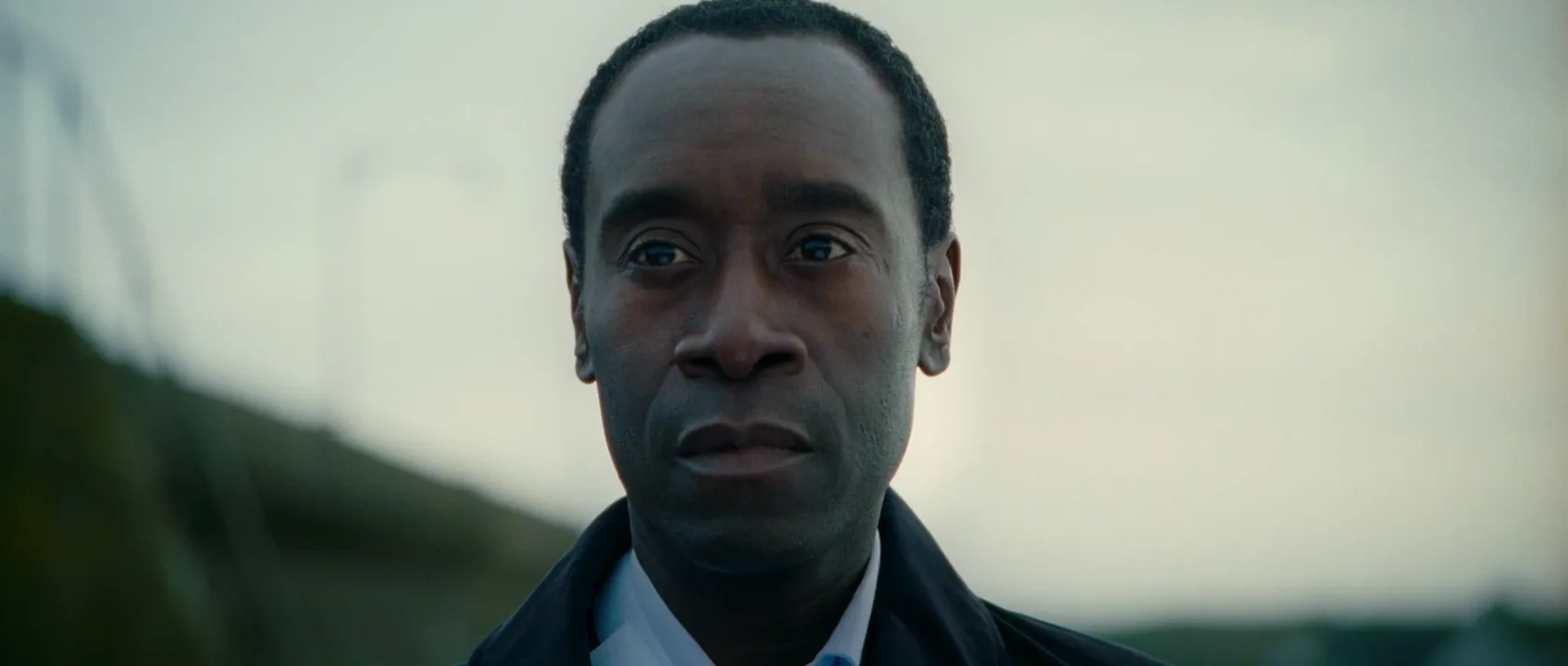
What is aperture?
Inside every lens sits a ring of thin overlapping metal blades, the iris. The hole they leave is the aperture. On set you open up to let more light in and stop down to let less through; a lens at its widest setting is wide open, and that widest stop is part of the lens's name: a 50mm T1.3 is faster and costlier than a 50mm T2.8.
Aperture is one of three exposure controls, with shutter speed and ISO (see the exposure triangle). It is the only one that also changes the optics: how deep focus runs, how highlights blur, how crisp the lens renders.
What is an f-stop?
The f-stop, or f-number, is focal length divided by the diameter of the entrance pupil. On a 50mm lens, a 25mm opening is f/2; a 12.5mm opening is f/4. A lower number means a wider aperture, and f/4 passes the same light on any focal length.
f/1 · 1.4 · 2 · 2.8 · 4 · 5.6 · 8 · 11 · 16 · 22
Each full stop multiplies the number by about 1.4 (the square root of two), halving the area of the opening and so the light. f/2.8 to f/5.6 is two stops: a quarter of the light.
F-stop vs. T-stop
An f-stop is geometry; it assumes all light entering the lens reaches the sensor. Glass and coatings lose some, zooms more than primes. A T-stop (transmission stop) is measured on each lens, so cinema lenses are engraved in T-stops: swap a 32mm for a 75mm mid-scene and T2.8 on both gives the same exposure. An f/1.4 lens might transmit like T1.5. Expose by the T-stop; calculate depth of field with the f-stop.
How does aperture change the image?
- Brightness. Each stop doubles or halves the light.
- Depth of field. Wide open, the sharp zone is thin and the background turns to color, the basis of shallow depth of field; stopped down, sharpness runs through the room.
- Bokeh. Out-of-focus highlights are round wide open and take the polygon of the blades a few stops down; more blades, rounder bokeh.
- Lens character. Most lenses are softest wide open and sharpest two or three stops down.
For the candlelit interiors of Barry Lyndon (1975), Stanley Kubrick and John Alcott used Zeiss 50mm f/0.7 lenses, leaving actors almost no room to move. Gregg Toland went the other way on Citizen Kane (1941), lighting hard and stopping far down for deep focus.
How to choose an aperture on set
Pick the stop, then light to it. Many DPs hold one stop per scene so coverage matches: around T2 to T2.8 for intimate interiors, T4 to T5.6 when two actors at different distances must both hold.
Use ND in daylight. Noon sun might demand f/16; neutral density lens filters cut a set number of stops (ND 0.9 is three), so you can stay at T2.
Mind diffraction. Past roughly f/11 on Super 35, the tiny opening softens the whole image.
Plan for focus. At T1.4 on an 85mm, a head turn can lose the eyes; rehearse marks or close down half a stop.
Iris pulls. Walking from a dark interior into sun, an assistant can ride the aperture during the take. More in the lenses and focus hub.
Aperture examples in film
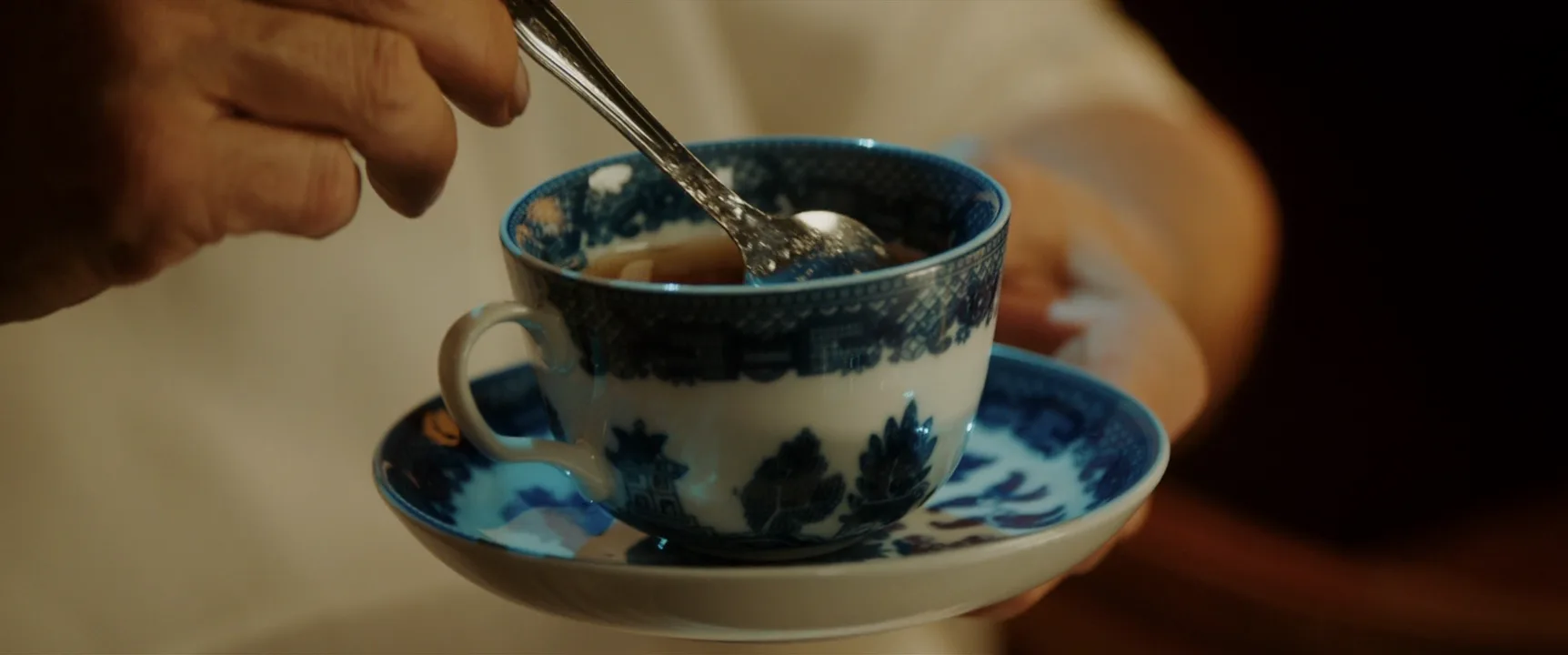
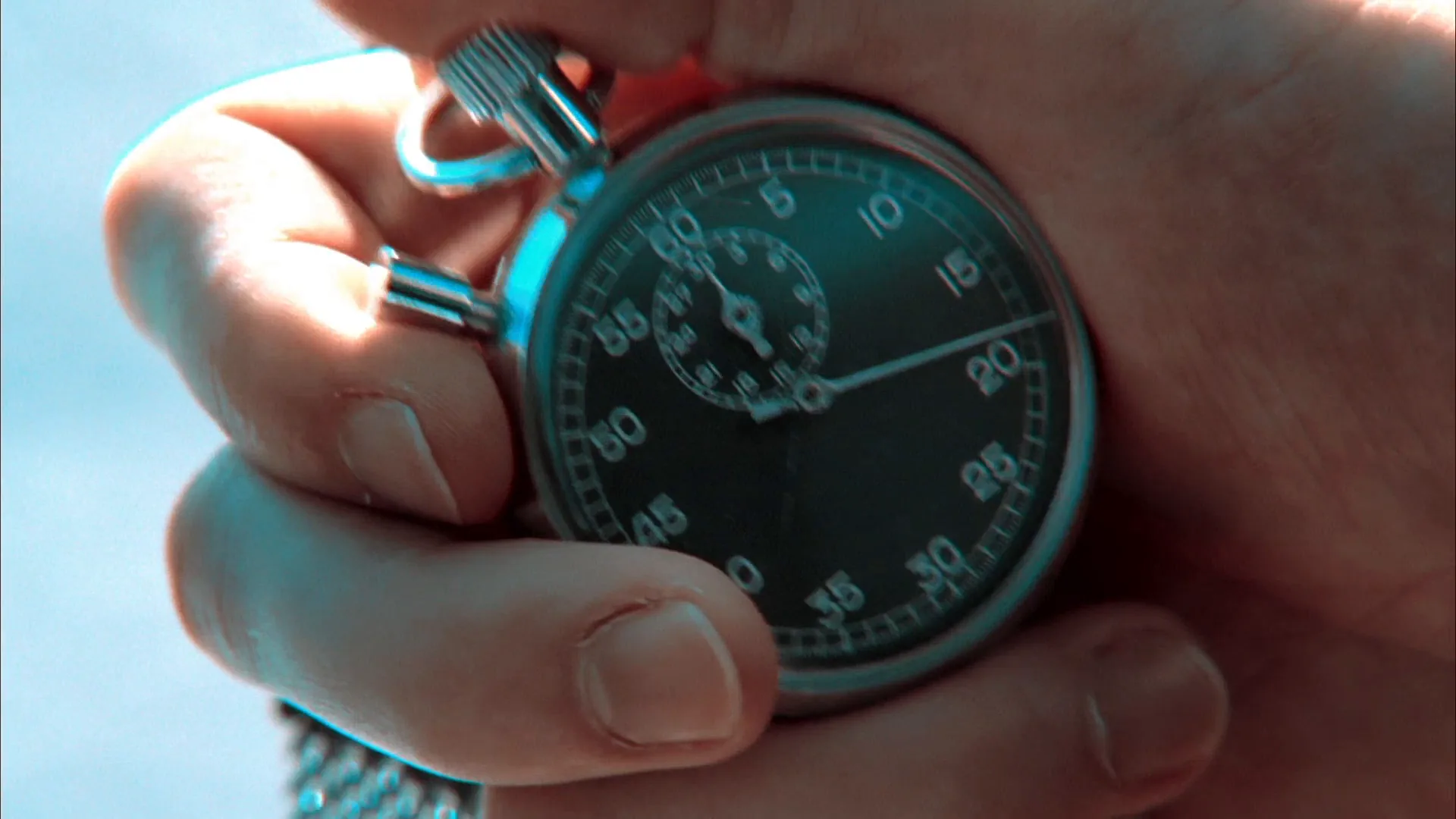
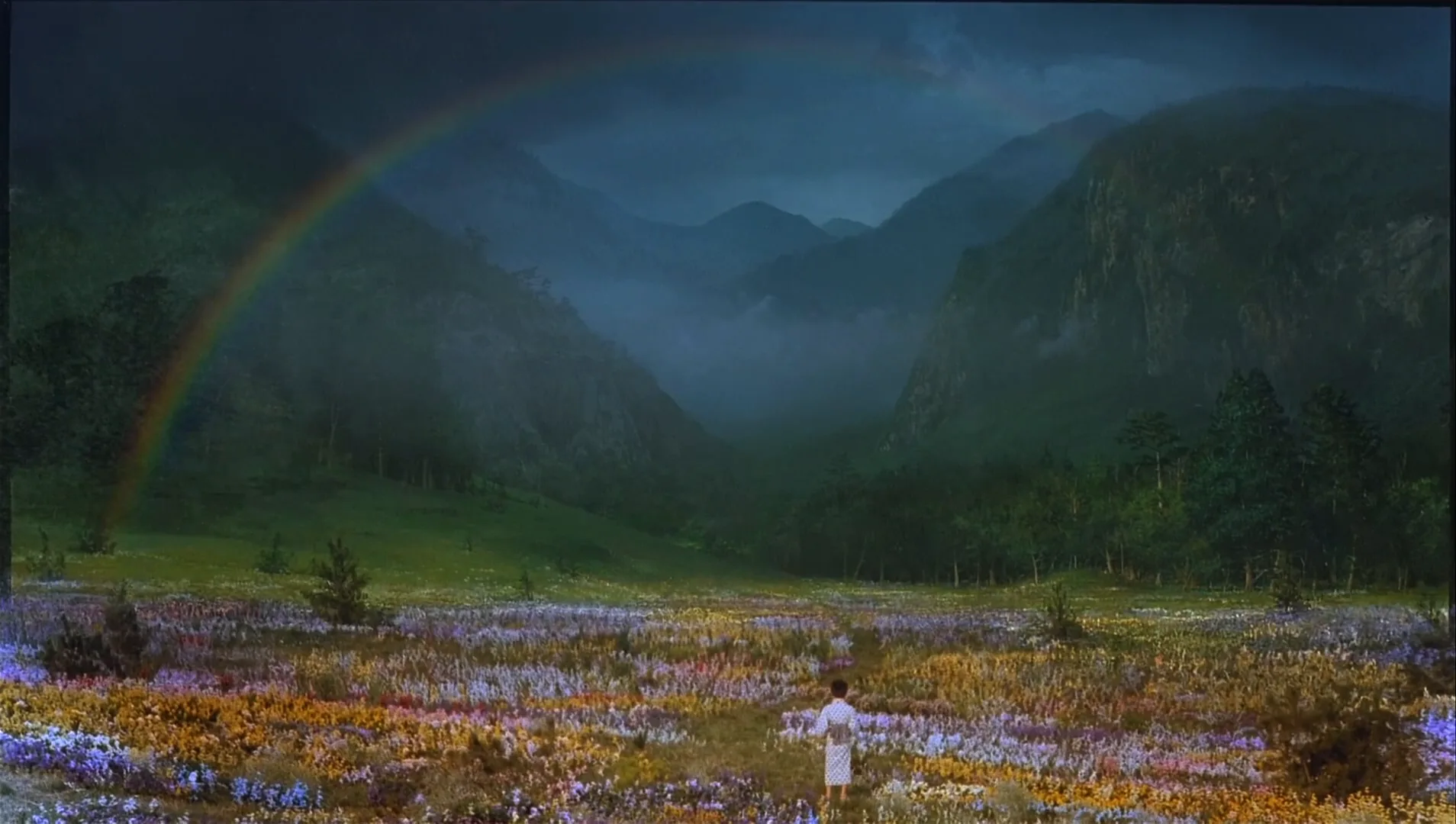
9 framesWide-open frames first, then stopped-down ones: find the sharpest point and watch how fast the image softens around it.
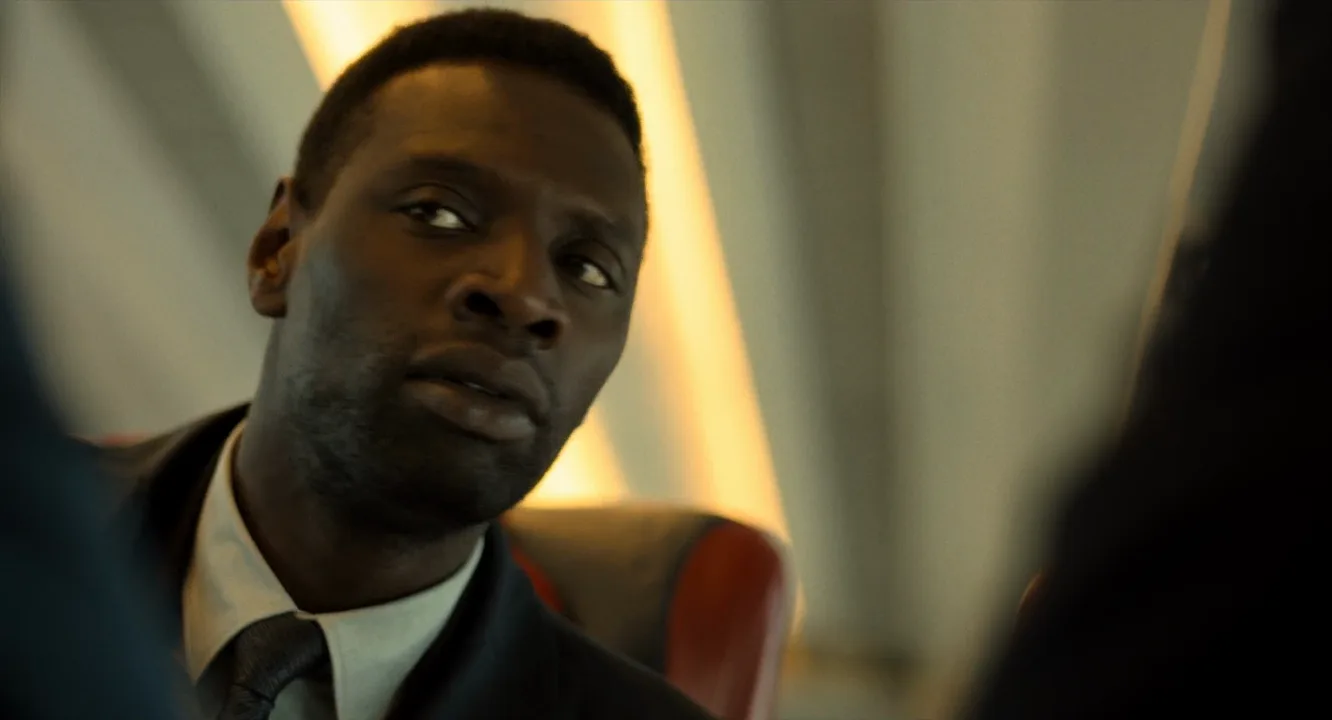
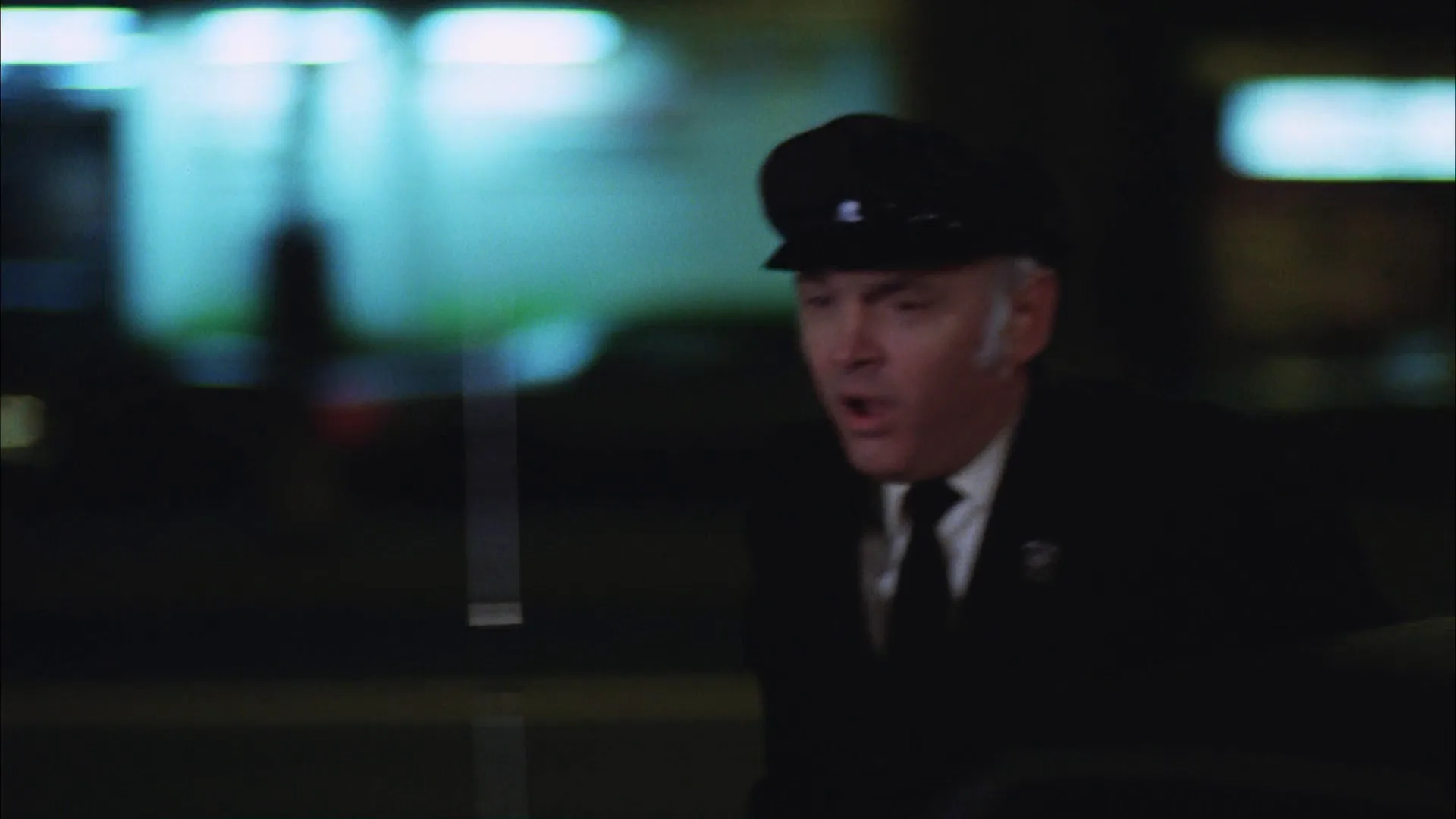
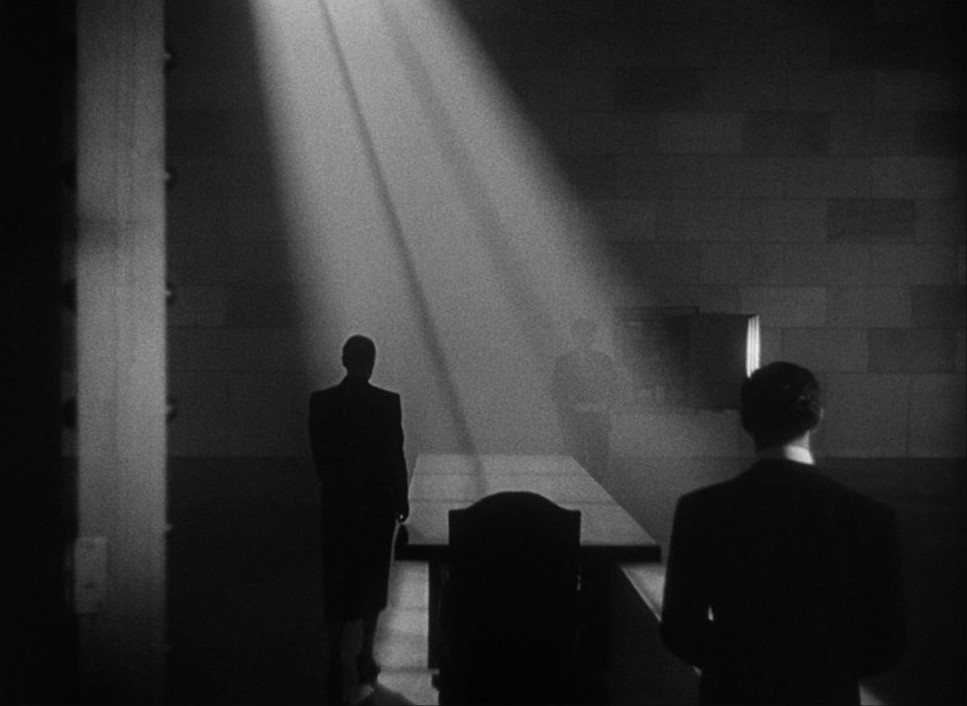
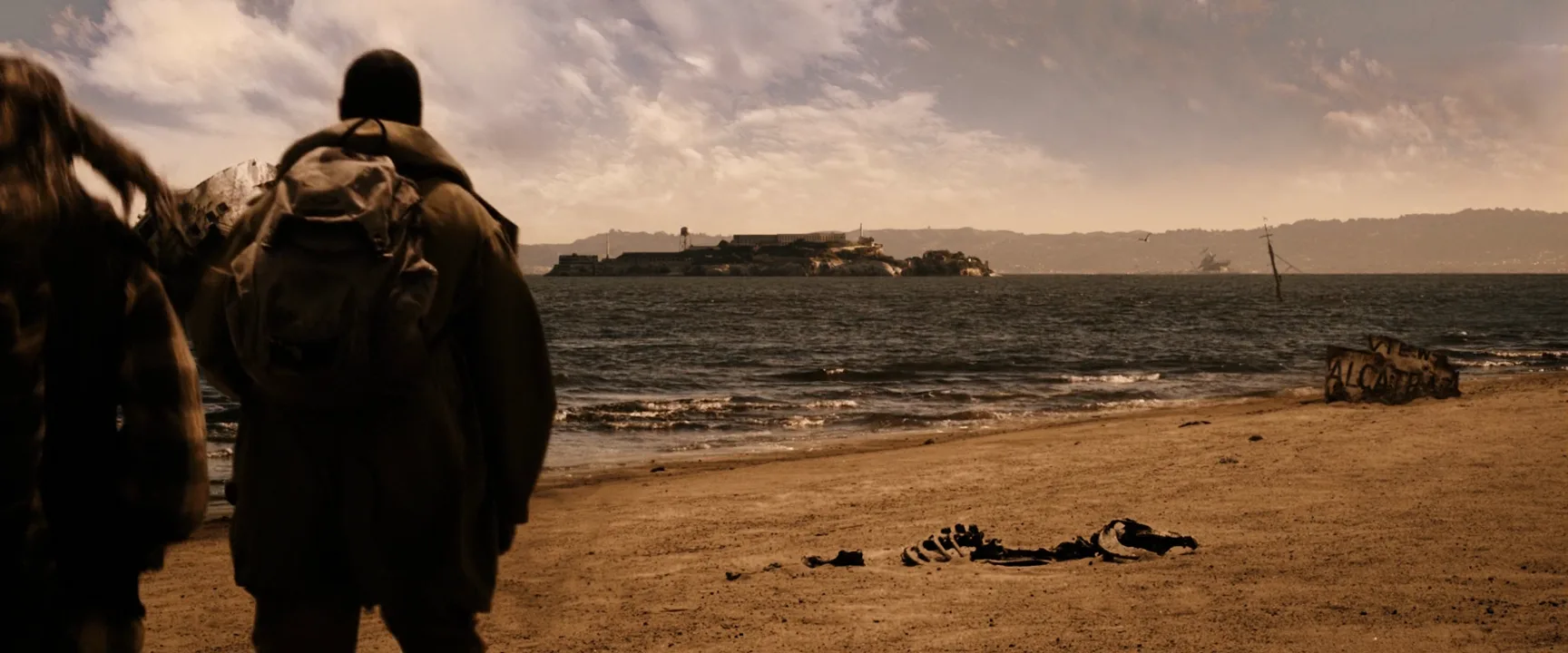
How to create a aperture with AI
4 promptsModels read f-numbers loosely, so pair the stop with its visible result: which plane is sharp and how far the background is. Build the wide-open frame in Nano Banana 2 Lite, a stopped-down take in GPT Image 2.5, and animate recipe 1 with MiniMax H3 Max Turbo, with all takes beside your references on one FlashBoards board. The fourth prompt re-shoots a real film shot from a text description alone, and the original plays next to the result so you can compare.
Cinematic close-up at night, 50mm lens wide open at f/1.4, very shallow depth of field. A street-food cook in his fifties with a shaved head, a short gray goatee, a small gold hoop in his left ear and a burgundy apron leans over a steaming steel pot; focus locked on his eyes, shoulders already slightly soft. Ten meters behind him, strings of bulbs dissolve into large round discs of amber and teal light. Warm light from the burner below, fine film grain.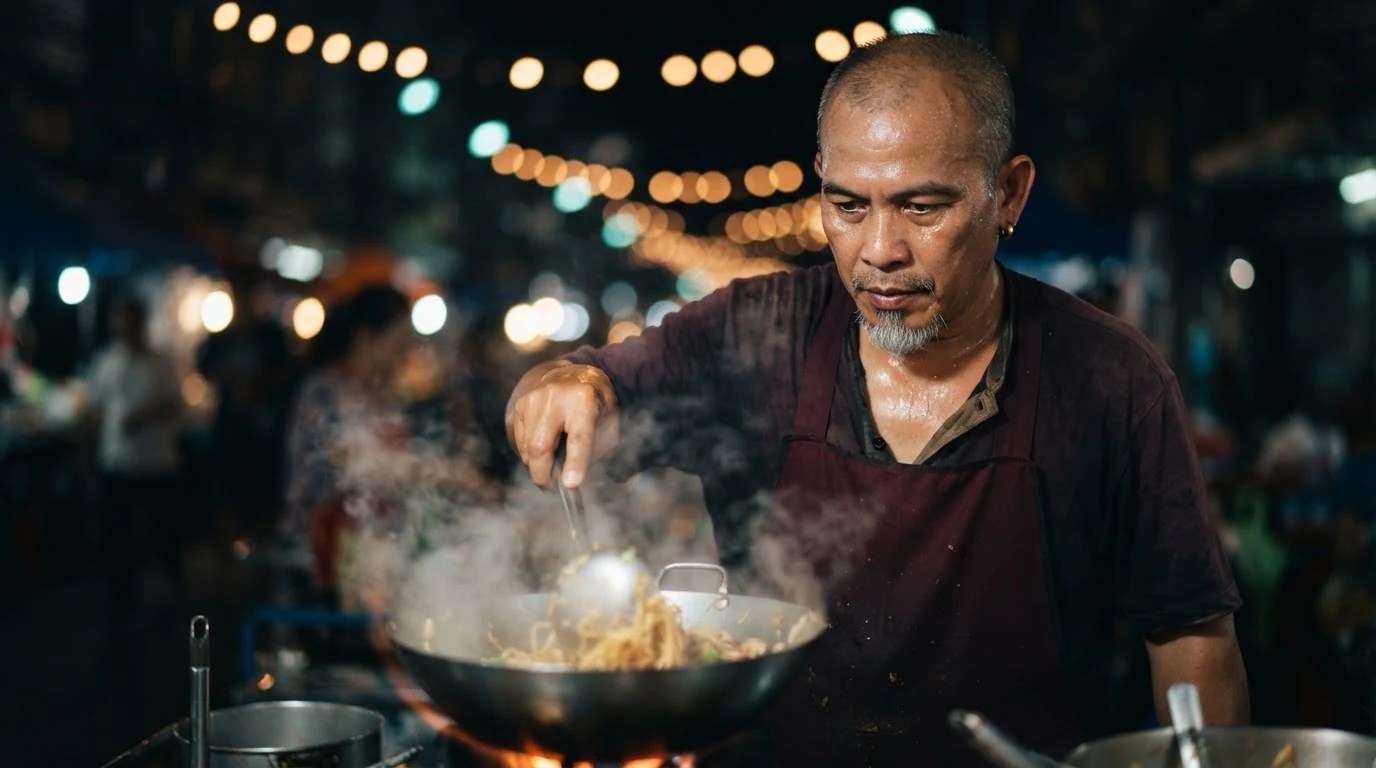
Focus locked on his eyes and shoulders already slightly soft give a gradual falloff instead of a cut-out; ten meters behind him justifies the large round discs.
Open FlashBoardsWide shot at midday, 28mm lens stopped down to f/11, deep focus, everything sharp from two meters in front of the lens to the horizon. Foreground: a freckled teenage cyclist in a yellow helmet and green windbreaker astride her bike on a desert road. Midground: a small gas station with a faded red canopy. Background: dry mountains with crisp ridgelines. Hard overhead sun.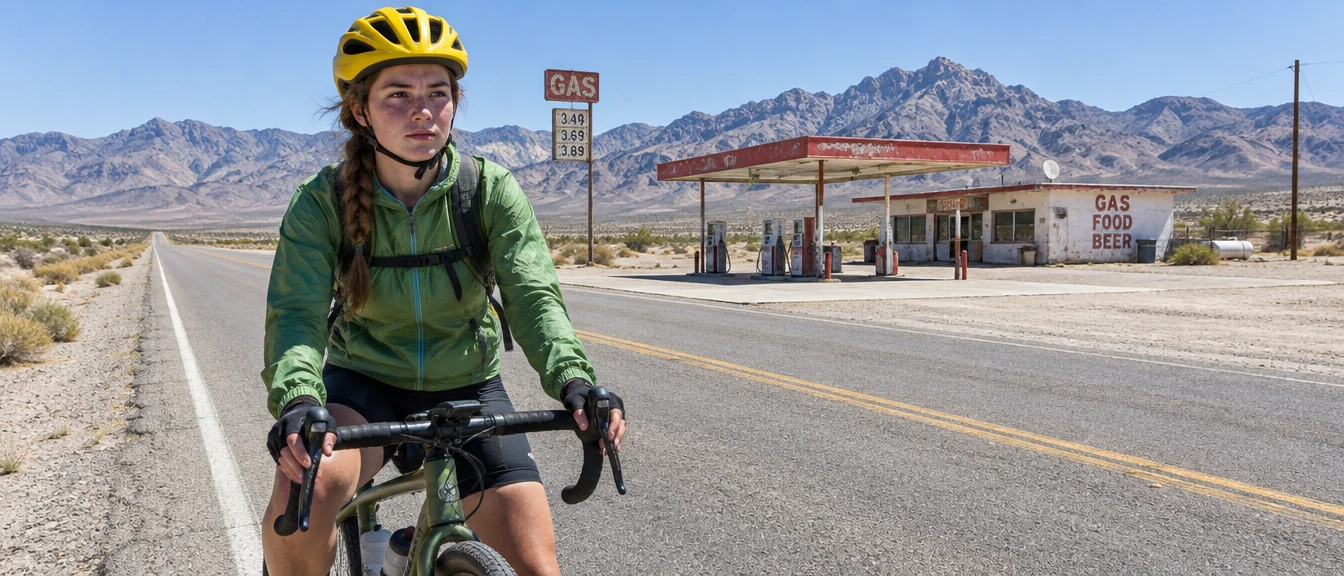
The other end of the ring. Sharp from two meters to the horizon states the zone as distance, which models follow better than f/11 alone, and naming three planes blocks the default background blur.
Open FlashBoardsCamera: slow, smooth push-in from the close-up to a tighter close-up on his face across the whole shot. Focus stays on his eyes the entire time. Action: from the first frame steam rolls up from the pot while he stirs. In the middle he lifts his eyes and looks just past the lens. At the end he gives a small tired smile as the discs of light behind him shimmer with the swaying bulbs.Steam and stirring start motion immediately, so the clip does not freeze into a zoom on a still; the focus line protects the wide-open look.
Open FlashBoards{
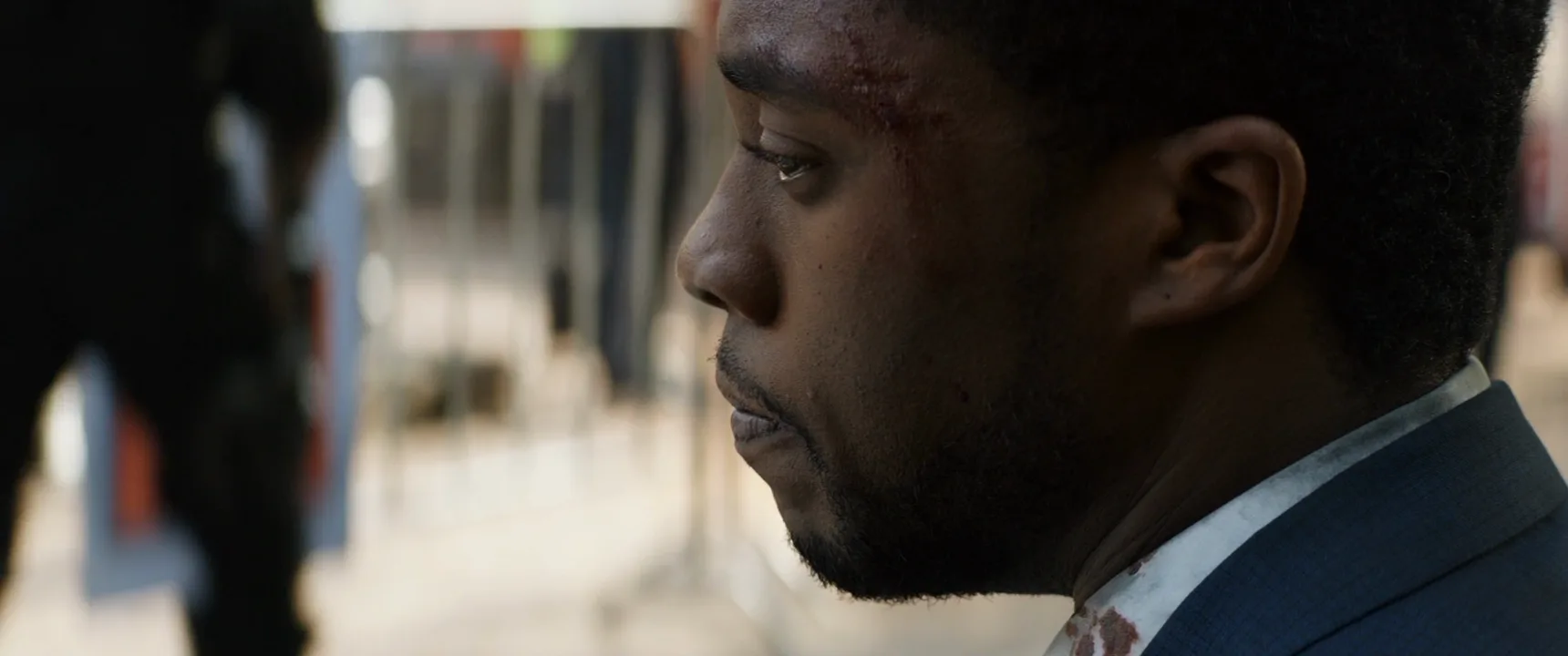
"output": "Full-screen live-action profile close-up from Captain America: Civil War (2016), alive from its very first frame: one continuous shot, no cuts. Anamorphic 35mm look, overcast daylight at a crowded outdoor security cordon, soft white sky light from above and frame left, warm skin against a cool steel-blue and navy palette with one red accent, fine film grain. Long telephoto lens wide open at its maximum aperture: a paper-thin plane of focus on the man's face only; the background is many meters behind him and melts completely into heavy, creamy blur, soft-edged like wet watercolor, where shapes read only as color and tone and no detail behind him is ever sharp.",
"characters": {
"S1": {
"name": "T'Challa, played by Chadwick Boseman",
"look": "young Black man with dark brown skin, short black hair, a short trimmed black beard along the jaw, a fresh small graze on his forehead above the brow, navy suit, white shirt, dark red tie",
"voice": "low, quiet, controlled, barely above a murmur"
},
"S2": {
"name": "Natasha Romanoff, played by Scarlett Johansson",
"look": "never seen: she stands off screen to the left of the camera",
"voice": "soft, careful, off screen"
}
},
"shots": [
{
"shot": 1,
"camera": "static, eye level, long telephoto lens at maximum aperture, extremely shallow depth of field, only the faintest slow drift; very tight profile close-up of S1 facing frame left, his face from forehead to chin filling the full frame height, the top of his head and his lower jaw line close to the frame edges, his head and shoulder filling the centre and right thirds, soft empty space in front of his face on the left; focus locked on his eye, cheek and beard for the whole shot and never shifts to the background",
"action": [
"BEGINNING: alive from the first frame, S1 stands still in profile facing frame left, head slightly bowed, eyes lowered toward the ground ahead of him; behind him on the left a pale blue board with a rectangular red panel and a row of metal crowd barriers are only soft, edgeless washes of color.",
"THEN: S1 speaks his line quietly, his lips barely parting, head and shoulders completely still, gaze still lowered, no nod.",
"THEN: his mouth closes and his jaw sets; a guard in black walks into the background from the left edge of frame and moves left to right behind him, so far out of focus that he is only a featureless dark smear with soft, melting edges.",
"THEN: while the off-screen voice says his name, S1 does not turn or look up; more guards in black stream left to right close behind him as smeared dark blurs, briefly covering the blue board like passing shadows.",
"END: a soldier in olive green with a pale blue helmet crosses left to right behind him as a soft green and blue smudge; S1 still in the same profile, eyes lowered, jaw tight, every beard hair and the graze on his forehead crisp against the melted background."
],
"dialogue": [
{
"speaker": "S1",
"on_screen": true,
"when": "from the first moments of the shot, while he stands still in profile",
"delivery": "quiet, flat, restrained grief",
"line": "<d>[English] I am not my father.</d>"
},
{
"speaker": "S2",
"on_screen": false,
"when": "right after his line ends, from off screen, while the guards pass behind him",
"delivery": "soft, gentle, trailing off",
"line": "<d>[English] T'Challa...</d>"
}
]
}
],
"sound": {
"ambience": "outdoor crowd murmur, boots on pavement passing behind him, gear rustling, a distant radio crackle heard from far away",
"speech": "exactly these spoken phrases, each said once, in this order",
"never_spoken": "no narration and no voice-over: the descriptions, performance notes and step words of this prompt are never spoken aloud",
"music": "a film score under the scene, always below the voices: low, somber sustained strings with a faint slow pulse",
"subtitles": "none"
}
}Remakes T'Challa's locked-off profile close-up from Captain America: Civil War (2016), DP Trent Opaloch, keeping the long lens wide open, the face-left framing, his line and Natasha's off-screen reply, and the guards smearing past behind him.
The lens line asks for maximum aperture and a paper-thin plane of focus, and every action step restates it: the guards crossing behind him are featureless dark smears while every beard hair stays crisp. Motion in the background is what makes the shallow focus readable.
Open FlashBoardsCommon mistakes
- The number gets ignored. Add the plane in focus and the background distance to any f-stop.
- Blur everywhere. Models add portrait blur even at f/11; write everything sharp to the horizon.
- Cut-out edges. Ask for sharpness that falls off gradually.
- Focus drift in video. Repeat the focus plane in the camera line.
Keep the reference frames, prompts and every generated take side by side — images and video in one canvas.
FAQ
4 questionsWhat is aperture in simple terms?
Aperture is the size of the opening inside a lens that lets light through. A bigger opening brightens the picture and blurs more of the background; a smaller one darkens it and keeps more of the scene sharp. It is written as an f-number, such as f/2.8 or f/8.
Does a lower f-number mean a bigger aperture?
Yes. The f-number is focal length divided by the width of the opening, so a smaller number means a wider hole. f/1.4 passes a lot of light and gives shallow focus; f/16 passes little and keeps most of the frame sharp. Each full stop on the scale halves or doubles the light.
What is the best aperture for video?
There is no single best stop; choose it for the look. Many cinematographers shoot intimate scenes around T2 to T2.8 and use T4 to T5.6 when several people at different distances must stay sharp. Most lenses are sharpest two or three stops down, and past about f/11 diffraction softens the image.
What is the difference between aperture and iris?
The iris is the mechanism, the ring of metal blades inside the lens; the aperture is the opening those blades leave. On film sets the words overlap, and "pulling the iris" means changing the aperture during a shot to hold exposure.
Related terms
6- Depth of FieldLenses, Focus & Exposure
Depth of field is the zone in front of and behind the point of focus that looks acceptably sharp; aperture, focal length, focus distance and format size decide whether it is razor-thin or stretches to the horizon.
- Exposure TriangleLenses, Focus & Exposure
The exposure triangle is the balance of aperture, shutter speed and ISO: change one and you must compensate with another, and each choice also changes depth of field, motion blur or noise.
- Shutter SpeedLenses, Focus & Exposure
Shutter speed is how long each frame is exposed to light; on cine cameras it is often set as a shutter angle, and it controls both brightness and how much blur movement leaves.
- BokehLenses, Focus & Exposure
Bokeh is the character of the out-of-focus areas of an image — above all how point lights melt into soft discs or ovals — shaped by the lens design, the aperture blades and how shallow the focus is.
- Shallow Depth of FieldLenses, Focus & Exposure
Shallow depth of field keeps only a thin slice of the scene sharp — often just the eyes — while everything nearer and farther dissolves into blur, isolating the subject and steering attention.
- Camera LensesLenses, Focus & Exposure
A lens gathers light and focuses it onto film or a sensor; its focal length, maximum aperture and optical character decide the field of view, perspective, depth of field and texture of the image.
Further reading
American Cinematographer Manual (ASC Press) — lens, T-stop and depth-of-field tables. Blain Brown, Cinematography: Theory and Practice (Routledge) — exposure and lens chapters.