 FlashBoards Learn
- Learn
- Lenses, Focus & Exposure
- Camera Focus
Lenses, Focus & Exposure · Film language
Camera Focus
Also called: focus, focus pulling, follow focus
Camera focus is where the lens places its plane of sharpness. On set the focus puller, or 1st AC, sets it and adjusts it during the take as actors and camera move. Because the eye goes straight to what is sharp, choosing the focus plane is one of the most direct ways to tell the audience where to look.
- What it does
- Makes one distance in the scene sharp and lets the rest fall off, so the viewer reads that plane first.
- Use it when
- Every shot: decide which face, hand or object carries the moment and put the focus there.
- Watch out
- On a long lens wide open, a few centimeters of actor movement puts the eyes out of focus and ruins the take.
- Try this prompt
85mm at T2, eye level: a woman walks toward camera in a night alley, focus plane on her eyes, foreground lanterns and background stalls soft
What is camera focus?
A lens renders only one distance perfectly sharp: the plane of focus, an imaginary sheet parallel to the sensor, set by turning the focus ring. Things in front of and behind it soften the farther they sit from it.
How fast they soften is set by depth of field. Focus says where sharpness sits; depth of field says how thick the sharp zone is. A wide lens stopped down can make a whole room look sharp, while an 85mm wide open leaves only the eyes crisp. Both still have one exact plane of focus, and choosing it underlies everything in the lenses and focus hub.
Why does focus matter in film?
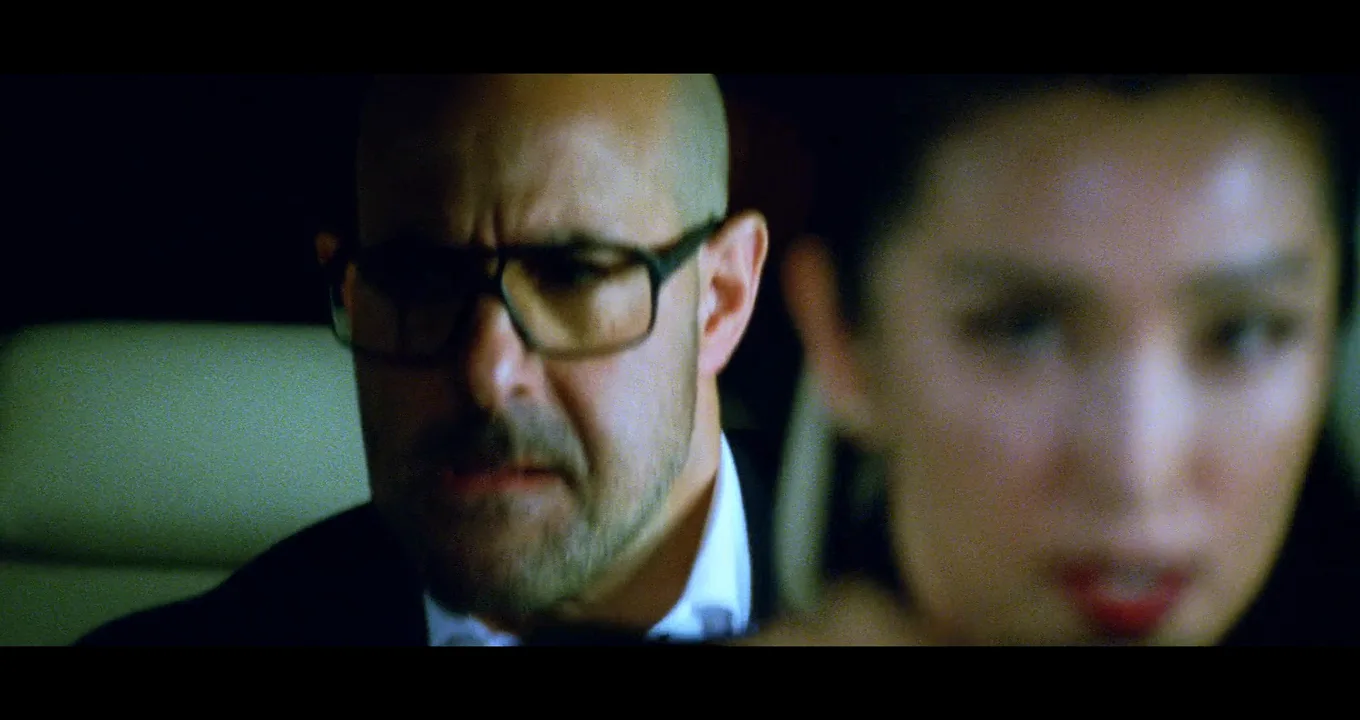
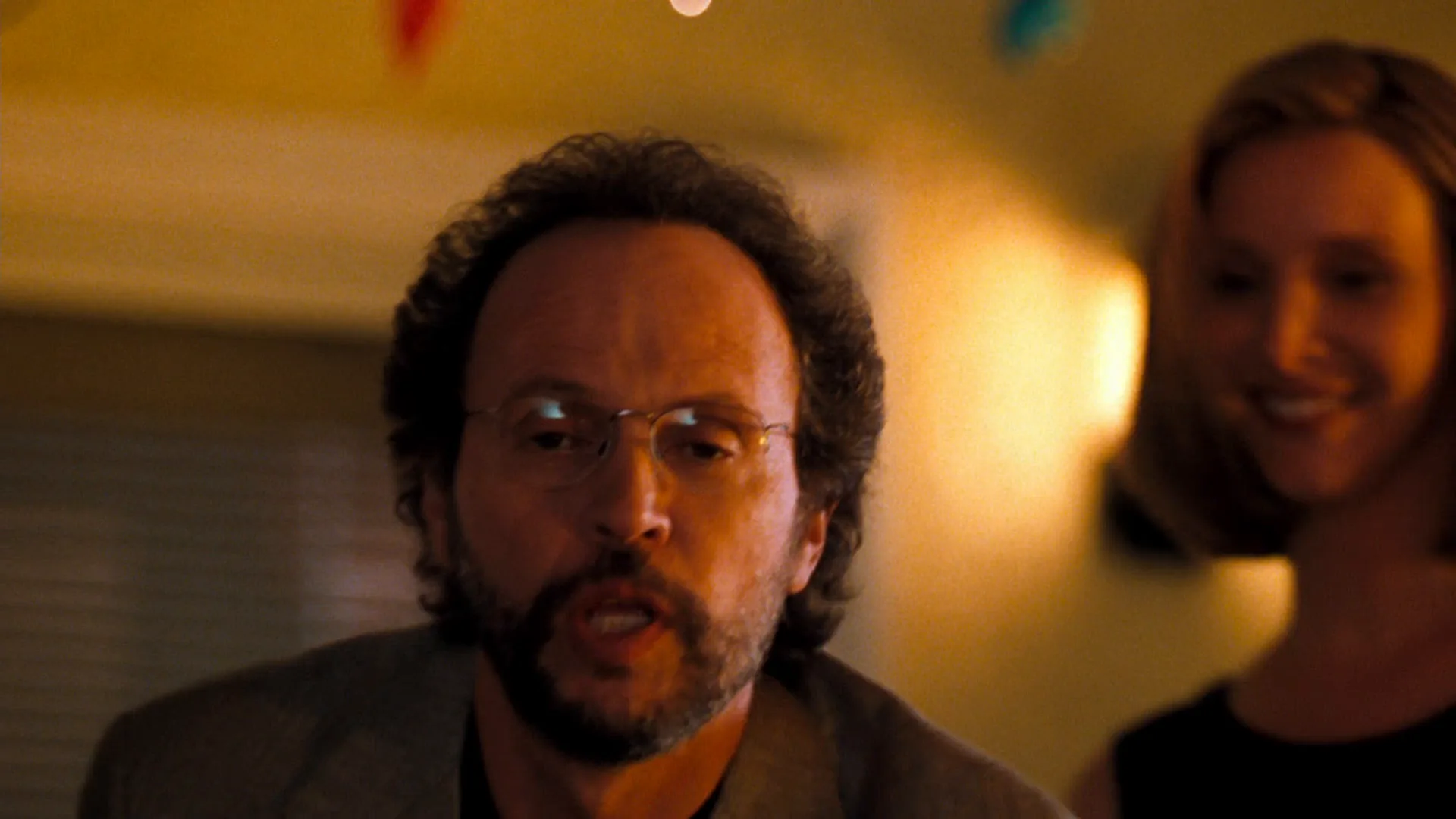
Viewers look at sharp detail before blur. That makes focus a tool for hierarchy: the sharp plane is the subject, the soft planes are context. In a shallow depth of field close-up, a soft shoulder in front and a soft room behind leave nowhere to look but the face.
When two people share the frame, the sharp one owns the beat.
The opposite choice is a statement too. Gregg Toland's deep focus in Citizen Kane (1941) kept foreground and background sharp at once, so the audience had to choose where to look. Moving focus during a shot, a rack focus, turns that choice into an event.
What does a focus puller do?
The focus puller, formally the first assistant camera (1st AC), keeps the right thing sharp in every take. The camera operator frames; the AC works focus, often remotely from a monitor.
Focus pulling means changing focus as distances change: an actor walks toward the lens, the dolly pushes in. In rehearsal the AC measures distances with a tape or laser, marks them on the white disk of the follow focus and gives actors floor marks. During the take they pull between marks by timing, rarely by eye: at T2 on a long lens the margin is a few centimeters.
How to set and hold focus on set
- Know your margin. On Super 35, a 50mm at T2 focused at 2 m holds roughly 16 cm sharp. A 25mm at T5.6 focused at about 4.5 m (its hyperfocal distance) holds everything from 2.2 m to infinity.
- Focus on the near eye. Sharp lashes with soft ears looks intentional; the reverse looks like a miss.
- Give the AC marks. Floor marks and rehearsal make focus repeatable.
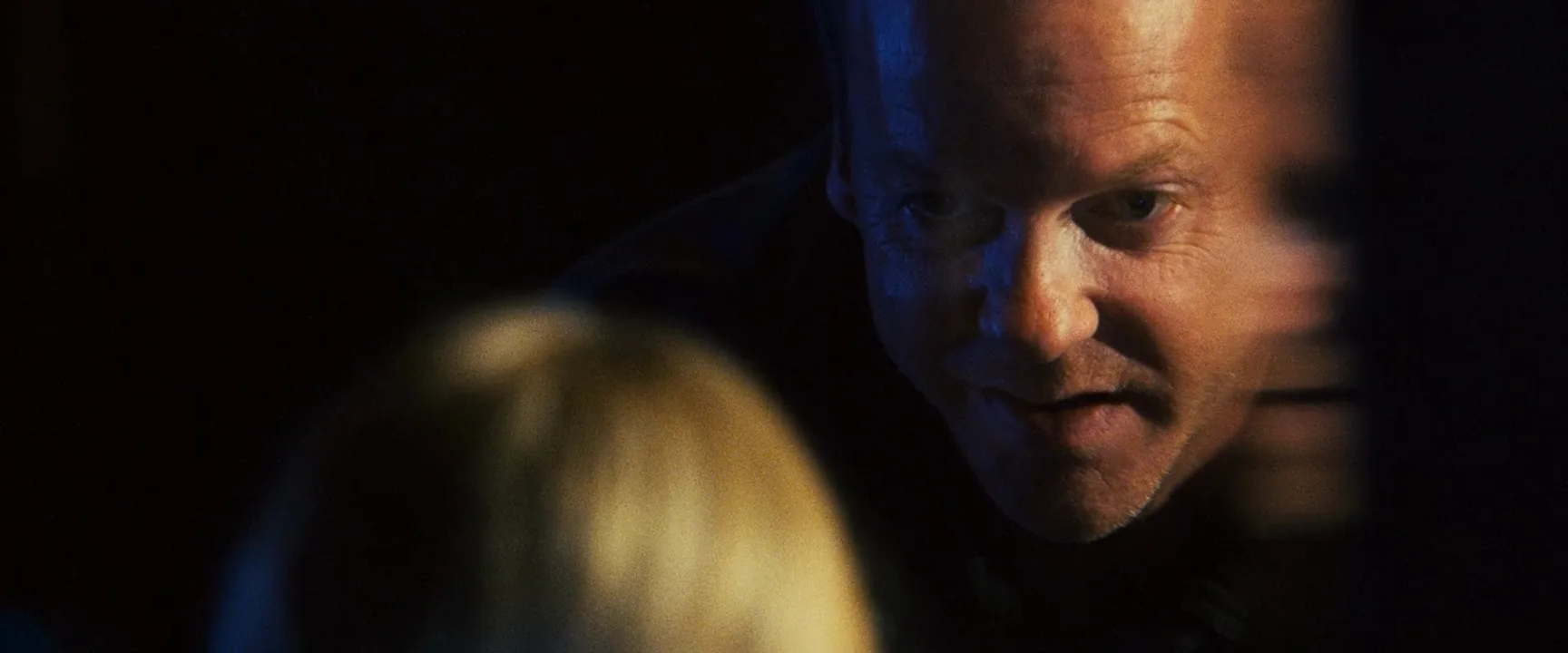
- Stage in depth. A soft shoulder, lamp or door frame in front shows where focus is not and makes the sharp plane read stronger.
- Check big. Use peaking and magnification; a small monitor hides softness.
- Need two planes? Stop down and add light, or use a split diopter.
Focus vs. depth of field: what's the difference?
Focus is a position: the distance the lens is set to. Depth of field is a range around it, set by aperture, focal length, focus distance and format. You can move focus without changing depth of field (a rack) or change depth of field without moving focus (stopping down). "Out of focus" means the plane missed the subject; "blurry background" usually means shallow depth of field, often a deliberate choice.
Camera Focus examples in film
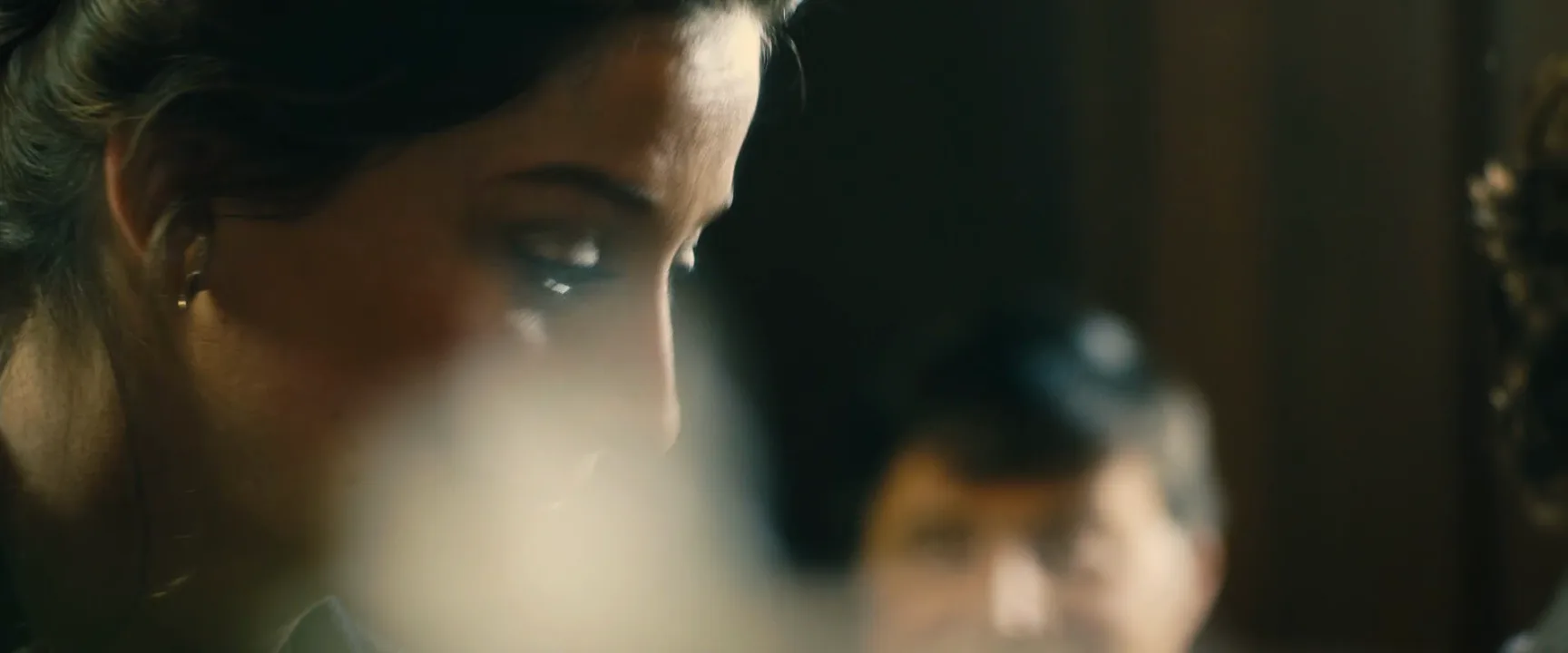
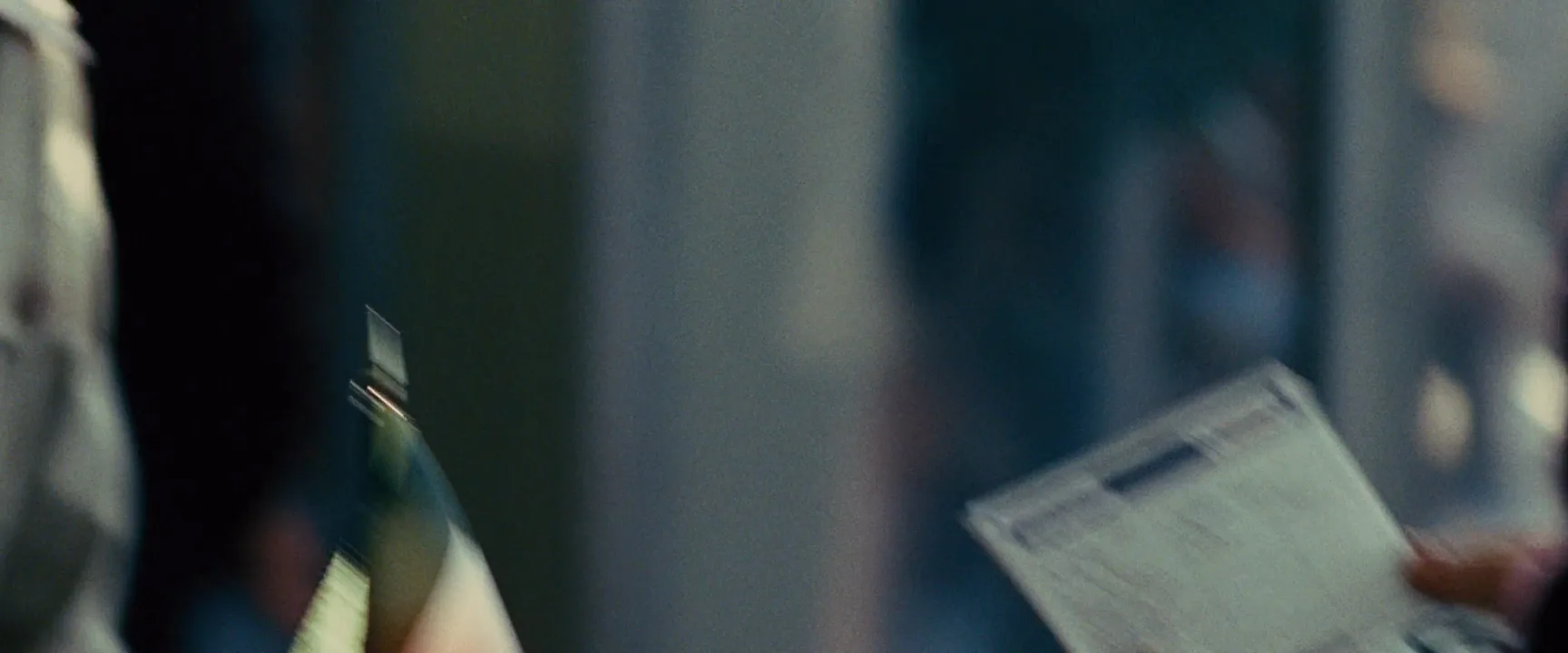
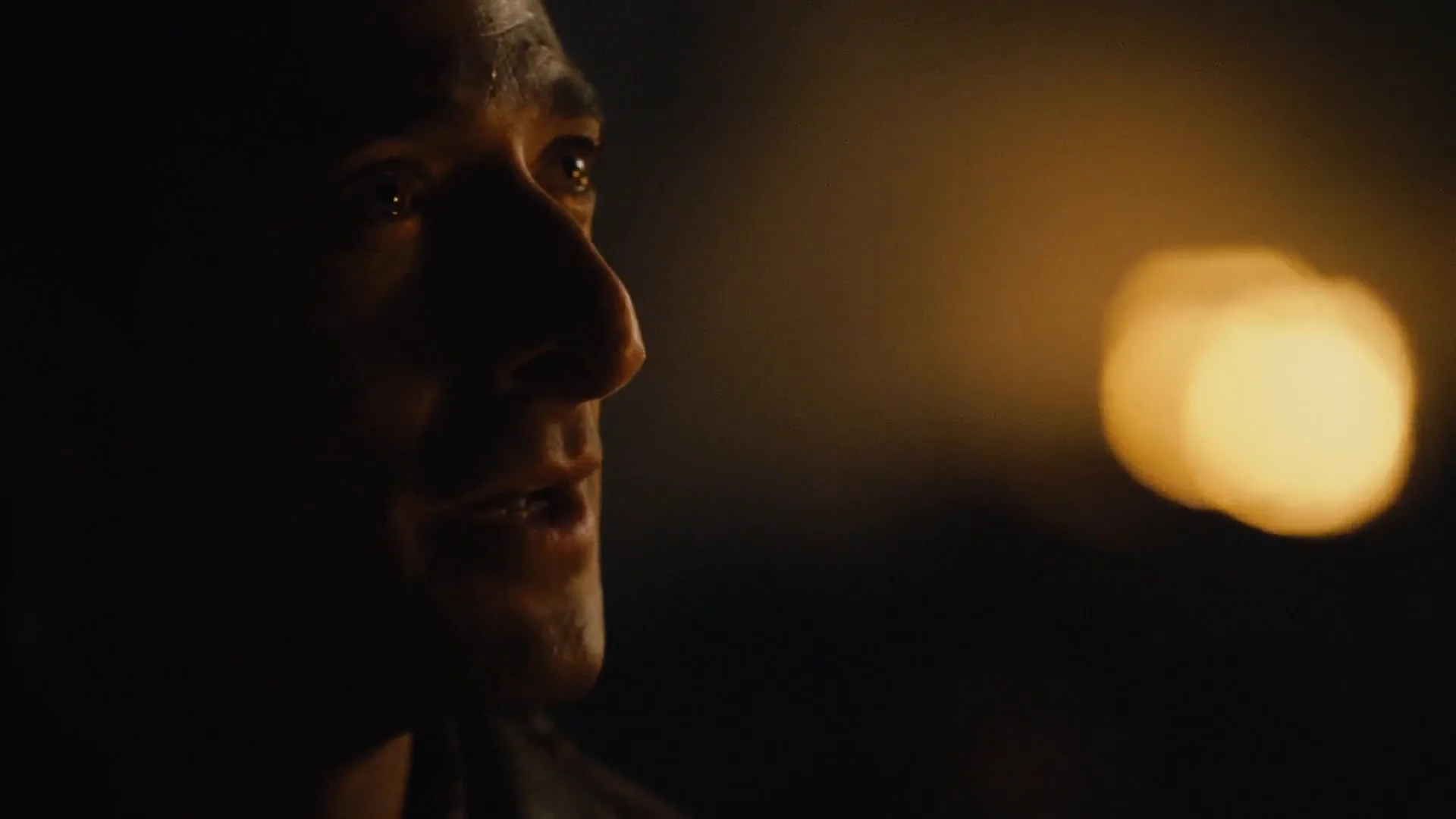
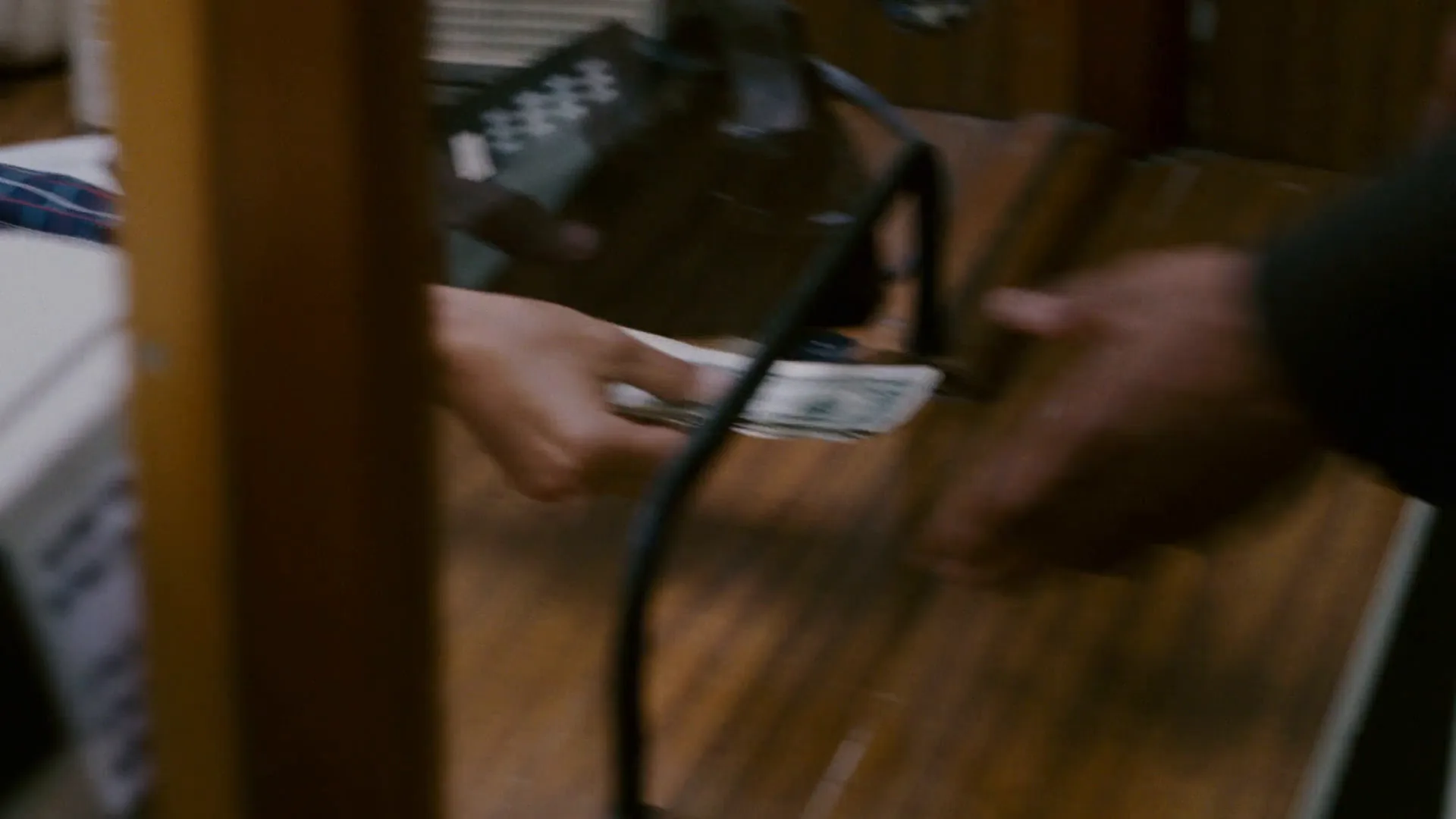
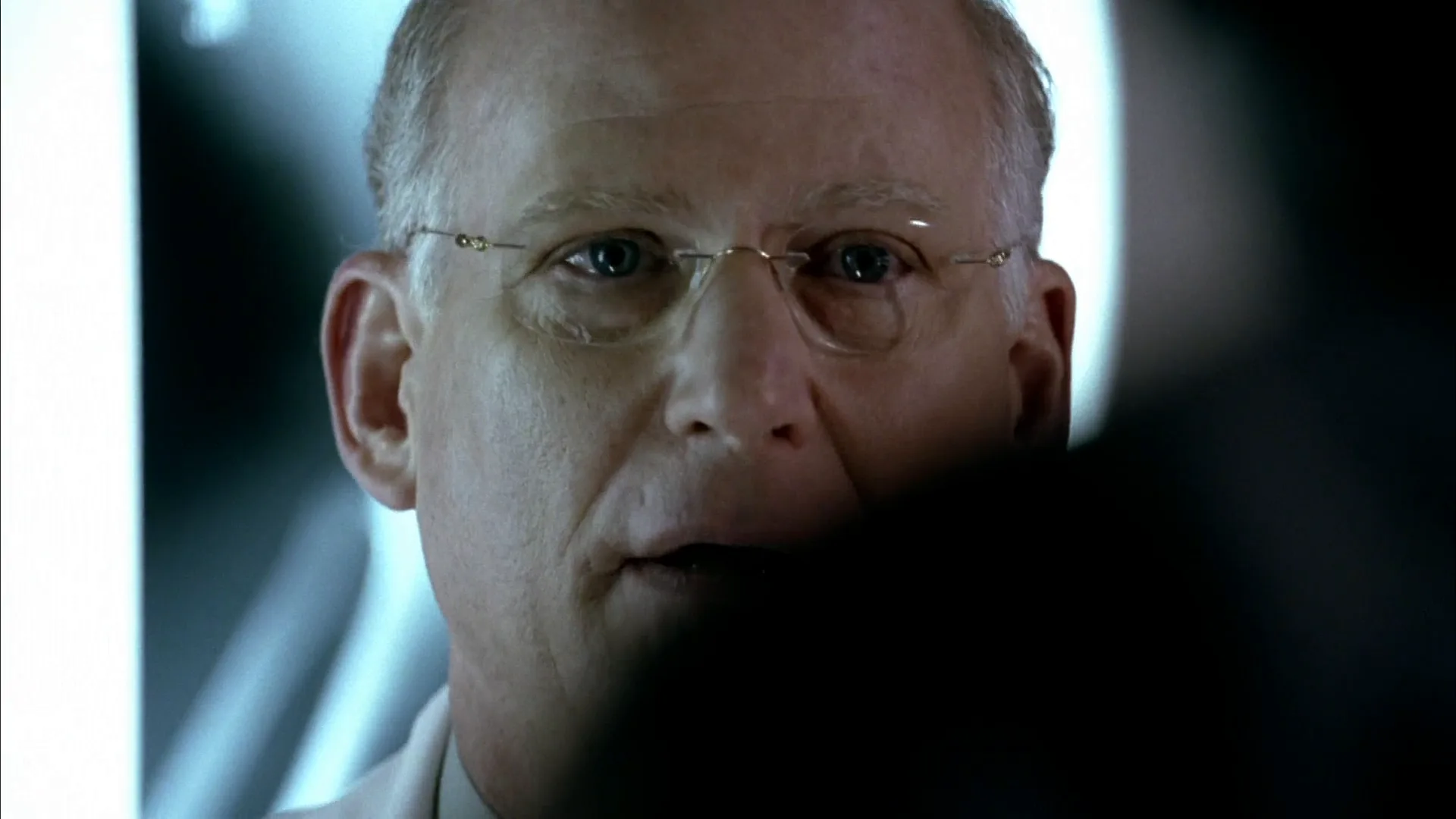
8 framesEight frames where the plane of focus picks the subject. Notice what sits in front of the sharp plane too.
How to create a camera focus with AI
4 promptsModels default to making most things sharp, so focus has to be written into the prompt: lens, stop, subject distance and which plane is sharp. Nano Banana 2 Lite builds a start frame focused on a face, GPT Image 2.5 puts focus on an object, and MiniMax H3 Max Turbo animates the first frame as a focus pull. Keep film frames and takes on one FlashBoards board to compare where focus lands. The fourth prompt re-shoots a real film shot from a text description alone, and the original plays next to the result so you can compare.
Cinematic film still, 85mm lens at T2, eye level in a narrow night-market alley: a woman in her thirties with a cropped copper-red bob, a silver hoop in her left eyebrow and an olive rain parka walks toward camera five meters away, her face in crisp focus, the focus plane on her eyes. Left foreground, close to the lens, paper lanterns are a soft orange blur; behind her stall lights dissolve into round bokeh. Wet pavement, light drizzle, 35mm film grain.
Focus plane on her eyes pins sharpness to one distance; the lanterns close to the lens and the bokeh behind give soft planes on both sides. 85mm at T2 explains the steep falloff.
Open FlashBoardsCinematic anamorphic film still, 75mm lens at T2.8, kitchen table at dawn: 50 cm from the lens and in sharp focus, a handwritten letter and a brass key beside a chipped enamel mug. Two meters behind, soft and out of focus, an elderly man with a white braided beard, a burn scar on his left cheek and a burgundy cardigan sits with folded hands. Cool window light, oval bokeh.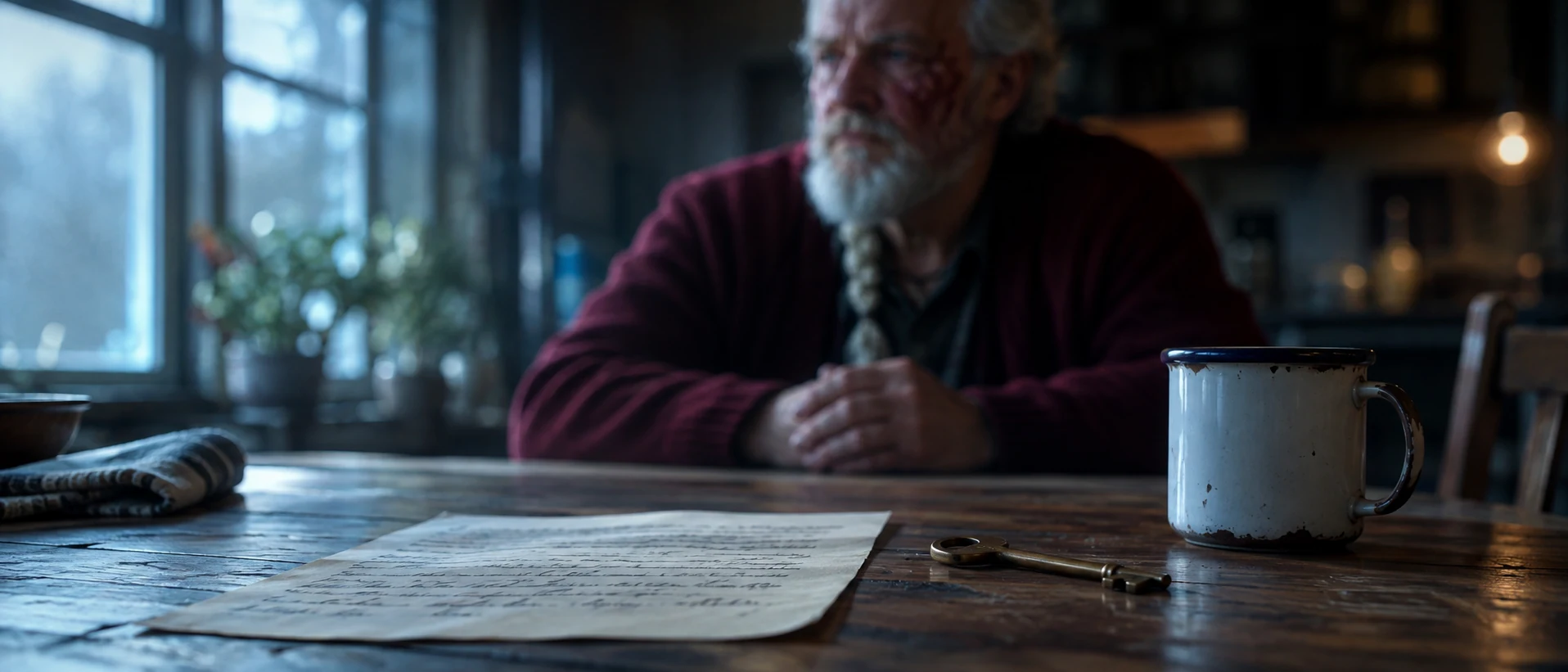
Focus goes to an object, not the face. Distances for each plane and the label soft and out of focus stop the model from sharpening the person it would normally favor.
Open FlashBoardsCamera: locked-off tripod at eye level, the frame stays still while focus follows the woman as she approaches, her eyes sharp the whole time. Action: She is already walking toward camera through the drizzle, rain beading on her parka. Halfway she glances right at a stall light and back. She stops two meters from the lens and looks just past the camera, face larger and still sharp, lanterns and stalls staying soft.Focus follows the woman describes a pull without a camera move; locked-off tripod stops a push-in. Already walking makes the shot alive from the first frame.
Open FlashBoards{
"output": "Full-screen live-action scene from Rush (2013), directed by Ron Howard, from its very first frame: one continuous shot. Scope 2.39:1 anamorphic look on warm 35mm film stock with fine grain; 1970s registry office with dark walnut wall panelling, soft warm light from frame left, amber and brown palette. Extremely shallow depth of field: one razor-thin plane of focus on her eyes, everything behind it melts into soft creamy bokeh.",
"characters": {
"S1": {
"name": "Marlene Lauda, played by Alexandra Maria Lara",
"look": "woman about thirty, dark brown hair pinned up loosely with a few strands falling at the temple, small gold hoop earring, pale high-neck blouse",
"voice": "silent, only a soft breath"
},
"S2": {
"name": "a seated wedding guest",
"look": "a vague dark-haired shape in a dark jacket, so far out of focus that his face is only a soft smudge",
"voice": "silent"
},
"S3": {
"name": "a second wedding guest",
"look": "man with thick curly brown hair and a broad grin, seen soft and out of focus",
"voice": "silent"
}
},
"shots": [
{
"shot": 1,
"camera": "extreme close-up on a long telephoto lens, about 200mm wide open at T1.4, eye level, very close to S1: her face is cropped at the forehead and just below the chin and fills the left half of frame. The frame holds still with a faint handheld breath and no pan. Razor-thin depth of field: focus stays locked on S1's eyes for the whole shot; her eyelashes and earring are crisp, her far cheek and hair already soften. A large cream smear of out-of-focus flowers sits a few centimetres from the lens across the lower centre of frame, shapeless and glowing. S2 sits three metres behind her, centre right, low in frame, melted into heavy blur, his features unreadable, and he never sharpens. The wood panelling is a smooth brown wash.",
"voice": "silence: nobody speaks in this shot, no voice at all",
"action": [
"BEGINNING: alive from the first frame, S1 fills the left half in three-quarter profile facing right, a small shy smile, eyes looking down and to the right at someone just off frame right; S2 soft behind her, facing camera, still.",
"THEN: her smile grows, she drops her chin and bows her head forward to the right, eyes lowered, the top of her pinned hair toward the lens.",
"THEN: she lifts her head into clean side profile, looking off frame right, lips parted in a smile; the flower blur shifts slightly in front of the lens.",
"THEN: she turns back a little toward camera into three-quarter profile, smiling wider; at the right edge of frame S3 leans in at middle distance, grinning at S1, out of focus and soft, clearly blurrier than her.",
"END: S3 turns his head away and eases back out through the right edge until only his curls show; S1 still smiling, eyes down and to the right, the only sharp plane; S2 unchanged in the blur."
],
"dialogue": []
}
],
"sound": {
"ambience": "quiet room tone of a small wood-panelled office, soft rustle of clothing, a chair creak",
"speech": "no words in this video; the only human sounds are breaths and movement",
"never_spoken": "no narration and no voice-over: the descriptions, performance notes and step words of this prompt are never spoken aloud",
"music": "a film score under the scene, always below the voices: a gentle warm piano melody over soft sustained strings, tender and hopeful",
"subtitles": "none"
}
}Remakes Marlene's registry-office close-up from Rush (2013): a locked-off long lens, a flower blur at the lens, her eyes the only sharp plane, the guest behind her soft, and a curly-haired guest leaning in and out at the right edge.
The first take kept the guest behind her almost sharp. Naming a 200mm lens at T1.4, an extreme close-up cropped at forehead and chin, and a background guest melted into heavy blur pushed him out of focus while her eyes stayed the only sharp plane.
Open FlashBoardsCommon mistakes
- Everything sharp. Without a lens, stop and named focus plane, models render deep focus. Add "85mm at T2, focus plane on her eyes, background soft".
- Wrong plane sharp. The subject named first often gets focus; say which element is sharp and which is soft.
- Focus drift in video. The model may rack on its own; state that focus stays on the subject.
- Cutout blur. Heavy blur can look like a phone portrait mode; name a real lens.
Keep the reference frames, prompts and every generated take side by side — images and video in one canvas.
FAQ
4 questionsWhat is a focus puller?
A focus puller is the first assistant camera (1st AC), who keeps the image sharp during takes. They measure distances, mark them on the follow focus and turn the focus ring as actors and camera move, while the camera operator handles framing.
What is focus pulling?
Focus pulling is adjusting focus during a shot so a moving subject stays sharp, or so sharpness moves from one subject to another. It is done from measured marks, since on long lenses wide open the sharp zone is centimeters deep. A deliberate, visible pull is a rack focus.
What is a follow focus?
A follow focus is a geared device on the lens that turns the focus ring smoothly and repeatably. Its white marking disk holds the 1st AC's distance marks. Wireless versions let the focus puller work from a handheld unit away from the camera.
Why is my footage out of focus?
Usually the plane of focus missed the subject: the actor left their mark, focus was judged on a small screen, or autofocus grabbed the background. The shallower the depth of field, the smaller the error needed. Measure distances, check with magnification, and focus on the near eye.
Related terms
7- Depth of FieldLenses, Focus & Exposure
Depth of field is the zone in front of and behind the point of focus that looks acceptably sharp; aperture, focal length, focus distance and format size decide whether it is razor-thin or stretches to the horizon.
- Rack FocusLenses, Focus & Exposure
A rack focus shifts focus during a shot from one subject to another at a different distance, moving the viewer's attention — and often revealing new information — without a cut.
- Soft FocusLenses, Focus & Exposure
Soft focus is a deliberately dreamy image in which the subject is still in focus but fine detail and contrast are softened and highlights bloom — produced by special lenses, diffusion filters or even a stocking over the lens, a classic of Hollywood glamour close-ups.
- Split DiopterLenses, Focus & Exposure
A split diopter is a half-lens attachment that lets one side of the frame focus close and the other far away, so a face in the foreground and a figure in the background are both sharp — with a tell-tale soft seam between them.
- Shallow Depth of FieldLenses, Focus & Exposure
Shallow depth of field keeps only a thin slice of the scene sharp — often just the eyes — while everything nearer and farther dissolves into blur, isolating the subject and steering attention.
- Camera OperatorFilmmaking Process & Crew
The camera operator physically runs the camera during takes — framing, panning, tilting and executing moves — to the design set by the cinematographer, working with the focus puller and dolly grip.
- Camera LensesLenses, Focus & Exposure
A lens gathers light and focuses it onto film or a sensor; its focal length, maximum aperture and optical character decide the field of view, perspective, depth of field and texture of the image.
Further reading
Blain Brown, Cinematography: Theory and Practice (Routledge). · American Cinematographer Manual (ASC Press), sections on focus and depth of field. · David Elkins, The Camera Assistant's Manual (Focal Press).