 FlashBoards Learn
- Learn
- Lenses, Focus & Exposure
- Dynamic Range
Lenses, Focus & Exposure · Film language
Dynamic Range
Also called: exposure latitude, latitude
Dynamic range is the span between the darkest shadow and the brightest highlight a camera or film stock can record with detail, measured in stops. The wider it is, the more of a high-contrast scene survives: faces in shade and clouds outside the window both stay readable instead of crushing to black or blowing to white.
- What it does
- Decides how much of a bright-and-dark scene keeps texture: sky, skin and shadow in one exposure.
- Use it when
- You shoot into windows, skies, fire or snow, or plan a naturally lit scene with little fill.
- Watch out
- Range in the camera is not range on screen: the grade and the display still decide what the audience sees.
- Try this prompt
interior by a bright window, wide dynamic range, clouds outside keep full detail, her face in soft window light, deep shadows still show wood grain
What is dynamic range?
A scene has a brightness range: a sunlit window can be ten stops brighter than the corner of the room. A camera or film stock has its own range: the stops between shadows turning to noise and highlights clipping to flat white. Dynamic range is that second number; exposure is where you place the scene inside it.
Each stop doubles the light. Current cinema sensors are rated at roughly 14 to 17 stops, and color negative is prized for how much overexposure it absorbs, hence latitude. An SDR display shows only about six or seven stops, so the grade always compresses a wide-range image.
Why does dynamic range matter to filmmakers?
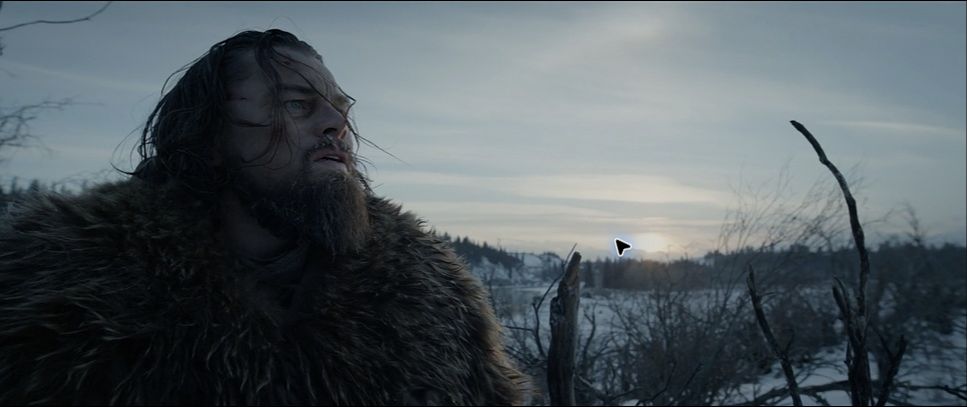
Range buys freedom from lighting everything. Emmanuel Lubezki shot The Revenant (2015) almost entirely in available light, which only works when a winter sky and a fur-wrapped face fit one exposure. Wide range lets a DP rely on natural light, stage actors against windows and shoot into the sun.
It also shapes mood. A window burned to white reads as heat or memory (overexposure); a room sinking into black builds tension (underexposure). The craft is choosing which end to sacrifice.
How to shoot a high-contrast scene
Measure first. Spot-meter the brightest area you want to keep and the darkest that must show detail. If the gap exceeds the camera's range, light, cut light or accept a clip.
Record log. ARRI LogC or Sony S-Log3 store the full sensor range in a flat image; a monitor LUT shows the intended look.
Protect highlights on digital. Sensors clip hard, so check the brightest important detail with zebras or false color. Negative film is the reverse: it forgives overexposure and punishes underexposure, so film DPs often rate stock slower.
Close the gap with light. ND 0.6 or 0.9 gel on windows pulls the view down two or three stops; a bounce lifts faces; a graduated ND darkens a sky.
Dynamic range on film vs. digital
The stop counts are now close; the edges behave differently. Film highlights roll off gradually, so an overexposed window glows and keeps a trace of shape. Digital holds perfectly, then clips to a flat edge. In the shadows it flips: digital noise can be cleaned, thin negative turns muddy. Choosing between a film stock and digital cinematography? Test your real locations.
Dynamic range vs. contrast
Dynamic range belongs to the camera or stock: how many stops it can record. Contrast belongs to the scene and the finished image: how far apart the tones sit. A wide-range camera can make a soft image of a foggy field or a hard, inky one after grading. Lighting ratio and the grade set contrast; dynamic range sets what is recoverable. More exposure tools in the lenses, focus and exposure hub.
Dynamic Range examples in film
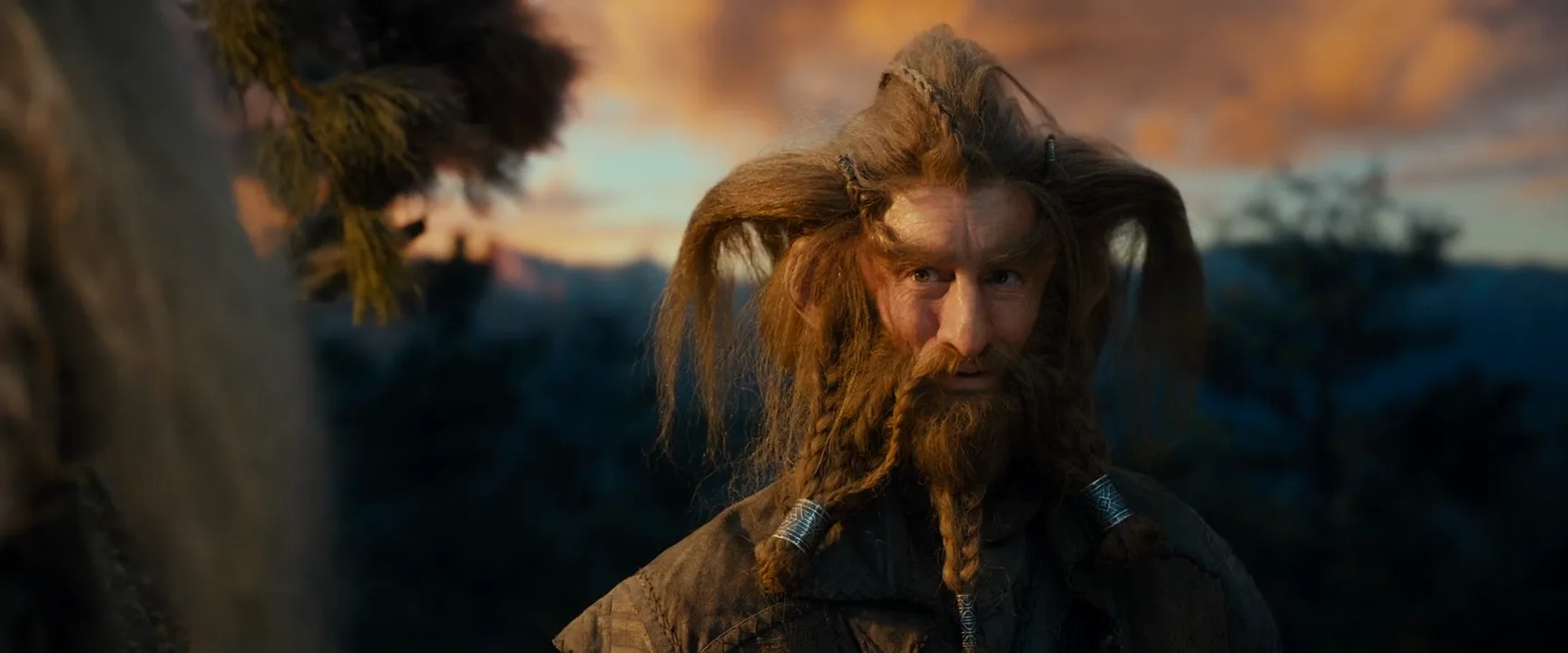
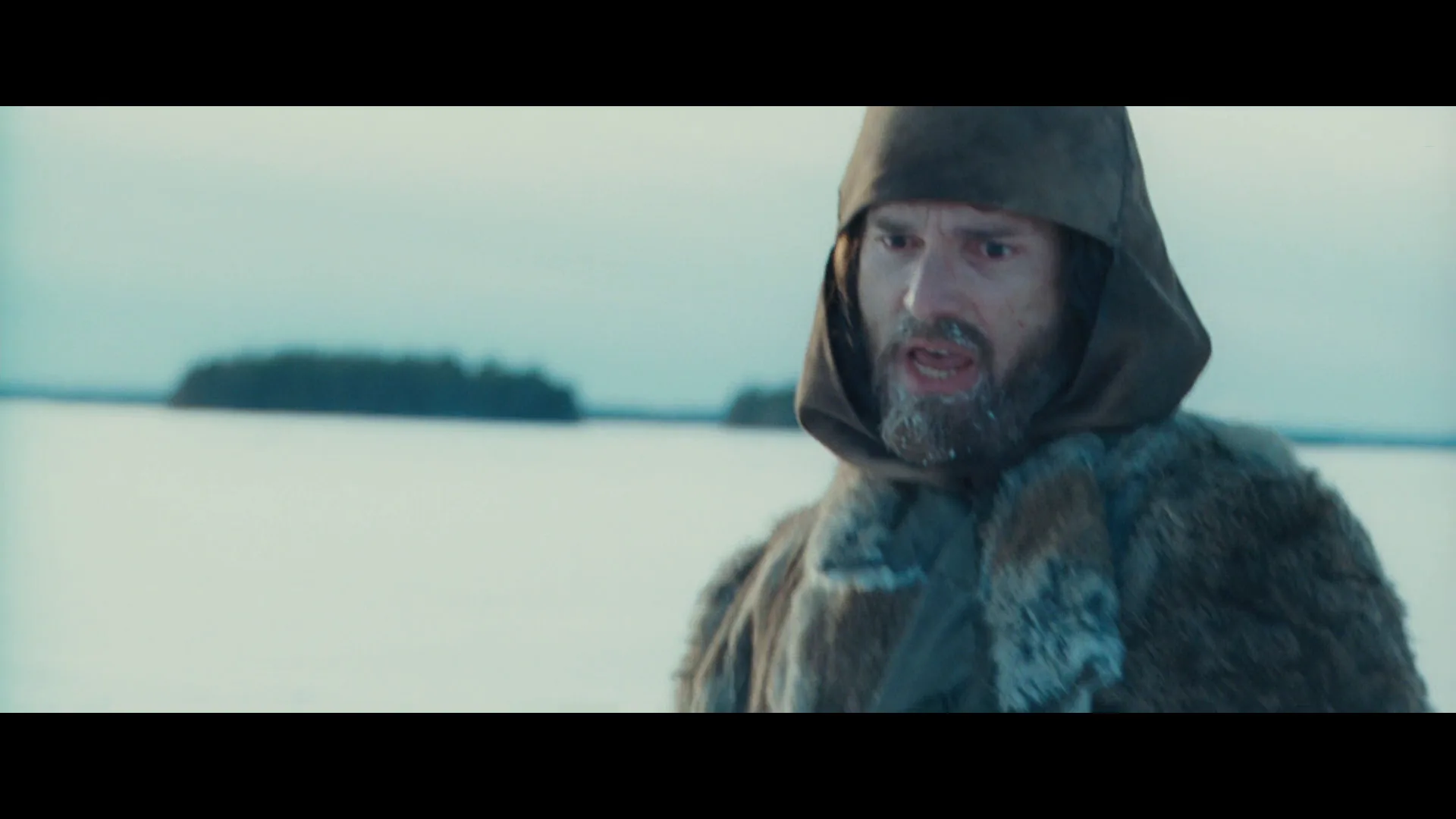
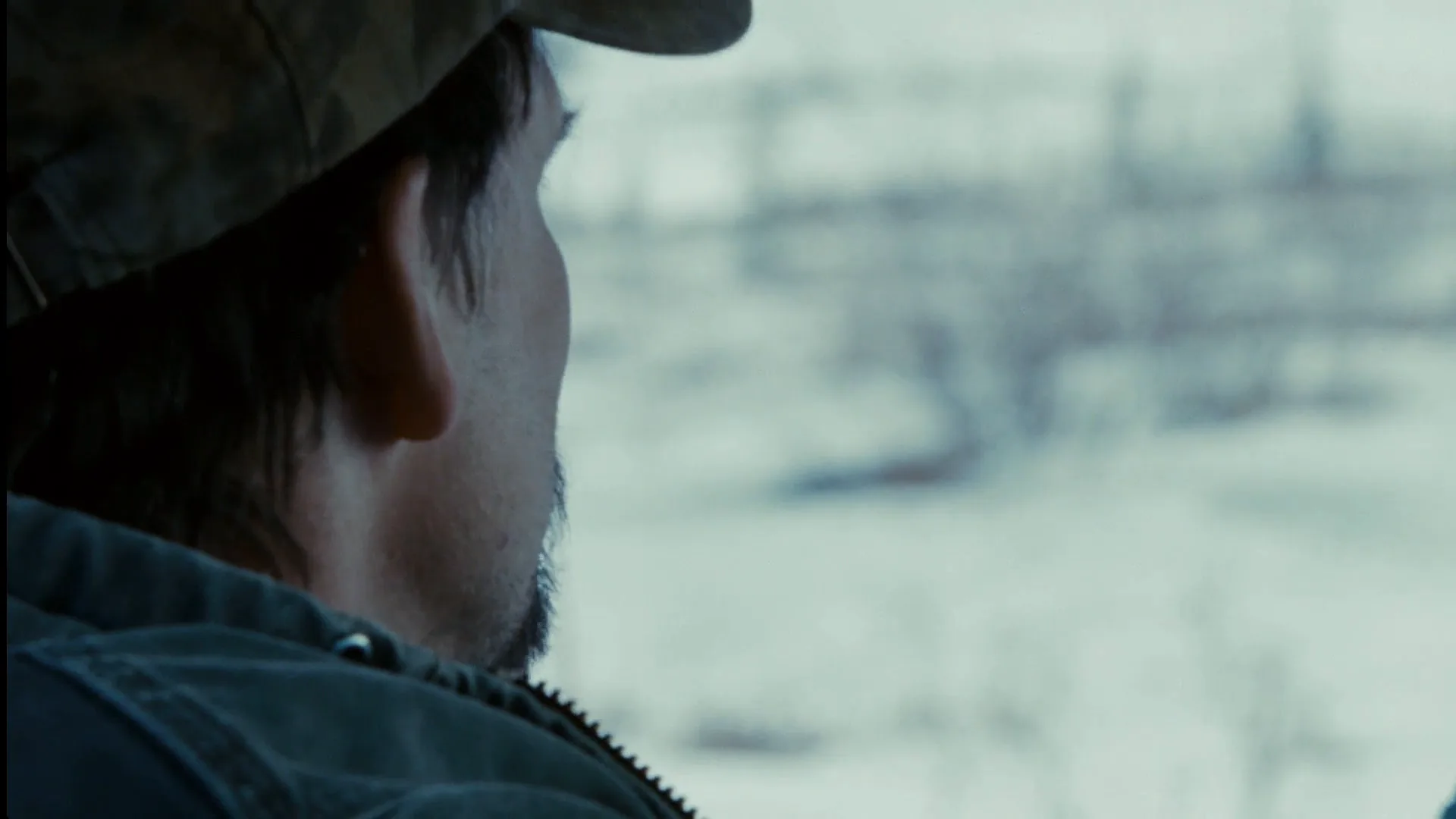
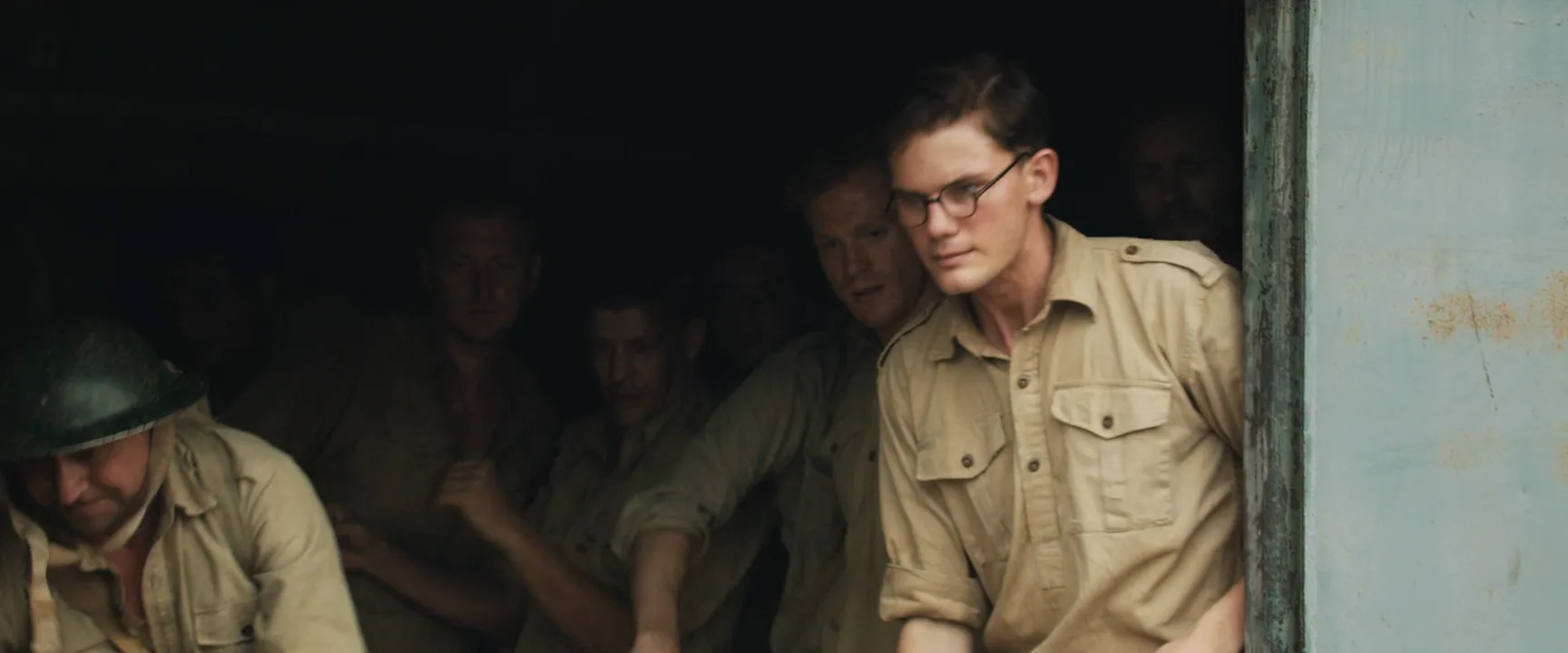
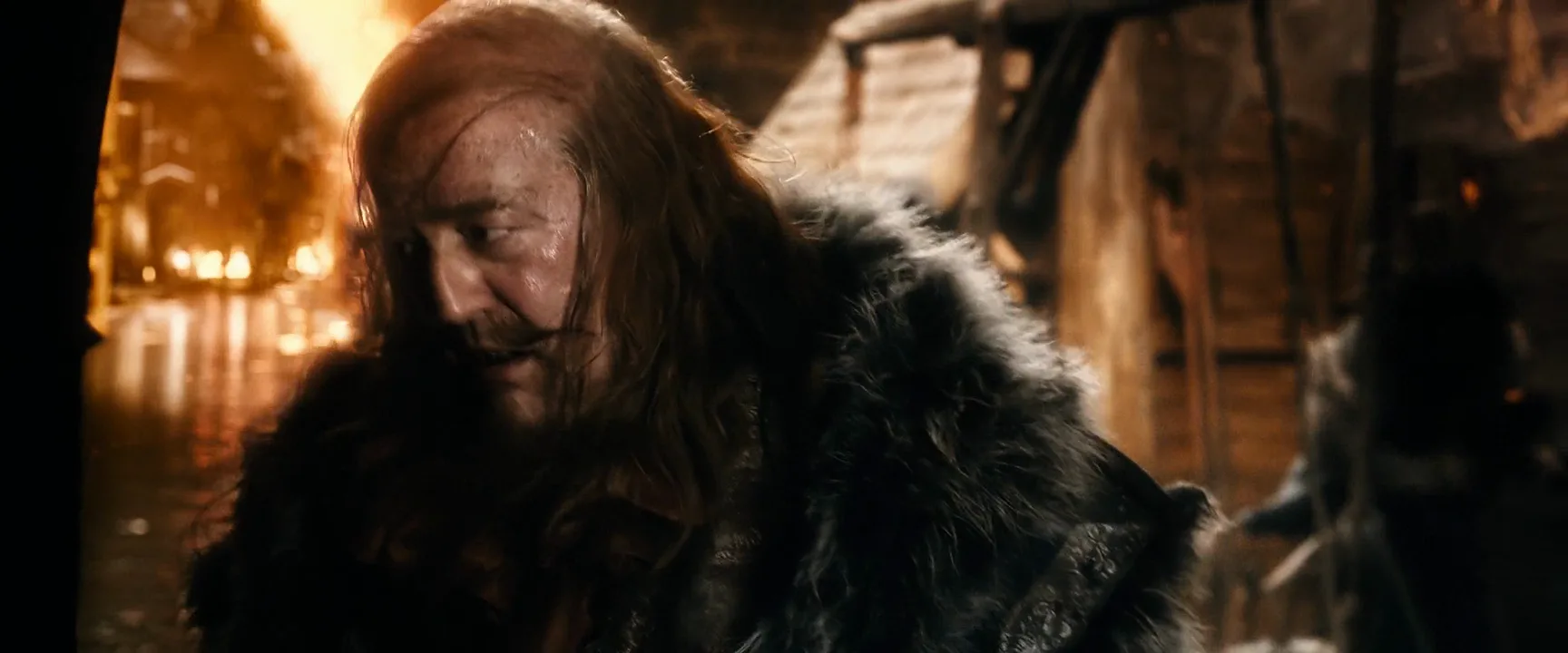
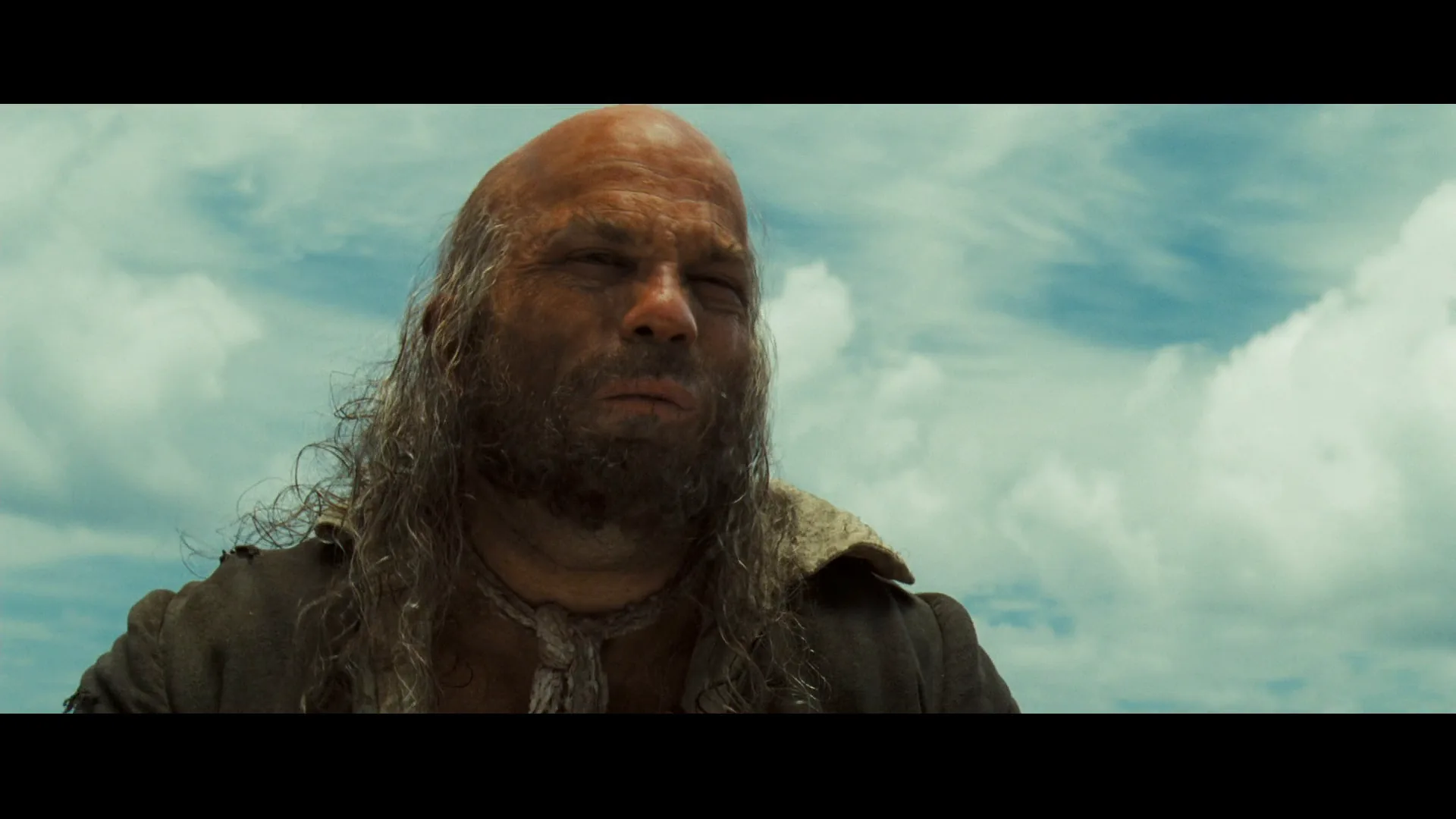
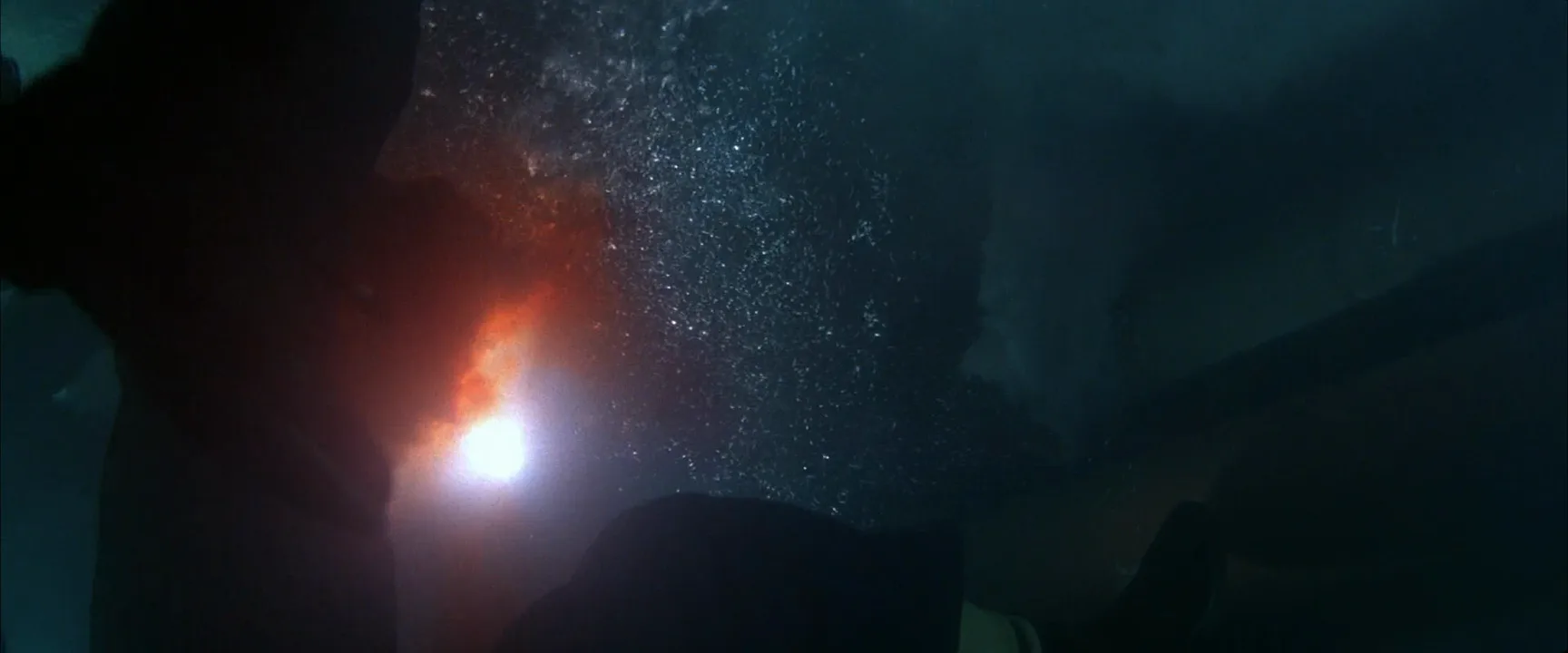
9 framesCheck where texture survives, where it clips, and which end the DP gave up.
How to create a dynamic range with AI
4 promptsImage models do not simulate a sensor, so a stop count means little to them. Describe the result: which bright area keeps detail, which shadow still shows texture. Build the window-lit frame in Nano Banana 2 Lite, a backlit take in GPT Image 2.5, and animate recipe 1 with MiniMax H3 Max Turbo, with every take beside your references on one FlashBoards board. The fourth prompt re-shoots a real film shot from a text description alone, and the original plays next to the result so you can compare.
Cinematic medium shot, interior at midday, 35mm lens, eye level. A woman in her sixties with cropped silver hair, a thin scar through her left eyebrow and a mustard knitted cardigan sits at a wooden kitchen table beside a large window. Outside, a sunlit street and white clouds keep full detail and color. Soft window light models her face; the far side of the room falls into deep shadow where the cupboard wood grain is still visible. Wide dynamic range, gentle highlight roll-off, natural film-like tones.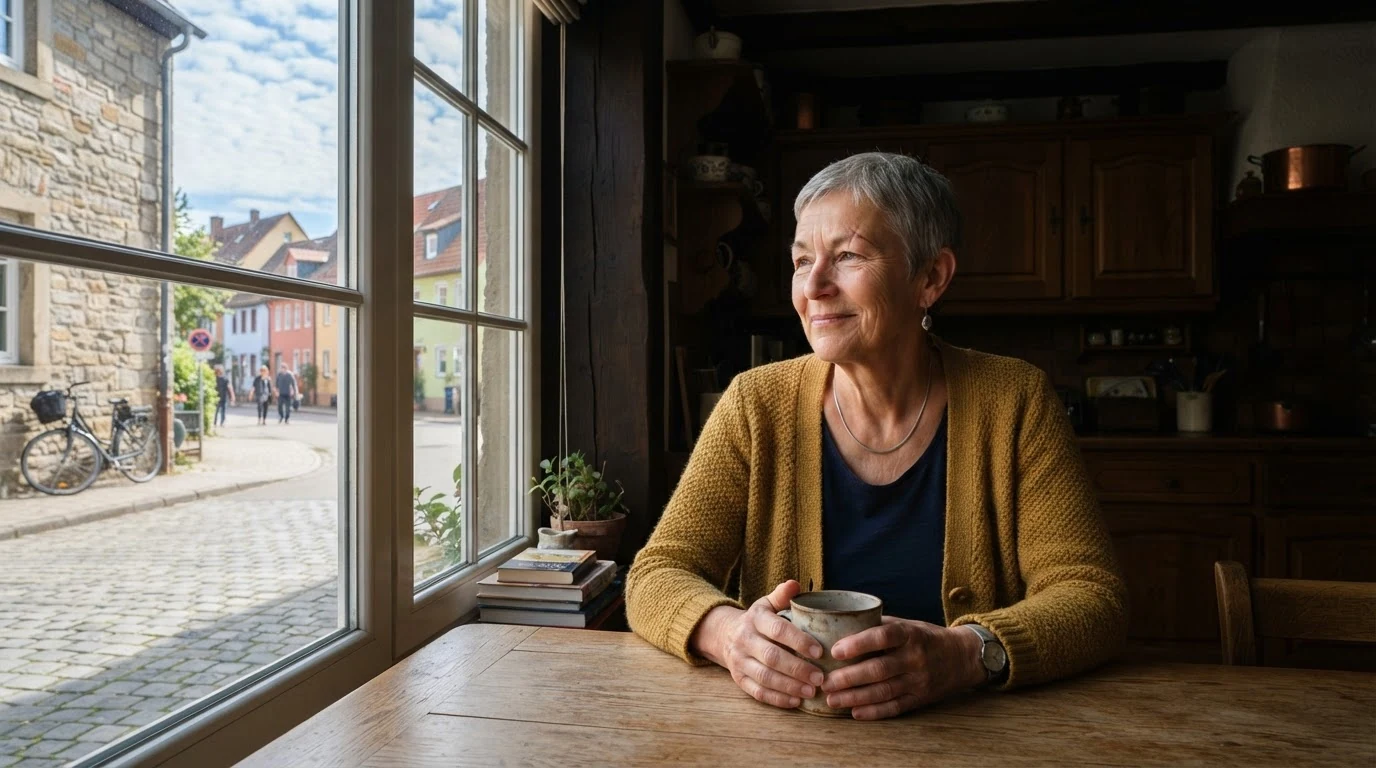
Clouds keep full detail and wood grain still visible name both ends of the range; gentle highlight roll-off avoids a hard white edge around the window.
Open FlashBoardsWide cinematic shot at sunset, 50mm lens, low camera facing the sun. A tall fisherman in his forties with a shaved head, a red beard and a faded blue oilskin jacket stands on a wooden pier, backlit. The low sun is a small white core with a warm glow; the sky keeps orange and violet bands. Soft bounce light from the pier boards shows the texture of his jacket and beard. Rich shadows, smooth tonal gradation.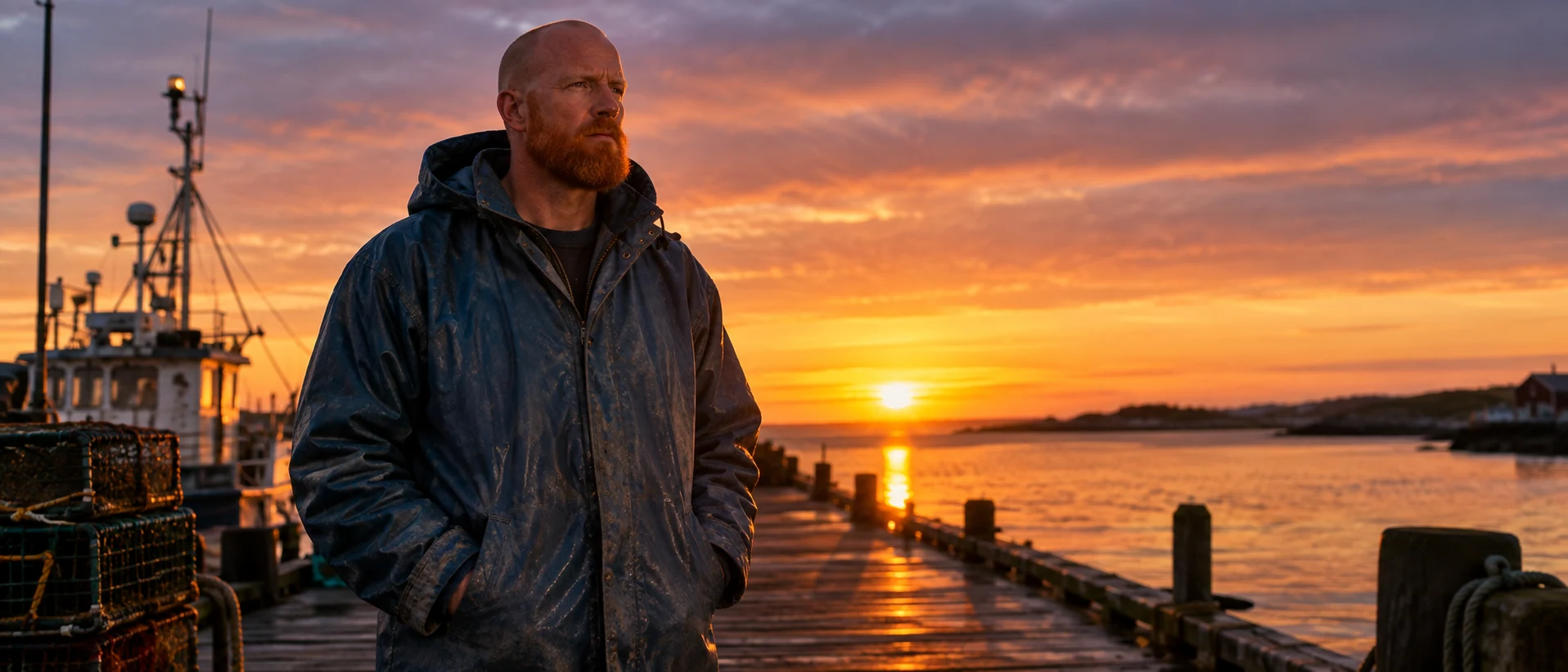
The sun is allowed to clip (small white core), but only there; bounce light from the pier boards keeps the face out of silhouette.
Open FlashBoardsCamera: slow, steady push-in from the medium shot toward her face across the whole shot. Action: from the first frame steam rises from a mug in her hands and clouds drift across the bright window. In the middle she sips and glances at the street. At the end she lowers the mug and turns toward the room, her face moving from window light into softer shade.Steam and drifting clouds start motion at once; the turn from window light into shade shows the range as the face crosses both zones.
Open FlashBoards{
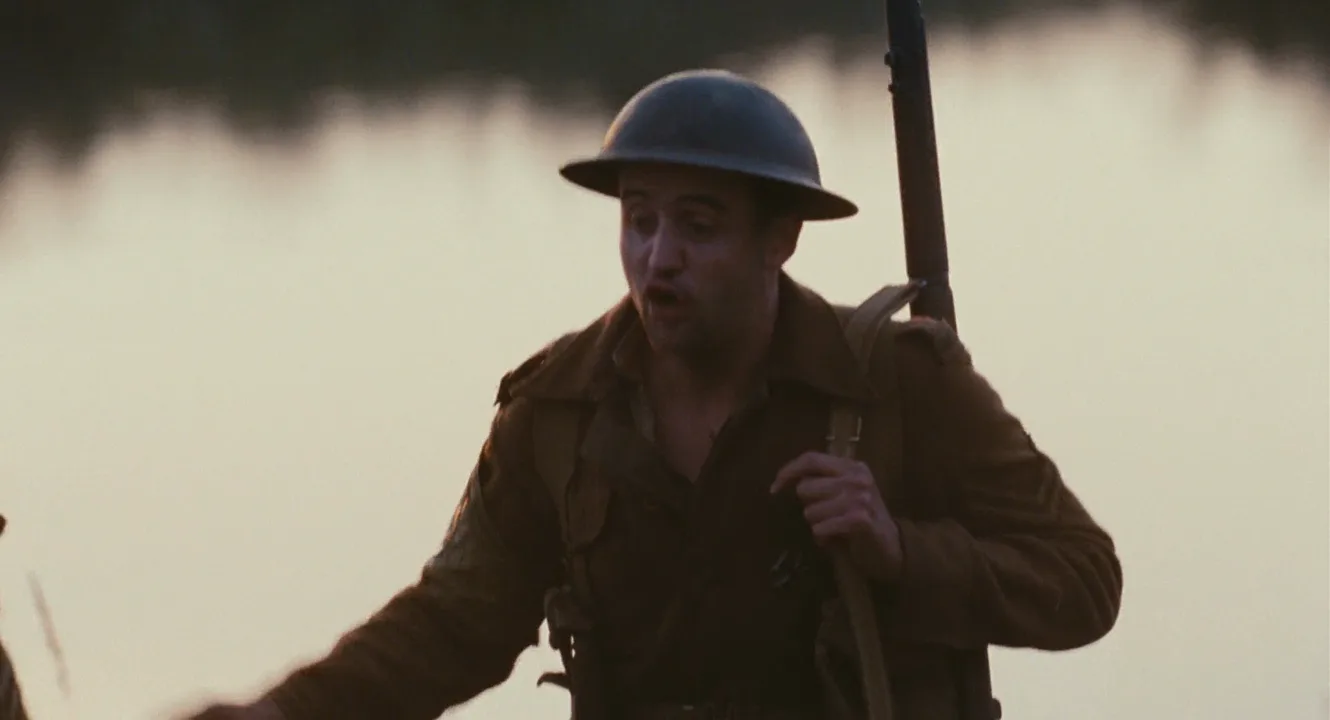
"output": "Full-screen live-action scene from Atonement (2007) from its very first frame: one continuous shot. Fine-grain 35mm film, overcast dusk on a grassy bank beside a wide still lake, soft flat light from a pale sky behind the walkers, muted khaki, olive and cream palette. The bright lake fills most of the background and never clips to white: it keeps a faint cream-to-gray gradation; the soft dark band of reflected treeline along the top edge holds its ragged shape; the backlit face sits low but readable in warm mid-tones, and the brown wool battledress keeps its weave and buttons in the shadows.",
"characters": {
"S1": {
"name": "Nettle, played by Daniel Mays",
"look": "wiry British infantryman in his early thirties, narrow stubbled face, dark hair under a round steel Brodie helmet, brown wool battledress jacket open at the collar, canvas webbing straps across the chest, bolt-action rifle slung on his left shoulder with the barrel rising above his helmet on the right side of frame",
"voice": "fast, chatty, cocky London working-class accent, amused and ranting"
},
"S2": {
"name": "a fellow soldier walking at Nettle's side, never the focus",
"look": "a dark soft shape in the same steel helmet and brown battledress with a heavy canvas pack, cut by the left edge of frame, a corporal's stripes on his sleeve",
"voice": "silence: he never speaks"
}
},
"shots": [
{
"shot": 1,
"camera": "long lens, eye level, medium shot of S1 from the waist up, framed centre-right against the bright lake; the camera trucks steadily left alongside the walkers and follows S1 at a constant distance for the whole shot, with a slight walking sway; shallow focus keeps S1 sharp while the lake, the treeline band and S2 stay soft; stalks of long grass slide through the bottom-right corner",
"action": [
"BEGINNING: alive from the first frame, S1 is already walking and talking, head turned toward S2 at the left edge of frame, both hands held in front of his chest, fingers loosely curled as if weighing something small; S2 walks beside him, head forward, only his helmet, shoulder and pack visible at the left edge.",
"THEN: S1 sweeps his right hand (screen left) low and out toward S2 and brings it back to his chest, still looking at S2, eyebrows raised.",
"THEN: he flings his right hand wide toward screen left in a dismissive sweep while his left hand (screen right) grabs the webbing strap on his chest and stays there for the rest of the shot.",
"THEN: he dips his head and looks down at the ground for a few steps, hunched, still talking, then reaches his right arm straight out toward S2 with the palm open.",
"THEN: the arm drops; he lifts his face, looks ahead past the camera's left side, then raises his right hand beside his cheek and pinches thumb and forefinger into a small ring, a sly grin on his lips.",
"THEN: the right hand lowers to chest height, palm flat, patting the air toward S2.",
"END: he raises his open right hand beside his face, fingers spread, palm out, then waves it out toward S2, mouth wide mid-word, left hand still gripping the strap, the pale lake sliding behind him."
],
"dialogue": [
{
"speaker": "S1",
"on_screen": true,
"when": "from the first frame, while his hands are held in front of his chest",
"delivery": "quick, rhetorical",
"line": "<d>[English] We got India and Africa, right?</d>"
},
{
"speaker": "S1",
"on_screen": true,
"when": "straight after, through the low sweep of his right hand and the wide dismissive fling",
"delivery": "scornful, rattling on",
"line": "<d>[English] Jerry can have France and Belgium and wherever else they want.</d>"
},
{
"speaker": "S1",
"on_screen": true,
"when": "from the moment he looks down, through the outstretched arm and the pinched-finger gesture",
"delivery": "incredulous, then sly",
"line": "<d>[English] Who's fucking ever been to Poland? It's all about room, empire.</d>"
},
{
"speaker": "S1",
"on_screen": true,
"when": "as he raises his open hand in the last second, still going as the shot ends",
"delivery": "ranting, gathering speed",
"line": "<d>[English] They want more empire,</d>"
}
]
}
],
"sound": {
"ambience": "boots swishing through long grass, webbing and rifle sling creaking, soft breeze, faint birds heard from far away",
"speech": "exactly these spoken phrases, each said once, in this order",
"never_spoken": "no narration and no voice-over: the descriptions, performance notes and step words of this prompt are never spoken aloud",
"music": "a film score under the scene, always below the voices: soft low strings holding a weary sustained chord with a faint melancholy piano note",
"subtitles": "none"
}
}Remakes the tracking shot of Nettle (Daniel Mays) ranting beside a pale lake in Atonement (2007), dir. Joe Wright, DP Seamus McGarvey: his real lines, the long lens, the leftward truck, each hand gesture and the bright water behind a mid-tone face carried over.
The range sits in output: the lake never clips to white and keeps a cream-to-gray gradation, the face stays low but readable, and the wool keeps its weave in the shadows.
Common mistakes
- HDR look. High dynamic range alone gives a flat, over-processed image; add natural film-like tones.
- Blown windows. Describe what is outside and say it keeps detail.
- Lifted blacks. Name a dark area and its texture.
- Default silhouettes. Give backlit faces a fill source: a bounce, a lamp, snow.
Keep the reference frames, prompts and every generated take side by side — images and video in one canvas.
FAQ
5 questionsWhat is dynamic range in simple terms?
Dynamic range is how wide a range of brightness a camera captures at once, from the darkest shadow that still shows detail to the brightest highlight that still has texture. It is counted in stops.
How many stops of dynamic range do cinema cameras have?
Current high-end cinema cameras are rated at roughly 14 to 17 stops; mid-range cameras often land around 12 to 14. Makers measure shadow noise differently, so ratings are not directly comparable across brands. Test highlight and shadow behavior yourself.
What is exposure latitude?
Exposure latitude is how far you can over- or underexpose and still get a usable image. Color negative tolerates a stop or two of overexposure. On digital, latitude is usually wider in the shadows than in the highlights, which clip abruptly.
Does shooting log increase dynamic range?
No. Log stores the range the sensor already captures in a flat curve, so highlights and shadows are not discarded when the file is recorded and stay recoverable in the grade. Without a LUT it looks gray; that is expected.
Is dynamic range the same as contrast?
No. Dynamic range is a property of the camera or film stock: how many stops it can record. Contrast describes the scene and the final image: how far apart its tones are. A wide-range camera can produce a soft image or a harsh one.
Related terms
5- OverexposureLenses, Focus & Exposure
Overexposure happens when too much light reaches the film or sensor: highlights clip to pure white and lose detail; used on purpose it reads as heat, memory, the afterlife or a dreamlike glare.
- UnderexposureLenses, Focus & Exposure
Underexposure is when too little light reaches the film or sensor: shadows sink into black and noise rises; controlled, it hides information and builds dread in night, thriller and horror scenes.
- Exposure TriangleLenses, Focus & Exposure
The exposure triangle is the balance of aperture, shutter speed and ISO: change one and you must compensate with another, and each choice also changes depth of field, motion blur or noise.
- Film StockCameras & Capture
Film stock is the light-sensitive celluloid a movie is shot on: a base coated with emulsion whose format (16, 35, 65mm), speed and color response shape grain, contrast and palette before any grading.
- Digital CinematographyCameras & Capture
Digital cinematography records motion pictures on an electronic sensor instead of film stock; since the 2010s it has been the industry standard, with cinema cameras such as the ARRI Alexa and RED.
Further reading
Blain Brown, Cinematography: Theory and Practice (Routledge) — exposure, log and dynamic range chapters. American Cinematographer Manual (ASC Press) — exposure and film/digital capture sections.