 FlashBoards Learn
- Learn
- Lenses, Focus & Exposure
- Underexposure
Lenses, Focus & Exposure · Film language
Underexposure
Also called: underexposed, crushed blacks
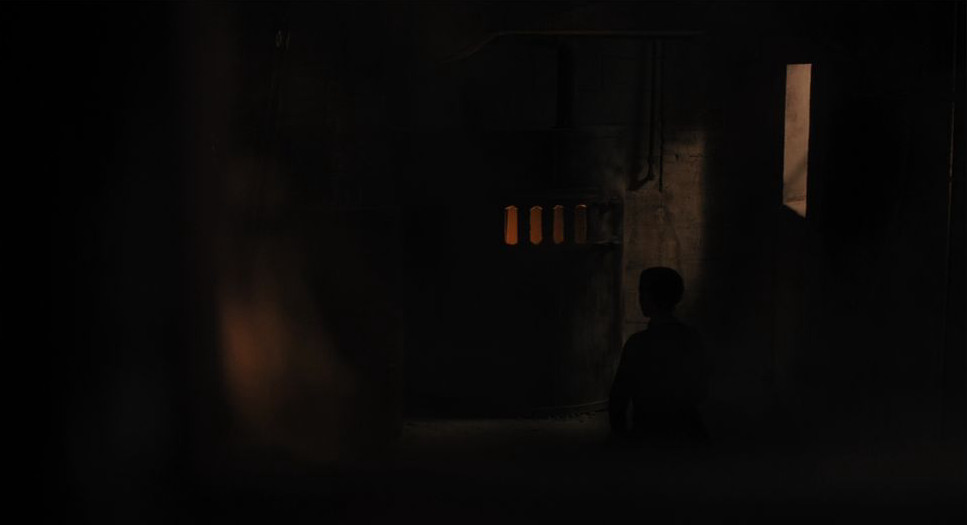
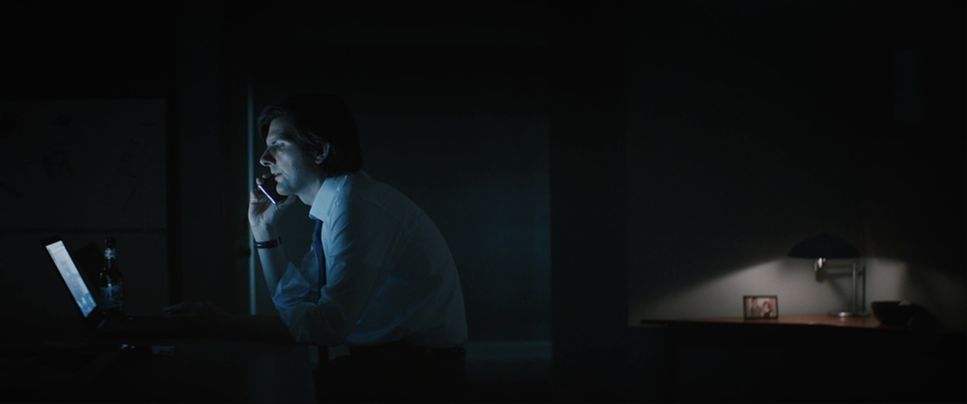
Underexposure is when too little light reaches the film or sensor, so shadows sink into black, detail disappears and noise or grain rises. By accident it looks muddy; controlled, it hides faces and corners on purpose, making the audience search the dark. That is why night, thriller and horror scenes lean on it.
- What it does
- Pushes most of the frame into black so the viewer sees less than the character and fills the gaps with fear.
- Use it when
- Night interiors, horror, thrillers, blackouts and any scene where what we cannot see matters more than what we can.
- Watch out
- Keep one element correctly exposed as an anchor, and check the image on a phone and a TV, not only a dark grading suite.
- Try this prompt
underexposed cinematic wide shot, two stops under, single bare bulb, face barely readable, corners sinking into black, fine grain
What is underexposure?
Exposure places a scene's brightness inside the camera's dynamic range. Underexposure places it too low: midtones slide into shadow and shadows fall below the sensor's noise floor or the negative's thinnest density. Texture in dark clothing goes first, then walls, then faces. "Crushed blacks" is the last stage, when several dark tones merge into one flat black.
The cause is one of the settings of the exposure triangle, or simply too little light on set. In cinema the useful version is partial: the frame sits one to three stops under while one element (a lamp, a window edge, a pair of eyes) stays near normal as a reference.
Why do filmmakers underexpose on purpose?
Underexposure takes information away, and an audience that lacks information leans forward.
Dread. In horror the dark part of the frame is where the threat might be. The corners of The Blackcoat's Daughter (2015) sit so low that a figure in them is only a slightly darker shape.
Secrecy and power. Gordon Willis kept the interiors of The Godfather (1972) famously dark and lit Brando from above so his eyes fell into shadow, earning the nickname "the Prince of Darkness". We cannot read the don's eyes, so we cannot read his intentions.
Realism at night. Real night is mostly black, and an honestly underexposed room lit by one practical feels truer than a fully lit set. Day for night runs the same logic in daylight, underexposed by about two stops and graded cool.
How to shoot a controlled underexposed look
Pick the anchor. Decide what stays correctly exposed: a practical, a slash of window, the whites of the eyes. Without an anchor a dark frame looks like a mistake.
Light less, not badly. One small source, very little fill, and flags to keep spill off walls and floor. The darkness gets its shape from where you don't put light.
Meter for the anchor. With false color or a spot meter, place the anchor near normal and let skin sit one to two stops under. On digital it is safer to record slightly brighter at base ISO and darken in the grade: pulling a clean signal down keeps blacks rich, lifting a starved one brings up colored noise.
Film vs. digital. A thin negative prints up with milky blacks and heavy film grain; a starved sensor gives muddy noise. Most DPs build the dark look with light and grading rather than by starving the capture, then set the black point in the grade.
Underexposure vs. low-key lighting
Low-key lighting is a lighting ratio: strong key, little fill, deep shadows, but the lit parts are exposed correctly. Underexposure is an exposure decision: the whole image sits below normal, so even the lit parts are dim and shadow detail is gone. Low-key gives crisp highlights and graphic black shapes; underexposure gives a murkier image where edges dissolve. Many night scenes do both.
The opposite is overexposure, which loses detail to white and reads as heat or memory rather than threat. Both belong to the lenses, focus and exposure toolkit.
Underexposure examples in film
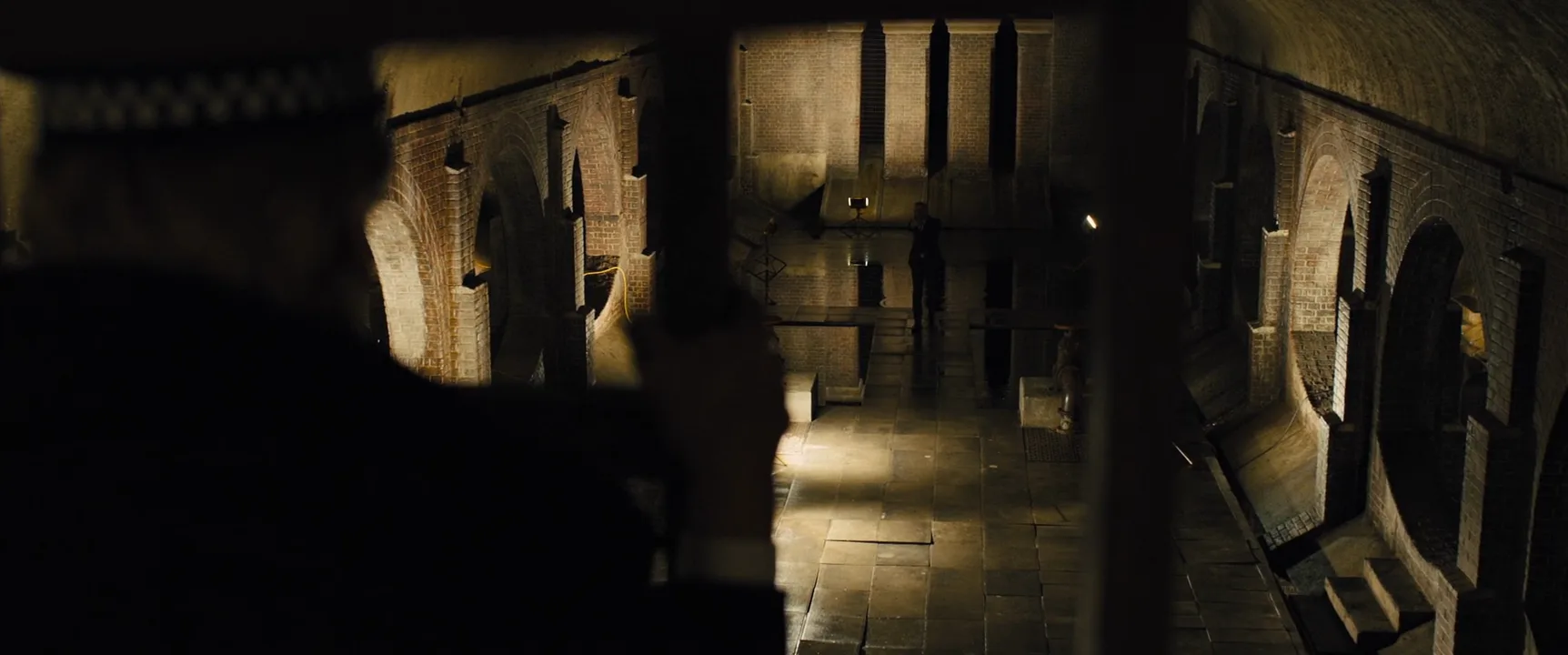
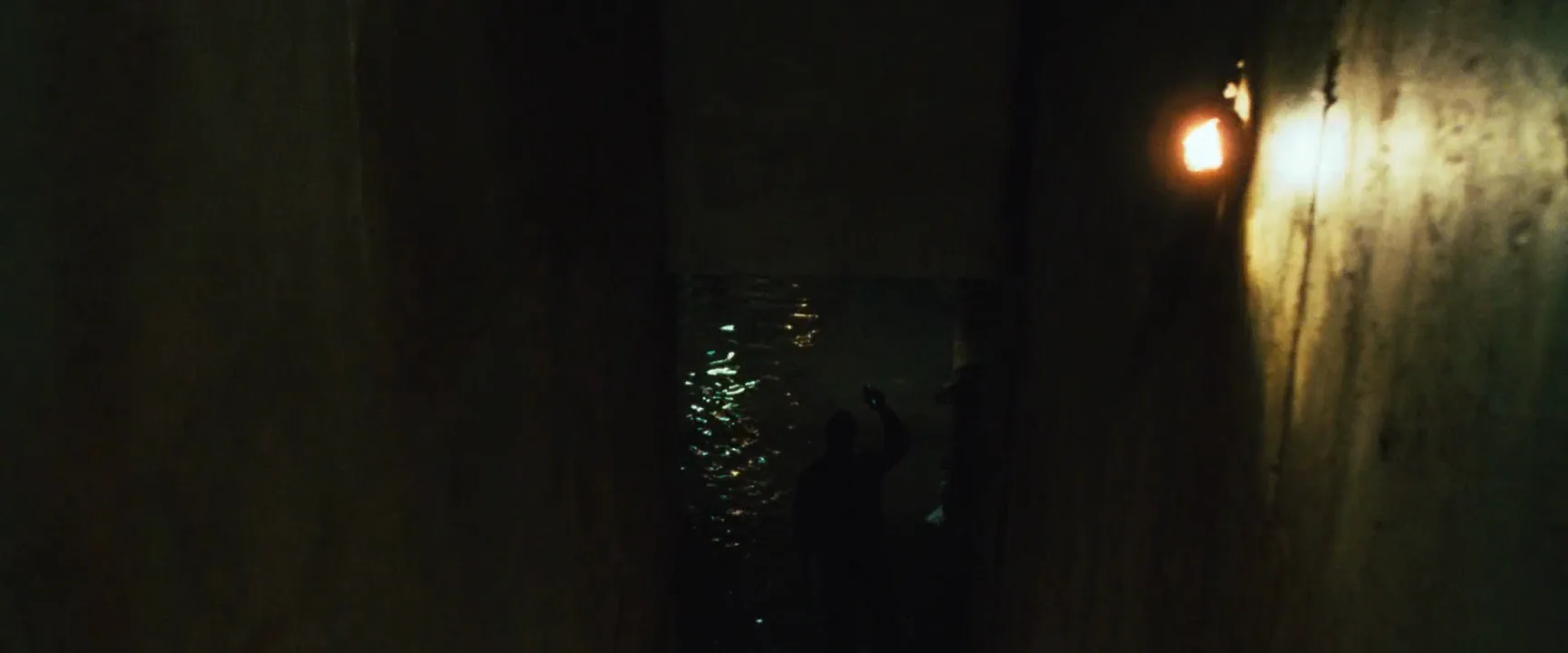
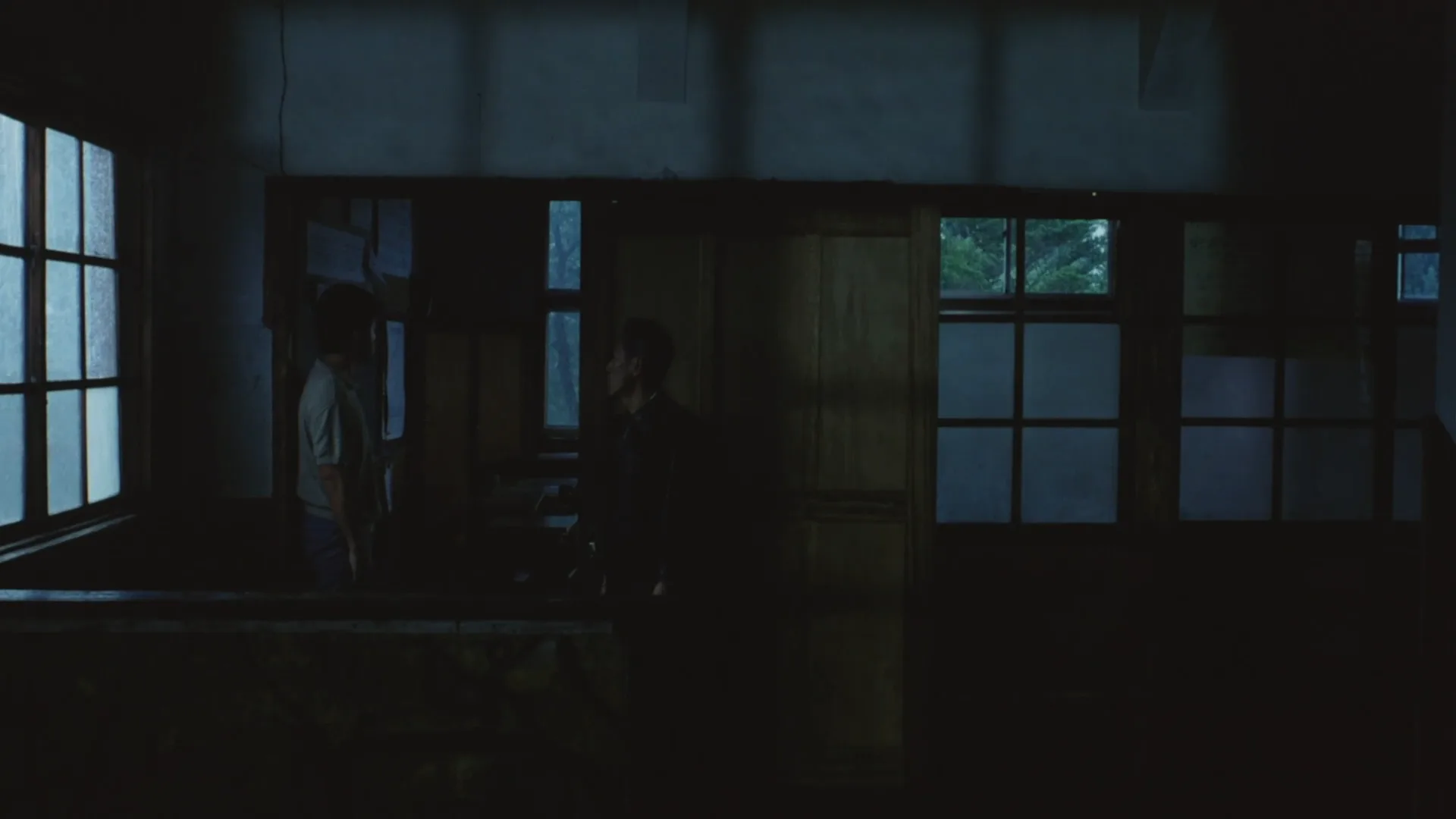
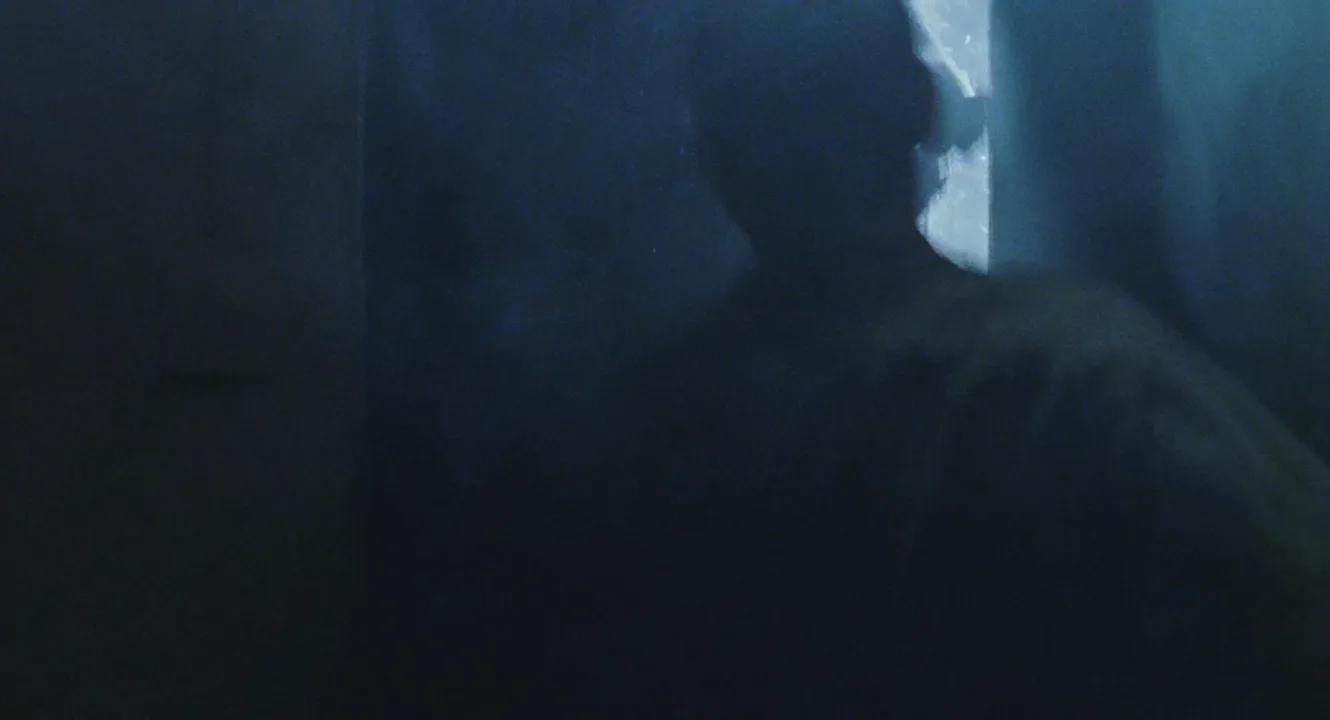
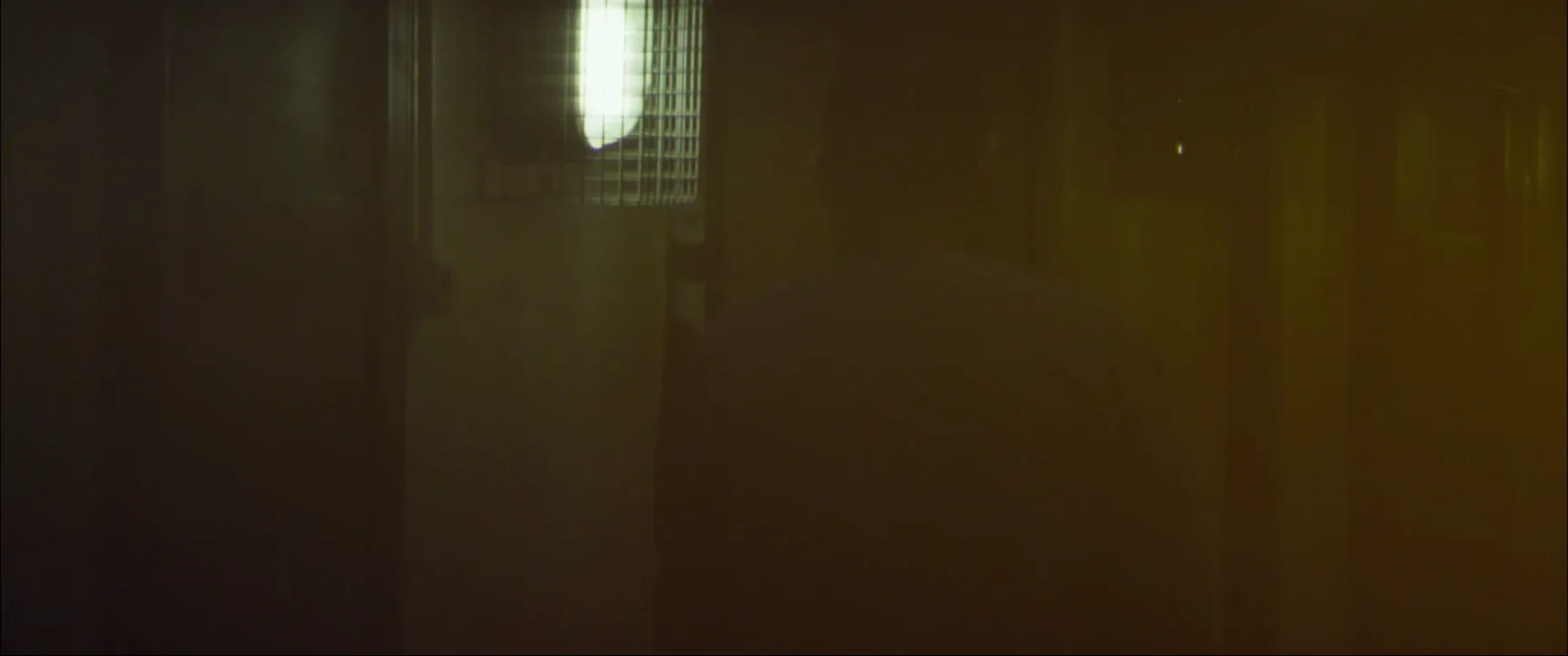
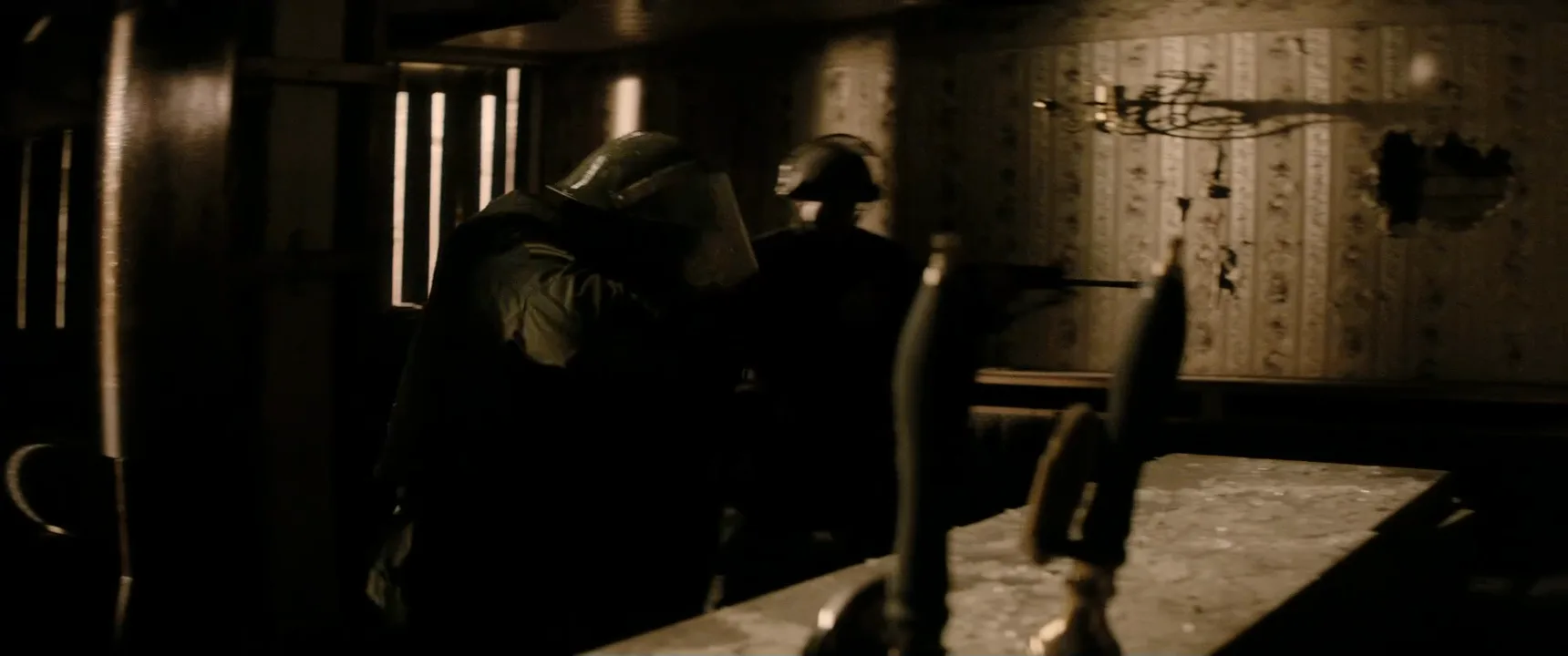
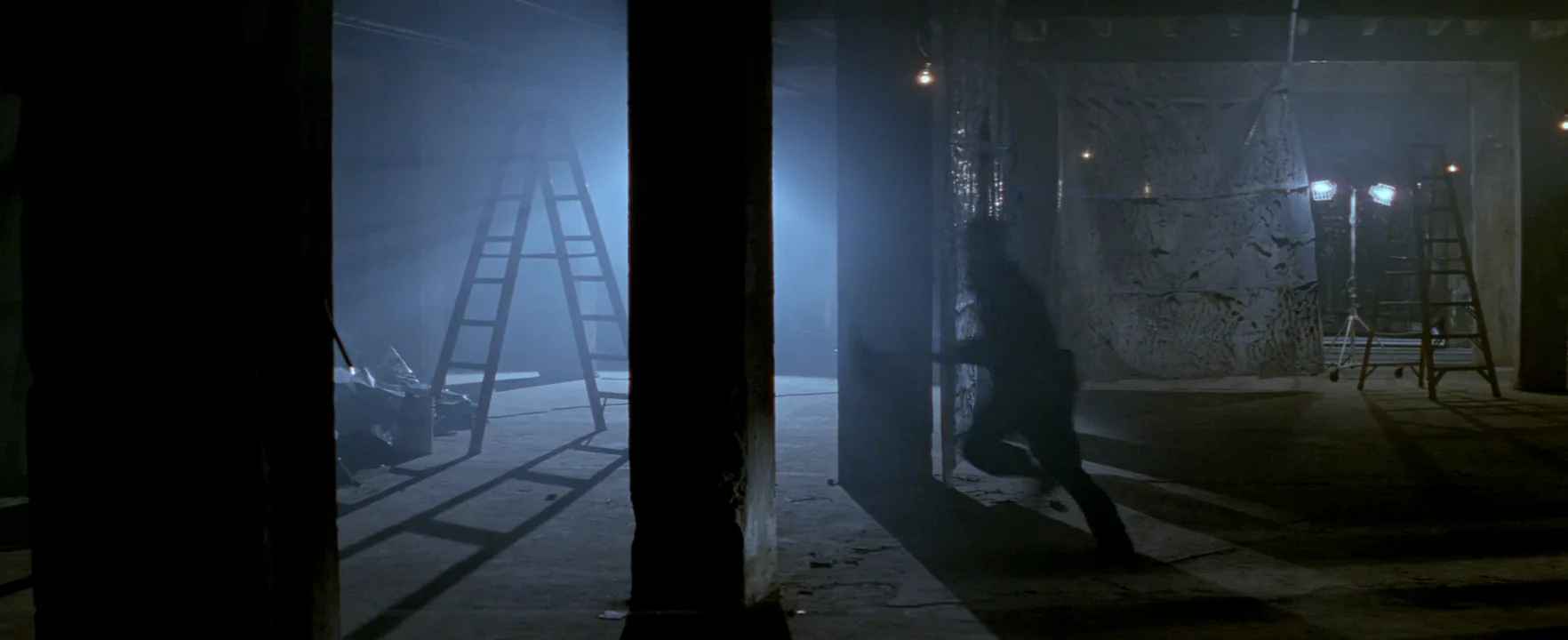
9 framesFrames where the dark is the point, each held together by one small anchor of light.
How to create a underexposure with AI
4 promptsImage models aim for a balanced frame, so "dark" alone gets a moody but correctly exposed picture. State the result: how many stops under, which one thing stays lit, what sinks into black. Keep references, takes and exposure notes on one FlashBoards board and compare takes side by side. The fourth prompt re-shoots a real film shot from a text description alone, and the original plays next to the result so you can compare.
Deliberately underexposed cinematic wide shot, about two stops under: a farmhouse kitchen at night lit only by a single bare bulb hanging over the sink. A young man with a shaved head, a crooked nose and a faded green army jacket stands beside the kitchen table, his face barely readable, eyes lost in shadow. The walls, the corners and the open doorway behind him sink into near-black with no detail. Muddy low shadows, fine visible grain, cold desaturated color, 35mm lens at eye level, still and tense.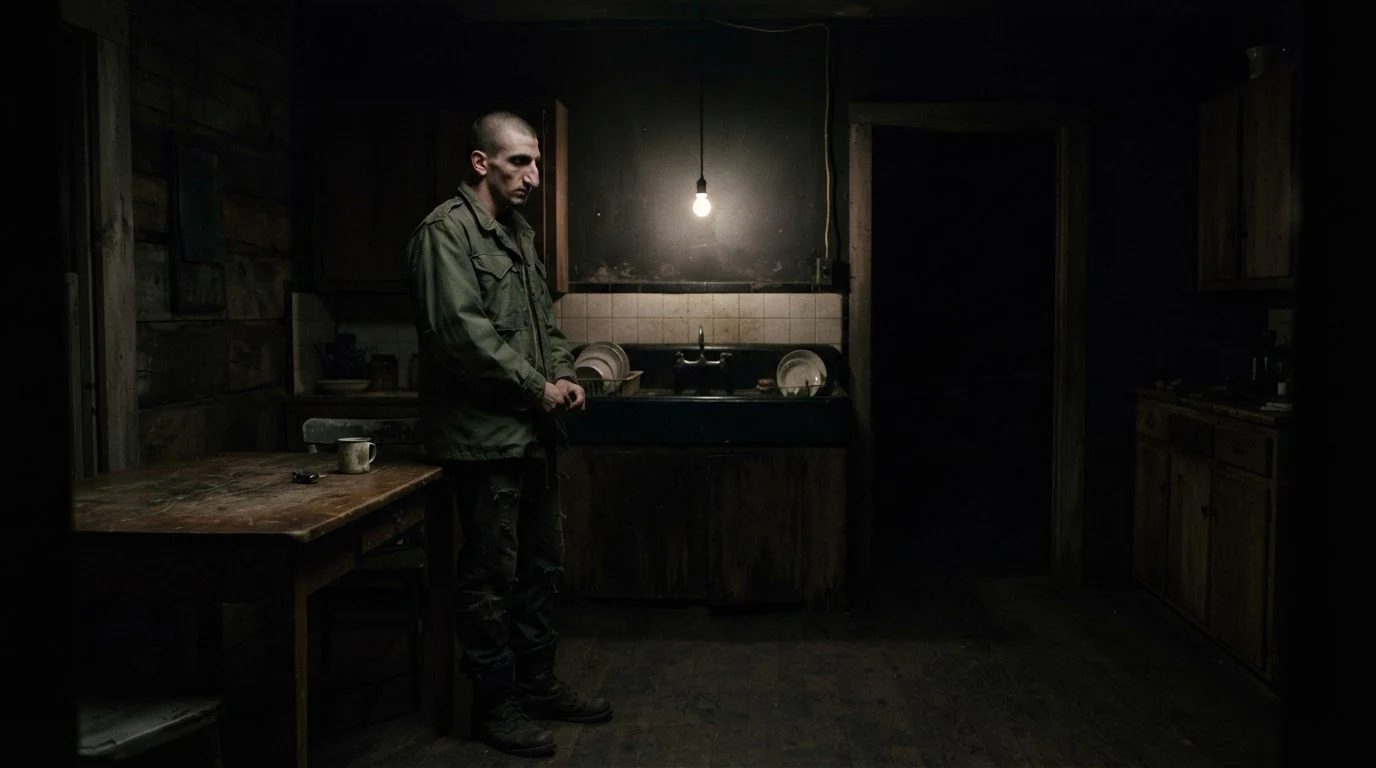
"About two stops under" and "near-black with no detail" name the exposure outcome, not a mood. The bulb is the anchor, and "eyes lost in shadow" blocks a flattering fill.
Open FlashBoardsUnderexposed widescreen shot inside a parked car at night: a woman in her sixties with cropped white hair, a hooked nose and a burgundy wool coat sits behind the wheel. Exposure is set for the dim green dashboard glow, so only her chin, hands and the steering wheel catch light; her eyes and the rest of the car dissolve into black, and the windshield is a flat dark field. Crushed blacks, heavy fine digital noise in the shadows, 40mm anamorphic lens at seat height, quiet dread.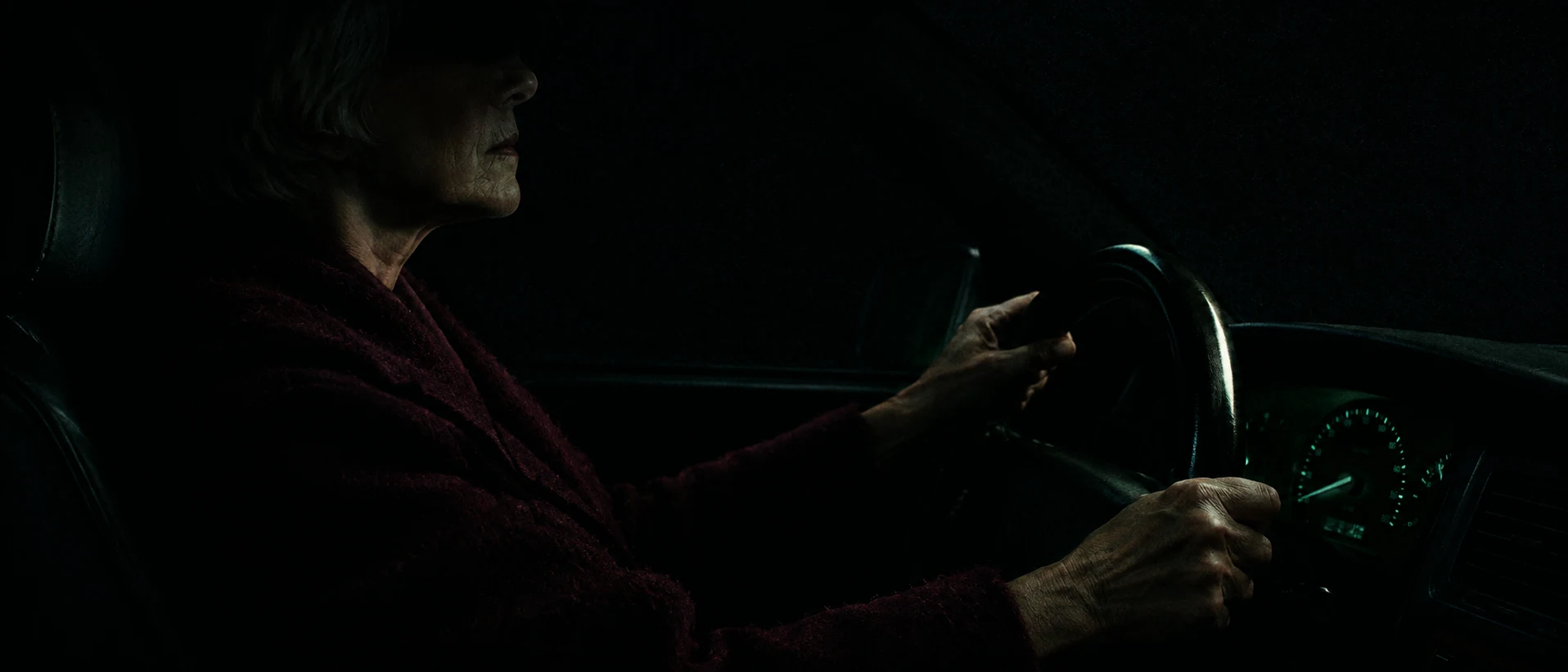
A different space and anchor. "Exposure is set for the dashboard glow" is operator language the model follows, and "digital noise" gives the texture of a starved sensor.
Open FlashBoardsCamera: very slow, steady push-in on a dolly, starting on the wide shot and ending on a medium shot of the man. Action: He is already turning his head toward the dark doorway behind him as the bare bulb swings slightly on its cord, its light sliding across the table. Midway he takes half a step back, and his face slips out of the bulb's light into shadow. At the end only the edge of his shaved head and one shoulder catch light while the doorway stays black.The head turn and swinging bulb start at once, so the clip is alive from the first frame; only elements already in the start frame are named, so nothing new appears in the doorway.
Open FlashBoards{
"output": "Full-screen live-action film shot from Skyfall (2012) from its very first frame: one continuous static shot, no cuts. Deliberately underexposed, about three stops under: the foreground figure is a near-black silhouette with no detail, and only warm sodium-amber pools of light on the brick arches and stone floor far below hold any exposure. 35mm anamorphic scope look, deep blacks, fine grain, amber and brown palette, a Victorian brick underground tunnel beneath London.",
"characters": {
"S1": {
"name": "Silva, played by Javier Bardem",
"look": "seen from behind, a police officer's uniform: dark tunic and a peaked cap with a chequered band, a black silhouette with no face visible",
"voice": "soft, amused, slightly sing-song"
},
"S2": {
"name": "James Bond, played by Daniel Craig",
"look": "a tiny dark-suited figure far below in the centre of the tunnel floor, face not readable",
"voice": "low, flat, controlled, echoing up the tunnel"
}
},
"shots": [
{
"shot": 1,
"camera": "static high-angle over-the-shoulder shot from a raised platform, long lens, locked off; the silhouetted man fills the left half of the frame, a dark vertical pole divides the frame at the centre and another at the right third, the tunnel below falls away into depth; focus stays on the tunnel floor, the foreground man slightly soft",
"action": [
"BEGINNING: alive from the first frame, S1 stands in the left foreground with his back to camera, peaked cap at the top left, looking down and to the right at the tunnel floor; his right hand grips the dark vertical pole beside him at head height",
"THEN: far below in the centre, S2 stands in a pool of amber light between the brick arches, facing up toward S1; S1's body stays still, only his cap tilts a little as he watches",
"THEN: S2 raises his right arm toward S1 and holds it there; S1 leans very slightly forward, his hand staying on the pole",
"END: S1's shoulder and cap remain a black shape against the lit brick, S2 stays small and still in the centre, arm raised; the pools of light on the floor do not change"
],
"dialogue": [
{
"speaker": "S2",
"on_screen": true,
"when": "a little after the middle of the shot, after he raises his arm",
"delivery": "cold, quiet, carried up by the tunnel echo",
"line": "<d>[English] I won't miss next time, Mr. Silva.</d>"
},
{
"speaker": "S1",
"on_screen": true,
"when": "right after S2's line, near the end of the shot, head still turned away from camera",
"delivery": "amused, unhurried, cut off by the end of the shot",
"line": "<d>[English] Not bad. Not bad, James, for a physical wreck.</d>"
}
]
}
],
"sound": {
"ambience": "a large empty brick tunnel: low hum, distant dripping water, a faint rumble of trains heard from far away",
"speech": "exactly these spoken phrases, each said once, in this order",
"never_spoken": "no narration and no voice-over: the descriptions, performance notes and step words of this prompt are never spoken aloud",
"music": "a film score under the scene, always below the voices: low sustained strings with a slow, tense pulse",
"subtitles": "none"
}
}Remakes Roger Deakins's static high-angle tunnel shot from Skyfall (2012), carrying over the silhouetted Silva in the foreground, the tiny Bond in amber pools below and their two lines.
The prompt names the stops of underexposure and says which surfaces still hold light, so the model keeps the foreground man a black shape instead of lifting his face; the corpus lines stay verbatim and the score sits under them.
Open FlashBoardsCommon mistakes
- Model fixes the exposure. Write "two stops under, walls sink into near-black with no detail".
- Rim light from nowhere. Name the only source: "lit only by a single bare bulb".
- Pure black. Always give an anchor that keeps detail.
- Too clean. Add "fine grain" or "digital noise in the shadows".
- Video brightens. Keep the light source in the Action lines.
Keep the reference frames, prompts and every generated take side by side — images and video in one canvas.
FAQ
4 questionsWhat does underexposure mean in film?
The film or sensor received less light than it needs to record detail, so the image is darker than normal and shadows turn flat black. Used deliberately, cinematographers keep most of the frame under while one element stays readable, hiding faces and corners to make night, horror and thriller scenes tense.
What are crushed blacks?
Shadows pushed so low, in camera or in the grade, that different dark tones merge into one flat black with no texture. It looks graphic and hides noise, but it also erases detail, and on bright phones and TVs heavily crushed scenes can become almost unwatchable.
Can you fix an underexposed shot in post?
Partly. Log and raw footage hold some shadow information, so lifting one stop often works, but brightening a starved image raises noise, muddies blacks and shifts color. Detail below the noise floor is gone, which is why many DPs record slightly brighter and darken in the grade.
Why do so many movies and shows look too dark?
Dark scenes are graded on calibrated monitors in dark rooms, then watched on bright phones or TVs in daylight, and streaming compression blocks up near-black areas. The Game of Thrones episode "The Long Night" (2019) drew wide complaints for this. Test on consumer screens and keep a bright anchor.
Related terms
6- OverexposureLenses, Focus & Exposure
Overexposure happens when too much light reaches the film or sensor: highlights clip to pure white and lose detail; used on purpose it reads as heat, memory, the afterlife or a dreamlike glare.
- Low-Key LightingLighting
Low-key lighting keeps most of the frame in shadow, with a strong key, little or no fill and a high lighting ratio, so only fragments of faces and objects emerge from the dark — the language of noir, thrillers and horror.
- Dynamic RangeLenses, Focus & Exposure
Dynamic range is the span between the darkest shadow and the brightest highlight a camera or film stock can record with detail, measured in stops; the wider it is, the less you lose to crushed blacks or blown-out windows.
- Exposure TriangleLenses, Focus & Exposure
The exposure triangle is the balance of aperture, shutter speed and ISO: change one and you must compensate with another, and each choice also changes depth of field, motion blur or noise.
- Day for NightLighting
Day for night shoots night scenes in daylight and sells them as night by underexposing, keeping the sun behind the actors as a 'moon', avoiding the sky and grading everything dark and cool.
- SilhouetteLighting
A silhouette shows a subject as a dark, featureless shape against a brighter background — sky, window, fire — exposed for the background, so only the outline tells us who they are and what they are doing.
Further reading
Blain Brown, Cinematography: Theory and Practice — chapters on exposure and the digital image. American Cinematographer magazine coverage of Gordon Willis and The Godfather.