 FlashBoards Learn
- Learn
- Film History & Theory
- Auteur Theory
Film History & Theory · Film language
Auteur Theory
Also called: auteur, politique des auteurs, auteurism
Auteur theory is the idea that the director is the real author of a film, and that a great director's personal style and themes show up across every film they make, whatever the script or studio. It came out of the French magazine Cahiers du cinéma in the 1950s and was brought to America by critic Andrew Sarris.
- What it does
- Reads a film as one chapter of a director's body of work, tracing the visual habits and themes that recur from film to film.
- Use it when
- You analyze a director's films, define your own visual voice, or brief a crew on a look that has to hold across a series of projects.
- Watch out
- A film is made by hundreds of people. Credit the cinematographer, writer, editor and designer before calling every choice the director's.
- Try this prompt
Locked-off centered wide shot at chest height, a woman with cropped silver hair alone in a night laundromat, muted teal-grey palette with one vermilion thermos, hard sodium side light, 16:9 film still.
What is auteur theory?
Auteur theory (also called auteurism, or in its original French, la politique des auteurs) is a way of watching and judging films. It treats the director as the film's author, in the way a novelist is the author of a book. Auteur is French for "author".
The theory makes three linked claims:
- The director is the primary creative force. Script, performances, camera, design and cut pass through one sensibility, and the finished film expresses it.
- That sensibility is visible across a body of work. You find it less in any single film than in what repeats: a way of framing people, a type of hero, a moral problem the director keeps returning to.
- Style is meaning. How a scene is staged, lit and cut, its mise-en-scène, matters as much as what the story says.
The practical consequence: instead of judging Rear Window (1954) as a standalone thriller, an auteurist watches it next to Vertigo (1958) and Psycho (1960) and asks what Hitchcock keeps doing: voyeurism built into the camera's point of view, guilt passed from one character to another, suspense built from what the audience knows and the characters don't.
It remains one of the central schools of film theory.
Where did auteur theory come from?
The camera as a pen (1948). Alexandre Astruc argued that a filmmaker could "write" with the camera, his caméra-stylo (camera-pen).
Truffaut's attack (1954). In January 1954, the 21-year-old François Truffaut published "A Certain Tendency of the French Cinema" in Cahiers du cinéma. He attacked the French "tradition of quality": polished literary adaptations in which screenwriters did the real work and directors merely illustrated the script. Against them he set directors like Jean Renoir, Robert Bresson and Jean Cocteau, who wrote with the camera.
The Cahiers critics. Truffaut, Jean-Luc Godard, Jacques Rivette, Éric Rohmer and Claude Chabrol turned this into a critical program. Their most provocative move was to find auteurs inside the Hollywood studio system, where directors were assigned scripts and had little formal control. Alfred Hitchcock, Howard Hawks, John Ford, Nicholas Ray and Fritz Lang, they argued, left fingerprints on every assignment.
Bazin's caution. André Bazin, the magazine's founding editor, sympathized but warned in 1957 against the "aesthetic cult of personality": praising a weak film because of the name on it.
From critics to directors. By the end of the 1950s the same critics were making films, and the French New Wave was auteur theory put into practice: The 400 Blows (1959) and Breathless (1960) were personal, cheaply made films.
Sarris brings it to America. In "Notes on the Auteur Theory in 1962", published in Film Culture, Andrew Sarris gave the idea its English name. His book The American Cinema: Directors and Movies 1929–1968 (1968) ranked Hollywood directors in tiers, with a "Pantheon" at the top. His readers included the future directors of New Hollywood, who expected the creative control the theory said directors deserved.
What makes a director an auteur?
Sarris described three "circles": technical competence, a distinguishable personality that shows through from film to film, and interior meaning, the tension between the director's personality and the material. Critics look for recurring choices on four levels.
Visual. How the director frames and moves the camera. Yasujirō Ozu's camera sits low and rarely moves, and his films cut to empty rooms and landscapes between scenes. Stanley Kubrick favored deep one-point perspective and long corridors. Wes Anderson's flat, symmetrical compositions and lateral camera moves are recognizable from a single frame. A consistent color palette often belongs to this layer too.
Thematic. What the films keep being about. Ford returns to communities and the outsiders who protect but can't join them. Hawks keeps returning to groups of professionals under pressure. Hitchcock keeps returning to guilt, voyeurism and innocent people accused.
Structural and performance. How stories are told and actors are directed: Hawks's fast, overlapping dialogue, the looped time of Christopher Nolan's plots and the long-take scenes of Béla Tarr.
Collaborators. Auteurs often keep the same crew for decades. Ingmar Bergman and Sven Nykvist, Wong Kar-wai and Christopher Doyle, and David Fincher and Jeff Cronenweth are all director-cinematographer pairs with a shared look.
An auteur is not the same thing as a film director with full control, and not the same as an art house filmmaker. Hawks worked in every studio genre and still passes the test.
Director style case studies: how to read a signature
A director style case study compares several films by one filmmaker to name the choices that repeat. The steps are the same as any close film analysis, applied across films instead of within one.
- Pick three to five films from different stages of the career, ideally made with different cinematographers or writers. A trait that survives a change of crew is more likely the director's.
- Pull comparable frames: the opening image, the first close-up of the lead, a dialogue scene, the climax, the last shot.
- Note measurable choices: shot sizes, camera height, lens length, where the subject sits in the frame, how long shots last, how scenes begin and end, how much the camera moves.
- Separate habit from meaning. A recurring motif matters only if it connects to a recurring theme.
- Check the collaborators. If the look changes when the cinematographer or designer changes, part of that signature belongs to them.
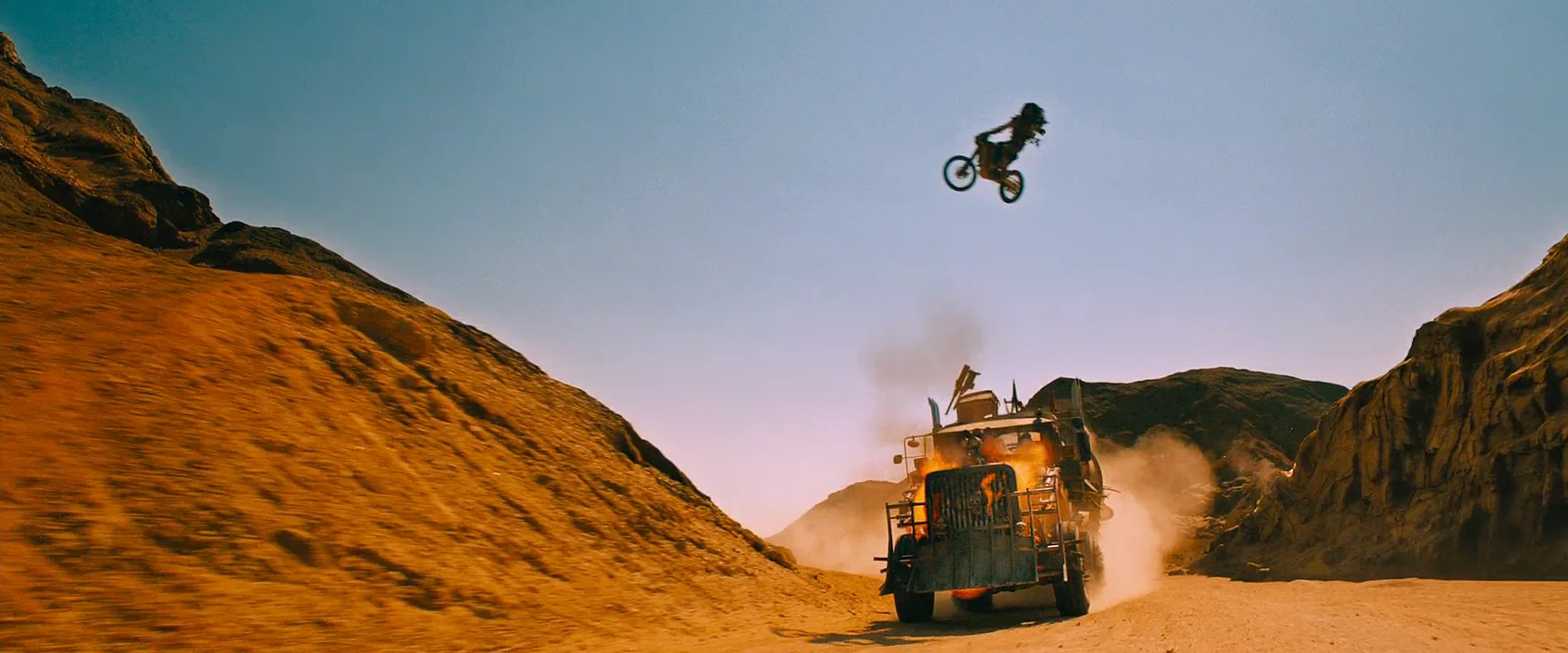
Three short examples. Hitchcock: point-of-view shots that implicate the viewer, cool blonde heroines, a cameo in almost every film. Agnès Varda: essayistic voice-over, documentary inside fiction, and her term cinécriture for writing with every element of film. George Miller on Mad Max: Fury Road (2015): critical action kept near the center of the frame so fast cuts stay readable, a warm orange desert against deep teal night.
Some signatures get their own name, like Bayhem for Michael Bay's action style.
Doing it on a board. In FlashBoards, give each film its own row, pin the same five beats from each one in a column so the eye can read across, and write the recurring choices as notes under the frames.
Criticisms of auteur theory
Pauline Kael: "Circles and Squares" (1963). Kael answered Sarris directly. She argued that a consistent signature is not proof of quality, and that the theory led critics to praise weak films by favored names. Her later essay "Raising Kane" (1971) made the case that the screenwriter Herman J. Mankiewicz deserved far more credit for Citizen Kane (1941) than the auteur reading allowed.
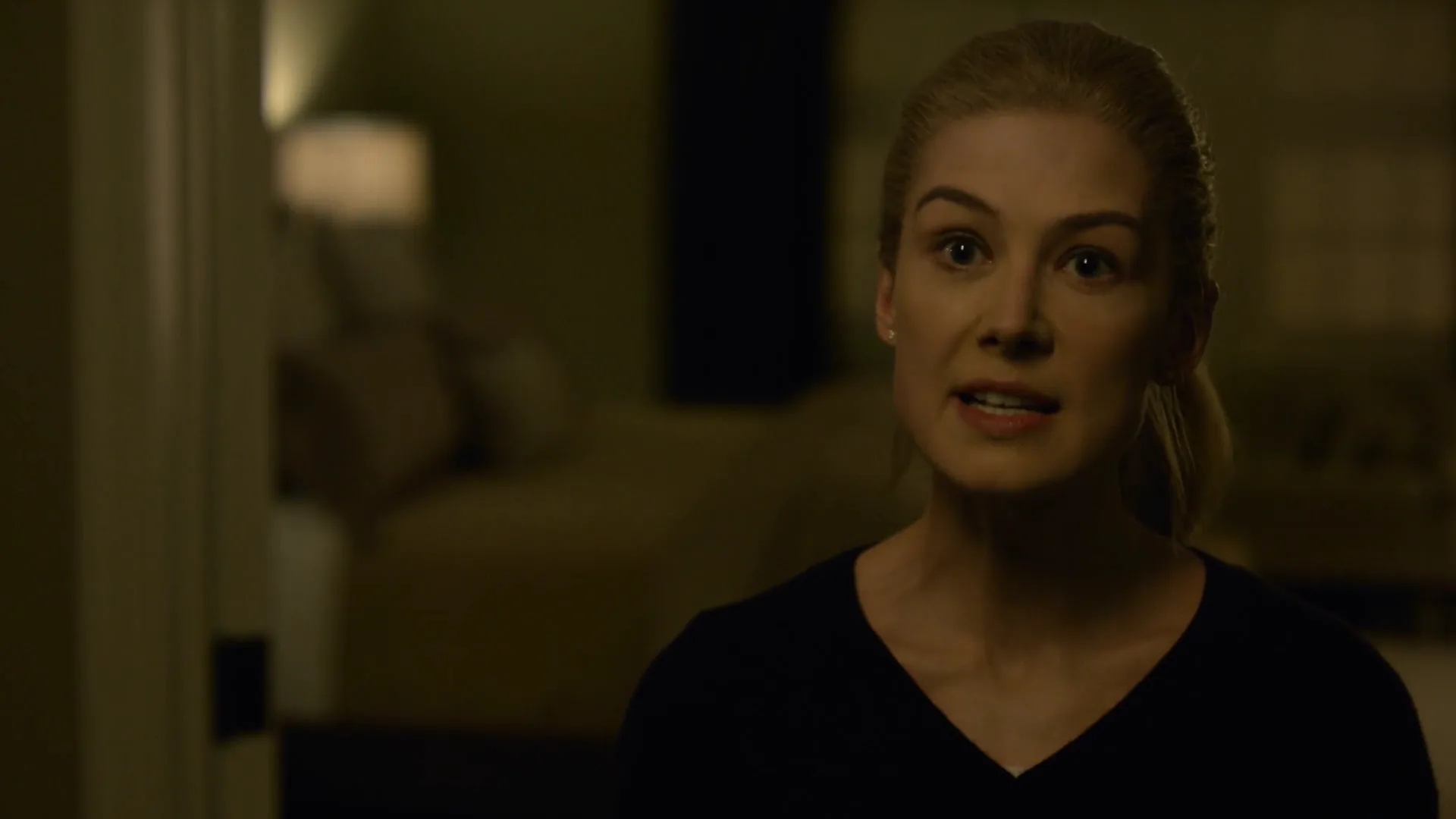
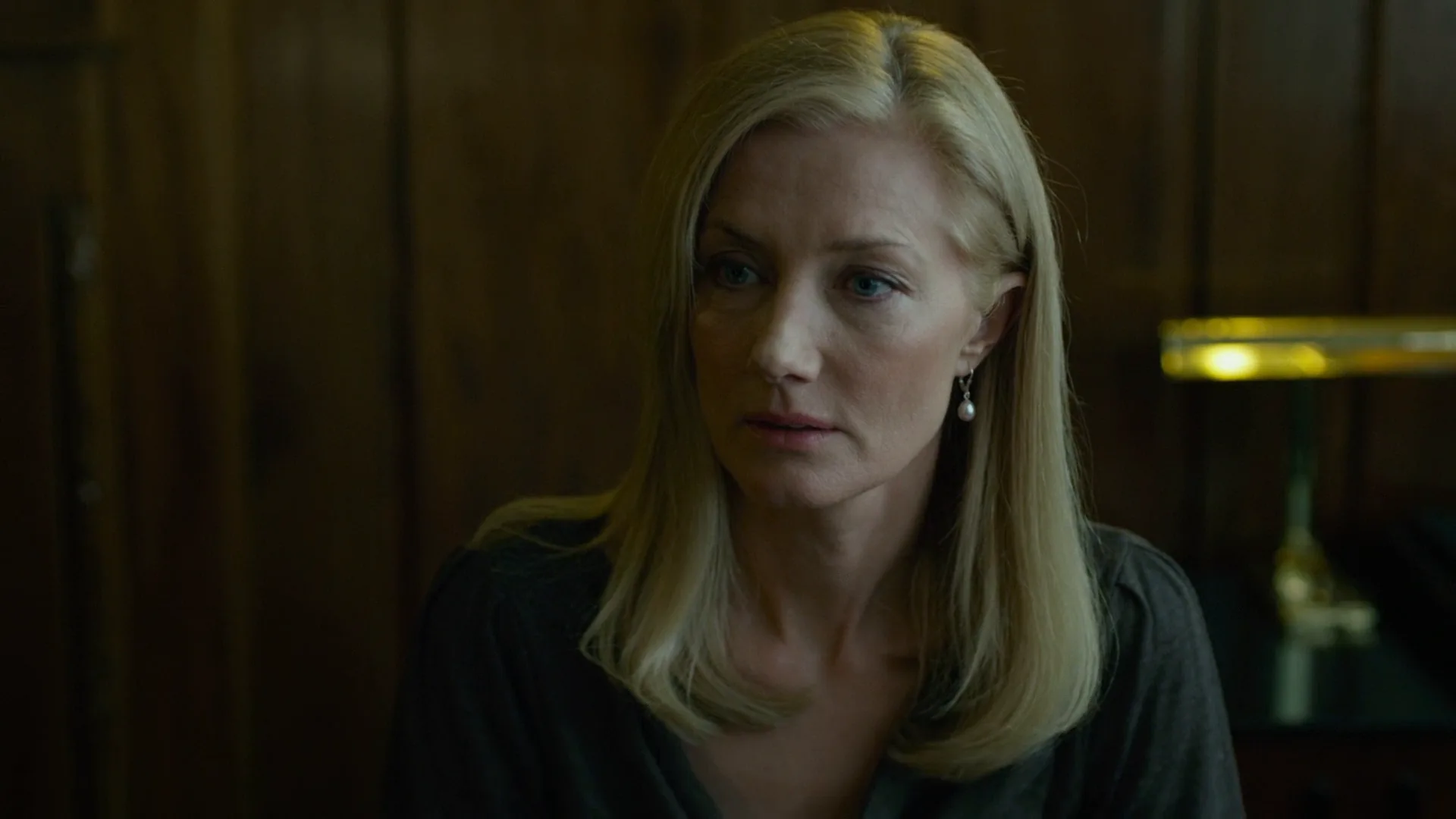
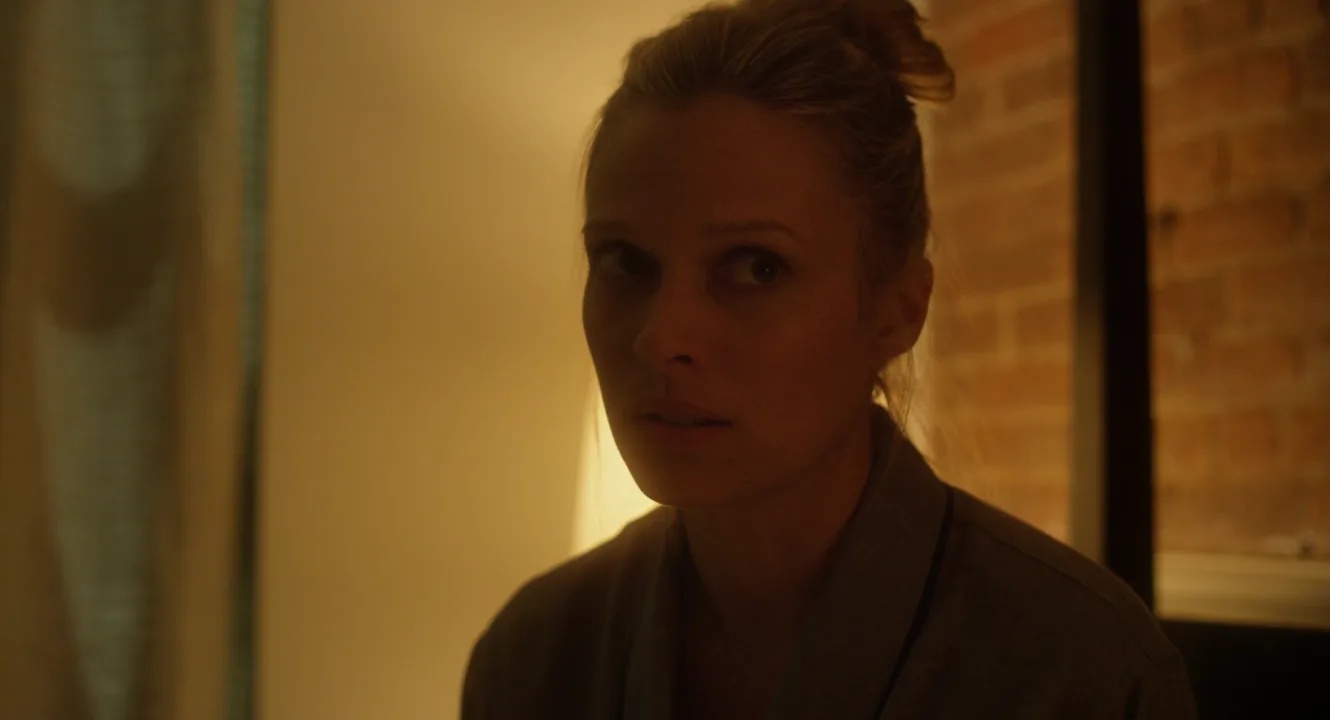
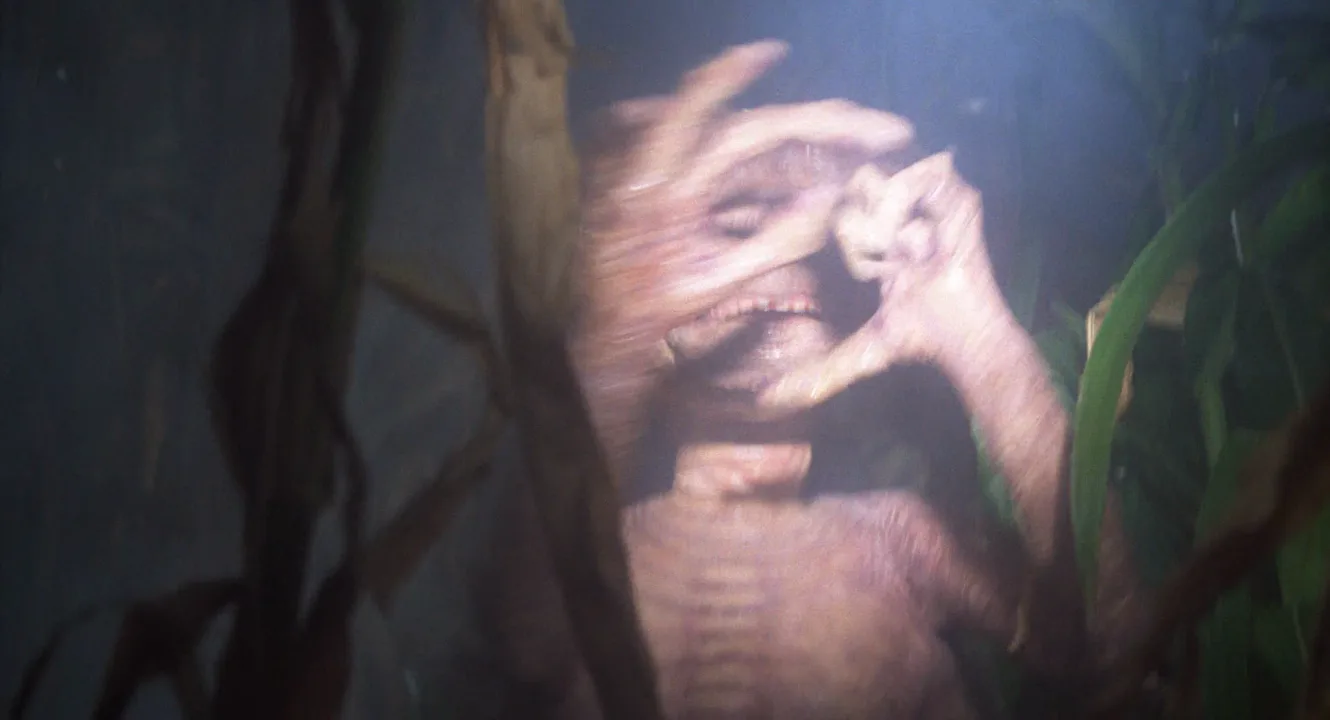
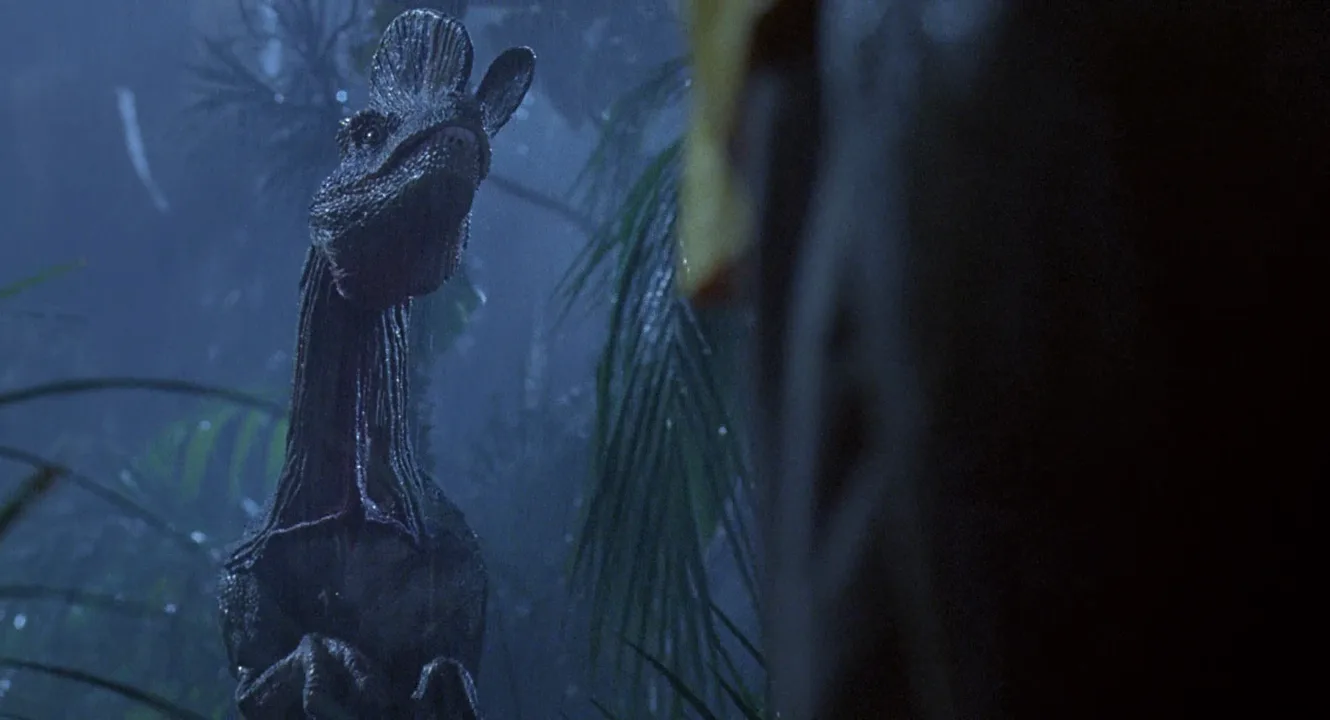
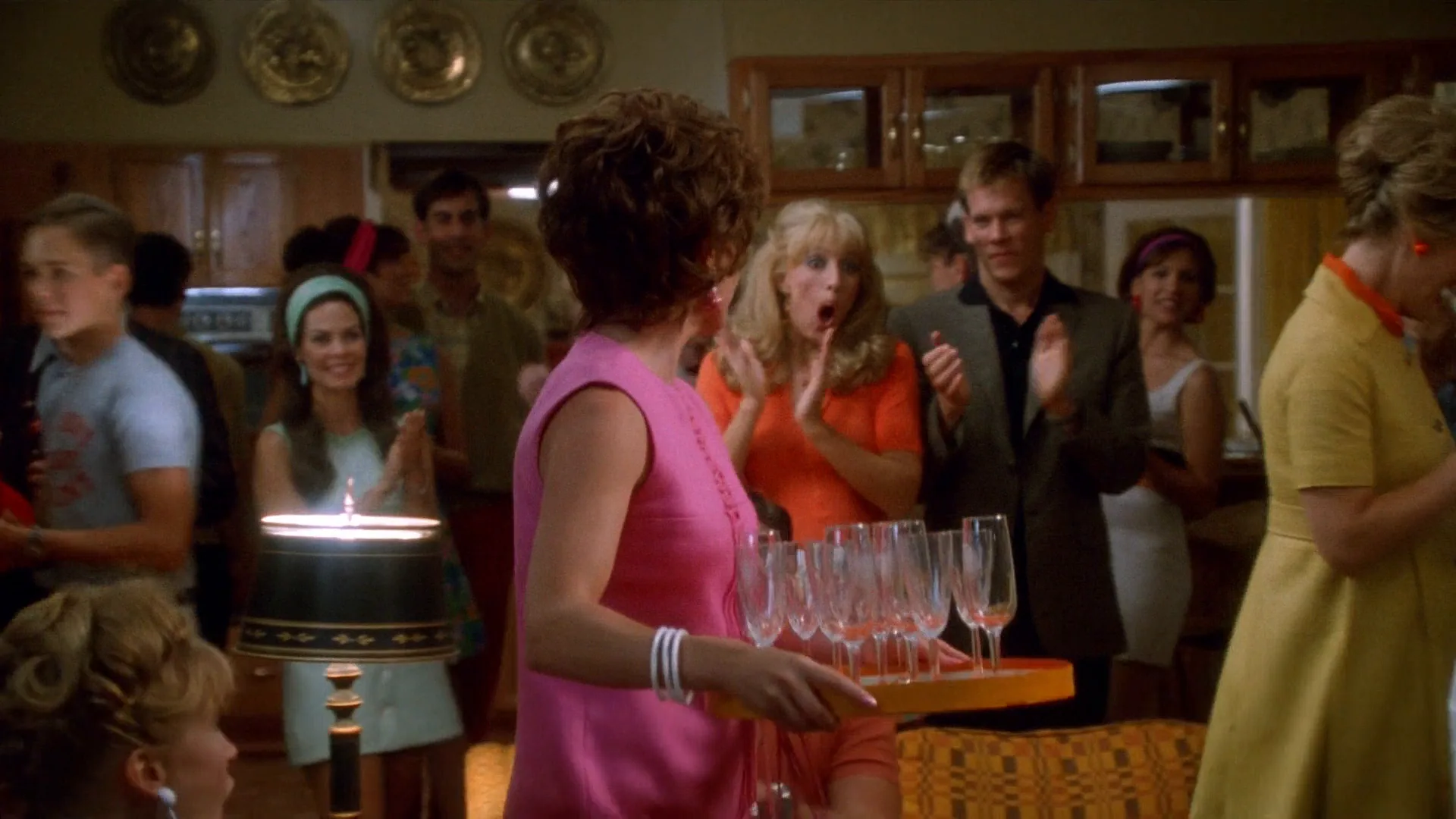
Film is collaborative. The cinematographer, the screenwriter, the production designer, the composer and the film editor all shape what the audience sees and hears. The gallery below makes this concrete: cinematographers like Michael Ballhaus and Dean Cundey moved between directors, and their films still look like their directors' films, which supports both sides of the argument.
The "death of the author". Roland Barthes's 1967 essay argued that meaning comes from readers and the text, not the author's intention. Peter Wollen's Signs and Meaning in the Cinema (1969) reframed the auteur as a pattern critics find across the films: "Hawks" the structure, not Hawks the man.
Who gets to be an auteur. For decades the canon was almost entirely white, male, American and European. Recent criticism has argued for Varda, Chantal Akerman, Claire Denis, Ousmane Sembène and Satyajit Ray, among others.
Most critics now hold a softer version: the director is often the best single place to look, but not the only one.
Auteur theory today, and why it matters for AI filmmakers
The theory won in practice even where it lost in argument: directors' names sell films, and the "A film by" credit is a standing fight between directors and writers.
For filmmakers working with AI, the old debate returns in a new form. A single creator can now generate every frame of a short, which sounds like the auteur ideal of total control. In practice, image and video models default to a generic, averaged look, and the results drift from shot to shot. Authorship has to be imposed on purpose: fixed decisions about camera height, lens, framing, palette, light and motion, written into every prompt and checked against the previous shots.
That is also the best way to study auteurs: turn what you see into written rules. "Low camera, static, frontal, people in doorways" is a rule; "feels like Ozu" is not. The recipes below show what a written signature looks like.
Auteur Theory examples in film
9 framesPairs of frames from the same director, and from the same cinematographer working for different directors. Compare them to see what carries across a body of work and who might own it.
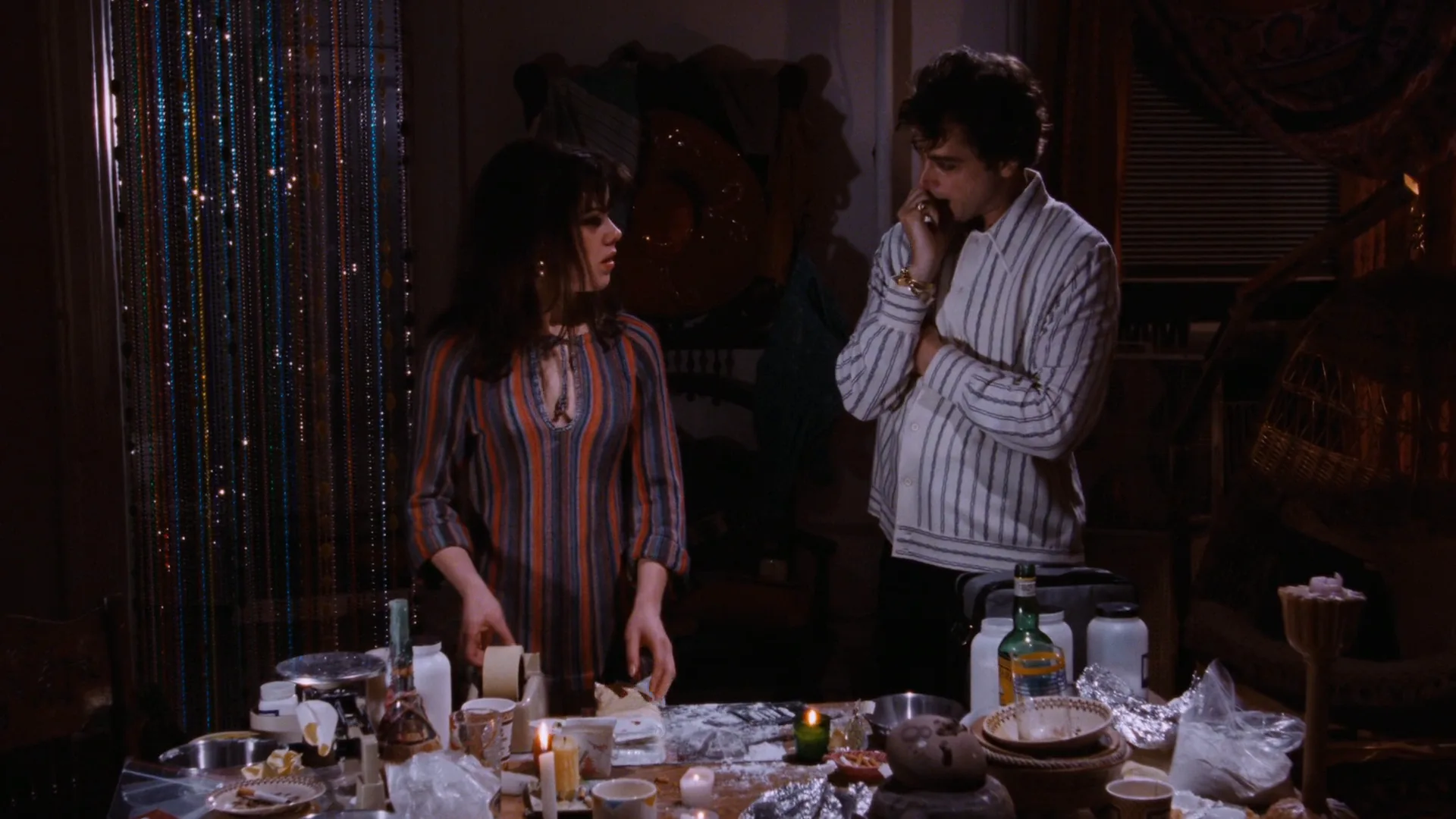
How to create a auteur theory with AI
4 promptsYou can't prompt for "auteur", but you can prompt for a signature: a short set of fixed choices repeated shot after shot. Write the rules once (camera height, framing, palette, light, one motif, camera motion) and keep them word for word while the subject changes. On a FlashBoards board, pin the rules as a note above the generations and compare the takes side by side to see whether the signature holds. The fourth prompt re-shoots a real film shot from a text description alone, and the original plays next to the result so you can compare.
Signature shot for a fictional director: a woman in her sixties with cropped silver hair, round tortoiseshell glasses and a long grey wool coat sits alone on a bench in a small laundromat at night, facing the camera, hands folded on a vermilion thermos in her lap. Strictly symmetrical, centered wide shot, locked-off camera at chest height, 32mm lens, deep focus, a row of round dryer doors lined up behind her. Muted teal-grey palette where the thermos is the only saturated color, hard sodium-orange side light from a window on the left. Cinematic film still, fine grain.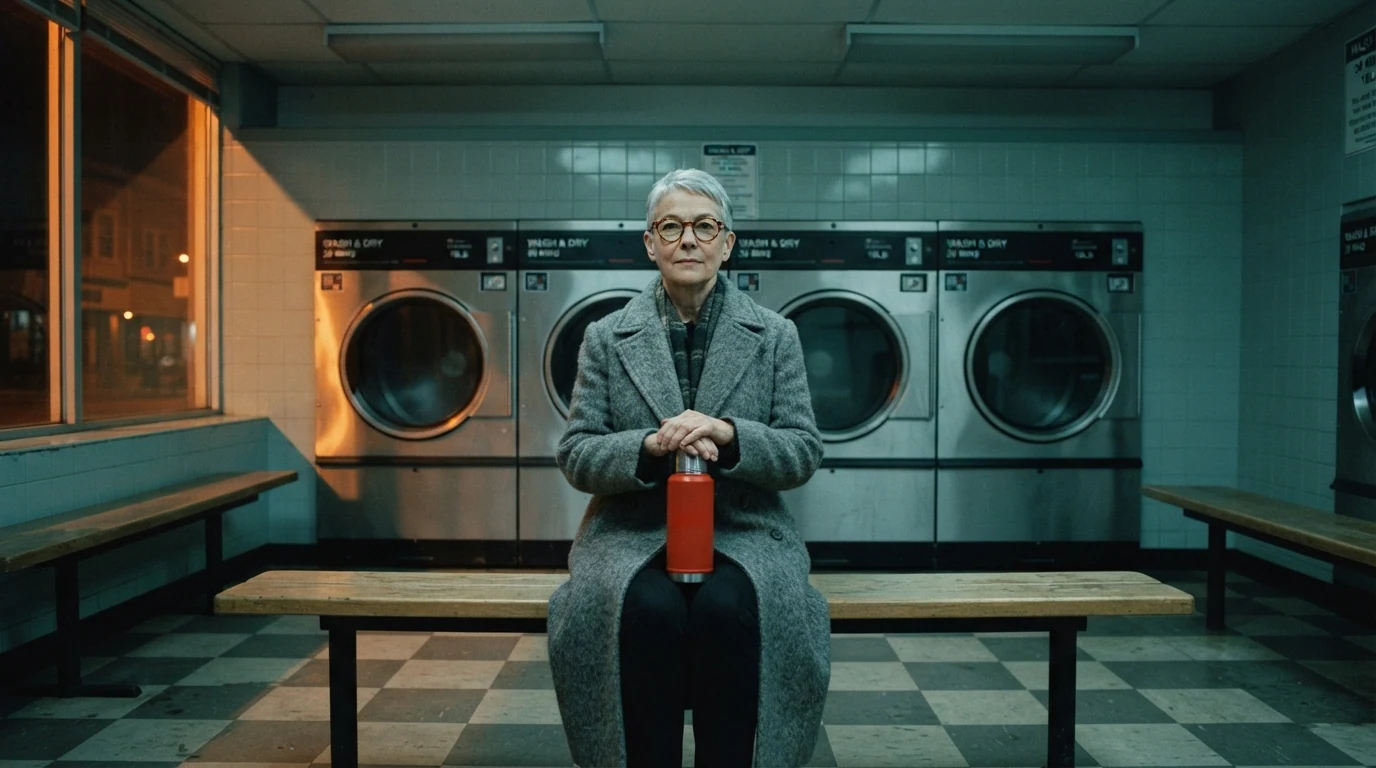
Each sentence after the subject is a rule of the invented signature: "strictly symmetrical, centered," "locked-off camera at chest height," "deep focus," "muted teal-grey palette" with one saturated vermilion object, and "hard sodium-orange side light". The glasses, silver hair and coat make her a specific, invented person. This is the start frame for the video.
Open FlashBoardsSignature shot for a fictional director, a different film: a lanky teenage boy with a shaved head, a chipped front tooth and an oversized olive rain jacket stands alone at a rural bus shelter at dawn, facing the camera, holding a vermilion umbrella closed at his side. Strictly symmetrical, centered wide shot, locked-off camera at chest height, 32mm lens, deep focus, the shelter's glass panels lined up behind him. Muted teal-grey palette where the umbrella is the only saturated color, hard sodium-orange side light from a streetlamp on the left. Cinematic film still, fine grain.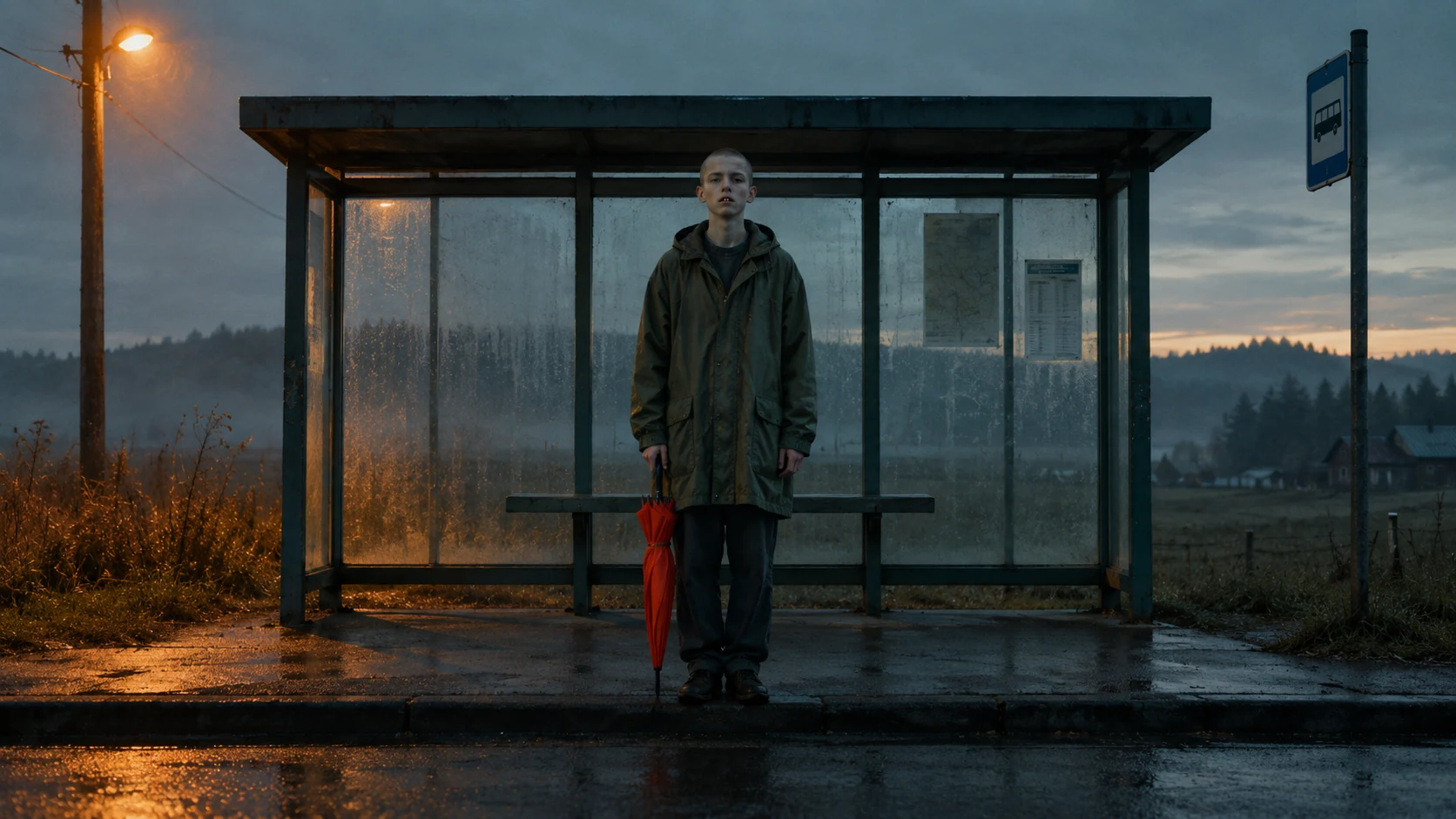
The second film by the same invented auteur: new subject, new place, new time of day, but the framing, height, lens, palette, key-light direction and single vermilion object are unchanged. If it reads as the same director's work as recipe 1 on the board, the signature holds.
Open FlashBoardsCamera: static tripod shot, locked off for the whole take, the symmetrical framing never changes. Action: from the first frame the dryers behind the woman are already turning, clothes tumbling behind the round glass doors. She unscrews the lid of the vermilion thermos and pours steaming tea into the cup-lid, then lifts it with both hands and sips, looking straight into the lens. At the end she lowers the cup to her lap and stays perfectly still while the dryers keep tumbling behind her.A locked-off camera is part of the signature, so the prompt says so twice ("static tripod shot," "framing never changes") to stop the model's habit of a slow push-in. The dryers "already turning" keep the shot alive from the first frame, and every object named is already in recipe 1's frame.
Open FlashBoards{
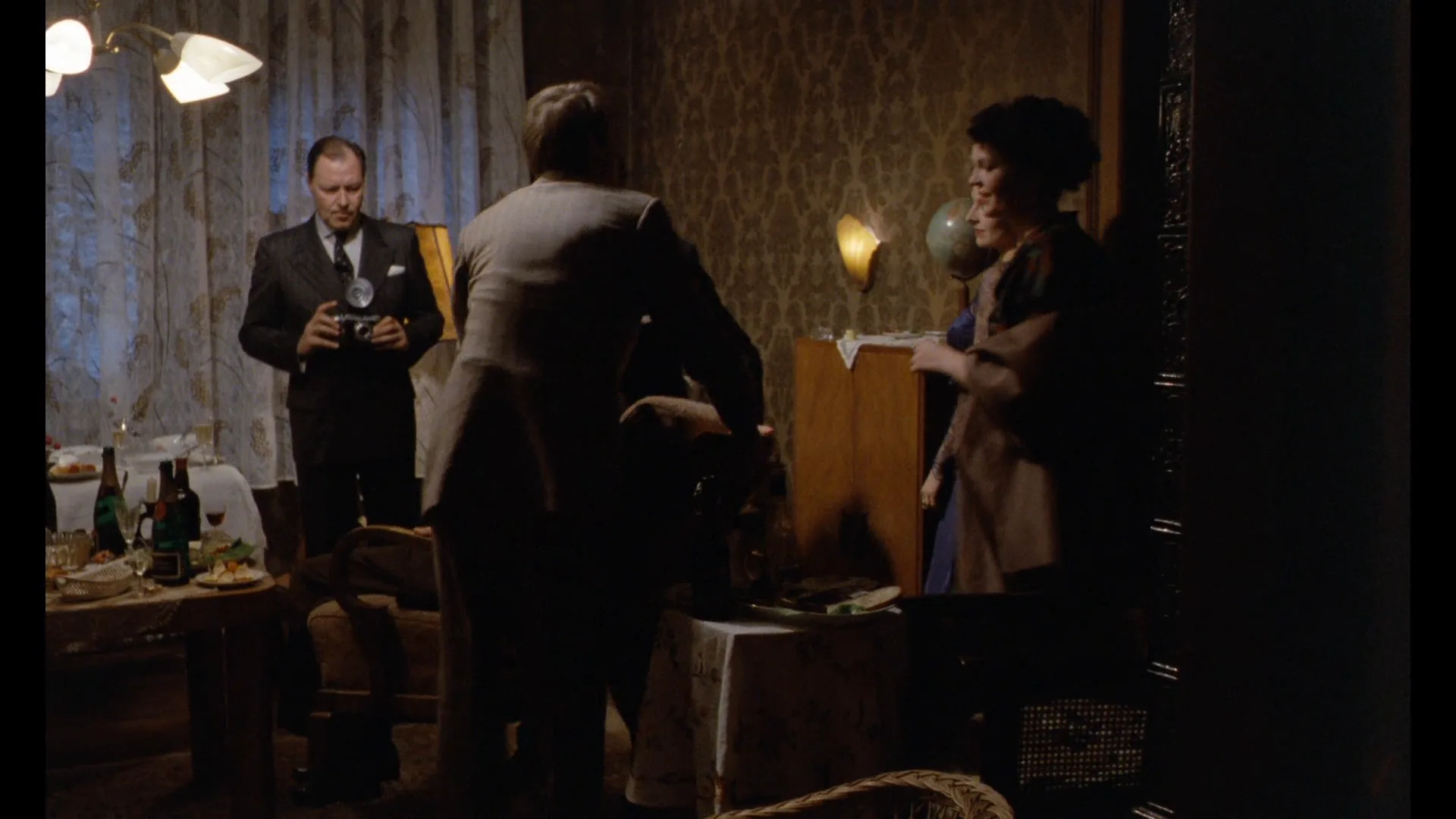
"output": "Full-screen live-action scene from its very first frame: one single continuous shot from The Marriage of Maria Braun (1979). Late-1970s 35mm color film, soft grain, a cramped 1950s German parlor at an evening family party, seen from a dark neighboring room through an open doorway: brown damask wallpaper, sheer lace curtains on the back wall glowing pale blue, a brass ceiling lamp with white tulip-glass shades, a small wall sconce, a yellow fabric floor lamp, dim warm amber pools of light, deep brown shadows, muted ochre, brown and dusty-blue palette.",
"characters": {
"S1": {
"role": "guest with the camera",
"look": "stout man in his fifties, slicked-back dark hair, black three-piece suit, white pocket square, a boxy old press camera with a round flash reflector held at chest height in both hands",
"voice": "mild, slightly sheepish baritone"
},
"S2": {
"role": "grandpa",
"look": "bald old man in his eighties, dark heavy jacket, slumped asleep in a worn brown armchair, eyes closed, chin down",
"voice": "silent, asleep"
},
"S3": {
"name": "Karl Oswald, played by Ivan Desny",
"look": "tall, lean man in his fifties, swept-back silver-gray hair, light gray double-breasted suit",
"voice": "calm, cultured male voice"
},
"S4": {
"role": "younger guest",
"look": "man in his thirties, dark wavy hair, black suit, white shirt, dark tie",
"voice": "silent"
},
"S5": {
"role": "dark-haired woman",
"look": "woman in her thirties, dark hair pinned up, dark patterned dress, a brown fur stole over her shoulders",
"voice": "silent"
},
"S6": {
"role": "blonde woman",
"look": "woman in her thirties, short wavy blonde hair, backless sleeveless dusty-blue evening dress",
"voice": "light, teasing female voice"
}
},
"shots": [
{
"shot": 1,
"camera": "eye level, 35mm lens, medium-wide, placed in the dark neighboring room and looking through an open doorway: a carved dark-wood door jamb and the black wall beside it fill the right fifth of the frame in the near foreground, so the party is seen only through the lit gap to its left. The camera holds still for the first half, then pans slowly left, drifting left with the armchair; it never passes through the doorway, and a dark vertical edge of wall stays in the foreground at frame right to the end.",
"action": [
"BEGINNING: alive from the first frame, the small party is crowded around a little lace-covered table with beer bottles and plates. S1 stands in the left third, feet planted, the press camera held at his chest in both hands, looking right at the group. S4 leans beside the armchair left of centre, looking up and right at S3. S2 sits asleep in the armchair in the centre, head sunk on his chest. S3 bends over S2 from the right, his gray back half-turned to the camera. S6 stands centre-right with her bare back to the camera, head turned left toward S1; S5 stands at the right edge of the gap beside the jamb, smiling, looking left at the men.",
"THEN: S6 turns and slips right behind S5; S3 bends lower and grips both arms of the armchair with both hands; S1 stays still, camera at his chest, eyes on S3, and answers S6 with a small shrug; S2 does not wake.",
"THEN: S3 straightens, turns his back fully to the camera and drags the armchair with the sleeping S2 toward the lens and to the left; S4 grabs the other side with both hands and helps, both men bent over the chair, their backs turning into dark silhouettes against the glowing lace curtains.",
"THEN: the camera pans left with the armchair; S1 moves into frame centre in the background, still by the table with the camera at his chest; S5 steps in from the right, a glass in her right hand, smiling at the men; S6 appears at the far right edge beside her.",
"END: S3 and S4, bent low, set the armchair down, S2's bald head seen from behind above its back; S5 walks left across the room in dark silhouette in front of the lace curtains, past a vase of yellow daffodils on a laden table, under the lit tulip lamp, while the dark wall edge still frames the scene at right."
],
"dialogue": [
{
"speaker": "S6",
"on_screen": false,
"when": "from the first frame, while her back is to the camera and S3 bends over the armchair",
"delivery": "teasing, lightly laughing",
"line": "<d>[Russian] Ах, бросьте, с этой камерой любой дурак сможет сделать фото.</d>"
},
{
"speaker": "S1",
"on_screen": true,
"when": "right after that, as S3 starts to drag the armchair",
"delivery": "mild, a little sheepish",
"line": "<d>[Russian] Если так, то я ничего не испорчу.</d>"
},
{
"speaker": "S3",
"on_screen": false,
"when": "right after, while he drags the armchair left, his face turned away from the camera",
"delivery": "calm, slightly out of breath",
"line": "<d>[Russian] Деда тоже нужно туда.</d>"
}
]
}
],
"sound": {
"ambience": "the small crowded room, heard from the dark next room: soft party murmur, glasses clinking, the armchair scraping on wooden floorboards, shoes on the boards",
"speech": "exactly these spoken phrases, each said once, in this order",
"never_spoken": "no narration and no voice-over: the descriptions, performance notes and step words of this prompt are never spoken aloud",
"music": "a film score under the scene, always below the voices: a faint, slightly wistful slow waltz on piano and muted strings",
"subtitles": "none"
}
}Remakes the party shot from The Marriage of Maria Braun (1979), dir. Rainer Werner Fassbinder, DP Michael Ballhaus: the view from a dark doorway, the jamb at frame right, the guest with the camera, the sleeping grandfather dragged left in his armchair, the slow pan left and the scene's three spoken lines carried over.
The signature sits in the camera field: the viewer stays in a dark neighboring room, a carved door jamb fills the right of the frame, and the camera never passes through the doorway. The three lines are the film's own, the cast is named, and the vantage point and slow pan left are Fassbinder's rules.
Common mistakes
- Naming a real director instead of the rules. "In the style of" a famous filmmaker gives a shallow pastiche of their most-copied traits. Describe the choices you want: height, lens, framing, palette, light.
- Changing the style text between shots. Even small wording changes ("centered" vs. "symmetrical") drift the look. Copy the rule block verbatim and change only the subject sentence.
- Too many signature traits. Five strong rules hold better than fifteen weak ones.
- Video camera drift. Image-to-video models often add a slow push-in. State the camera behavior first and repeat that the framing does not change.
Keep the reference frames, prompts and every generated take side by side — images and video in one canvas.
FAQ
5 questionsWhat is auteur theory in simple terms?
Auteur theory says the director is the true author of a film. In a strong director's films, the same kinds of shots, characters and themes recur, whatever the script or studio.
What is an auteur director?
An auteur is a director whose personal vision is visible across their body of work. Their films share a recognizable visual style, recurring themes and often the same key collaborators. Classic examples include Alfred Hitchcock, John Ford, Yasujirō Ozu, Ingmar Bergman, Agnès Varda and Stanley Kubrick.
Who created auteur theory?
It grew from Alexandre Astruc's 1948 essay on the "camera-pen" and François Truffaut's 1954 article in Cahiers du cinéma, which launched the politique des auteurs. The American critic Andrew Sarris named it "auteur theory" in 1962.
What is the difference between an auteur and a director?
Every film has a director, but not every director is an auteur. Auteur is a critical judgment that the director's personal style and concerns shape the film, and stay recognizable across different projects.
What are the main criticisms of auteur theory?
Film is collaborative, so crediting the director alone ignores writers, cinematographers, editors, designers and actors. Pauline Kael argued that consistency is not quality. Others note that the traditional auteur canon left out women and filmmakers from outside Europe and America.
Related terms
5- French New WaveFilm Movements & Styles
The French New Wave (late 1950s–60s) was launched by Cahiers du cinéma critics turned directors — Truffaut, Godard, Chabrol, Rohmer — who shot cheaply on the streets with handheld cameras, jump cuts and a personal, playful voice (The 400 Blows, Breathless).
- Film DirectorDirecting & Staging
The film director is the creative lead who turns the script into a film — shaping performances, staging and coverage, and approving every visual and sound decision from prep through the final cut.
- Mise-en-ScèneFilm History & Theory
Mise-en-scène is everything placed and arranged in front of the camera — setting, props, costume, makeup, lighting, and the actors' positions and movement — and how it is composed in the frame to create meaning.
- New HollywoodFilm Movements & Styles
New Hollywood (c. 1967–1980) was the era when young auteurs — Coppola, Scorsese, Altman, Friedkin — took control from a collapsing studio system and made darker, personal, formally freer films, from Bonnie and Clyde to Taxi Driver.
- Film TheoryFilm History & Theory
Film theory is the body of ideas about what cinema is and how it produces meaning and pleasure — from Soviet montage and Bazin's realism to auteur theory, psychoanalytic and feminist criticism.
Further reading
Andrew Sarris, The American Cinema: Directors and Movies 1929–1968 (1968). Peter Wollen, Signs and Meaning in the Cinema (1969). François Truffaut, Hitchcock/Truffaut (1966).