 FlashBoards Learn
Lighting · Film language
Soft Light
Also called: soft lighting, diffused light
Soft light comes from a source that is large relative to the subject — an overcast sky, a big window, a diffusion frame or a bounce. It lights the subject from many angles at once, so shadows get wide, feathered edges and light wraps around faces. The result feels natural, flattering and intimate.
- What it does
- Blurs shadow edges into gradual transitions and wraps light around faces, making the image feel natural and gentle.
- Use it when
- You want an intimate close-up, a naturalistic interior lit by a window, or a face that looks its best.
- Watch out
- Soft light spreads everywhere; without flags, grids and negative fill it goes flat and gray.
- Try this prompt
Close-up by a large window on an overcast day, soft diffused light wrapping around the face, feathered shadow edges, sharp focus on the eyes
What is soft light?
Soft light is light from a source that looks big from the subject's point of view. Because the light arrives from many directions at once, the edge of every shadow it casts is blurred into a wide gradient instead of a crisp line. On a face, that gradient is what cinematographers call wrap: the light rolls around the cheek, the nose and the jaw and fades into shadow gradually.
The key word is apparent size — how large the source is relative to the subject and how close it is. Physical size alone does not decide it:
- The sun is enormous but hard. It is so far away that it occupies a tiny point in the sky, so it throws sharp shadows.
- The same sun through clouds is soft. An overcast sky turns the whole dome above the subject into one source, and shadows almost disappear. That is overcast light, the softest light in nature.
- A 4×4 ft diffusion frame is soft at 3 ft and harder at 20 ft. Move the frame back and it shrinks in the subject's view; the shadow edges sharpen accordingly.
A useful rule of thumb from the set: if the source, as seen from the subject, is at least as wide as the subject itself, the light reads as soft. For a close-up that means a surface roughly the width of the shoulders, placed a few feet from the face.
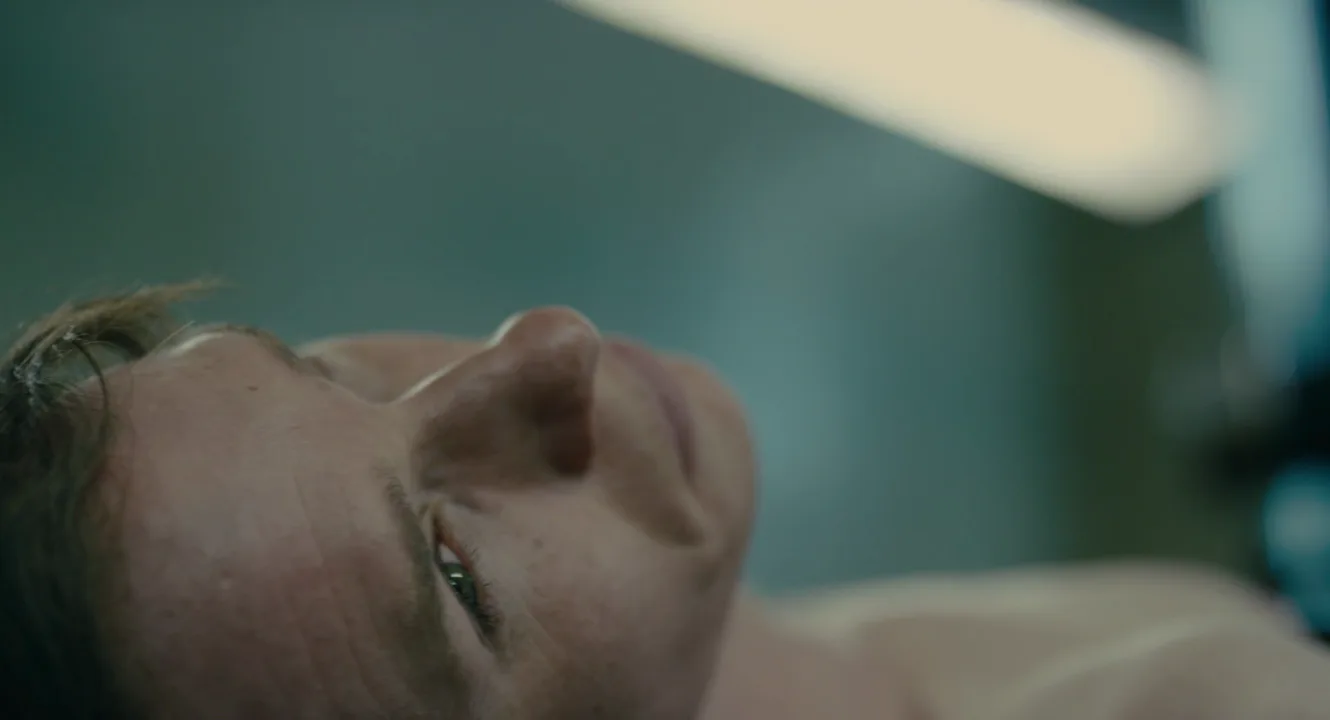
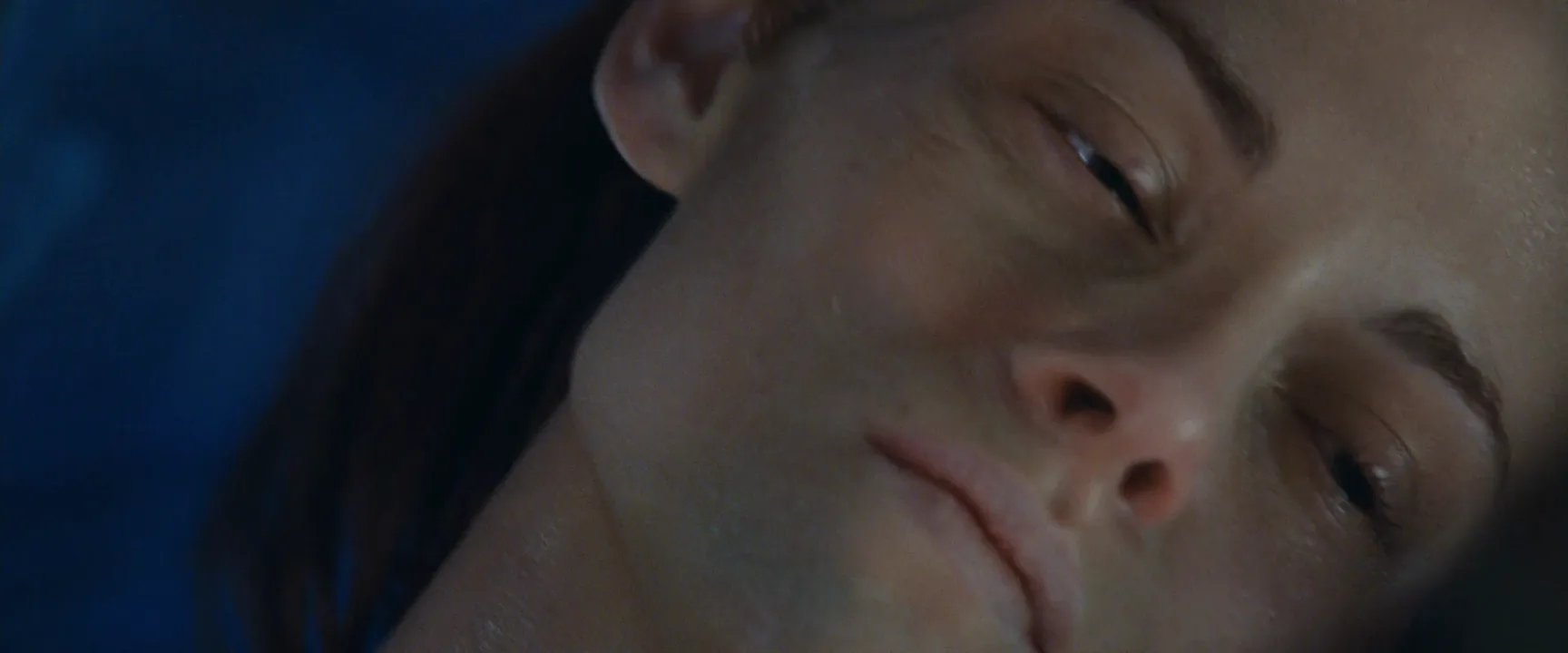
Soft light shows itself in four places. The shadow edge under the nose and along the cheek is a smooth ramp rather than a line. The transition zone between lit and unlit skin is wide. Specular highlights on skin, glasses or leather spread into broad, gentle sheen instead of hot pinpoints. And the catchlight in the eye is large, often shaped like the window or frame that made it.
Soft light is one of the two basic qualities of light in film lighting; its opposite, hard light, comes from a small or distant source. Quality is independent of direction and color: a soft source can be a front key, a side light, a top light or a fill.
Why do filmmakers use soft light?
It reads as natural. Most of the light we live in is soft: skylight through a window, the glow of an overcast afternoon, light bouncing off walls and floors. When a scene is lit with a large, diffused source that motivates from a window or the sky, the audience accepts it as the room's own light and stops noticing the lighting altogether. The shift from the hard, studio-bright key lights of the classic Hollywood era toward bounced, naturalistic light is one of the big changes in modern cinematography; Sven Nykvist's work with Ingmar Bergman and Raoul Coutard's bounced light in the French New Wave are the usual reference points.
It is kind to faces. A broad source fills in wrinkles, pores and uneven skin because each tiny bump is lit from several directions at once. That is why beauty, fashion and romance lean on it, and why a close-up is often lit softer than the wide shot.
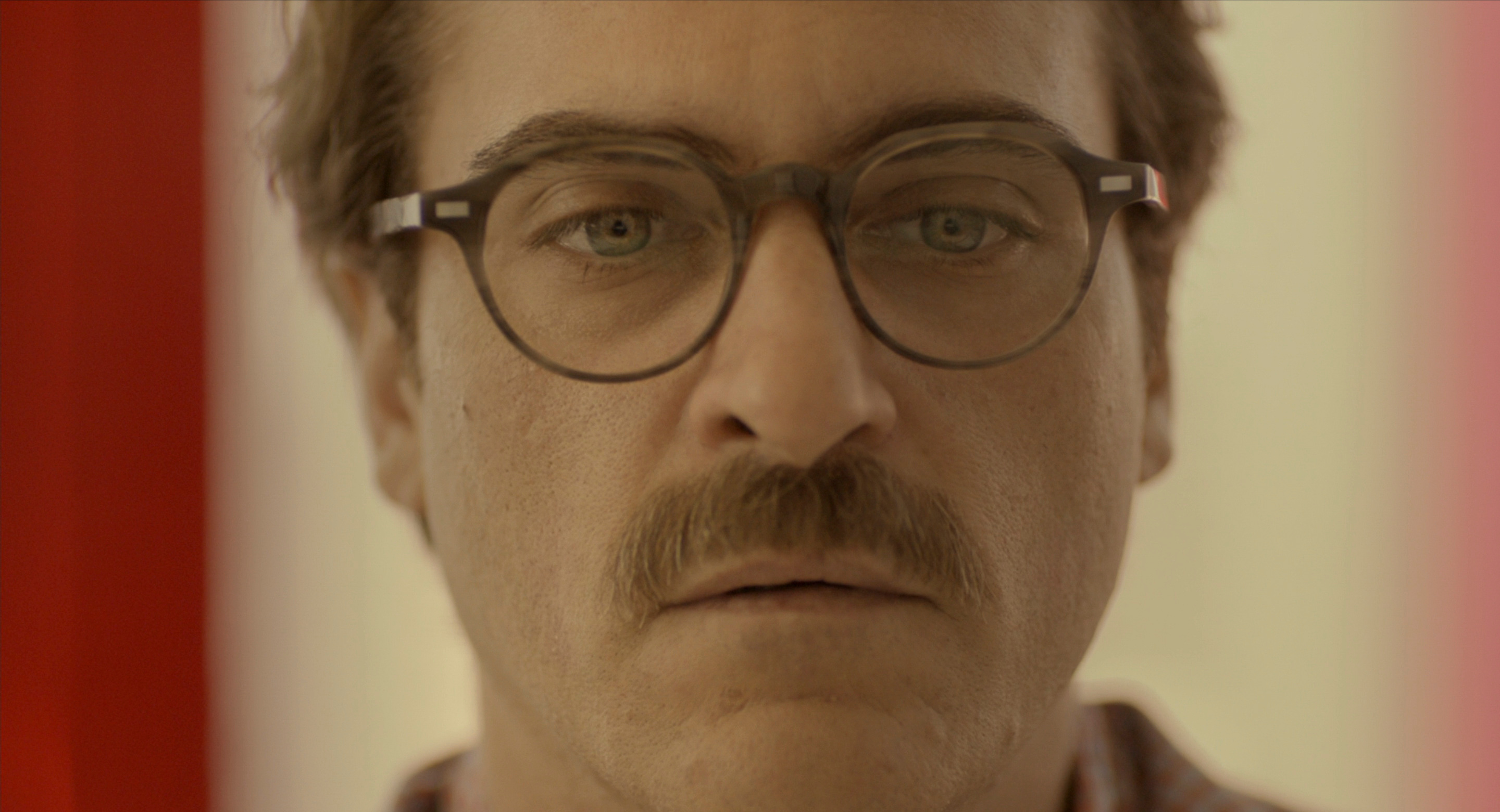
It carries intimacy and calm. Soft light has no sharp edges to cut across a face, so it feels gentle. Her (2013), photographed by Hoyte van Hoytema, wraps its lonely hero in warm, diffused daylight and pastel color, which makes the future feel cozy rather than cold. Terrence Malick's Days of Heaven (1978), shot by Néstor Almendros, built its look on the soft skylight after sunset — the golden hour and the minutes that follow it.
It keeps the camera free. A big soft source lights a wide area evenly, so actors can move and the camera can find new angles without hot spots or hard shadows on the walls — a practical reason television relies on it.
It lets something else carry the drama. When light stops making strong shapes, color, performance and composition take over. Soft light does not mean cheerful: a soft source with very little fill can produce a dark, moody frame — the sections below show how.
How to create soft light on set
There are only three ways to make a source soft: make it bigger, move it closer, or bounce it off something big.
1. Diffuse it. Put a translucent material between the lamp and the subject; the material becomes the new, larger source. Common choices, roughly from lightest to heaviest: Hampshire frost or a quarter grid cloth, half grid cloth, full grid cloth, 216 (full white diffusion) and muslin. Mounted in 4×4 ft, 6×6 ft, 8×8 ft or 12×12 ft frames, these are the workhorses of soft light. The lamp must fill the whole frame evenly; a hot spot turns a big frame back into a small source. See diffusion for materials and strengths.
2. Bounce it. Aim a lamp at a white surface — foam core, a bead board, an Ultrabounce frame, a white ceiling or wall — and let the reflection light the actor. Bounce loses more output than diffusion of the same size, so it needs more power. A book light combines both: the lamp bounces into a white frame, and a diffusion frame in front of it smooths the result into a very even wrap. The details are in bounce lighting.
3. Use a ready-made soft source. A softbox on a fixture, an LED panel with a diffusion front, a paper lantern (China ball) hung over a dinner table, or a large overhead "space light" in a studio. These are quick to rig but smaller than a frame, so they need to be close.
Placement numbers that work. For a close-up key, a 4×4 frame about 3–5 ft from the face at 30–45° off the camera axis gives a classic soft portrait. For a two-shot or a moving scene, go to 8×8 or 12×12 at 8–12 ft. Raise the source slightly above eye line so the catchlight sits in the upper half of the eye.
Control the spill. Soft light spreads everywhere, which is its virtue and its problem. A fabric grid (egg crate) on a softbox narrows the spread, black flags keep light off the background, and negative fill — a black solid on the shadow side — removes the bounce the room would otherwise add. Without this control, soft light drifts toward flat and gray.
Outdoors. Put the actor in open shade, use an overcast day, or fly a 12×12 or 20×20 silk overhead to turn direct sun into a soft source. A white bounce on the shadow side becomes the fill light.
Can soft light be dark and moody?
Yes. Softness describes the shadow edge; contrast describes how dark the shadow side gets. The two are separate controls.
Soft light becomes moody when the source is placed well to the side, when there is little or no fill, and when the background is kept dark. A large source close to the actor also falls off quickly with distance, so a face can glow while the wall eight feet behind it drops into darkness. That fast falloff is how many contemporary dramas and thrillers get deep, velvety low-key lighting with no hard shadows anywhere in the frame.
The opposite case is high-key lighting: soft sources from the front, plenty of fill, a bright background. Both are soft; they sit at opposite ends of the contrast scale.
In practice, cinematographers mix qualities. A soft key on the face with a hard backlight or rim light on the hair is one of the most common setups in film: the face stays gentle, the edge separates it from the background.
Soft light vs. hard light
| | Soft light | Hard light | |---|---|---| | Source | Large relative to the subject: overcast sky, big window, diffusion frame, bounce | Small or distant: bare bulb, open fresnel, direct sun, flashlight | | Shadow edge | Wide, feathered gradient | Crisp, sharp line | | On skin | Smooths texture, broad sheen | Shows every pore and wrinkle, hot specular points | | Catchlight | Large, shaped like the source | Small pinpoint | | Falloff across the scene | Fast when the source is close | Slow; light carries far | | Control | Harder to keep off walls; needs grids and flags | Easy to cut and shape with flags and cookies | | Typical feel | Natural, intimate, gentle | Graphic, harsh, theatrical, noir |
The choice is rarely all-or-nothing. A hard source becomes softer as you add diffusion, and a soft source becomes harder as you move it away or shrink it with a grid. Think of it as a dial rather than a switch. The article on hard light covers the other end of the dial.
Soft light vs. soft focus
The names sound alike, but they belong to different departments. Soft light is about the light source: the image is fully sharp, only the shadows are gentle. Soft focus is about the lens: a diffusion filter or a special lens blooms highlights and lowers fine detail across the whole image, whatever the lighting. Glamour close-ups often combine the two, which is why prompts that only say "soft" tend to return a blurry picture.
Soft Light examples in film
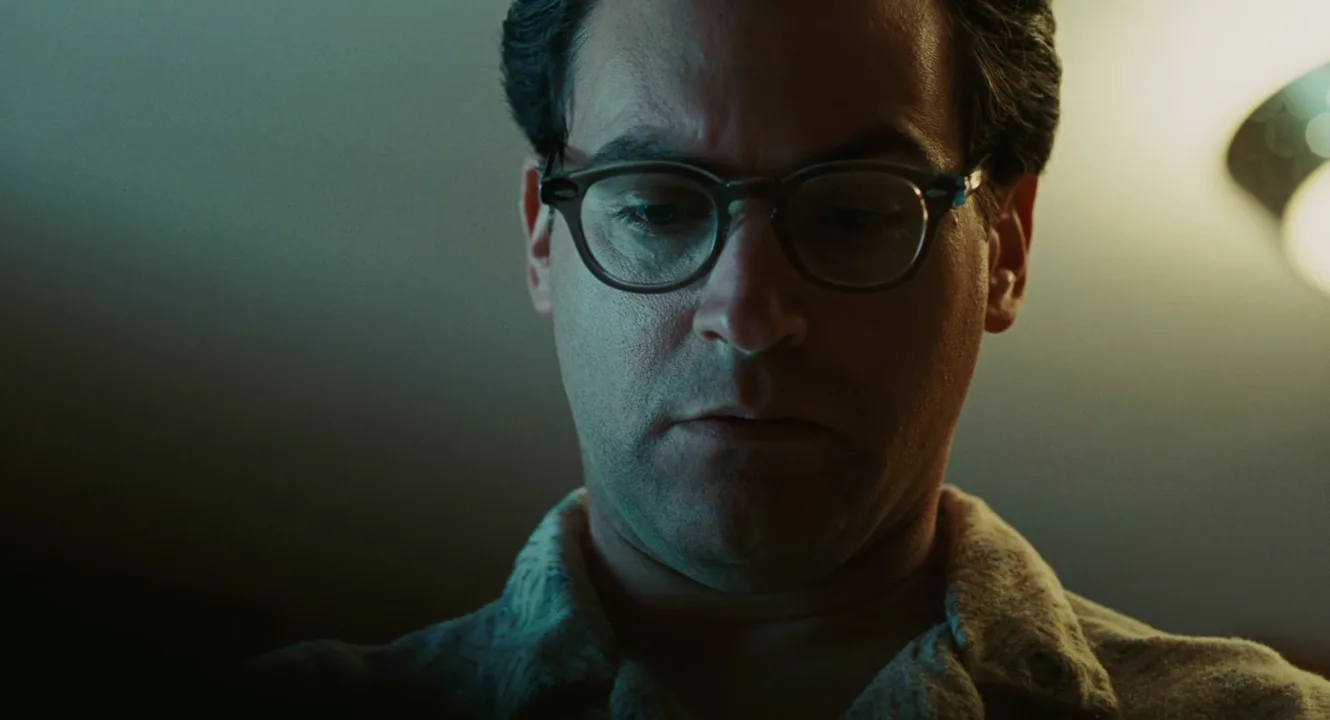
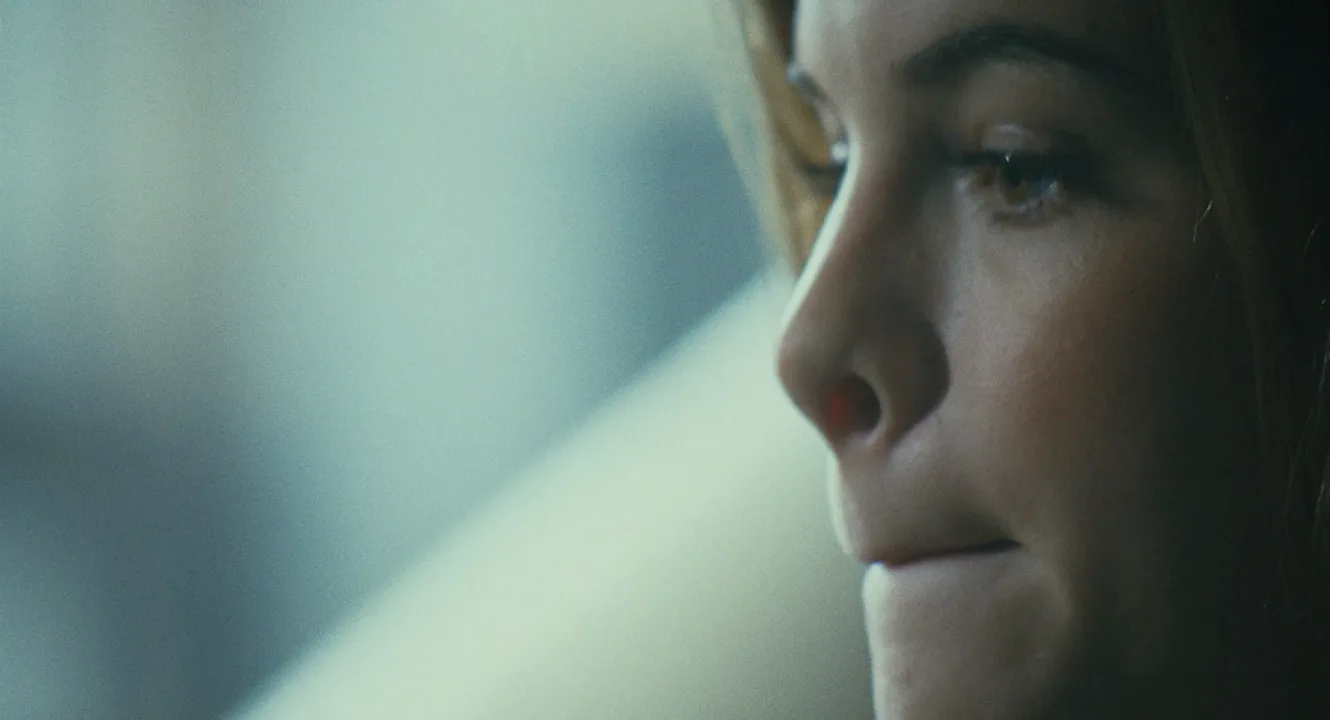
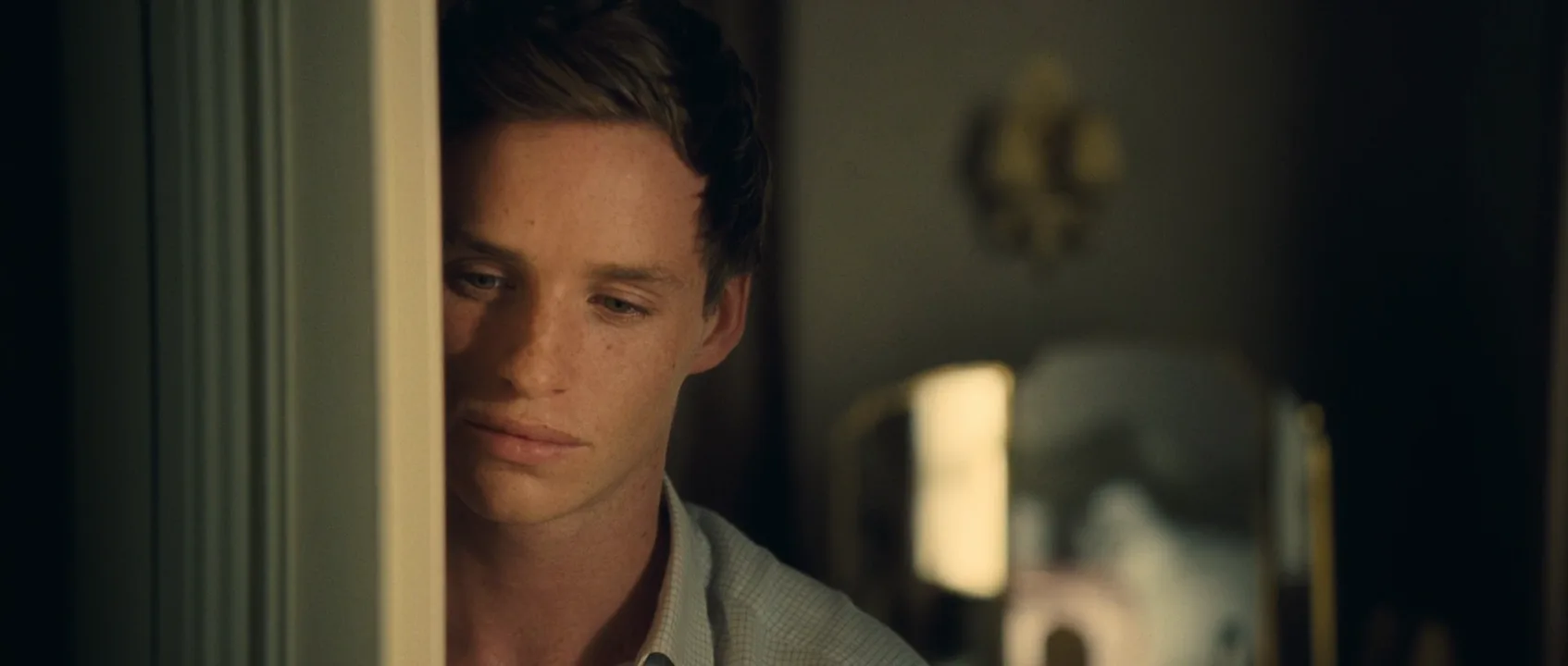
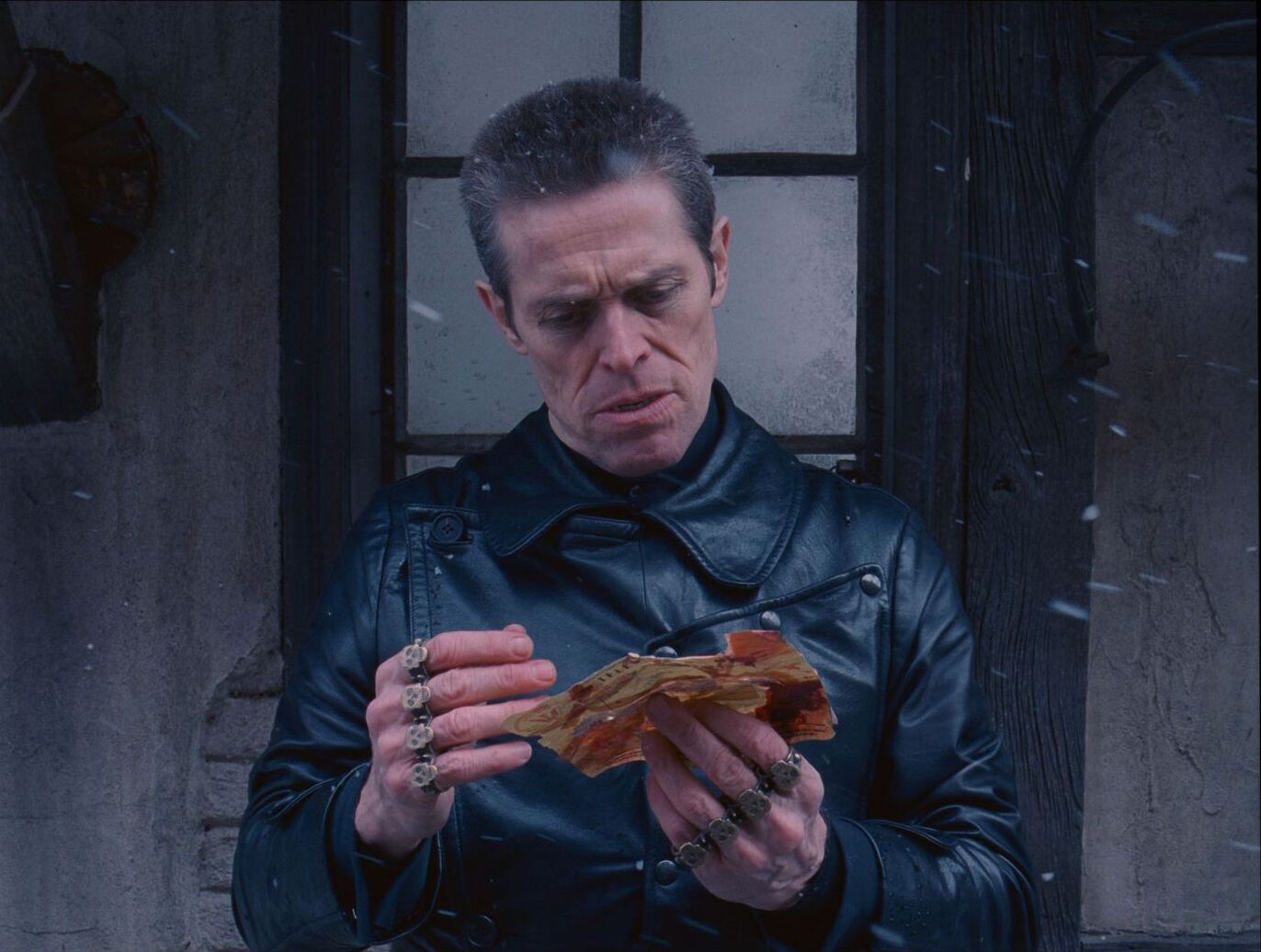
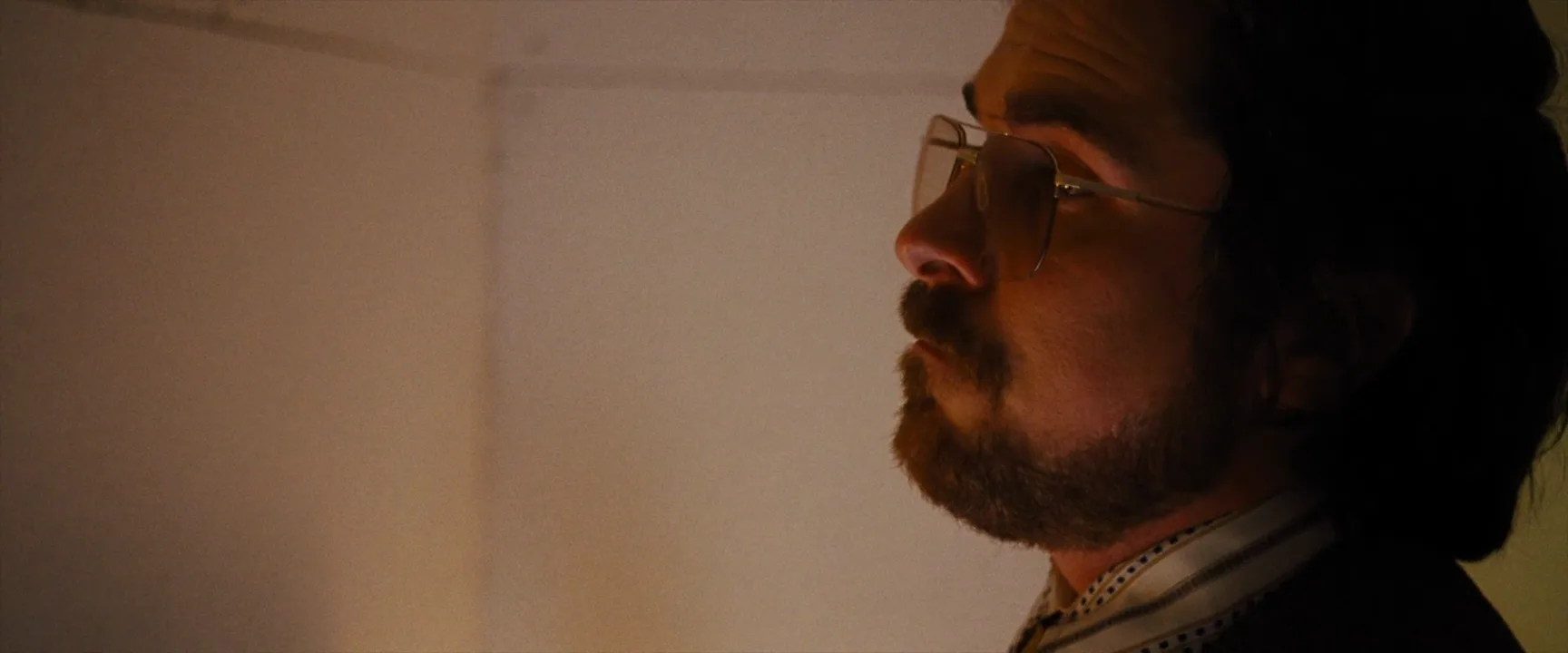
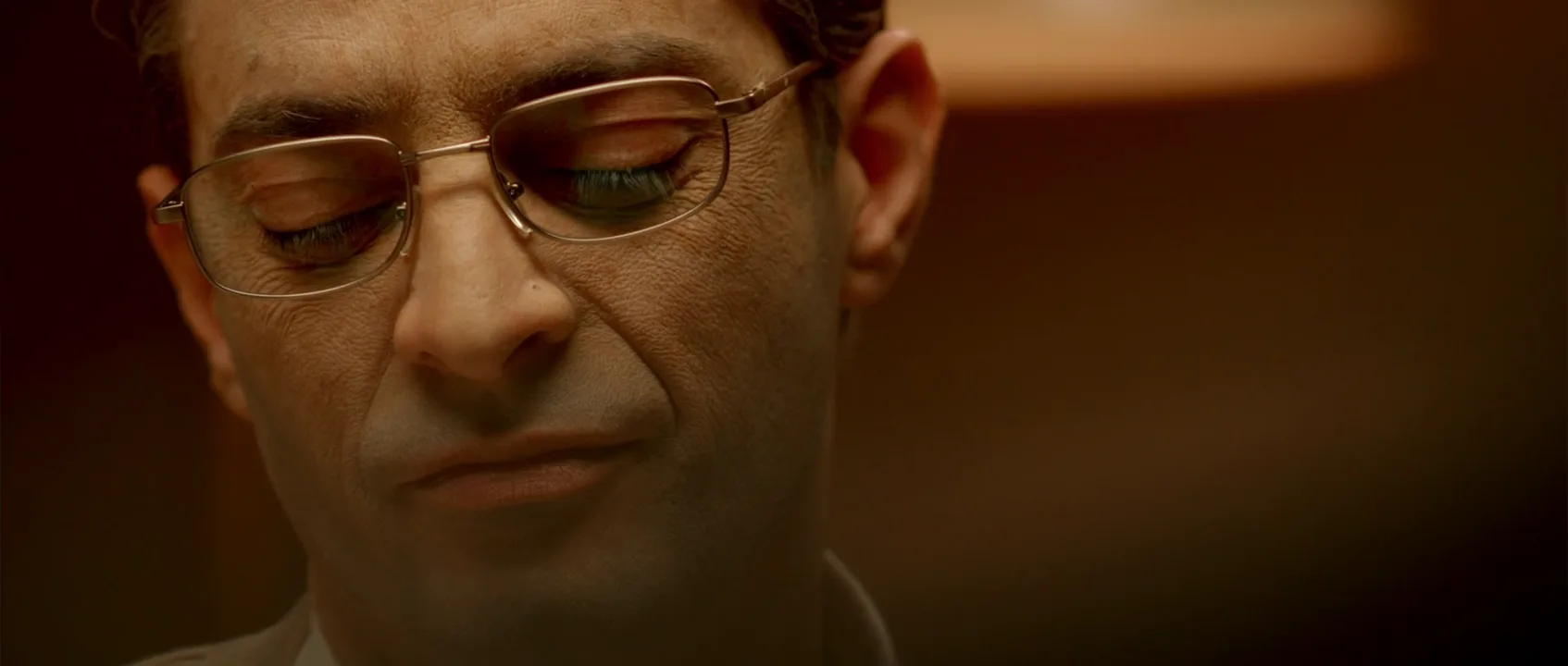
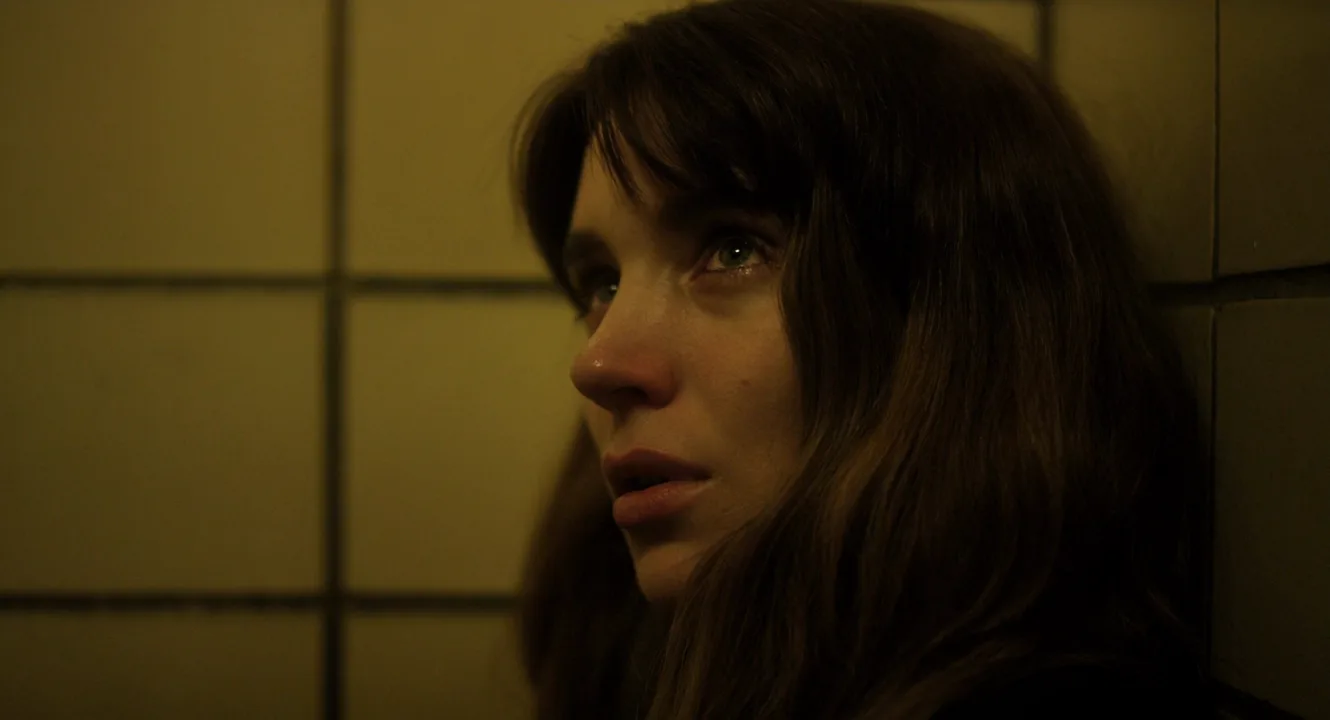
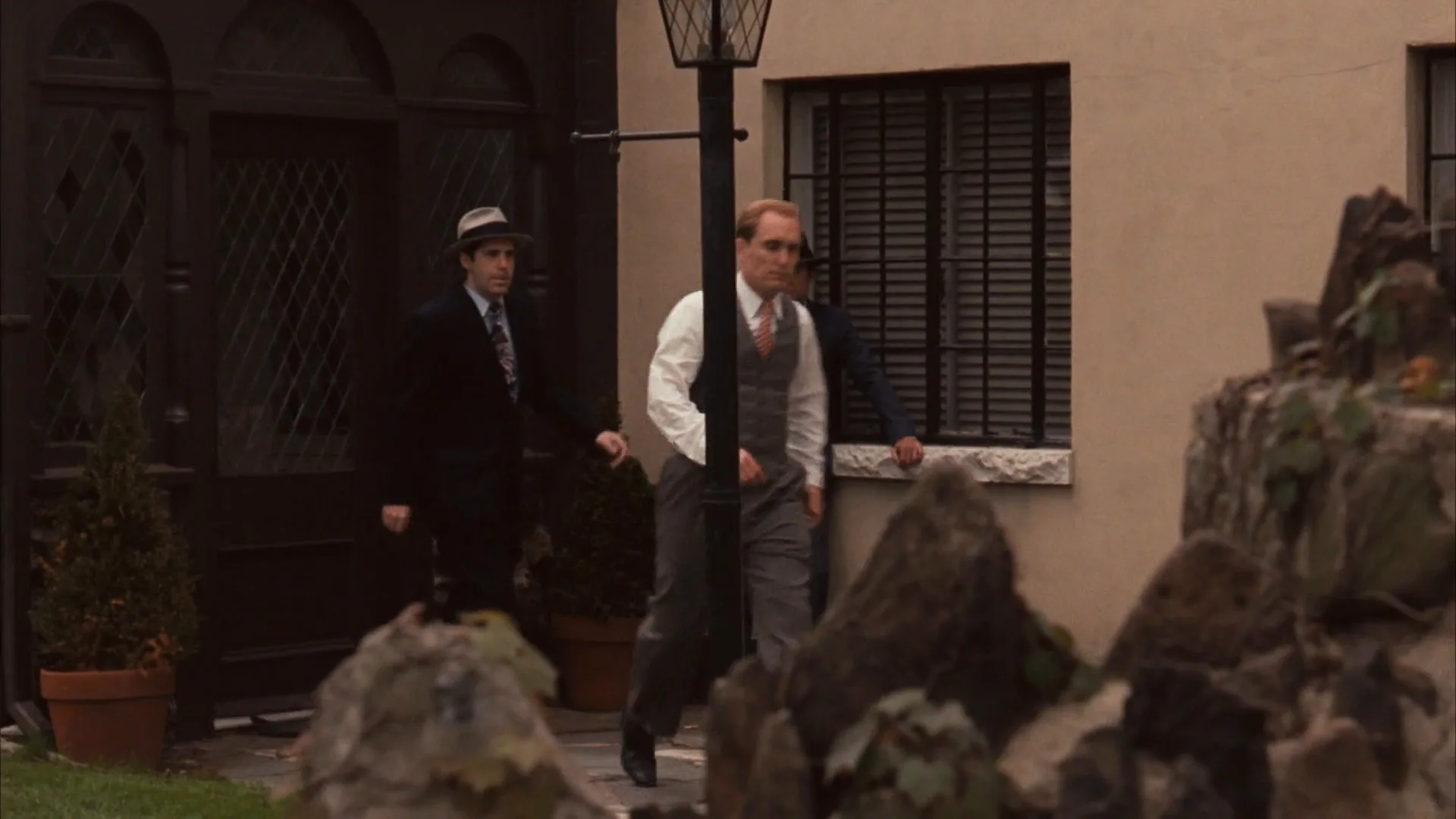
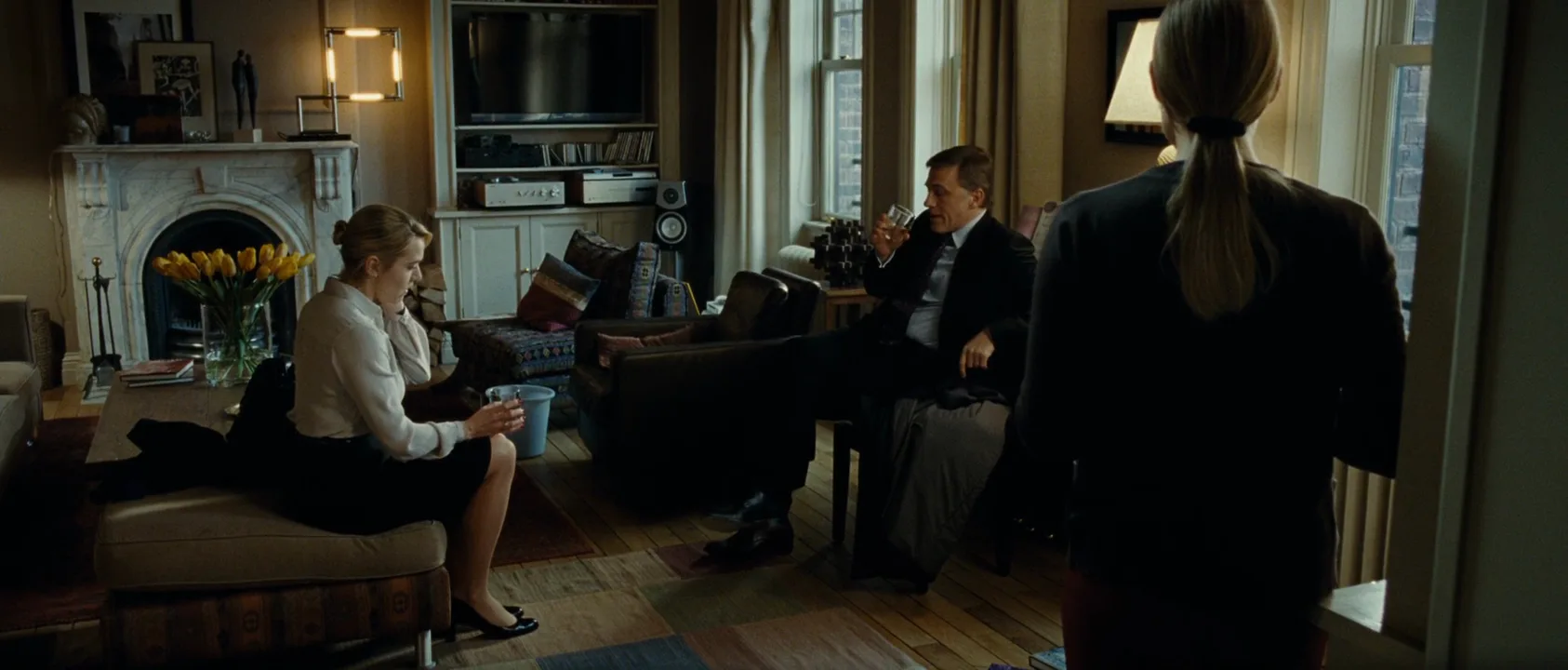
14 framesLook at the shadow edge under the nose and along the cheek in each frame: in every one of these shots it is a gradient, not a line.
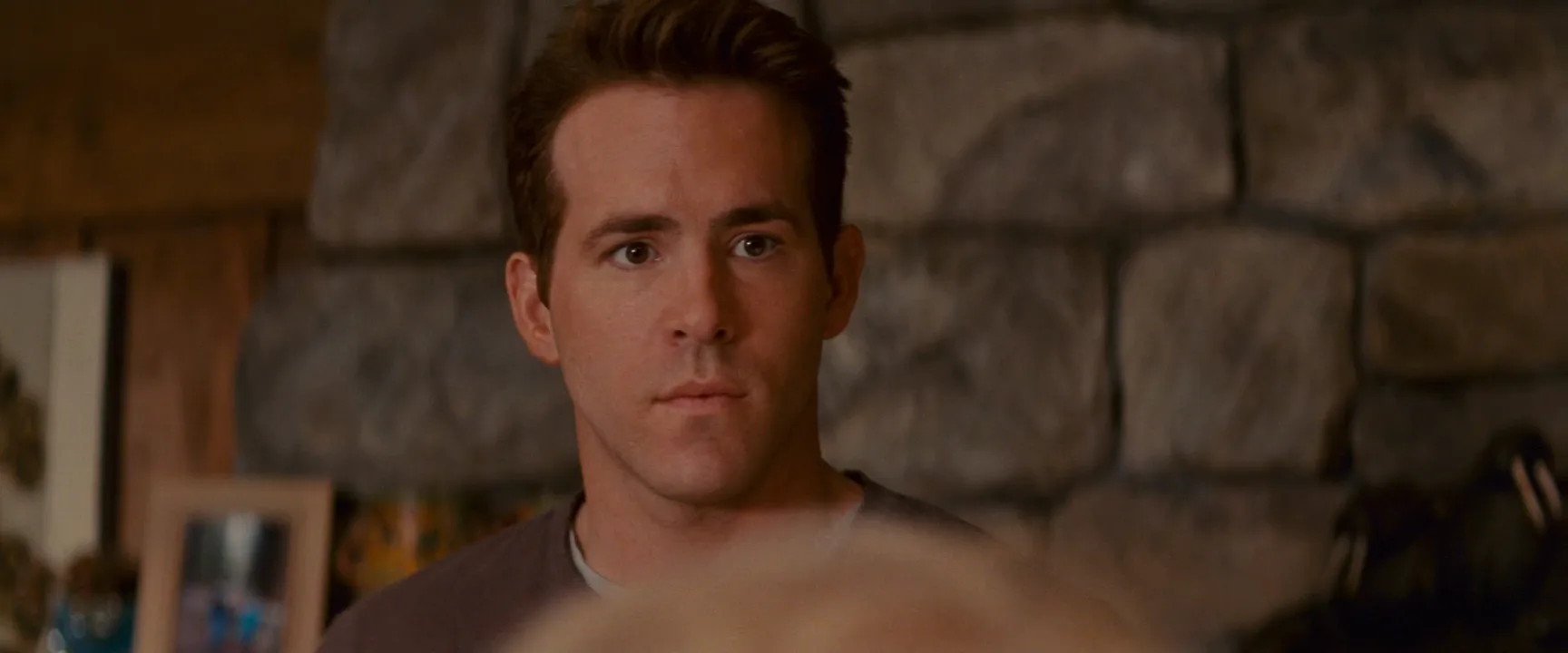
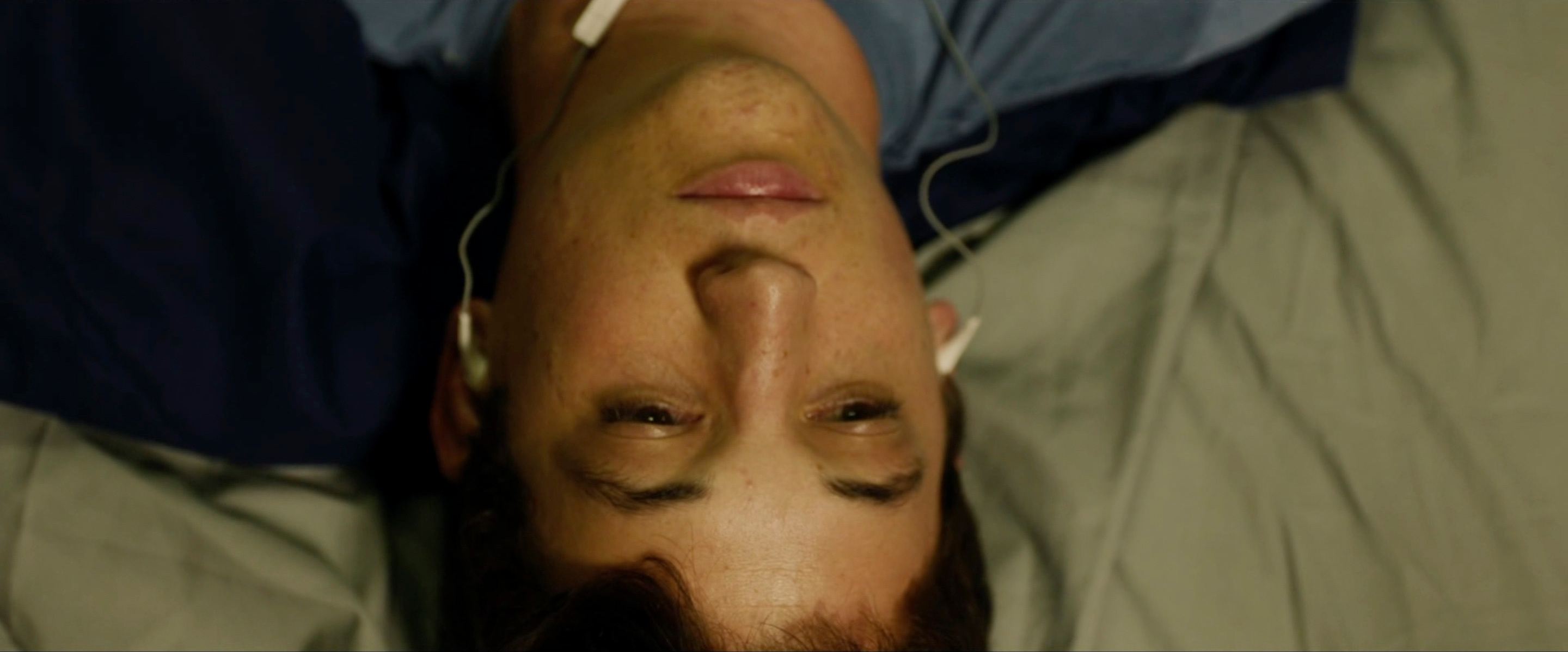
How to create a soft light with AI
4 promptsImage and video models tend to read "soft" as "blurry" or "bright", so a good prompt describes what soft light does: how big the source is, where it sits, how the shadow edge looks and how dark the shadow side gets. In FlashBoards you can pin the film frames above next to your generations on one board and compare the shadow edges take by take before you animate the best frame. The fourth prompt re-shoots a real film shot from a text description alone, and the original plays next to the result so you can compare.
Cinematic close-up of a woman in her early thirties with a short copper-red bob, a small silver ring in her left eyebrow, light freckles and a faint scar on her chin, wearing a moss-green knitted cardigan, sitting at a wooden kitchen table beside a large window on an overcast morning, holding a folded handwritten letter. Soft diffused daylight from the window at frame left, a large soft source that wraps around her cheek and nose, feathered shadow edges, the shadow side of her face one and a half stops darker with visible skin texture, a large rectangular catchlight in each eye. Muted room behind her falling gently into shadow, 50mm lens at eye level, sharp focus on the eyes, natural color, 35mm film grain.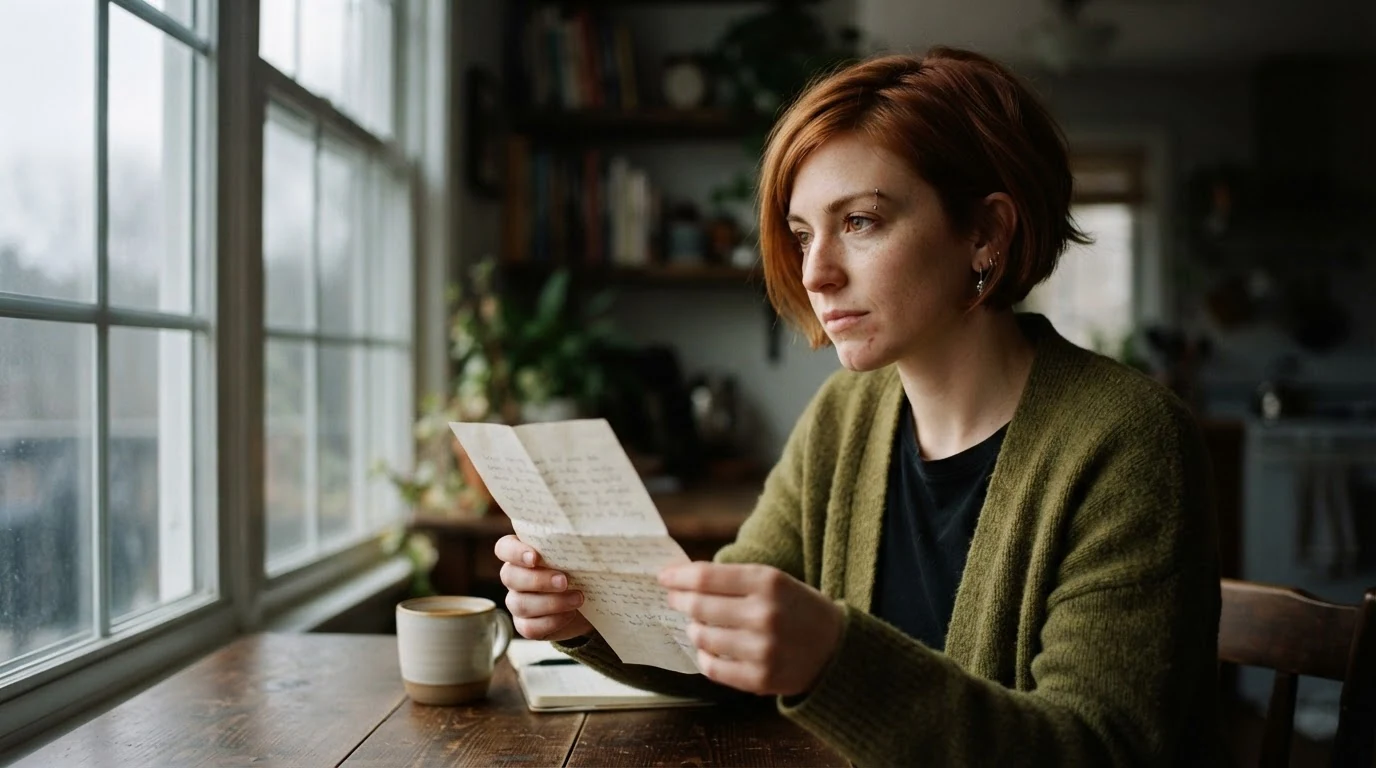
"Large soft source that wraps around her cheek" and "feathered shadow edges" define the quality of light by its result, which models follow better than the phrase "soft light" alone. "Overcast morning" motivates the source and keeps sun shafts out. "Sharp focus on the eyes" separates soft light from soft focus, and "one and a half stops darker" keeps the face from going flat.
Open FlashBoardsAnamorphic widescreen medium close-up of a man in his late fifties with a shaved head, a thick salt-and-pepper beard, a crooked nose and deep smile lines, wearing a brown leather apron over a gray henley, sanding the neck of an unfinished violin at a cluttered luthier's workbench at night. One large soft overhead source high at frame left, like a big diffusion frame just out of shot, with no lamp or light fixture visible anywhere in the frame, gentle wrap across his scalp and cheekbone, no fill, the shadow side of his face dark but with soft edges, the workshop behind him falling off to near black within a few feet. Warm tungsten tone, 85mm lens slightly below eye level, shallow depth of field.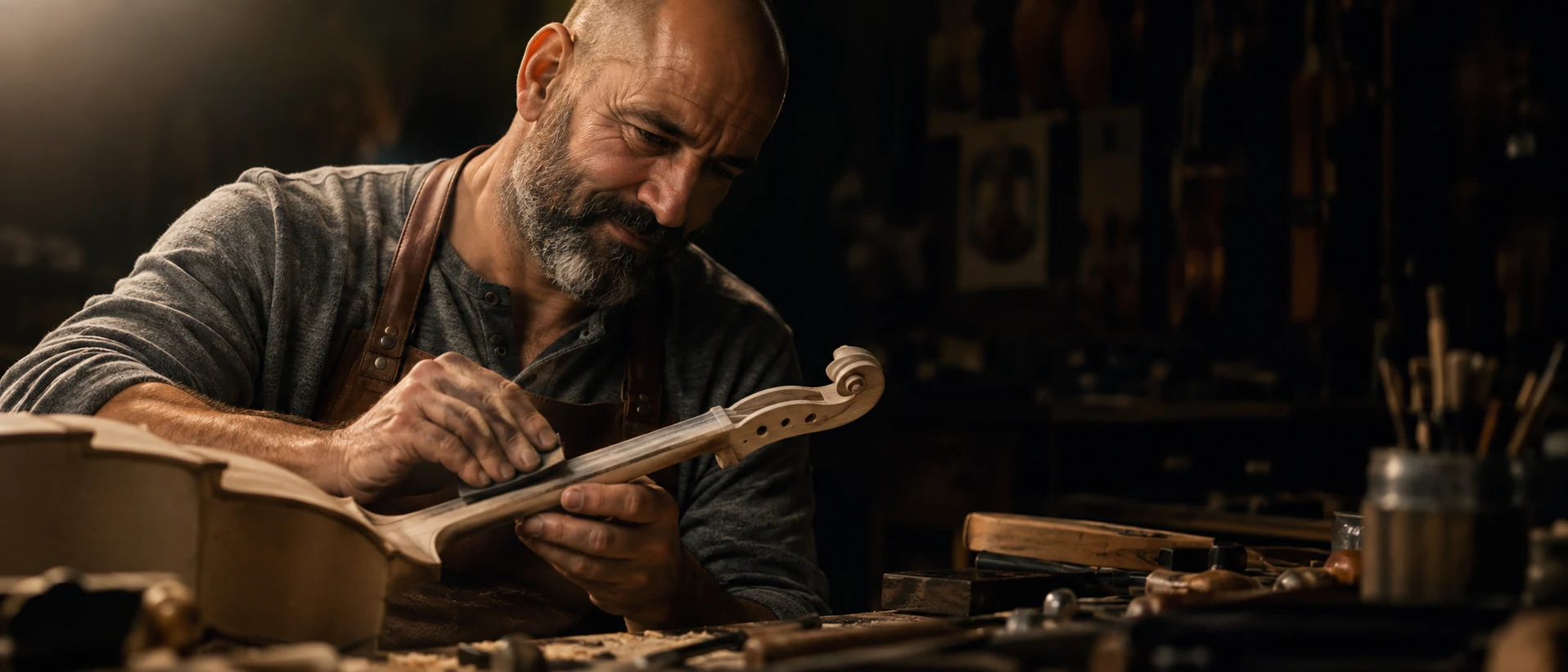
This take shows the low-key side of soft light. "No fill" and "falling off to near black within a few feet" push the contrast up, while "soft edges" and "large soft overhead source" keep the quality soft. Next to recipe 1 on the board, it makes the point that softness and contrast are separate controls.
Open FlashBoardsCamera: a slow, steady push-in from close-up to a tighter close-up, starting immediately and ending on her eyes. Action: she is already unfolding the letter with both hands; she reads the first lines, her lips press together, then she slowly lifts her eyes toward the window on the left and holds the look. The soft overcast daylight from the window stays constant, wrapping gently around her face, with feathered shadows on the right side of her face throughout.The action begins in the first words ("already unfolding the letter"), so the clip moves from frame one. Turning her face toward the window changes how the soft light falls across it, which makes the wrap visible in motion. Repeating the light description at the end keeps the model from brightening the shadow side or adding a hard sun patch during the push-in.
Open FlashBoards{
"output": "Full-screen live-action extreme close-up from The Secret in Their Eyes (2009) from its very first frame: one continuous shot, a single unbroken take. 2000s 35mm color film, fine grain, anamorphic widescreen; a dim wood-panelled interrogation office at night. Soft light: one large, diffused warm key high and slightly in front of his face, a little to frame left; the light rolls across his forehead, cheeks and jaw in slow gradients with no hard shadow edge anywhere; the nose casts only a faint, feathered shadow onto the frame-right cheek; the eye sockets stay open and readable; the frame-right side of his face is only a little darker than the lit side, skin texture and fine wrinkles visible; the wire glasses catch only a dull, gentle sheen. Behind him, far out of focus: dark brown wood on the right with a soft blurred amber band of light across the top right.",
"characters": {
"S1": {
"name": "Ricardo Morales, played by Pablo Rago",
"look": "thin man in his late fifties, short dark hair, dark stubble shadow on his jaw, tired lined skin, thin gold rectangular wire-rim glasses, a pale gray-white shirt collar at the bottom edge",
"voice": "quiet, flat, level, Spanish"
}
},
"shots": [
{
"shot": 1,
"camera": "locked-off, static, eye level, long lens, extreme close-up of S1: his face fills the left half of the frame, the top of his head cut by the top edge, his chin near the bottom edge, the blurred background filling the right half; no camera movement, focus stays on his eyes and glasses",
"action": [
"BEGINNING: alive from the first frame, S1 already speaking, head tilted down toward frame left, eyes lowered to the table below the frame, lips moving.",
"THEN: he finishes the sentence calmly, his head swaying very slightly, eyes still down; his mouth closes and his lips press together, the corners pulling down.",
"THEN: his head sinks a little lower, his eyelids drop almost shut behind the glasses; he stays still, silent, breathing slowly, the light unchanged on his face.",
"THEN: his eyes lift, his head rises and straightens to face the camera more squarely.",
"END: he stares straight ahead just past the lens, eyes open and steady, mouth set in a firm line, jaw tight, completely still."
],
"dialogue": [
{
"speaker": "S1",
"on_screen": true,
"when": "from the first frame, while his eyes are lowered",
"delivery": "quiet, matter-of-fact, almost indifferent",
"line": "<d>[Spanish] Me deshice del cuerpo y, evidentemente, nadie lo extrañó demasiado.</d>"
}
]
}
],
"sound": {
"ambience": "the hush of a quiet office at night, a faint hum of room tone",
"speech": "exactly this spoken phrase, said once, then silence",
"never_spoken": "no narration and no voice-over: the descriptions, performance notes and step words of this prompt are never spoken aloud",
"music": "a film score under the scene, always below the voices: low sustained strings with a slow, uneasy pulse",
"subtitles": "none"
}
}Remakes the static extreme close-up of Ricardo Morales (Pablo Rago) in The Secret in Their Eyes (2009), dir. Juan J. Campanella, DP Félix Monti, keeping the soft top-front key, the lowered eyes, his one Spanish line and the final look up.
The lighting line names the source's size and position and then its results: slow gradients, a feathered nose shadow, open eye sockets, a shadow side only a little darker. Morales speaks his one verbatim line and then goes silent, so the static close-up tests that the soft modelling holds while the face moves.
Open FlashBoardsCommon mistakes
- "Soft" becomes blur. Models often answer "soft light" with a hazy, out-of-focus image. Add "sharp focus on the eyes" and describe the shadows, not the picture, as soft.
- Flat, shadowless faces. Asked for soft light, many models light the face evenly from the front. Name the direction ("from the window at frame left") and the depth of the shadow side ("one and a half stops darker").
- Sun shafts through the window. The word window invites beams and hard patches of sunlight. Motivate the light with "overcast", "north-facing window" or "open shade".
- The softbox appears in the frame. Naming gear can put it on screen. Describe the source as off-camera: "a large diffusion frame just out of shot".
- Light drift in video. As the camera moves, video models may brighten the shadows or add sun. Restate the setup and say that it stays constant.
Keep the reference frames, prompts and every generated take side by side — images and video in one canvas.
FAQ
5 questionsWhat is soft light in film?
Soft light is light from a source that is large relative to the subject — an overcast sky, a big window, a diffusion frame or a bounce board. It lights the subject from many angles at once, so shadows get wide, feathered edges and light wraps smoothly around faces. Filmmakers use it for natural, flattering and intimate images, from romance and drama to television.
What is the difference between soft light and hard light?
The difference is the size of the source as seen from the subject. A large, close source gives soft light: gradual shadow edges, smooth skin, big catchlights. A small or distant source, such as a bare bulb or direct sun, gives hard light: crisp shadows, strong texture and pinpoint highlights. Most scenes use both — for example a soft key with a hard backlight.
How do you make soft light cheaply?
Use what is already big. Put your subject next to a window on an overcast day or in open shade. Bounce a lamp into a white wall, ceiling or a sheet of foam core, or hang a white shower curtain or baking parchment in front of it. Keep the source close to the subject, since the closer it is, the softer the light.
Is diffused light the same as soft light?
Mostly, yes. Diffused light is one way of making soft light: a translucent material spreads the light over a larger area, and that larger area is what softens the shadows. But diffusion only works if the diffused surface is big relative to the subject. A small piece of frost on a lamp far away still gives fairly hard light.
Does soft light mean low contrast?
No. Softness describes the shadow edge, while contrast describes how dark the shadow side is compared to the lit side. A soft source placed to the side with no fill and a dark background gives a moody, high-contrast image with gentle edges. A soft source from the front with plenty of fill gives the bright, low-contrast look of high-key lighting.
Related terms
6- Hard LightLighting
Hard light comes from a small or distant source — a bare bulb, an open fresnel, the midday sun — and throws crisp, sharp-edged shadows with an abrupt jump from light to dark.
- Soft FocusLenses, Focus & Exposure
Soft focus is a deliberately dreamy image in which the subject is still in focus but fine detail and contrast are softened and highlights bloom — produced by special lenses, diffusion filters or even a stocking over the lens, a classic of Hollywood glamour close-ups.
- DiffusionLighting
Diffusion is any translucent material — silk, frost, grid cloth, a softbox front — placed between a lamp and the subject to spread the light over a larger area, softening shadows and wrapping light around faces.
- Bounce LightingLighting
Bounce lighting aims a lamp — or the sun — at a white board, foam core, wall or ceiling instead of at the subject, turning a hard source into a broad, soft fill that wraps around faces.
- High-Key LightingLighting
High-key lighting is bright and even, with plenty of fill and a low key-to-fill ratio, so the frame is dominated by light tones and gentle shadows — the look of sitcoms, comedies, commercials and dreamlike heavens.
- Film LightingLighting
Film lighting is the craft of shaping light for the camera — its direction, quality, color and contrast — to model faces, build space, set the time of day and carry the mood of a scene.
Further reading
Blain Brown, Motion Picture and Video Lighting (Focal Press). · Harry C. Box, Set Lighting Technician's Handbook (Focal Press). · John Alton, Painting with Light (1949).