 FlashBoards Learn
- Learn
- Camera Angles
- Dutch Angle
Camera Angles · Film language
Dutch Angle
Also called: Dutch tilt, canted angle, oblique angle, German angle
A Dutch angle, also called a Dutch tilt or canted angle, is a shot where the camera is rolled sideways around the lens axis, so the horizon and every vertical line run diagonally across the frame. The world looks off-balance, and viewers read it as unease, madness, intoxication or danger.
- What it does
- Knocks the horizon off level so the whole world of the shot feels unstable or wrong.
- Use it when
- A character's mind, a place or a situation is out of balance — fear, drugs, guilt, villainy, chaos.
- Watch out
- Overuse turns tension into mannerism; a 3–5° tilt just looks like a crooked camera.
- Try this prompt
dutch angle, camera rolled 25° clockwise, tilted horizon, man in a narrow hallway, walls and ceiling lights running diagonally
What is a Dutch angle?
A Dutch angle is created by rotating the camera around its optical axis — the line running out through the center of the lens. Cinematographers call this axis roll, next to pan (turning left and right) and tilt (up and down). Roll the camera and the frame no longer lines up with gravity: floors slope, doorframes lean, and a standing person appears to stand on a slope. It is one of the classic camera angles, though unlike the others it has nothing to do with camera height.
That independence matters. A Dutch angle can be combined with any height and any shot size — a canted low angle shot looking up at a threatening figure, a canted high angle shot looking down into a stairwell, or a tilted extreme close-up of a face. The roll adds instability on top of whatever the height already says.
Why is it called a Dutch angle?
The usual explanation is that “Dutch” is an old English corruption of Deutsch, German, because the tilted frame is associated with German Expressionism of the 1920s — films whose sets were already painted with slanted walls and crooked windows. Hollywood absorbed that visual vocabulary through émigré filmmakers, and the tilt resurfaced in 1940s crime pictures and film noir. The other names are more descriptive: canted angle, oblique angle, German angle and Dutch tilt all describe the same roll.
What does a Dutch angle mean in film?
We read a level horizon as normal and stable without thinking about it. Take that away and the brain registers that something is wrong before it can say what. Filmmakers use that reaction in a few recurring ways.
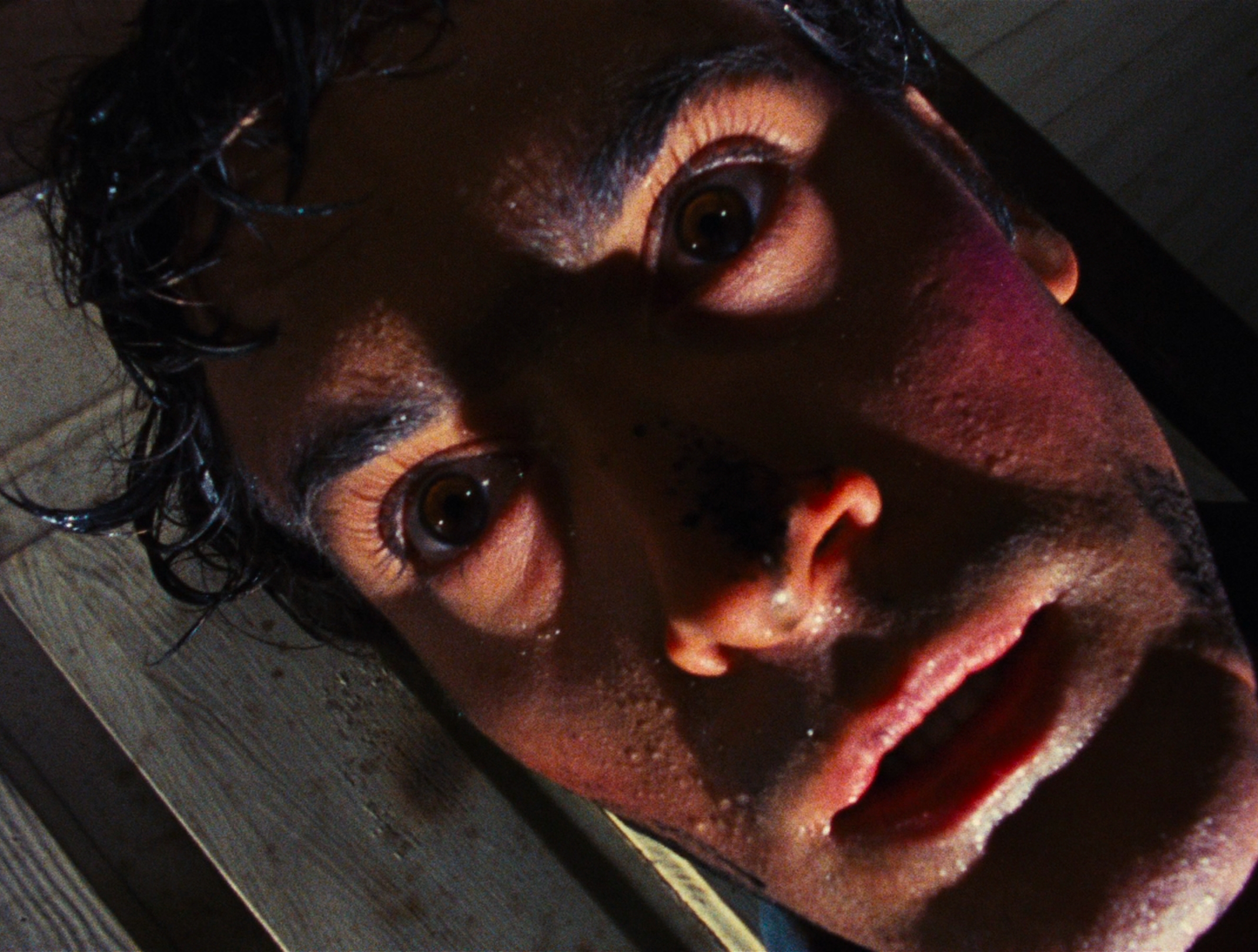
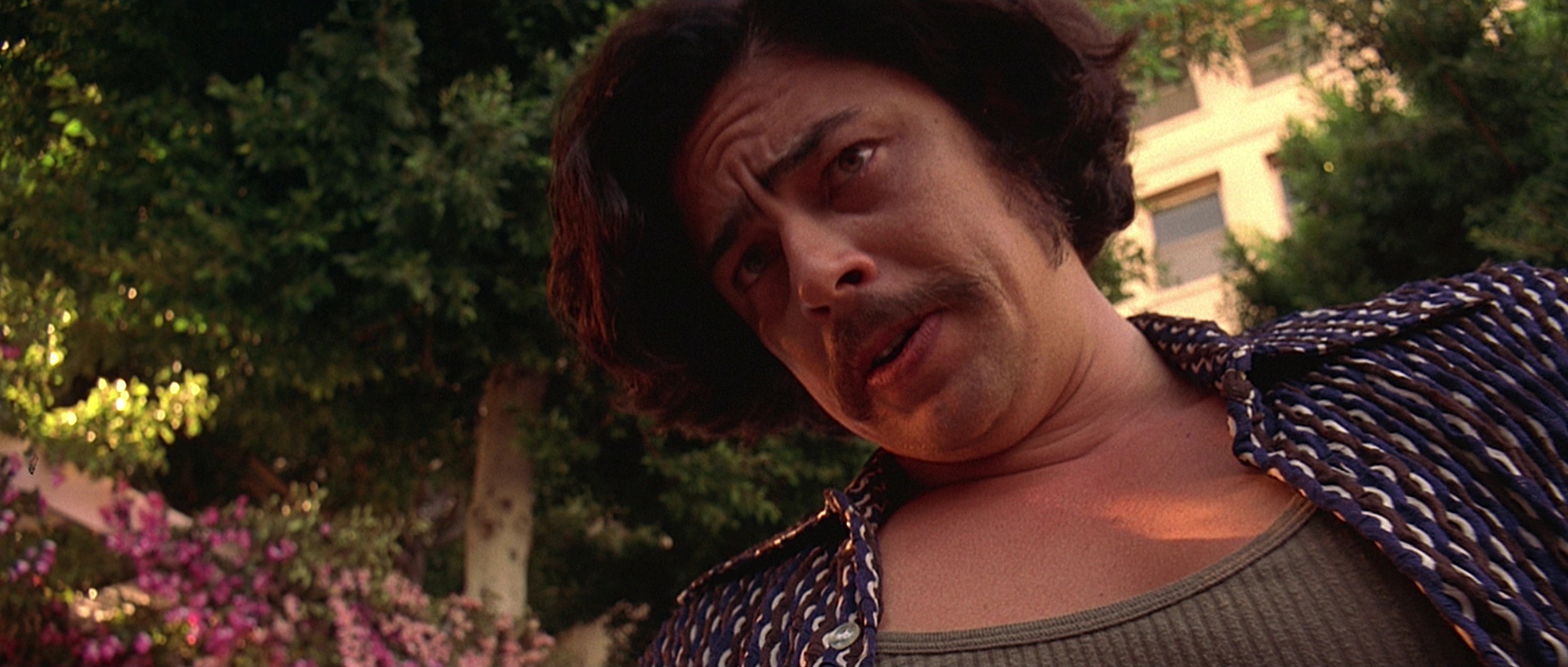
Psychological imbalance. The tilt shows the world as a disturbed character experiences it. Terry Gilliam's Fear and Loathing in Las Vegas (1998) tilts and warps its frames through much of the film to put the audience inside two drugged heads. In horror, Sam Raimi's The Evil Dead (1981) rolls the camera so the cabin itself seems to be losing its grip.
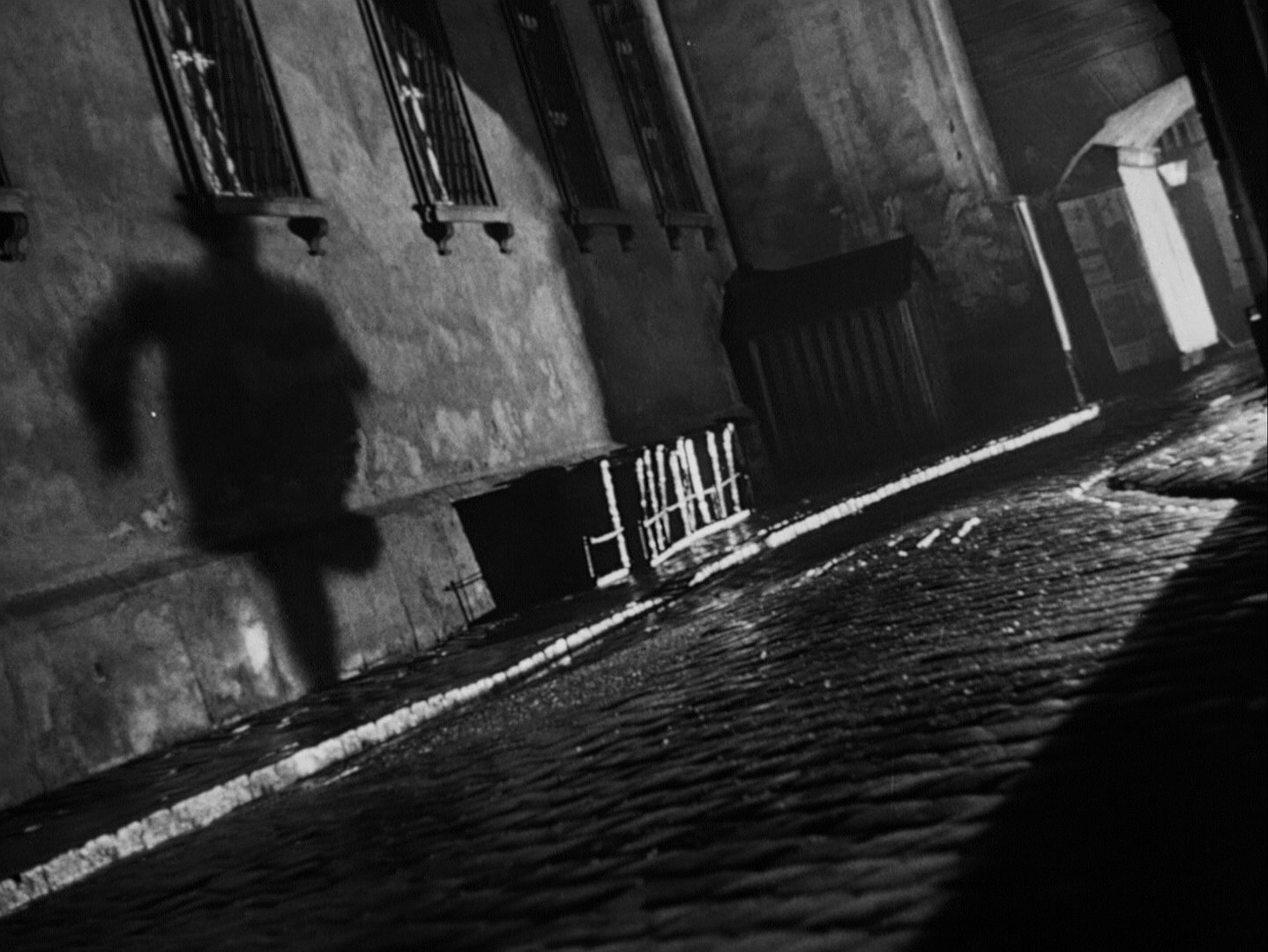
A world out of order. In The Third Man (1949), Carol Reed and cinematographer Robert Krasker tilt shot after shot of postwar Vienna. No one is drunk; the city is simply morally crooked — black markets, betrayed friendships, ruined streets. It is the canonical example of the Dutch angle as a portrait of a place.
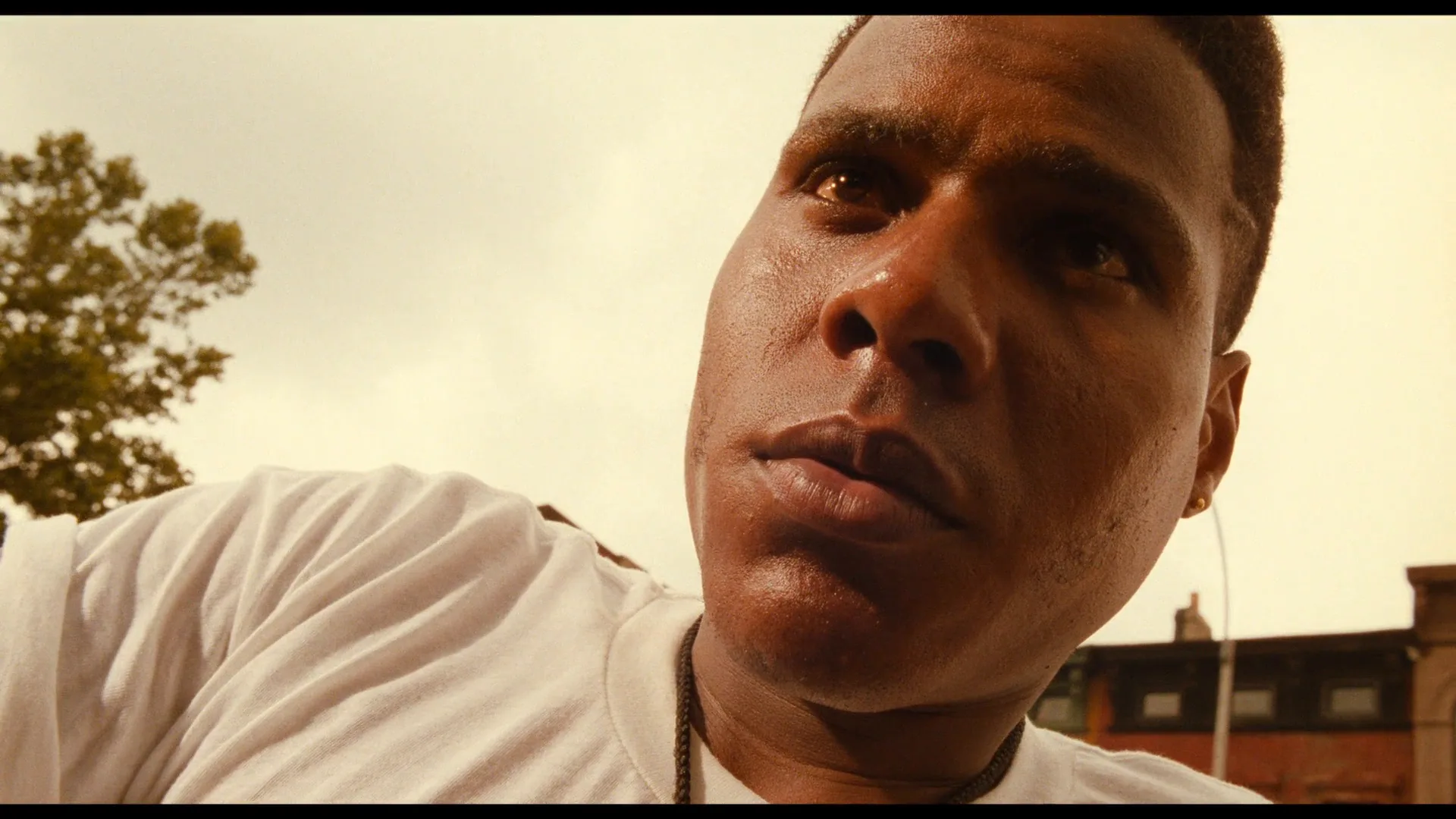
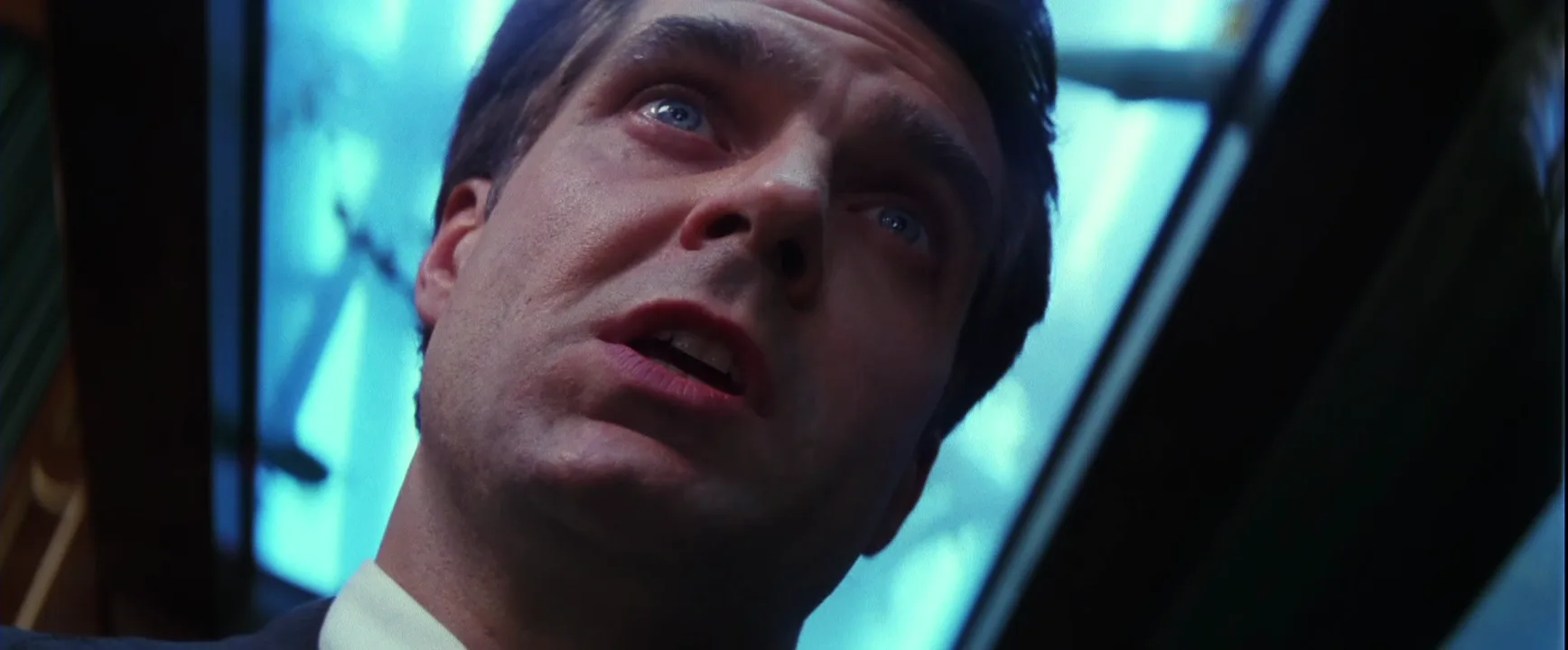
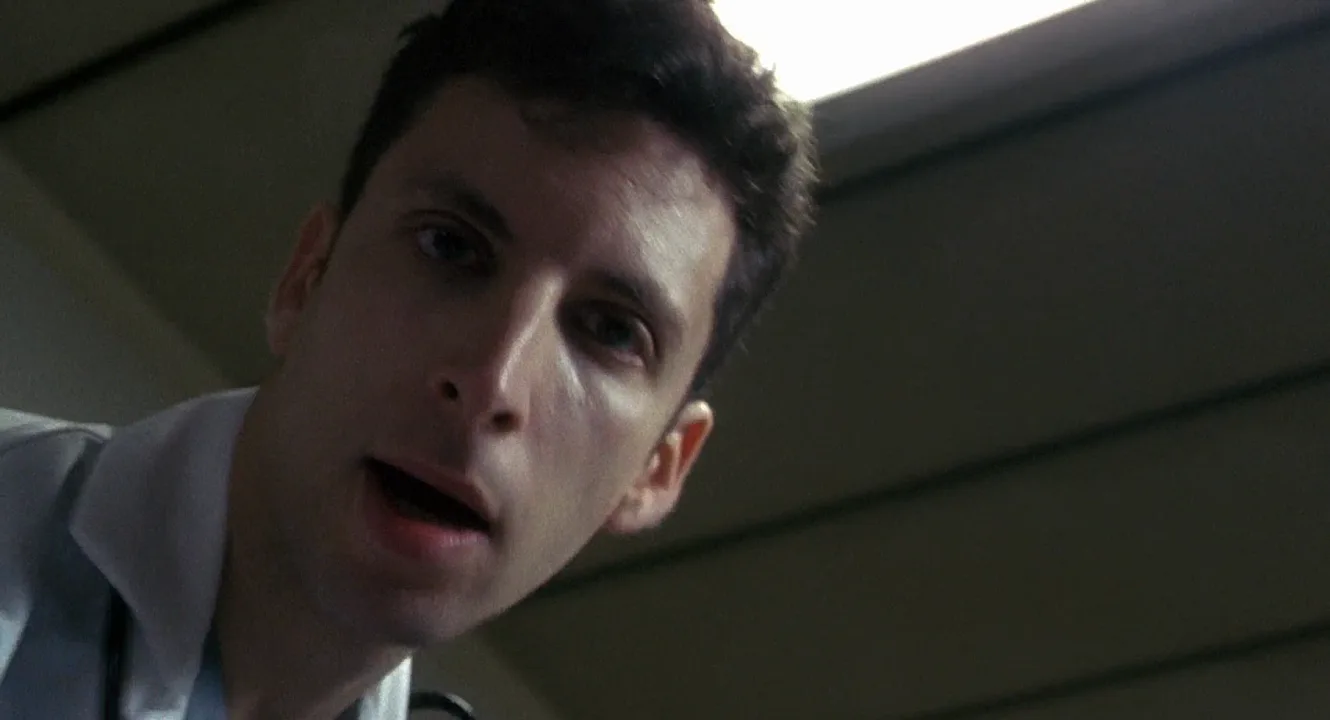
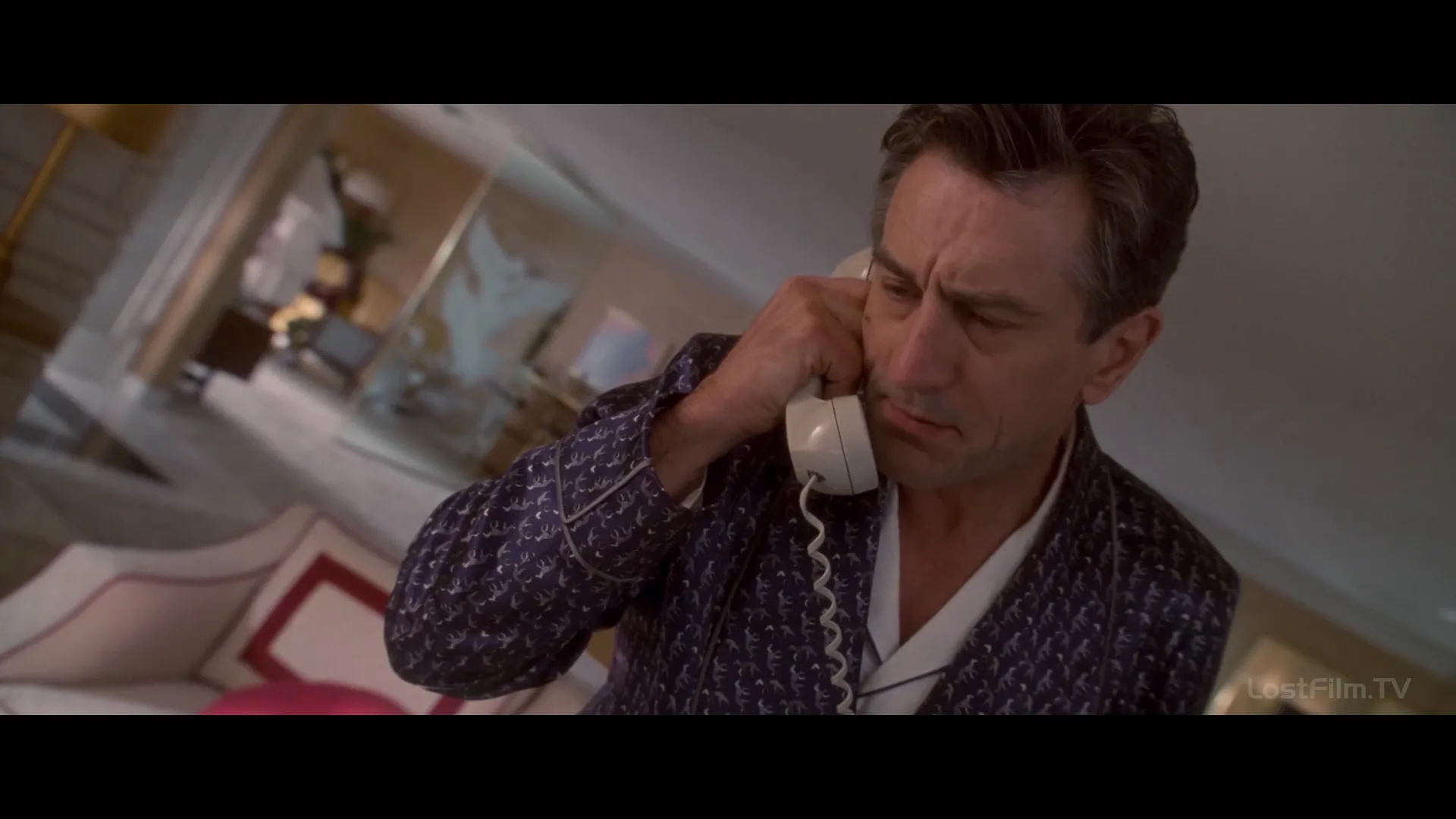
Rising tension. Spike Lee uses canted angles in Do the Right Thing (1989) as the heat and anger on one Brooklyn block build toward violence. Brian De Palma tilts the camera in the restaurant confrontation between Ethan Hunt and Kittridge in Mission: Impossible (1996), as Hunt realizes he has been set up.
Villainy and camp. The 1960s Batman TV series shot its villains' hideouts on a tilt, turning the device into a wink at the audience. That knowing, comic-book use survives in genre films that want to mark a bad guy's space as warped.
Energy. In action cinema a Dutch angle often means little more than dynamism: diagonals feel faster than horizontals, so a tilted wide shot of a car chase or a fight has more push. It is also the easiest use to overdo.
How to shoot a Dutch angle
Degree of tilt. Under about 5° the audience assumes the camera is crooked by accident. Between 10° and 30° reads as a clear, intentional cant. Around 45° the image becomes aggressive and stylized; beyond that the frame starts to look like a rotated photograph rather than a view of the world. Pick a number and keep it consistent within a sequence unless the change is the point.
Gear. A normal fluid head only pans and tilts, so the roll has to come from somewhere else. The classic tool is a Dutch head or Dutch plate — a rotating bracket between head and camera that locks at any angle. Remote heads and three-axis stabilizers have a roll axis you can program; on a gimbal, switch off horizon lock or the electronics will fight you and level the shot. Handheld, simply rotate your body and the rig — the handheld shot is the quickest way to get a loose, nervous cant.
Lens. A wide-angle lens (14–24 mm) makes the tilt more violent, because converging verticals and the roll combine into steep diagonals running into the corners. A long lens with a tilt feels calmer and more graphic, closer to a slanted poster than a falling world.
Direction. Rolling clockwise or counterclockwise changes which way the frame “falls.” There is no universal rule for which reads as worse, but direction matters in editing: in a two-person scene, tilting each character's coverage in the opposite direction sets them visually against each other, while cutting between two shots tilted the same way feels like one continuous warp.
Frame the lines. A Dutch angle only reads if the frame contains lines that should be level or vertical — a horizon, doorframes, windows, a building edge, a corridor. Shot against a blank sky or a dark background, the roll disappears. Block and light the shot so those lines stay visible.
Dutch angle vs. camera roll
Both use the same axis, but one is a position and the other is a move. A Dutch angle is a static roll: the camera is set at a fixed cant and the shot plays out on that tilt. A camera roll is the rotation itself happening during the shot — a slow lean from level to 20°, a lurch as a character loses consciousness, or a full 360° barrel turn.
The effects differ accordingly. A held Dutch angle describes a state: the world is off. A roll describes a change: the world is tipping right now, and the audience feels the motion in their stomach. Filmmakers often combine them by rolling into a Dutch angle during the shot and holding there, so the imbalance arrives on screen rather than being given from the first frame.
Dutch angle vs. diagonal composition
Diagonal lines do not make a shot Dutch. Diagonal composition arranges elements — a staircase, a road, a leaning body, a shaft of light — along slanted lines while the camera itself stays level. The horizon and true verticals remain straight, so the frame feels energetic but stable.
In a Dutch angle the camera is rolled, so everything tilts together, including the lines that should be level. The quick test: find a vertical that should be vertical — a doorframe, a wall edge, a lamppost. If it leans, the camera is canted. If it stands straight while other lines run diagonally, it is a diagonal composition. Many high angle and overhead shots get mislabeled Dutch for this reason: looking down a staircase produces strong diagonals without any roll.
When a Dutch angle goes wrong
The Dutch angle is one of the most parodied devices in film because it is so easy to overuse. Battlefield Earth (2000) is the textbook warning: tilting almost everything drains the tilt of meaning, and the film became a punchline for it. Kenneth Branagh's Thor (2011) drew similar comments for its frequent canted frames.
The device works by contrast with a level world. Save it for the moments that earn it, and consider the arc: a film that starts level and gradually tilts as a character unravels tells a story through the camera; a film tilted from the first frame just has a style. If you want general energy rather than disturbance, try a level frame with strong diagonals, a moving camera or a lens change first.
Dutch Angle examples in film
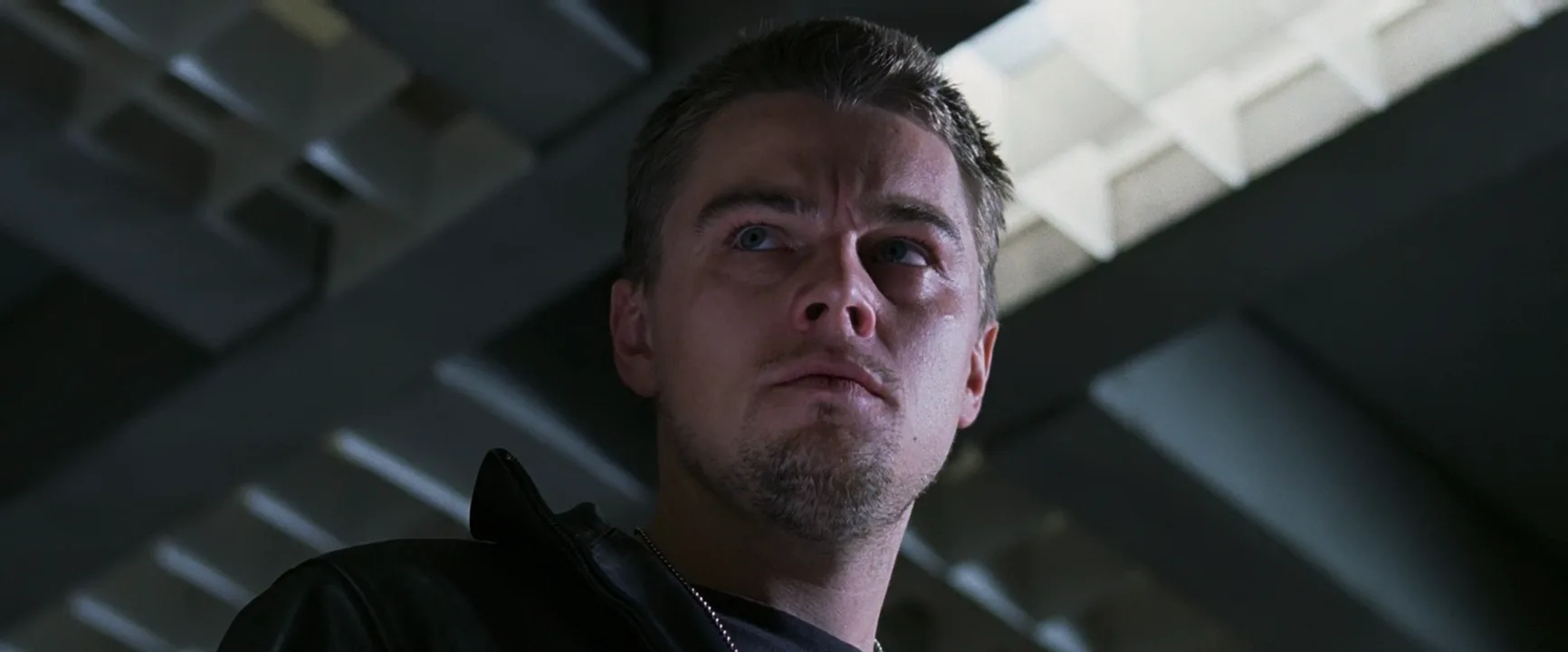
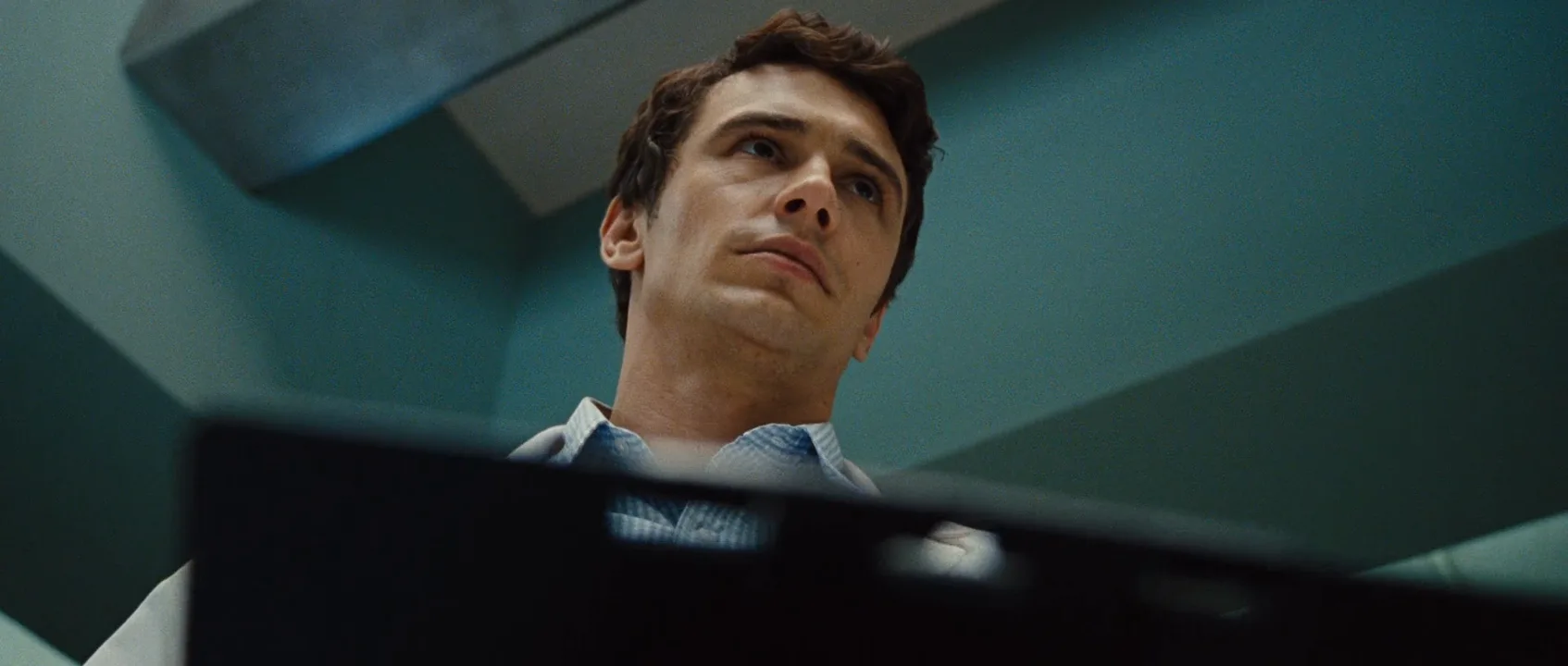
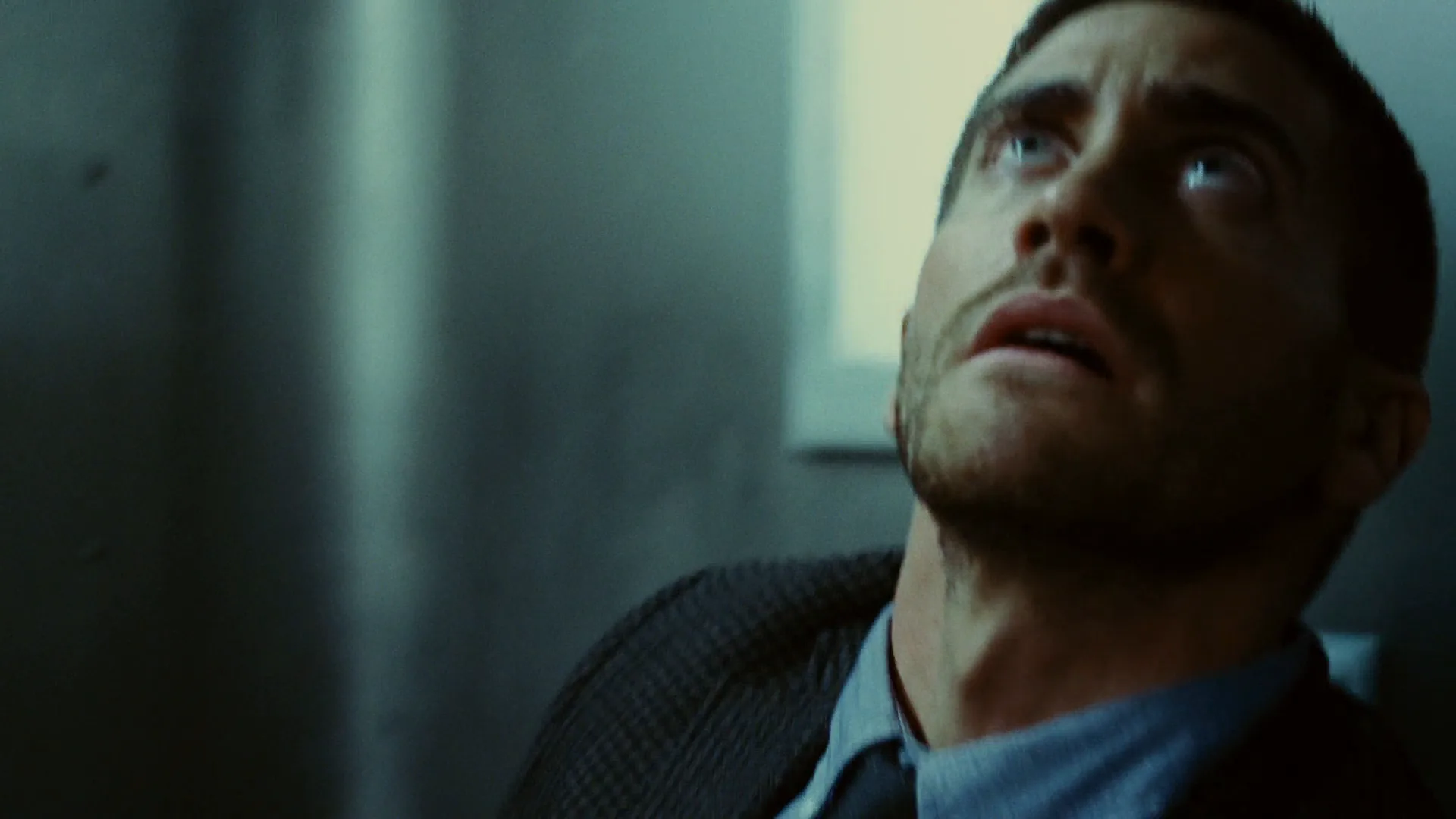
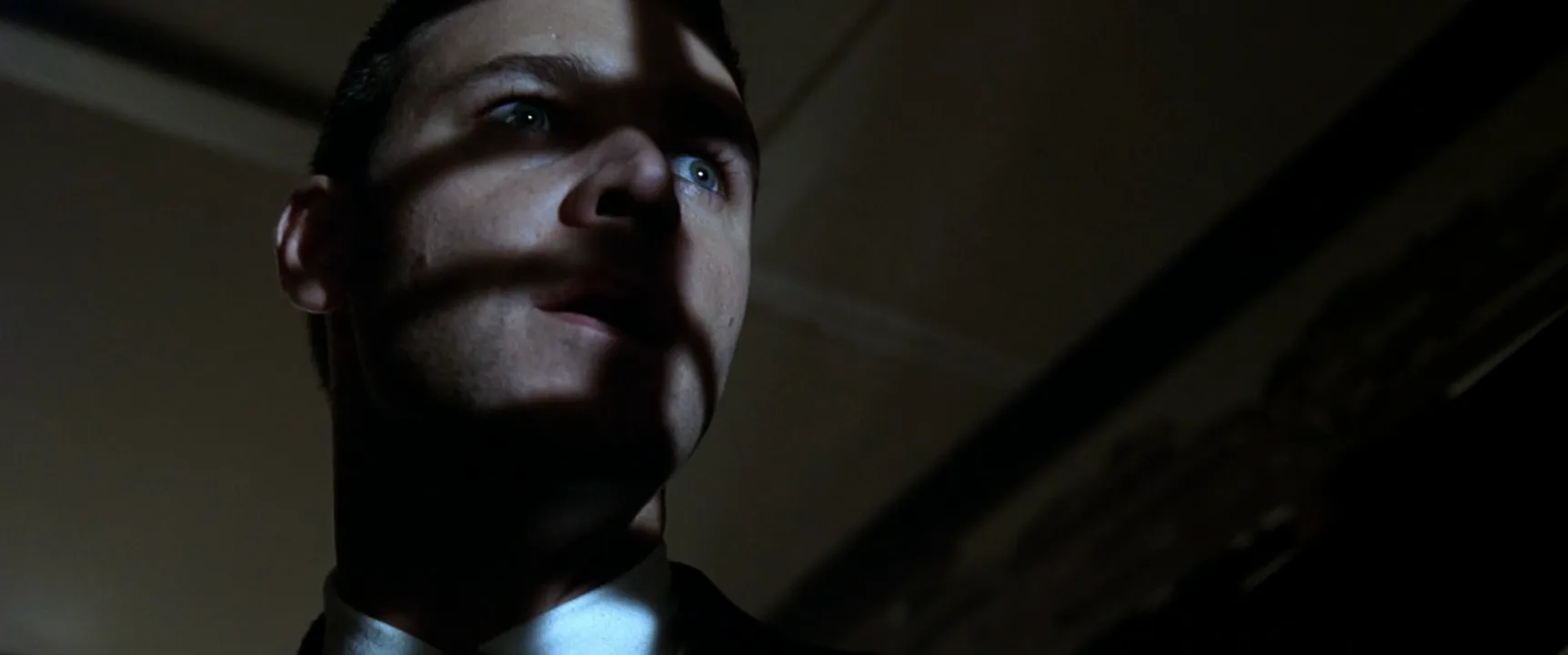
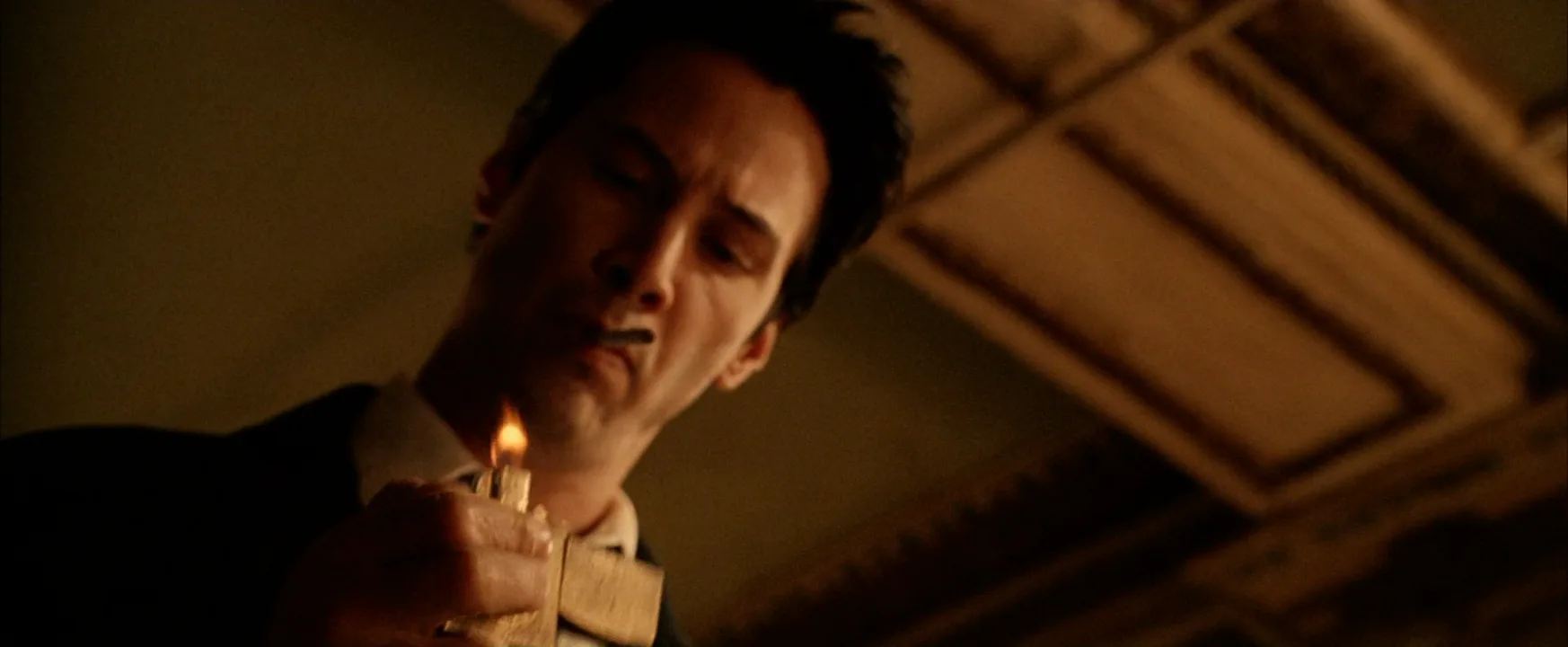
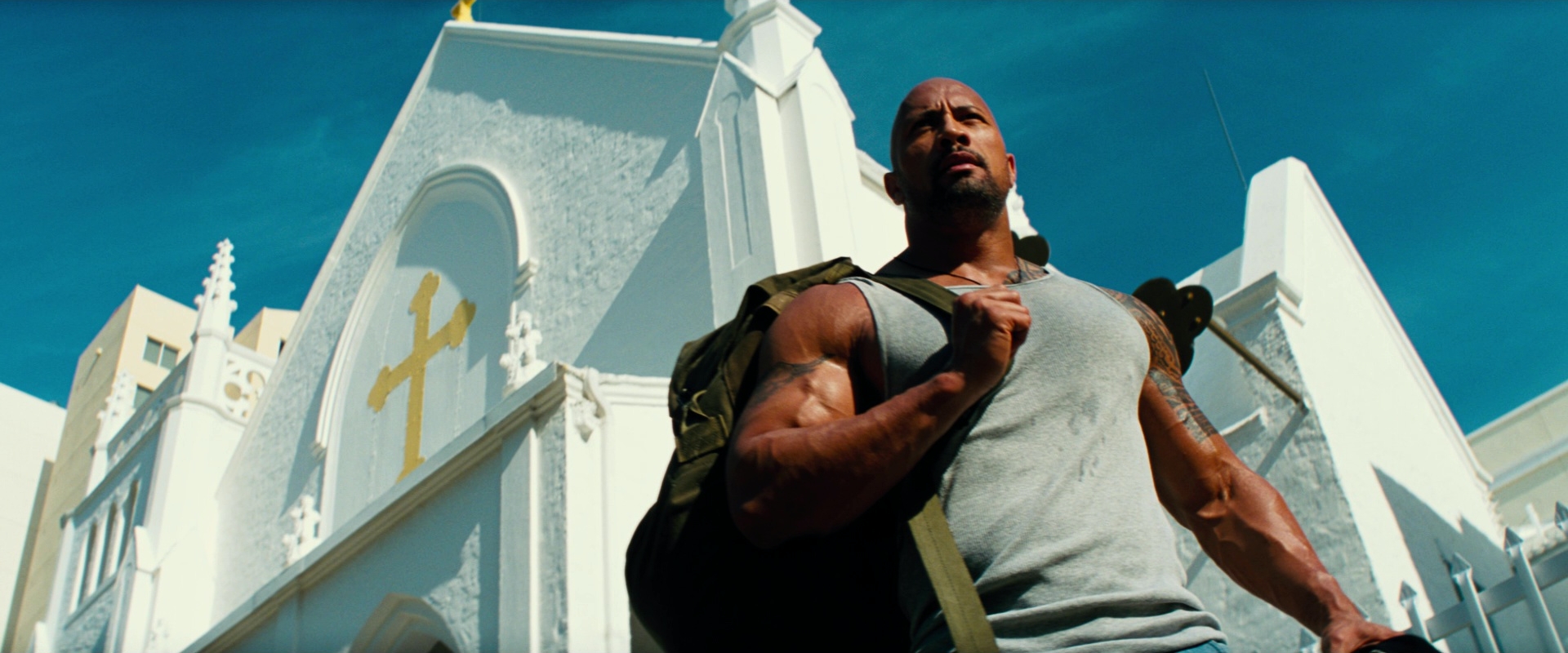
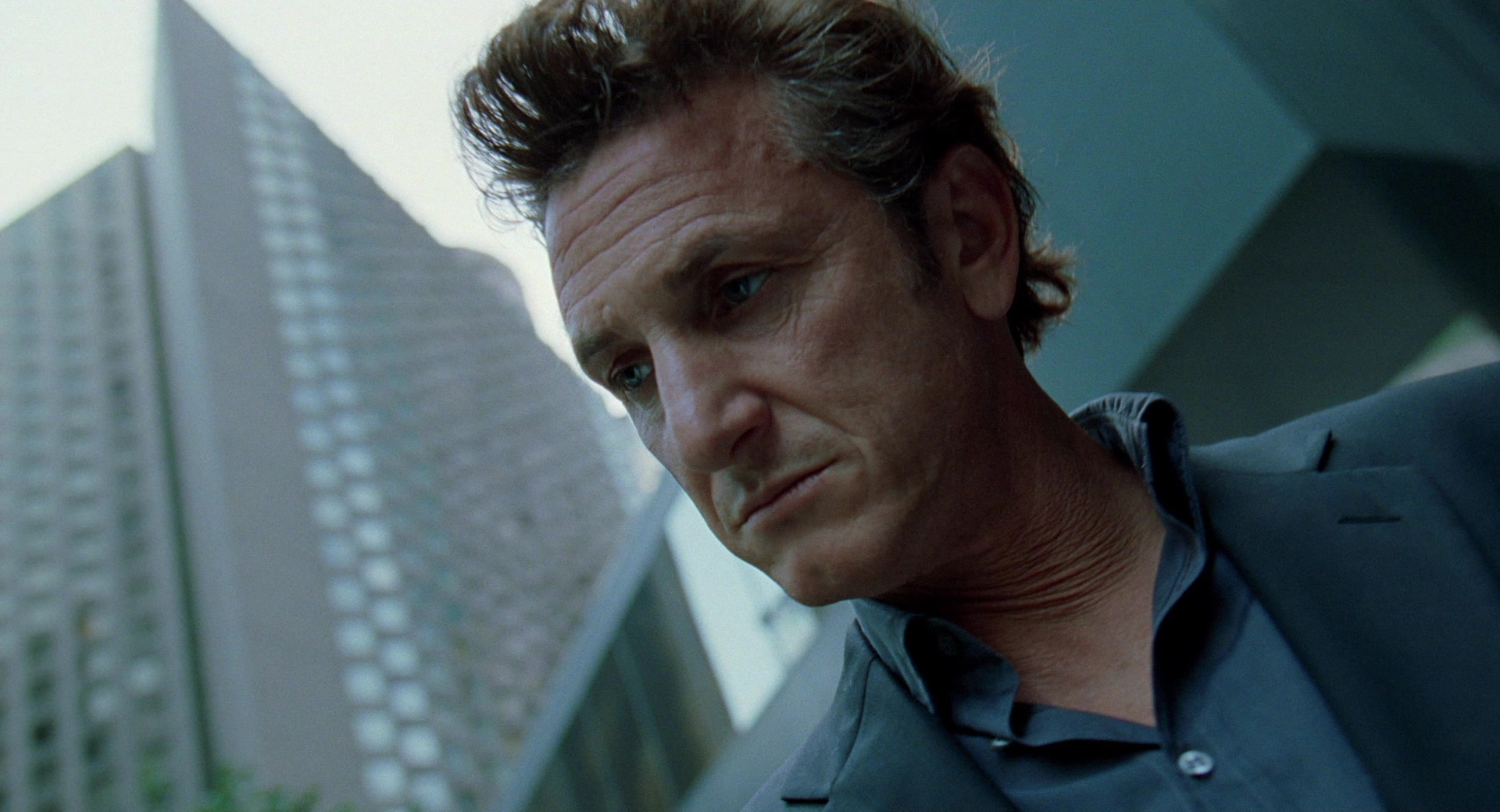
14 framesFourteen frames where the camera is visibly rolled — check the verticals and ceiling lines in each. The tilt turns up across genres and eras, from 1940s noir to horror, crime drama and science fiction.
How to create a Dutch angle with AI
4 promptsImage and video models love a level horizon, so a Dutch angle has to be described as a camera roll with a number, plus lines that make the tilt visible. In FlashBoards, build the start frame with Nano Banana 2 Lite, try a second take with GPT Image 2.5, then animate the frame that reads best with MiniMax H3 Max Turbo — all on one board next to the tilted reference frames, so takes sit side by side. Keep a note of the tilt direction per character so the coverage stays consistent. The fourth prompt re-shoots a real film shot from a text description alone, and the original plays next to the result so you can compare.
Cinematic dutch angle shot, camera rolled 25 degrees clockwise, tilted horizon, a man in a rumpled suit standing in a long narrow hotel corridor, doorframes and ceiling lights running diagonally across the frame, 24mm lens at chest height, sickly yellow practical light, deep shadows, uneasy mood, film still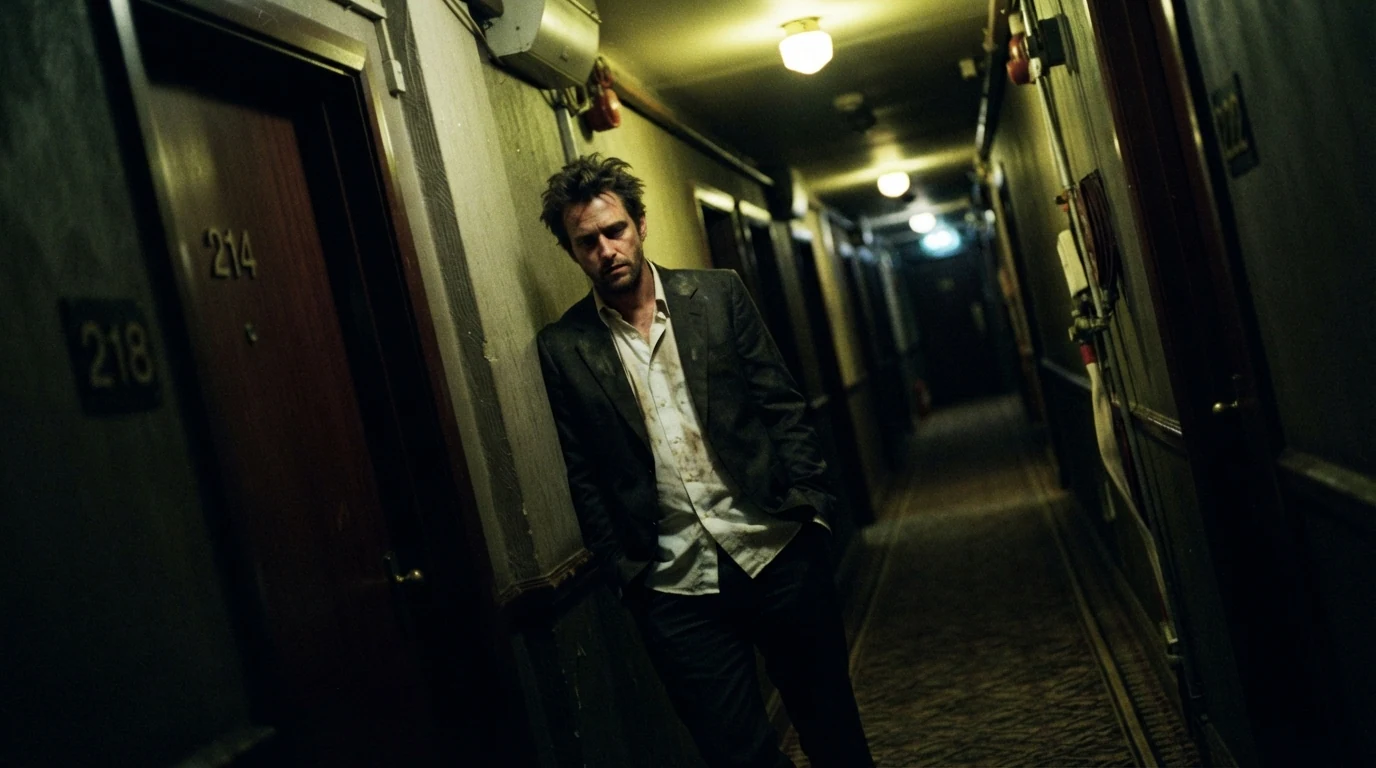
"Camera rolled 25 degrees clockwise" and "tilted horizon" describe the geometry; "doorframes and ceiling lights running diagonally" gives the model the vertical and horizontal lines that make the roll legible. The 24mm deepens the diagonals. This frame is the start frame for the video recipe below.
Open FlashBoardsBlack-and-white night street in a bombed-out European city, 1940s, wet cobblestones, a long shadow of a running man cast on a stone wall, camera canted 30 degrees counterclockwise so the buildings lean and the street slopes steeply, hard single streetlight from low side, high contrast, film noir still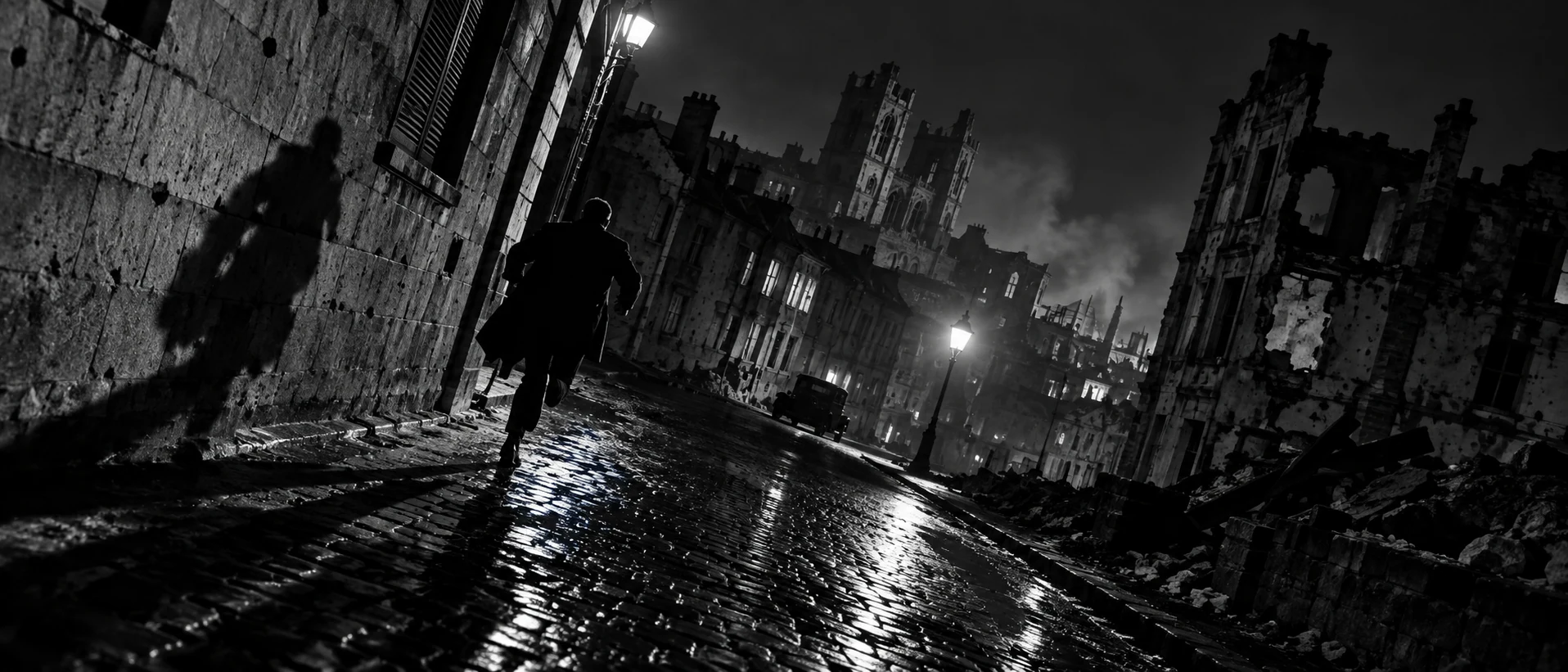
A second take with the opposite roll and a wider frame: "canted 30 degrees counterclockwise so the buildings lean and the street slopes" states both the cause and the visible result, which is more reliable than the phrase "Dutch angle" alone. The hard side light throws the long diagonal shadow.
Open FlashBoardsCamera: starts on the same 25-degree clockwise roll and slowly rolls further clockwise to about 35 degrees while drifting backward down the corridor ahead of the man, keeping the tilt for the whole shot. Action: from the first frame the man is already walking toward the camera, one hand trailing along the wall. In the middle the ceiling lights above him flicker and he glances back over his shoulder. At the end he stops close to the lens and stares into it, breathing hard, the doorframes still leaning behind him.The video starts from recipe 1's frame, so the cant is already there; "keeping the tilt for the whole shot" stops the model from leveling it, and "rolls further to about 35 degrees" turns the held Dutch angle into a slow camera roll, so the imbalance grows on screen. "Already walking toward the camera" makes the shot alive from the first frame, and the three beats — walk, flicker, stop — give the move something to follow.
Open FlashBoards{
"output": "Full-screen live-action scene from Mission: Impossible (1996), from its very first frame: one single continuous shot. Mid-1990s 35mm film with fine grain, 2.39:1 scope frame, an upscale restaurant seen from below: tall glowing glass panels behind and above the man, saturated electric cyan-blue, divided by thin dark frames and crossed by one thick black beam; dark polished wood paneling at the far left edge of frame; his face lit warm from the front and below, the cyan glow rimming his hair; teal, near-black and warm wood-brown palette.",
"characters": {
"S1": {
"name": "Kittridge, played by Henry Czerny",
"look": "man in his early thirties with a wide, pale, clean-cut face and a firm jaw, short dark hair neatly combed back and slightly to one side, heavy dark brows, pale blue eyes, clean-shaven, dark suit jacket, white shirt collar visible at the bottom of frame",
"voice": "smooth, precise, faintly amused and condescending"
}
},
"shots": [
{
"shot": 1,
"camera": "Dutch angle: the camera is rolled about 25 degrees and holds exactly that roll for the whole shot, so the entire picture is visibly crooked, never level: every vertical leans with its top toward the right; S1's whole head and neck lean over like a tilted post, the crown of his head clearly further right than his chin, toward the upper right, his face axis running from his chin at lower left up to his forehead at upper right, parallel to the thick black beam behind him; his eye line slopes down toward the right; the beam runs as one steep diagonal from the top edge near the upper right corner down and to the left to the bottom edge right of centre; the dark wood panel edge at the far left leans the same way. Extreme low angle looking up at S1 from table height, wide-ish 35mm lens, tight close-up from the first frame: his head fills the centre-left of frame, the top of his hair touches the top edge, the collar sits on the bottom edge, bright cyan glass fills the space around his head, the dark beam and shadow fill the right third. Locked-off, static: the tilt, framing and distance stay exactly the same to the end",
"action": [
"BEGINNING: alive from the first frame, S1 already looks down past the lens, just to its left, at a man seated below frame who is never seen; lips closed in a thin, knowing half-smile, brows raised, head still.",
"THEN: his mouth opens, he draws breath and lifts his chin slightly, starting the long line, eyes still looking down past the lens.",
"THEN: mid-line he tips his head back and toward the right side of frame, eyelids lowering, then pauses with lips pushed together, savouring the words.",
"THEN: he brings his head back to the centre and goes on, brows lifting, mouth opening wide on each stressed word.",
"END: he finishes the line slowly and precisely, eyes locked down past the lens, head settling still, the tilted beam and cyan glass unchanged behind him."
],
"dialogue": [
{
"speaker": "S1",
"on_screen": true,
"when": "after his mouth opens and he draws breath, running through the pause and on to the end of the shot",
"delivery": "slow, relishing, with a pause at the dots",
"line": "<d>[English] Max, it seems, has two unique gifts... a capacity for anonymity and for corrupting susceptible agents.</d>"
}
]
}
],
"sound": {
"ambience": "hushed restaurant room tone, faint murmur and cutlery heard from far away",
"speech": "exactly these spoken phrases, each said once, in this order",
"never_spoken": "no narration and no voice-over: the descriptions, performance notes and step words of this prompt are never spoken aloud",
"music": "a film score under the scene, always below the voices: low sustained strings with a faint, uneasy high tremolo",
"subtitles": "none"
}
}Remakes Kittridge's canted close-up from Mission: Impossible (1996), dir. Brian De Palma, DP Stephen H. Burum: the roll leaning his head toward the upper right, the steep low angle, the cyan glass and black beam behind him, and his line from the film, word for word.
The roll lives in the camera field, described by what it does to the picture: the frame is visibly crooked, his head leans over like a tilted post with the crown further right than the chin, parallel to the thick black beam. The first take tilted the wrong way and gave him the off-screen actor's face; the second kept his head level under a slanted ceiling, a diagonal in the set rather than a roll. Locked-off holds the tilt for all ten seconds.
Common mistakes
- Level horizon anyway. Models often ignore "Dutch angle." Give the roll in degrees and add "tilted horizon, verticals leaning."
- Wrong kind of Dutch. The word can pull in windmills, canals or Dutch Golden Age painting. Say "canted camera angle" or "camera rolled" instead of relying on the name.
- Diagonals without roll. Some outputs tilt the subject or the set while the camera stays level. Name a vertical — doorframe, lamppost, window — and ask for it to lean.
- The tilt drifts in video. The video model may level the horizon mid-shot. Write "keeping the tilt for the whole shot" in the
Camera:line, or give the roll a start and an end value. - Frozen start in video. With a vague prompt the model slowly pushes in on a still frame. Put motion in the first line of
Action:and describe only what is already in the start frame. - Blank backgrounds. Against sky or darkness the roll disappears; add architecture or a horizon line.
Keep the reference frames, prompts and every generated take side by side — images and video in one canvas.
FAQ
5 questionsWhat is a Dutch angle shot?
A Dutch angle shot is a shot where the camera is rotated around the lens axis, so the horizon and vertical lines run diagonally instead of level. It can be combined with any camera height and shot size. The tilted frame makes the world look unbalanced, so it is used to suggest unease, madness, intoxication, danger or a situation spinning out of control.
Why is it called a Dutch angle?
The most common explanation is that “Dutch” is a corruption of Deutsch, meaning German. The tilted frame is associated with German Expressionist cinema of the 1920s, whose slanted sets and unsettled imagery influenced Hollywood crime films and film noir. The technique is also called a Dutch tilt, canted angle, oblique angle or German angle — they all describe the same camera roll.
What is the difference between a Dutch angle and a canted angle?
There is no difference. Dutch angle, Dutch tilt, canted angle and oblique angle are names for the same thing: a camera rolled sideways so the horizon is not level. “Canted” is the more descriptive term and is common in European and academic writing, while “Dutch angle” and “Dutch tilt” are the everyday terms on American sets.
What does a Dutch angle symbolize?
It signals that something is wrong or off-balance: a character's mental state, a corrupt or dangerous place, rising tension, or a villain's warped world. The meaning comes from contrast with the level frames around it. Used sparingly at the right moment it is powerful; used constantly, it stops meaning anything and can feel comic.
How many degrees should a Dutch angle be?
Roughly 10 to 30 degrees reads as a deliberate Dutch angle for most scenes. Below about 5 degrees the audience tends to assume the camera is simply crooked. Around 45 degrees the effect becomes extreme and stylized, suited to horror, delirium or comic-book scenes. Whatever you choose, keep it consistent within a sequence unless the change in tilt is the point.
Related terms
4- Camera RollCamera Movement
A camera roll rotates the camera around its own lens axis, so the horizon and the whole image turn inside the frame — from a slow lean to a full 360° barrel roll — to convey disorientation, a shift of power or a stylised transition.
- Diagonal CompositionComposition & Framing
Diagonal composition organizes the frame along a strong slanted line — a staircase, road, body or shaft of light — that pulls the eye from corner to corner and adds energy, tension or movement even with a level horizon.
- Low-Angle ShotCamera Angles
A low-angle shot looks up at the subject from below eye level, making them loom larger against the ceiling or sky — used for power, menace or heroism, or to make a space feel monumental.
- Film NoirFilm Movements & Styles
Film noir is the cycle of 1940s–50s American crime films — named by French critics — defined by fatalistic plots, morally compromised heroes, femmes fatales and low-key black-and-white lighting full of hard shadows.
Further reading
Joseph V. Mascelli, The Five C's of Cinematography (1965) — chapter on camera angles. Blain Brown, Cinematography: Theory and Practice, 3rd ed. (Routledge, 2016). Lotte H. Eisner, The Haunted Screen (1952) — on German Expressionist film.