 FlashBoards Learn
Lighting · Film language
Backlighting
Also called: backlight, back light, backlit, contre-jour
Backlighting puts the light source behind the subject, aimed back toward the camera. It draws a bright outline around hair and shoulders, pulls the figure off the background, makes smoke, dust and rain glow, and, when nothing lights the face from the front, turns people into silhouettes. It is the light of halos, sunsets and interrogation-room haze.
- What it does
- Outlines the subject with a glowing edge, separates it from the background and makes the air itself visible.
- Use it when
- You need depth, a halo of warmth or menace, visible haze, rain or dust, or a silhouette that hides a face.
- Watch out
- Uncontrolled backlight flares the lens and underexposes the face; flag the lens and add fill or bounce from the front.
- Try this prompt
cinematic medium close-up, strong backlight from a low sun behind her head, glowing hair edge, hazy beams, face in soft bounce light, 85mm
What is backlighting in film?
Backlighting is any light placed behind the subject and pointed more or less at the lens. In a classic film lighting setup it is the third member of three-point lighting, next to the key light that models the face and the fill light that controls shadow density. The key tells you what someone looks like; the backlight tells you where they end and the world begins.
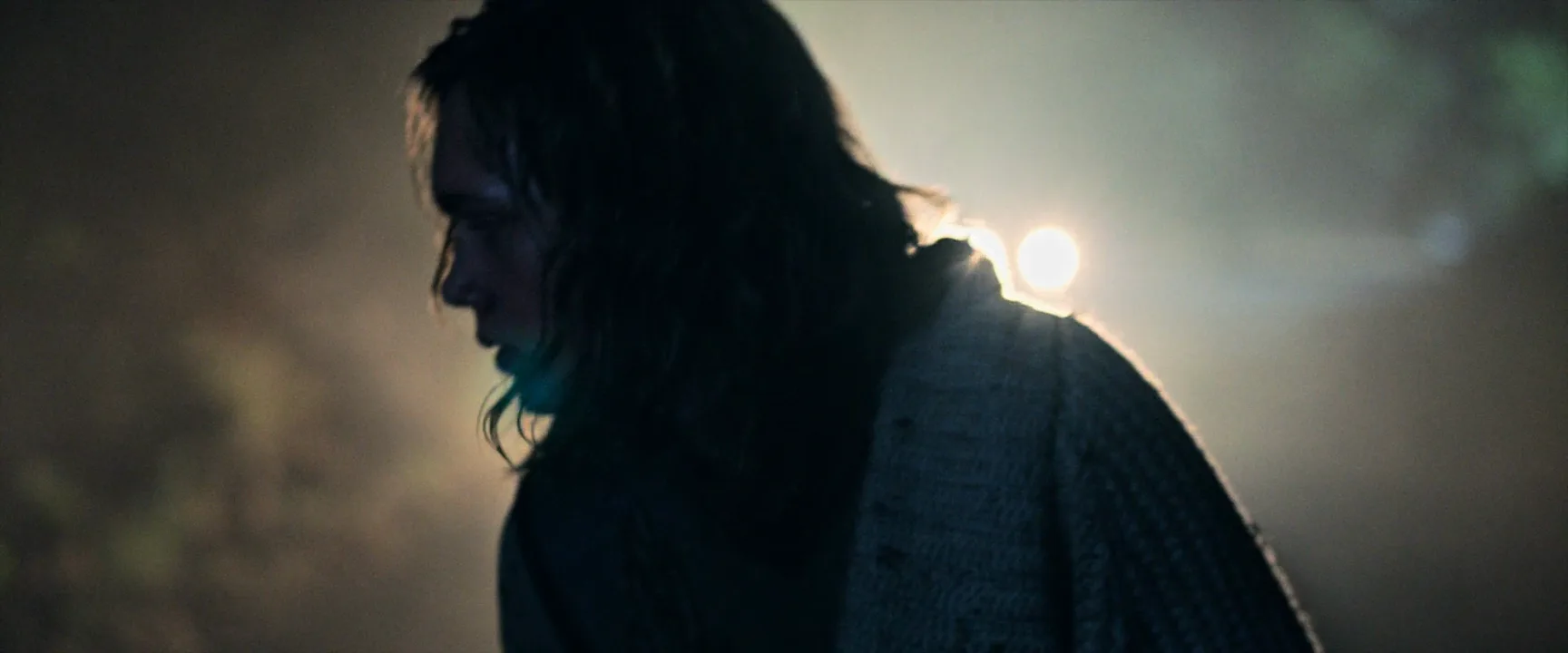
What the backlight actually lights is the edge of things: stray hair, the curve of a shoulder, the brim of a hat, the fibers of a wool coat. Anything thin or translucent glows (hair, smoke, steam, leaves, raindrops, dust, a wisp of cigarette smoke), because light passing through or skimming a surface toward the camera is far brighter than light bouncing off it.
Photographers call the same idea contre-jour, French for “against the day”: shooting into the light instead of with it behind you. On set the words are used loosely: a “backlight” can be a 4K HMI on a high stand behind an actor, a practical lamp in the background, a window, the sun or a streetlight through fog.
What does backlit mean?
A subject is backlit when its main light comes from behind relative to the camera, whether that is a deliberate lamp or simply the sun in the lens. In a backlit shot the brightest part of the frame sits behind the person, so the camera has to choose what to expose for.
- Expose for the face. Open up until skin is correct; the background and edges burn toward white. This gives the airy, glowing look of backlit portraits and golden hour scenes, and often tips into deliberate overexposure.
- Expose for the background. Stop down to keep the sky or window detailed; the face drops into shadow and eventually into a full silhouette.
- Balance the two. Add fill from the front (a bounce board, a soft source, a reflector) so the face sits one or two stops under the rim and both read.
Most backlit shots in movies are the third kind: the edge is clearly the hottest thing on the actor, but the eyes still read. How far you let the balance slide is a story decision, not a technical one.
Why do filmmakers use backlighting?
Separation and depth. A dark-haired actor against a dark wall merges into it. A backlight cuts a bright line between them and restores the third dimension, which is why the backlight became standard in studio-era portraiture and still anchors most interview setups.
Atmosphere. Haze, smoke and rain are nearly invisible when lit from the front and blaze when lit from behind. The smoky rooms of Blade Runner (1982) and the light pouring through the open doorway in Close Encounters of the Third Kind (1977) are both backlight working on particles in the air. Productions routinely backlight rain for the same reason: front-lit rain barely registers on camera.
Warmth, memory and grace. A low sun behind the actors wraps them in gold. Days of Heaven (1978) built its look on magic-hour backlight in the wheat fields, and Emmanuel Lubezki's work with Terrence Malick keeps turning the camera toward the sun. The halo reads as tenderness, nostalgia, sometimes the sacred.
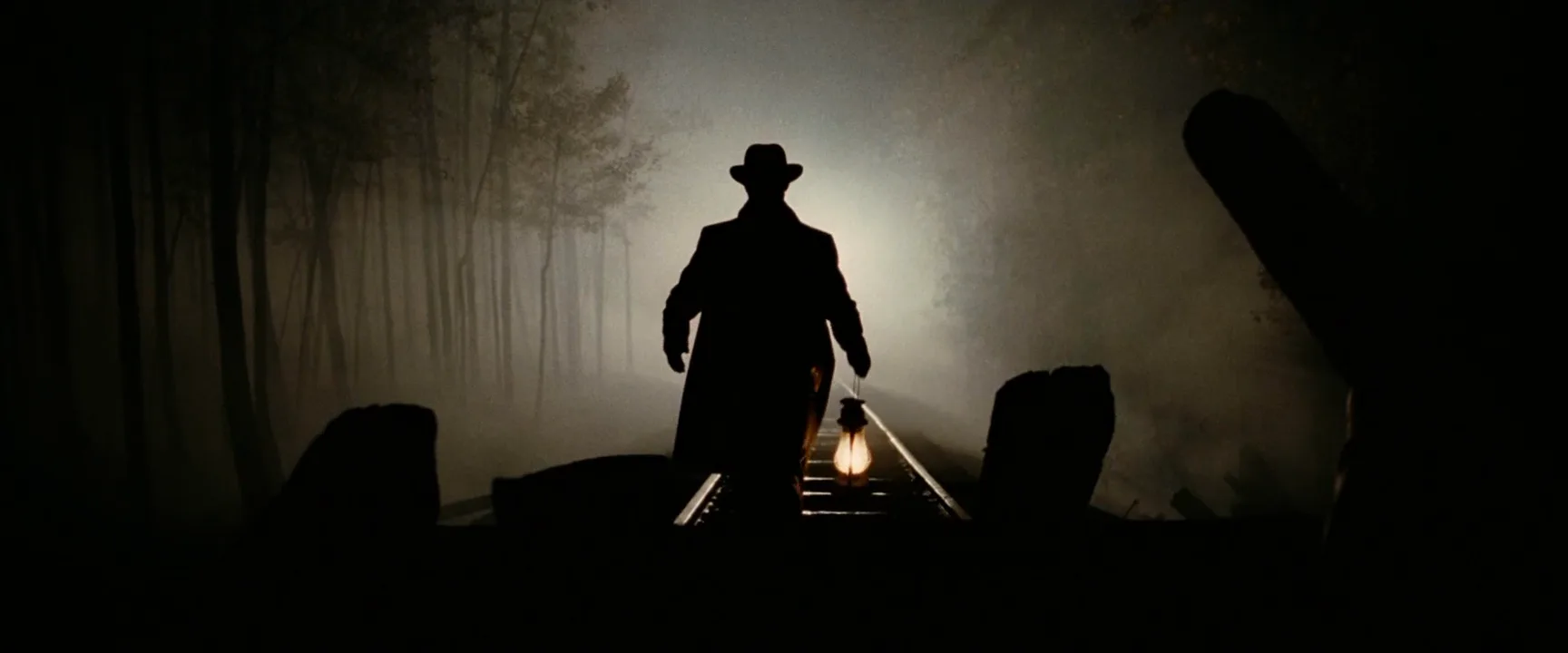
Mystery and threat. Take away the front light and the same setup hides the face. A figure walking out of a glowing fog, a stranger framed in a bright doorway, a gunman against headlights: the audience sees the outline and the intention, not the eyes. That is backlight used as concealment, and it slides straight into silhouette.
Directing the eye. The brightest edge in the frame pulls attention. A thin rim on one face in a crowd tells the viewer where to look without a cut or a camera move.
How to backlight a shot
Placement. Put the source roughly opposite the camera, between 135° and 180° from the lens axis, and usually above head height, 30° to 45° up. Dead behind and level gives an even halo but risks shining straight into the lens; high and slightly off-axis puts light on the top of the head and shoulders and keeps the fixture hidden. Swing it further to the side and you are into rim light territory.
Intensity. For a readable edge the backlight usually runs one to two stops over the key at the subject. Dark hair and dark wardrobe take more; blond hair, white shirts and bald heads burn quickly, so dim or flag them. In day exteriors the sun is often the backlight, and a 12×12 bounce or muslin gives the face its fill.
Fixtures. Hard sources, such as Fresnels, HMIs, the bare sun or a streetlight, make crisp, sparkling edges and defined beams in haze. Big soft sources like a skylight, an overcast window or a diffused frame give a gentle wraparound glow. Background practical lighting such as lamps, neon or headlights can double as backlight when it is bright enough and placed right behind the actor.
Haze. A light pass of haze makes the backlight visible as beams and lowers overall contrast. Keep it thin and consistent between takes, or continuity breaks when the air clears.
Flare control. Use a matte box, French flag or a hand-held cutter to keep the source off the front element when you want a clean image. When you want flare, let it in and choose the lens accordingly: older, less coated glass and anamorphics veil and streak more.
Lens and distance. A longer lens (85–135mm) compresses the background into a large glowing field behind the subject; a wide lens with the source in frame gives a starburst and more flare. Stepping the subject away from the background lets the backdrop fall into soft light while the edge stays sharp.
Exposure. Check the edge with false color or zebras. A thin sliver of clipping on the rim reads as natural; a hot shoulder that occupies a quarter of the frame reads as a mistake. The camera's dynamic range decides how much of the window or sky you can hold while the face stays correct.
Backlighting vs. rim light
The two terms overlap, and many crews use them interchangeably. The useful difference is position and result.
| | Backlighting | Rim light | |---|---|---| | Position | Behind the subject, roughly facing the lens | Behind and to the side, three-quarter back | | What it lights | Top and both edges, hair, the air around the subject | One thin line along a profile, shoulder or jaw | | Side effects | Glowing haze, flare, possible silhouette | Minimal; the rest of the frame stays controlled | | Typical use | Atmosphere, halos, sunsets, concealment | Separating a face from a dark background in low-key scenes |
Think of rim light as a narrow, sculptural subset of backlighting. A backlight works on the whole frame, the air included; a rim light works on one edge.
When does backlighting become a silhouette?
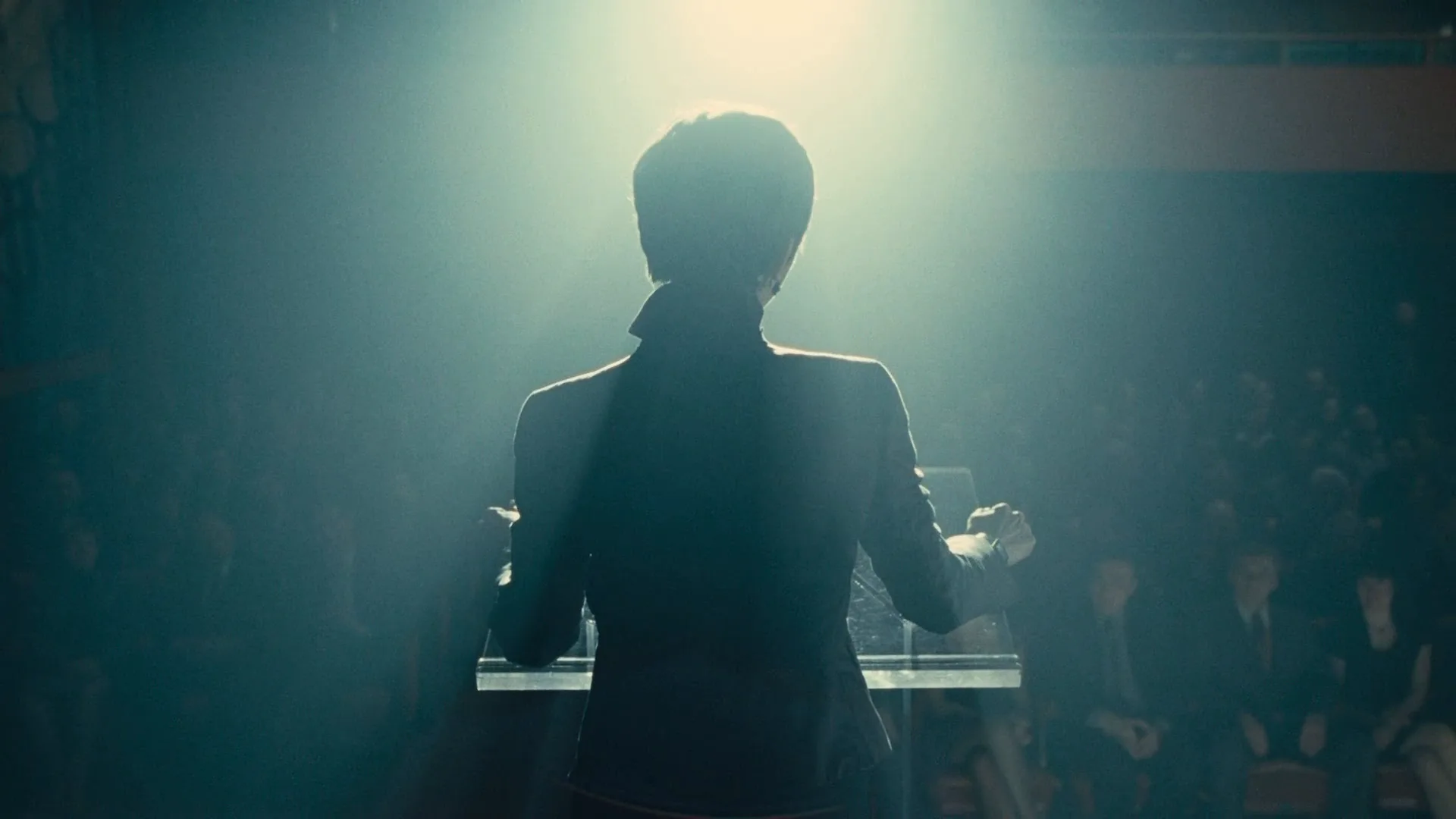
A silhouette is backlighting with the front fill taken to zero and the exposure set for the bright background. The only difference between a warm backlit close-up and a black cutout is how much light reaches the side of the subject facing the camera, and how the camera is exposed.
Roughly: with the face two stops under the background you still read features; at four stops under, only shape and posture survive; beyond that you have a pure silhouette. Filmmakers slide along that scale inside a single scene. A character walks out of a bright doorway as a silhouette, and a bounce catches the face as they step into the room. Plan the fill, a bounce board or a small soft source, with that transition in mind.
Backlighting examples in film
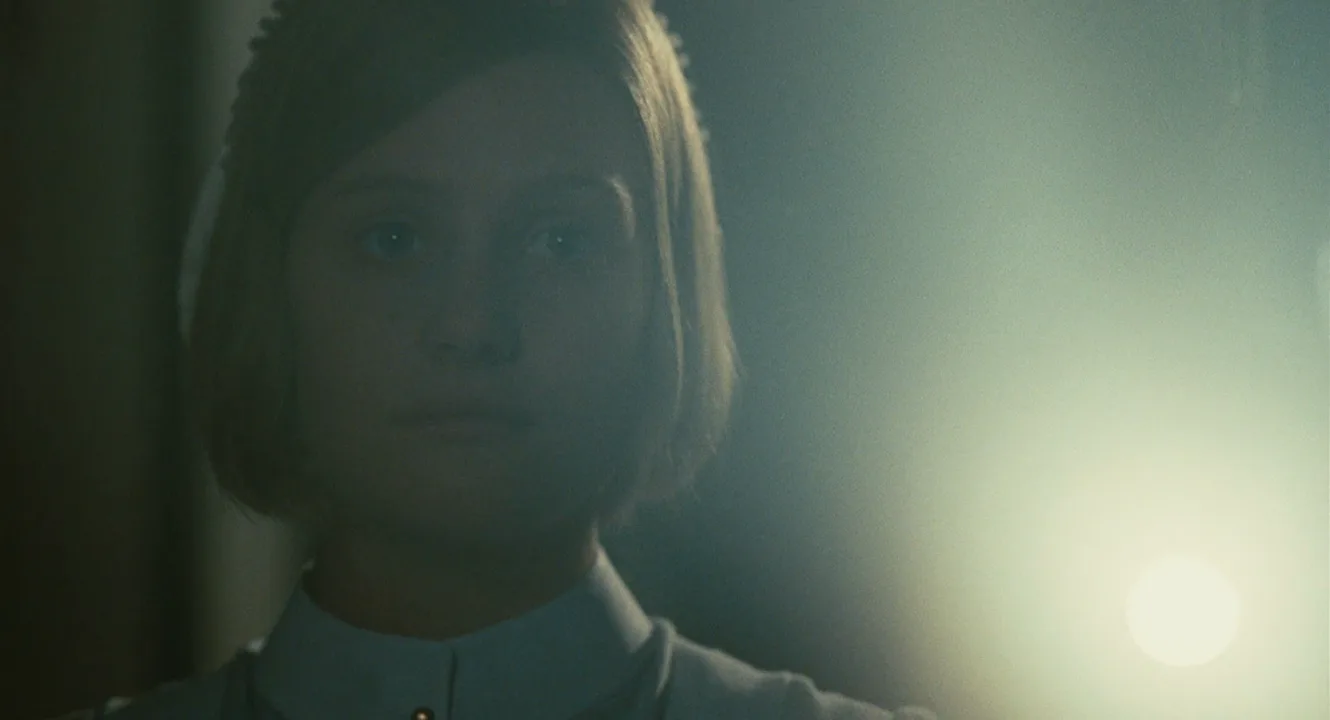
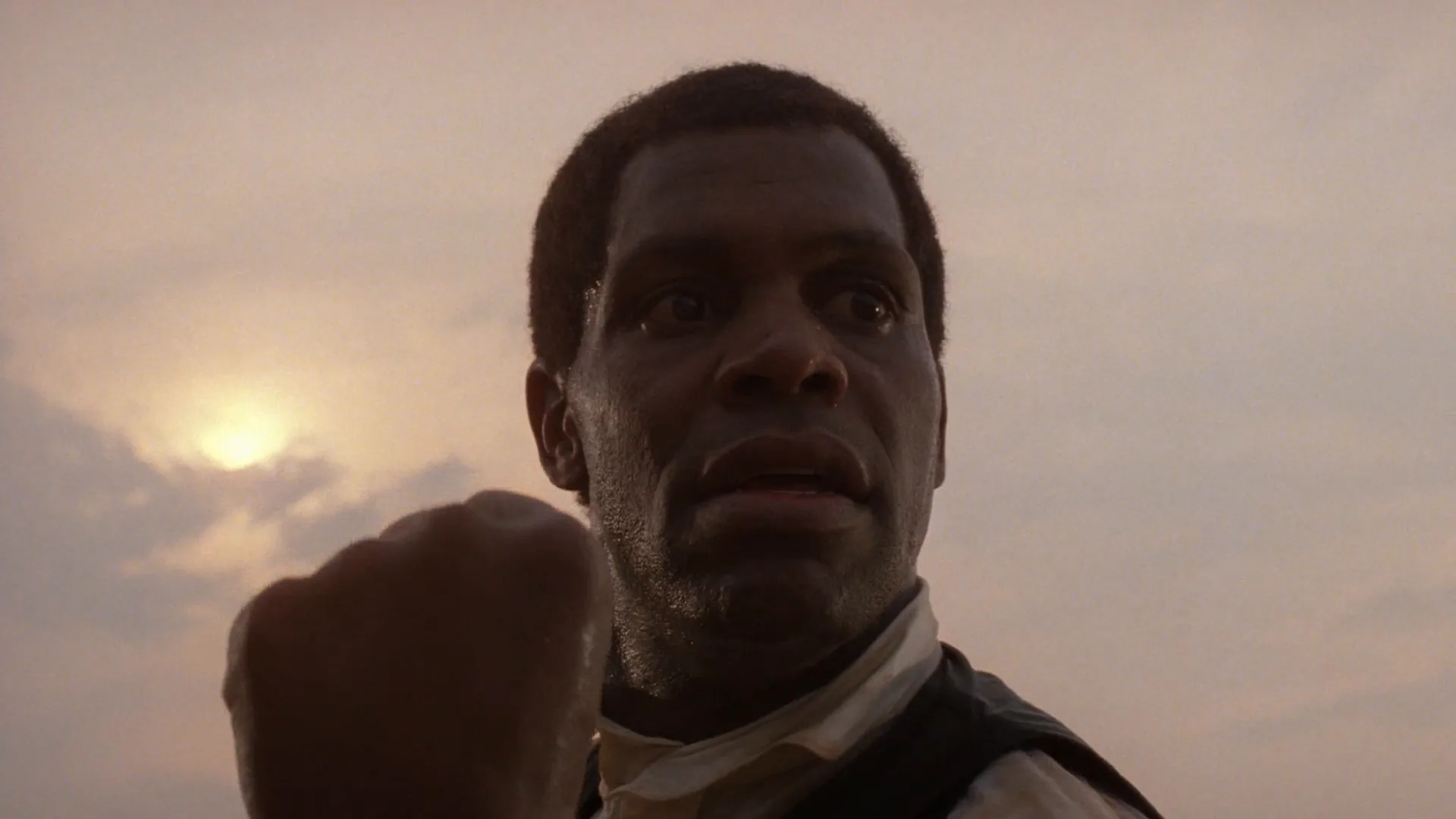
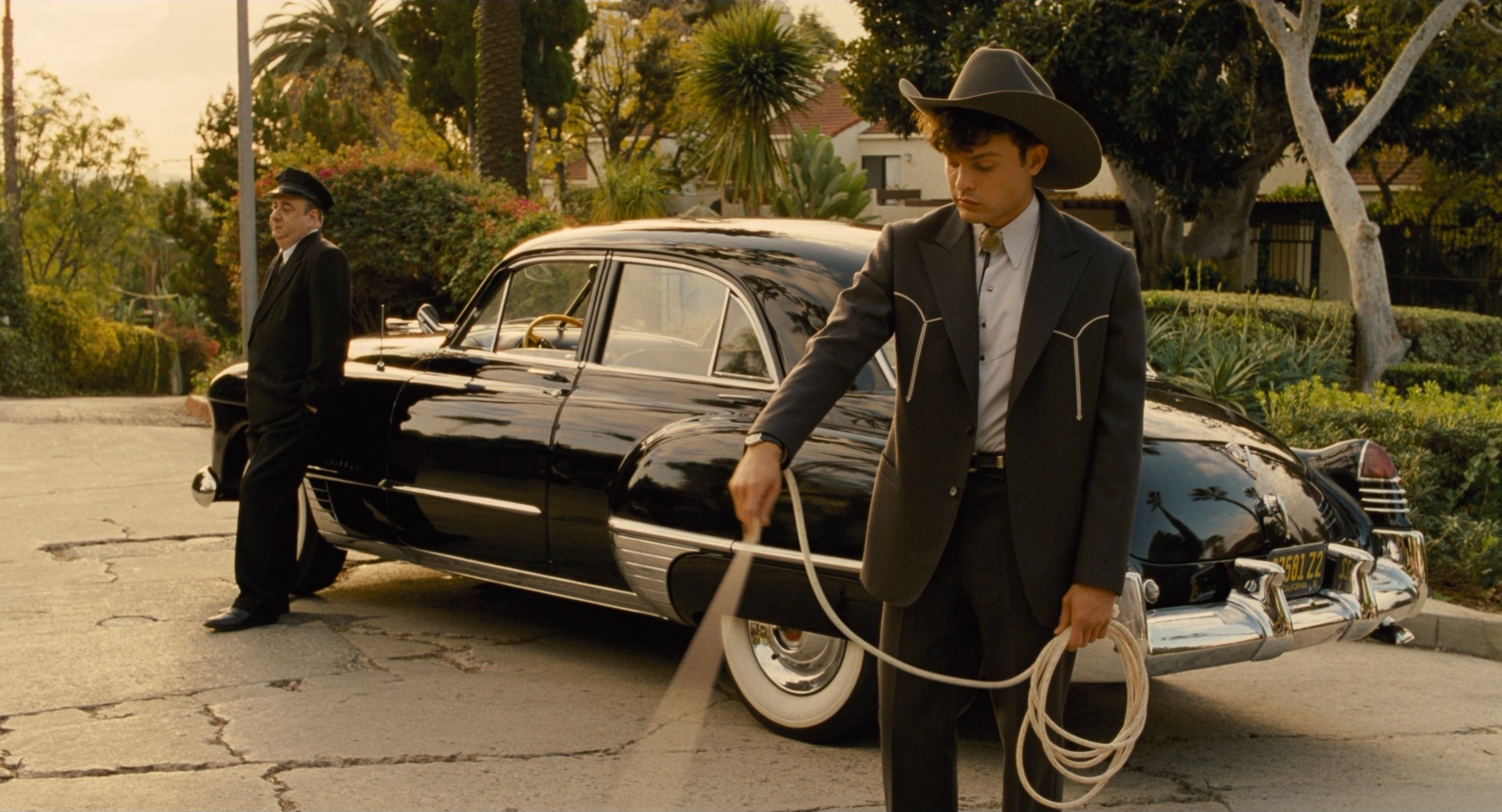
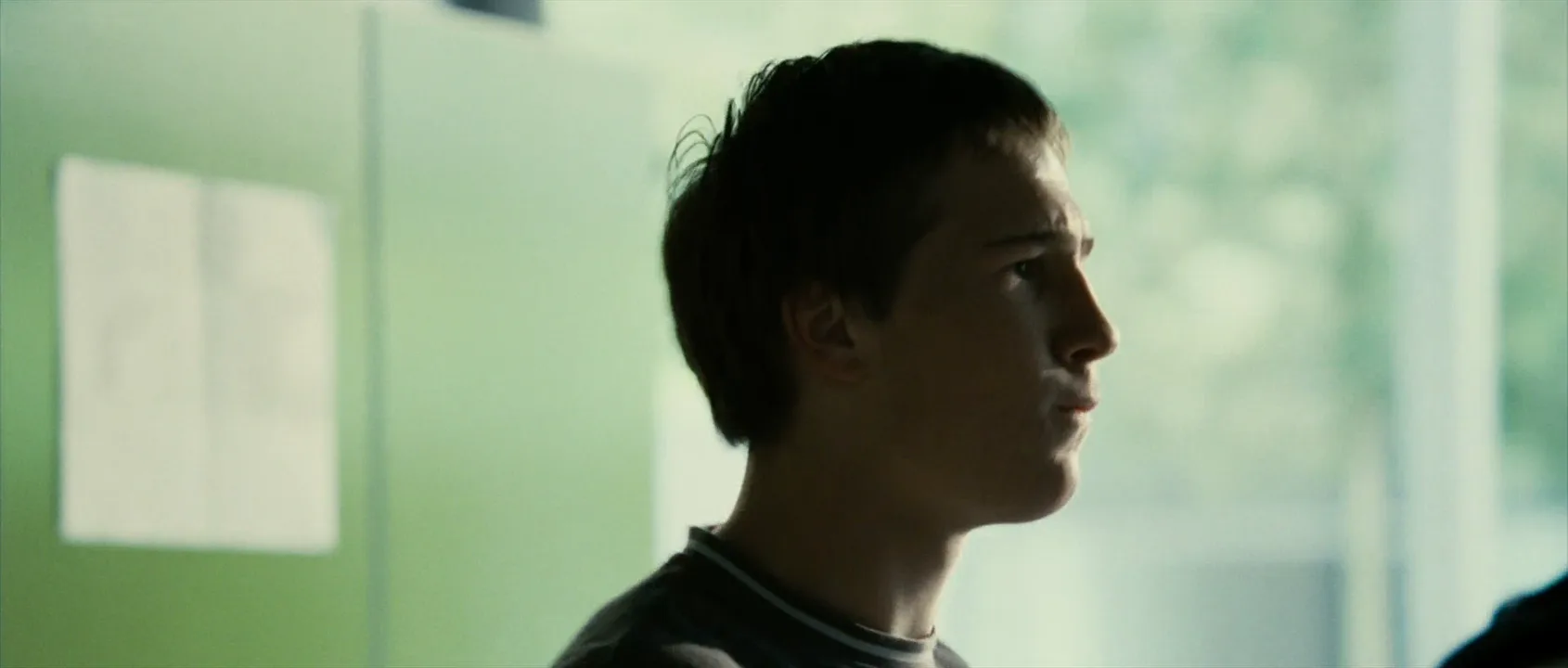
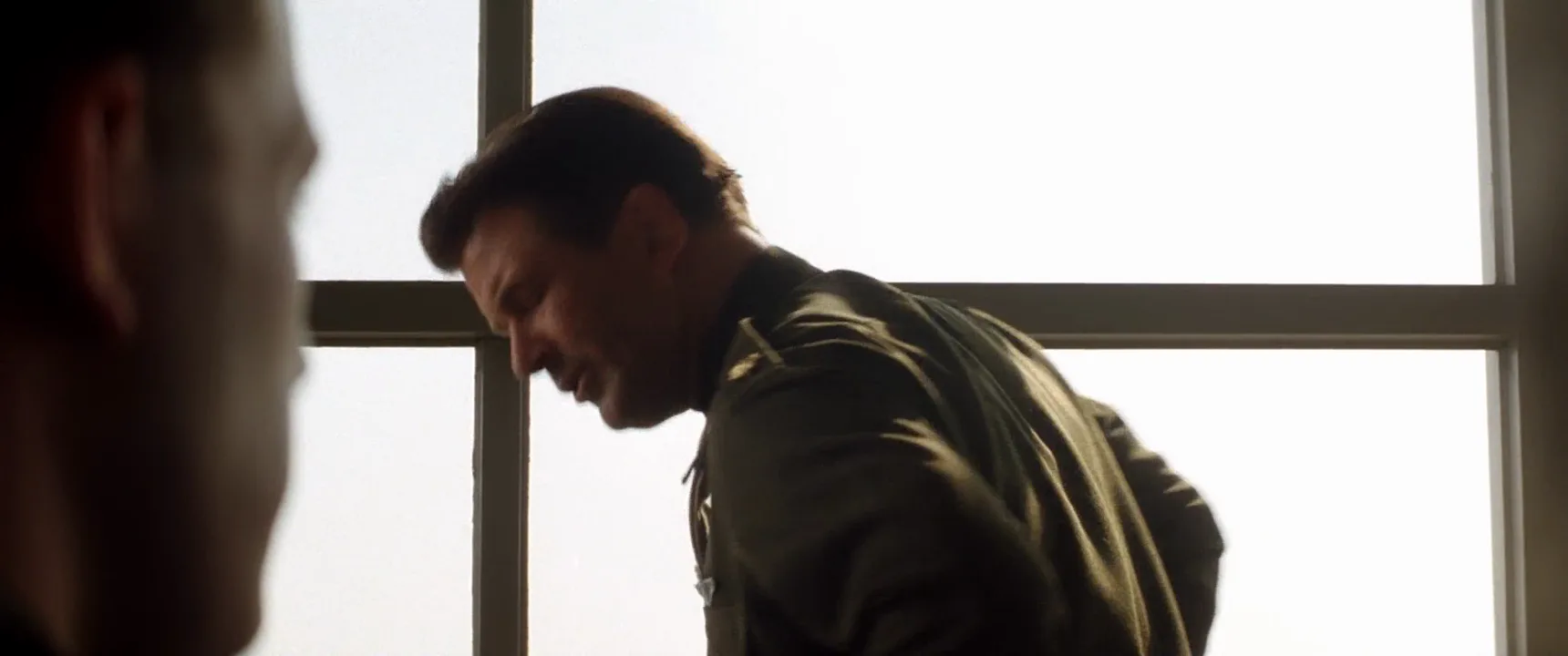
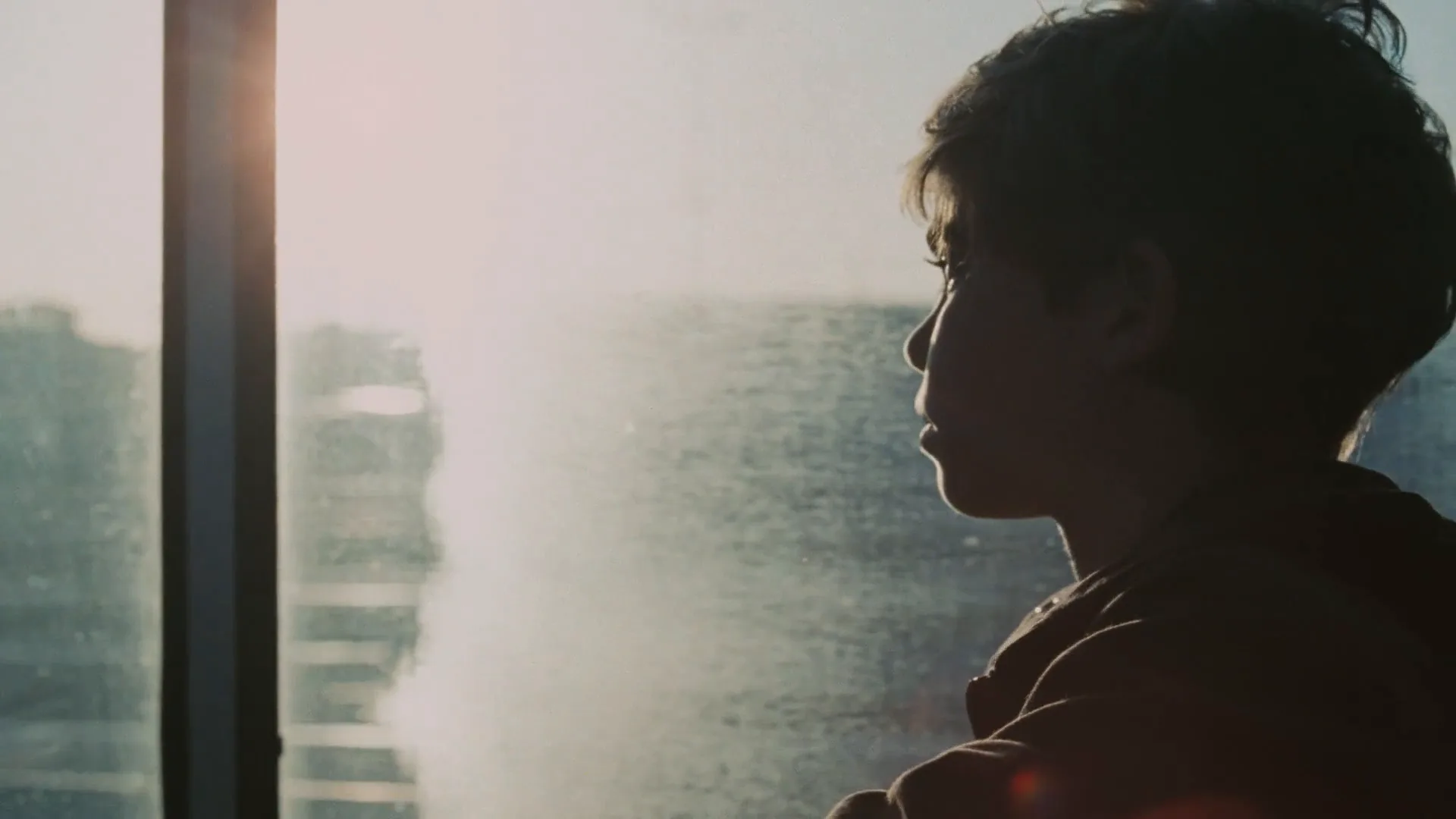
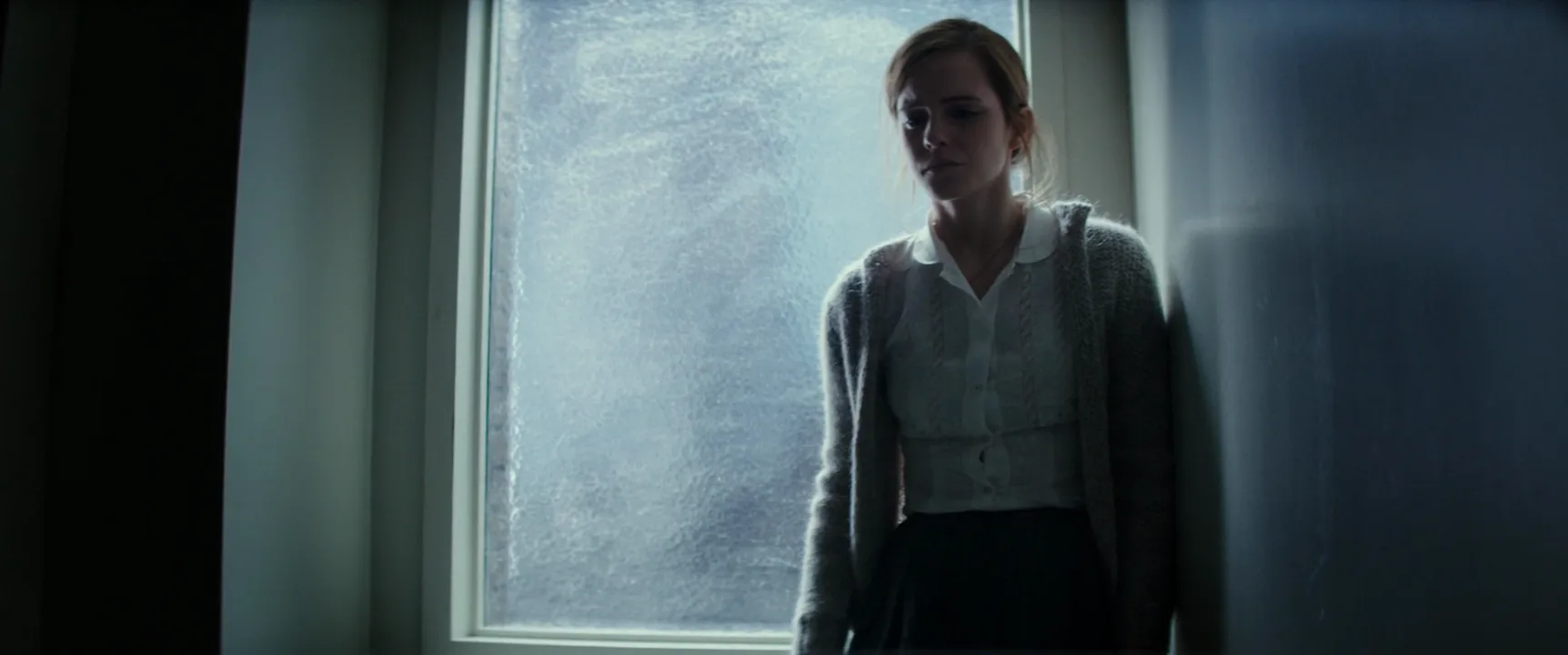
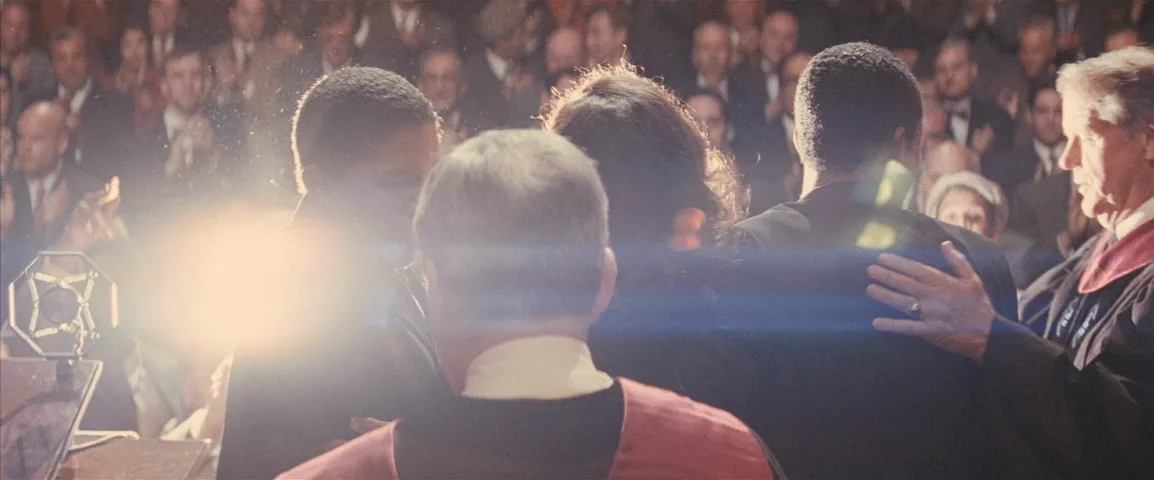
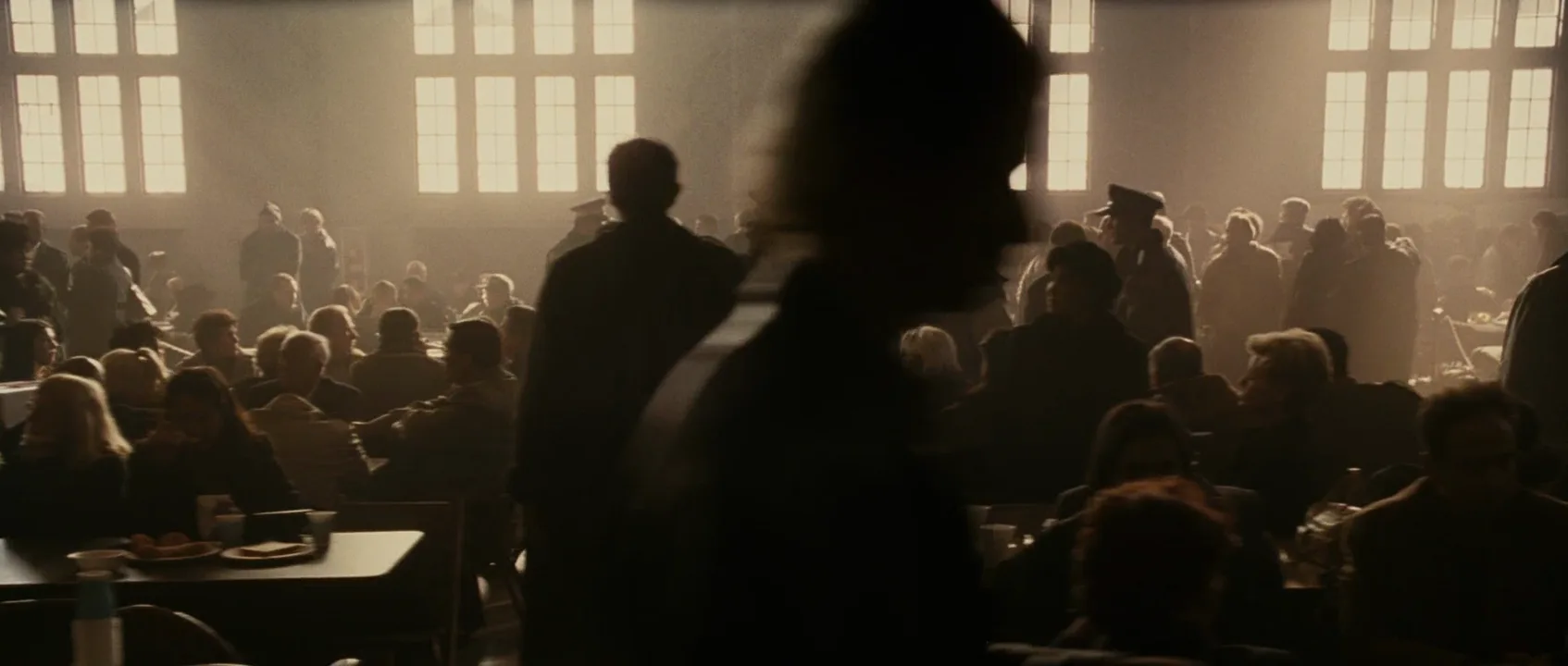
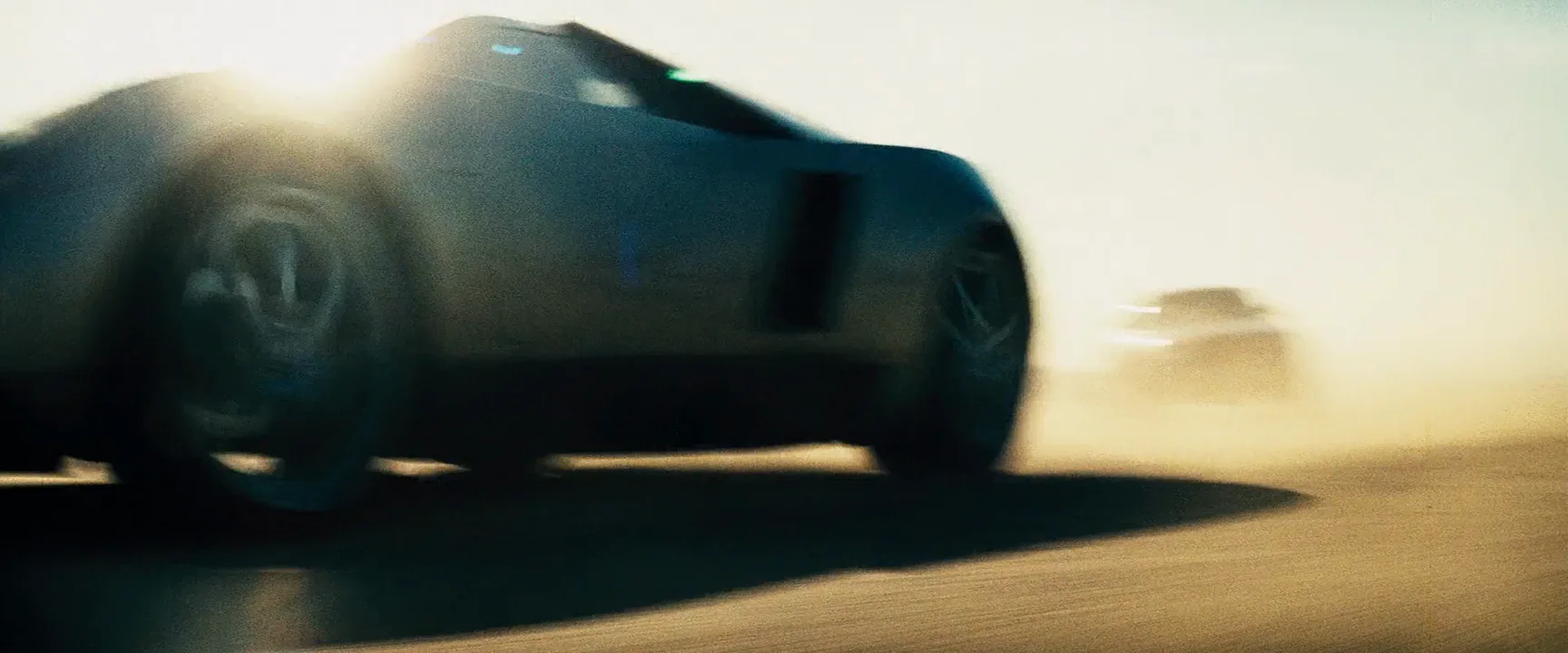
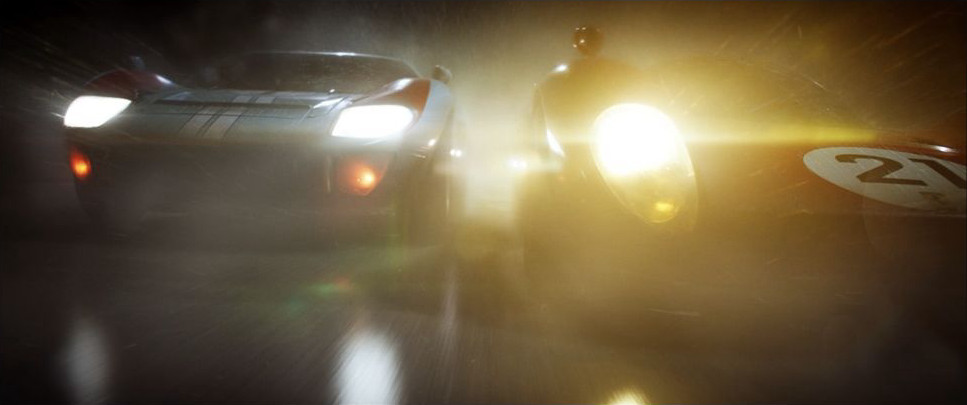
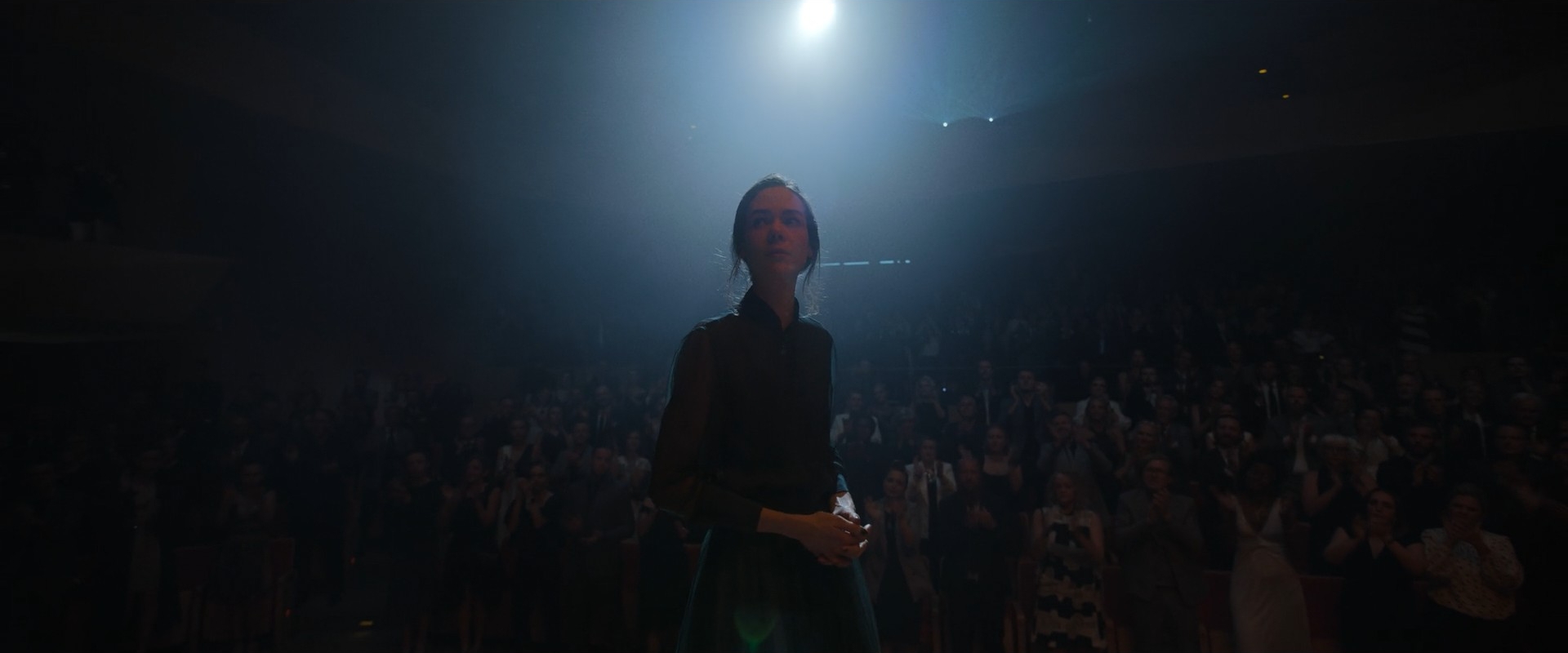
15 framesFrames where the brightest light sits behind the subject. Look at what glows: hair edges, haze, dust, the outline of a coat, and how much of the face is allowed to survive.
How to create a backlighting with AI
4 promptsImage models understand “backlit” but tend to either flood the face with front light or collapse the subject into a sunset silhouette. Name where the source is (behind the head, facing the camera), what glows (hair edge, haze, dust) and how the face is lit (soft bounce, one stop under). Keep the stills and the video take on one FlashBoards board so you can compare edge brightness across takes side by side. The fourth prompt re-shoots a real film shot from a text description alone, and the original plays next to the result so you can compare.
Cinematic medium close-up of a fictional woman in her late 40s with a cropped silver undercut, a small scar through her left eyebrow and a dark green wool coat, standing in a dusty abandoned train depot at dusk. Strong backlight: a low sun directly behind her head shines through tall grimy windows toward the camera, drawing a glowing warm edge along her hair and shoulders. Light haze in the air forms visible beams behind her. Her face is lit only by soft bounce light, one stop darker than the glowing edge, eyes still readable. Background glows warm and slightly overexposed. 85mm lens, camera at eye level, shallow depth of field, gentle lens flare, 35mm film grain.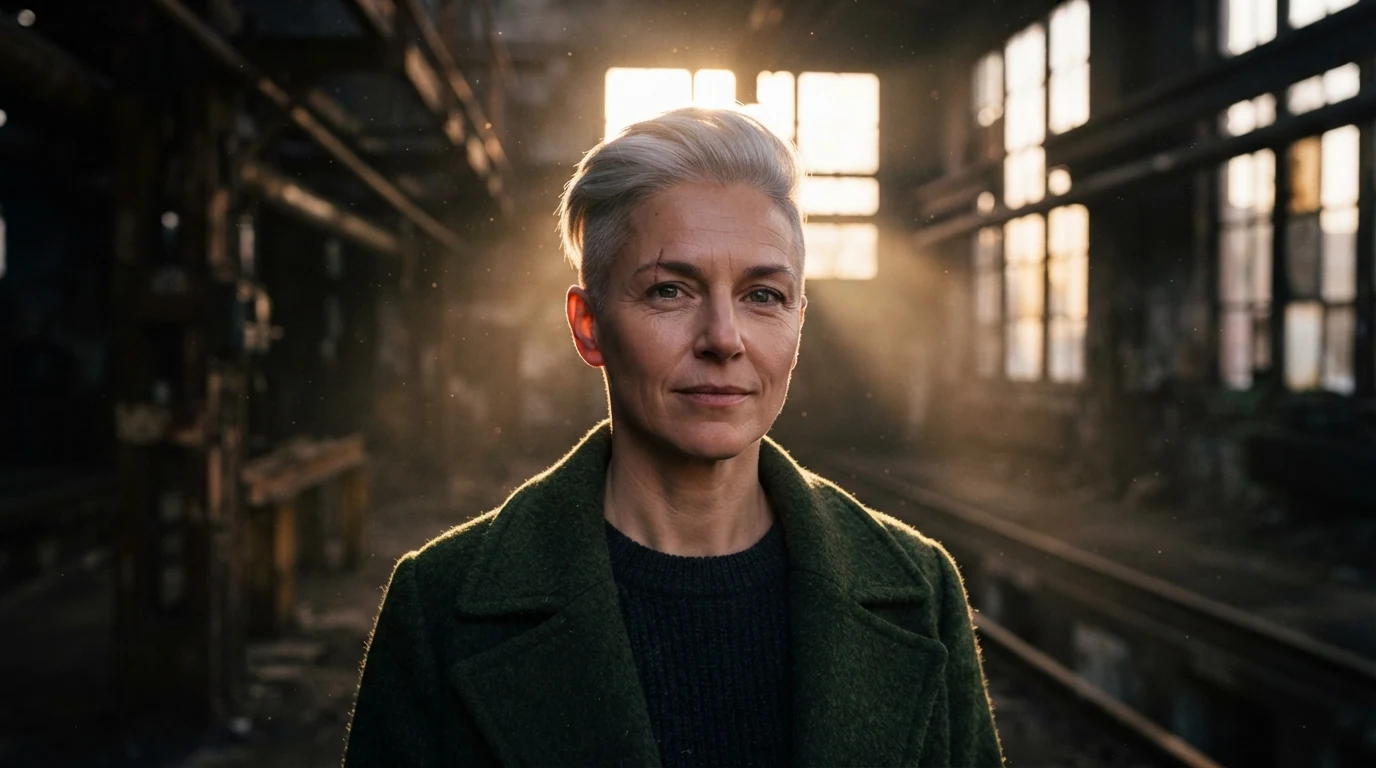
“Low sun directly behind her head shines toward the camera” fixes the direction, the one thing “backlit” alone leaves ambiguous. “Glowing edge along her hair and shoulders” names what the backlight should touch, “visible beams” in “light haze” gives it air to work on, and “face lit only by soft bounce, one stop darker” stops the model from adding a front key or sliding into a silhouette.
Open FlashBoardsWide anamorphic 21:9 night frame on a wet coastal road in heavy rain. A fictional teenage cyclist with a curly red mop of hair and an oversized yellow raincoat walks his bicycle toward the camera. Behind him, the headlights of a stopped car point straight at the lens, backlighting the scene: every raindrop streaks bright white, the spray off the asphalt glows, and a thin bright outline traces his hood, shoulders and the bicycle wheels. His face is in deep shadow with a faint cool fill from a streetlamp. Horizontal lens flare from the headlights, reflections on the wet road, 40mm lens at chest height, moody and tense.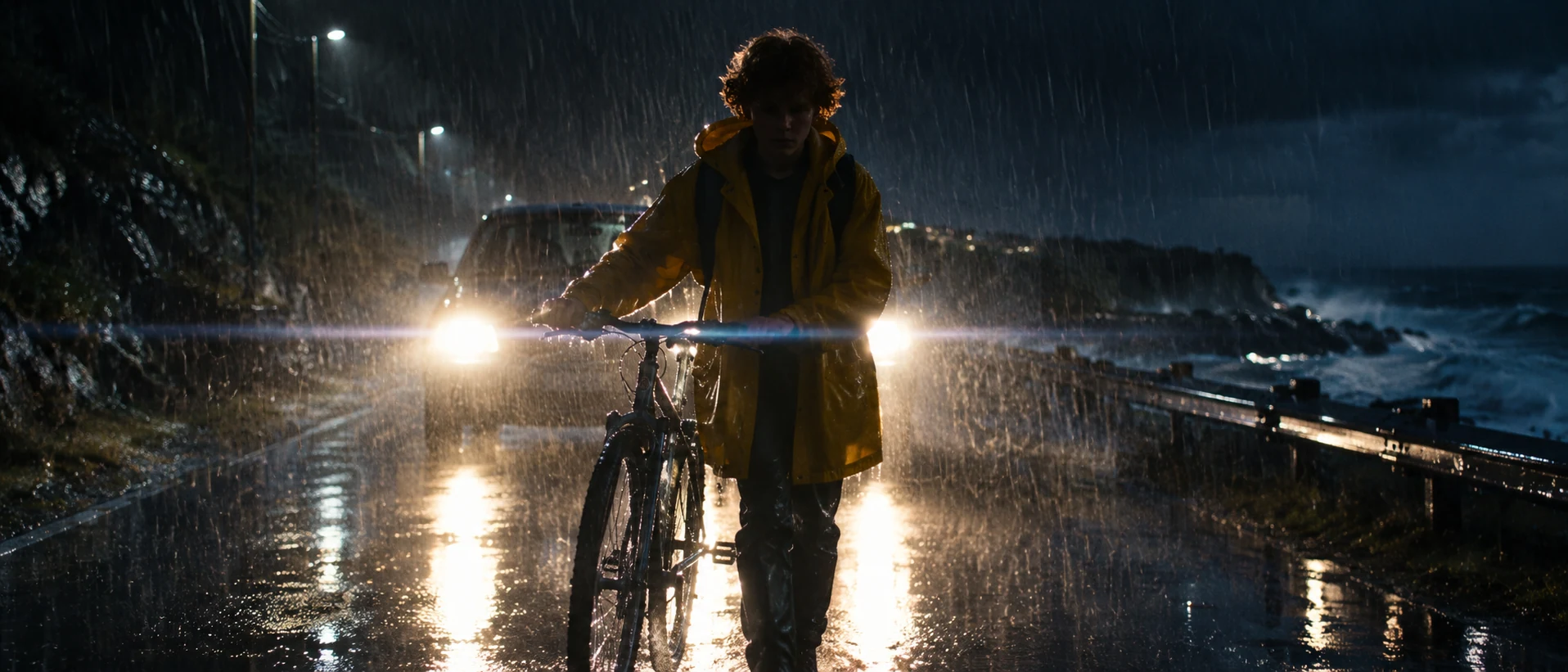
This take moves the technique to night rain and a different light source. “Headlights point straight at the lens” and “backlighting the scene” set the geometry; “every raindrop streaks bright white” uses the old set rule that rain only shows when lit from behind. “Face in deep shadow with a faint cool fill” holds the ratio between rim and face, and the wide frame gives the glowing spray room to read.
Open FlashBoardsCamera: a slow, steady dolly-in from medium close-up to close-up, staying at eye level, moving the whole time. Action: From the first frame, dust drifts through the sun beams behind her and the glowing edge of her silver hair shimmers as she slowly turns her head toward the windows. Midway, she exhales and her breath forms a small cloud that lights up in the backlight. At the end she lowers her eyes while the beams keep moving through the haze and the flare flickers gently across the lens.The shot is alive from frame one: drifting dust, a shimmering hair edge and a head turn start immediately, so the model does not just creep in on a still. The glowing breath and moving beams are both things backlight reveals, and every element (her, the windows, the haze) is already in the start frame, so nothing new gets invented.
Open FlashBoards{
"output": "Full-screen live-action scene from its very first frame: one single continuous shot from The Assassination of Jesse James by the Coward Robert Ford (2007). Dark 35mm film look, night, a railroad cutting through a thin birch forest filled with dense fog. The only strong light is one huge bright source far down the tracks behind the man, pointing straight at the lens: the fog glows as a luminous gray-white wall, the rails shine, and everything between the light and the camera reads as a flat black silhouette. Monochrome black, silver and warm amber, crushed shadows, fine grain.",
"characters": {
"S1": {
"name": "Jesse James, played by Brad Pitt",
"look": "seen only as a flat black silhouette: flat-brimmed felt hat, long dark coat falling below the knees, a small glowing kerosene lantern hanging from his left hand",
"voice": "silence: he does not speak"
}
},
"shots": [
{
"shot": 1,
"camera": "low angle close to the rail bed, wide lens, wide shot looking straight down the tracks into the light; a dark barricade of rough logs lies across the rails in the near foreground along the bottom of the frame, one tall log leaning in from the right edge. Locked off at first, then a slow tilt up in the second half to keep his rising silhouette in frame.",
"action": [
"BEGINNING: alive from the first frame, S1 stands small in the middle distance in the centre of the frame between the rails, facing the camera, the lantern hanging low in his left hand on screen right, his right hand near his chest; a thin bright halo rims his hat brim and shoulders.",
"THEN: he walks straight toward the camera along the rails at a slow, steady pace, growing larger in frame, the lantern swinging gently at his knee on screen right; fog churns and drifts in the glare behind him.",
"THEN: he reaches the log barricade in the foreground and stops behind it, still a flat black shape outlined by a bright edge, the lantern flame the only warm point.",
"THEN: he bends forward and sets the lantern down on the logs just right of centre with his left hand, his right hand resting on his hip; the lantern keeps glowing where he leaves it.",
"THEN: he straightens, turns into profile facing screen left and steps up onto the logs, left knee raised high, coat swinging behind him, moving toward the left of centre.",
"END: he stands up on top of the logs left of centre, his whole silhouette rising against the glowing fog, hat brim and coat edge rimmed with light while his front stays completely black; the lantern glows on the logs below him to screen right."
],
"voice": "silence: nobody speaks in this shot, no voice at all",
"dialogue": []
}
],
"sound": {
"ambience": "still night forest, crickets, the low hiss of drifting fog, boots crunching on gravel and knocking on wood, the creak of the lantern handle, a faint deep rumble heard from far down the tracks",
"speech": "no words in this video; the only human sounds are breaths and movement",
"never_spoken": "no narration and no voice-over: the descriptions, performance notes and step words of this prompt are never spoken aloud",
"music": "a film score under the scene, always below the voices: sparse low strings with a slow, ominous pulse and a lone distant piano note",
"subtitles": "none"
}
}Remakes the fog-and-rails shot from The Assassination of Jesse James by the Coward Robert Ford (2007), dir. Andrew Dominik, DP Roger Deakins: the light behind Jesse aimed at the lens, the glowing fog, the lantern, the log barricade and the late tilt up carried over, with no dialogue, just the silence of the original.
The prompt puts the only strong light far down the tracks and aims it at the lens, so fog turns into a glowing wall and Jesse stays a flat black shape with a bright rim on hat and coat. Each beat of the original is kept in order: the walk, the lantern set down, the climb in profile and the slow tilt up.
Open FlashBoardsCommon mistakes
- Front light sneaks in. Models love evenly lit faces. State that the face is lit only by soft bounce or ambient fill and give a ratio (one or two stops darker than the edge).
- Backlit becomes sunset. “Backlit portrait” often returns a silhouette against an orange sky. Specify that the eyes stay readable if you want a lit face, or ask for a silhouette explicitly if that is the goal.
- The halo turns into a neon outline. Ask for a “thin natural warm edge on the hair” rather than “glowing outline”, which can produce a drawn, sticker-like stroke.
- The lamp appears in frame. If the source should stay hidden, say “sun hidden behind her head” or “light source out of frame above and behind”.
- Beams without haze. Visible rays need something in the air: write “light haze”, “dust” or “rain”.
- Frozen air in video. On image-to-video, give the particles and the hair edge motion from the first frame, or the glow sits still while the camera slowly pushes in.
Keep the reference frames, prompts and every generated take side by side — images and video in one canvas.
FAQ
5 questionsWhat is a backlit shot?
A backlit shot is one where the main light comes from behind the subject, toward the camera. It outlines hair and shoulders with a bright edge, makes haze, dust or rain glow and separates the subject from the background. Depending on how much fill reaches the front and how the camera is exposed, the face can read clearly, sit in soft shadow or disappear into a full silhouette.
Is a backlight the same as a hair light?
Nearly. A hair light is a backlight placed high behind the subject so it lands mostly on the hair and the top of the shoulders, a standard part of three-point portrait and interview lighting. “Backlight” is the broader term: any source behind the subject aimed toward the camera, including the sun, windows, headlights or practicals in the background, whether they light the hair, the air or both.
How do you expose a backlit subject?
Decide what matters. Exposing for the face makes the background and edges burn toward white; exposing for the background turns the subject into a silhouette. For a balanced look, add fill from the front with a bounce board or soft light until the face sits one to two stops under the bright edge, then check highlights with zebras or false color so the rim clips only slightly.
What is contre-jour?
Contre-jour is French for “against the day” and describes shooting toward the light source, usually the sun, so the subject is backlit. The term comes from painting and still photography, where it names glowing edges, flare and translucent leaves or fabric. In film it means the same thing: pointing the lens into the light rather than keeping the light behind the camera.
Why is rain backlit in movies?
Raindrops are small and transparent, so light from the front passes through them and barely registers on camera. Light from behind catches each drop and turns it into a bright streak against a darker background. That is why rain scenes are usually lit with a strong source behind the action, often combined with rain towers and a dark backdrop, so the downpour reads on screen.
Related terms
7- Rim LightLighting
A rim (edge) light sits behind and to the side of the subject, drawing a thin bright line along the edge of the head, shoulders or profile to pull it off a dark background.
- SilhouetteLighting
A silhouette shows a subject as a dark, featureless shape against a brighter background — sky, window, fire — exposed for the background, so only the outline tells us who they are and what they are doing.
- Key LightLighting
The key light is the main light on a subject: it sets the direction, hardness and color of the illumination, and every other source — fill, back, practicals — is balanced against it.
- Fill LightLighting
Fill light is a softer, weaker source on the side opposite the key that lifts the shadows the key creates; its level relative to the key — the lighting ratio — decides whether a face looks open and bright or moody and sculpted.
- HazeLighting
Haze is a fine artificial smoke pumped onto the set so light becomes visible: beams and shafts appear, contrast drops and the background recedes into a soft, atmospheric glow.
- Golden HourLighting
Golden hour — which filmmakers call magic hour — is the short window after sunrise and before sunset when the low sun gives warm, soft, raking light and long shadows; crews often keep shooting into the blue twilight that follows.
- Film LightingLighting
Film lighting is the craft of shaping light for the camera — its direction, quality, color and contrast — to model faces, build space, set the time of day and carry the mood of a scene.
Further reading
Blain Brown, Motion Picture and Video Lighting (Focal Press). Harry C. Box, Set Lighting Technician's Handbook (Focal Press). Néstor Almendros, A Man with a Camera (Farrar, Straus and Giroux).