 FlashBoards Learn
- Learn
- Camera Shots
- Extreme Long Shot
Camera Shots · Film language
Extreme Long Shot
Also called: extreme wide shot, EWS, ELS, XLS
An extreme long shot, also called an extreme wide shot, frames a space so vast that people become tiny specks or disappear entirely: desert, ocean, city, battlefield. The environment becomes the subject, and the viewer feels scale, distance and isolation before reading any face or gesture.
- What it does
- Makes the place the protagonist and the person small: scale, isolation, awe, insignificance.
- Use it when
- You need the audience to feel how big, empty or hostile the world is around a character.
- Watch out
- If the figure grows past about a tenth of the frame height, you have a long shot, not an extreme one.
- Try this prompt
extreme long shot, a lone rider as a tiny speck on the horizon of an empty red desert, huge pale sky filling 80% of the frame, 2.39:1
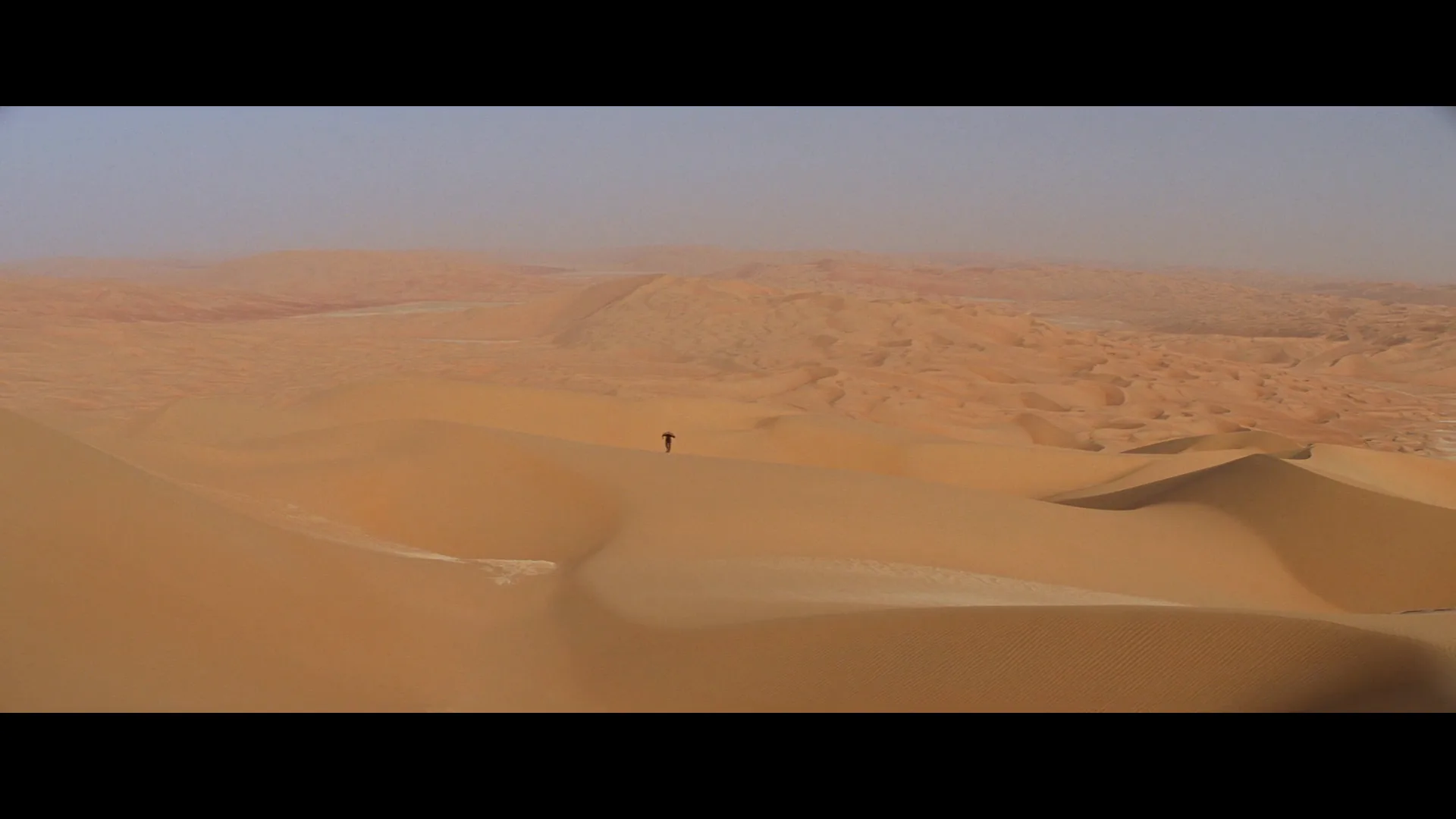
What is an extreme long shot?
The extreme long shot (ELS, sometimes written XLS) sits at the wide end of the shot-size scale, one step beyond the long shot. In a long shot you still see a whole person and read their posture. In an extreme long shot the person shrinks to a mark on the landscape, often no taller than a few percent of the frame, and sometimes there is no person at all: just a mountain range, a skyline, a sea.
The definition is about the relationship between figure and space, not about lens or distance. A rider two kilometers away on a 300mm lens and a city block seen from a drone on a 24mm lens can both be extreme long shots. Both make the eye read the environment first.
In practice you recognize one by three signs:
- The figure is tiny or absent. You could not identify the actor from this frame.
- Space dominates. Sky, ground, water or architecture take up most of the composition, often as deliberate negative space.
- Scale is the message. The shot says how big, how empty, how far, or how many.
As a size among camera shots, it combines with any angle or move: an eye-level lock-off, a crane view or an aerial shot.
Is an extreme wide shot the same as an extreme long shot?
Yes. Extreme wide shot (EWS) and extreme long shot (ELS) are two names for the same framing. American crews and shot lists tend to say wide, older textbooks and British usage lean toward long.
On a shot list, pick one vocabulary (WS/EWS or LS/ELS) and keep it for the whole project.
Why filmmakers use extreme long shots
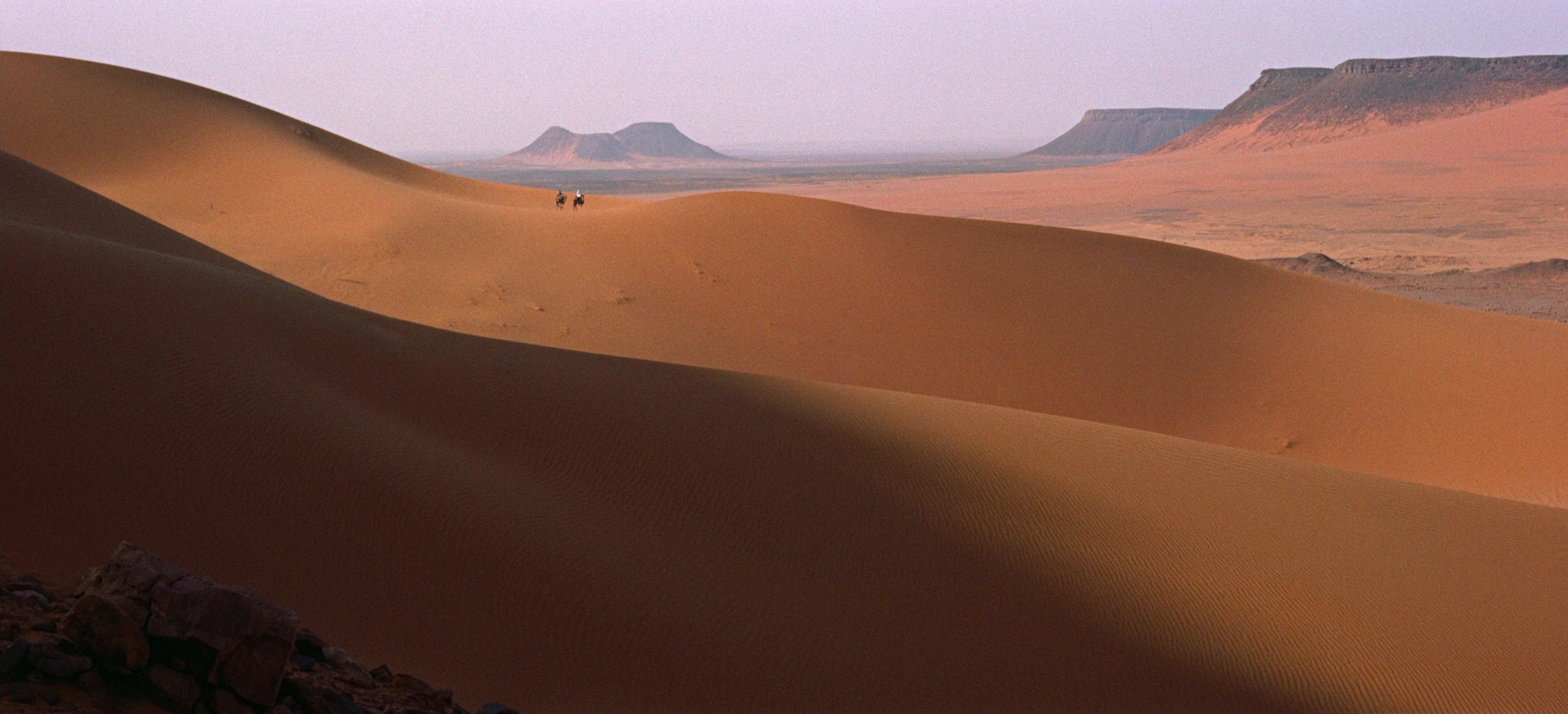
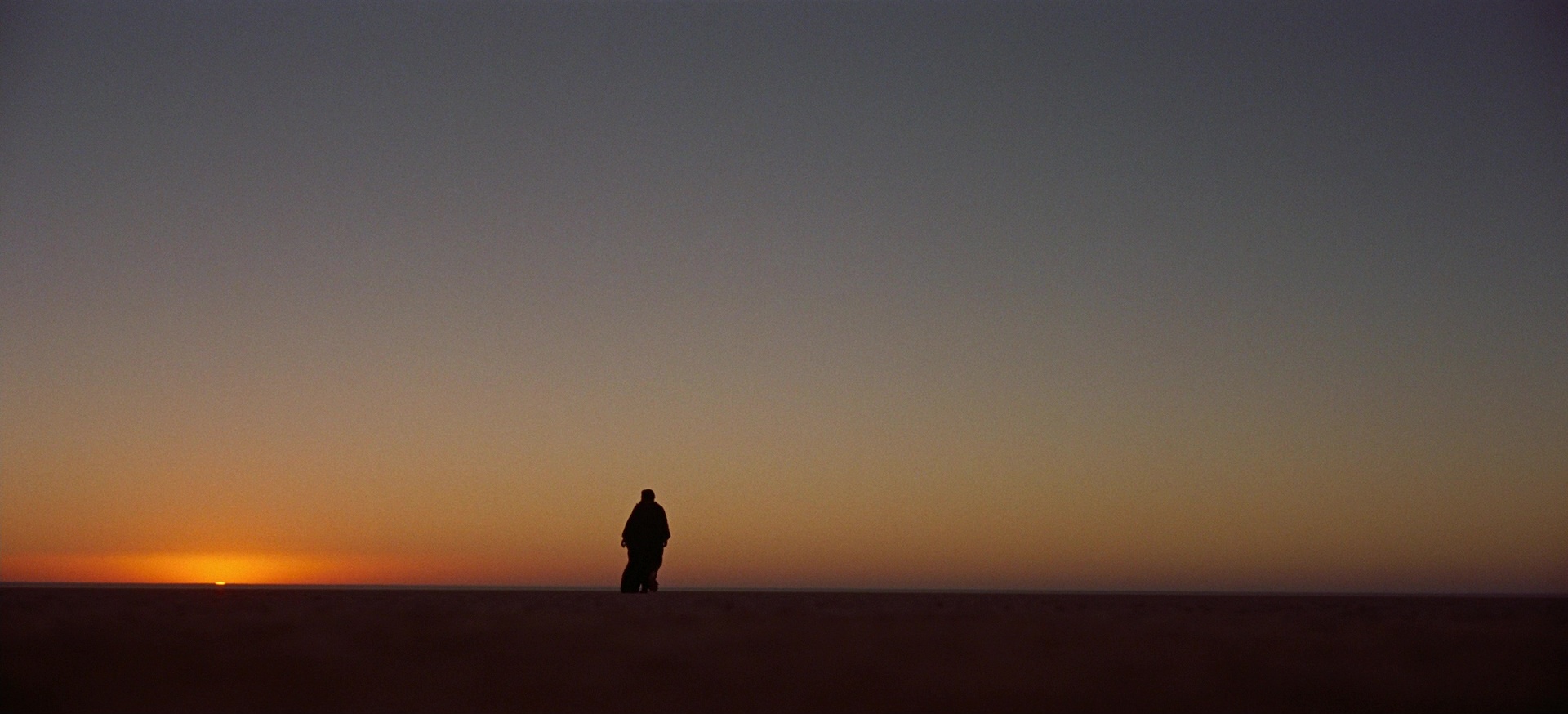
Scale and awe. David Lean's Lawrence of Arabia (1962) is the reference everyone reaches for: the desert fills the Super Panavision frame and people are dots crossing it. Sherif Ali's entrance, a speck emerging from a mirage that slowly becomes a rider, works only because the frame is so wide that we cannot tell what we are looking at.
Isolation. Put one small figure in a big empty frame and the viewer feels loneliness without a single line.
Threat and odds. In war films and westerns the extreme long shot counts the enemy, shows how far the fort is, or reveals that the road ahead is endless. George Miller's Mad Max: Fury Road (2015) keeps returning to the vehicles as small shapes on an enormous desert, which keeps the chase legible and the world hostile.
Contrast and rhythm. Sergio Leone built The Good, the Bad and the Ugly (1966) on cuts between vast landscapes and extreme close-ups of eyes. The jump in scale is the punctuation.
Orientation. Because it shows the whole geography, the shot often opens a sequence. That function has its own name, the establishing shot. The difference is intent: extreme long shot describes size, establishing shot describes a job in the edit.
How to shoot an extreme long shot
Choose the lens for the kind of scale you want. A wide-angle lens (14–28mm on Super 35 or full frame) exaggerates depth: the foreground stretches, the horizon recedes, and the space feels endless. A telephoto lens (200–600mm) from far away does the opposite: it stacks mountains, heat haze and a tiny rider into flat layers, so the landscape looms over the figure. Choose depth or pressure.
Keep the figure small on purpose. A useful working rule: under about 10% of frame height for an extreme long shot, and under 3–5% for the full effect. Check it on the monitor; on set, actors drift closer.
Give the figure contrast. A tiny figure disappears unless it separates from the background. Use a silhouette against a bright sky, a red coat in grey snow, a white shirt on dark rock, or movement against a static field. Place the figure on a third line, rarely dead center, and let the horizon sit low (big sky, isolation) or high (big ground, weight).
Hold everything sharp. Extreme long shots usually want deep focus. On a long lens, stop down to around f/5.6–f/11 to hold figure and background.
Use weather and time of day. Atmosphere is the extreme long shot's depth cue. Morning mist, dust or haze lighten each receding layer and make distance readable. Low sun rakes the terrain; flat noon light makes a postcard.
Frame for the format. Widescreen aspect ratios such as 2.39:1 suit this shot: more horizon, more emptiness beside the figure. In vertical 9:16, scale reads through height instead of width.
Hold it long enough. Viewers need more time to read a wide frame than a close one. Plan four to eight seconds, often more. A static shot on a tripod lets the tiny movement inside the frame carry the action; a slow drone drift or crane rise adds scale but should stay slow enough that the figure does not skate across the frame.
Where the extreme long shot goes in a sequence
Editors tend to use it in four places:
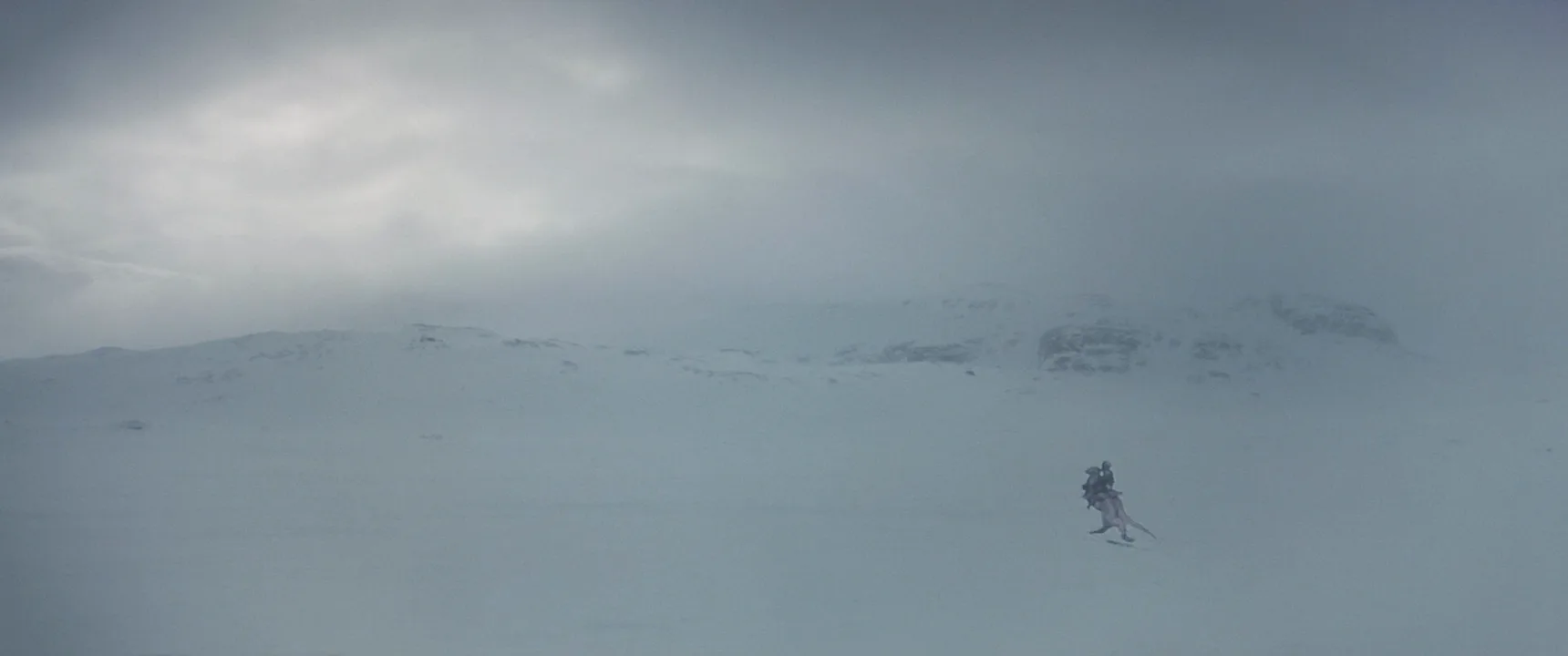
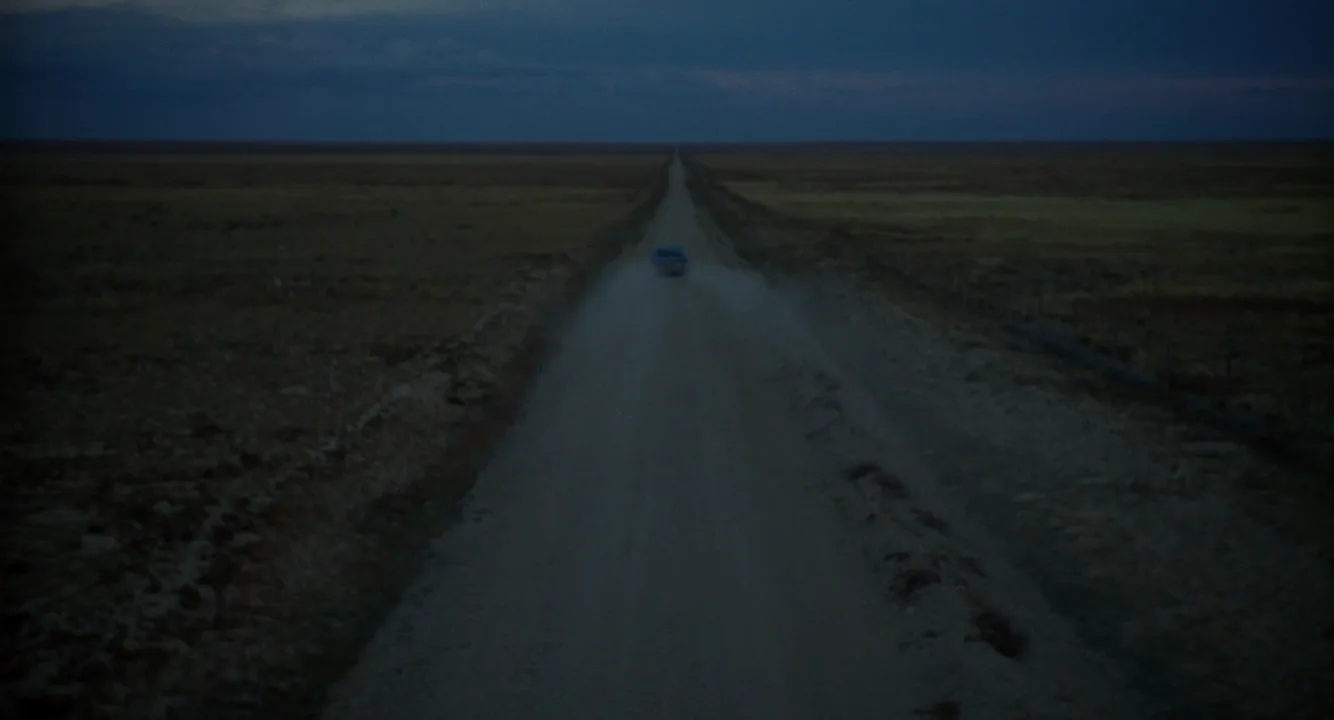
- Opening a film or sequence, when the world matters before the characters. The white-out road at the start of Fargo (1996), with a car slowly emerging from snow and sky, is a clean example.
- Transitions between locations or chapters.
- Turning points, when the camera pulls away from the drama at its peak and the characters suddenly look small. The cut from close to extreme wide feels like a judgment.
- Endings, a figure walking into a landscape or a wide that lingers after the characters leave frame.
Overused, they stop working: if every scene opens on a drone wide, the film starts to feel like a travel ad. Save them for moments where the space has something to say.
Extreme long shot vs. long shot vs. establishing shot
| | Extreme long shot | Long shot | Establishing shot | |---|---|---|---| | What it is | A shot size | A shot size | A function in the edit | | Figure | Tiny or absent | Whole body, readable | Any, often none | | Main job | Scale, isolation, environment | Body plus place | Tell where and when | | Where in the scene | Anywhere | Anywhere | Usually first |
A long shot keeps the actor large enough that you read who they are and what their body is doing; the environment frames them. An extreme long shot reverses that balance: the environment is the content and the figure is a detail. If you cannot tell which actor it is, you are in extreme territory.
An establishing shot can be an extreme long shot of a city, but it can also be a medium shot of a restaurant sign or a street corner. And an extreme long shot in the middle of a scene, a character tiny on a ridge during an argument, establishes nothing: it comments. For group scenes, the neighboring framing is the group shot, which keeps several people readable instead of dissolving them into the landscape.
Extreme Long Shot examples in film
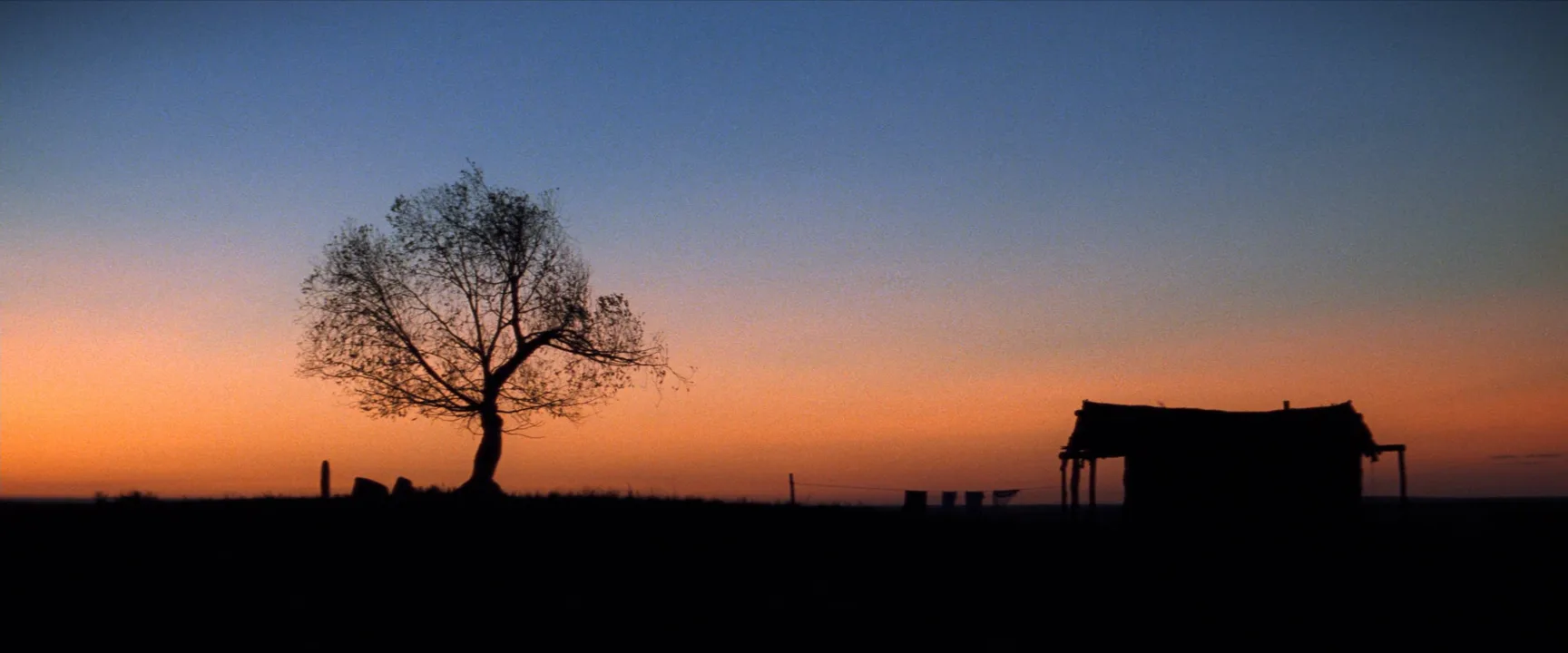
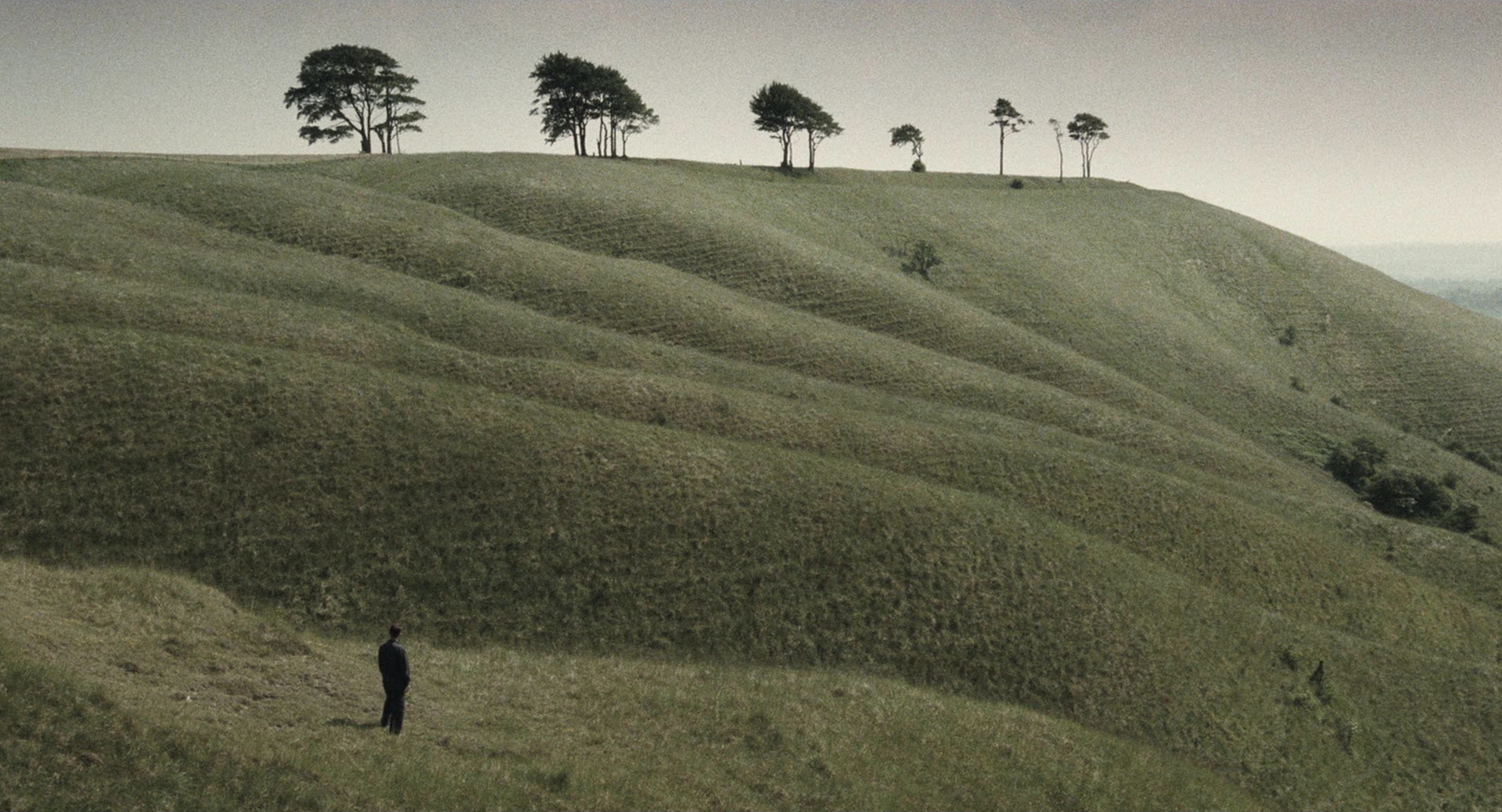
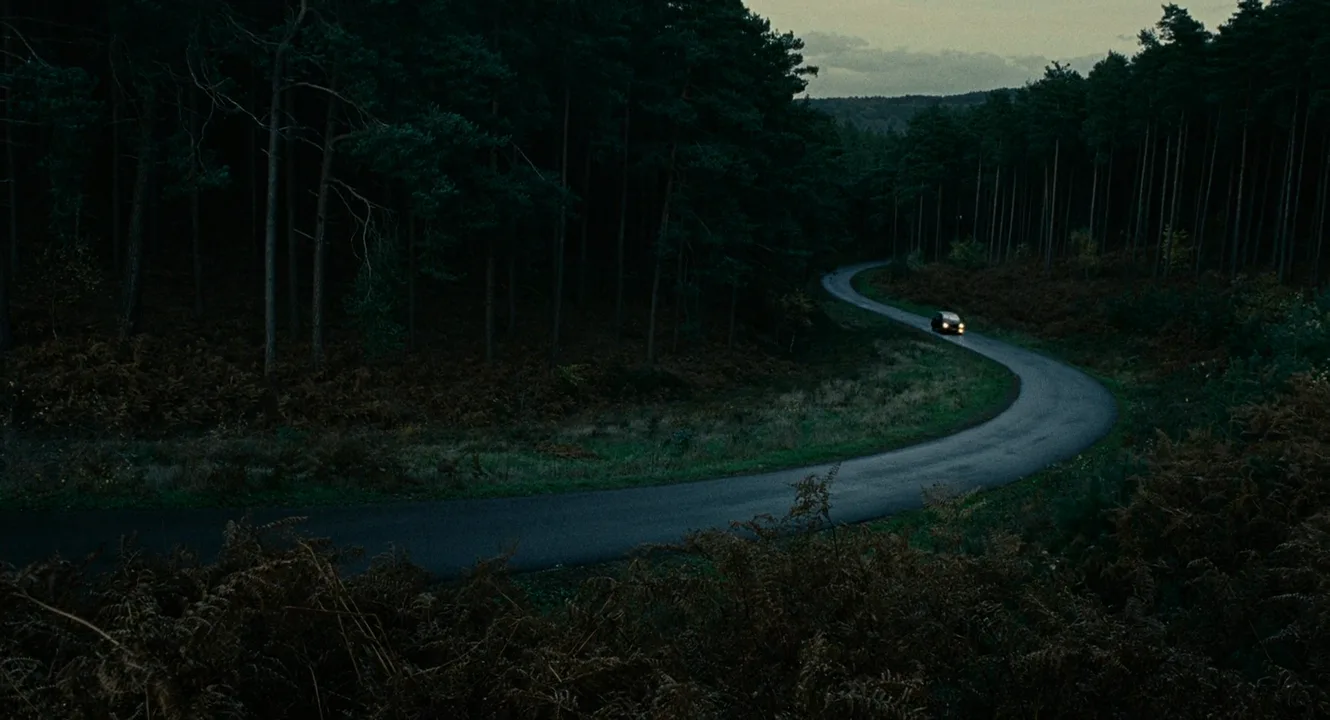
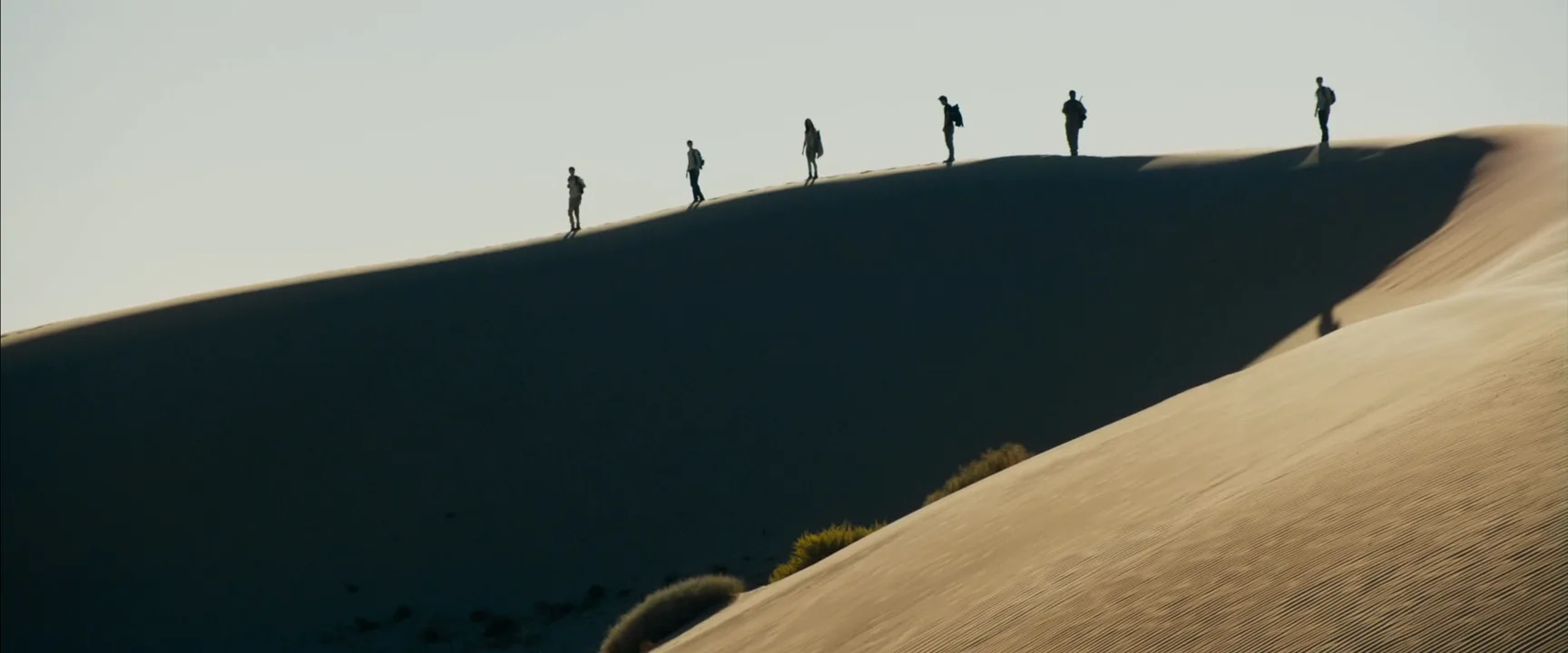
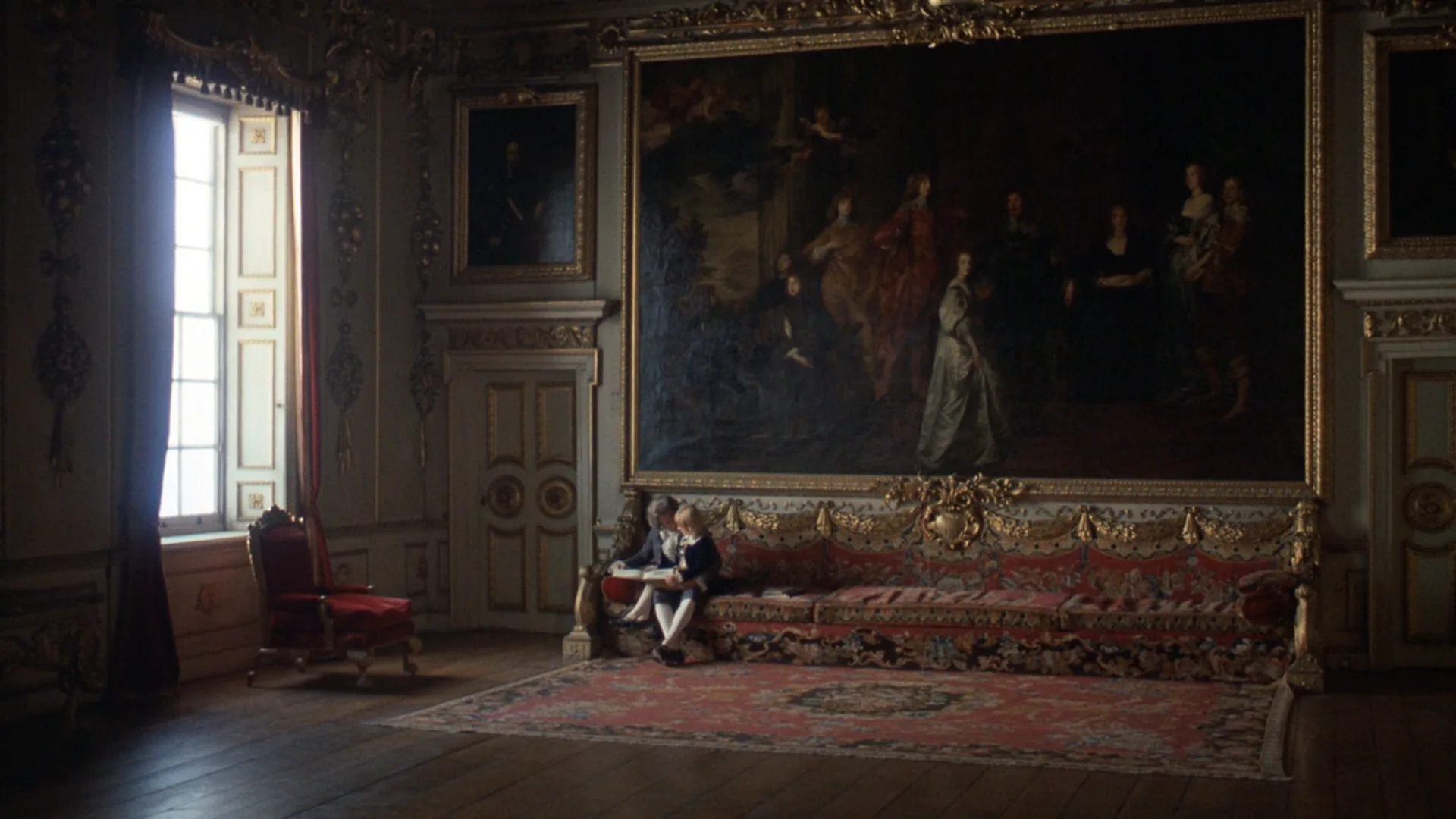
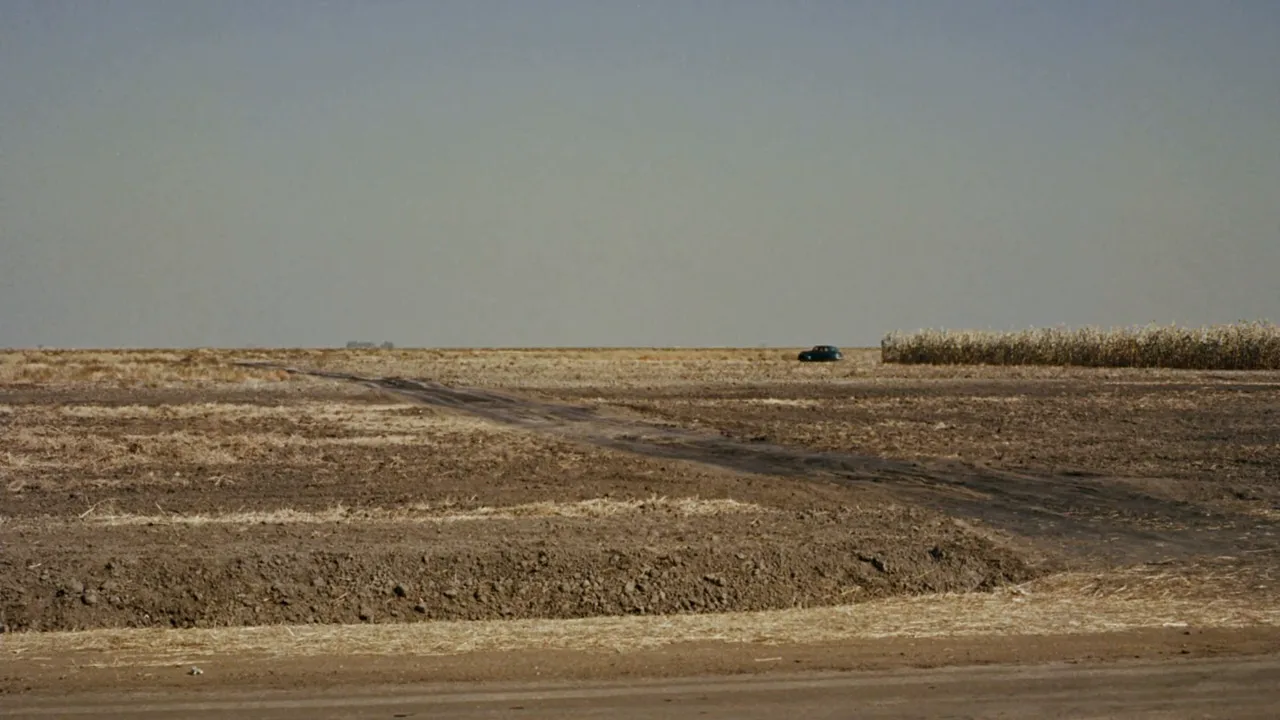
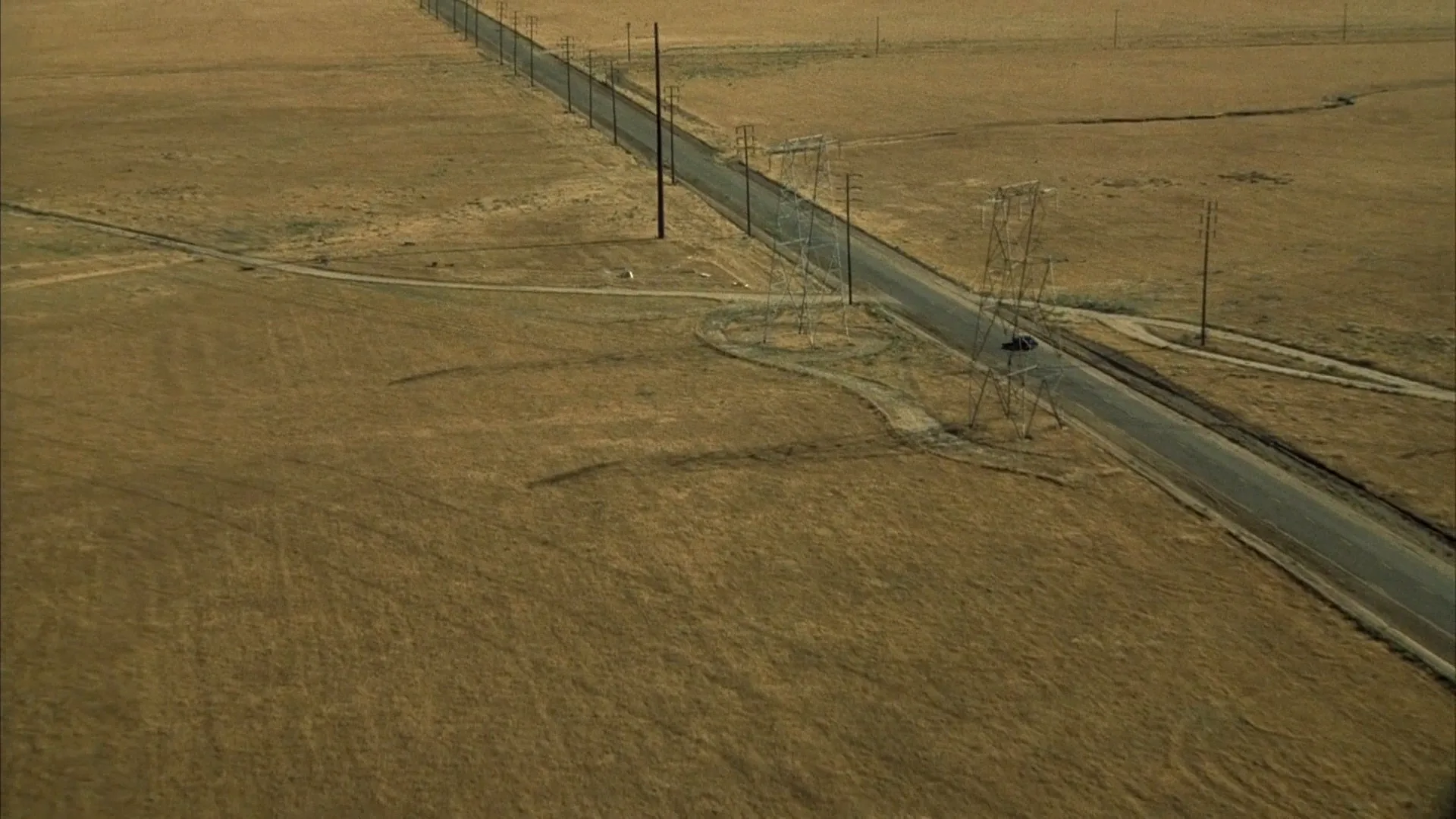
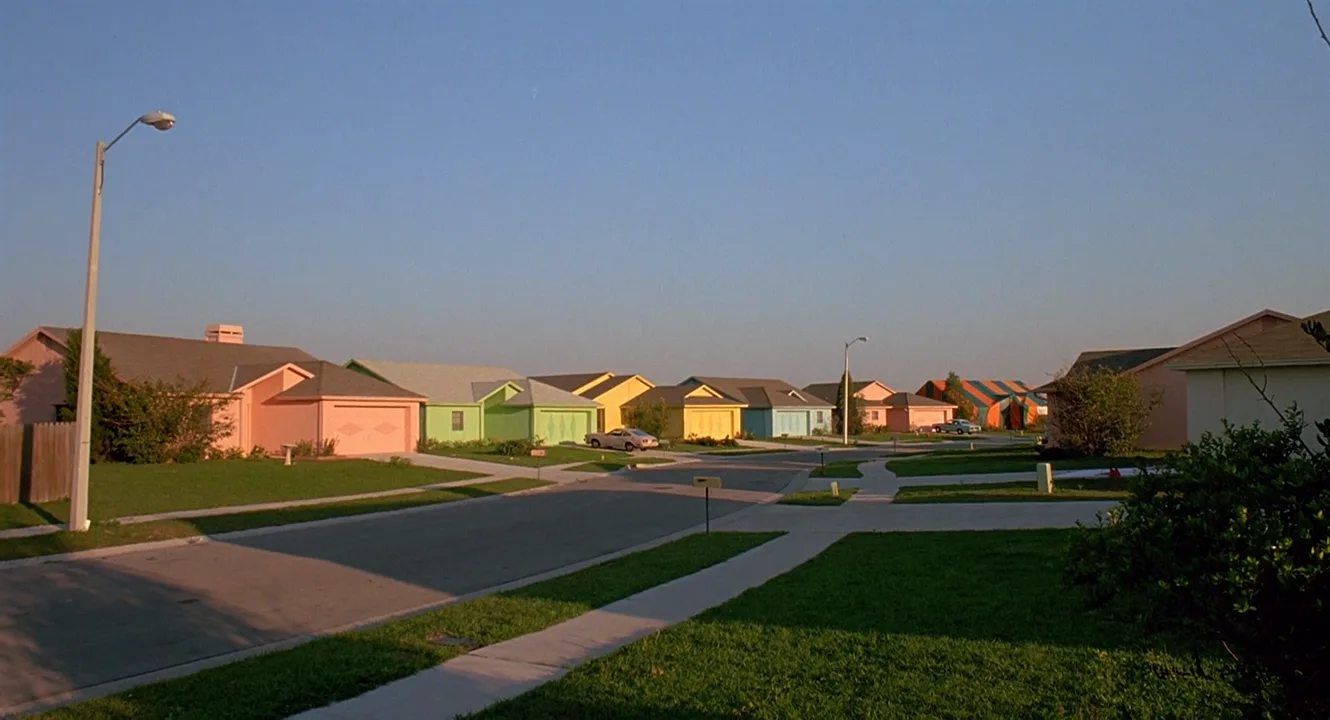
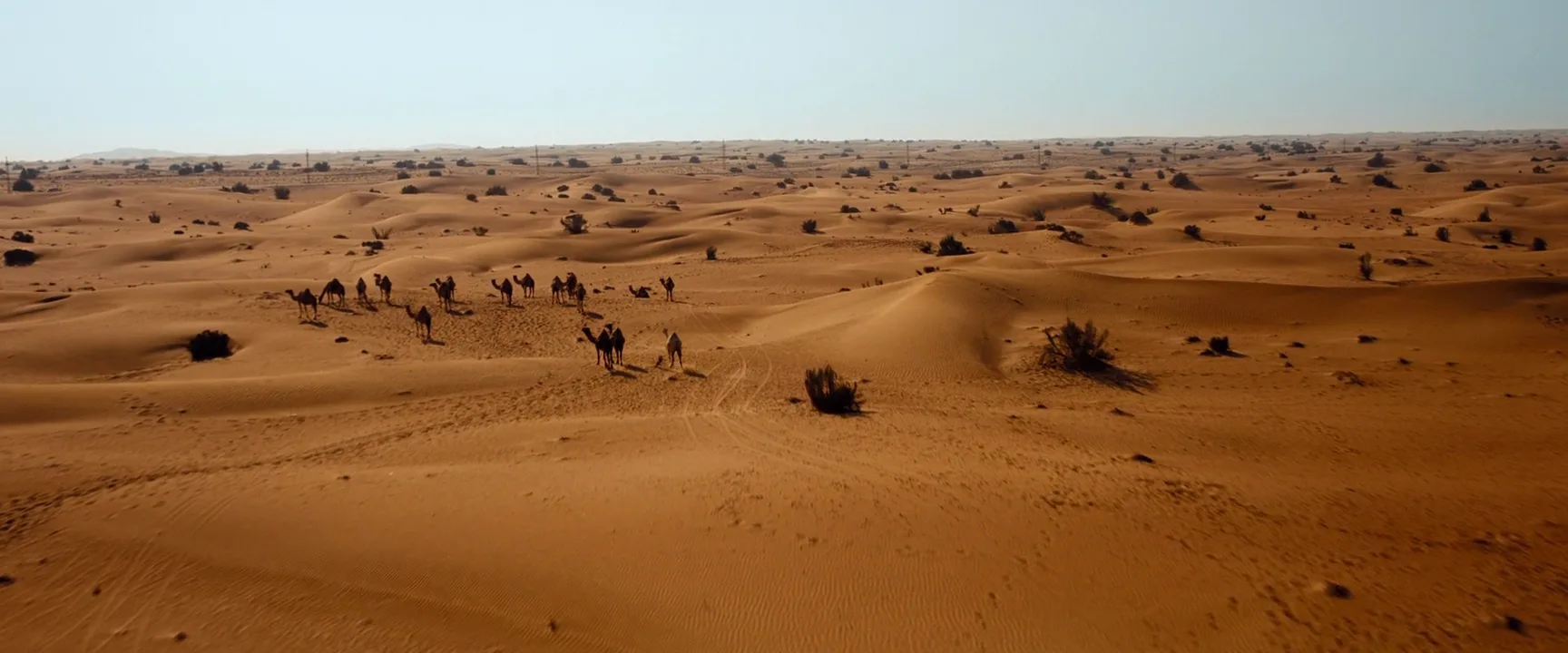
14 framesFourteen extreme long shots from westerns, epics, science fiction, thrillers and period drama. Notice how small the figure is in each, and what the space around it is doing.
How to create a extreme long shot with AI
4 promptsImage and video models love to make people big, so an extreme long shot needs explicit instructions about scale, not just the word wide. In FlashBoards, build the start frame with Nano Banana 2 Lite, try a second take with GPT Image 2.5 and animate the frame with MiniMax H3 Max Turbo, with these film frames pinned on the same board so you can compare which take keeps the figure truly tiny. The fourth prompt re-shoots a real film shot from a text description alone, and the original plays next to the result so you can compare.
Extreme long shot of a flat red desert under a huge pale-blue sky. A lone rider on horseback is a tiny dark silhouette no taller than 3% of the frame, on the horizon at the right third, a thin trail of dust behind the horse. Sky fills the top 80% of the frame, low horizon line. Late afternoon light, faint heat haze, deep focus, 24mm lens at eye level. Vast, empty, lonely, cinematic film still.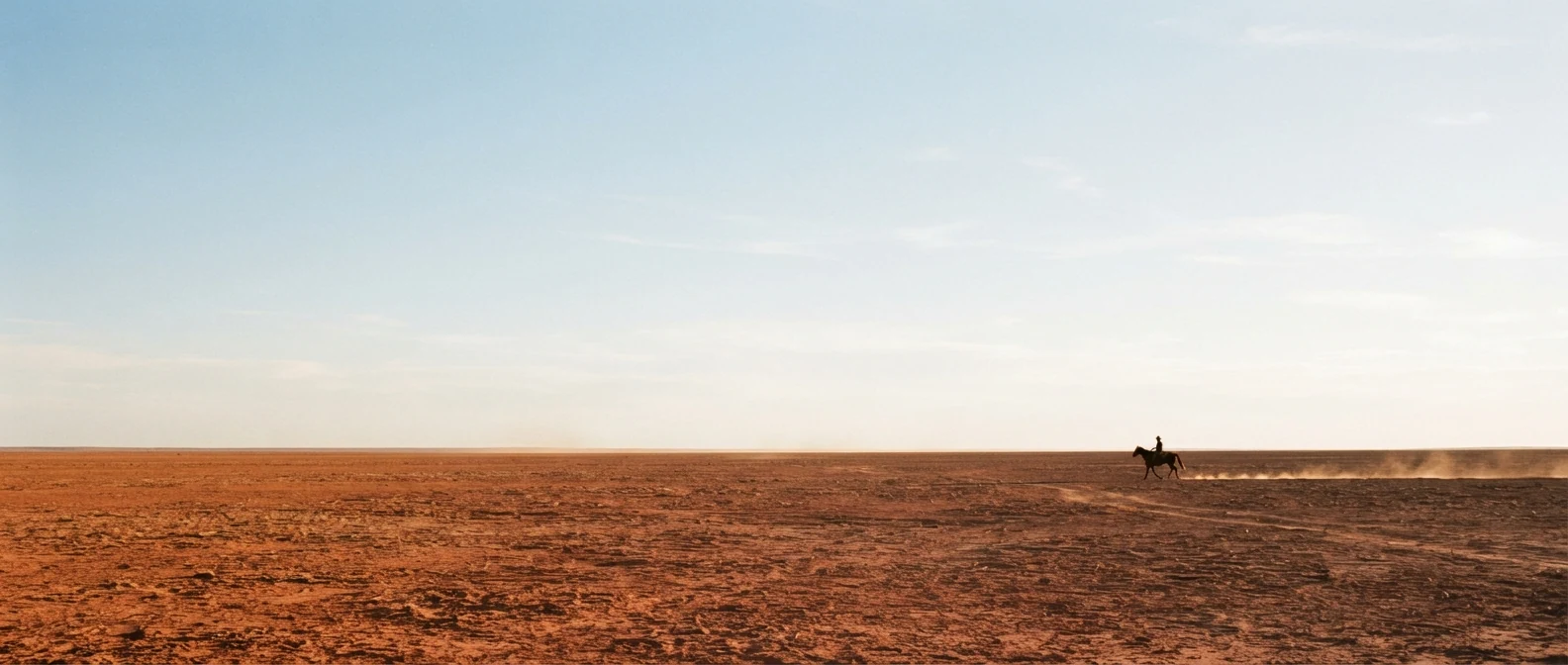
Tiny silhouette no taller than 3% of the frame gives the model a measurable scale instead of a vague wide. Sky fills the top 80% and low horizon line force the negative space. Heat haze adds the atmospheric depth that makes distance believable, and the trail of dust puts motion material into the start frame for the video recipe.
Open FlashBoardsExtreme wide shot from a distant hilltop, 400mm telephoto compression. A snow-covered mountain range rises behind a frozen lake; a single person in a red coat walks across the ice, a small red dot in the lower third. Overcast winter light, soft fog between mountain layers, muted grey-blue palette except the red coat.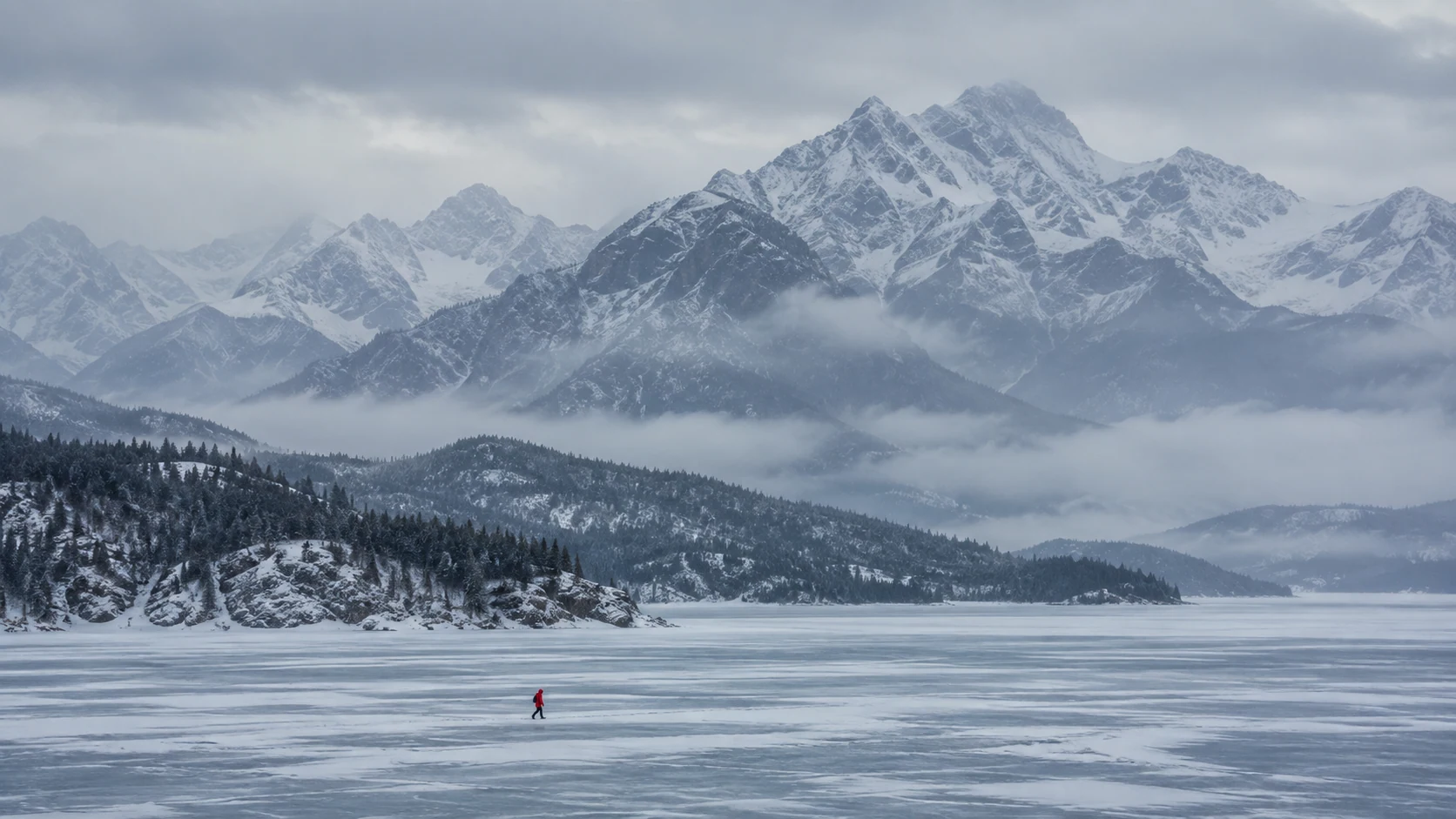
A second take with the opposite lens logic. 400mm telephoto compression stacks the mountains behind the figure so the landscape looms. Small red dot plus the muted palette keeps the figure readable despite its size. Fog between mountain layers separates the planes.
Open FlashBoardsCamera: locked off on a tripod, the frame never moves. Action: from the first frame the rider is already trotting slowly to the left along the horizon, and the thin trail of dust behind the horse drifts in the wind. In the middle the rider stays the same tiny size and moves from the right third toward the center, the dust hanging behind in the haze. At the end the rider slows to a walk just right of center, still a small dark silhouette, while heat haze shimmers over the red sand.Locked off stops the slow push-in that video models add to a still. Already trotting makes the shot alive from the first frame. Along the horizon and stays the same tiny size keep the rider from riding toward the lens and growing into a long shot; covering only part of the frame in 8 seconds is what makes the distance read. Dust, haze and sand are all in recipe 1's frame, so nothing new gets invented.
Open FlashBoards{
"output": "Full-screen live-action extreme long shot from Maze Runner: The Scorch Trials (2015), from its very first frame: one continuous shot. Modern digital cinema with a soft film grain, late-afternoon desert, low sun behind the dune on the right, pale hazy cream-white sky, warm beige sand, deep charcoal shadow face of the dune.",
"characters": {
"S1": {
"name": "the Gladers, the film's group of six young survivors, seen only as tiny silhouettes",
"look": "six dark silhouettes in single file, each no taller than 4% of the frame height: five young men with backpacks and loose travel clothes, one carrying a long stick over his shoulder, and one young woman with long hair wrapped in a long cloth, third from the left",
"voice": "silence: nobody speaks, no voice at all"
}
},
"shots": [
{
"shot": 1,
"camera": "static, locked-off on a tripod, long telephoto lens from far below and across the dunes; a huge sand dune fills the lower two thirds as a dark wedge, its shadowed face toward the camera, its sunlit slope bright in the lower right, the crest rising from the left edge to a peak near the right third; pale sky fills the top third; the figures stay tiny on the crest for the whole shot",
"action": [
"BEGINNING: alive from the first frame, S1 already walking in single file along the crest from right to left and slightly downhill, silhouetted against the pale sky, the rearmost man just stepping over the high right end of the ridge.",
"THEN: the line keeps walking left in small steady steps, heads down, each keeping the same gap to the next, a thin veil of sand blowing off the lit slope on the right.",
"THEN: the leader at the far left slows and stops, and one by one the others stop behind him, spread evenly along the crest.",
"THEN: all six turn their bodies toward the camera and stand still, looking down across the dunes below them.",
"END: six tiny dark figures stand motionless in a line across the middle of the crest, facing the camera, the vast dune and the empty sky around them unchanged."
],
"voice": "silence: nobody speaks in this shot, no voice at all",
"dialogue": []
}
],
"sound": {
"ambience": "steady desert wind hissing over sand, faint crunch of footsteps heard from far away",
"speech": "no words in this video; the only human sounds are breaths and movement",
"never_spoken": "no narration and no voice-over: the descriptions, performance notes and step words of this prompt are never spoken aloud",
"music": "a film score under the scene, always below the voices: a low sustained synth drone with slow, distant percussion swells, lonely and ominous",
"subtitles": "none"
}
}Remakes the dune-ridge shot from Maze Runner: The Scorch Trials (2015): the prompt carried over the static telephoto frame, the six silhouettes walking right to left along the crest, and the moment they stop and turn toward the camera.
Each no taller than 4% of the frame height pins the scale, so the six silhouettes never grow into a long shot. Static, locked-off with a long telephoto lens keeps the dune as one flat wedge, and pale sky fills the top third gives the negative space. The only beat is the line stopping and turning to face the camera, so the landscape stays the subject for all ten seconds.
Open FlashBoardsCommon mistakes
- The figure grows. Models drift toward a readable person. State a size (a tiny silhouette, no taller than 3–5% of the frame) and name what fills the rest.
- Wide lens, medium subject. Writing only wide-angle often gives a wide lens on a long shot. Say extreme long shot or extreme wide shot and add a distance cue: seen from two kilometers away, from a distant hilltop.
- Postcard landscape. Without a figure or a known-size object, scale disappears. Add one small human, vehicle or building for reference.
- Limbs melt in video. At tiny sizes, walking figures distort. Keep them as silhouettes and keep the motion simple and slow.
- Frozen start and unwanted push-ins. Given a still, the video model tends to zoom slowly toward the subject. Lock the camera off or name the exact move and its speed, and start
Action:with motion that is already happening. - Negatives that backfire. “No buildings on the horizon” can put buildings there. Describe what is there instead: “an empty, flat horizon line.”
- Centered horizon. Ask for a low or high horizon line explicitly.
Keep the reference frames, prompts and every generated take side by side — images and video in one canvas.
FAQ
5 questionsWhat is the difference between an extreme long shot and a long shot?
In a long shot the whole figure is visible and large enough to read posture, costume and often the face, with setting around it. In an extreme long shot the figure is so small it becomes a detail in the landscape, or it is absent. A simple test: if you can tell which actor it is, it is a long shot; if you cannot, it is extreme.
Is an extreme wide shot the same as an extreme long shot?
Yes. Extreme wide shot (EWS) and extreme long shot (ELS, XLS) are interchangeable names for the same framing, where the environment dominates and people are tiny or absent. Wide is more common on American sets and shot lists, long in older film textbooks. Pick one set of abbreviations and use it consistently.
What lens do you use for an extreme long shot?
Either end works, with different results. A wide lens, roughly 14–28mm, exaggerates depth and makes space feel endless. A long telephoto, 200mm and up from far away, compresses layers so mountains or a city loom over the figure. The lens matters less than the ratio: the subject must stay very small in the frame, and everything should hold sharp.
Is an extreme long shot the same as an establishing shot?
Not quite. Extreme long shot is a size: how big the subject is in the frame. Establishing shot is a function: the shot that tells the audience where and when a scene happens, usually placed first. An extreme long shot of a city often establishes, but an establishing shot can also be a building exterior or a street sign in a closer framing.
What emotions does an extreme long shot create?
Mostly scale-driven feelings: awe at a huge landscape, loneliness when one figure sits in empty space, vulnerability or dread when the environment looks hostile, and calm when the shot lingers after an intense scene. Because the viewer cannot read faces, the emotion comes from the relationship between the small figure and the space, plus light, weather and sound.
Related terms
5- Long ShotCamera Shots
A long shot (wide shot) shows the full figure with plenty of surroundings around it, so the audience reads both a character's body language and their relationship to the place.
- Establishing ShotCamera Shots
An establishing shot opens a scene or sequence by showing where — and often when — it takes place, typically a wide view of a building, street, city or landscape before the film cuts closer to the characters.
- Aerial ShotCamera Shots
An aerial shot is filmed from a camera in the air — a helicopter, drone or plane — high above the scene, revealing geography, scale and movement across a landscape or city that no ground position could show.
- Negative SpaceComposition & Framing
Negative space is the empty area around a subject — sky, wall, darkness, water — deliberately left large so the subject feels isolated, small, lonely or expectant, and the eye settles on it.
- Group ShotCamera Shots
A group shot holds several characters in one frame as a unit, letting the audience read their positions, hierarchy and reactions at once instead of cutting between singles.
Further reading
Joseph V. Mascelli, The Five C's of Cinematography (1965). Daniel Arijon, Grammar of the Film Language (1976). Steven D. Katz, Film Directing Shot by Shot (1991).